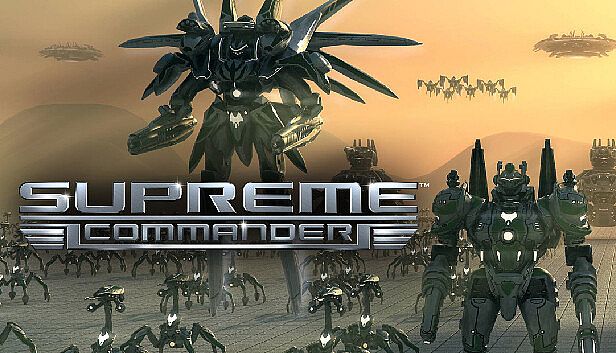












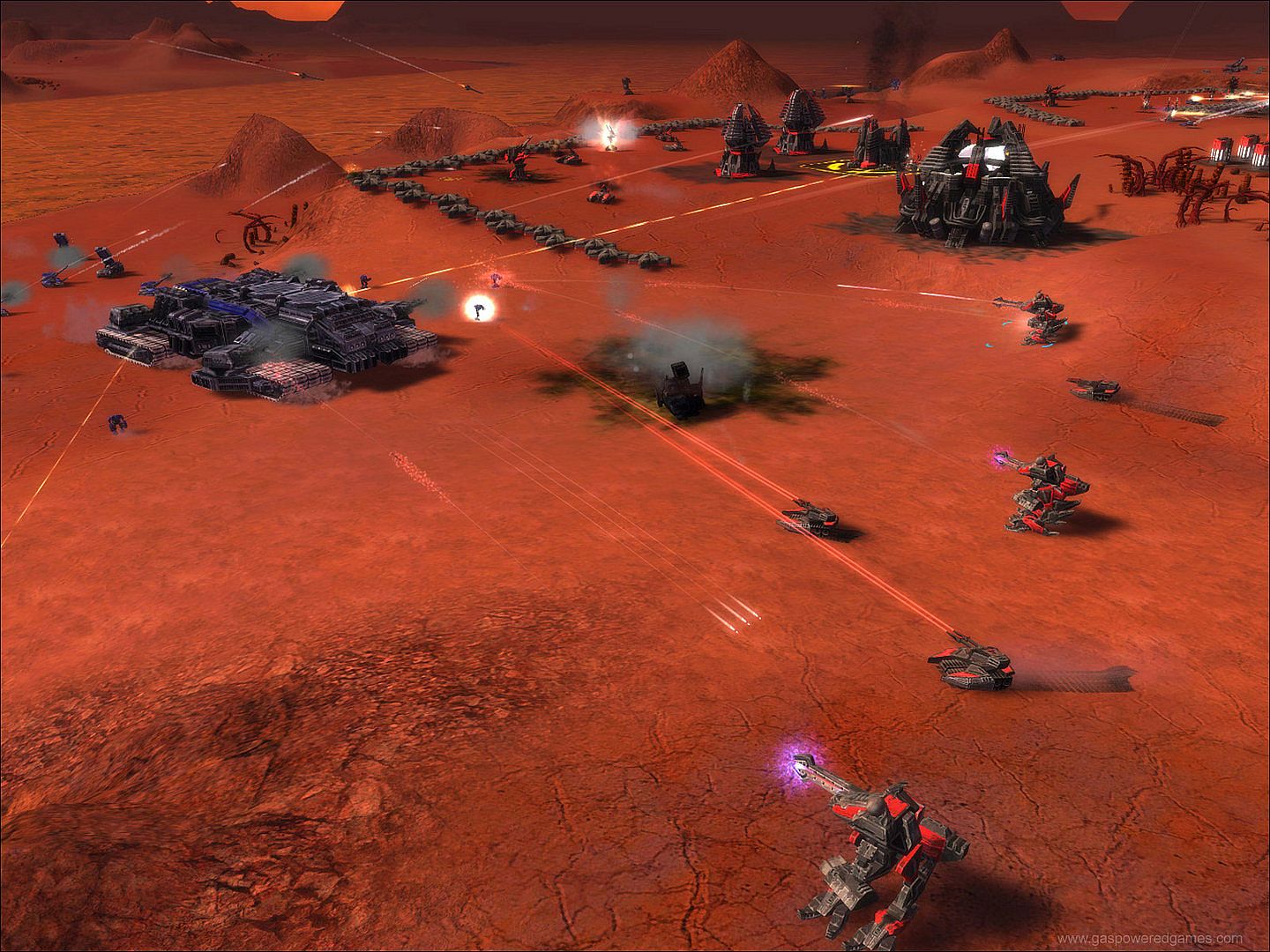
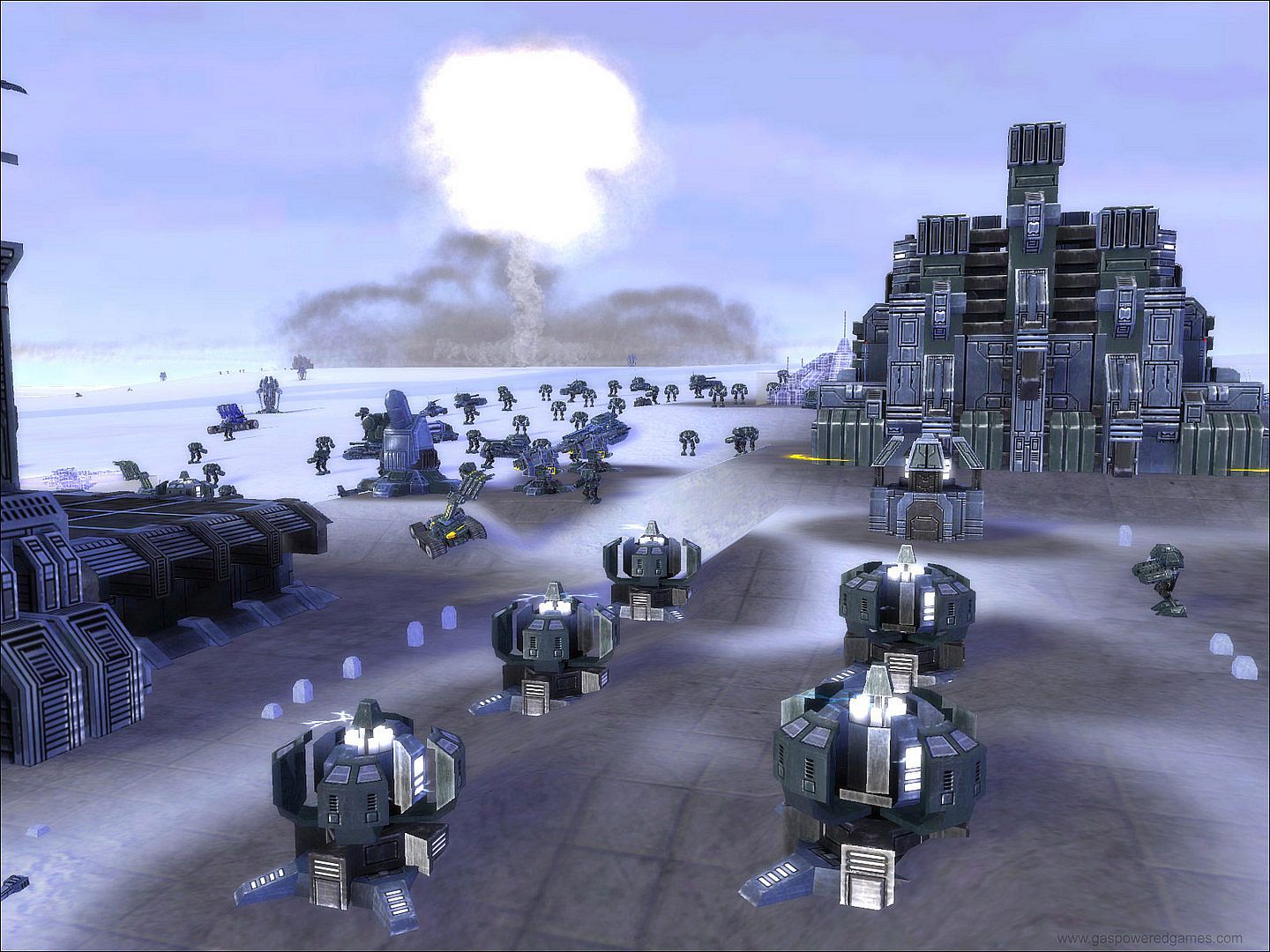
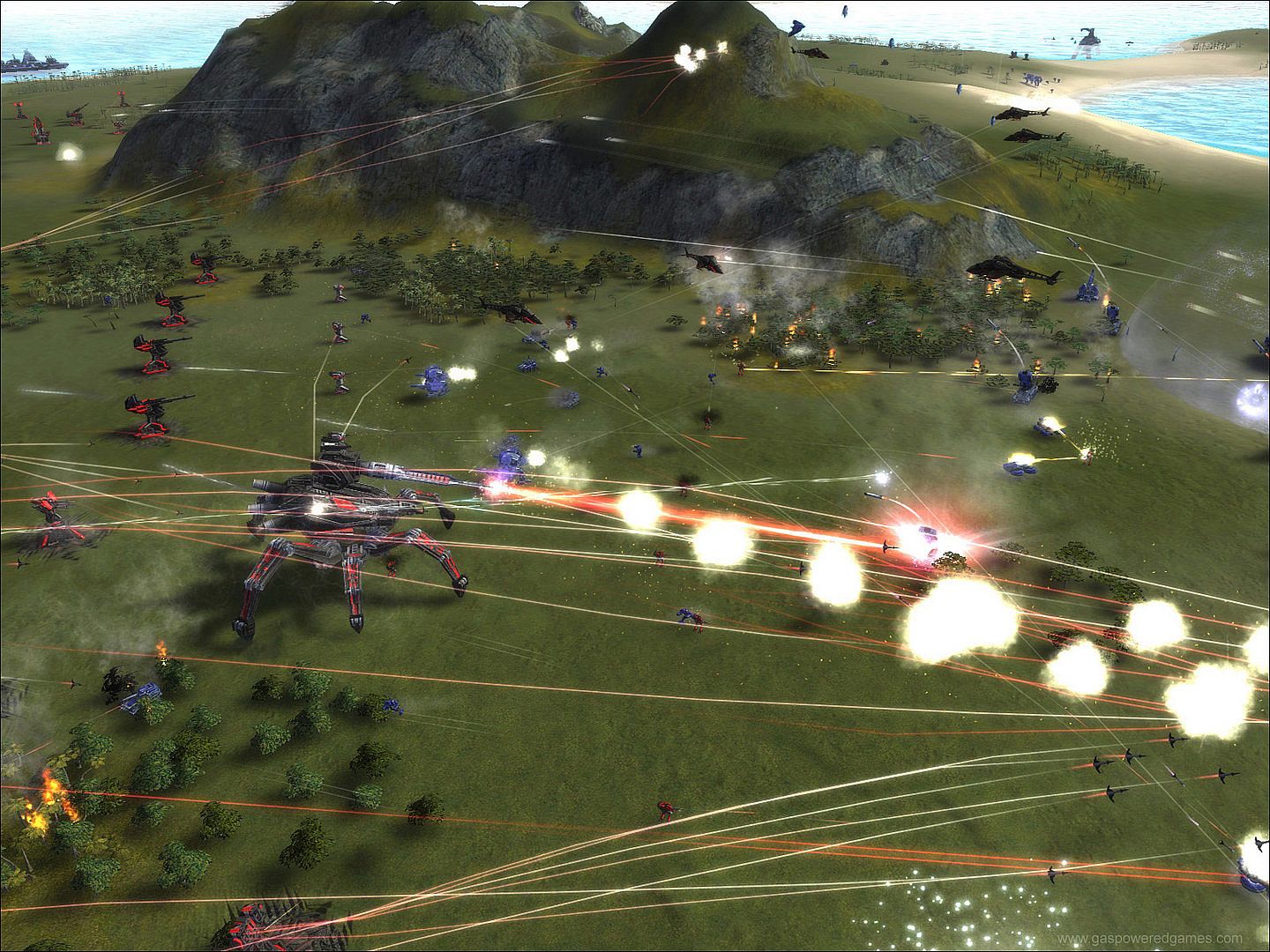
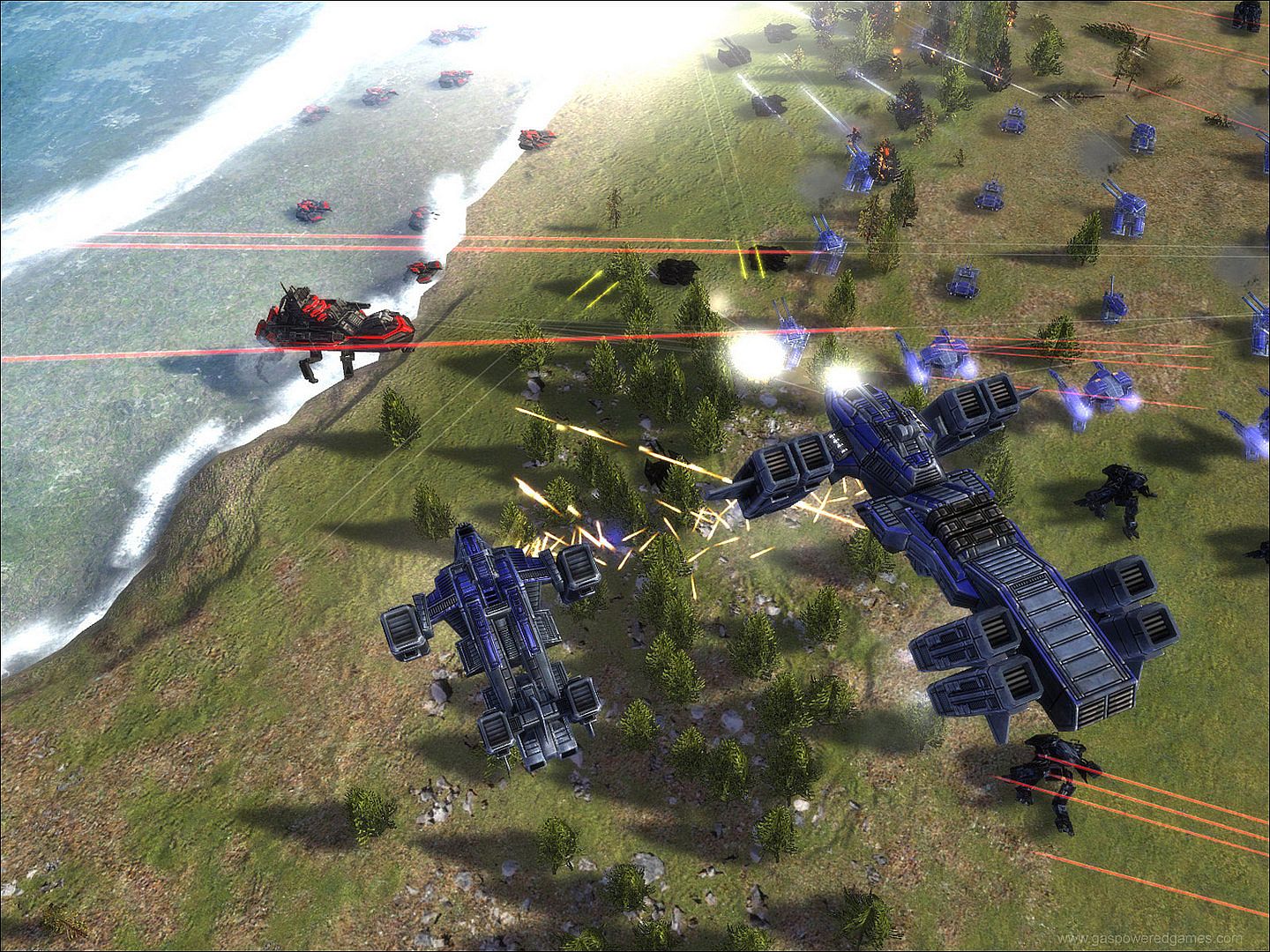
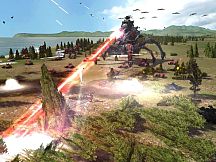
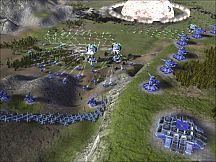
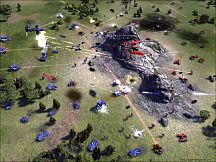
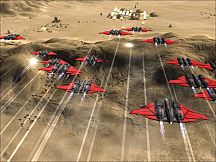
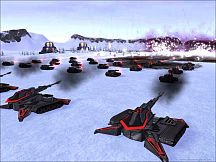
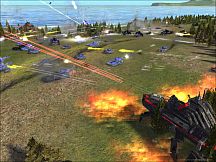
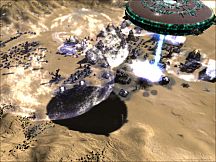
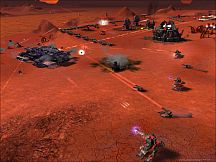
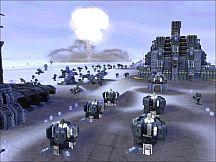
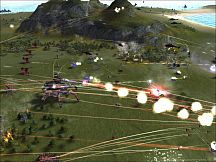
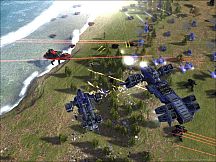
Supreme Commander stands as a real-time strategy title centered on large-scale warfare across expansive maps in a galaxy locked in endless conflict. Three factions clash without possibility of truce, each convinced its ideology alone deserves to prevail. Players assume command of one side and direct every aspect of the war effort from resource gathering to unit production and battlefield maneuvers. The core experience revolves around managing a vast economy while advancing through technology levels to field increasingly powerful forces, all while protecting a mobile commander unit that serves as both builder and frontline asset.
Gameplay
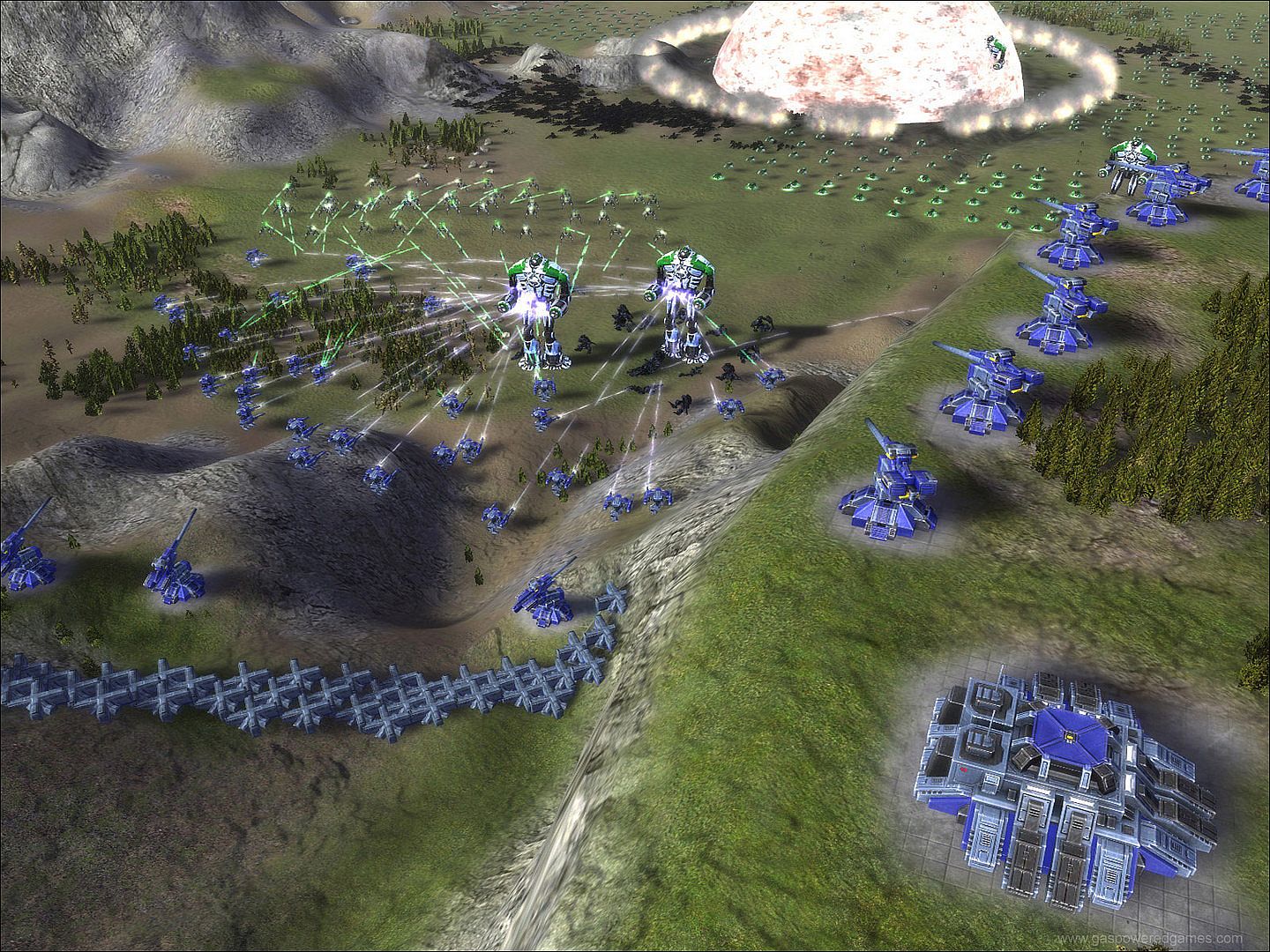
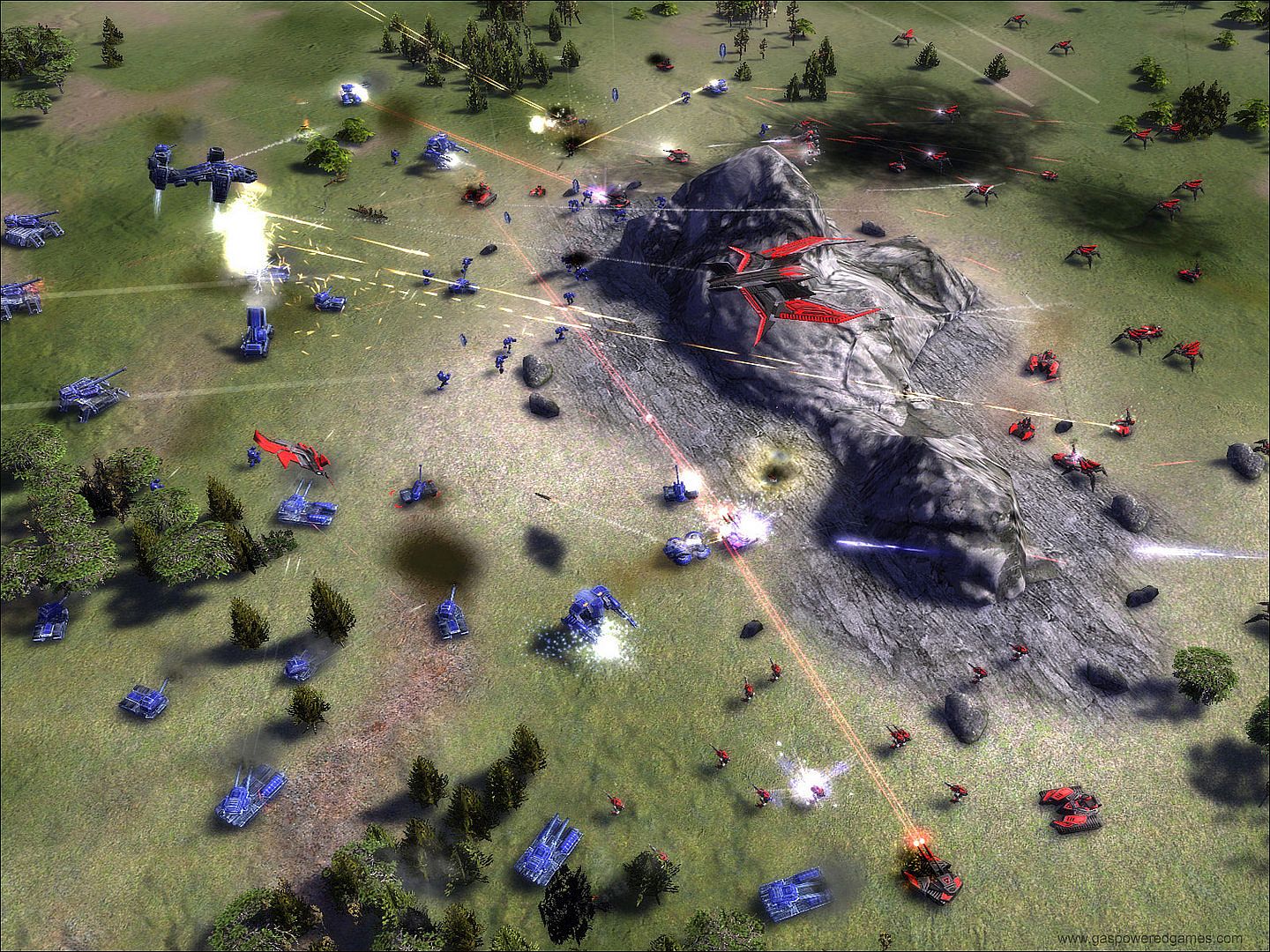
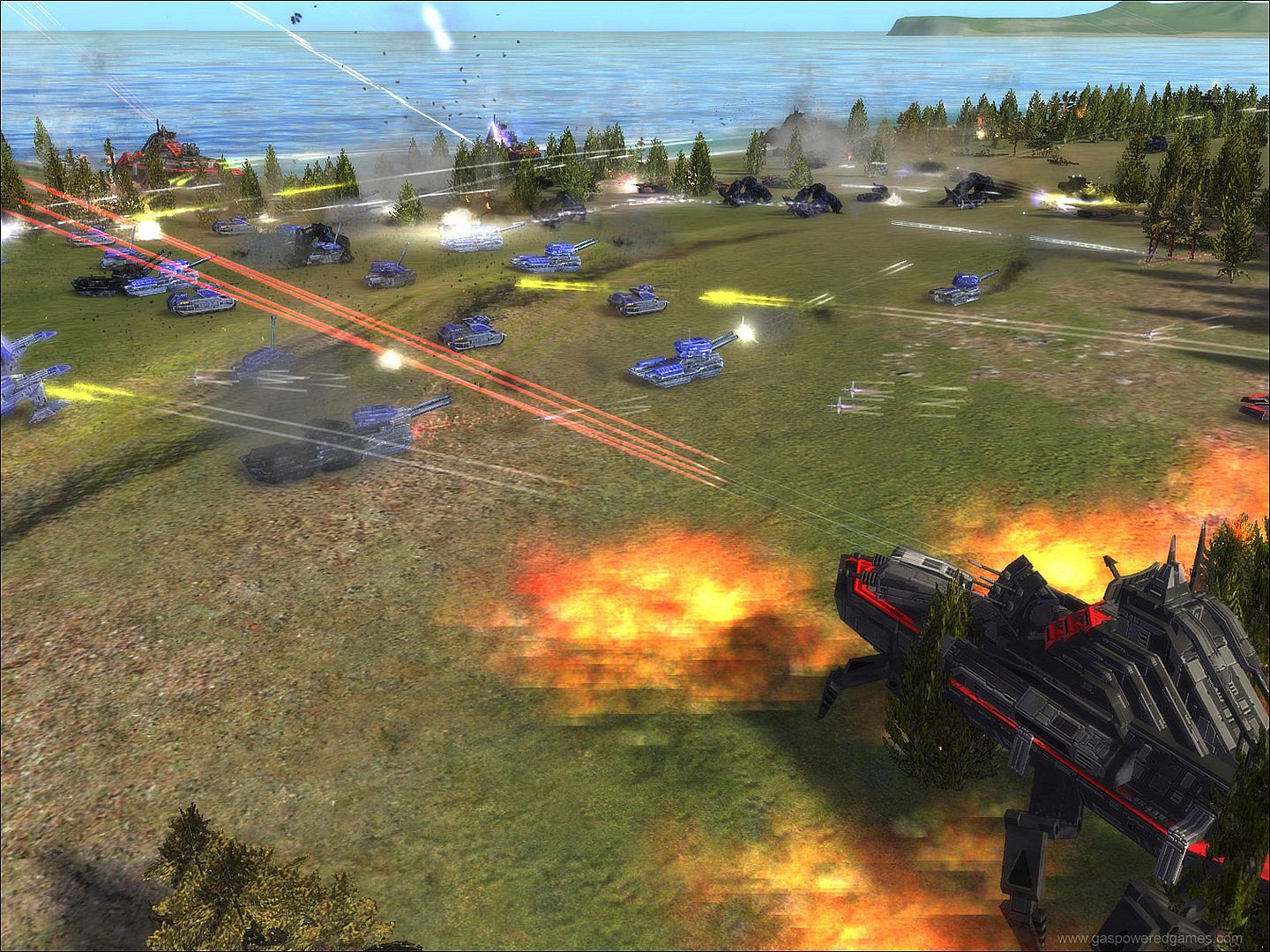
The gameplay loop emphasizes strategic oversight on maps that dwarf those in most other strategy games. Players start with a commander unit capable of constructing factories, resource extractors, and defensive structures. Economy management requires balancing mass and energy production to sustain continuous unit output. Technology progresses through tiers, unlocking advanced units and experimental weapons that can turn the tide of engagements. Battles unfold over vast distances, demanding careful positioning of forces and anticipation of enemy movements. The commander unit remains central, as its survival often determines victory, yet it can also lead assaults or support construction efforts directly.
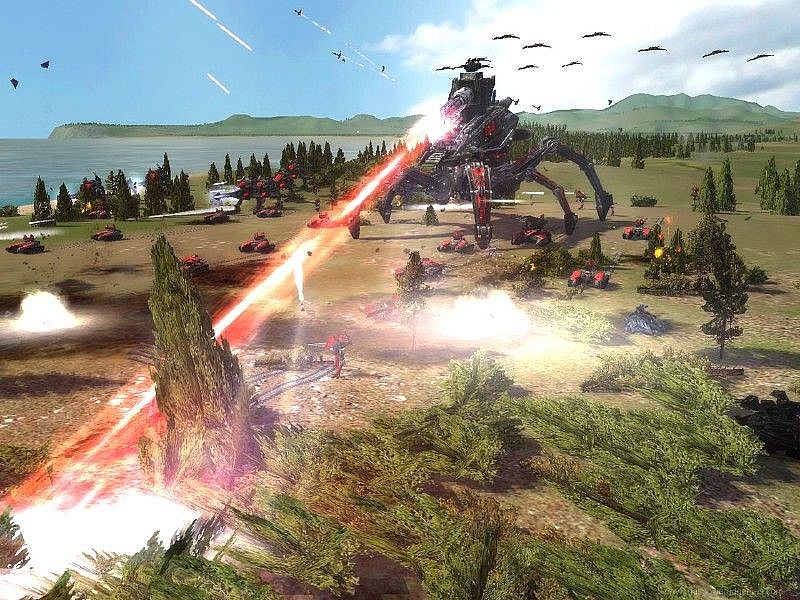
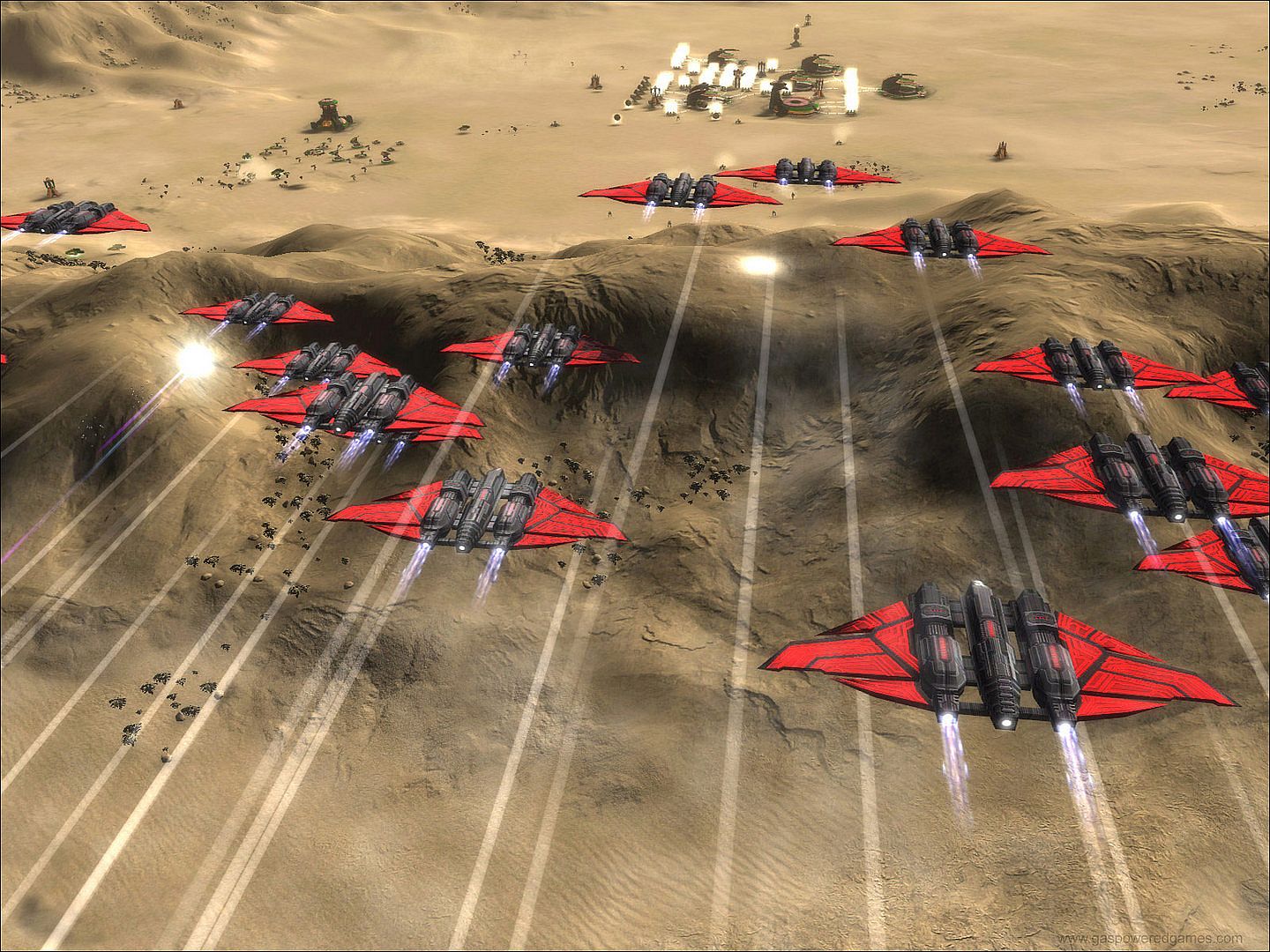
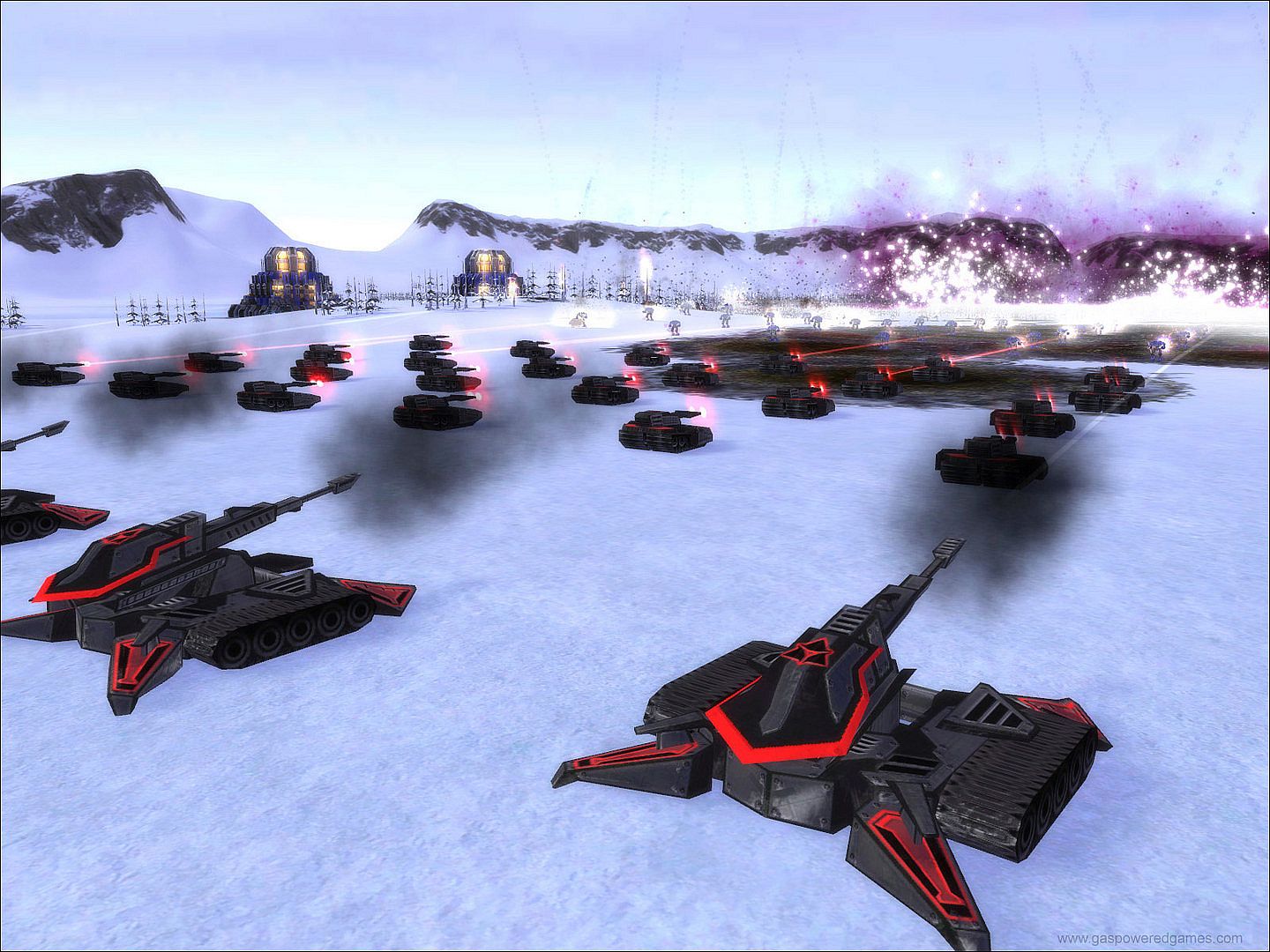
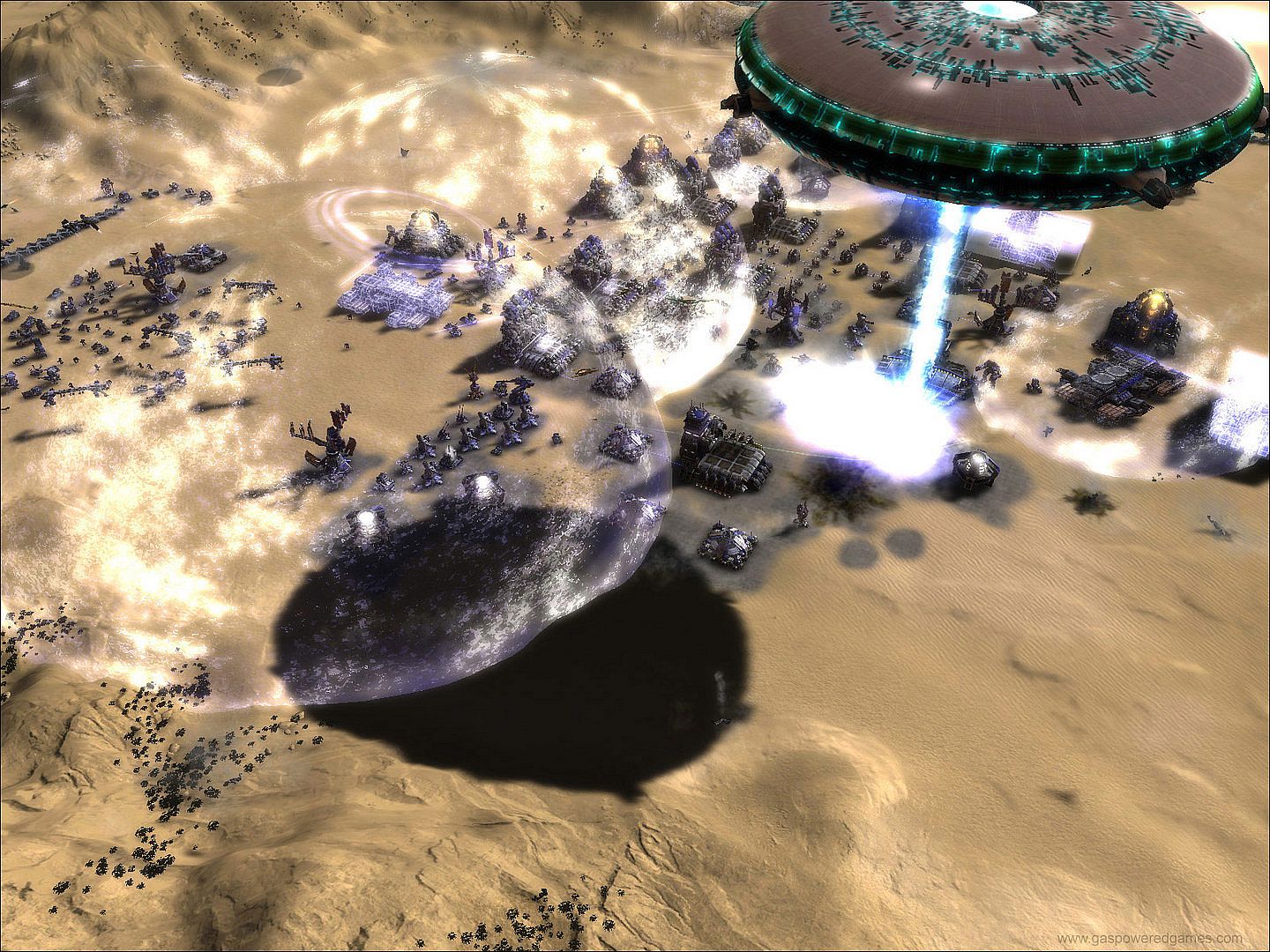
Each faction brings distinct unit designs and tactical approaches. The United Earth Federation relies on durable conventional armor and heavy ballistic weapons. The Aeon Illuminate favors efficient, specialized vehicles with energy-based armaments and shielding. The Cybran Nation employs stealth, hacking, and adaptable robotic forces. These differences encourage varied strategies even when facing the same objectives. Pathfinding and unit control scale with army size, rewarding players who maintain clear command hierarchies and adapt to shifting fronts.
Game Modes
Multiple game modes support both singleplayer skirmishes and multiplayer matches. Supremacy requires the complete elimination of all enemy engineers, commanders, and structures to claim victory. Annihilation focuses on destroying every opposing unit and building until nothing remains. Assassination centers on eliminating the enemy commander while allowing other forces to persist. These configurations alter priorities and pacing, shifting emphasis between base defense, economic disruption, and direct commander hunts. Skirmish options against AI opponents provide practice opportunities, while multiplayer sessions enable direct competition across the same rulesets.
Factions and Mechanics
Faction choice influences every decision from early expansion to late-game experiments. Shared systems include tiered technology, engineer units for construction, and experimental superweapons unique to each side. Resource nodes on maps dictate expansion routes, and radar coverage becomes essential for detecting distant threats. Stealth and counter-stealth tools add layers of deception, particularly for Cybran players. The scale encourages macro-level planning alongside micro adjustments during clashes, creating sessions that can last hours as bases sprawl and armies collide.
Is It Worth Playing?
Supreme Commander delivers a distinctive real-time strategy experience defined by its emphasis on scale and economic depth. Players who enjoy managing sprawling operations and experimenting with faction-specific tactics find substantial replay value in both solo campaigns against AI and competitive matches. The game maintains an active community years after release, with consistent positive feedback highlighting its strategic complexity and sense of epic confrontation. Those seeking fast-paced action or smaller-scale engagements may find the pace and map sizes demanding, while enthusiasts of deliberate, large-scale planning often return for its unmatched scope. Availability on PC keeps it accessible for new players interested in classic strategy design.