





















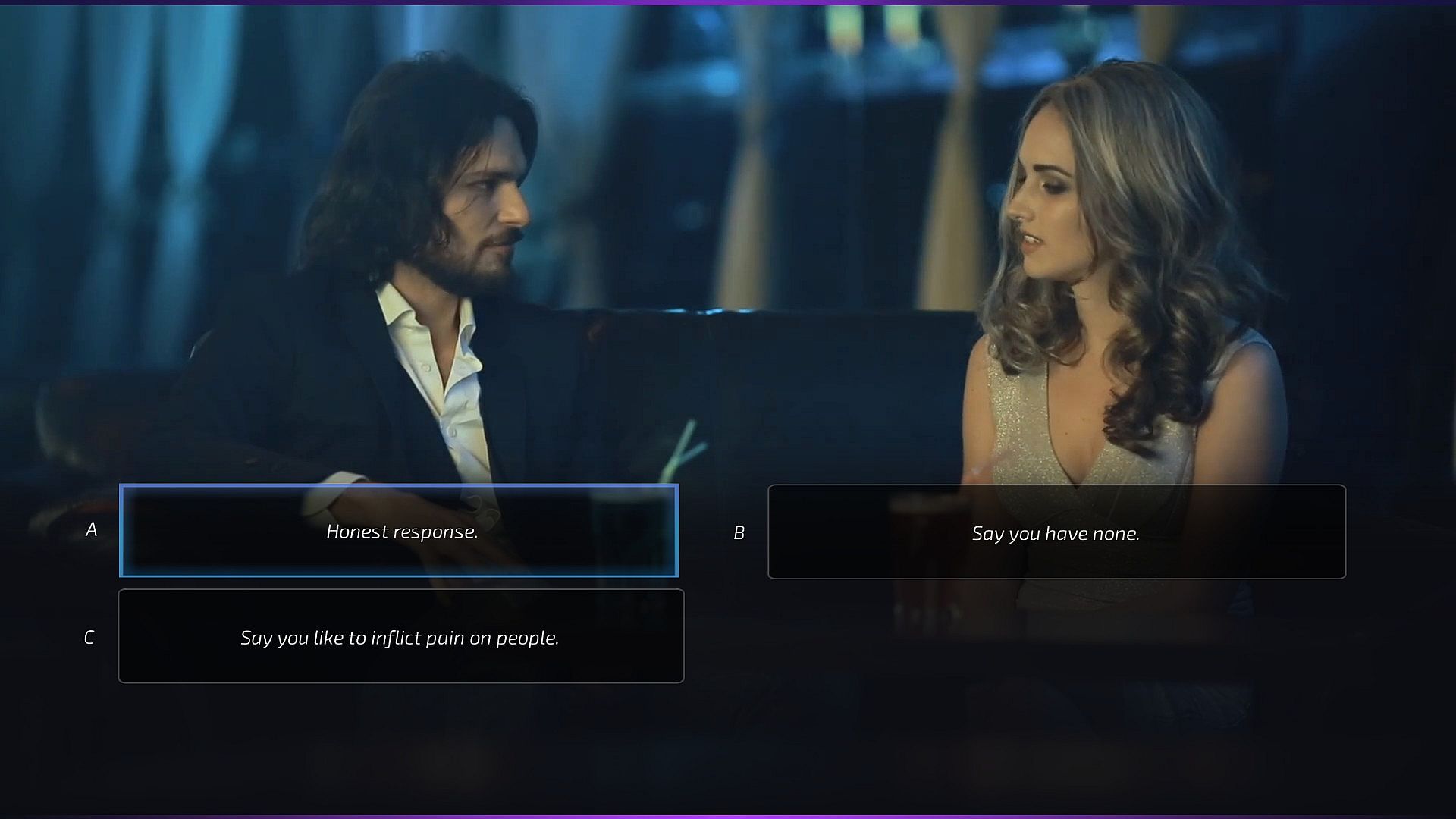

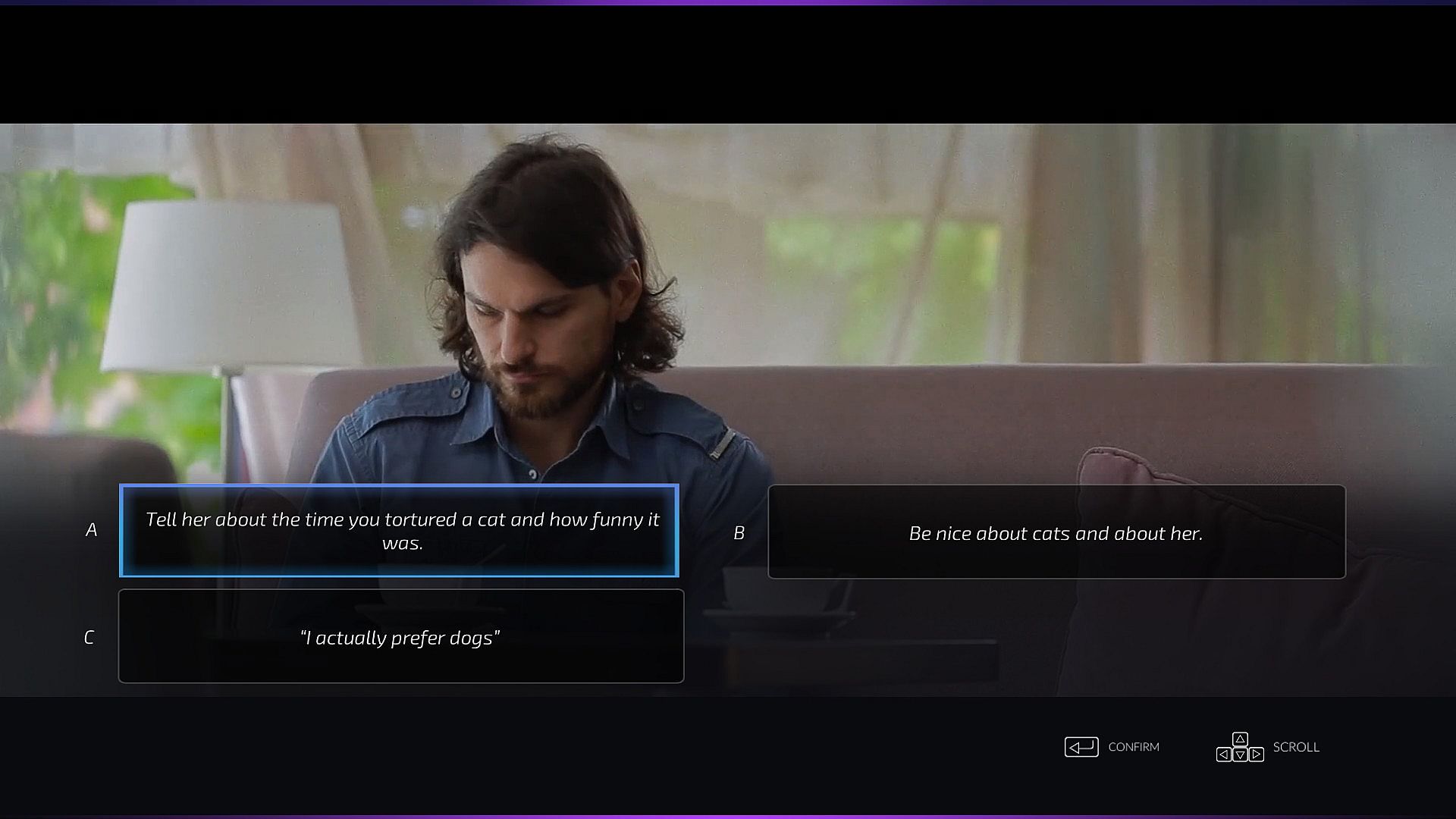

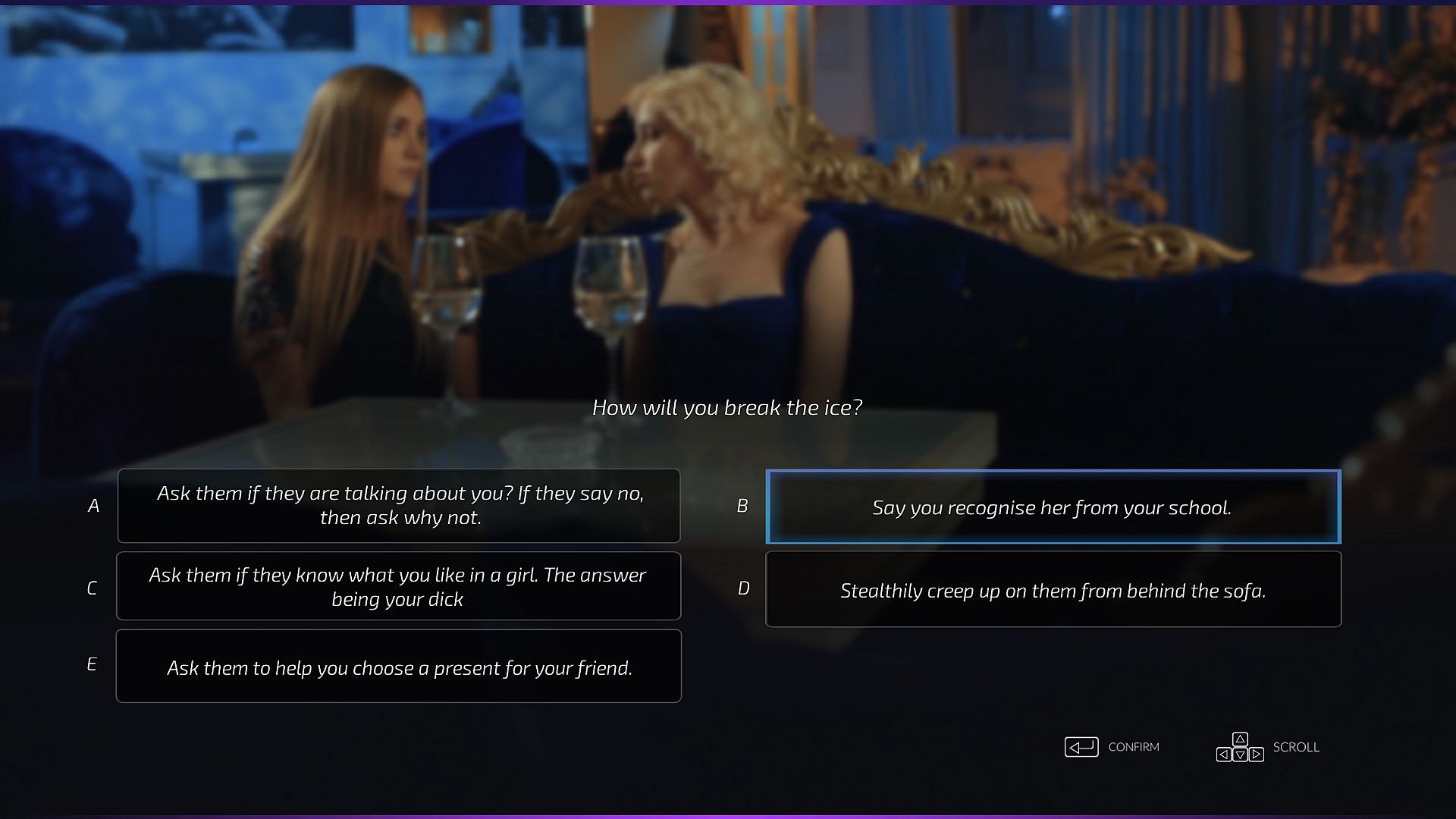





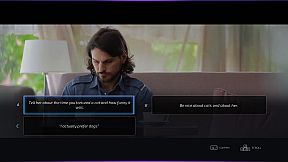

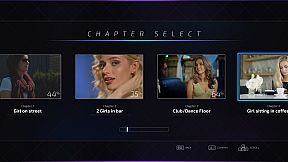




Super Seducer How to Talk to Girls is a single-player strategy simulation game that combines RPG progression with casual adventure elements through full-motion video scenarios. Players take on the role of someone learning seduction techniques in everyday settings such as coffee shops, offices, and bars. The experience centers on making decisions during conversations with women, receiving direct commentary on each selection, and observing the resulting outcomes across multiple possible paths.
Gameplay
The core loop involves watching live-action video segments that present realistic social situations. At key moments, players select from a range of dialogue options or actions. Each choice triggers immediate feedback that explains the underlying psychology and practical implications. Correct selections advance the interaction toward positive results, while incorrect ones lead to awkward rejections or other negative consequences. The system emphasizes trial and error, allowing players to test unconventional ideas and see their direct effects without real-world stakes. Over time, the accumulated advice builds a framework for recognizing effective patterns in attraction and communication.
Scenarios draw from common real-life encounters, with branching paths determined by cumulative decisions. The game includes hundreds of individual choices spread across extended video content, resulting in varied endings for each scenario. Feedback comes from an in-game expert who breaks down why certain approaches succeed or fail, covering subtle cues, timing, and mindset shifts. This structure encourages repeated playthroughs to explore alternatives and refine understanding of the mechanics.
Game Modes
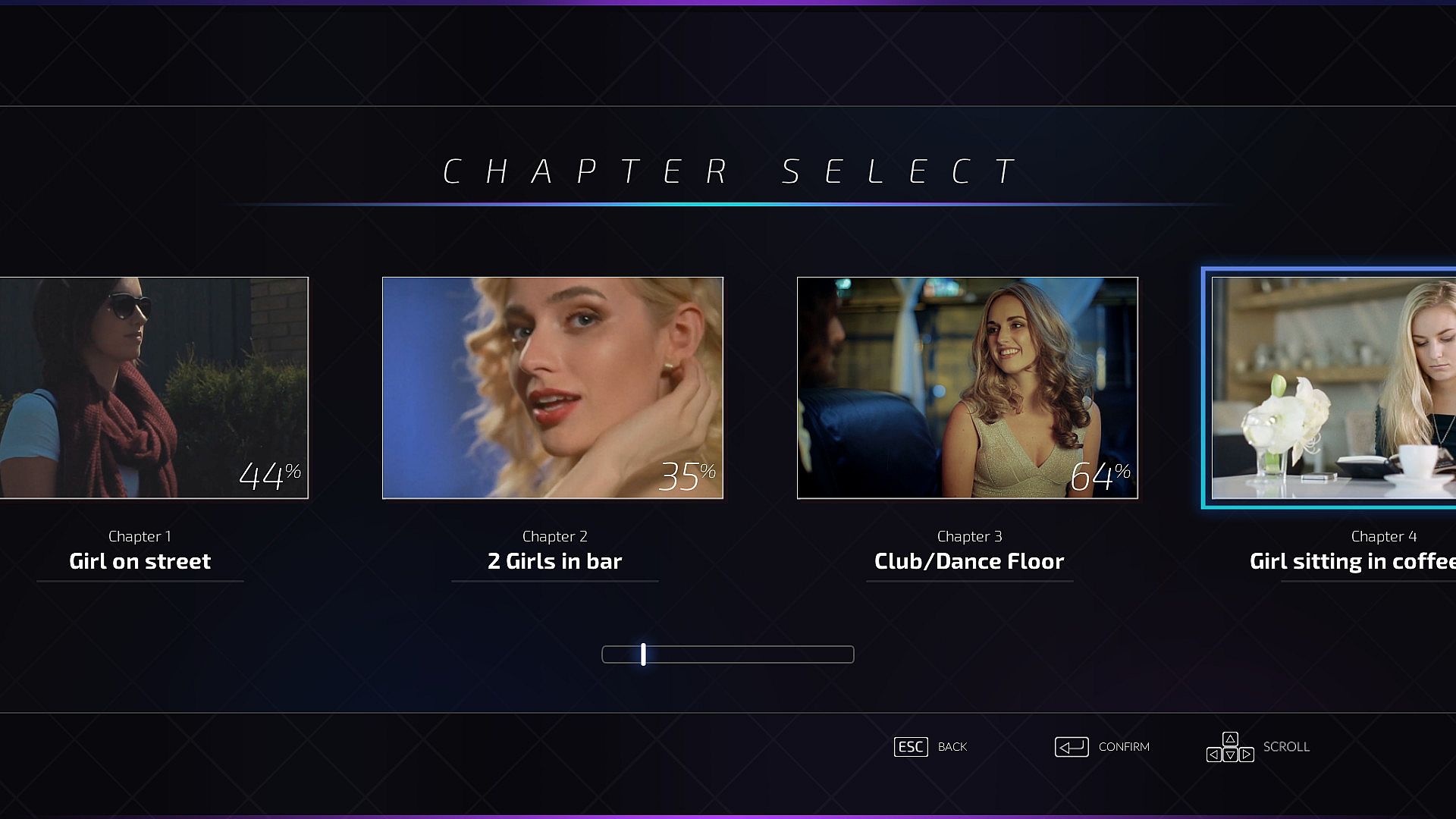
The game operates as a single-player experience focused on narrative branching and decision-making. There are no separate competitive or cooperative modes. Instead, the structure revolves around a series of self-contained scenarios that players navigate independently. Each scenario functions as a self-contained module with its own set of choices and conclusions, allowing focused practice on specific social contexts. Modifiers available in some playthroughs let players adjust difficulty by removing certain joke options or altering feedback visibility, providing a way to tailor the challenge level without changing the fundamental single-player format.
Progression occurs through completion of scenarios and discovery of different endings. Players can revisit sections to compare outcomes or follow an ideal path presented as a continuous video. This setup keeps the emphasis on personal experimentation rather than multiplayer interaction or seasonal content.
Key Mechanics and Features
Attraction techniques form the central system, presented through practical examples tied to real scenarios. Players learn specific approaches for building rapport, escalating interest, and handling objections. The feedback layer adds depth by explaining the reasoning behind each recommendation, turning the simulation into an educational tool alongside its entertainment value. Multiple endings per scenario reward thorough exploration and highlight how small variations in behavior produce different results.
The live-action presentation uses real footage to ground the interactions in recognizable environments. This format supports the simulation aspect by making the situations feel immediate and relatable. Players encounter a wide variety of responses based on their selections, reinforcing the idea that outcomes depend on consistent application of the presented principles.
Is It Worth Playing?
Super Seducer How to Talk to Girls appeals to players interested in interactive simulations that combine choice-driven storytelling with instructional content on social dynamics. The 83 percent positive review rating on its primary distribution platform reflects appreciation for the unique format and the volume of video content available. Those who enjoy experimenting with dialogue trees and observing consequences will find the branching structure engaging, particularly when revisiting scenarios to test different strategies.
The game suits individuals seeking a structured way to explore seduction concepts through repeated practice in a low-pressure setting. It does not include ongoing updates or additional seasons, so the experience remains fixed as released. Players who prefer traditional action or multiplayer titles may find the pace slower, while those drawn to full-motion video adventures and practical skill-building elements often report value in the feedback system and variety of endings. Overall, it delivers a focused single-player simulation for its intended audience without extraneous features.