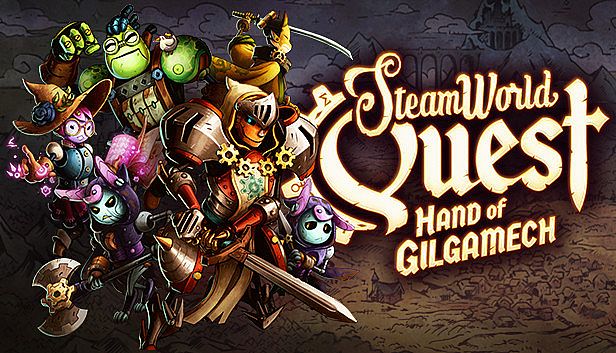




















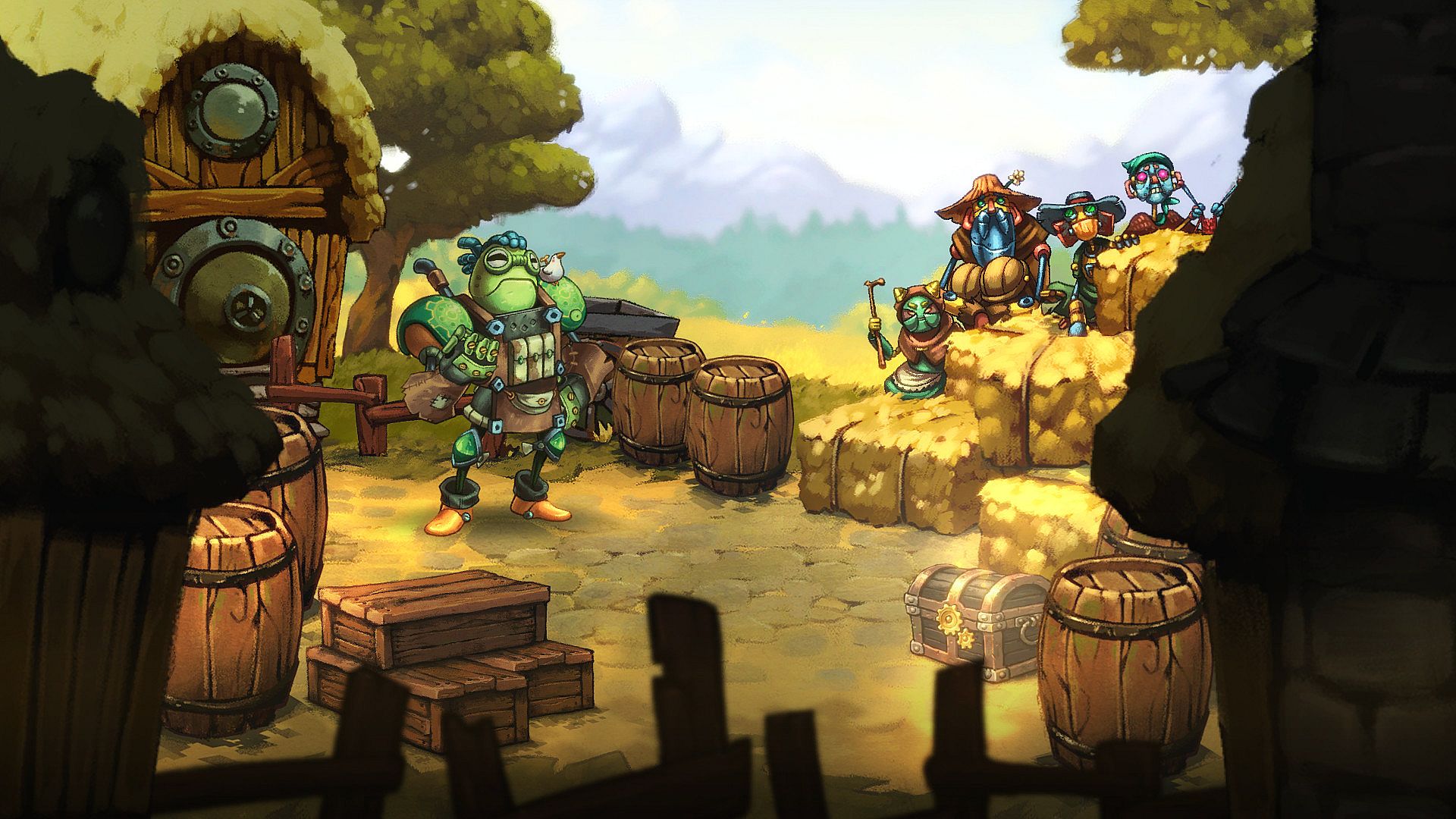
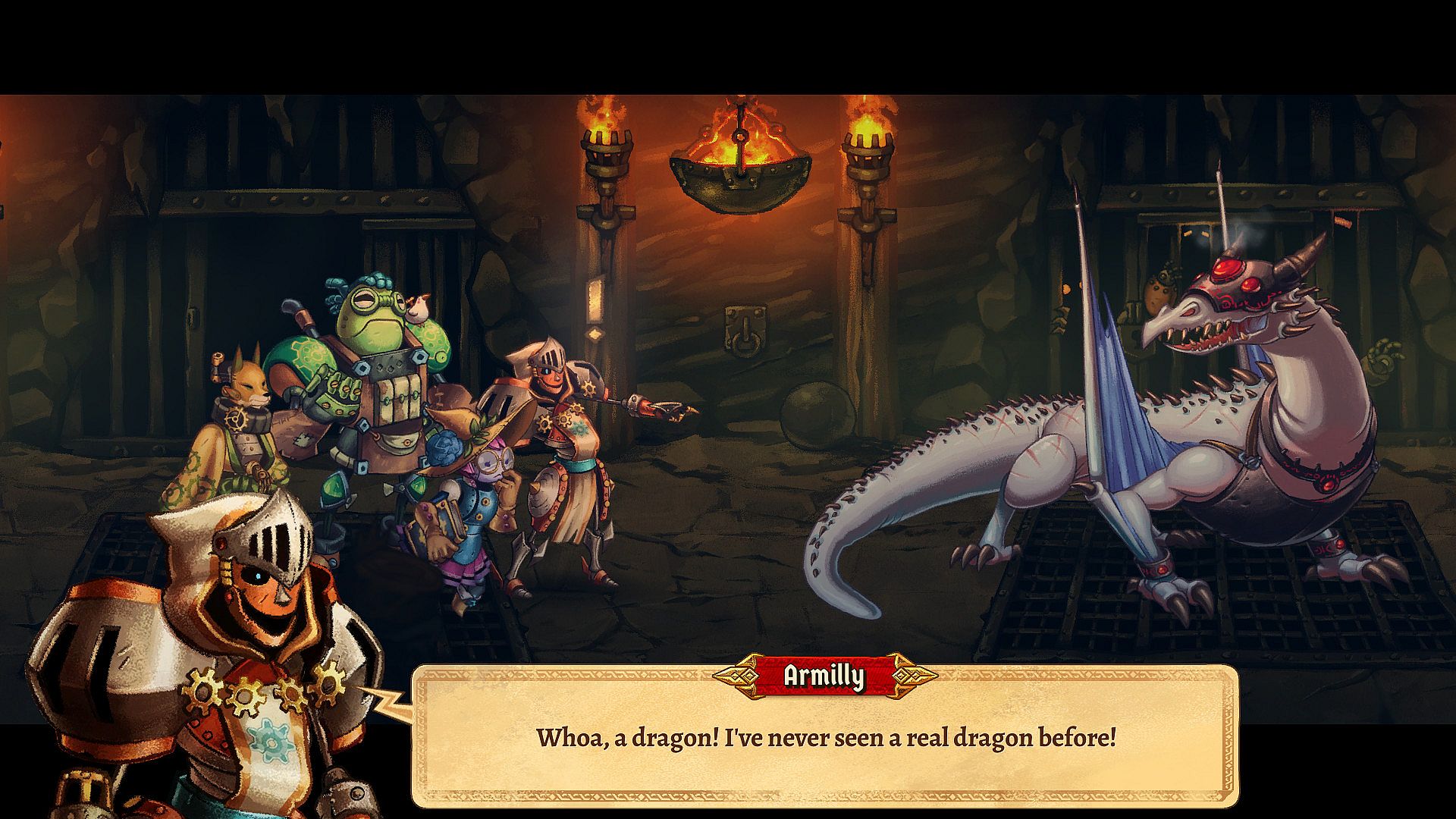

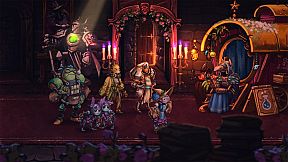
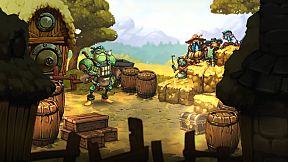
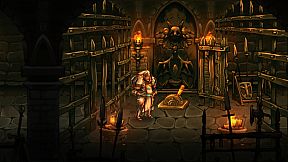
SteamWorld Quest: Hand of Gilgamech stands out as a single-player RPG adventure that blends card-based combat with a distinctive fantasy and steampunk setting. Players lead a group of robot heroes through a hand-drawn world filled with quests, exploration, and strategic battles that rely entirely on deck construction and tactical card play rather than real-time action or traditional leveling systems.
Gameplay
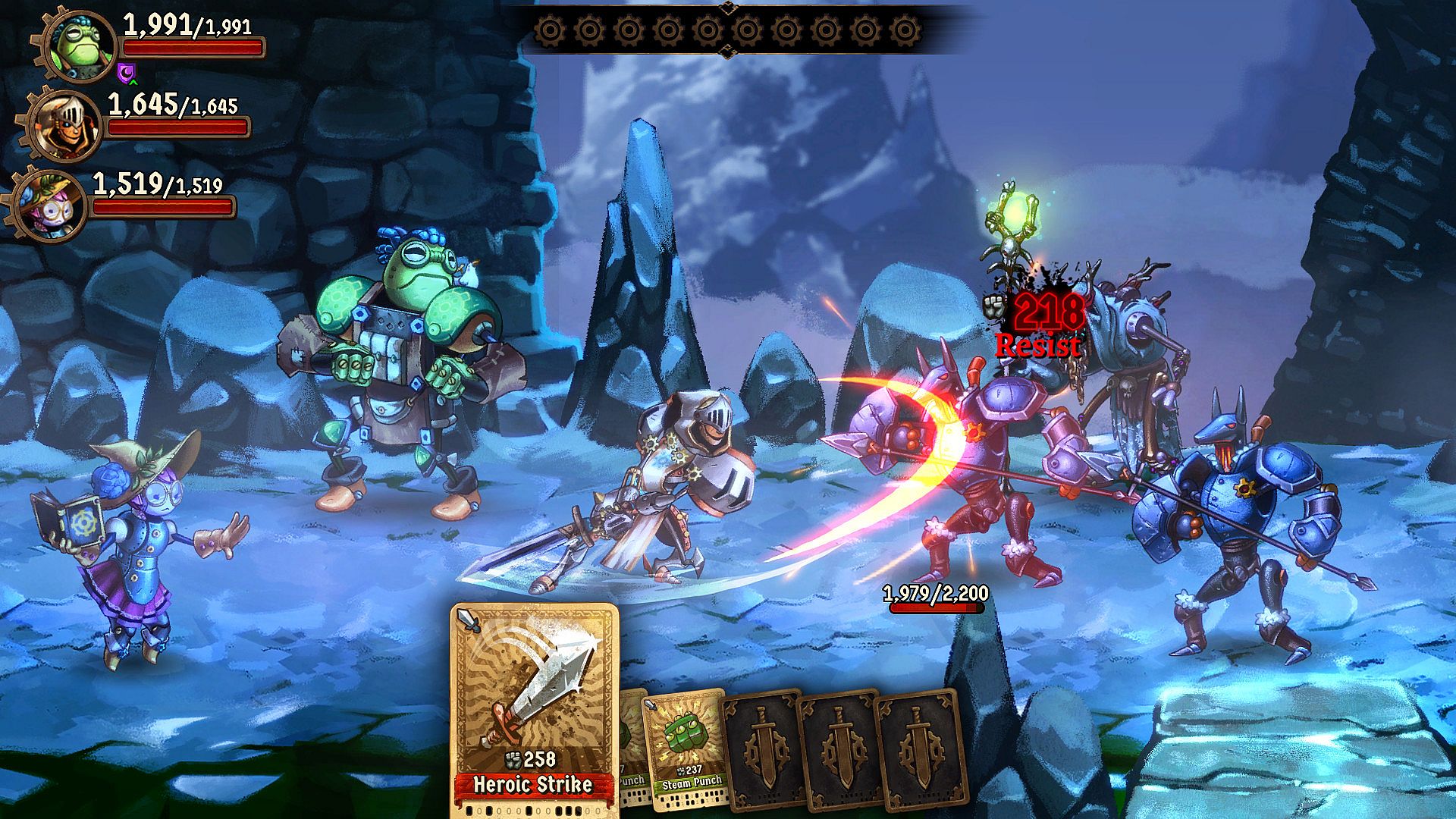
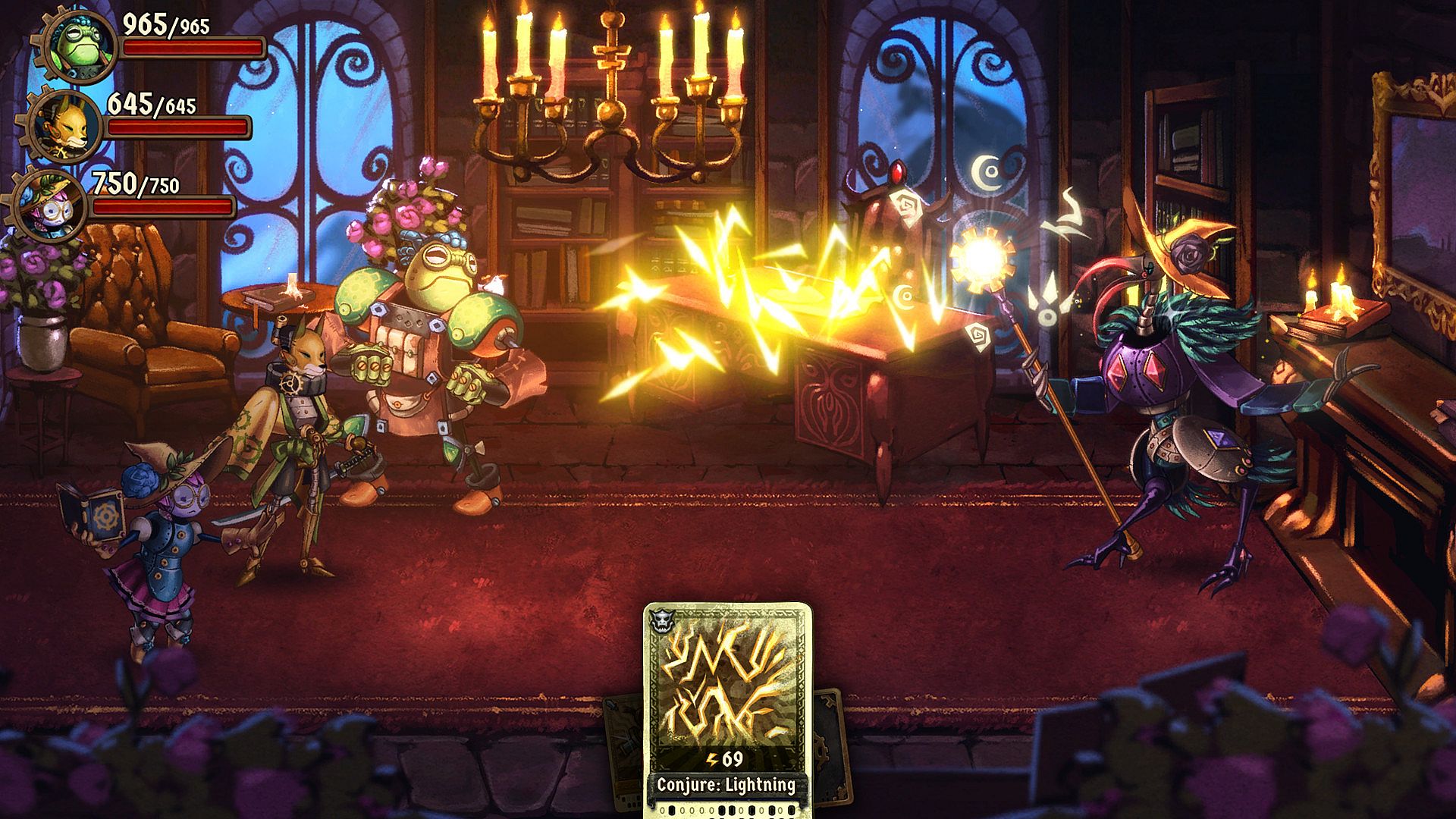
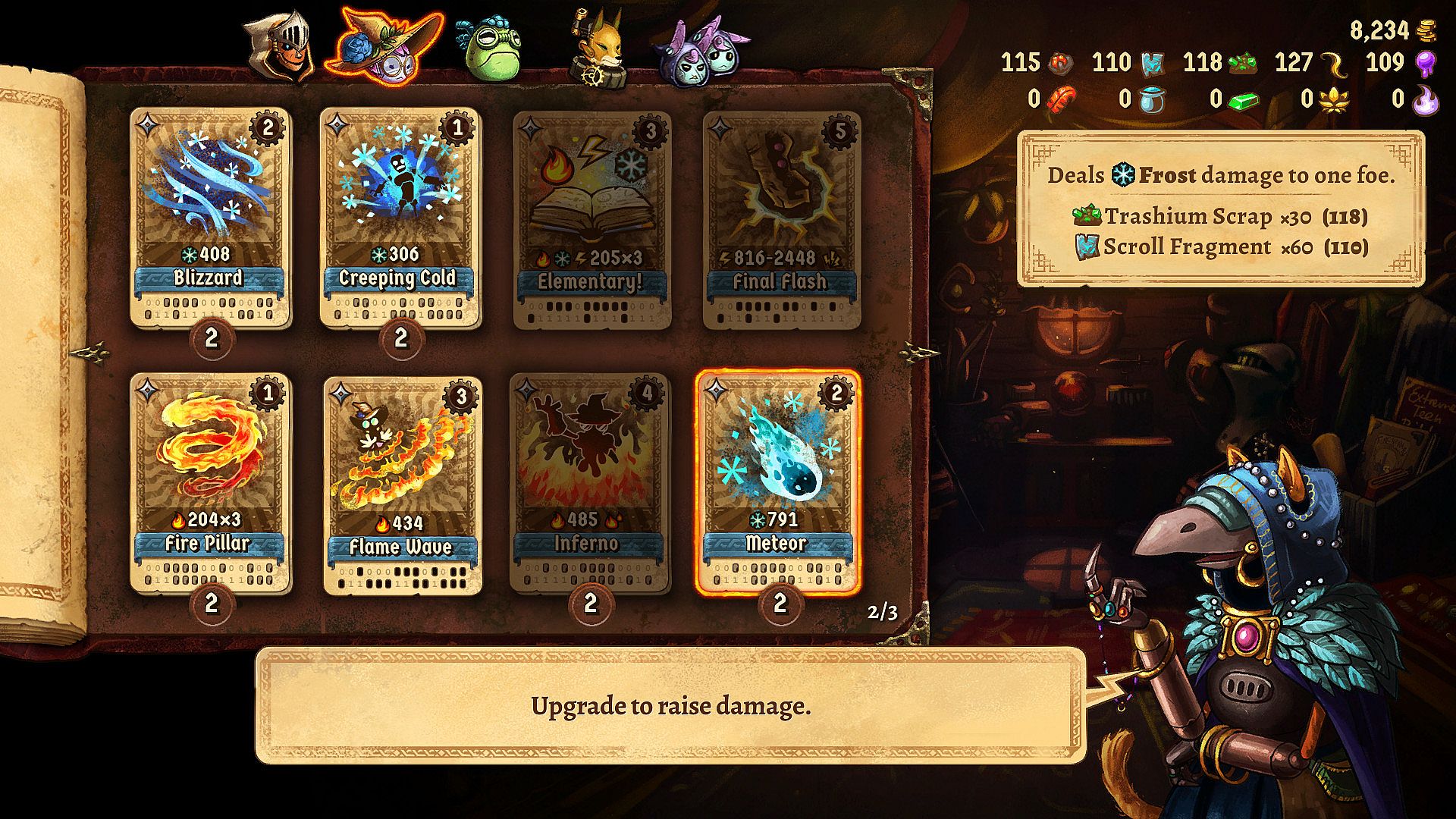
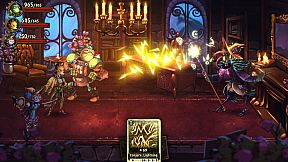
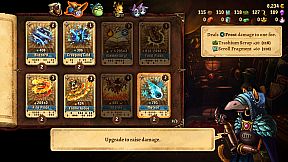
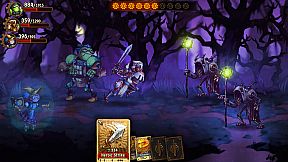
The core loop centers on building and refining decks drawn from more than one hundred unique punch-cards. Each hero maintains a personal deck limited to exactly eight cards. During battles, the combined decks from the active party feed into a shared draw, allowing up to six cards in hand at once. From that hand, three cards can be played each turn, with effects ranging from direct damage and elemental attacks to status conditions, team buffs, and resource manipulation.
A steam point system governs resource management. Certain cards generate steam points when played, while others consume them for stronger abilities. Successful deck building requires careful balance between generator cards and high-impact spenders so that powerful options remain available throughout longer encounters. Cards are acquired through story progress, hidden chests, and merchant crafting, encouraging repeated exploration of the same areas to expand options.
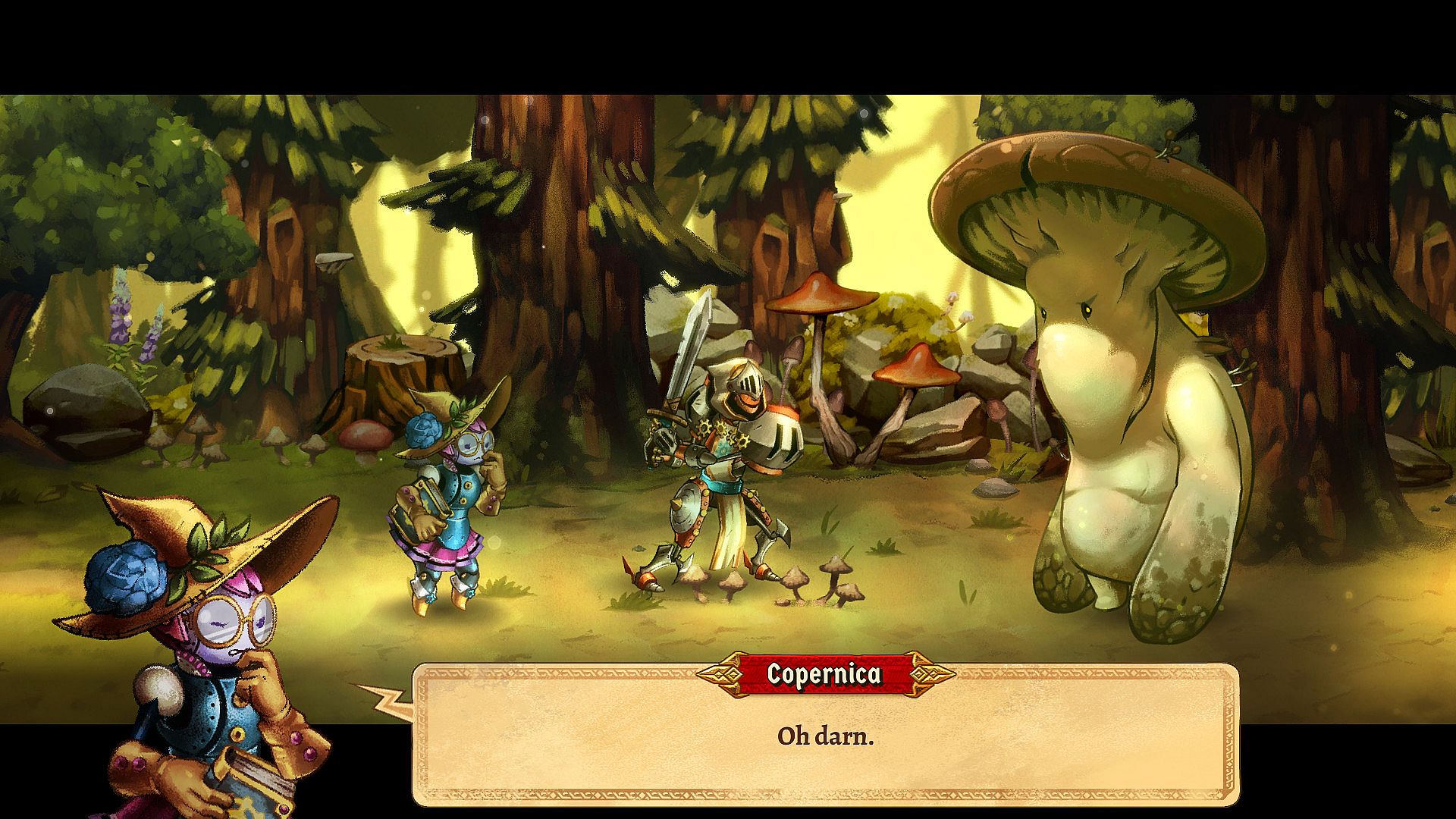
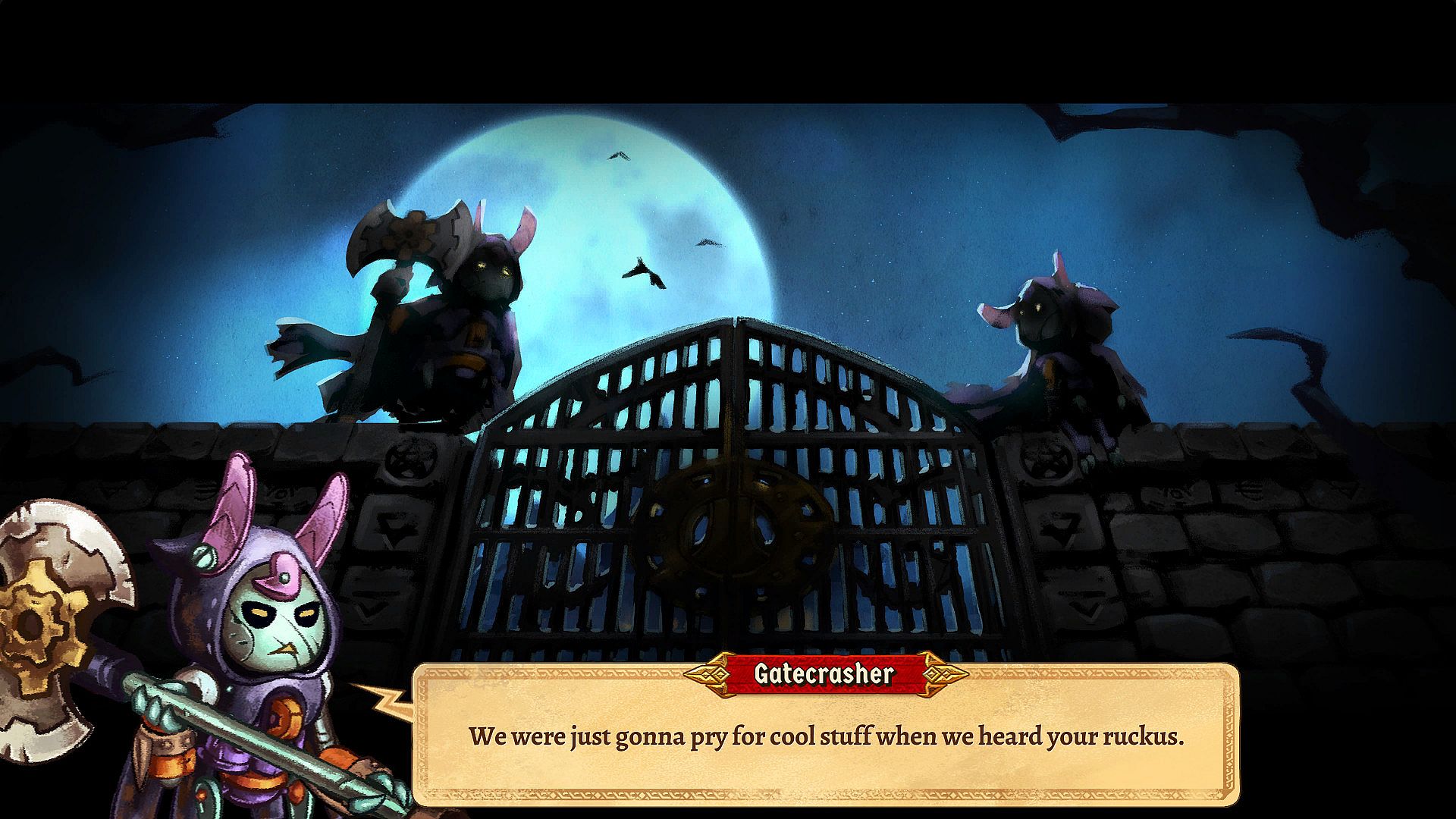
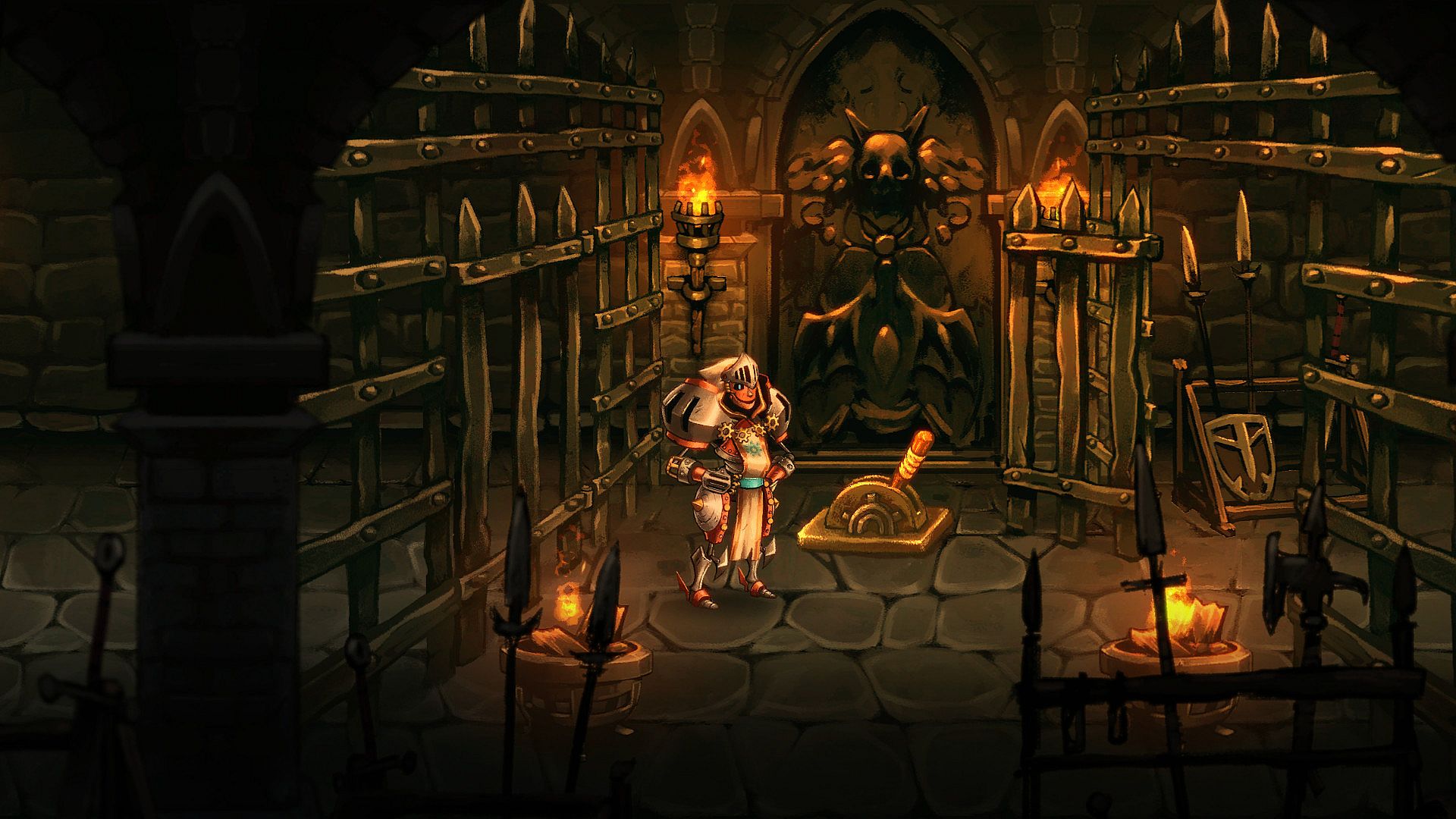
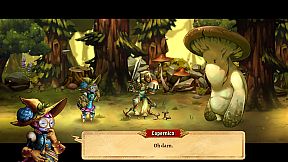
Outside of combat, the game emphasizes light adventure elements such as navigating interconnected regions, interacting with NPCs, and uncovering secrets. The humorous tone arises from the contrast between classic fantasy tropes and the mechanical nature of the robot protagonists, with dialogue and encounters highlighting this mix without overshadowing the strategic focus.
Game Modes
The experience consists of a single continuous campaign that combines exploration, story progression, and card battles. There are no separate competitive or cooperative modes, and all content unfolds in a linear yet branching narrative structure where players advance by completing objectives and strengthening their party through card collection.
Progression ties directly to the main story path, with optional side content available through secret areas and merchant interactions. Battles occur at set points or during random encounters, always using the same turn-based card rules without variations in rulesets or objectives across different sections of the game.
Story and Characters
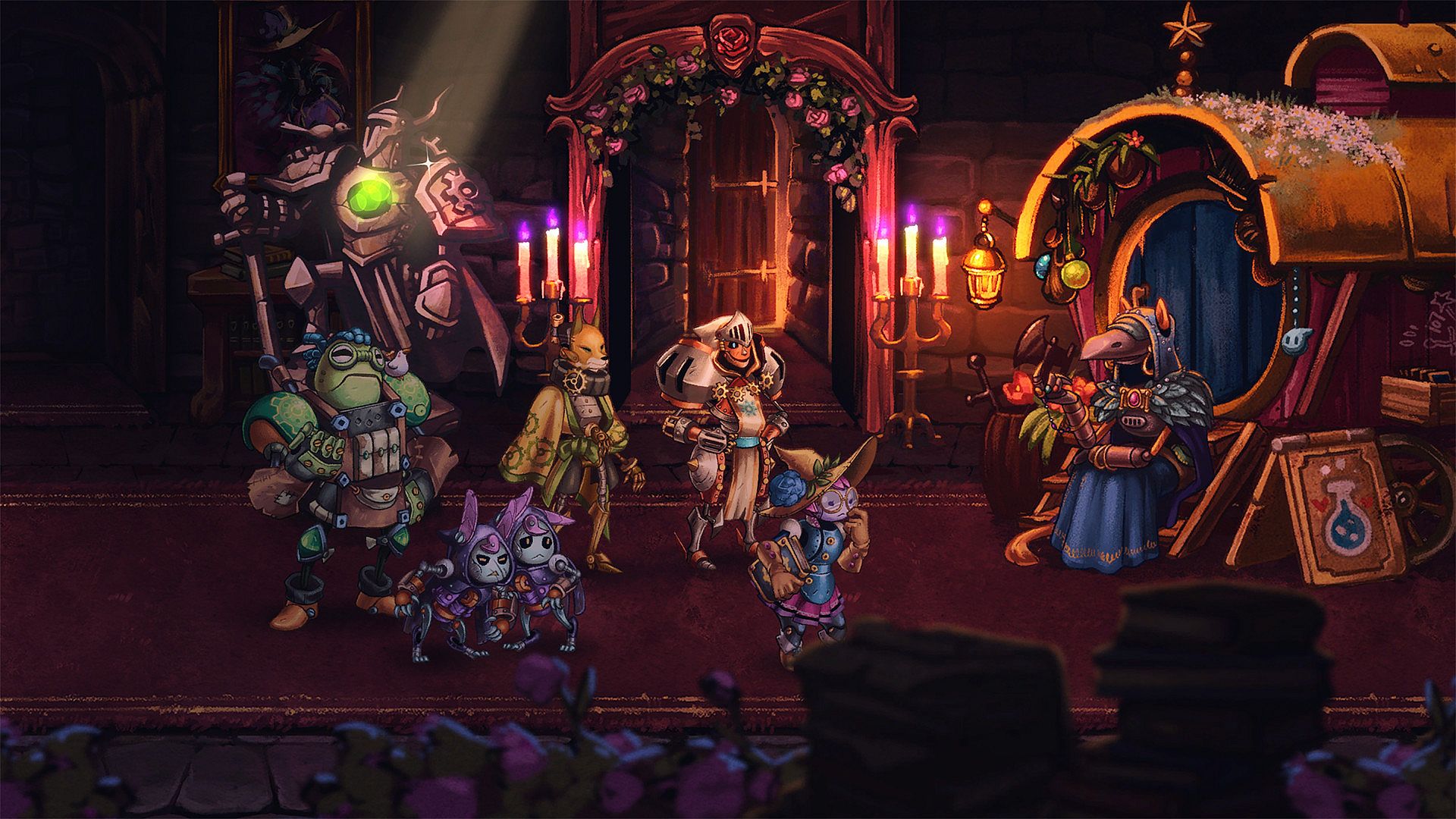
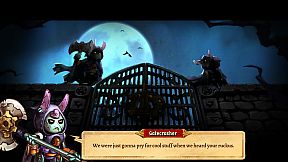
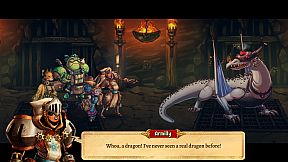
The narrative follows a party of aspiring robot heroes on a quest that incorporates classic elements like dragons and magic alongside steampunk machinery. Character-specific cards reflect individual personalities and abilities, allowing players to tailor strategies around particular party members as the story introduces new companions.
Exploration reveals more about the world through environmental details and conversations, while the card system itself serves as a progression tool that grows alongside the plot. The overall tone remains light and comedic, using the robot cast to poke fun at fantasy conventions without requiring prior knowledge of other games in the series.
Is It Worth Playing?
SteamWorld Quest: Hand of Gilgamech delivers a focused single-player card RPG that rewards thoughtful deck construction and resource management over many hours of play. The hand-drawn presentation and consistent humor provide a distinct atmosphere that sets it apart from more generic card battlers.
Players who enjoy turn-based strategy with deep customization will find the eight-card deck limit and steam point economy create meaningful choices in every encounter. The game remains available on PC with no additional live-service requirements or seasonal content, making it suitable for those seeking a complete, self-contained experience.
Its strengths lie in the tight integration of story, exploration, and combat, though those preferring multiplayer options or faster-paced action may find the deliberate pace less appealing. Overall, the title offers a polished entry point for anyone interested in card-driven RPG adventures with a unique visual and thematic identity.