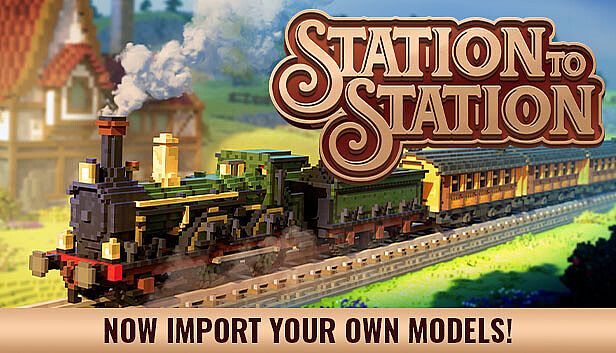


























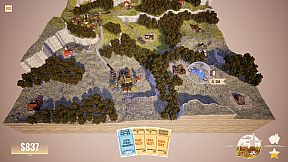
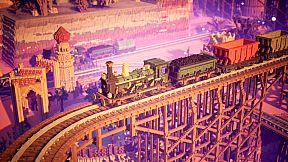
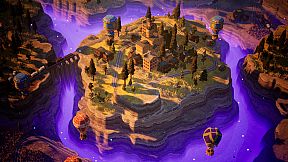
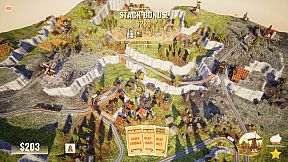
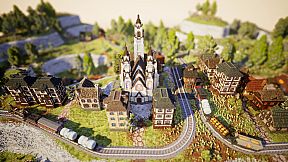

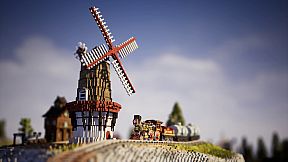
Station to Station is a strategy indie casual simulation game focused on railway construction and environmental growth. Players build connections across voxel landscapes on PC, turning sparse rural areas into thriving ecosystems through careful placement of stations and tracks.
Gameplay
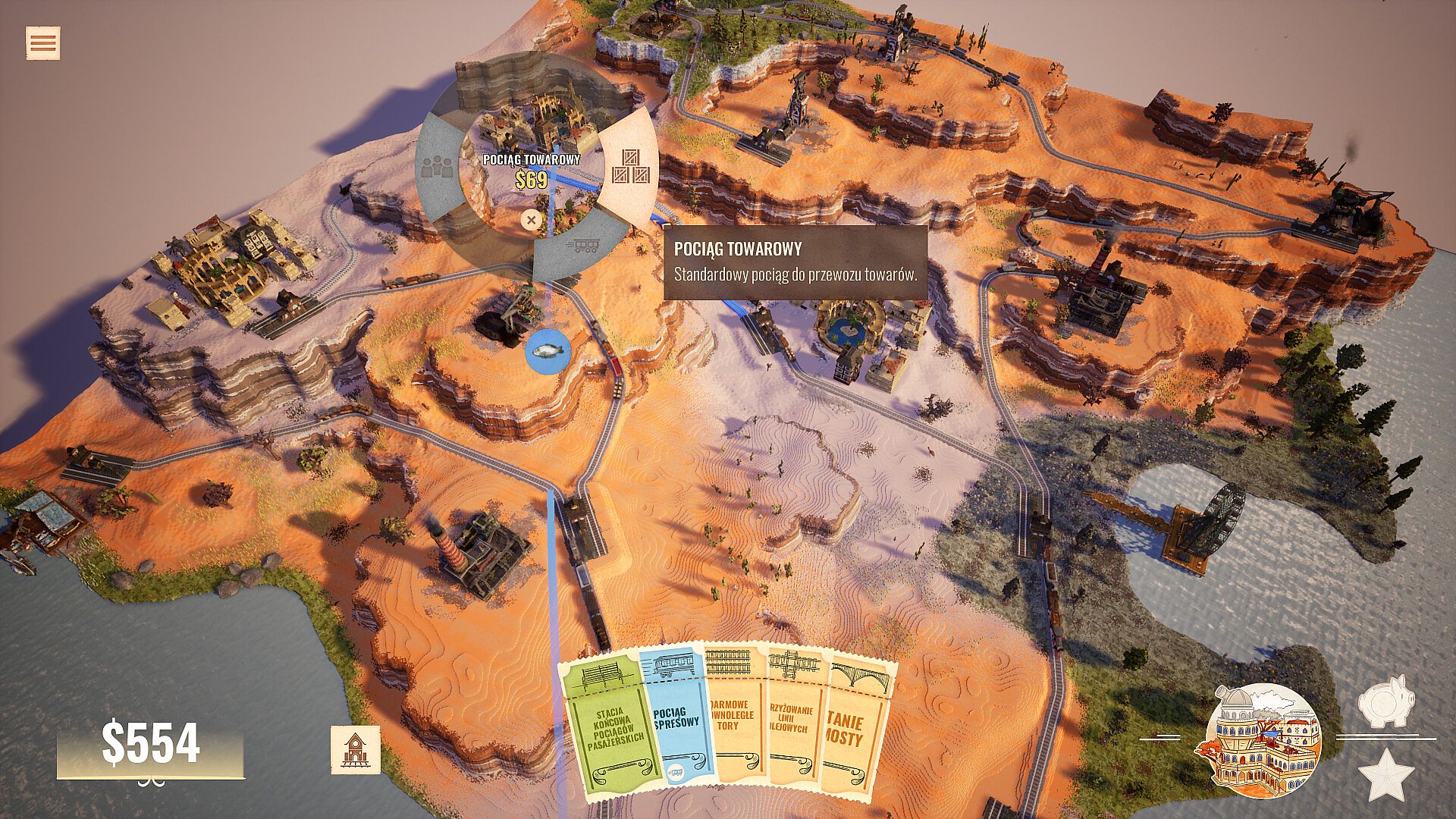
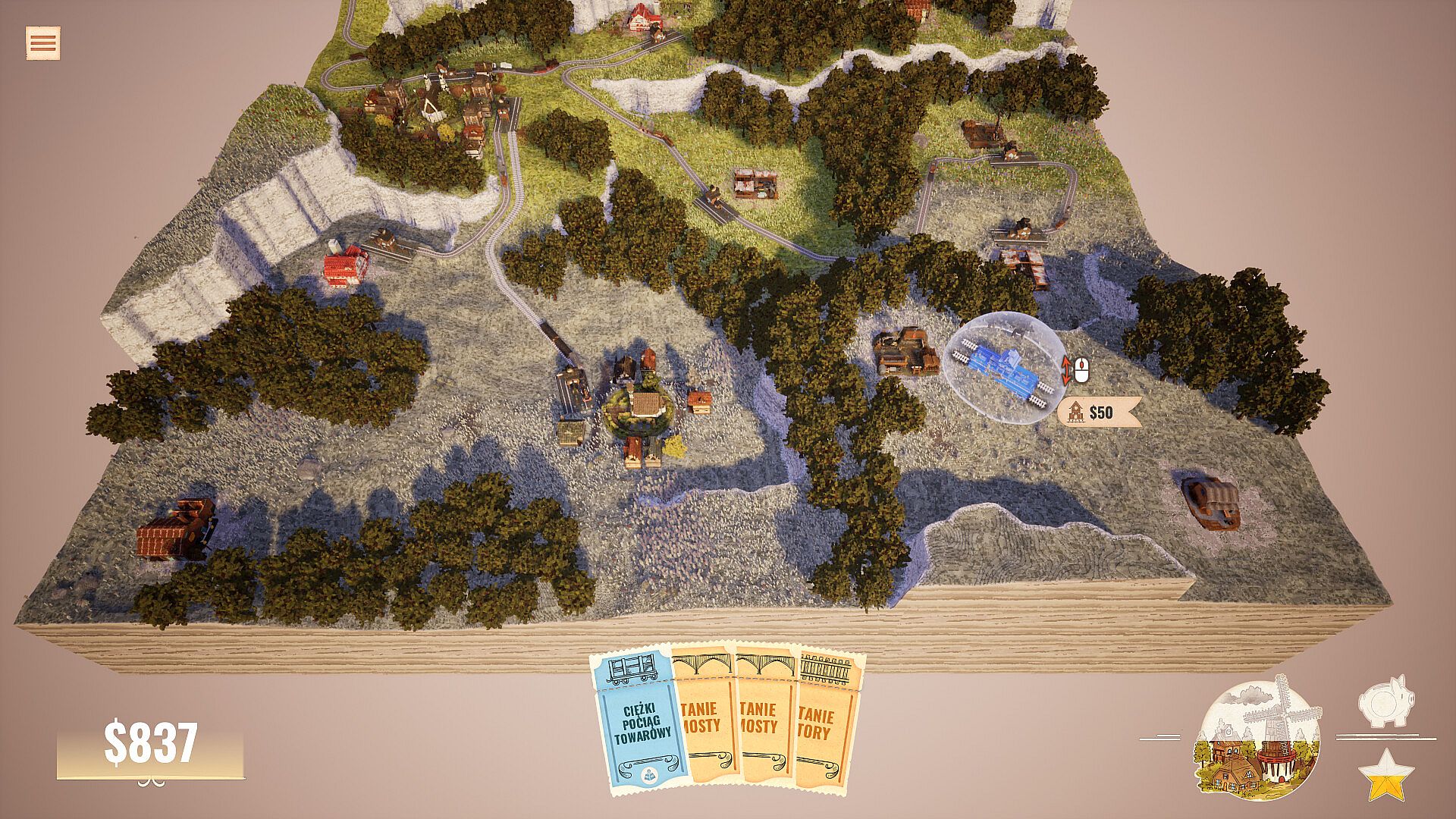
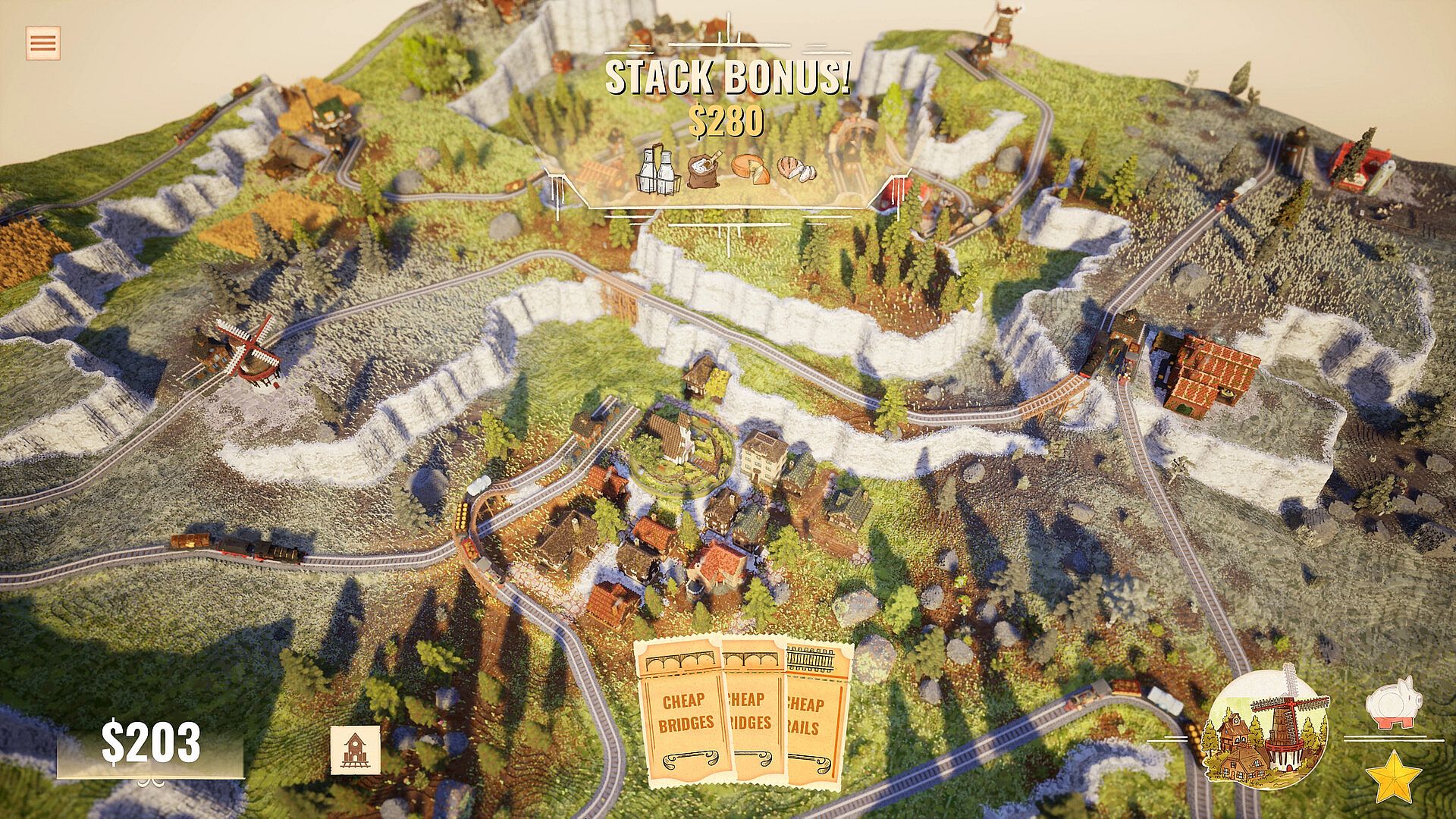
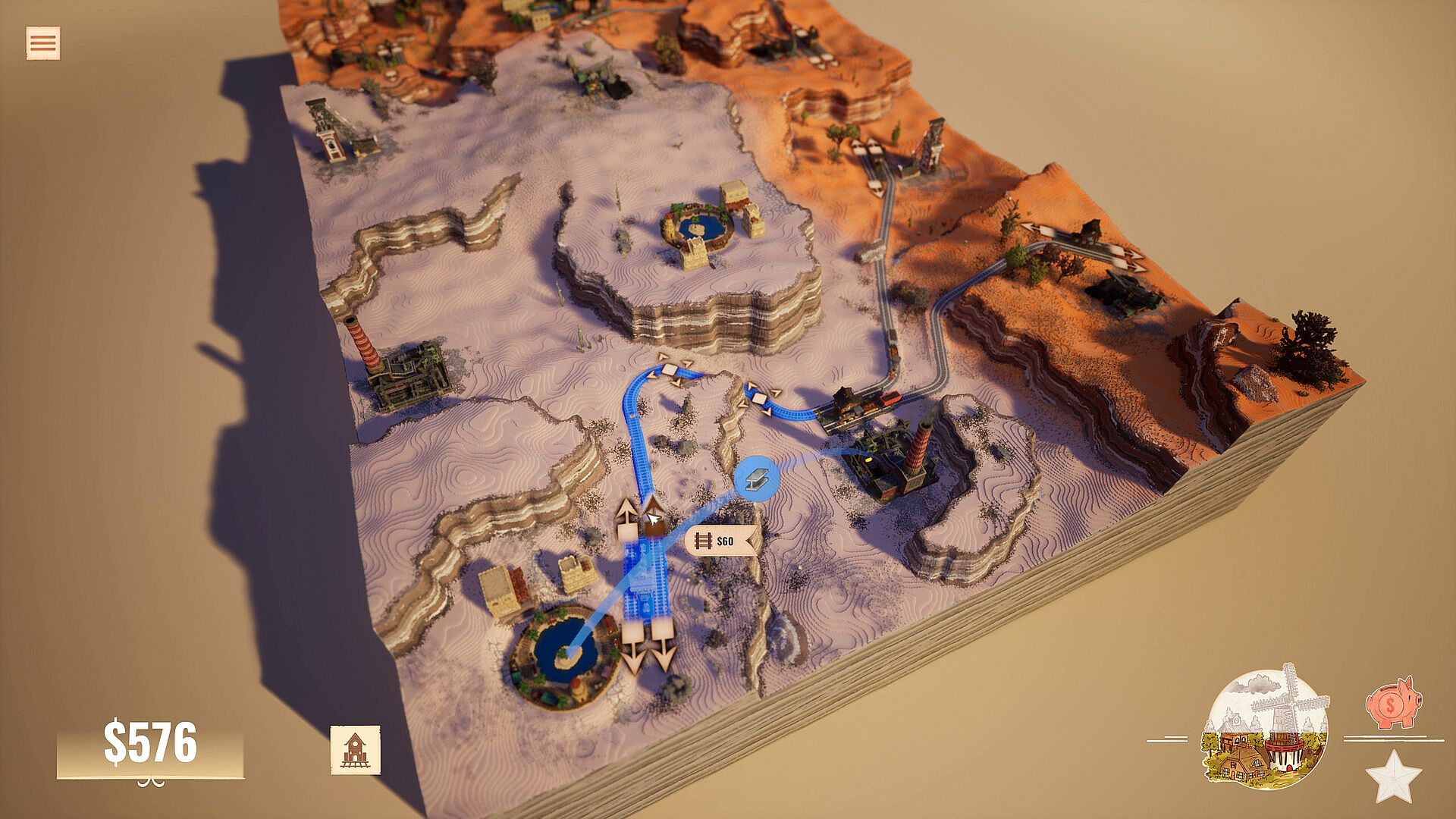
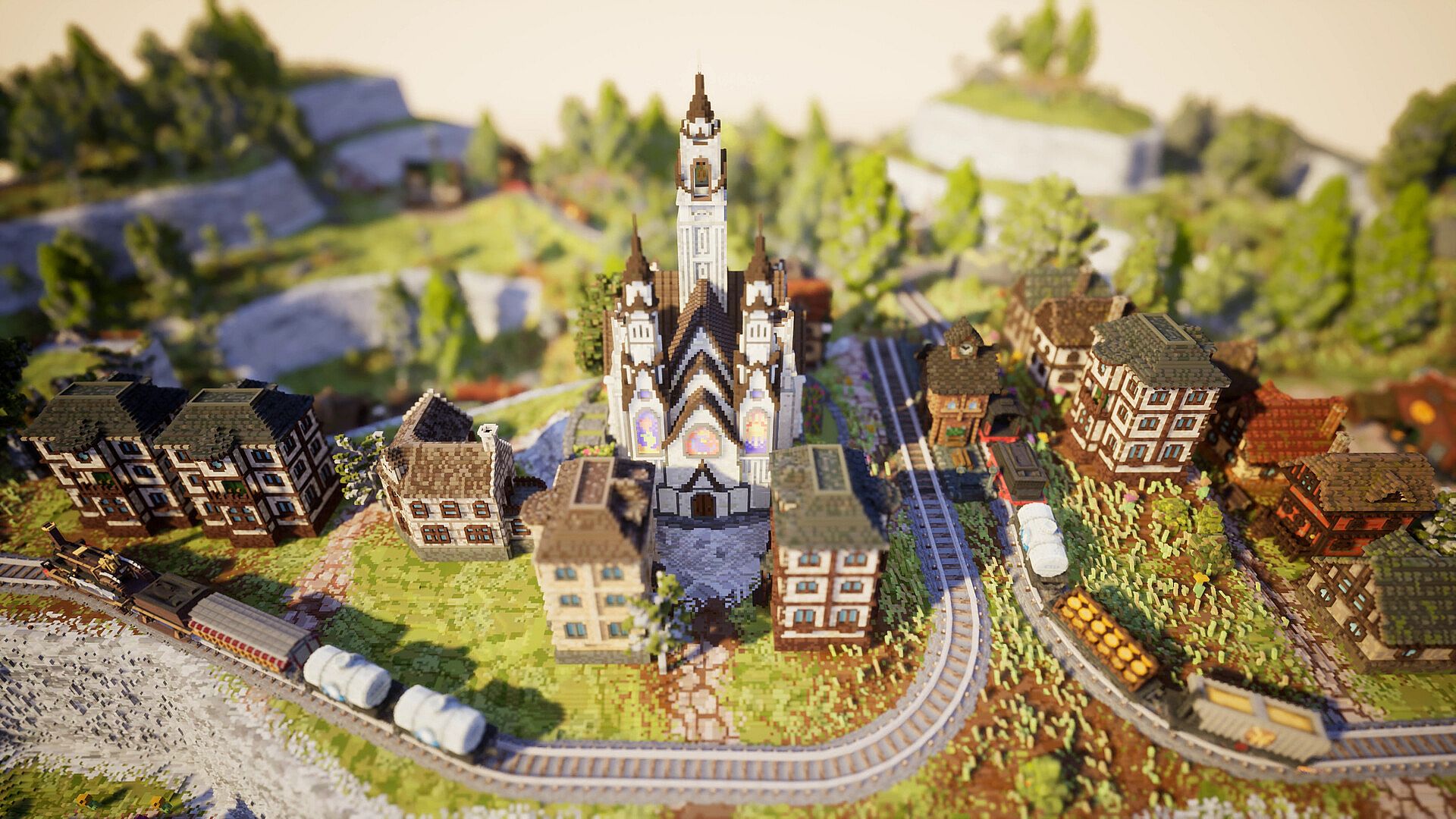
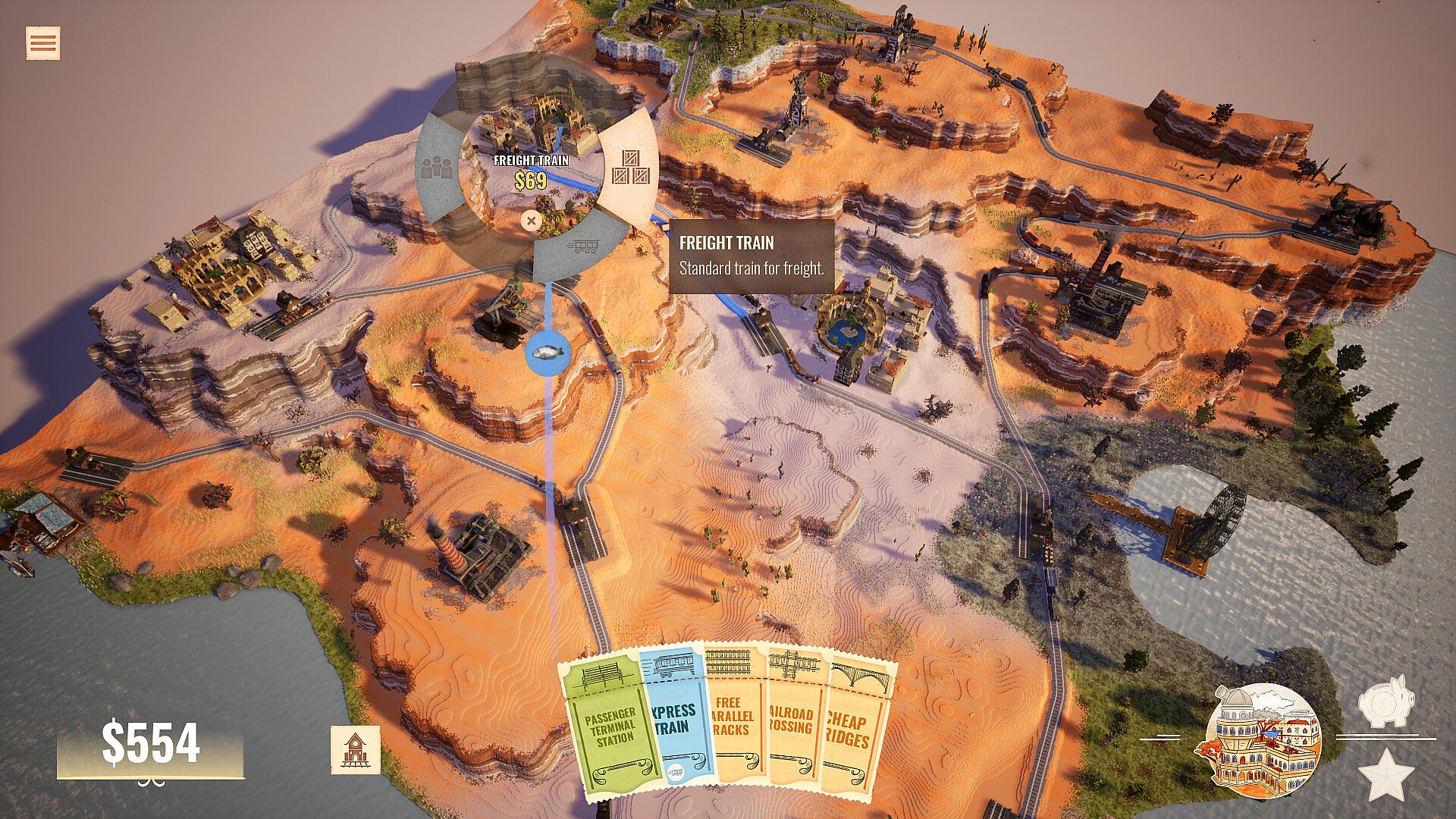
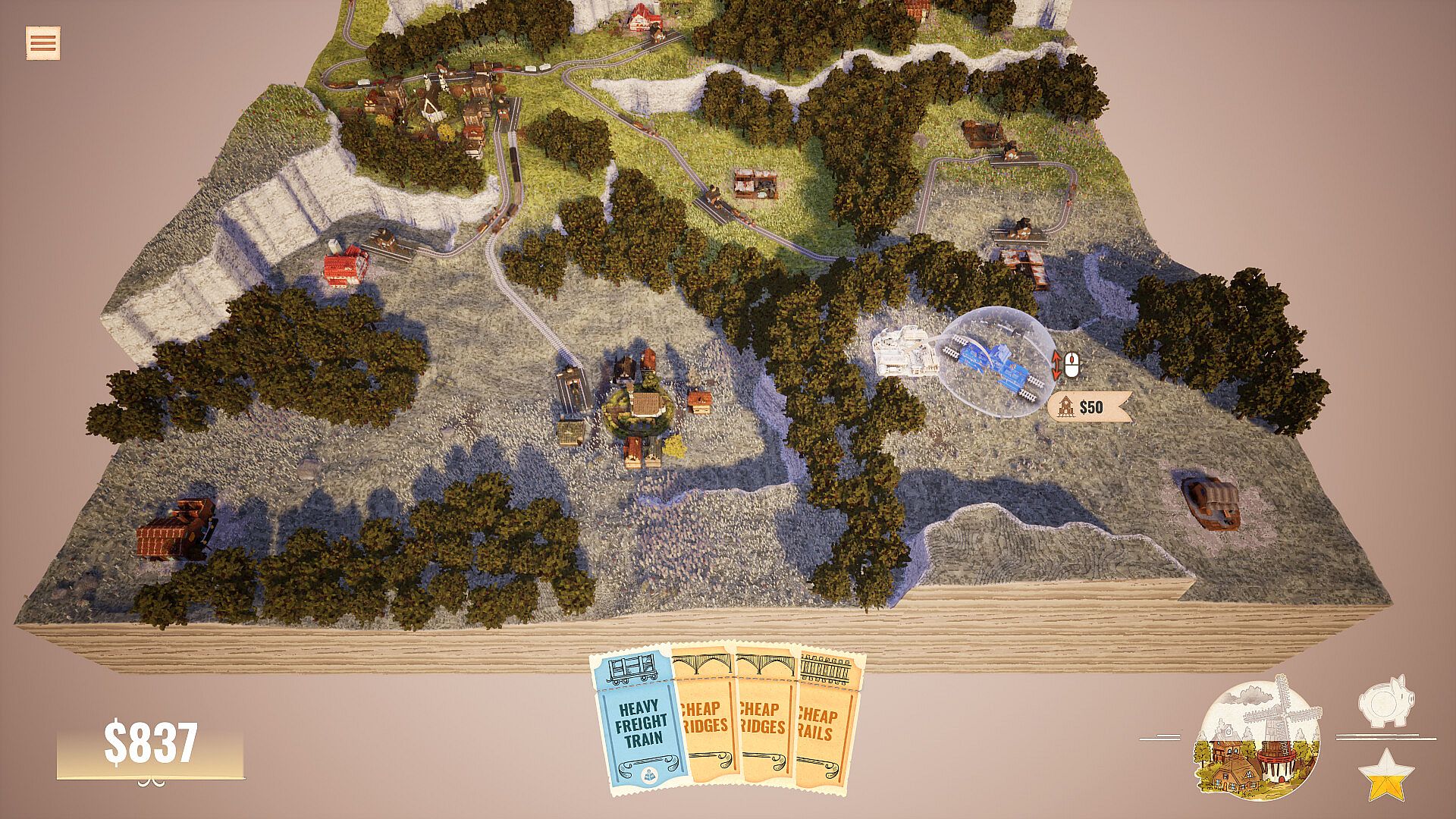
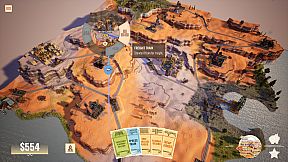
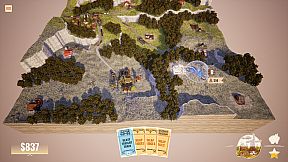
The core loop centers on placing stations and laying tracks to link resource-producing buildings with cities and other structures that require those goods. Each successful connection generates profit, which players reinvest to expand further. Once placed, stations and tracks remain fixed, so forward planning becomes essential to avoid inefficient routes or wasted resources. Money management adds tension, as overspending on tracks or bridges can limit options in later stages of a level.
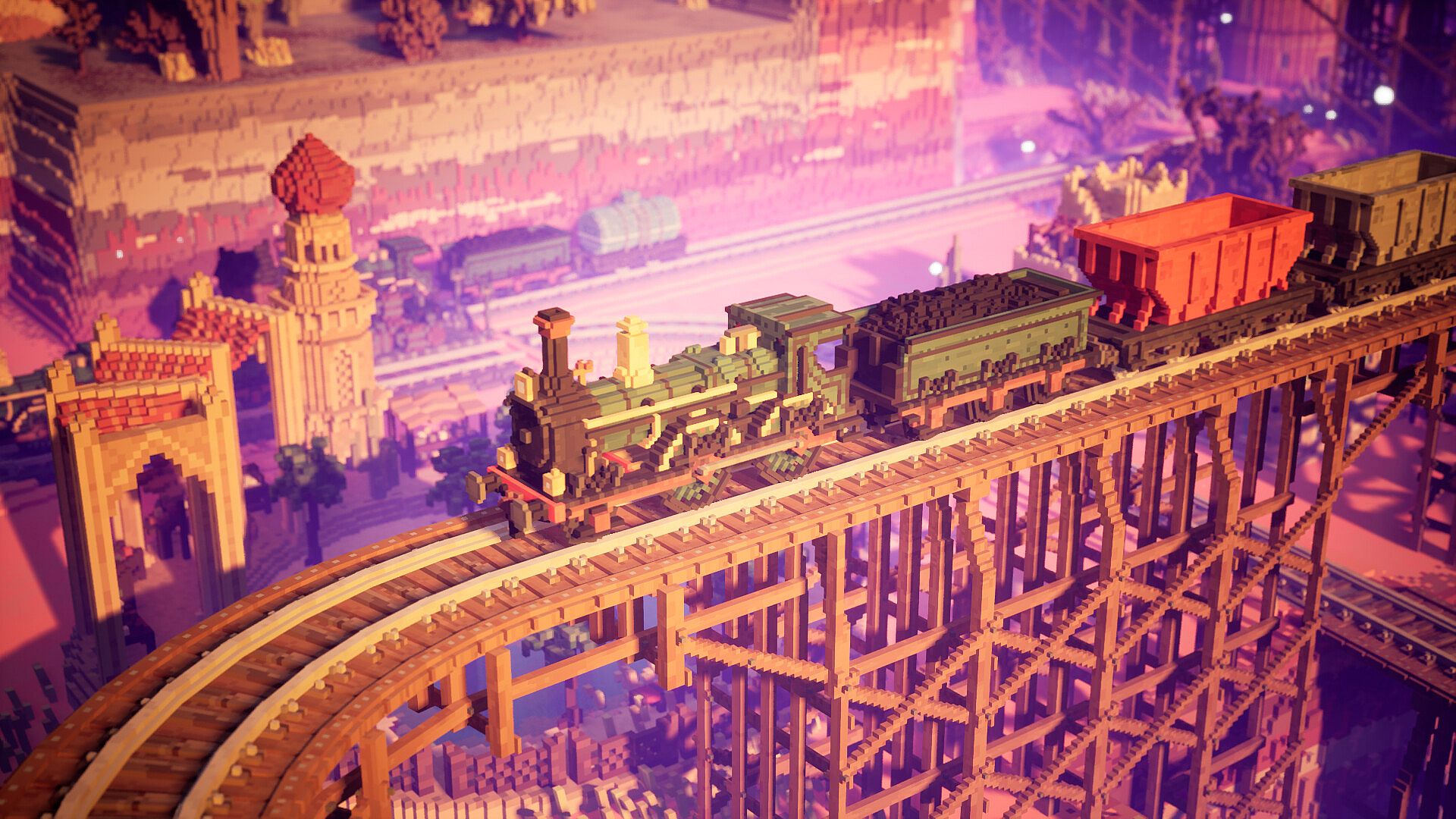
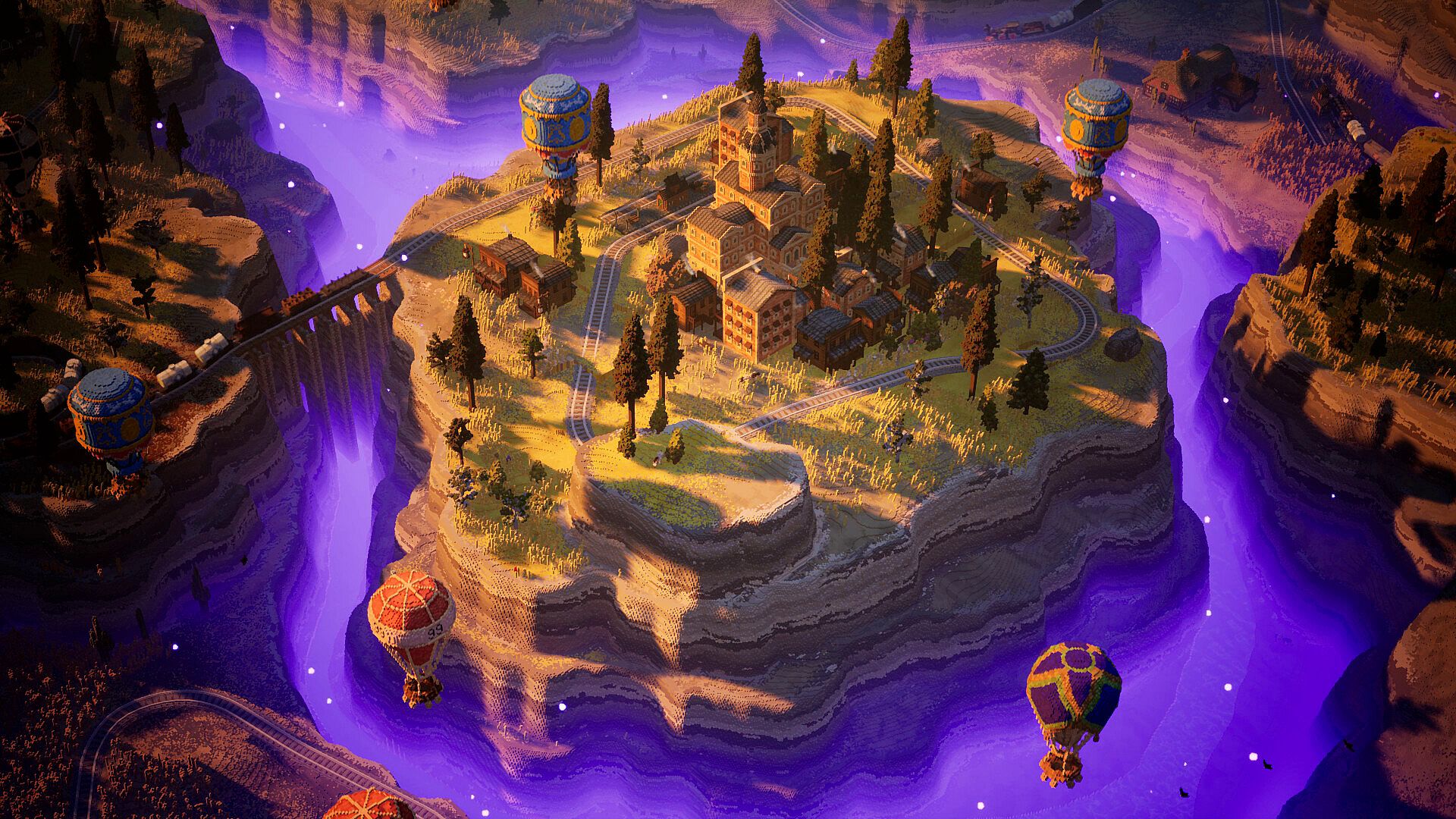
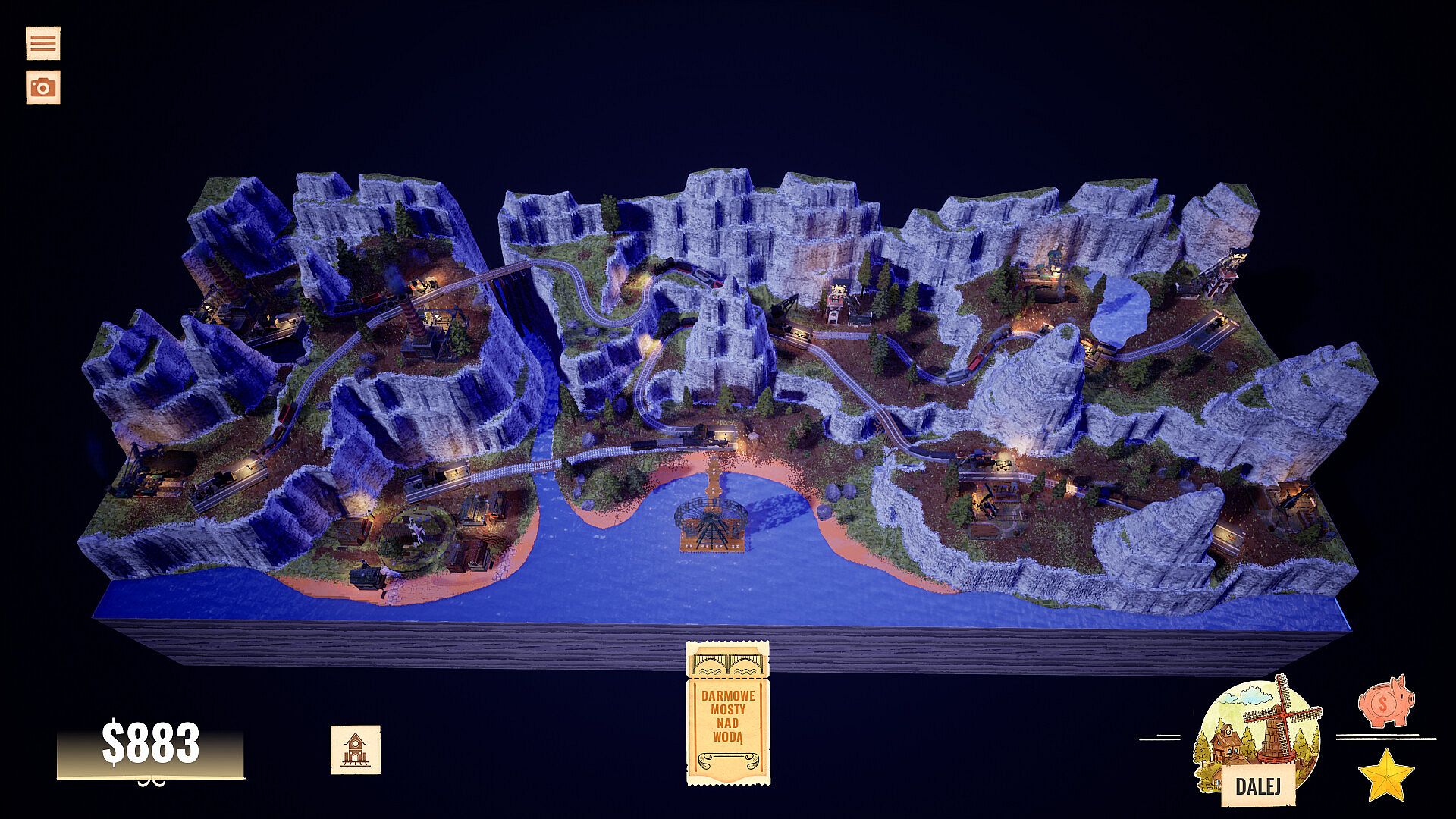
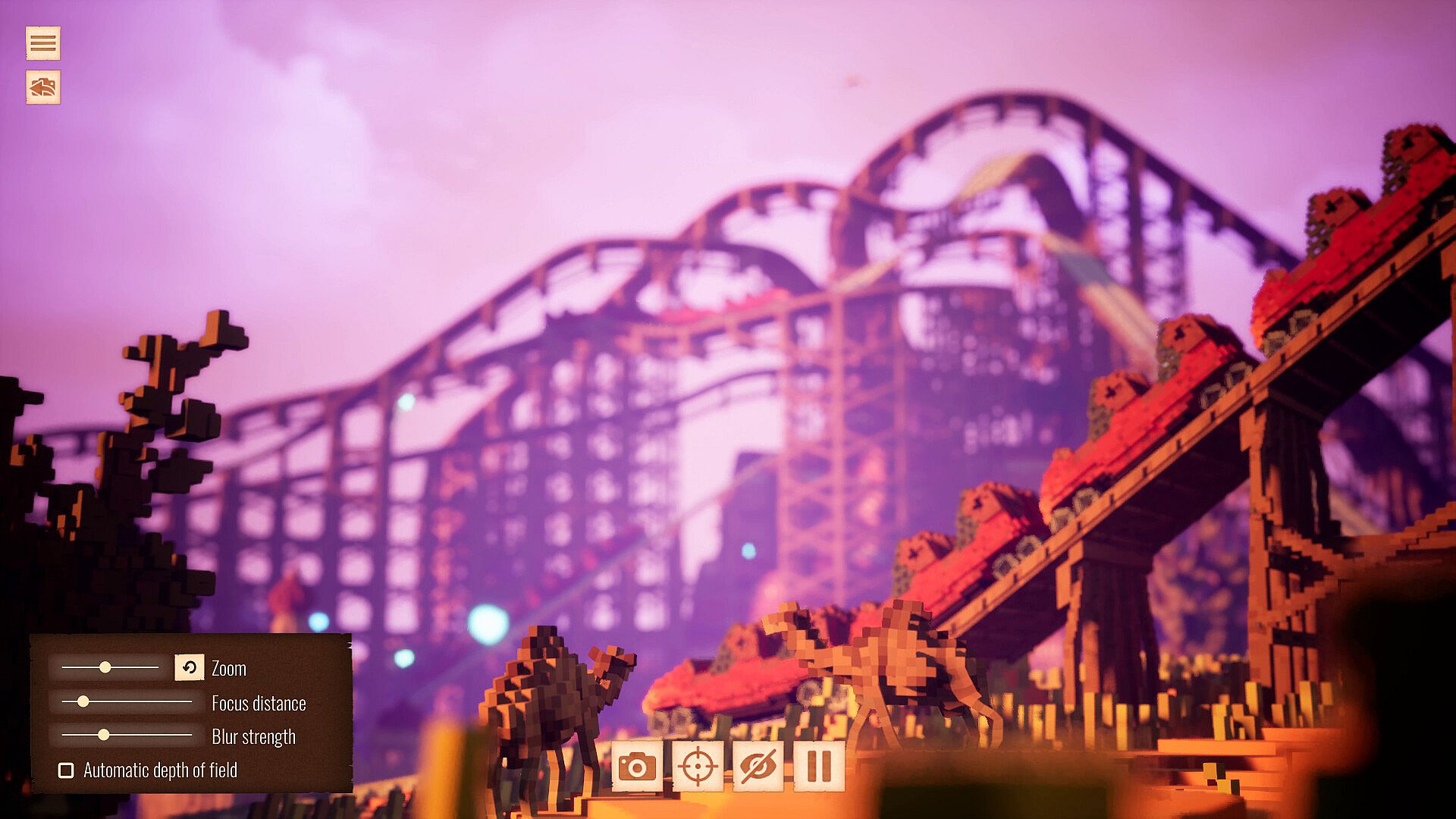
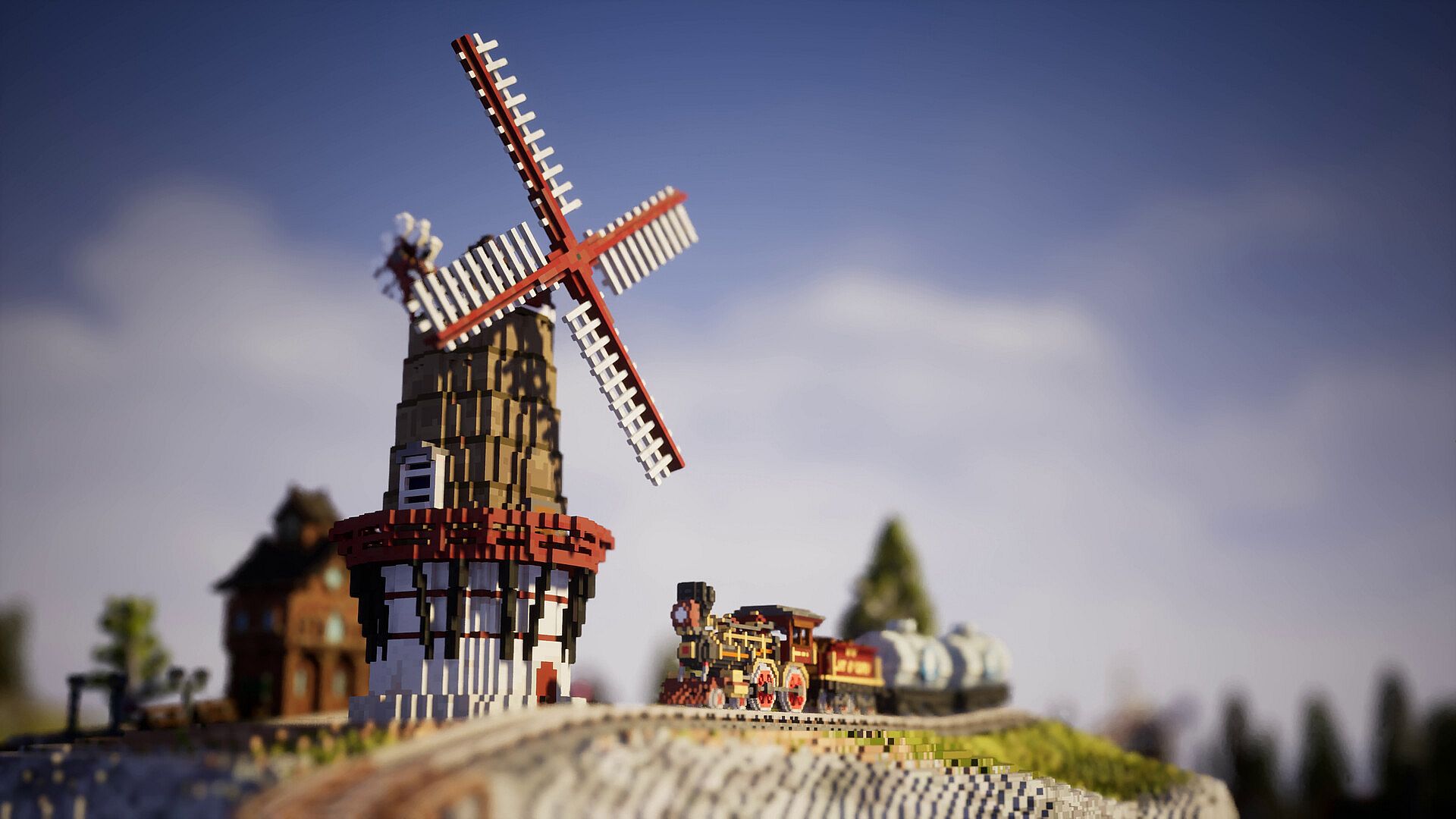
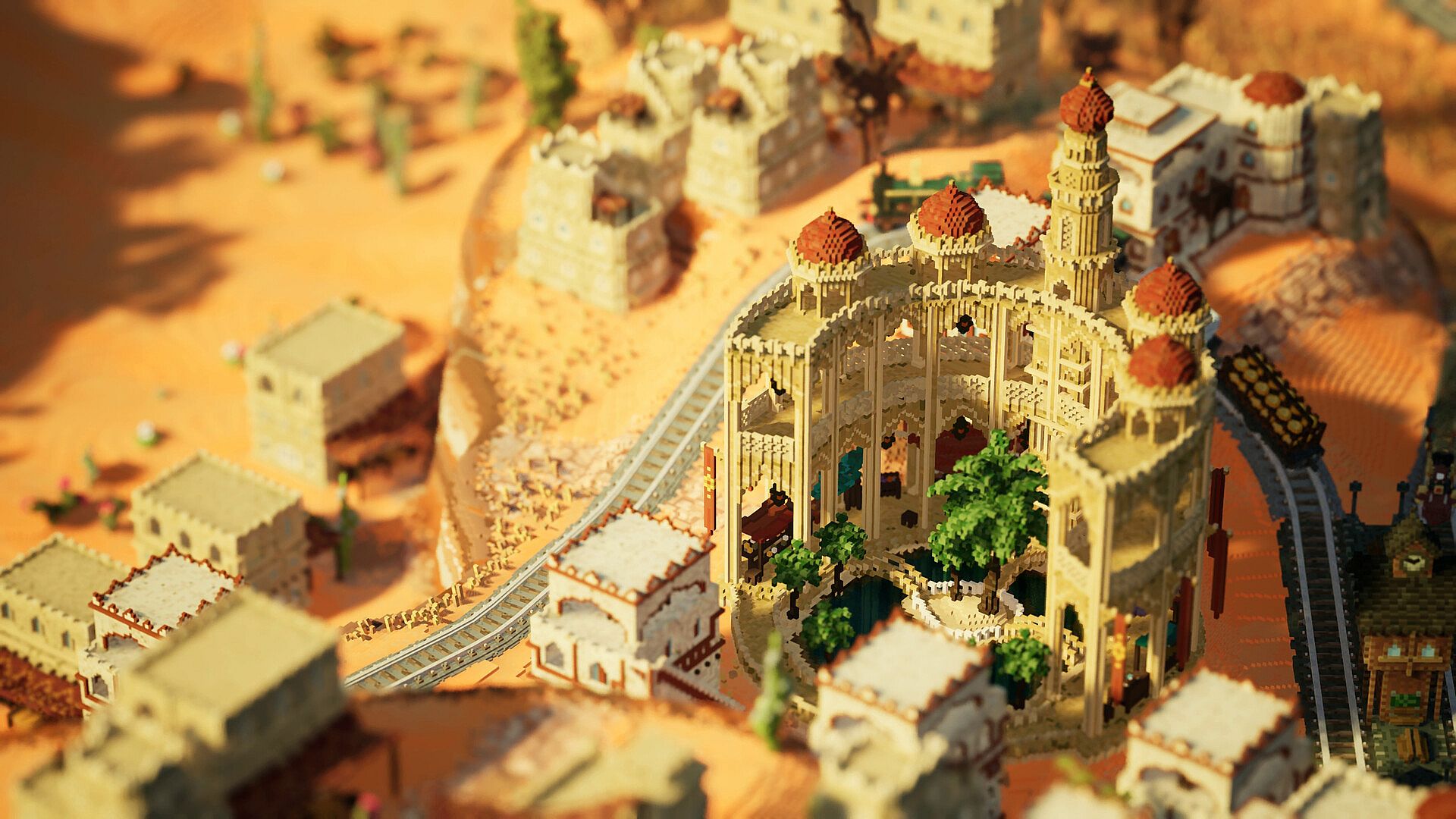
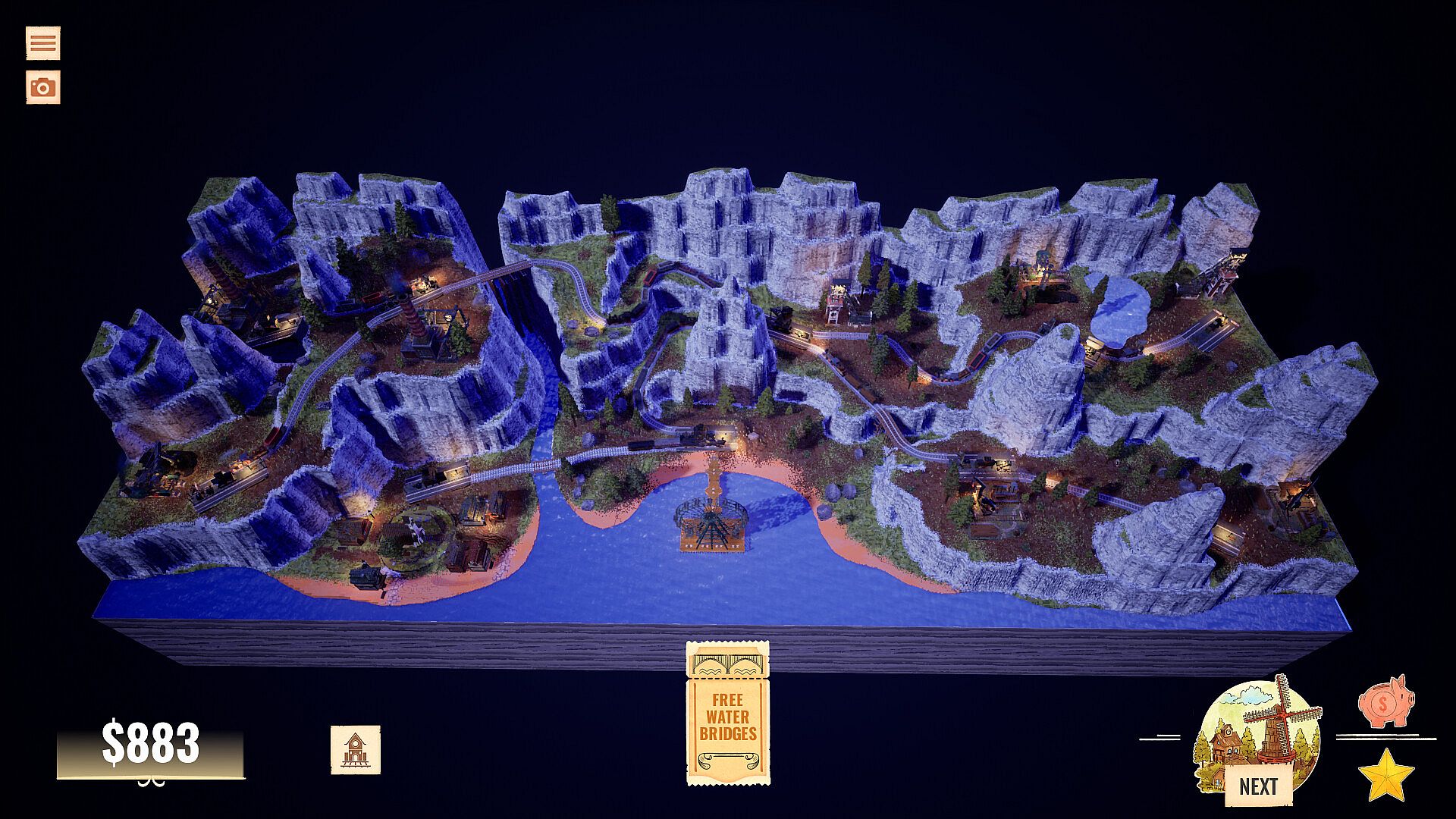
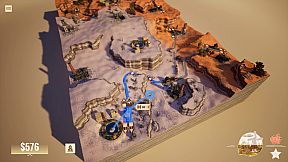
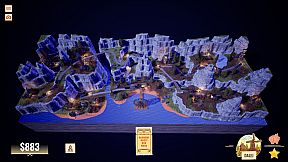
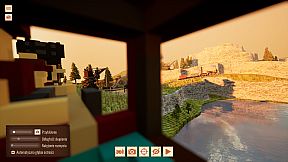
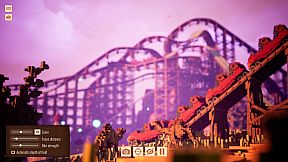
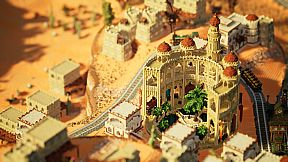
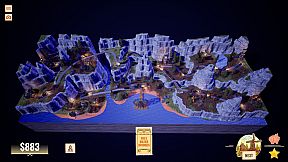
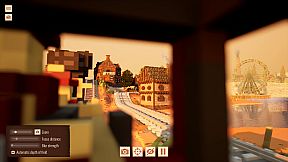
Biomes influence the experience with unique visual transformations. Desert sands gain color and vegetation as connections multiply, while mountain terrain develops lush details and wildlife. Voxel art renders these changes in bright, blocky detail that rewards close observation during play sessions. Puzzle elements emerge from optimizing paths to maximize efficiency without the ability to reposition elements freely.
Optional cards introduce strategic variety by providing temporary boosts, such as doubling yields from certain trains or altering resource flows. These tools help meet higher targets but require timing to avoid conflicts with the fixed layout rules. The result blends relaxed building with moments of deliberate decision making around budgets and routes.
Game Modes
Progression occurs through a series of levels grouped into themed biomes, each presenting new environmental challenges and visual styles. Completing enough levels in one biome unlocks the next, creating a steady sense of advancement across roughly two dozen stages total. Every level includes a primary goal of establishing viable connections, alongside optional targets that test efficiency or creativity.
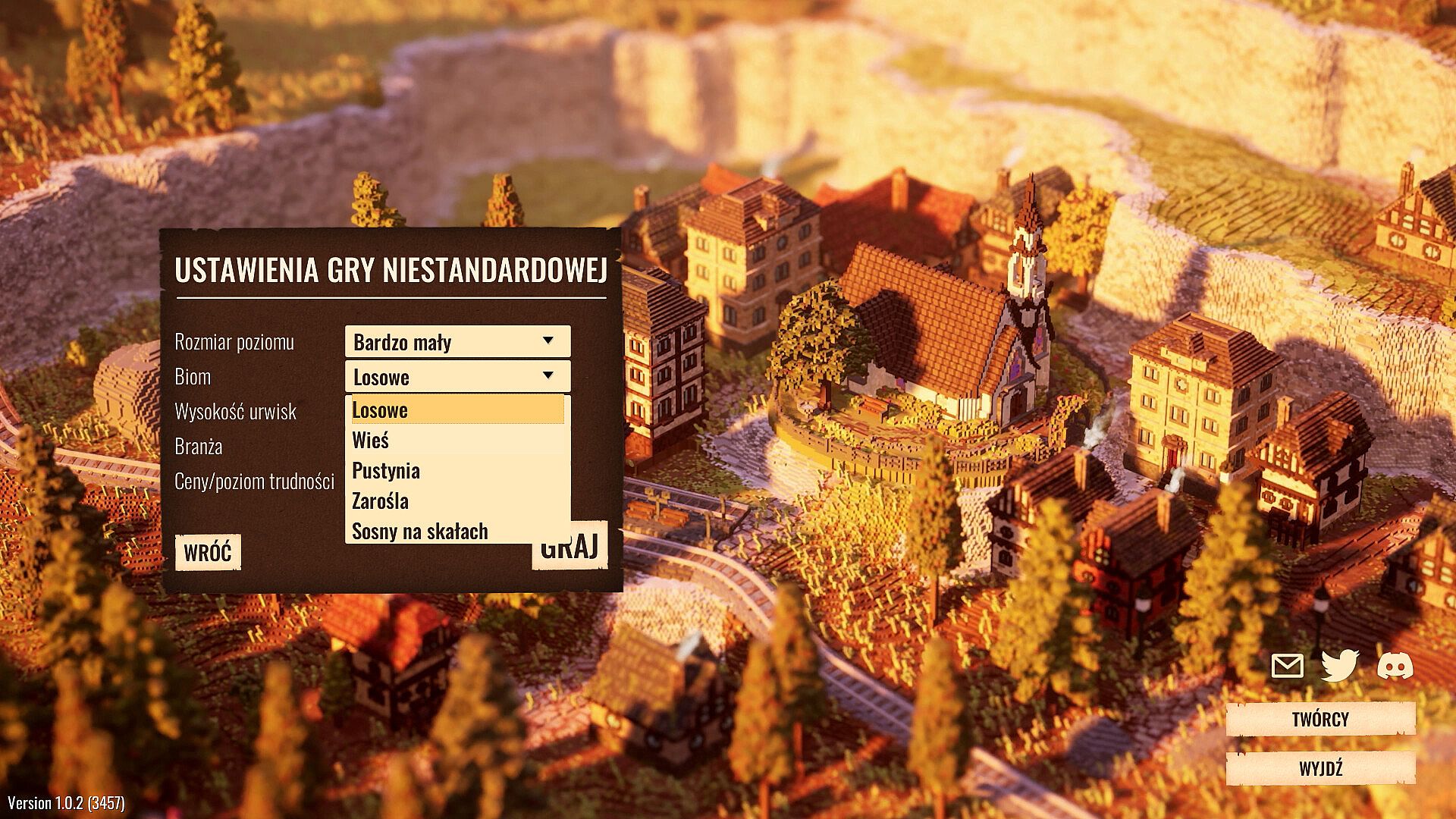
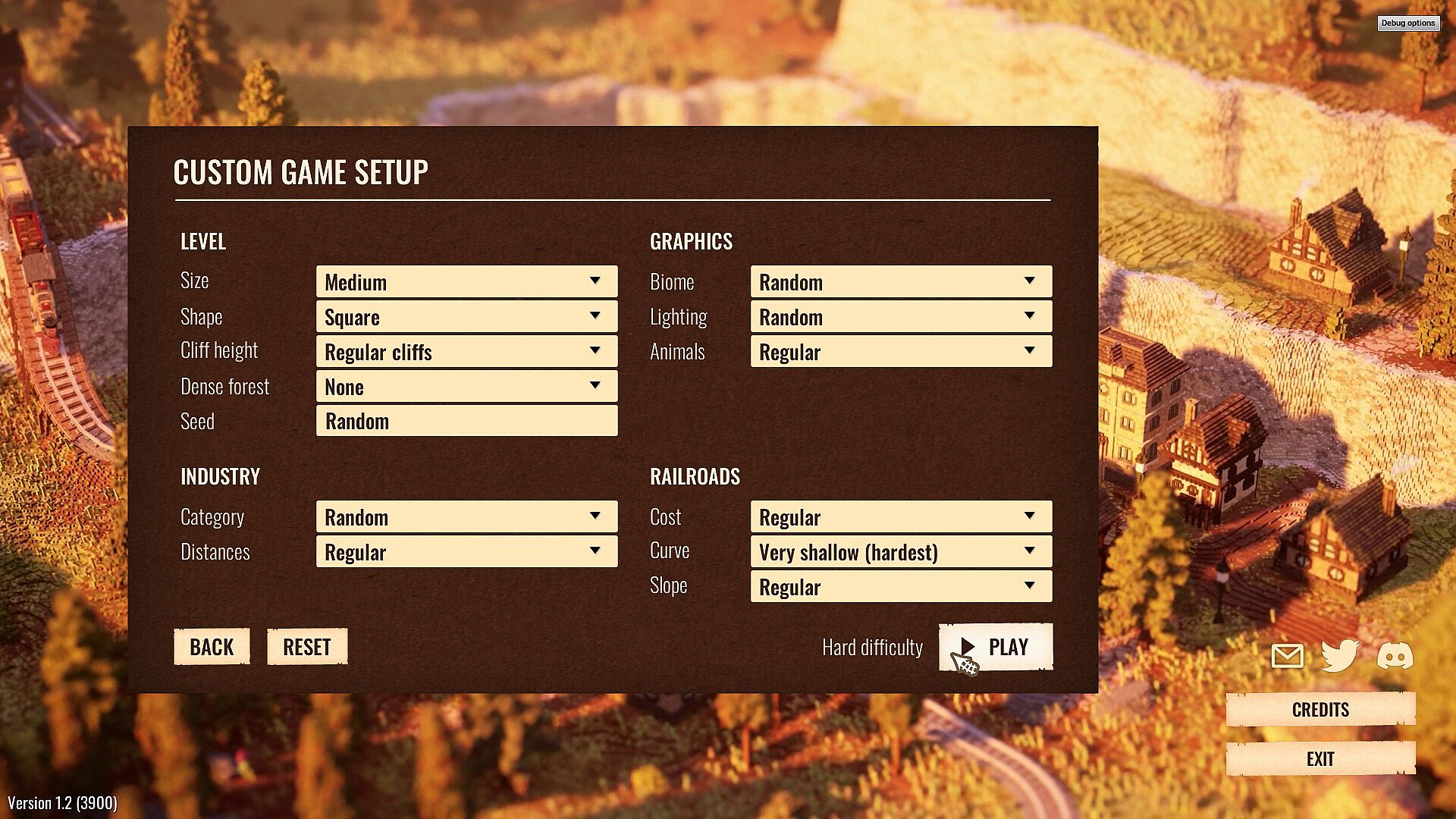
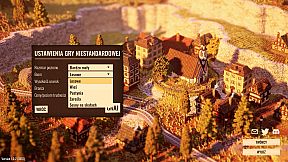
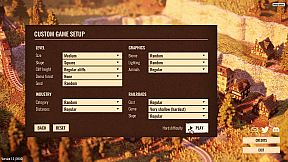
These optional challenges vary by biome and might involve reaching a specific profit threshold, limiting the number of bridges used, or locating hidden elements within the landscape. Stacking multiple bonuses across a single attempt adds depth for players seeking higher scores. A separate custom mode allows selection of level size, biome type, terrain features, industries, and difficulty settings, enabling repeated play with fresh configurations each time.
- Standard levels emphasize steady expansion and environmental change.
- Challenge layers reward precise resource routing and card use.
- Custom options support ongoing experimentation beyond the main sequence.
Visuals and Atmosphere
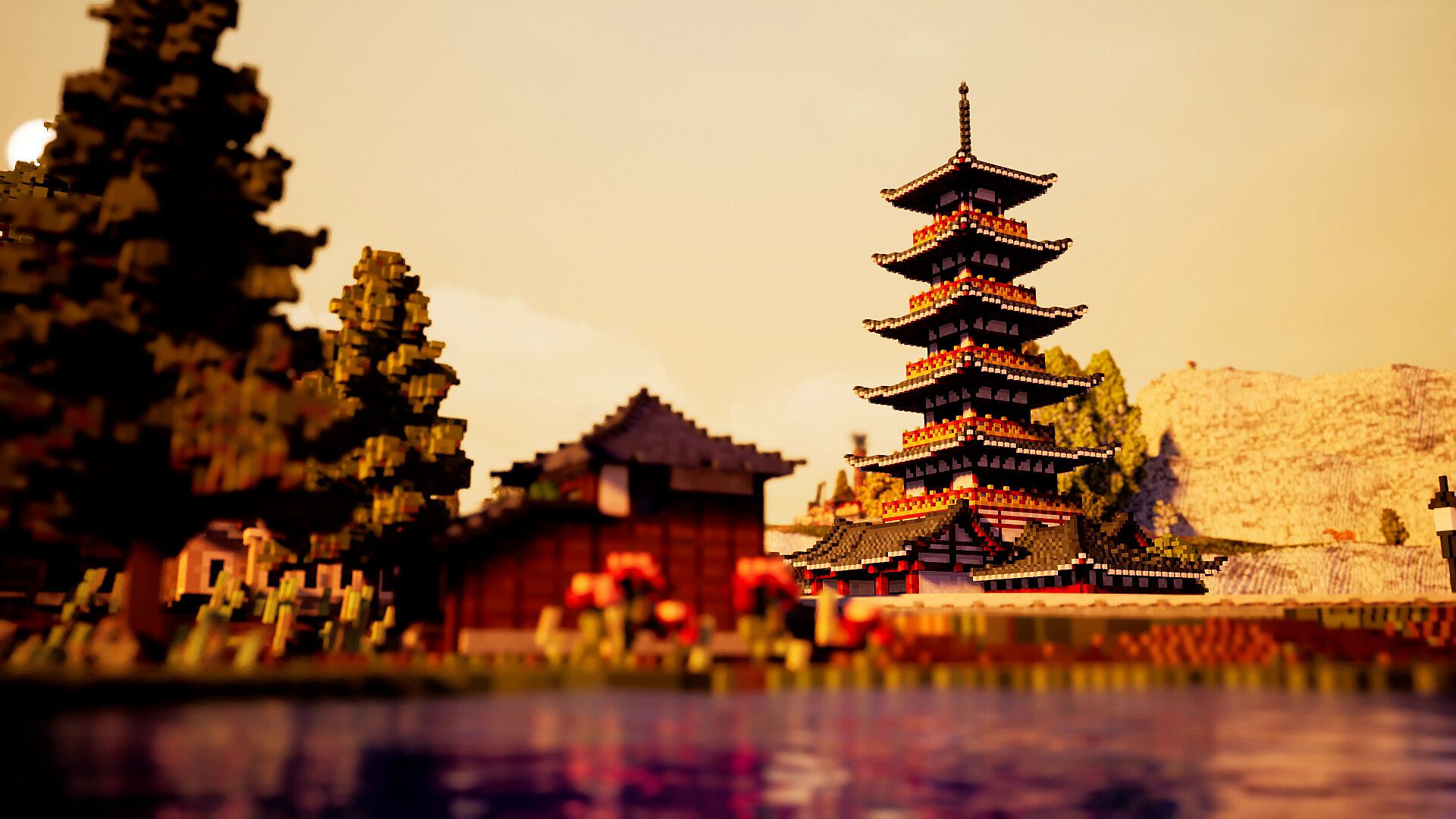
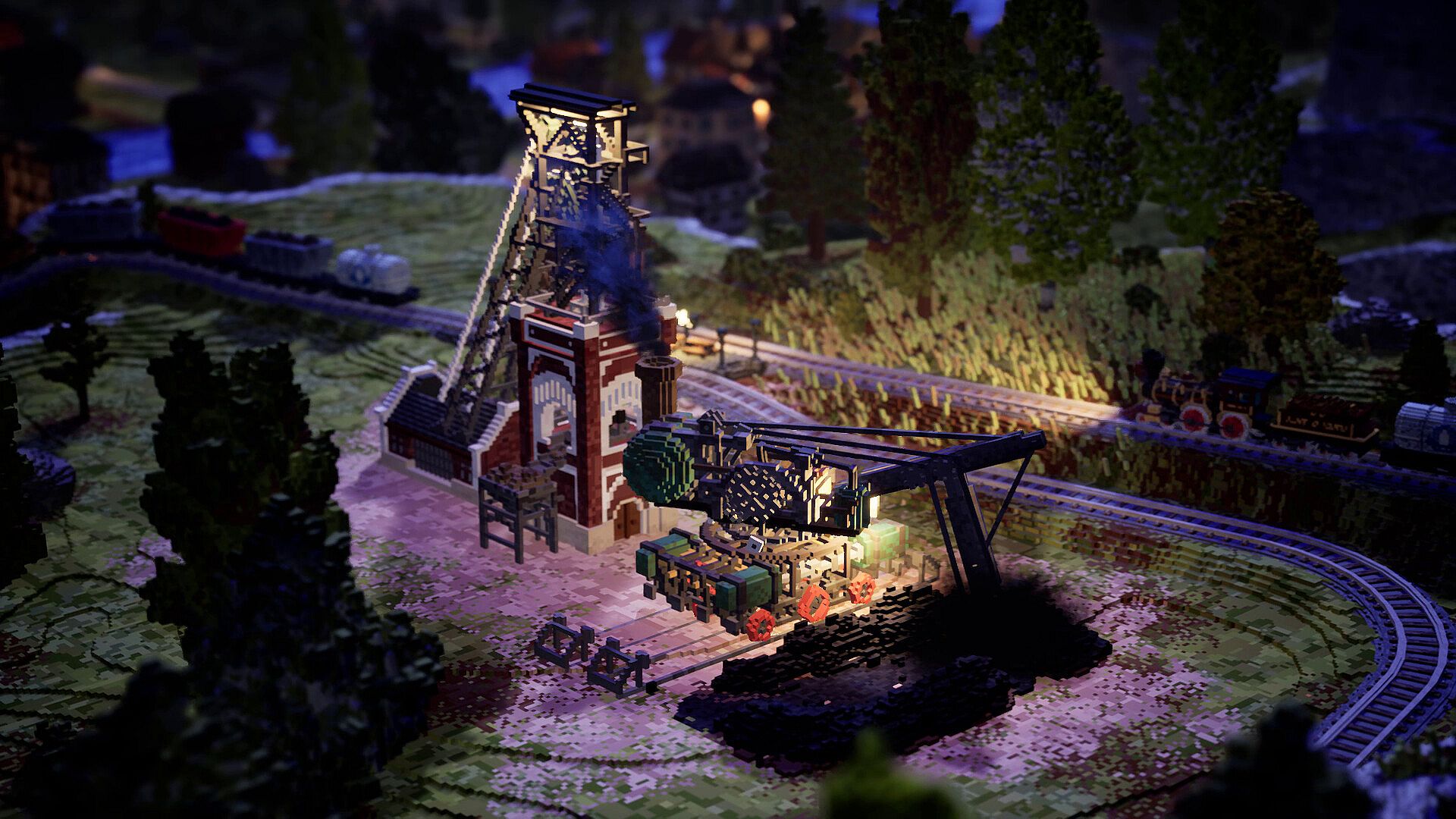
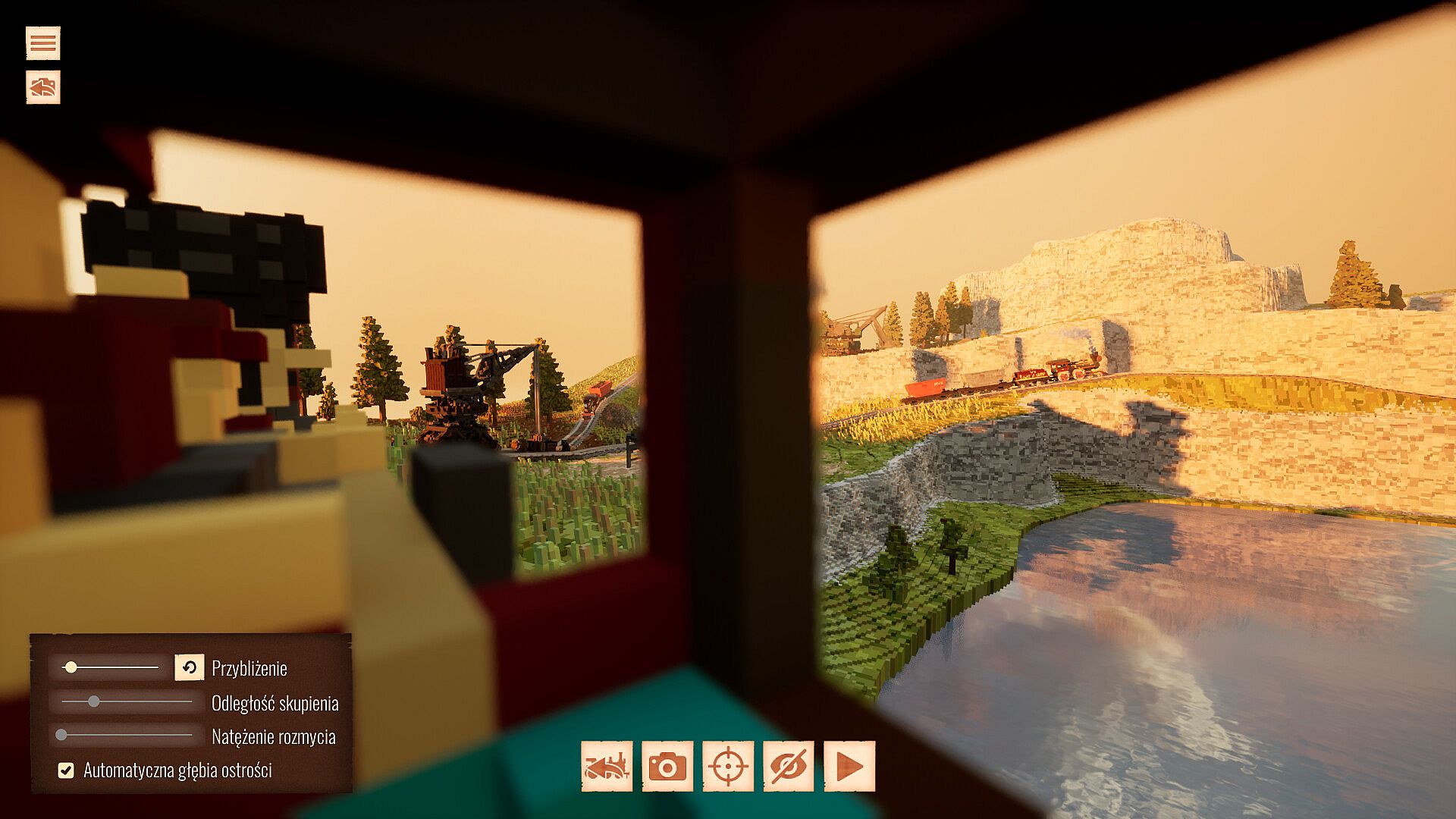
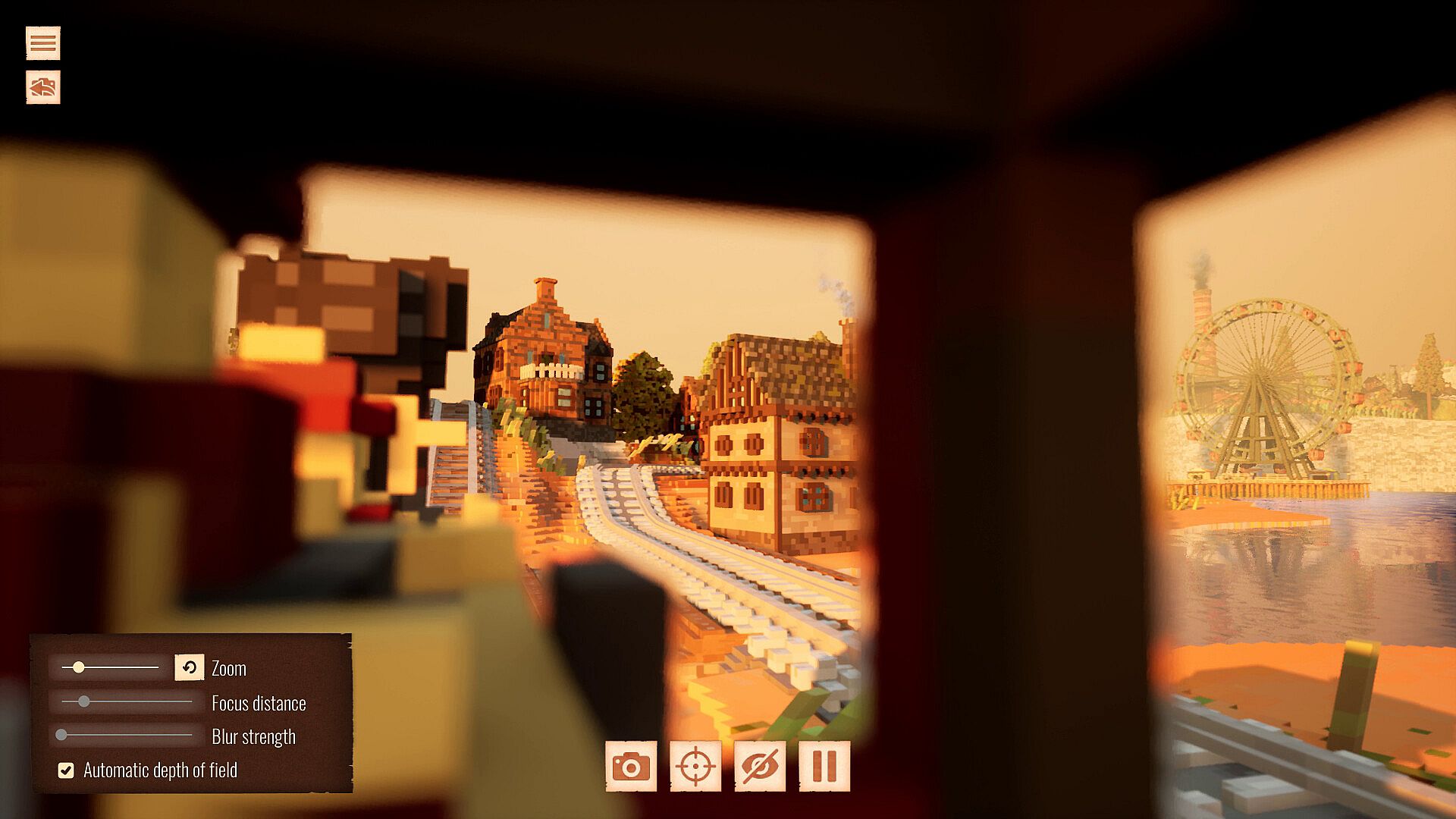
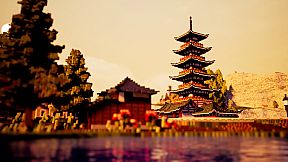
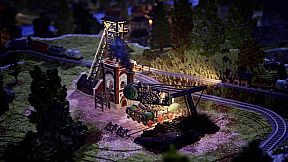
Voxel construction gives every biome a distinct character that evolves visibly with player actions. Desert areas shift from arid tones to vibrant growth, while other regions incorporate mountain ridges or valley floors that fill with flora and fauna. The art style remains consistent and appealing throughout, supporting both quick sessions and longer explorations of completed networks.
Sound design complements the building focus with subtle train and environmental audio that enhances the peaceful tone without distraction. The overall presentation suits players who appreciate minimalist interfaces paired with satisfying visual feedback from incremental world changes.
Is It Worth Playing?
Player reception remains strongly positive, with the majority of reviews highlighting the balance between relaxation and optional puzzle depth. The game delivers a complete single-player experience centered on railway networks and biome evolution, appealing especially to those who enjoy cozy simulation titles with light strategic layers. Main progression finishes in a reasonable timeframe, yet the custom mode extends replay value for anyone interested in designing varied scenarios.
Those drawn to games like train routing puzzles or environmental builders will find familiar mechanics executed with clear goals and attractive presentation. The absence of multiplayer keeps the focus on personal planning and observation. Current availability on PC makes it accessible for sessions that range from brief relaxation to more involved optimization attempts. Overall, it suits players seeking a thoughtful building experience without overwhelming complexity.