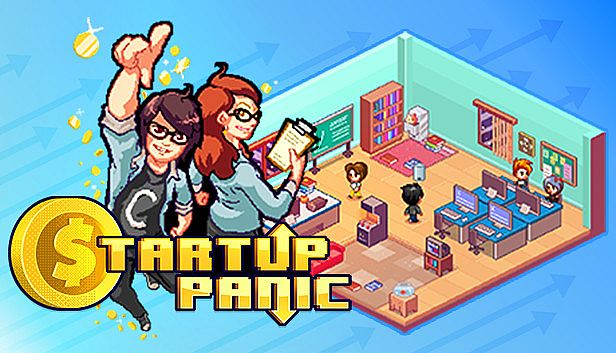



















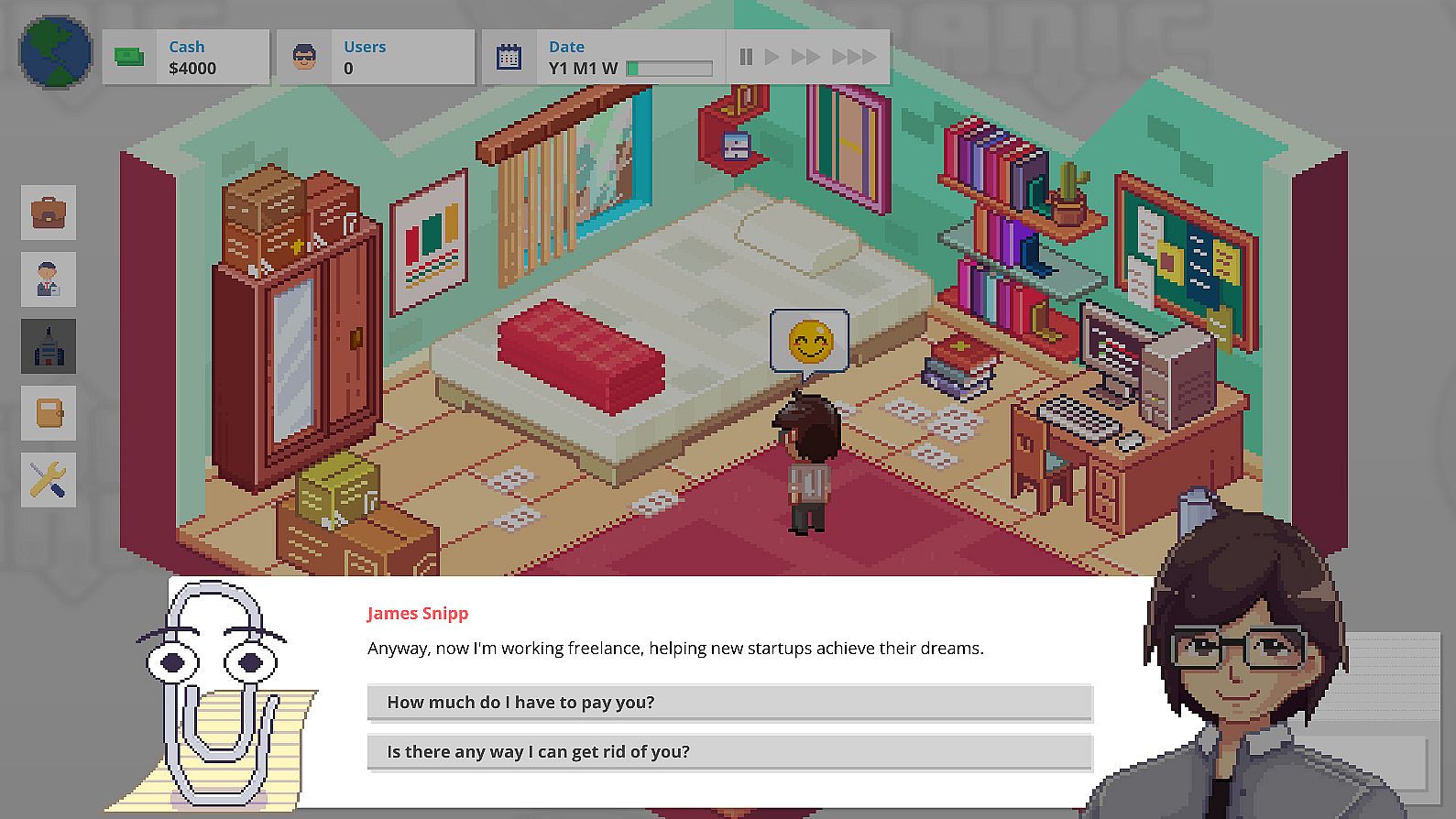
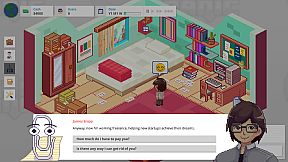

Startup Panic is a strategy, indie, casual, and simulation game centered on building a tech startup from humble beginnings. Players step into the shoes of a bedroom programmer who leaves a corporate job to pursue independent projects, balancing short-term survival with long-term growth in a competitive market.
Gameplay
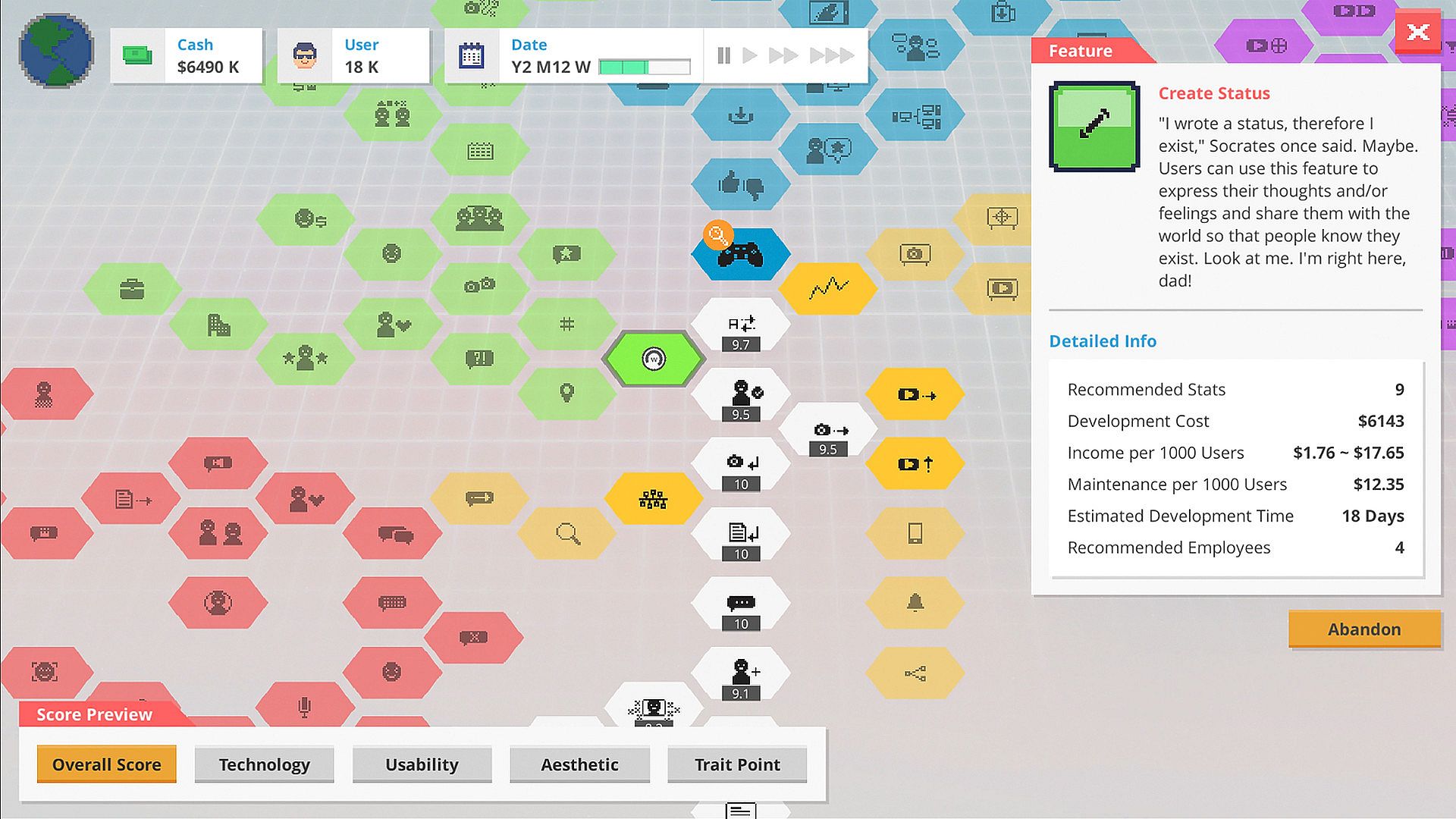
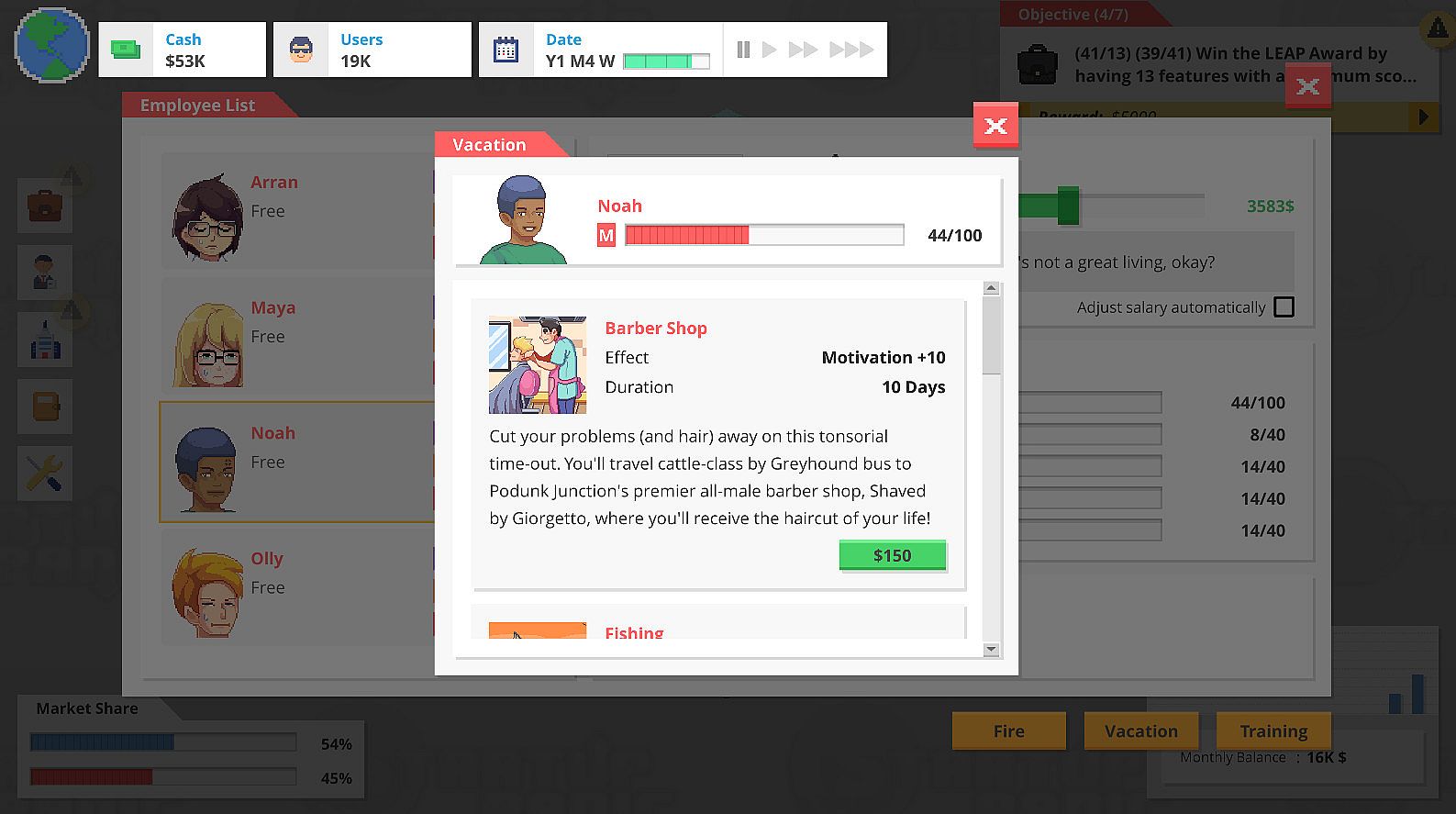
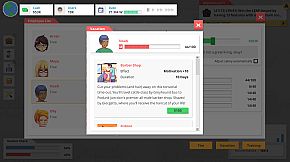
The core loop revolves around careful time allocation across weeks and months. Each period offers choices between taking on contract work for immediate cash, developing features for your own products, or scheduling vacation days to manage stress and maintain productivity. Decisions shape project outcomes directly, with focus areas determining whether efforts lean toward rapid feature builds, staff training, or revenue generation.
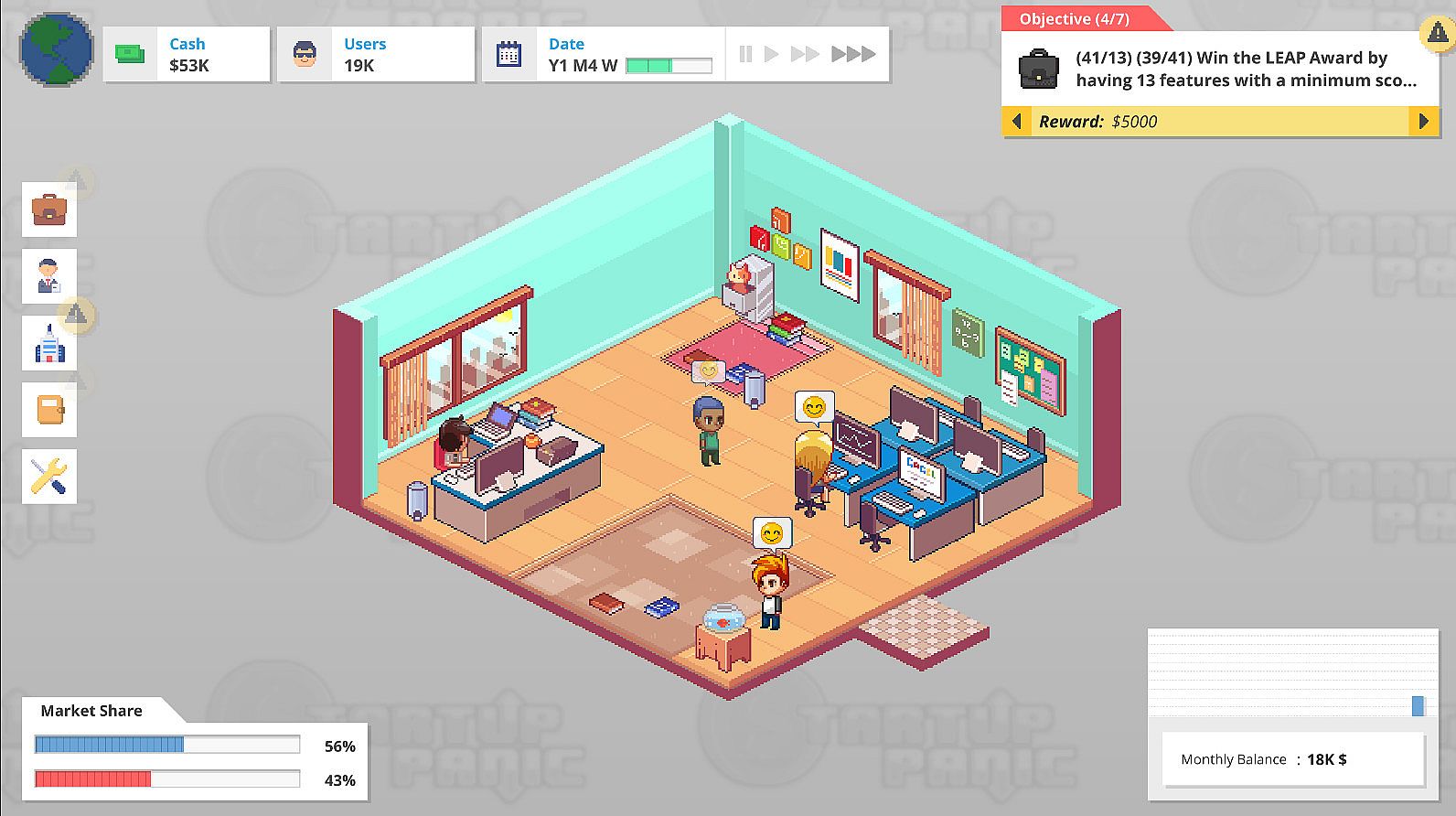
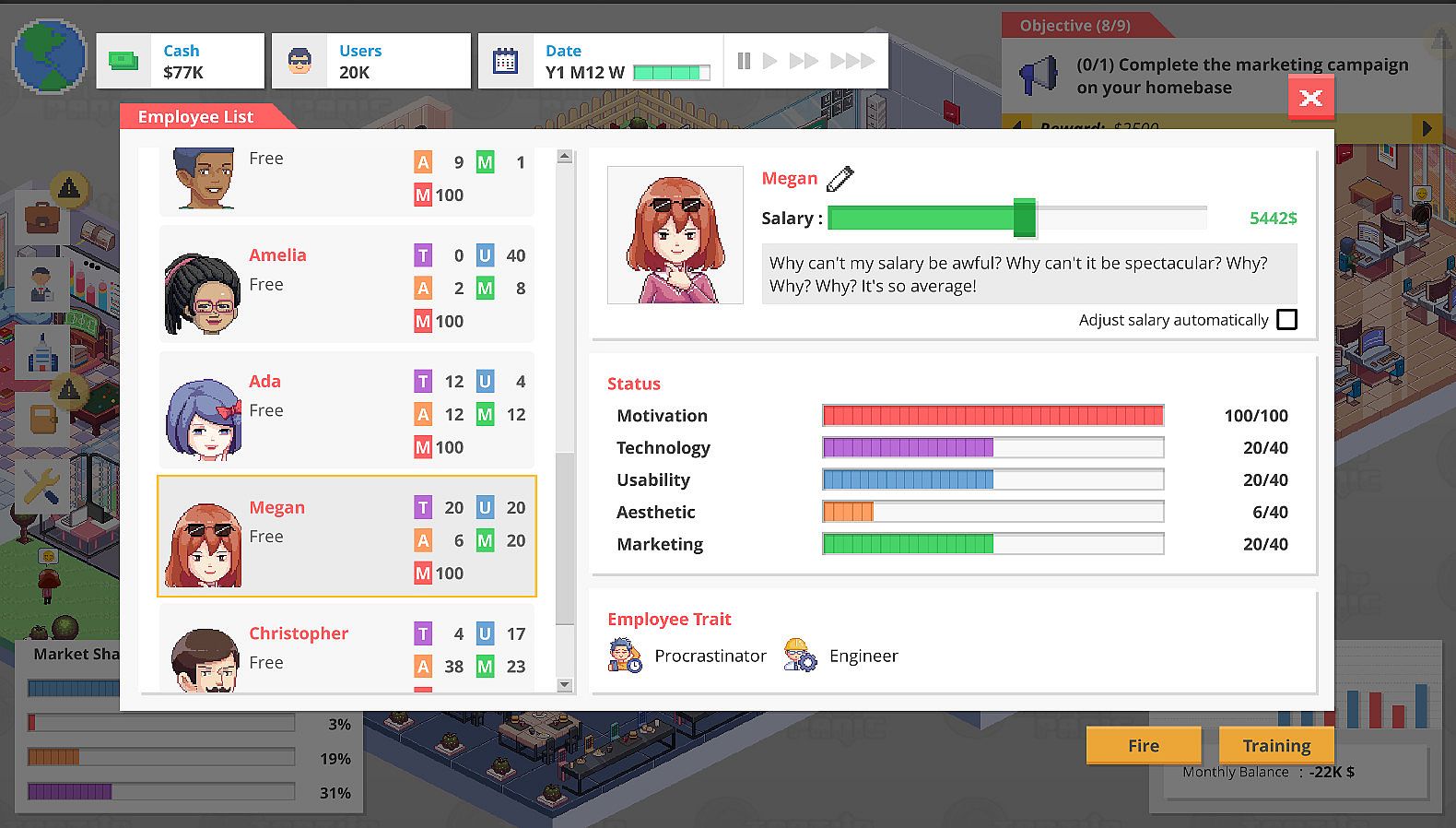
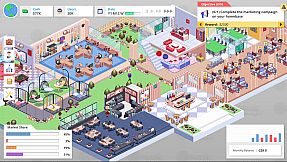
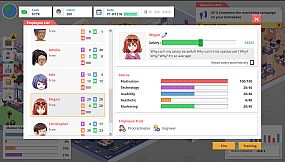
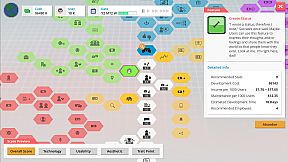
Early stages emphasize personal effort as the sole programmer, but growth brings new layers. Hiring becomes essential once passive income streams appear, and employees arrive with distinct traits such as social skills for networking, marketing expertise for user acquisition, or independent work styles suited to solo tasks. The skill tree allows targeted upgrades that influence office efficiency, such as extending vacation allowances or reducing operational costs like air conditioning.
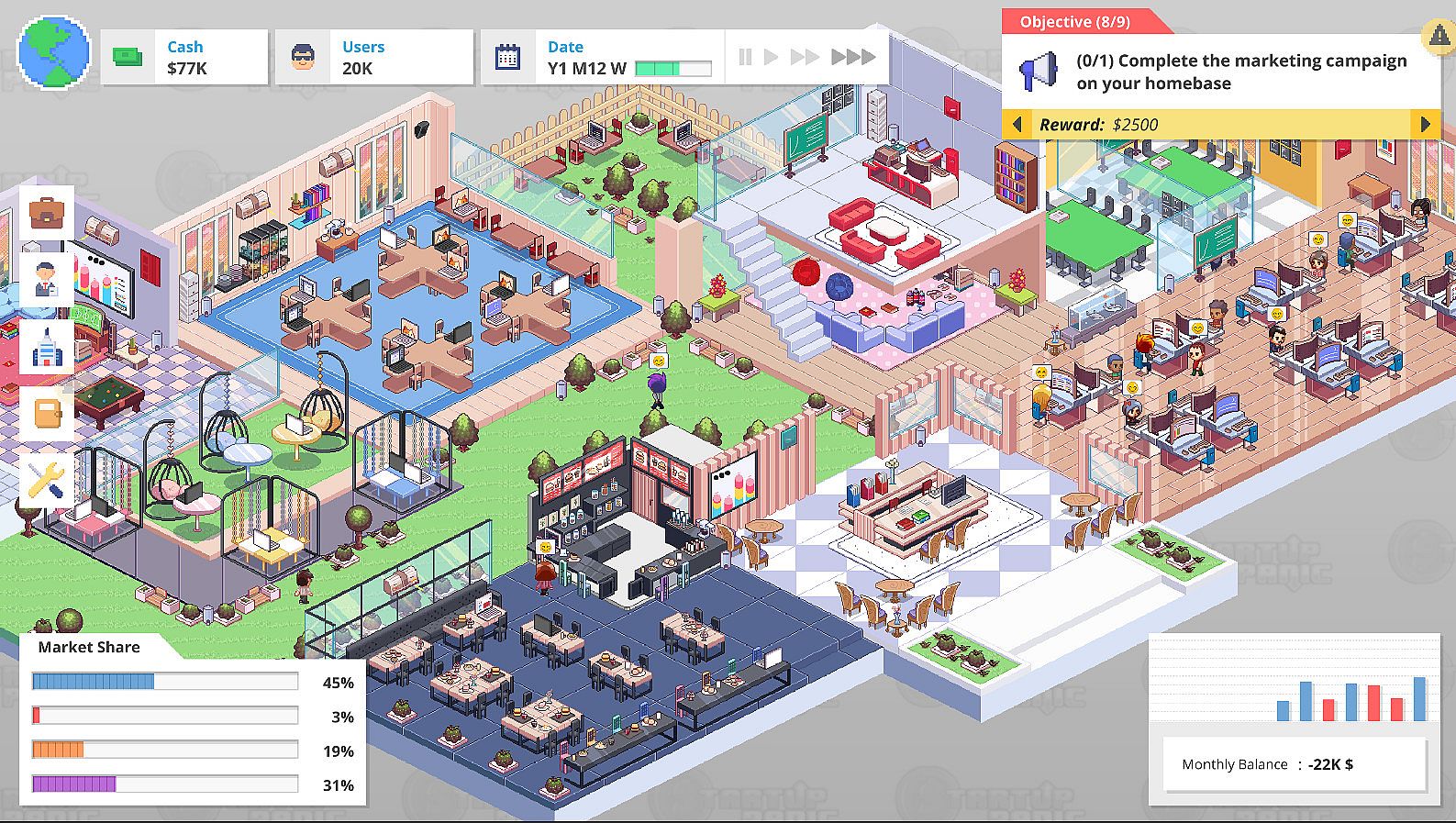
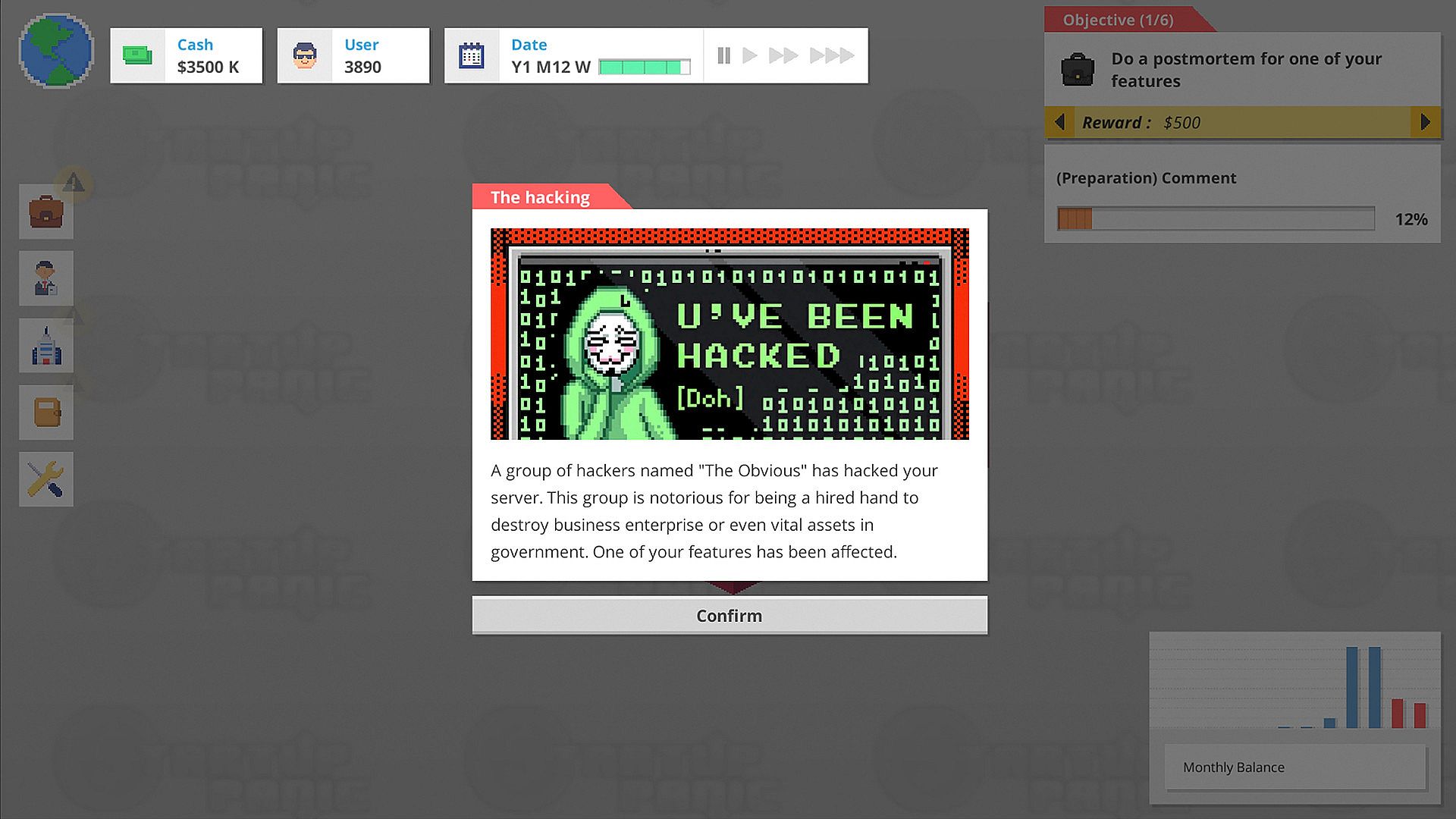
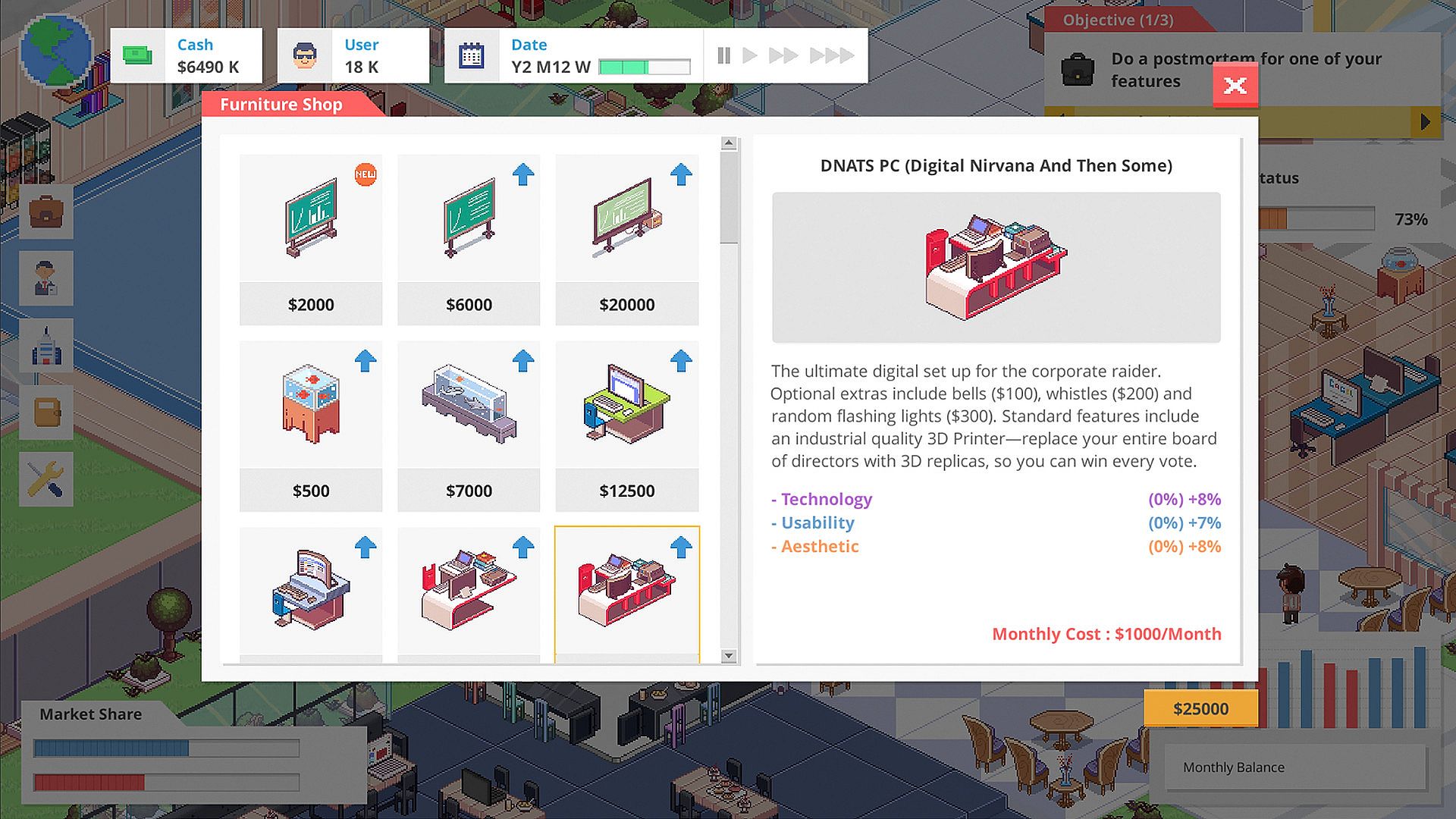
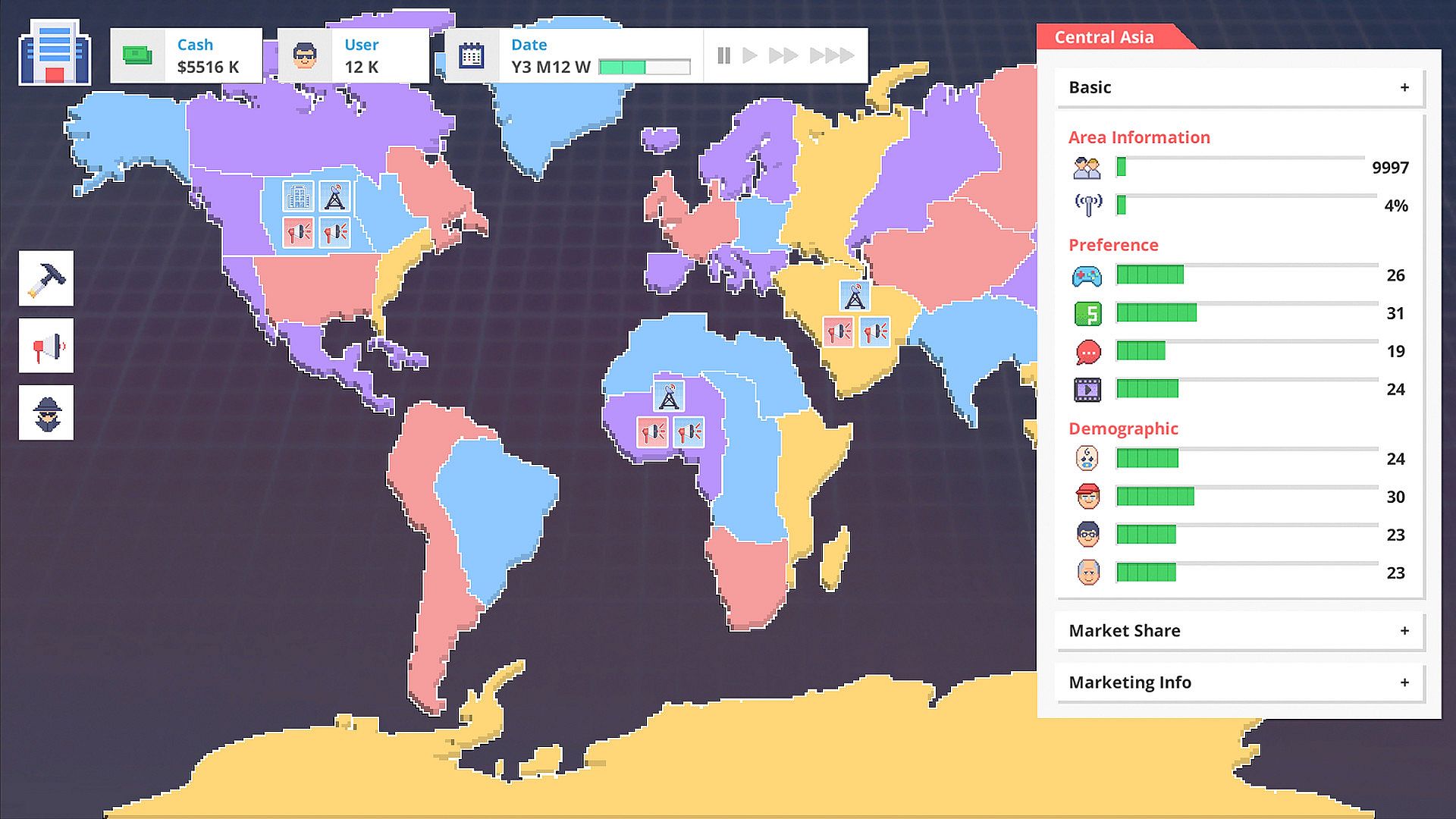
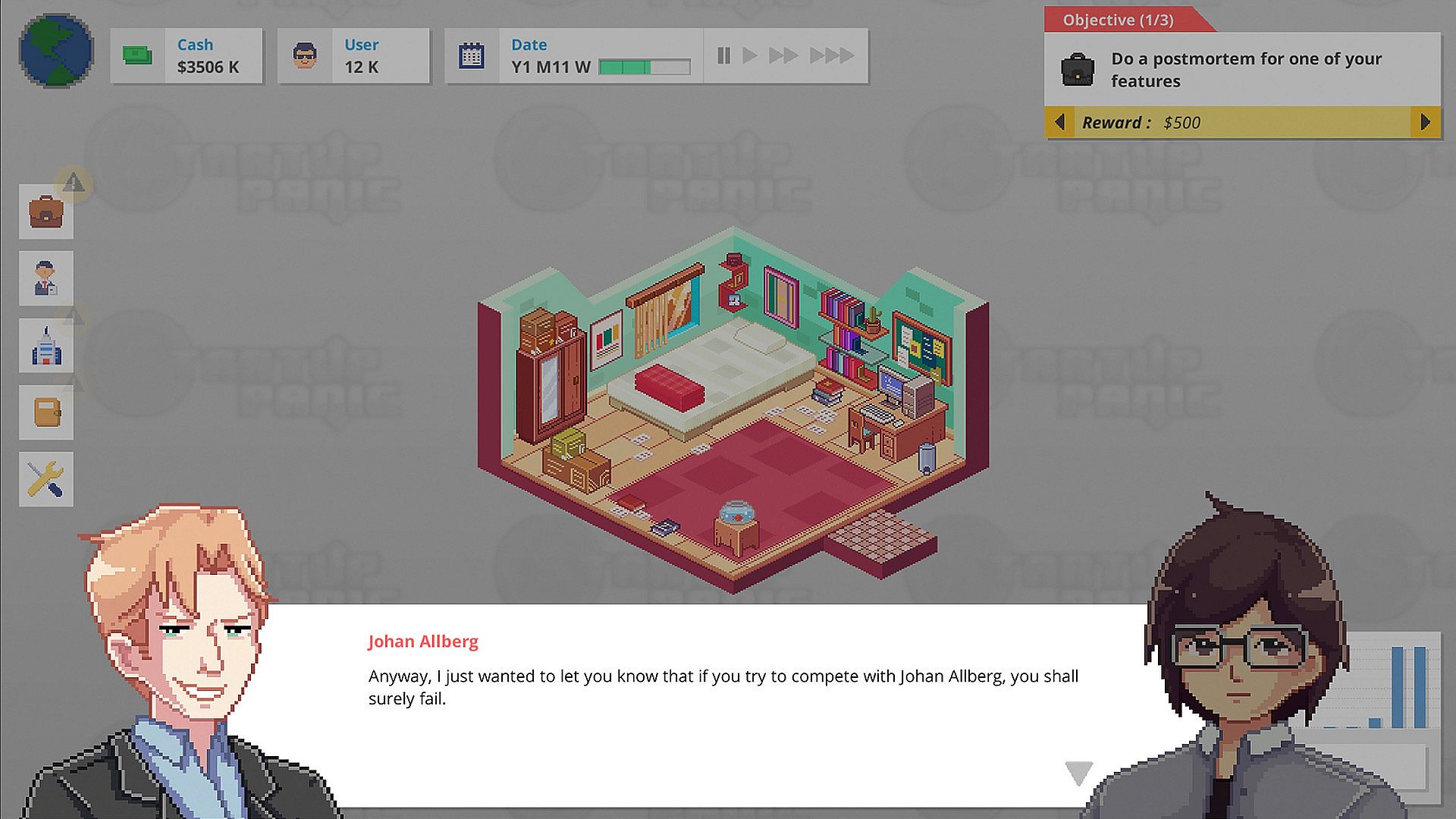
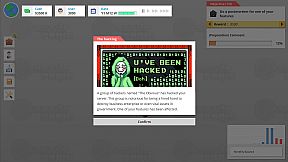
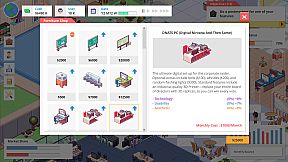
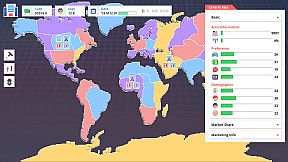
Financial tools add depth through loans for quick capital or investor pitches that carry ongoing obligations. Competition intensifies as the company scales, with rival CEOs vying for regional users before expansion opens a world map for new headquarters. Office upgrades draw attention from competitors, introducing risks like potential hacks or other setbacks that test resource management.
Game Modes
Startup Panic centers on a single-player progression system without separate named modes. The experience unfolds as one continuous management simulation where players advance from solo bedroom operations to a multi-employee enterprise competing on a global scale. Time-based weeks serve as the primary structure, allowing repeated cycles of planning, execution, and adjustment within the same overarching campaign.
Progression ties directly to company milestones, such as reaching passive income thresholds or opening additional locations. This unified approach keeps the focus on adapting strategies to shifting demands rather than switching between distinct rule sets or scenarios.
Progression and Challenges
Advancement follows a clear path from individual contracts to building sustainable revenue and international presence. Skill tree choices create branching paths that reward different playstyles, whether prioritizing employee retention through better benefits or aggressive market expansion. Rival interactions on the world map add layers of competition, requiring players to secure users before rivals claim them.
Resource constraints force trade-offs at every stage. Limited time per week means skipping training might boost short-term earnings but weaken long-term staff performance. Cash flow issues can lead to loans with repayment pressures or investor deals that dilute control. These mechanics encourage careful planning to avoid overextension while scaling operations.
Is It Worth Playing?
Startup Panic suits players who enjoy detailed business simulations and time-management challenges in a single-player format. The mixed reception, with 55 percent positive reviews from over 200 user submissions, reflects its appeal to fans of the genre alongside notes on occasional balance or polish concerns.
Those drawn to systems involving hiring decisions, skill progression, and competitive expansion will find consistent depth in the core loop. The game remains available as a complete title with fifty achievements to pursue, making it a solid option for repeated playthroughs focused on optimizing startup growth under pressure.