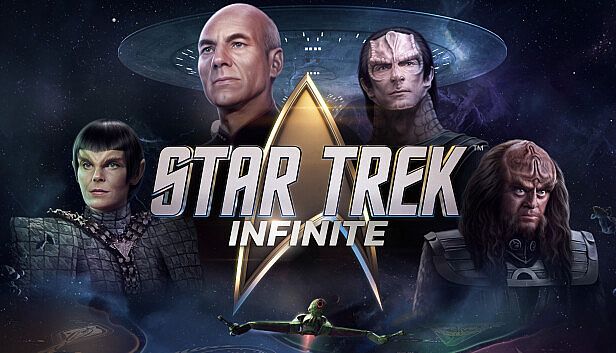


























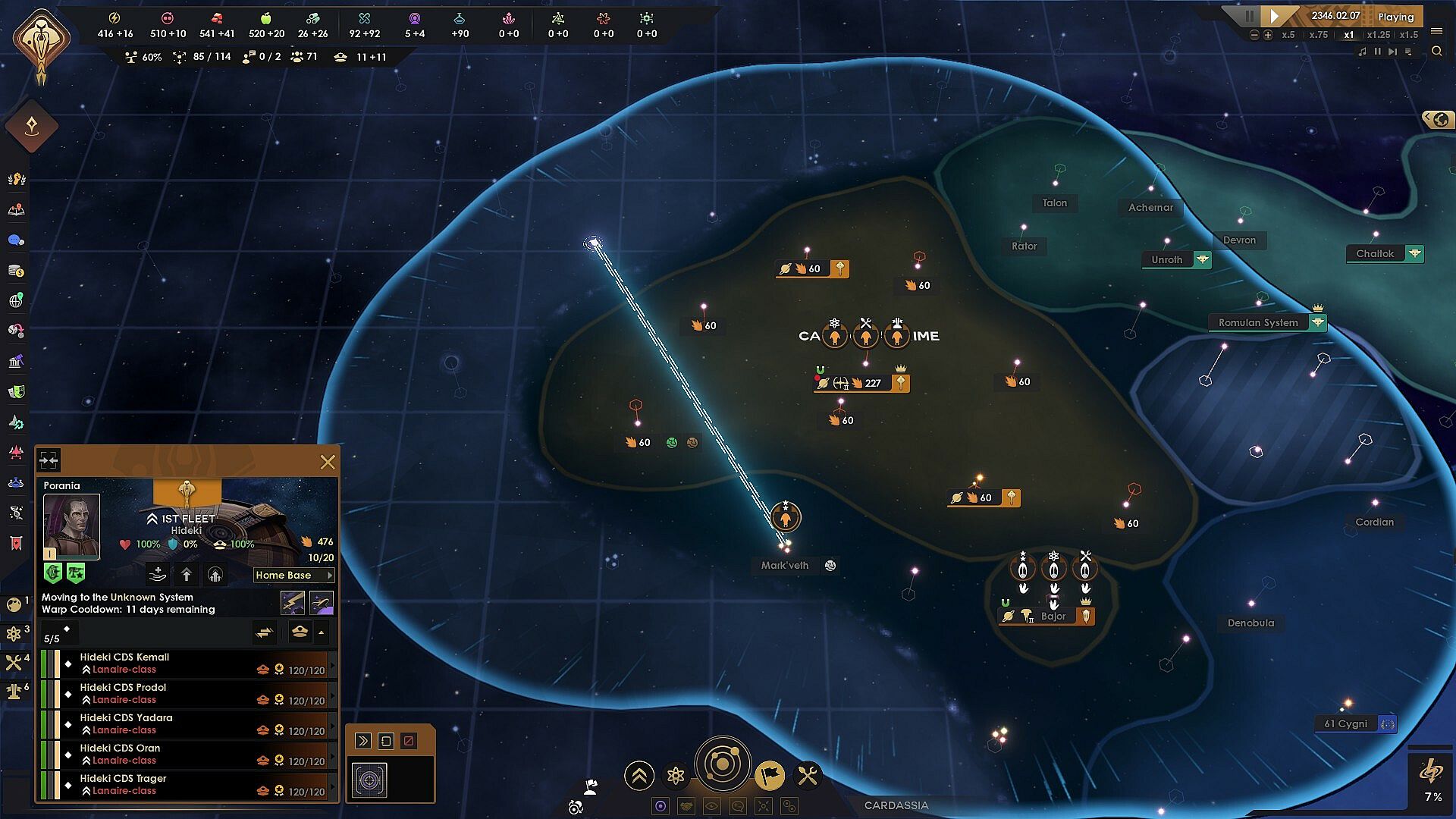
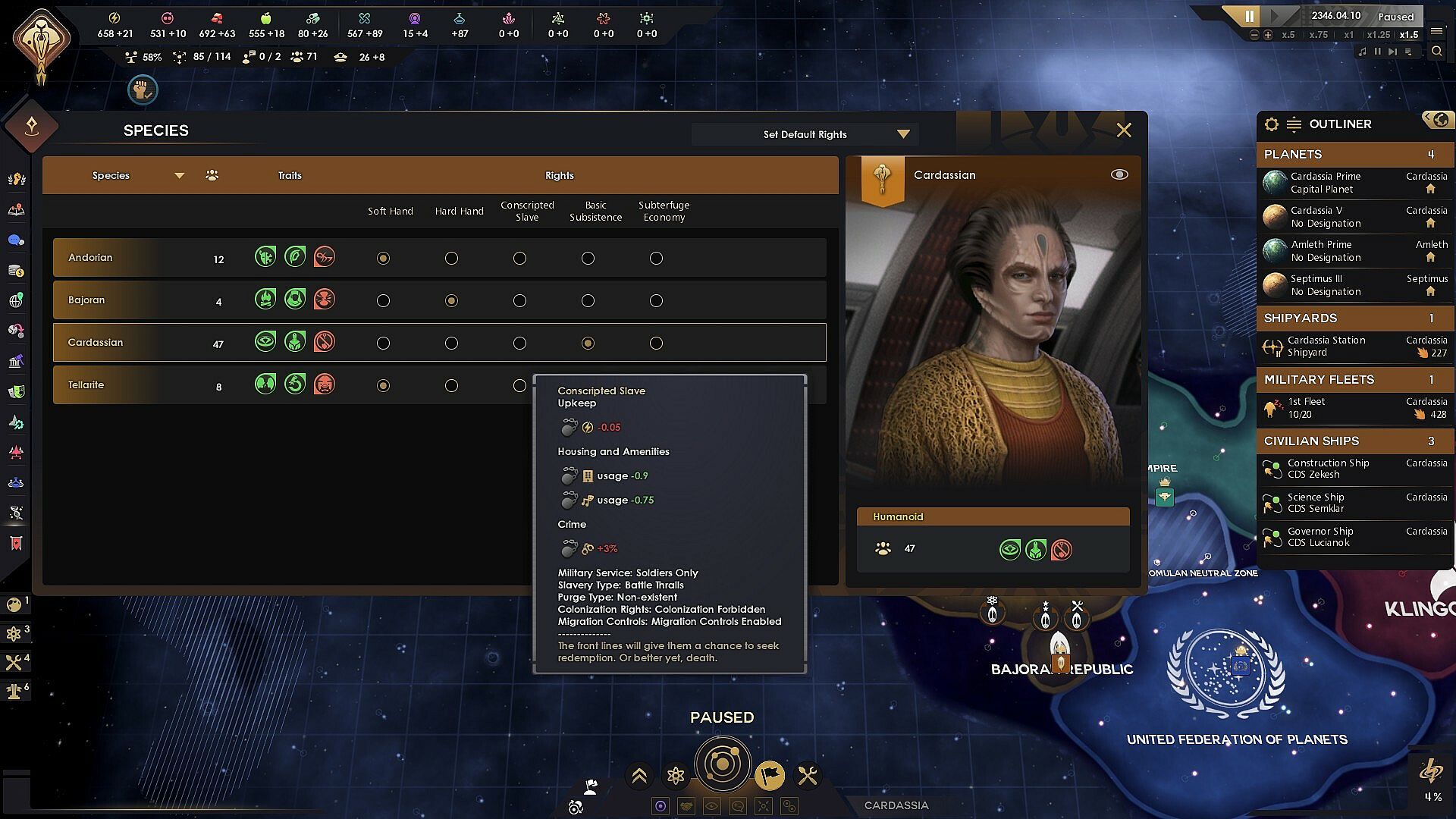

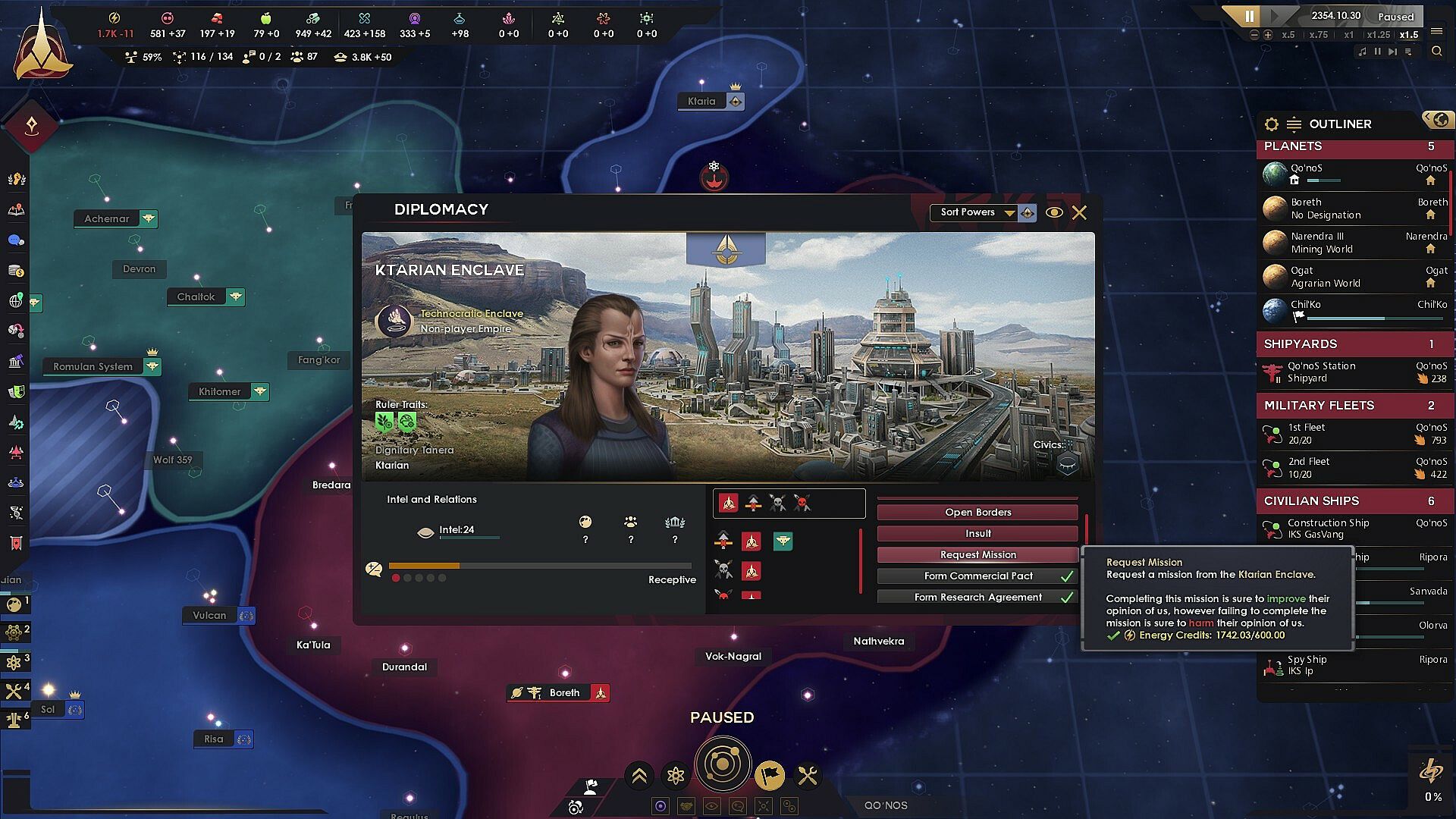
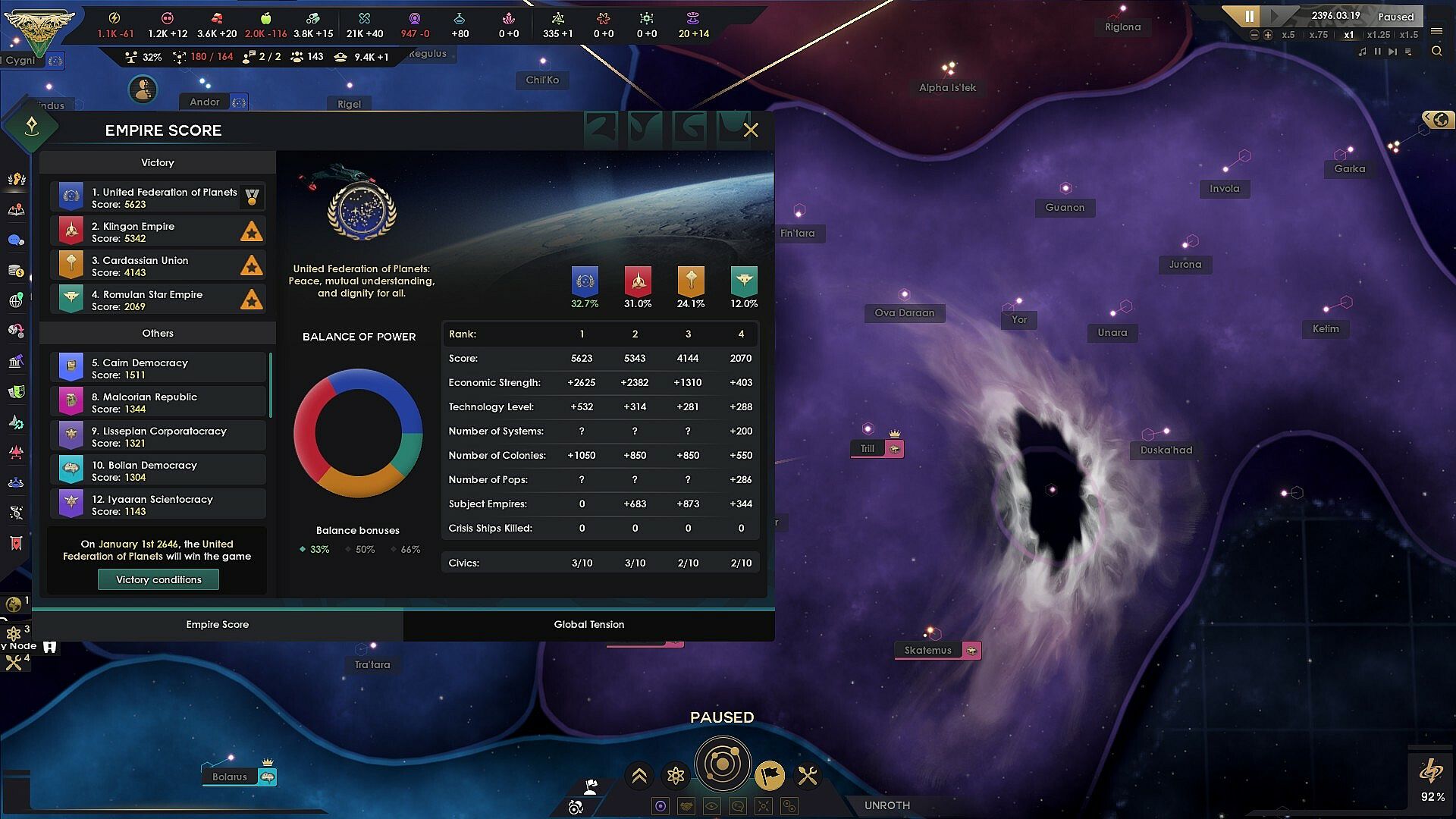
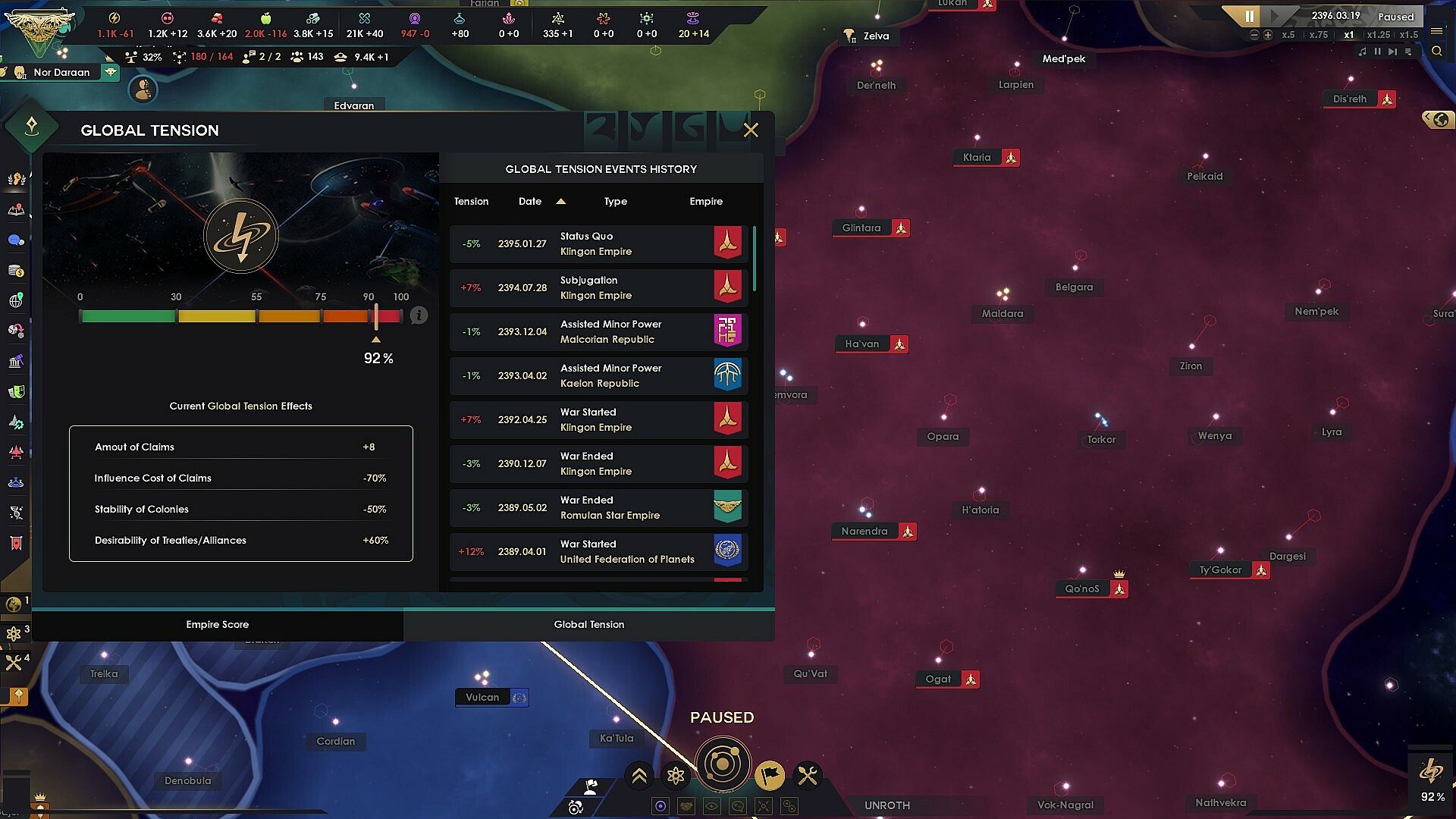
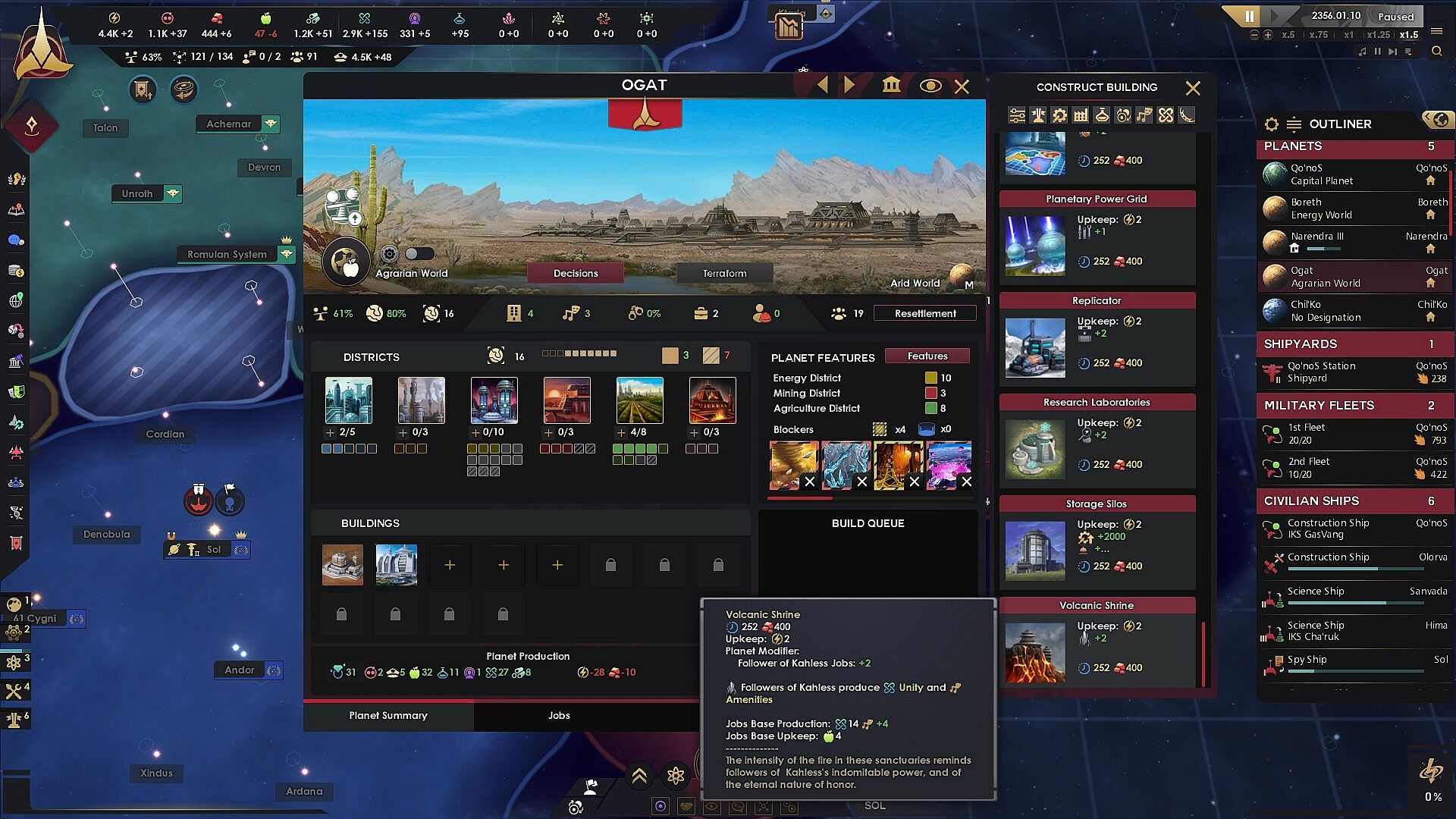
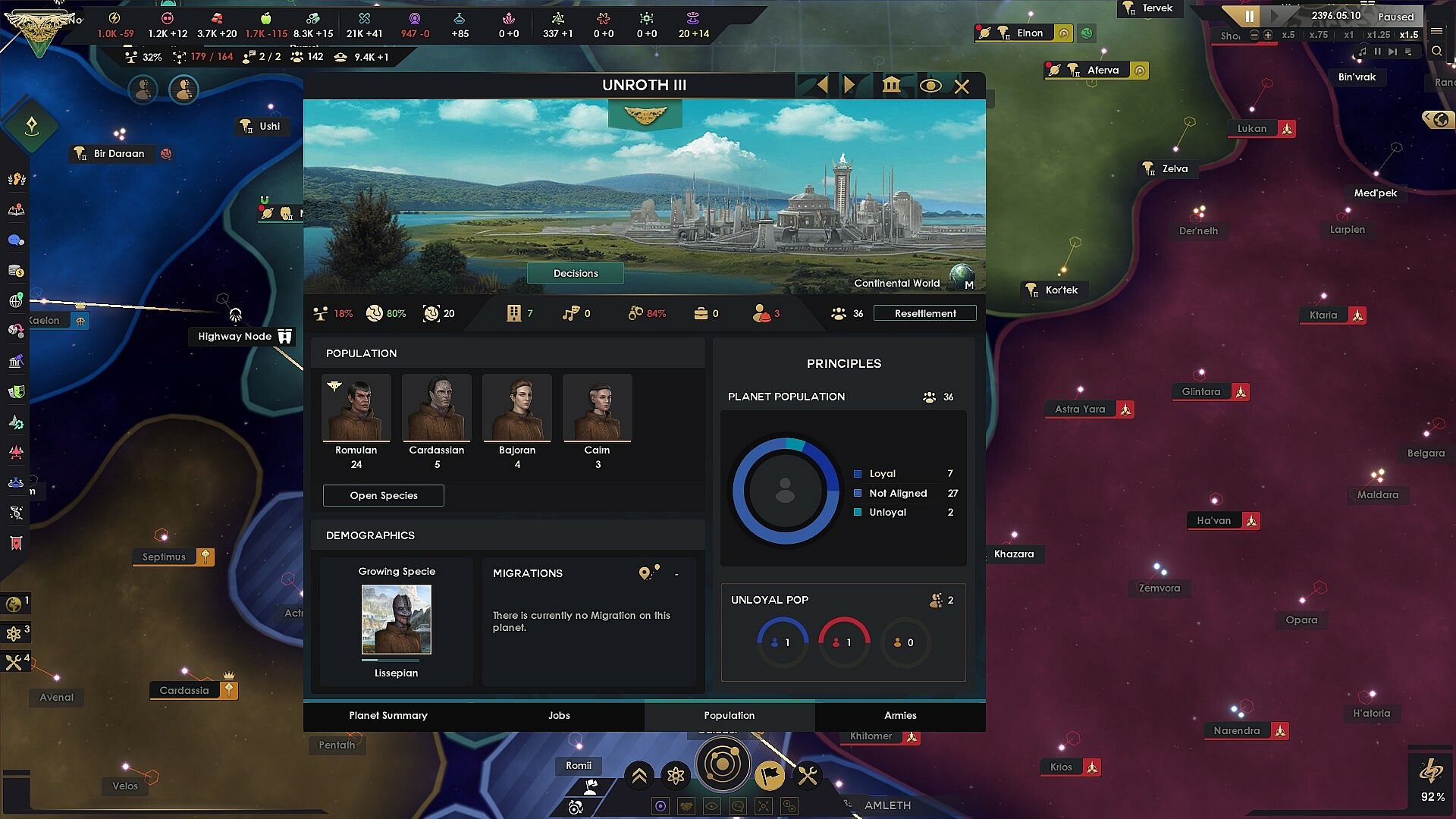
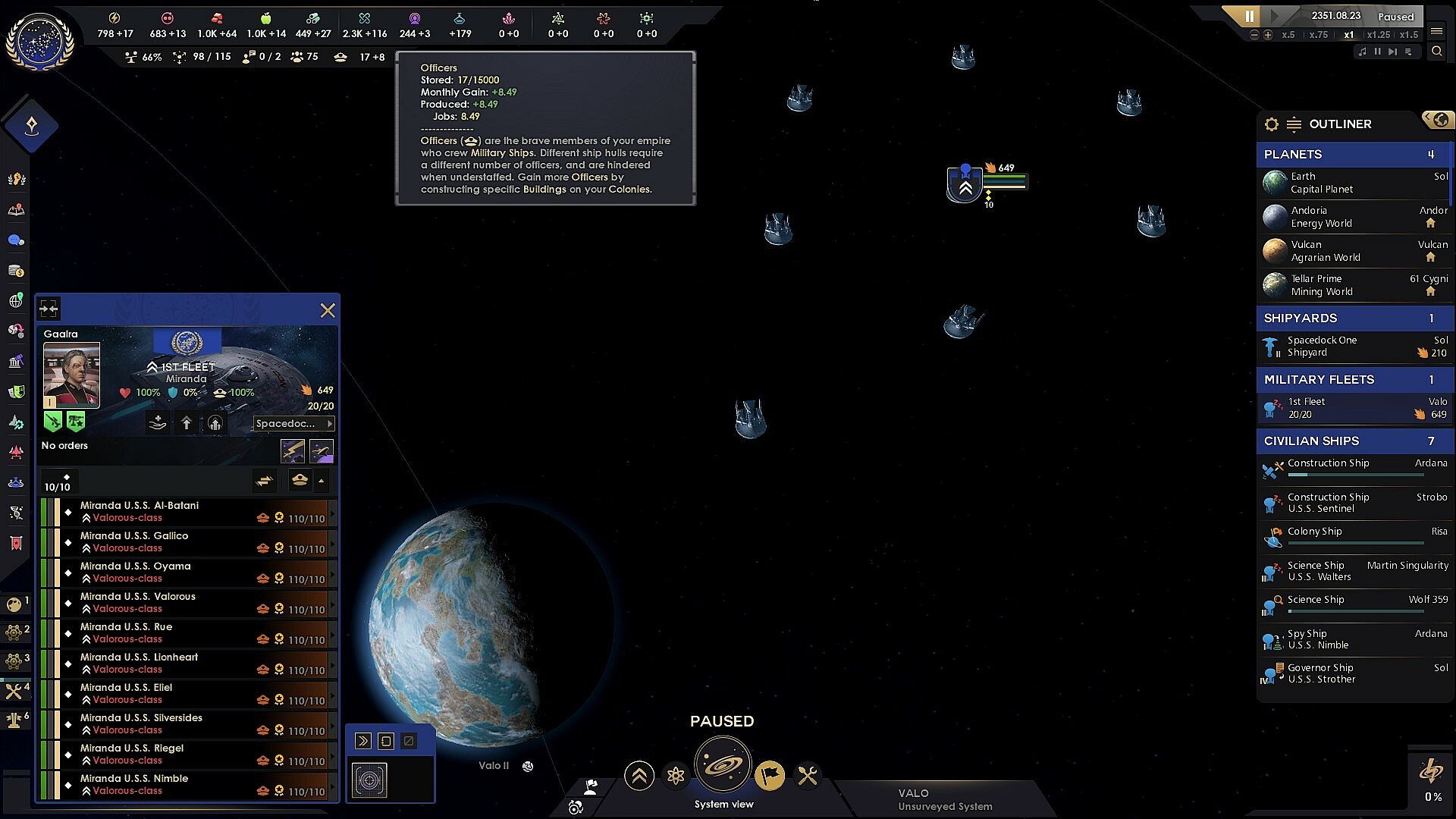
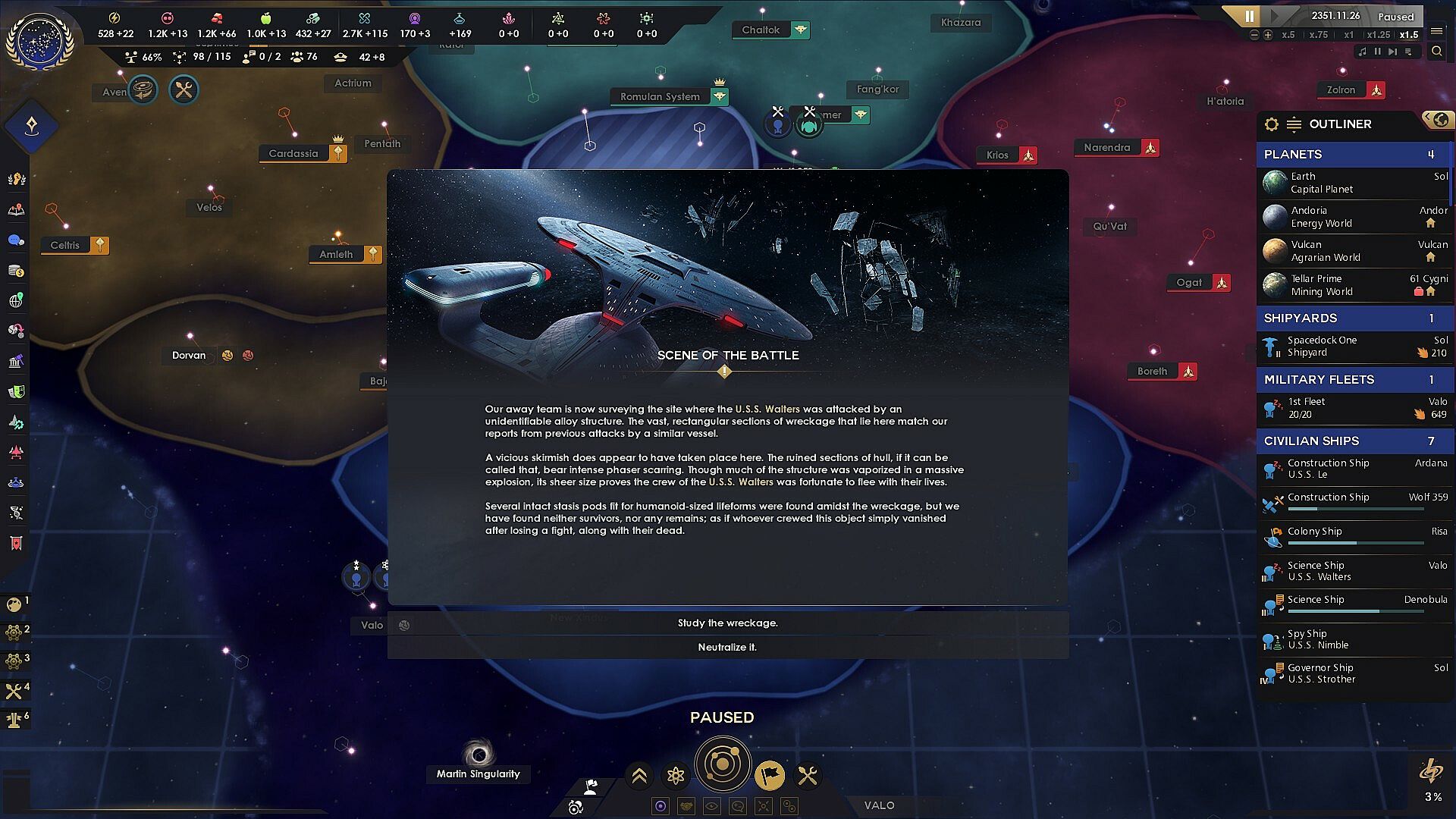
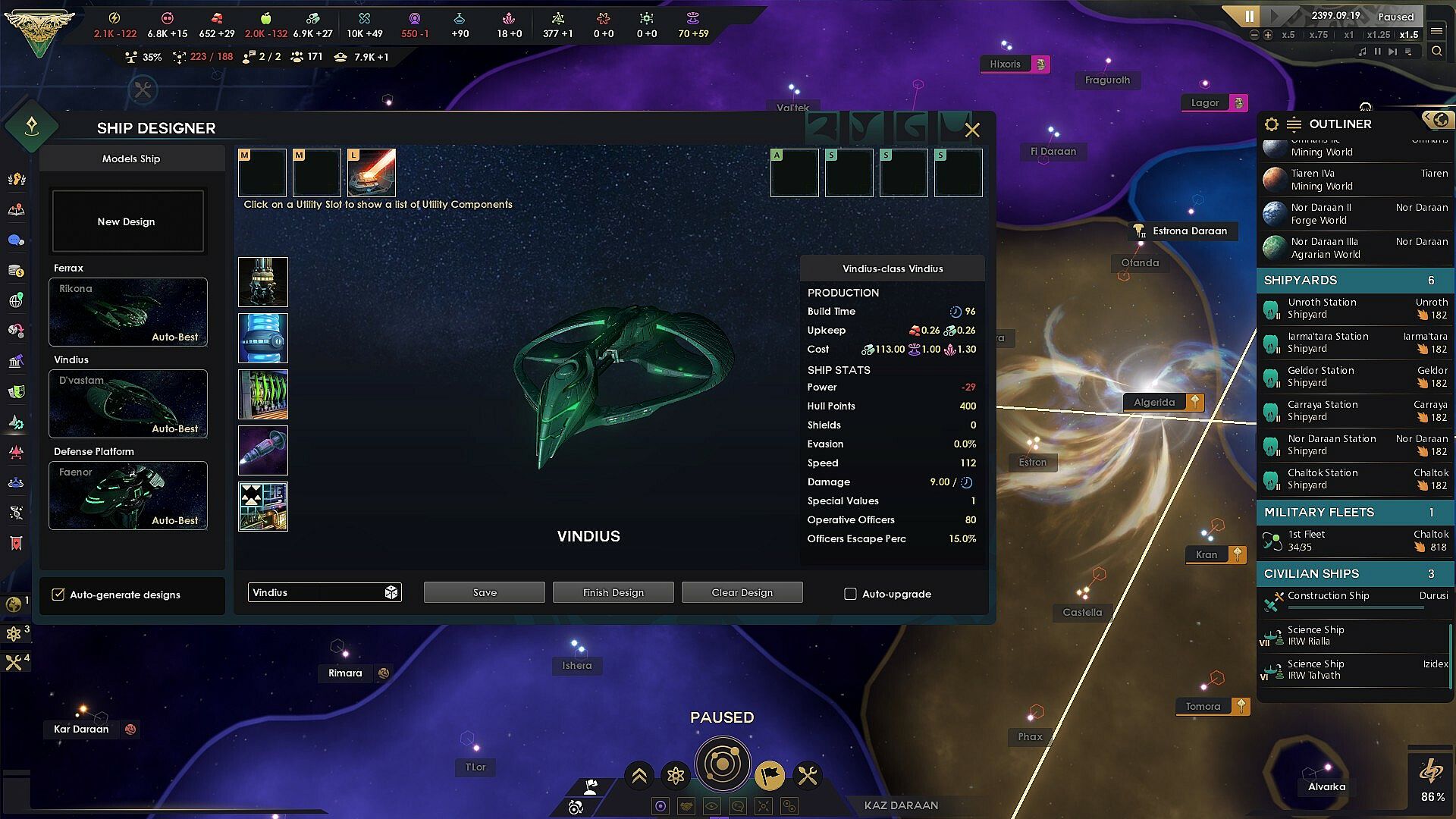
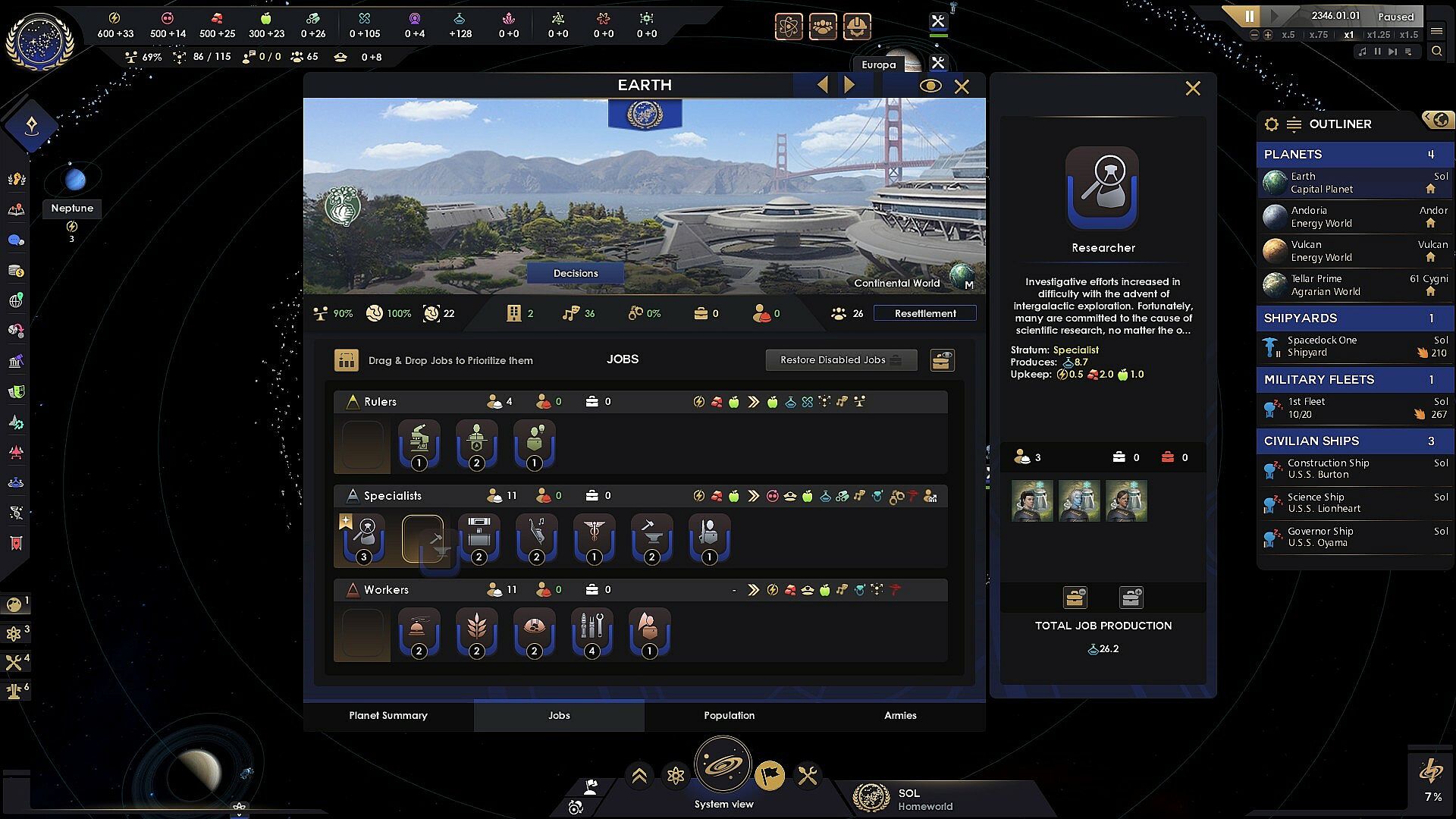
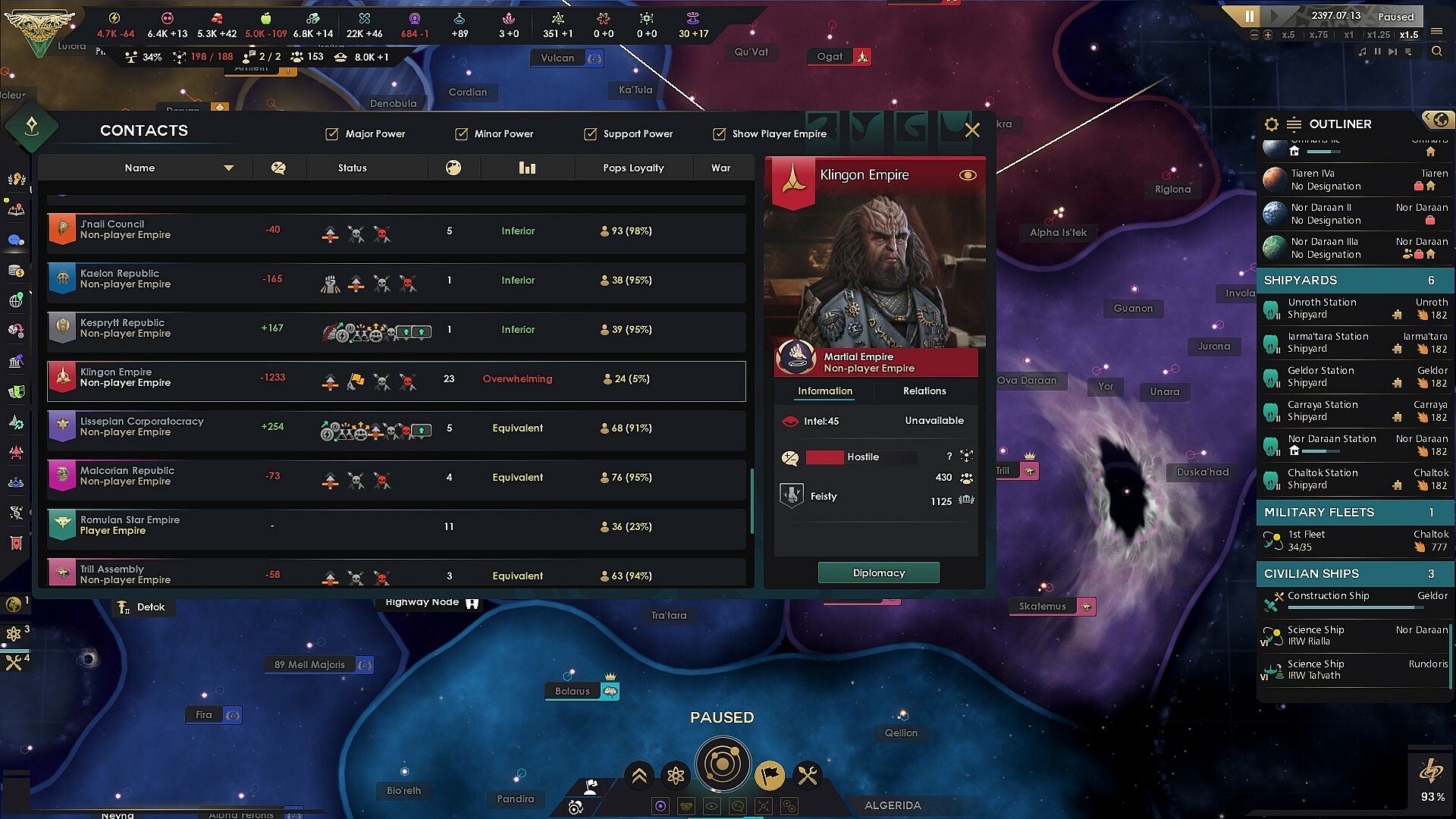
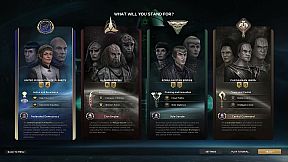
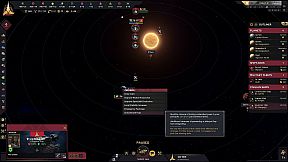
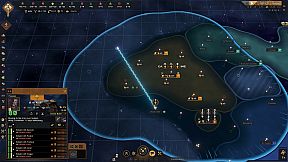
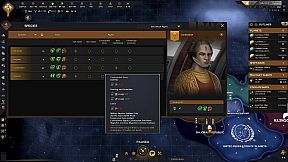

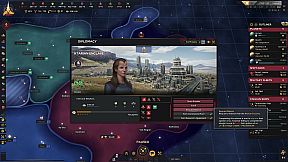
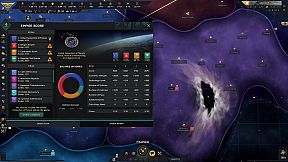
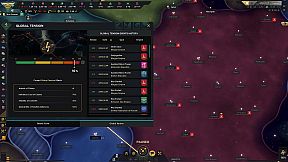
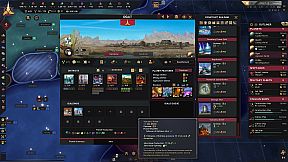
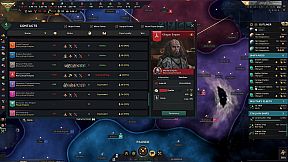
Star Trek: Infinite is a grand strategy game that places players in command of one of four major factions from the Star Trek universe. Released in 2023 for PC, it adapts core mechanics from Stellaris into a focused experience centered on empire management, decision-making, and narrative branching within a familiar sci-fi setting.
Gameplay
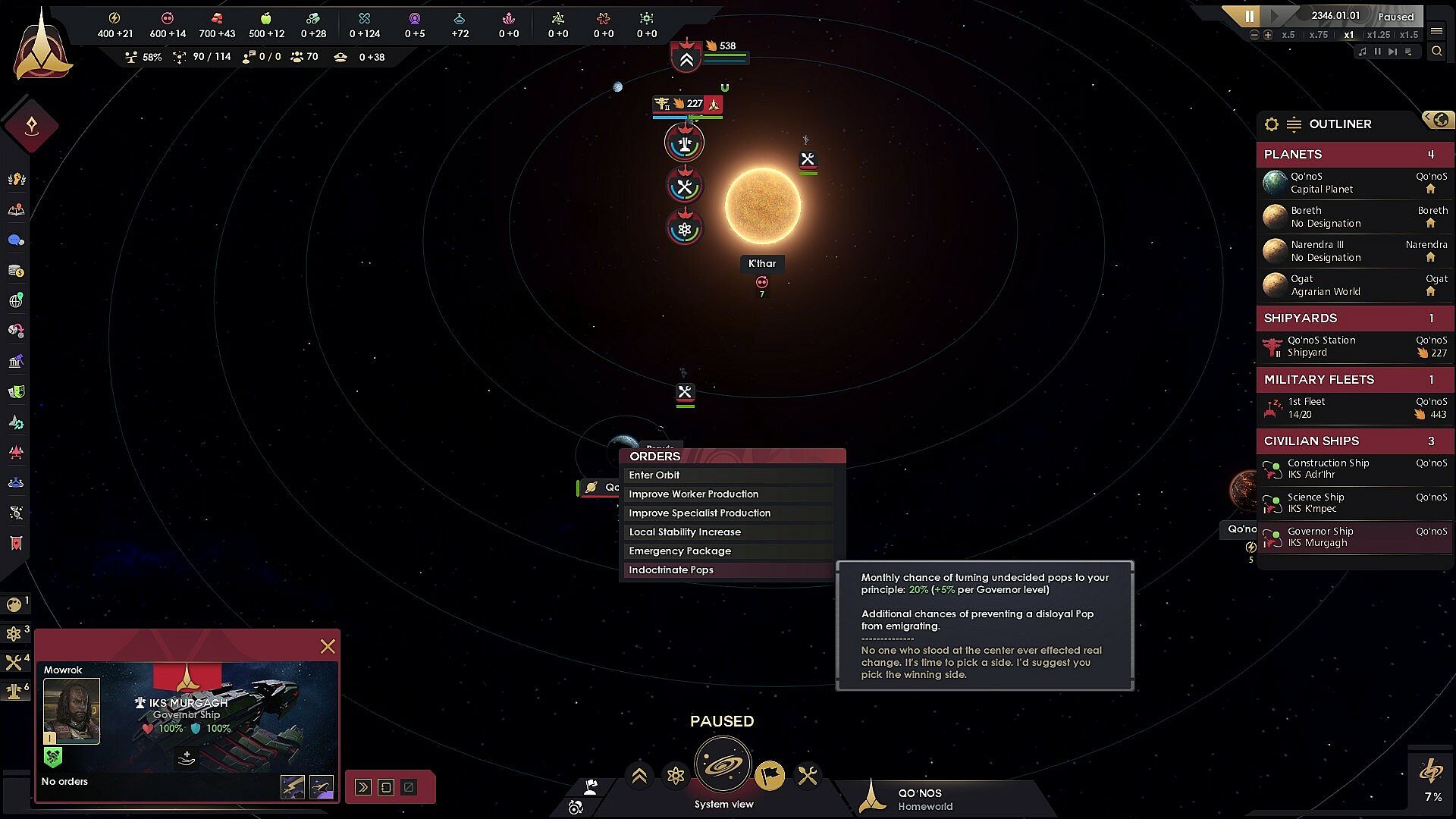
The core loop revolves around overseeing a faction's expansion, resource allocation, and interactions across the galaxy. Players handle fleet construction, technological advancement, and diplomatic relations while responding to events that reflect Star Trek themes. Each choice influences long-term outcomes, from internal stability to external conflicts.
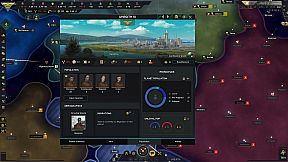
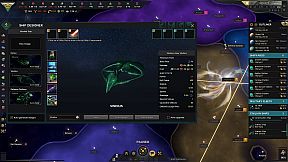
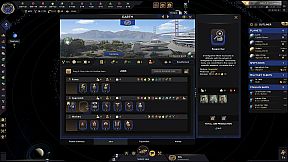
Recruitment forms a key part of progression. Leaders can bring aboard well-known officers and captains who provide bonuses and story opportunities tailored to their faction. Ship design and deployment draw from established classes, allowing customization within faction-specific arsenals. The system emphasizes strategic positioning and fleet composition over rapid conquest alone.
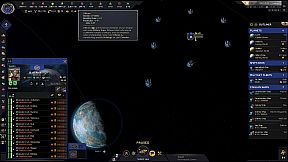
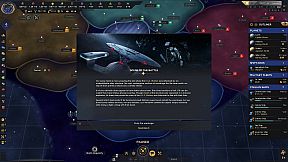
Exploration and event chains add layers to sessions. Players navigate sectors, encounter anomalies, and make decisions that alter alliances or trigger unique developments. The streamlined approach reduces some of the complexity found in broader strategy titles, directing attention toward faction identity and leadership roles.
Game Modes
Star Trek: Infinite operates as a single-player grand strategy experience without separate named modes. Victory emerges through flexible approaches that combine diplomacy, covert operations, military action, or blended strategies. No fixed campaign structure exists; instead, the game supports open-ended playthroughs shaped by initial faction selection and ongoing choices.
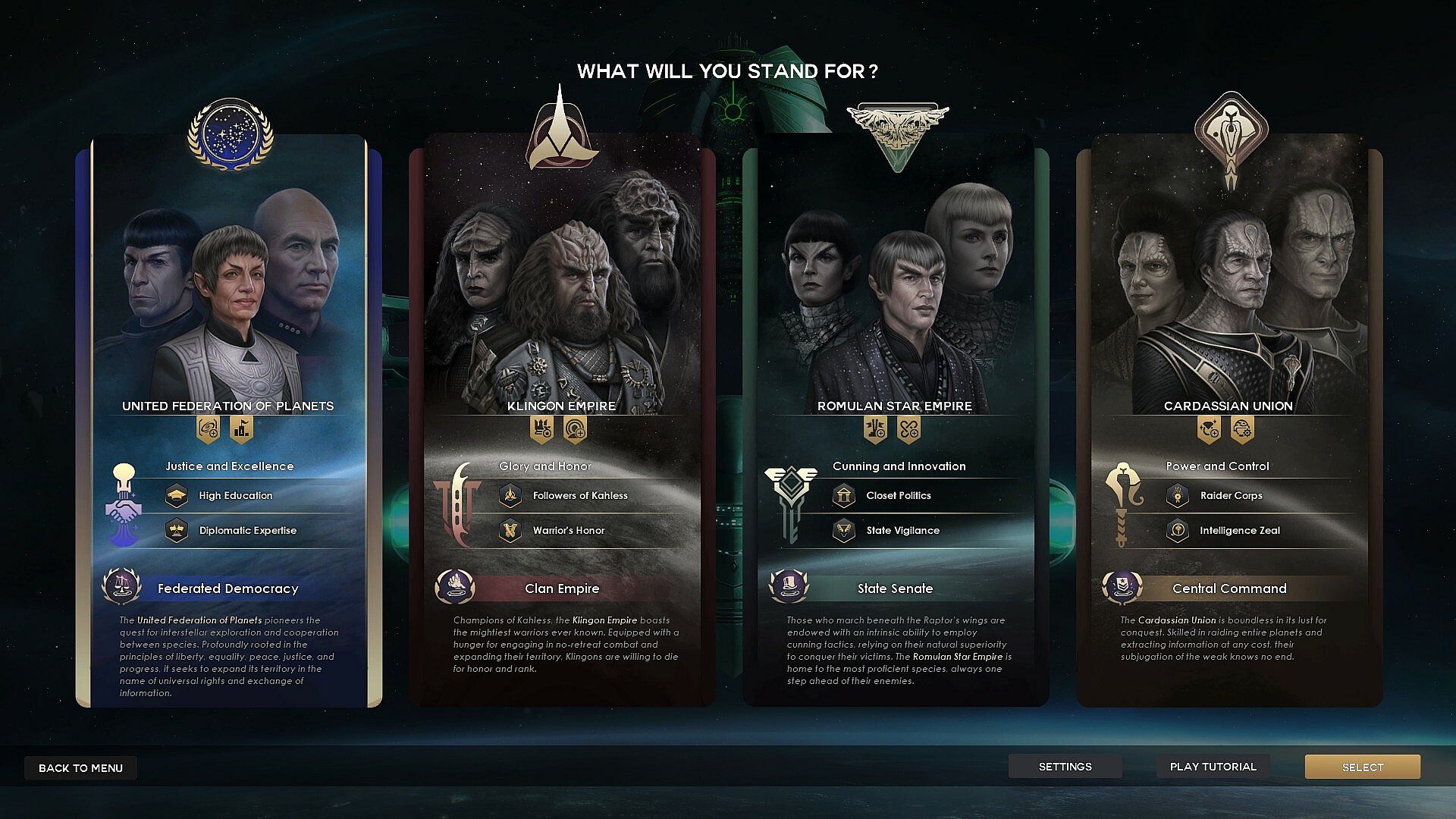
Each session begins with one of the four available factions, each presenting distinct starting conditions and play preferences. Progress unfolds across a shared galaxy map where territorial control, research priorities, and external threats determine the path forward. The absence of rigid scenarios encourages repeated attempts with different leadership styles.
Factions and Leadership
Four playable factions anchor the experience. The United Federation of Planets emphasizes exploration and alliances. The Klingon Empire favors direct confrontation and honor-based systems. The Romulan Star Empire leans into subtlety and calculated risks. The Cardassian Union focuses on structured expansion and control mechanisms.
Leadership decisions extend to personnel management. Iconic figures join through targeted recruitment, each bringing specialized traits that affect combat effectiveness, research speed, or diplomatic leverage. These additions integrate into the broader command structure without overriding core systems.
Is It Worth Playing?
Star Trek: Infinite appeals most to players who enjoy grand strategy titles with a strong thematic overlay. Its mixed reception stems from a solid foundation in faction-specific storytelling and recognizable elements, balanced against limitations in depth and polish compared to the game it builds upon. Development support ended after launch, leaving the title in its initial state without further expansions or major refinements.
Those familiar with empire-building mechanics will find accessible entry points through the streamlined systems and character recruitment. Newcomers to the genre may encounter a steeper curve due to the emphasis on long-term planning and multi-layered decisions. The game suits sessions focused on narrative experimentation rather than competitive multiplayer or frequent content updates.