



















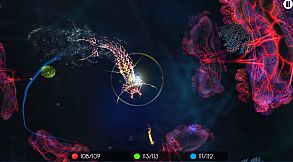
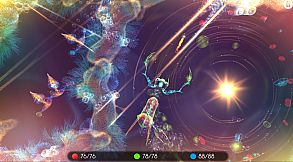
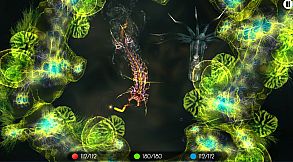

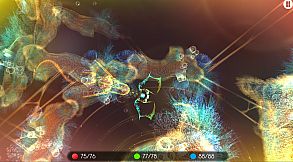
Sparkle 2 Evo is a single-player evolution simulation that blends light action, strategy, and casual exploration on PC. Players guide a tiny aquatic organism through underwater environments, consuming nutrients to advance along an evolutionary path while managing survival and growth.
Gameplay
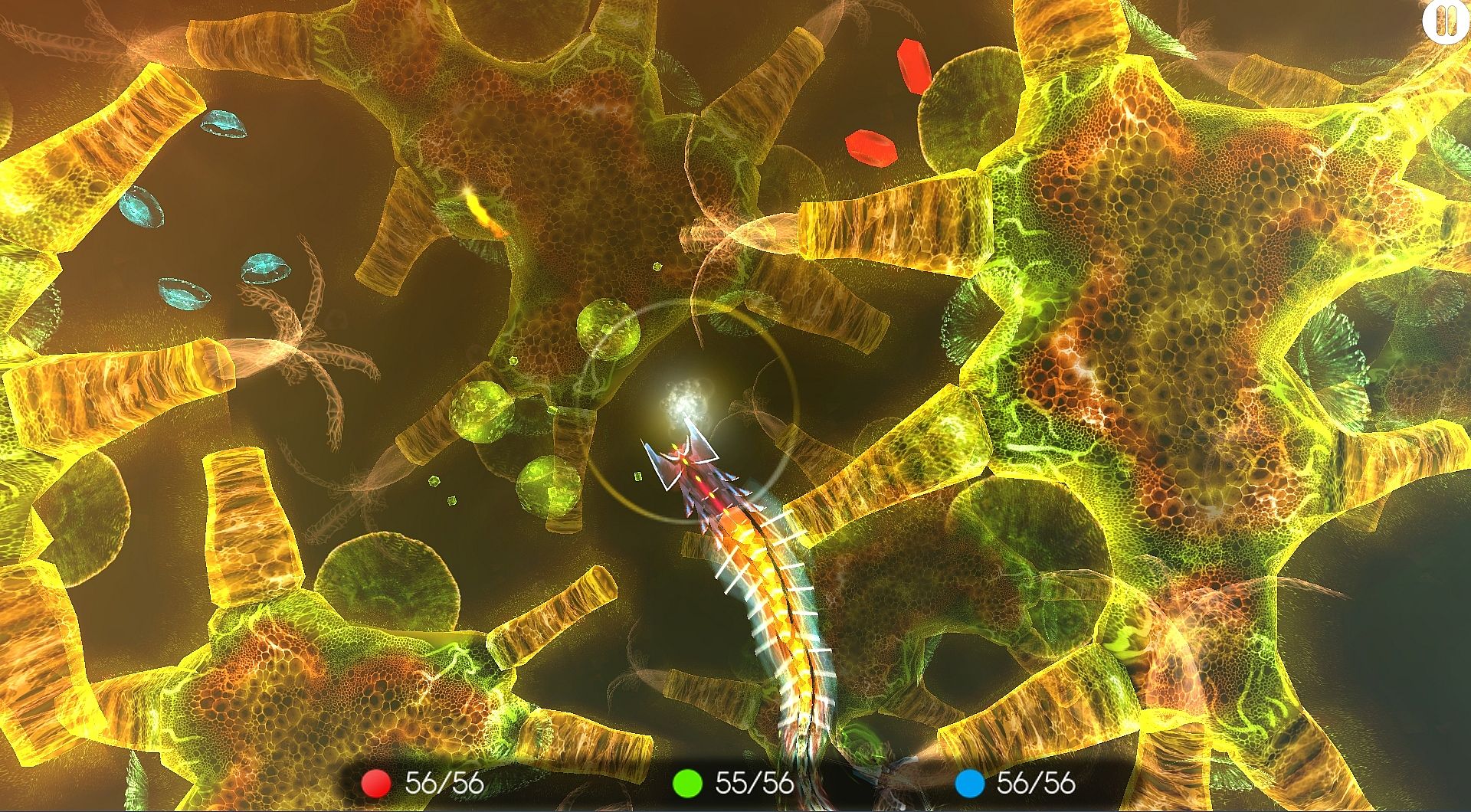
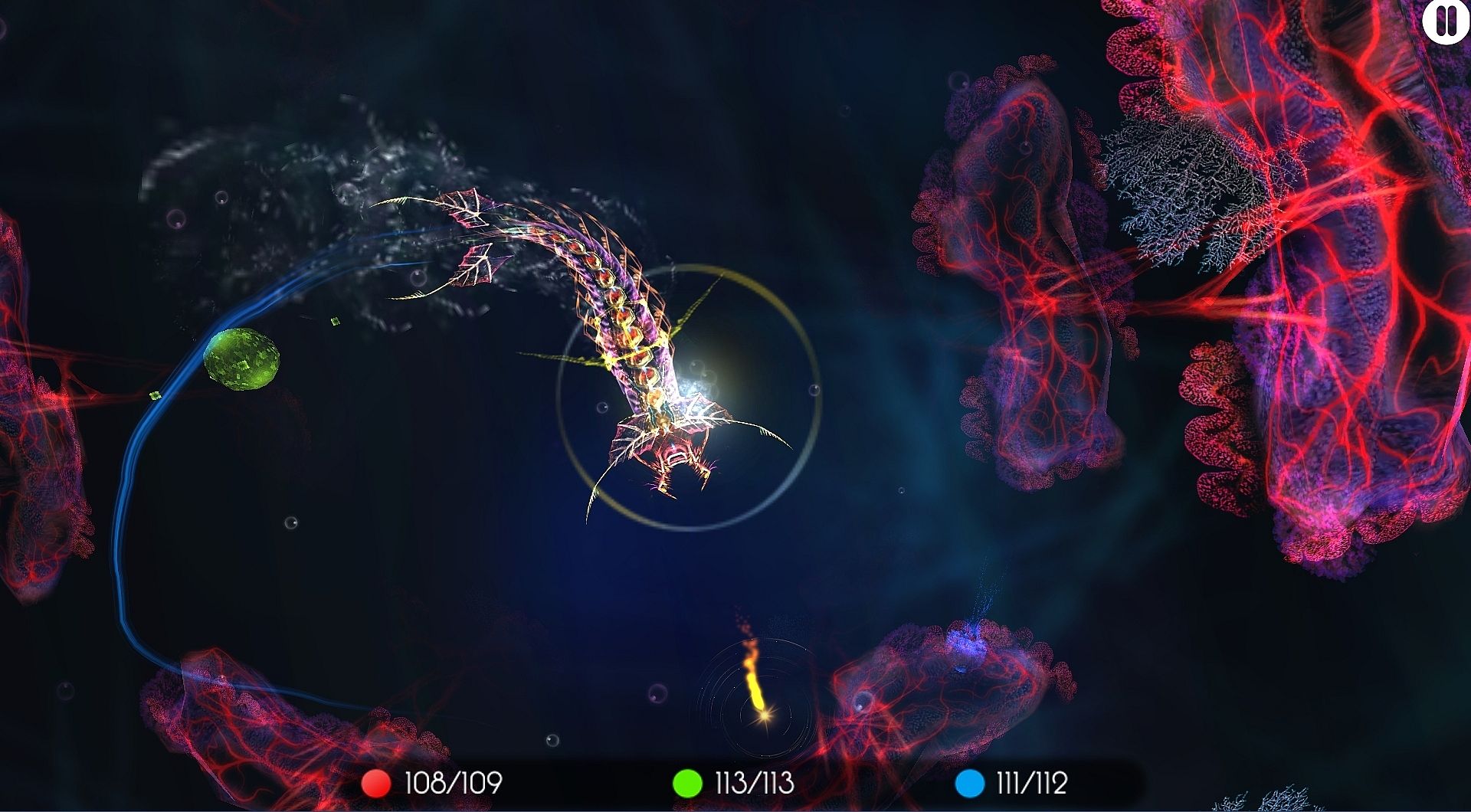
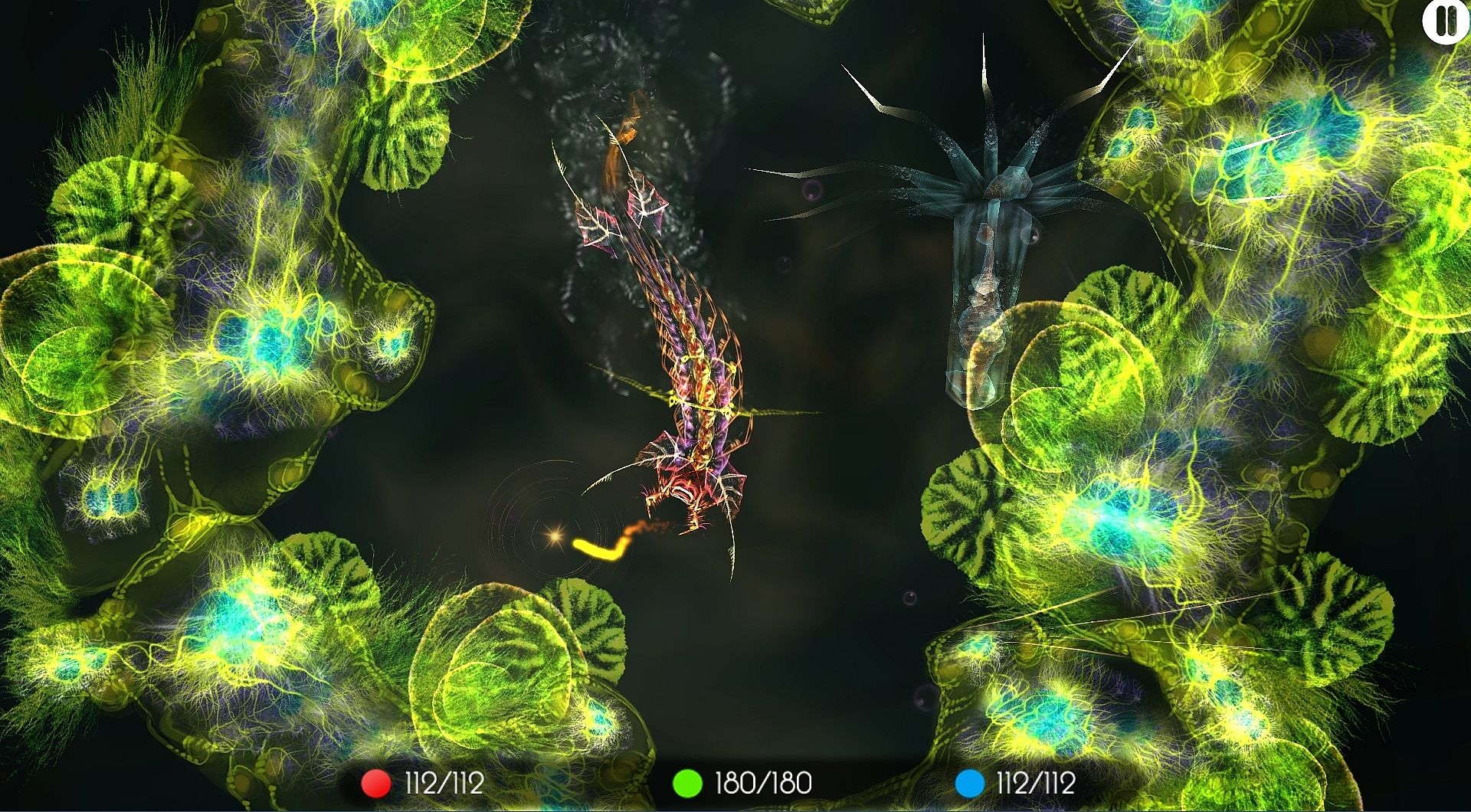
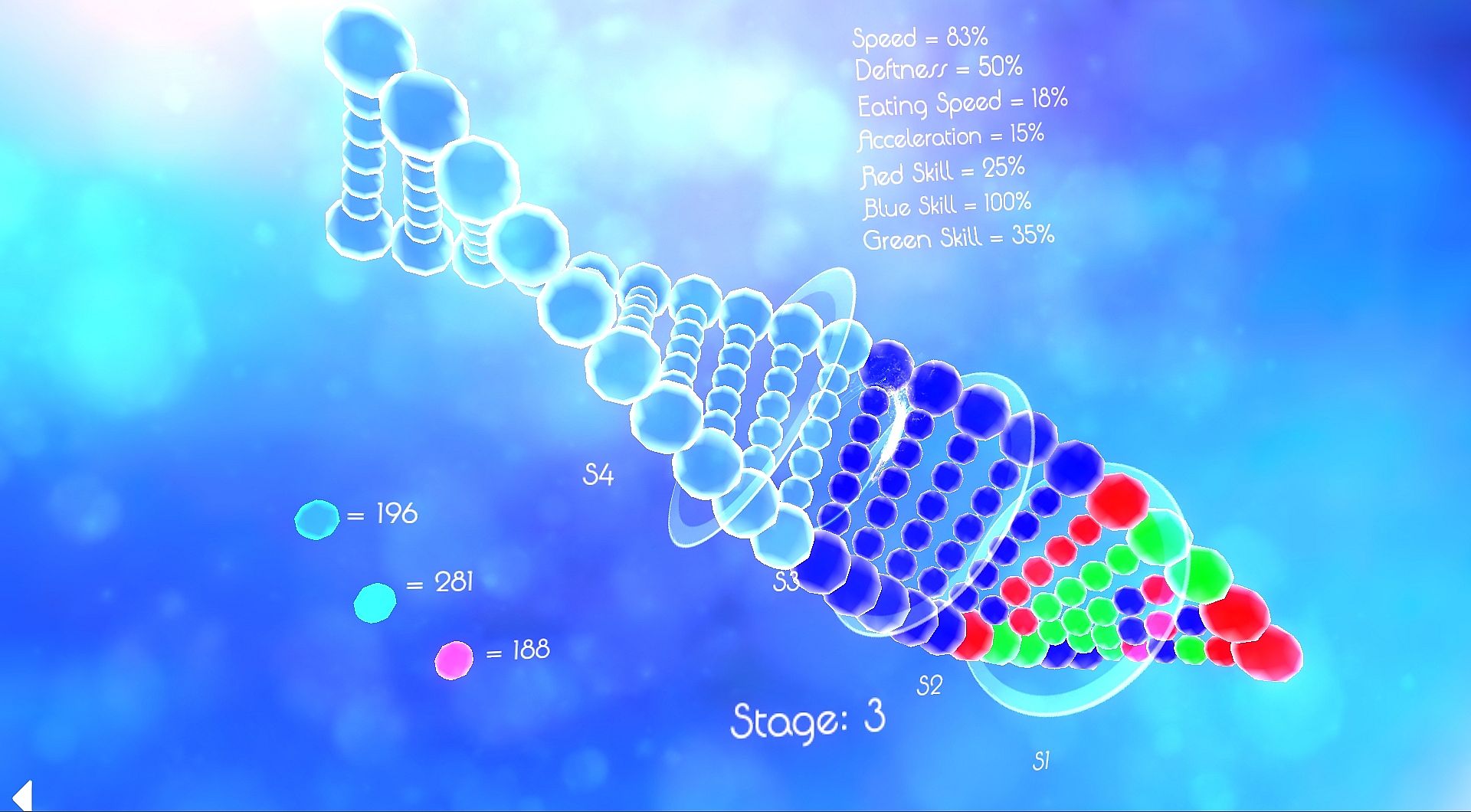
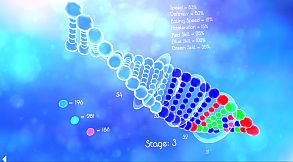
The core loop centers on guiding the creature through submerged spaces in search of nutritional elements. Eating determines physical traits and abilities, allowing the organism to shift toward faster movement and aggression, slower but efficient consumption, or a balanced approach. The DNA strand display in GenLab tracks current progress, active skills, and nutritional priorities to guide future choices. Exploration occurs across multiple dreamlike stages where depth changes reveal new resources and occasional threats. Combat arises when food sources run low, requiring direct engagement with rival species. Giant boss encounters interrupt the routine at intervals, demanding focused attention on positioning and timing. Visuals emphasize surreal underwater forms with minimalistic ambient audio that supports both focused sessions and relaxed pacing. The game supports touch controls alongside traditional input for fluid movement and selection.
Game Modes
Two primary approaches shape the experience. The main evolution mode emphasizes steady growth and discovery without external pressure, letting players set their own tempo while collecting elements and refining traits. A separate competitive mode introduces direct opposition against AI-controlled organisms in quicker matches focused on outpacing rivals for resources. Both modes share the same underlying systems for eating, evolution, and GenLab monitoring, but differ in pacing and objectives. The competitive option rewards aggressive play and quick decisions, while the standard mode favors patient exploration and strategic nutrient selection across the full set of stages.
Progression and Systems
Evolution advances through repeated consumption and level completion, unlocking new forms and capabilities tied to dietary choices. GenLab serves as the central planning tool, displaying the DNA strand alongside skill status and suggested next targets. Thirteen distinct levels provide varied underwater layouts that encourage repeated visits to optimize paths and outcomes. Resource scarcity occasionally forces confrontations, integrating light combat into the otherwise deliberate growth cycle. The system rewards experimentation with the three main evolutionary branches without locking players into irreversible decisions mid-session.
Atmosphere and Presentation
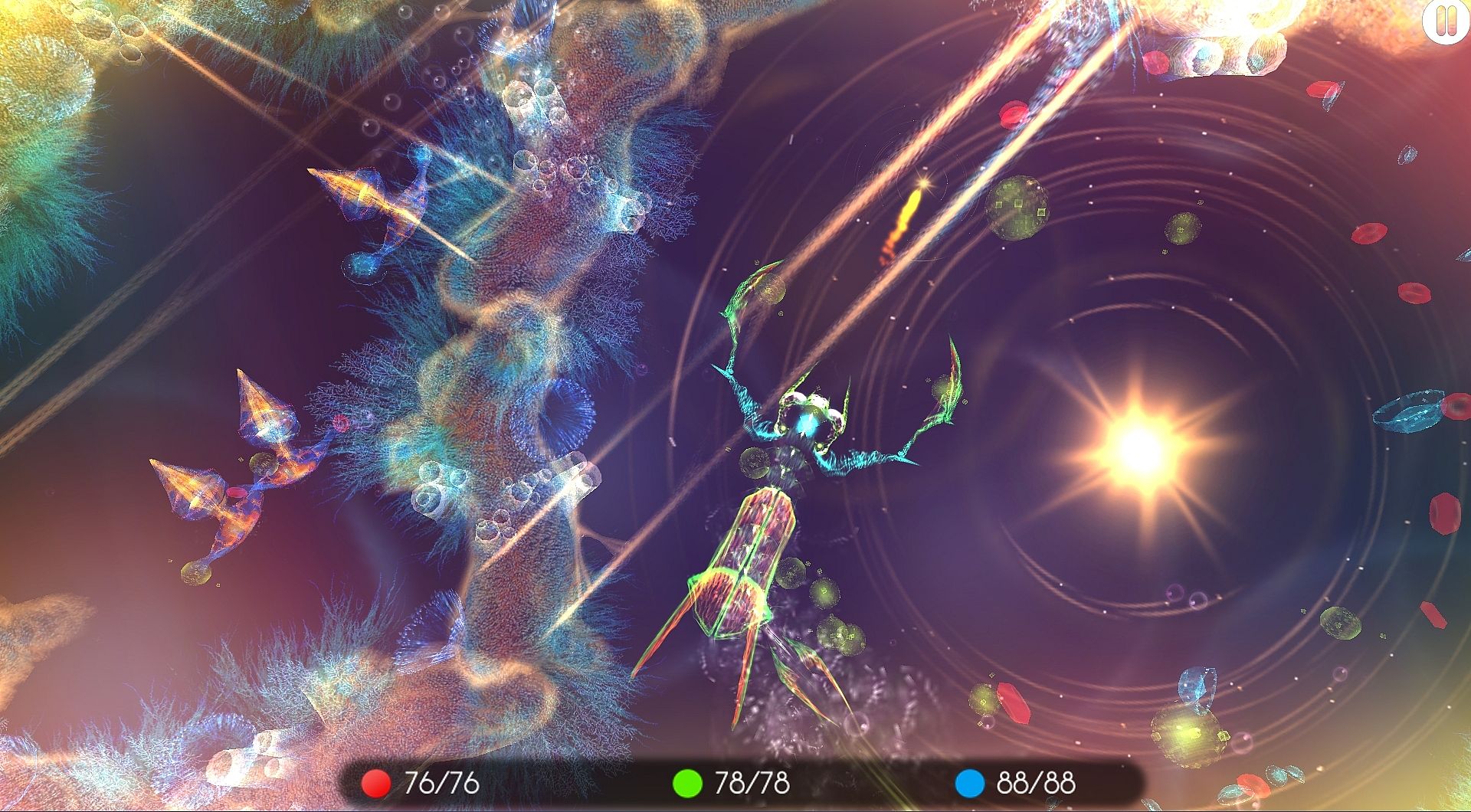
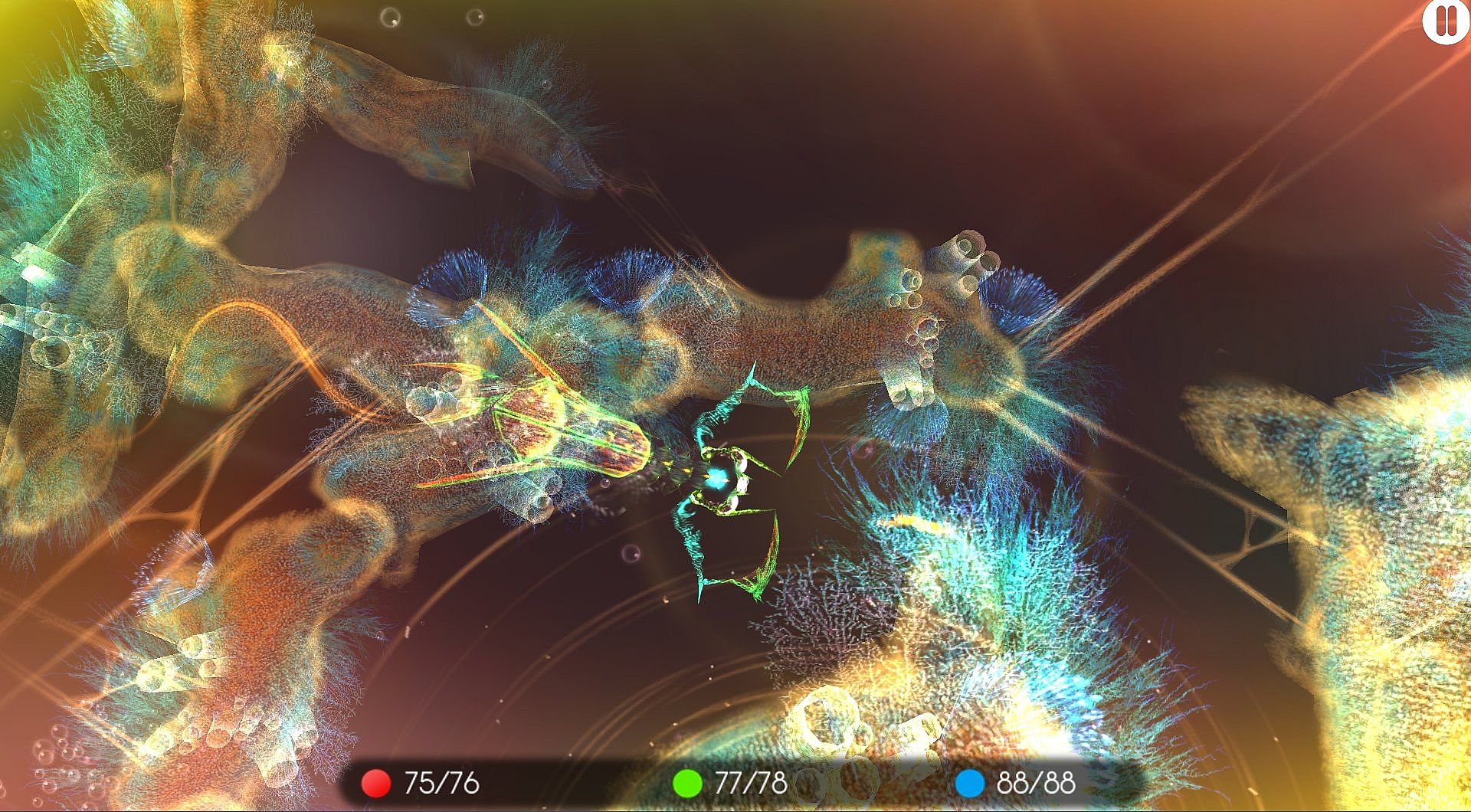
Surreal visuals and a chilled ambient soundtrack define the mood, creating an environment suited to both short bursts and extended sessions. The minimalist audio design complements the abstract aquatic settings without demanding constant focus. Controls remain responsive across input methods, supporting the game's emphasis on deliberate movement and selection rather than precision reflexes. The overall presentation prioritizes atmosphere over complexity, resulting in a cohesive experience that highlights the evolution theme through consistent visual and audio cues.
Is It Worth Playing?
Sparkle 2 Evo suits players seeking a relaxed single-player experience with light strategy elements and clear progression. The game maintains a Mostly Positive reception on its primary distribution platform, with reviews noting its atmospheric appeal and straightforward systems. It offers no ongoing updates or seasonal content, functioning as a complete, self-contained title from its 2011 release with later platform availability. Those who enjoy evolution mechanics, nutrient management, and optional competitive AI matches will find consistent value in its focused design. The absence of multiplayer or complex systems keeps the experience accessible for casual sessions while still providing meaningful choices through dietary paths and GenLab planning. Overall, it delivers a niche but coherent package for audiences interested in atmospheric indie simulations rather than high-intensity action or deep strategy layers.