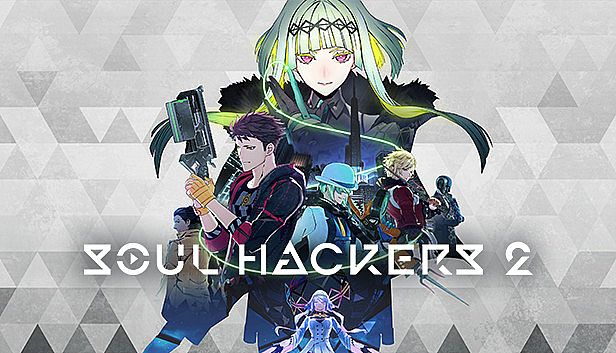


























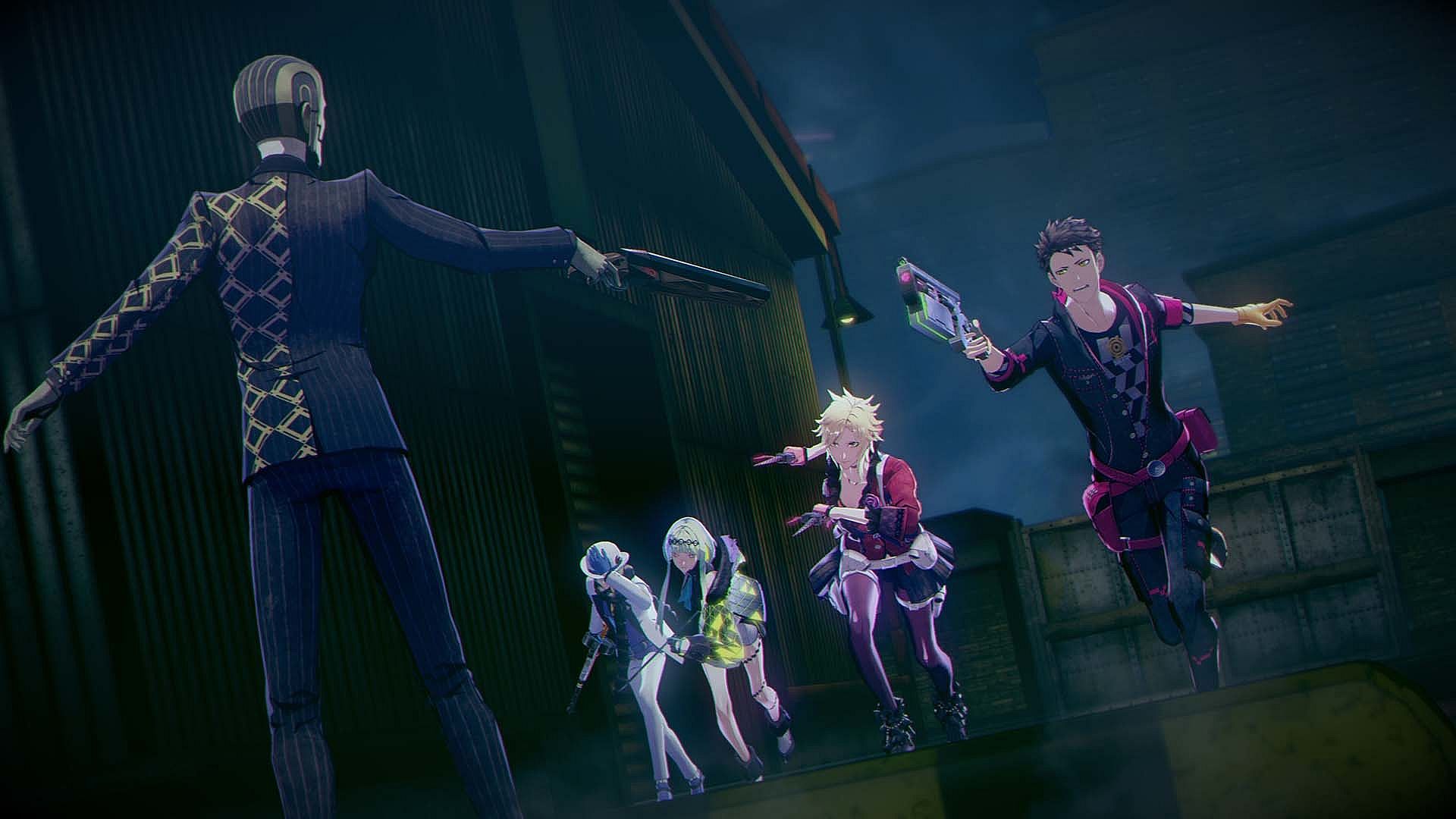
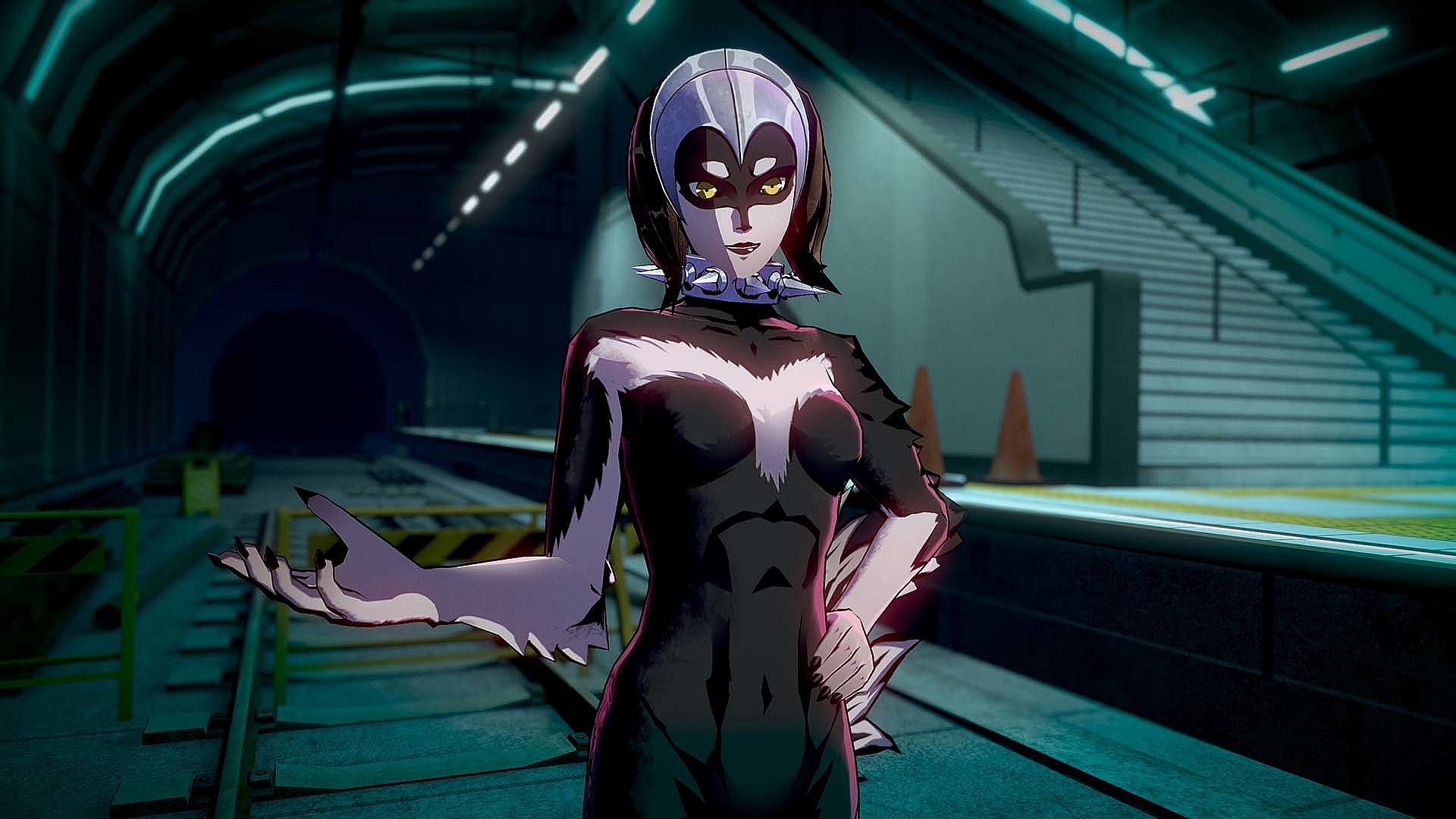
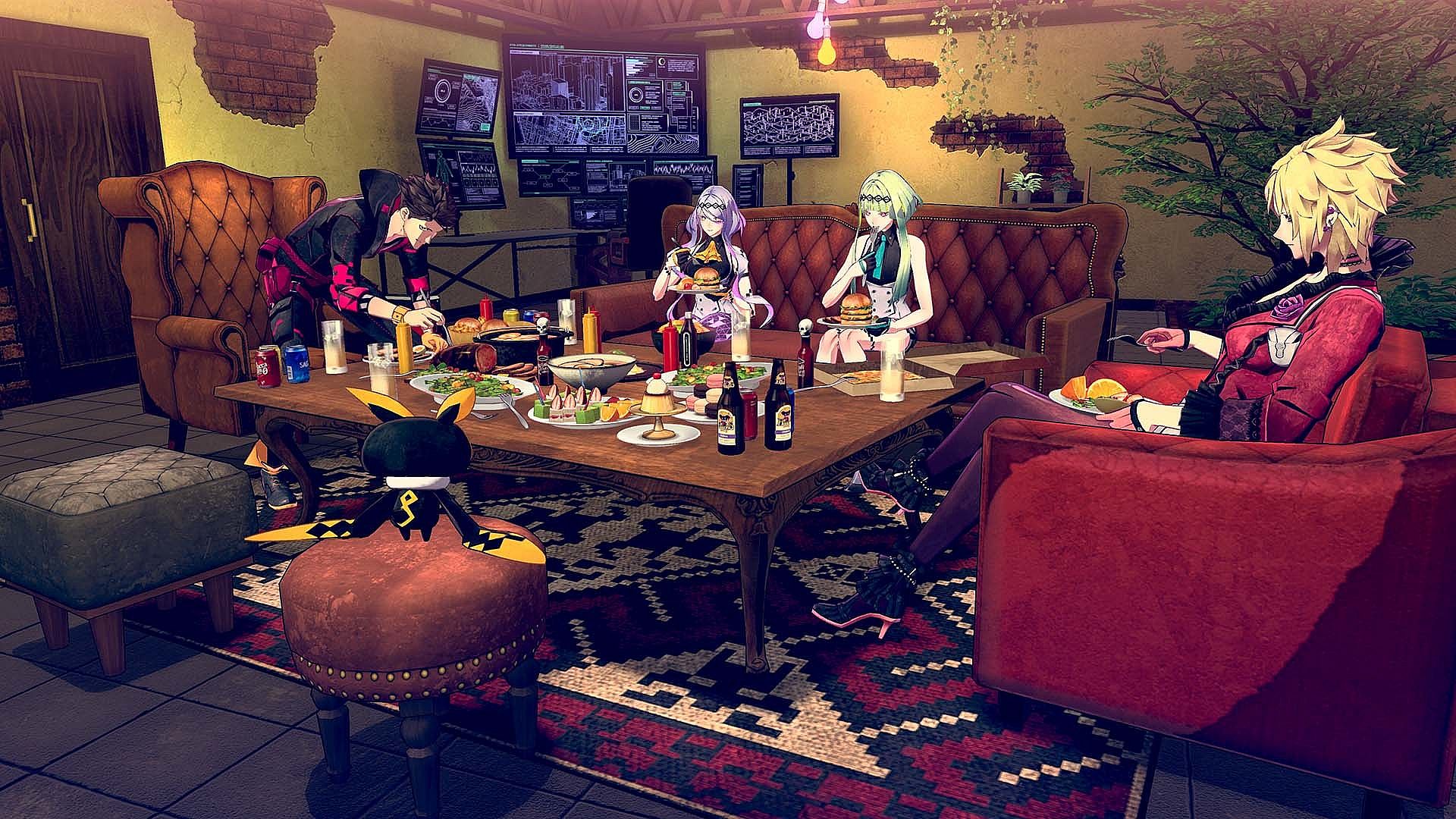


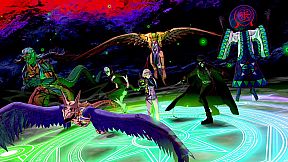


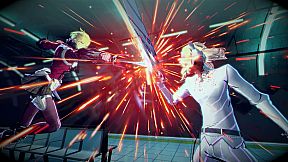


Soul Hackers 2 is a single-player role-playing game set in a near-future cyberpunk Japan where technological progress has drawn humans into a world of convenience while secret societies wage war using demons. Players follow Ringo, an artificial agent created by the sentient digital entity Aion, as she works with her partner Figue and human allies to avert an impending global catastrophe.
Gameplay
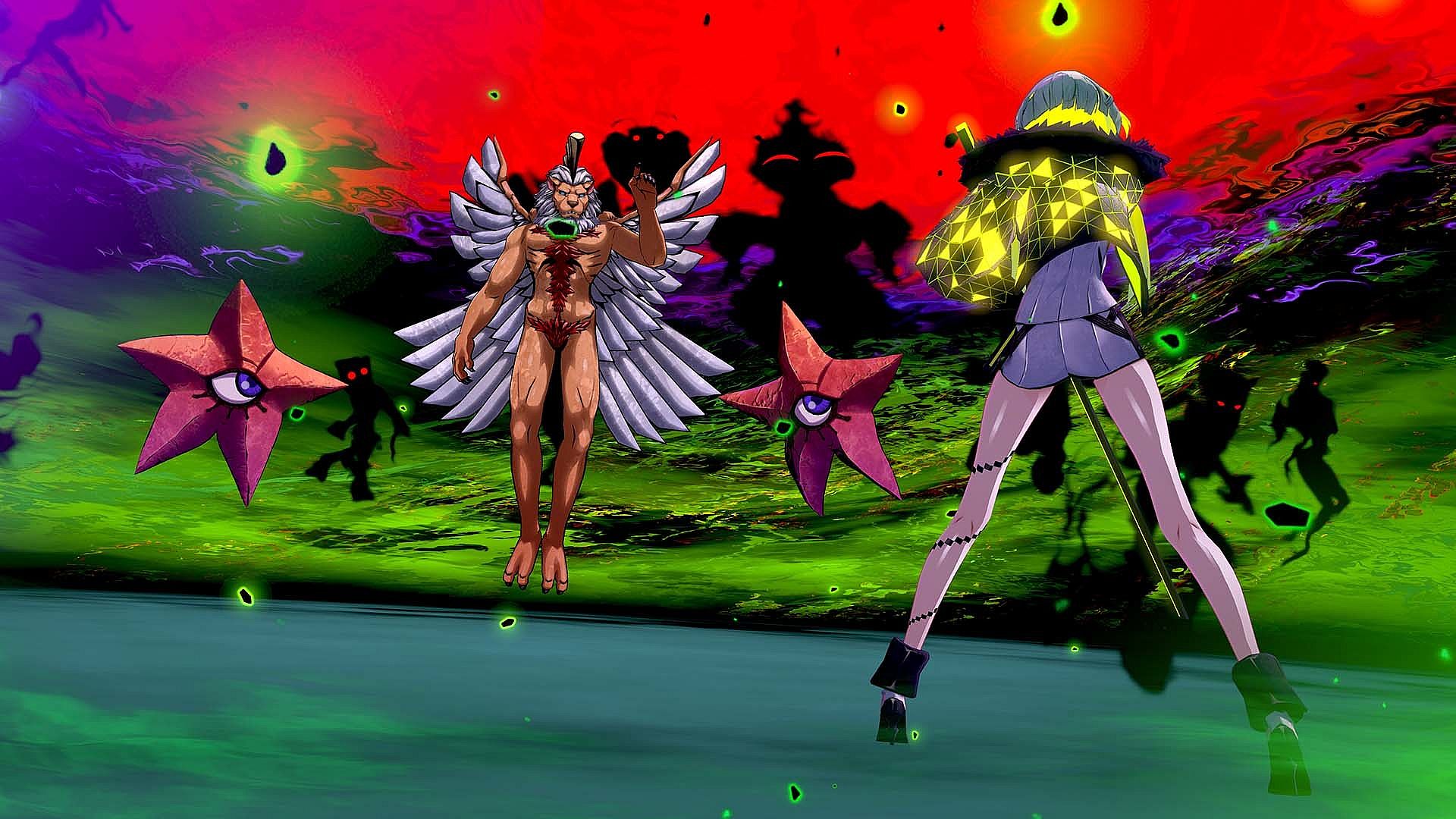
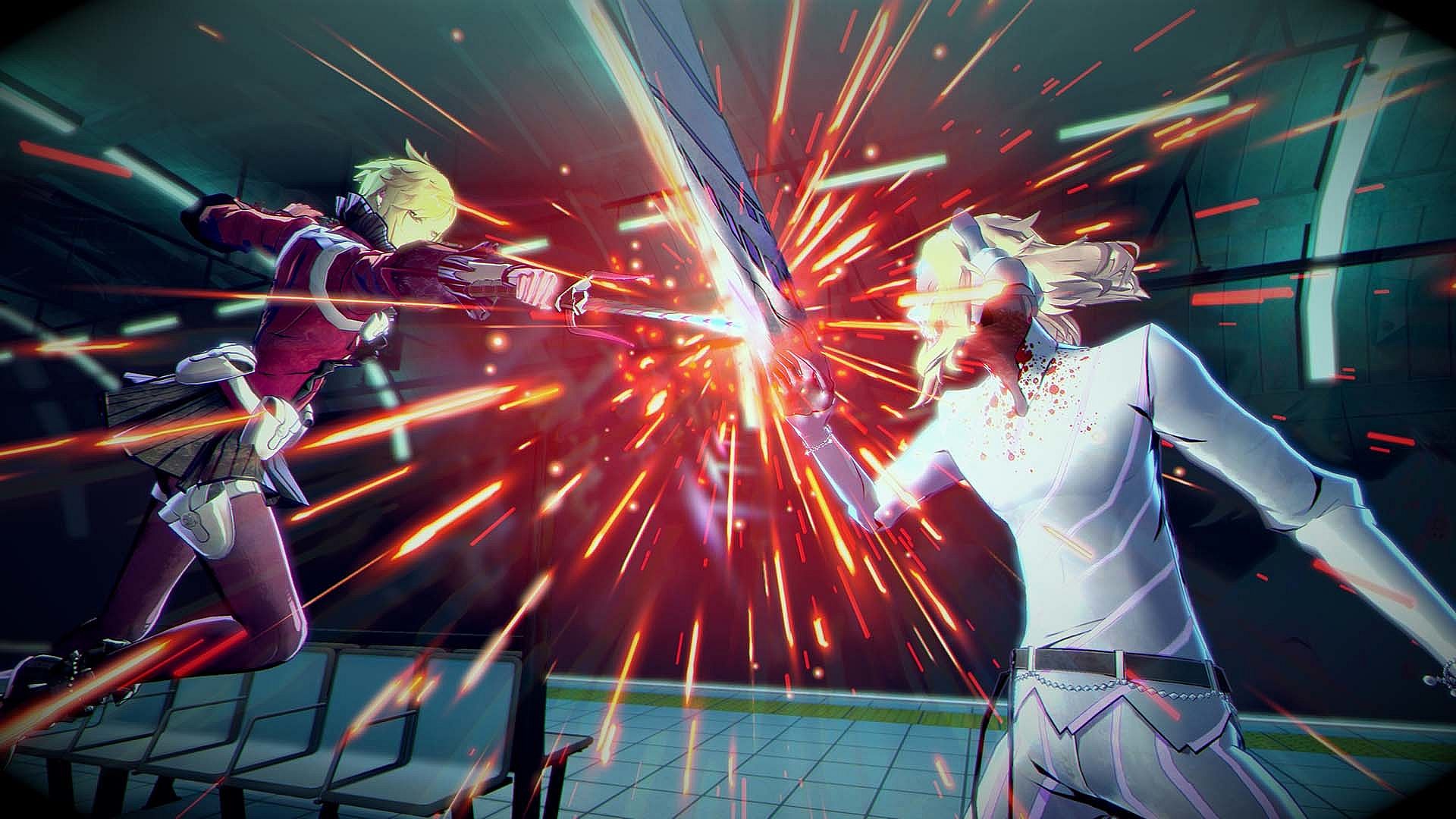
Combat unfolds in turn-based battles where the party of four equips demons to access skills and stat boosts. Each character can swap their equipped demon during a fight, though doing so consumes a turn unless upgraded abilities are unlocked. The central system revolves around targeting enemy weaknesses with elemental, melee, or ranged attacks. Every successful hit builds a stack counter visible on screen. At the end of the party's turn, accumulated stacks trigger a Sabbath attack that strikes all enemies with increasing power based on the total stacks gathered.
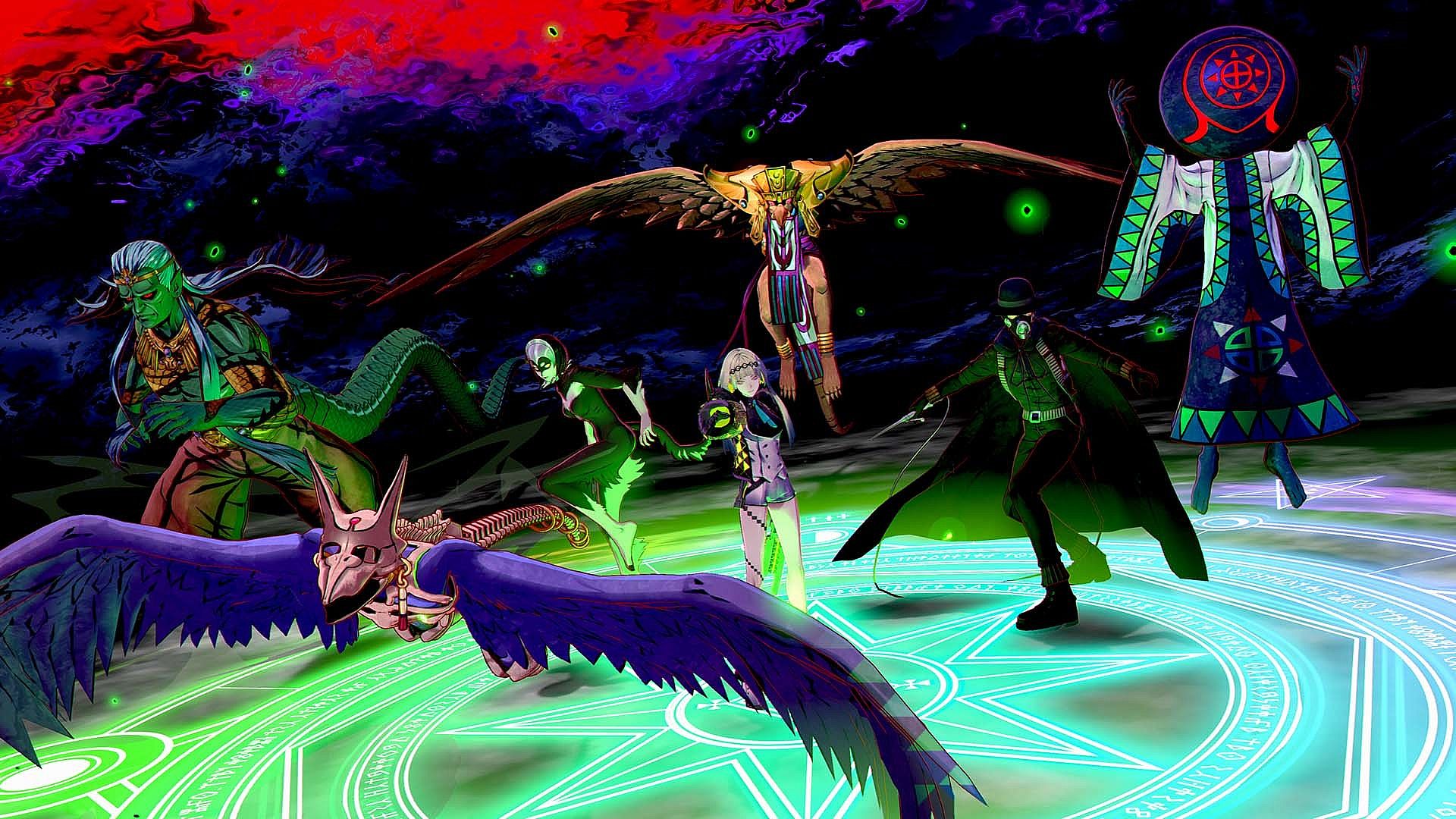
Demons are acquired through negotiation during exploration and can be fused into stronger variants with new abilities. Ringo accesses Commander Skills that provide free tactical options after a set number of turns, such as boosting stacks or enabling mid-battle demon changes. Outside combat, time spent with allies strengthens their Soul Bond, which in turn expands access to personal dungeons known as the Soul Matrix. These areas delve into each companion's history and yield new skills upon completion.
Dungeons feature predetermined layouts rather than procedural generation. Recon missions allow demons to scout ahead for items, currency, or additional recruits. The overall loop combines story progression through main quests with optional Requests that reward resources for equipment and fusion experiments.
Game Modes
The game operates entirely in single-player mode with no multiplayer components. Progression centers on the main narrative campaign that guides players through urban hubs and supernatural dungeons. Side content consists of Requests, which function as optional objectives for extra rewards, and the Soul Matrix sectors tied to each party member. These sectors open progressively as bonds deepen and provide focused exploration opportunities separate from the primary story path.
Difficulty settings allow players to adjust challenge levels, with options that scale enemy aggression and resource management. No additional modes such as versus battles or cooperative play exist. The structure emphasizes repeated dungeon runs for demon collection and fusion refinement alongside linear story advancement.
Exploration and Progression
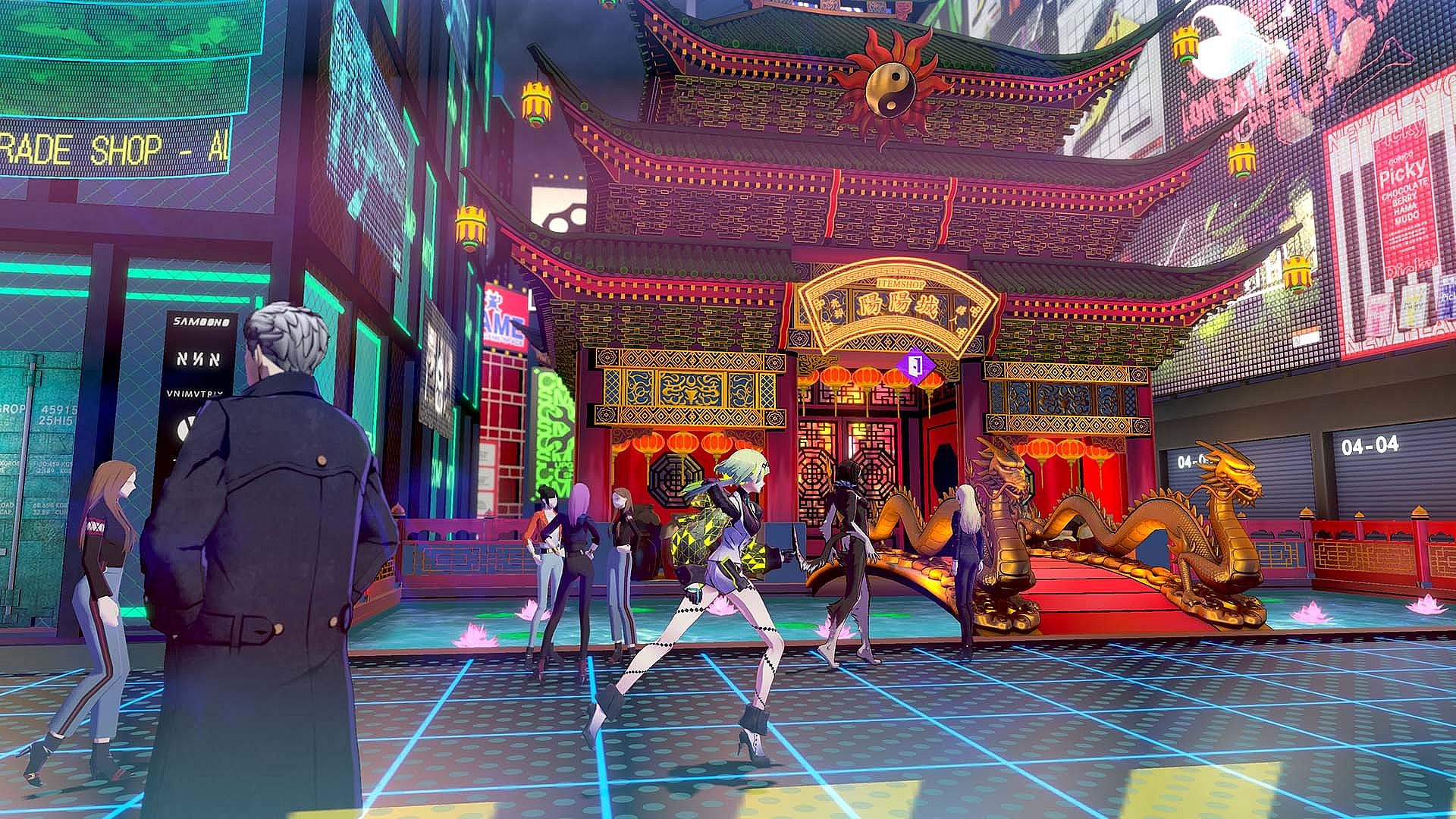
Players move between safe zones offering shops and services and the explorable areas filled with encounters. Demon fusion serves as the primary long-term system for building party strength, requiring careful selection of ingredients to create allies suited to specific weaknesses. Soul Bond activities outside combat, including dialogue choices and shared downtime, directly influence how much of each ally's backstory becomes accessible through their dedicated Soul Matrix sectors.
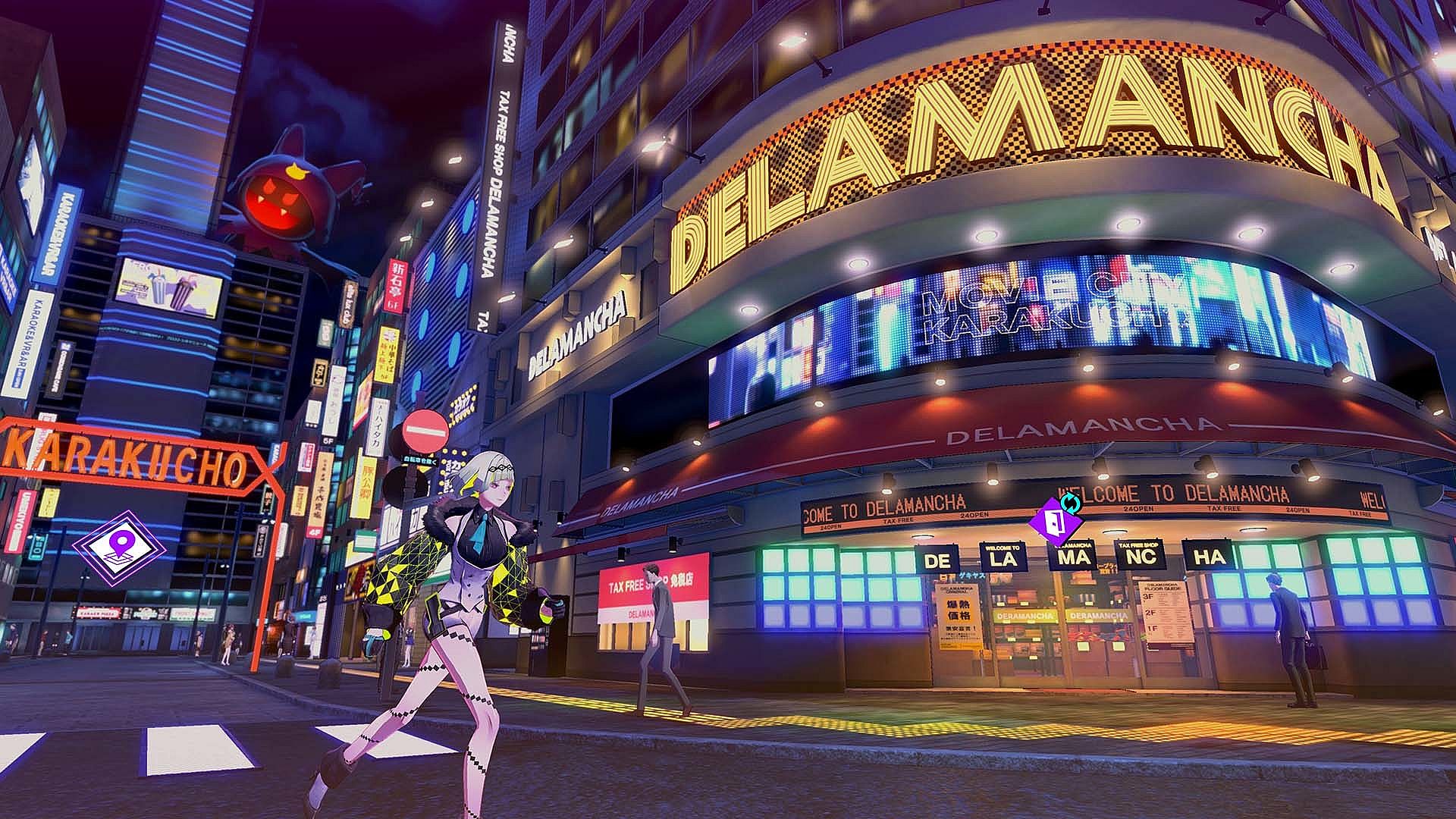
The setting blends neon-lit city streets with hidden supernatural threats from rival Devil Summoner groups. Investigation focuses on unraveling connections between human society and the digital hivemind Aion while recruiting key individuals to prevent cascading events leading to disaster.
Is It Worth Playing?
Soul Hackers 2 suits fans of turn-based RPGs who appreciate demon collection, weakness-based combat, and character-driven side stories. The Sabbath stack mechanic rewards precise targeting and adds a layer of strategy beyond standard elemental matches. Dungeon design remains consistent with fixed layouts that encourage efficient routing and repeated visits for resources.
Reception highlights the combat depth and demon fusion variety while noting that some environments feel repetitive over longer sessions. The single-player campaign delivers a complete experience without ongoing seasonal content or live-service elements. Those drawn to stylish summoner themes and cyberpunk atmosphere will find the core loop engaging, particularly if they enjoy building teams through fusion and exploring personal backstories via the Soul Matrix system.