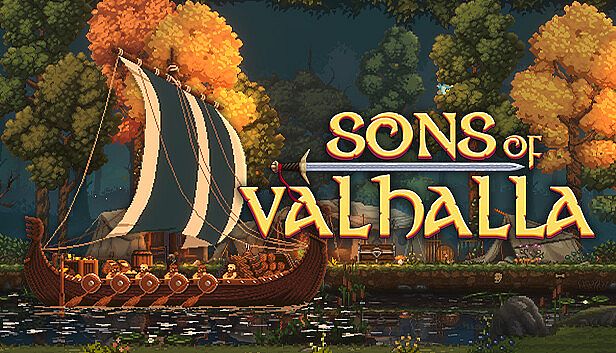















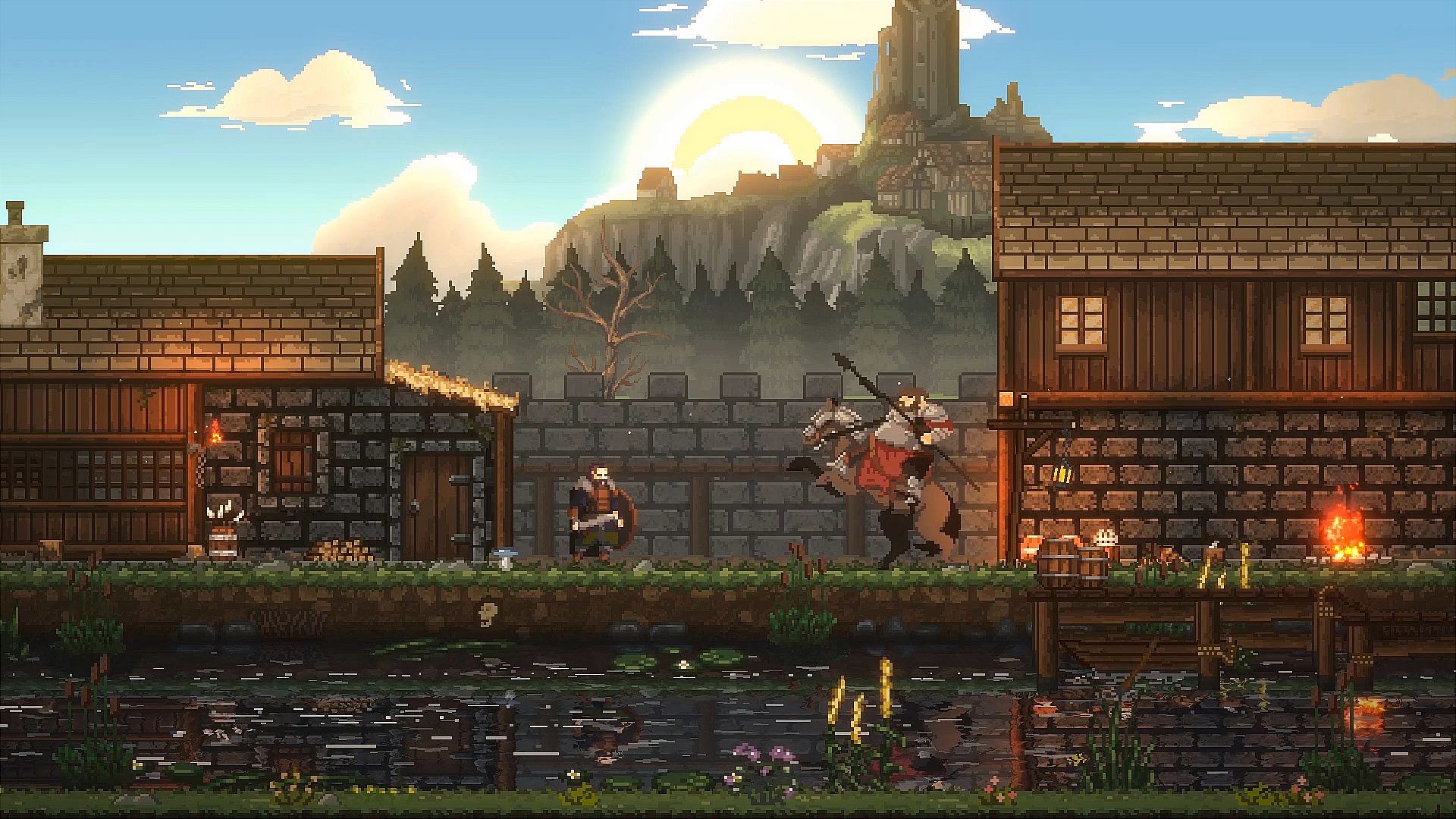
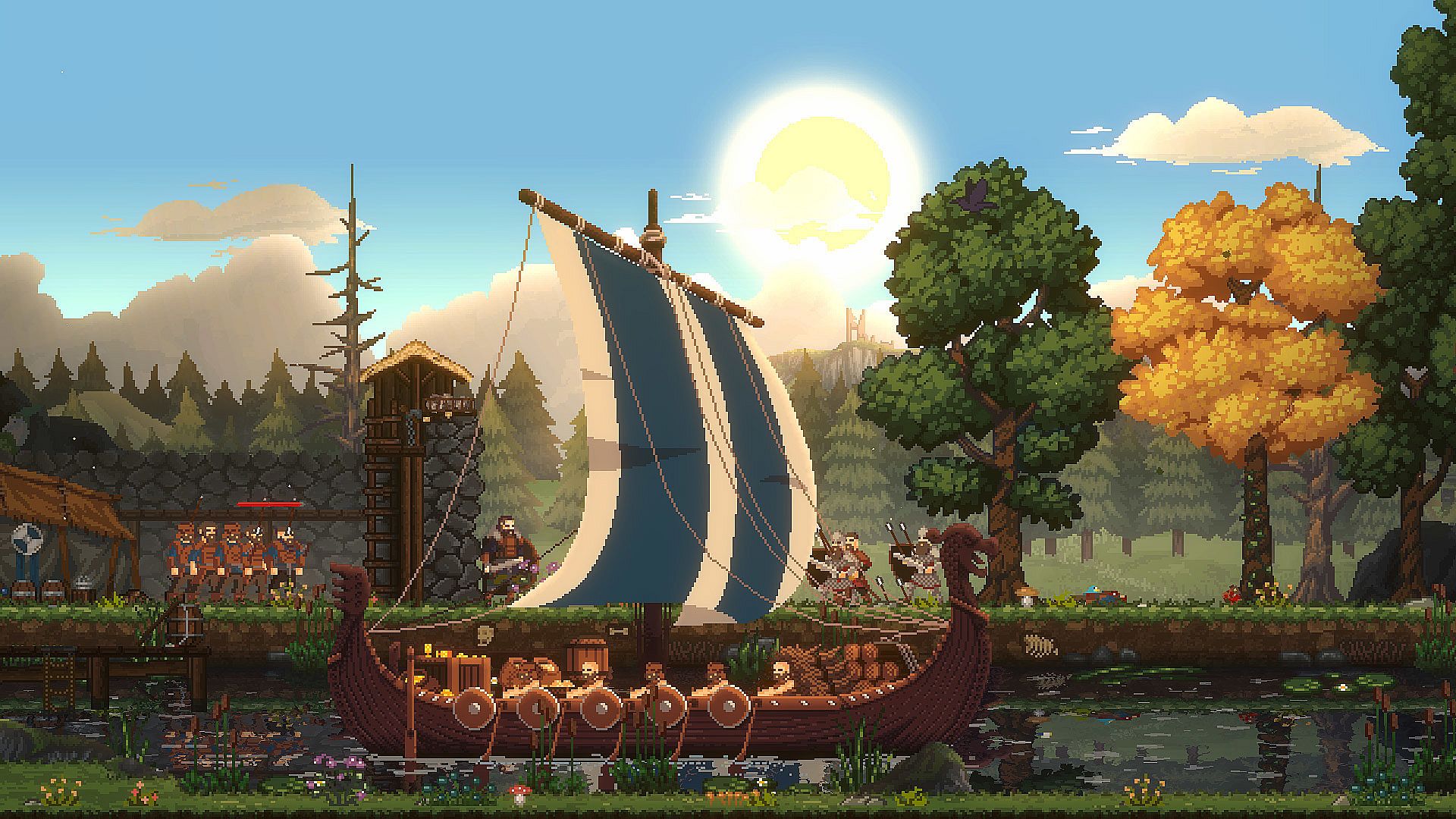
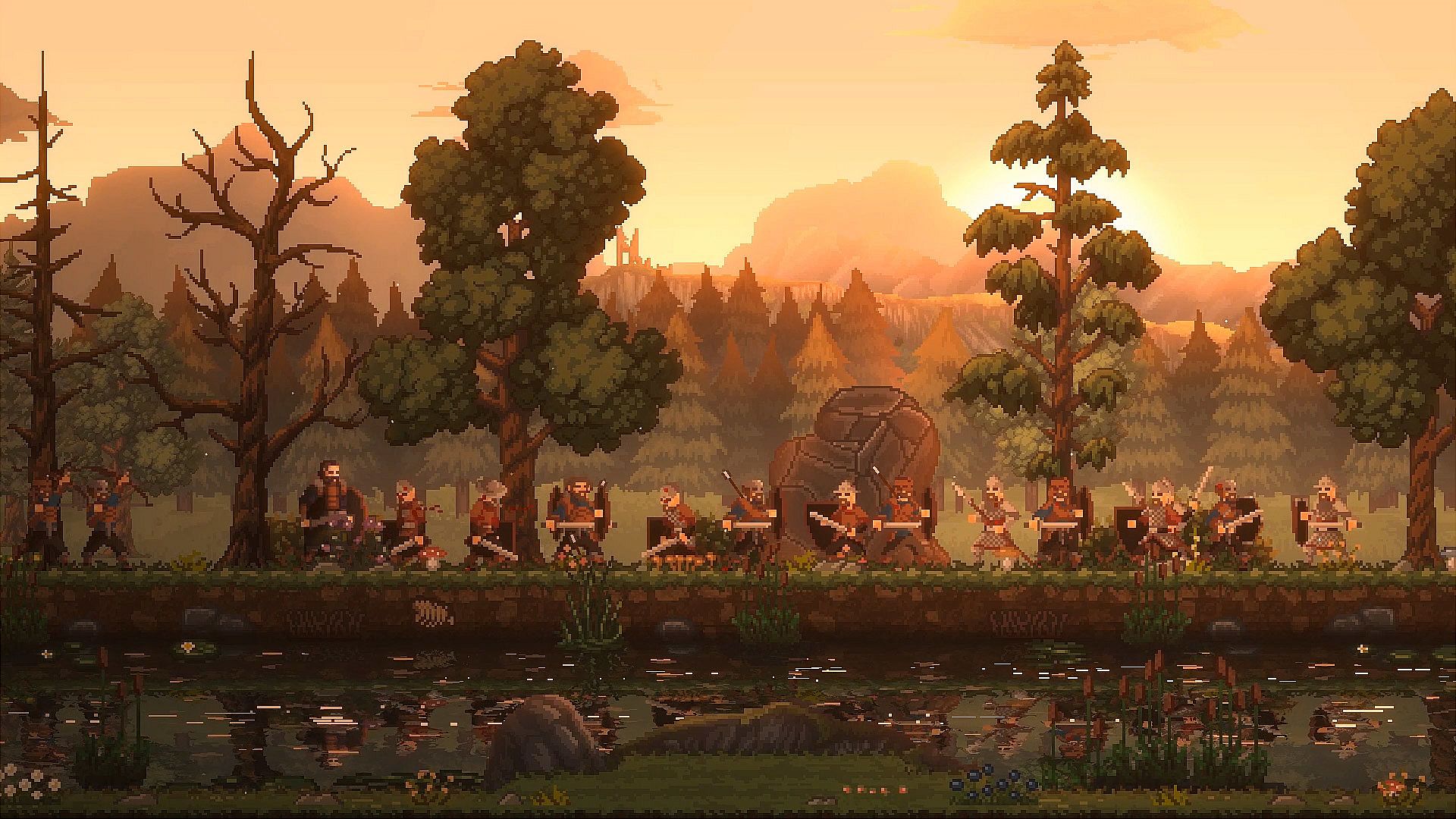
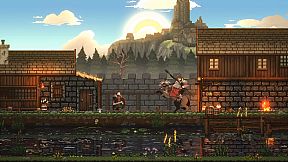
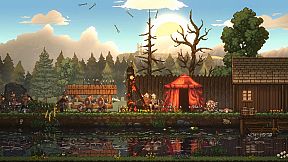
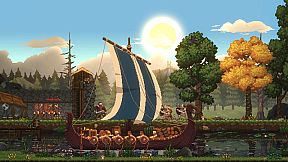
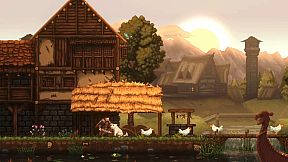
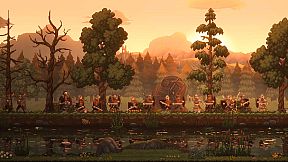
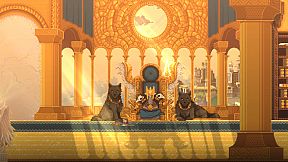
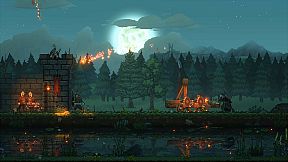
Sons of Valhalla is a single-player action strategy RPG with simulation elements set in a pixel-art Viking Age world. Players take control of Thorald Olavson as he pursues vengeance across the English countryside after his home is destroyed and his beloved taken. The game blends side-scrolling combat with roguelike progression, resource management, troop recruitment, and base-building mechanics to create a focused invasion experience on PC.
Gameplay
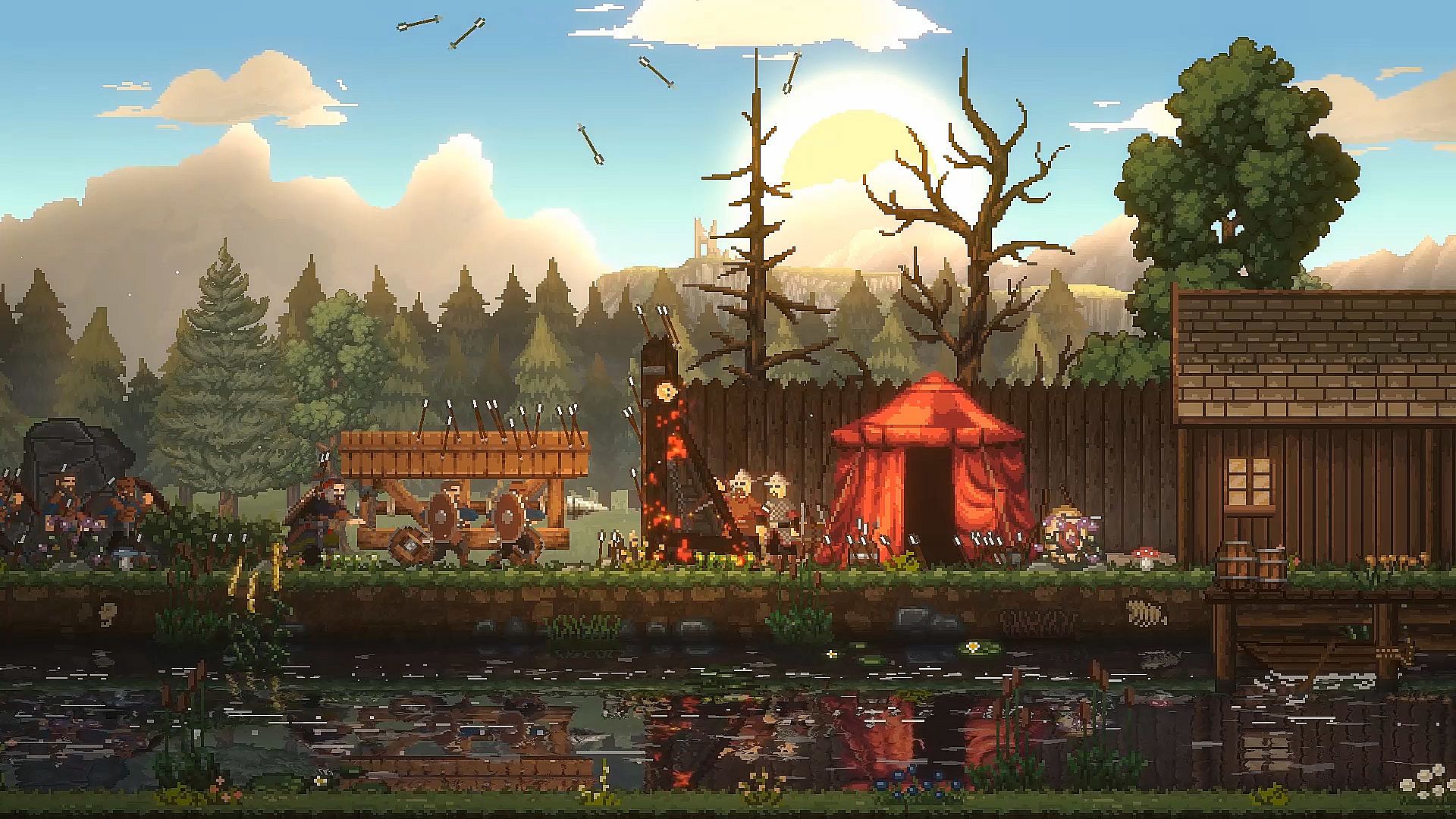
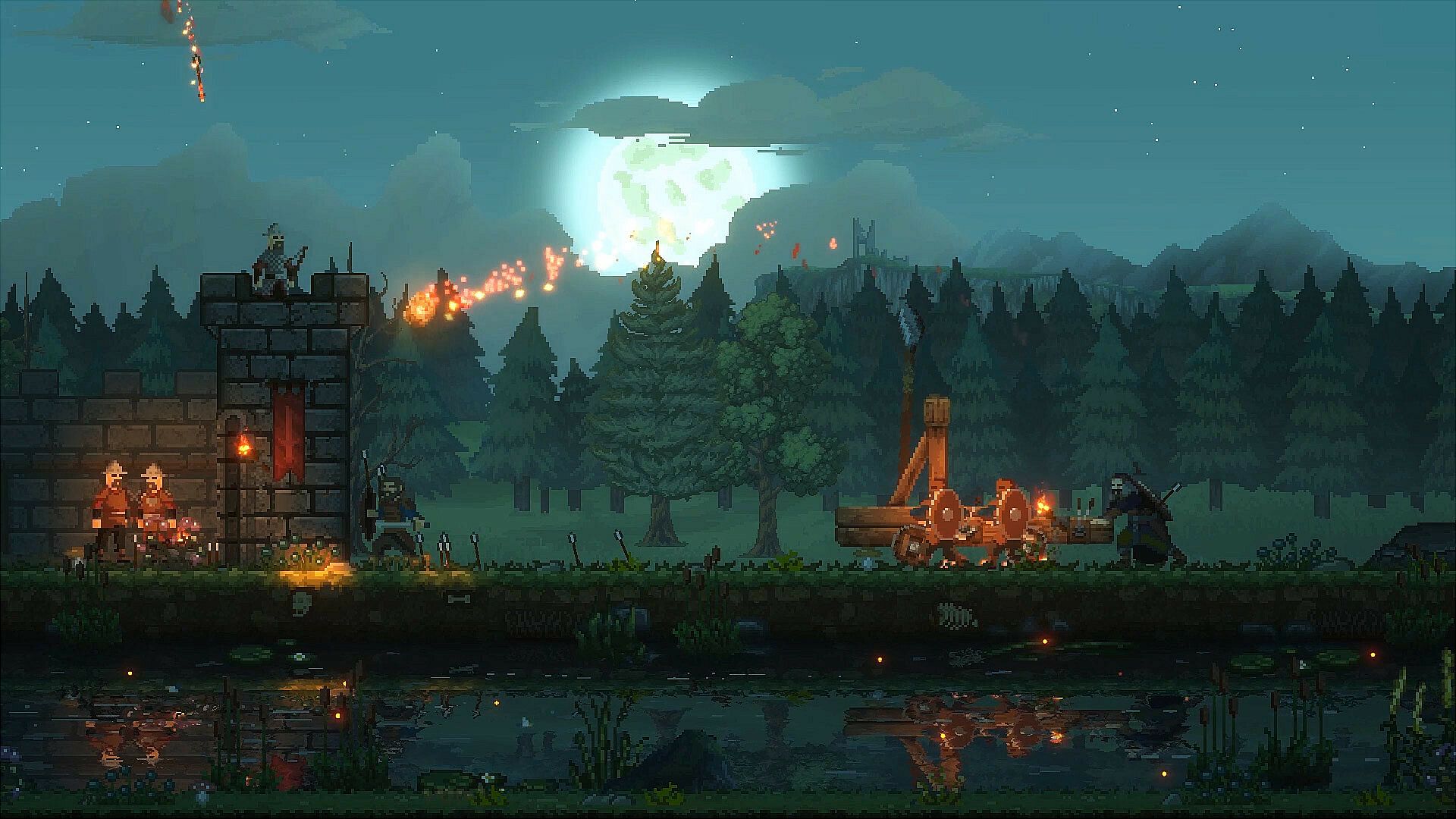
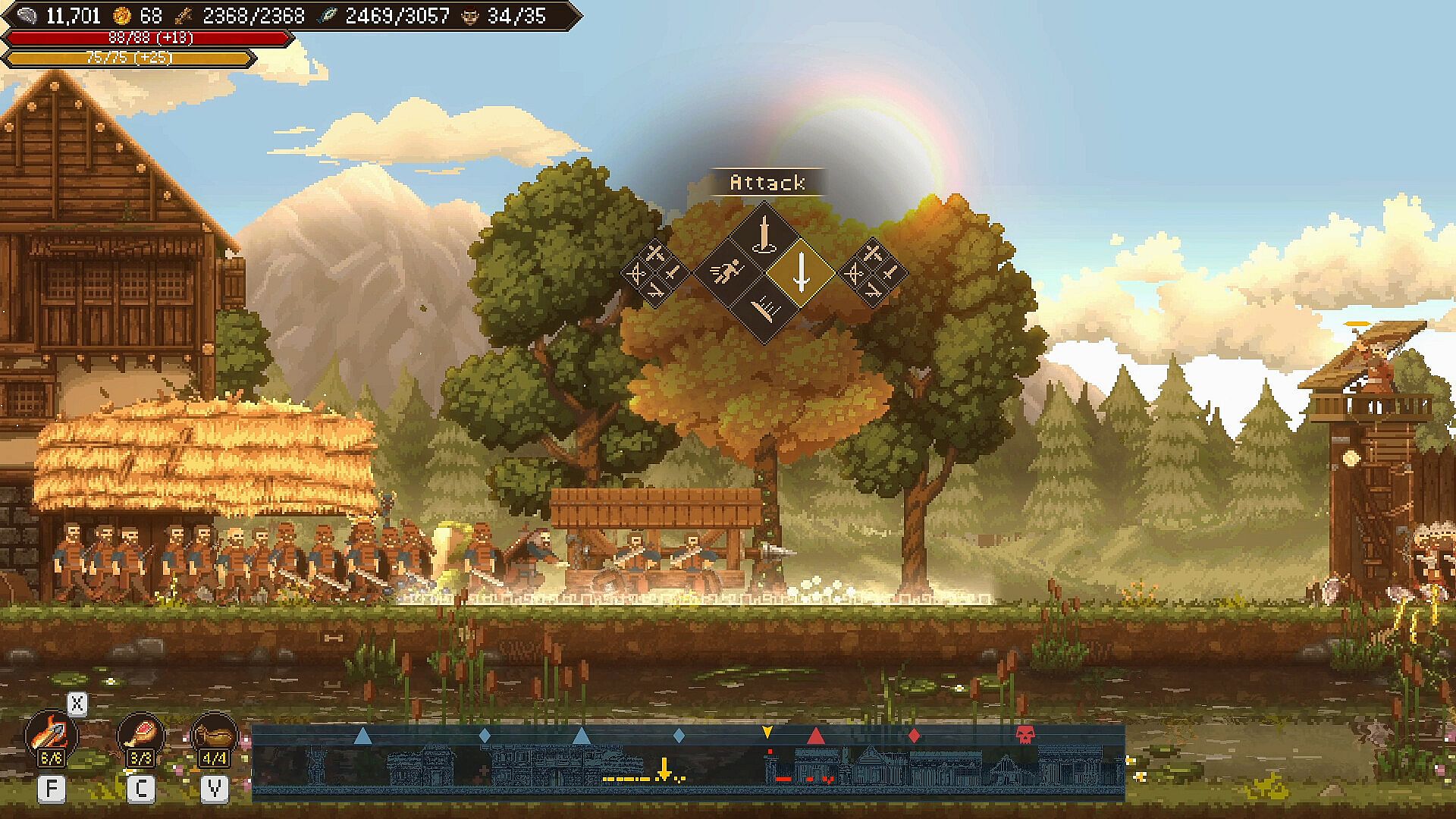
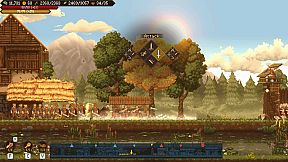
Core gameplay revolves around leading a warband through a side-scrolling map where players manage limited resources while advancing toward objectives. Thorald commands troops in real time by issuing orders such as forming shield walls, charging, or retreating, while also fighting directly alongside them using sword, bow, or spear attacks. Special abilities and formations help counter evolving battlefield situations like arrow barrages or enemy advances.
Recruitment covers basic units including swordsmen and archers alongside specialized champions such as combat blacksmiths, shieldmaidens, shamans for healing, and berserkers for rapid attacks. Success depends on matching troop types to threats and positioning forces effectively. Resources gathered from battles fund equipment upgrades, troop improvements, and construction of structures or siege engines that support larger efforts.
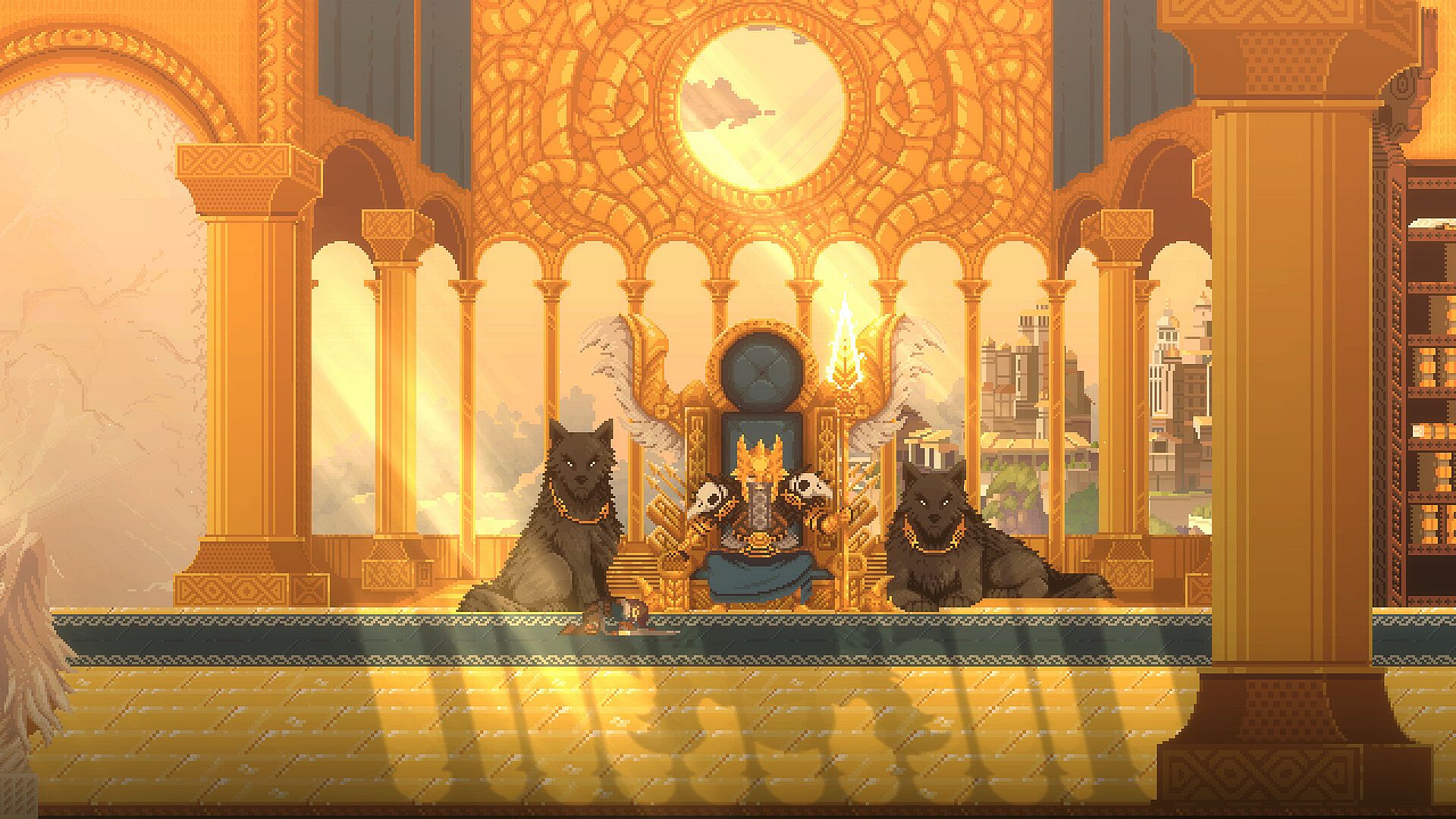
The roguelike structure means each run ends in death and a full restart, yet permanent unlocks come from collecting and sacrificing runestones to Odin. These grant access to stronger warriors and gear for subsequent attempts, allowing gradual growth in capability. A pursuing storm adds pressure by gradually limiting reachable areas, forcing choices about revisiting merchants, mercenaries, or stronger castles after building forces. Odin provides direct combat support drawn from beyond Midgard to aid during key moments.
Game Modes
The primary experience follows a campaign structured around multiple stages where players advance through towns, skirmishes, and sieges while tracking down the target Jarl. Branching paths and the ability to double back on the map encourage strategic planning and resource allocation across the English countryside.
Additional modes expand replayability. Horde mode starts players with a higher unit cap and introduces a preparation cooldown that alters pacing compared to the main campaign. Kingdom-like mode and endless mode offer variations focused on sustained base-building and defense against waves, shifting emphasis toward long-term management and larger-scale engagements.
These modes share the same core systems of troop command, resource use, and roguelike progression but adjust starting conditions and objectives to suit different play preferences within the single-player framework.
Progression and Systems
Permanent upgrades through runestone sacrifices create a clear loop of improvement across runs. Players experiment with different army compositions and equipment purchases to overcome tougher encounters on later attempts. Base building integrates directly into the strategy layer, letting resources support both immediate battles and longer-term infrastructure like siege tools.
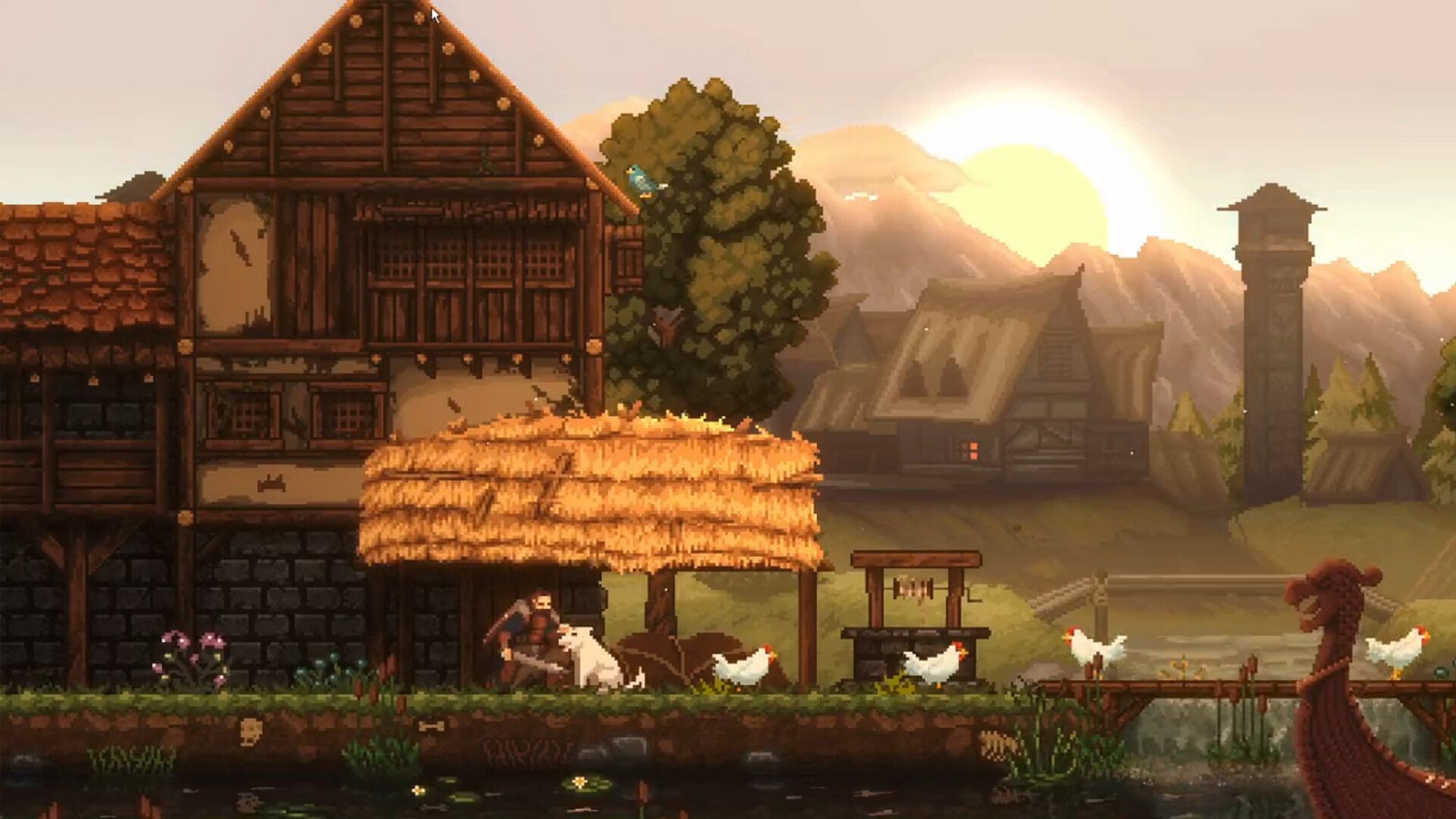
Atmospheric details such as day-night cycles, weather shifts from sunshine to storms, and small environmental touches reinforce the Viking setting without distracting from the tactical focus. Movement and combat feel responsive, with recent patches refining hero controls including added jump options via dodge inputs.
Is It Worth Playing?
Player reception on Steam sits at mixed levels with roughly two-thirds positive feedback from over 800 reviews, while critic scores on aggregate sites land in the upper 70s to low 80s range. The game appeals most to those who enjoy blending direct action combat with tactical troop management in a roguelike structure, particularly fans of side-scrolling strategy titles with base-building layers.
Its concise campaign avoids unnecessary length, and the additional modes plus adjustable difficulty provide clear reasons to return after the initial playthrough. Ongoing patches through 2026 demonstrate continued support for the classic version. Those seeking a focused Viking-themed experience with meaningful progression and direct leadership in battle will find the systems rewarding, while players preferring purely real-time strategy or deeper simulation layers may find the hybrid approach less ideal. The title suits single-player sessions centered on vengeance-driven runs and incremental power growth.