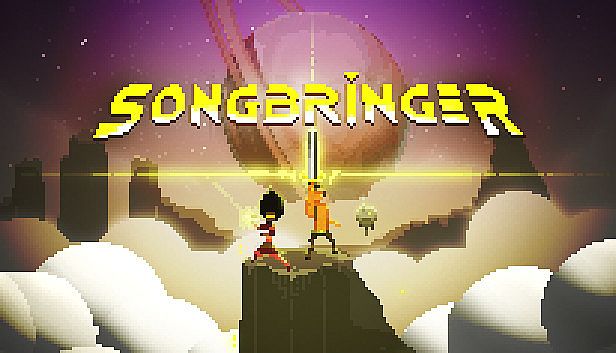












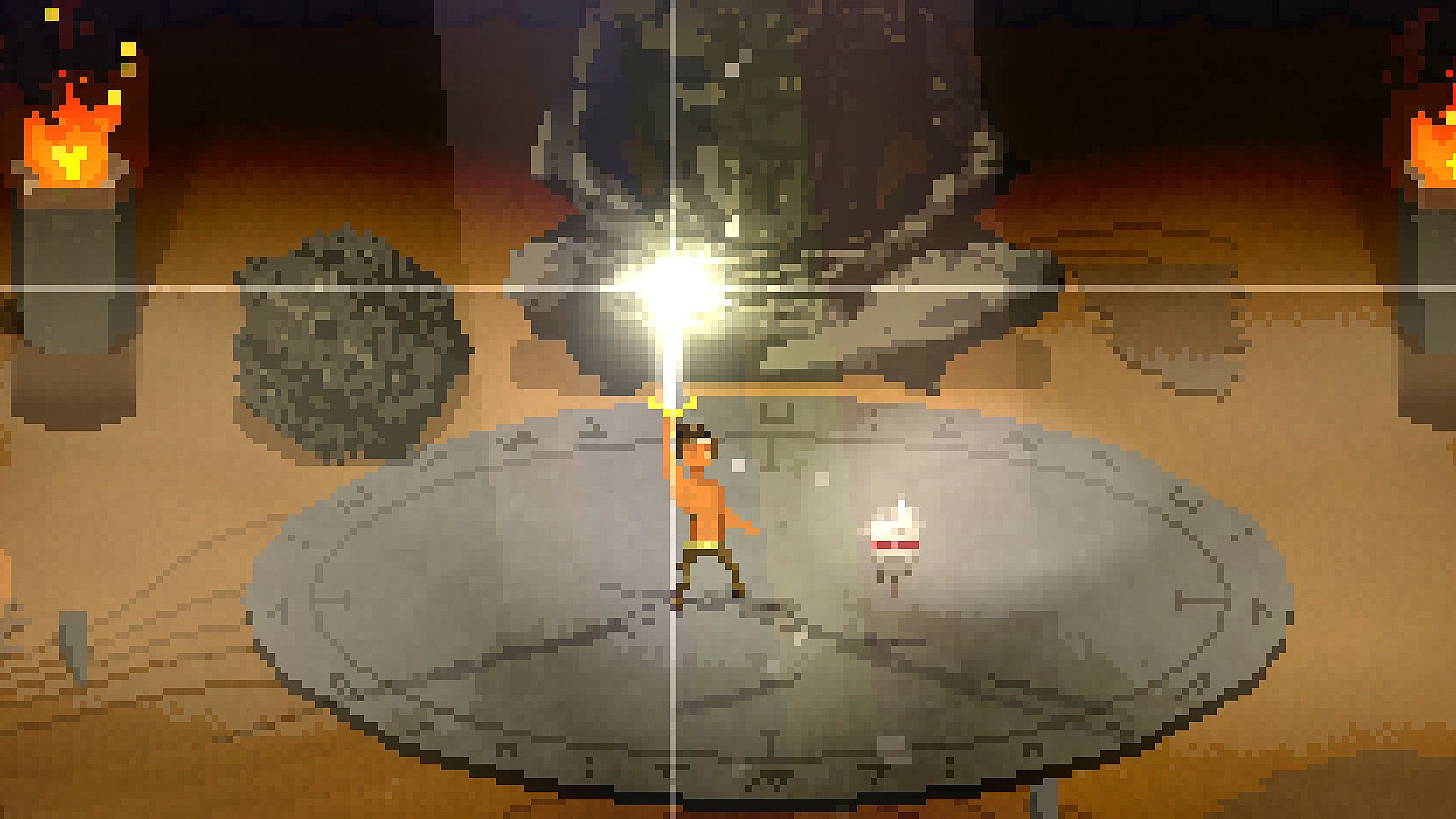
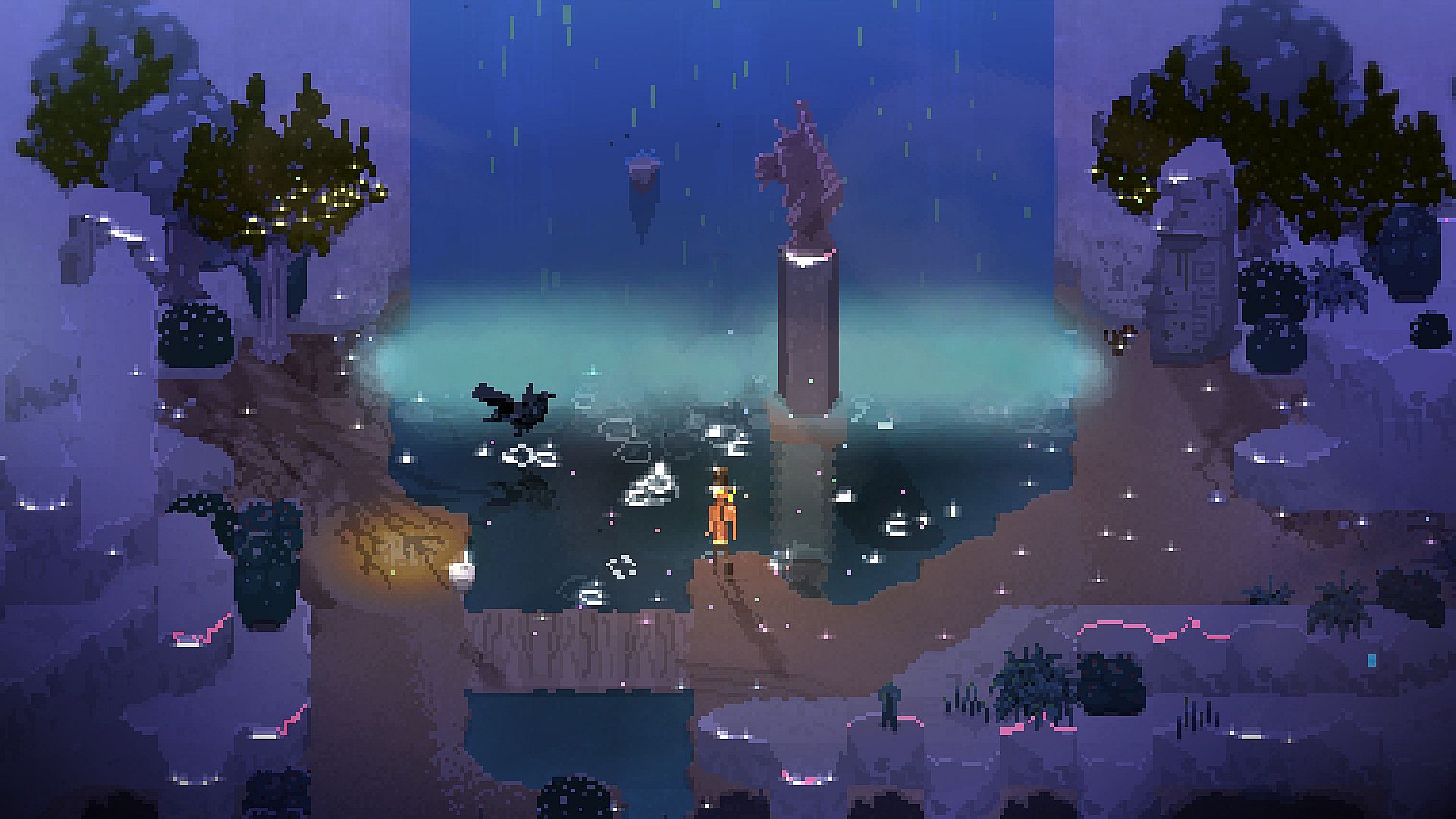
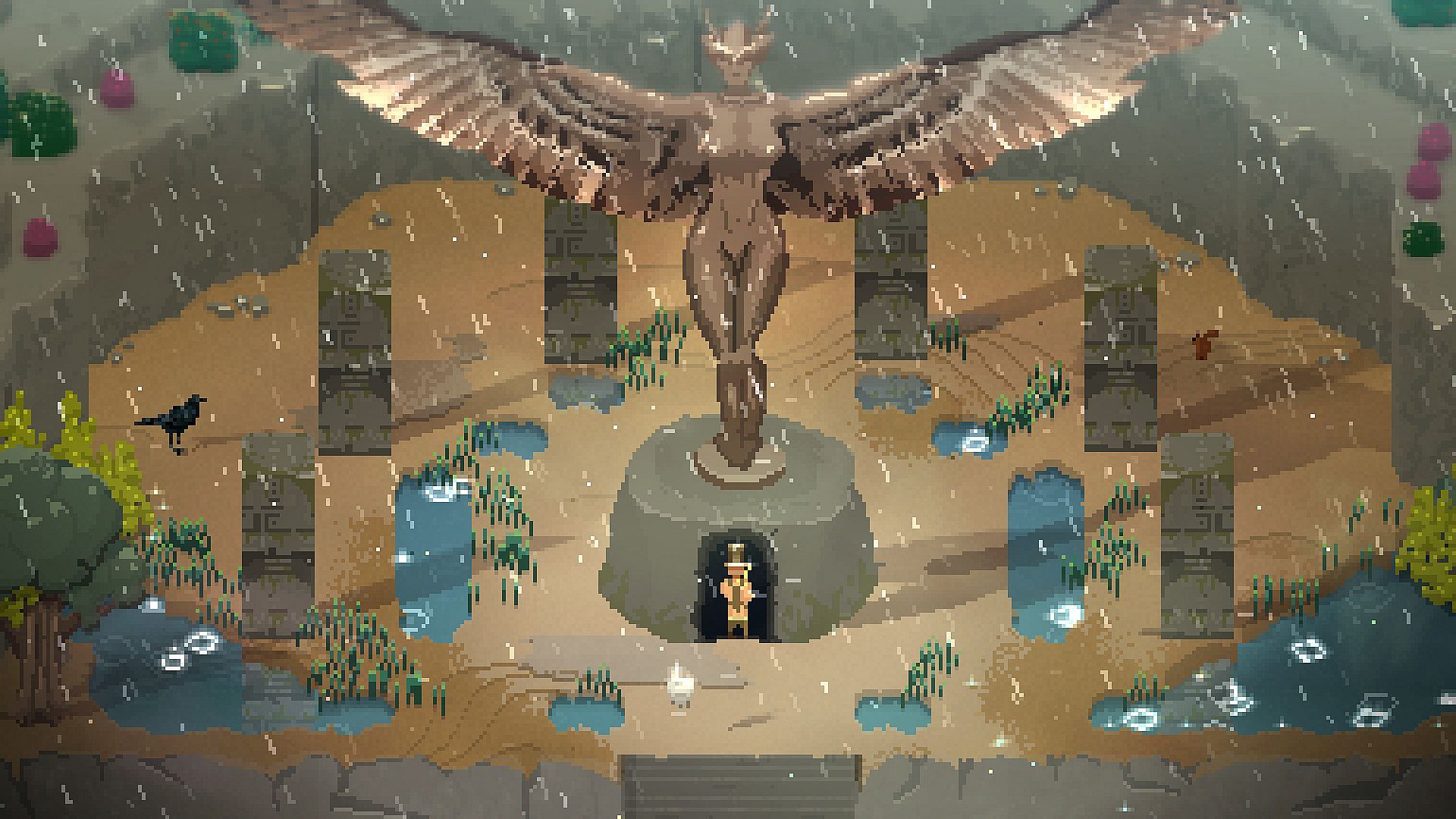
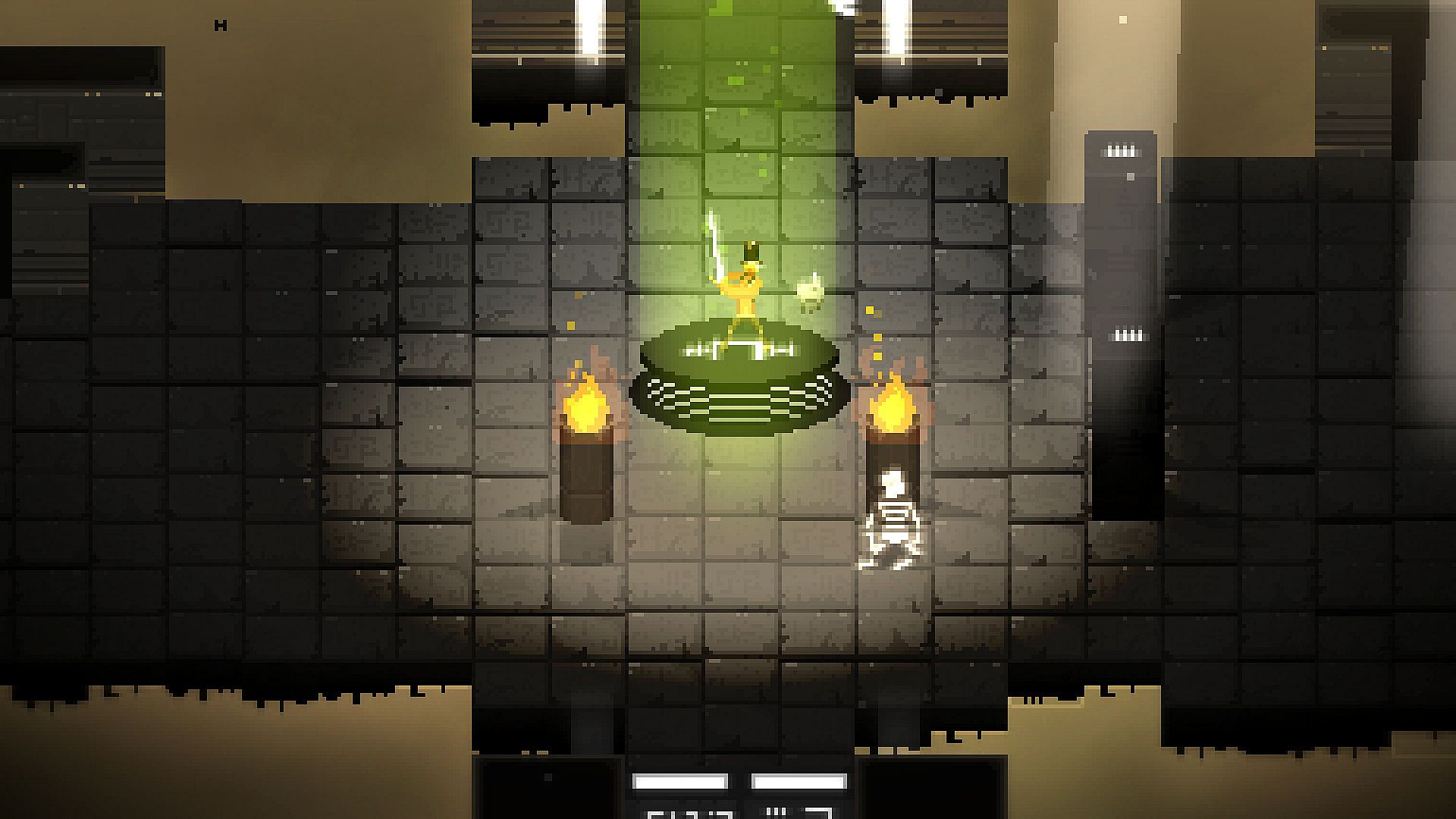
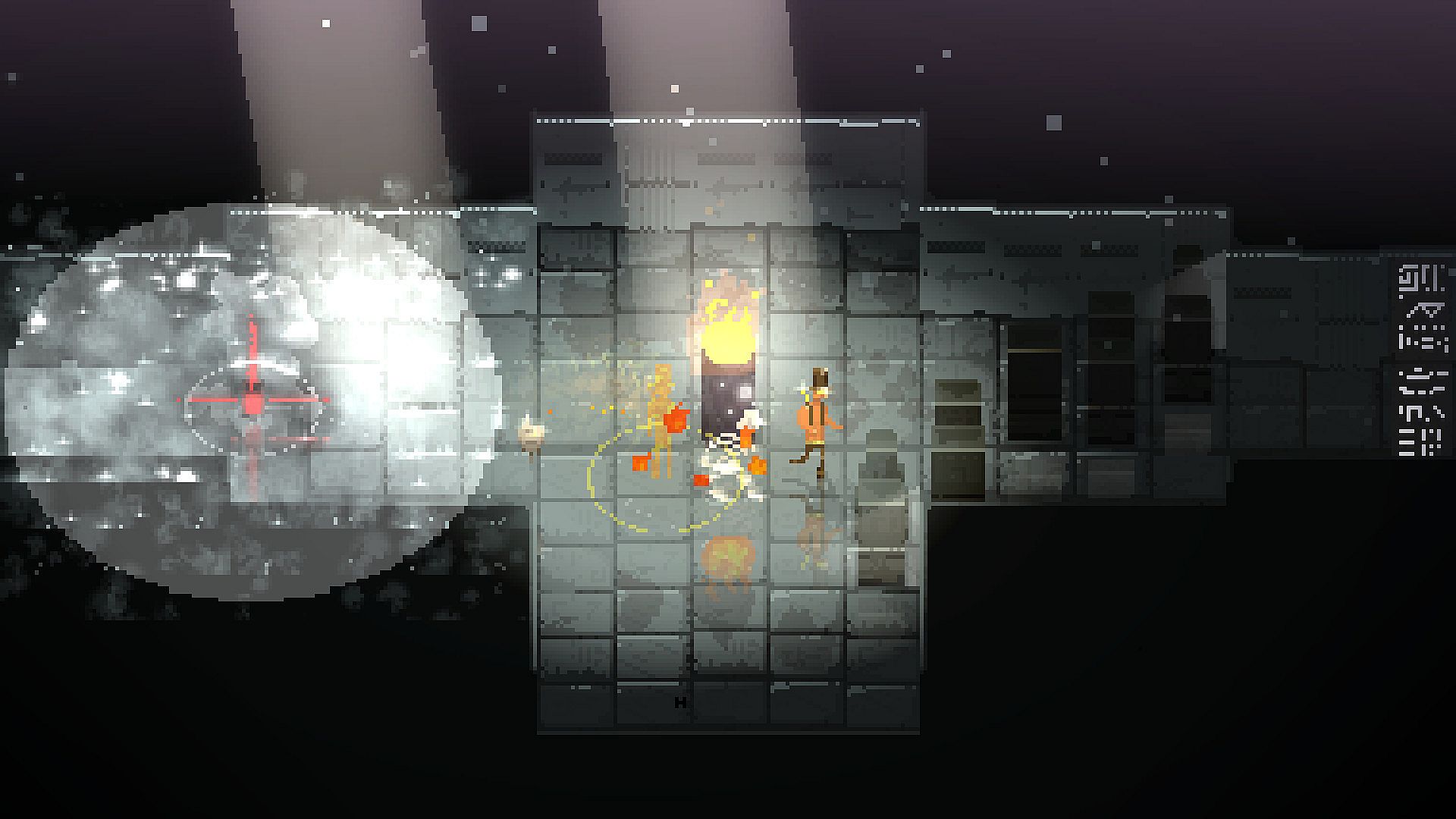
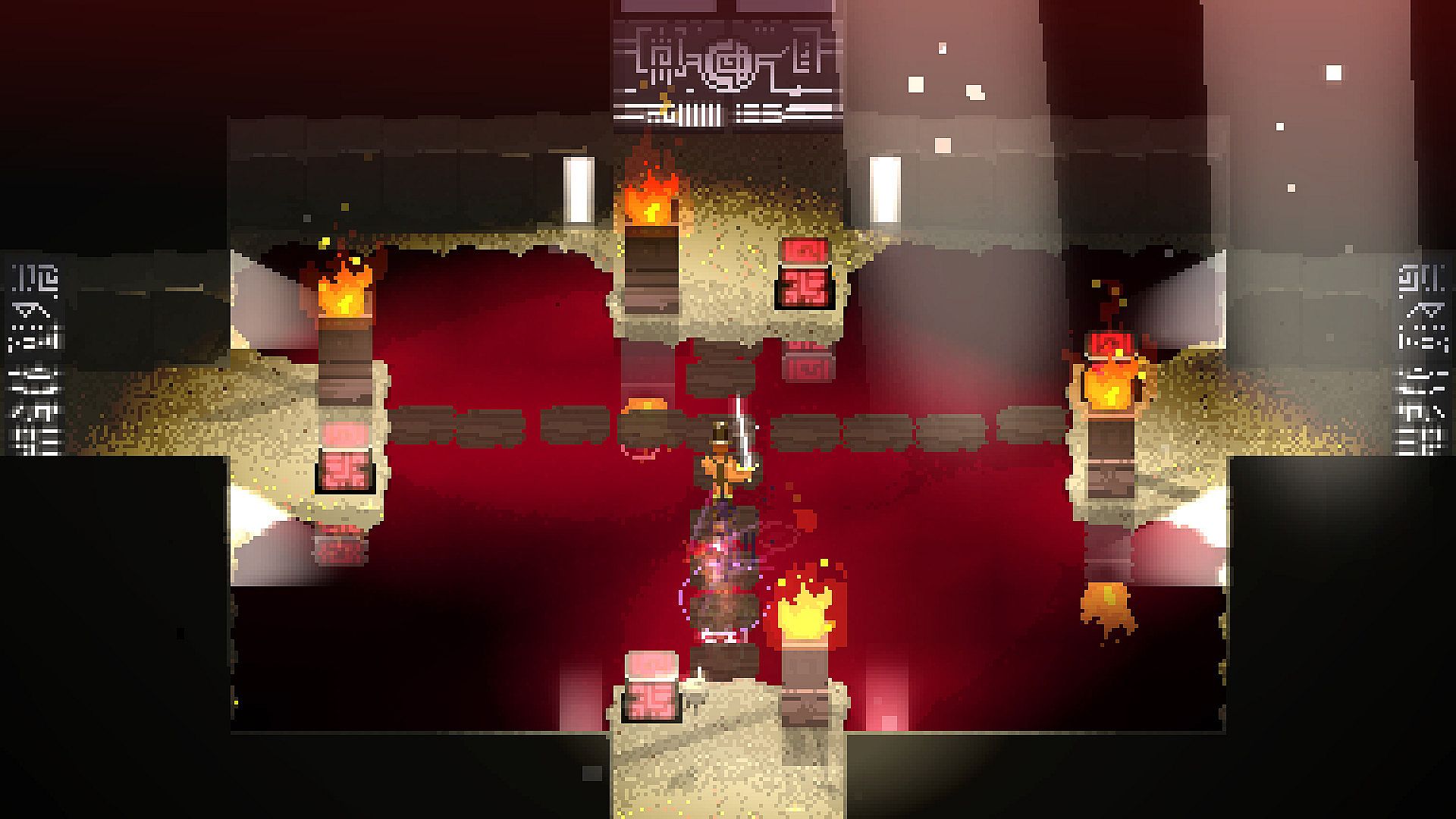
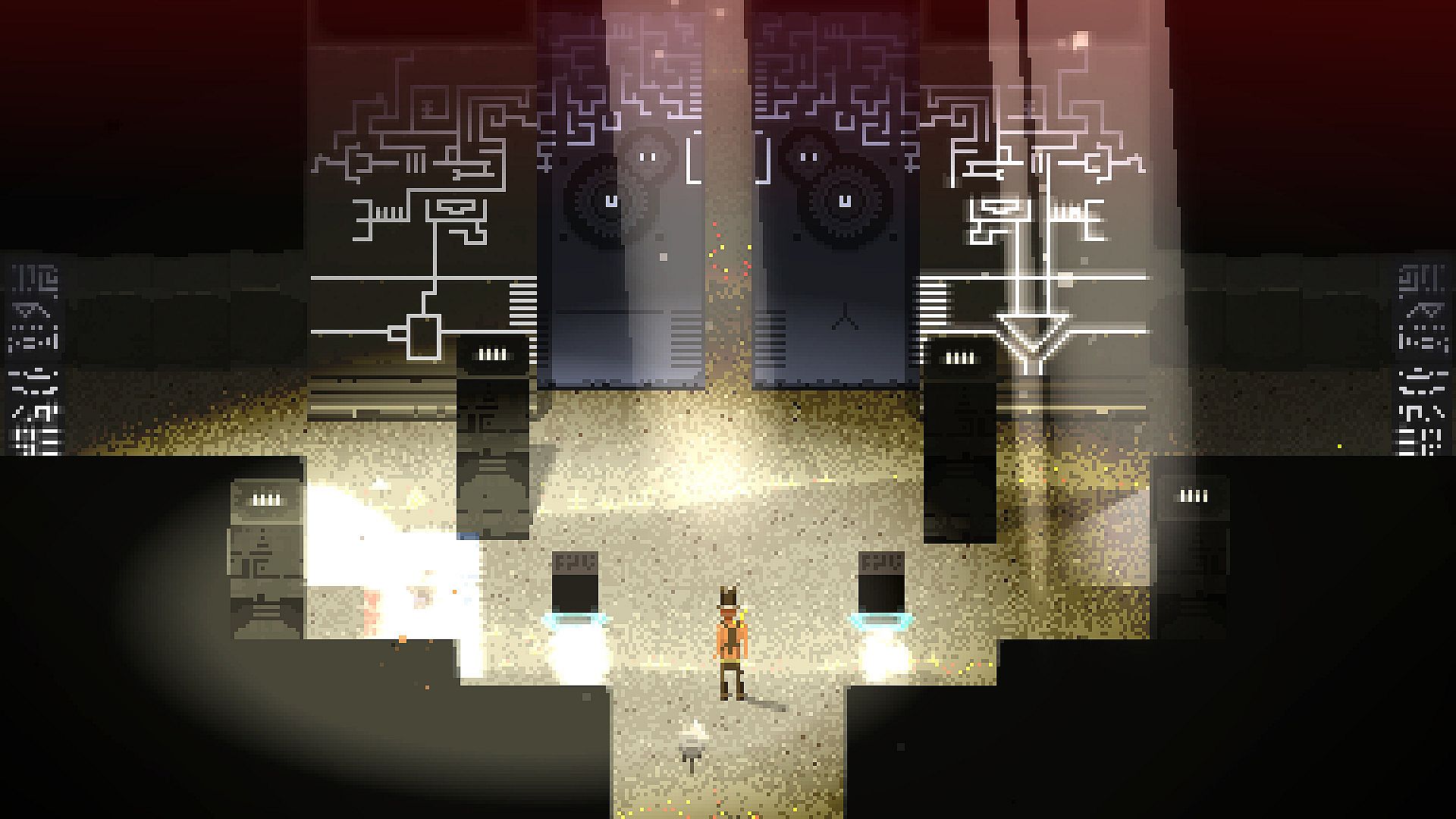
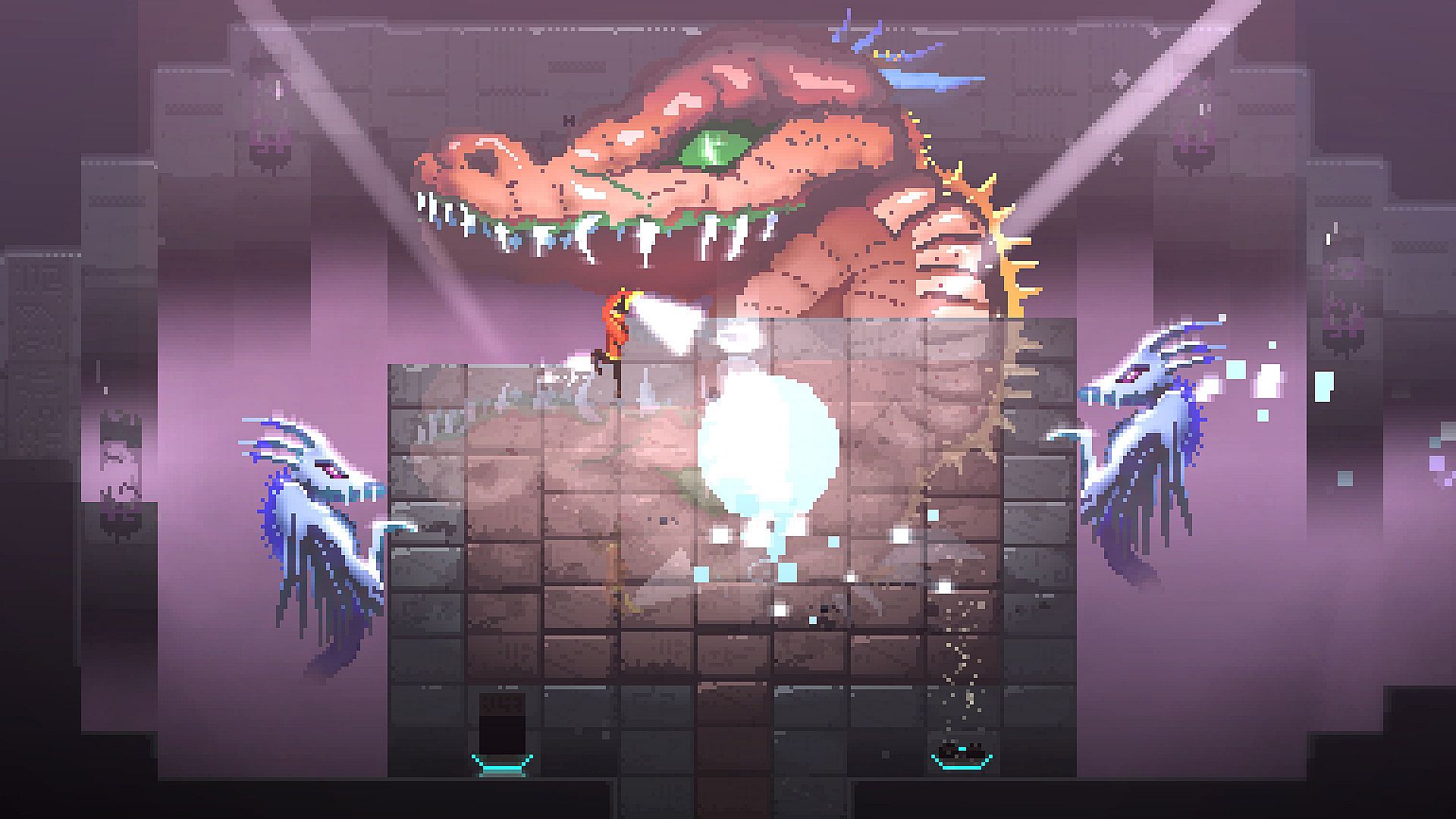
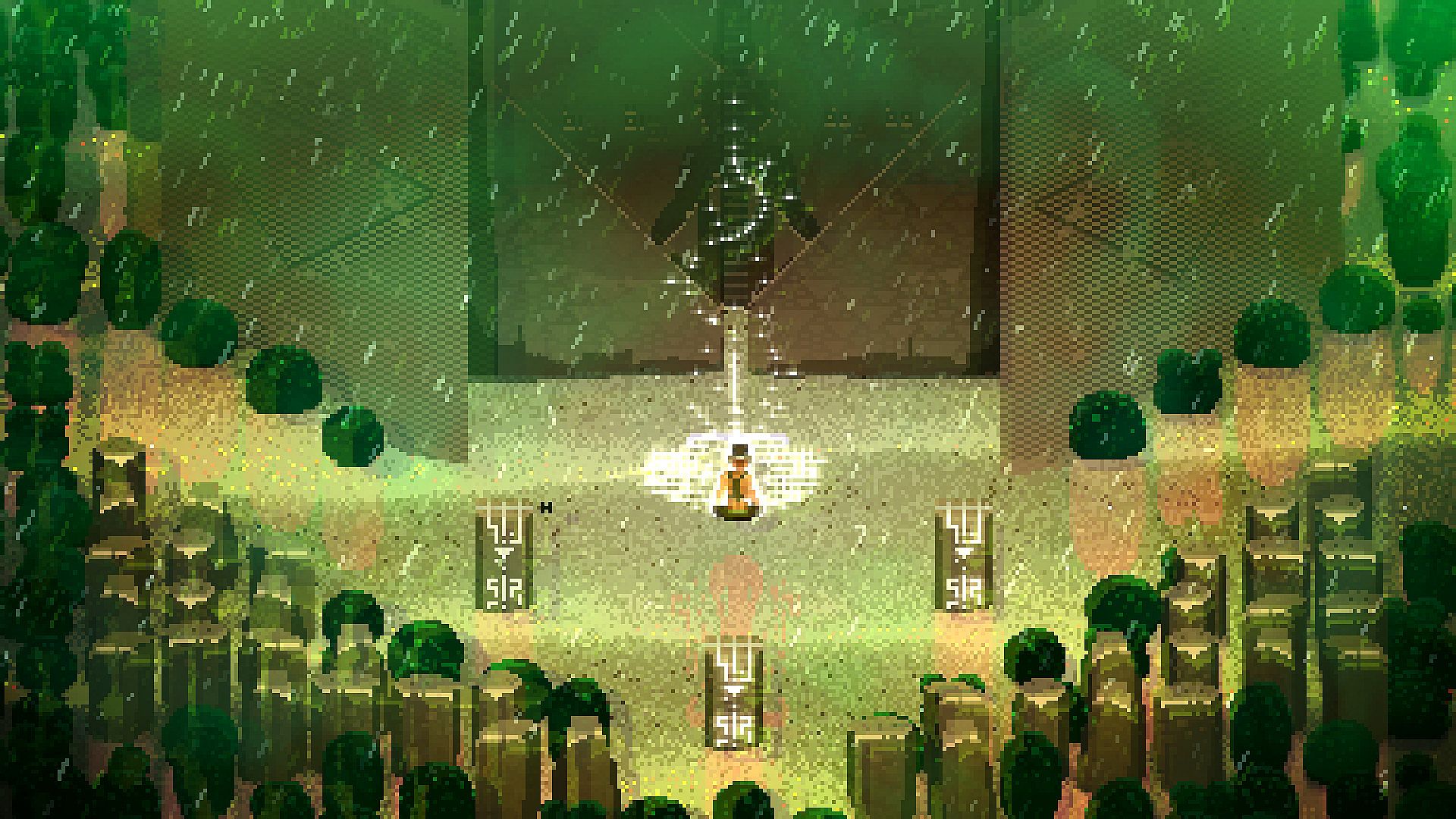
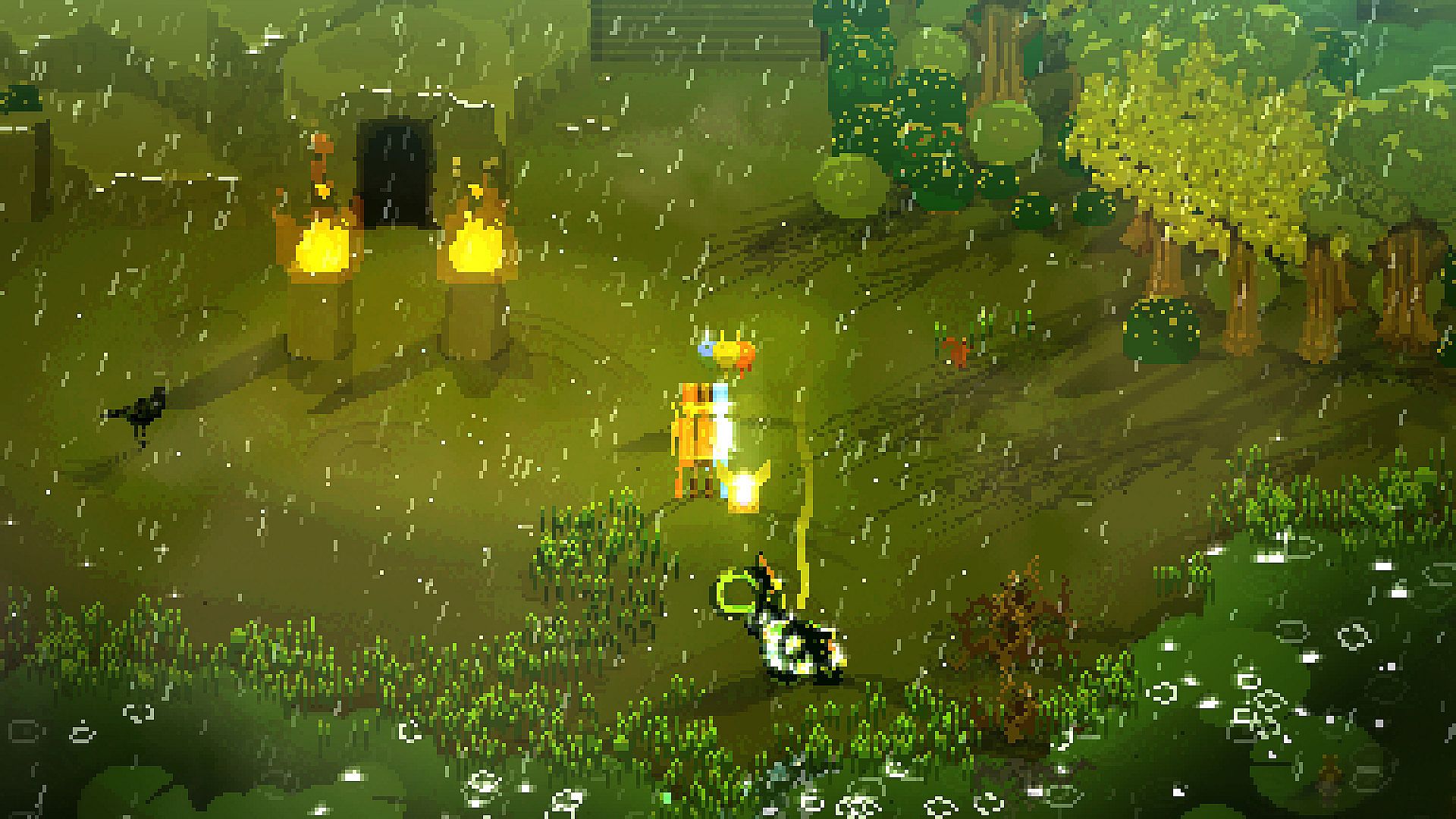
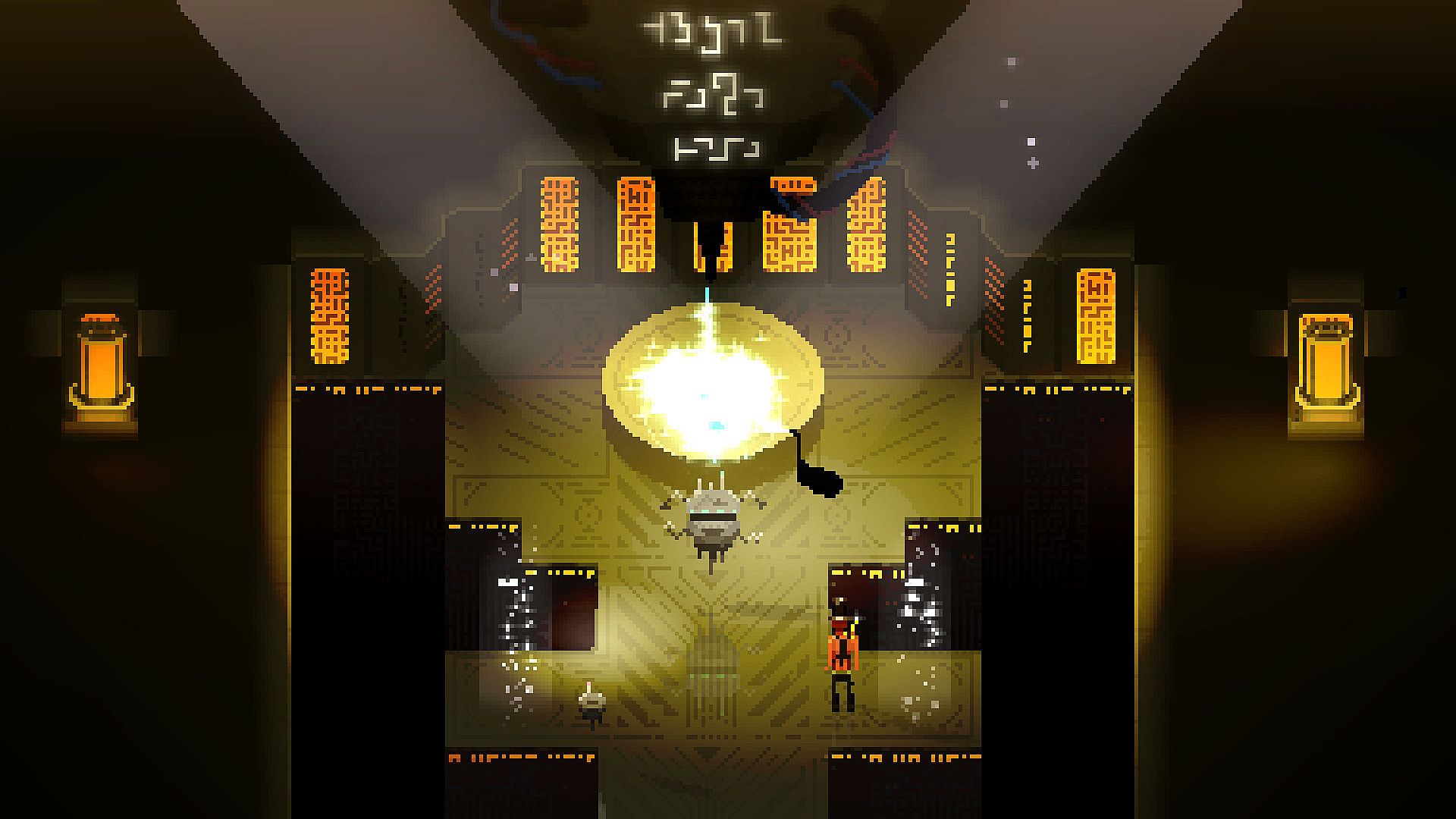
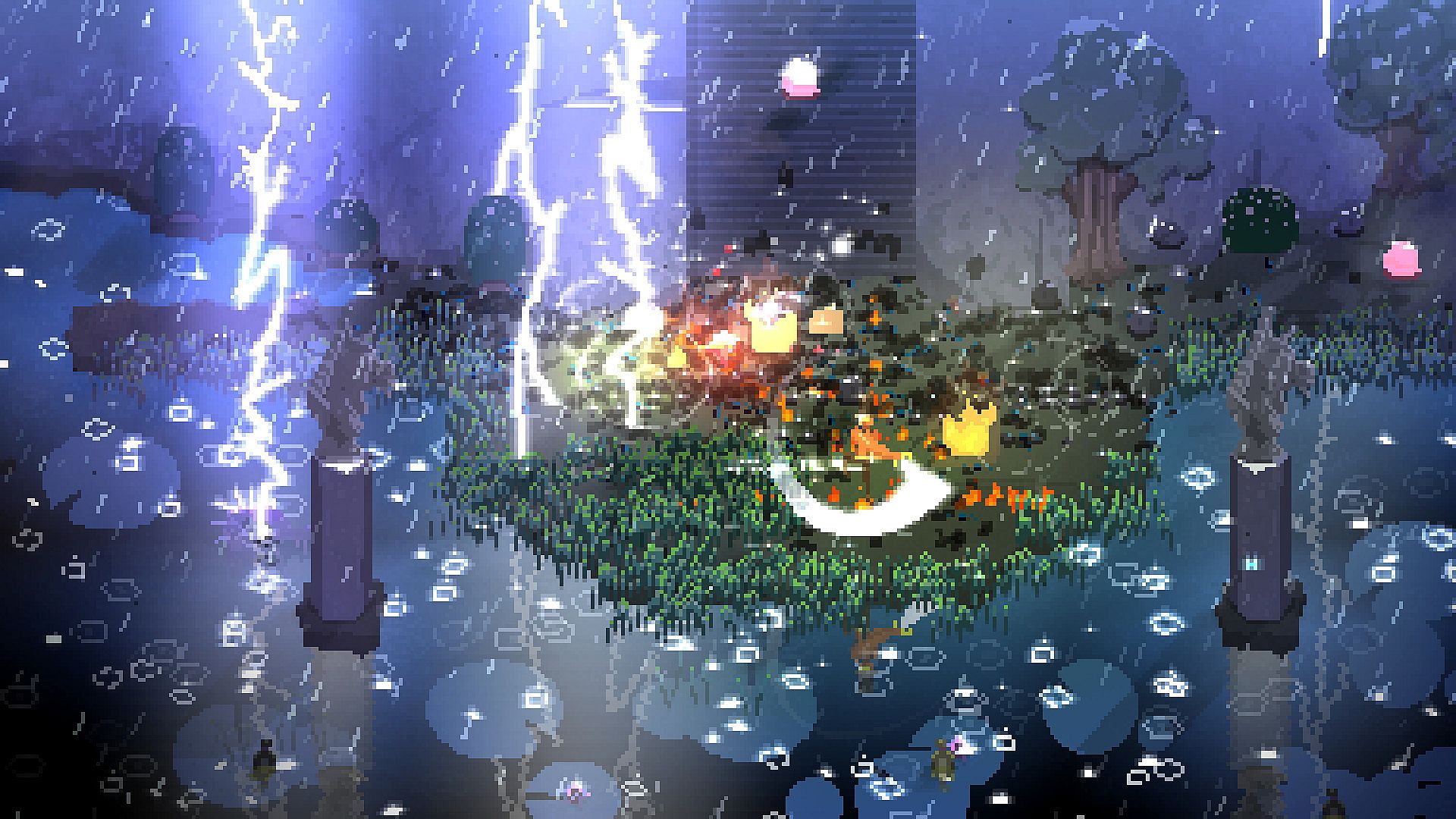
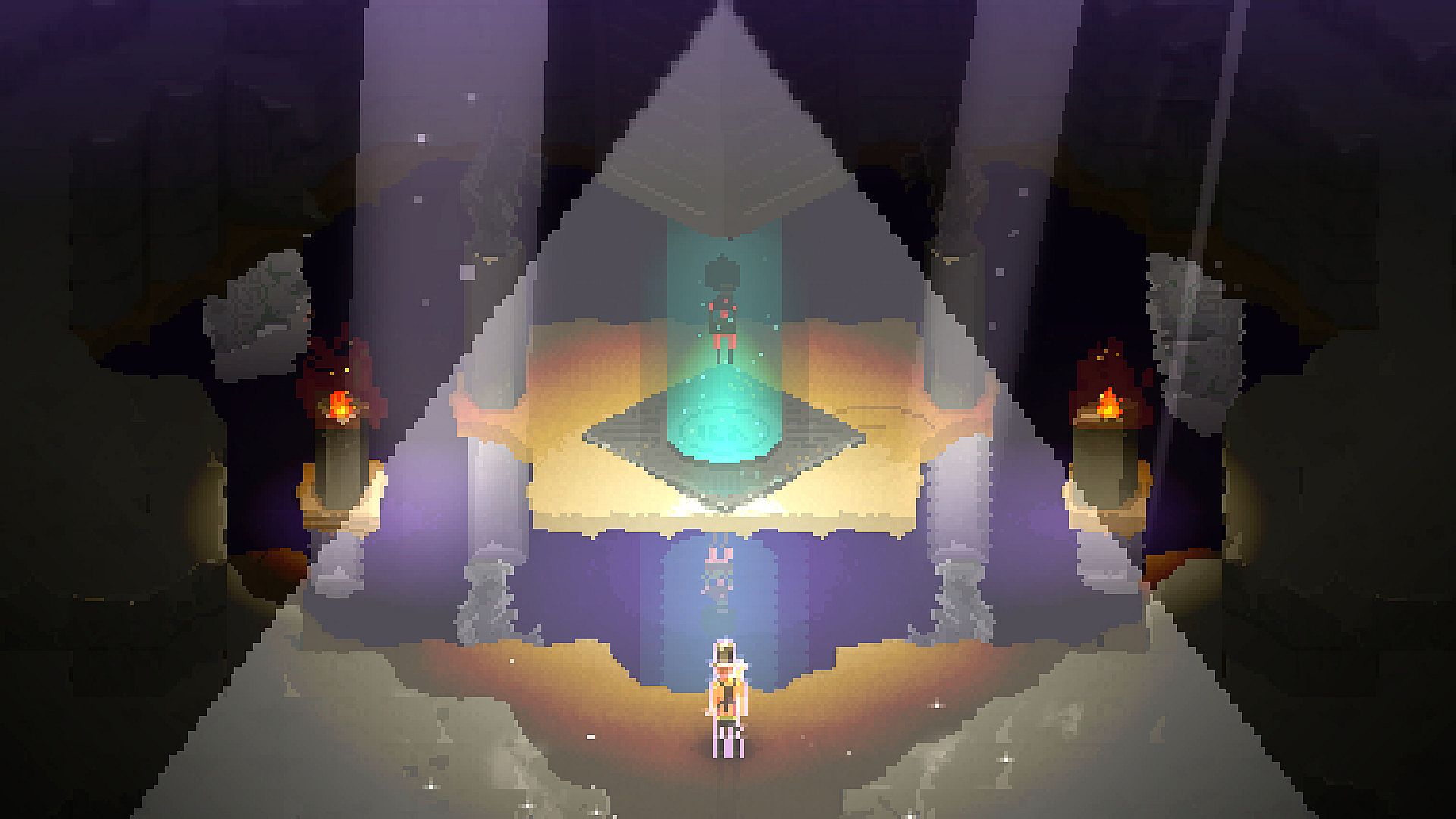
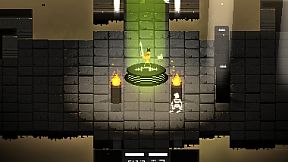
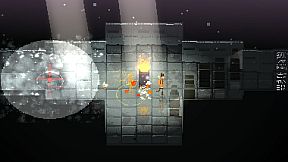
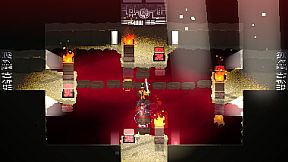
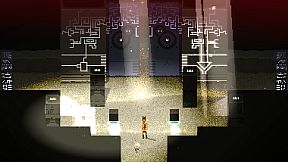
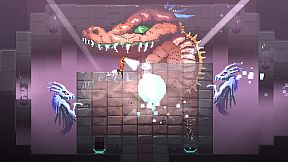
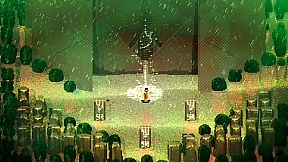
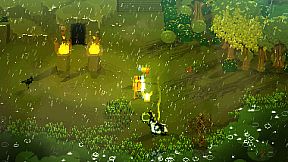
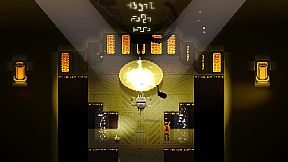
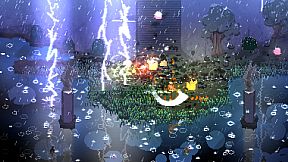
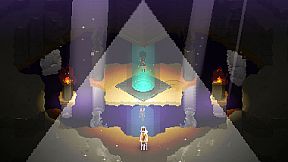
Songbringer is a sci-fi action RPG built around procedural generation, sword combat, and open exploration on alien planets. Players take control of Roq Epimetheos, a musician and reluctant hero who travels the galaxy aboard the ship Songbringer with his companion Jib, a skybot. The core loop centers on landing on randomly generated worlds, uncovering dungeons, defeating bosses, and collecting technological artifacts without any traditional experience points or leveling system.
Gameplay
Progress comes from defeating enemies, overcoming bosses, and locating lost devices that grant new abilities. Roq wields a nanosword that hums with power after discovery in a cave. Combat mixes hack-and-slash attacks with environmental interactions. Jib scans fallen foes for loot and can stun enemies once upgraded. The skybot operates under AI control by default, though a second player can take direct control in local co-op.
Worlds form from a six-letter seed chosen at the start of each quest. The same seed always produces identical layouts across platforms, which supports shared discoveries and competitive runs. Overworld maps remain open and non-linear, allowing travel in any direction and optional dungeon order. Nine dungeons appear per world, split between thematic challenges with required items, hidden side areas that reward abilities, and brutally difficult encounters filled with strong enemies and bosses.
Eating cacti reveals hidden secrets and grants temporary psychedelic vision. Items combine at a droidsmith aboard the ship to form new artifacts, such as a fire orb created from a blink orb and fire cube that lets Roq teleport forward while engulfed in flames. These systems encourage repeated exploration of the same seed or fresh attempts with new ones.
Game Modes
Two primary modes shape each quest. Regular mode tracks completion time, map coverage, and items collected for a final score. Permadeath mode adds permanent death on failure, raising the stakes for leaderboard competition. Scores upload to global leaderboards sorted by seed, with options to view popular or recent seeds. Local co-op integrates directly into both modes by letting a second player control Jib.
Seeds support speed runs on familiar worlds or surprise runs on new ones. No experience system exists, so advancement stays tied to mechanical upgrades and item collection rather than grinding.
Exploration and Secrets
Procedural generation extends to overworld terrain, dungeon layouts, and concealed treasures. Players can ignore the nanosword entirely and still complete quests through alternative paths. Side content includes tough optional dungeons and ability-granting secrets that reward thorough searching. The absence of linear gates means each run can unfold differently based on chosen directions and priorities.
Is It Worth Playing?
Songbringer suits players who enjoy Zelda-inspired action RPGs with procedural twists, local co-op, and score-based competition. Its open structure and seed system provide strong replay value for those comfortable with challenging combat and puzzle elements. The game launched complete on PC and other platforms with no ongoing seasonal content or major expansions required for the core experience. Reception highlights its nostalgic feel and fluid movement alongside notes on difficulty spikes in later dungeons. Those seeking a self-contained sci-fi adventure with meaningful exploration and co-op options will find the systems rewarding, while players preferring guided stories or frequent updates may prefer other titles.