




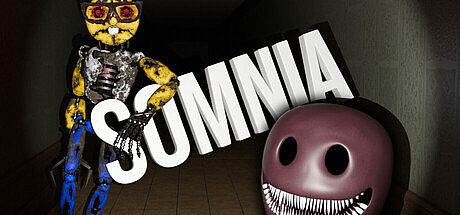


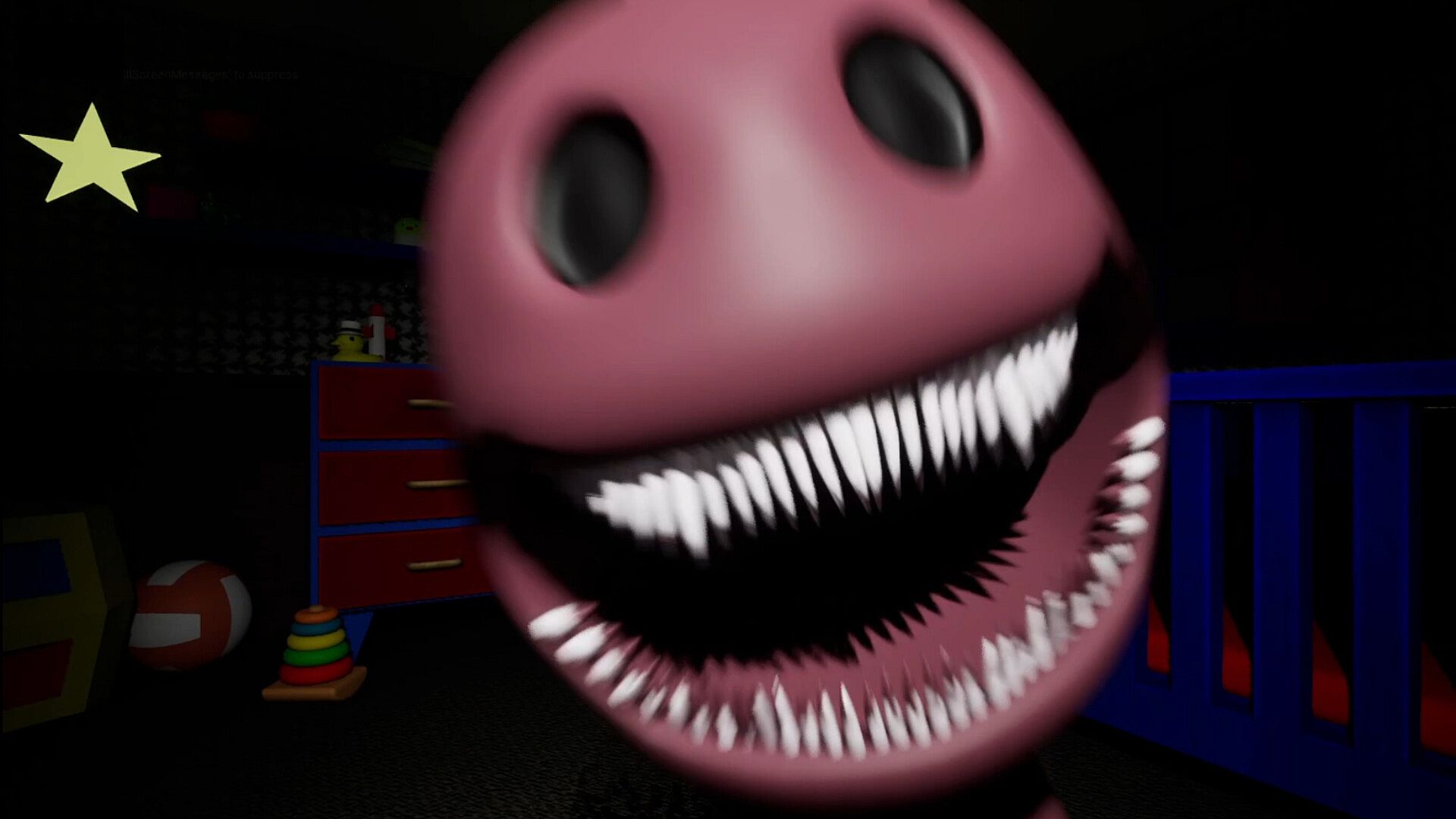
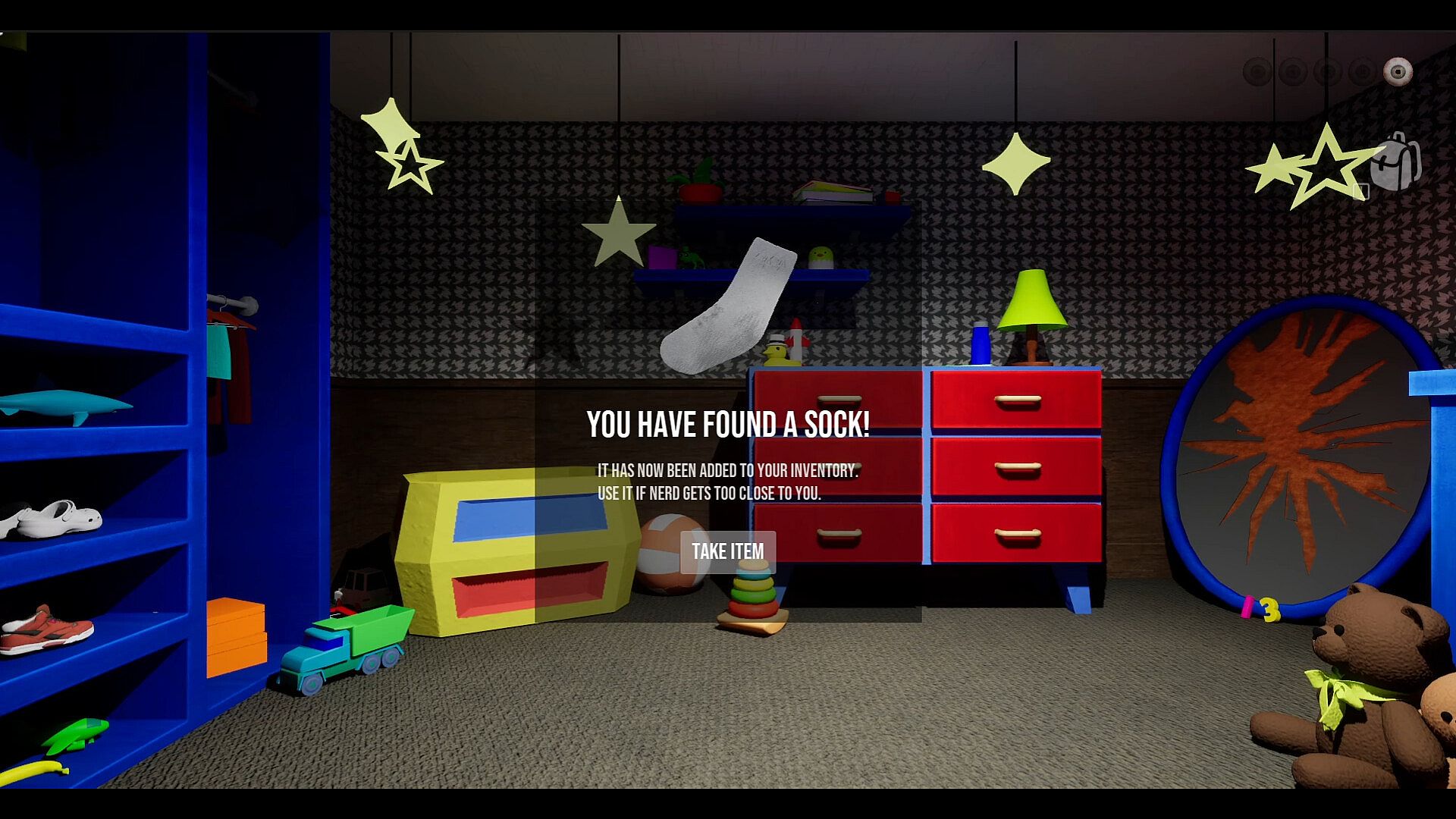
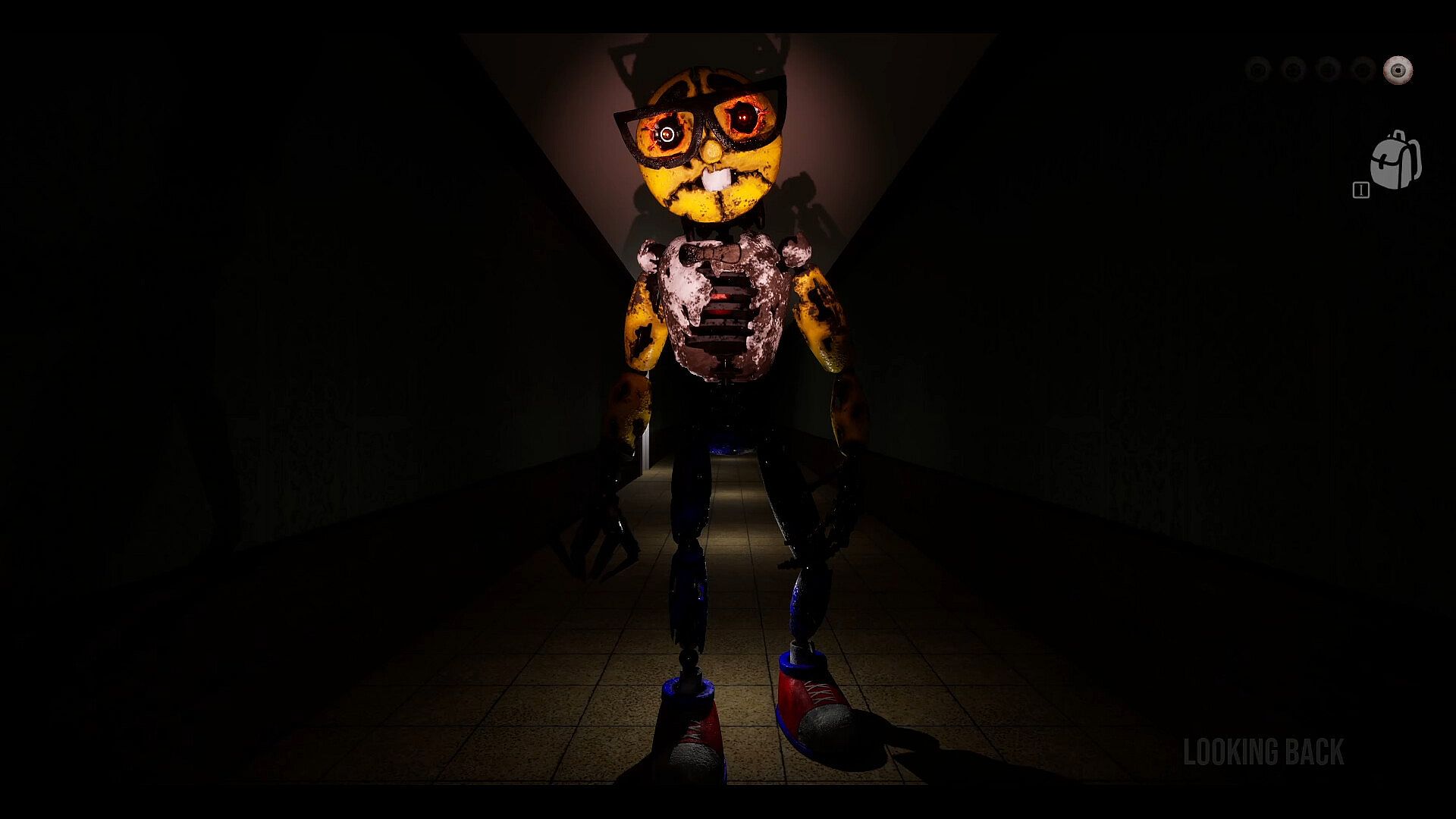
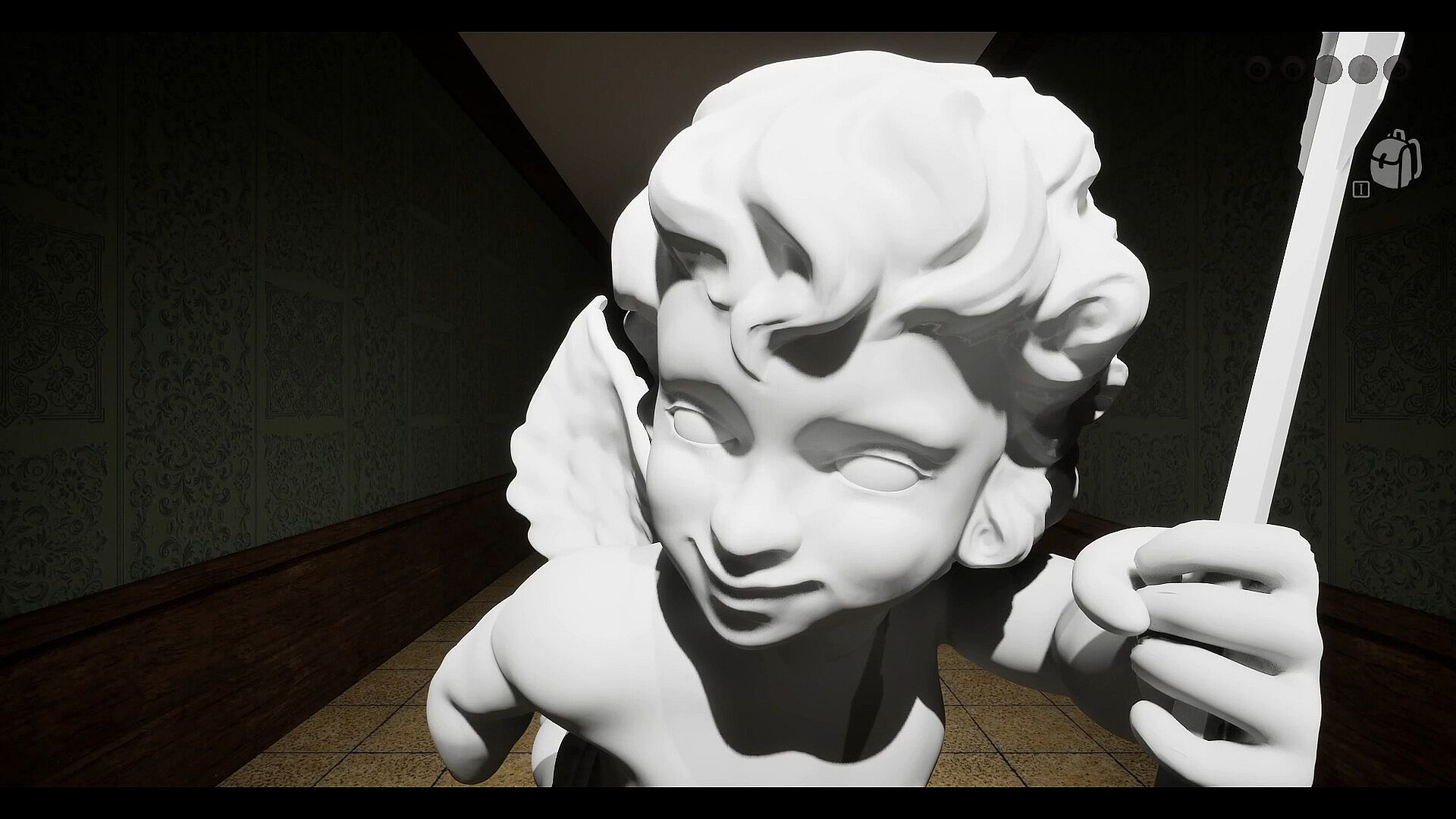
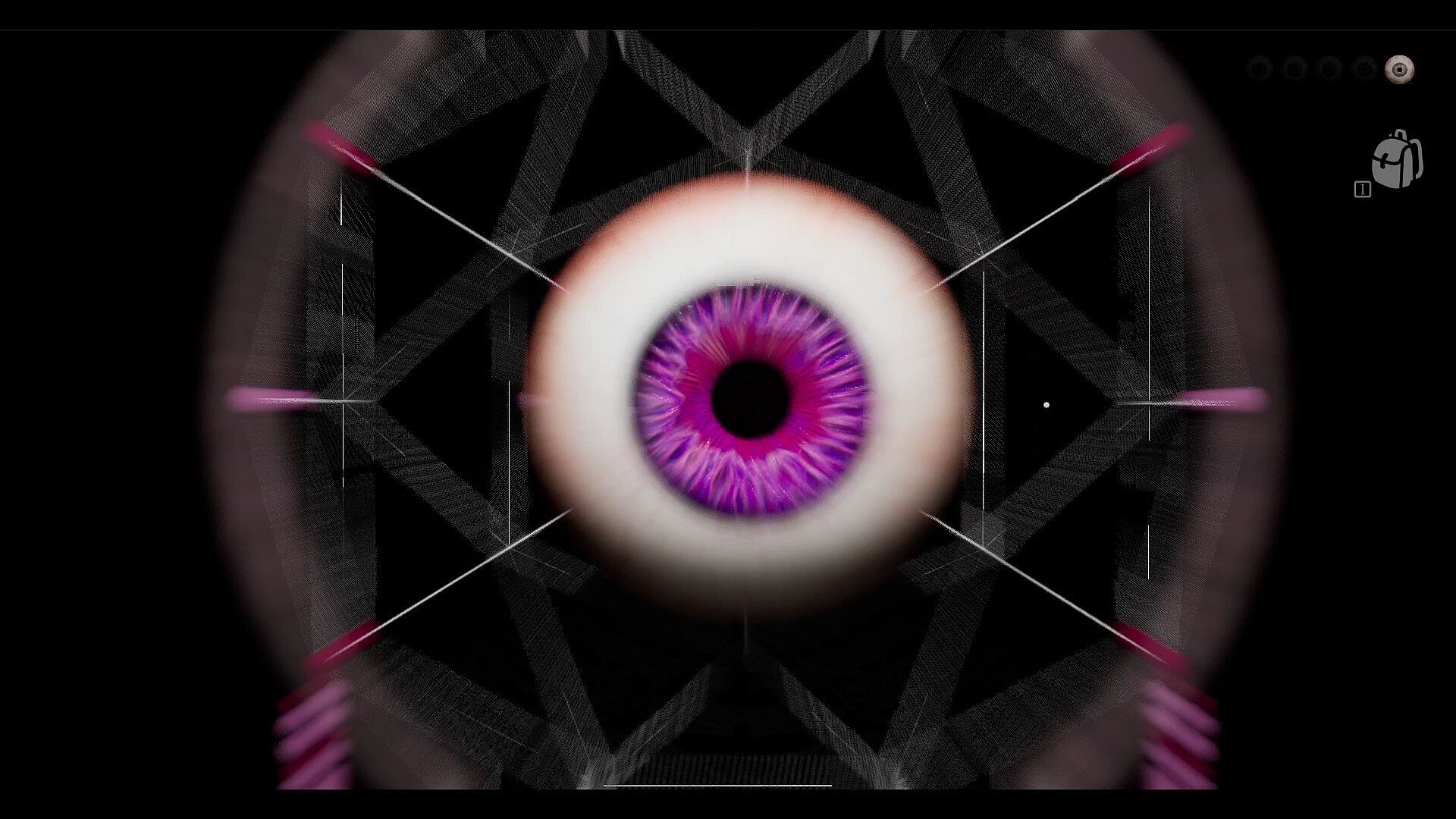


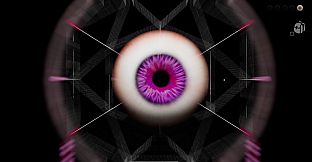
Somnia is a first-person psychological horror game set on PC that places players in the role of an entity navigating endless corridors while evading threats and pursuing a specific objective tied to lost eyes.
Gameplay
The core loop centers on forward movement through repeating hallways that stretch without clear end points. Players follow guidance from a persistent voice that directs progress while entities appear as obstacles that must be survived rather than confronted directly. Exploration involves locating scattered eyes that serve as key items, with the process unfolding in a first-person view that emphasizes disorientation and unease.
Developed in Unreal Engine 5, the game renders these environments with attention to lighting and spatial repetition that heightens the sense of being trapped. Survival requires careful navigation around the mysterious entities, which appear in sequence as the experience progresses. The search for eyes forms the main progression driver, creating a loop of movement, avoidance, and collection that defines each session.
Mechanics stay focused on these elements without additional layers such as combat systems or resource management confirmed at this stage. The first-person perspective keeps attention on environmental details and the guiding voice, reinforcing the psychological tension built into the hallways and encounters.
Game Modes
Somnia operates exclusively as a single-player experience. The feature list on its store page specifies single-player support along with achievements and family sharing, with no indications of cooperative, competitive, or online components.
Progression follows a linear path dictated by the voice and the need to gather eyes while handling entity encounters. A demo covering the first five entities remains in development, offering an initial slice of this solitary journey for players to test the core loop before full release.
Story and Setting
The narrative opens with the premise of having cheated death yet existing in an undefined state between life and its absence. Players awaken without clear identity or location, guided only by the voice that insists forward motion is the sole option. This setup frames the endless hallways as both physical space and mental construct, where finding the missing eyes might unlock an exit or greater understanding.
Entities encountered along the way add layers of mystery rather than explicit backstory. The game avoids traditional exposition, instead letting the voice and environmental repetition convey the central questions about existence and purpose. Eyes function as both literal collectibles and symbolic elements whose significance emerges through play rather than direct explanation.
Development and Current State
Development continues with a focus on Unreal Engine 5 to deliver the hallway environments and entity interactions. The project remains in a pre-release phase, listed as coming soon with no announced launch window beyond the ongoing demo work. System requirements list modest hardware needs, including Windows 10, an Intel Core i5-7500 or equivalent processor, 8 GB RAM, and a GTX 1060-class graphics card, with an SSD recommended.
No seasonal updates or post-launch content plans appear in available details, consistent with the early stage of production. The emphasis stays on refining the five-entity demo segment to showcase the survival and exploration elements before expanding further.
Is It Worth Playing?
Players interested in first-person psychological horror that prioritizes atmospheric navigation and entity avoidance will find the described loop aligned with those preferences. The single-player structure delivers a focused, uninterrupted session built around the voice-guided search and hallway traversal.
With the game still in development and no user reviews available yet, any assessment rests on the confirmed mechanics of exploration and survival rather than completed feedback. The upcoming demo provides the clearest way to evaluate fit before committing further, particularly for those drawn to indie titles that lean into repetition and psychological unease over action or multiplayer elements.











