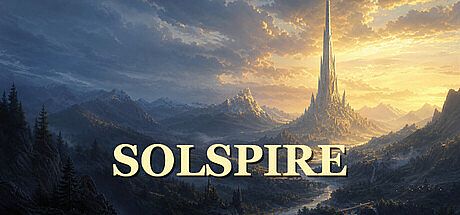


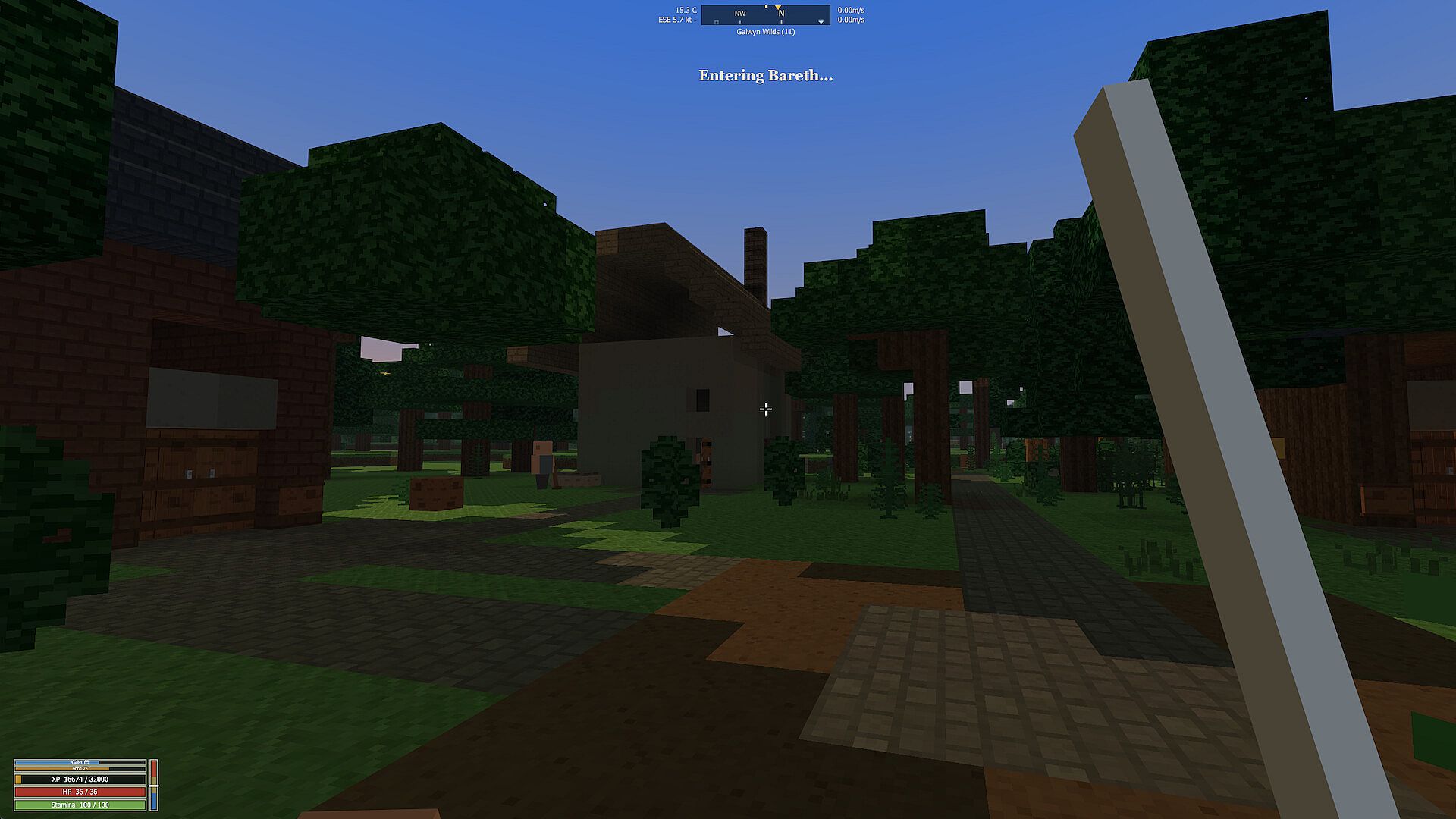
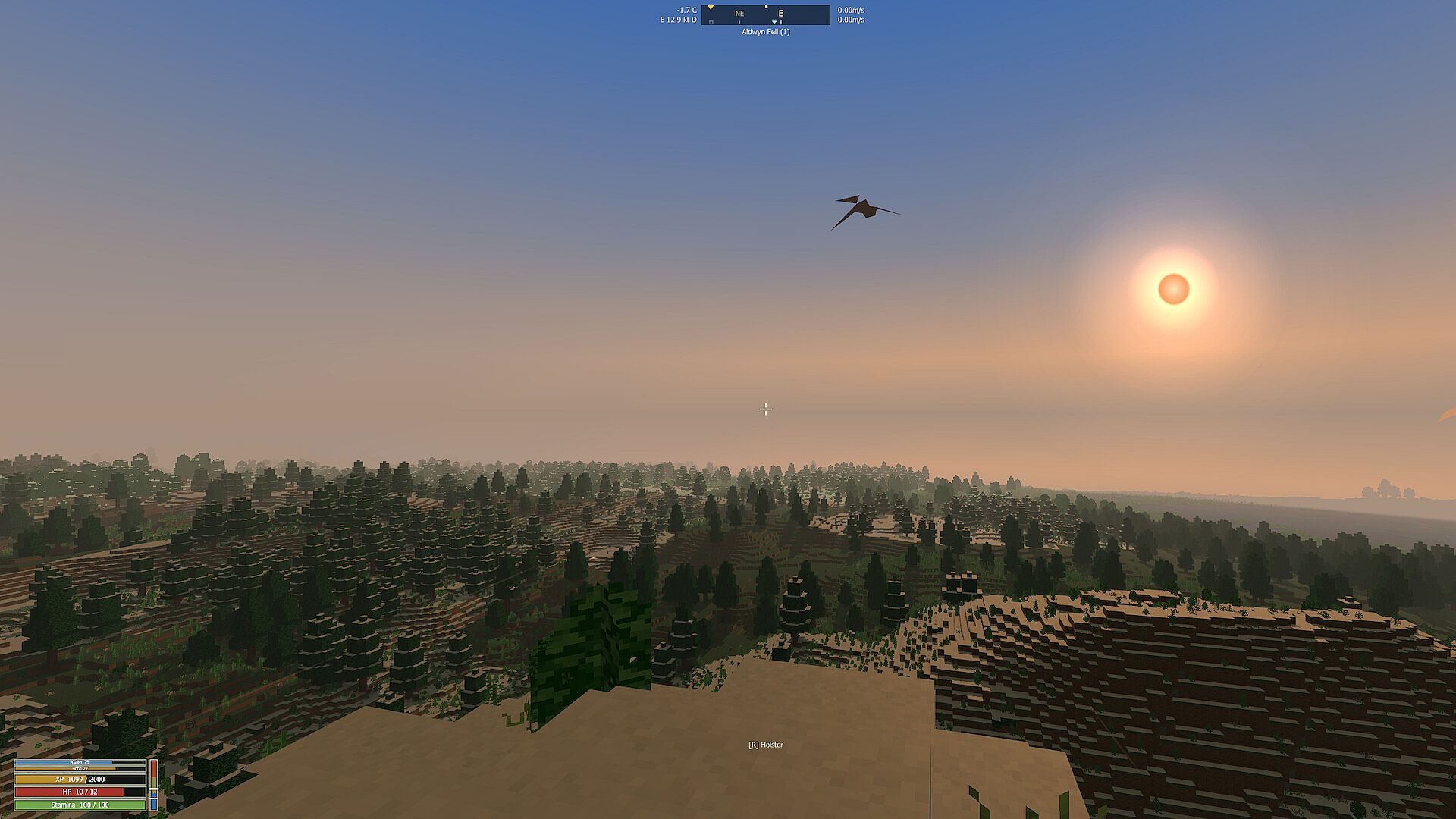
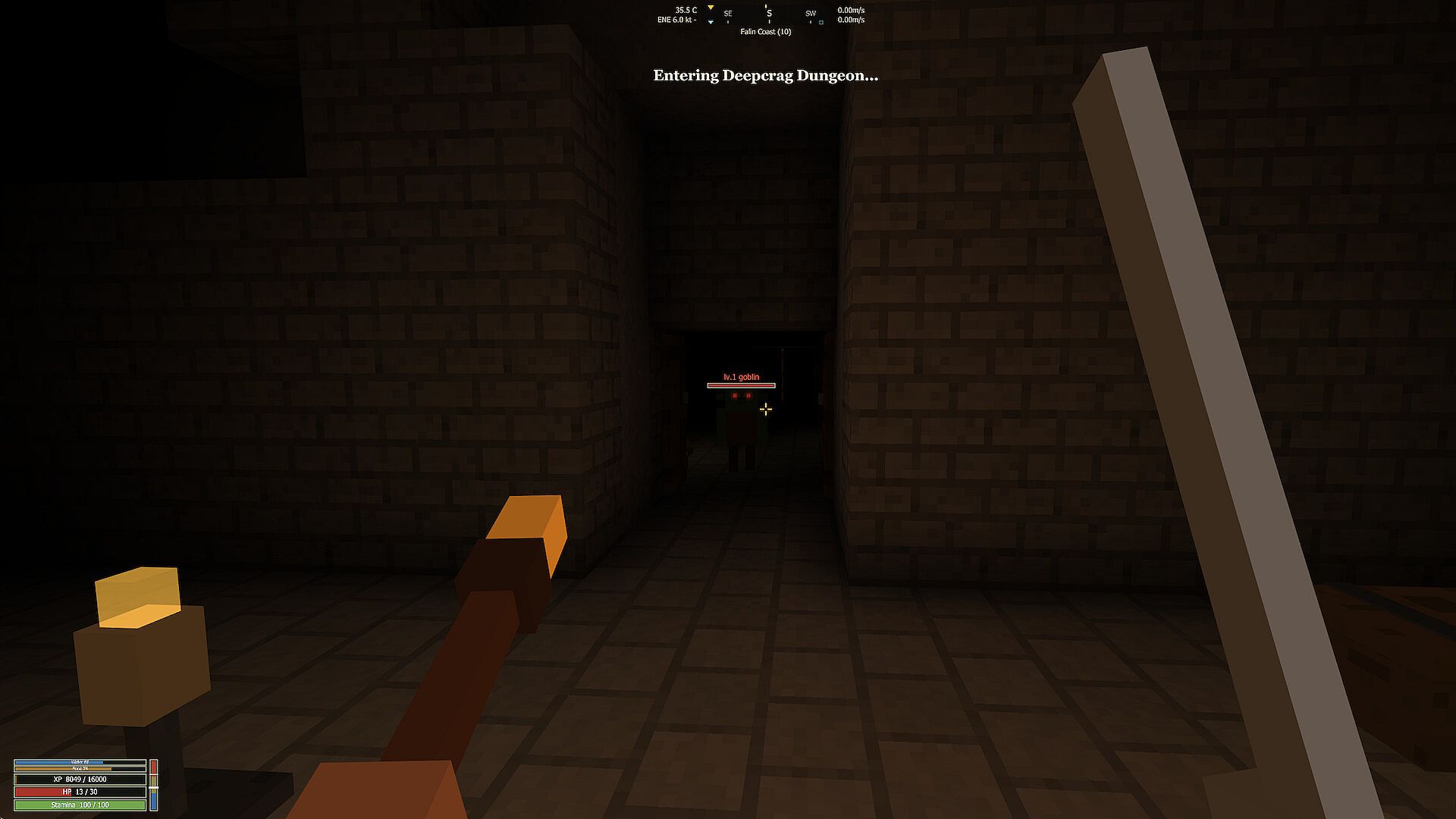
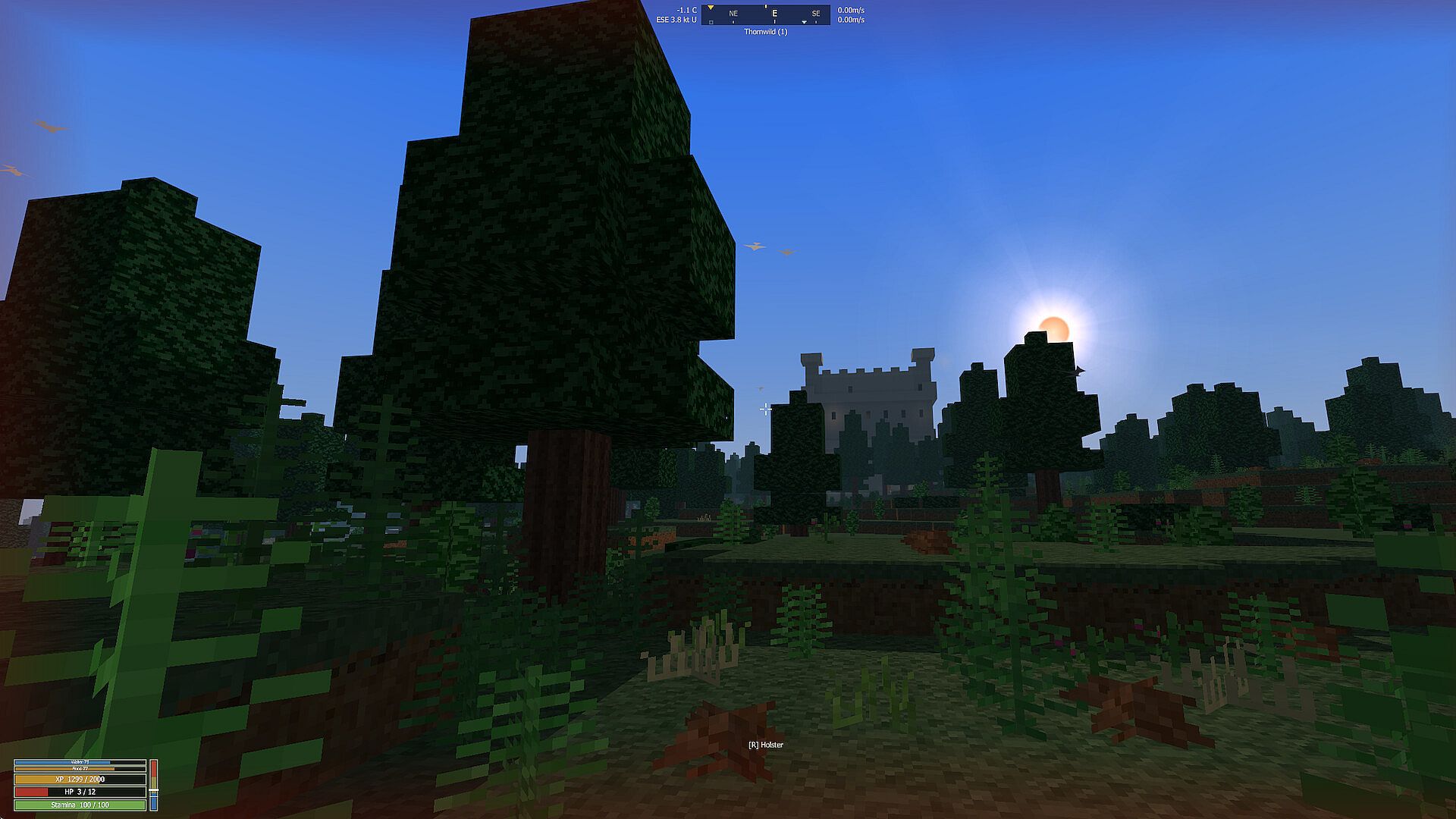
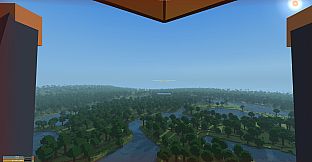
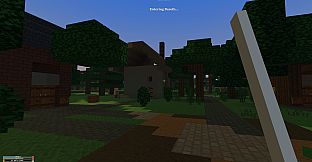
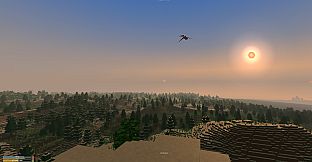
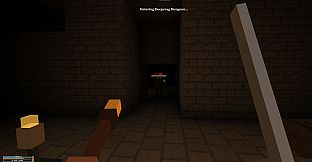
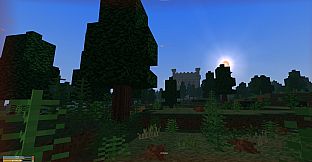
Solspire is an open-world sandbox RPG set on PC that draws from classic tabletop role-playing traditions. Players create characters and embark on a lengthy journey across varied landscapes toward the distant Solspire, either alone or alongside others in shared servers. The experience emphasizes true player freedom through old-school mechanics that prioritize choice in how attributes, equipment, and magic develop over time.
Gameplay
Character creation begins with selecting from several races including Human, Dwarf, Elf, Half-Elf, Halfling, Gnome, and Half-Orc. Each choice pairs with one of eight classes such as Fighter, Paladin, Rogue, Cleric, Ranger, Druid, Wizard, or Sorcerer. Attributes are rolled in the traditional manner, establishing the foundation for progression that unfolds through exploration and encounters rather than linear quests.
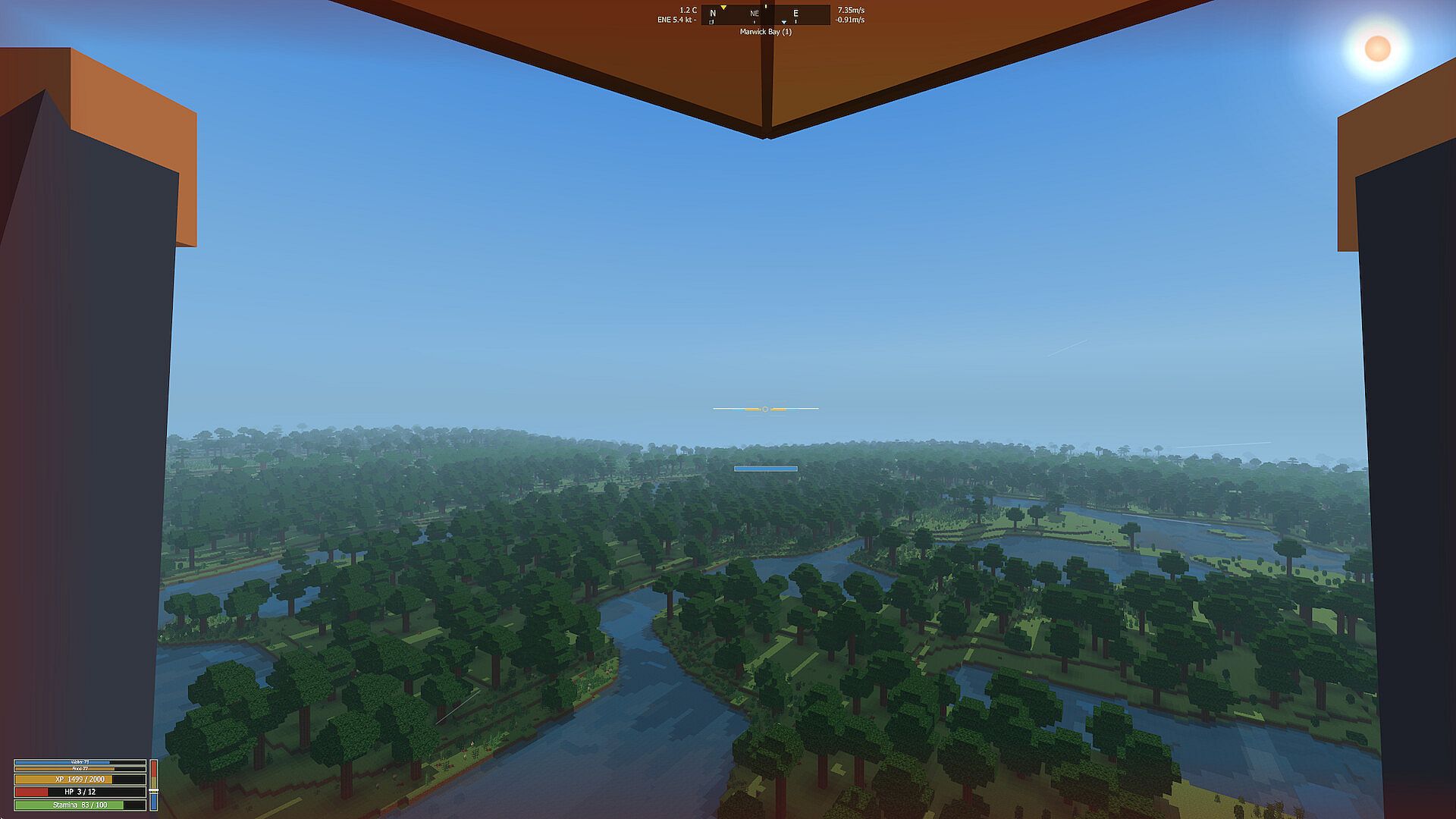
The world spans forests, mountains, snowfields, towns, and forgotten ruins. Travel involves crossing sunlit plains and harsh snowy regions while venturing into dangerous dungeons that contain monsters, hidden treasures, and layered secrets. Combat pits players against goblins, ogres, dragons, and other creatures, with success yielding powerful loot that can be sold in distant settlements to fund further travels.
Magic and equipment systems follow established patterns from older role-playing frameworks, allowing gradual accumulation of abilities and gear. Progression feels deliberate, rewarding consistent play as characters improve through repeated use of skills and discovery of new items. The journey itself serves as the central loop, with the Solspire acting as a far-off goal that demands sustained effort across sessions.
Game Modes
Solspire supports solo play for those who prefer independent exploration and decision-making without external influence. Small groups can form for cooperative adventures, sharing the risks and rewards of dungeon delves and overland travel. Larger servers accommodate more than 32 players simultaneously, enabling community-driven interactions across the open world.
Multiplayer integration runs through full Steam support, allowing seamless joining of sessions where players pursue individual or collective objectives. No structured competitive formats or seasonal events appear in the current build, keeping focus on persistent world access and emergent group dynamics.
Character Options and Progression
Races and classes combine to create distinct playstyles that influence combat effectiveness, social interactions in towns, and survival in hostile environments. Fighters and Paladins lean toward direct confrontation, while Rogues and Rangers emphasize stealth and ranged tactics. Spellcasters such as Wizards, Sorcerers, Clerics, and Druids manage resources differently, shaping party compositions in multiplayer settings.
Equipment management and loot collection drive long-term advancement. Items gathered from defeated foes or discovered in ruins improve capabilities, and selling excess goods in towns provides currency for upgrades. This cycle encourages repeated dungeon runs and careful route planning across the expansive map.
Exploration and World Design
The open world rewards thorough investigation of every region, from dense woodlands to remote mountain passes. Dungeons function as self-contained challenges filled with traps, enemy groups, and valuable rewards that contribute to overall progress toward the Solspire. Weather and terrain variations affect movement and strategy, adding practical considerations to travel decisions.
Player freedom extends to how parties approach threats, whether through direct combat, avoidance, or creative use of abilities. The absence of rigid story rails means each session can unfold differently based on group composition and individual choices.
Is It Worth Playing?
Solspire remains heavily under development, with a playable demo available for immediate testing. Those drawn to old-school attribute systems, open-ended exploration, and flexible multiplayer structures will find the core loop engaging even in its current form. The emphasis on a lengthy, self-directed journey suits players comfortable with gradual advancement and occasional setbacks from tough encounters.
Feedback from demo participants helps shape future updates, making early involvement worthwhile for anyone interested in influencing an evolving title. Players seeking polished, feature-complete experiences may prefer to wait, while fans of sandbox RPGs with D&D roots can start experimenting right away through the available build.