




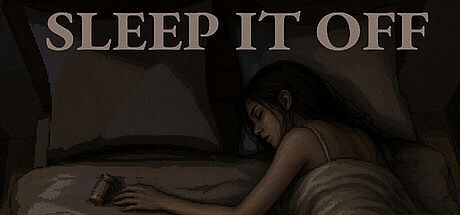


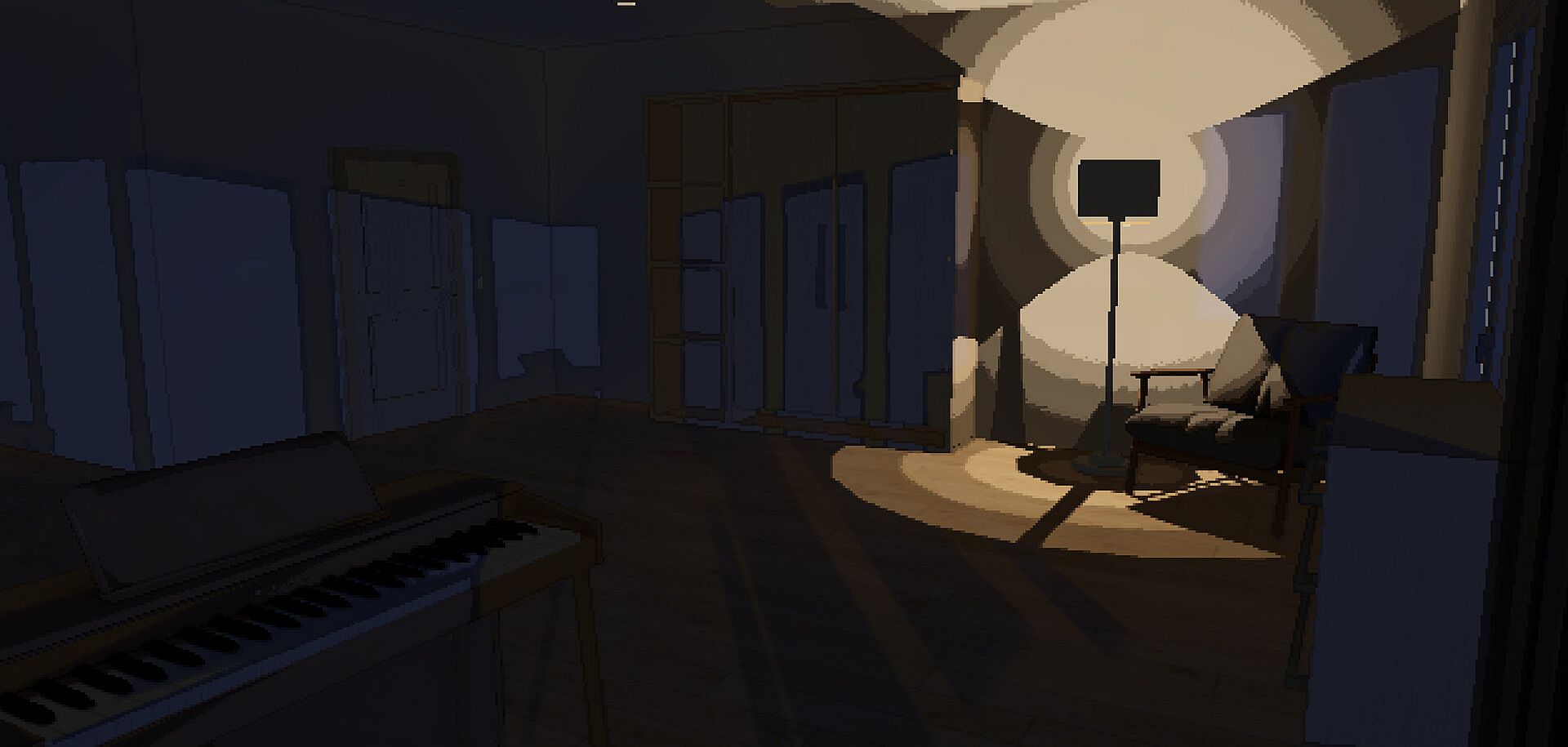
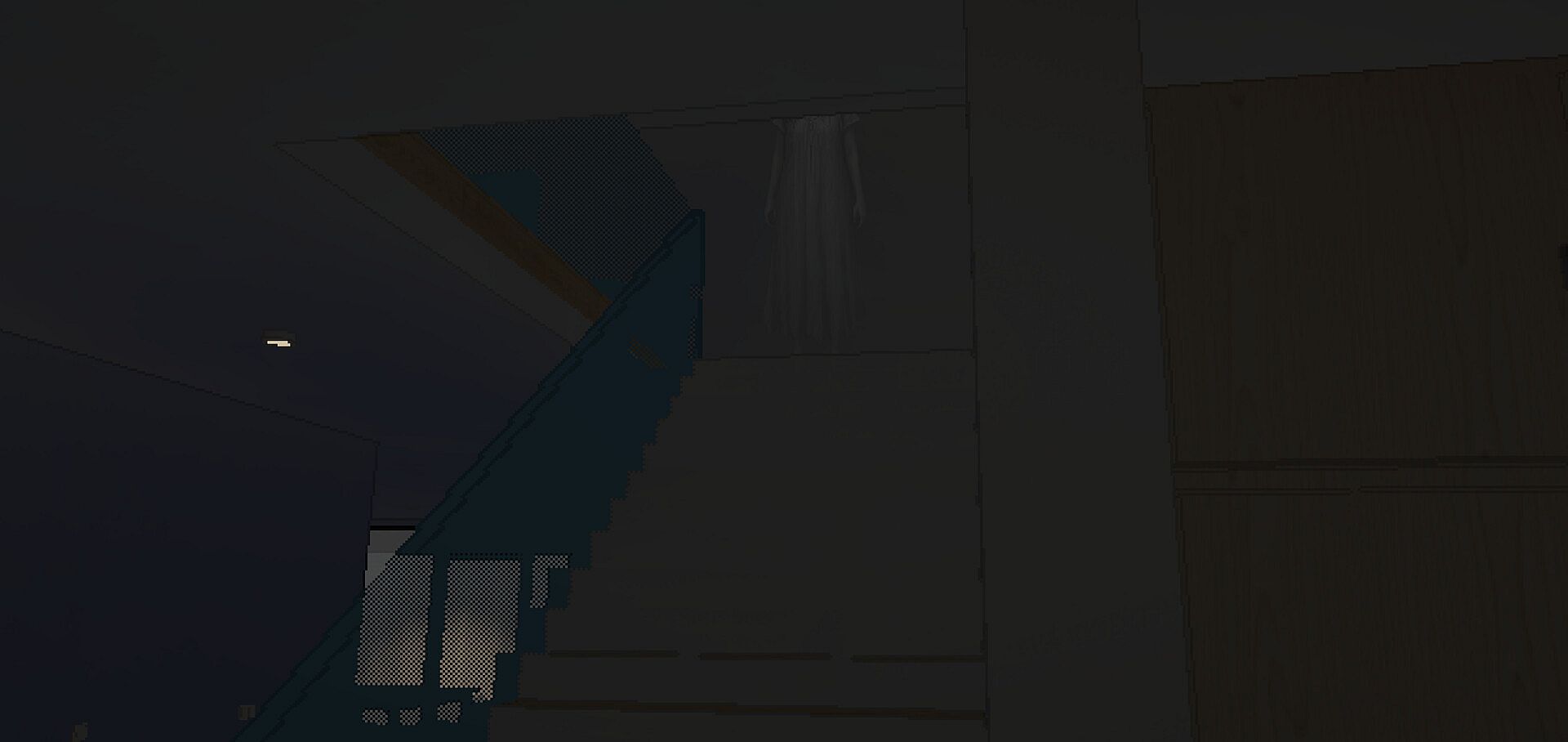
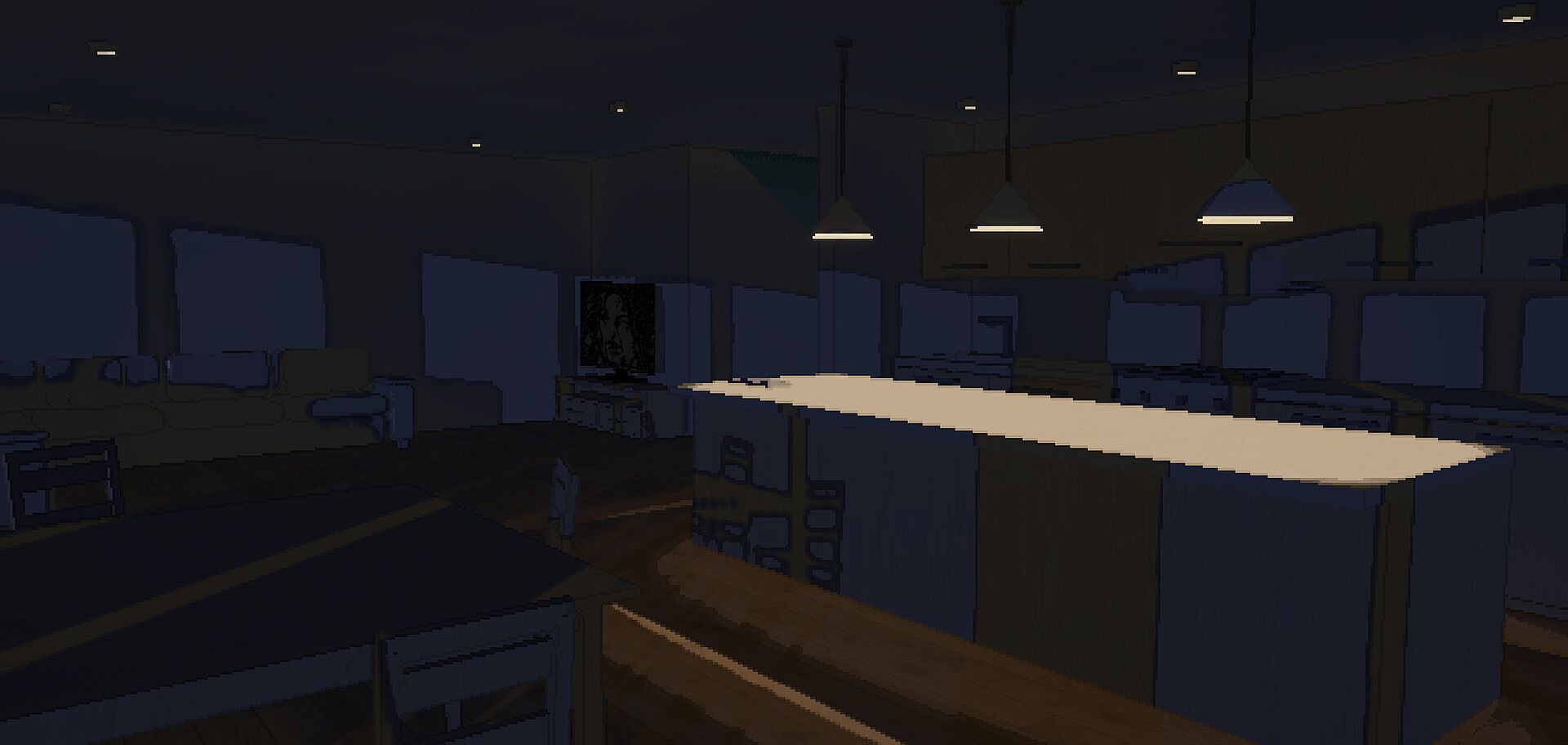
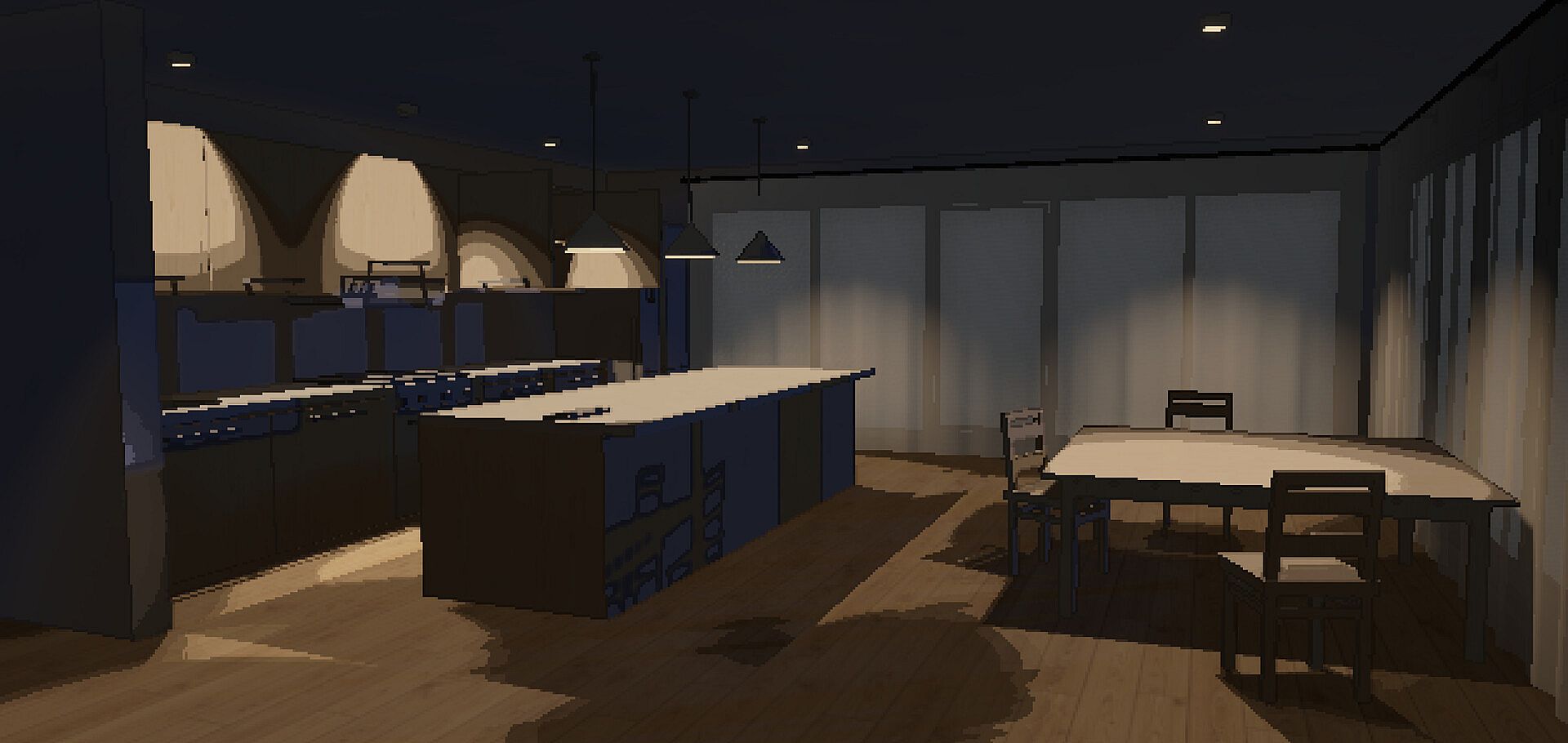
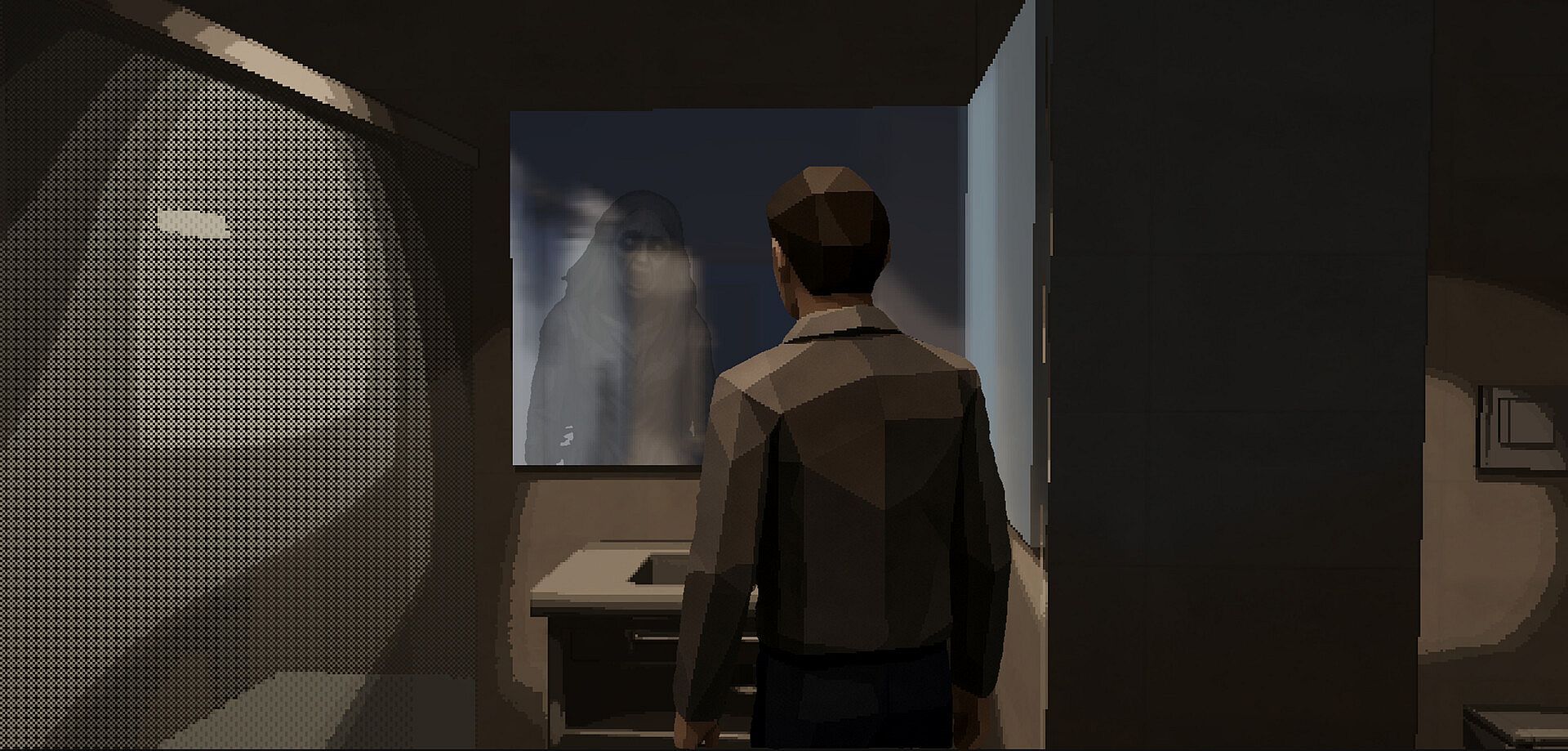
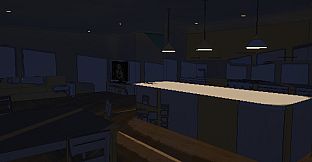
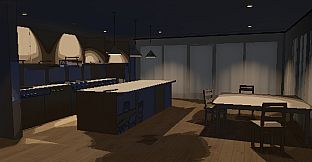
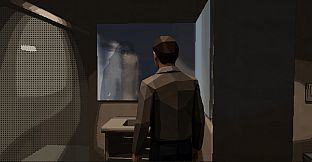
Sleep It Off is a first-person anomaly detection game centered on grief and daily survival. Players take the role of a widower in a two-storey apartment, where each day begins with familiar chores, medication, and the search for anything out of place before sleep arrives. The experience blends elements of action, indie, simulation, and adventure on PC, focusing on observation rather than combat or exploration for its own sake.
Gameplay
The core loop revolves around waking in the apartment, completing routine tasks such as tidying rooms and taking pills, then scanning the space for subtle shifts. Objects move to incorrect shelves, coats appear on hooks where they do not belong, or lights change state without explanation. Spotting these changes determines whether the next day remains stable or grows more difficult. The apartment stays mostly consistent, but each cycle introduces one or more alterations that must be identified before bedtime. Missing an anomaly allows it to persist, gradually altering the living space and increasing tension through accumulated errors.
Mechanics emphasize deliberate pacing and attention to detail. Players examine shelves, counters, walls, and personal items belonging to both the widower and his late partner. The routine itself carries weight, as skipping chores or medication can compound problems alongside overlooked anomalies. Visuals draw from retro low-fi rendering, creating dim, lived-in rooms designed for careful searching rather than visual spectacle. Horror builds slowly from the knowledge that something has changed, without reliance on sudden scares.
Game Modes
The game operates through a repeating day cycle that forms its primary structure. Each cycle includes the same sequence of chores, medication, anomaly inspection, and sleep, with variations arising only from player accuracy. Progress depends on correctly identifying anomalies across multiple days, which influences the apartment's state and leads toward different conclusions. There are no separate competitive or cooperative formats, keeping the focus on solitary observation and decision-making within this looped routine.
Key Features
Over sixty hand-placed anomalies populate the experience, ranging from misplaced household objects to more unsettling alterations. These elements integrate directly into the apartment's layout, requiring players to compare current conditions against prior days. The five endings emerge from patterns of detection success and failure, reflecting choices about what to acknowledge and what to ignore. The simulation aspects tie into the widower's grief, where personal items and daily habits reinforce the emotional context without overt narration.
- Hand-placed anomalies that reward close inspection of everyday spaces
- Day cycle mechanics that link routine actions to anomaly outcomes
- Multiple endings shaped by cumulative decisions across cycles
Is It Worth Playing?
Sleep It Off suits players who enjoy methodical observation and atmospheric tension in singleplayer experiences. The emphasis on spotting small changes within a familiar setting creates a focused loop that rewards patience and memory. Those drawn to indie titles blending simulation routines with adventure-style discovery will find the structure engaging, particularly if they appreciate horror that stems from subtle environmental shifts rather than action sequences. The game remains available on PC with its described features intact, offering a contained narrative experience built around grief and incremental consequences.











