




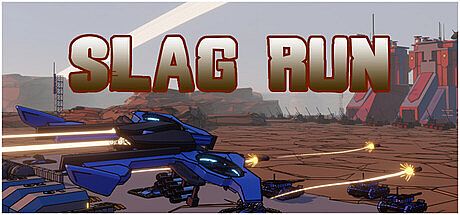


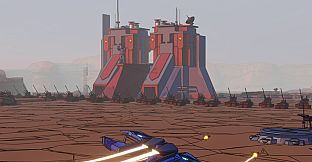
Slag Run is a single-player action strategy game that puts players in command of a resistance gunship on a contested mining colony. The core experience combines direct aerial combat with oversight of ground forces, all wrapped in roguelite progression that encourages repeated runs and loadout experimentation.
Gameplay
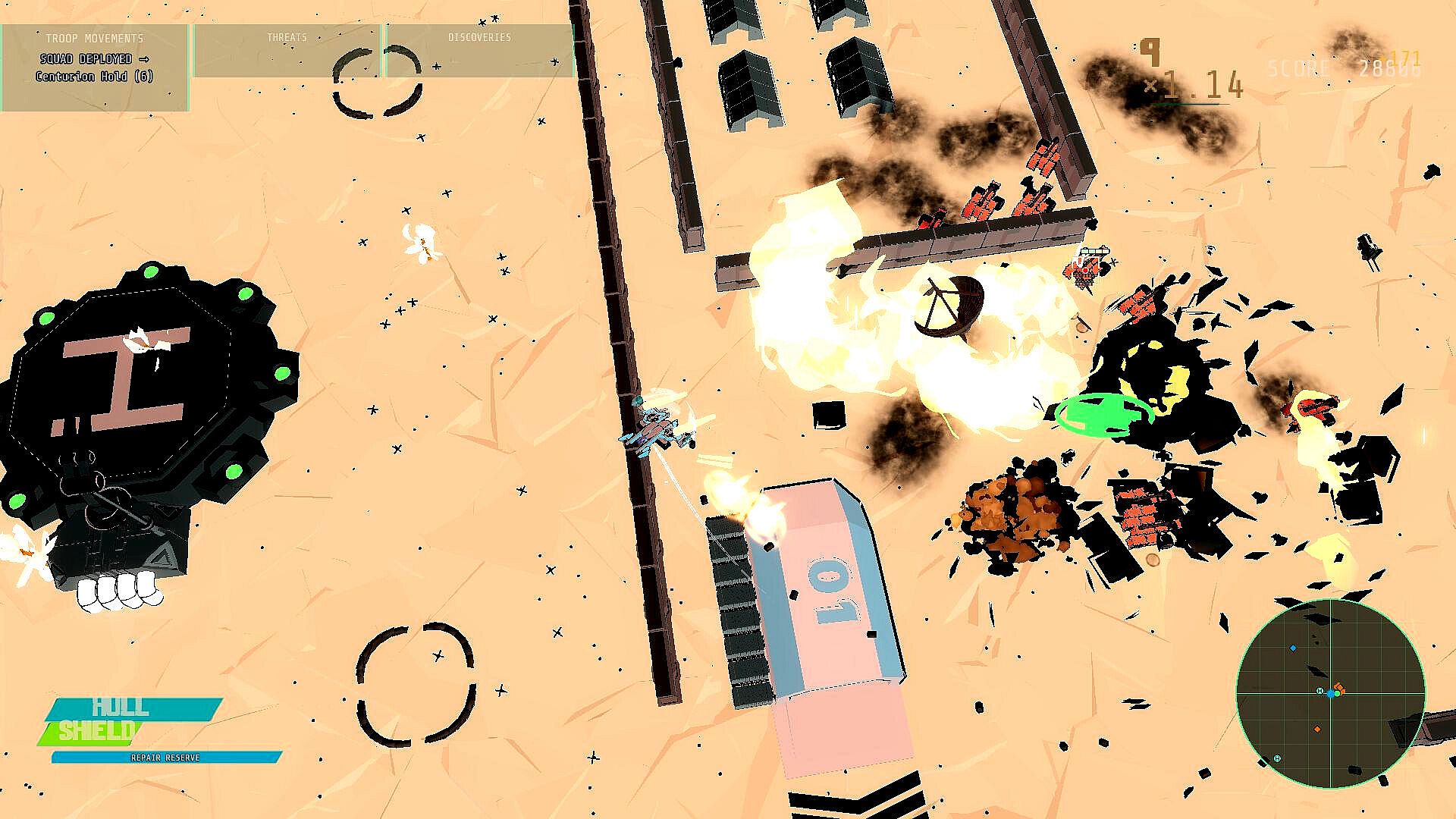
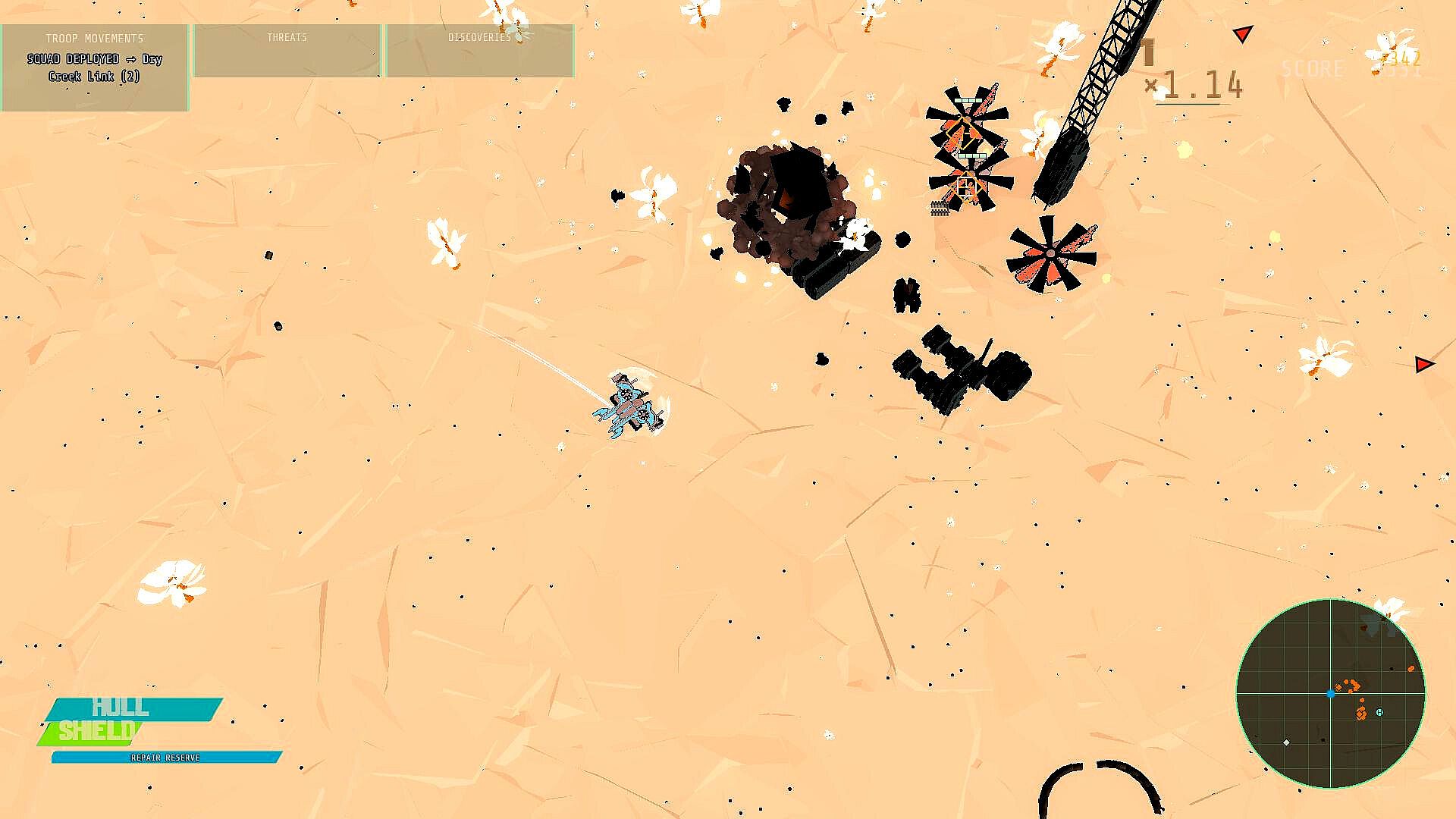
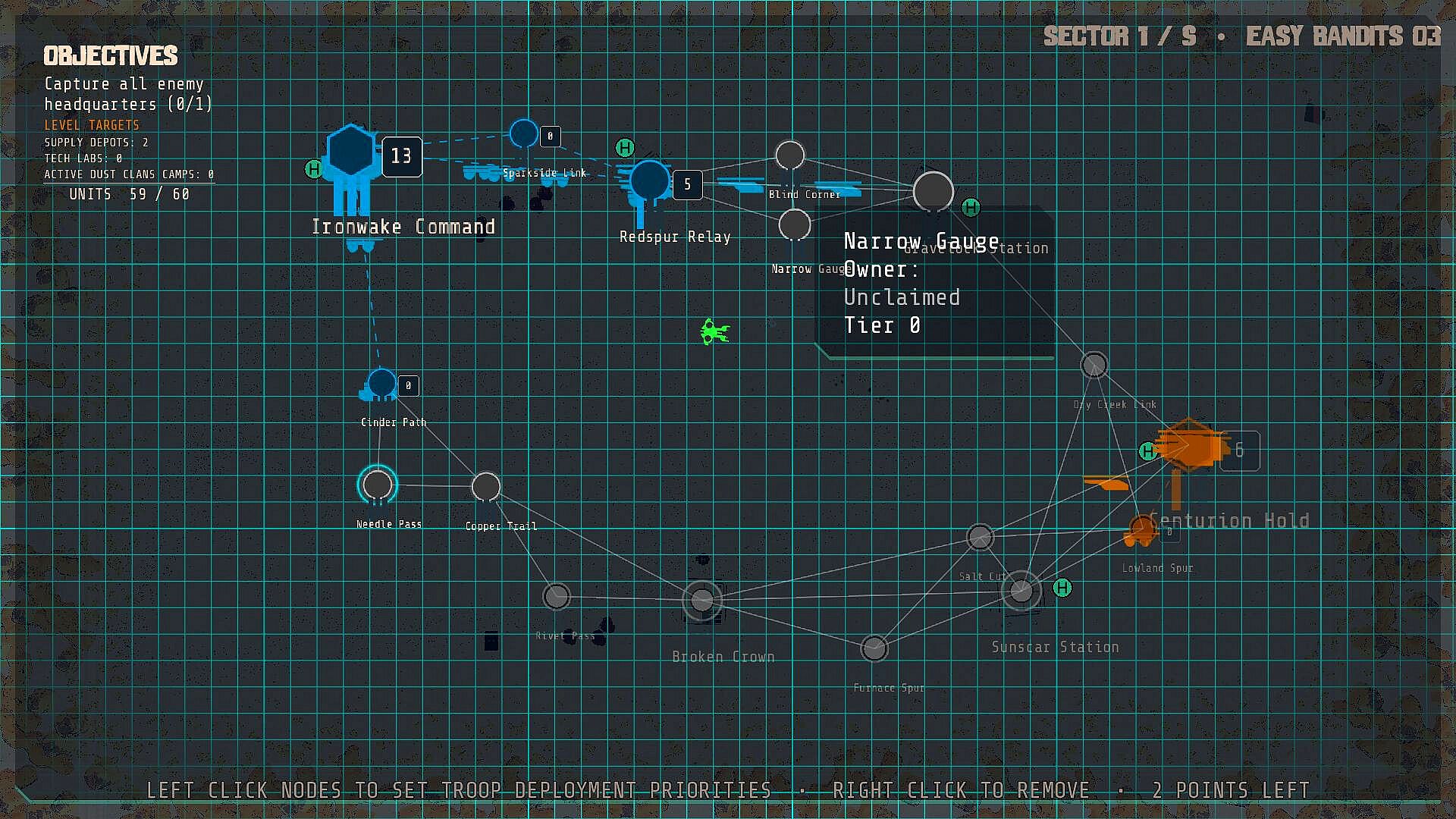
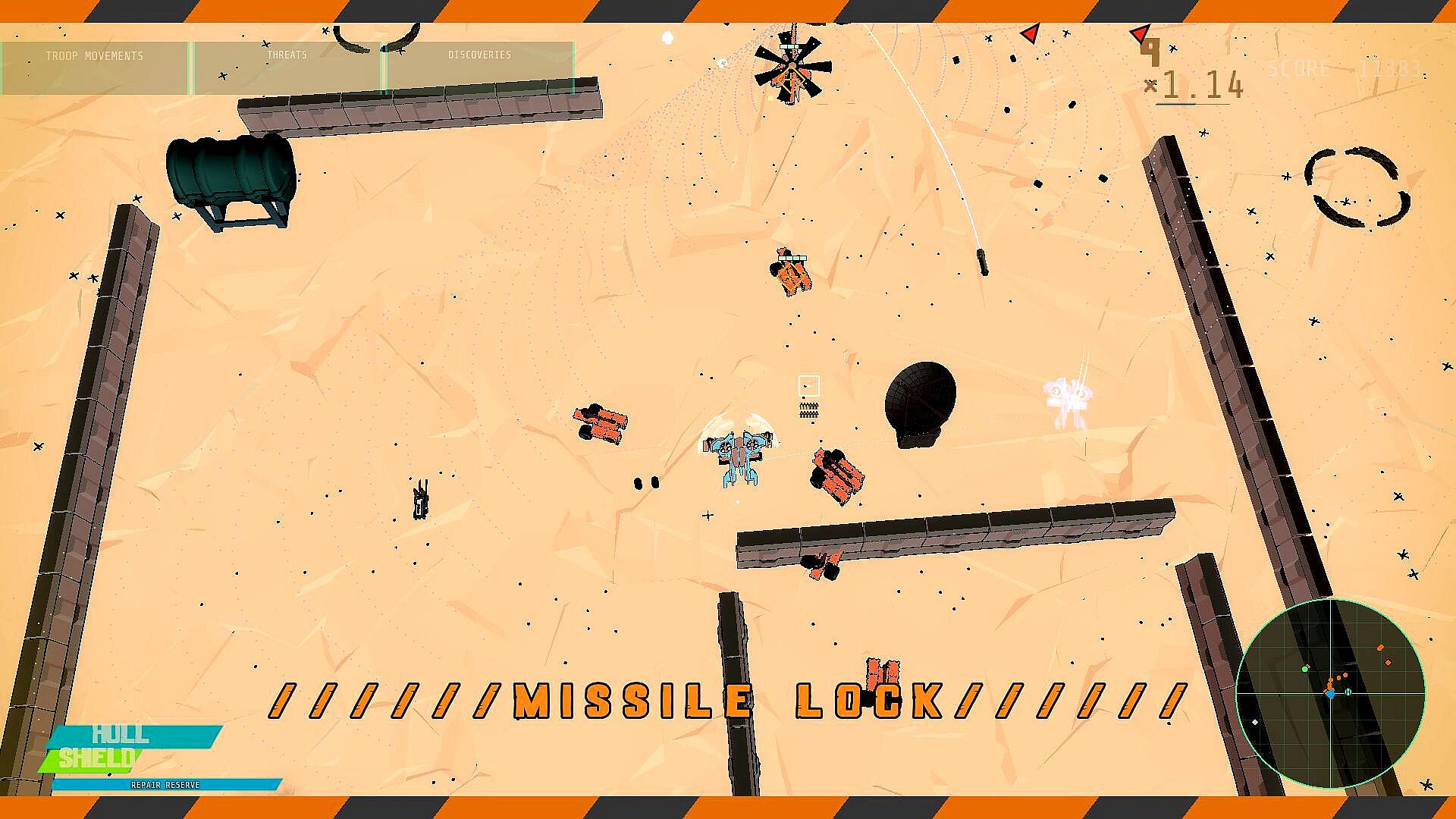
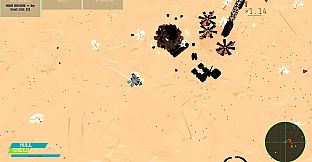
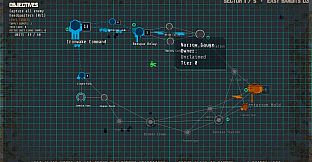
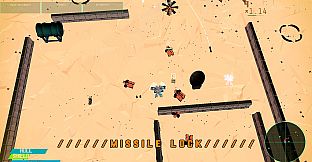
Players take direct control of a gunship to engage armored enemy columns, launch guided missiles, and evade incoming fire while supporting allied squads on the ground. The gunship serves as a mobile force multiplier, capable of clearing paths for advancing units or returning to protect vulnerable positions. Switching to an overhead strategic map allows players to assign priorities to allied squads, directing them to capture territory, push toward enemy strongholds, or disrupt supply lines.
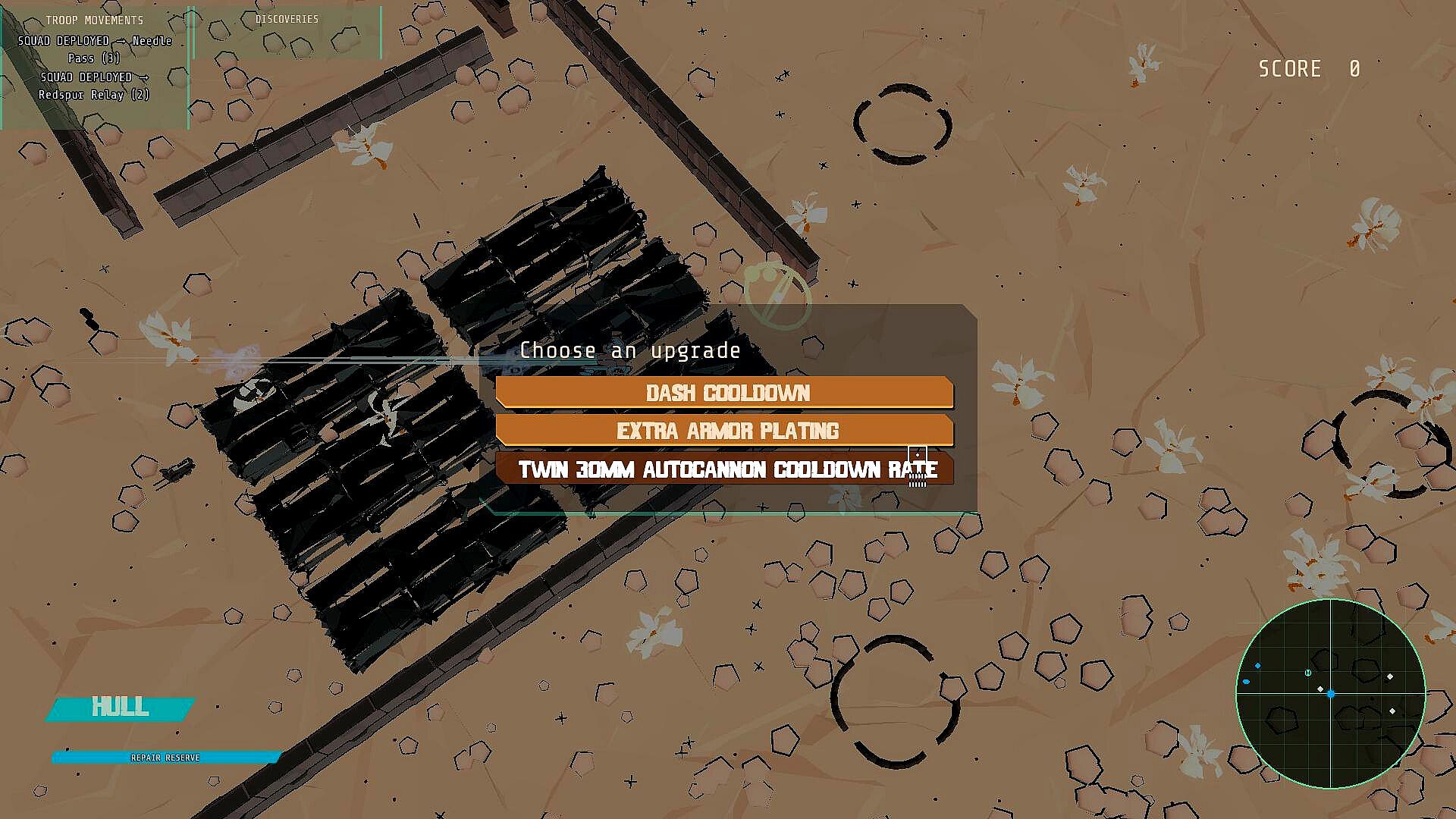
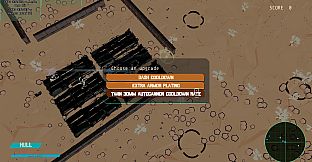
Each run involves discovering new weapons and equipment that alter combat effectiveness. Autocannons deliver rapid fire against clusters of targets, railguns provide precise piercing shots through heavy armor, and missile swarms saturate the airspace with projectiles. Companion drones, deployable turrets, and defensive systems add layers of customization, letting players tailor their approach to different battlefield situations. Blueprints collected during missions expand available options for subsequent incursions, creating a cycle of adaptation and refinement.
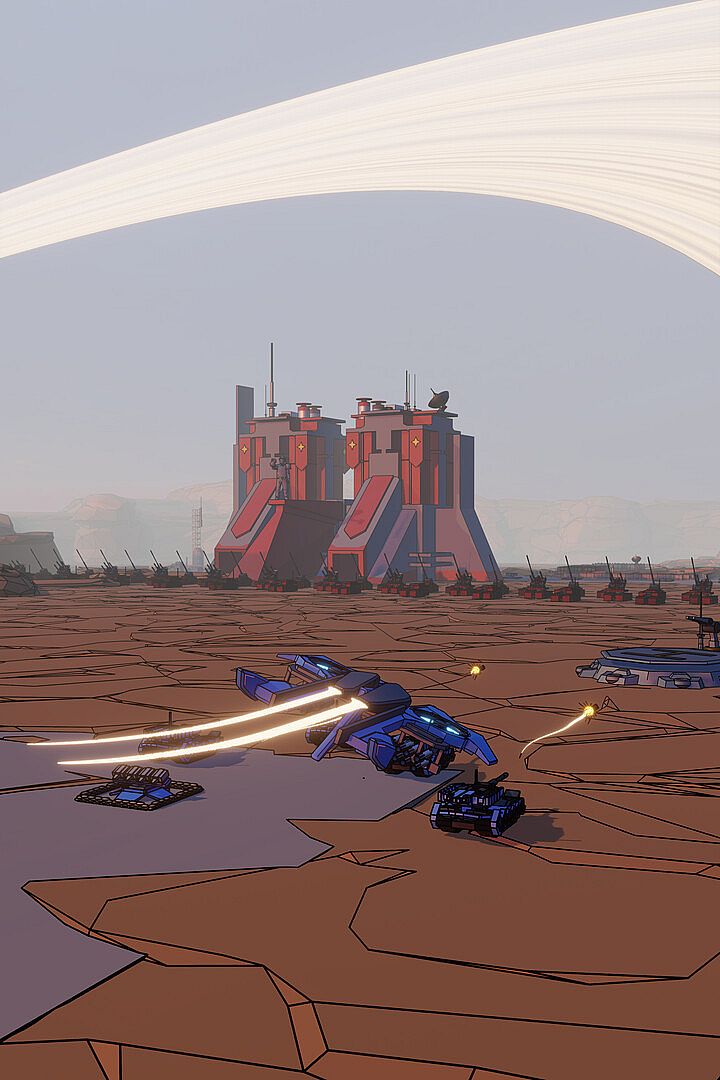
The setting places the action on a colony abandoned by its corporate owners, where a revolution has evolved into a dictatorship known as the Miners' Republic. The resistance, derogatorily labeled "slag," receives advanced hardware from an unknown supplier, turning the player's gunship into a key asset in the fight to reclaim territory.
Game Modes
Slag Run operates as a single-player experience built around sequential missions that form individual runs. Players progress through these missions while adapting their loadout on the fly based on discovered items. The roguelite structure means each attempt offers fresh combinations of weapons, equipment, and tactical choices, with permanent unlocks in the form of blueprints that carry forward.
Strategic map interactions form a core part of every mission, blending real-time gunship piloting with higher-level command decisions. There are no separate multiplayer or co-op modes described; the focus remains on solo play where the player must decide where air support is most needed at any moment.
Progression and Systems
Roguelite elements drive long-term engagement through the collection of blueprints that unlock new weapons, drones, and defensive options for future runs. Players experiment with different loadouts across multiple attempts, learning which combinations best suit specific mission challenges or enemy compositions. The strategic map adds depth by requiring ongoing decisions about force allocation, turning each run into a balance between aggressive pushes and defensive reinforcements.
Weapon variety encourages different playstyles within the same framework. Rapid-fire autocannons suit sustained engagements, while railguns reward accurate positioning for high-value targets. Missile systems provide area denial, and support items like drones or turrets extend the player's influence beyond direct line of sight. These systems integrate with the ground war, where allied squads advance or hold positions based on player directives.
Is It Worth Playing?
Slag Run suits players who enjoy single-player action games that incorporate strategic decision-making and roguelite replayability. The blend of direct gunship control with map-based command creates a loop where tactical choices on the ground influence the need for air support, and vice versa. Those drawn to games that reward experimentation with loadouts and repeated runs will find the blueprint system and mission structure provide consistent variety without requiring external matchmaking or seasonal content.
Because the experience centers on solo play and procedural adaptation rather than competitive ladders or large-scale multiplayer, it appeals most to players comfortable managing both immediate combat and broader battlefield priorities in one session. The setting and resistance narrative provide context for the conflict without overshadowing the mechanical focus on gunship handling and force coordination.











