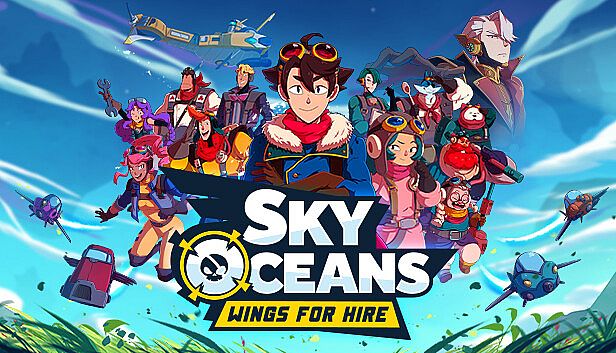


























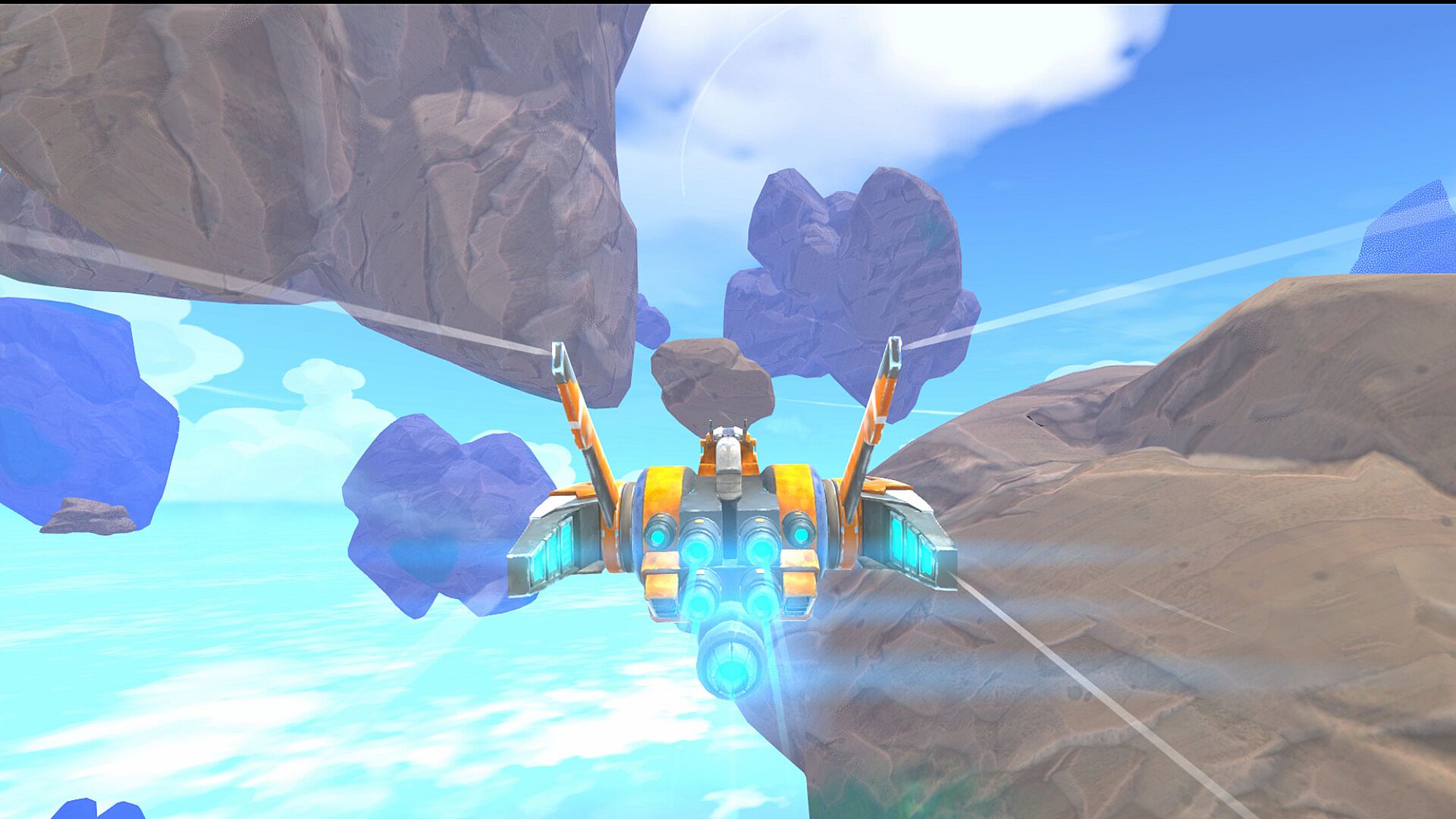
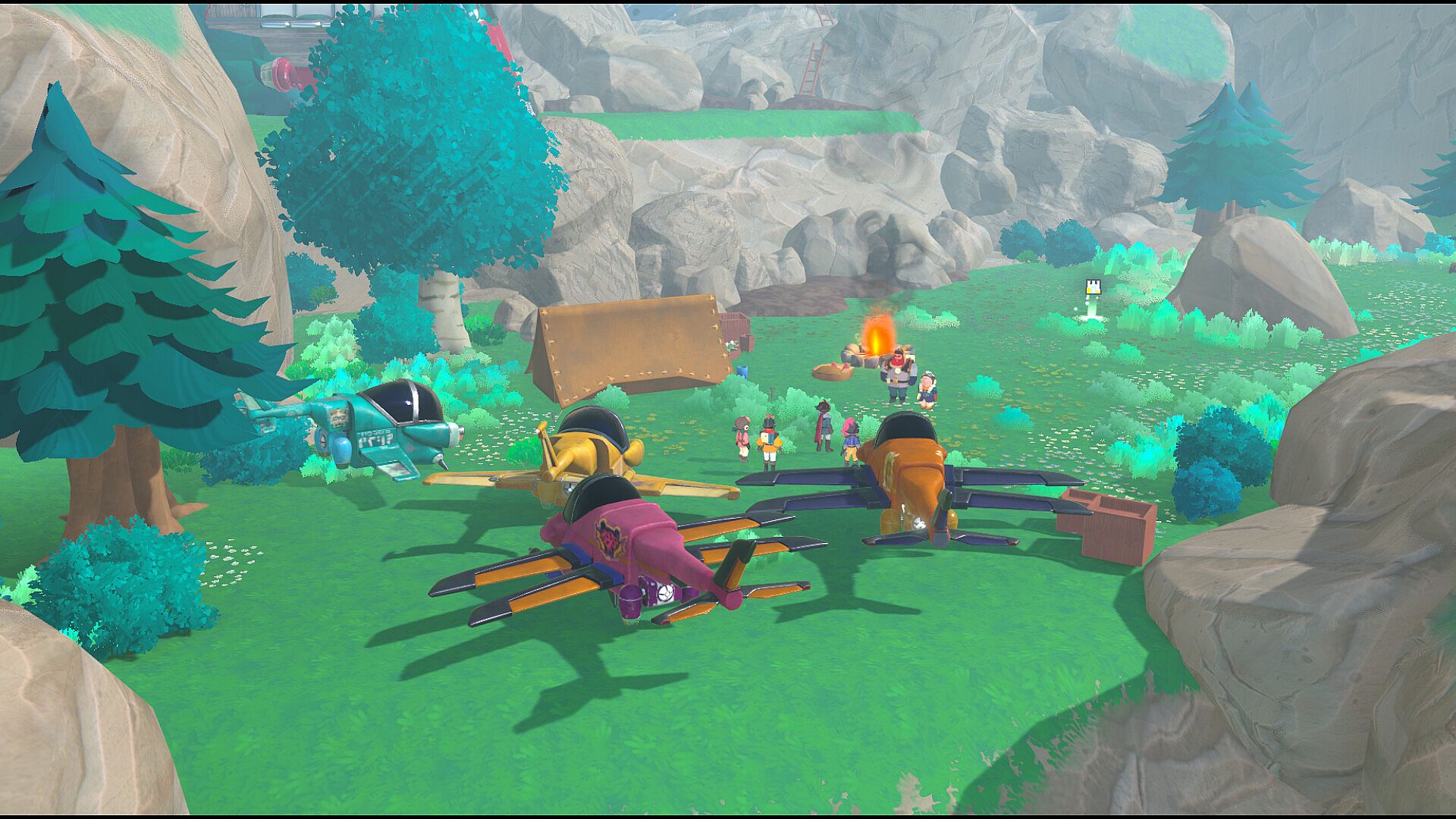


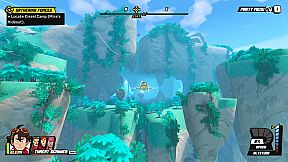
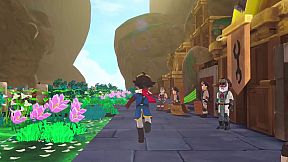

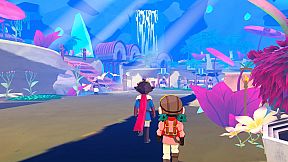
Sky Oceans: Wings for Hire is a single-player RPG that draws directly from classic JRPG traditions while placing all action in a world of floating islands and endless skies. Players step into the role of Glenn Windwalker, a captain who recruits a crew of sky pirates to navigate open-air environments, build alliances with distant settlements, and confront the forces of the Alliance through a story centered on personal purpose and loyalty.
Gameplay
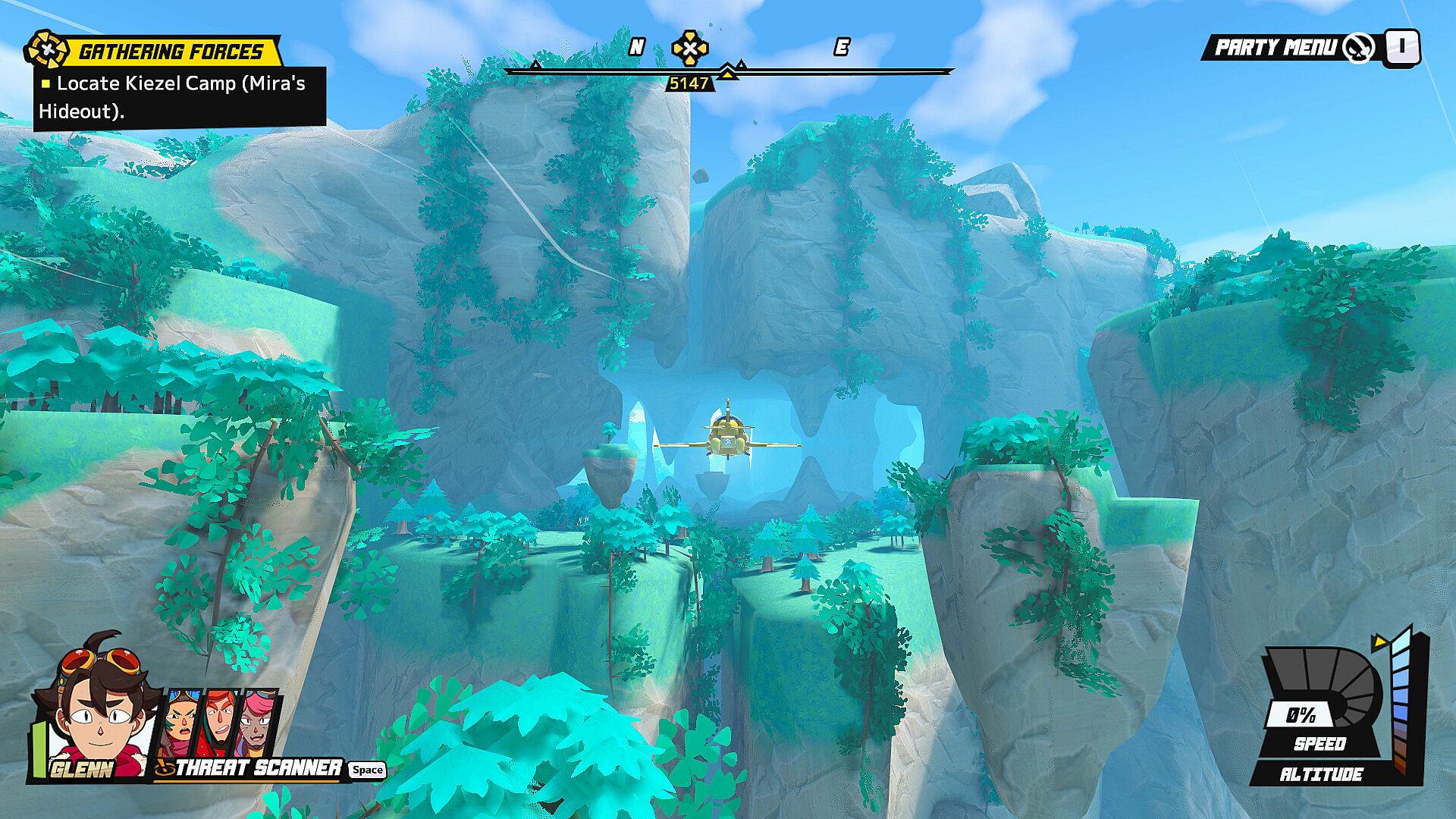
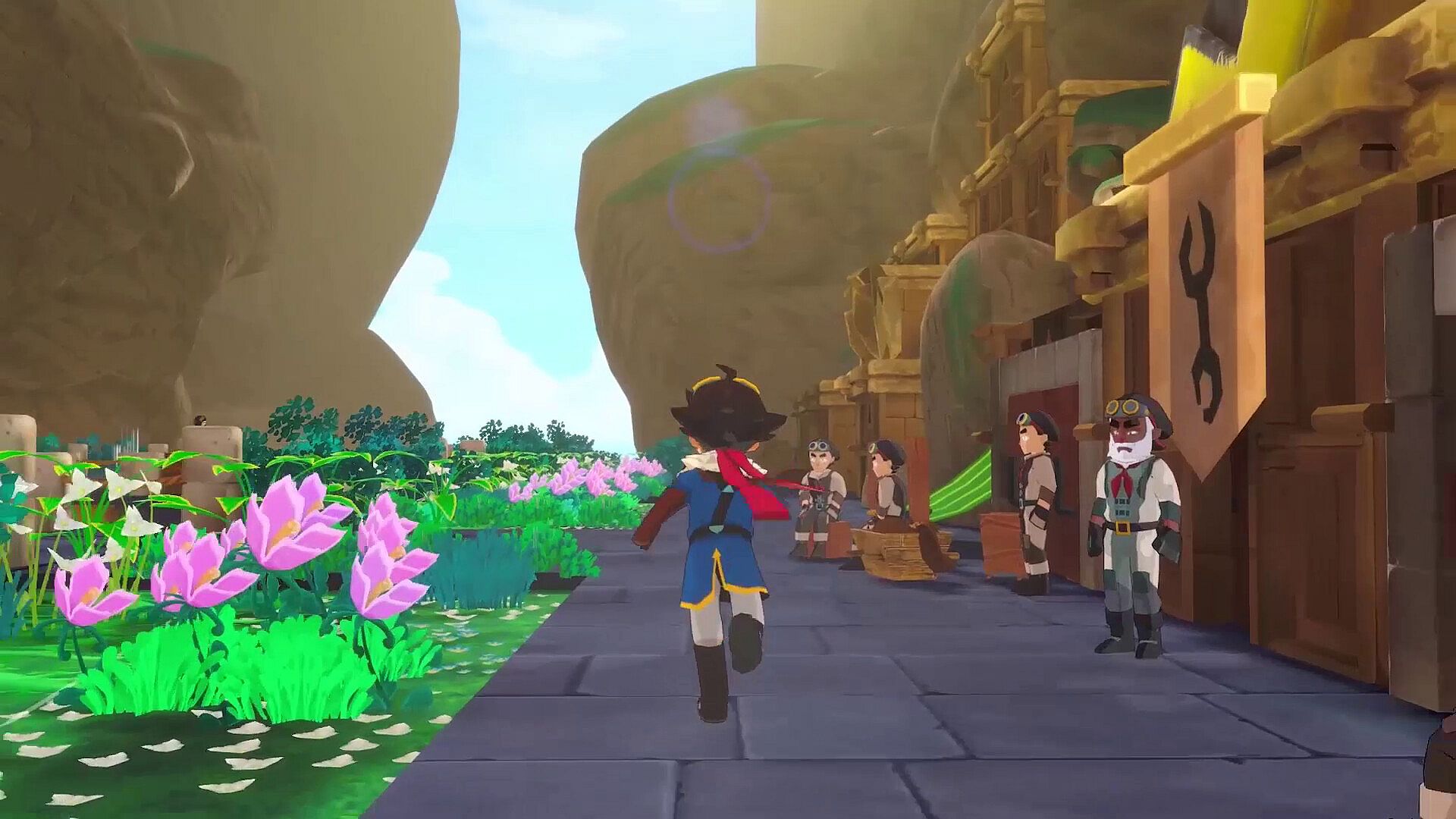
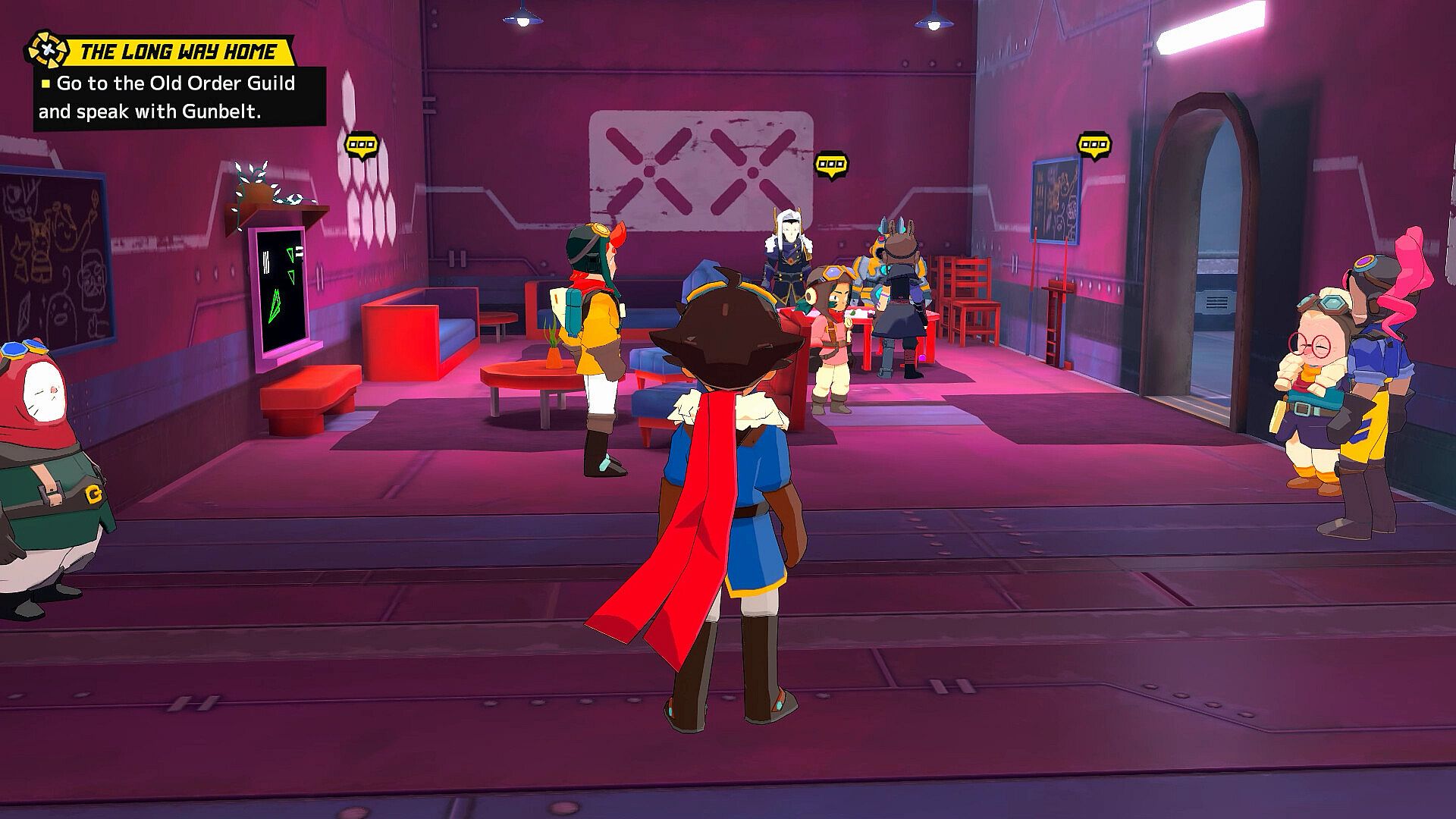
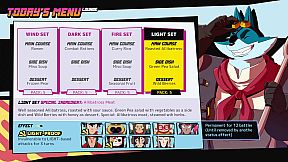
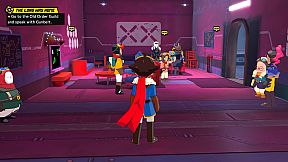
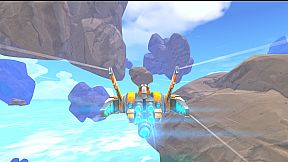
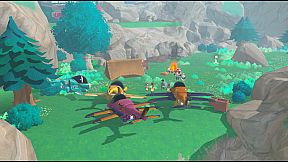
The core loop alternates between airship travel across vast sky regions and tactical combat encounters. Exploration involves piloting the ship between towns and points of interest, where players interact with residents, accept side tasks, and gather resources. These tasks often involve helping communities with local issues to earn support that influences later story branches and ship capabilities.
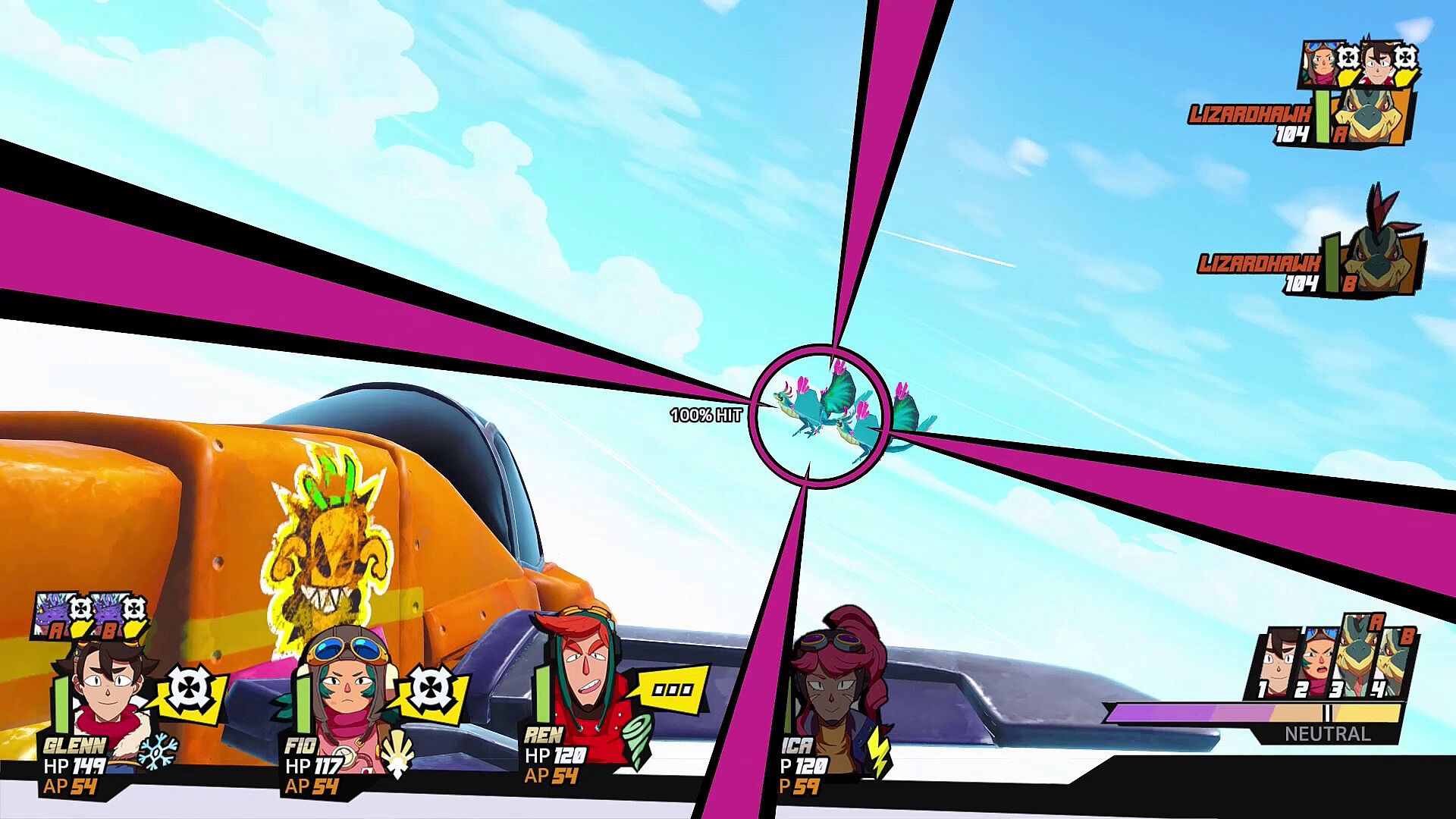
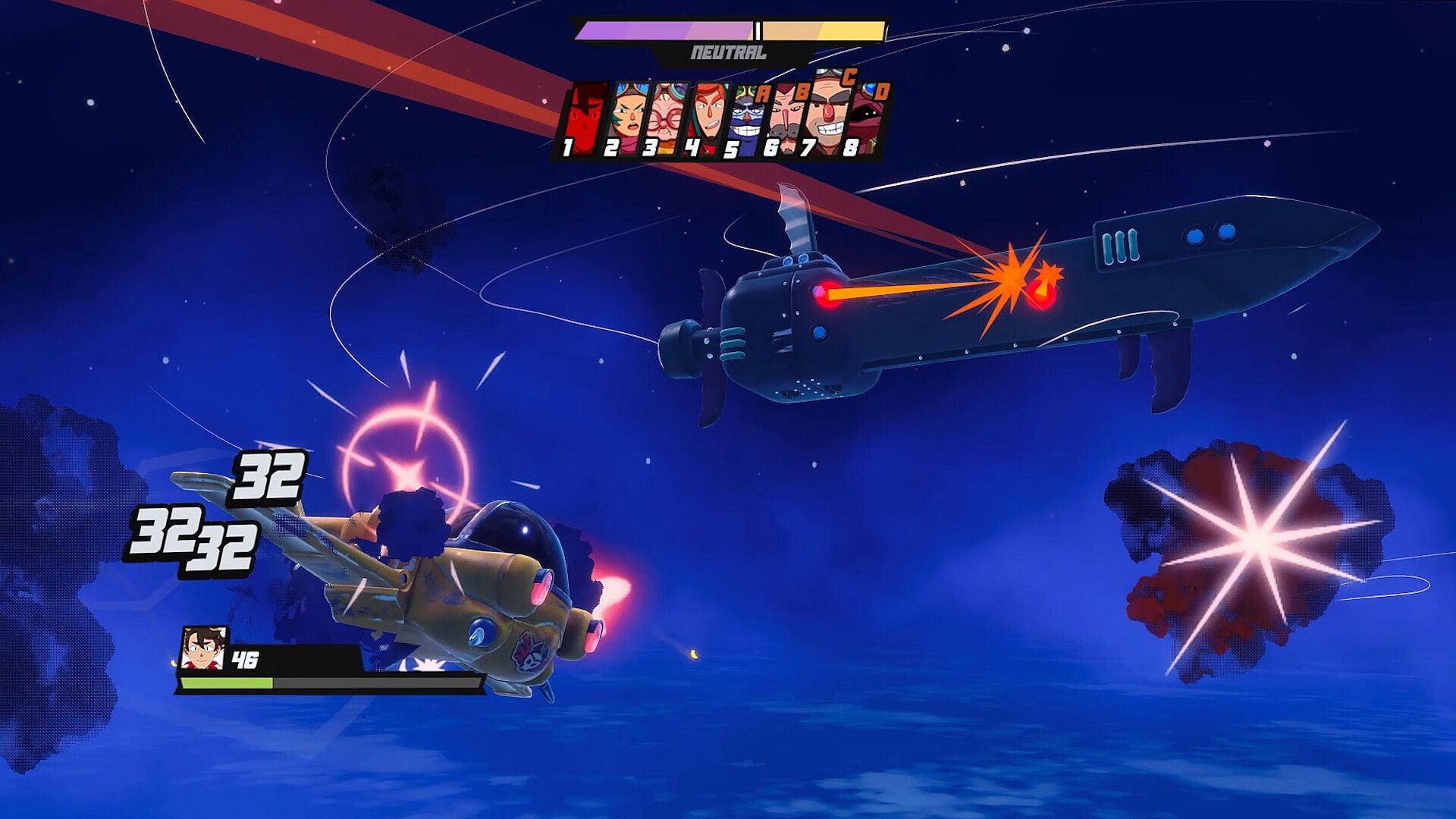
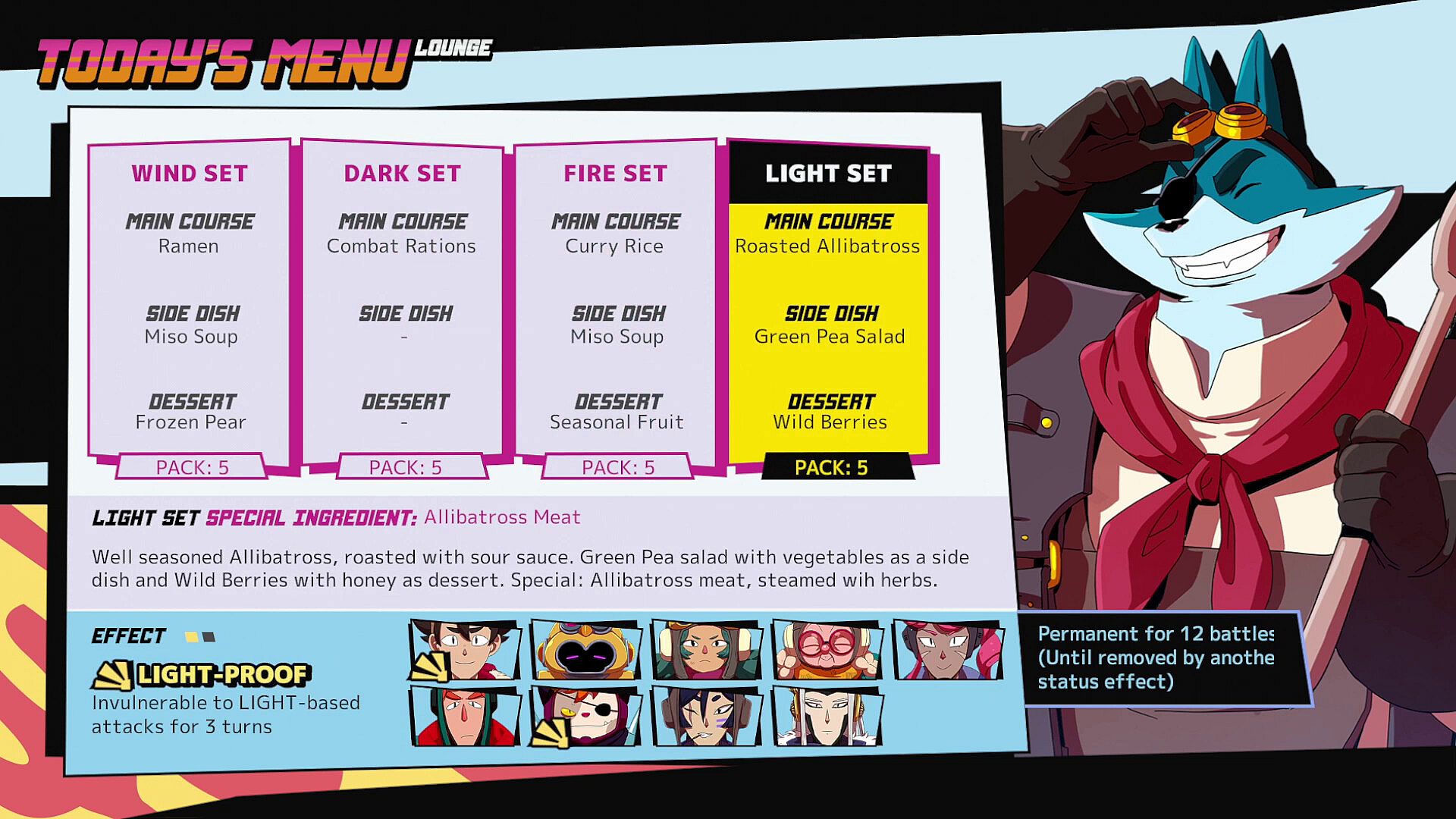
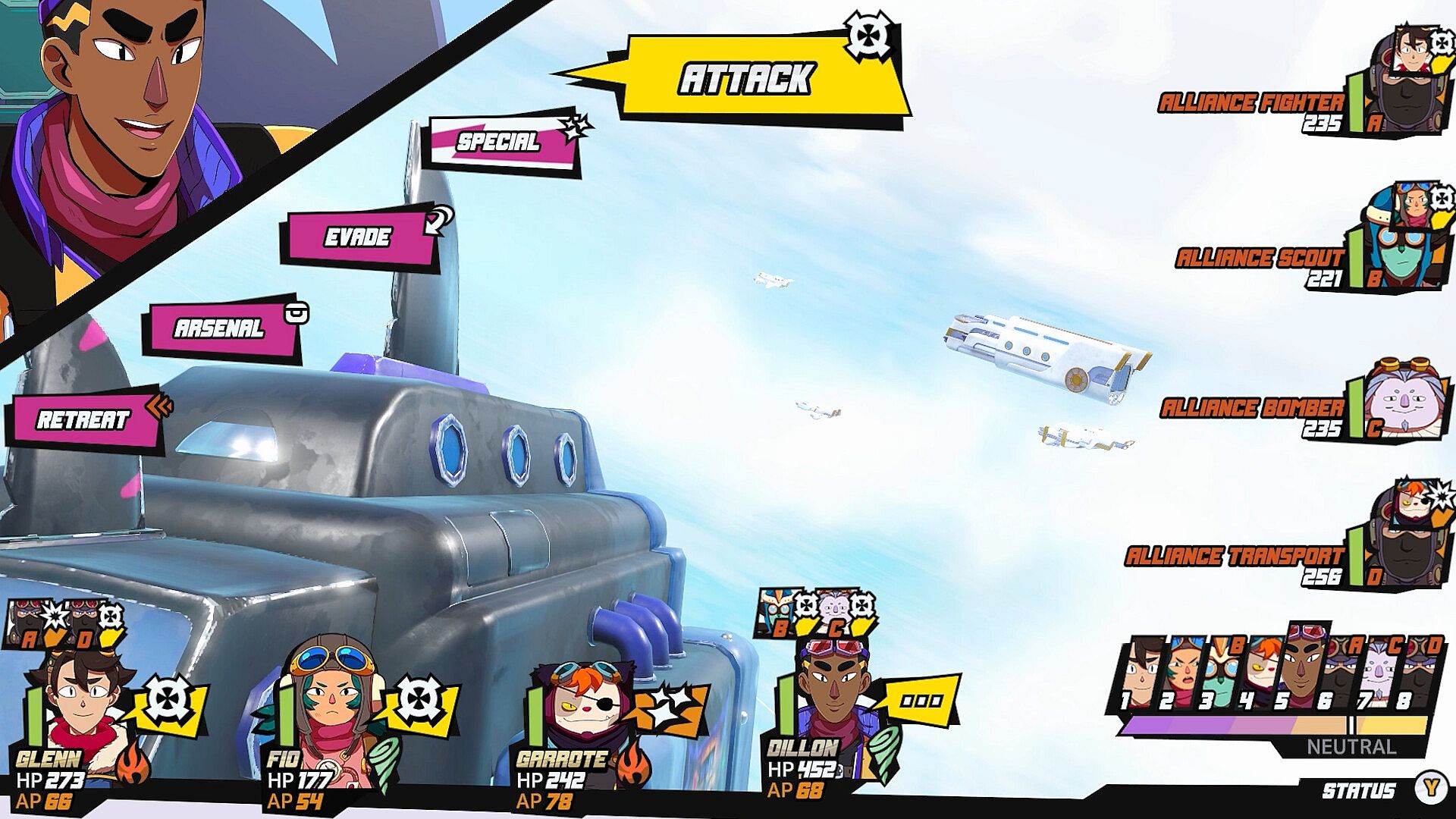
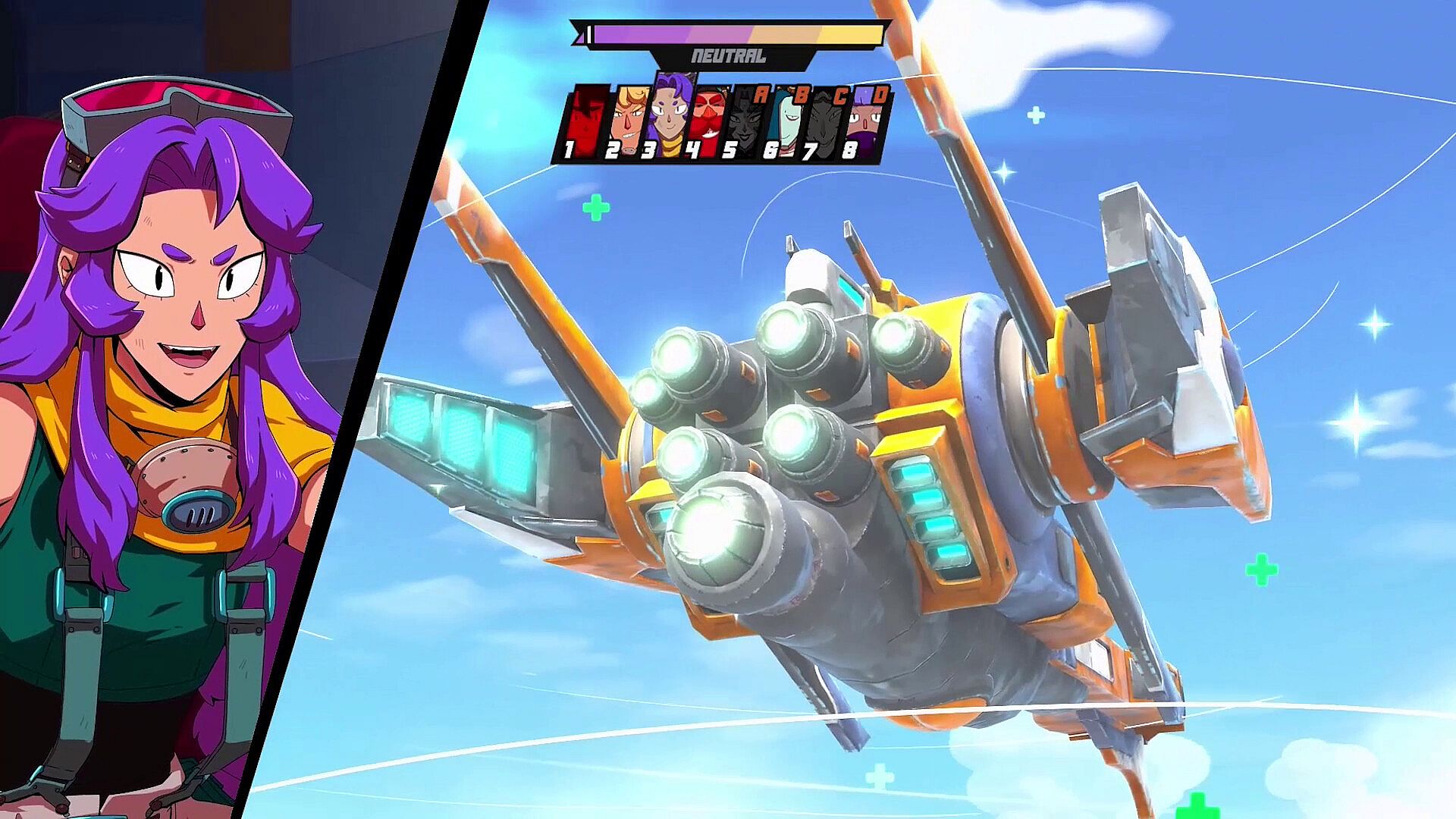
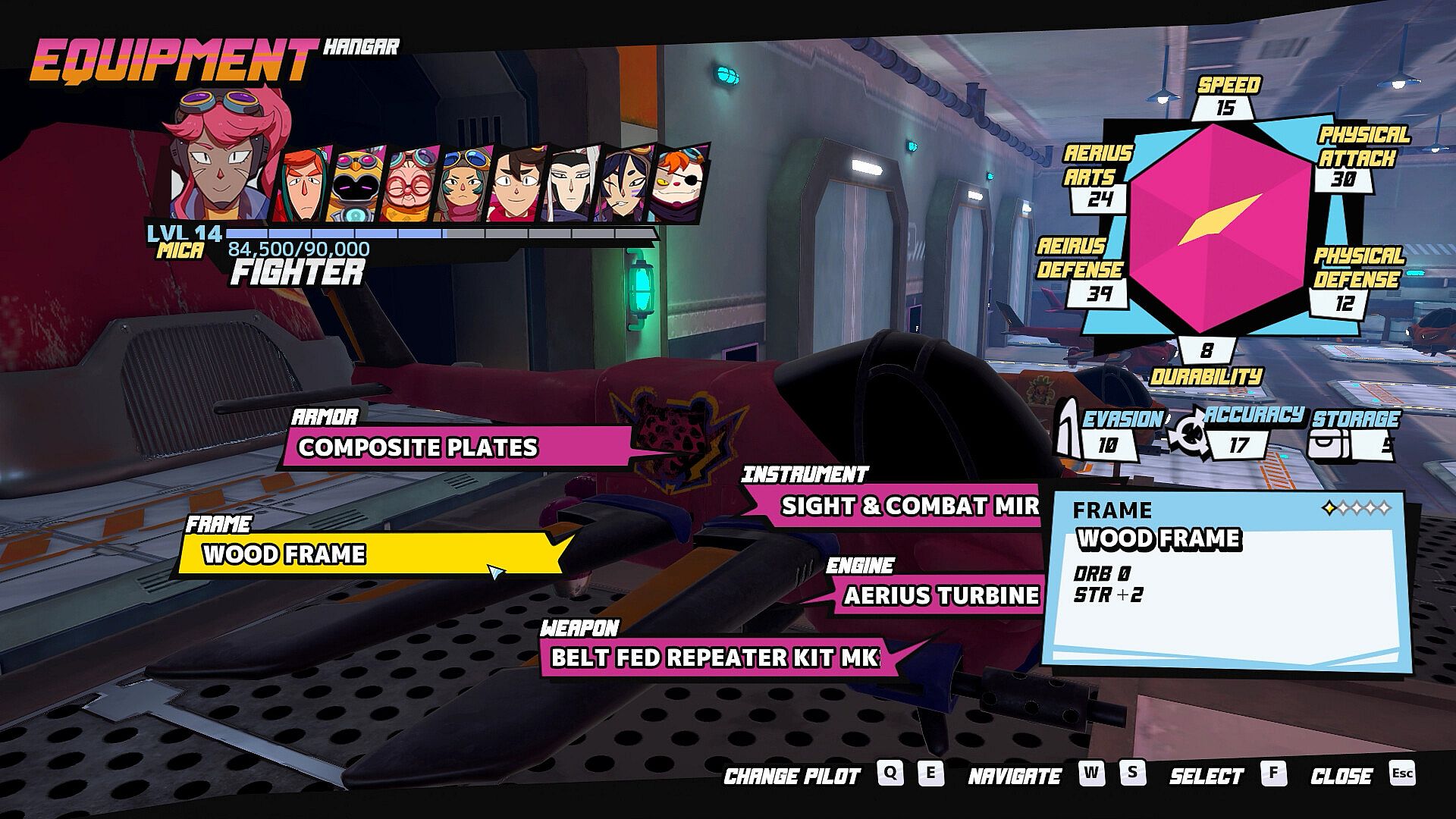
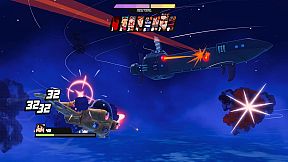
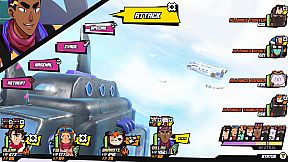
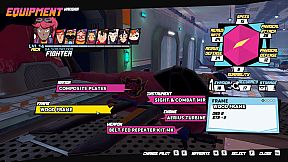
Combat takes place in turn-based aerial dogfights. Each encounter requires selecting actions for party members aboard the airship, choosing between standard attacks, special moves unlocked through progression, and defensive maneuvers to avoid incoming fire. The system emphasizes adapting to shifting positions and enemy patterns rather than relying on fixed strategies. Airship upgrades add new abilities and improve departments such as weapons or engines, which players manage by allocating resources collected during travel and quests.
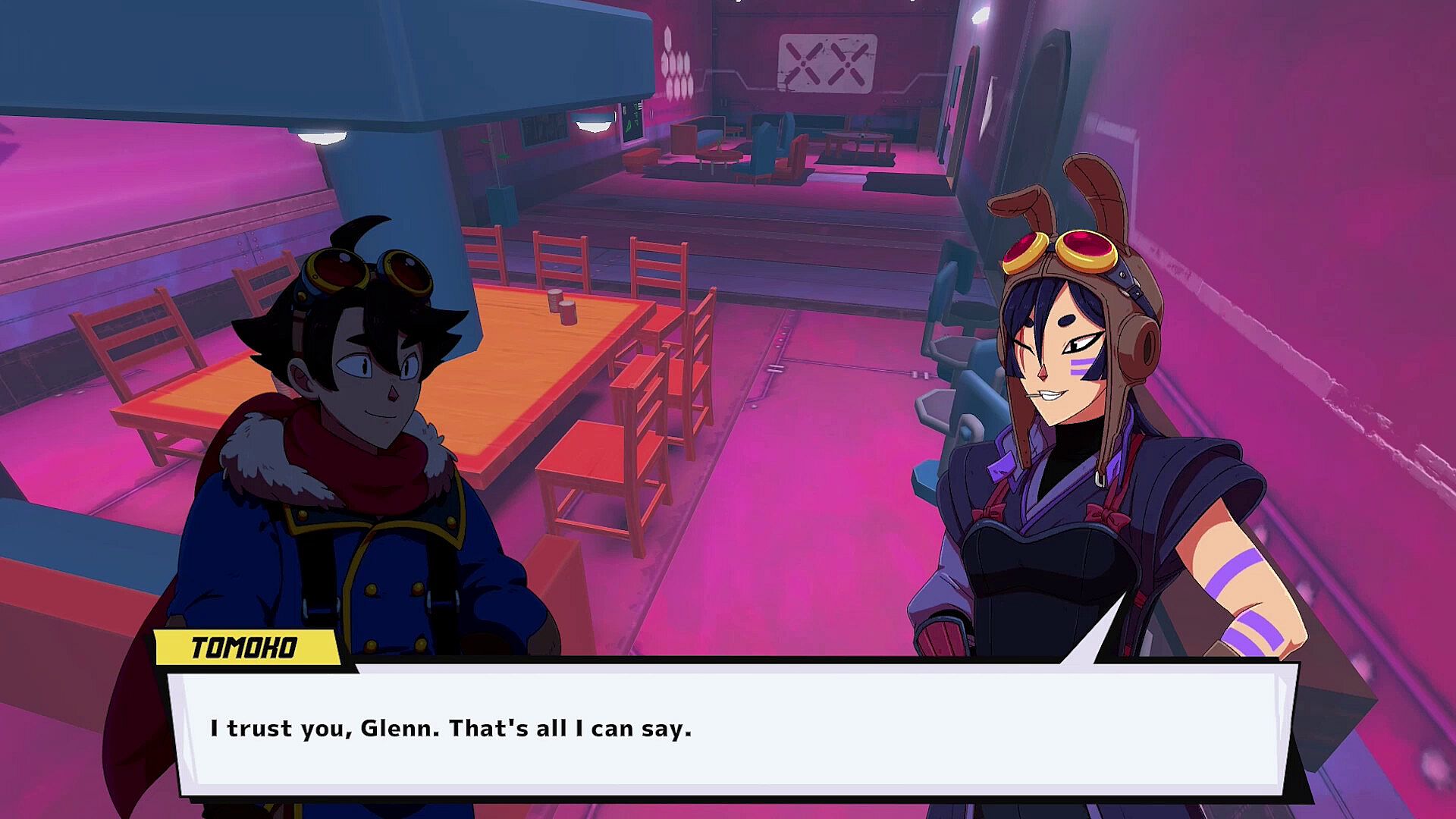
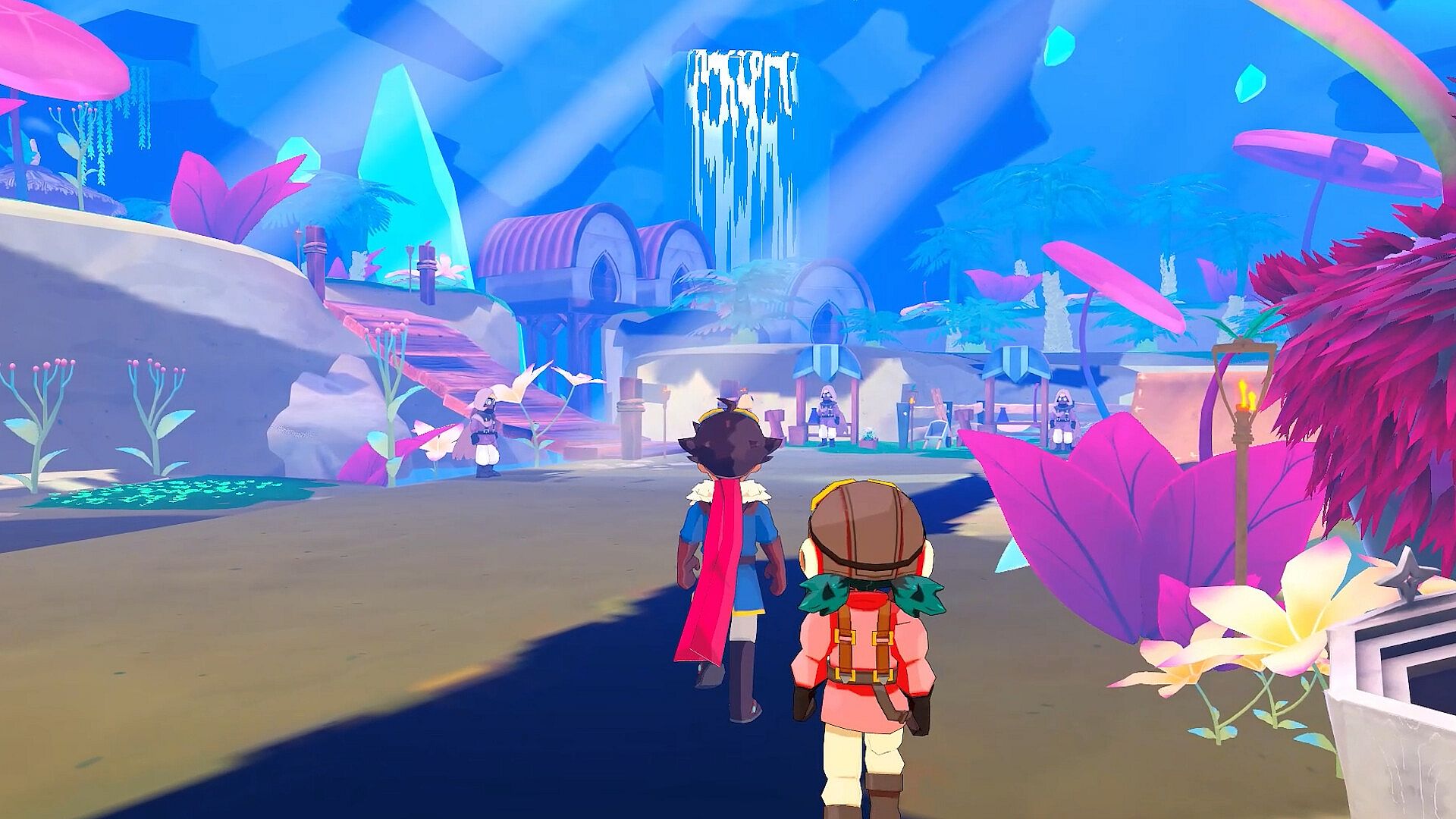
Character progression ties into both narrative milestones and practical ship improvements. Party members gain access to unique skills that complement the captain's commands, while the overall crew grows through recruitment and loyalty-building choices. Visual presentation uses colorful, hand-crafted environments reminiscent of classic animated films, with distinct town designs and memorable crew portraits that support the story's emotional beats.
Game Modes
The experience centers on a continuous single-player campaign without separate competitive or cooperative options. Progression flows through narrative chapters that interweave exploration segments with combat sequences. Resource management and airship customization occur alongside the main story, allowing players to strengthen their vessel between major confrontations.
Side activities in towns provide optional depth, such as solving local problems that unlock new support options or equipment. These elements integrate into the primary journey rather than forming standalone modes, keeping focus on the captain's growing influence over the skies and the crew's development.
Story and Setting
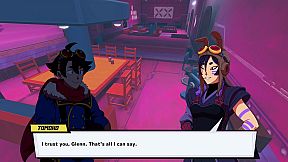
The narrative follows Glenn Windwalker as he assembles a ragtag group of air pirates and challenges the Alliance. Themes of purpose and belonging drive character interactions, with decisions during quests affecting crew dynamics and available upgrades. Diverse sky-based locations introduce new cultures and environments that expand the world as the story advances.
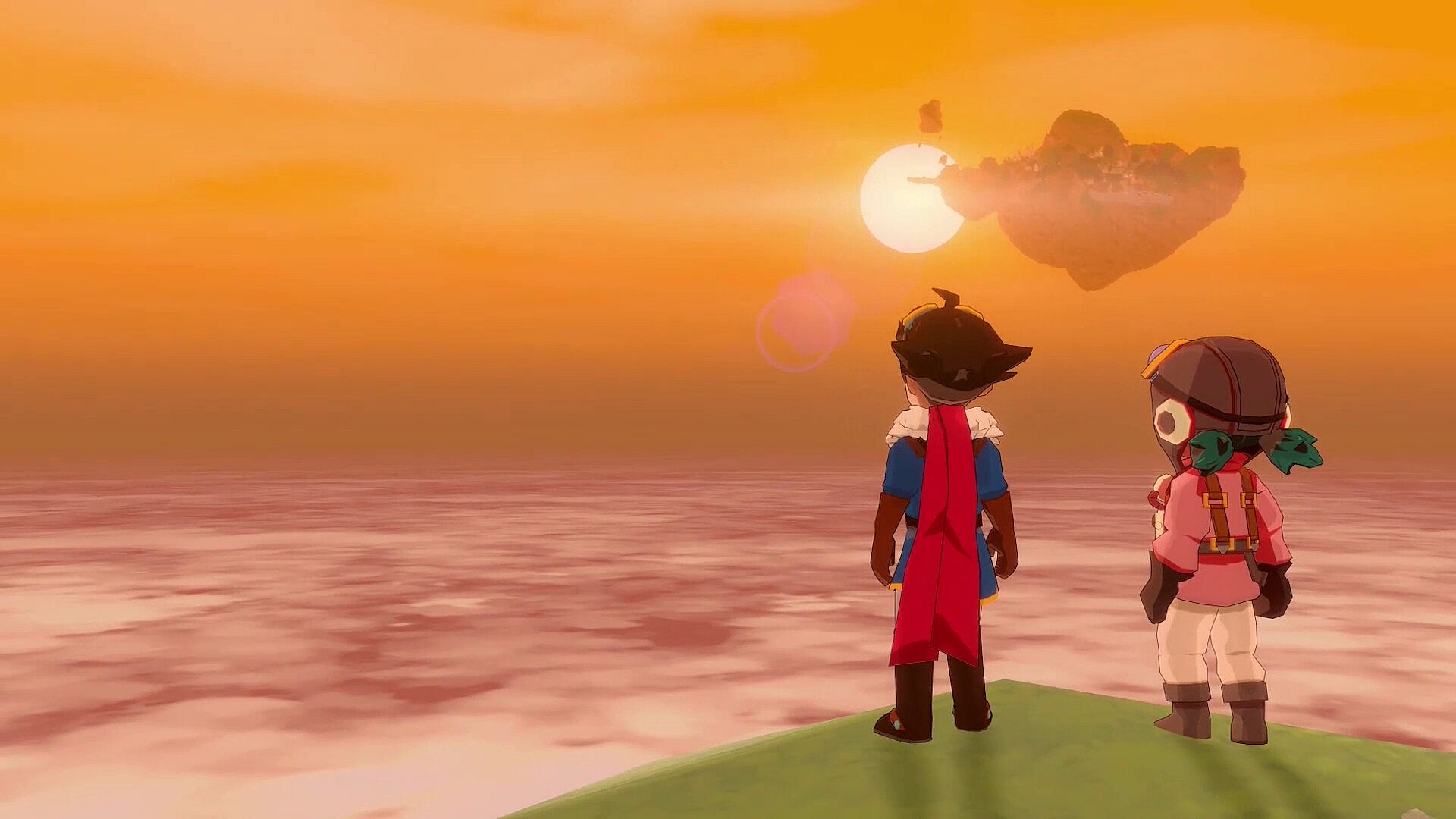
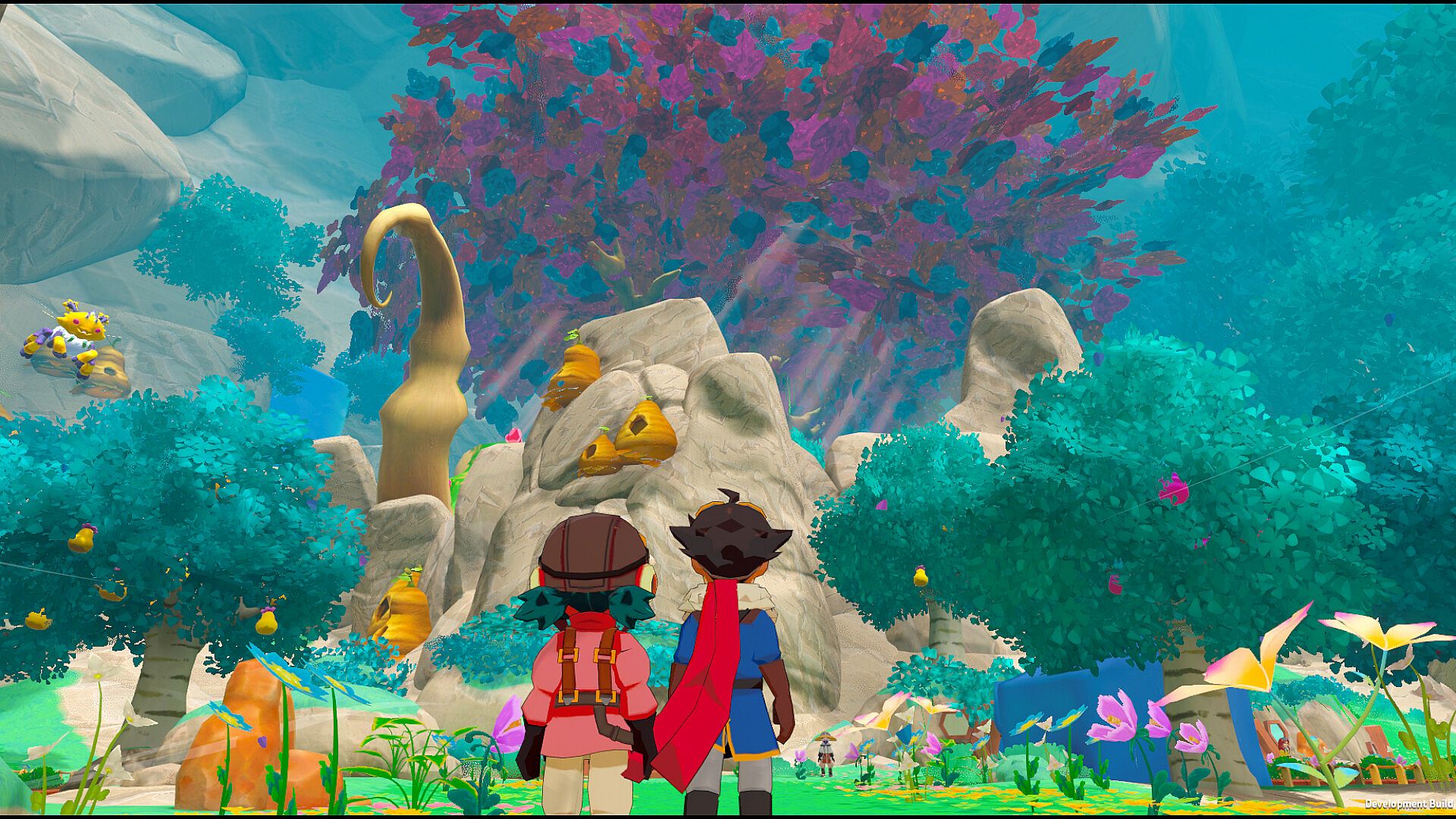
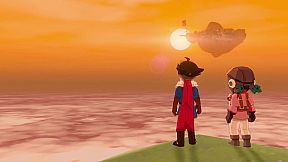
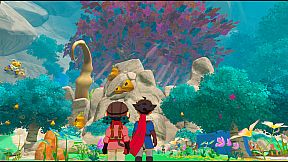
Studio Ghibli-inspired art direction shapes the visual identity, delivering varied backdrops from bustling skyports to remote floating outposts. Character designs emphasize personality through expressive details that align with the touching tone of the central journey.
Is It Worth Playing?
The game launched on October 10, 2024, and has received mixed reception on its primary platform, with 64 percent of user reviews rated positive. Strengths lie in the nostalgic JRPG structure, the sense of freedom during sky traversal, and the charm of its visual style and character work. Combat delivers strategic depth through positioning and ability choices, though some players note that lengthy animations can slow the pace of encounters.
Those who appreciate deliberate, story-driven RPGs with party management and incremental ship customization will find the most satisfaction here. The experience suits players comfortable with classic turn-based systems and willing to engage with resource allocation and side tasks that support the main narrative. Newcomers to the genre may find the combat tempo and exploration demands require adjustment, while fans of similar sky-pirate adventures can evaluate it based on tolerance for slower tactical sequences.
Post-release updates have included a roadmap outlining future content, indicating continued developer attention after launch. Availability remains straightforward on PC with full controller support and multiple language options.