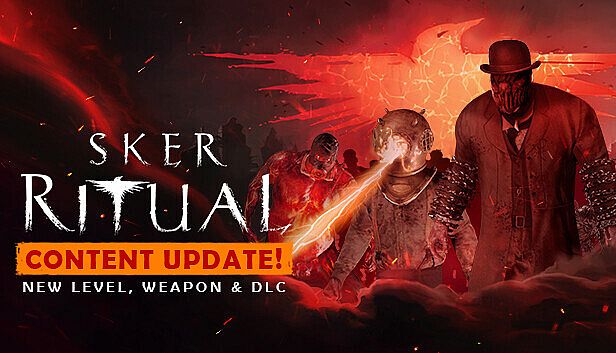




















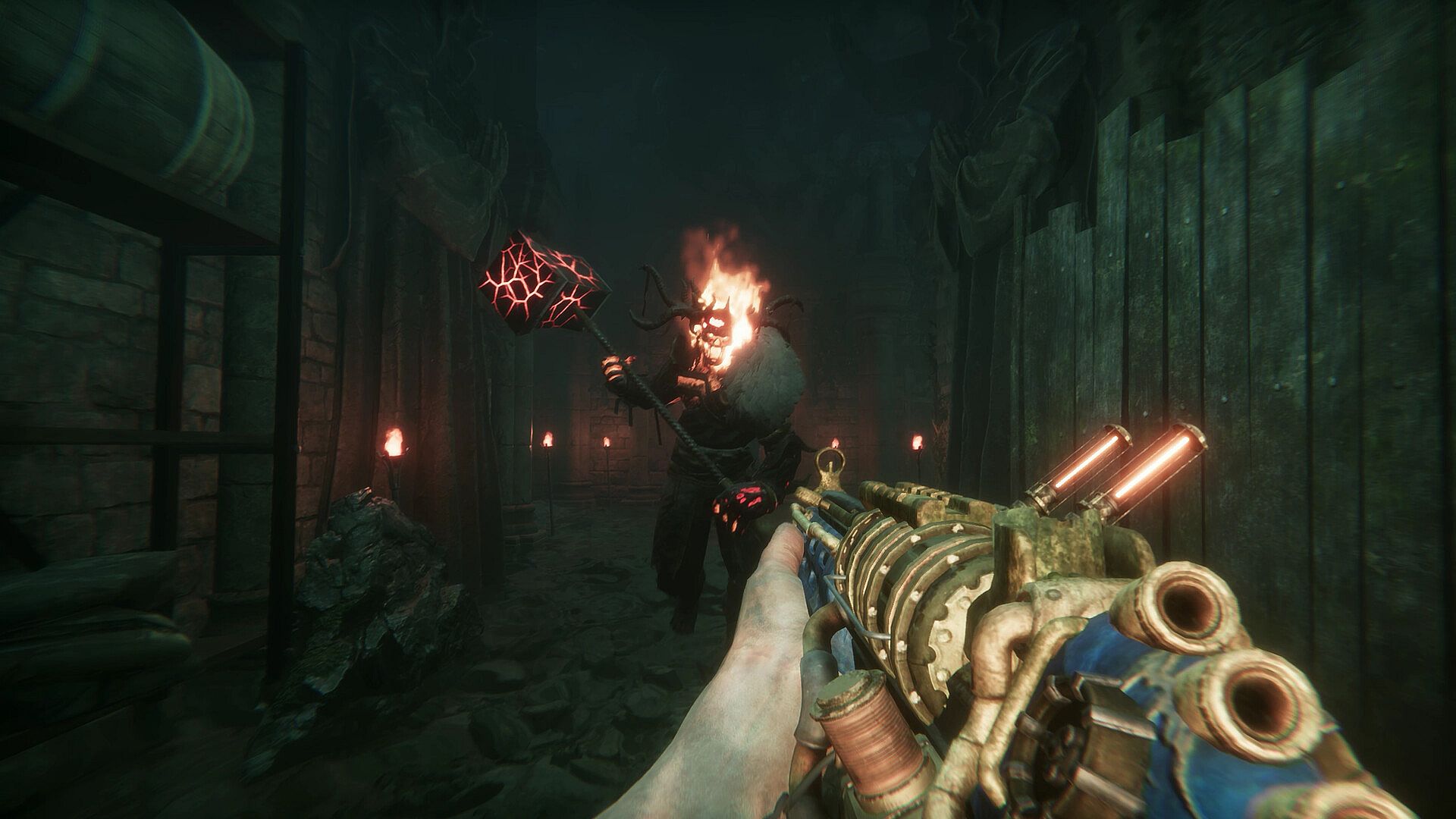
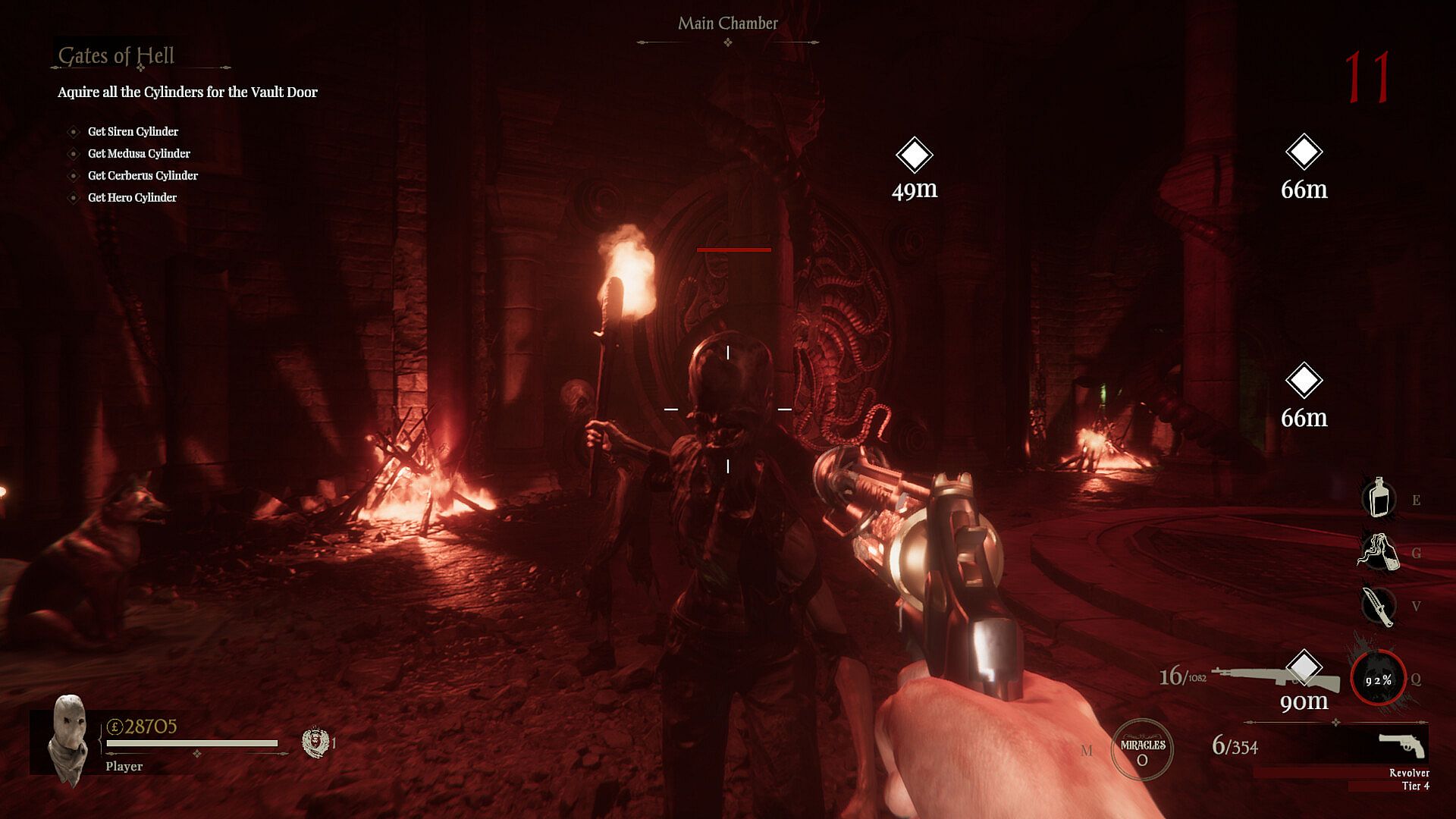
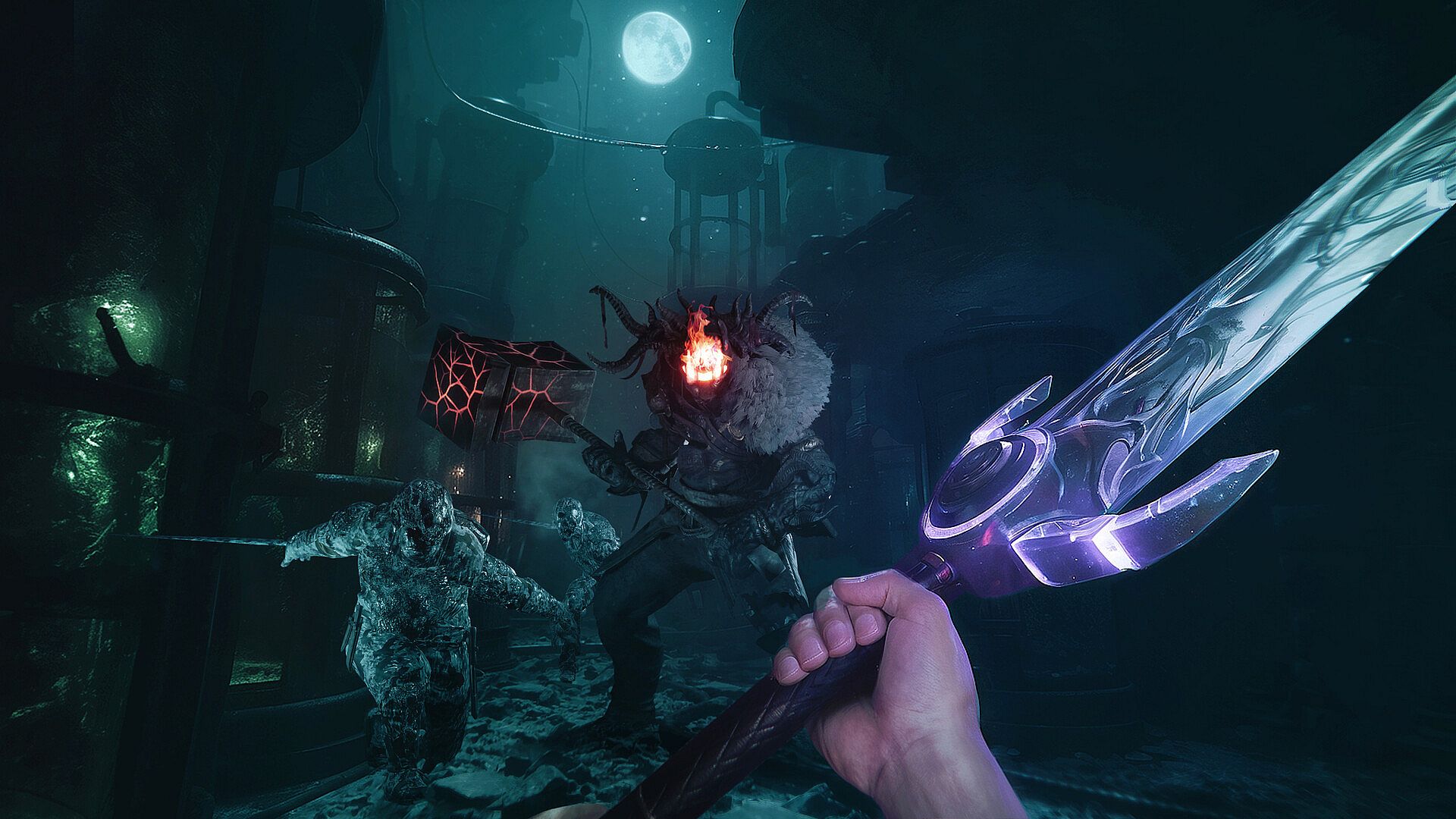
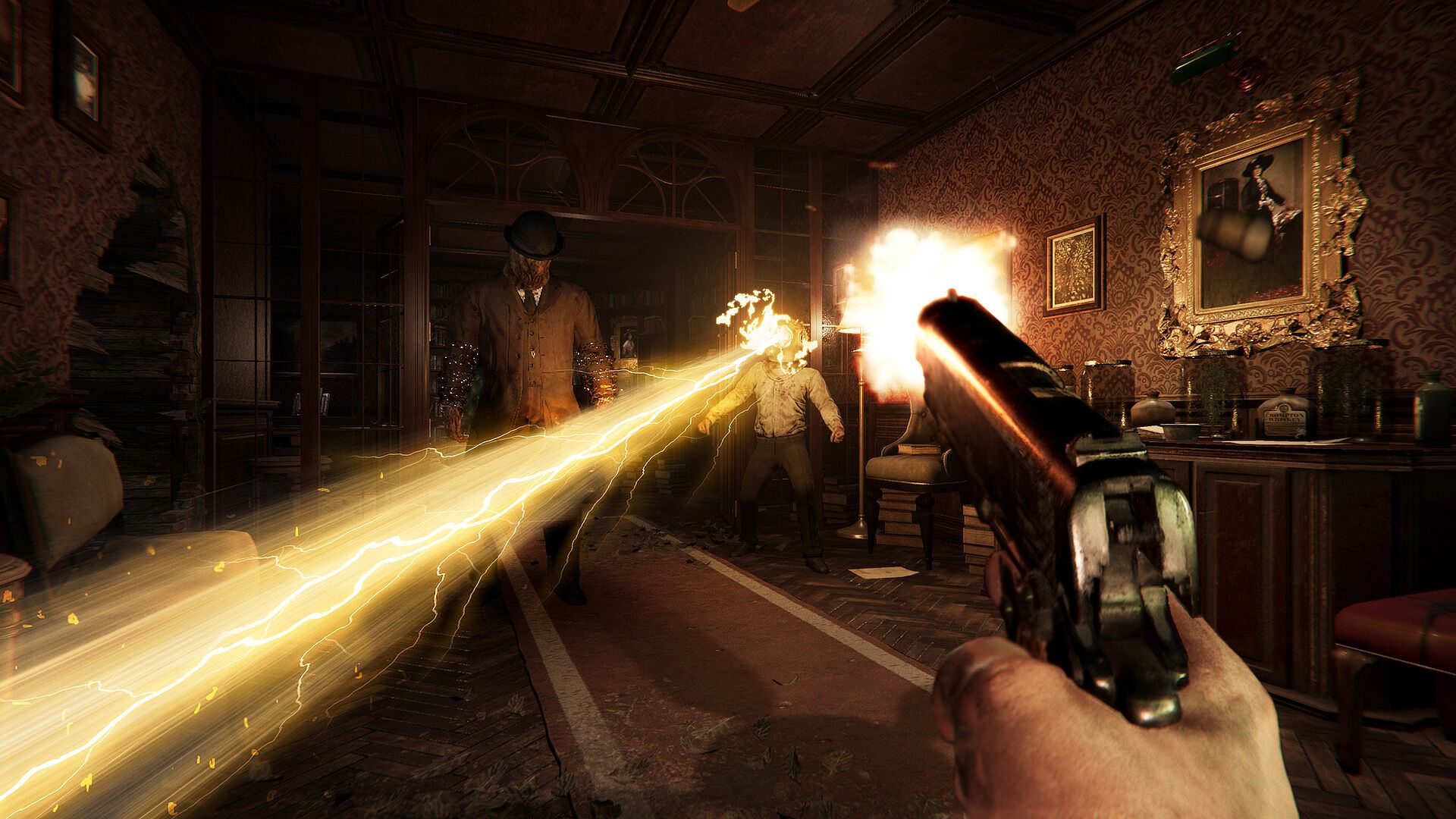
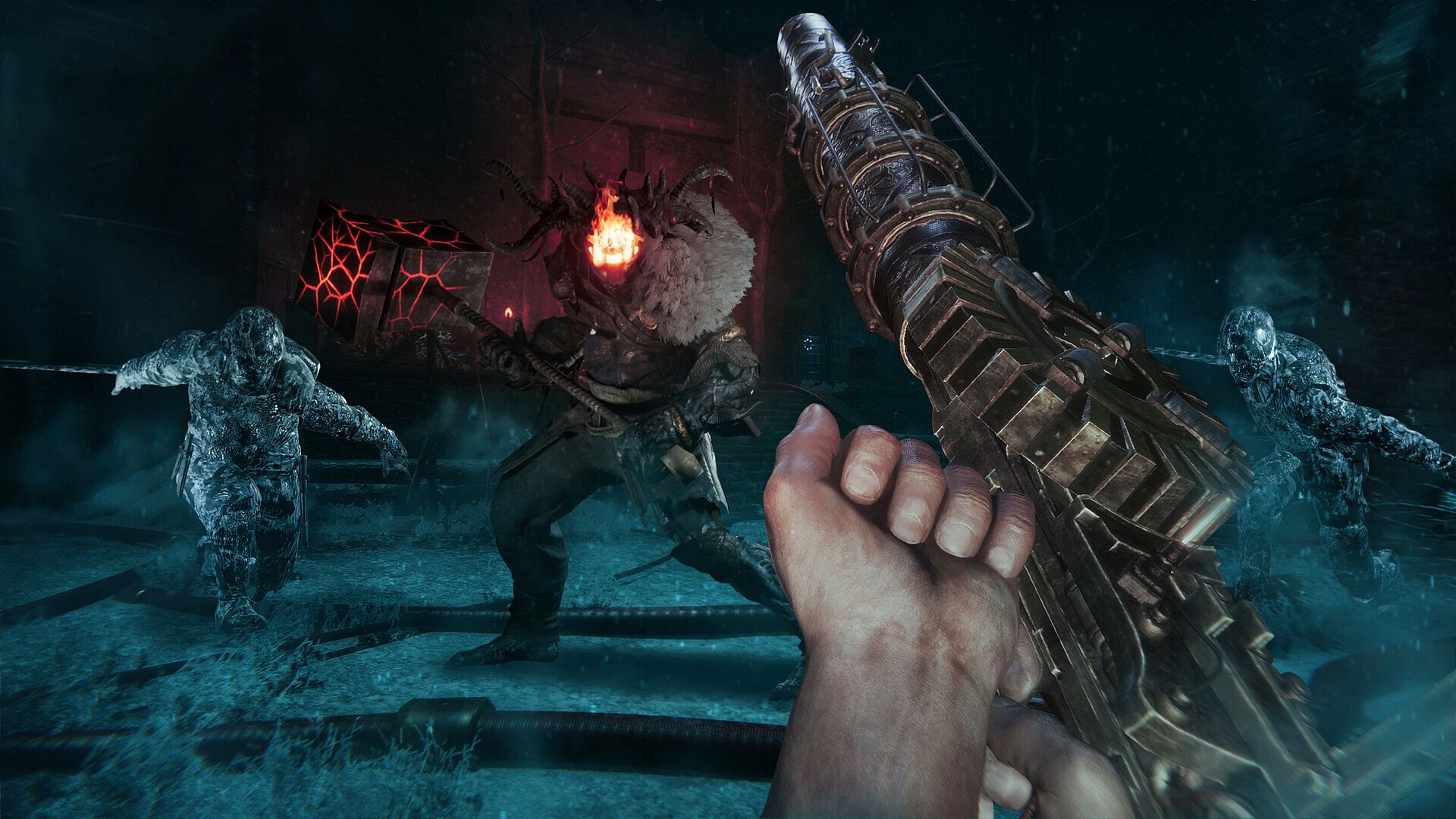
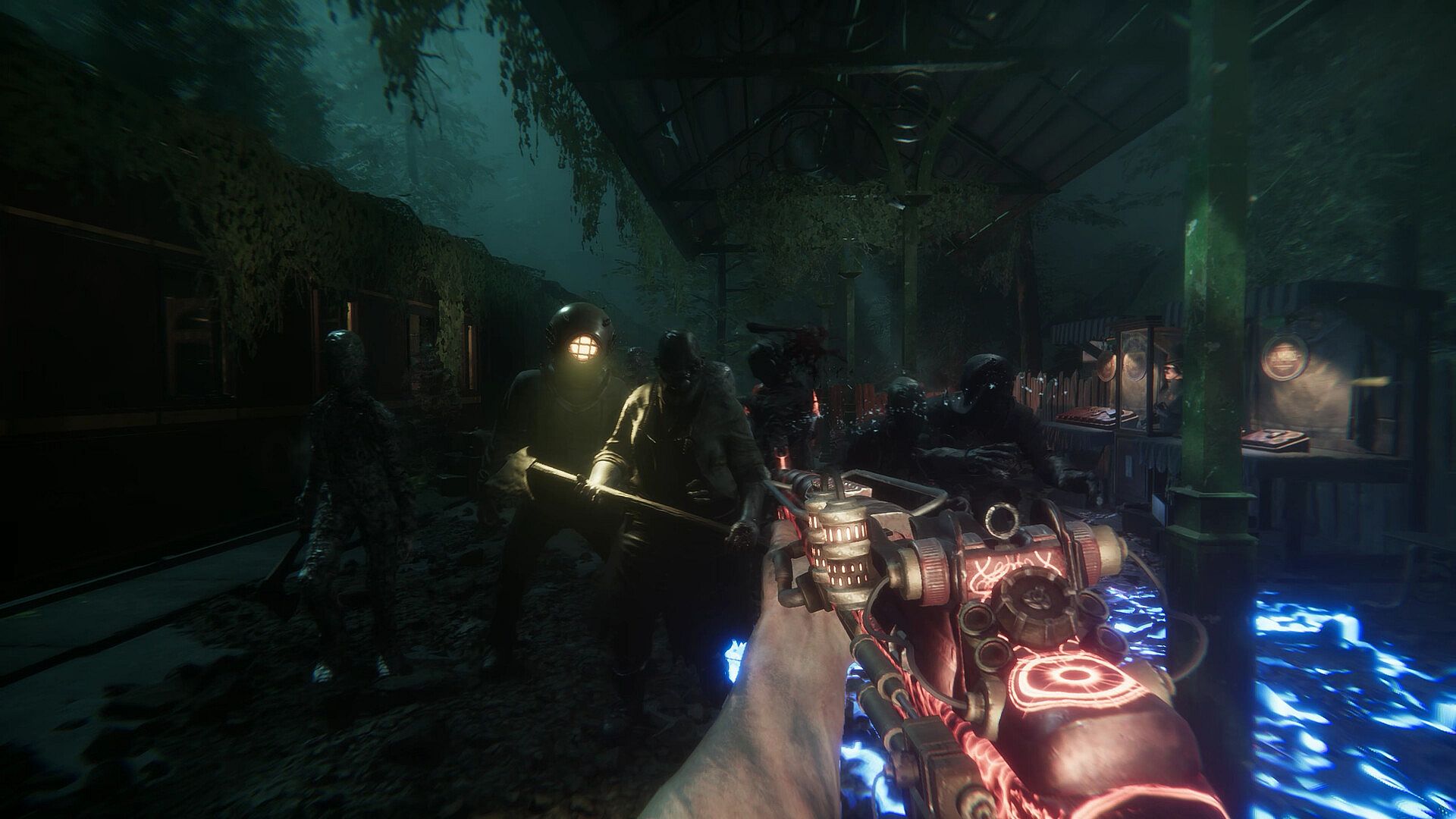
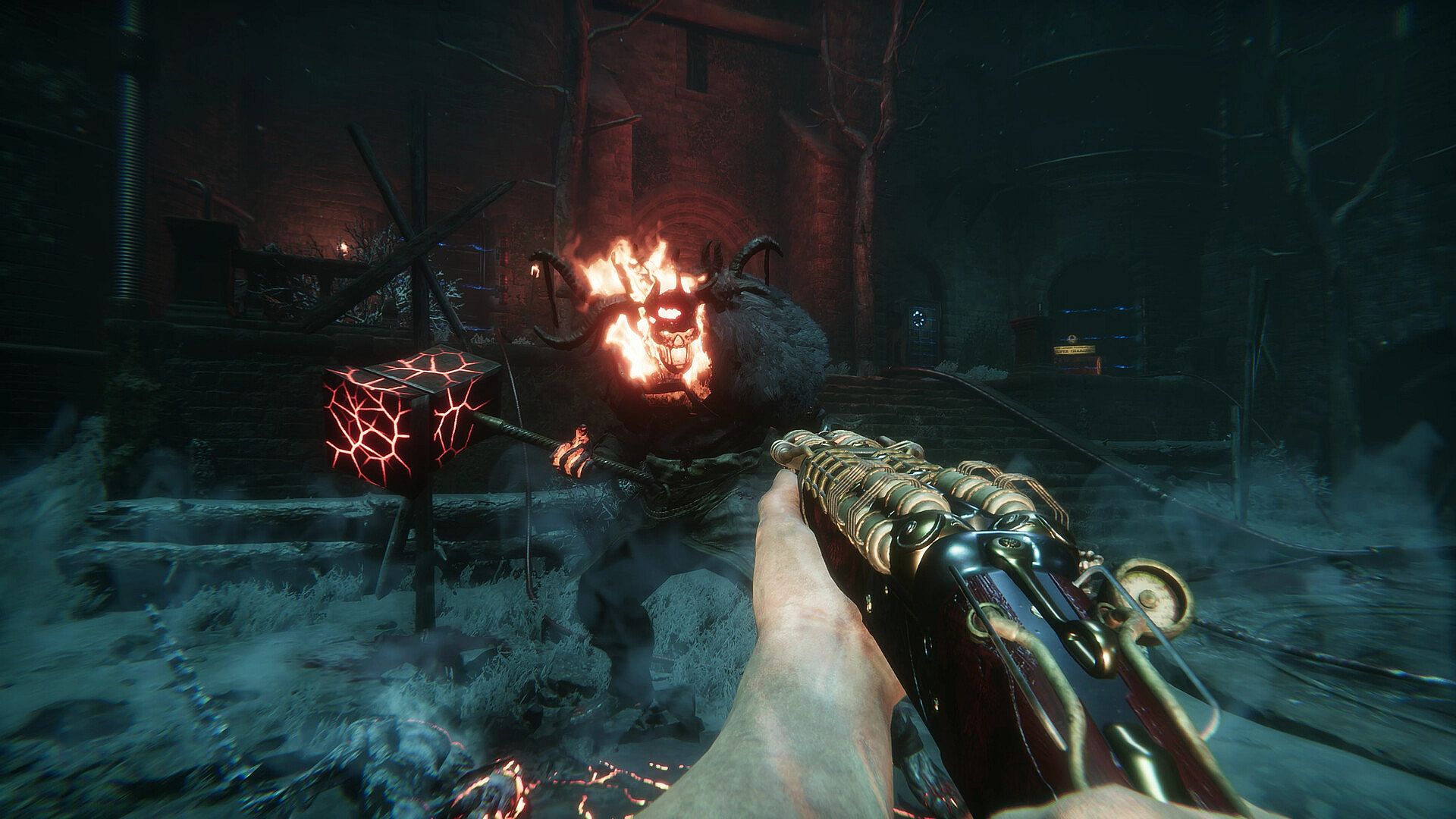
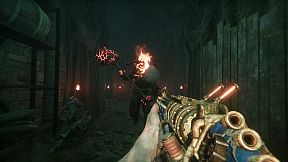
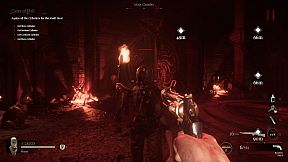
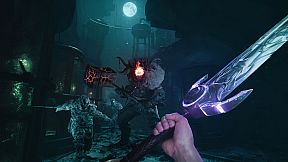
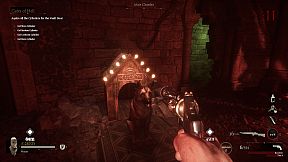
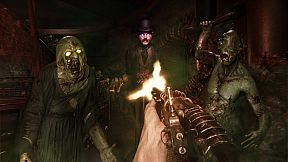
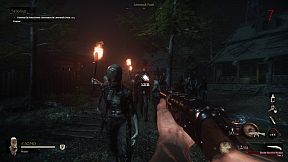
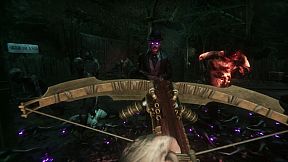
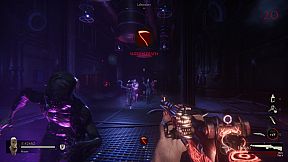
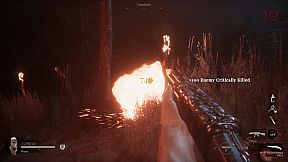
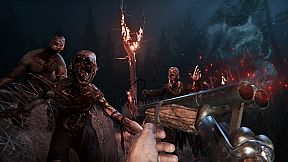
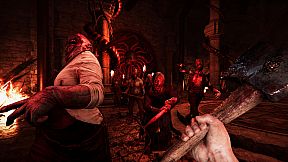
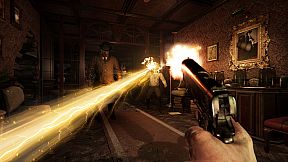
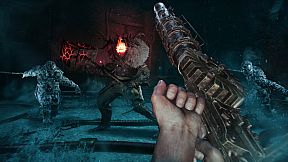
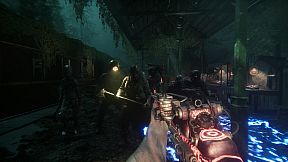
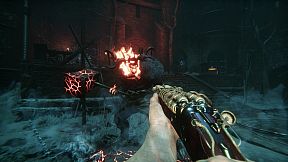
Sker Ritual delivers an intense round-based zombie survival experience as a first-person shooter developed by Wales Interactive. The title continues the story from the evil ending of Maid of Sker, placing the action in 1914 on Sker Island where a character joins Arianwen to disrupt Elisabeth Williams' Siren's Song broadcast and prevent global catastrophe. Core elements include waves of enemies, weapon upgrades, and special powers tied to Celtic mythology, all within a steampunk aesthetic.
Gameplay
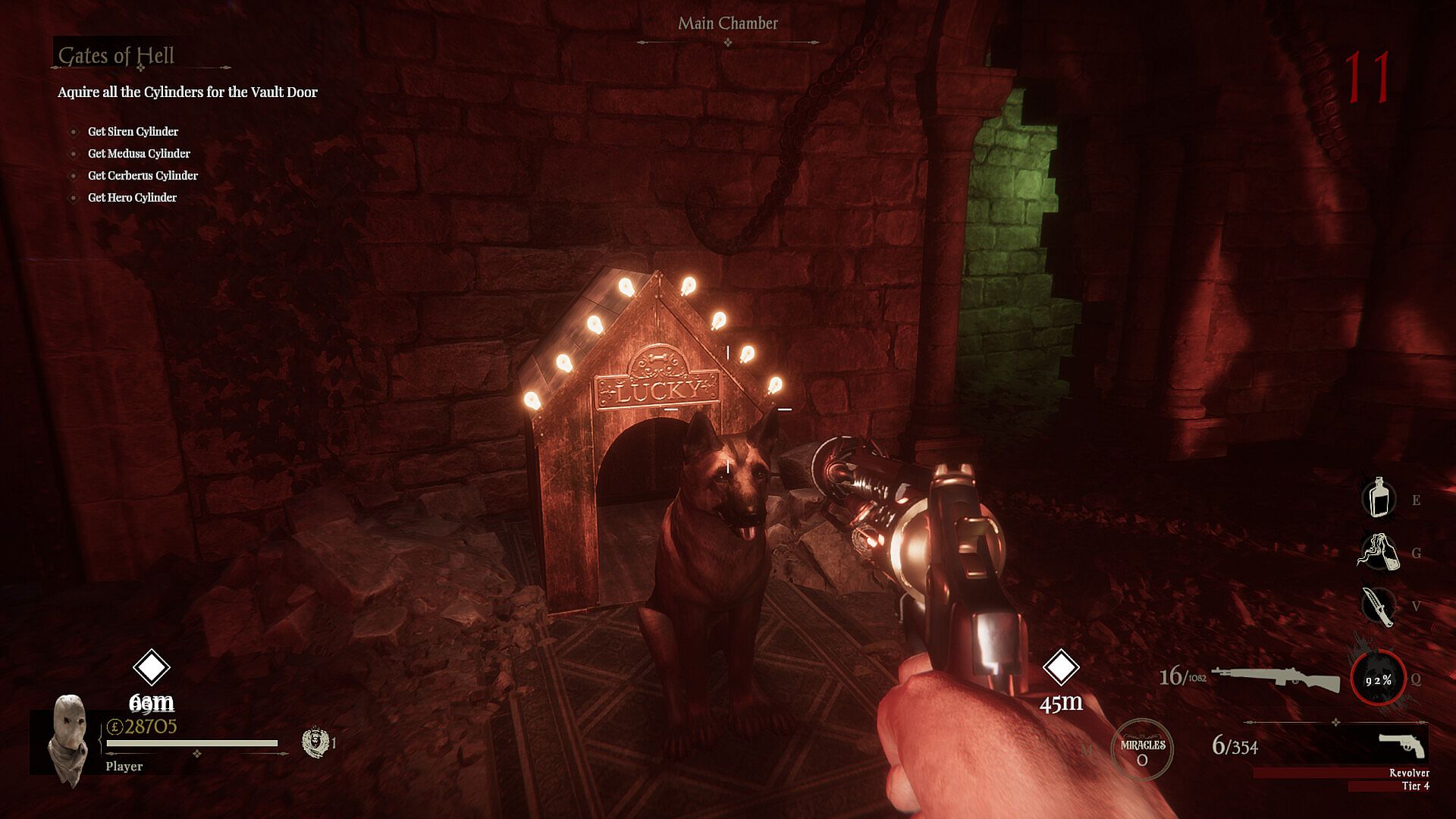
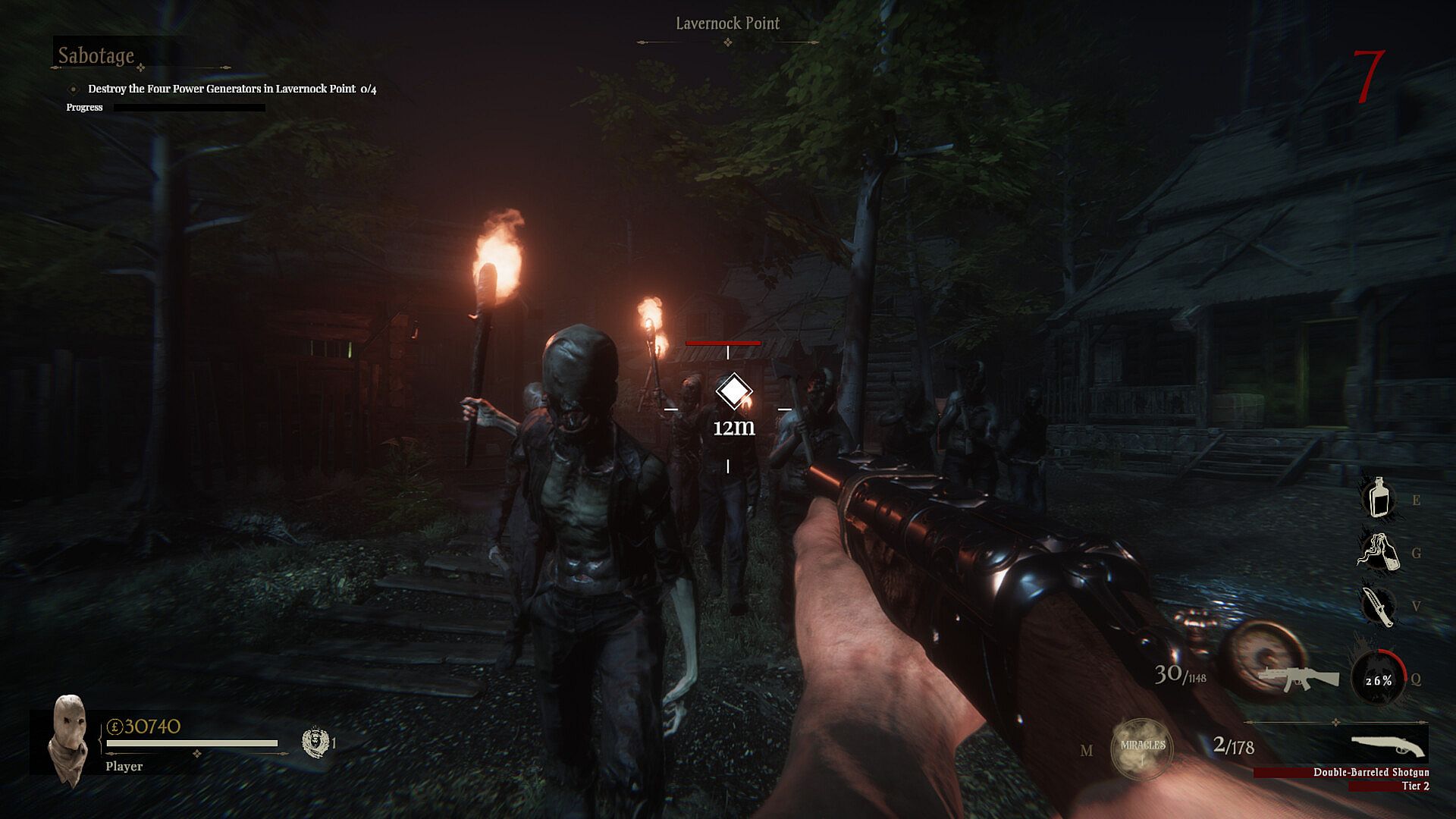
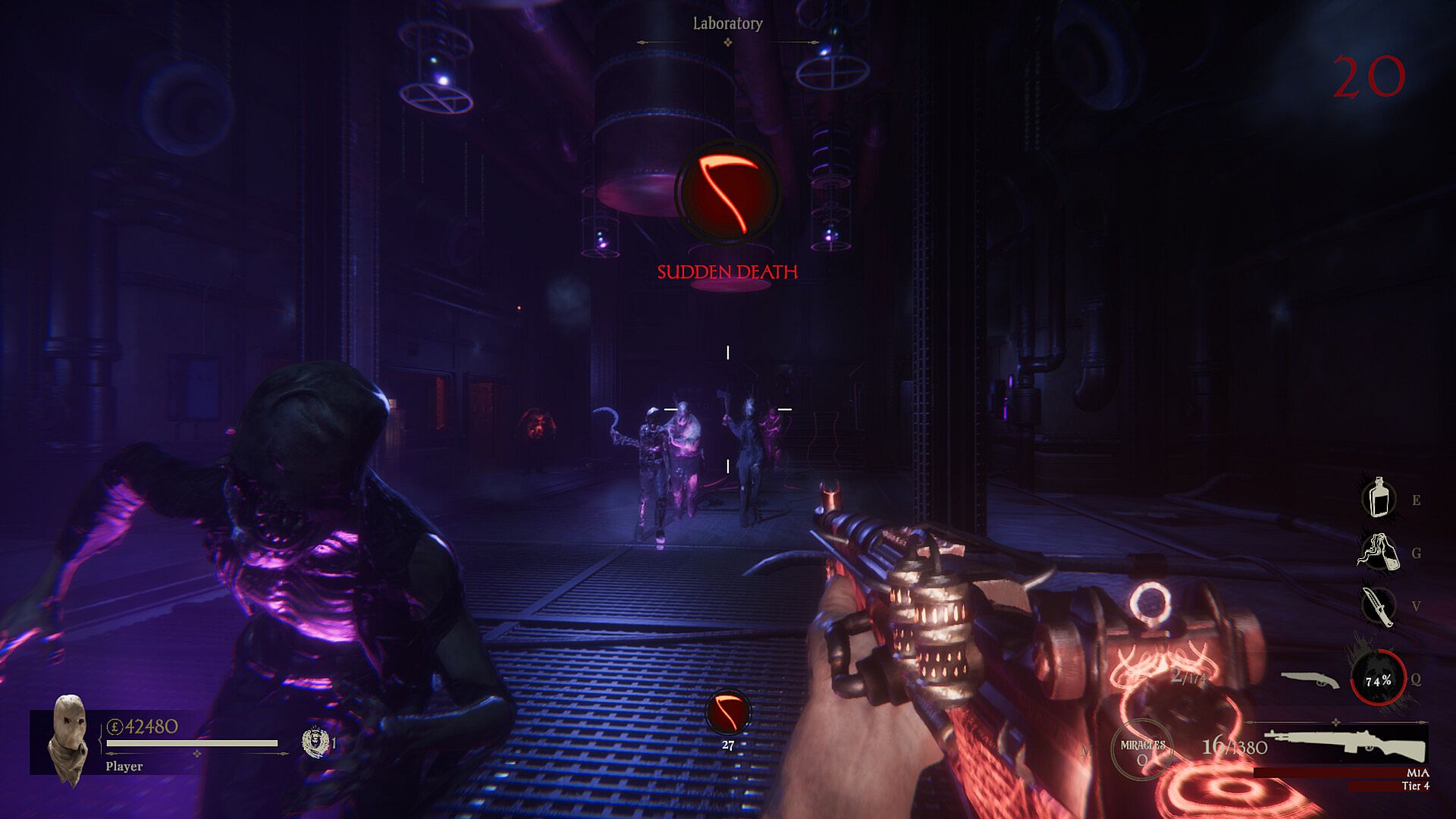
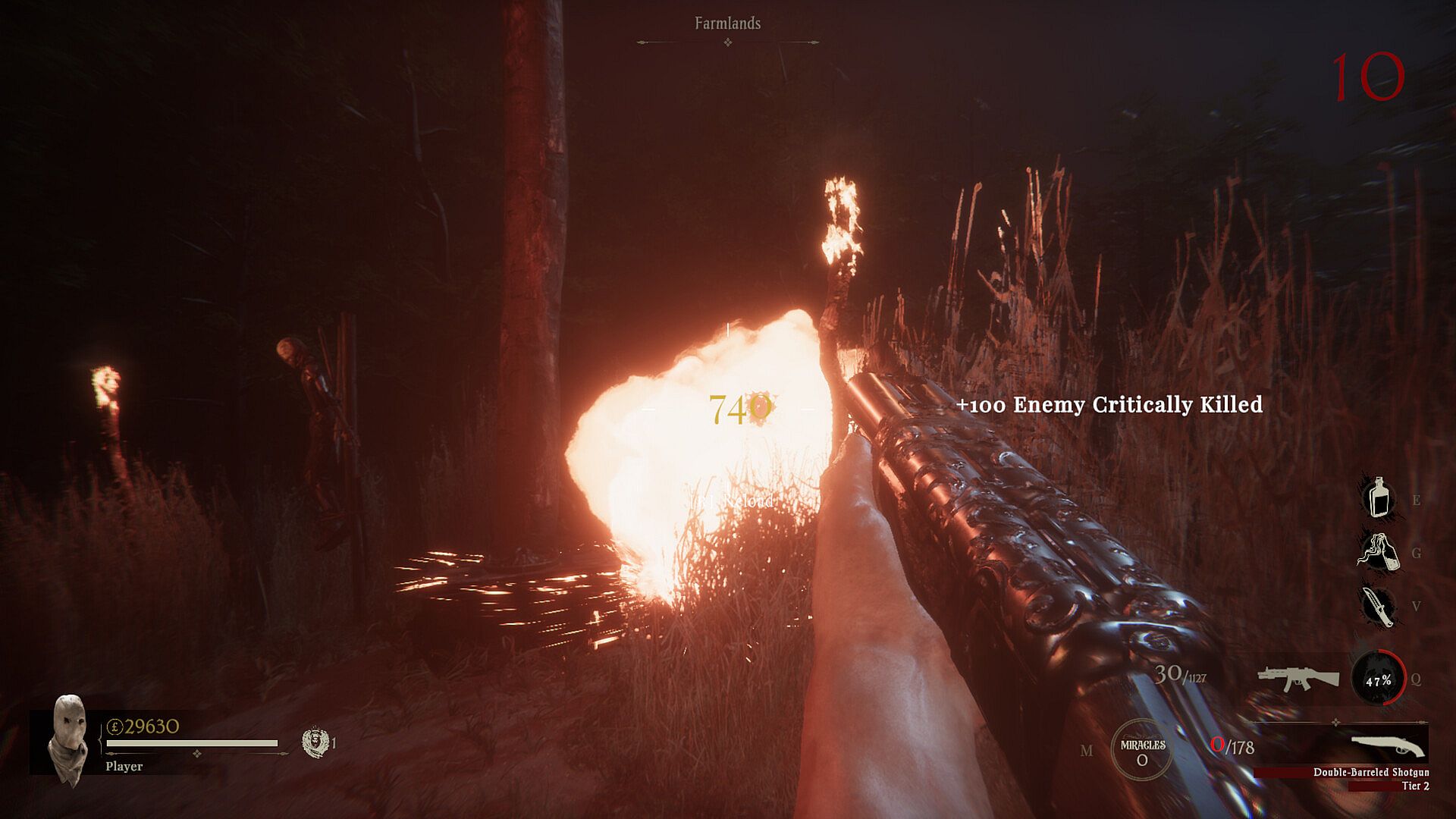
The central loop involves surviving successive rounds of attacks while completing objectives across expanding maps. Points earned from kills fund purchases at The Laughing Policeman booths scattered throughout each location, where players acquire ammunition, stock weapons, or gamble for higher-level options. Weapons receive further enhancements through the Super Charger, which applies visible steampunk modifications and bonus effects as ranks increase.
Miracles drop from defeated foes and present a selection of three random powers linked to Celtic gods. These upgrades modify shooting, melee attacks, grenades, or healing, with a dedicated slot for an ultimate ability that charges over time. Each Miracle carries rarity levels and core attributes that scale with use. Optional missions and hidden Easter Eggs add layers beyond basic survival, encouraging exploration between waves.
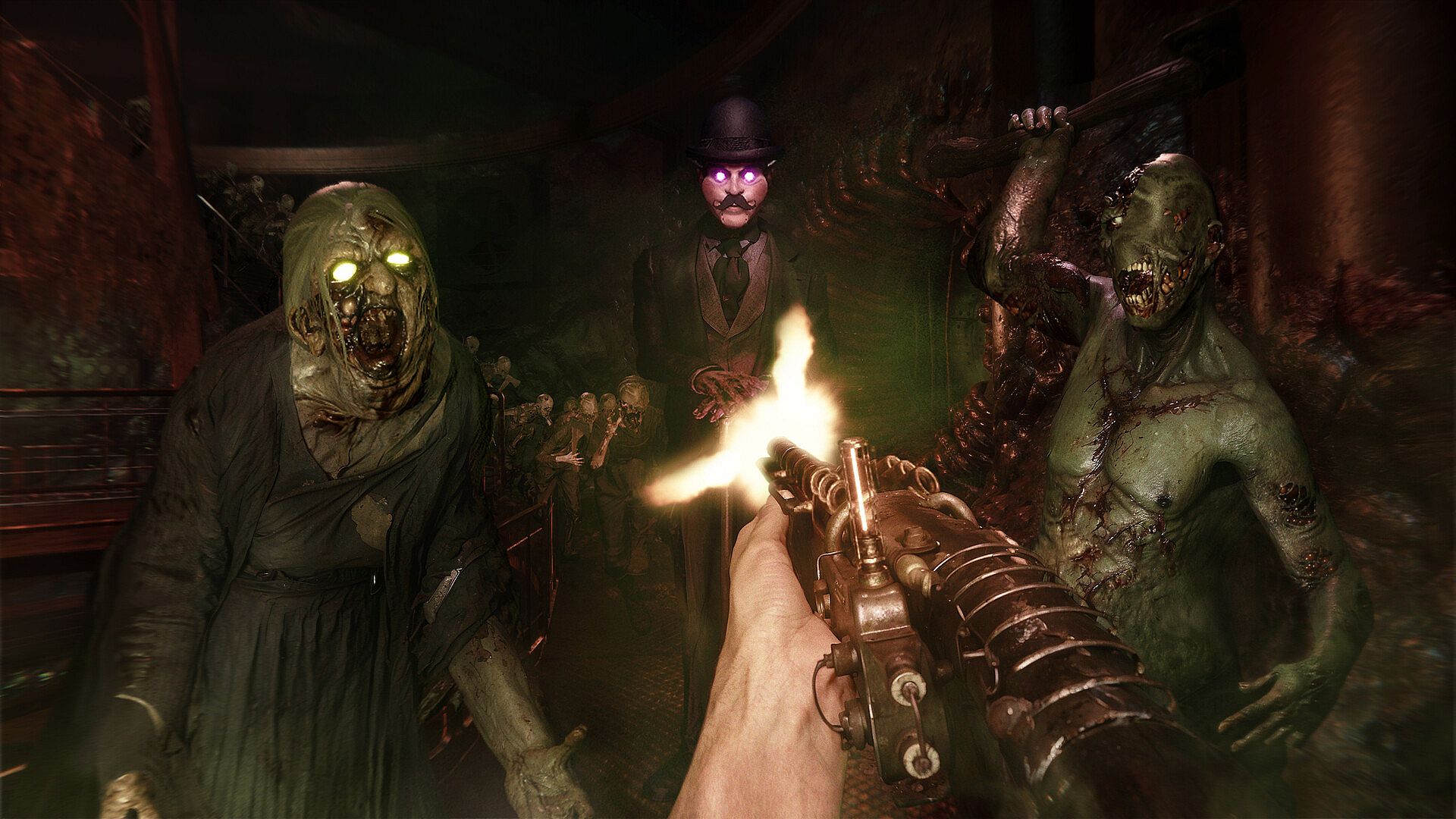
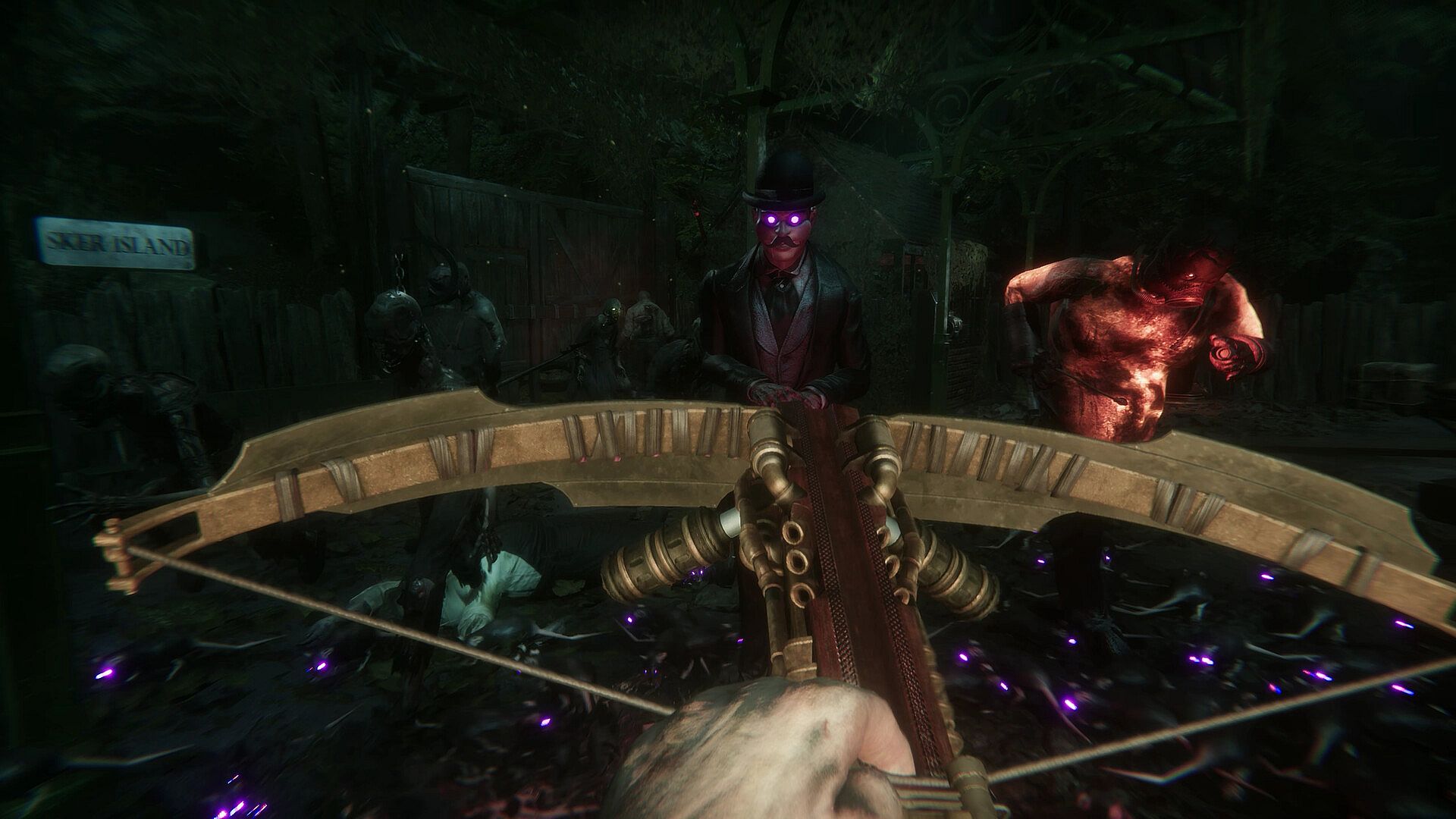
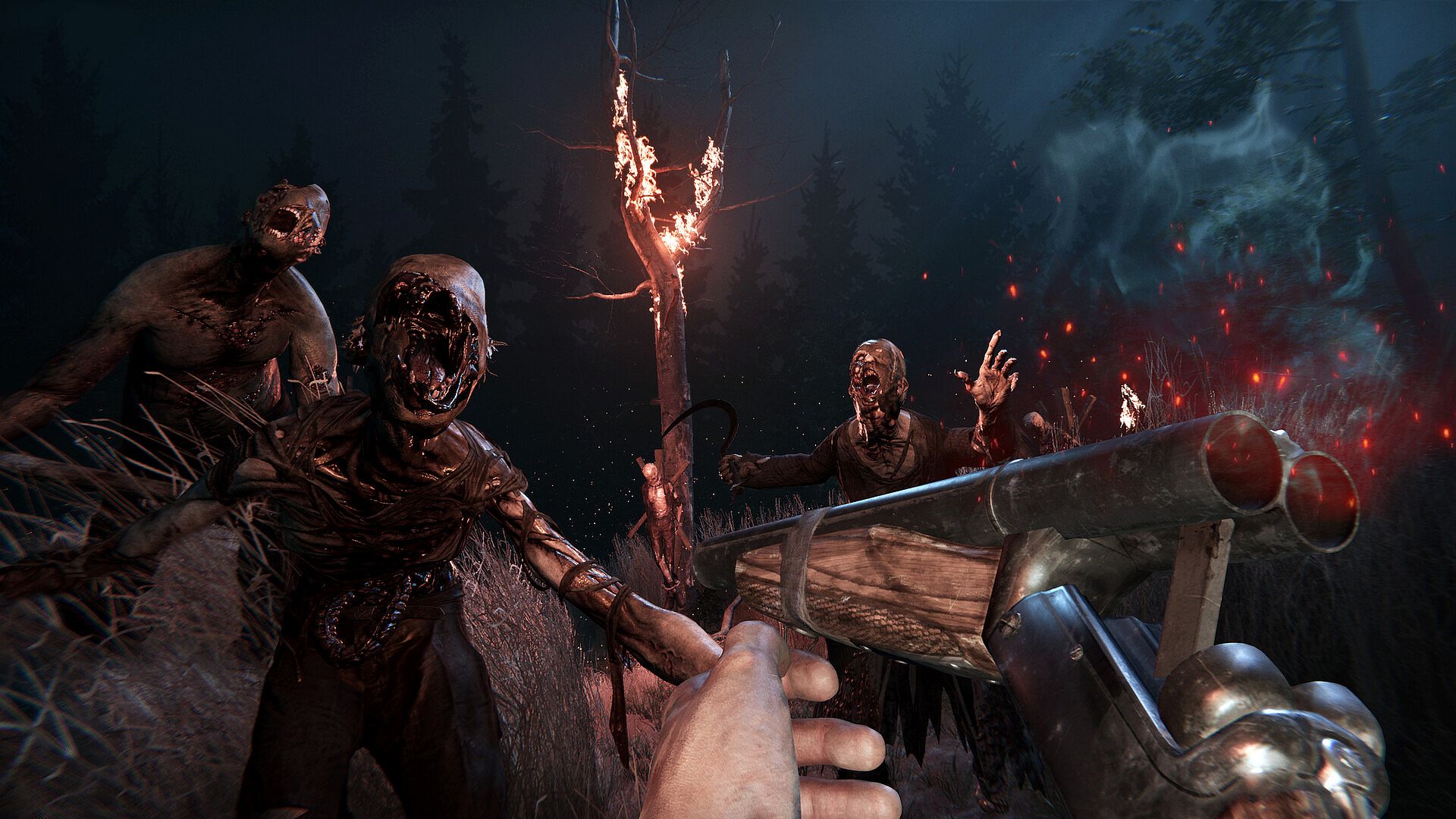
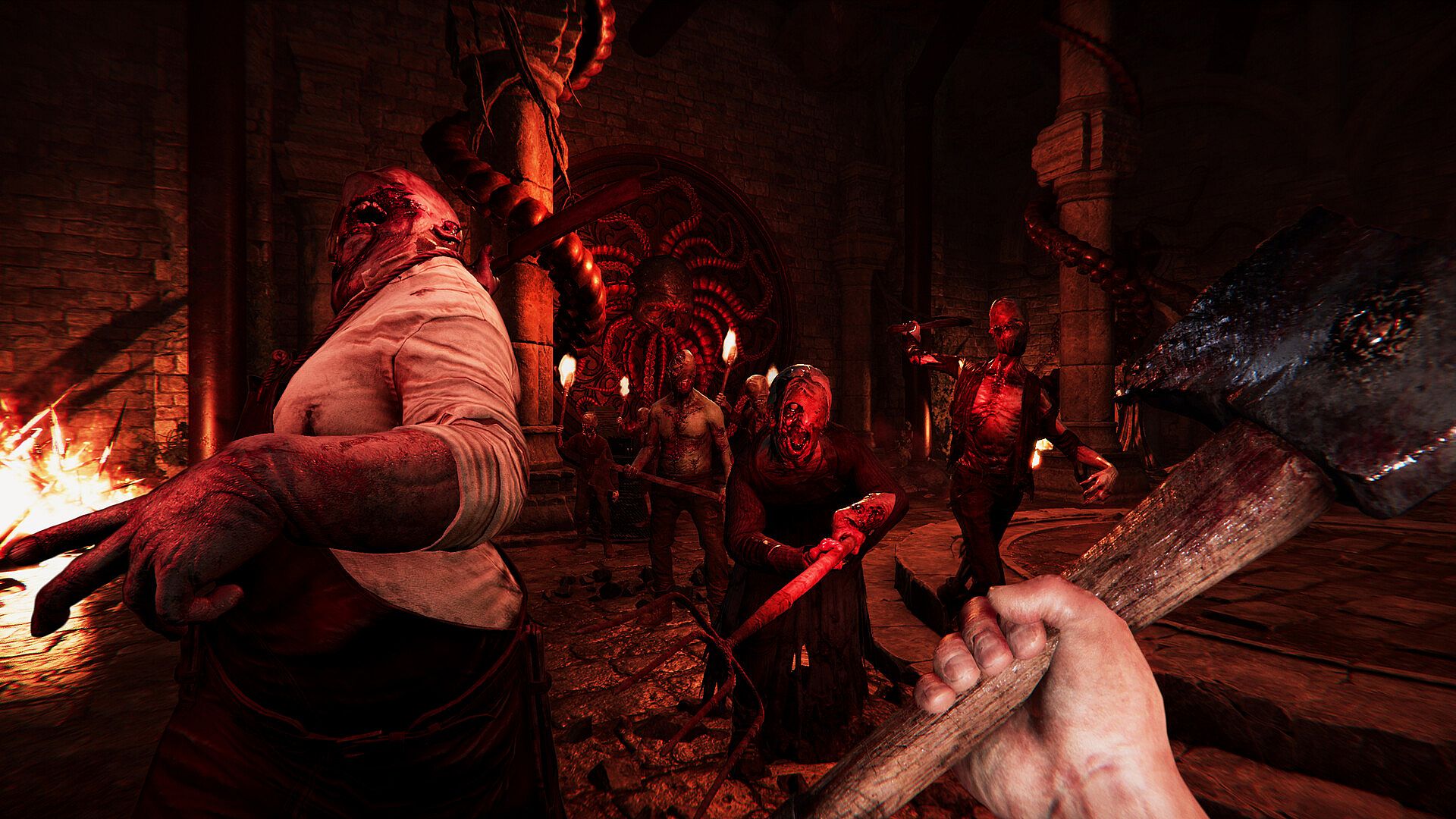
Enemy encounters feature the returning Quiet Ones alongside new elite variants equipped with distinct abilities that demand tactical adjustments in positioning or coordination. Movement includes sprinting and sliding for evasion, while health starts at a base value that can increase through specific upgrades.
Game Modes
Sker Ritual centers on a single primary format of round-based survival across multiple maps. Each session scales enemy intensity according to the number of participants, supporting solo play or online sessions with up to three additional players. Objectives integrate directly into the wave progression, requiring completion of main goals alongside optional tasks to advance or unlock further areas.
Difficulty settings adjust enemy health, damage output, round timing, and upgrade scaling to suit different experience levels. Custom game options allow further tailoring with numerous modifiers once unlocked through updates. No separate competitive or versus modes exist beyond this cooperative survival structure.
Enemies and Progression Systems
The Quiet Ones form the backbone of enemy forces, supplemented by faceless horrors and elite types that introduce variety through specialized attacks. These additions force shifts in strategy as rounds advance and threats multiply.
Progression ties into both individual weapons and the Miracle network. Repeated use builds familiarity with specific powers, while Dread Levels and the Sker Pass provide free reward tracks that unlock cosmetics such as masks inspired by folk, gothic, zombie, and supernatural themes. Interchangeable masks and voice lines allow personalization without affecting core mechanics.
Is It Worth Playing?
Sker Ritual suits players who enjoy round-based horde shooters with integrated objectives and a focus on small-team or solo sessions. The Miracle system and weapon customization create meaningful choices during extended runs, while the setting and enemy designs maintain tension through escalating challenges.
Reception remains mixed, with praise for the shooting feel and atmospheric elements offset by reports of balancing inconsistencies and occasional technical issues in multiplayer. Ongoing patches have added maps, third-person support, voice chat, and extensive custom modifiers, indicating active development beyond the initial release. Those drawn to the genre's classic loop will find a distinct indie take here, particularly if they value story ties to the original Maid of Sker and Celtic-themed power progression over large-scale multiplayer.