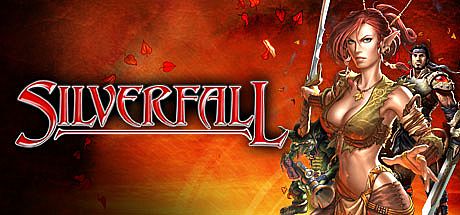


















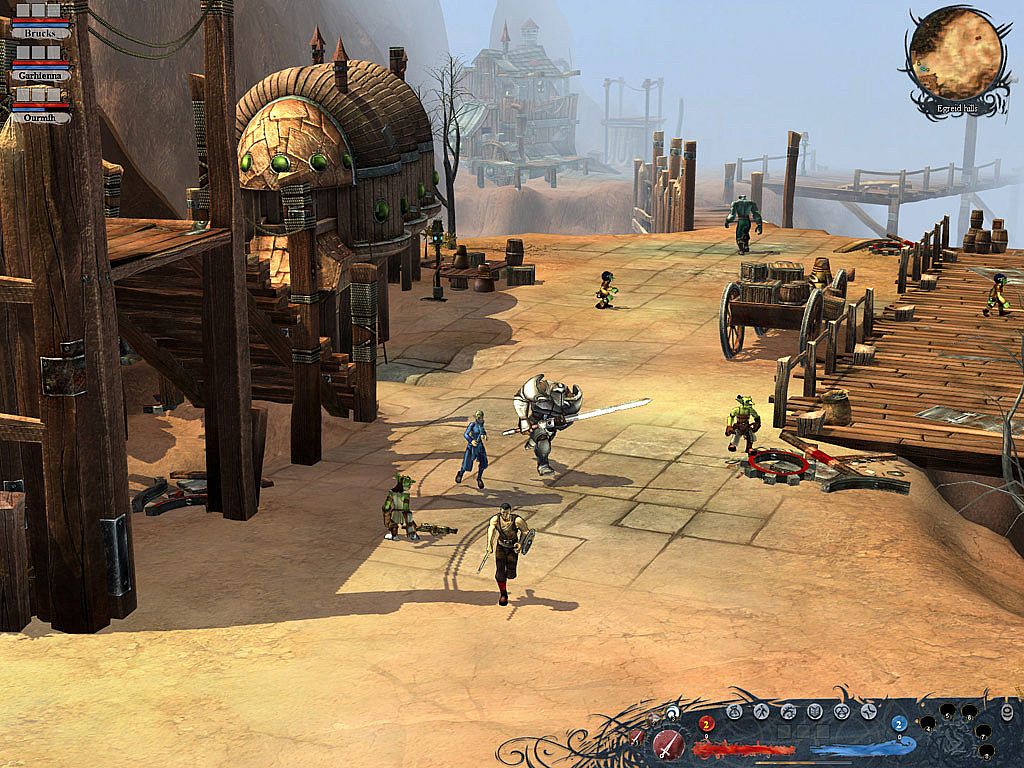
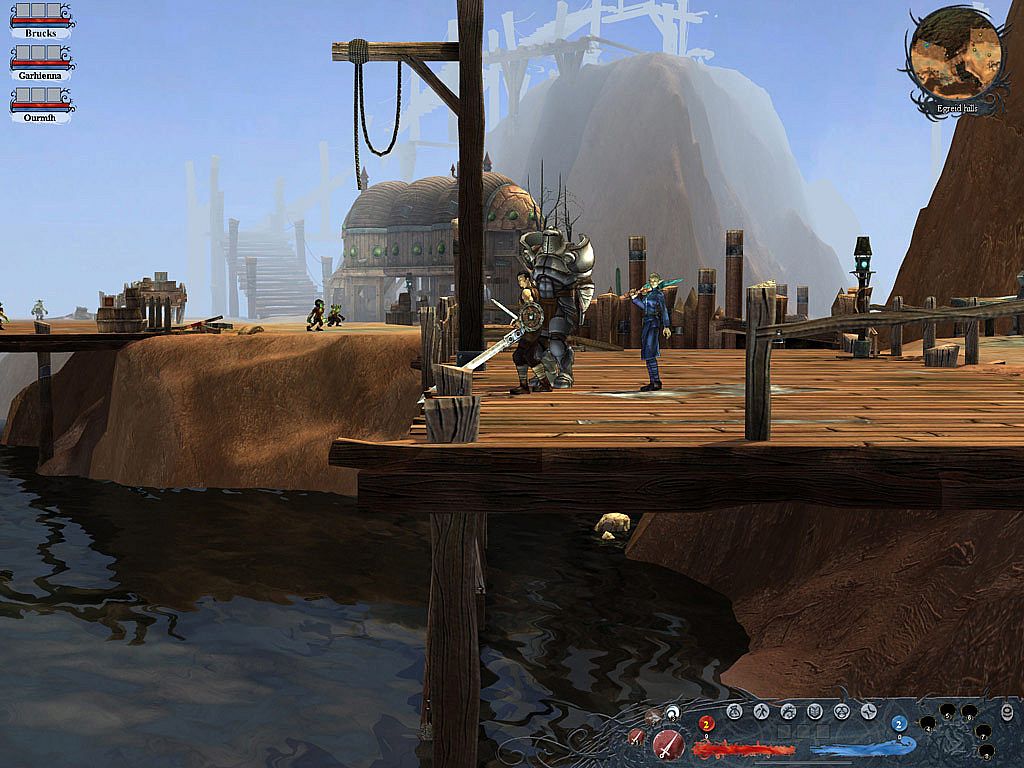
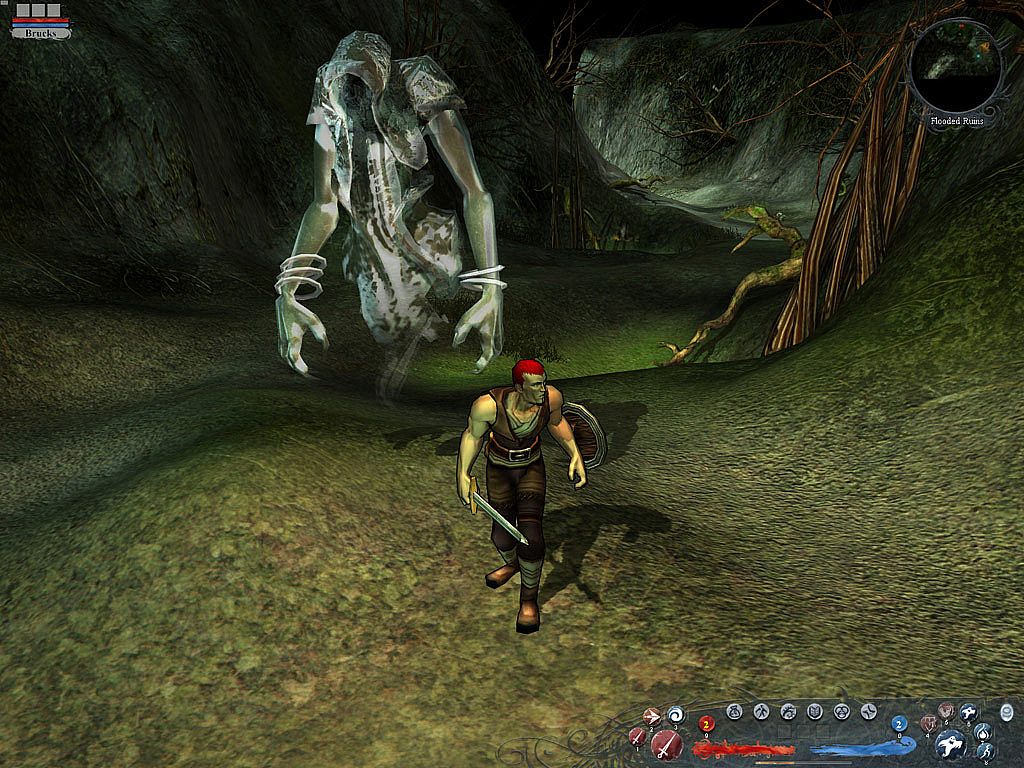
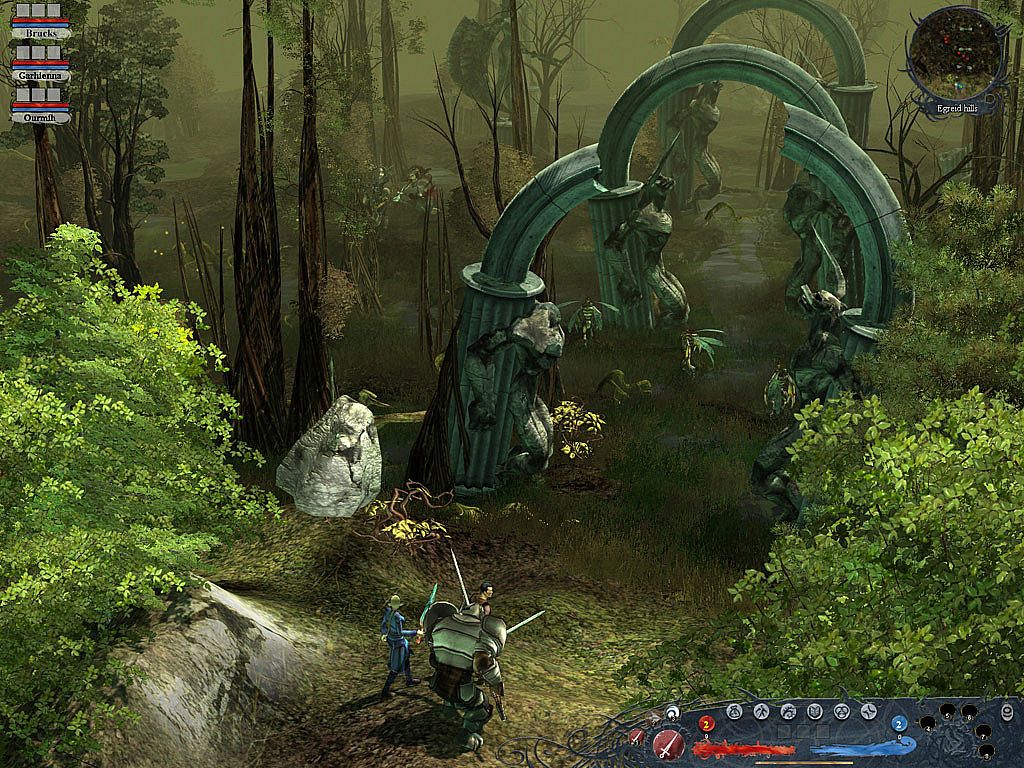
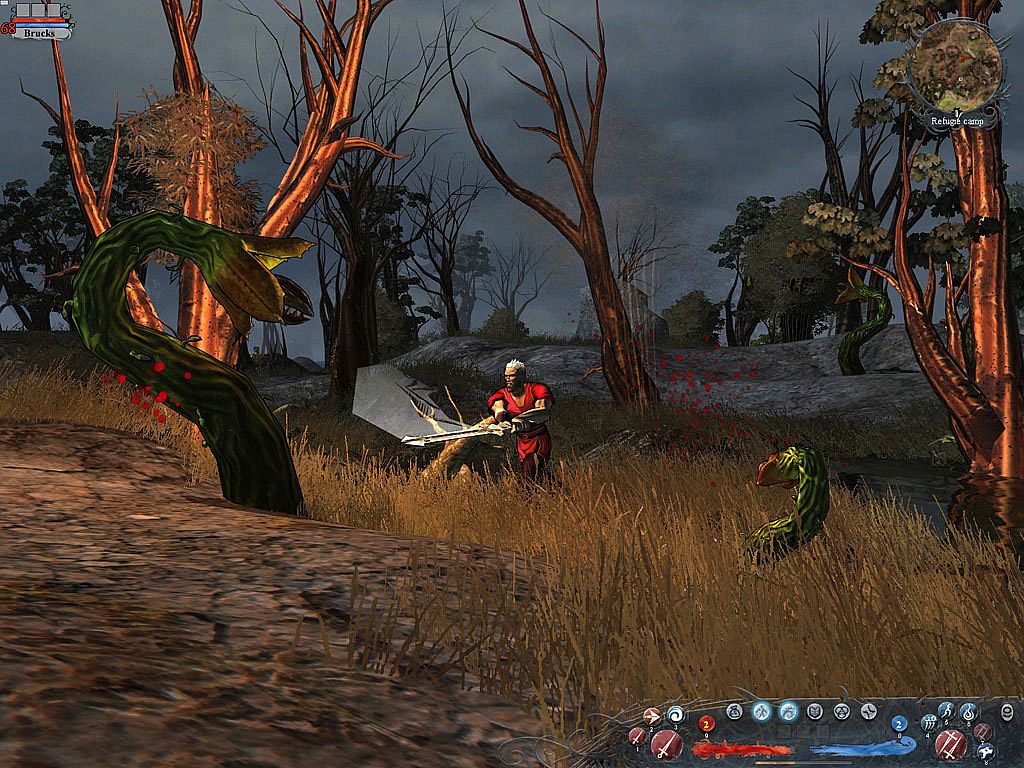
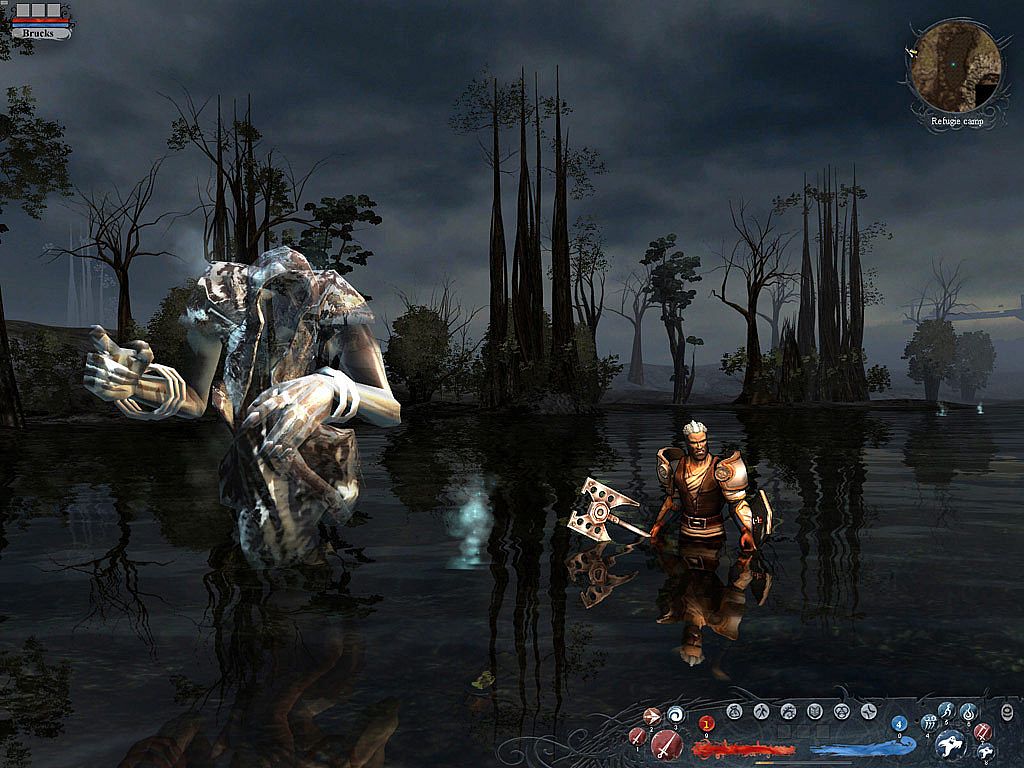
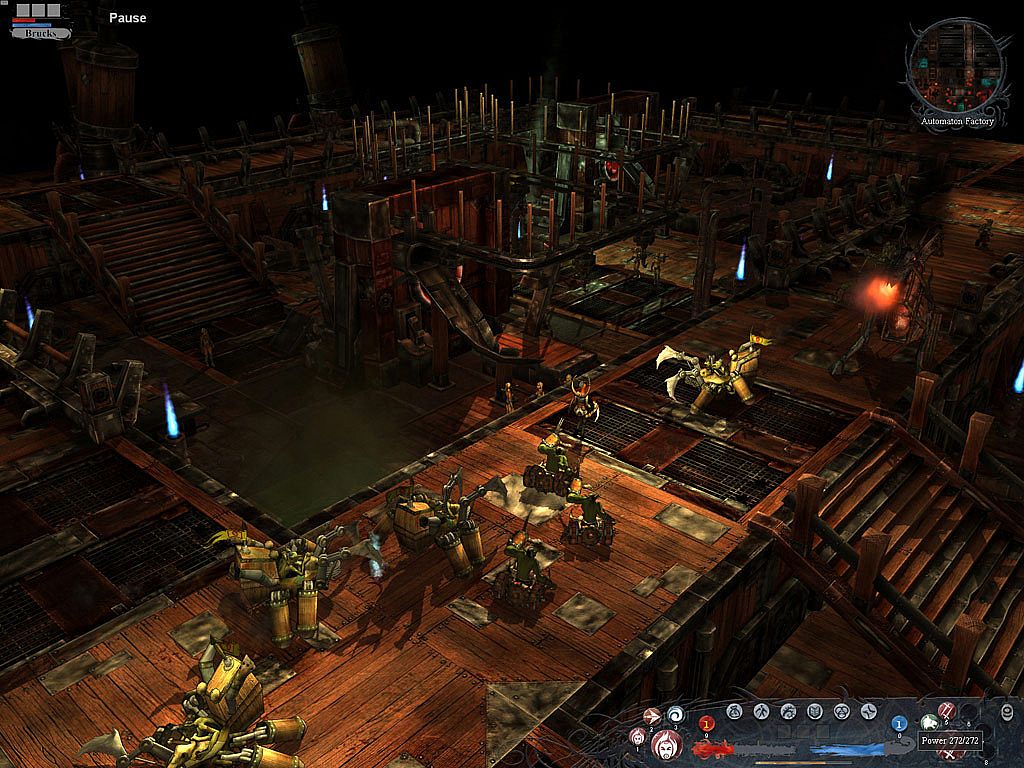
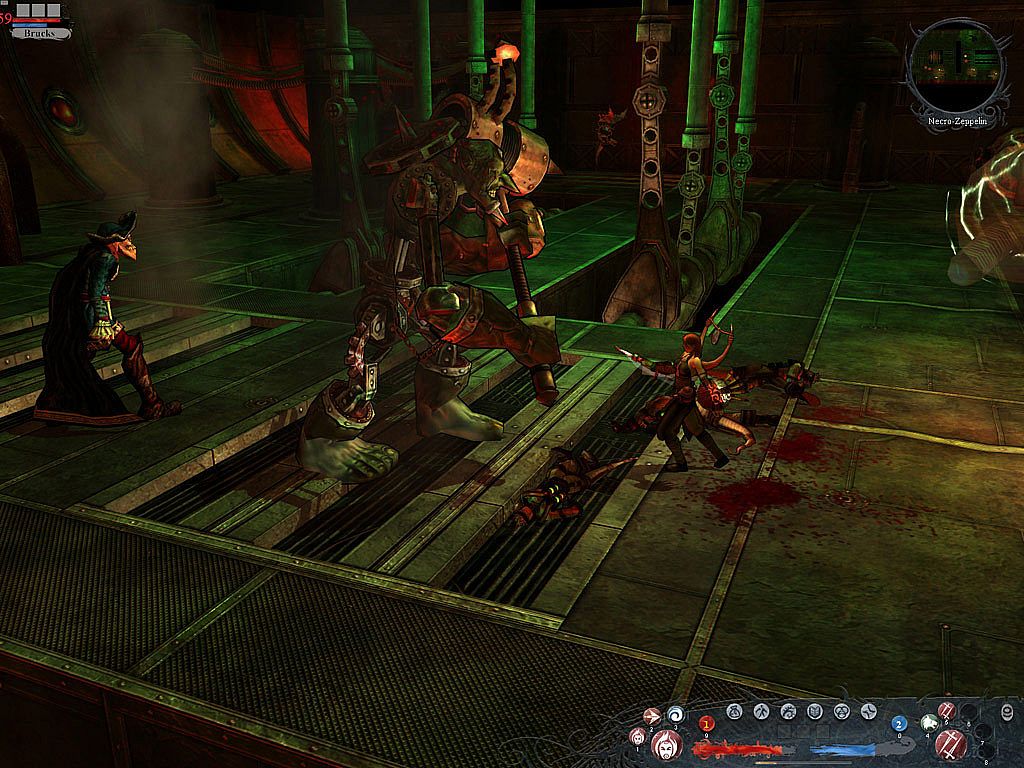
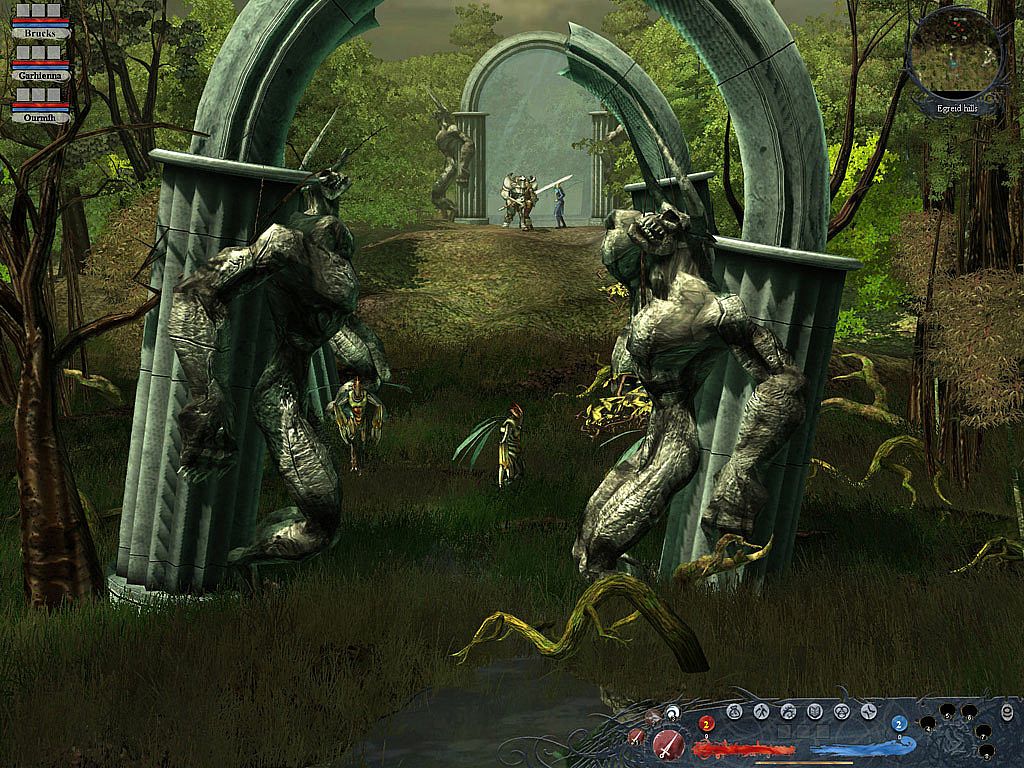
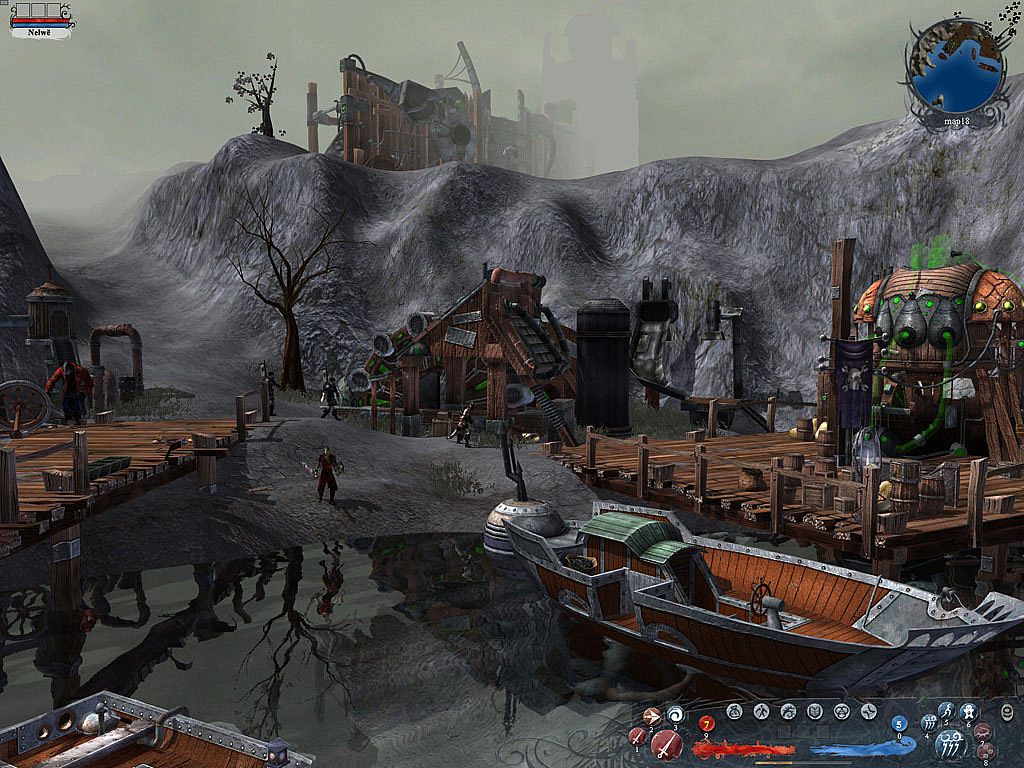
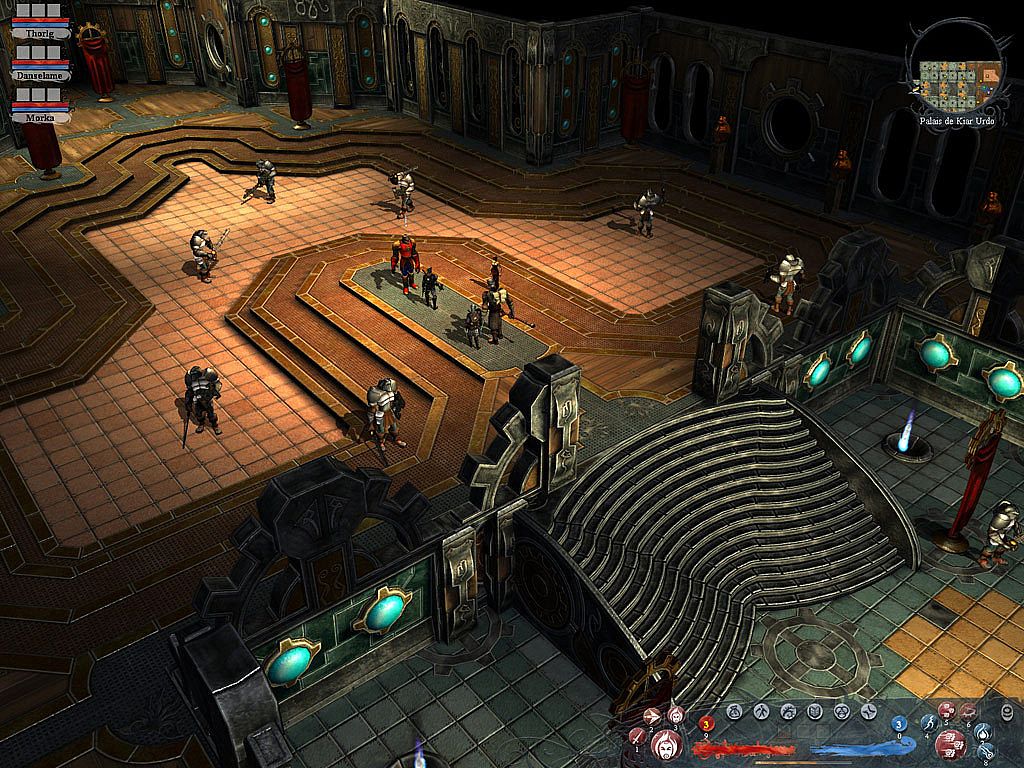
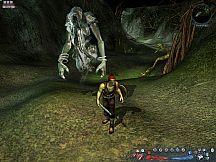
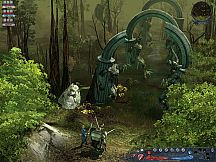
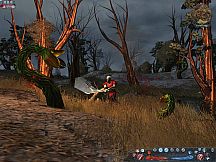
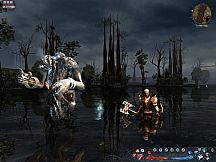
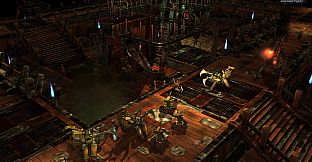
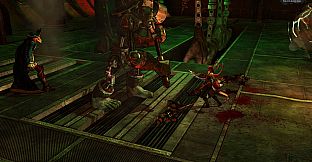
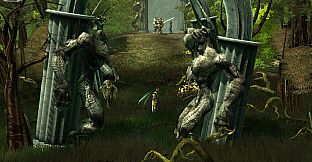
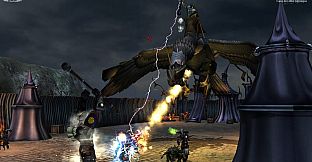
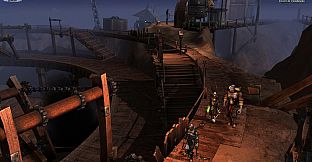
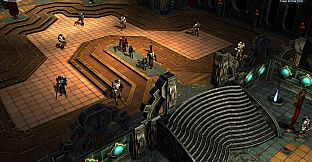
Silverfall is an RPG developed for the PC that places players in the Kingdom of Nelwë, a setting defined by the ongoing opposition between technology and nature. The conflict produces visible effects throughout the world, including melded cyberbiologic organics and living steam-driven automatons. The central threat comes from the Order of Nothingness, which seeks to choke the planet, and the player must raise a hero capable of standing against it.
Gameplay
The core loop centers on guiding a single hero through an open fantasy environment while making decisions that shape both personal growth and the surrounding world. Advancement occurs without class restrictions, granting access to more than 130 skills and magic spells that can be combined freely. Players select a path that leans toward either technological upgrades or spiritual development, and these choices influence how the environment evolves over time. Any consistent bias in decisions can corrupt or enhance elements of the world, creating a feedback system between the hero and the setting.
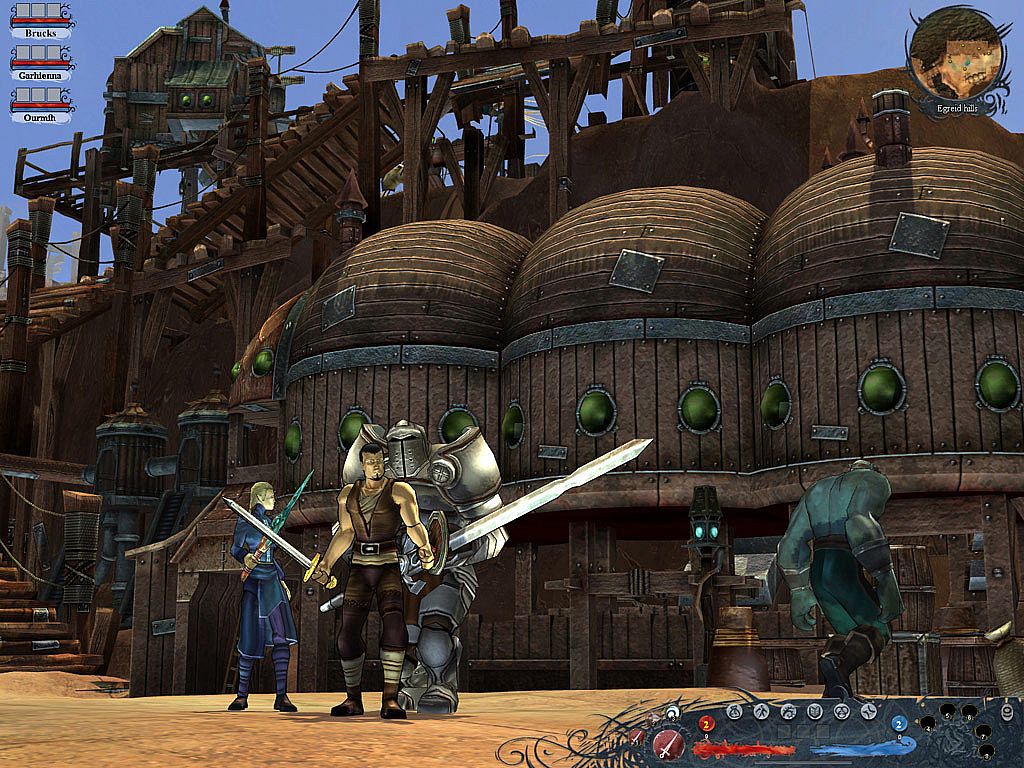
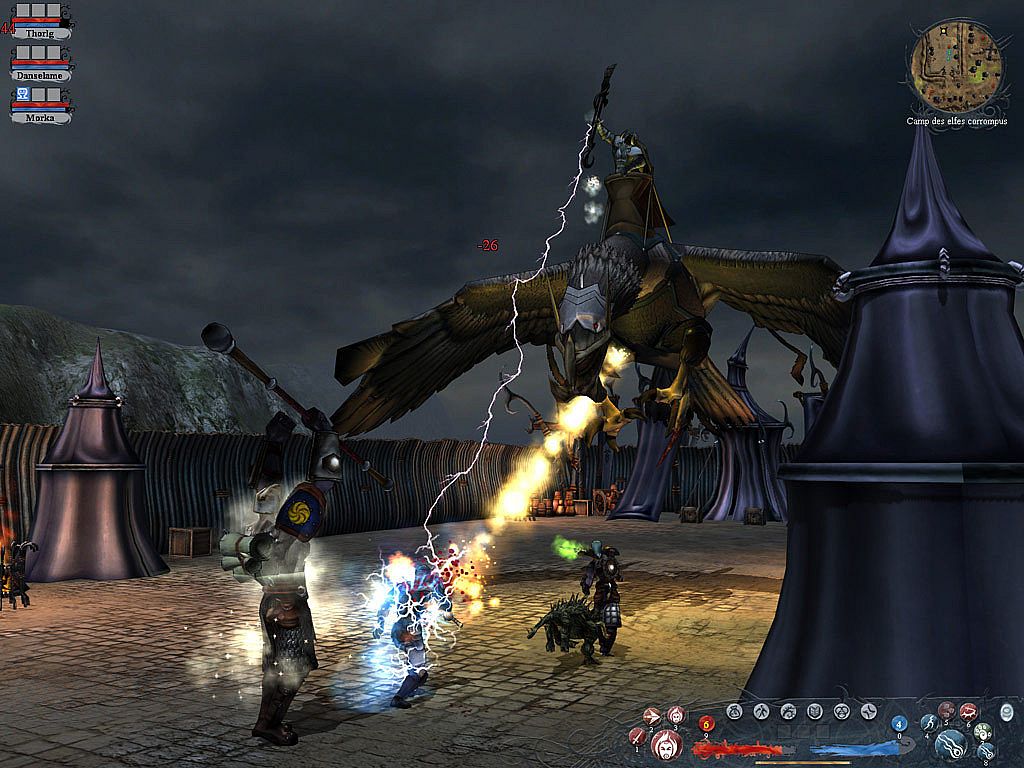
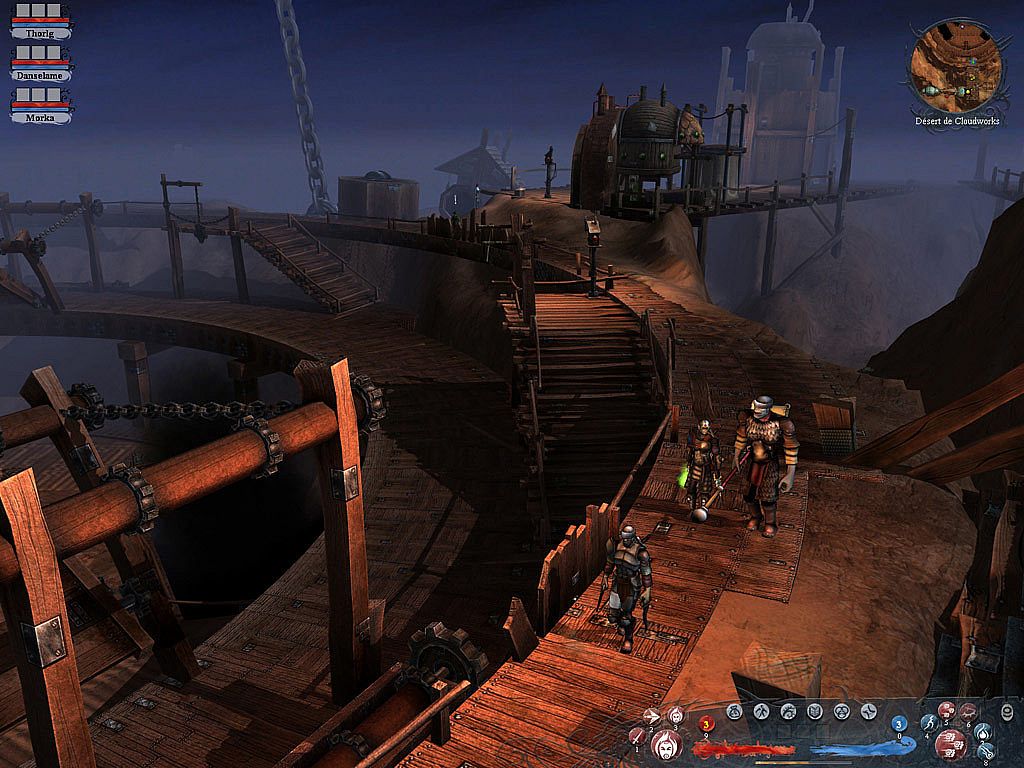
Exploration covers a wide range of locations, from the floating city of Cloudworks to the volcanic terrain around Blazis. Movement and interaction benefit from a realistic physics engine paired with advanced light and shadow rendering, which affects how objects and effects behave in real time. The hero can recruit companions whose skills complement or counterbalance the chosen path, though poor selection risks unbalancing the overall effort against the Order of Nothingness.
Game Modes
Single-player progression forms the main experience, allowing uninterrupted focus on story advancement and world alteration. Multiplayer supports up to eight participants connected via LAN or the internet. Sessions can emphasize cooperative efforts against shared threats or shift into player-versus-player confrontations, with the same choice-driven mechanics applying across both styles.
World and Exploration
The Kingdom of Nelwë presents a landscape altered by the technology-nature divide, where physical manifestations of the conflict appear regularly. Travel between distinct regions such as the elevated districts of Cloudworks and the fiery zones near Blazis reveals how prior decisions have already modified terrain, inhabitants, and available resources. The physics and lighting systems contribute to environmental detail, making interactions with objects and special effects more tangible during extended journeys.
Character Creation and Progression
Creation begins with selection from four races native to Nelwë: human, elf, goblin, or troll. Customization covers facial features, sex, skin tone, and hair style, establishing a base appearance before the hero enters the world. Progression remains open-ended, letting players mix skills and spells without artificial limits while companions provide additional tactical options. The same customization and advancement rules carry over into multiplayer, preserving individual identity across sessions.
Is It Worth Playing?
Silverfall suits players who value choice-driven progression and world reactivity within an RPG framework. The absence of class boundaries and the direct link between path decisions and environmental changes reward experimentation across multiple playthroughs. Multiplayer options extend the experience for groups seeking either joint campaigns or competitive matches. Those drawn to settings that blend fantasy with mechanical and organic fusion will find the core systems align closely with that interest, particularly when the focus remains on long-term consequences rather than linear advancement.