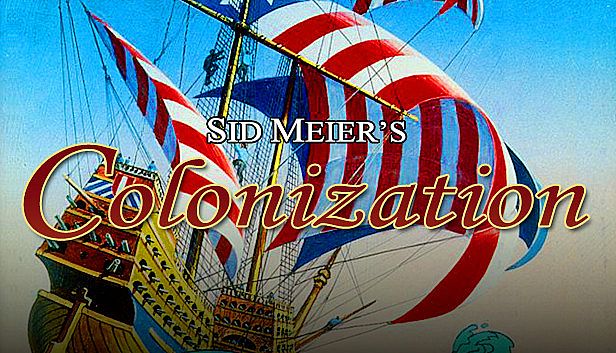










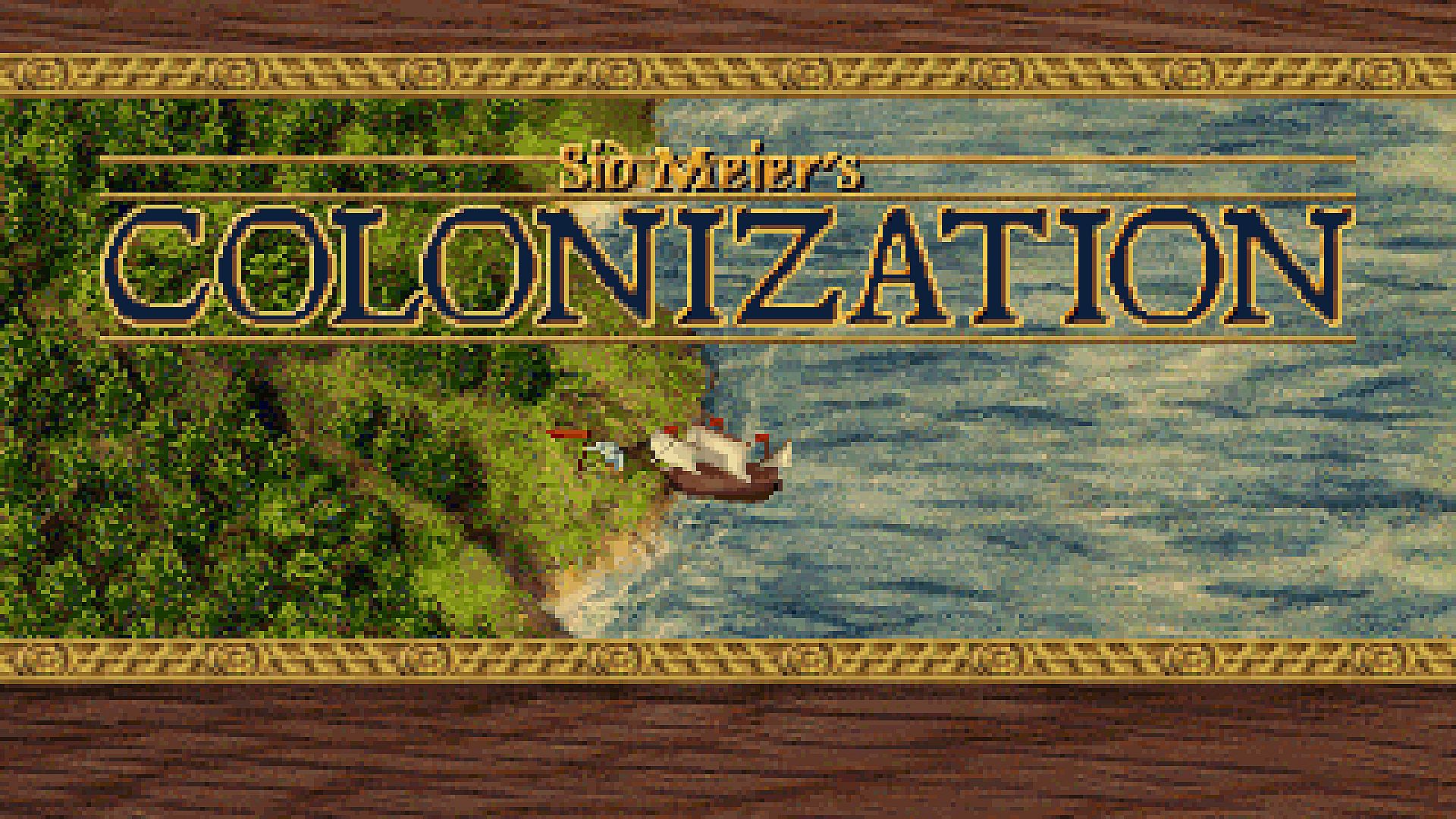


Sid Meier's Colonization (Classic) is a turn-based strategy simulation set in the colonial era of the Americas. Players lead one of four European powers in an effort to settle, develop, and ultimately free a new nation from its mother country. The game blends exploration, resource management, trade, diplomacy, and military planning across a map that spans from 1492 to 1850.
Gameplay
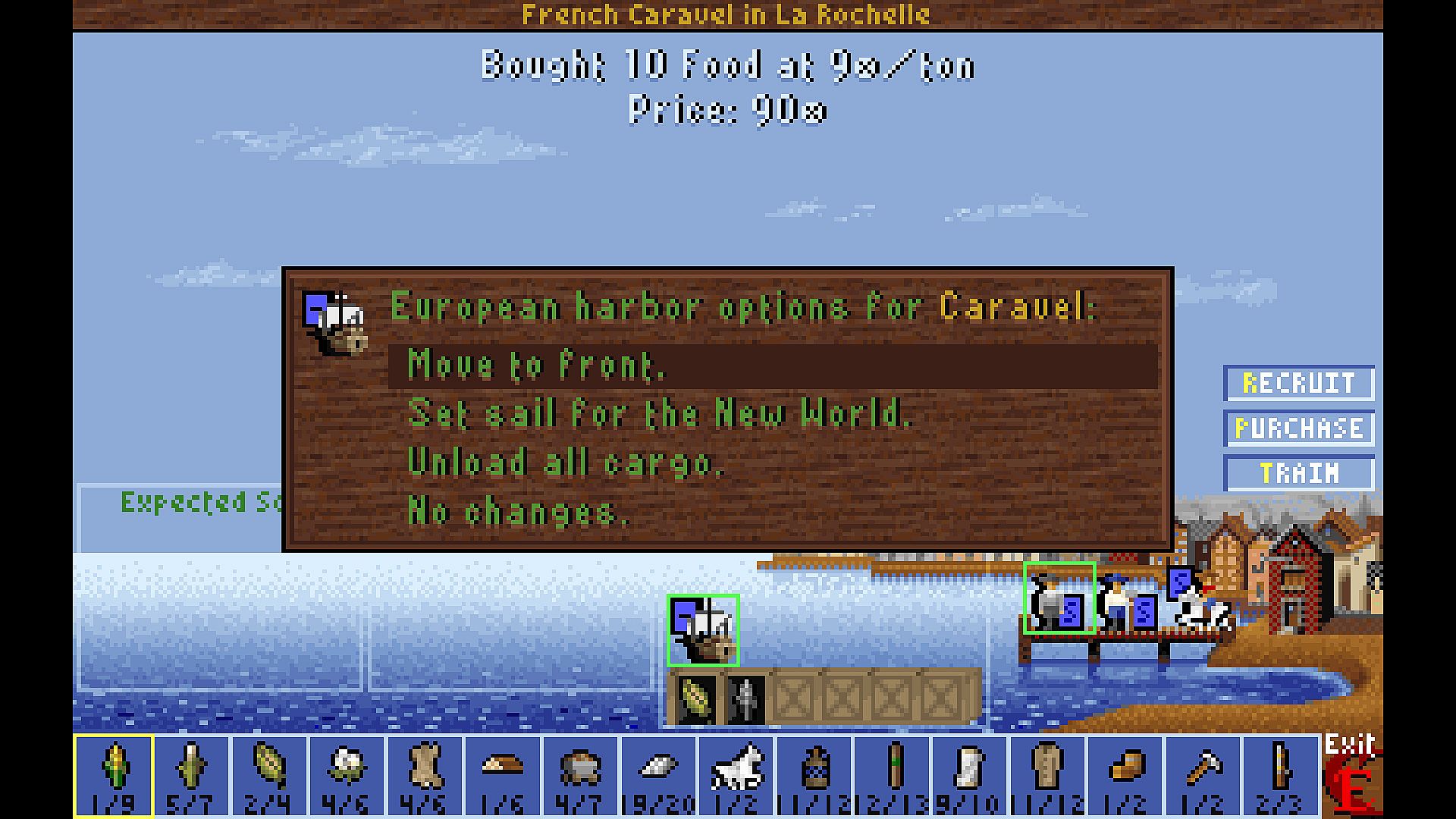
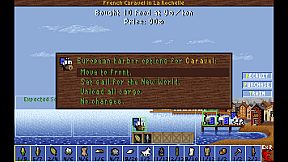
Core play revolves around founding colonies, assigning colonists to specialized professions, and balancing production across sixteen different commodities. Primary resources such as food, lumber, ore, and furs are gathered from the land, while secondary goods like rum, cigars, cloth, and muskets are manufactured in workshops. Excess production travels back to Europe for sale, generating the gold needed for further immigration and purchases.
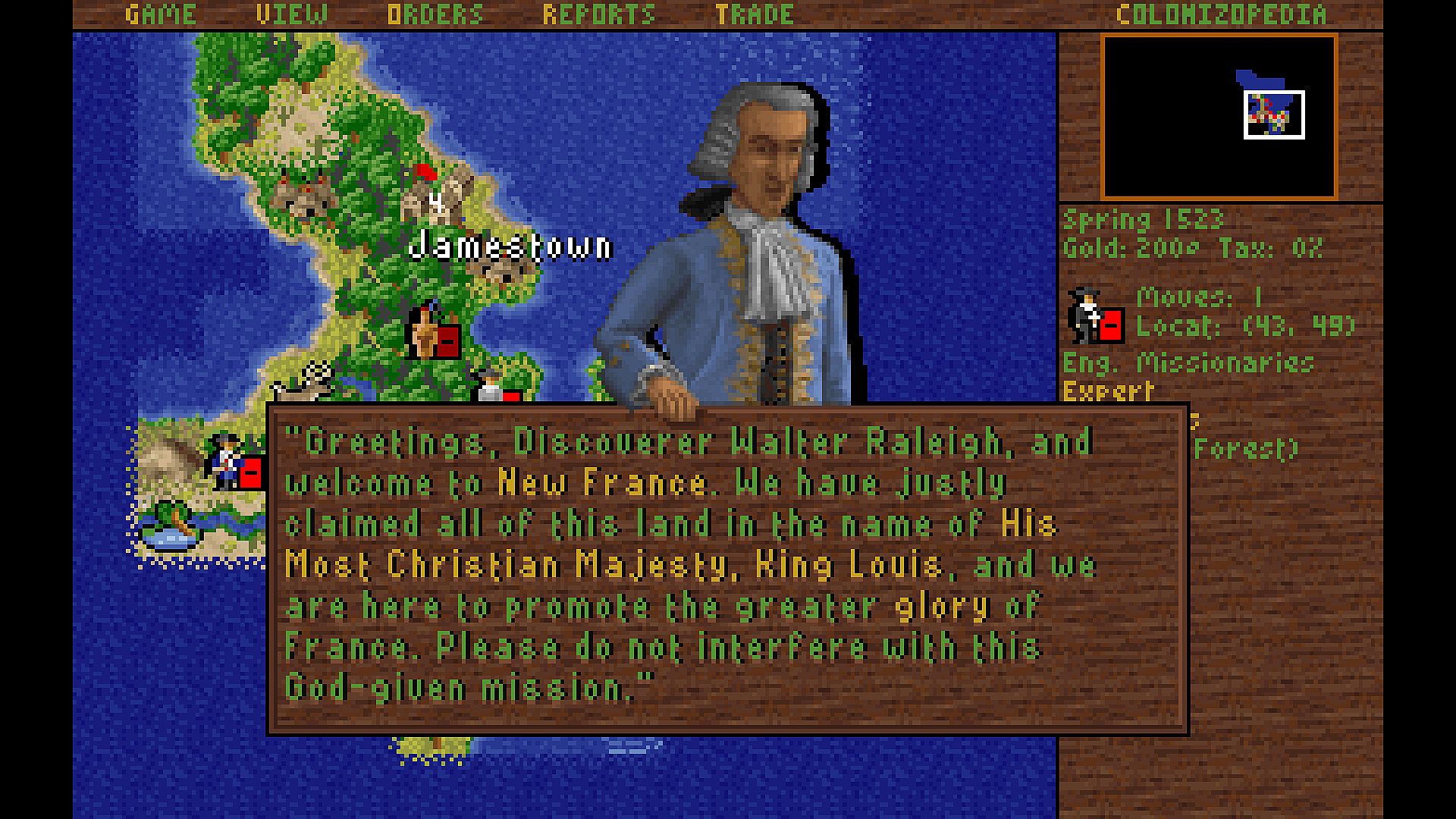
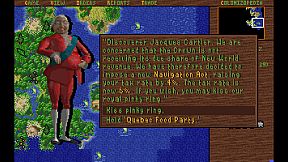
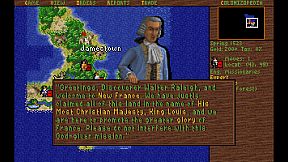
Each of the four playable nations starts with unique advantages that shape long-term strategy. England benefits from stronger immigration, France gains diplomatic leverage with native tribes, the Netherlands excels at trade profits, and Spain receives military edges in conflicts with indigenous groups. Native settlements appear in several forms, from nomadic camps to advanced cities, and interactions range from peaceful trade to outright conflict.
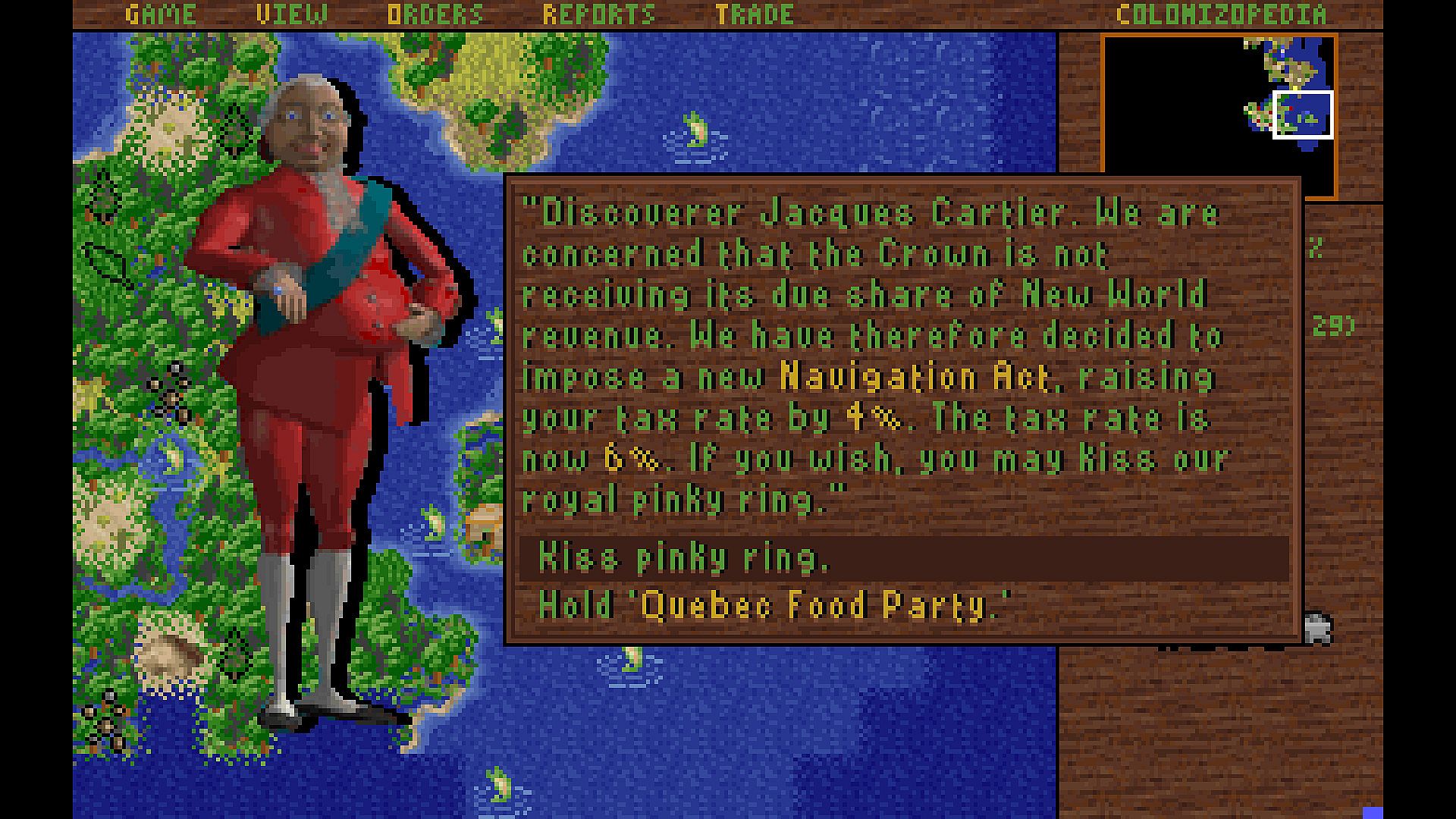
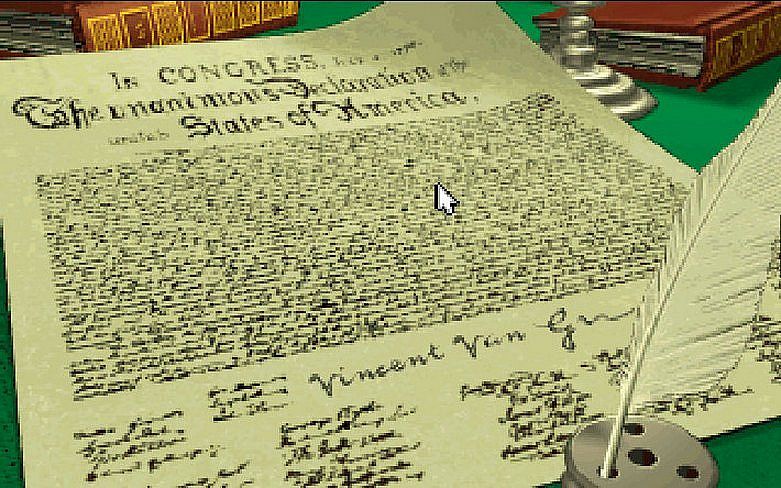
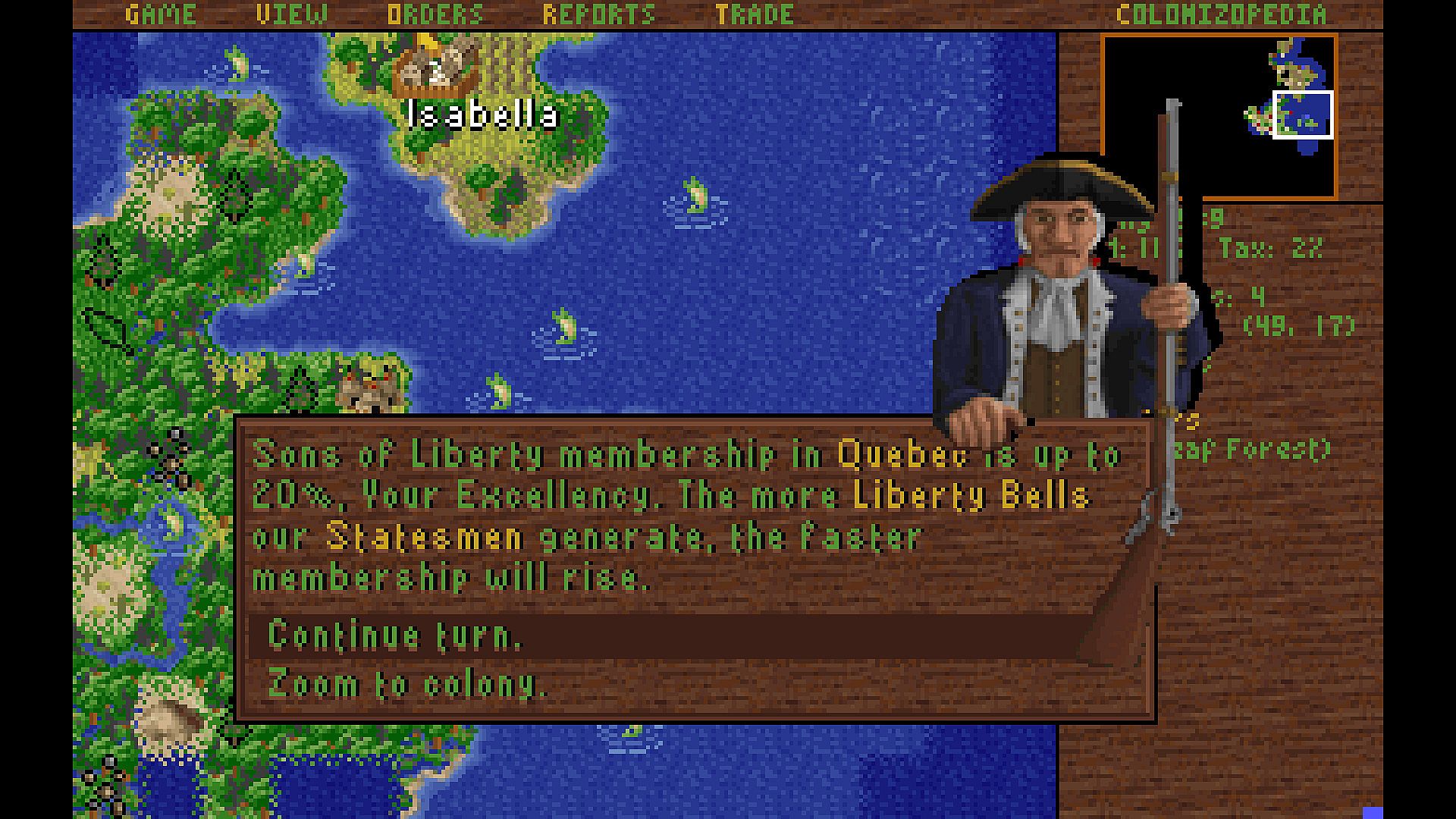
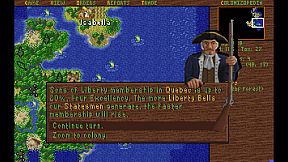
Colonists improve through education and recruitment of Founding Fathers, who provide permanent bonuses once they join the cause. Players also manage military units, pioneers for terrain improvement, and missionaries for conversion efforts. The economy ties directly into political tension, as rising liberty bells and Sons of Liberty sentiment prepare the colonies for a declaration of independence.
Game Modes
The game operates entirely in single-player against computer opponents. At the start, players select one of the four European powers, a difficulty setting, and either the historical map of the Americas or a randomly generated New World. Difficulty options range from easier settings that reduce AI aggression to the most challenging levels that increase the size and strength of the royal expeditionary force sent to suppress rebellion.
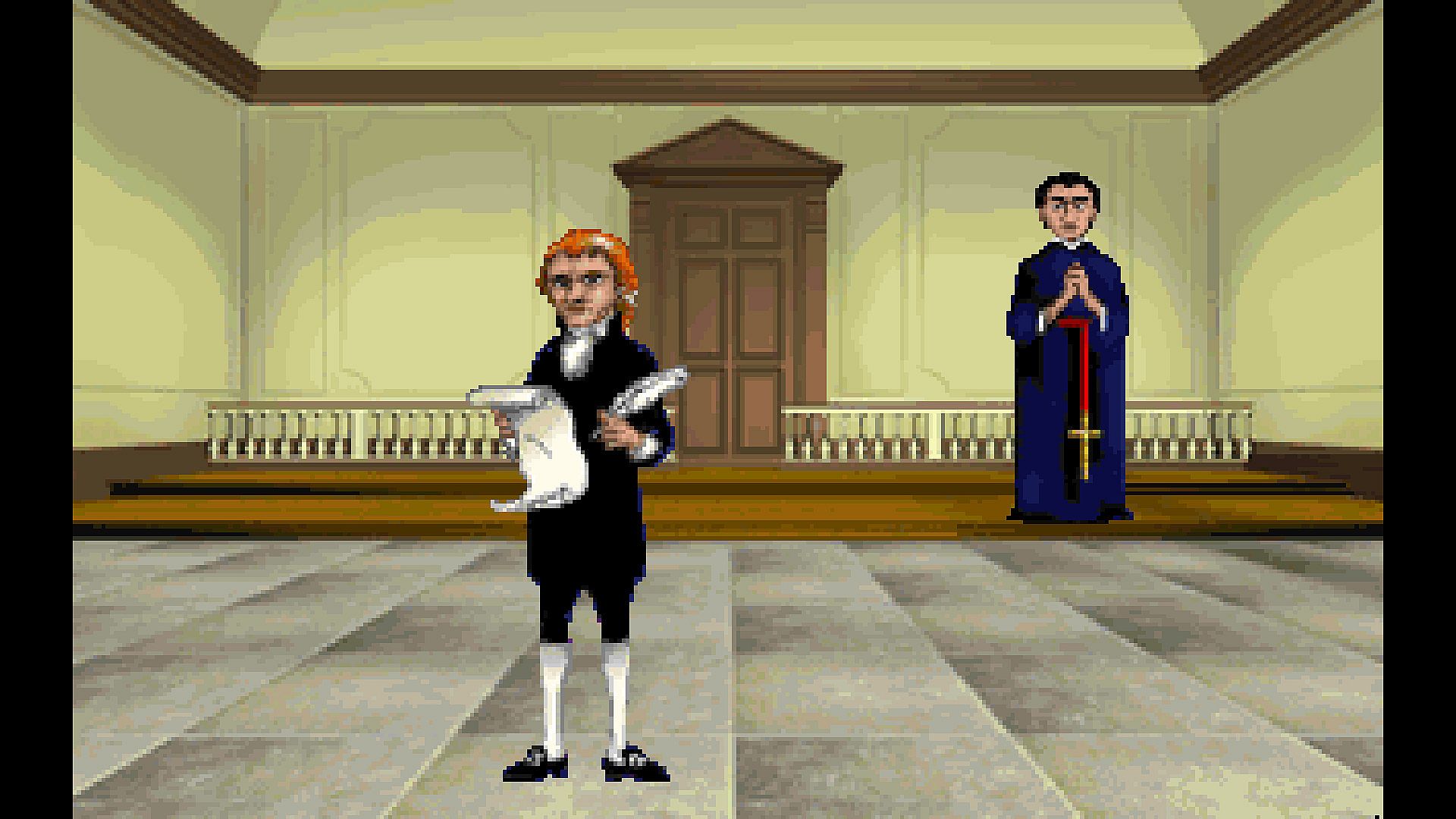
Custom scenarios can be created with the included map generator, allowing varied starting positions and resource distributions. The central objective remains consistent across all options: expand colonies, strengthen the economy and military, declare independence, and defeat the king's forces in a final war.
Key Mechanics and Strategy
Success depends on careful allocation of labor and infrastructure. Clearing forests, plowing fields, and building roads increase yields, while schools and universities train specialists faster. Trade routes must be protected from rival powers and hostile natives, and diplomatic relations with European competitors influence access to goods and potential alliances.
Military preparation becomes critical in the later stages. Units gain experience through combat, and fortifications protect key settlements. The final independence phase requires stockpiling weapons and soldiers to counter the royal army, which arrives with increasing numbers of regulars, cavalry, artillery, and warships depending on difficulty.
Is It Worth Playing?
Sid Meier's Colonization (Classic) appeals to players who enjoy detailed economic simulations combined with historical strategy. The deep production chains, nation-specific bonuses, and progression toward independence create a focused experience that rewards planning across dozens of turns. Those familiar with the Civilization series will recognize the interface and pacing, though the emphasis here lies more on trade, specialization, and the eventual break from European control.
The title remains available as a classic release with no ongoing seasonal content or major updates. It suits single-player sessions where strategic depth and replayability through different nations and map types matter more than modern graphics or multiplayer features. Players seeking a self-contained turn-based challenge centered on colonization and nation-building will find its systems hold up well for repeated playthroughs at varying difficulty levels.