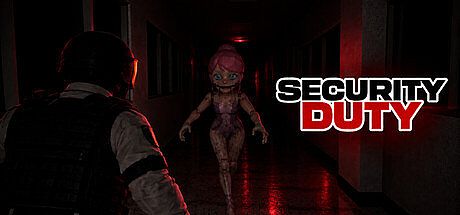


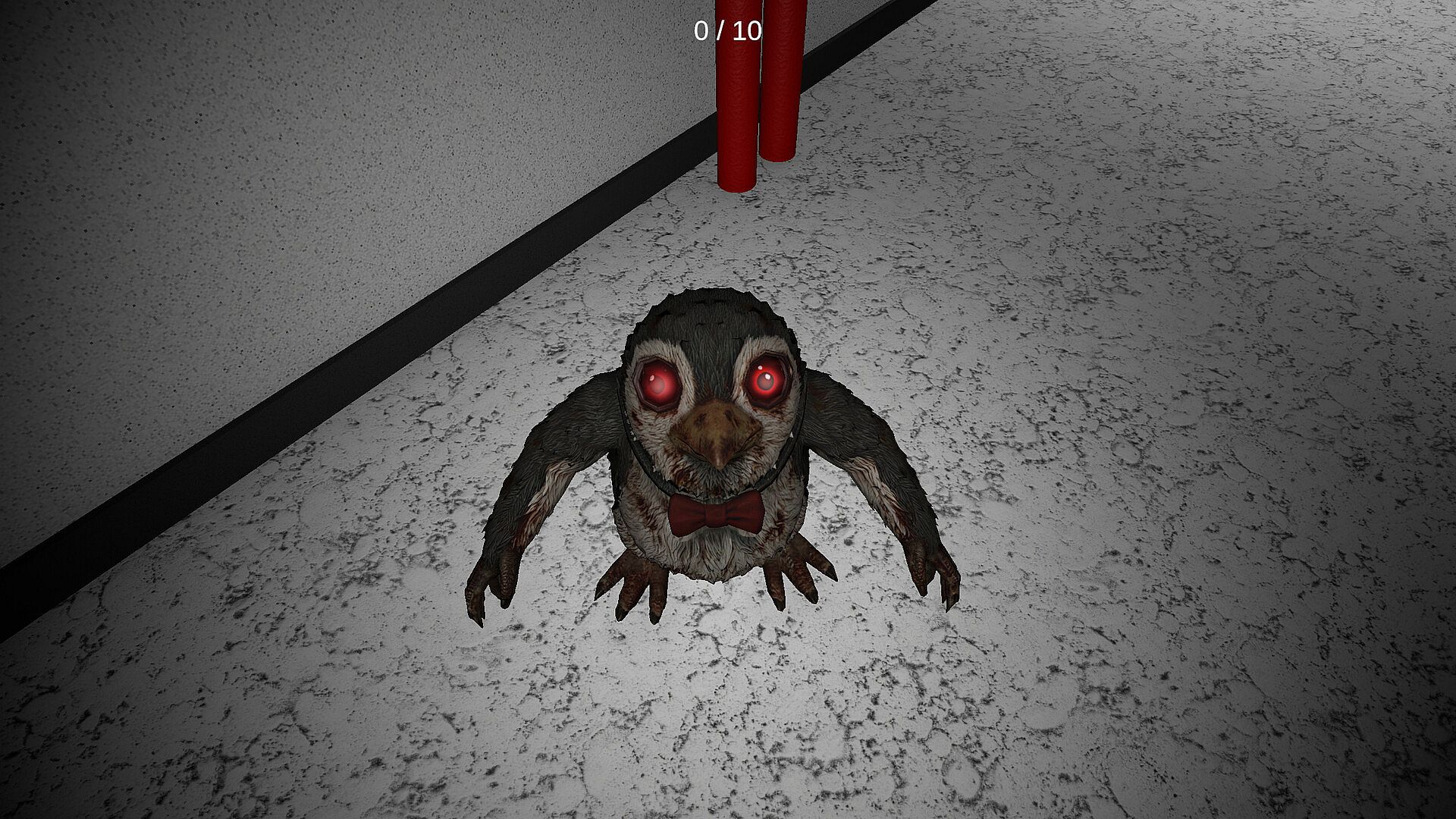
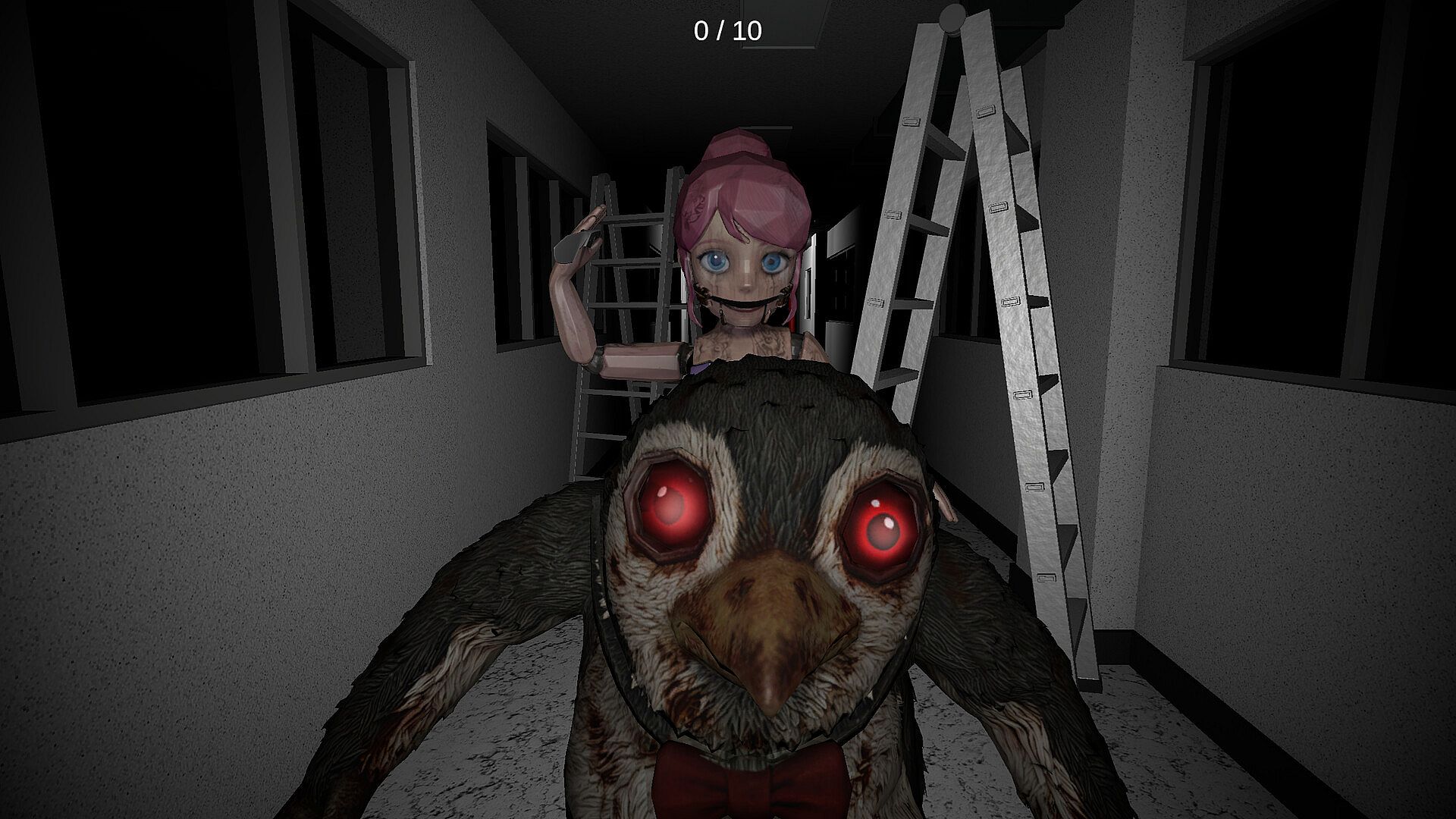
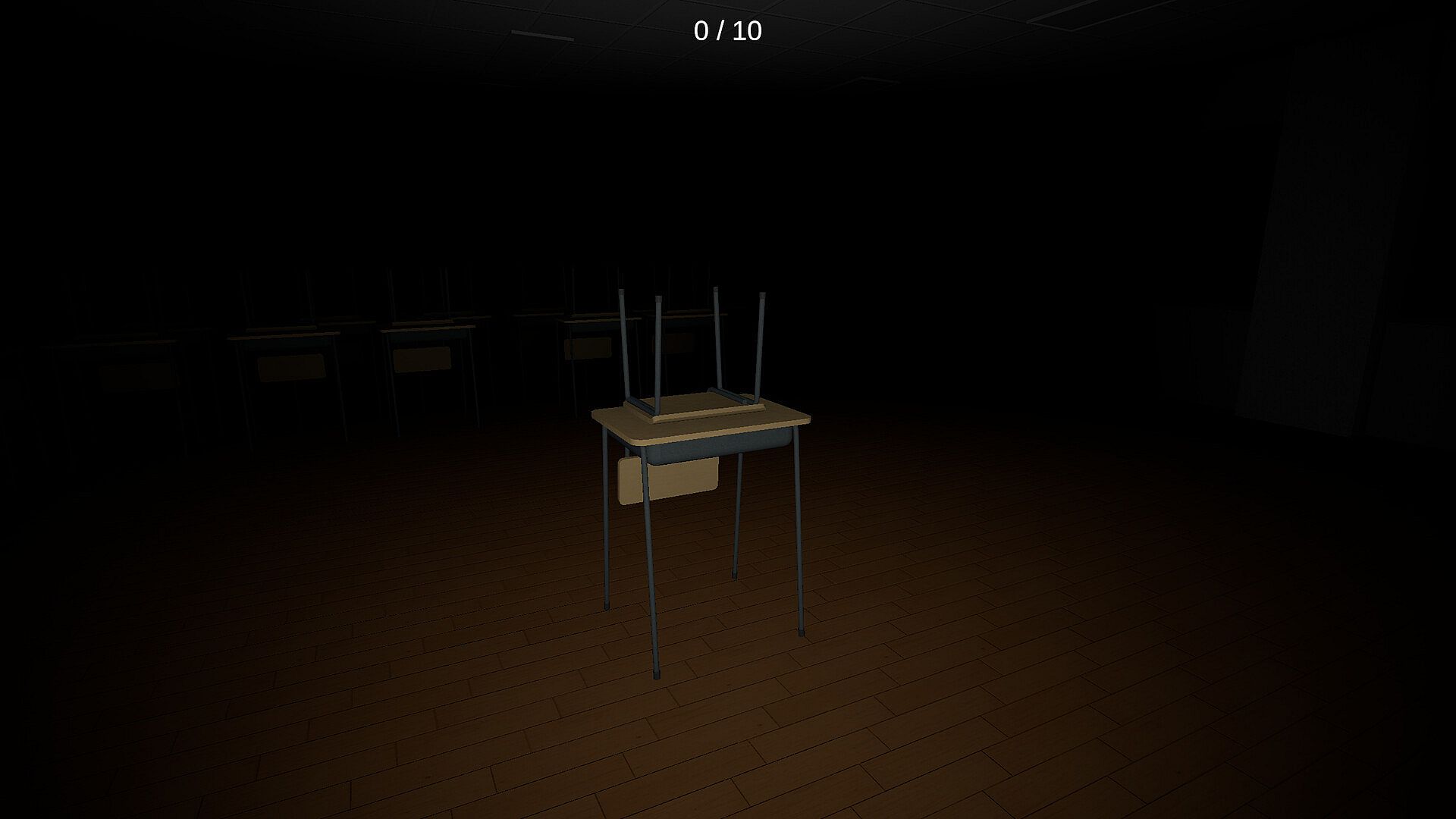
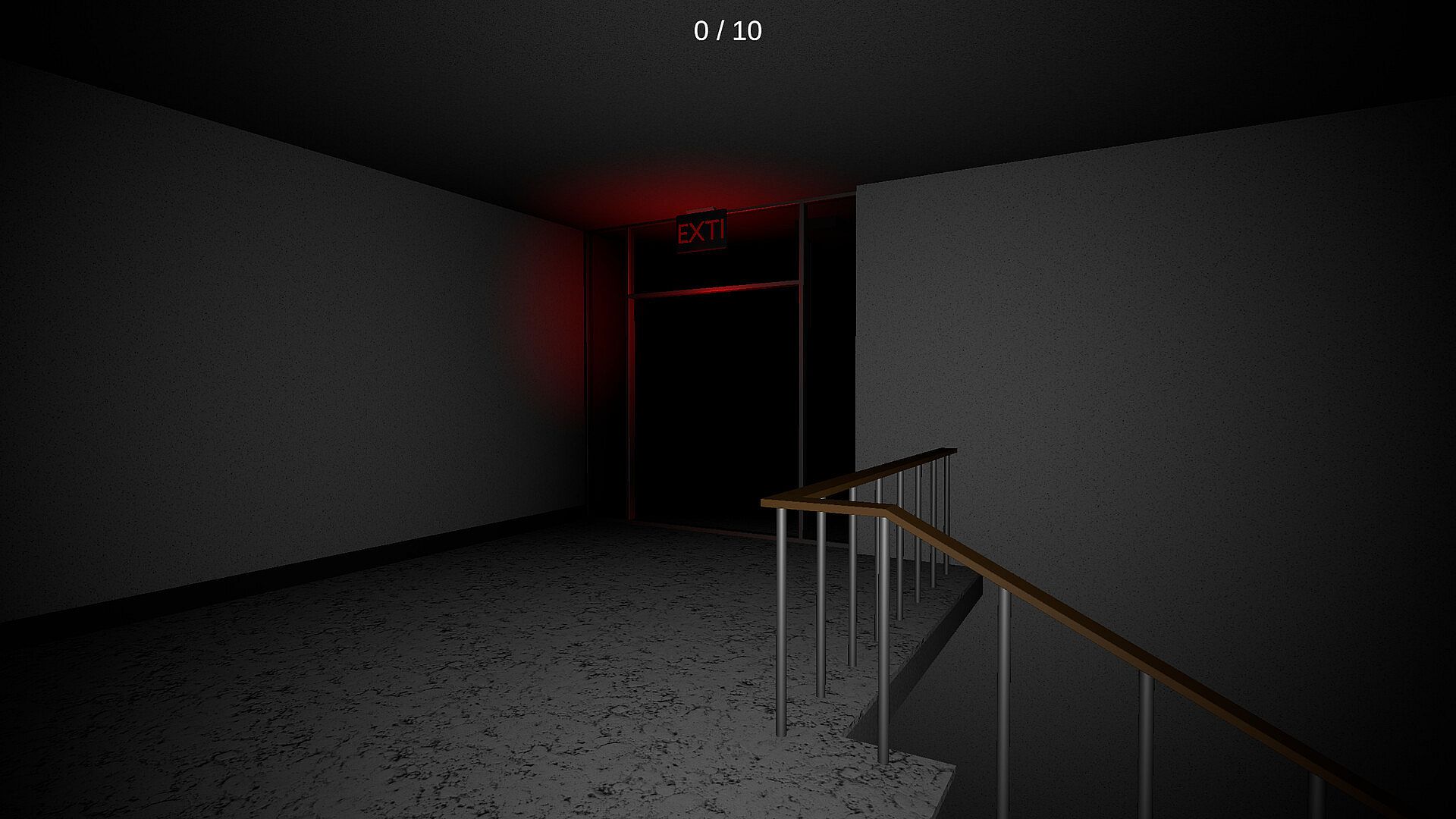
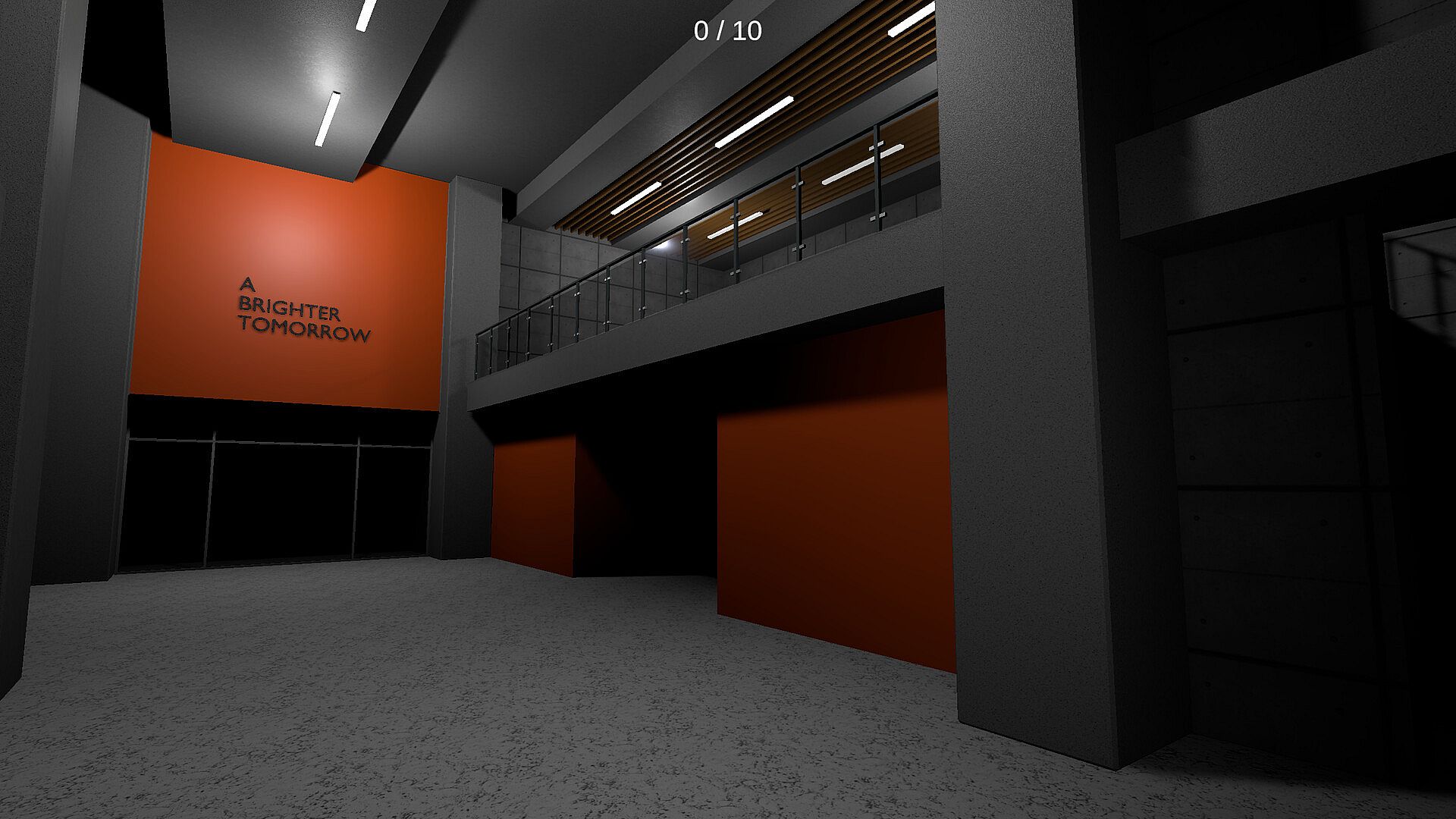
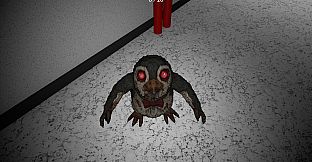
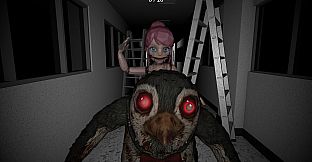
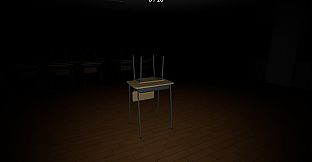
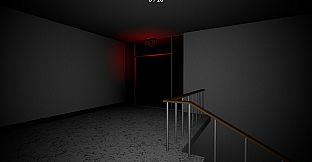
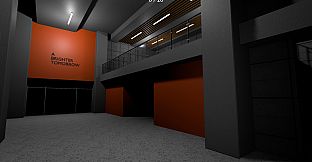
Security Duty is a first-person horror game set on PC where players assume the role of a night security guard tasked with protecting a school from dangerous entities. The core experience revolves around patrolling darkened hallways and classrooms while responding to threats that follow distinct patterns and weaknesses. Randomized elements in the environment ensure that no two shifts unfold in exactly the same way, keeping the tension high as players learn through direct encounters.
Gameplay
The gameplay centers on methodical exploration of the school after dark. Players move through corridors and rooms equipped with basic tools to handle whatever appears. Each entity operates according to its own set of rules, so observation becomes essential for survival. Spotting signs of activity early allows time to prepare a response, whether that means avoiding confrontation or engaging directly when the situation demands it.
Atmosphere plays a major role in building dread. Limited visibility and the quiet of an empty building heighten every sound and shadow. The first-person perspective places players directly in the guard's shoes, forcing quick decisions under pressure. Tools at hand provide options for defense, but success depends on understanding how different creatures behave rather than relying on raw firepower alone.
Randomized layouts add replay value by altering patrol routes and entity placements between shifts. This procedural aspect means strategies developed in one session may need adjustment in the next. The goal remains straightforward: maintain security until the shift concludes without succumbing to the threats roaming the premises.
Game Modes
Security Duty focuses on single-player shifts that emphasize survival through the night. Each session presents a self-contained challenge where the player must patrol, identify entities, and apply the correct countermeasures based on observed behaviors. The randomized environments ensure variety across multiple attempts without requiring separate modes.
Progression comes from repeated shifts that test growing familiarity with the entities. Players refine their approach by noting patterns and testing responses, turning each night into a lesson in adaptation. There are no cooperative or competitive elements, keeping the emphasis on personal vigilance and quick thinking in isolation.
Key Features
The game highlights several elements that define its horror identity. Exploration of the school at night forms the backbone, with players discovering new areas and potential hiding spots for entities. Unique behaviors for each creature encourage experimentation and careful study rather than a one-size-fits-all tactic.
Fighting back serves as a last resort when avoidance fails. The tools provided allow for direct confrontation, but timing and positioning matter greatly. Atmospheric design reinforces the sense of isolation, with sound design and lighting choices that make every patrol feel precarious.
Randomized environments stand out as a core mechanic that prevents repetition. Layout changes and entity variations keep players on edge, rewarding those who remain observant and flexible throughout the shift.
Is It Worth Playing?
Security Duty suits players who enjoy deliberate, observation-driven horror experiences. The emphasis on learning entity rules and surviving procedural shifts offers a focused loop that rewards patience and attention to detail. Those drawn to atmospheric first-person titles will find the school setting and entity encounters provide consistent tension without unnecessary complexity.
The game's indie roots show in its straightforward structure, prioritizing core mechanics over expansive systems. It appeals most to fans of survival horror who prefer single-player sessions built around pattern recognition and adaptive responses. If randomized challenges and entity-specific strategies align with your preferences, the title delivers a compact experience centered on making it through the night intact.