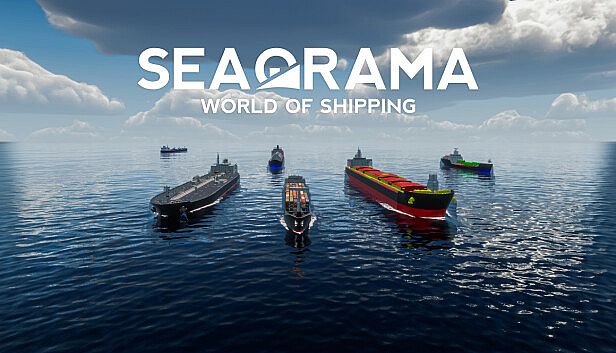

























SeaOrama: World of Shipping is a single-player strategy and simulation game centered on building and expanding a shipping company through logistics management and trade route planning. Players begin with one vessel and scale operations across a global network while handling contracts, vessel upkeep, and market variables on PC.
Gameplay
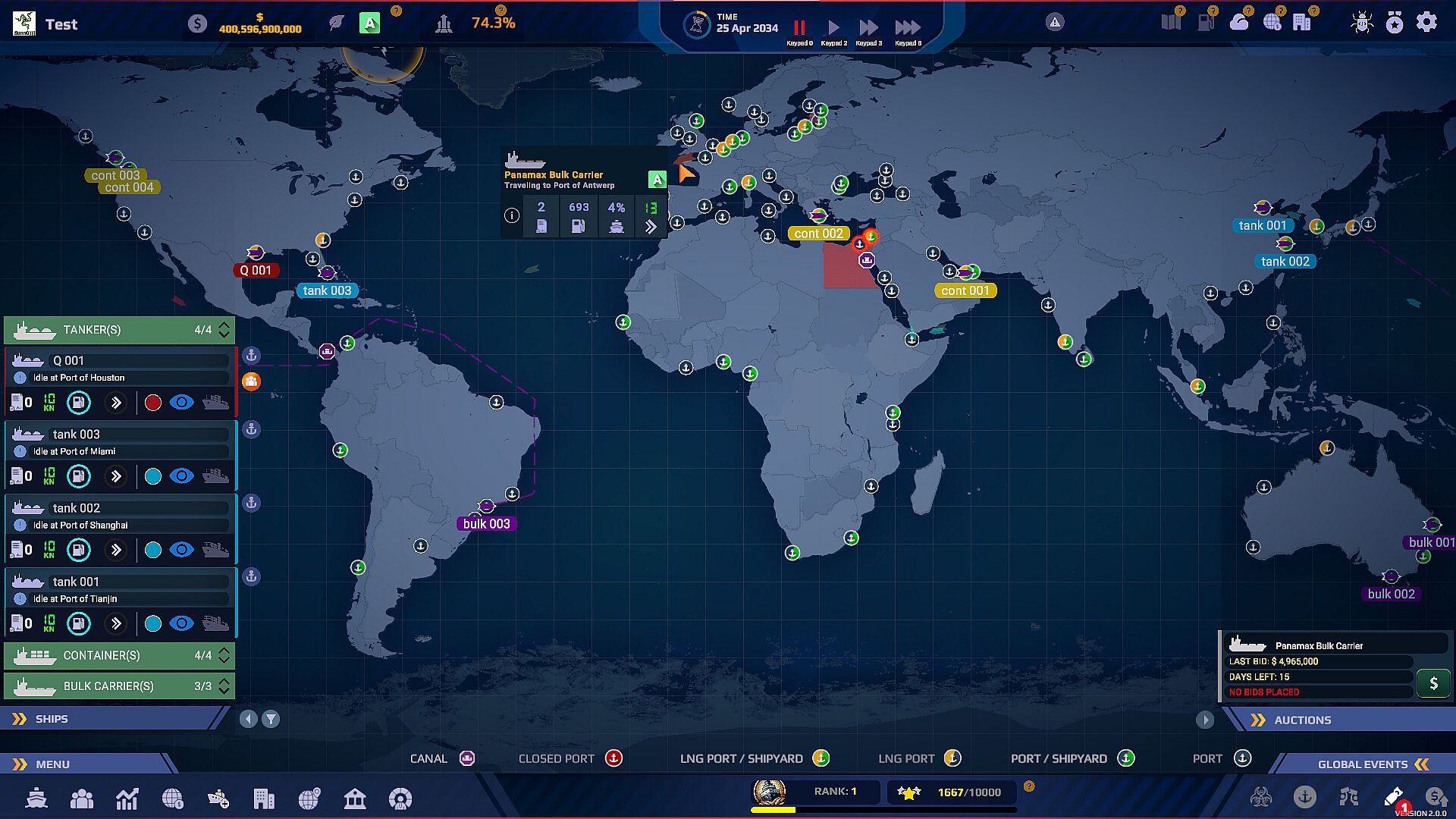
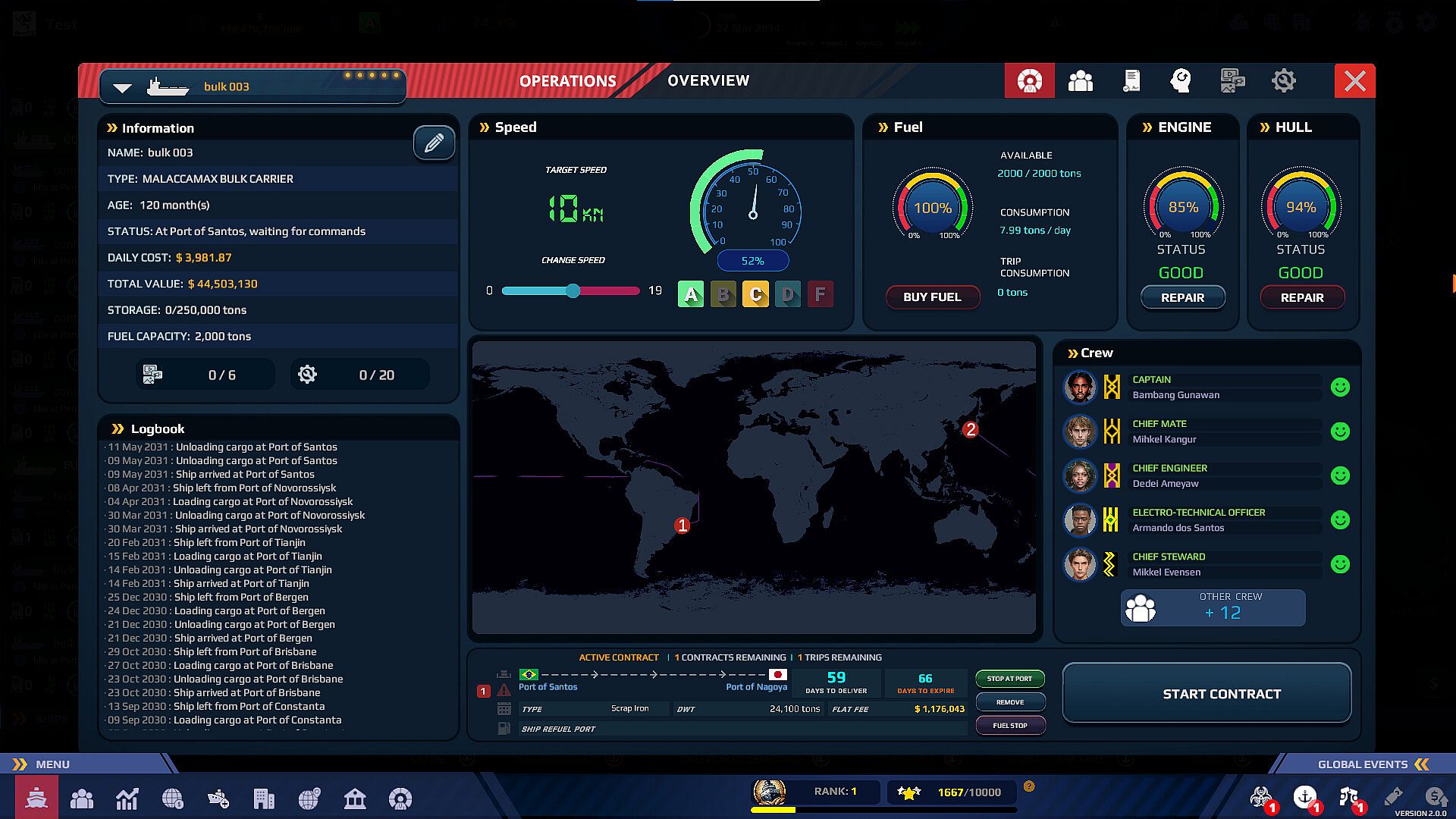
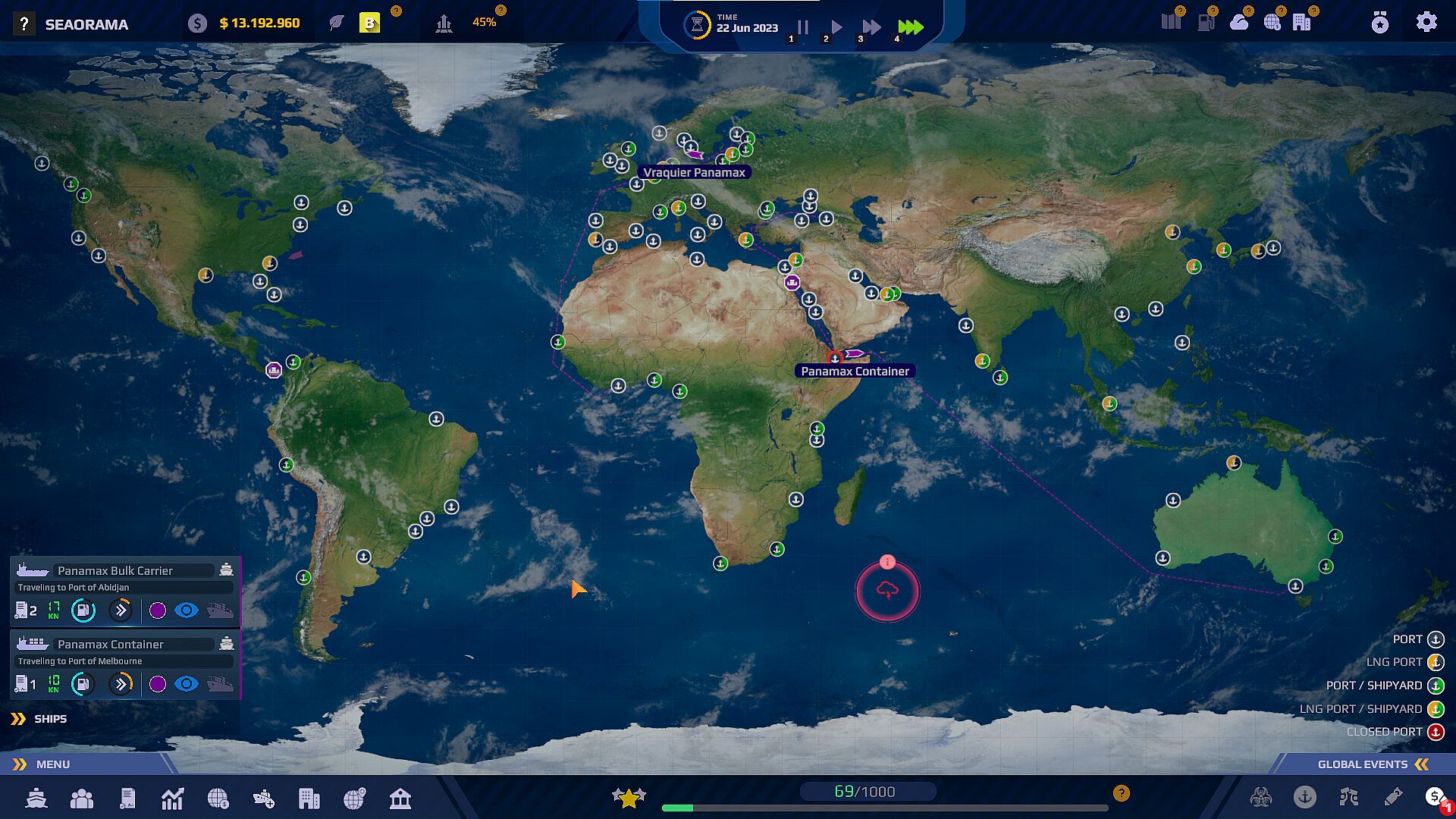
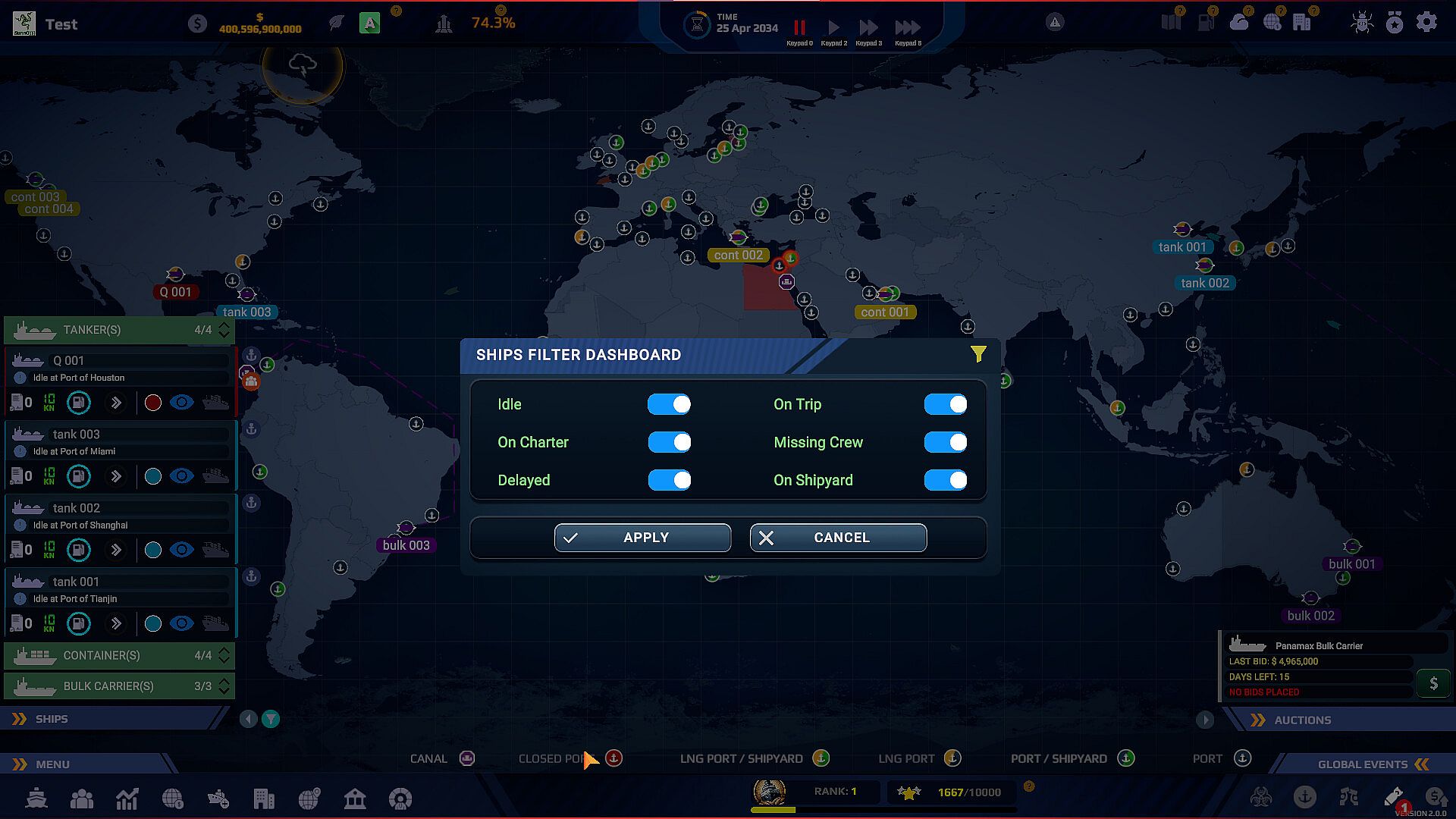
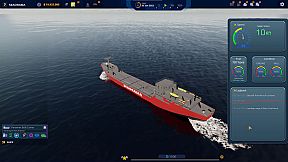
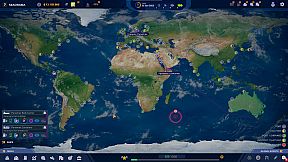
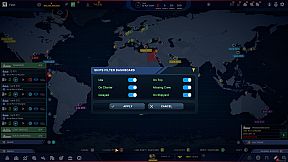
The core loop revolves around acquiring transport contracts at ports, assigning them to ships in the fleet, and monitoring progress on a world map. Contracts specify cargo types, destinations, payment amounts, and deadlines. Multiple contracts can be combined on a single voyage, with ship speed adjustable to meet time limits at the expense of higher fuel consumption and lower eco-ratings.
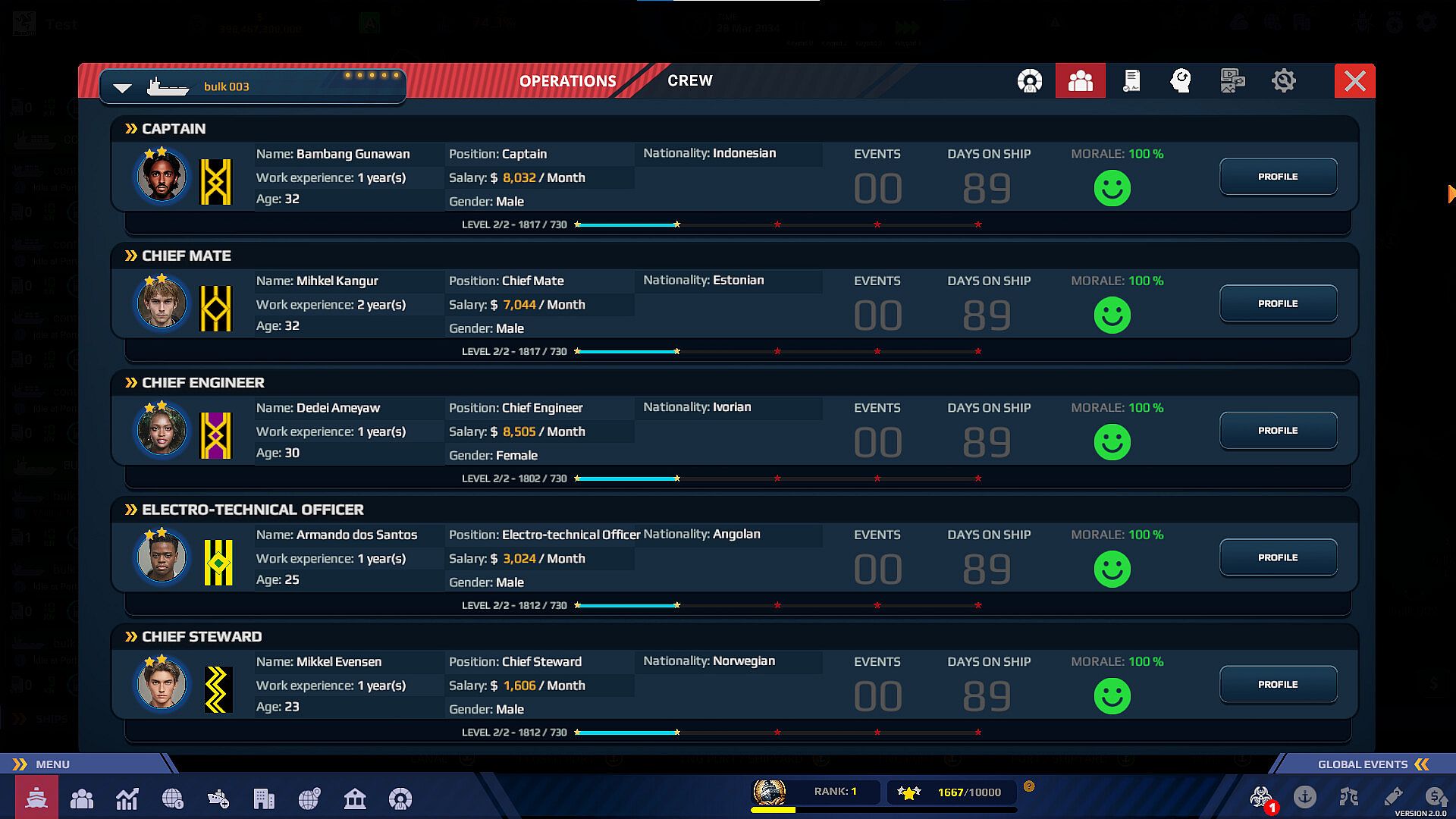
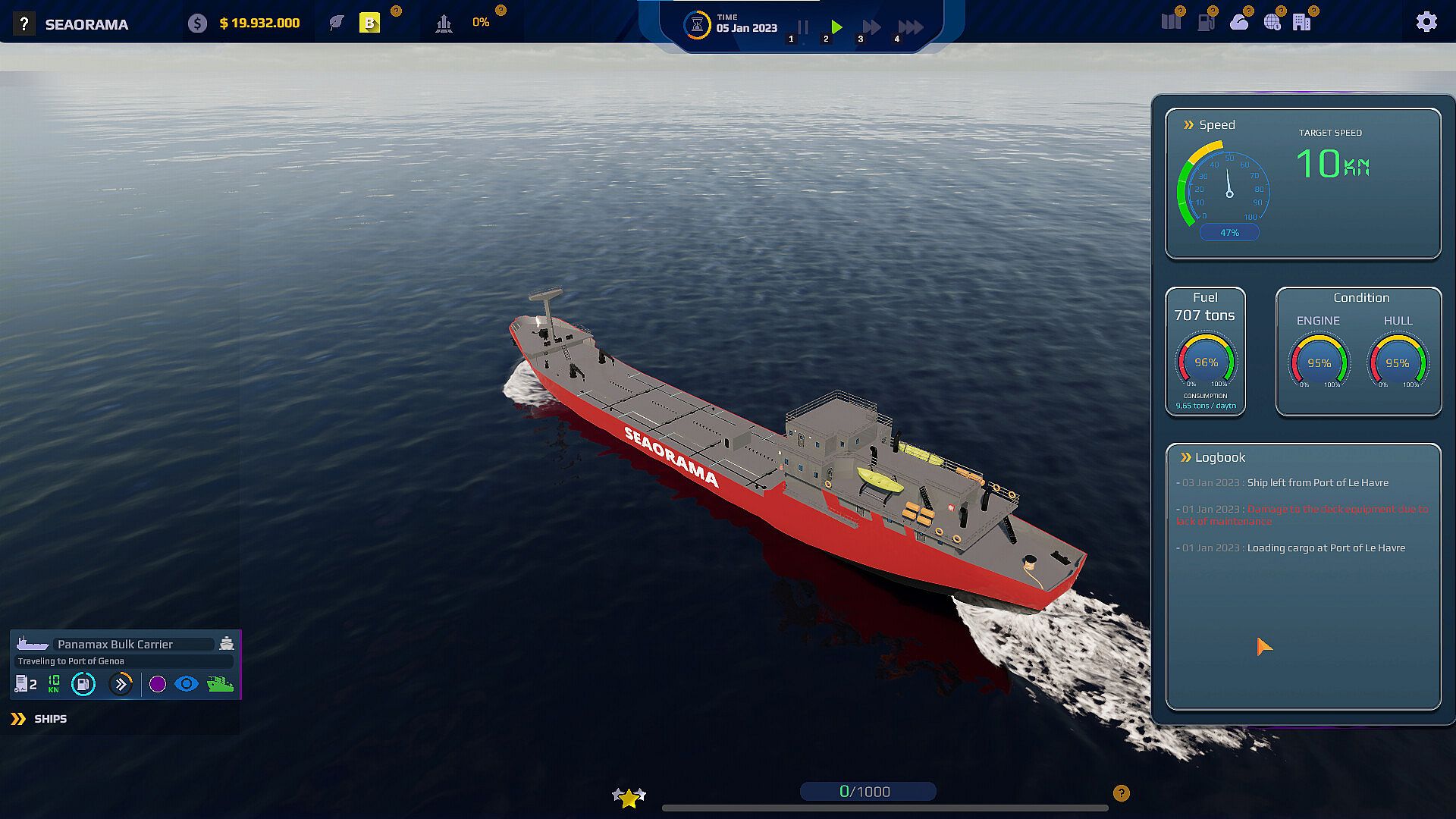
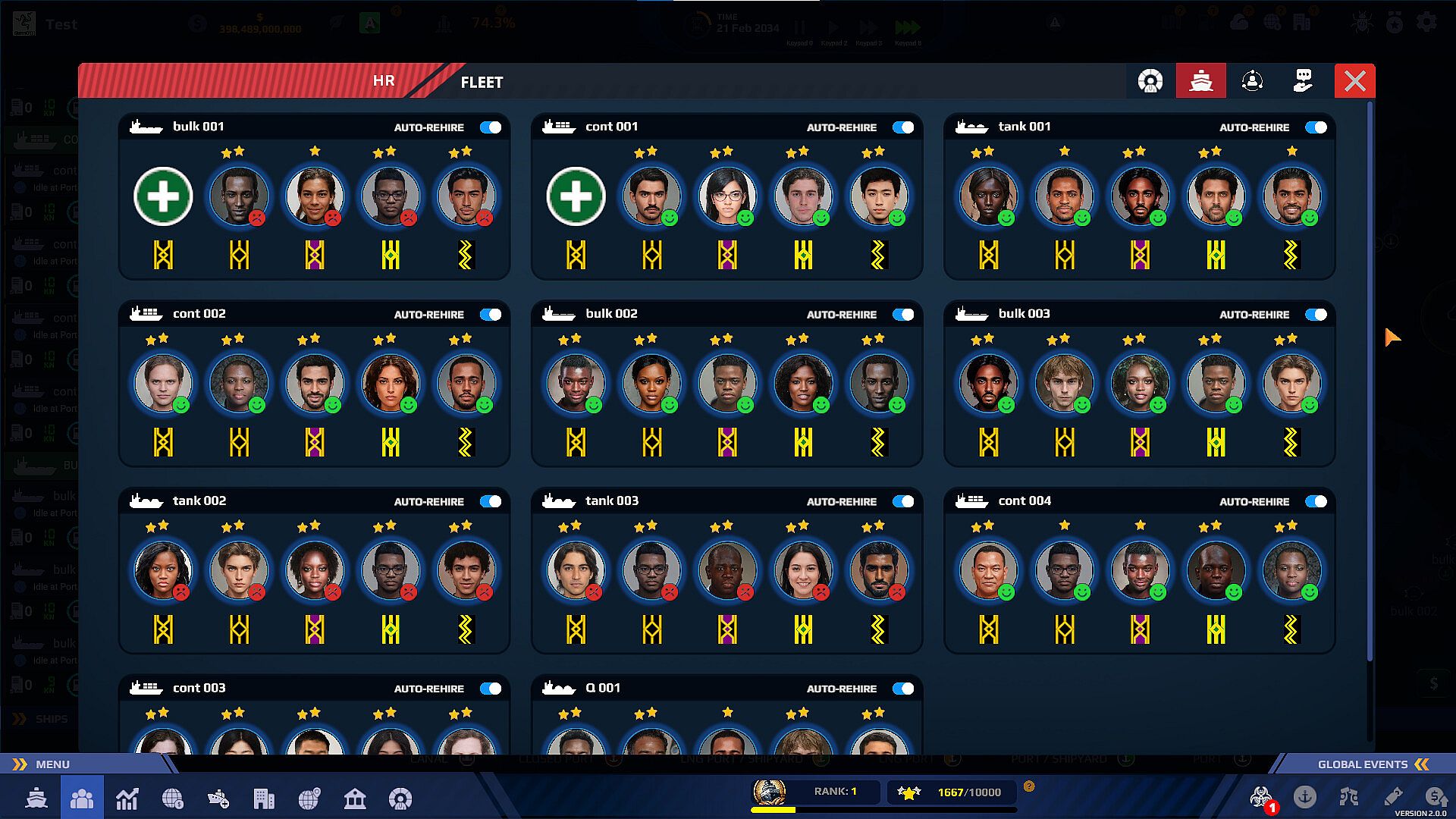
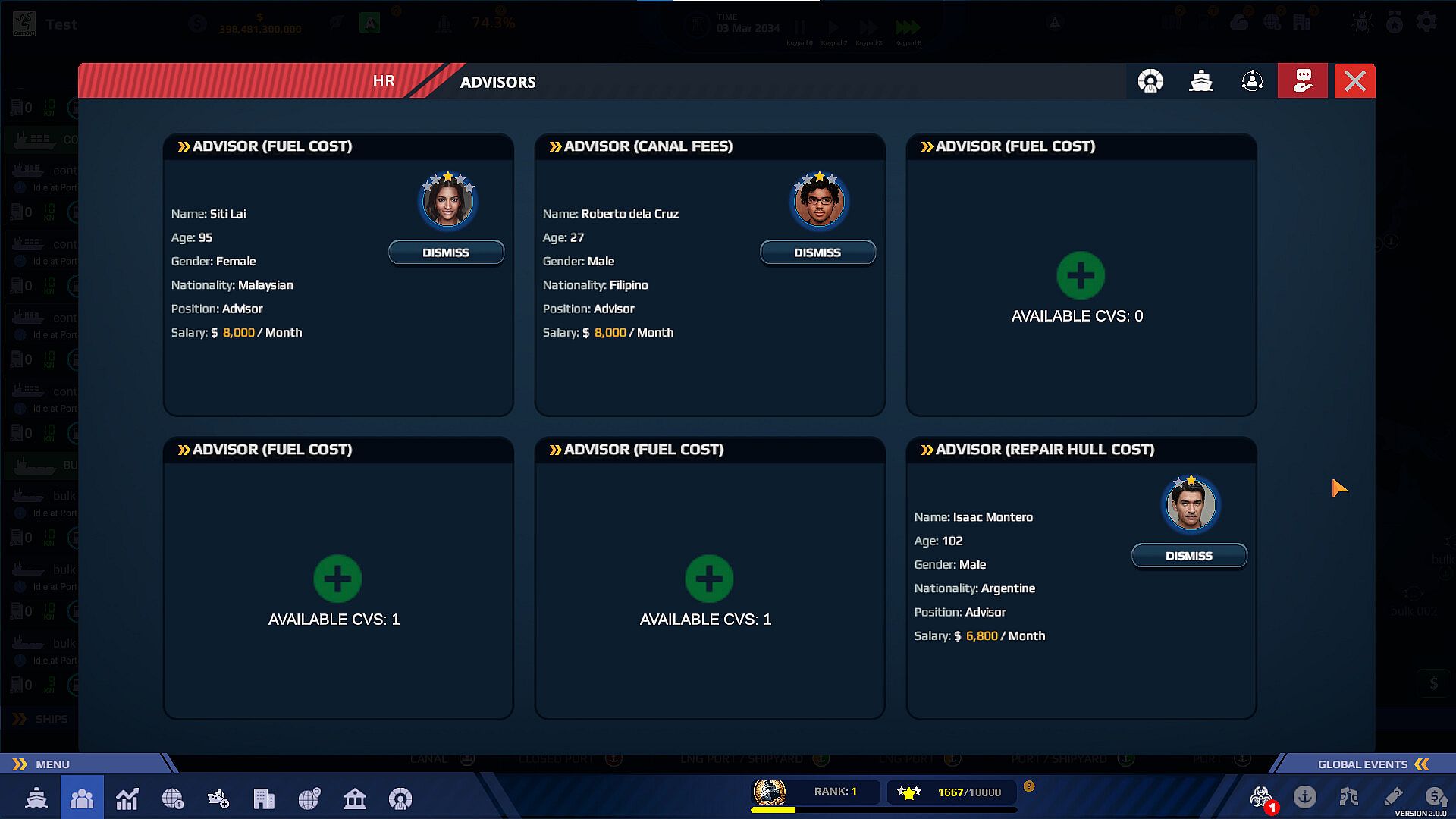
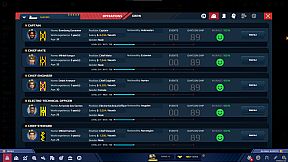
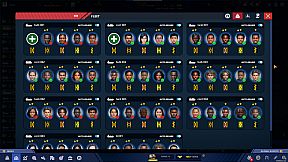
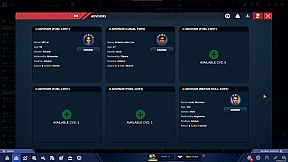
Fleet management requires attention to fuel levels, engine condition, and hull integrity. Personnel hiring affects performance, while weather and global events introduce disruptions that demand route adjustments. Ship upgrades improve efficiency and capacity over time. Reputation builds with client companies through successful deliveries, unlocking better contract terms and automation options such as hiring managers to handle routine tasks.
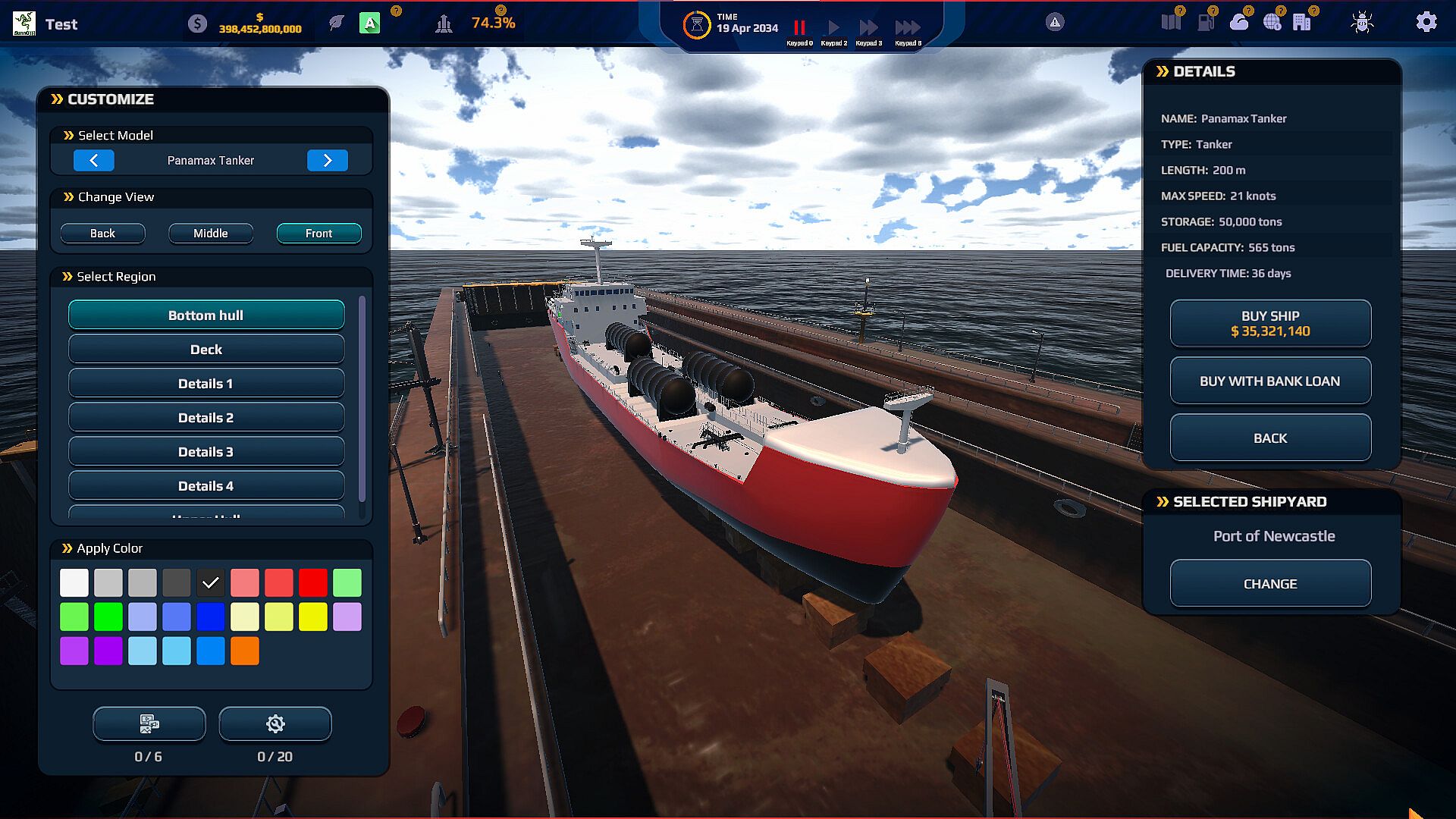
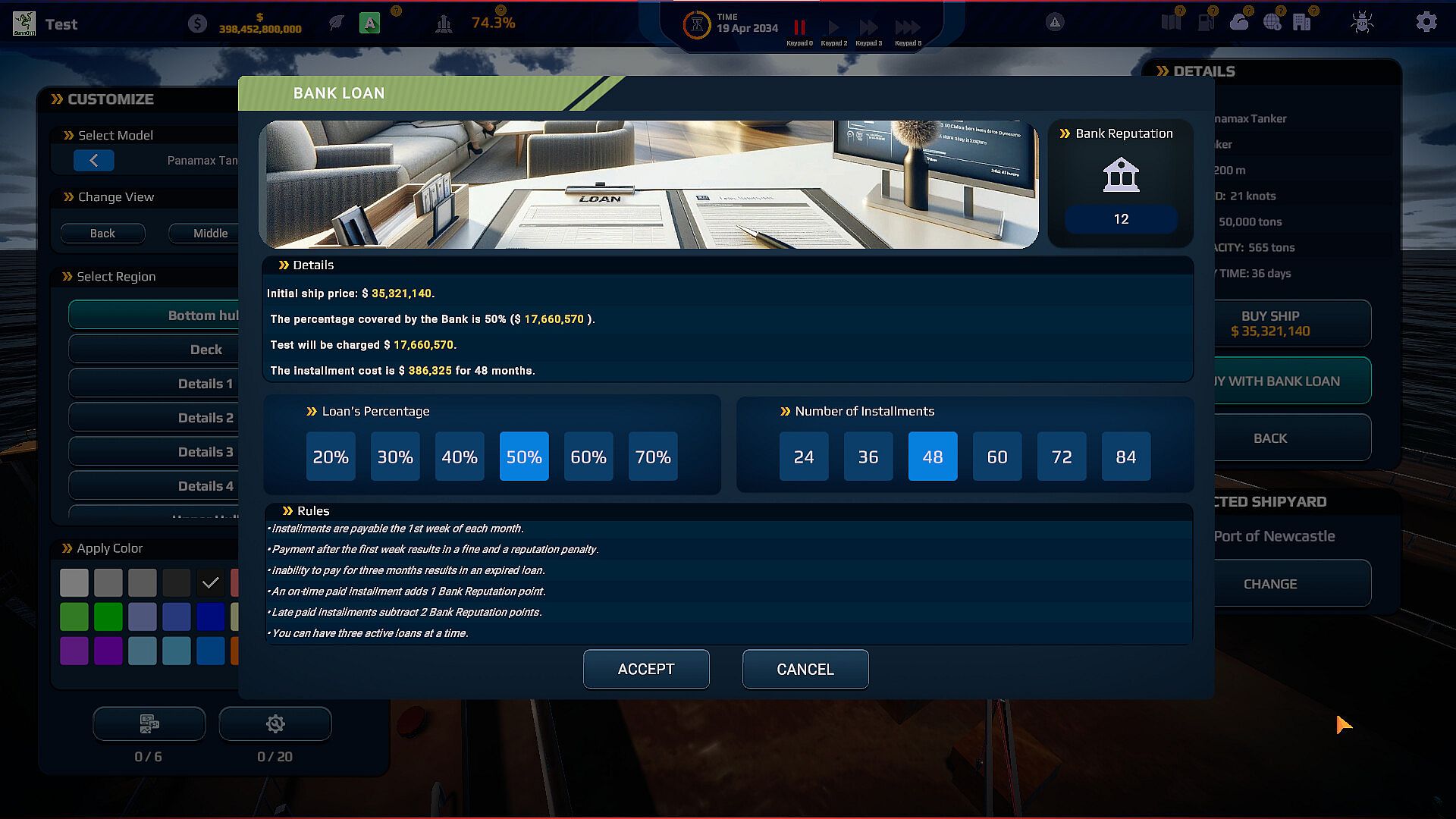
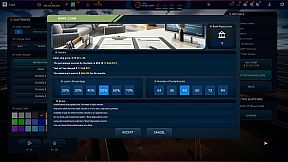
Expansion comes from profits used to purchase additional vessels from the 17 available types. The system emphasizes logistics decisions over direct vessel control, with most actions handled through menus and map views rather than real-time navigation.
Game Modes
Two primary play styles exist. Sandbox mode allows unrestricted solo progression without AI interference or external limits. Competitive mode pits the player against AI-controlled companies that also pursue contracts and expand fleets.
Difficulty settings modify contract bonuses and AI behavior. Easy mode provides substantial bonuses, medium offers moderate ones, and hard or ranked modes remove bonuses while increasing competition. These options let players adjust the pace of empire growth and the intensity of market rivalry.
Key Mechanics and Systems
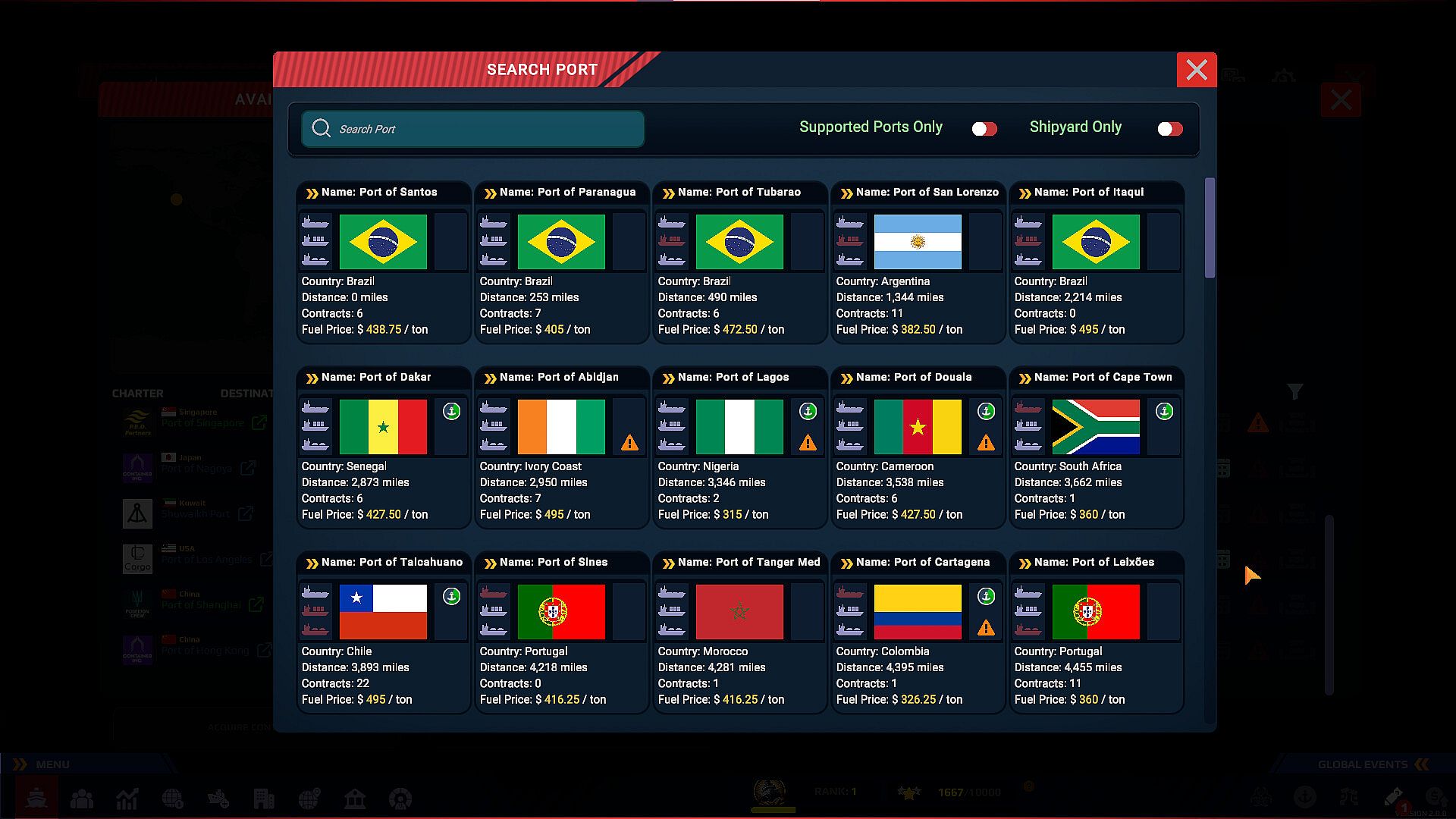
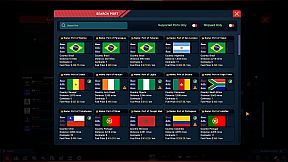
Trade routes form across 90 distinct ports, each tied to different goods and market conditions. Players analyze profitability by factoring in distance, fuel costs, and potential events before committing vessels. Maintenance and crew systems add layers of ongoing oversight, as neglected ships incur penalties and poor staffing reduces reliability.
Automation features emerge later, allowing delegation of contract selection and basic routing once the company reaches sufficient scale. This shifts focus from micromanagement to higher-level strategy around fleet composition and long-term investments.
Is It Worth Playing?
Reception stands at mixed levels, with 58 percent of reviews positive. The game suits players who enjoy detailed logistics simulations and incremental business growth without combat or narrative elements. Those seeking hands-on ship handling or deep customization may find the menu-driven approach repetitive after initial expansion.
Support continues through periodic balance adjustments, including contract bonus changes across modes. Availability remains straightforward as a paid title with no free tiers or trials noted. It delivers a focused experience for fans of management sims who appreciate steady progression through trade networks and fleet oversight.