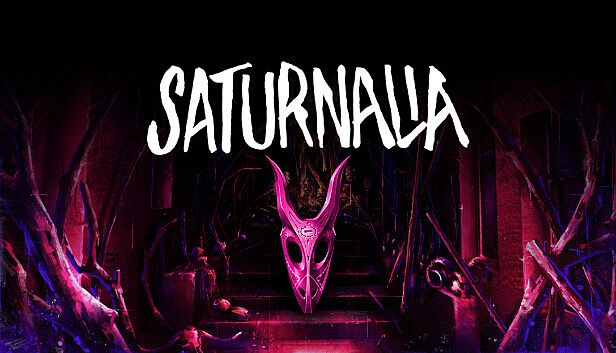










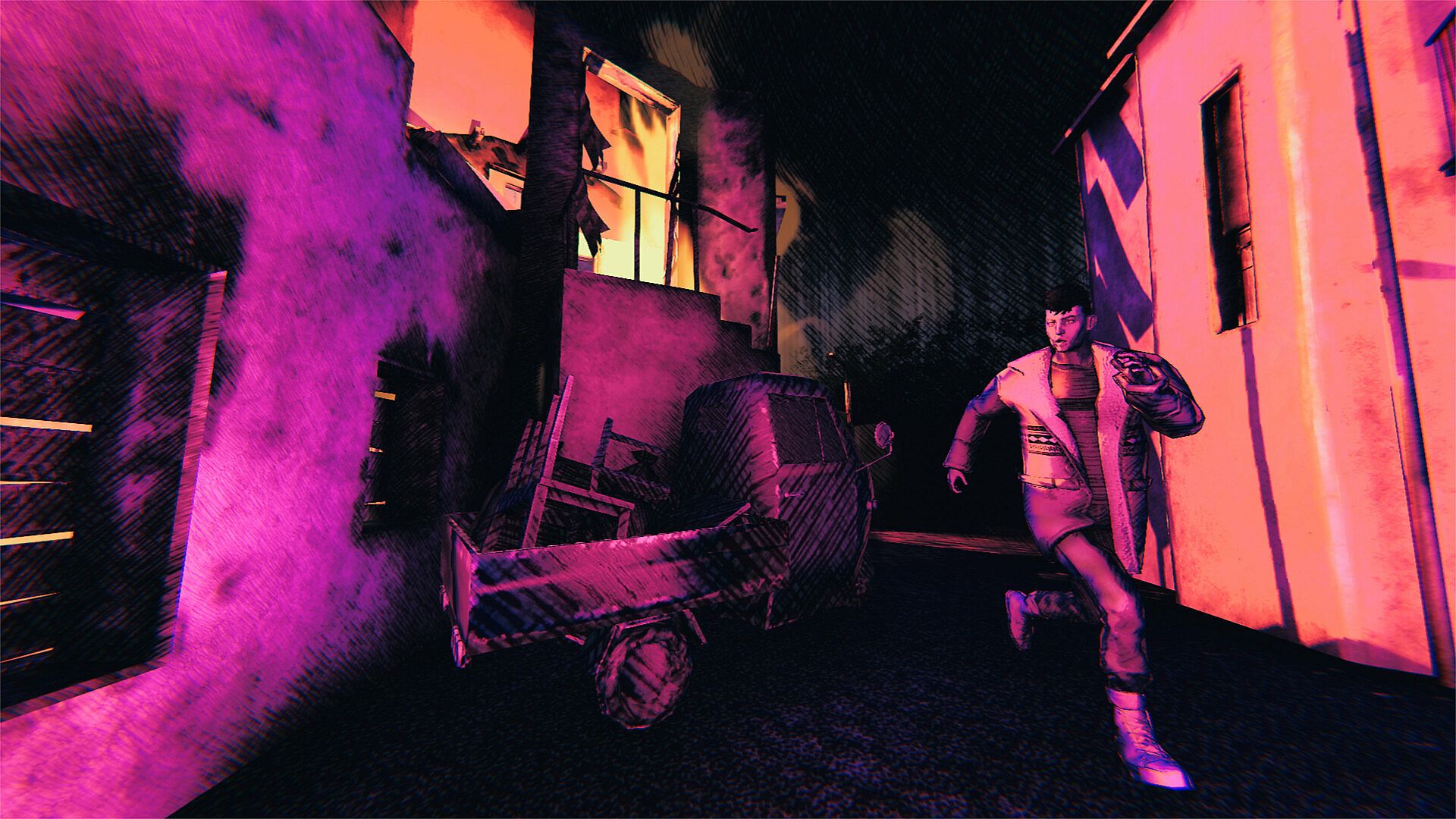
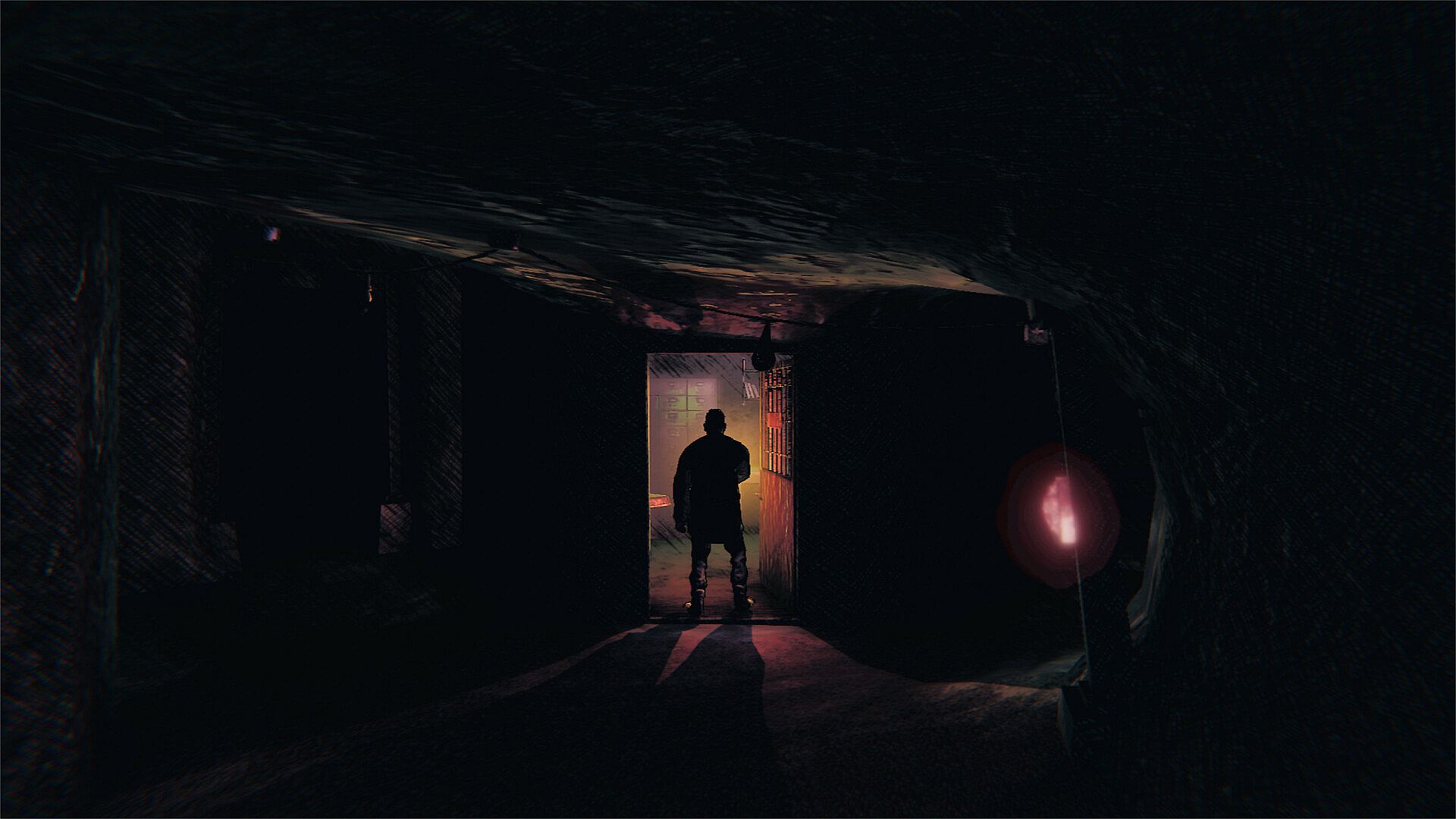
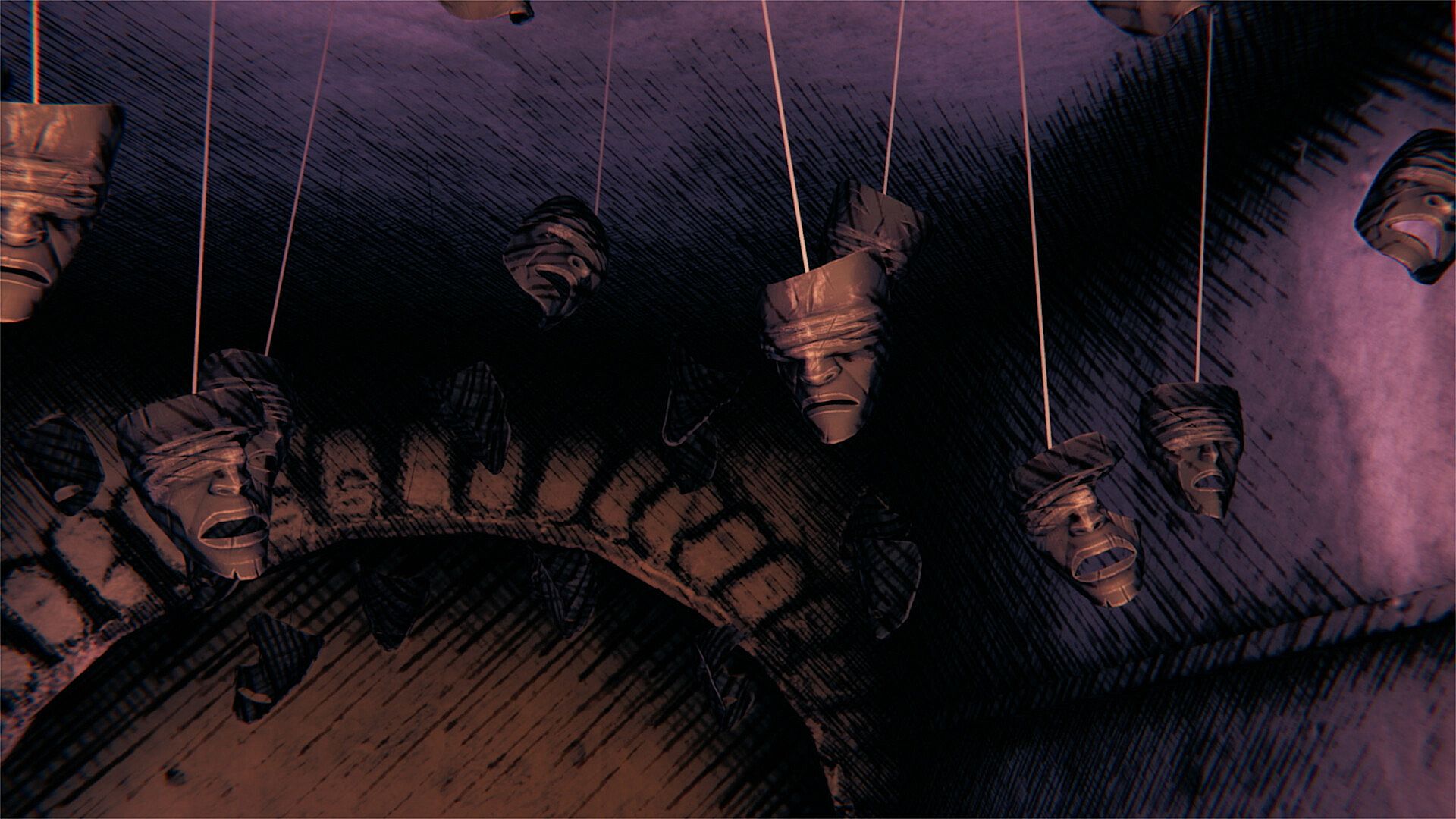
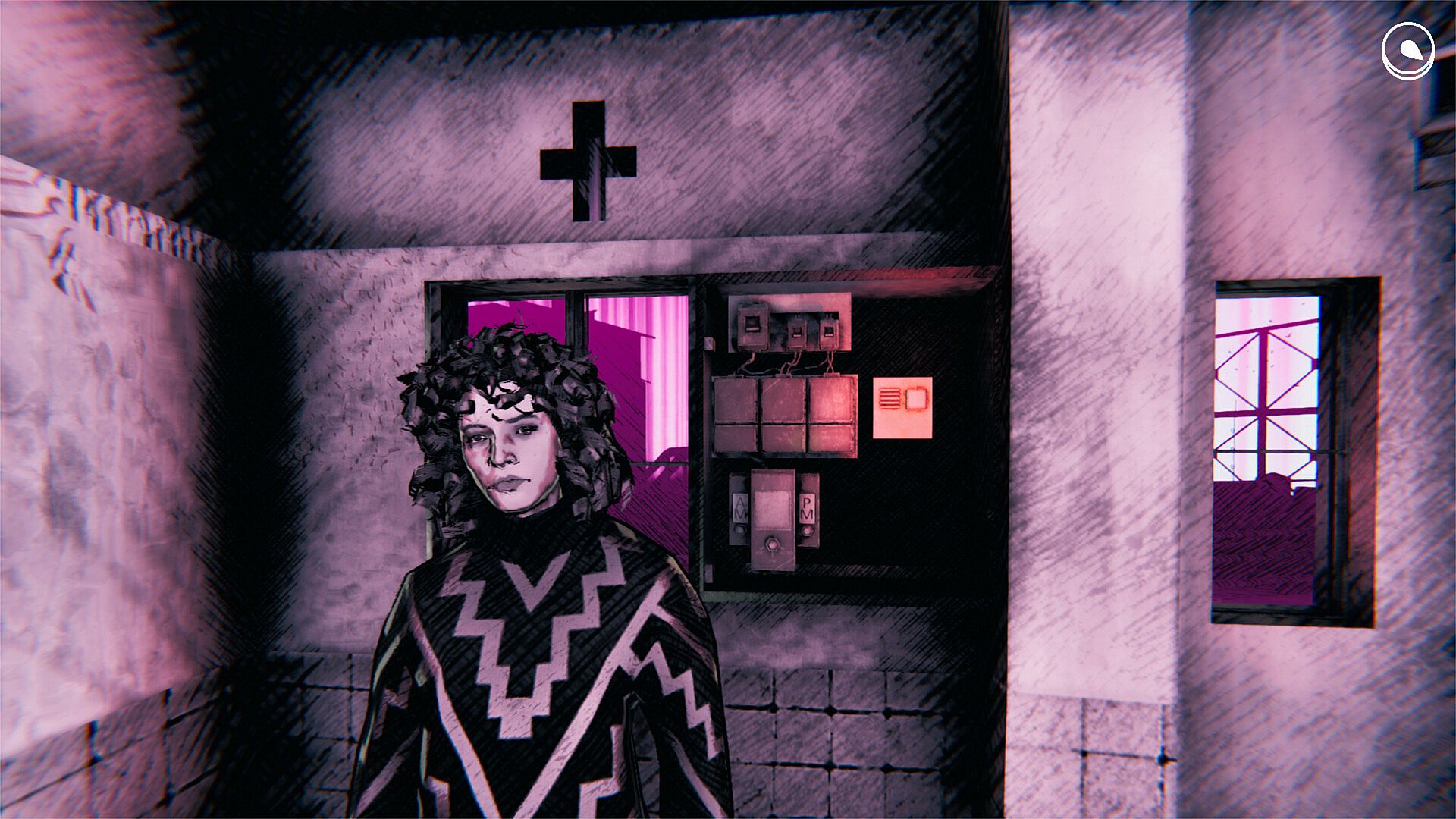
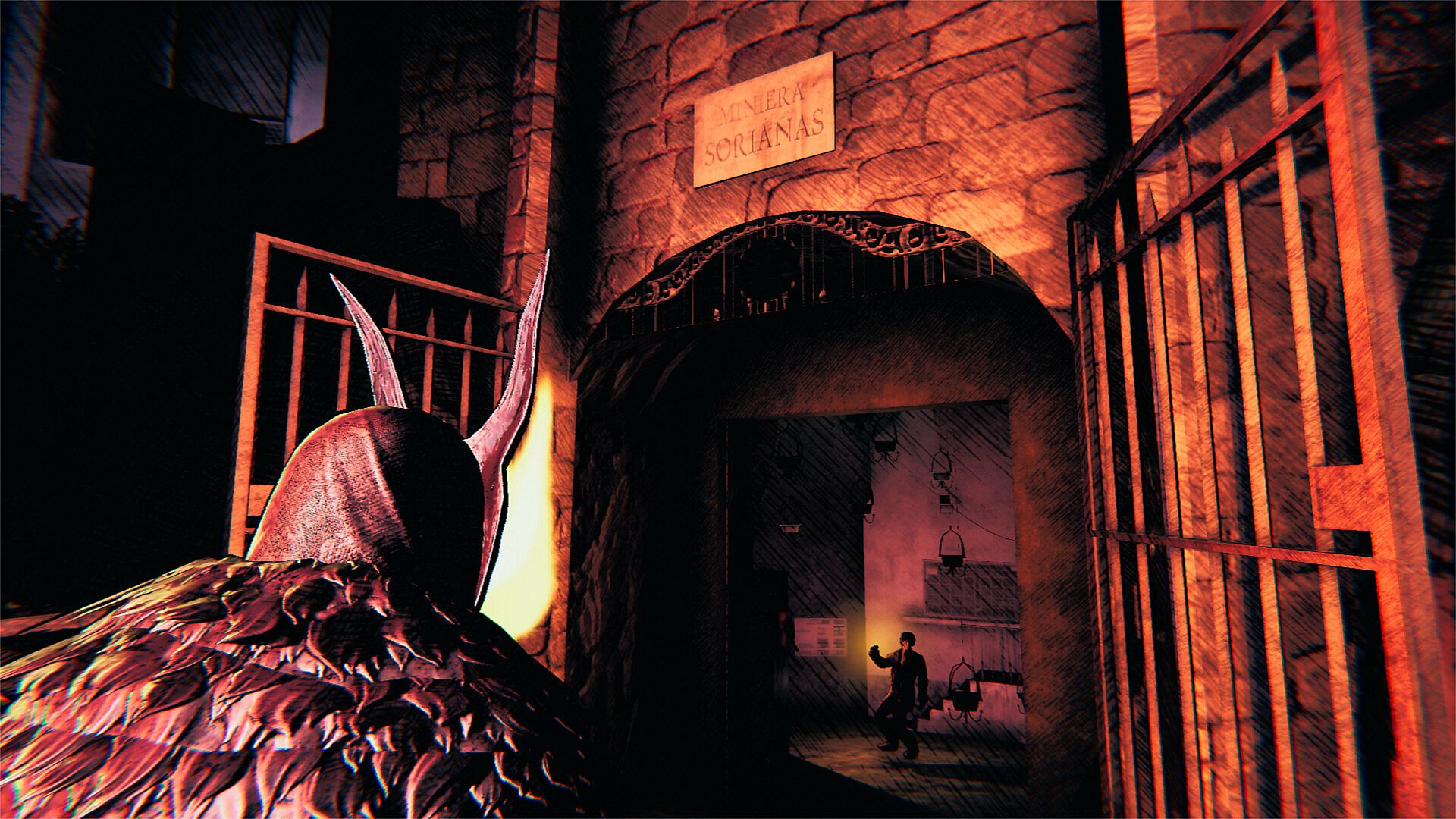
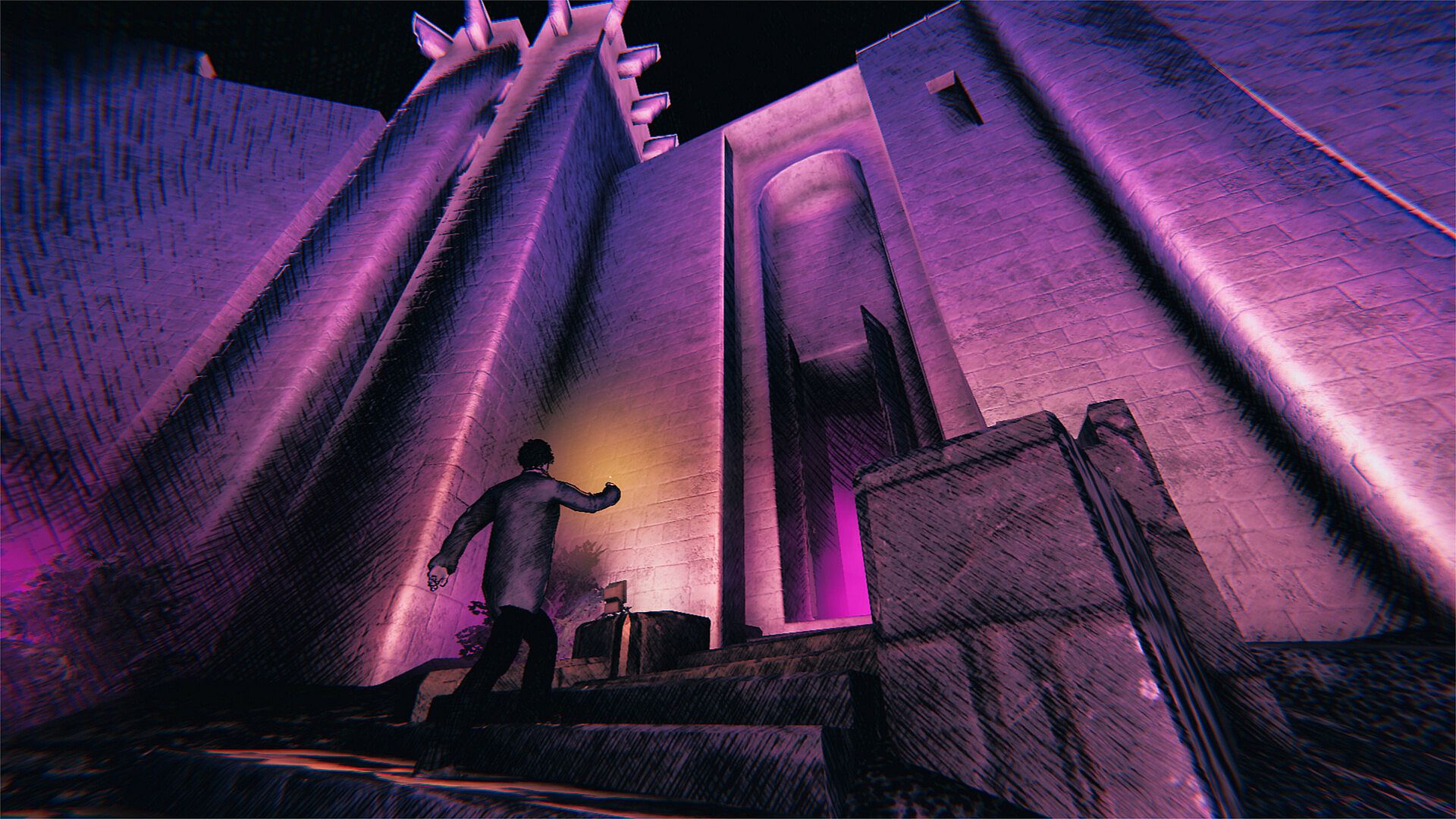
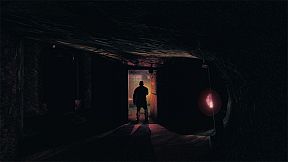
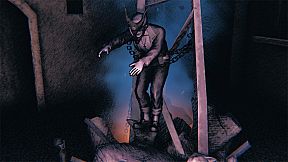
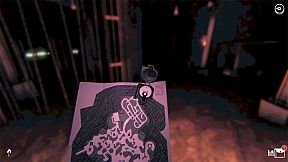
Saturnalia is a third-person survival horror adventure game set in a remote Sardinian village. Players control four interconnected characters navigating an isolated community steeped in ancient folklore and ritual. The experience blends exploration, puzzle solving, and tension from encounters with an unseen threat, all within a single-player framework on PC.
Gameplay
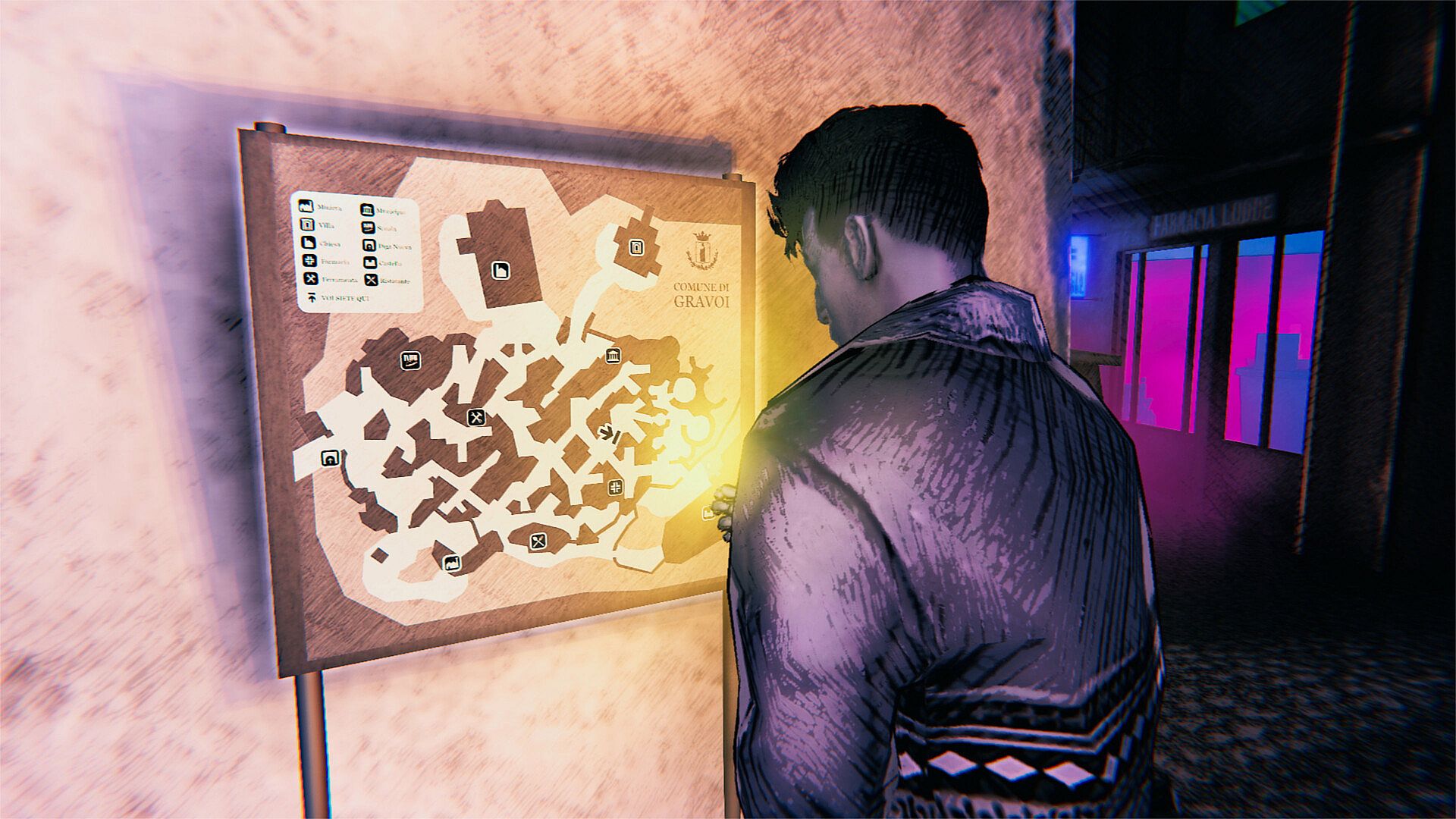
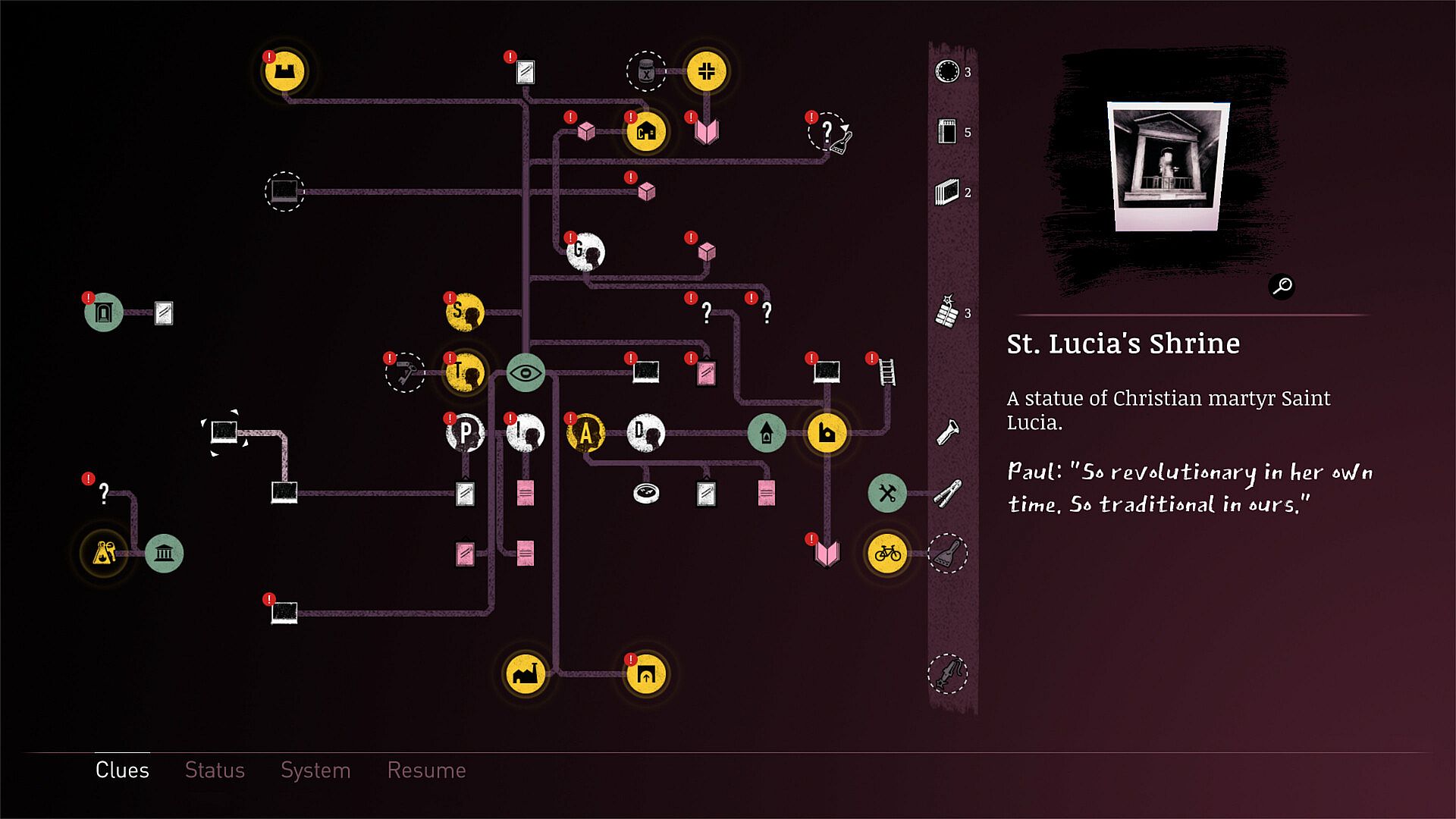
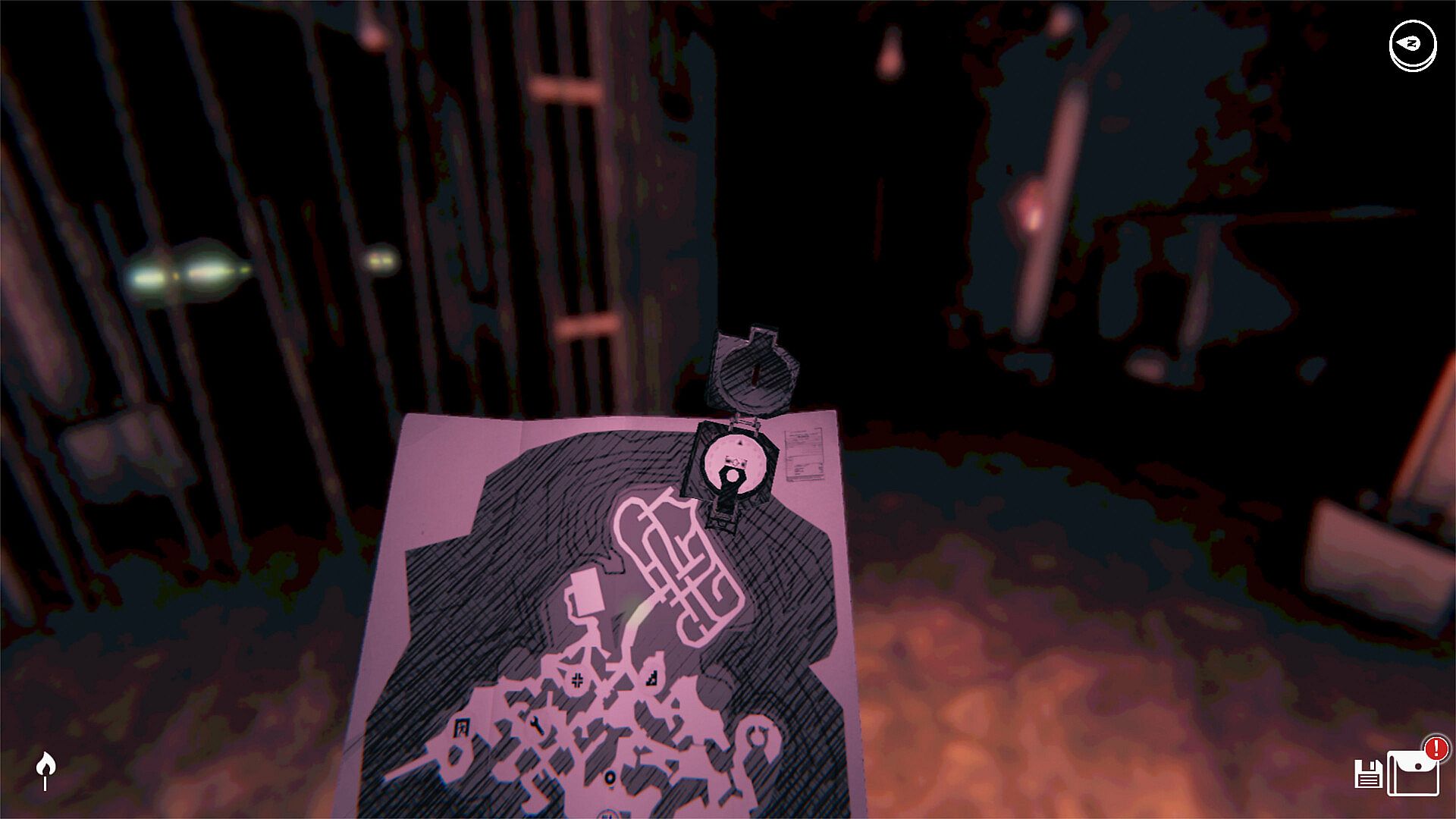
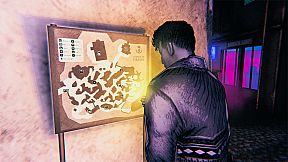
The core loop revolves around exploring the village of Gravoi, gathering clues, and piecing together an intergenerational story tied to local traditions. Each character brings distinct abilities that shape how players approach navigation and investigation. Anita can reference a map of discovered areas, Paul uses a camera to capture evidence or briefly deter threats, Sergio relies on a satellite phone for communication when signals allow, and Claudia slips through narrow gaps inaccessible to others. Progress involves finding tools like matches to illuminate dark spaces and solve environmental puzzles that feel rooted in the village itself rather than abstract challenges.
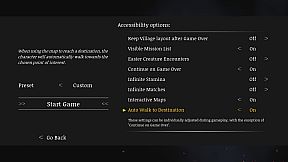
The village functions as a shifting maze. Its layout rearranges after the loss of all characters, forcing fresh exploration while preserving story and puzzle advancements across attempts. This creates a roguelite structure where shortcuts unlocked with items persist, encouraging repeated visits to uncover new connections in the narrative. Players manage limited resources such as matches to maintain visibility during key moments, and the adaptive story unfolds differently depending on which character leads investigations at various points.
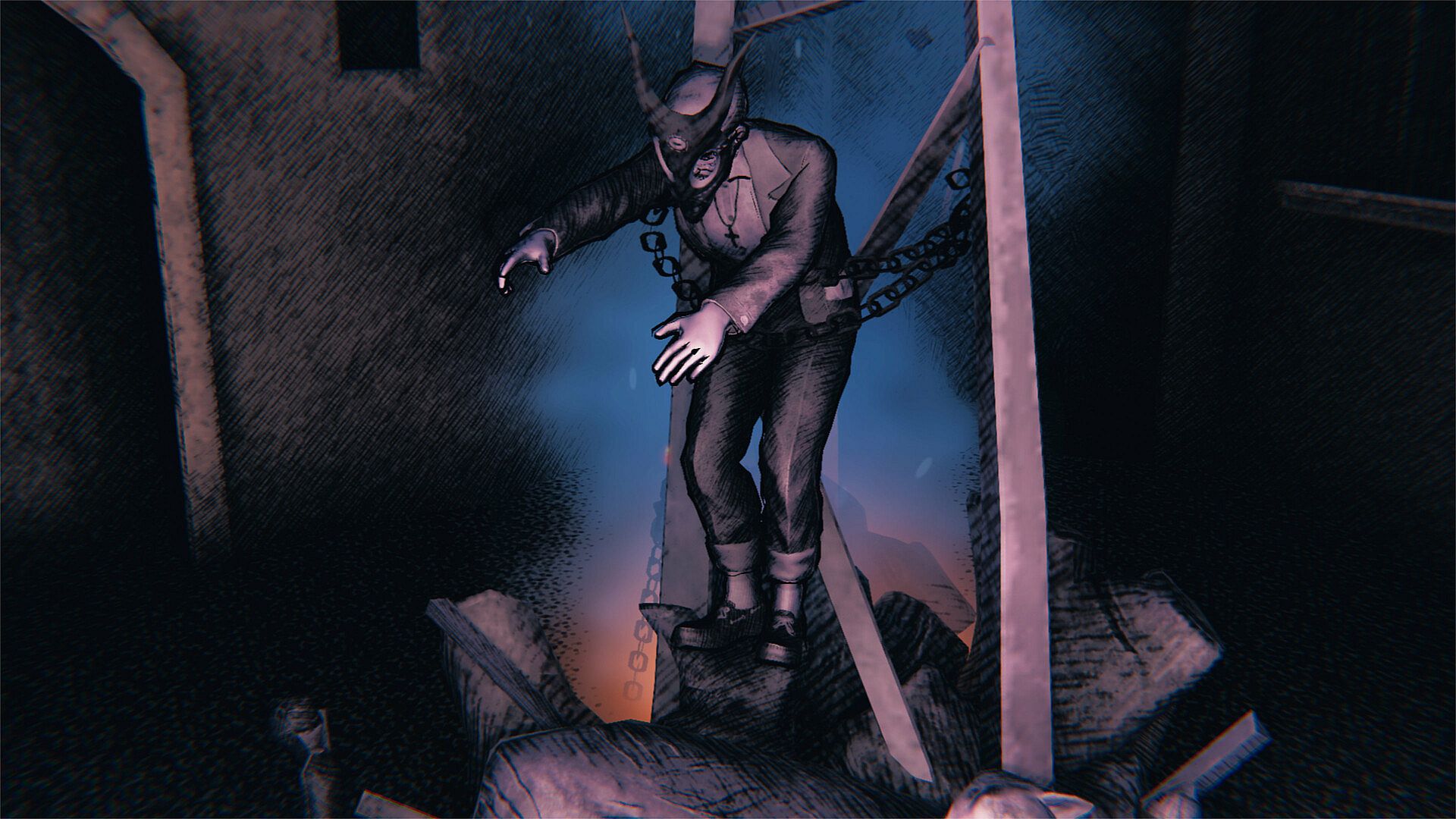
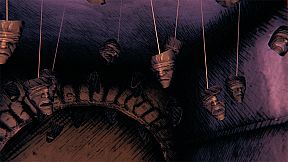
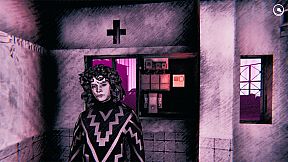
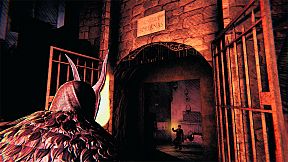
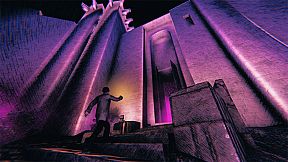
Non-linear progression lets players choose paths through the environment, often switching between characters or moving them as a group, though larger groups increase the risk of drawing attention. Puzzles integrate directly with the setting, requiring observation of the surroundings and use of found items to open routes or reveal lore. The visual style draws from stop-motion and rotoscoping techniques, giving the world a distinctive, textured appearance that enhances the atmosphere without relying on traditional horror tropes.
Game Modes
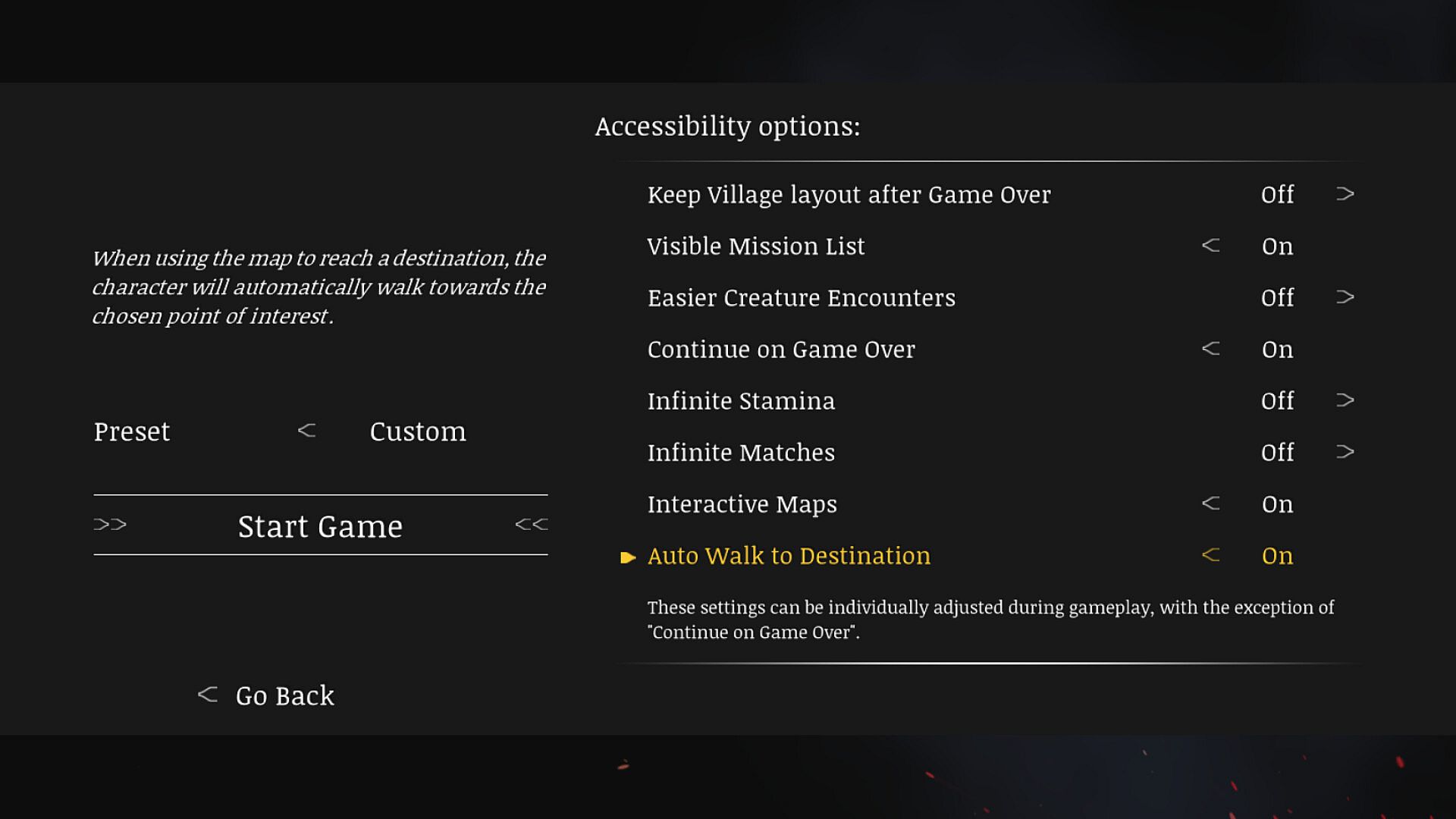
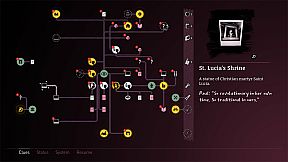
Saturnalia offers several difficulty options that alter the roguelite elements and guidance level. The standard mode features full village reconfiguration upon losing all characters, with the creature behaving aggressively and objectives presented through a clues system. Adventure mode removes the layout changes and reduces threat intensity to emphasize story progression. Detective mode strips away objective prompts entirely, requiring players to rely solely on dialogue and environmental details to advance.
These variations support different playstyles within the single-player experience. The roguelite framework remains central across modes, with narrative elements carrying forward regardless of deaths. No separate multiplayer or additional game modes exist beyond these difficulty settings and the core exploration loop.
Story and Exploration
The narrative connects the four outsiders through motivations that intersect with the village's hidden rituals. Investigation reveals layers of folklore and personal histories, presented through environmental storytelling and character interactions rather than linear cutscenes. Multiple endings emerge based on choices and discoveries made during playthroughs, which typically last around ten hours for a complete run.
Exploration emphasizes unguided discovery in the maze-like streets and buildings. Tools and consumables found along the way create permanent shortcuts, rewarding thorough searches even after layout shifts. The adaptive structure means each attempt can uncover previously inaccessible areas or new story fragments tied to specific characters' strengths.
Is It Worth Playing?
Saturnalia suits players who enjoy deliberate exploration and puzzle integration in a horror setting without heavy action focus. Its roguelite mechanics add replay value through changing layouts while maintaining story continuity, appealing to those comfortable with trial-and-error navigation. The game received generally favorable reception for its atmosphere, character abilities, and unique visual approach, with praise centered on the folk-horror elements drawn from Sardinian traditions.
Availability on PC supports the intended single-player experience, and the complete package includes all core features at launch with no ongoing seasonal content. Those seeking a concise yet layered mystery adventure with resource management and character switching will find it aligns well with the described systems. The emphasis on atmosphere over fast-paced threats makes it a focused choice for horror fans prioritizing investigation and world discovery.