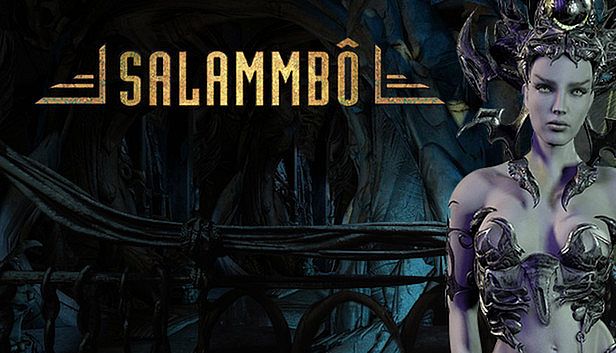












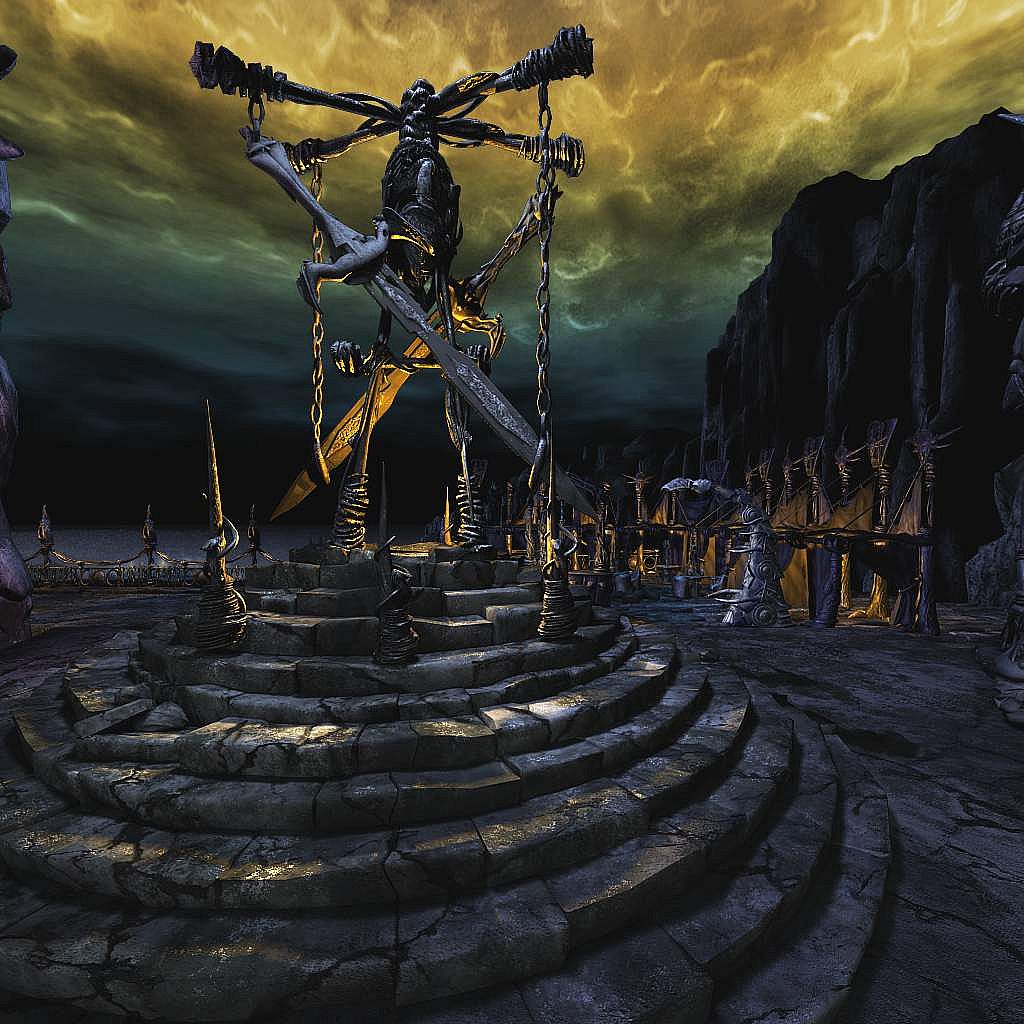
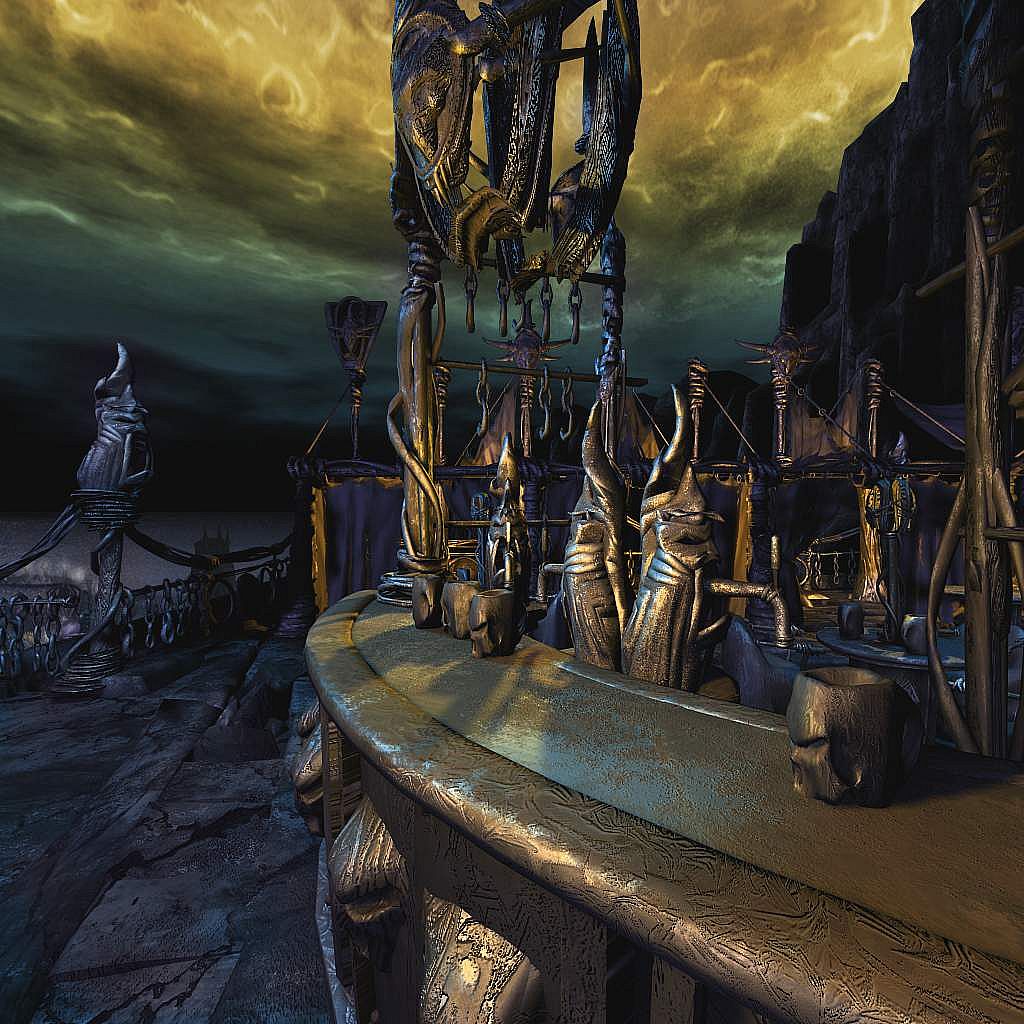
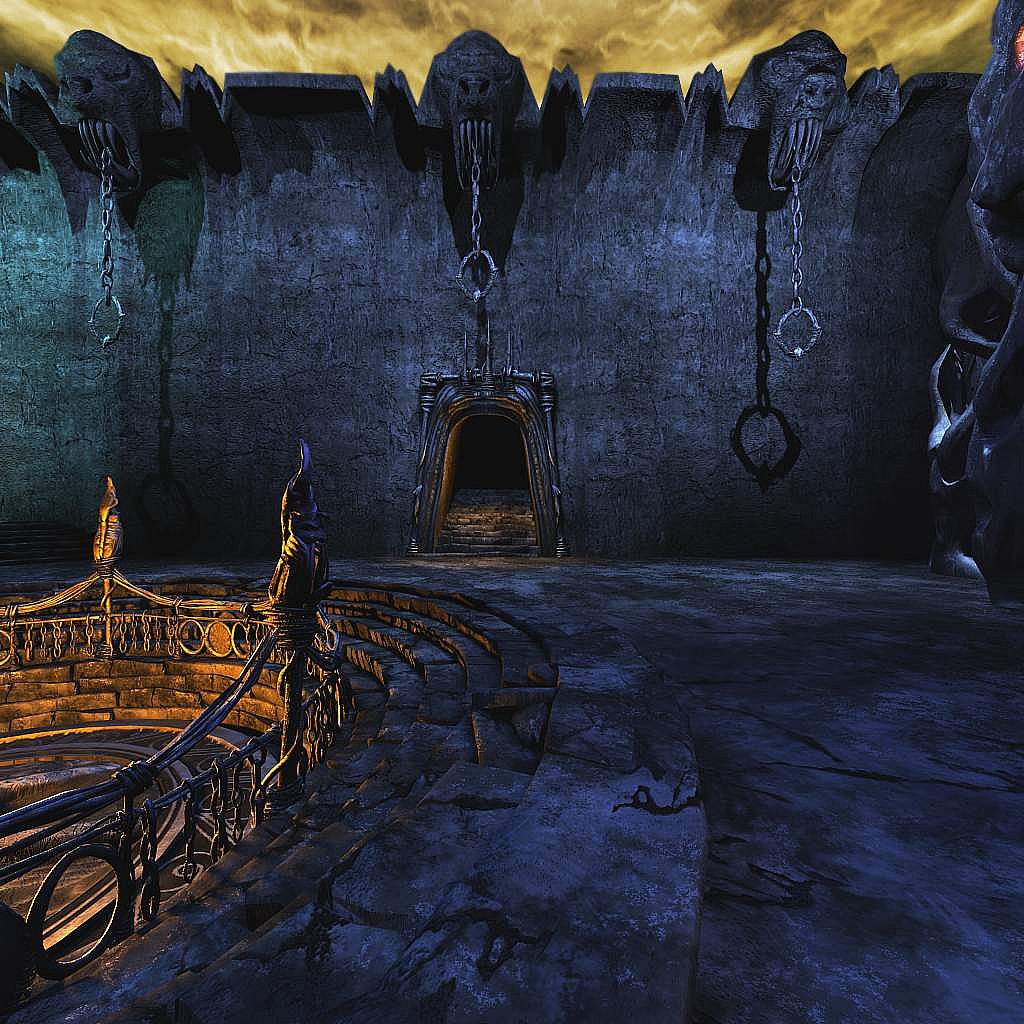
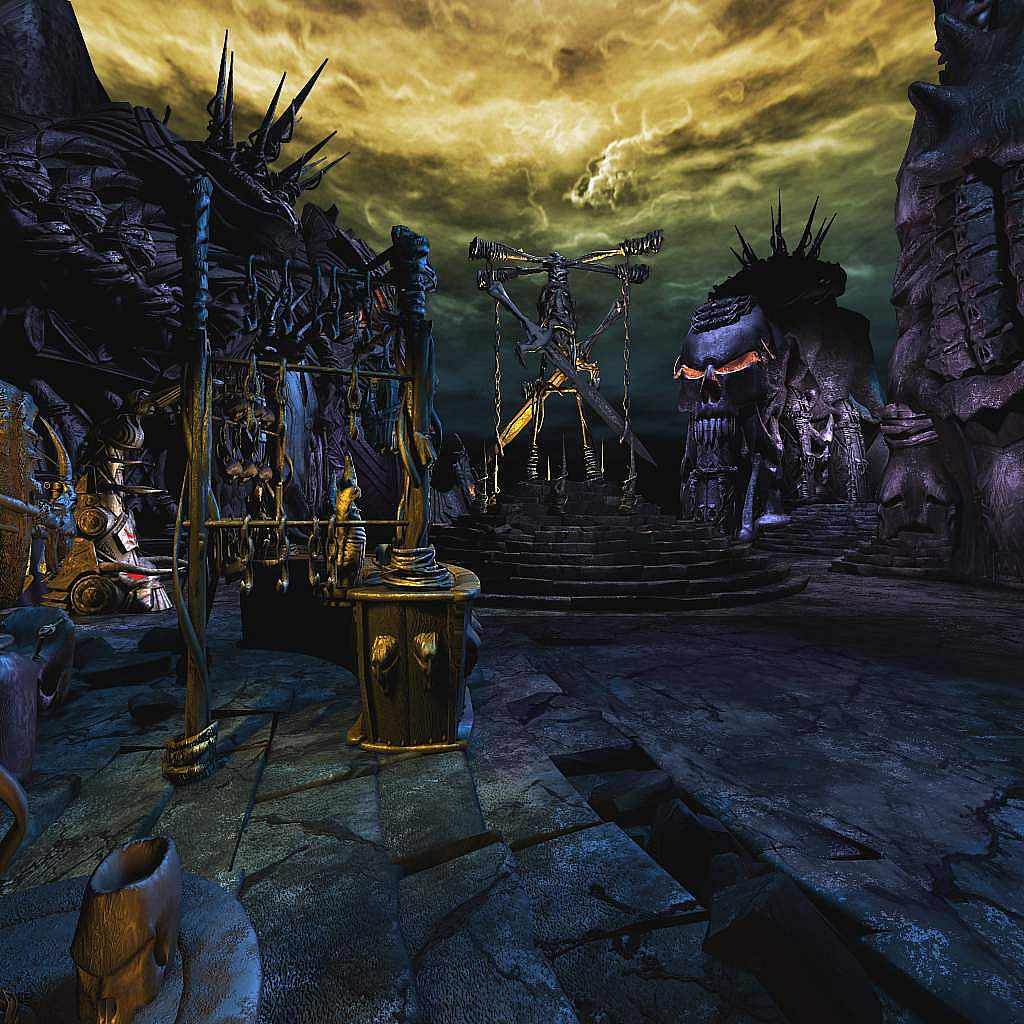
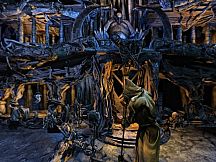
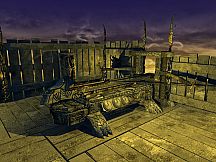
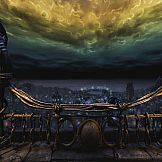
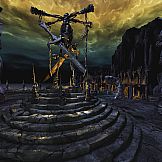
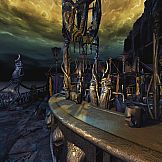
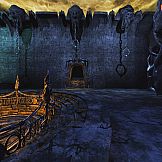
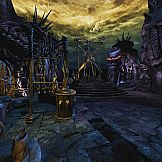
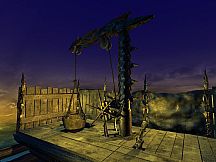
Salammbô: Battle for Carthage is a first-person adventure game set during the conflicts of the third century BC. Players take on the role of a messenger caught between the forces of Carthage and its mercenaries amid the aftermath of the first Punic War. The title draws directly from Gustave Flaubert's novel and the visual style of Philippe Druillet to deliver a narrative-focused experience on PC.
Gameplay
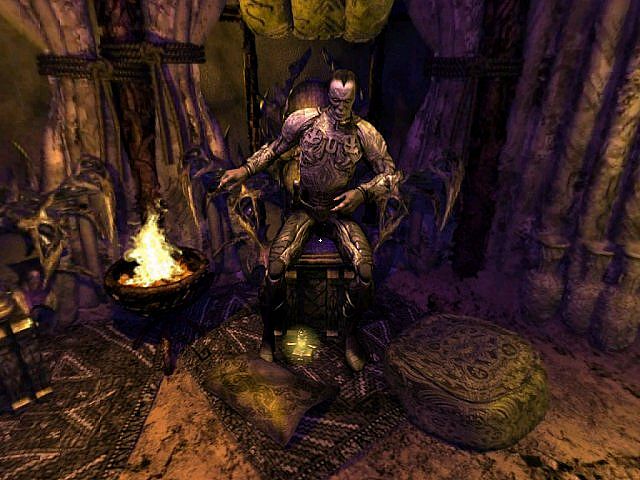
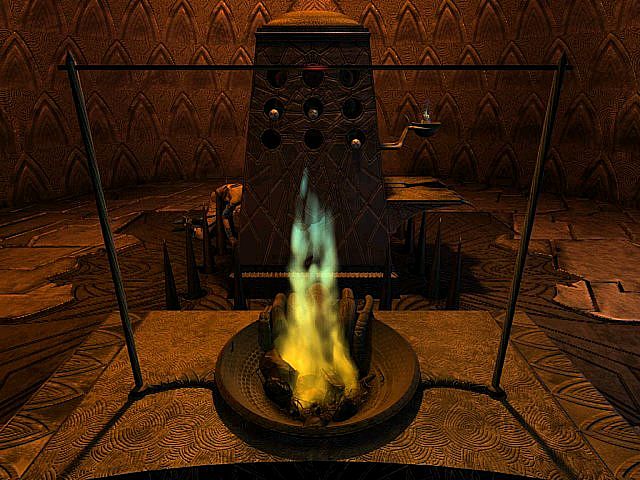
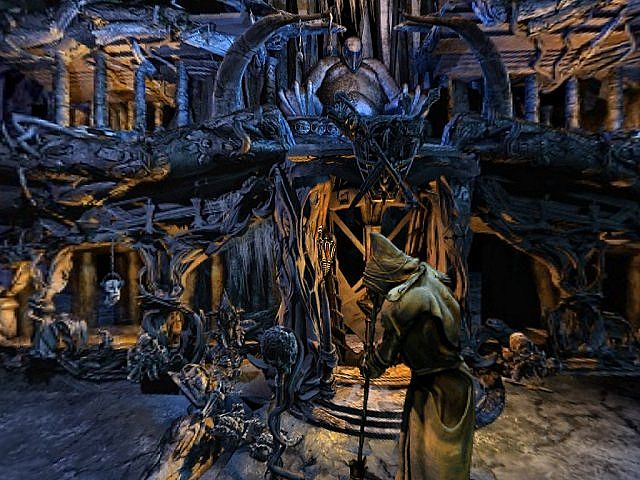
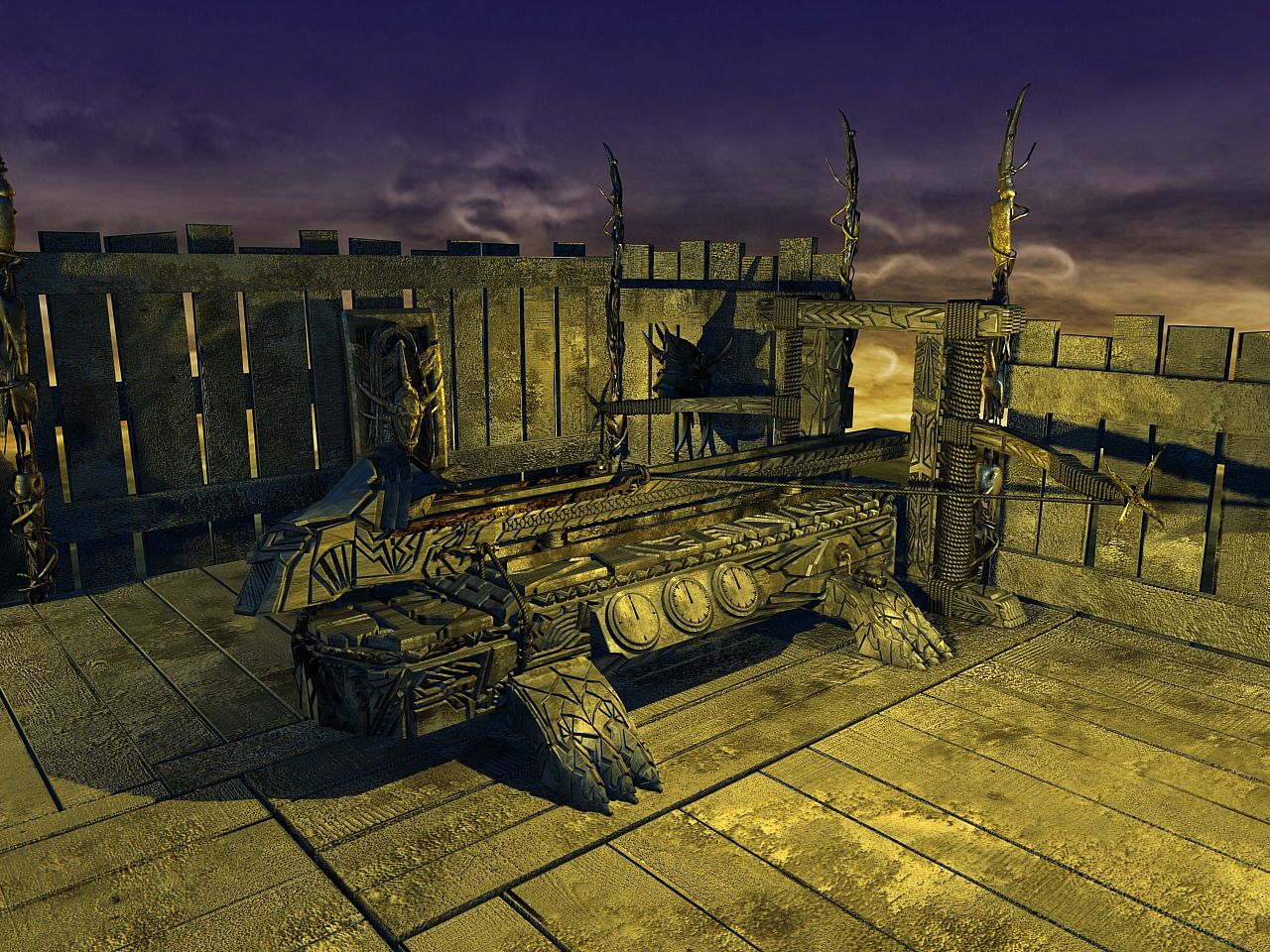
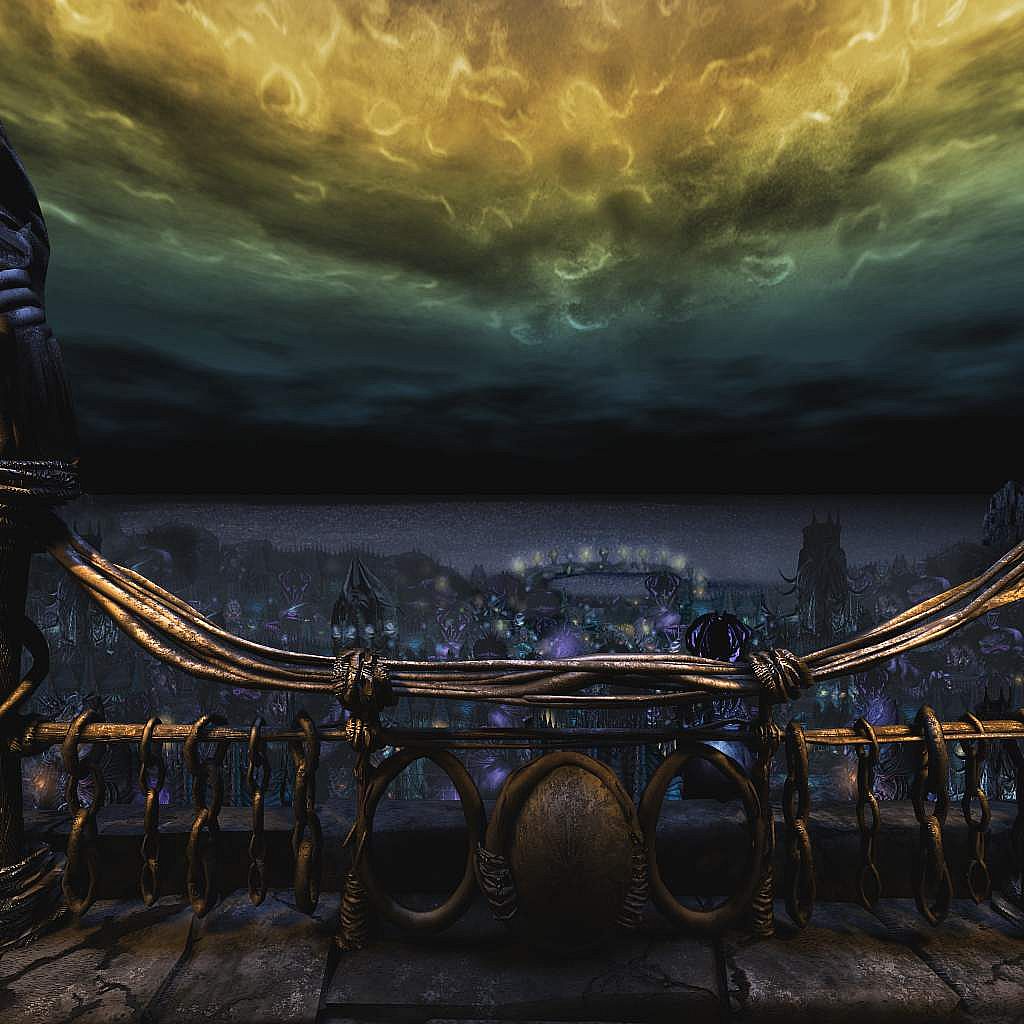
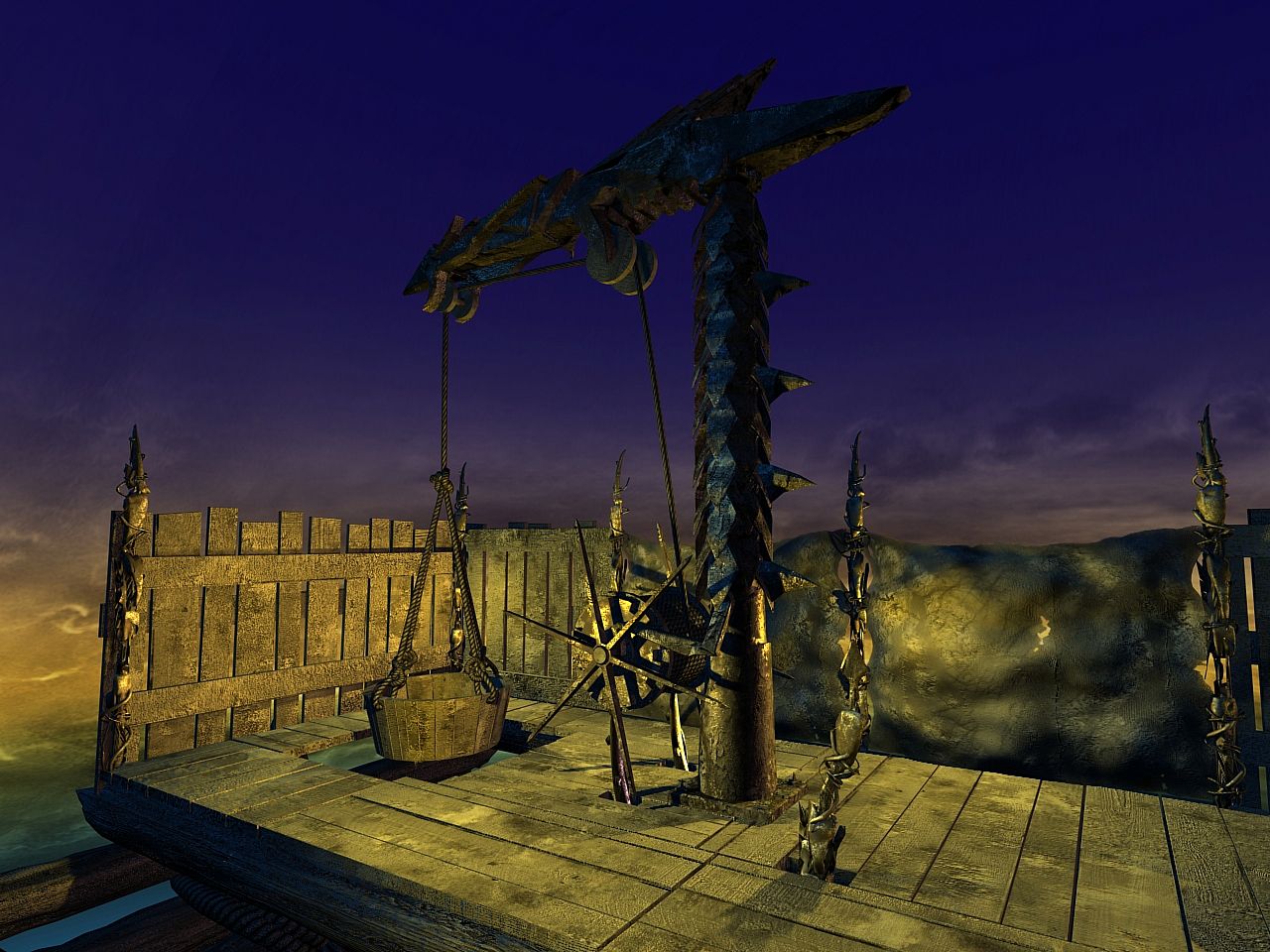
The core loop centers on exploration through static 360-degree panoramic scenes that represent key locations in the ancient world. Movement involves shifting between these views while examining objects and navigating environments filled with hazards such as gardens emitting poisonous fumes. Progress requires delivering a critical message from Salammbô to the mercenary leader Matho before events escalate further. The design emphasizes careful observation and interaction with the surroundings rather than combat or resource management systems.
A distinctive journal mechanic presents the player's progress as a series of 3D frescoes. These illustrations compile events and offer additional context on the historical backdrop without interrupting the main sequence of scenes. The atmosphere remains consistently dark and tense, reflecting the siege and internal betrayals of the period.
Game Modes
Salammbô: Battle for Carthage operates entirely as a single-player experience. No separate modes such as multiplayer, co-operative, or competitive variants exist. The structure follows a linear narrative path through the panoramic environments, with the journal serving as the primary record of advancement.
Story and Setting
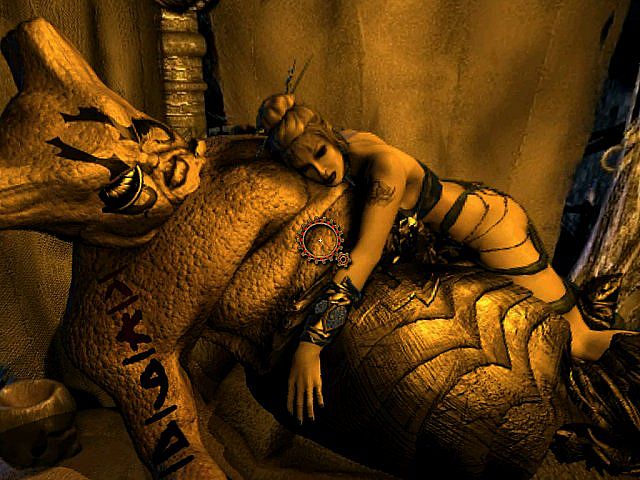
The plot unfolds against the backdrop of Carthage's defeat by Roman forces. Thousands of unpaid mercenaries lay siege to the city while demanding compensation for their service. Salammbô, daughter of the Carthaginian commander, becomes entangled with Matho, the mercenary leader, creating a personal stake in the larger conflict. Locations include Mount Solitude and other sites rendered in the game's distinctive panoramic format, reinforcing the sense of a perilous ancient landscape.
Visuals and Audio
Environments rely on pre-rendered 360-degree views that allow full rotation and close inspection of details. The accompanying soundtrack incorporates selections from Antonín Dvořák's New World Symphony to underscore the epic and somber tone. The overall presentation aligns with early 2000s adventure titles that prioritized atmospheric immersion over real-time 3D movement.
Is It Worth Playing?
This title suits players who enjoy classic first-person adventure games built around exploration, observation, and historical fiction. The panoramic navigation and fresco journal provide a unique way to engage with the story of Carthage and its mercenaries. Availability on PC through digital platforms makes it accessible for those interested in older narrative-driven experiences. Individuals seeking fast-paced action or modern mechanics may find the deliberate pacing less engaging, while fans of Flaubert's source material or similar Cryo Interactive titles will appreciate the focused adaptation. The game remains in its original state without ongoing updates or seasonal content.