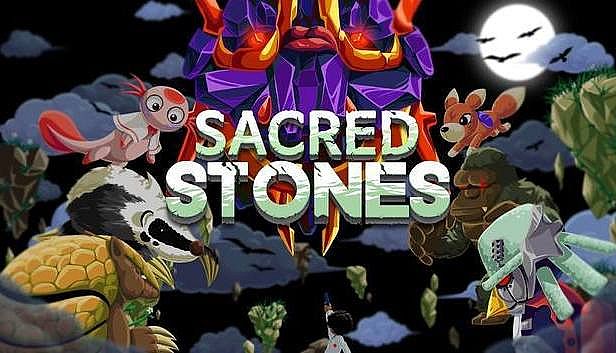



















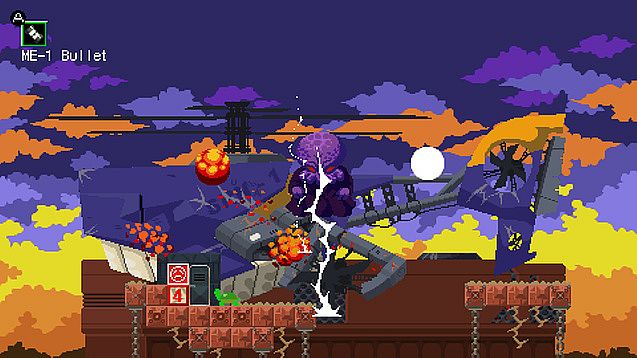
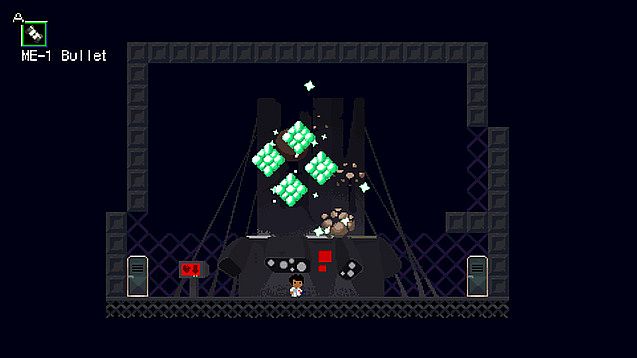
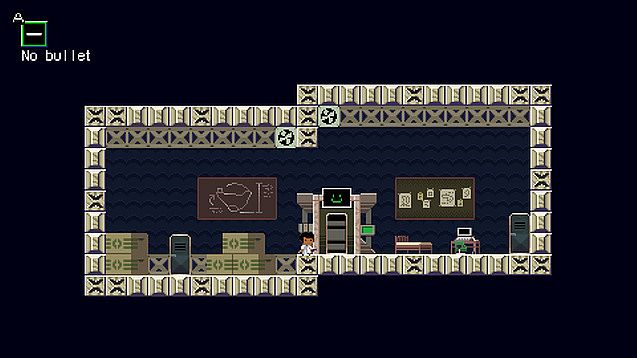
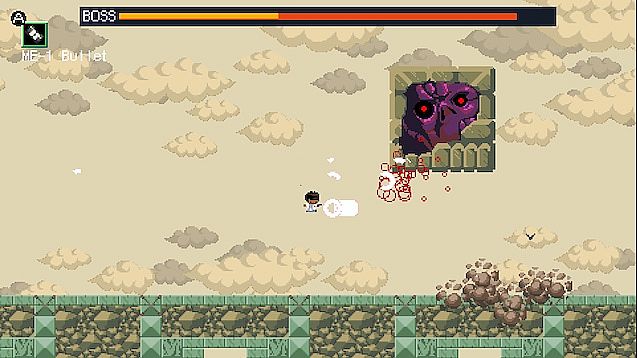
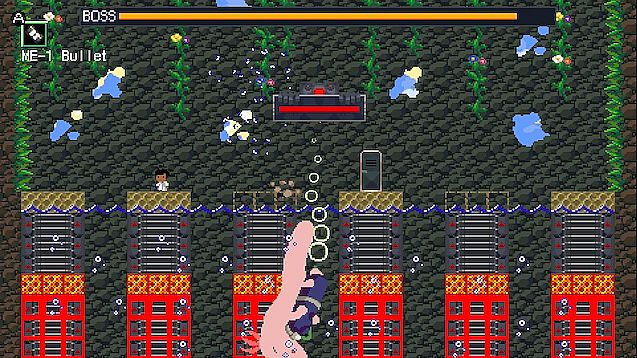
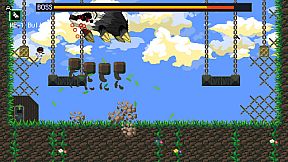
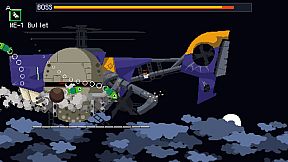
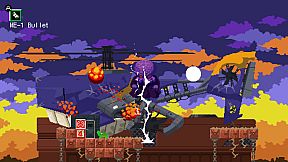
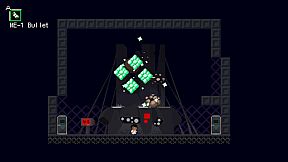
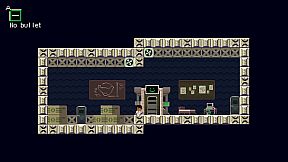
Sacred Stones is a 2D action indie platformer developed by Sungjun Jo under the NoxBix label. The game places players in a pixel-art world where precise movement and combat against powerful bosses form the central experience. Released after years of solo development that began during the creator's high school years, it draws clear inspiration from classic titles like Cave Story while maintaining its own strict focus on linear challenge and retro mechanics.
Gameplay
Core movement relies on arrow keys for left, right, up, and down directions, while the A, Z, and X keys handle jumping, attacking, and weapon switching. Input response is intentionally sensitive to match the fast pace required for survival. Players run, jump, and shoot through side-scrolling stages, collecting items that unlock new weapons and open previously inaccessible areas.
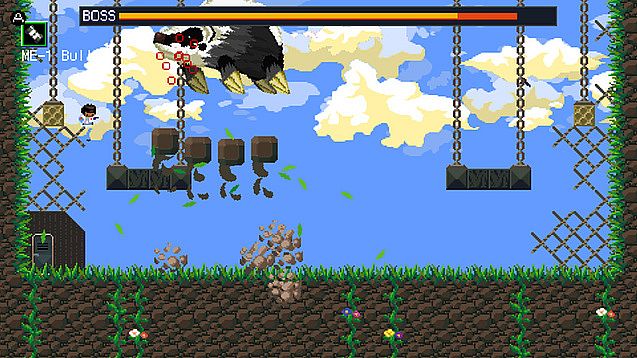
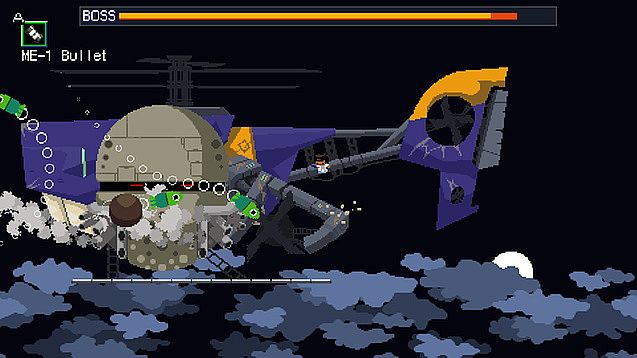
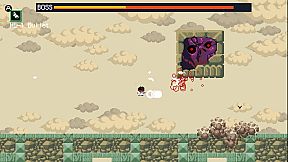
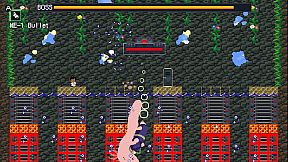
Four distinct weapons become available over the course of a playthrough. Each weapon alters combat options against enemies and the twenty unique bosses scattered throughout the map. Boss encounters demand specific positioning and timing because each adversary features distinct attack patterns that punish imprecise play. Deaths occur frequently from falls, enemy contact, or misjudged jumps, reinforcing the deliberate hardcore difficulty curve.
The visual style stays firmly retro with blocky pixel sprites and limited color palettes. The soundtrack reinforces the 1980s and 1990s aesthetic through chiptune-style tracks composed specifically for the project. Exploration rewards careful navigation because hidden paths and optional content lie off the main route, though the overall structure remains linear.
Game Modes
Sacred Stones operates as a single-player experience without separate multiplayer or competitive modes. Progression follows a straightforward campaign structure where players advance through connected stages while locating the four weapons and confronting the full roster of twenty bosses. Hidden missions appear as optional detours that extend playtime with additional platforming and combat challenges inside the same retro framework.
No alternate difficulty settings or post-game content receive explicit naming in available descriptions. The emphasis stays on mastering the base controls and weapon set to reach the end of the main journey. Players who finish the primary path can revisit stages to hunt for missed secrets without changing the fundamental ruleset.
Controls and Retro Design
The control scheme deliberately echoes older console and computer games through its limited button mapping and immediate feedback. Directional arrows manage all movement while the three action keys cover the essential actions of jumping, firing, and cycling weapons. This setup rewards muscle memory developed through repeated attempts rather than complex button combinations.
Pixel graphics, simple animations, and the original soundtrack together create a cohesive throwback atmosphere. The developer has noted that the rough yet detailed visual approach stems from admiration for Cave Story's style, scaled down to fit the smaller scope of a first major project. Every element from enemy placement to level layout prioritizes challenge over accessibility.
Is It Worth Playing?
Sacred Stones targets players who seek uncompromising retro platforming with heavy emphasis on boss fights and precise execution. Those comfortable with frequent deaths and iterative learning will find a focused campaign that tests timing and weapon choice across its twenty encounters. The four-weapon system and hidden missions add modest variety without diluting the core loop.
Reception centers on its deliberate difficulty and faithful recreation of 80s and 90s platformer feel. The game launched on PC after an extended development period and remains available as a complete title without ongoing seasonal content or major post-release expansions. Individuals drawn to short, skill-based indie platformers that prioritize boss strategy over open-world freedom will find the experience aligned with their preferences. Players who prefer modern forgiving mechanics or extensive multiplayer options may find the linear and punishing design less appealing.