
















































Rough Justice: '84 is a single-player strategy game set in the 1980s that puts players in charge of a private security agency. The experience combines board game elements with resource management, dice rolls, and card play to handle various cases across Seneca City. Genres include strategy, indie, simulation, and adventure, all delivered on PC through a turn-based system focused on planning and execution.
Gameplay
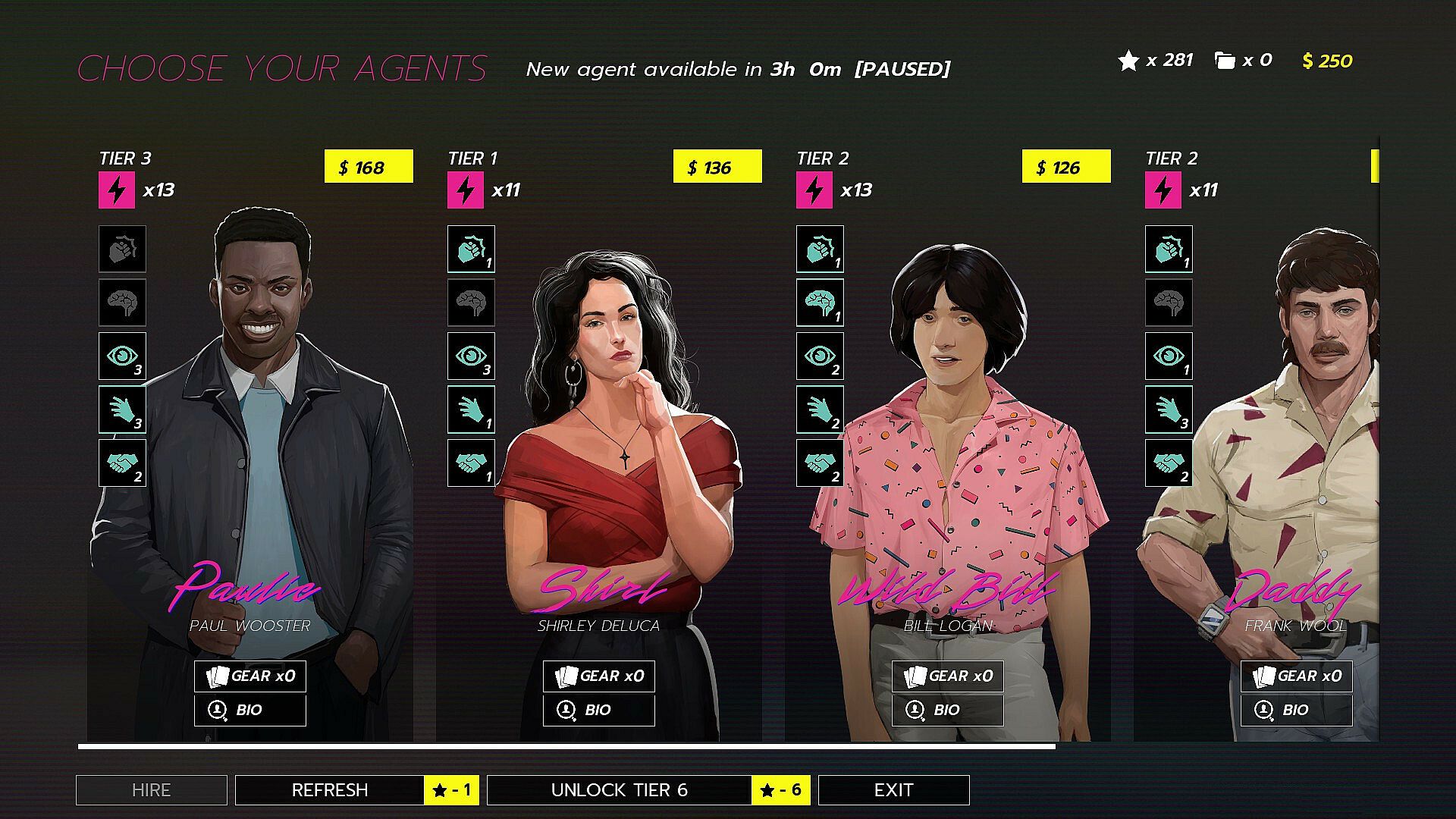
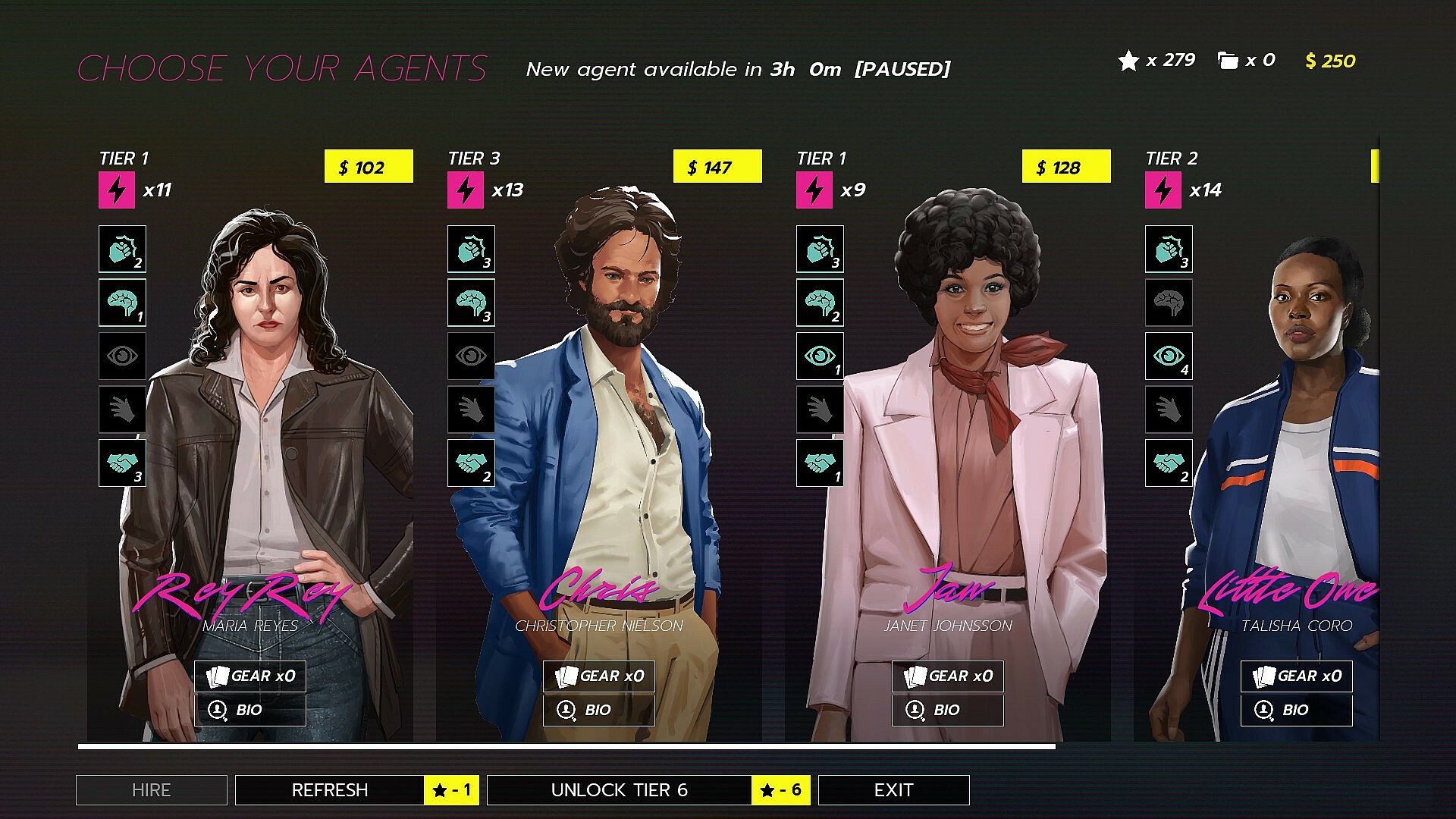
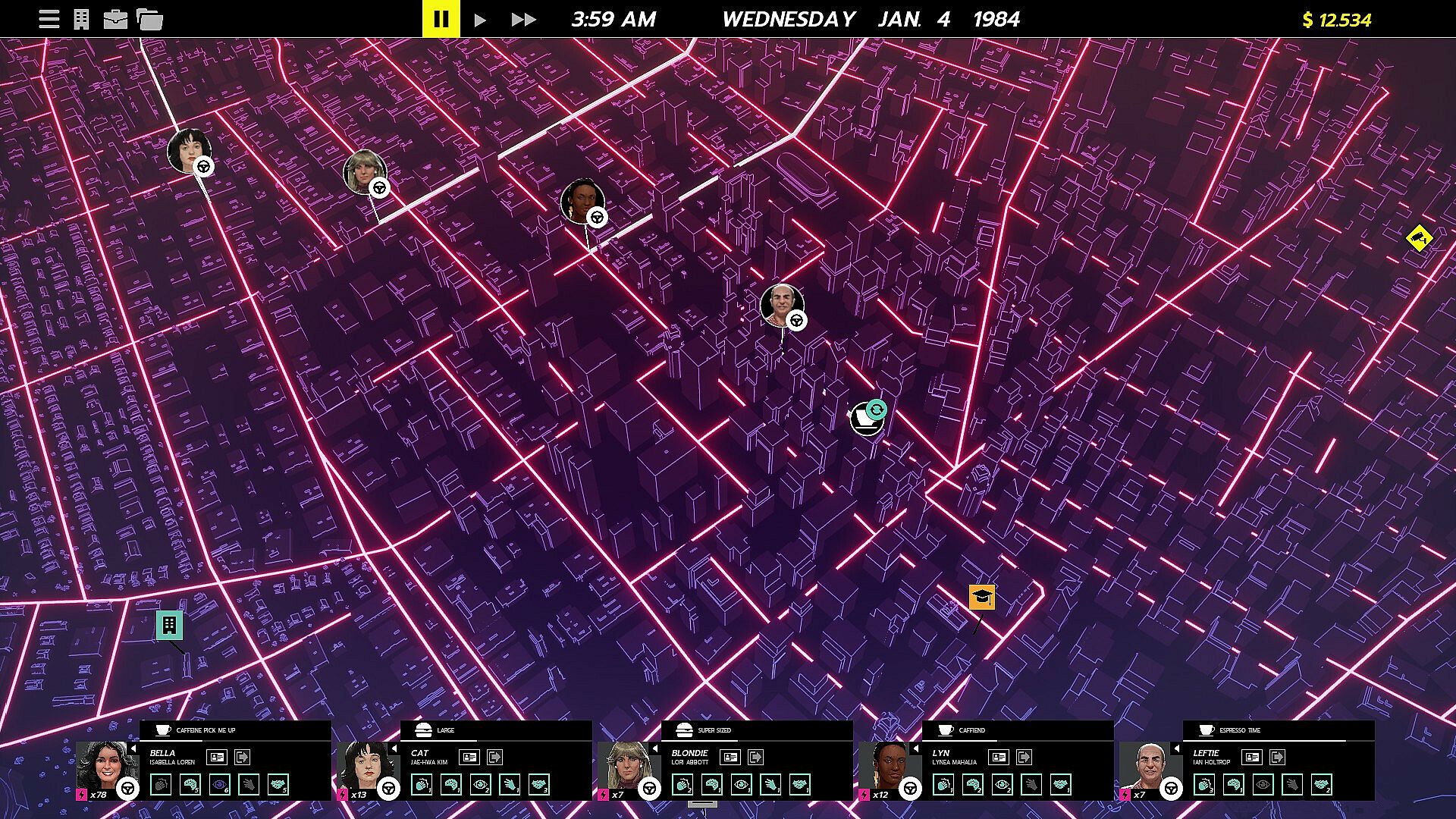
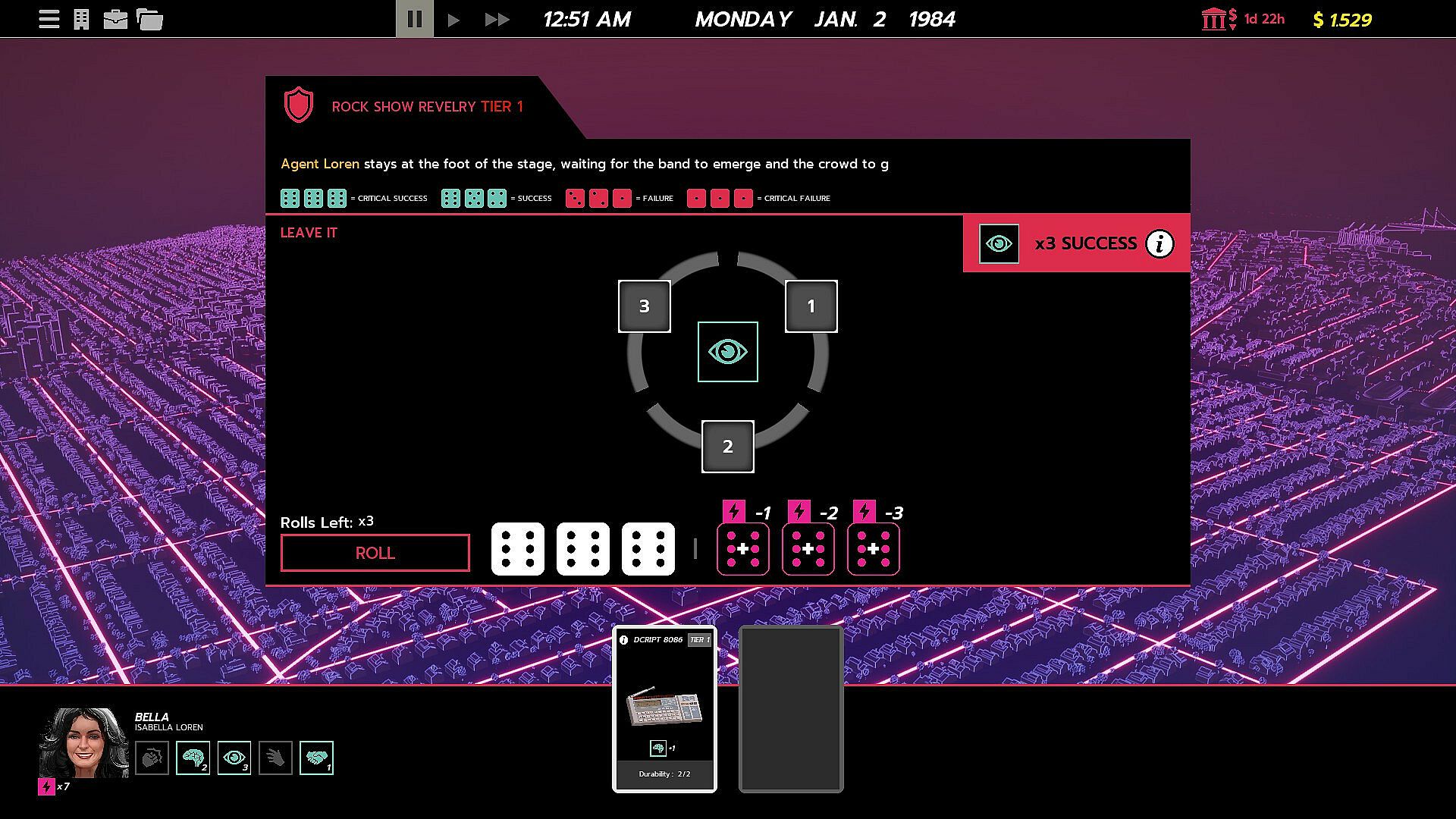
The core loop revolves around hiring freelance agents and assigning them to cases that range from basic security work to fugitive recovery and repossession. Each agent carries five stats rated from zero to five, which determine how many dice are rolled during checks. Success depends on matching the right agent to the case requirements while using cards to boost stats temporarily. Gear cards add layers with their tier rarity and limited durability that tracks uses before removal from inventory.
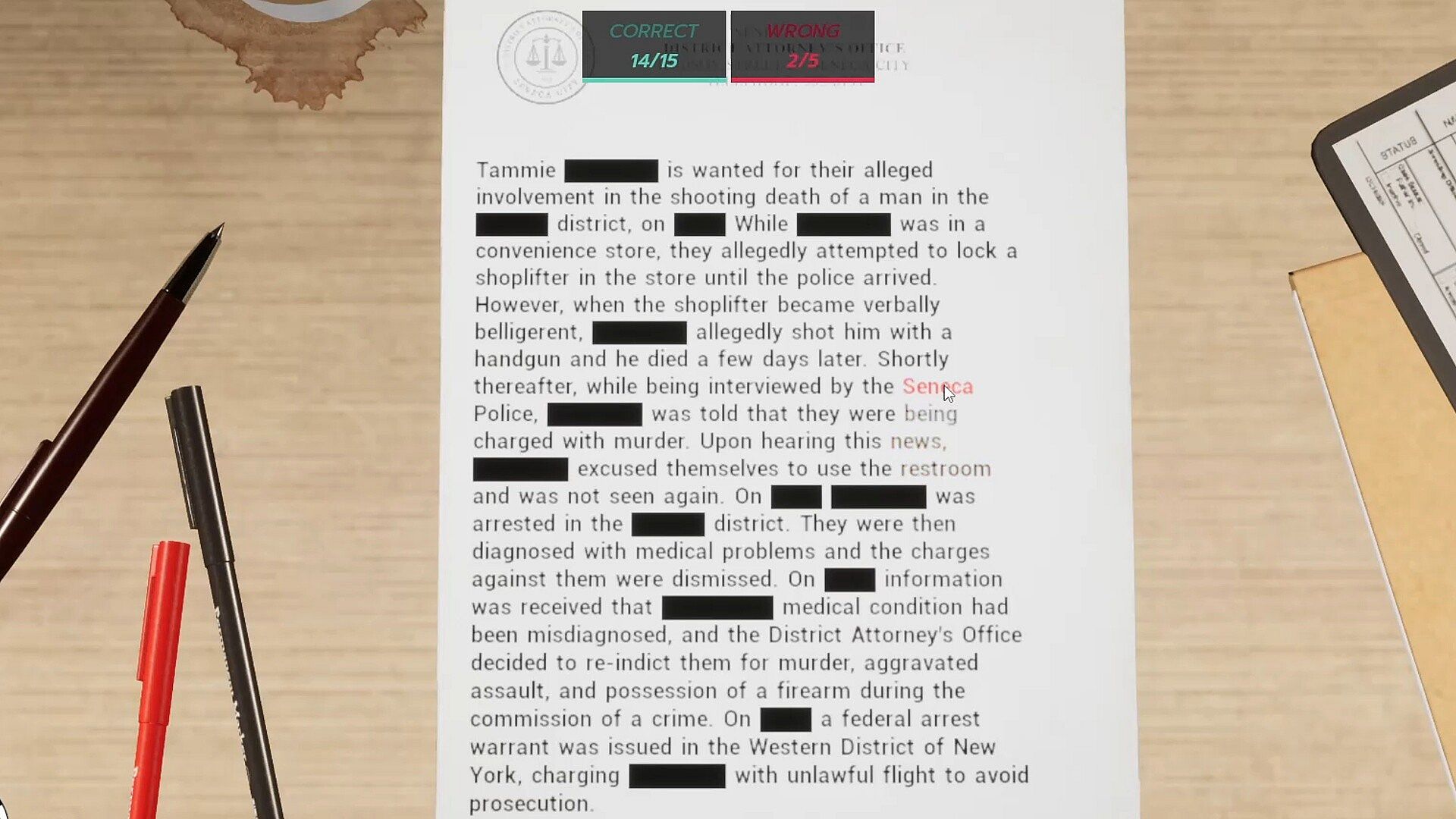
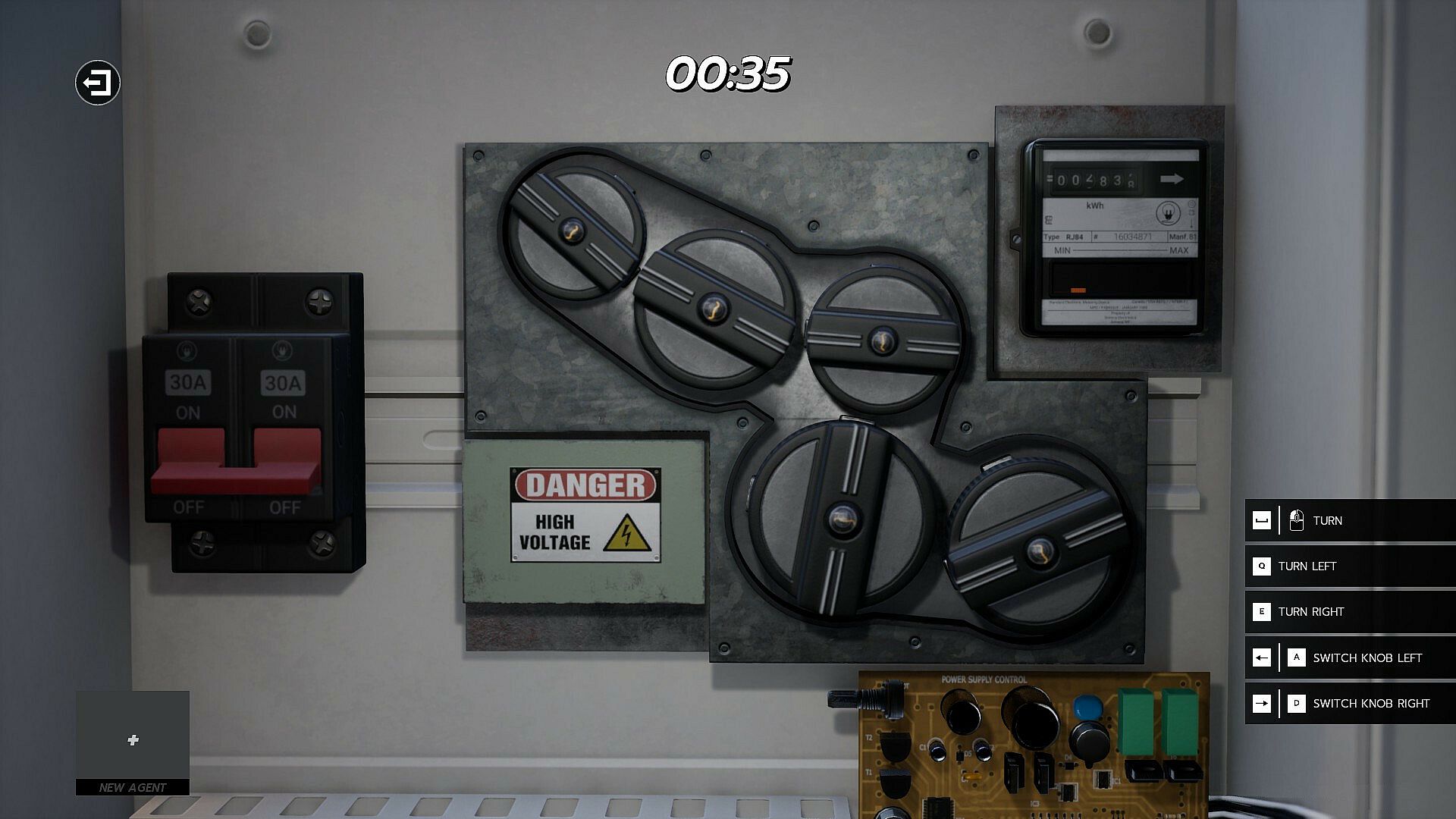
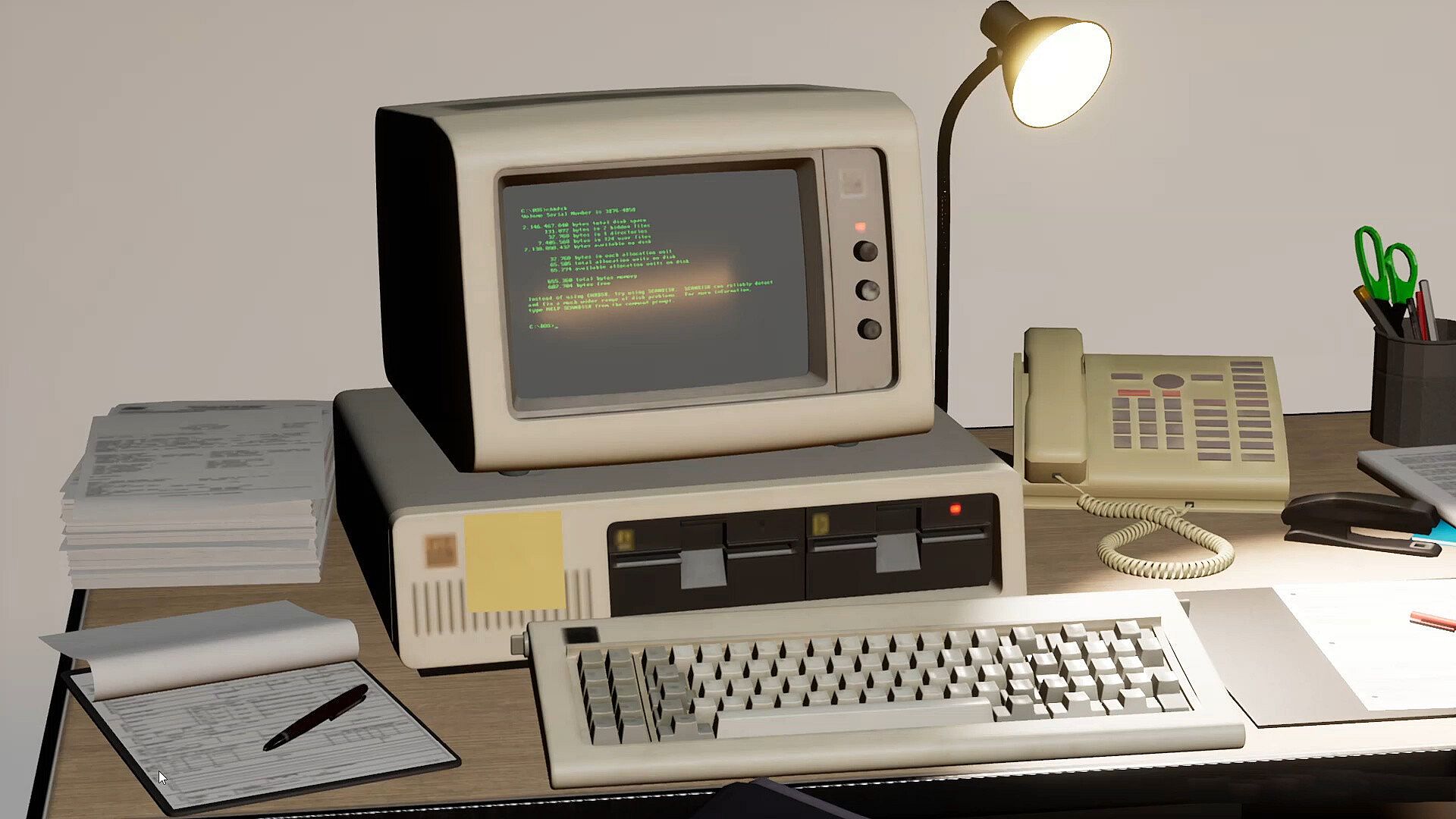
Cases incorporate puzzles that mix cryptograms, reflex challenges, and mathematical tasks drawn from the era. These mini-games appear in select assignments and require careful preparation alongside the dice mechanics. Players expand their roster by completing caseloads and earning rewards, which in turn allows more agents to be brought on for larger workloads. Planning involves reading case details closely and deciding when to push resources or hold back.
Behind the day-to-day operations lies an overarching narrative about a secret organization influencing the city. Agents and era-appropriate tools help uncover layers of this conflict while managing the agency's growth. The system rewards methodical approaches over rushed decisions.
Game Modes
The game operates entirely in a single-player format with no separate multiplayer or competitive modes. All progress occurs through the central agency management structure, where cases serve as the primary activity. Players advance by completing assignments in sequence, unlocking new agents and expanding capabilities along the way. There are no distinct named modes or seasonal variations; the focus remains on the ongoing campaign of casework and story progression.
Setting and Narrative
The 1980s atmosphere shapes both the visual style and the tools available, from surveillance equipment to the types of cases that arise. Players navigate a city dealing with crime and hidden influences, using agents to address immediate threats while piecing together larger connections. The narrative unfolds through case outcomes and agent interactions rather than direct exposition, encouraging repeated playthroughs to explore different agent combinations and results.
Decisions in one case can affect available resources or agent availability for future work. This creates a sense of continuity without branching story paths that alter the overall structure. The setting emphasizes practical problem-solving within the constraints of limited dice and card resources.
Is It Worth Playing?
Reception has been mixed, with feedback highlighting both the appeal of the dice and card systems alongside frustrations with controls and repetition in longer sessions. The game suits players who enjoy deliberate strategy titles inspired by tabletop mechanics and who appreciate managing limited resources across multiple assignments. Those seeking fast-paced action or extensive variety in structure may find the pace slower than expected.
Availability on PC allows access through standard digital storefronts, and the single-player campaign provides a complete experience without additional modes or live-service elements. It appeals most to fans of management simulations that incorporate puzzle elements and narrative discovery through gameplay choices. Patience with the interface and a willingness to experiment with agent assignments contribute to stronger engagement.