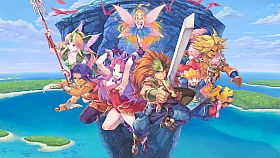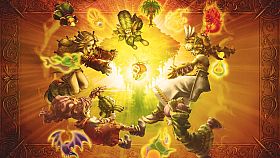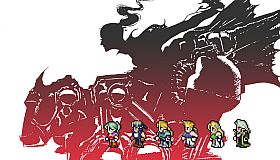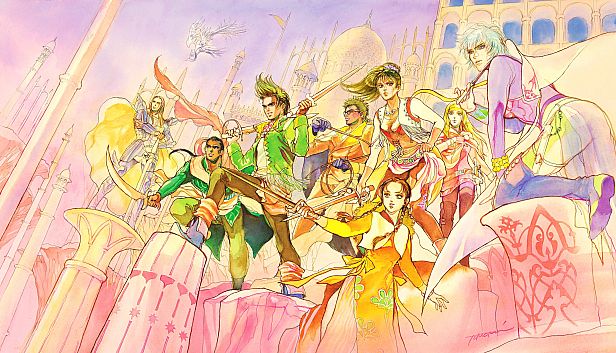


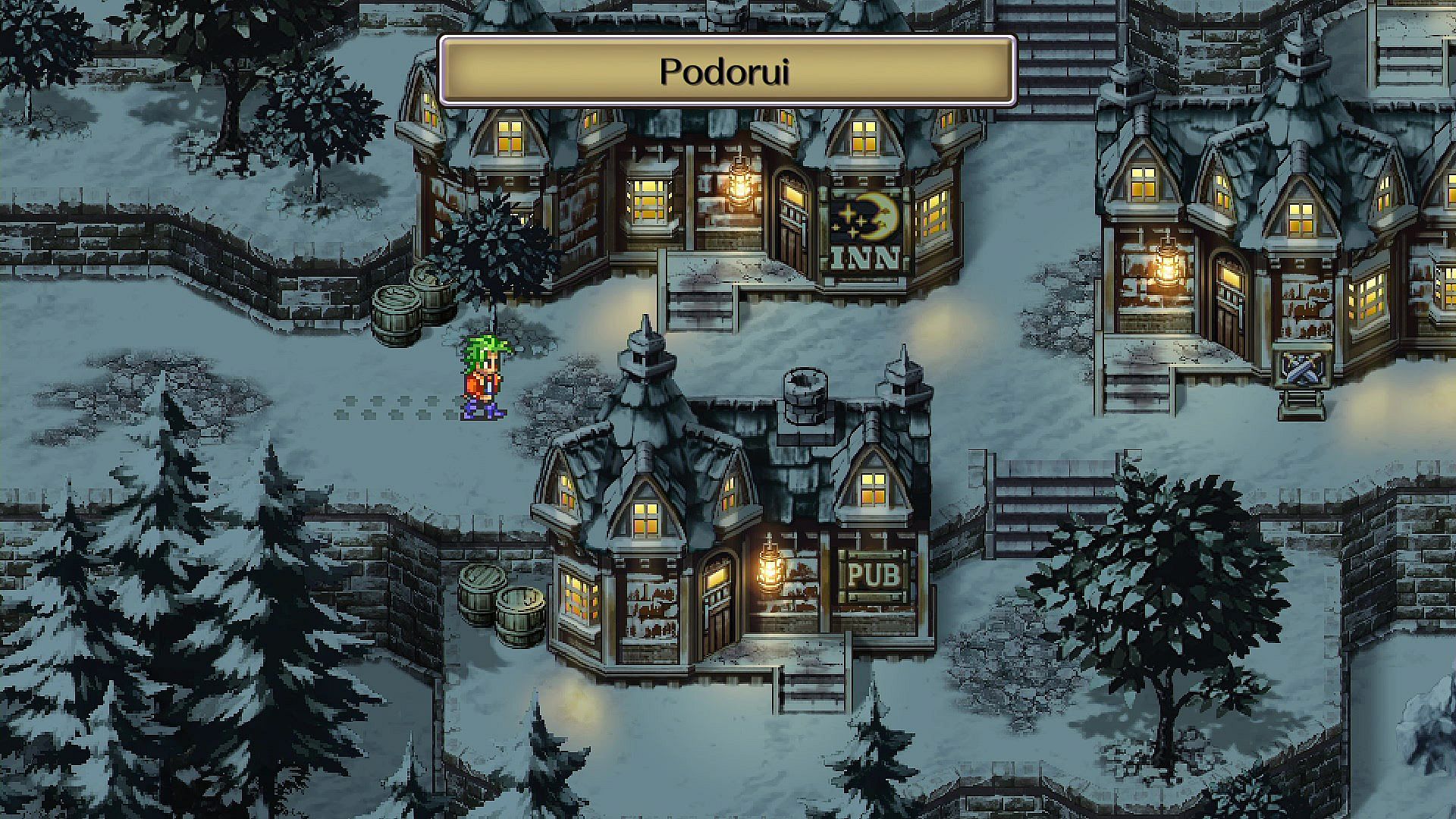
Romancing SaGa 3 is a single-player turn-based RPG that places players in a non-linear world shaped by personal choices. The HD remaster brings the 1995 classic to Xbox and PC with updated visuals, a new dungeon, additional scenarios, and a New Game+ option that carries over learned abilities, skill levels, money, and select items.
Gameplay
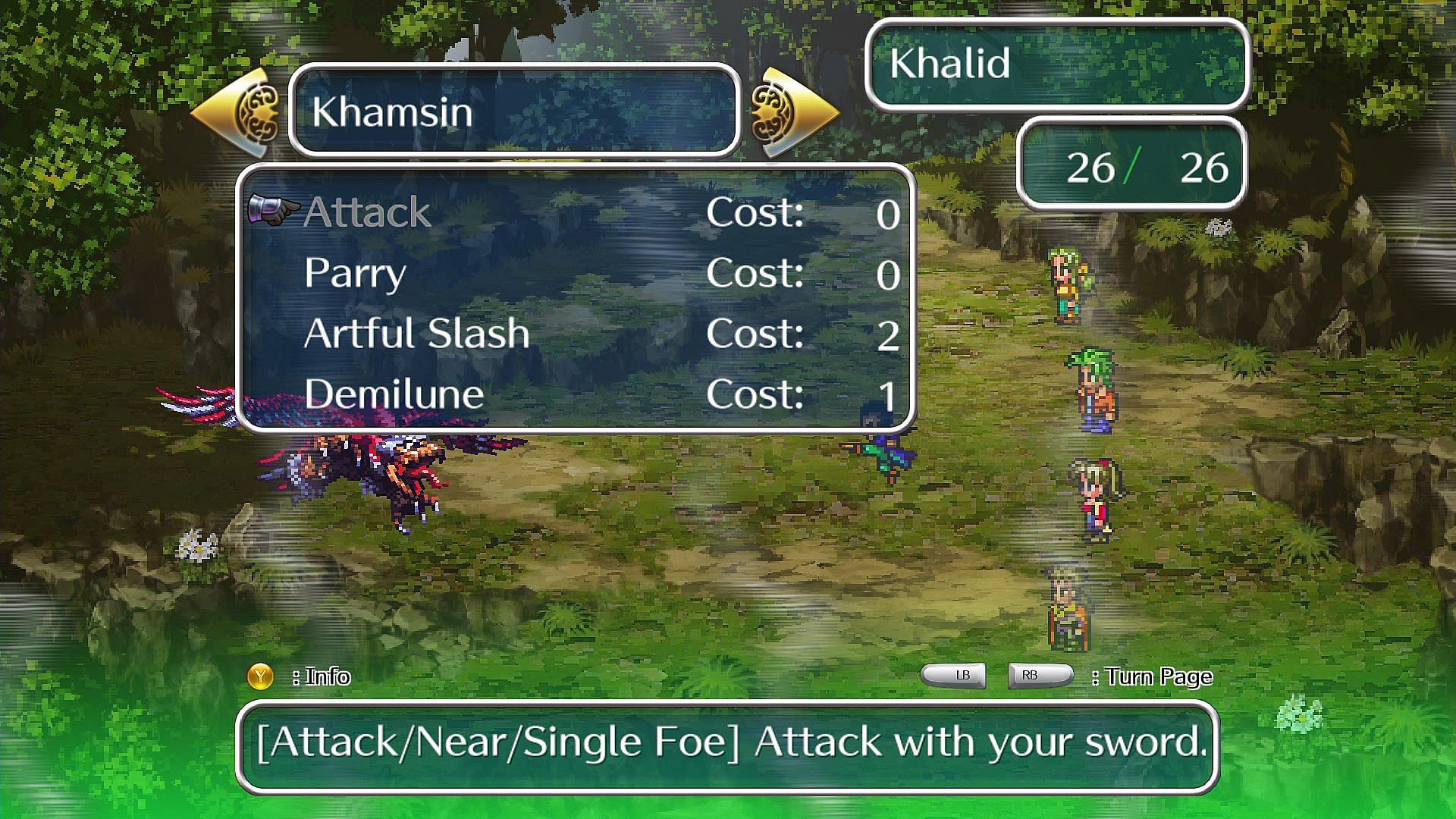
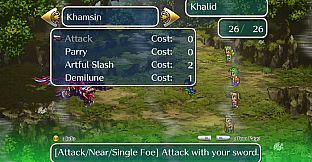
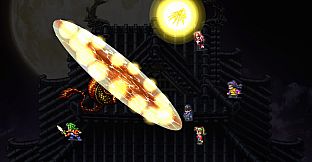
Combat unfolds in turns where players select actions for a party of up to five active characters. Each character tracks HP that fully restores after victory, WP for physical techniques, JP for magic, and a limited pool of LP that depletes when HP reaches zero. Basic stats such as strength, dexterity, and agility remain fixed from the start, while HP, WP, JP, and proficiency levels in eight weapon types and six magic attributes grow through repeated use in battle.
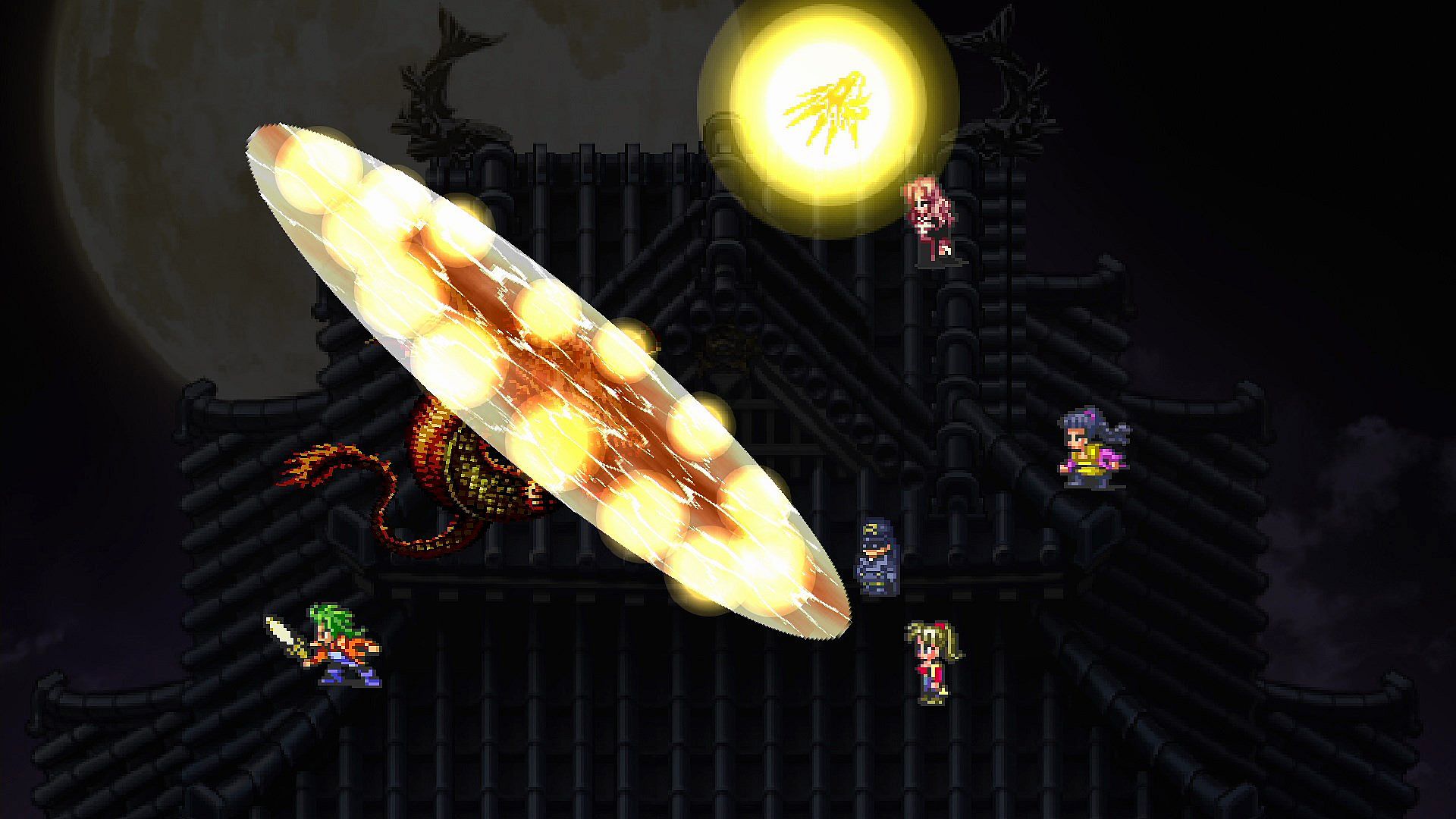
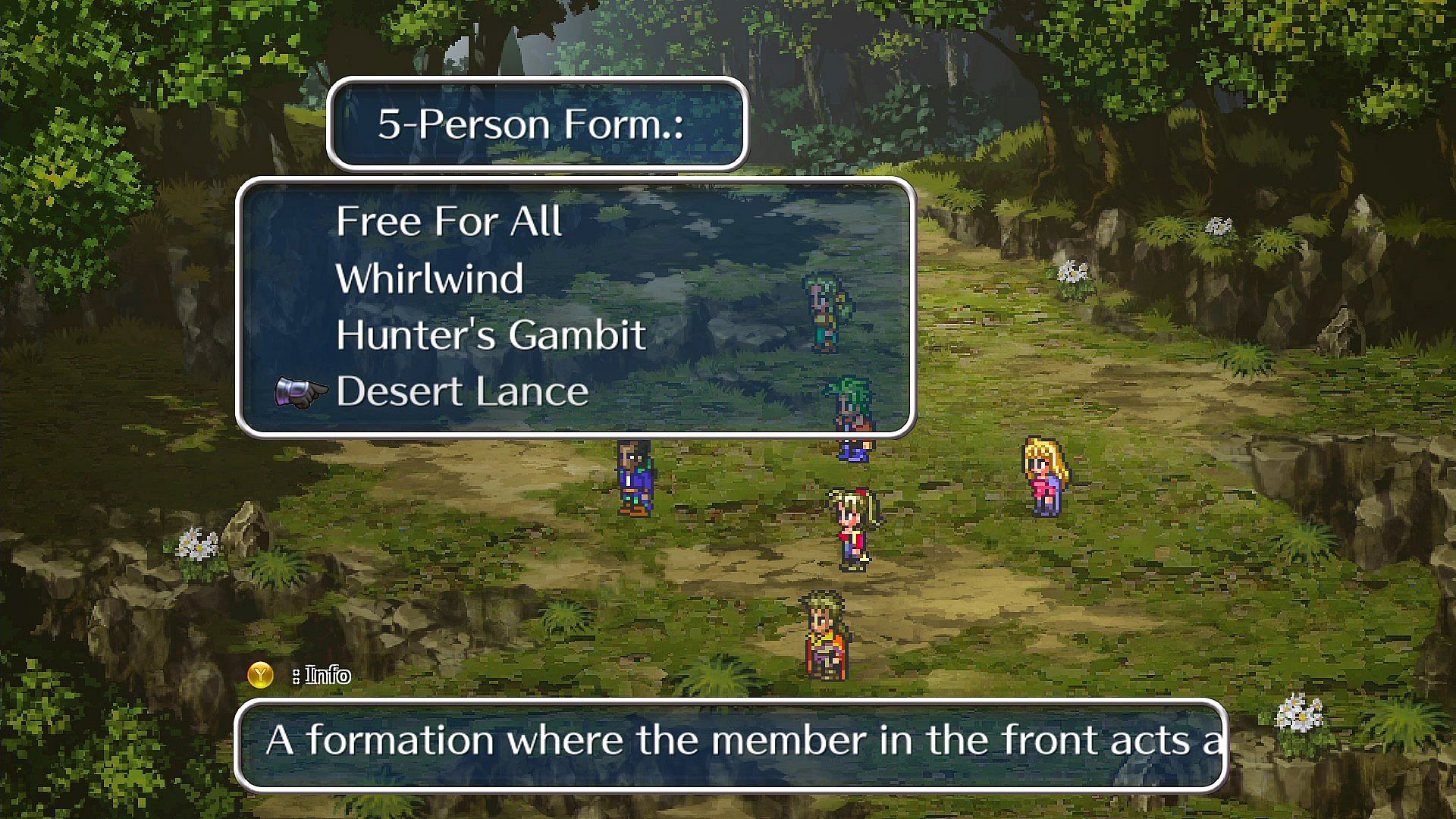
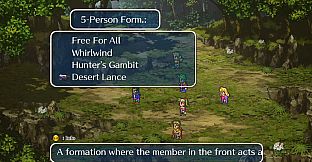
A signature glimmer system gives characters a chance to learn new techniques or spells mid-fight based on actions taken and enemy strength. Once mastered through repeated use, these skills can be taught to other party members. Formations position characters to grant bonuses to attack power, speed, or defense, and certain powerful combination attacks require specific placements. The commander mode lets players move the protagonist to a reserve slot, triggering automatic battles with party-wide HP recovery each turn and access to exclusive formation techniques.
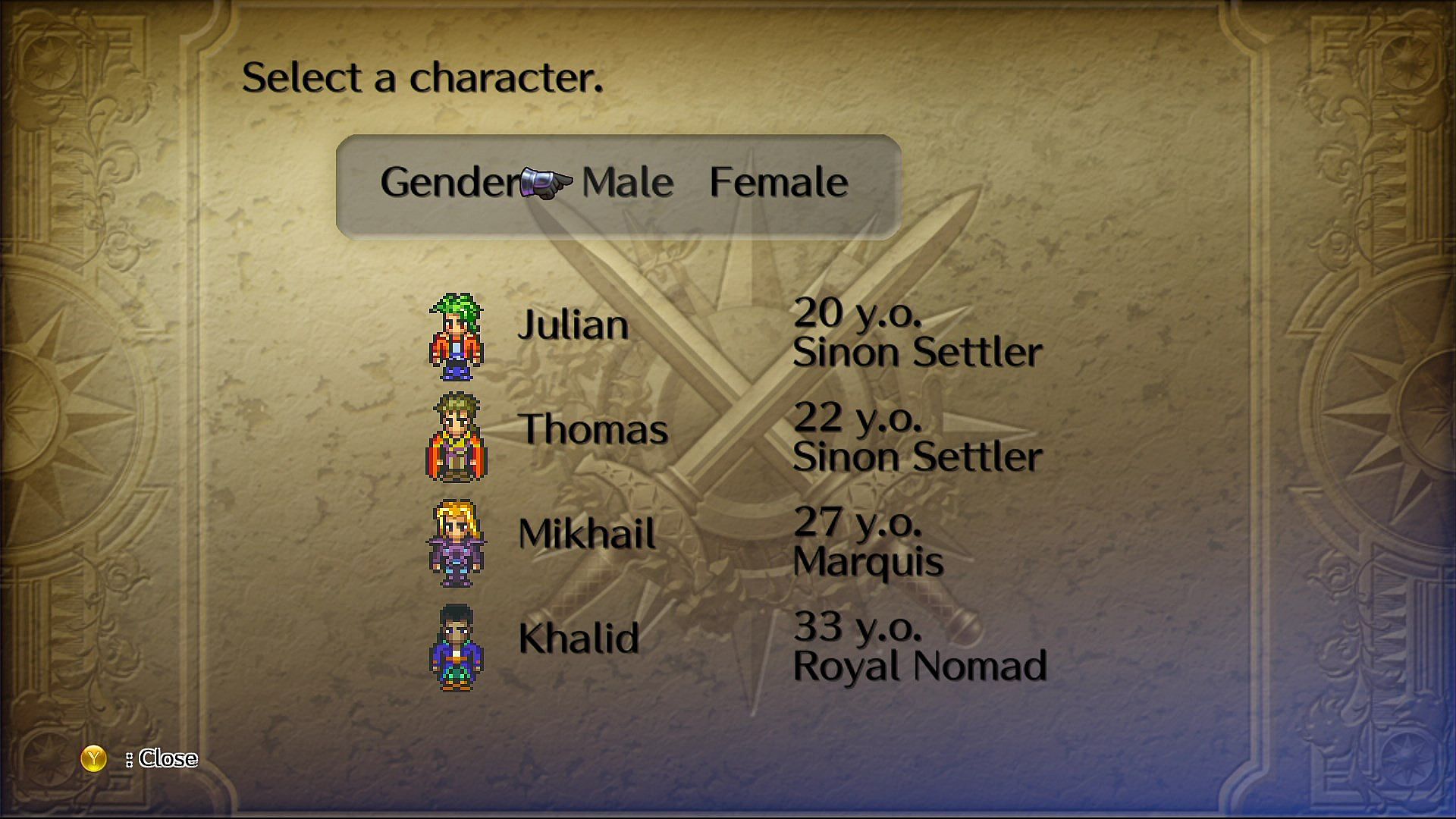
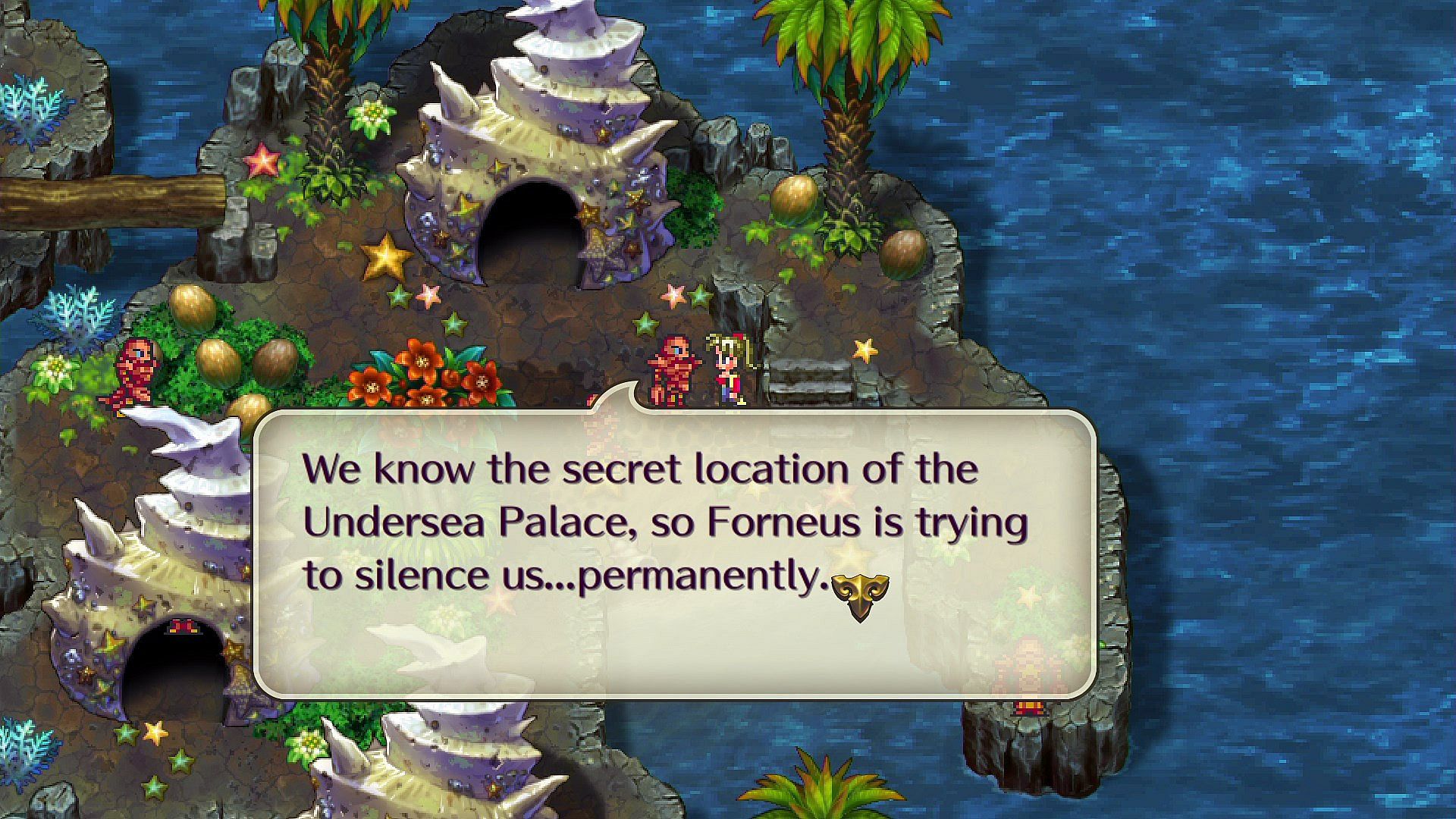
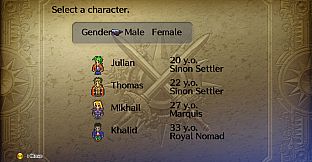
Exploration follows a free scenario structure. After selecting one of eight protagonists and completing their opening events, players pursue main objectives and side content in any order. Recruitment of over twenty additional characters depends on story choices and timing, with each protagonist offering distinct starting perspectives on the central conflict involving the recurring Rise of Morastrum and the search for a child of destiny.
Game Modes
Beyond standard dungeon crawling and questing, the game includes two major mini-games that integrate with the main progression. Mass combat places the player in command of armies during large-scale conflicts tied to certain protagonists and events. Orders direct troops to weaken enemy lines or break through formations, with morale mechanics influencing outcomes.
The business system lets players acquire properties through agents in various towns and engage in trading to grow a company. Strategic investments and negotiation techniques unlock further opportunities and resources that support the main adventure. These modes appear based on protagonist selection and story progress, adding variety without interrupting the core RPG loop.
Story and Characters
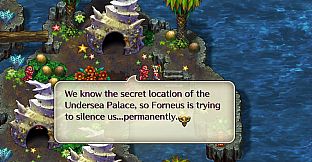
The narrative centers on a cycle that repeats every three hundred years when the Rise of Morastrum endangers the world. Survivors and those who defy fate, including a figure known as the Matriarch, set the stage for the current events. Players experience this through the eyes of eight distinct protagonists, each with personal motivations and unique opening sequences that branch into the larger conflict against the Sinistrals and sealed Abyss Gates.
Party composition and the order of tackling major threats alter available events and character interactions. The free scenario approach means multiple playthroughs reveal different recruitments, side stories, and resolutions while the core threat remains consistent.
Is It Worth Playing?
The HD remaster preserves the original's distinctive systems while adding quality-of-life improvements such as the Phantom Maze dungeon and New Game+ carryover. Players who enjoy non-linear structure, experimentation with skill acquisition, and layered battle tactics will find substantial depth in the formation choices, glimmer mechanics, and mini-games. Those seeking straightforward leveling or clear quest markers may find the opacity and random growth elements demanding. The game runs on Xbox and PC with the updated presentation, making the full experience accessible without prior series knowledge beyond an openness to classic JRPG design. Multiple playthroughs with different protagonists highlight the replay value built into the scenario system.