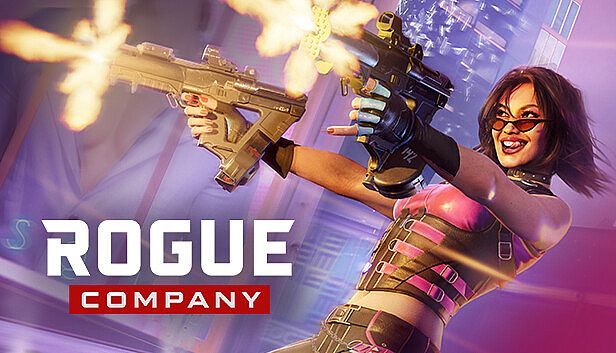







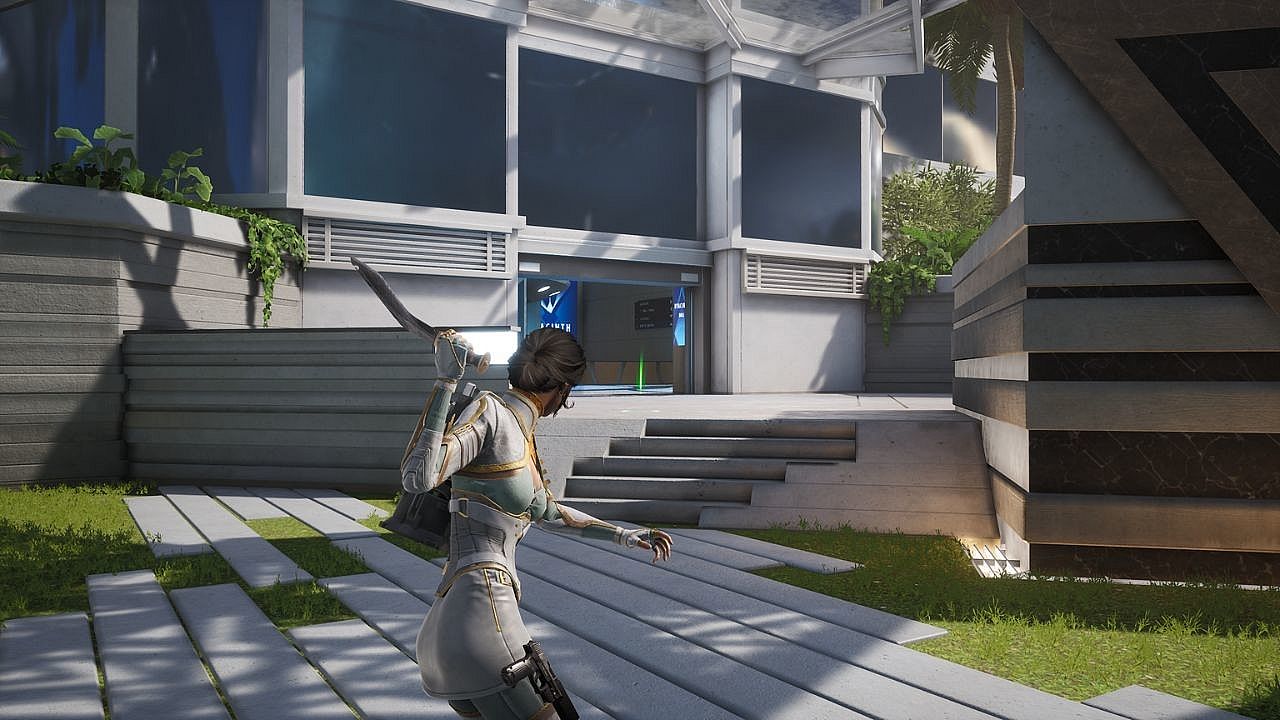
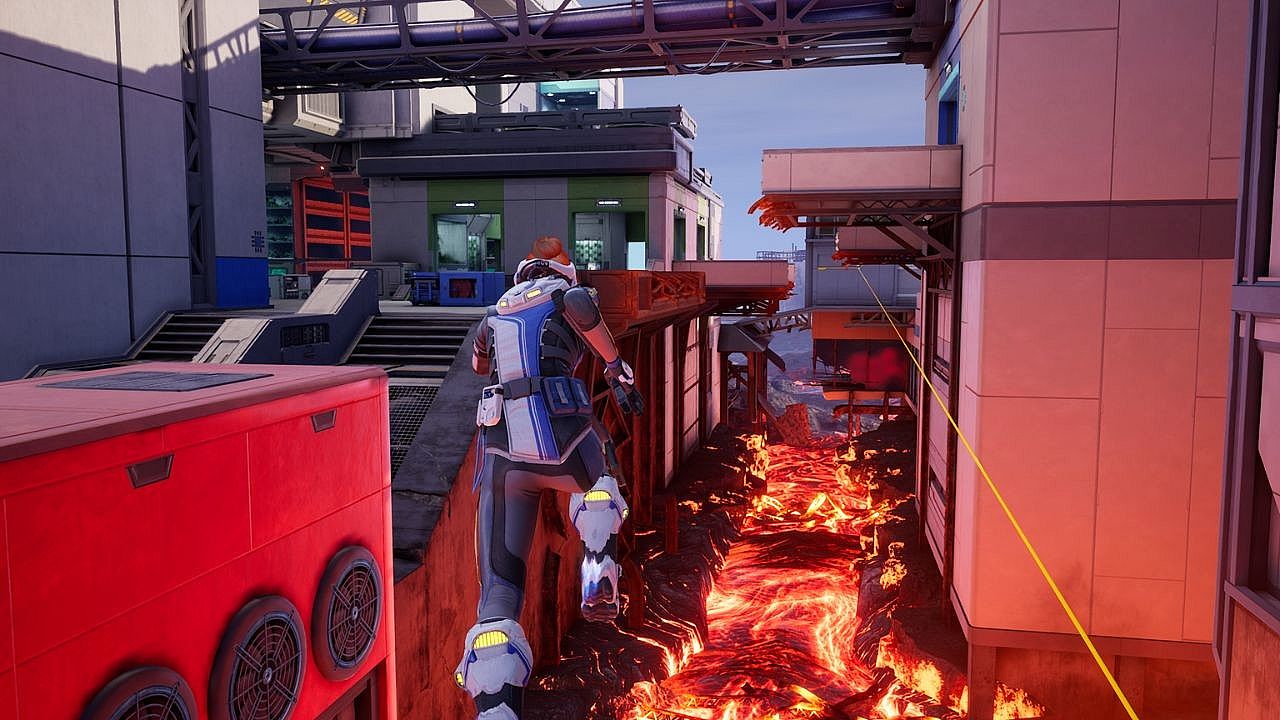
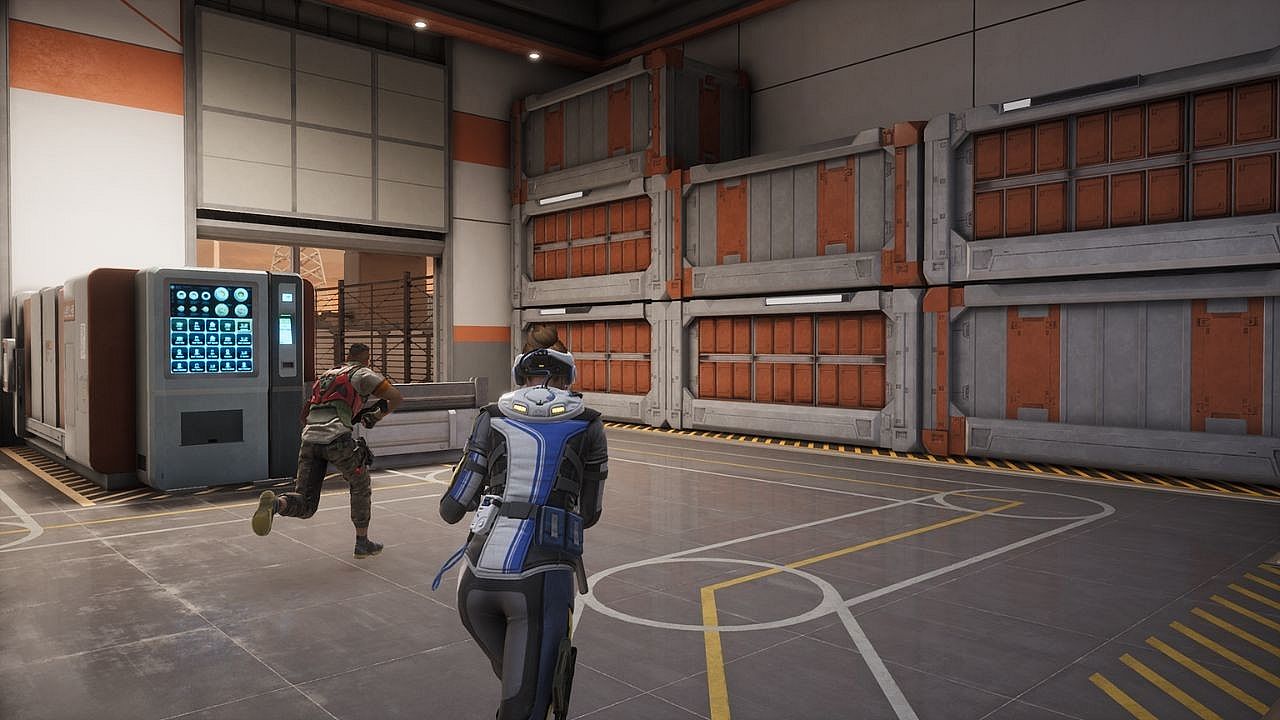

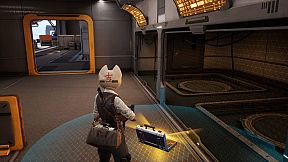
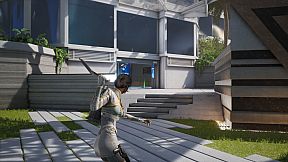

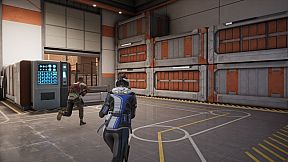
Rogue Company stands out as a third-person tactical shooter that emphasizes team coordination and strategic decisions in multiplayer matches. Released as a free-to-play title, it draws players into fast-paced confrontations where choosing the right agent and gear can turn the tide of battle. With its focus on objective-driven gameplay and cross-platform support, the game appeals to those who enjoy competitive shooting experiences without a hefty price tag.
Gameplay
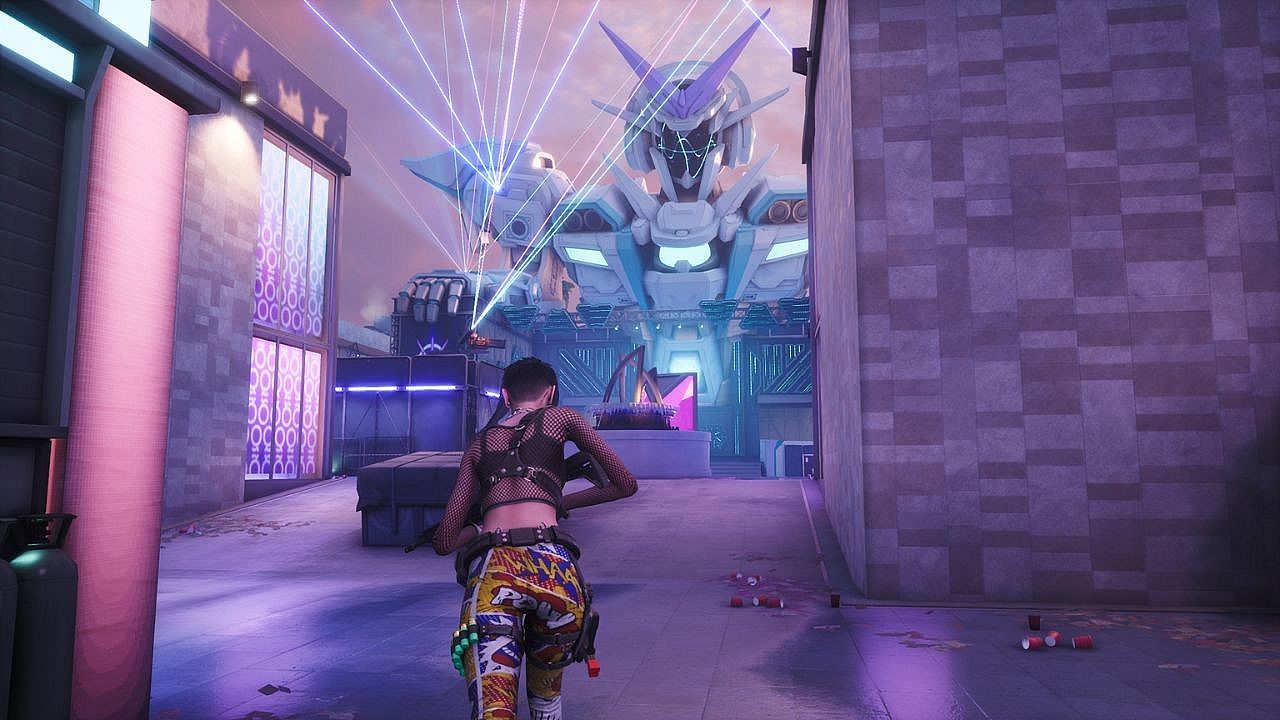
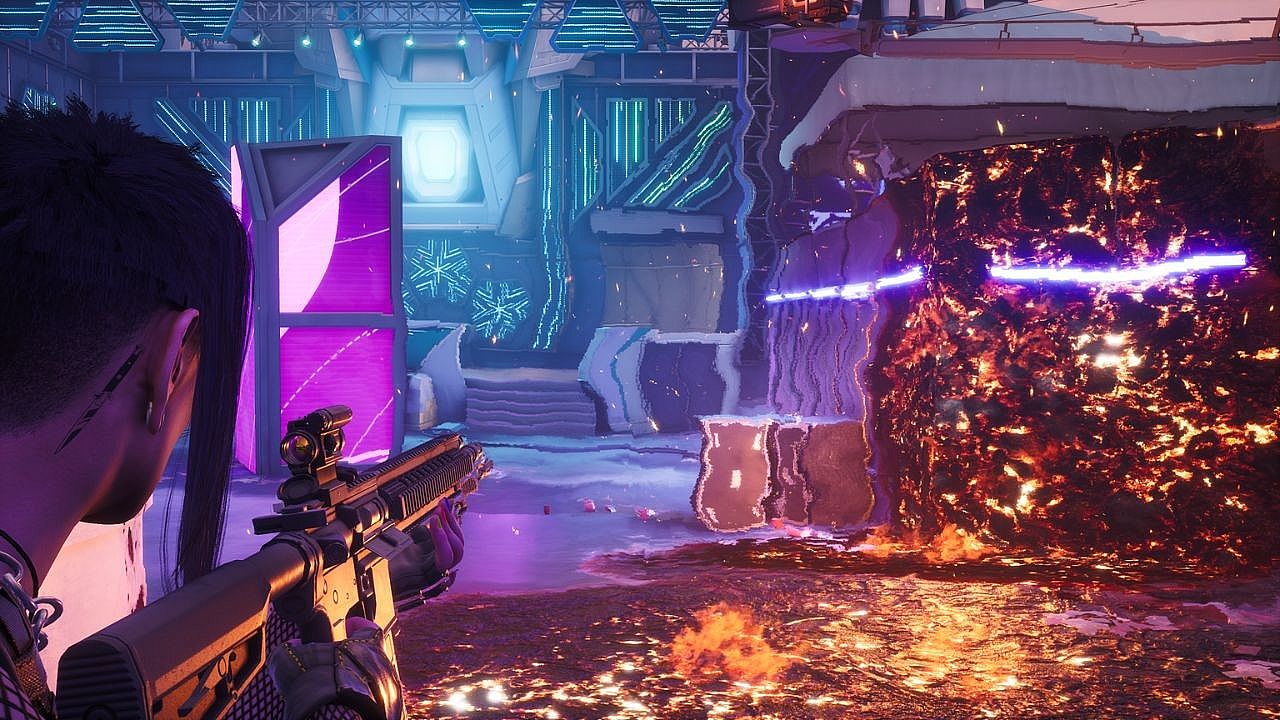
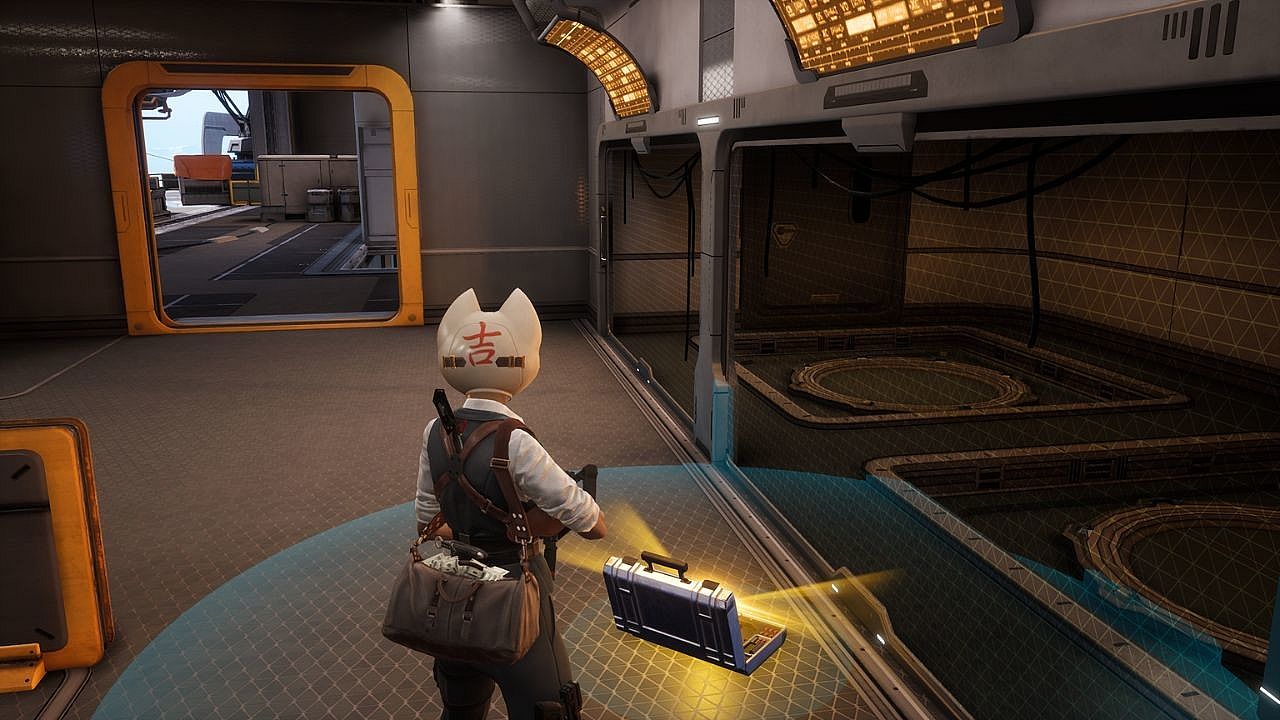
In Rogue Company, matches revolve around teams of four or six players facing off in various scenarios. You select an agent, known as a Rogue, each equipped with distinct abilities, primary weapons, and gadgets that influence your approach. During rounds, you accumulate cash by completing objectives or eliminating opponents, which you spend in an in-game shop on upgrades like melee weapons, snipers, or utility items such as grenades and drones. The third-person perspective allows for better awareness of surroundings, encouraging tactics like flanking and cover usage. Gunplay feels responsive, with an emphasis on precision and positioning rather than sheer firepower.
Mechanics include ability cooldowns and gadget deployments that add layers to engagements. For instance, some Rogues can revive fallen teammates remotely or disrupt enemy electronics. Matches progress through multiple rounds, where adapting your loadout based on the situation keeps things dynamic. Cross-play ensures you can team up with friends on different platforms, and progression carries over seamlessly.
Game Modes
Rogue Company offers a selection of modes tailored to different playstyles, all centered on team objectives. Demolition tasks one team with planting a bomb while the other defends or defuses it, creating tense, round-based showdowns. Strikeout focuses on eliminating the opposing team's lives, with respawns limited until one side depletes the other's pool. King of the Hill requires controlling a central point to score, demanding constant movement and defense.
For those seeking competition, the Ranked mode pits you against similarly skilled players in structured queues. Limited-Time Modes rotate periodically, introducing variations like altered rules or special events to keep the experience fresh. These modes support both 4v4 and 6v6 formats, set in diverse maps inspired by global locations.
Characters and Abilities
The roster of Rogues forms the core of Rogue Company's appeal, with each character bringing unique tools to the fight. Examples include Switchblade, who deploys a launcher for area-denial fire, or Saint, capable of reviving allies with a drone. Gl1tch hacks enemy devices to disable them temporarily. You unlock Rogues through gameplay without spending money, and earning rewards like cosmetics comes from regular participation.
Abilities tie into broader strategies, such as using stealth for ambushes or support tools for team sustain. This variety encourages experimenting with different Rogues to fit your preferred role, whether aggressive, defensive, or supportive.
Is It Worth Playing?
Rogue Company remains accessible as a free-to-play shooter, with servers still operational and cross-play enabling matches across platforms. However, it has not received new content or updates for several years, leading to a smaller player community and occasional issues like longer queue times or unresolved bugs. Steam reviews show an overall mostly positive rating of 74% from over 25,000 users, though recent feedback dips to mixed at 69%, often citing lack of support and cheaters.
If you favor tactical multiplayer games with character-based abilities and don't mind a quieter scene, it could still provide enjoyable sessions, especially with friends. For those wanting active development or large player pools, alternatives might suit better. Trying it costs nothing, so testing a few matches can help decide if the core loop holds up for you.