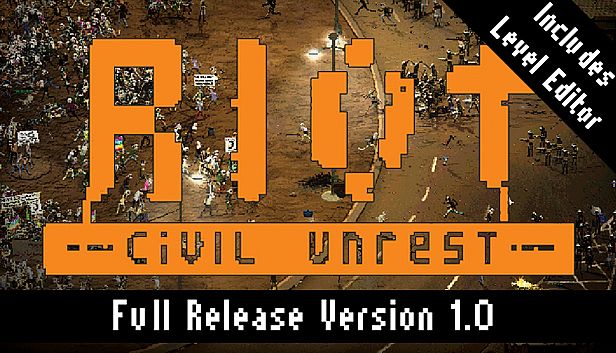



















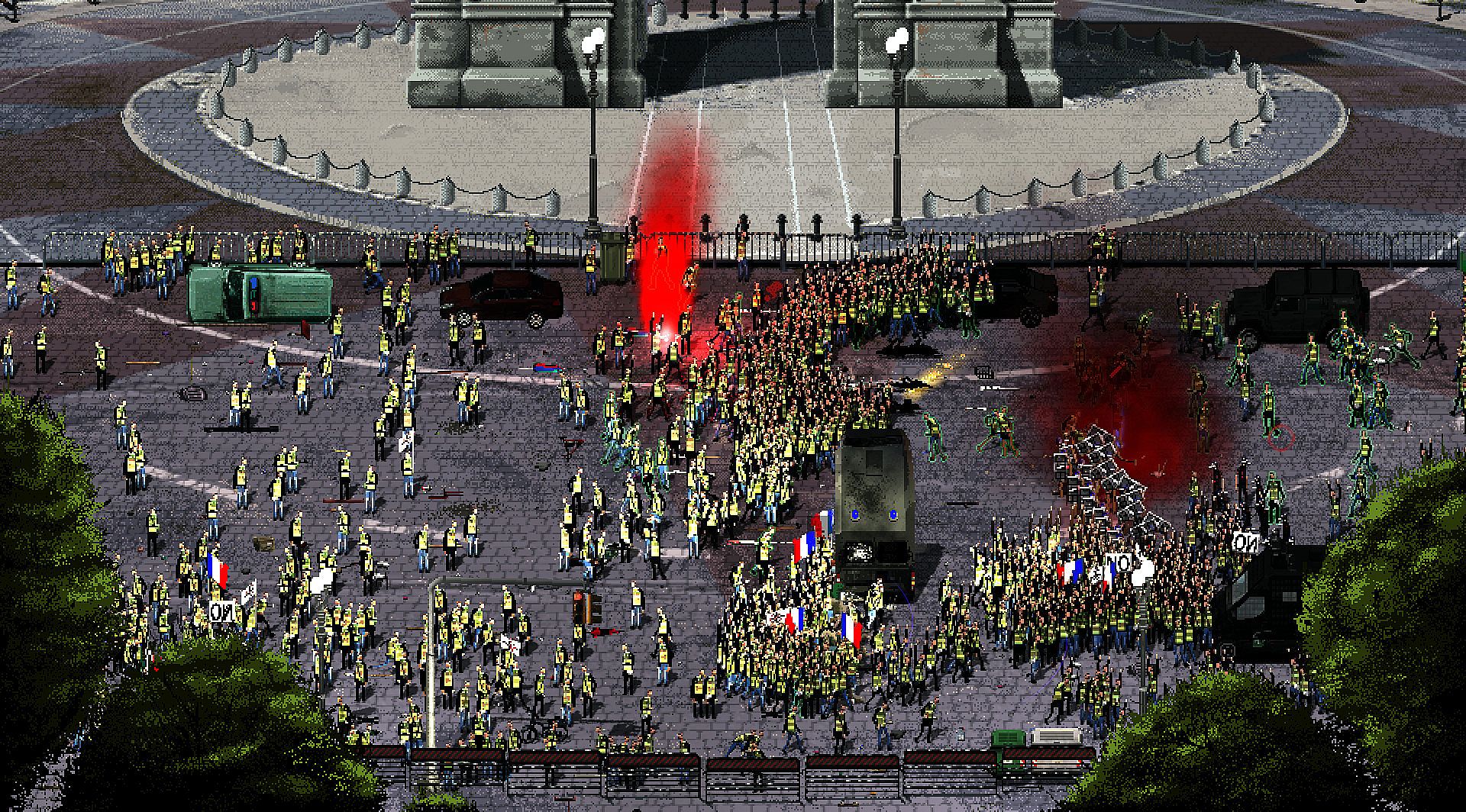
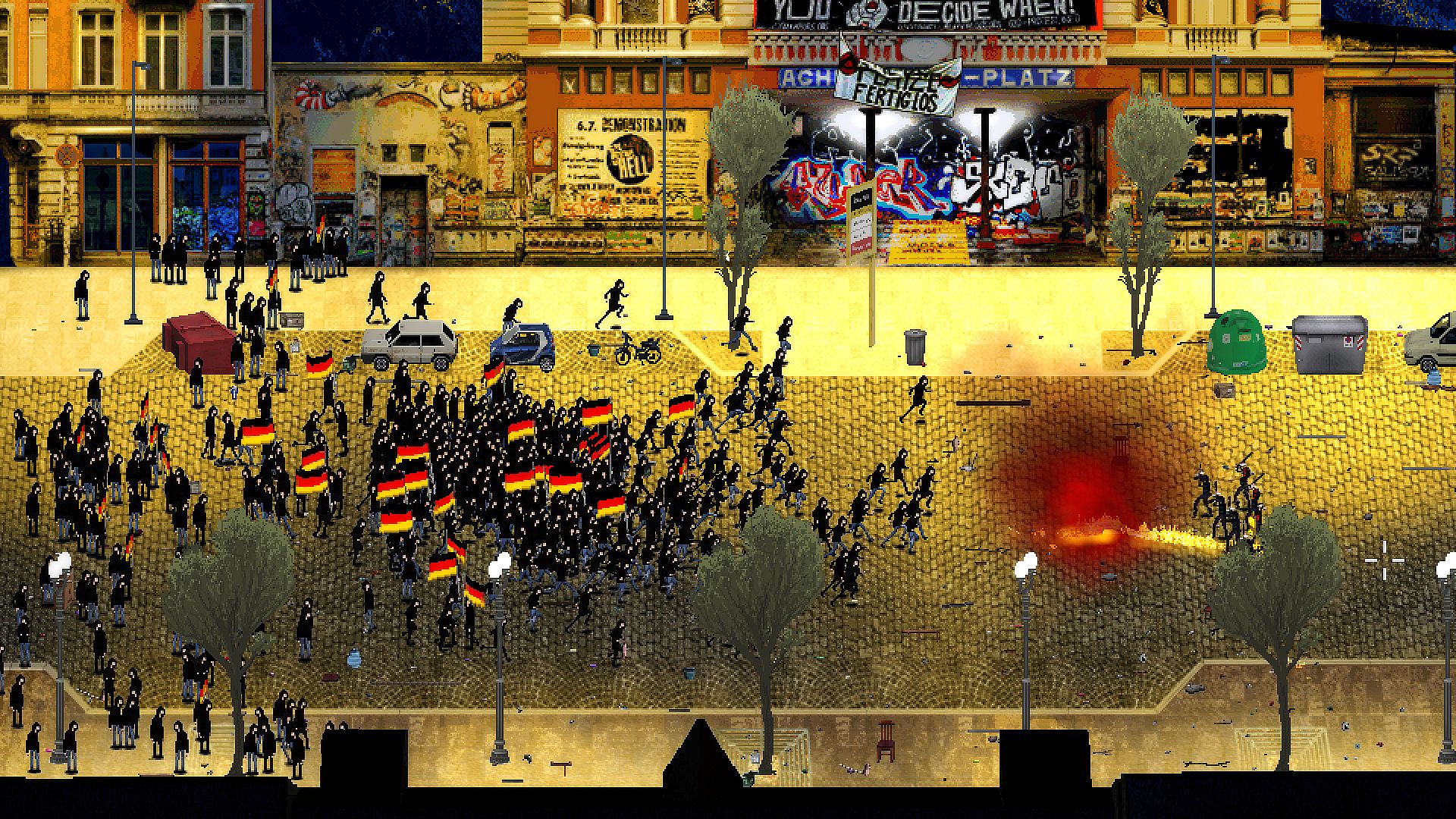
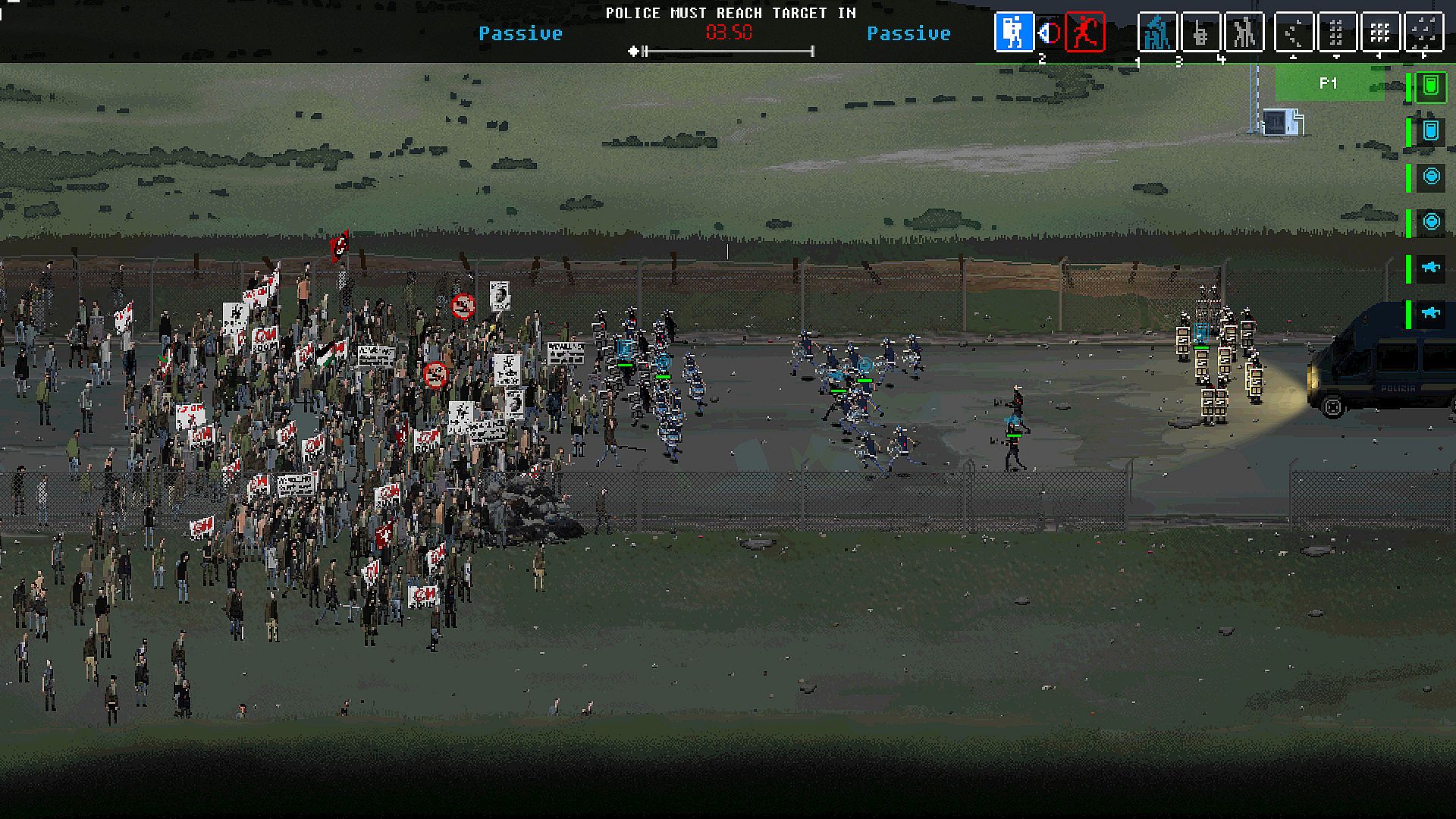
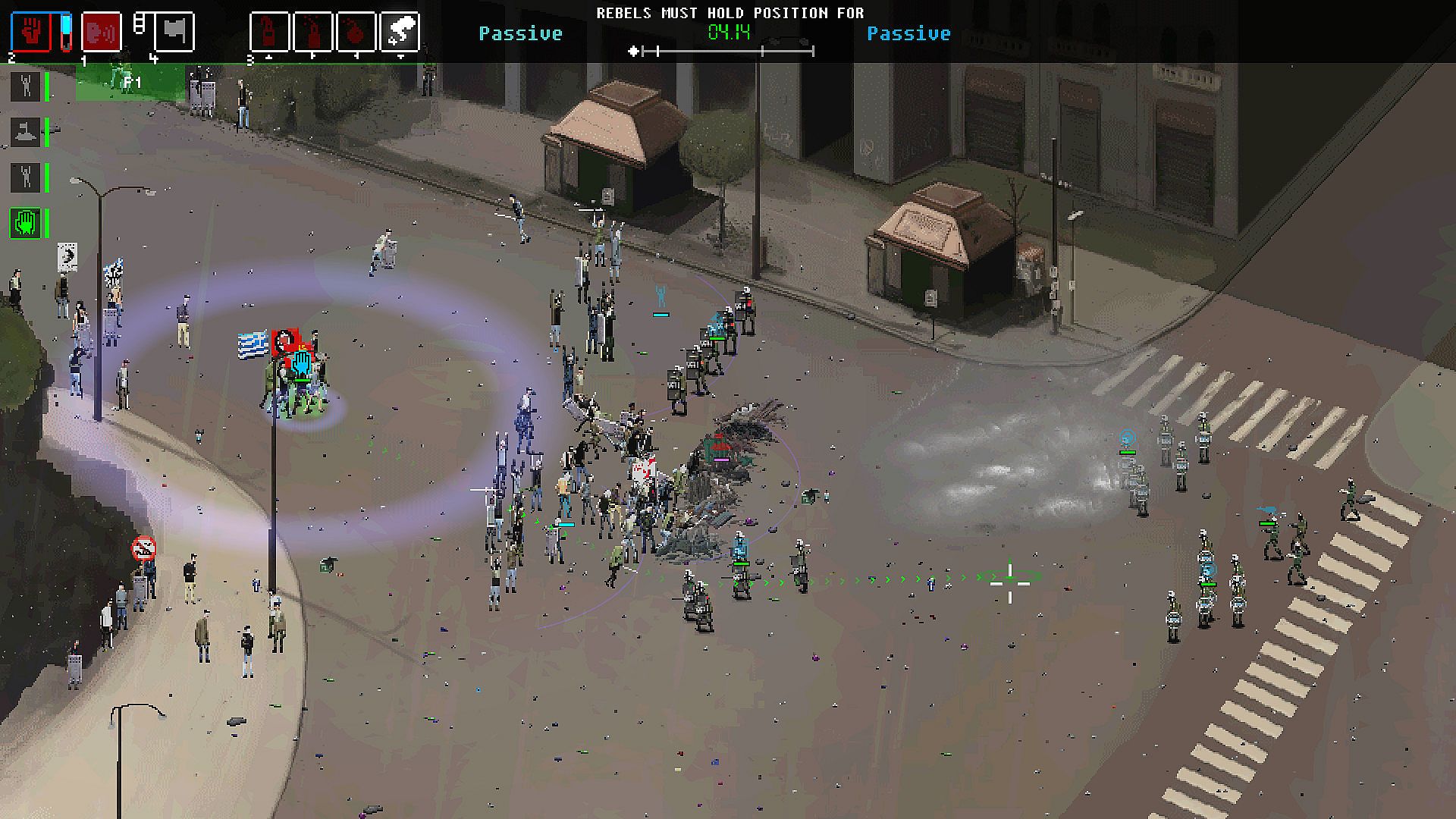
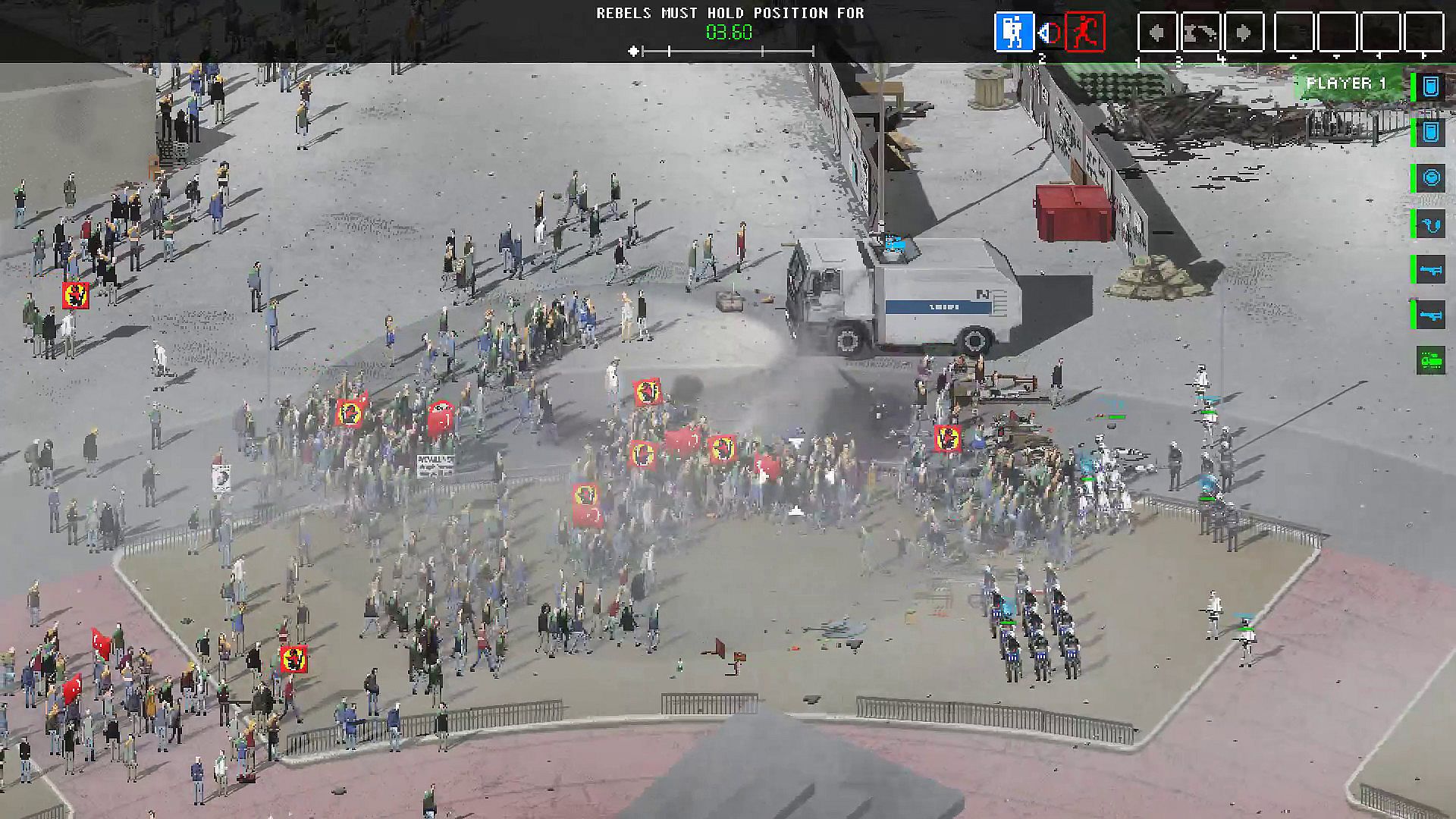
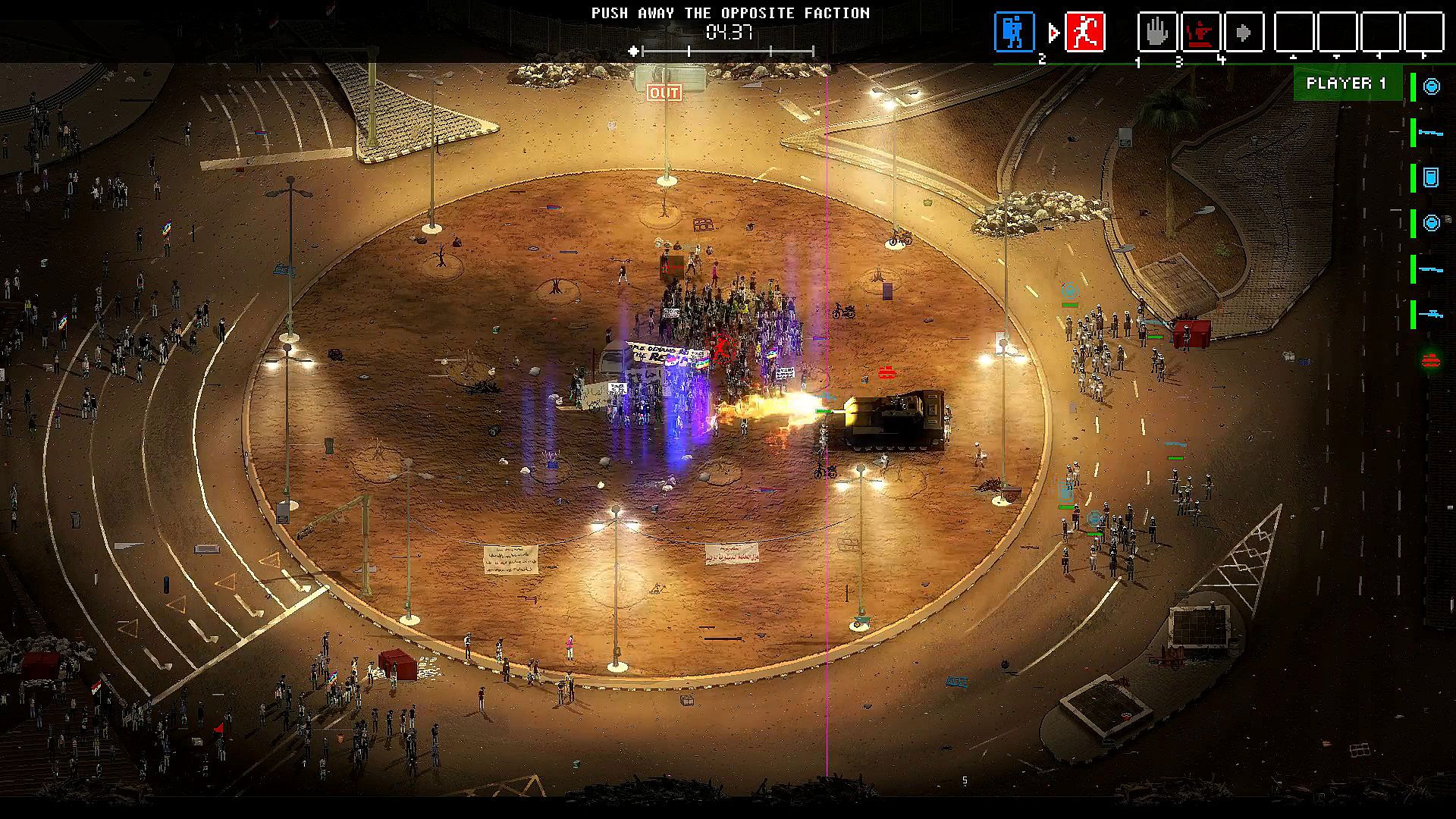
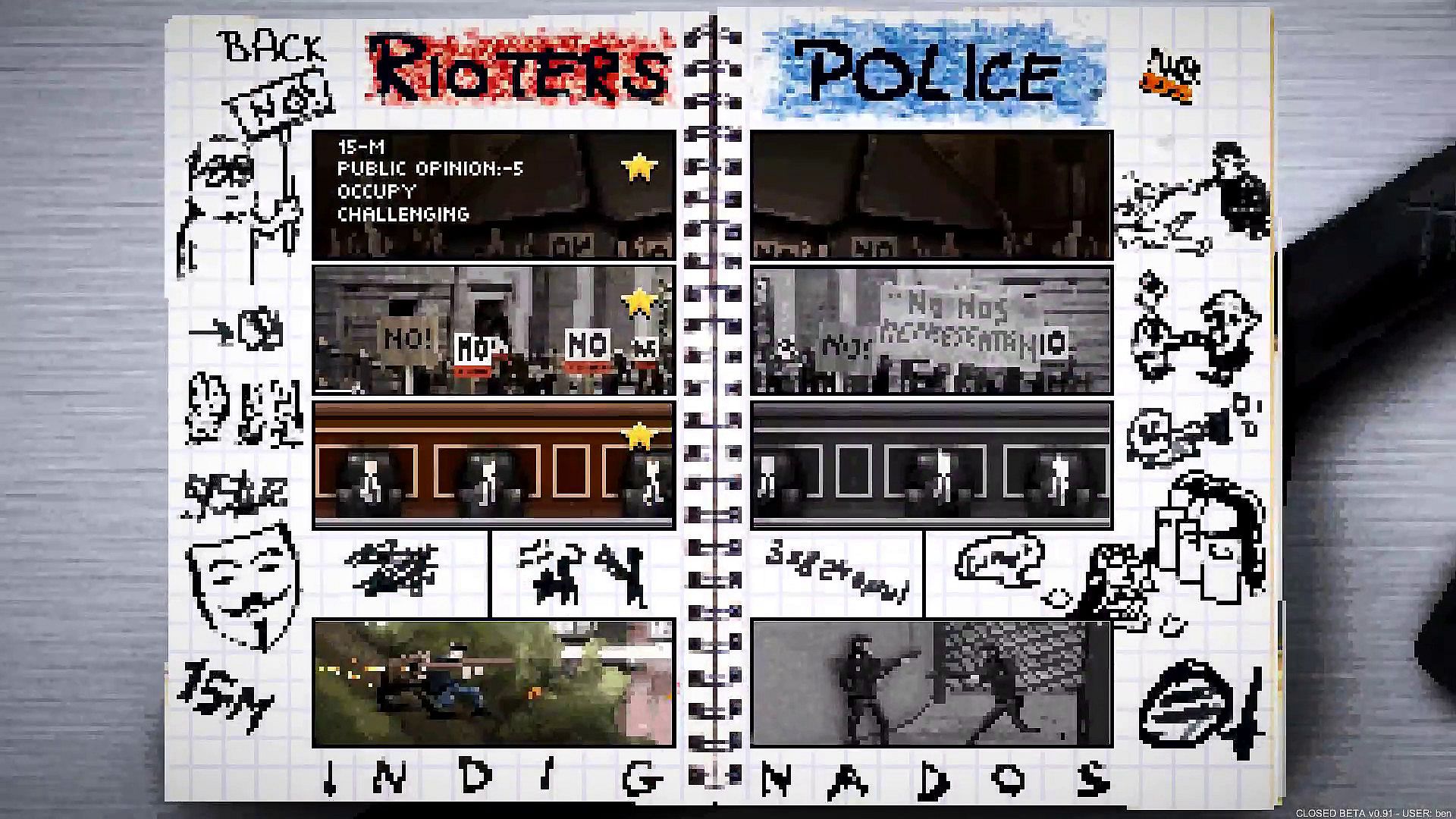
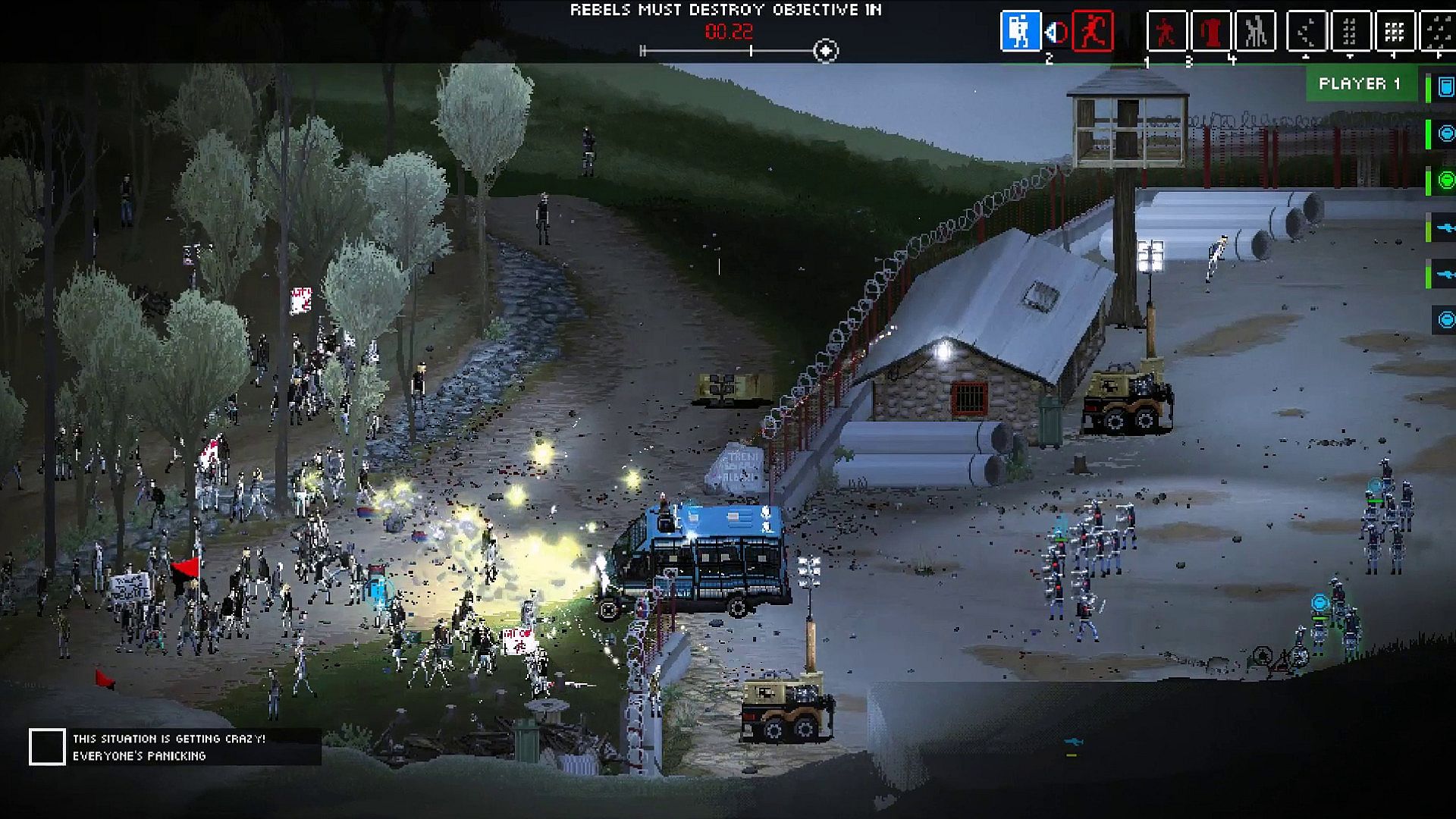
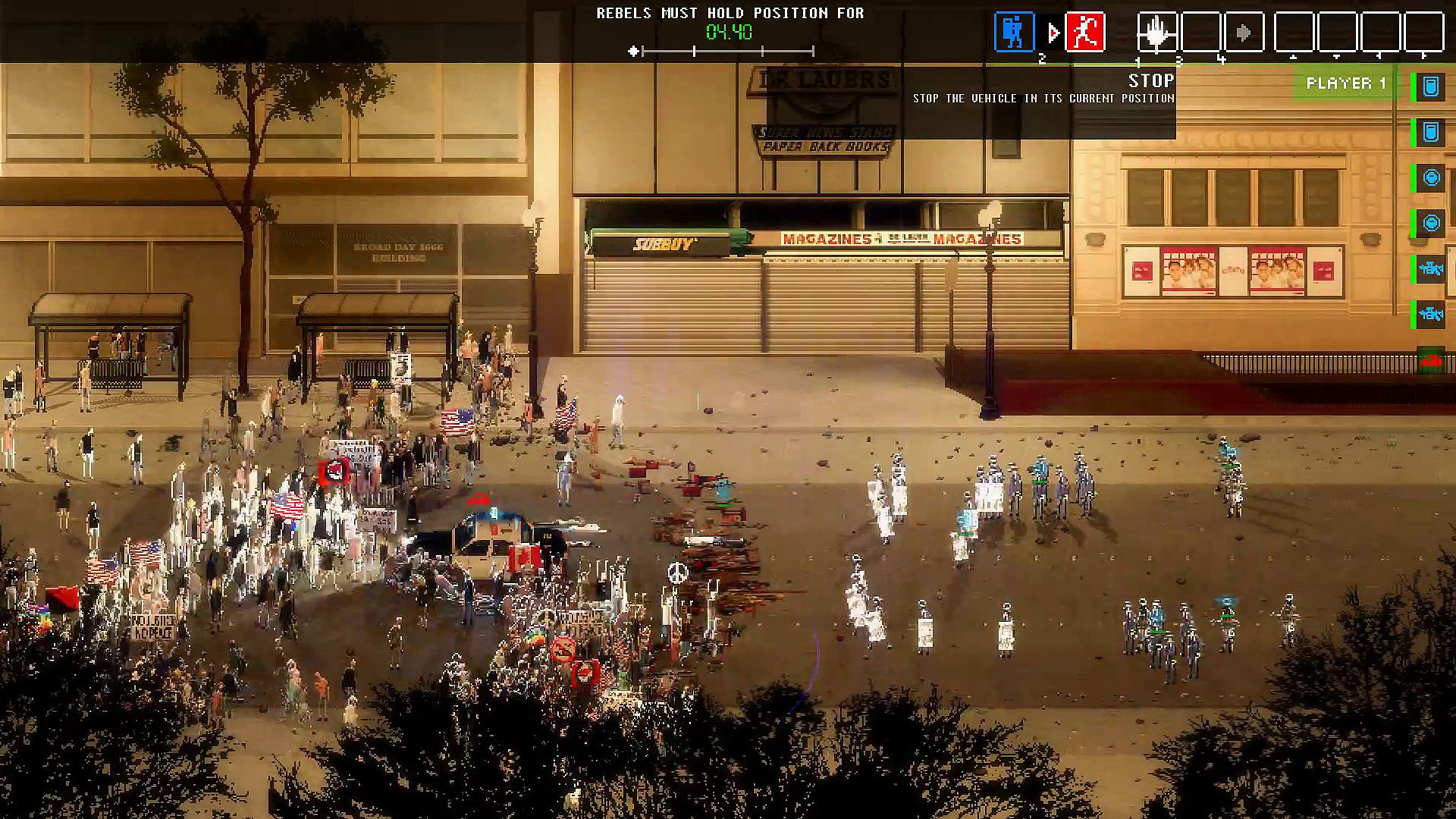
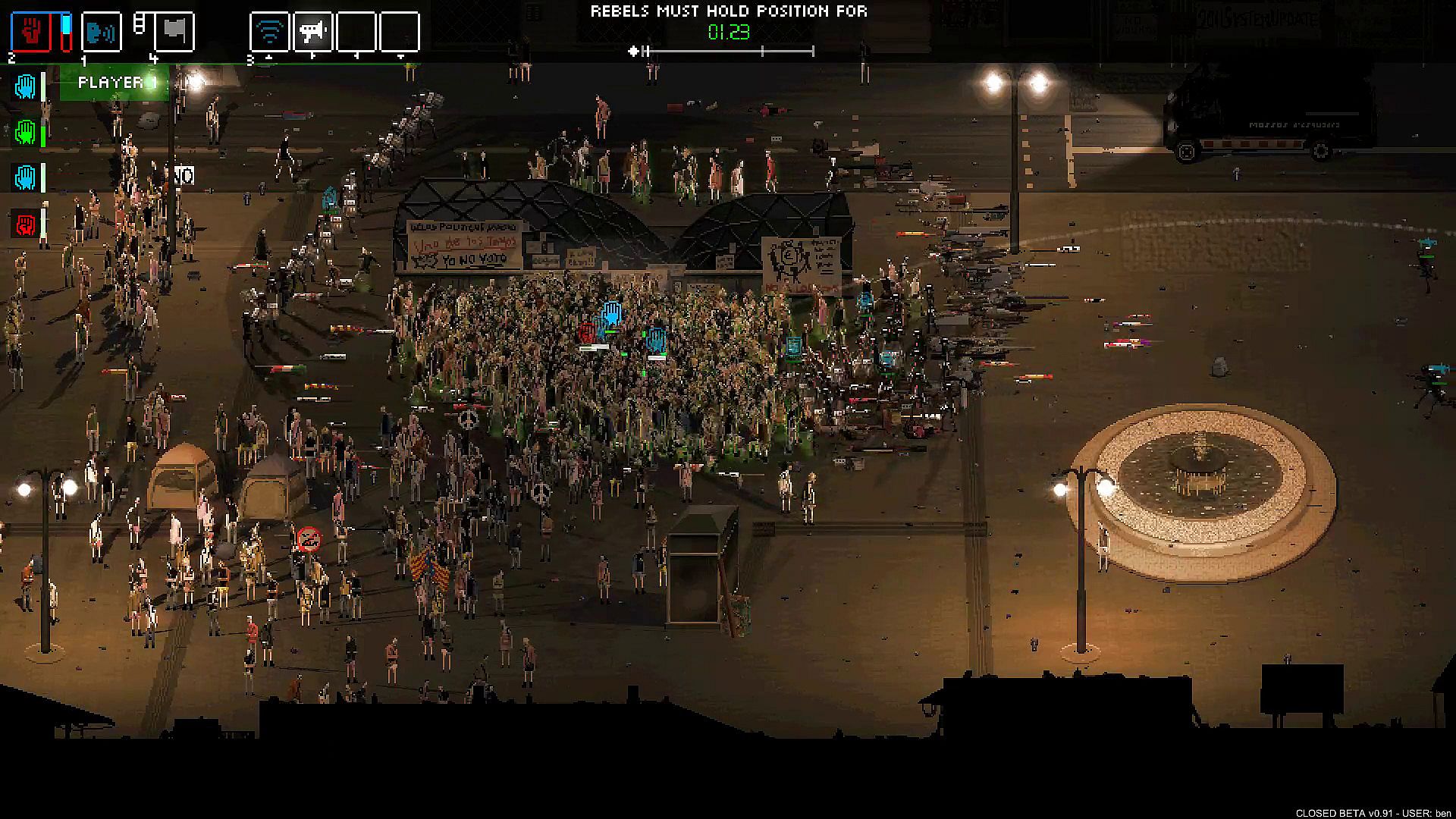
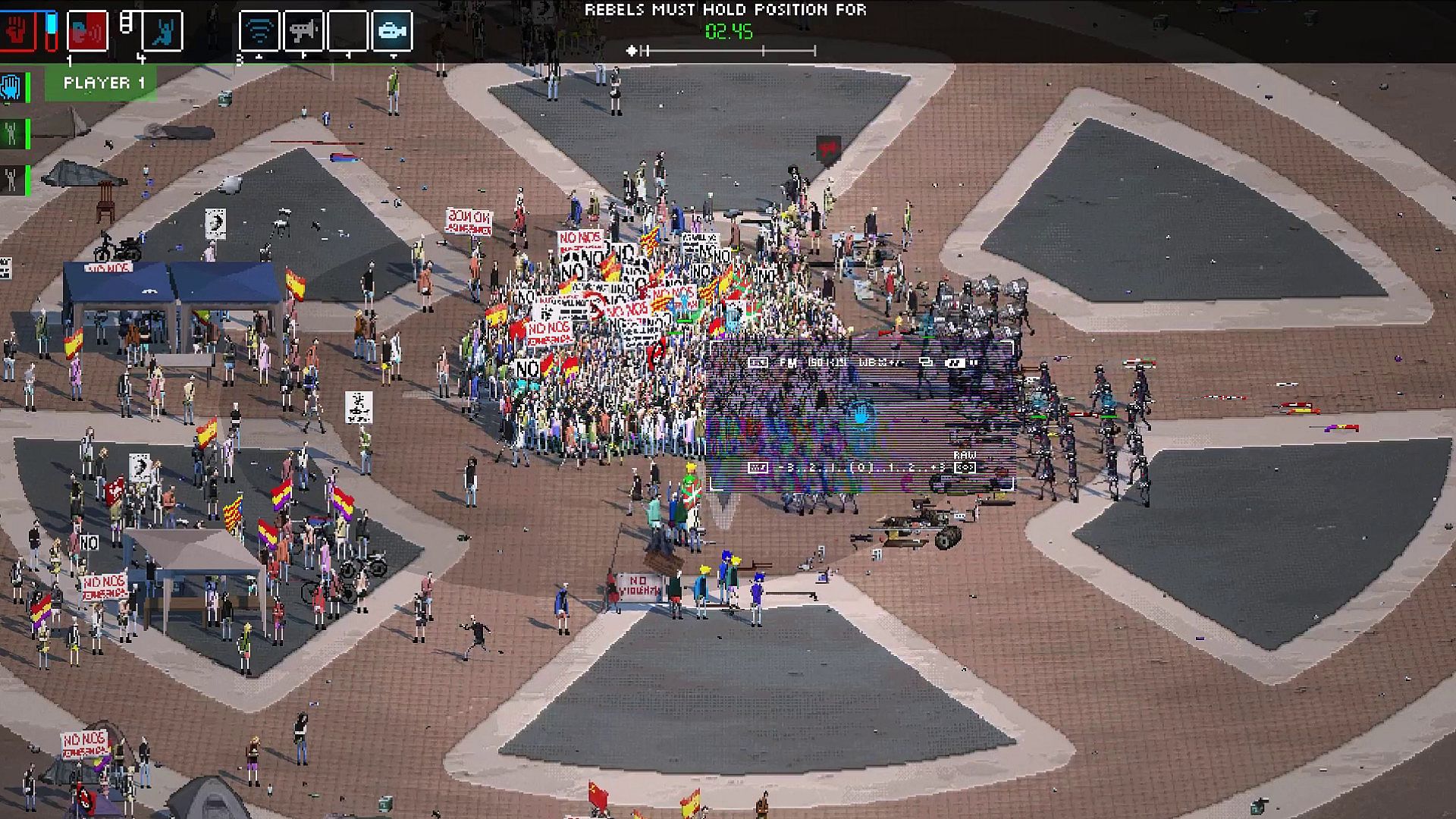
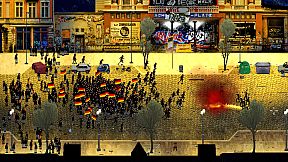
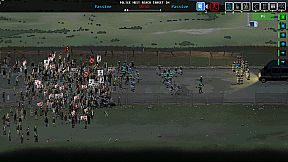
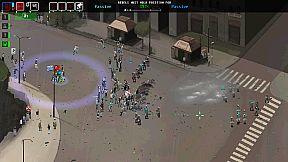
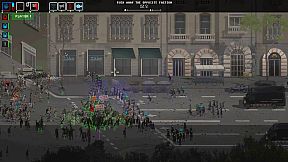
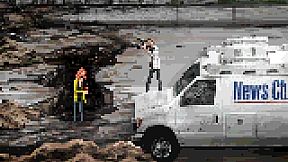
RIOT: Civil Unrest is a strategy and simulation game that places players in command during real-world inspired protests and clashes. Developed as an indie title for PC, it draws from actual events to create scenarios where decisions on both sides of the conflict shape the outcome. The focus remains on tactical choices rather than spectacle, with performance measured by how effectively objectives are met while considering public perception.
Gameplay
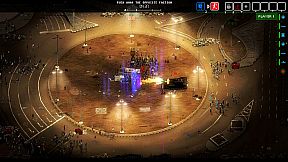
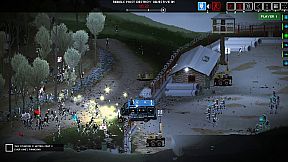
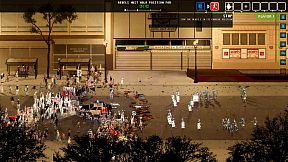
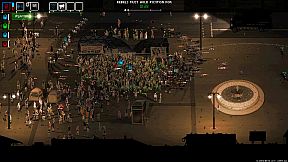
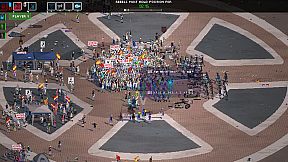
The core loop revolves around managing units and resources in real time across detailed maps. Players select objectives for each scenario and then decide on approaches that range from measured containment to direct confrontation. Success depends on balancing immediate results against longer-term effects, as aggressive moves can resolve situations faster but risk lowering approval ratings.
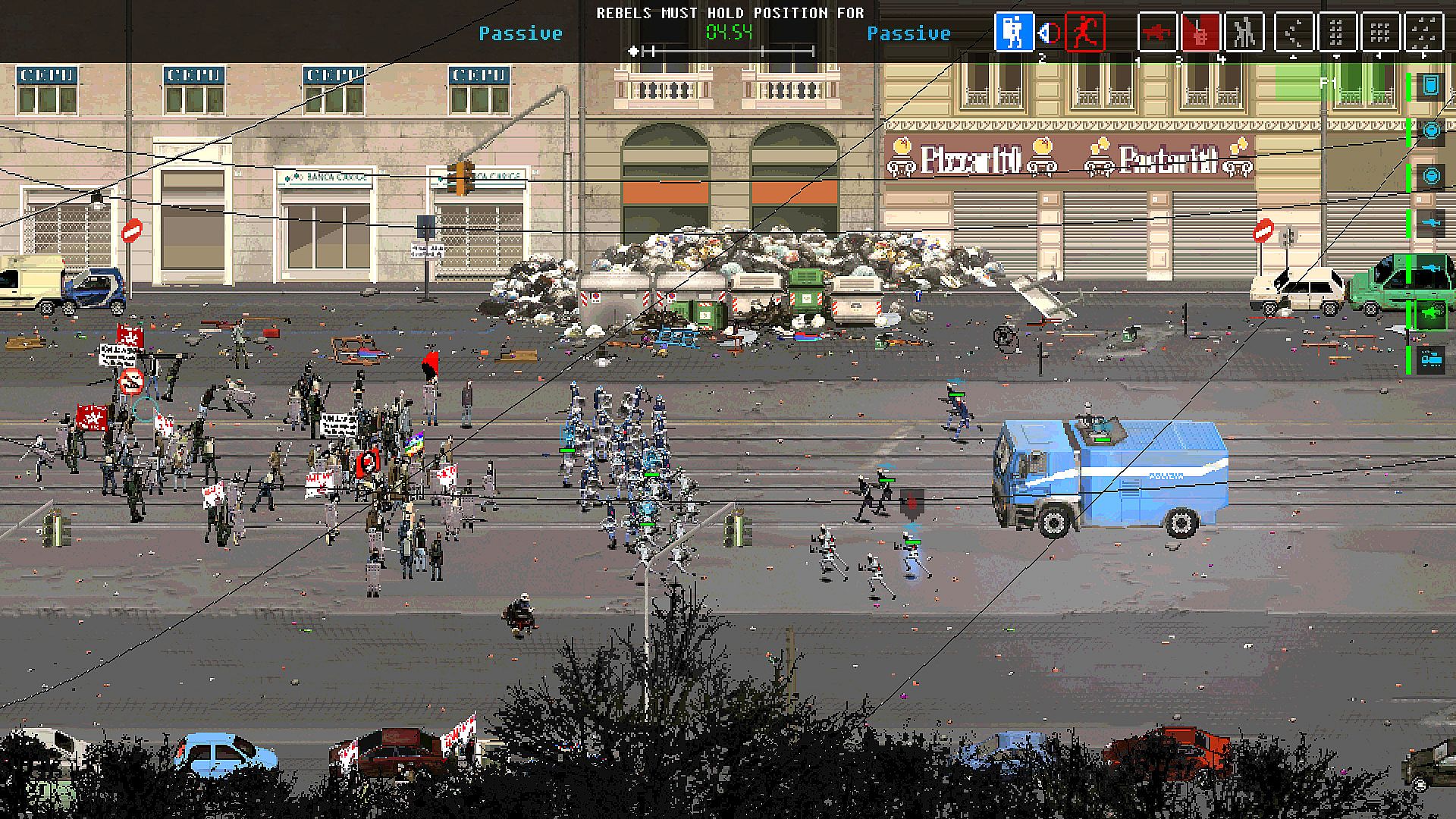
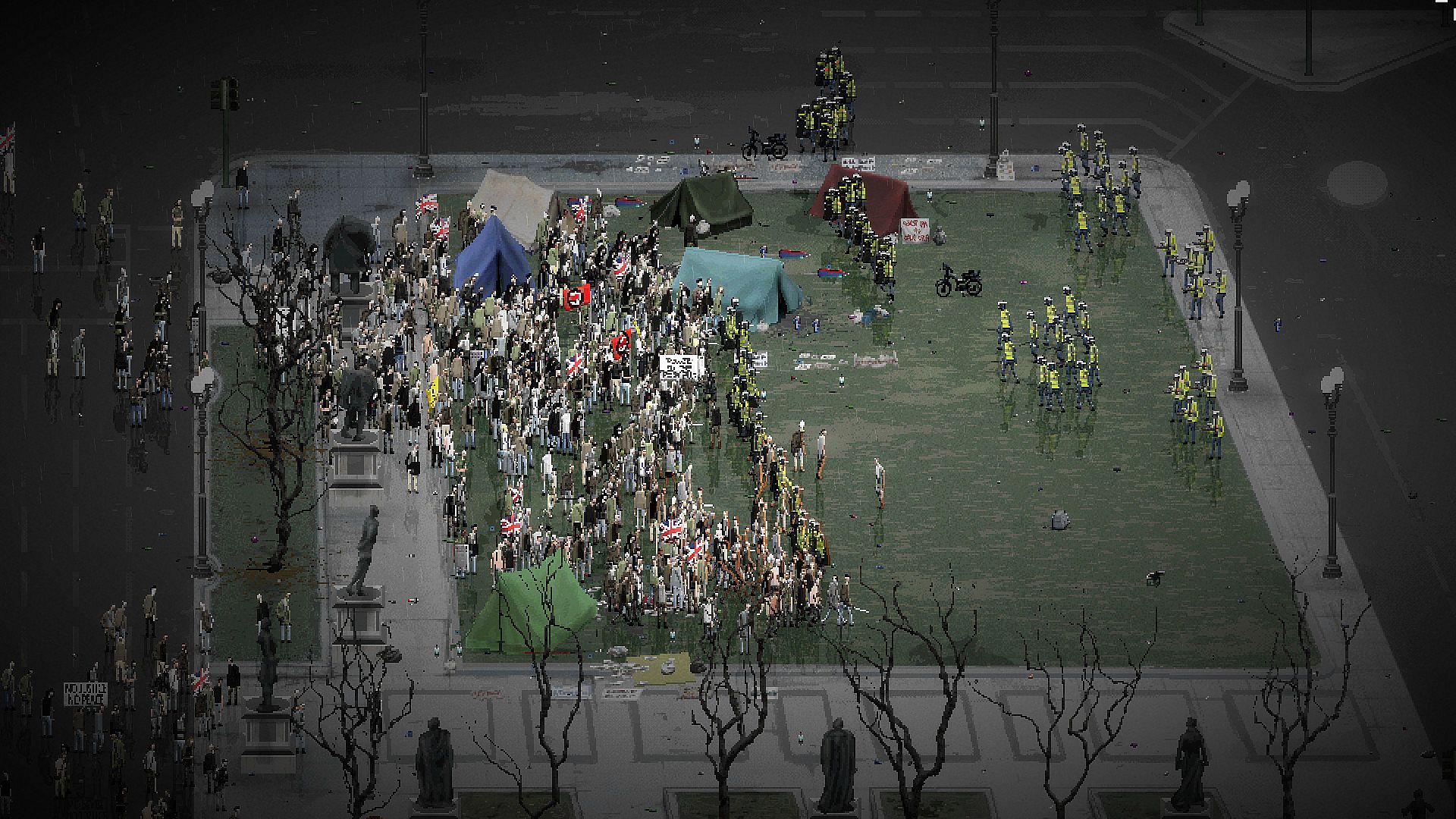
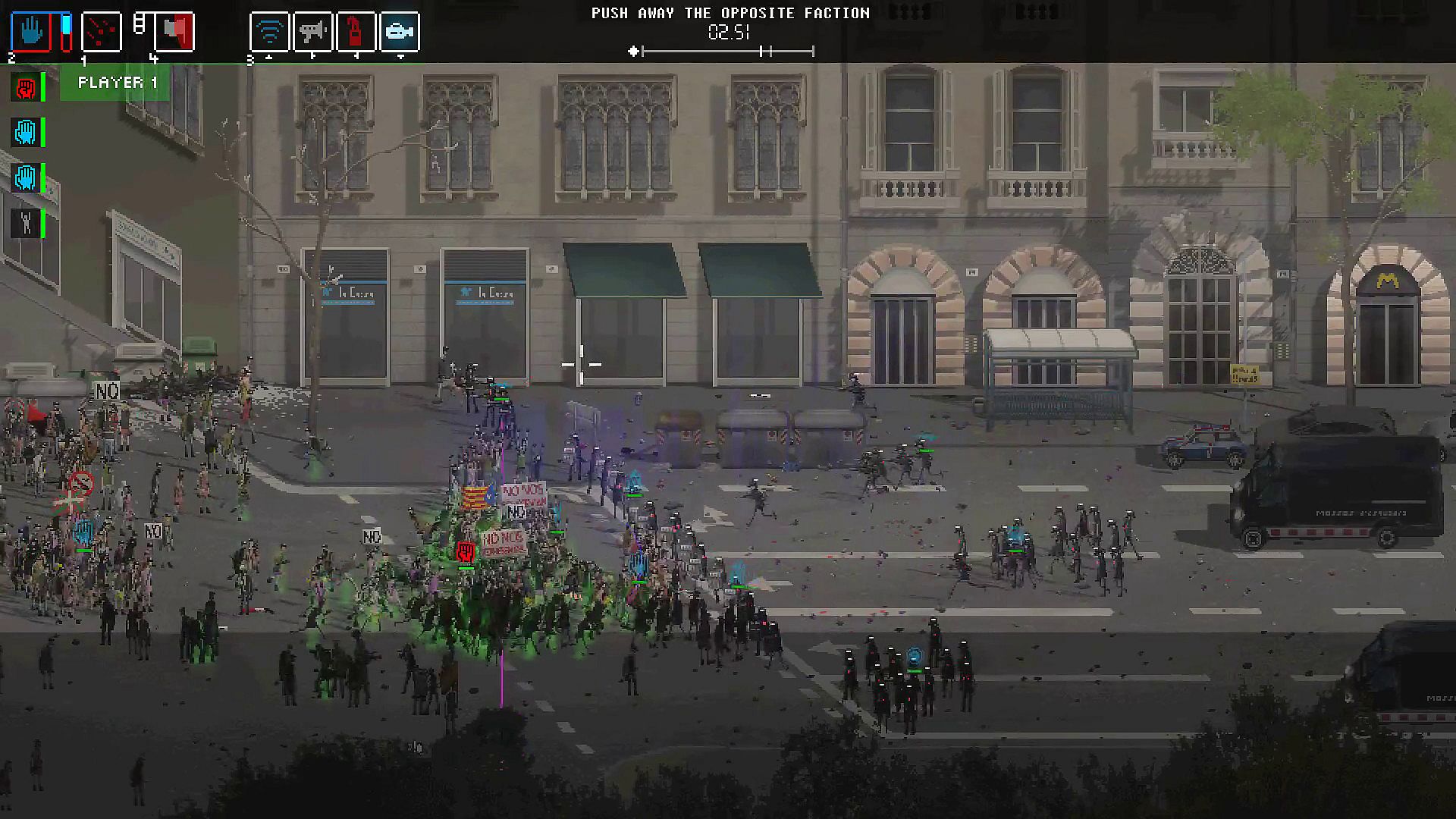
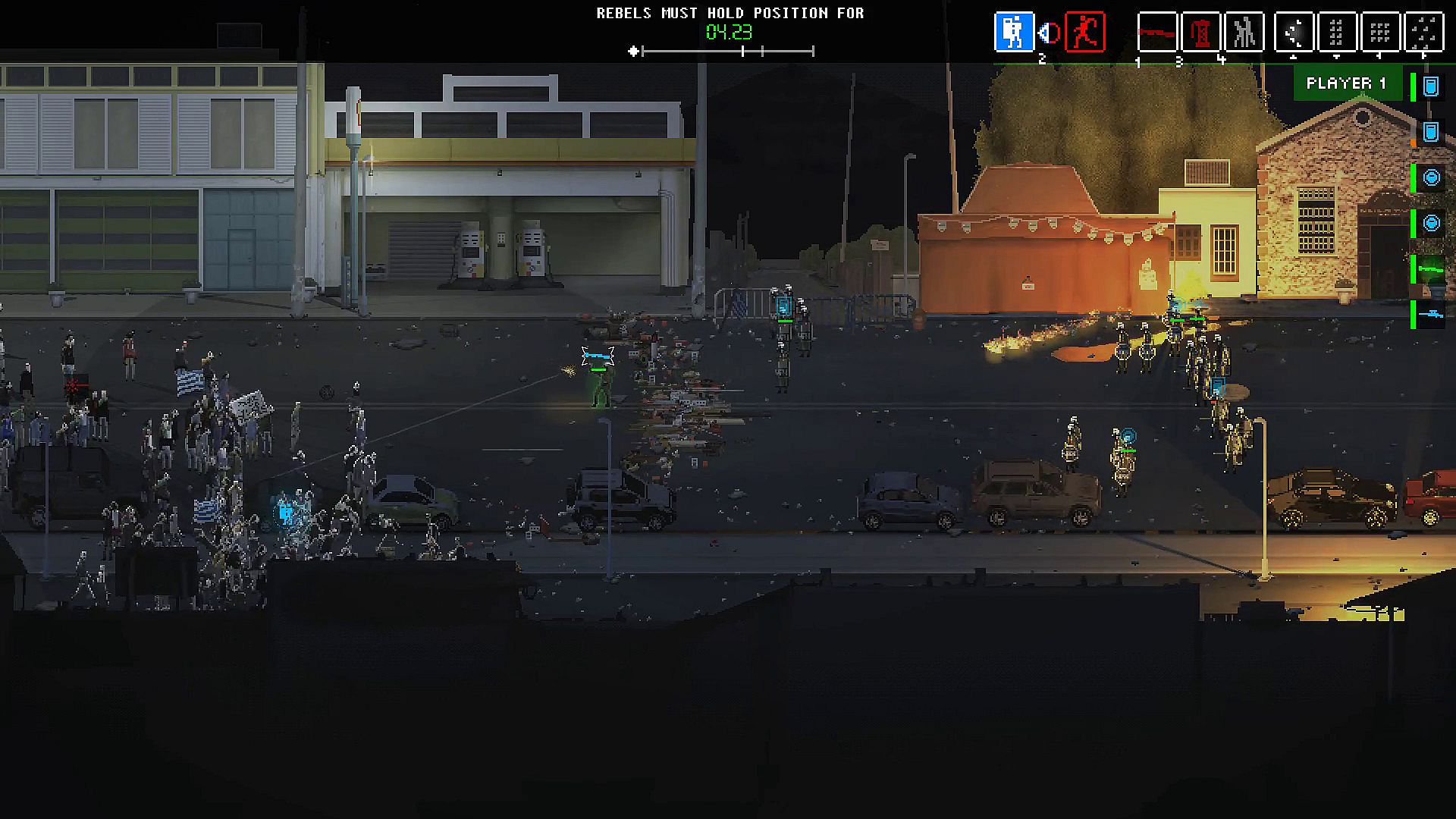
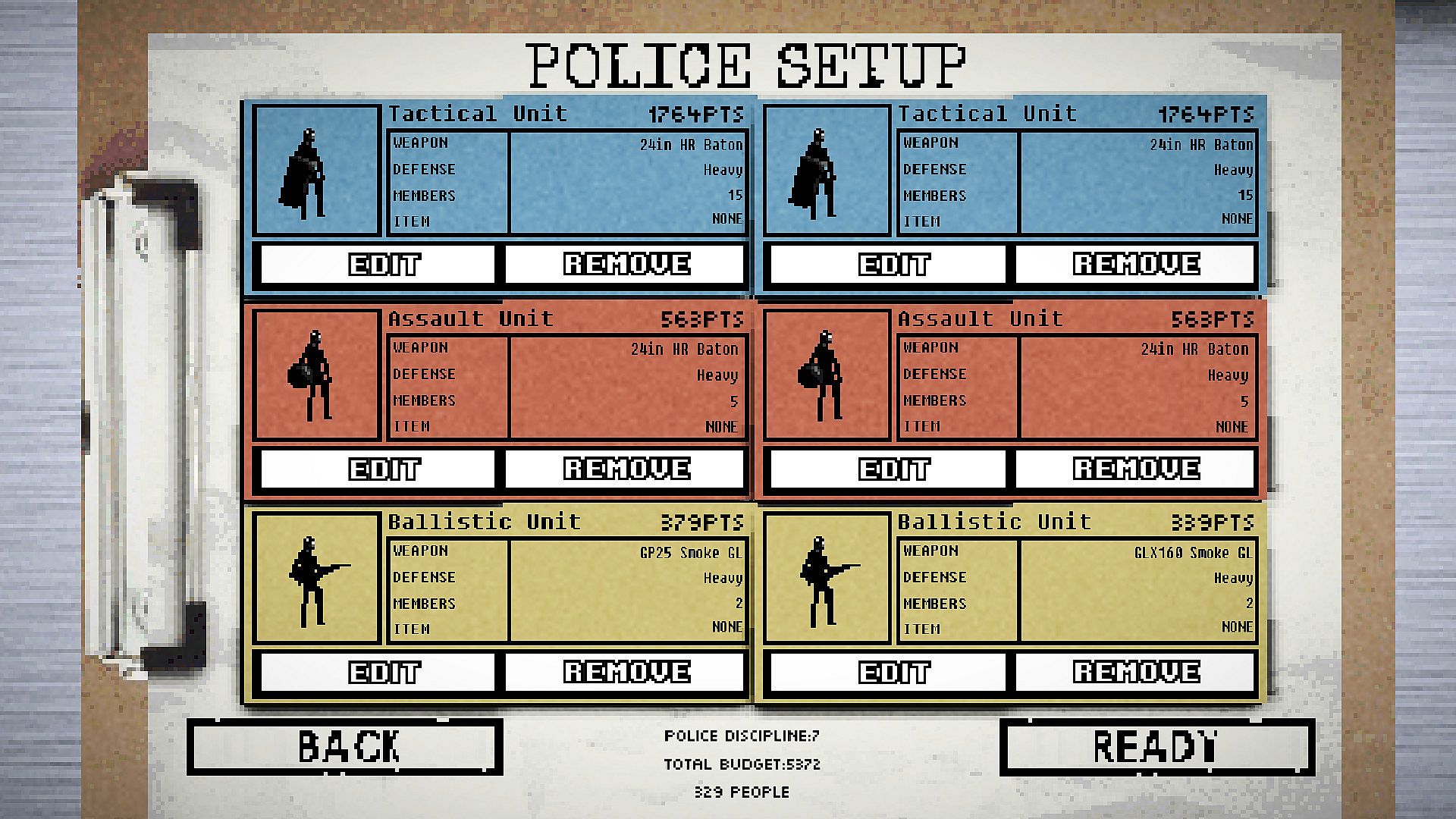
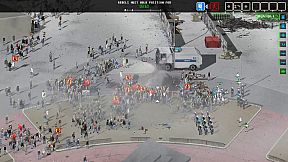
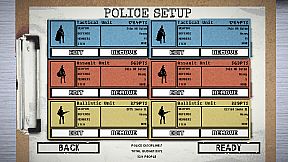
When controlling the police side, options include directing different squad types such as assault, tactical, and ballistic units. Support can arrive through vehicles like trucks or water cannons, and tools extend to smoke grenades along with various ammunition types. The emphasis stays on crowd dispersal without unnecessary escalation.
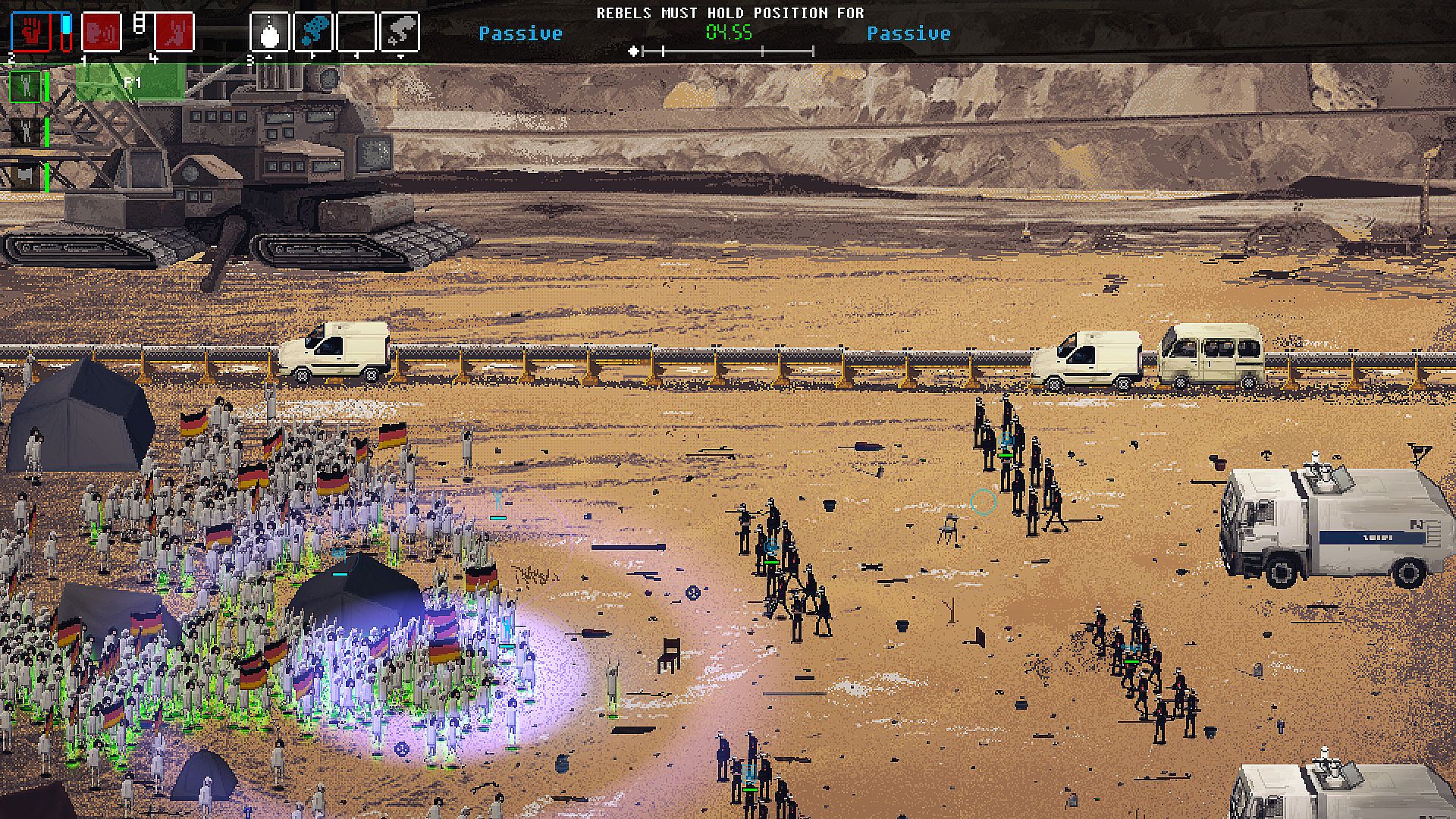
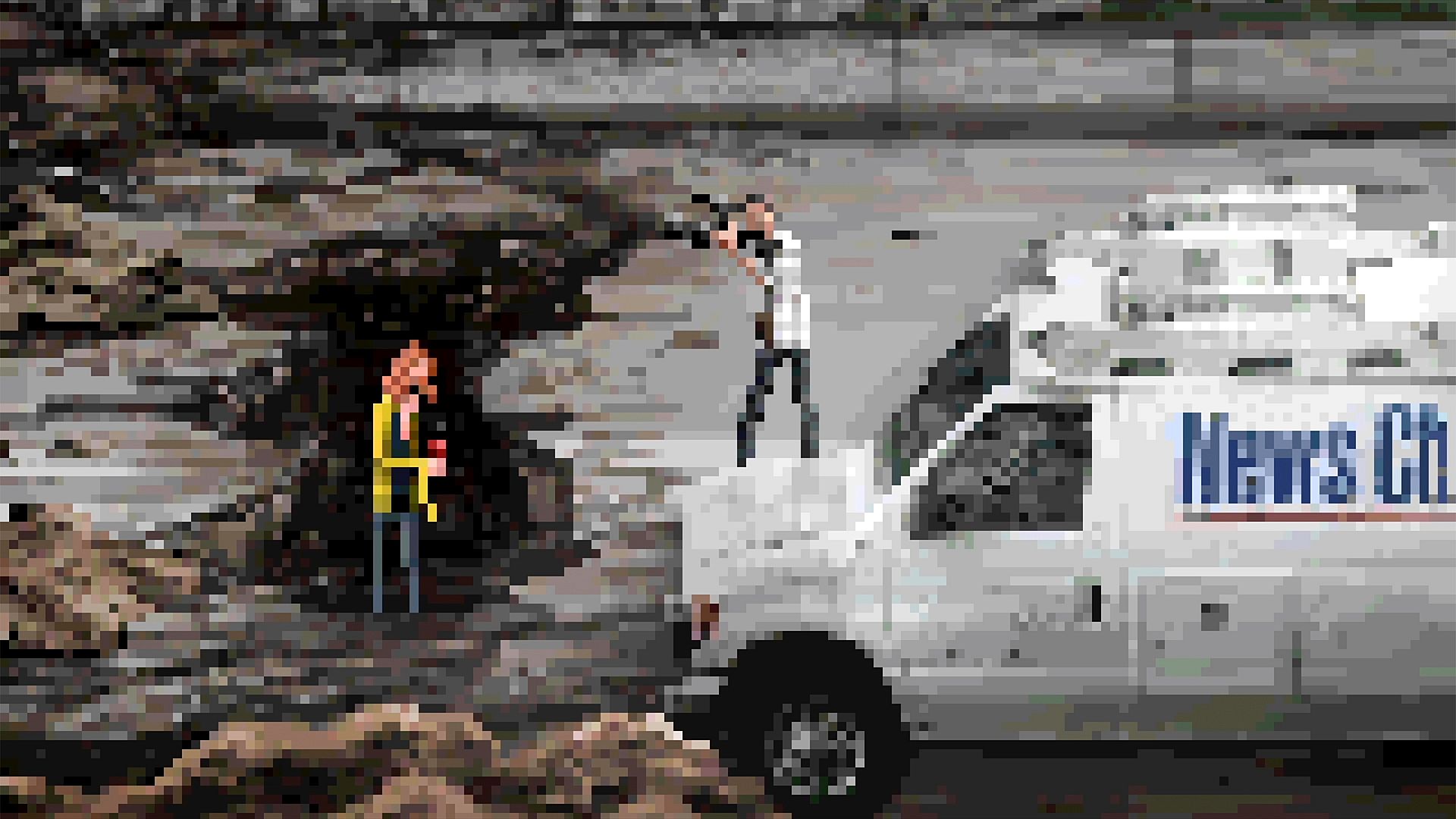
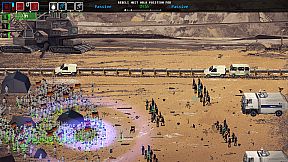
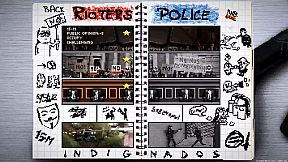
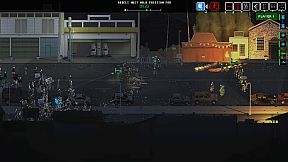
Switching to the rioter perspective involves coordinating groups of armed and passive participants plus journalists. Tactics focus on building momentum through targeted actions or organized retreats, using available items to pressure authorities while leveraging media presence. Both sides receive equal attention, highlighting the lack of clear victors in these situations.
Performance tracking encourages experimentation. A high-aggression path might secure quick wins, yet a restrained strategy often achieves the same goals with better overall scores. The system rewards thoughtful planning over brute force in most cases.
Game Modes
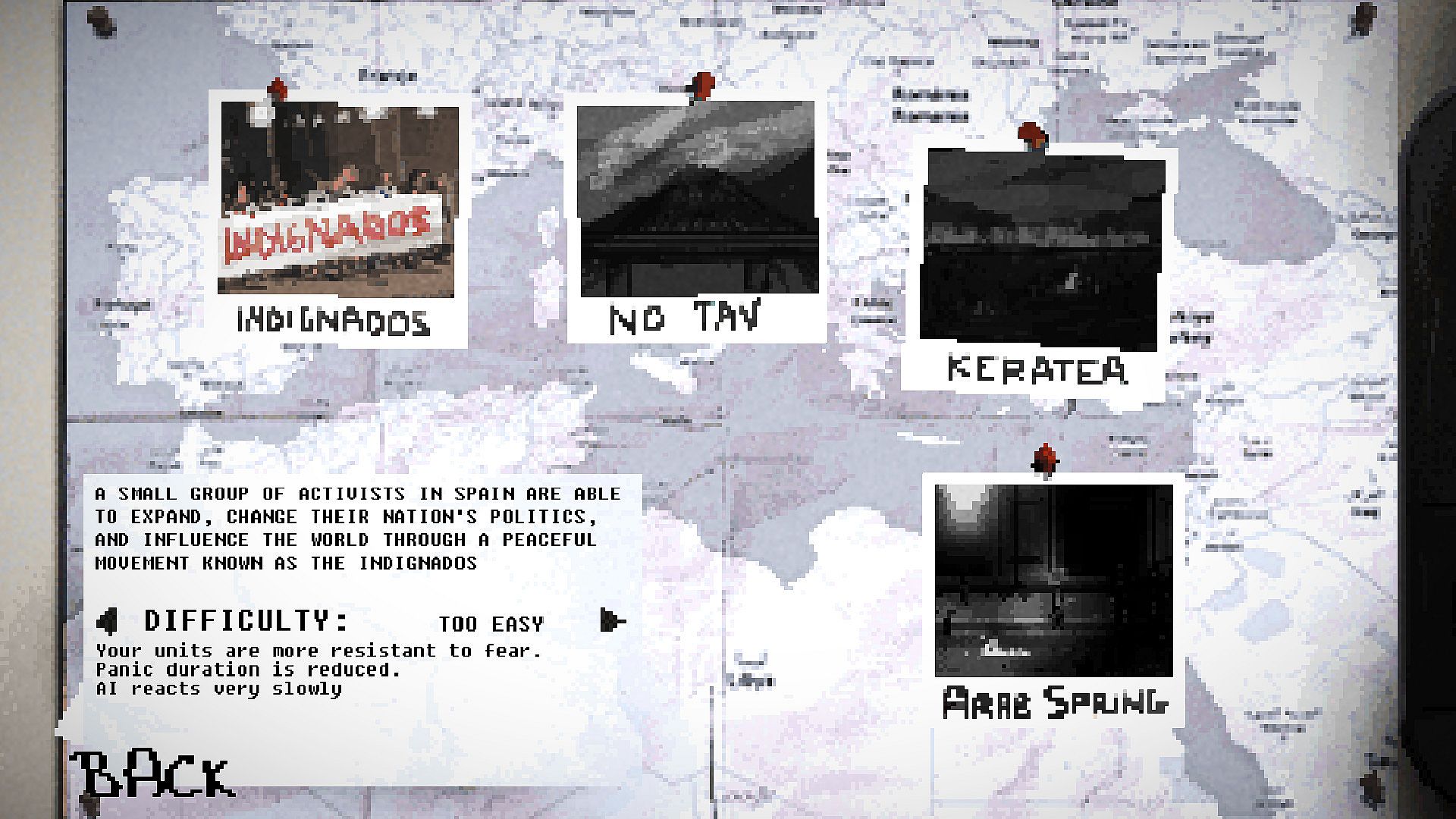
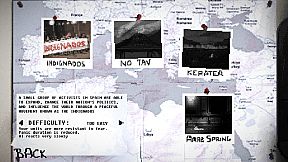
Campaign play covers sixteen levels distributed across four main scenarios drawn from events in Greece, Italy, Spain, and Egypt. Each scenario unfolds from both perspectives, resulting in thirty-two total levels that can be approached as either faction. Single-player sessions pit the user against computer-controlled opponents that react to chosen tactics.
Local versus mode supports head-to-head matches on the same machine, either against another person or the AI. This setup allows direct comparison of strategies without online requirements.
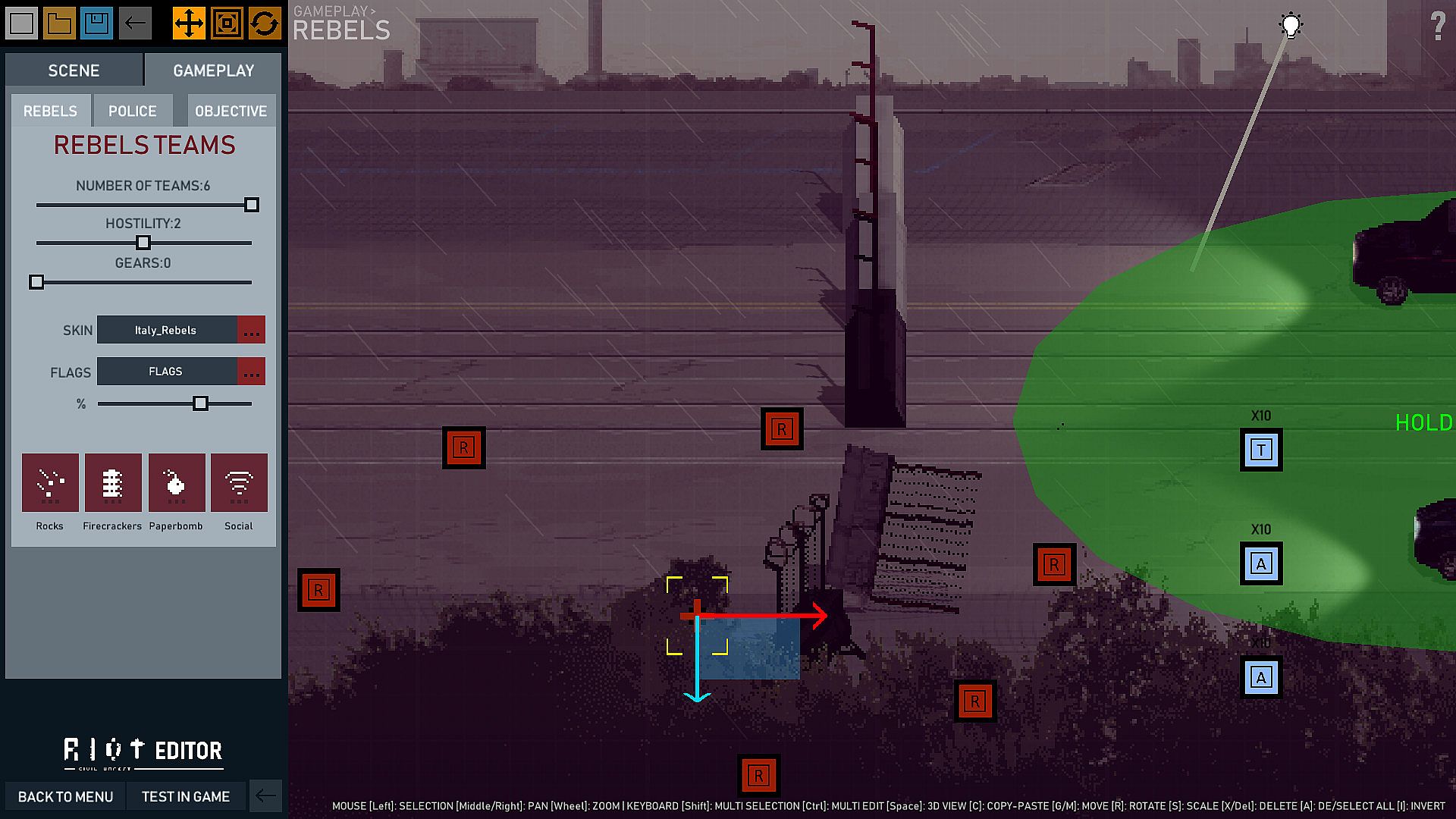
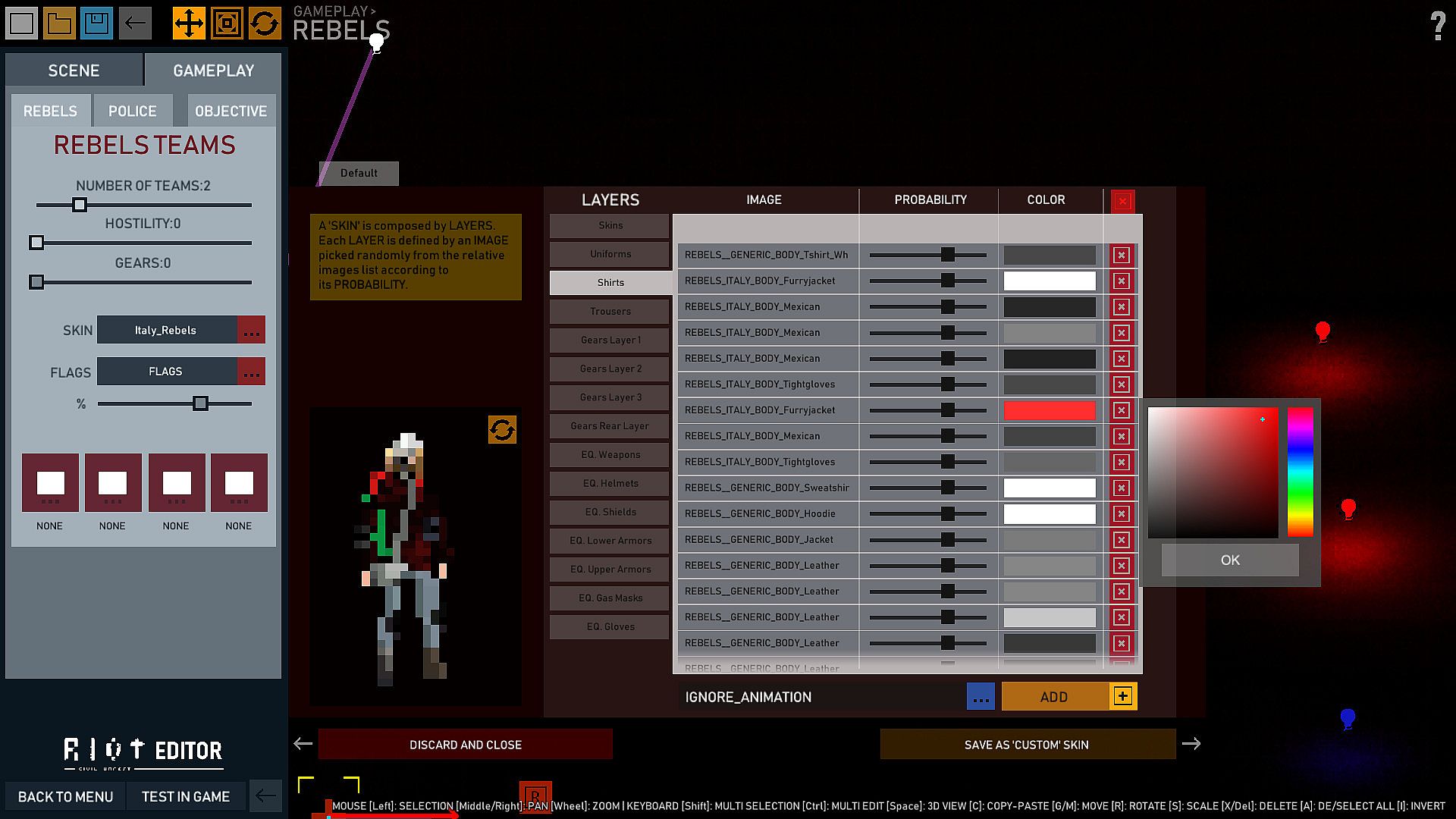
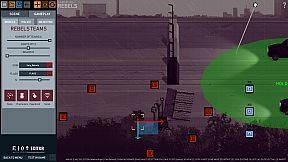
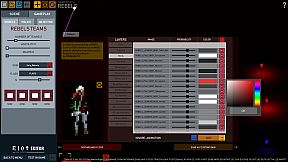
The included level editor expands possibilities further. Users can name events, write descriptions, select locations and dates, and incorporate custom background images. A library of over seven hundred sprites supports placement of objects, characters, and effects, with adjustments for lighting, weather, vehicles, and particle systems. Team rules and objectives can be defined independently before sharing finished work.
The Scenarios and Setting
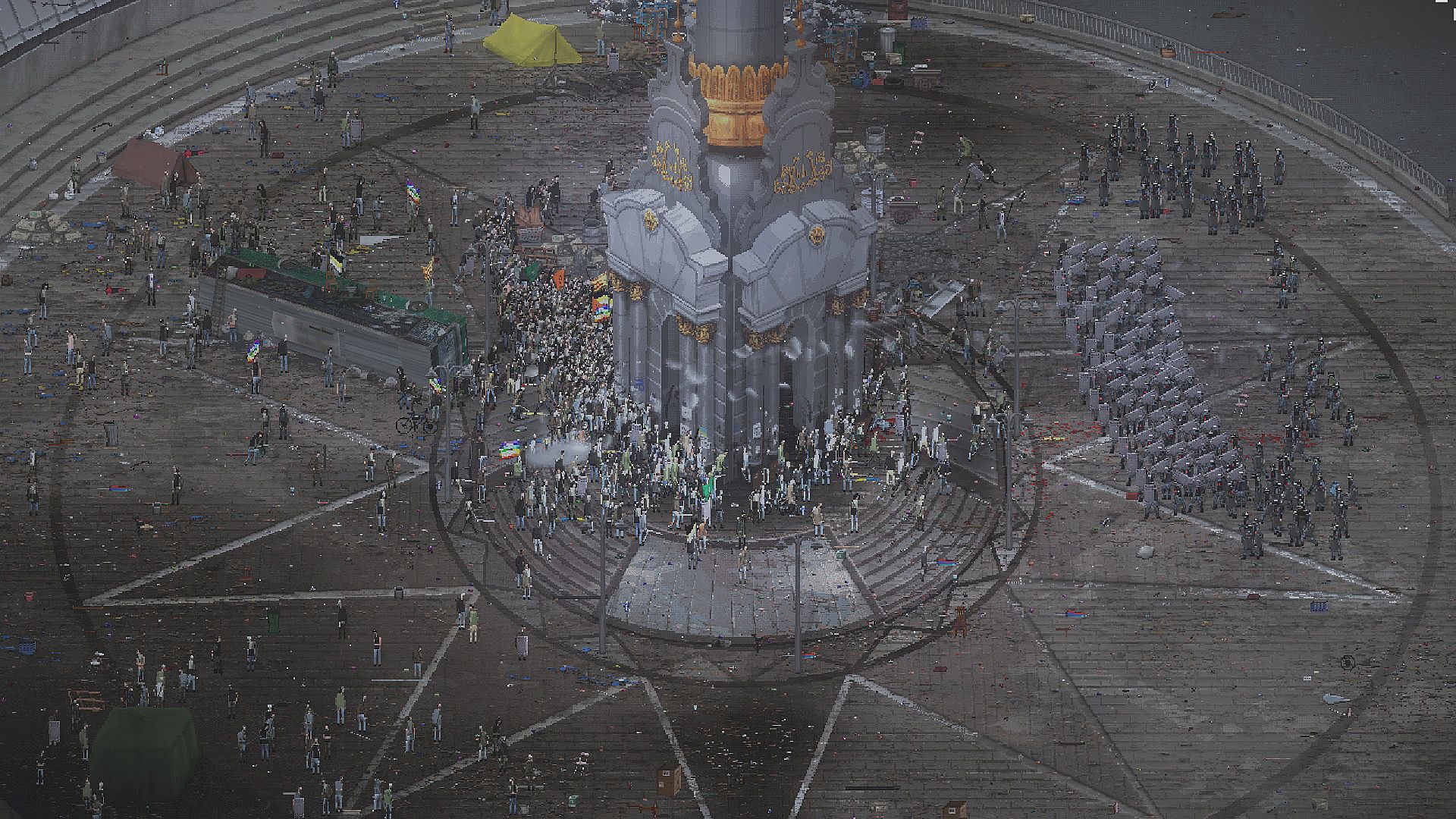
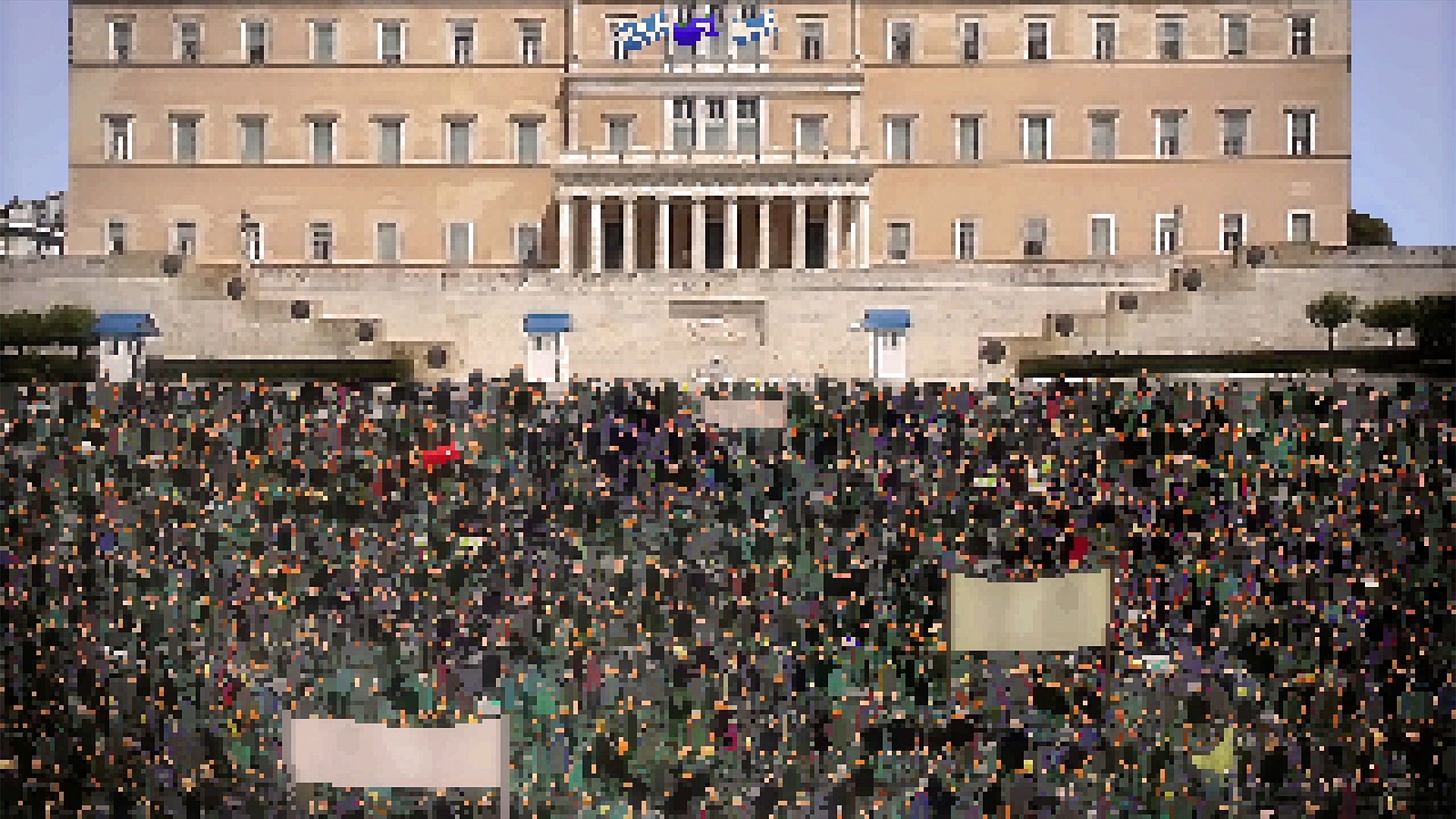
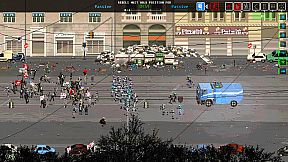
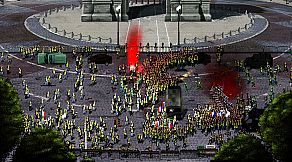
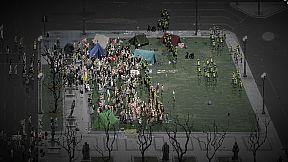
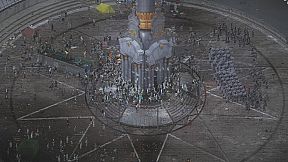
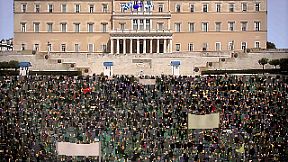
Levels recreate specific confrontations such as protests in Paris, financial demonstrations in Buenos Aires and Caracas, and clashes during the G20 summit in Hamburg. Additional content draws from movements in Spain and Egypt along with localized actions in Greece and Italy. Each map presents distinct layouts and crowd behaviors that influence available tactics.
Background details come from the creator's direct experiences, which inform the tone and objectives without turning the experience into pure entertainment. The result is a series of contained simulations rather than broad historical recreations.
Is It Worth Playing?
Reception has been mixed, with user reviews on major platforms showing around 69 percent positive from over 1,600 submissions. Critics have noted the unique dual-faction approach and real-event basis while pointing out limitations in execution and visual presentation.
The game suits players who enjoy strategy titles that incorporate simulation elements and local multiplayer options. Those interested in experimenting with crowd dynamics and editor tools will find the most value. Individuals seeking polished real-time tactics with ongoing content support may prefer alternatives, as the title remains a standalone release without further seasons or expansions.
Overall, it delivers a focused experience for the right audience willing to engage with its deliberate pacing and perspective-switching mechanics.
![The Eternal Castle [REMASTERED]](https://img.xd.deals/capsules_thumbs/c3/cf/c3cffed2f815dc97a4547fe3d3deff52a2c63094_280x160.jpg)