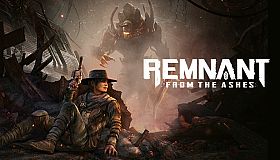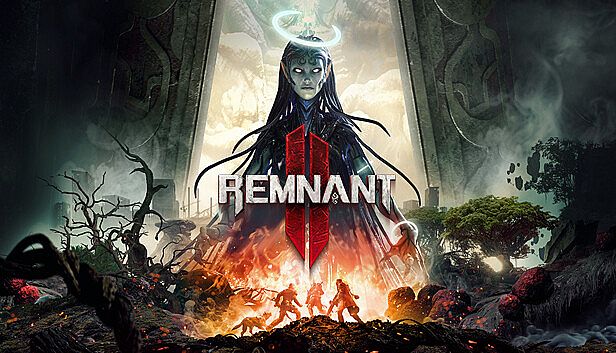
























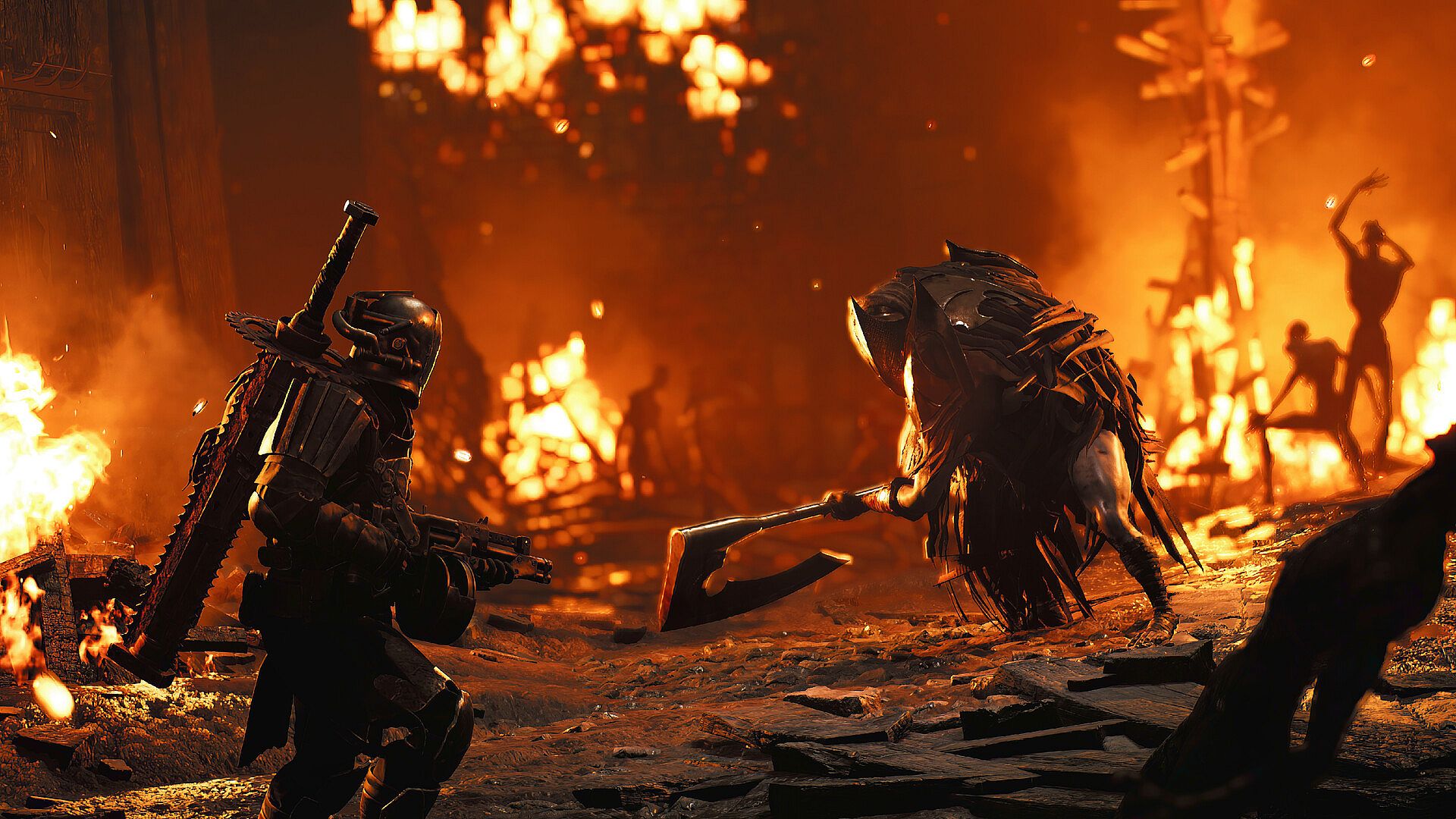
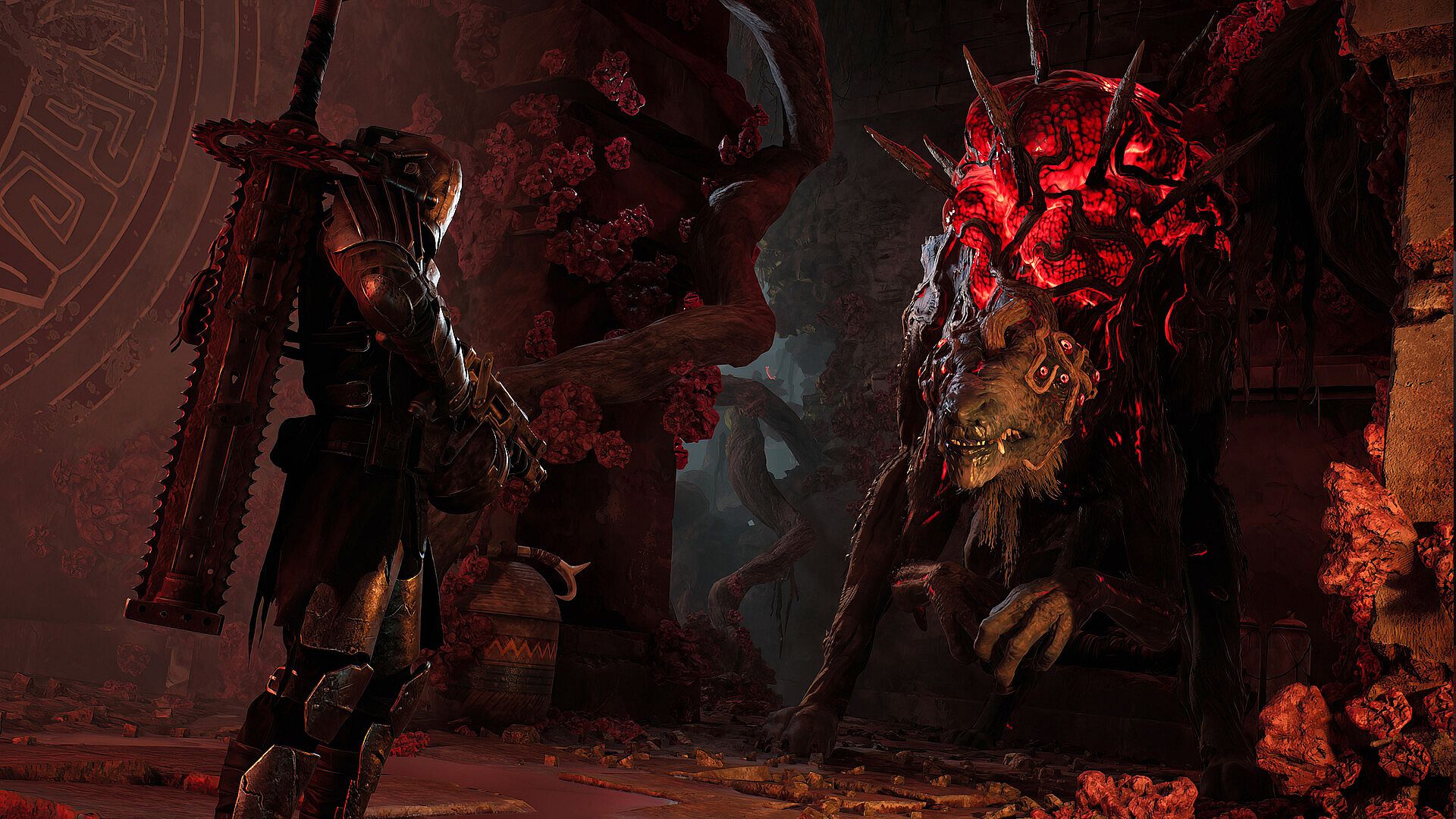
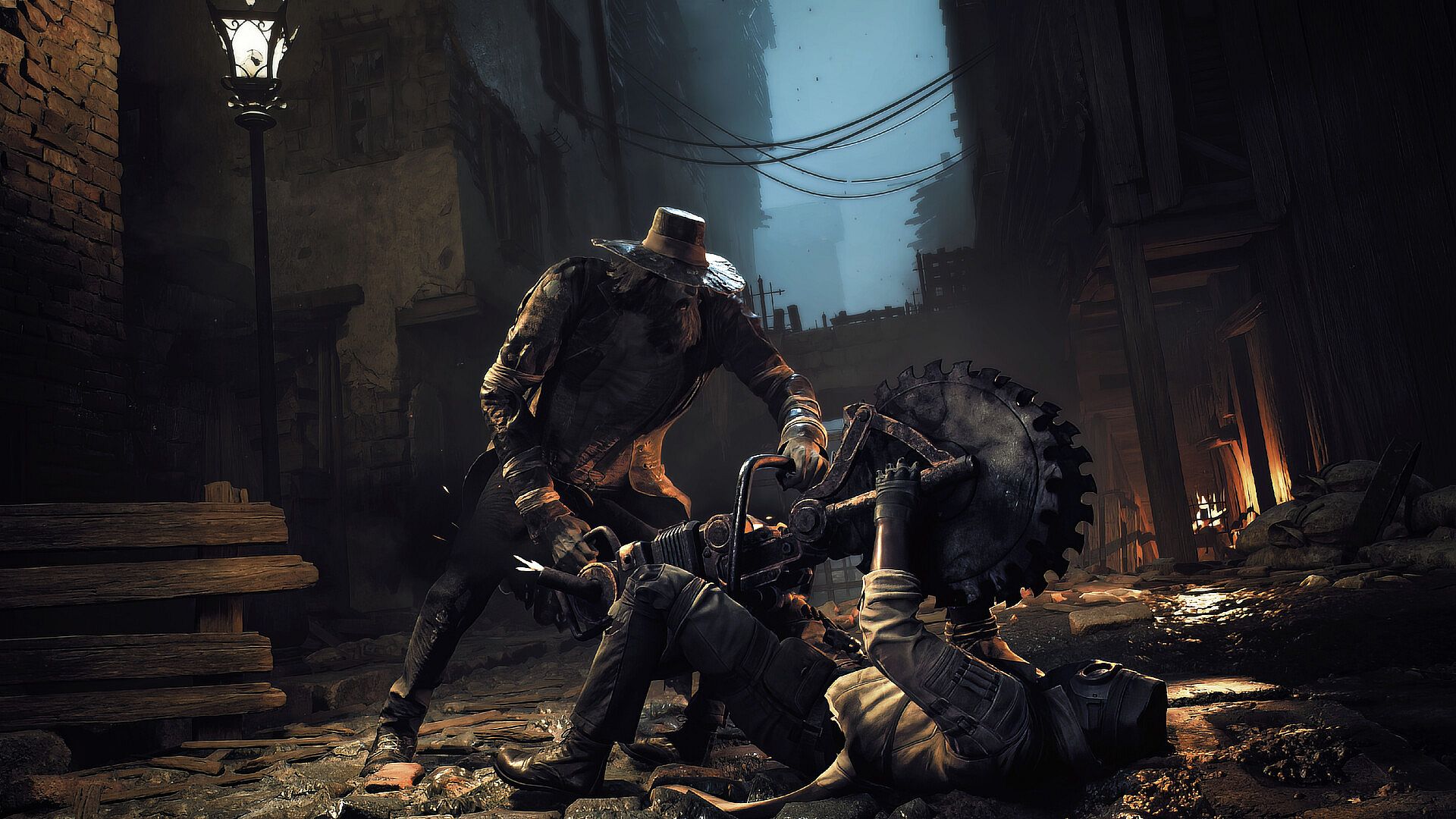
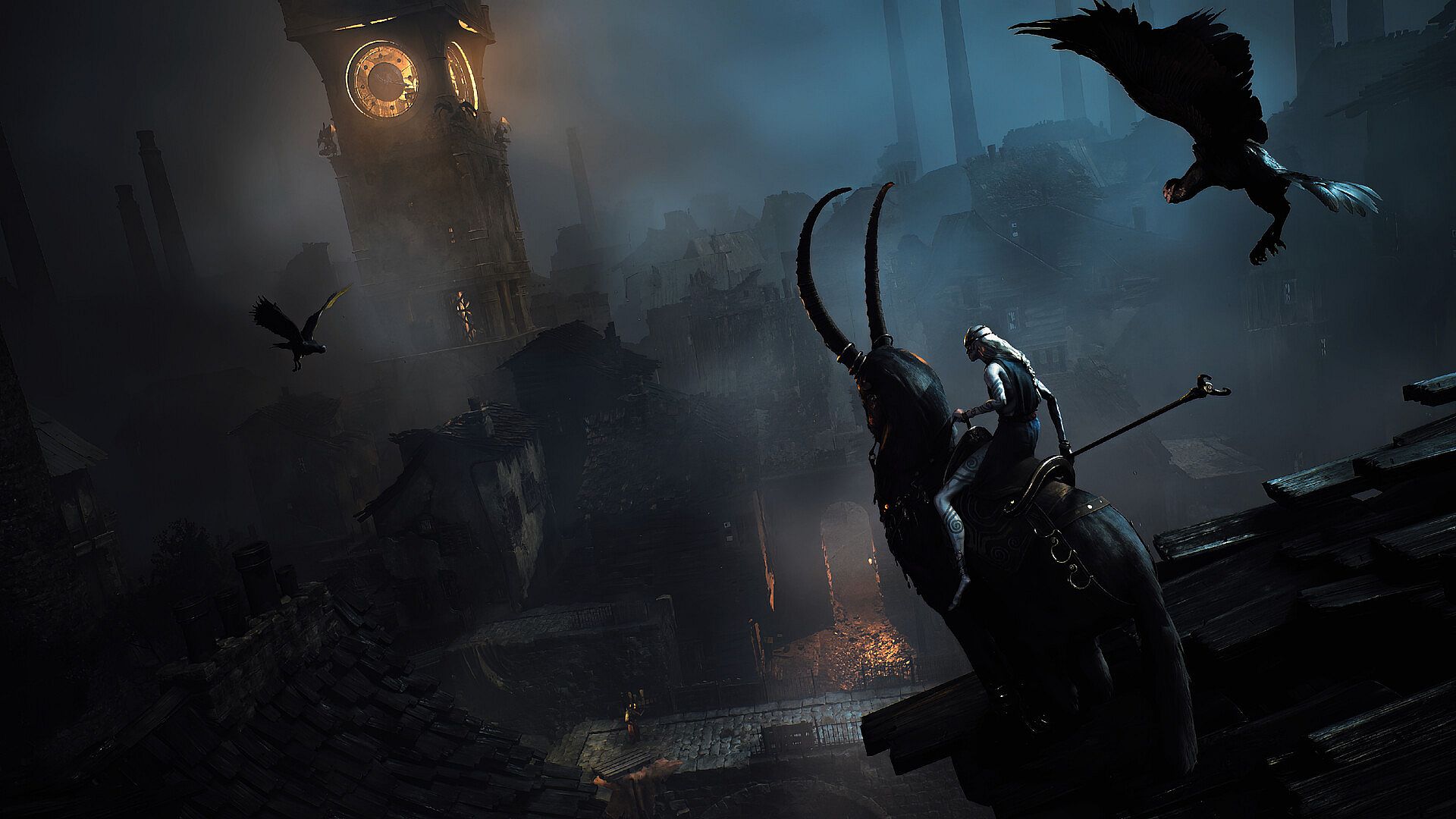
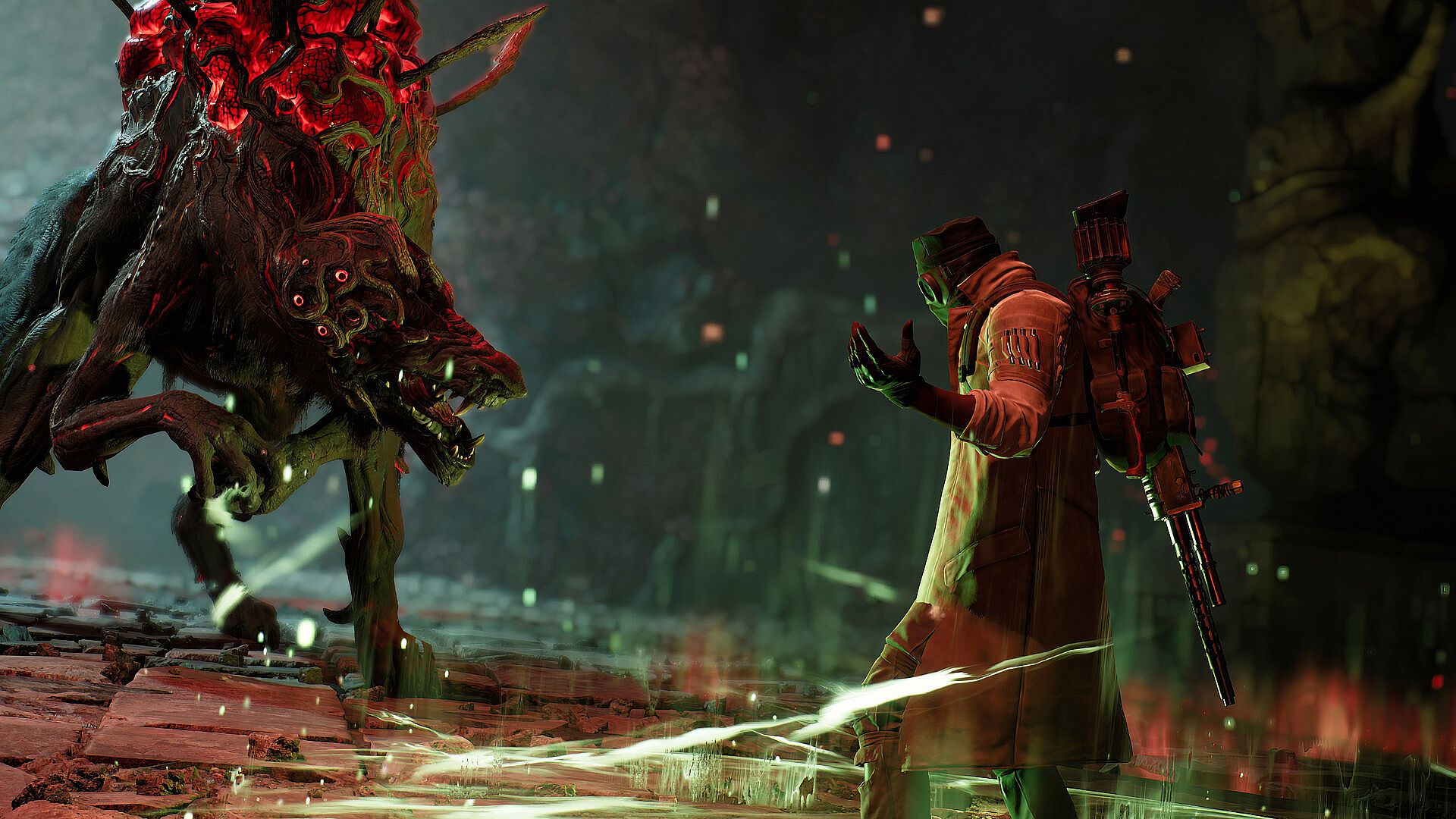
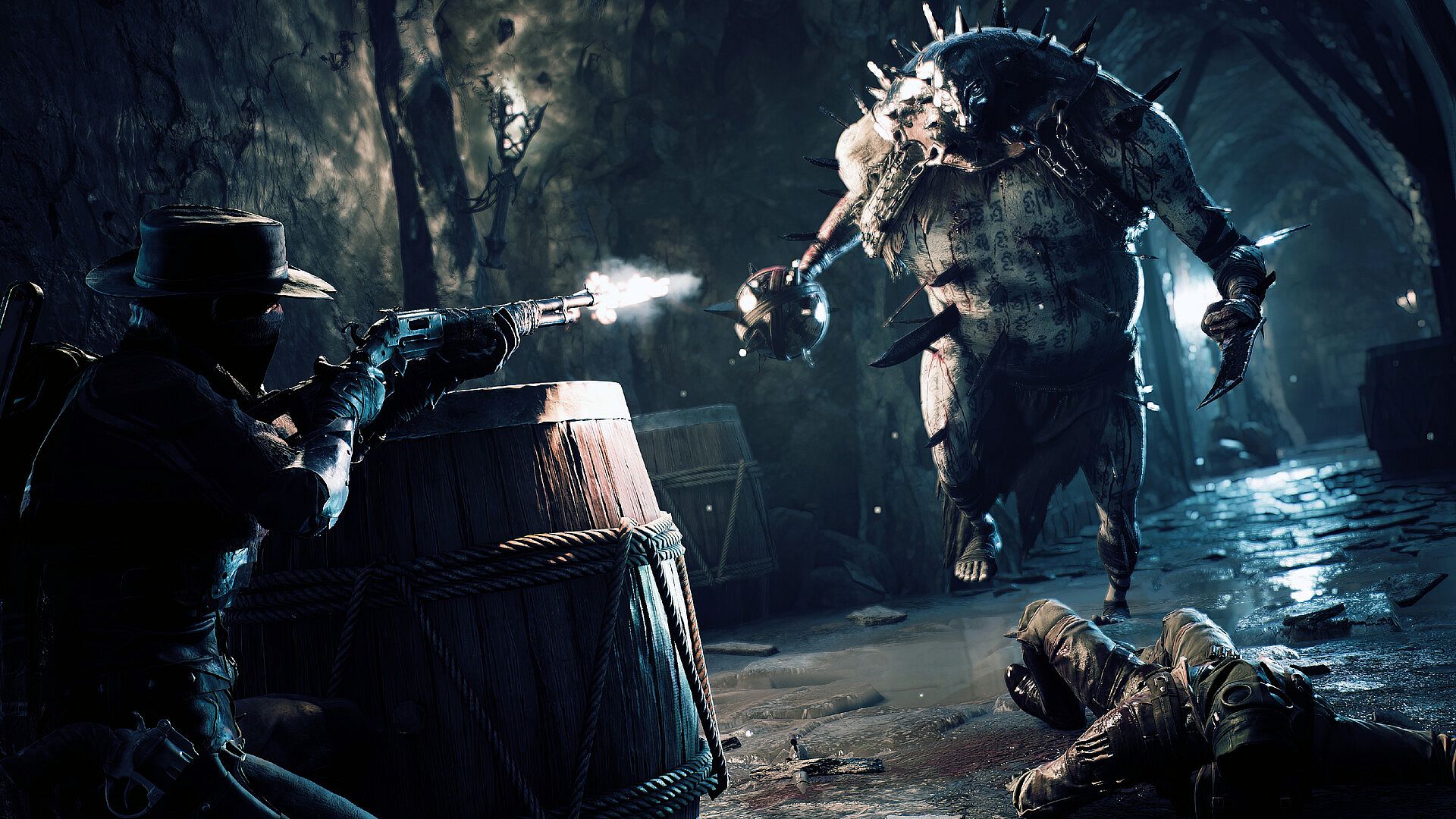
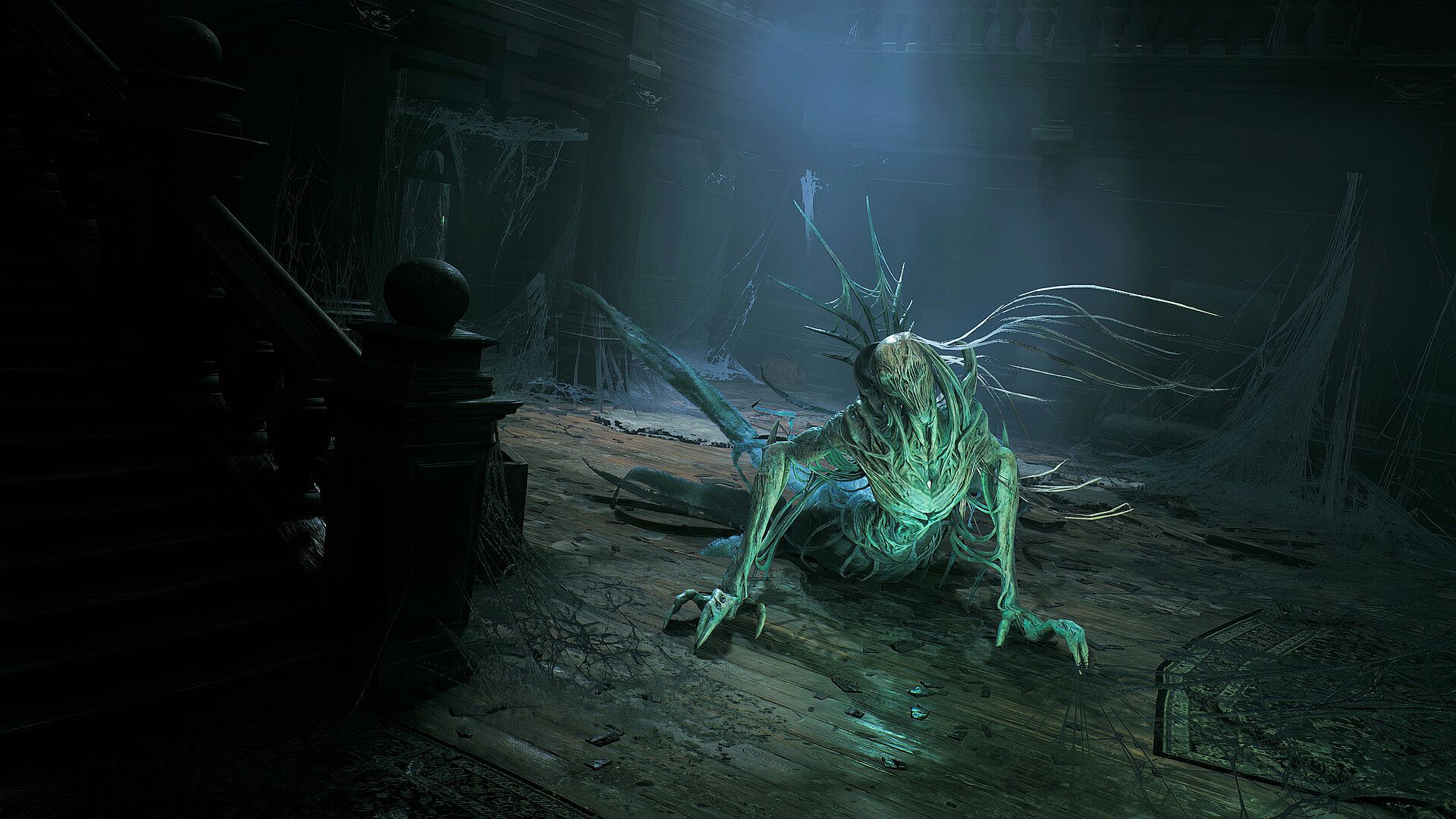

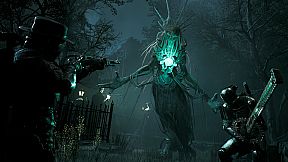
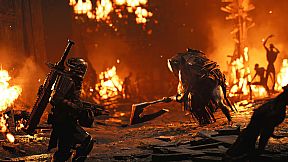
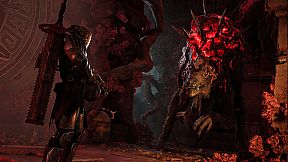
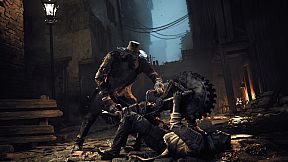
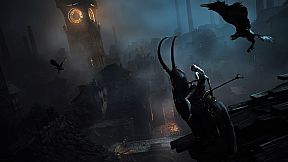
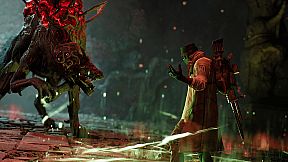
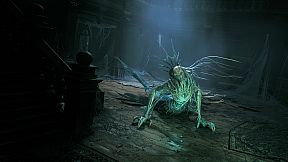

Remnant II stands out as a third-person action RPG that blends intense shooting with deep progression systems, set in a multiverse of bizarre and hostile worlds. Released as the sequel to Remnant: From the Ashes, it challenges players to navigate procedurally generated environments filled with deadly enemies and massive bosses, all while fighting to prevent the collapse of reality. This game appeals to those who enjoy cooperative adventures or solo runs through ever-changing landscapes, where strategy and teamwork can make the difference between survival and defeat.
Gameplay
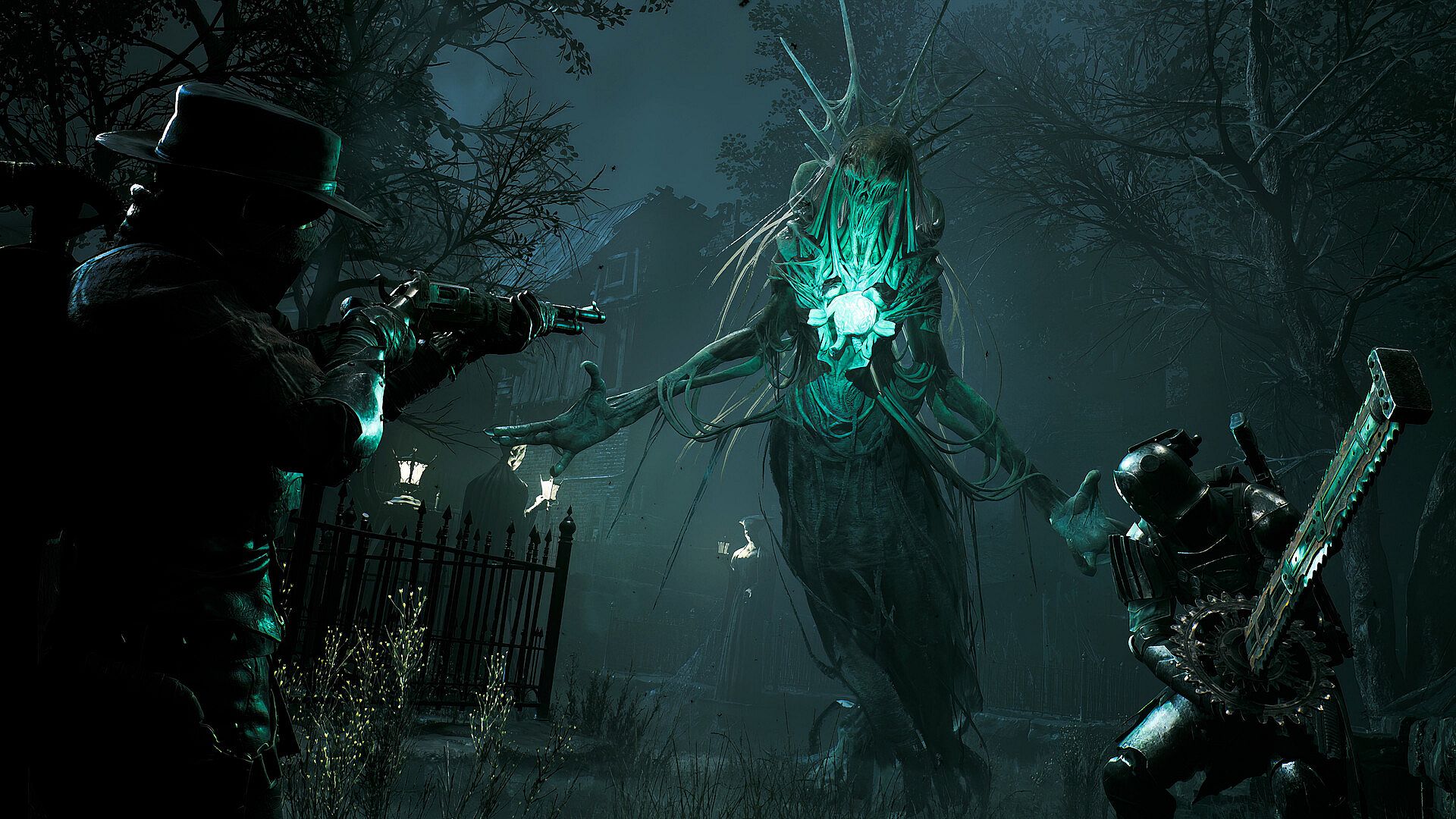
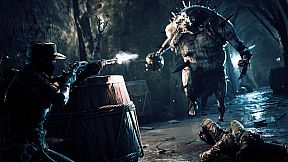
At its core, Remnant II revolves around a combat system that mixes ranged gunfire with close-quarters melee attacks, demanding quick reflexes and careful positioning against enemies that adapt and overwhelm. Players explore diverse biomes, each with unique hazards and creature types, requiring tailored loadouts of weapons and gear to handle the threats. The game emphasizes loot collection, where items found in the world can be upgraded through crafting to boost performance in tougher encounters. Branching quest paths add replay value, as choices lead to different outcomes and hidden areas packed with rewards. Mutators introduce additional layers, altering weapon behaviors or enemy traits to keep fights unpredictable.
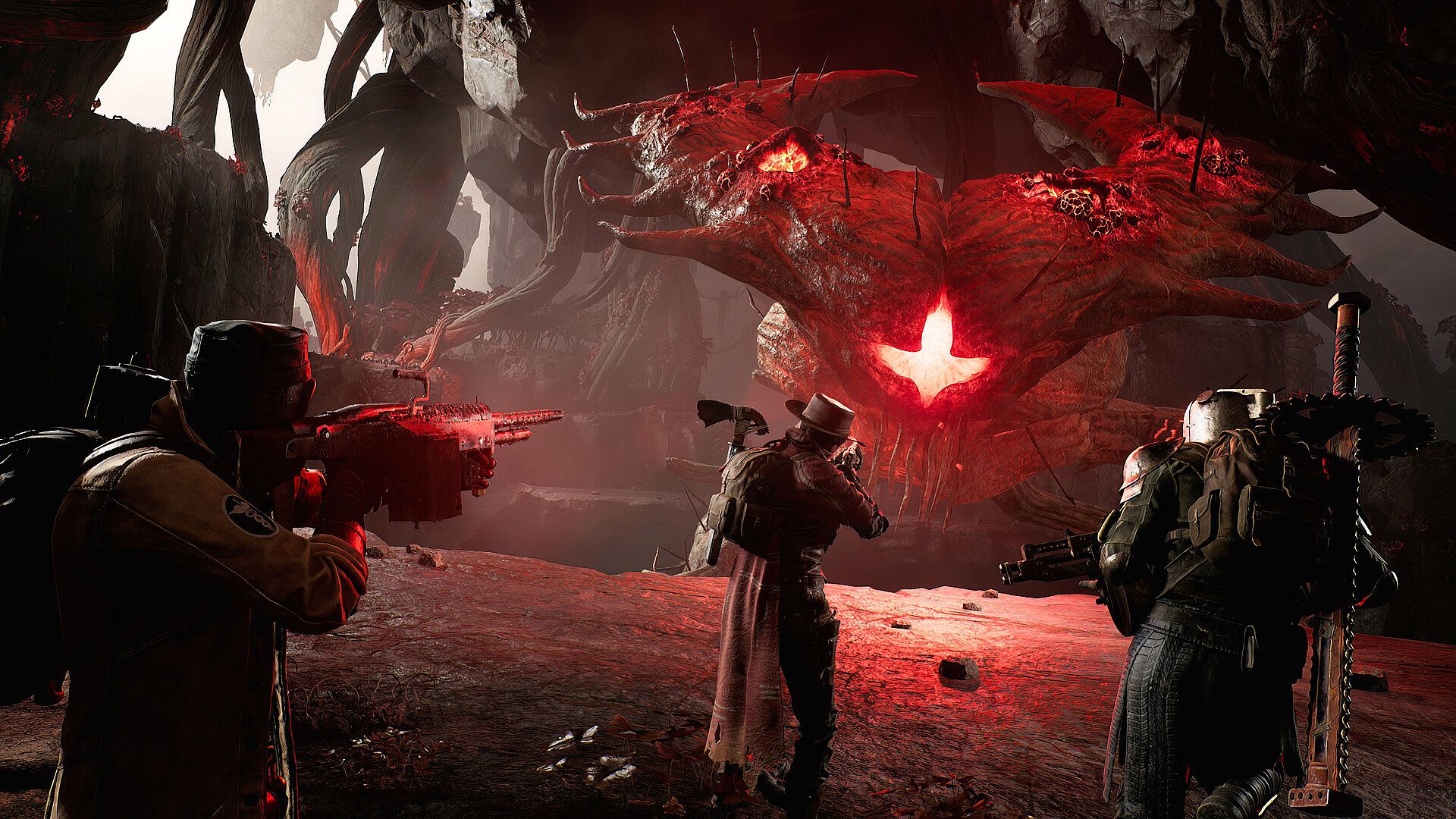
Boss battles scale in difficulty, often needing coordinated efforts to exploit weaknesses and secure high-tier loot. The procedural generation ensures no two playthroughs are identical, with dungeons and zones remixing layouts and challenges for fresh experiences each time.
Game Modes
Remnant II supports solo play for those who prefer tackling its horrors alone, relying on personal skill to progress through the story and side content. For a more collaborative approach, the co-op mode allows up to three players to team up, sharing resources and strategies to conquer bosses and explore worlds together. This setup fosters dynamic group tactics, where combining individual strengths becomes key to overcoming the game's relentless odds.
Archetypes and Customization
The archetype system forms the backbone of character building, offering unique passive bonuses and powerful abilities that define playstyles. Players start with a primary archetype and can unlock others, leveling them up to equip a secondary one for hybrid builds. This flexibility lets you mix roles, such as pairing offensive perks with defensive traits, creating classes suited to specific challenges. Augments further enhance this, providing modular upgrades that refine weapons and abilities for varied combat scenarios.
- Gunslinger archetype focuses on rapid-fire precision and ammo efficiency.
- Handler brings a loyal companion for support in battles.
- Challenger emphasizes durability and close-range power.
Is It Worth Playing?
In 2026, Remnant II remains a solid choice for gamers seeking a demanding action RPG with strong co-op elements, especially if you thrive on procedural variety and tough boss fights. Community discussions highlight its lasting appeal, with players still discovering new builds and replaying campaigns for the thrill. It suits those who enjoy methodical progression and teamwork, though it might feel punishing for casual players without patience for trial-and-error. If challenging worlds and customizable combat draw you in, this title delivers rewarding depth that holds up well over time.