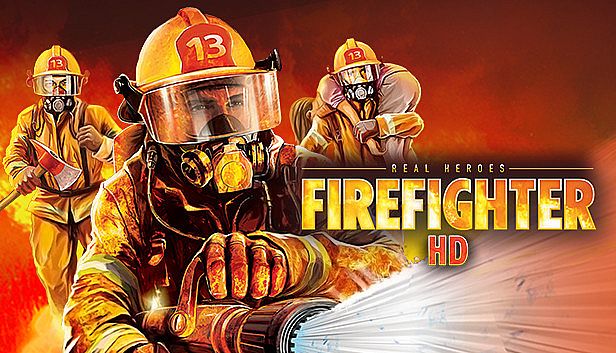
















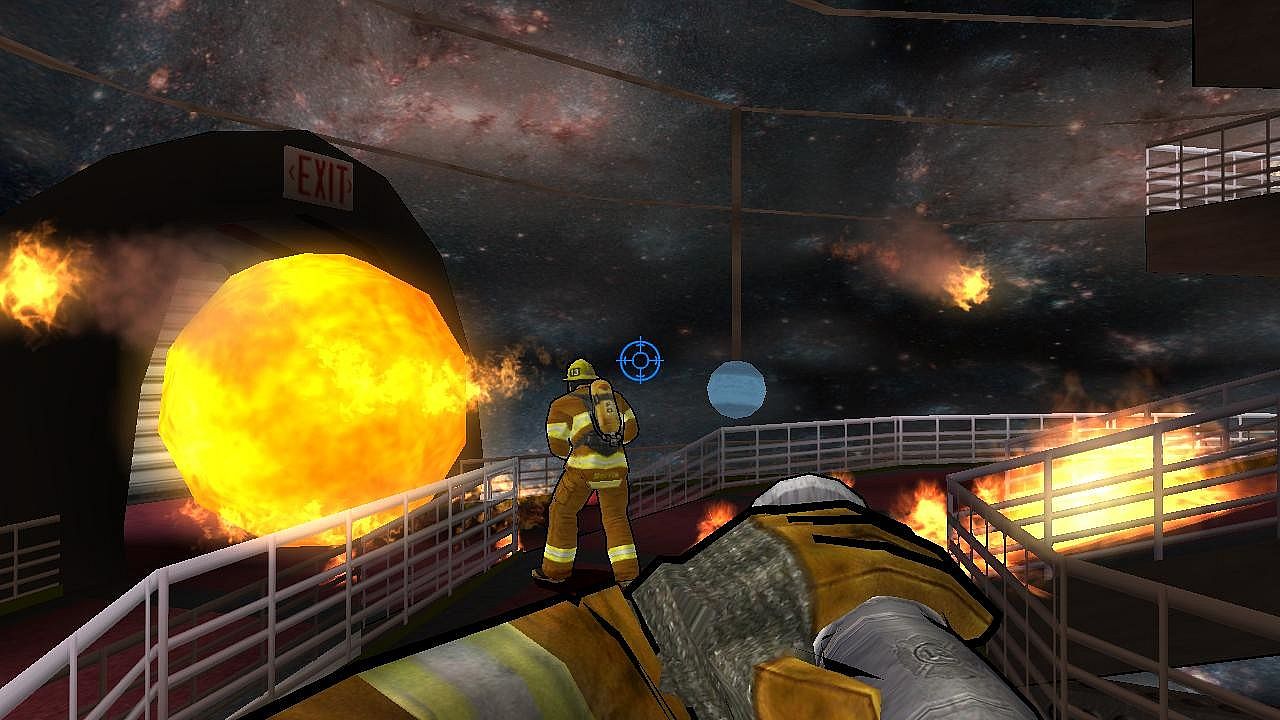
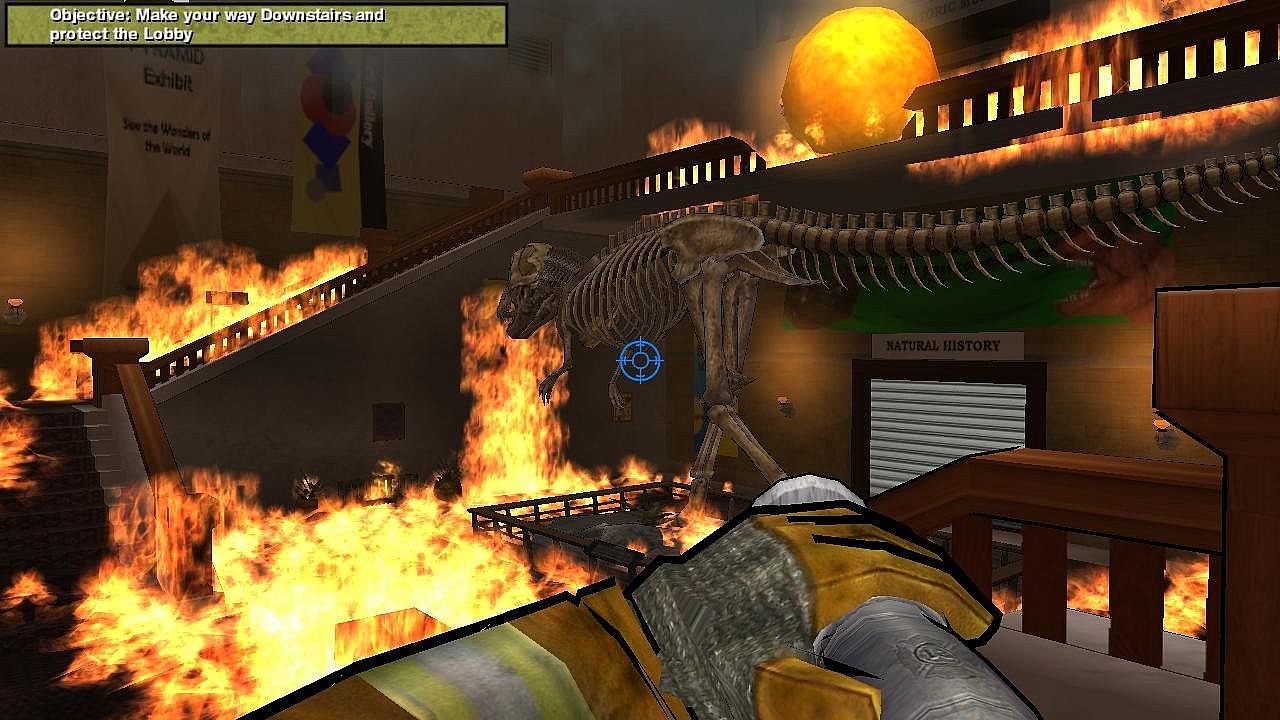
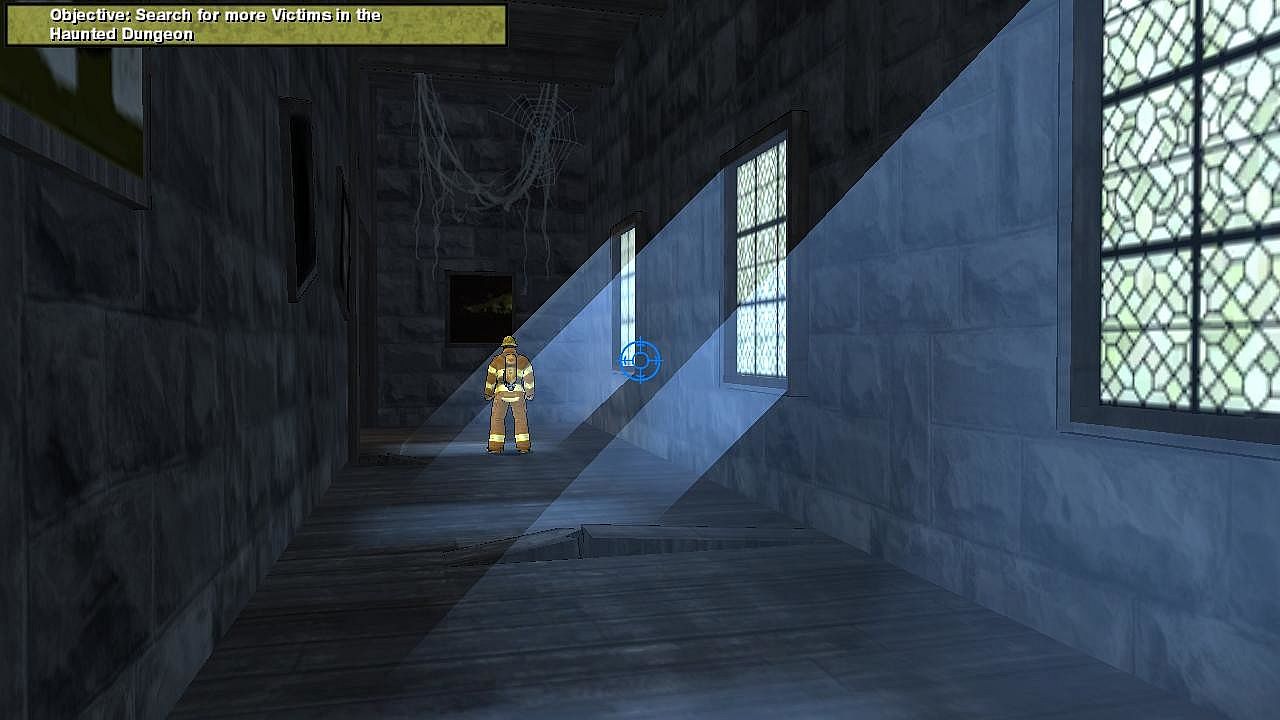
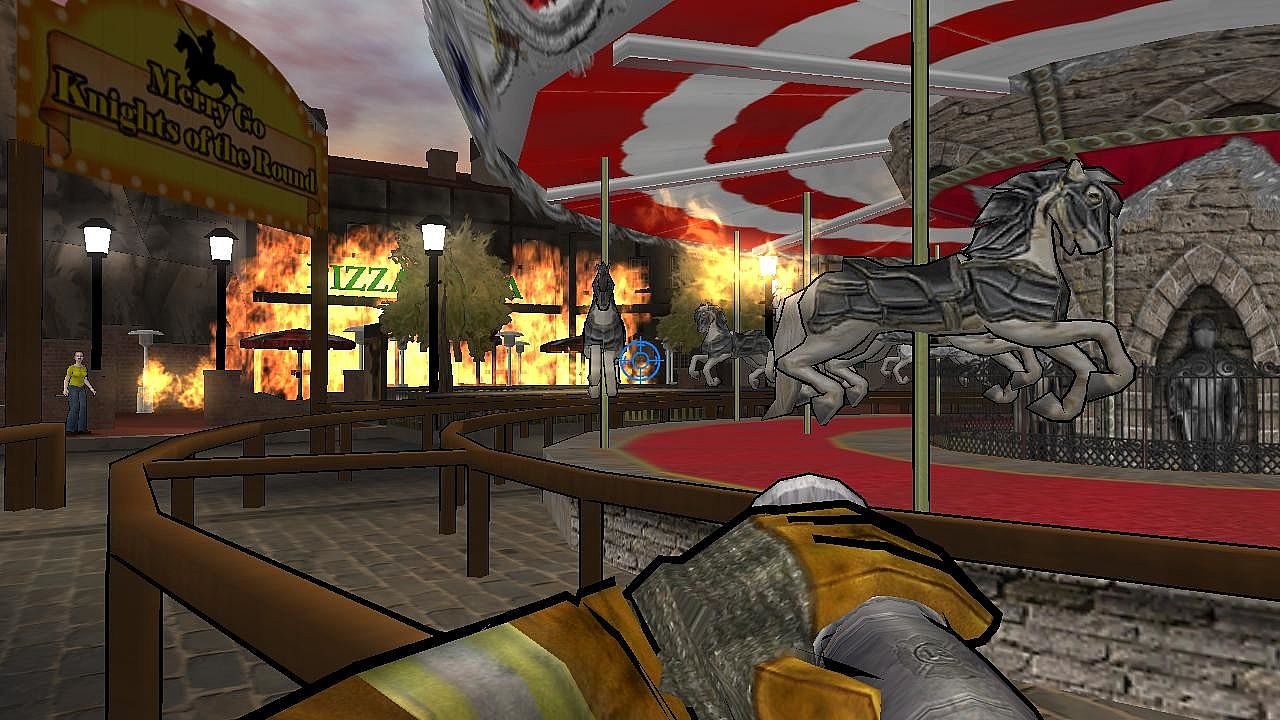
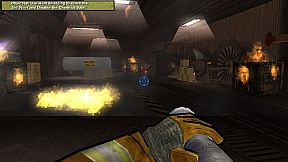
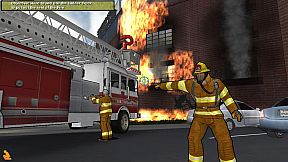
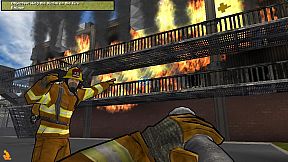
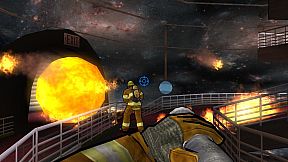
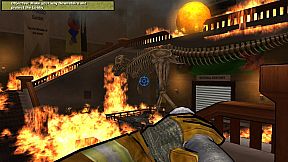
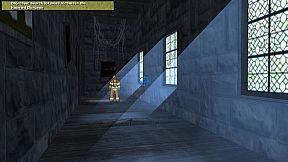
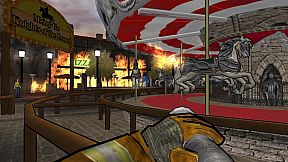
Real Heroes: Firefighter HD is a first-person action simulation game that places players in the role of a Los Angeles firefighter. The experience centers on responding to emergencies, managing fires, and performing rescues in urban settings. Players begin as a new cadet and progress through structured scenarios that emphasize practical skills and decision-making under pressure.
Gameplay
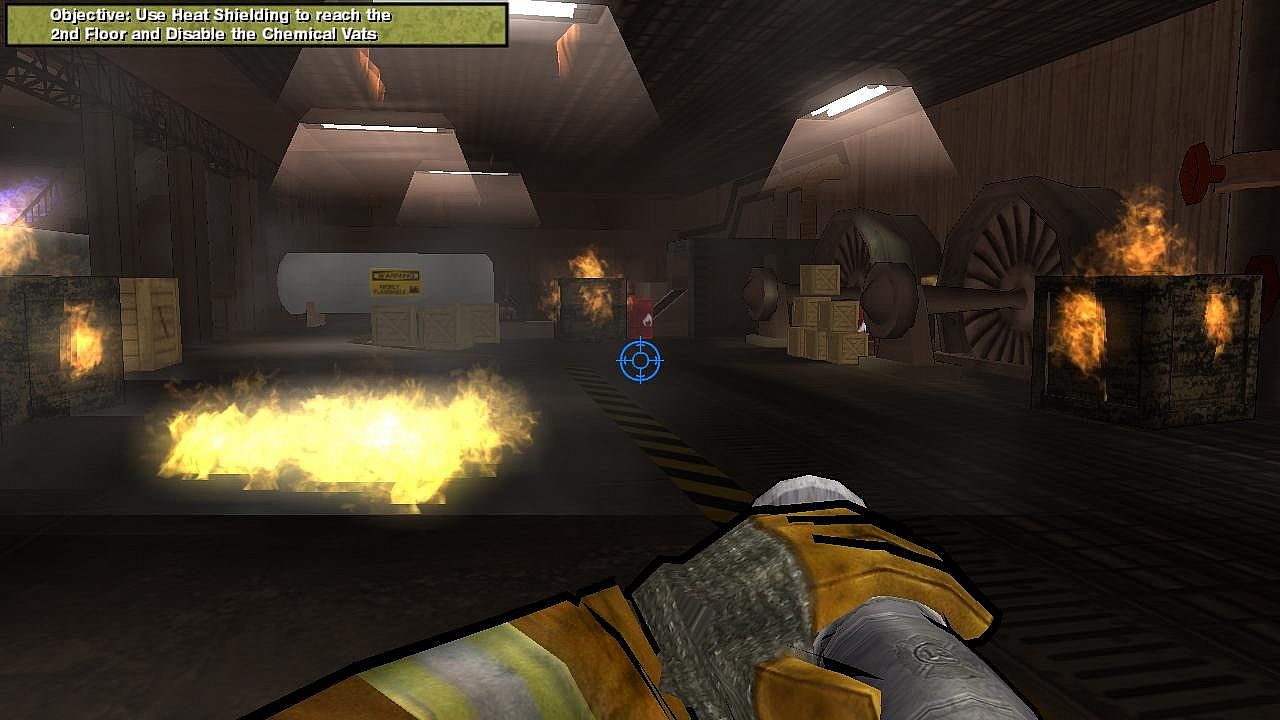
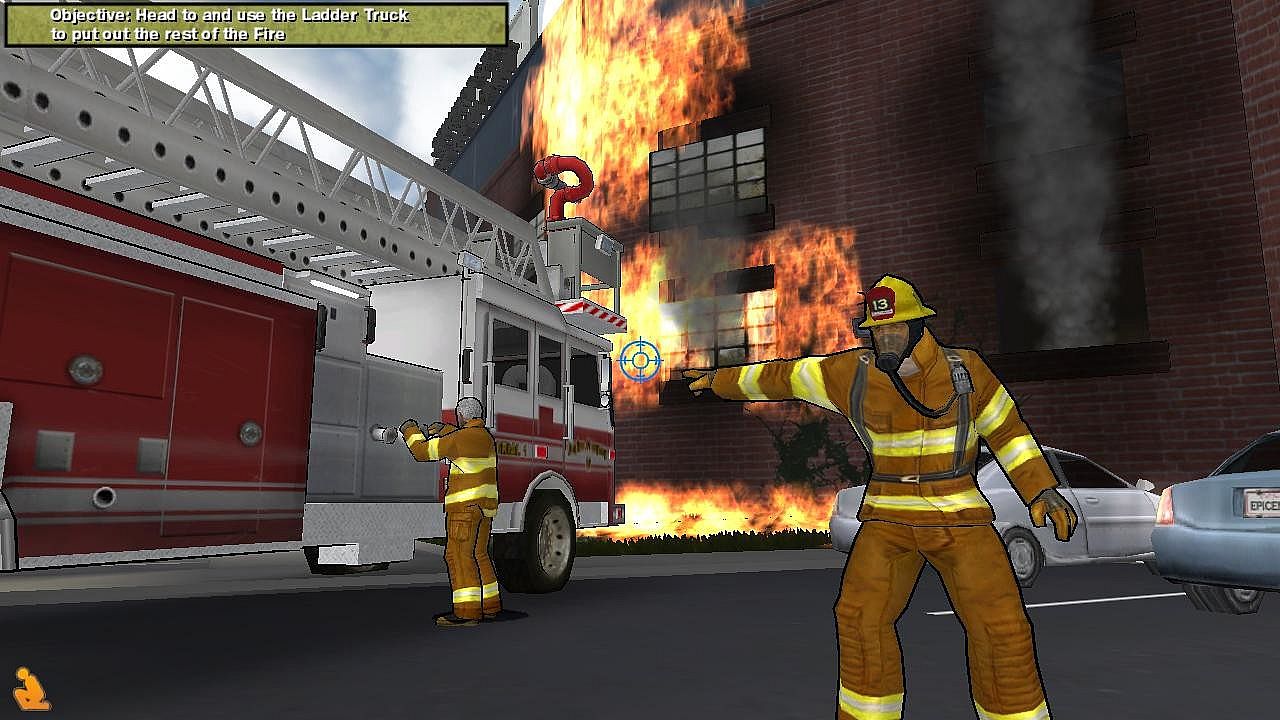
The core loop involves arriving at fire scenes, assessing the situation, and deploying equipment to contain blazes while locating and extracting survivors. Fire behaves with realistic spread and intensity, requiring careful use of water streams and suppression tools to prevent escalation. Movement feels deliberate, reflecting the weight of protective gear and the need to navigate smoke-filled interiors or unstable structures.
Players handle a selection of authentic tools including the hose for direct water application, axe for breaching obstacles, mechanical separator for cutting through debris, extinguisher for smaller outbreaks, Halligan tool for prying and forcing entry, and deck gun for high-volume output from vehicles. Each tool serves specific purposes, and switching between them forms a key part of managing different fire types and rescue priorities. Voice acting from a cast including James Marsters and Jack McGee adds context through radio communications and character interactions during missions.
Resolution support reaches 1440p on PC, with enhanced visuals compared to earlier versions. The simulation aspects focus on procedural elements like fire propagation rather than open-world freedom, keeping attention on immediate tactical choices in each location.
Game Modes
Career mode serves as the primary structure, guiding players through more than nine distinct levels and locations. Progression follows a sequence of training and active duty assignments that introduce new tools and challenges gradually. Each mission builds on previous ones by increasing complexity in fire size, building layouts, and rescue requirements.
No additional modes such as free play or competitive elements appear in the design. The focus remains on completing the career path, which incorporates all available tools and scenarios in a linear yet skill-building format. This single-player emphasis suits the simulation genre by allowing repeated attempts on individual levels to refine techniques without external pressure.
Tools and Mechanics
Effective play requires understanding how each piece of equipment interacts with the environment. The hose delivers sustained water pressure but demands positioning to avoid steam buildup or backdraft risks. The Halligan and axe enable access to locked areas or ventilation points, while the mechanical separator handles reinforced materials. Extinguishers provide quick response for spot fires, and the deck gun supports larger exterior operations from apparatus.
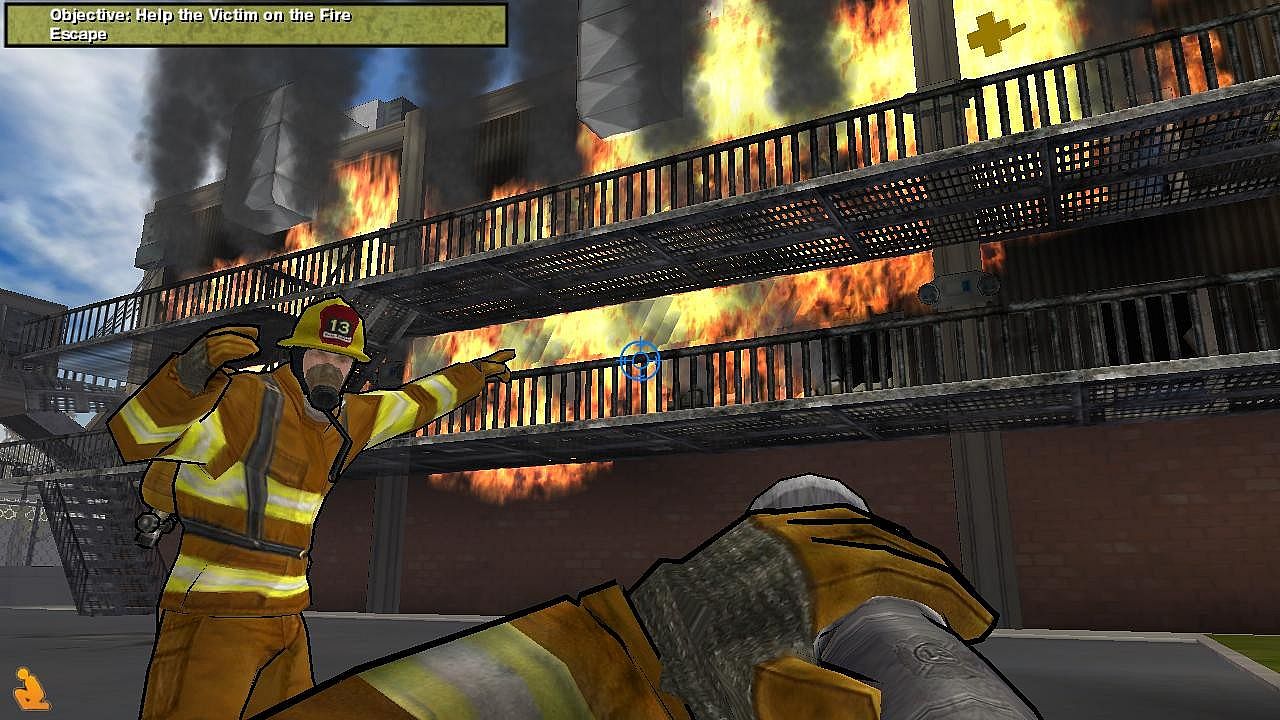
Rescue elements integrate directly with firefighting, as locating civilians or animals often occurs amid active flames. Players must balance suppression efforts with search patterns, using tools to clear paths or stabilize areas. The realistic fire technology influences these decisions, as unchecked spread can block routes or intensify hazards over time.
Is It Worth Playing?
Steam user reviews rate the game Very Positive, with 91 percent approval from 136 total reviews. This reception highlights satisfaction with the focused career progression and tool-based gameplay for those drawn to emergency response simulations. The title suits players who enjoy methodical, equipment-driven action without multiplayer components or frequent content updates.
Availability on PC supports straightforward access for single-player sessions. Those interested in authentic firefighter procedures and sequential mission design will find the experience consistent with its description. The positive feedback centers on the satisfaction of mastering tool use and completing rescues across the provided levels.