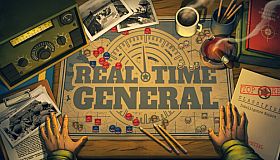












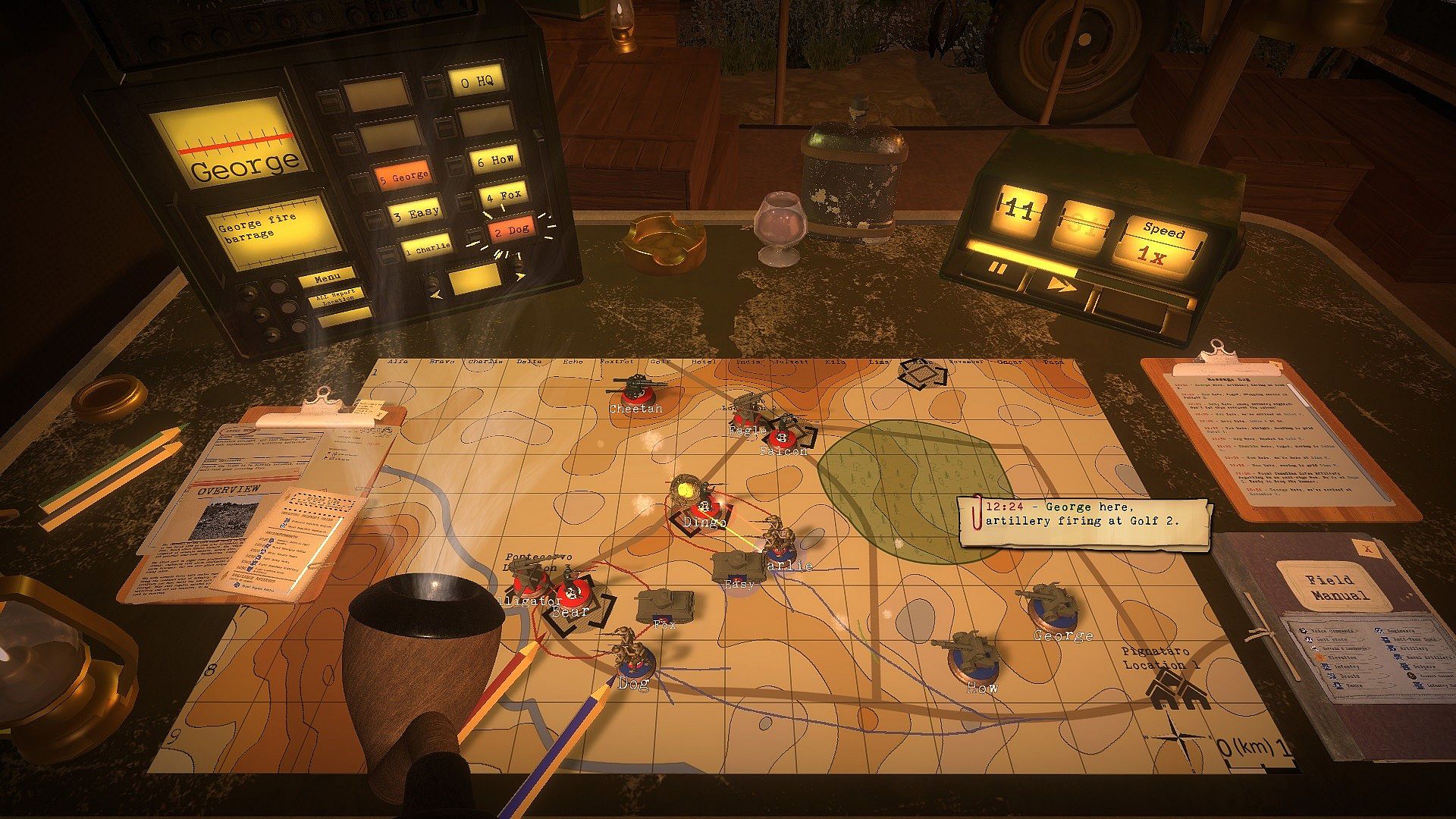
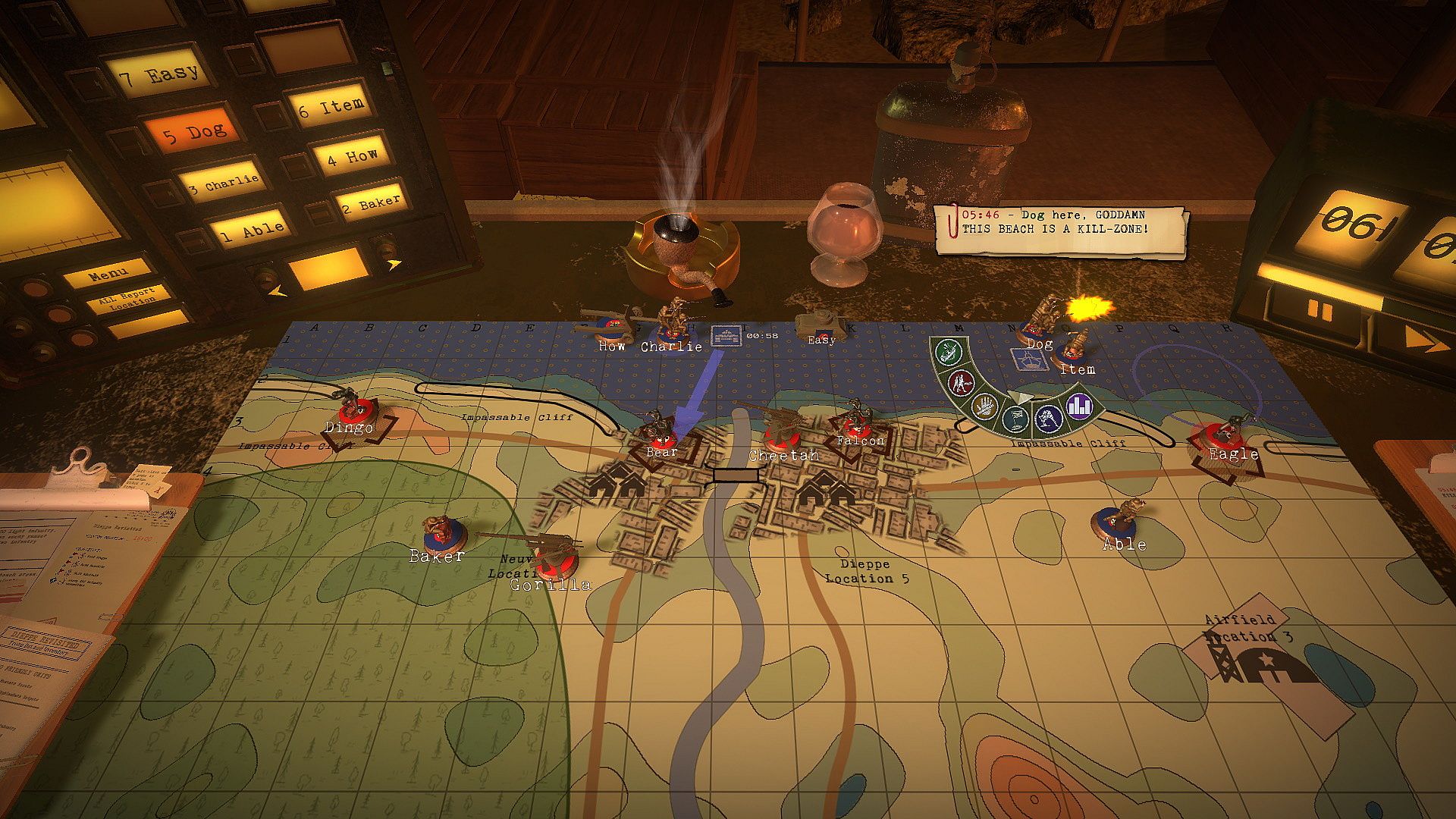
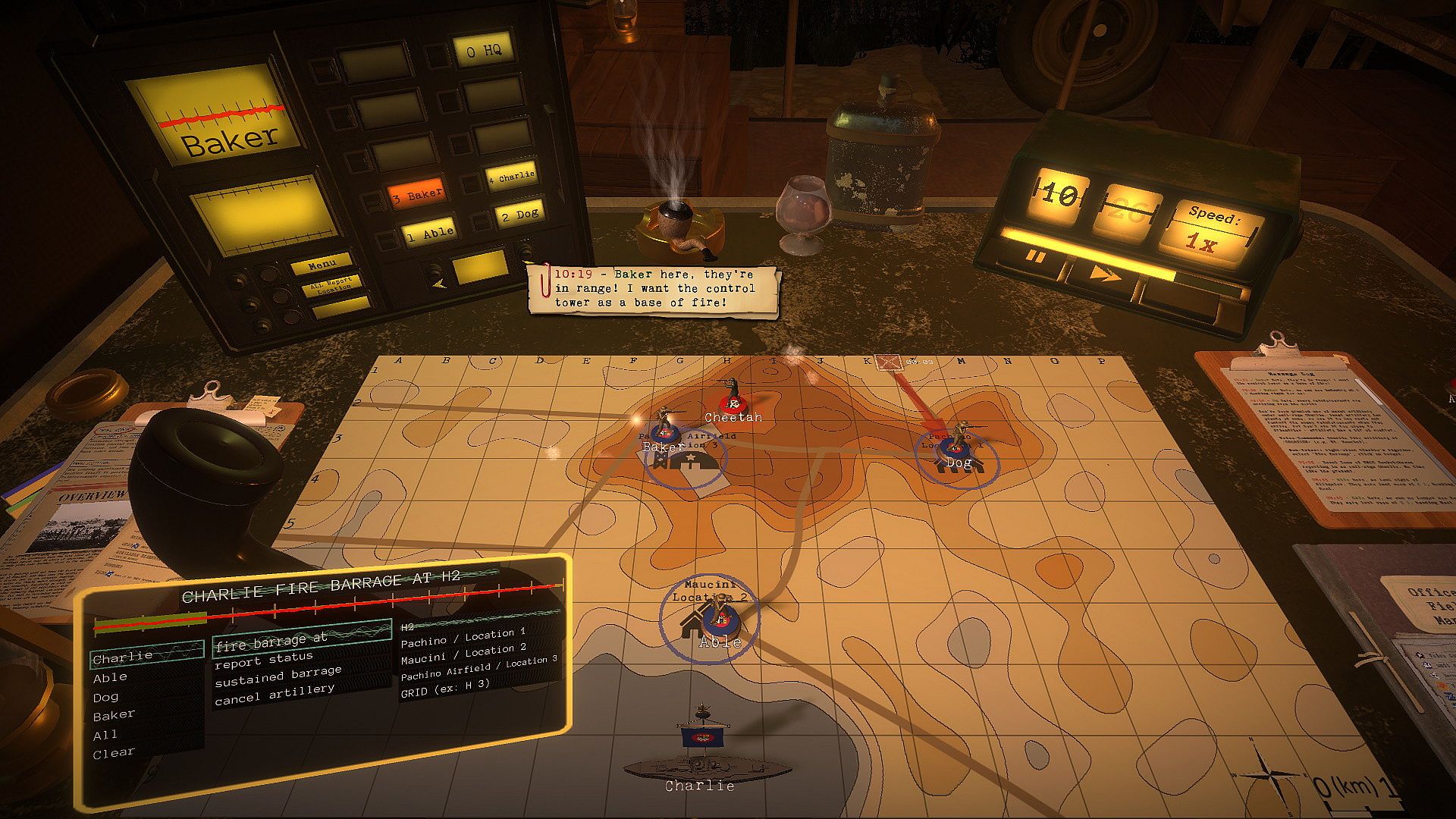
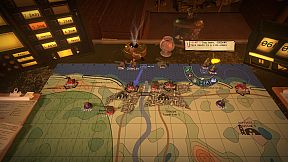
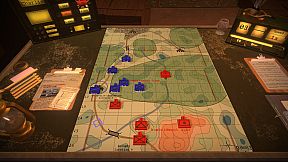
Radio General is a real-time strategy game set during World War II that places players in command of the 1st Canadian Army through a distinctive radio-based interface. Instead of overseeing a visible battlefield, commanders issue orders and receive updates solely via voice communication, simulating the fog of war in a detailed command tent environment.
Gameplay
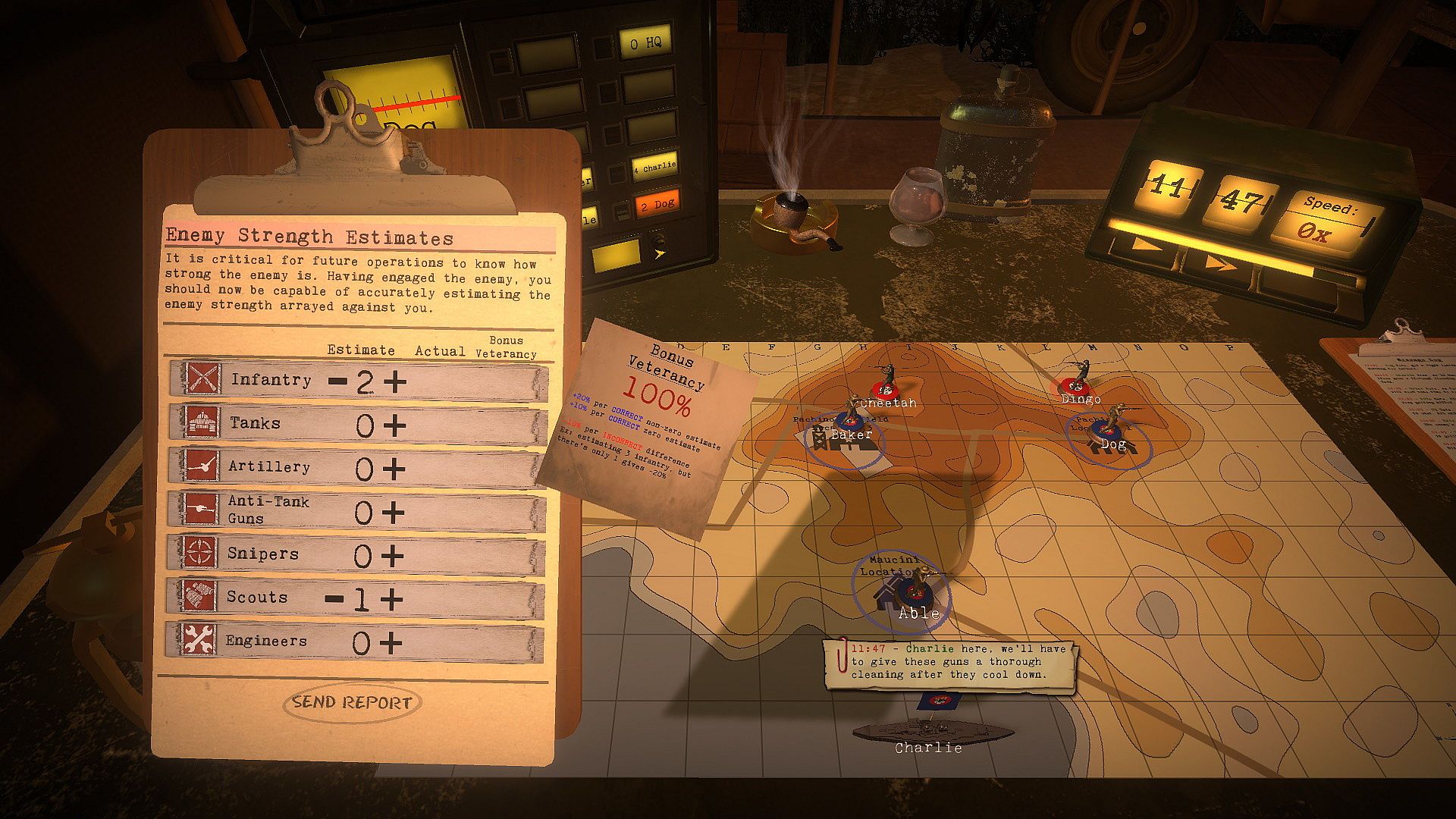
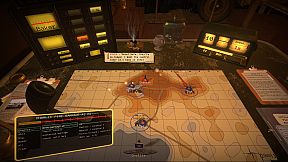
The core loop revolves around interpreting incomplete and sometimes inaccurate verbal reports from units before responding with spoken orders. Speech recognition handles the input in English, allowing players to speak directly as if on the radio with troops. This system emphasizes decision-making under uncertainty, where units may misreport positions or situations, forcing commanders to weigh risks carefully.
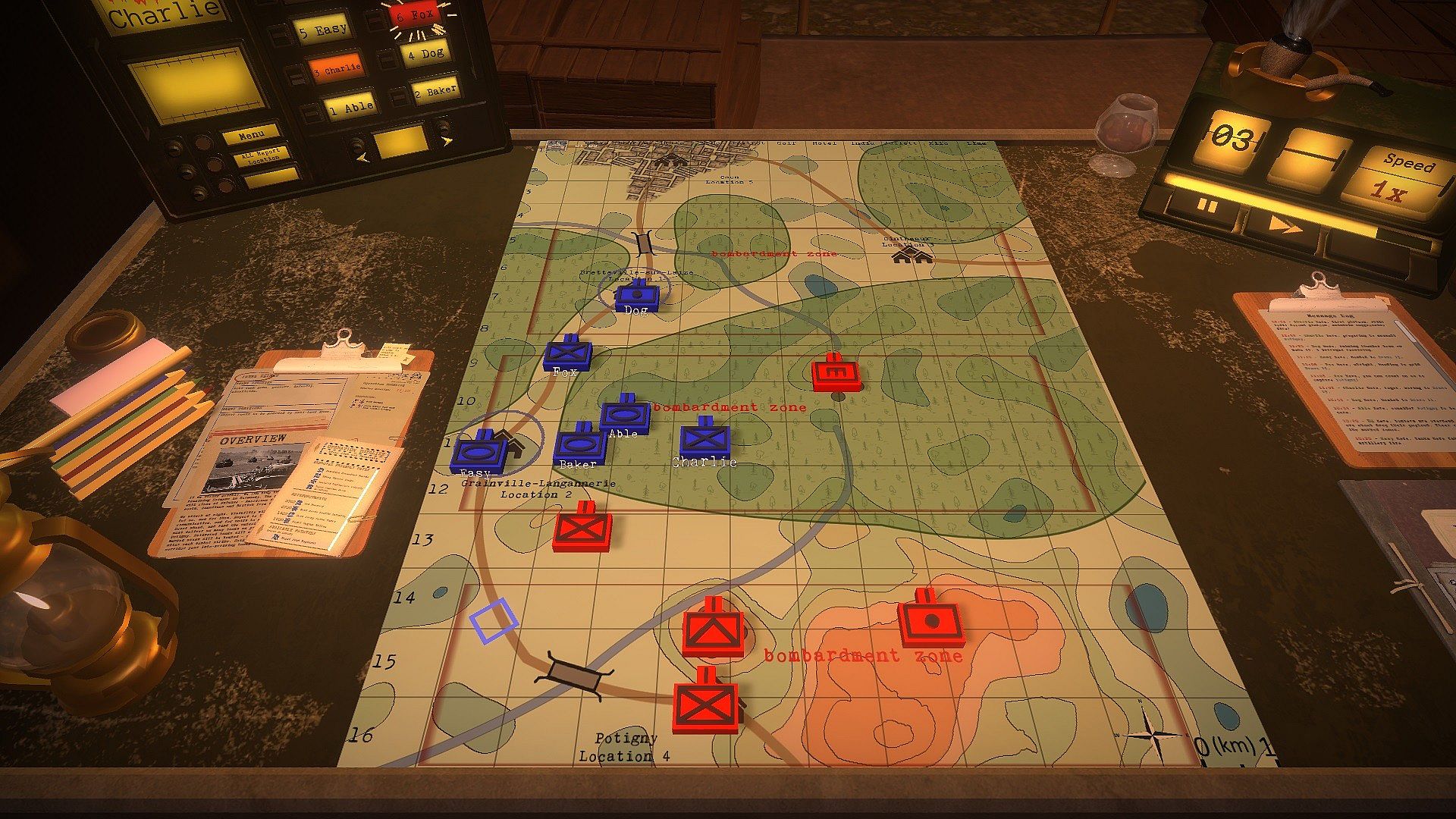
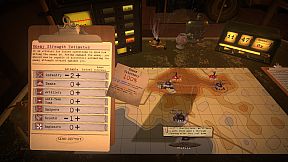
Behind the scenes, the simulation tracks ammunition levels, morale, camouflage effectiveness, line of sight, and stamina for each unit. Terrain plays a decisive role in outcomes. Forests favor smaller forces for ambushes due to better cover, while roads speed up movement but reduce concealment. Hills extend spotting range and improve weapon effectiveness, but they also expose units. Players must study maps to position companies advantageously.
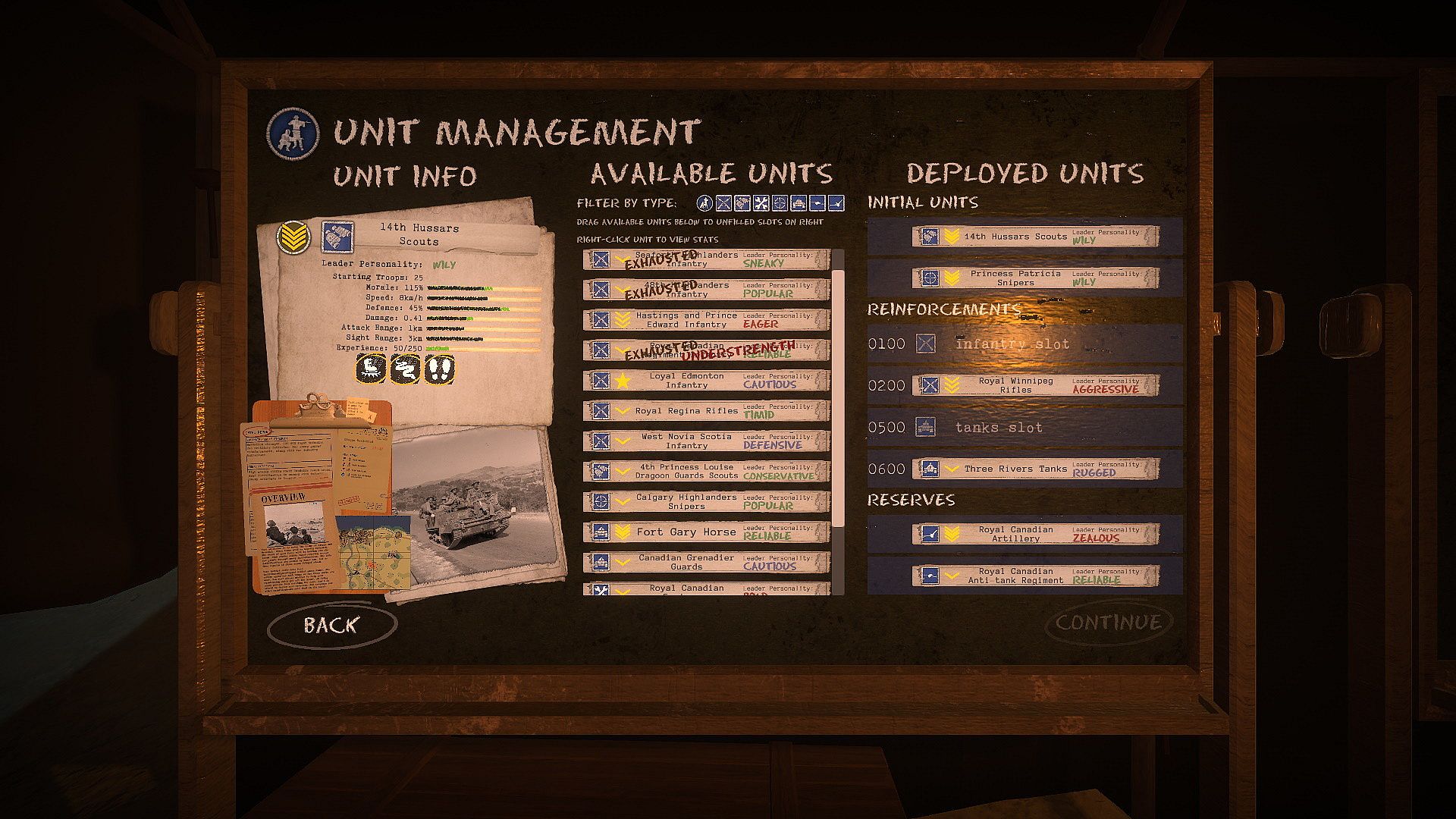
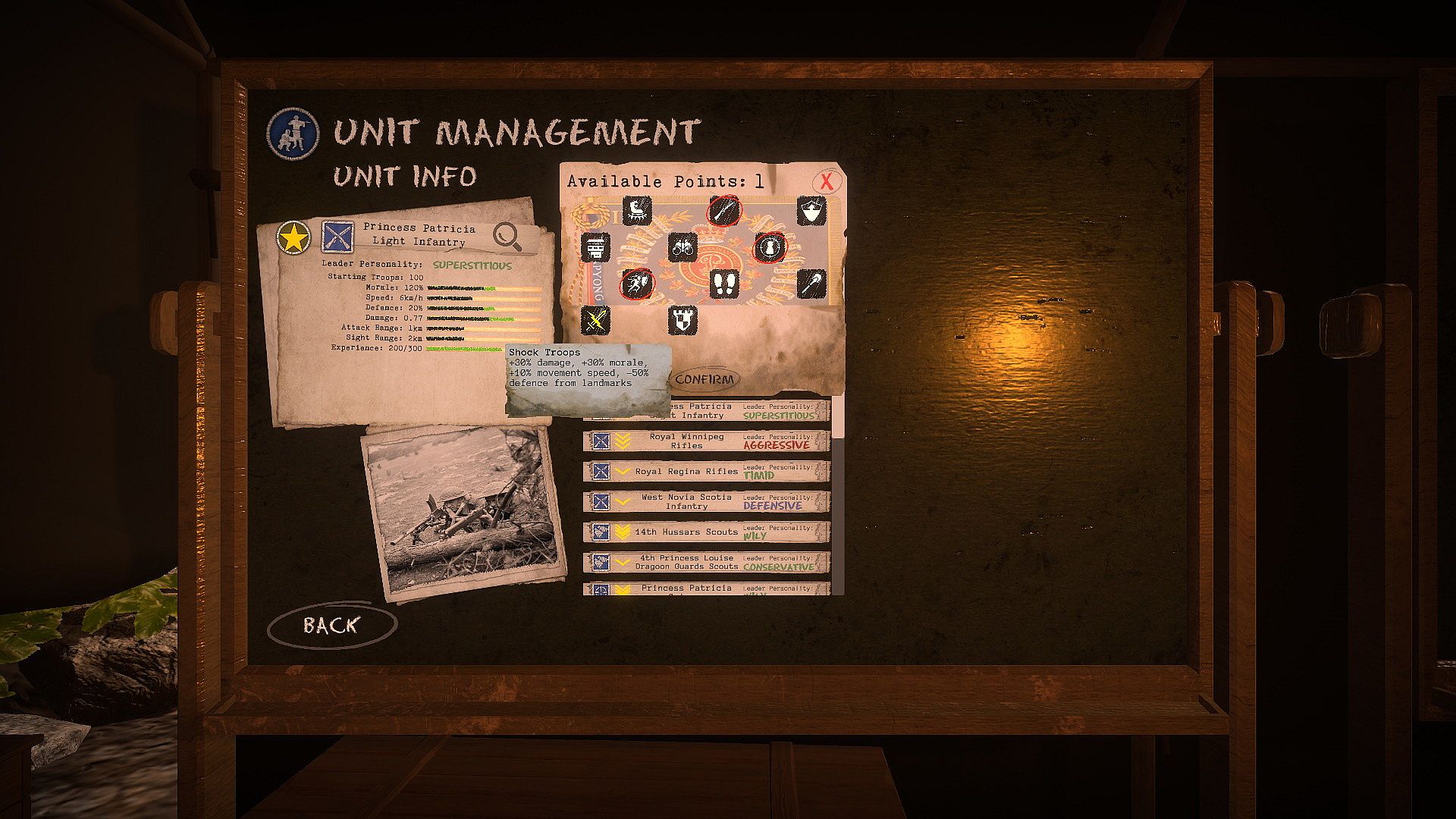
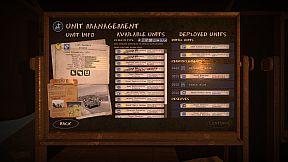
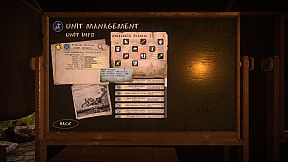
Each company brings distinct strengths and weaknesses tied to its composition and experience. Zealous officers might ignore retreat orders, while veteran units develop specializations that unlock unique capabilities. Between missions, companies require rest to avoid exhaustion, which degrades performance across the board. Rotation management becomes essential for sustained operations.
Game Modes
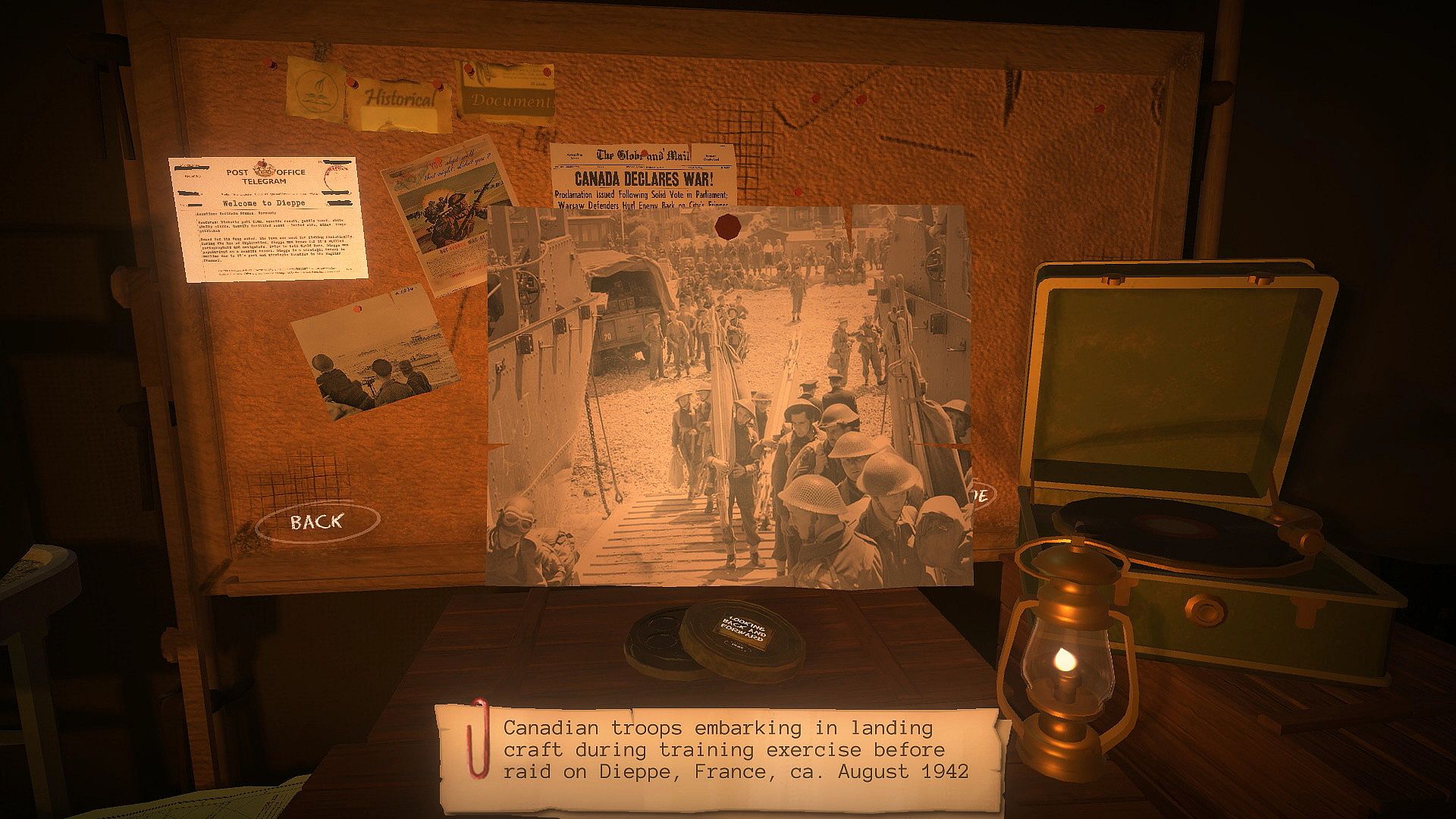
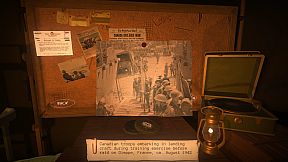
The primary experience centers on a single-player campaign that follows the historical path of the 1st Canadian Army. Players participate in key operations including the Dieppe Raid, the push through the Hitler Line and Gothic Line in Italy, the Normandy landings, and the closing of the Falaise Gap. These scenarios incorporate real historical context drawn from photographs, documents, and footage to ground the action.
Cooperative play supports two players working together across the full campaign or in custom scenarios. One player can focus on certain sectors while the other handles different units, sharing radio traffic and coordinating responses to the same uncertain reports. This mode suits those who prefer shared command over solo play.
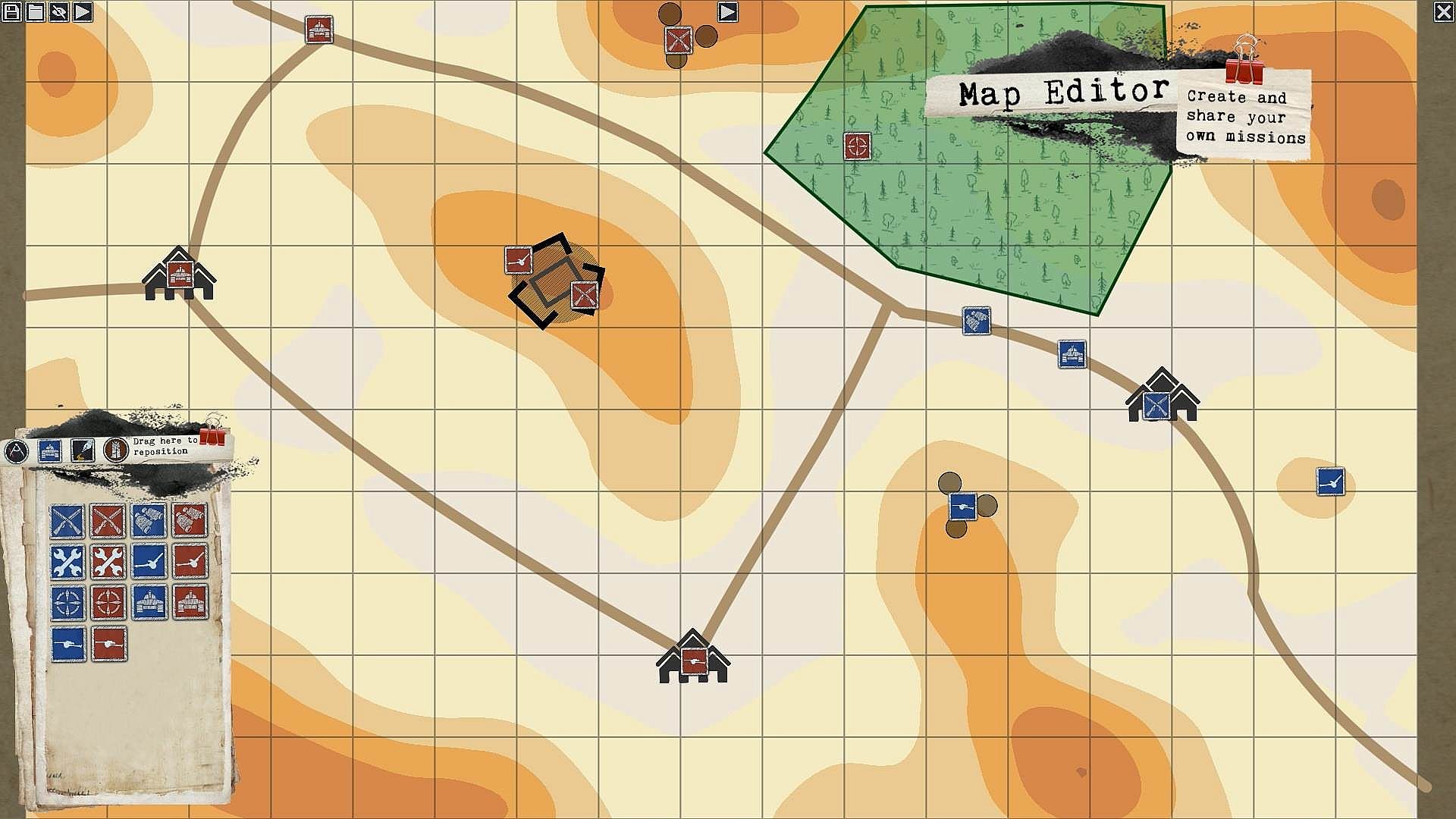
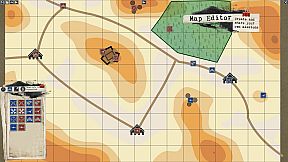
Custom scenarios created with the built-in map editor allow players to recreate famous battles or design new challenges. These can be shared for others to attempt, expanding the available content beyond the official campaign.
Historical Context and Unit Management
The game highlights the perspective of Canadian forces during the war in Europe, covering operations that receive less attention in many titles. Players review supporting historical materials to understand soldier life and battlefield conditions, which informs tactical choices. Companies evolve over time, with veterans gaining specialized traits that reward careful preservation of experienced units.
Resource and condition tracking extends to every engagement. Elevation changes alter visibility and firepower, while different ground types affect movement and concealment. Commanders learn to exploit these factors rather than relying on direct visual control of the battlefield.
Is It Worth Playing?
Radio General appeals to players who enjoy deliberate, information-limited strategy rather than fast-paced action or complete battlefield oversight. The voice command system creates a focused, tense atmosphere that rewards clear communication and adaptability. Those interested in World War II history from the Canadian side will find the campaign missions grounded in documented events.
Cooperative sessions add another layer for groups seeking collaborative play without direct competition. The mechanics around terrain, unit fatigue, and company personalities encourage repeated playthroughs as players refine their approach to the same scenarios. Availability on PC supports the speech recognition features, though results vary with microphone quality and accent.
Overall, the title suits strategy enthusiasts comfortable with uncertainty and verbal interaction over traditional point-and-click controls. Its unique approach sets it apart for those looking for a different take on real-time command during the war.