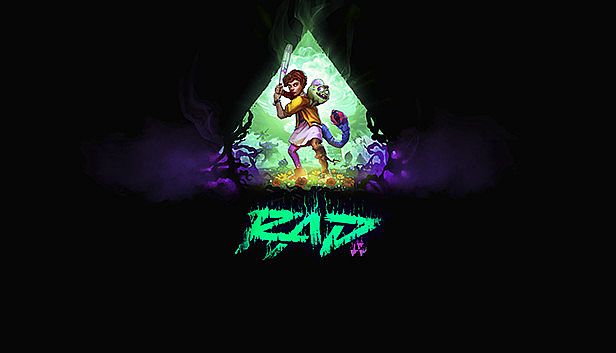





















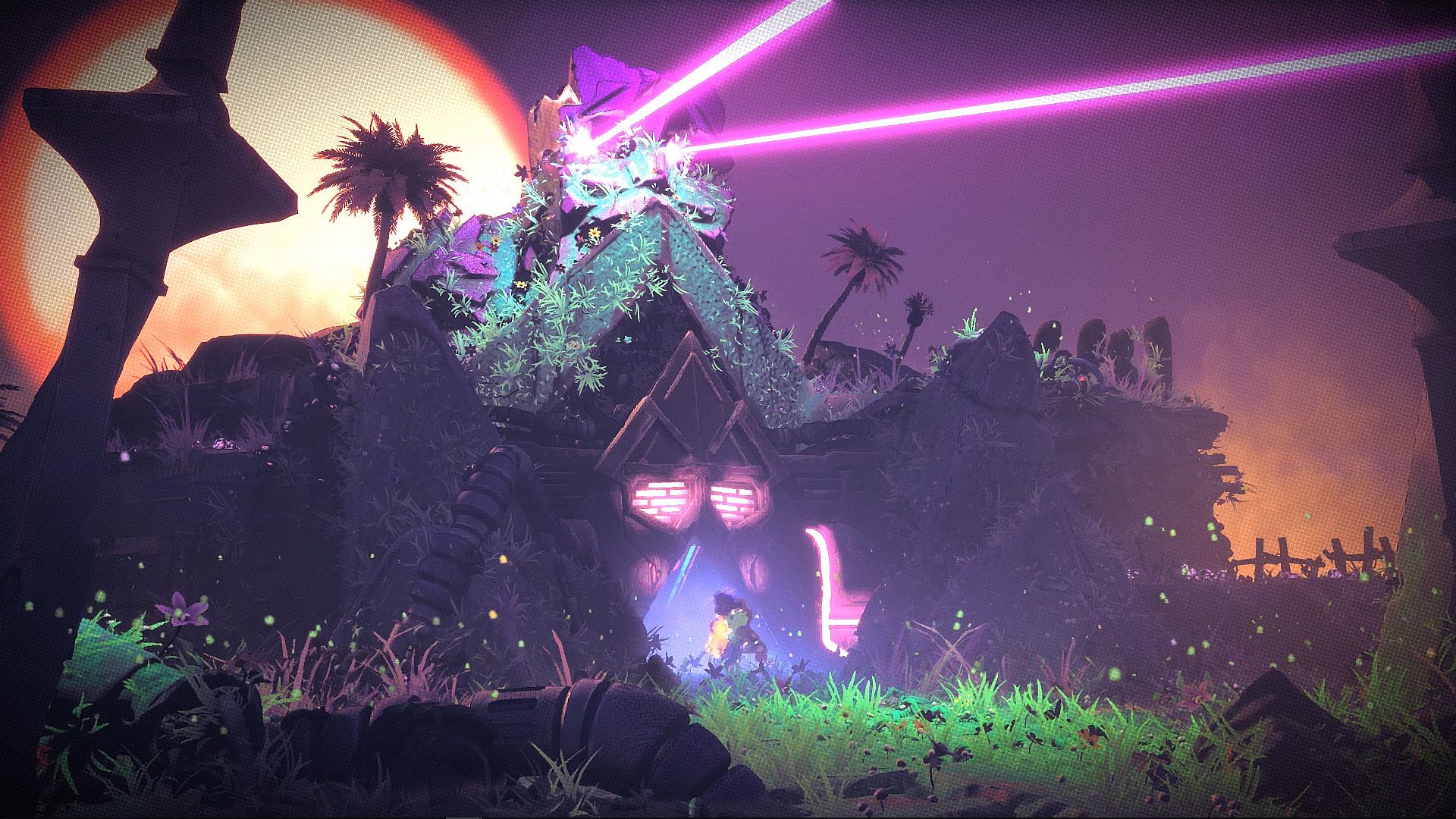
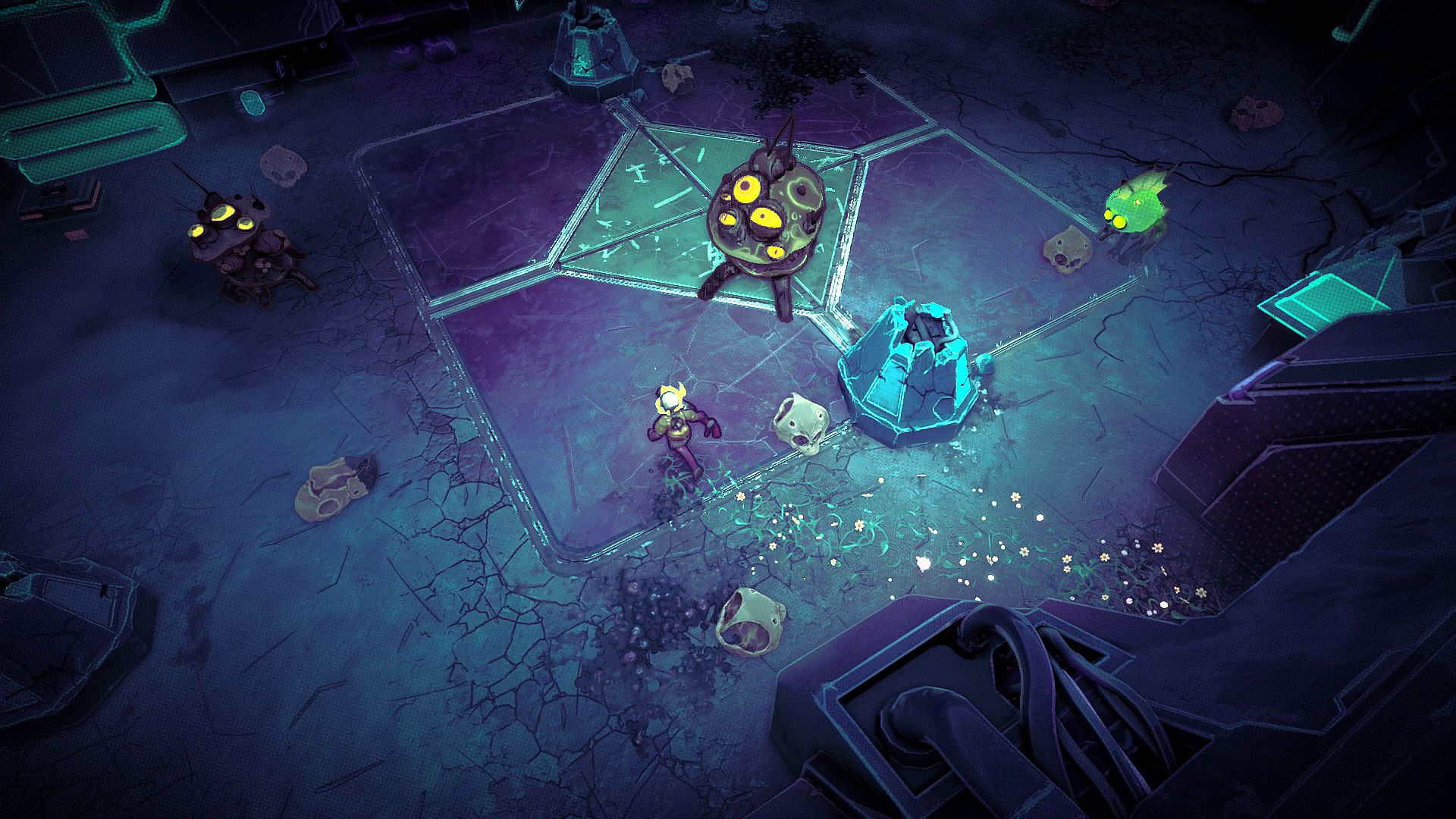
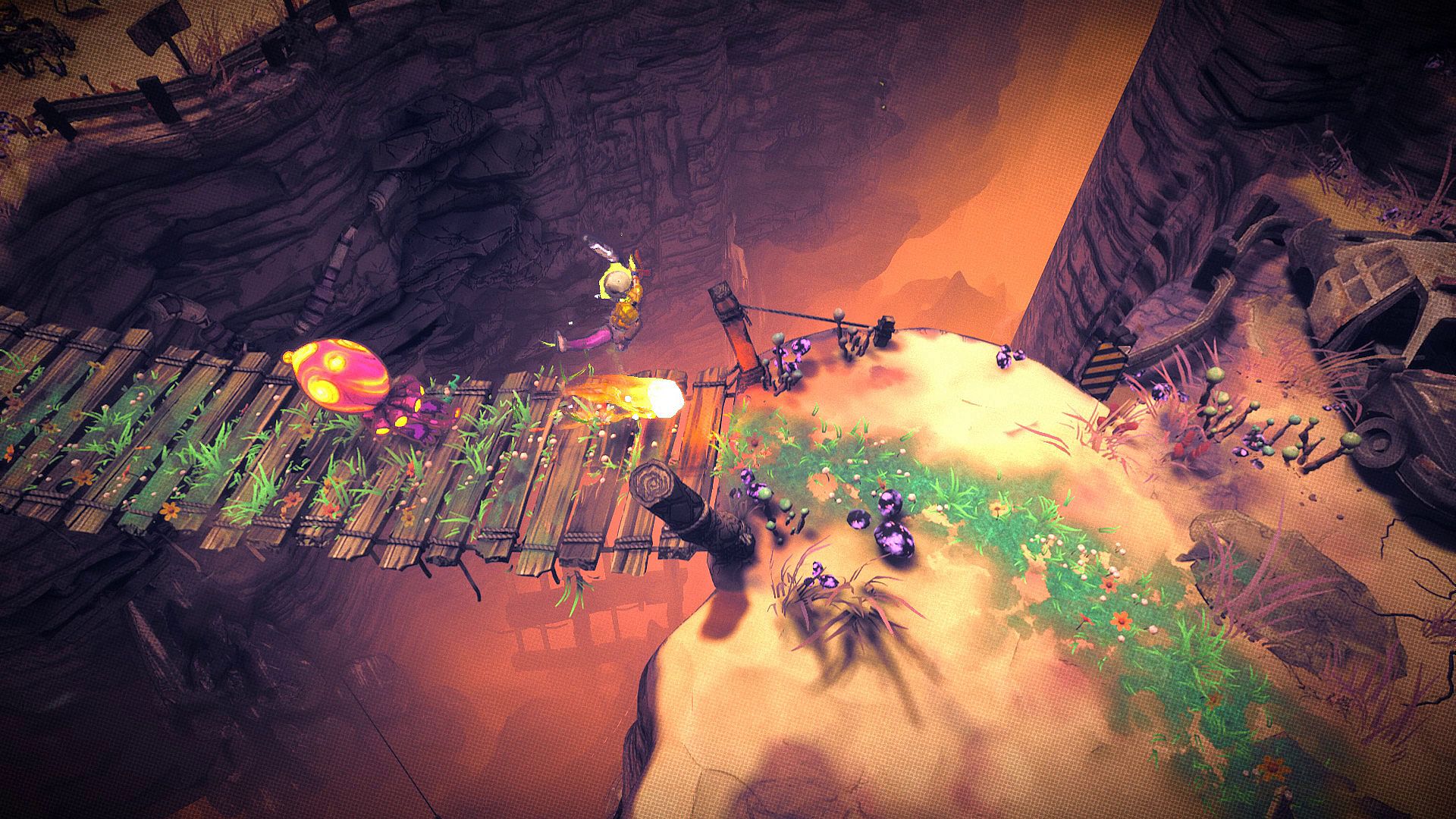
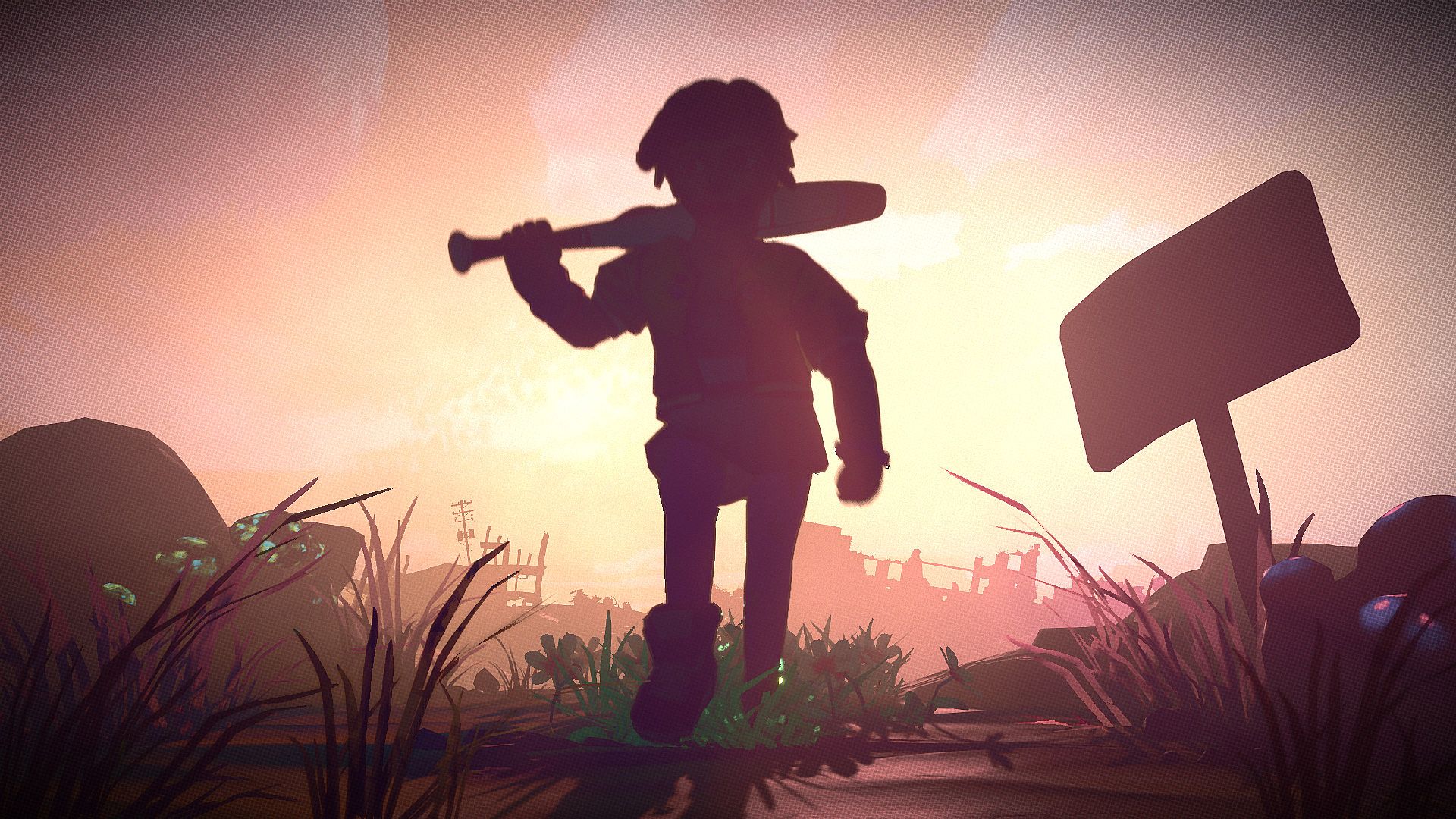
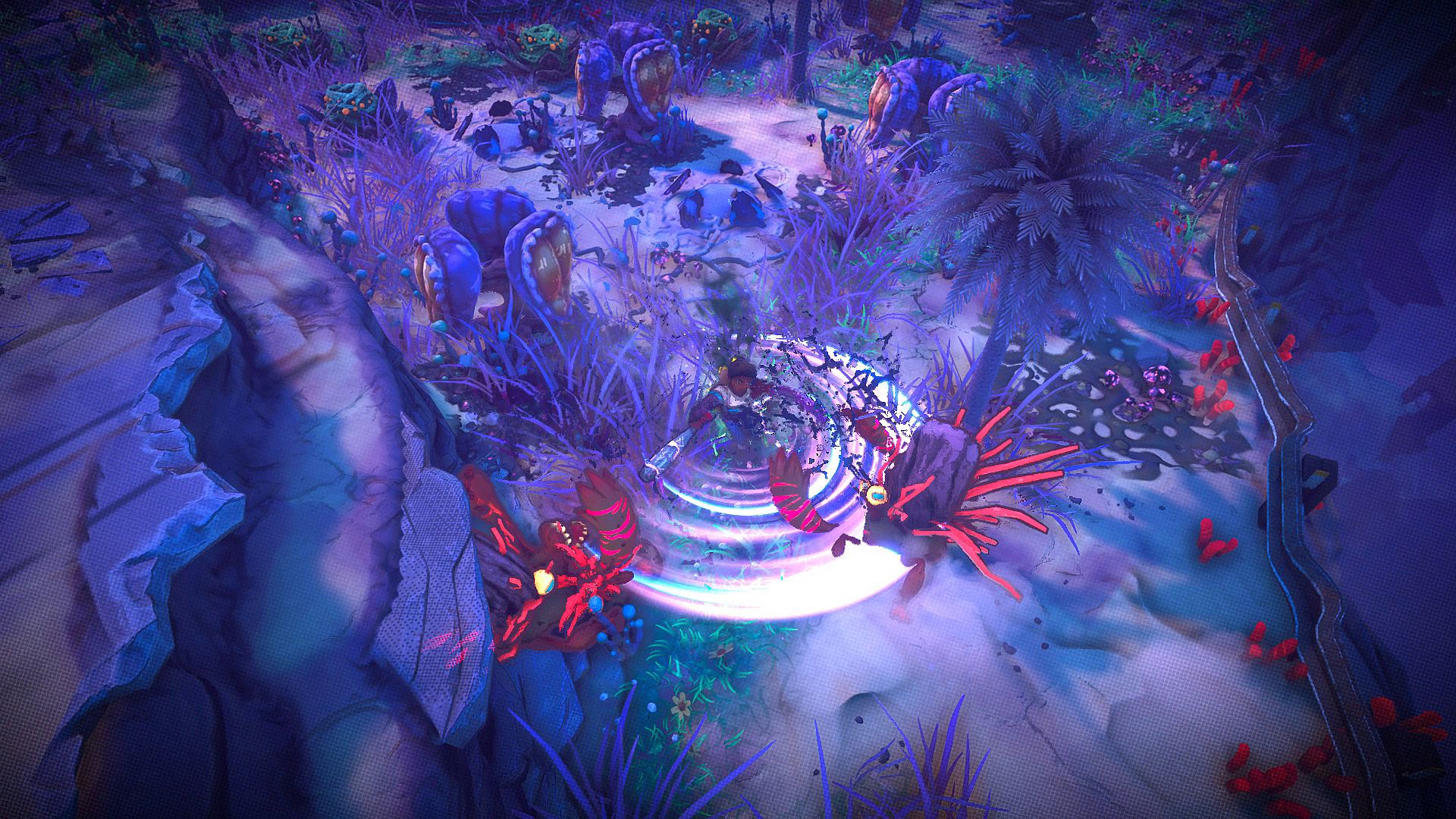
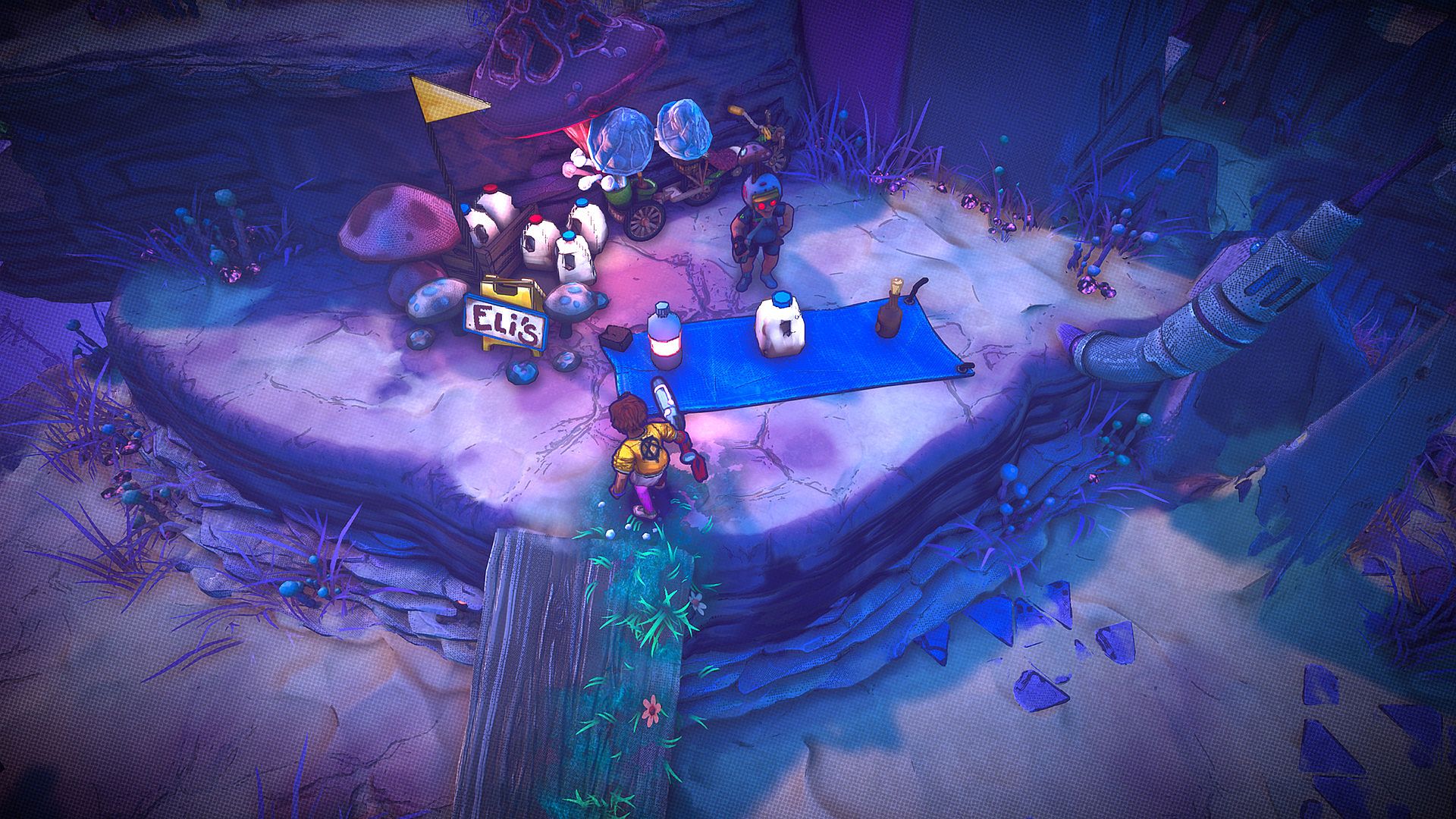
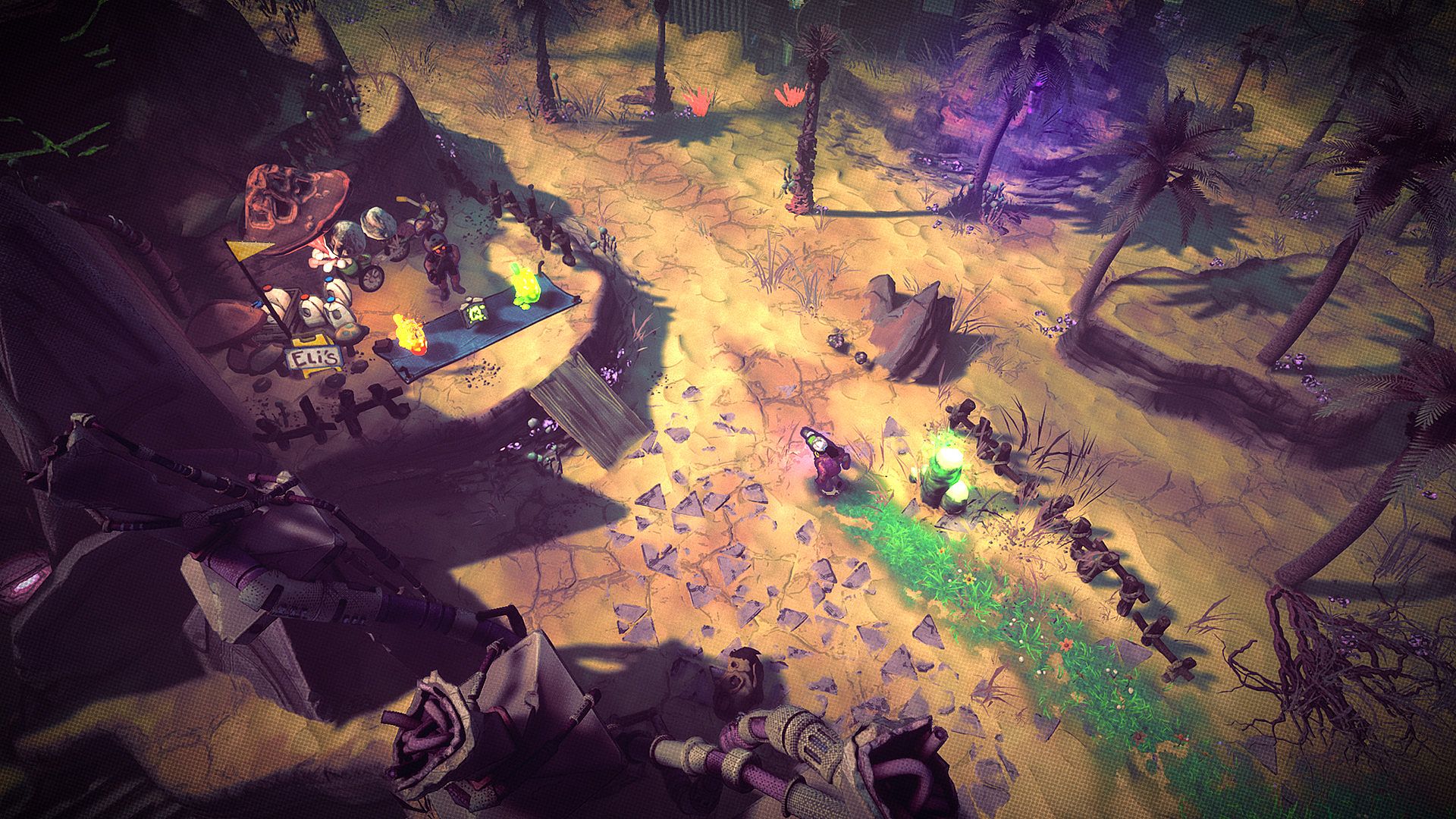
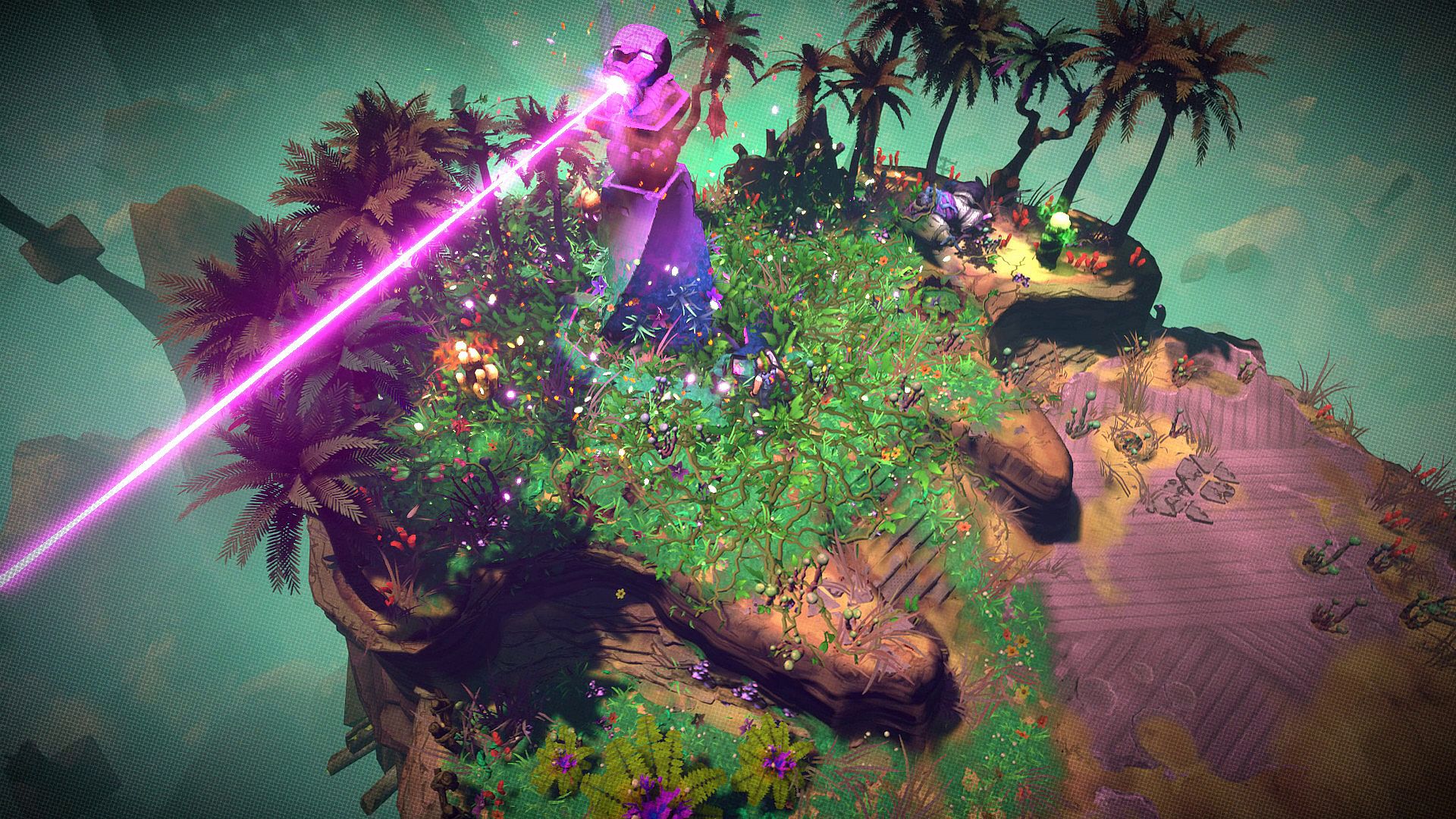
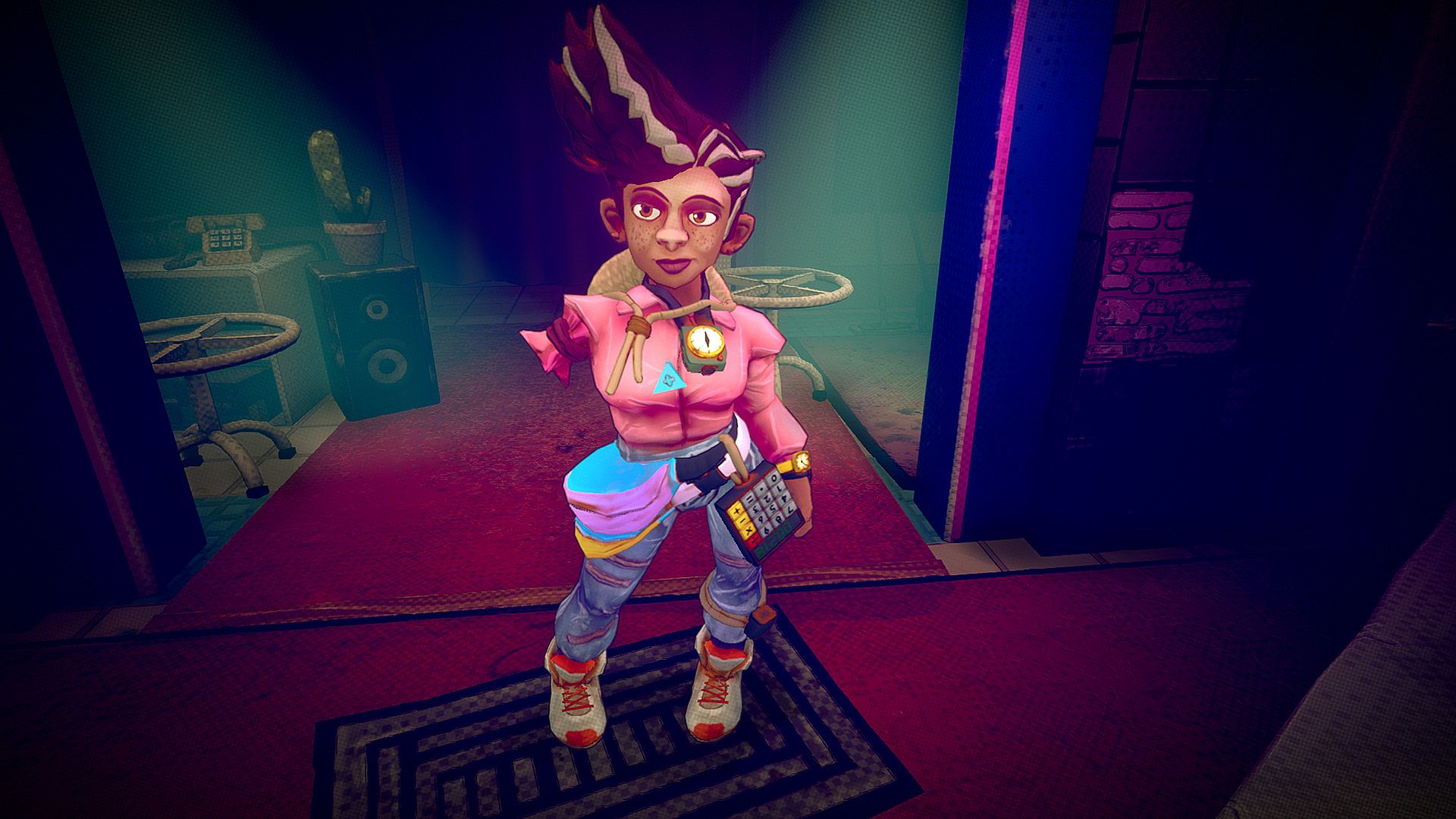
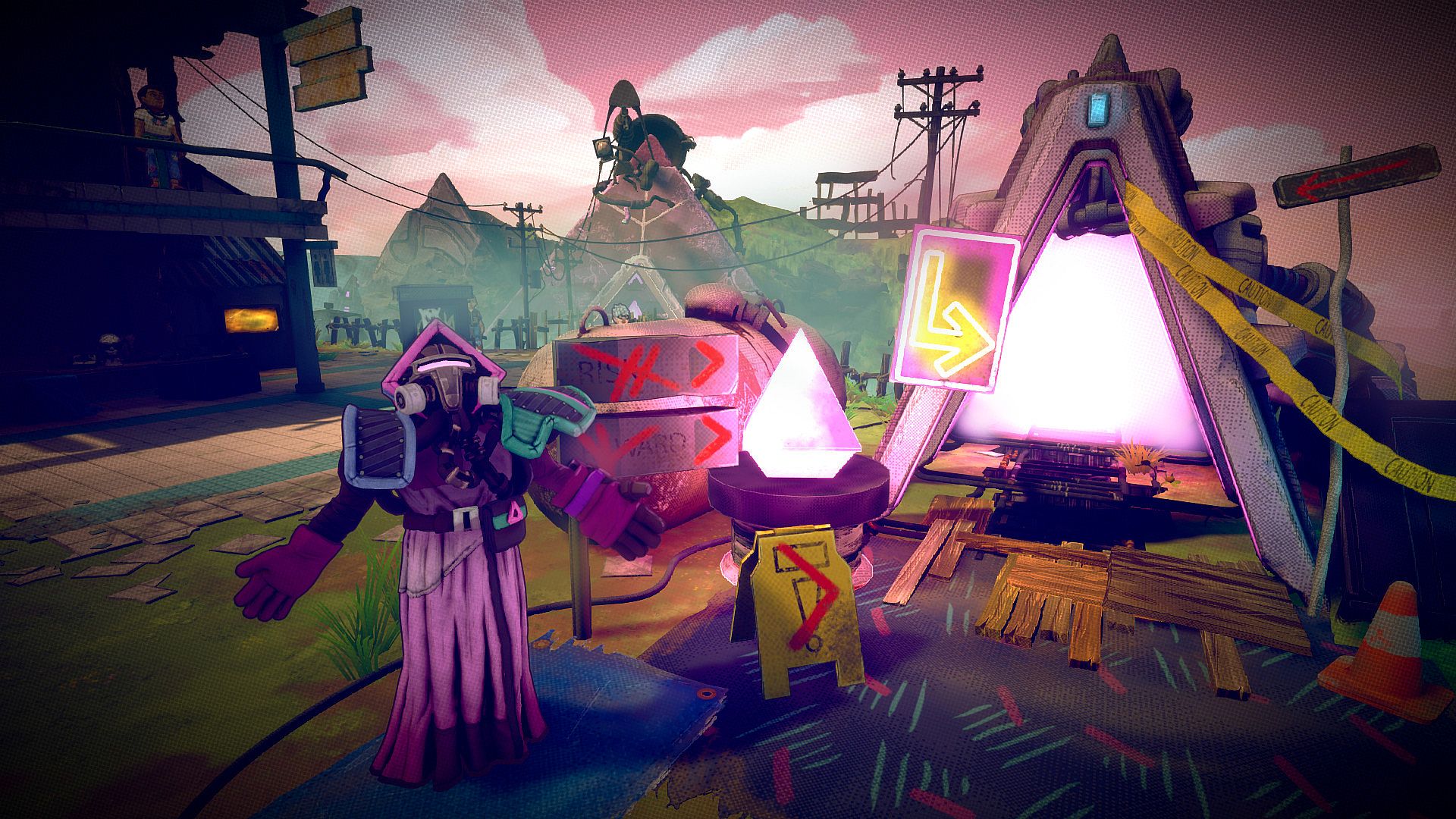
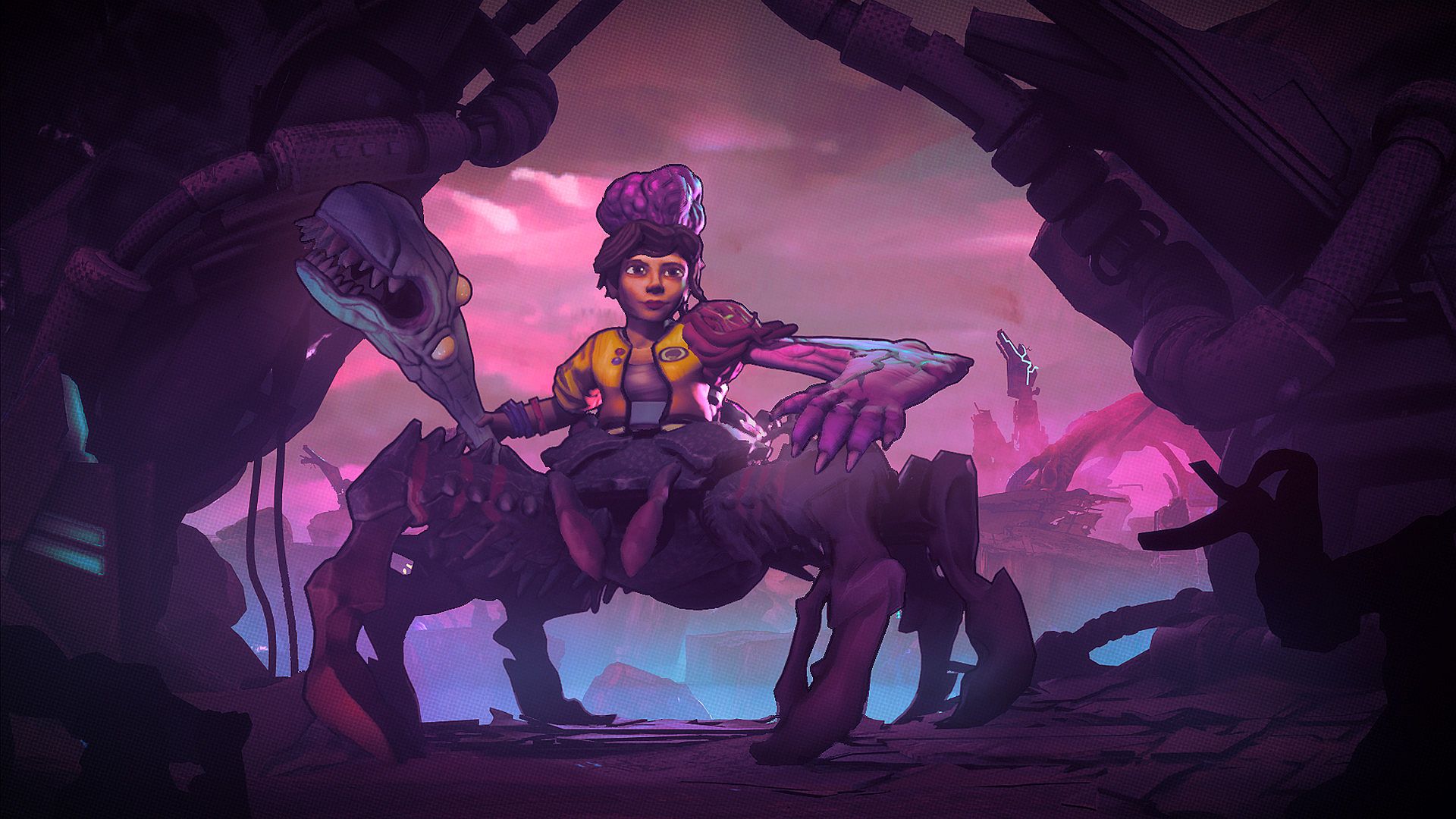
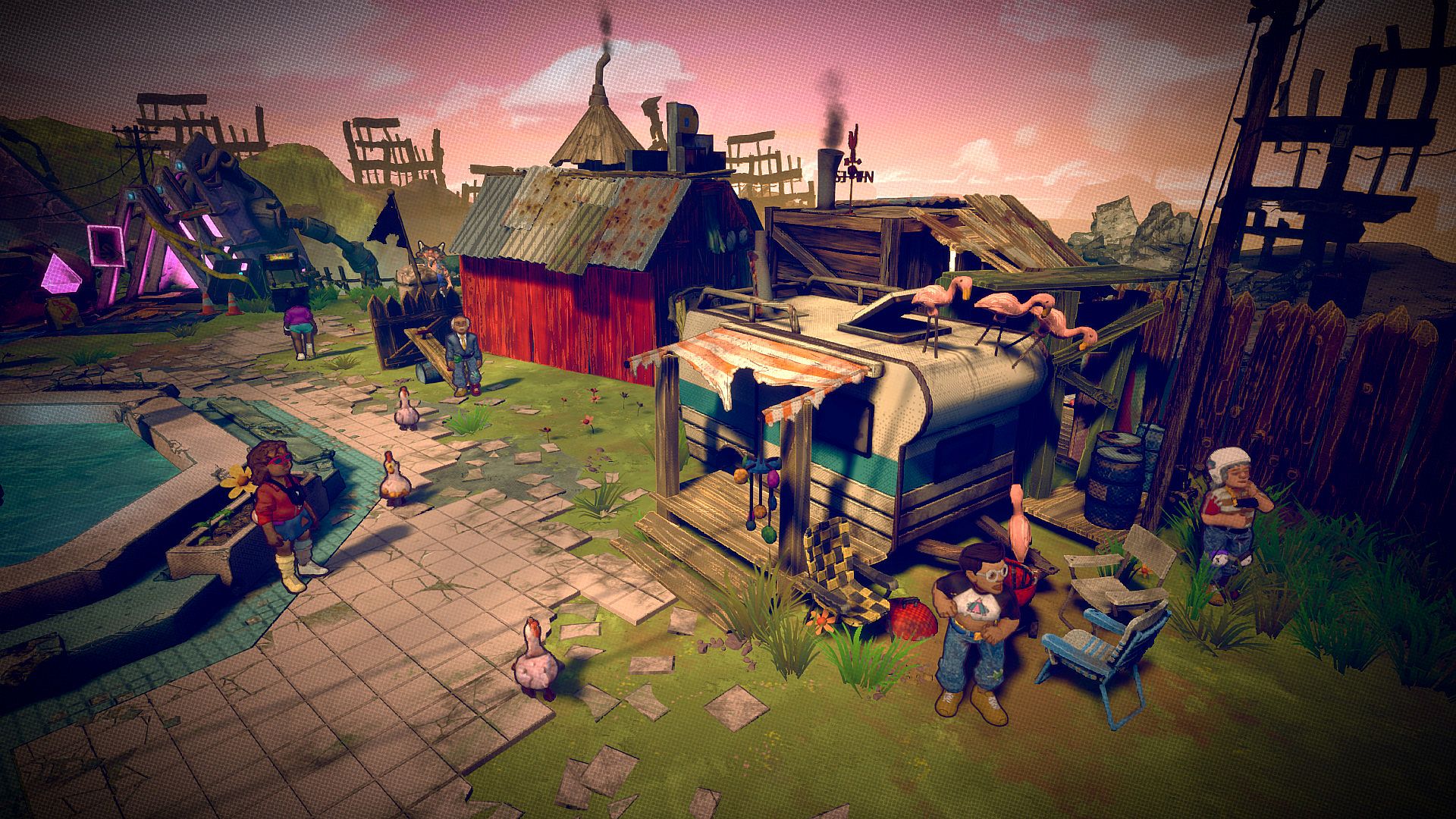
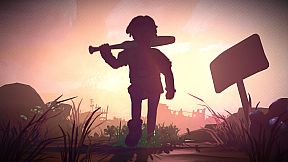
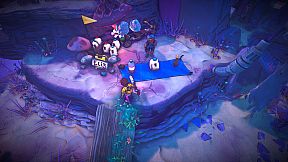
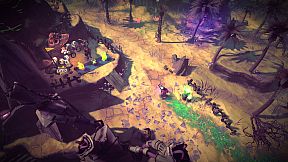
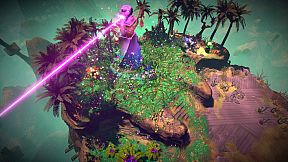
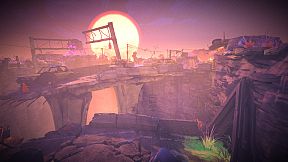
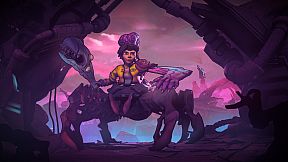
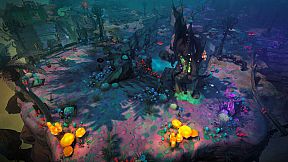
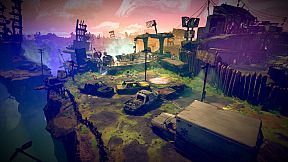
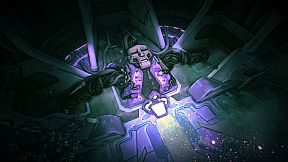
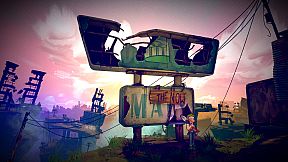
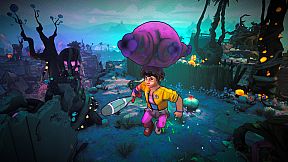
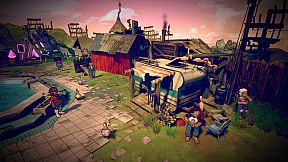
RAD stands out as a 3D action roguelike set in a post-post-apocalyptic world where humanity has endured two separate cataclysms. Players control a teenage survivor who enters the Fallow, a shifting radioactive wasteland teeming with bizarre creatures. The core loop revolves around venturing deeper into this hostile territory armed primarily with a bat while radiation exposure triggers mutations that reshape the body and unlock new capabilities.
Gameplay
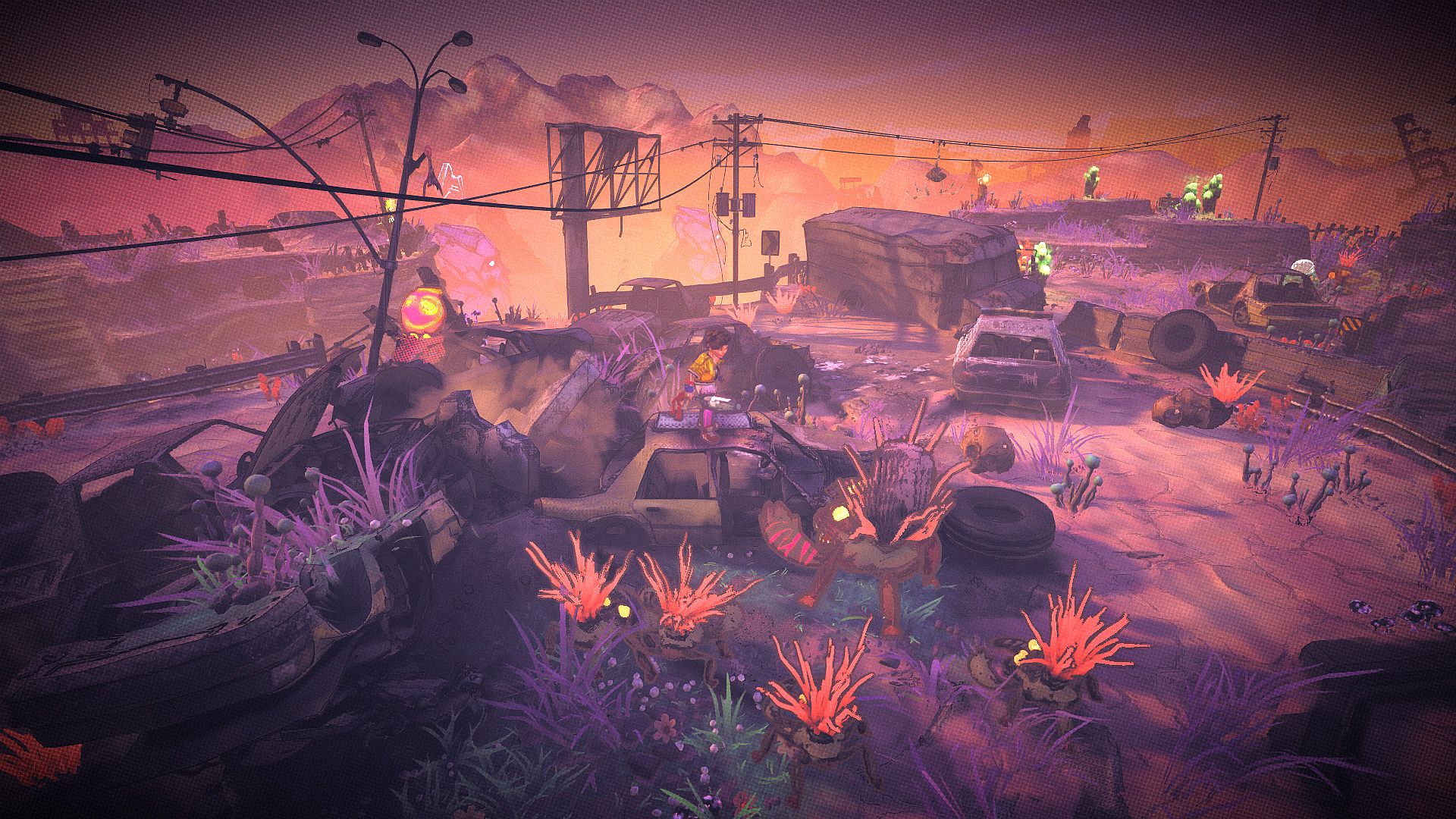
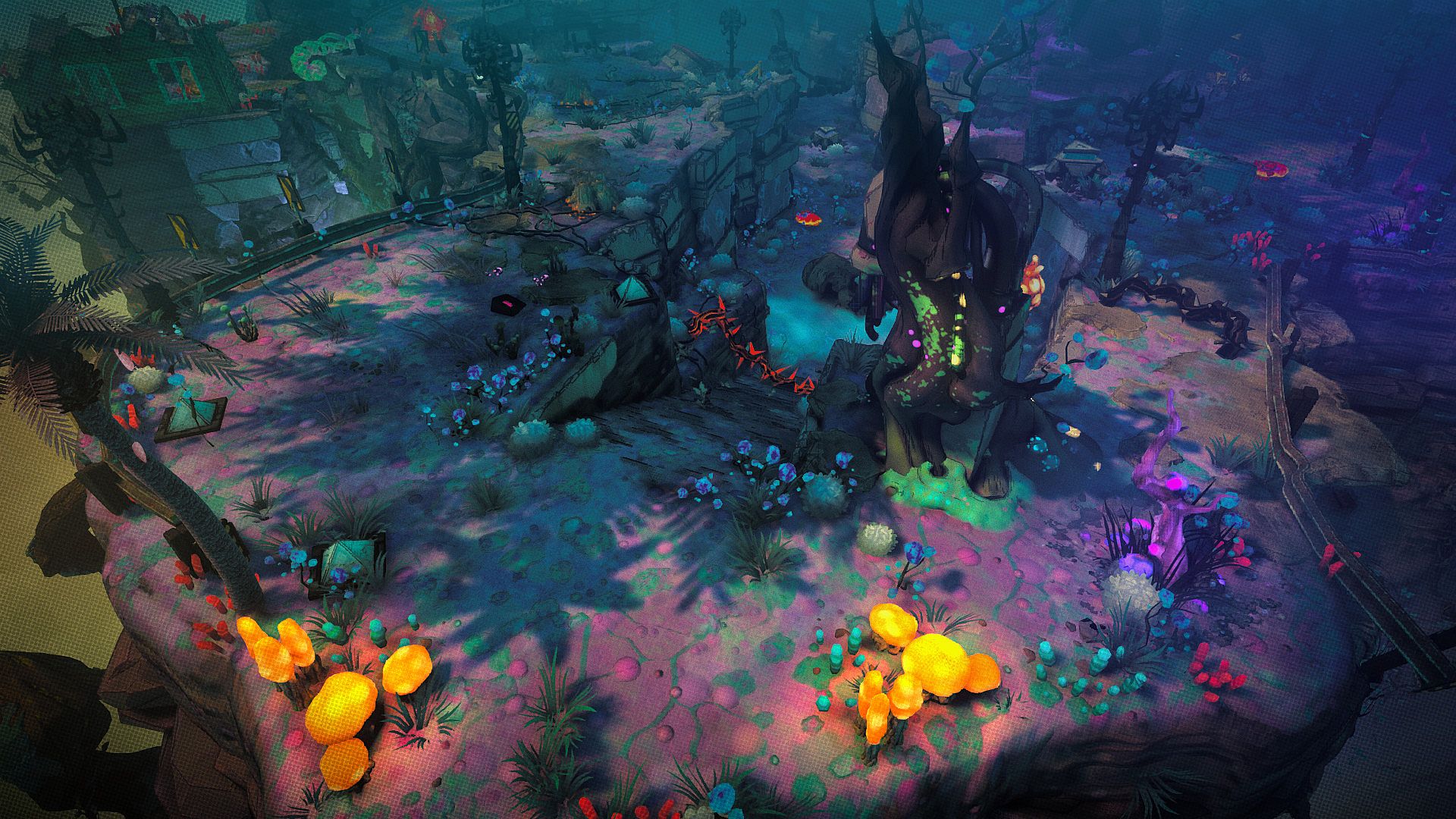
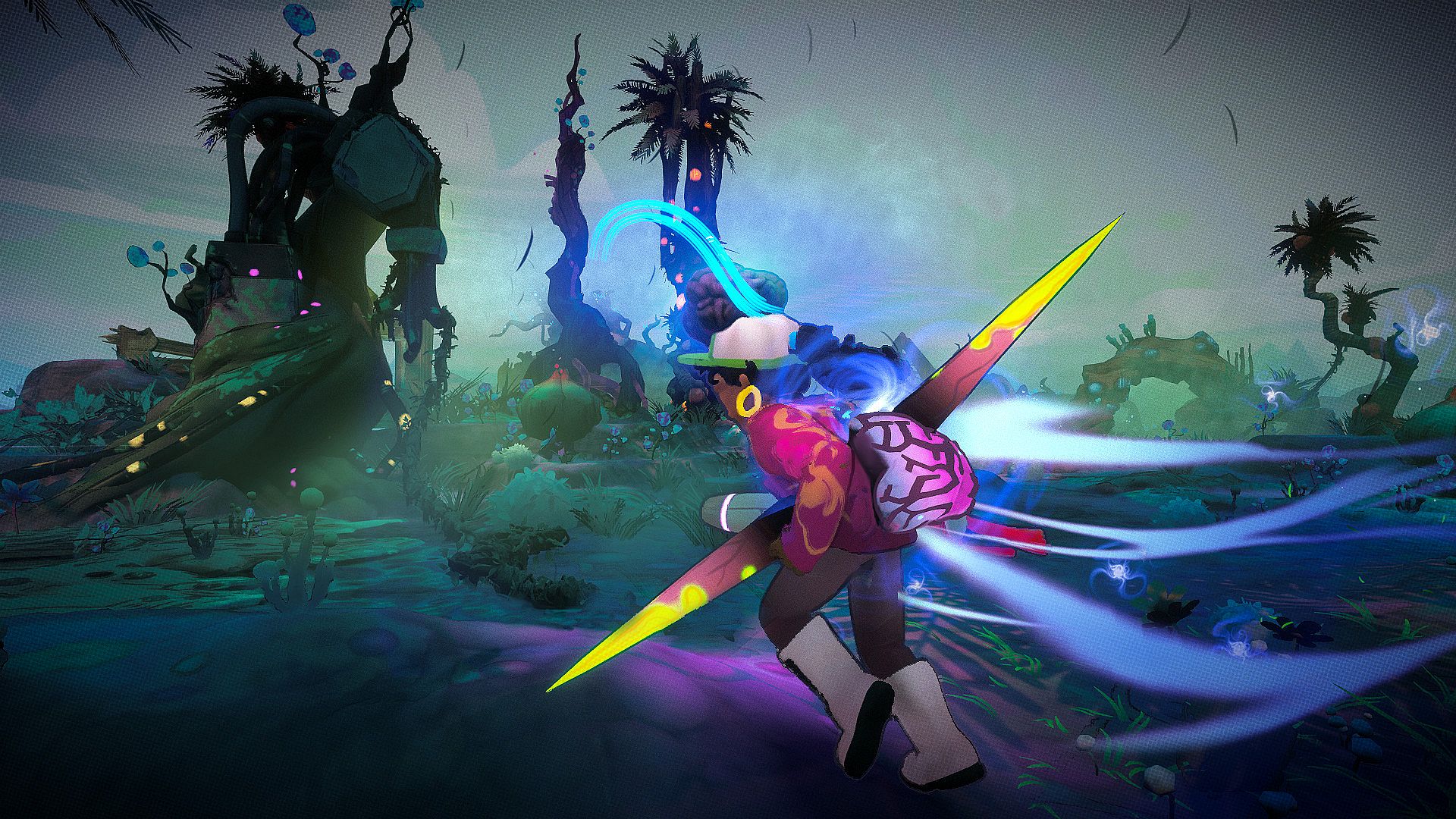
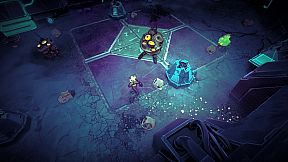
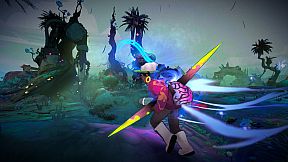
Combat emphasizes close-range strikes with the bat combined with movement and positioning to handle groups of enemies. Each expedition into the Fallow presents procedural layouts filled with hazards and foes that demand quick adaptation. Radiation builds up during longer runs, forcing players to balance progress against accumulating toxins that permanently alter the character.
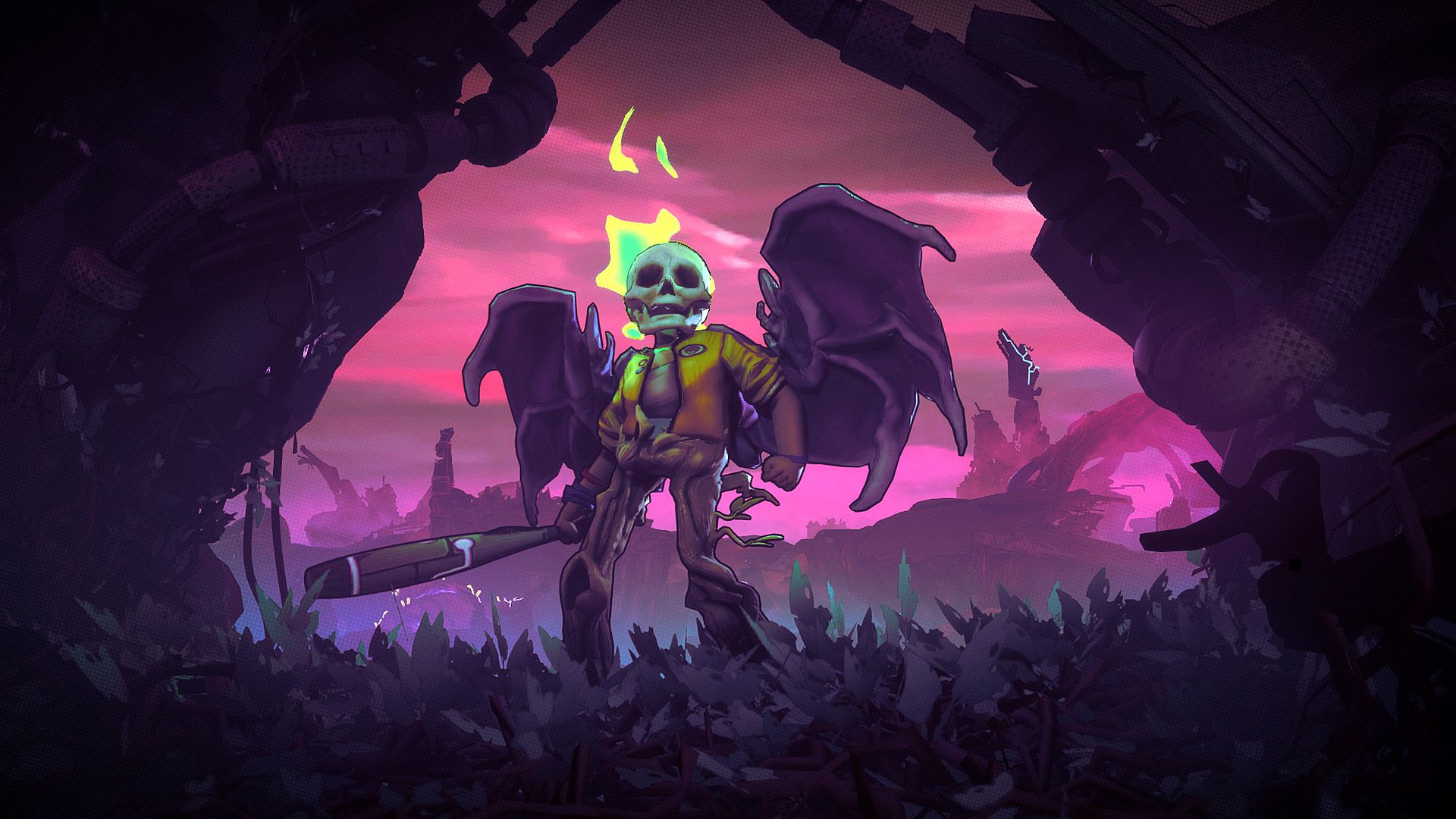
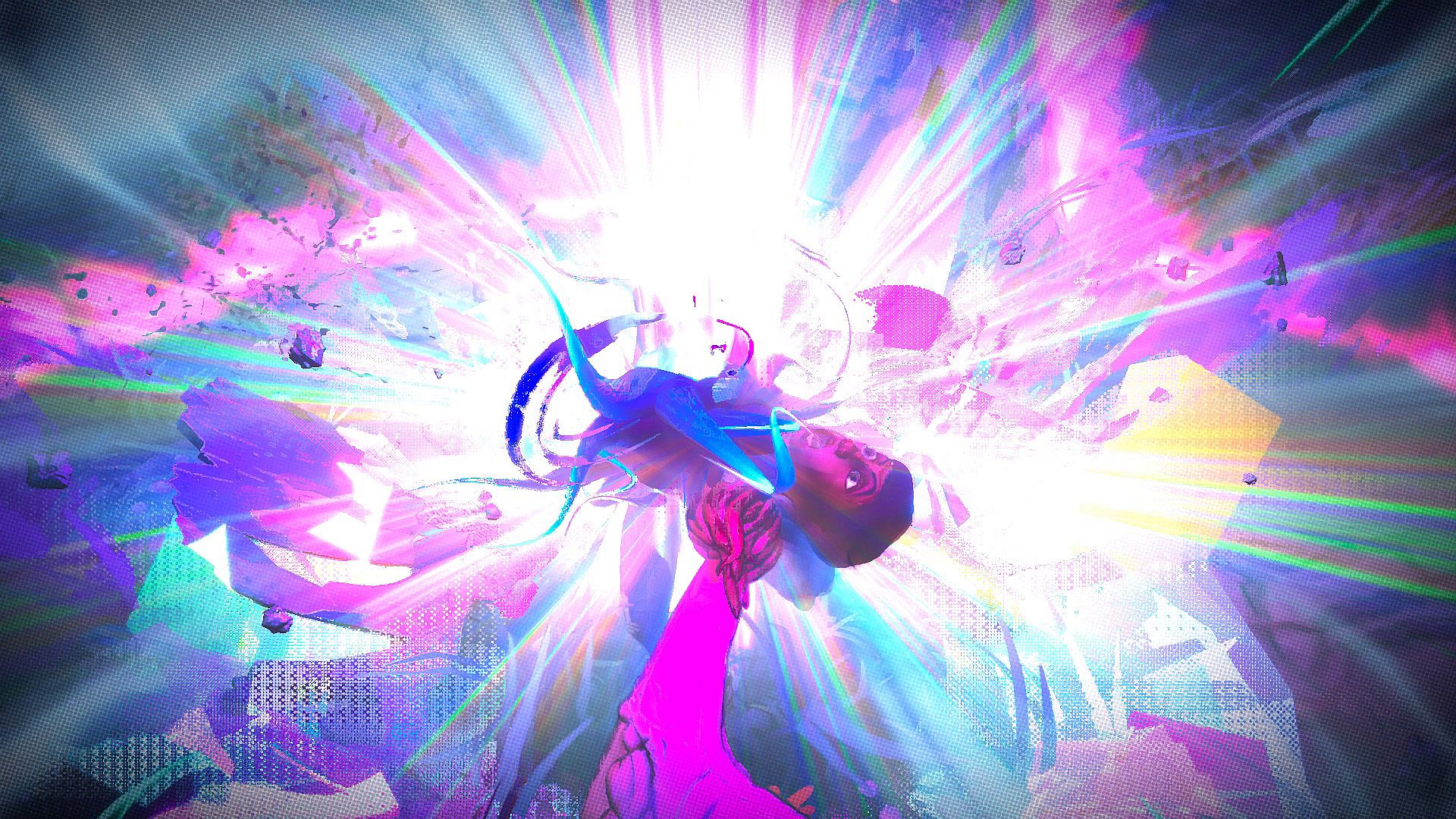
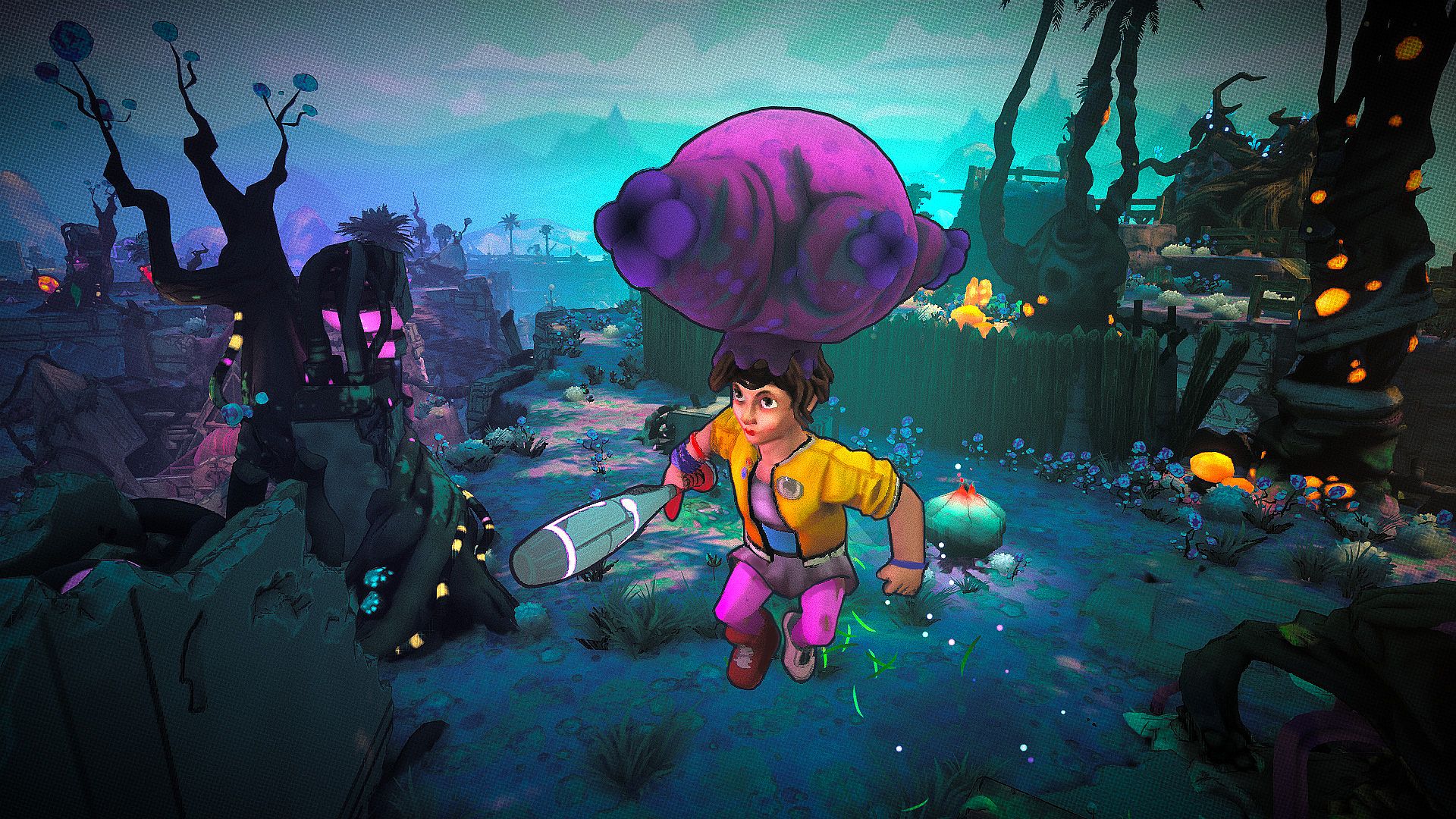
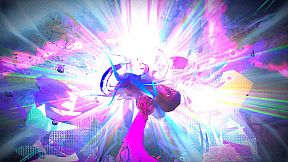
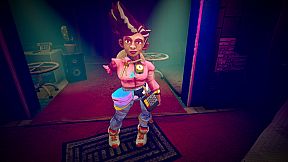
Mutations form the central progression system. Exposure grants abilities that range from enhanced mobility to offensive powers, but these changes also modify the protagonist's appearance and physical form in unpredictable ways. This creates a trade-off where greater power comes with visible and functional drawbacks that persist across attempts. The ever-changing environment encourages repeated exploration as layouts and enemy placements vary with each new run.
Controls focus on fluid third-person movement, jumping, and melee attacks that reward timing and spacing. Resource management involves deciding how far to push into dangerous zones before retreating or pushing for stronger mutations. The system rewards experimentation because different mutation combinations open varied approaches to the same challenges.
Game Modes
The game operates as a single-player roguelike experience built around repeated runs through the Fallow. Each attempt starts from a baseline state and builds through acquired mutations until the run ends, after which new attempts begin with fresh opportunities for different mutation paths. Procedural generation ensures no two expeditions feel identical.
Progression carries over between runs through unlocks such as additional starting options and story revelations. Multiple endings exist depending on choices made during deeper explorations, encouraging players to pursue varied mutation strategies across several playthroughs. No separate multiplayer or competitive modes appear in the design.
Setting and Visual Style
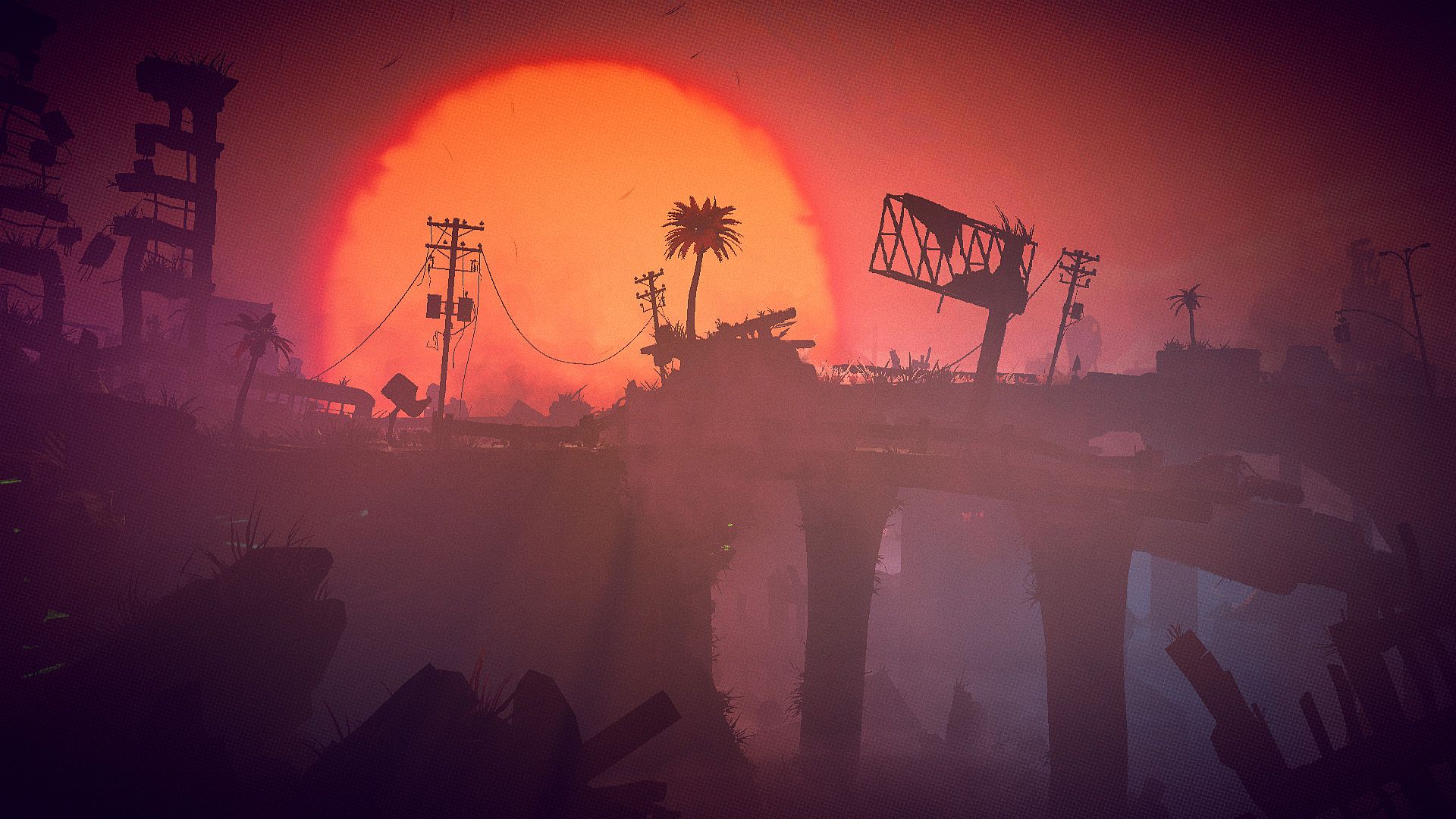
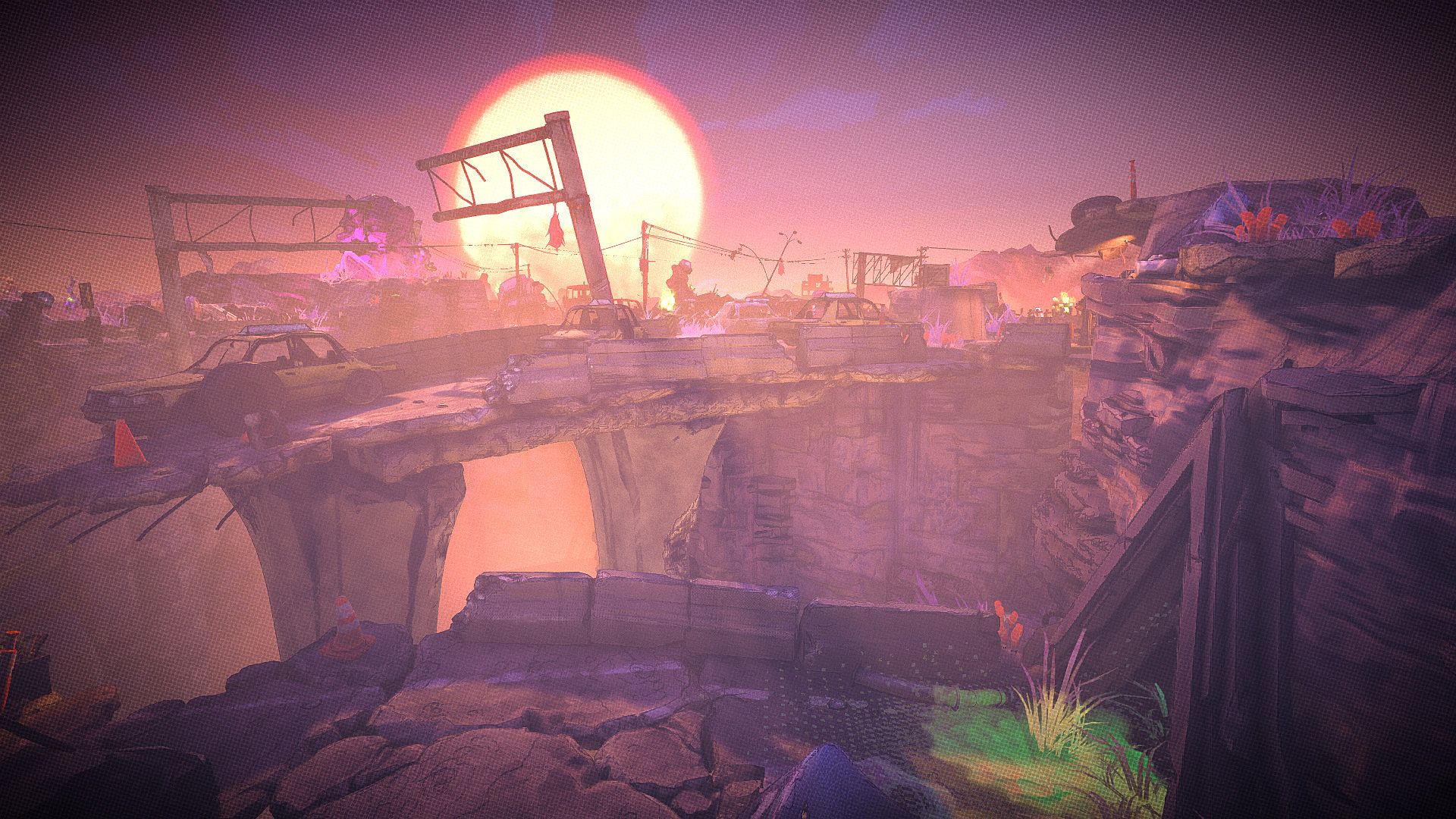
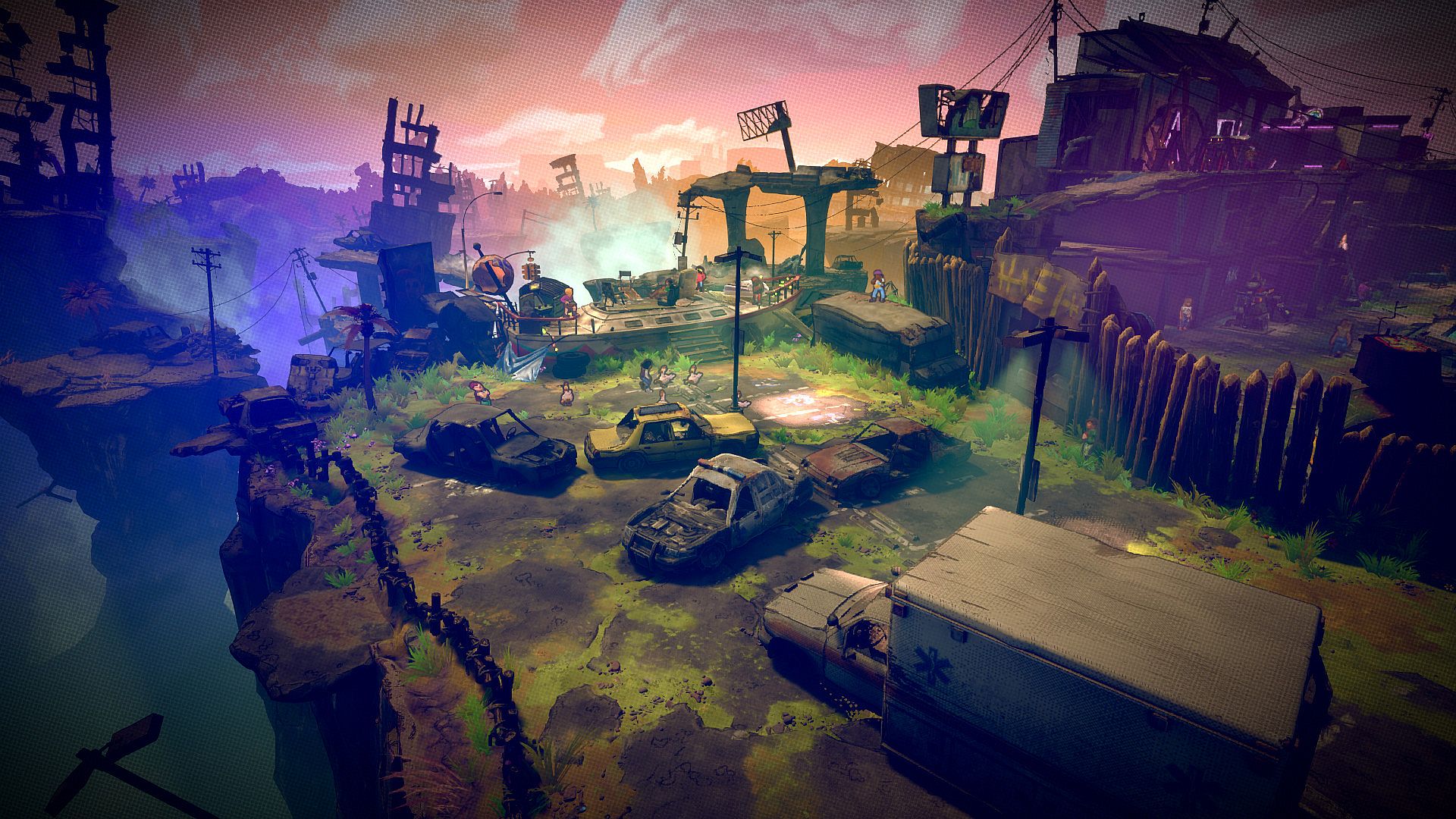
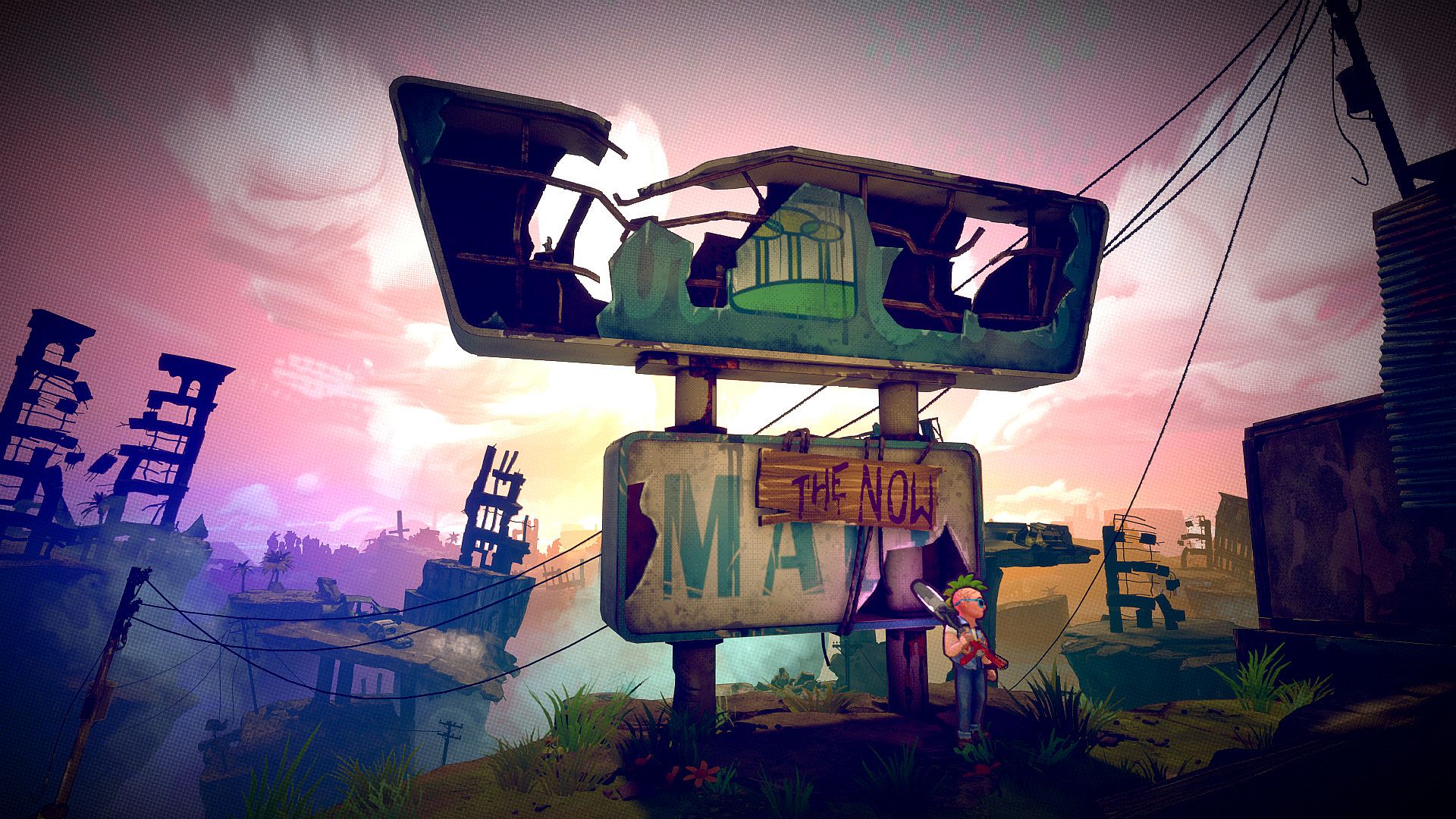
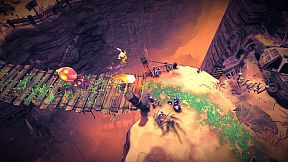
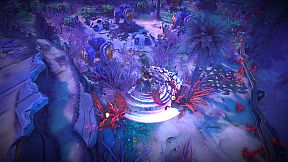
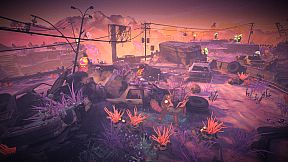
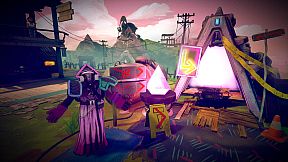
The post-post-apocalyptic backdrop blends remnants of two collapsed civilizations with bizarre, mutated wildlife and environments warped by repeated disasters. Visuals emphasize a colorful yet gritty aesthetic that highlights the grotesque transformations the protagonist undergoes. Sound design reinforces the radioactive theme through distorted effects and an atmospheric score that shifts with the intensity of each run.
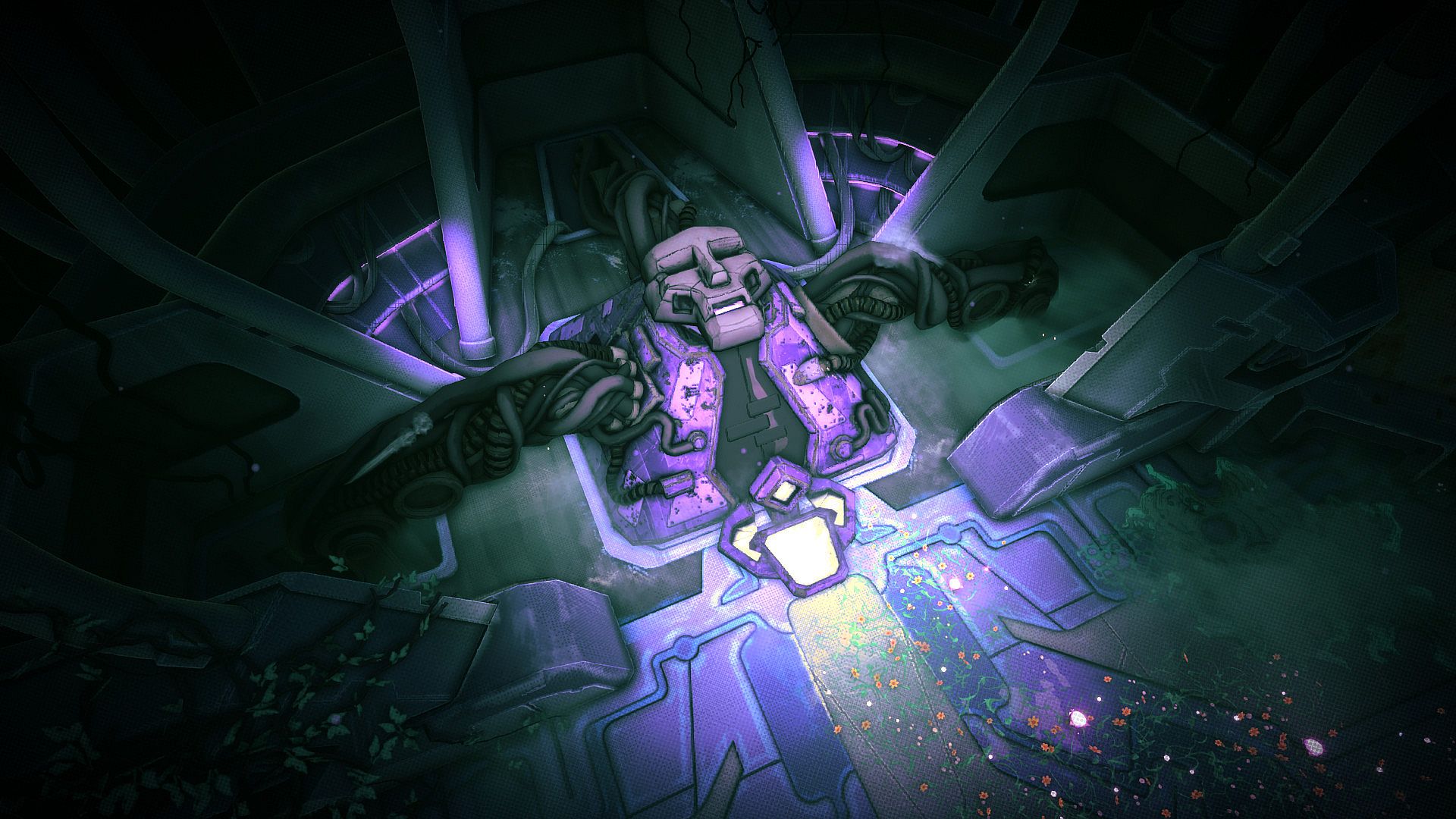
Exploration reveals fragments of the world's history scattered throughout the Fallow. These details emerge gradually as players survive longer expeditions and uncover new areas. The setting supports the mutation mechanic by providing a logical reason for the constant bodily changes that drive gameplay variety.
Is It Worth Playing?
Player reception on Steam sits at mostly positive with 76 percent approval from over 600 reviews. Reviewers frequently highlight the inventive mutation system and the way it differentiates the title from standard roguelikes. The challenging difficulty curve appeals to those comfortable with permadeath and trial-and-error progression.
The game suits players who enjoy solo action roguelikes focused on character transformation and procedural exploration rather than large-scale multiplayer or ongoing seasonal content. Its 2019 release means the experience remains unchanged with no further updates or expansions. Those seeking a compact, self-contained roguelike with a distinctive mutation-driven loop will find consistent value in its core systems.
- Strong emphasis on mutation variety for replayability
- Clear focus on single-player runs without distractions
- Atmospheric world that supports the central mechanics