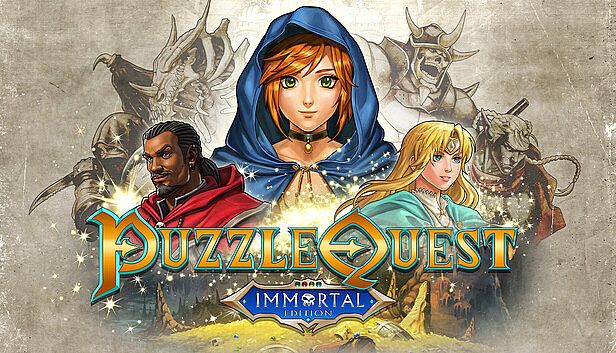

























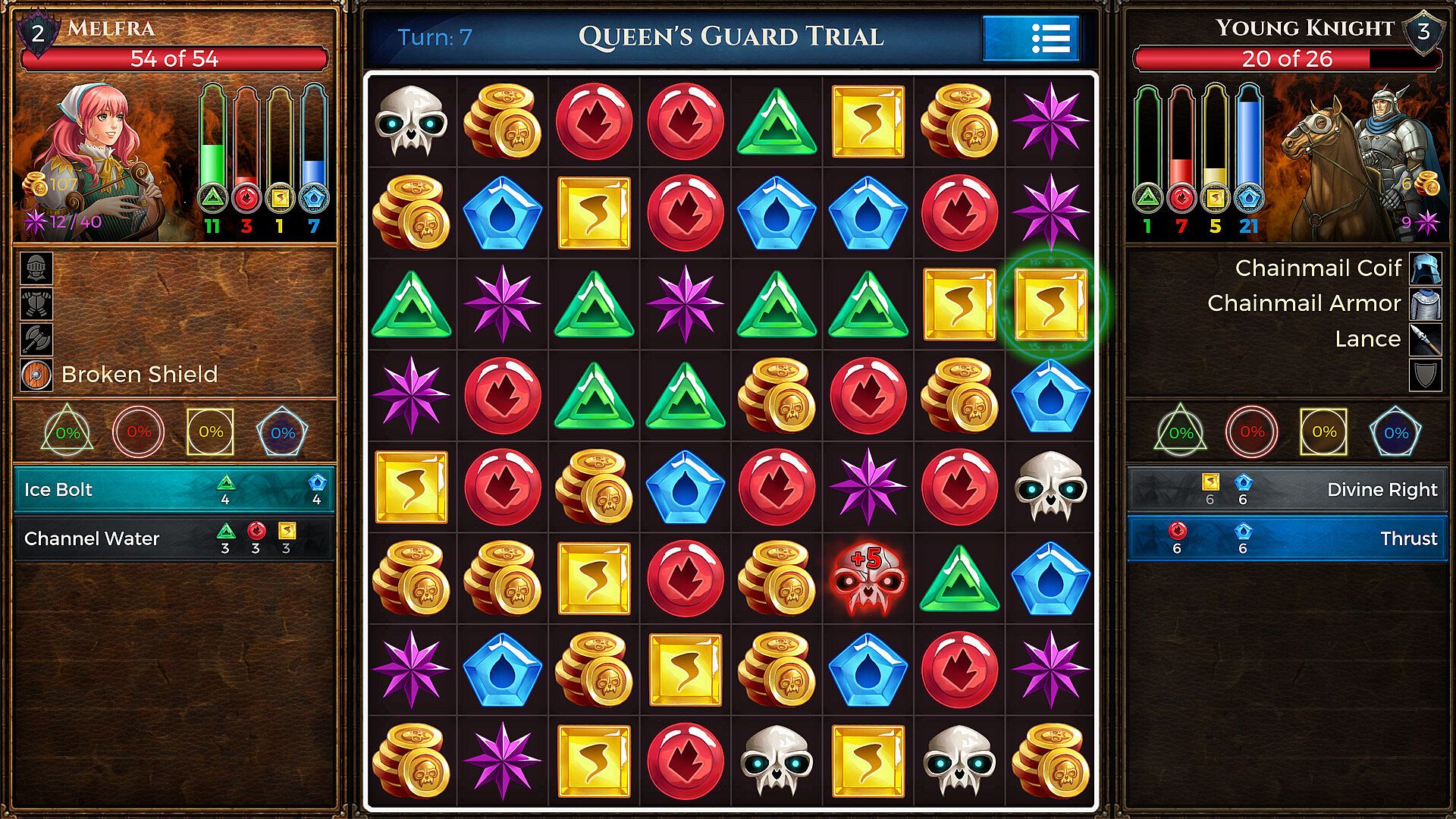
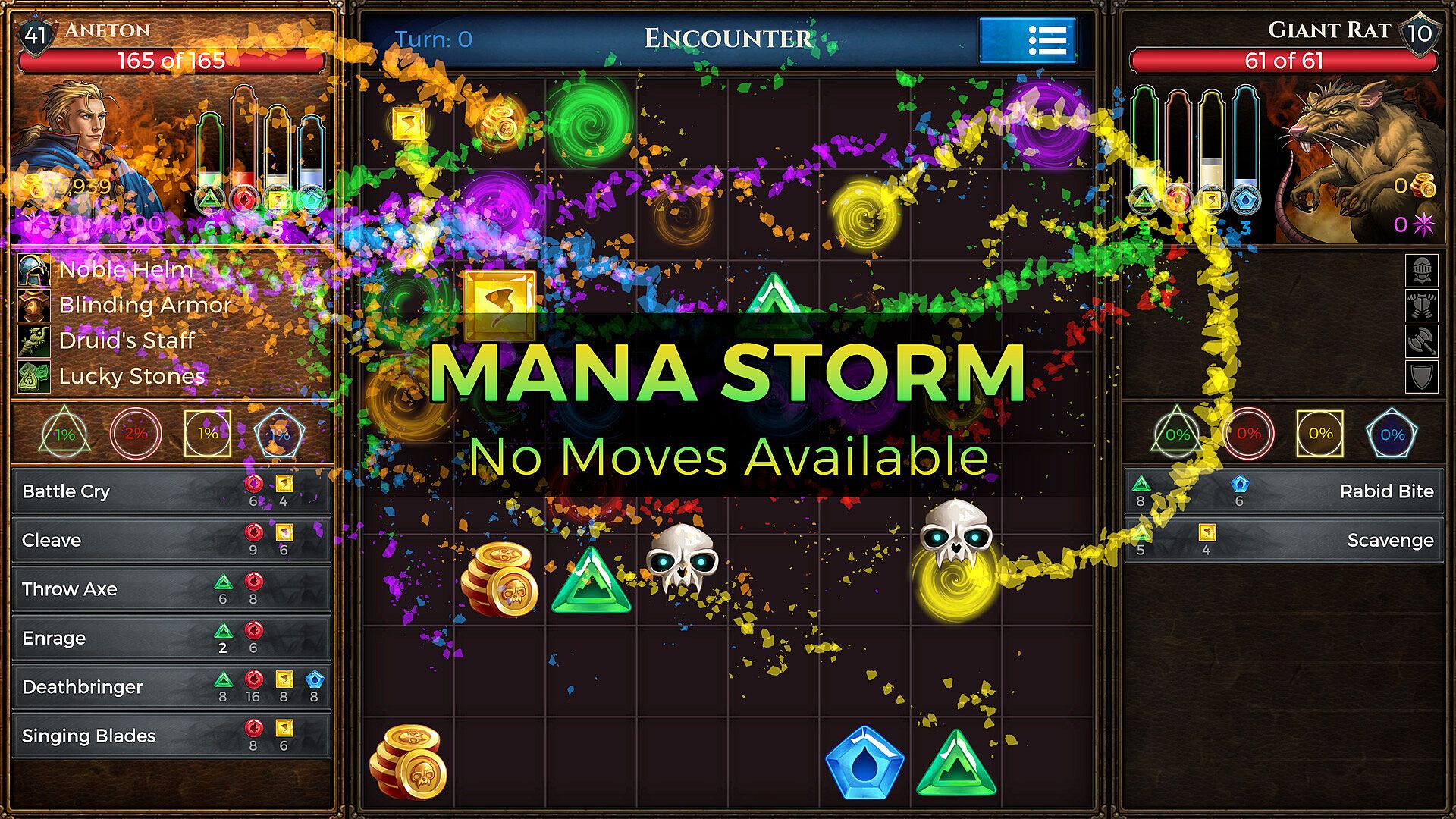
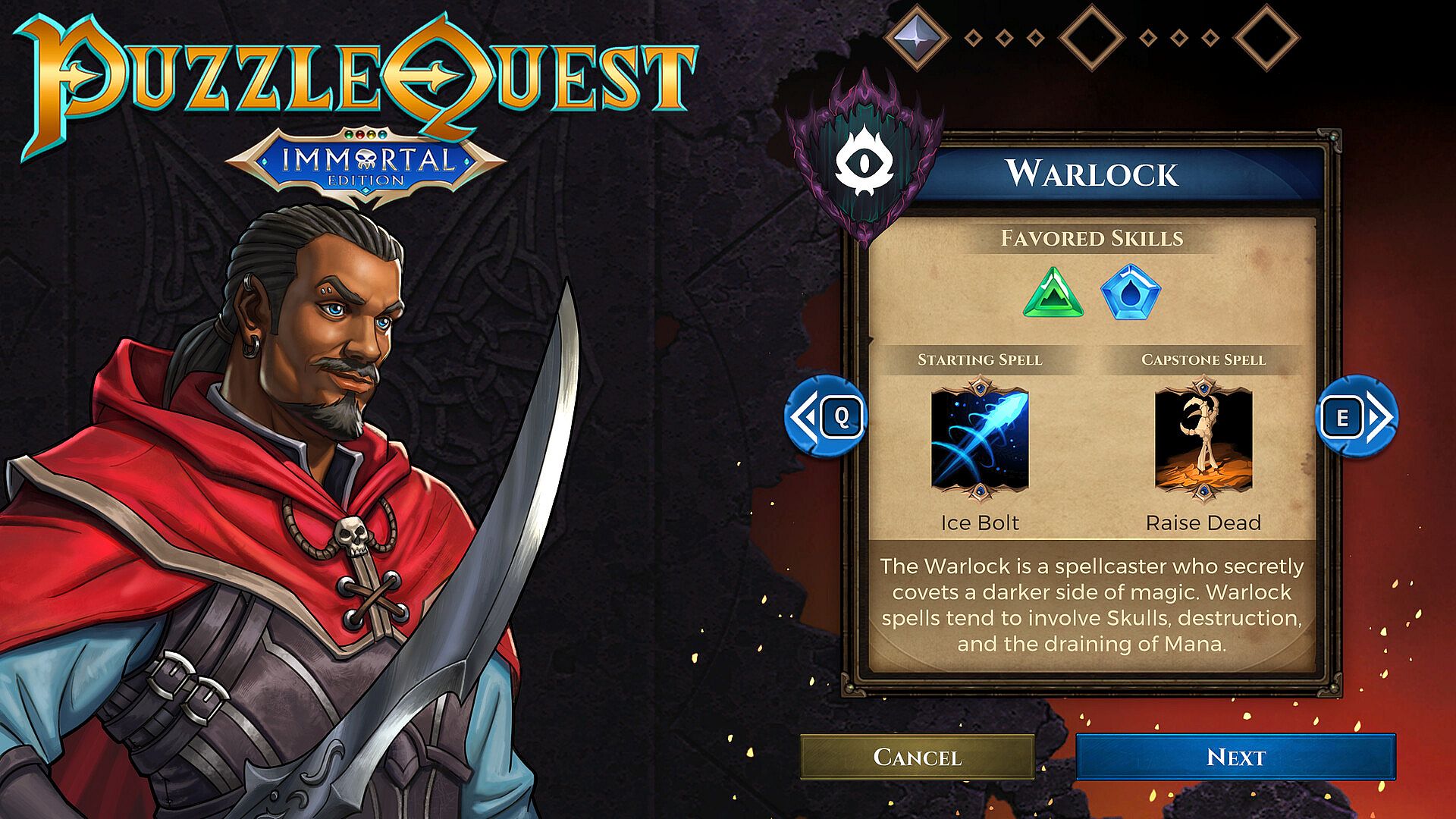
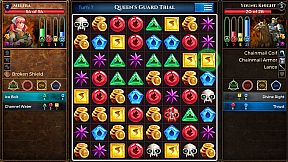
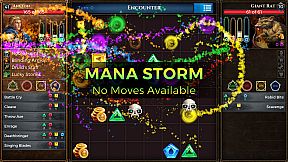
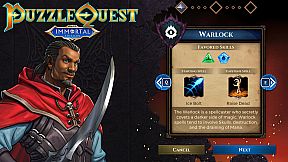
Puzzle Quest: Immortal Edition is a match-3 RPG that blends puzzle combat with character progression and quest-driven exploration on PC. Players create a hero from traditional classes such as Paladin, Warlock, Bard, Rogue, or Wizard and travel across the kingdom of Etheria. Battles unfold through gem-matching sequences that generate mana for spells while opponents use their own abilities, requiring players to adapt strategies based on enemy types and available resources.
Gameplay
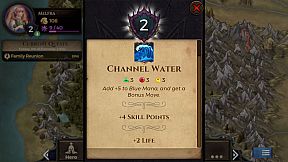
The core loop centers on match-3 sequences during encounters. Aligning three or more gems of the same color builds mana that fuels spells, damages foes, or triggers special effects. Heroes advance by completing objectives, earning experience to raise levels, and allocating points to stats that influence combat effectiveness and survival. Equipment upgrades purchased with gold provide additional bonuses, while captured creatures serve as mounts that grant passive advantages during travel and fights.
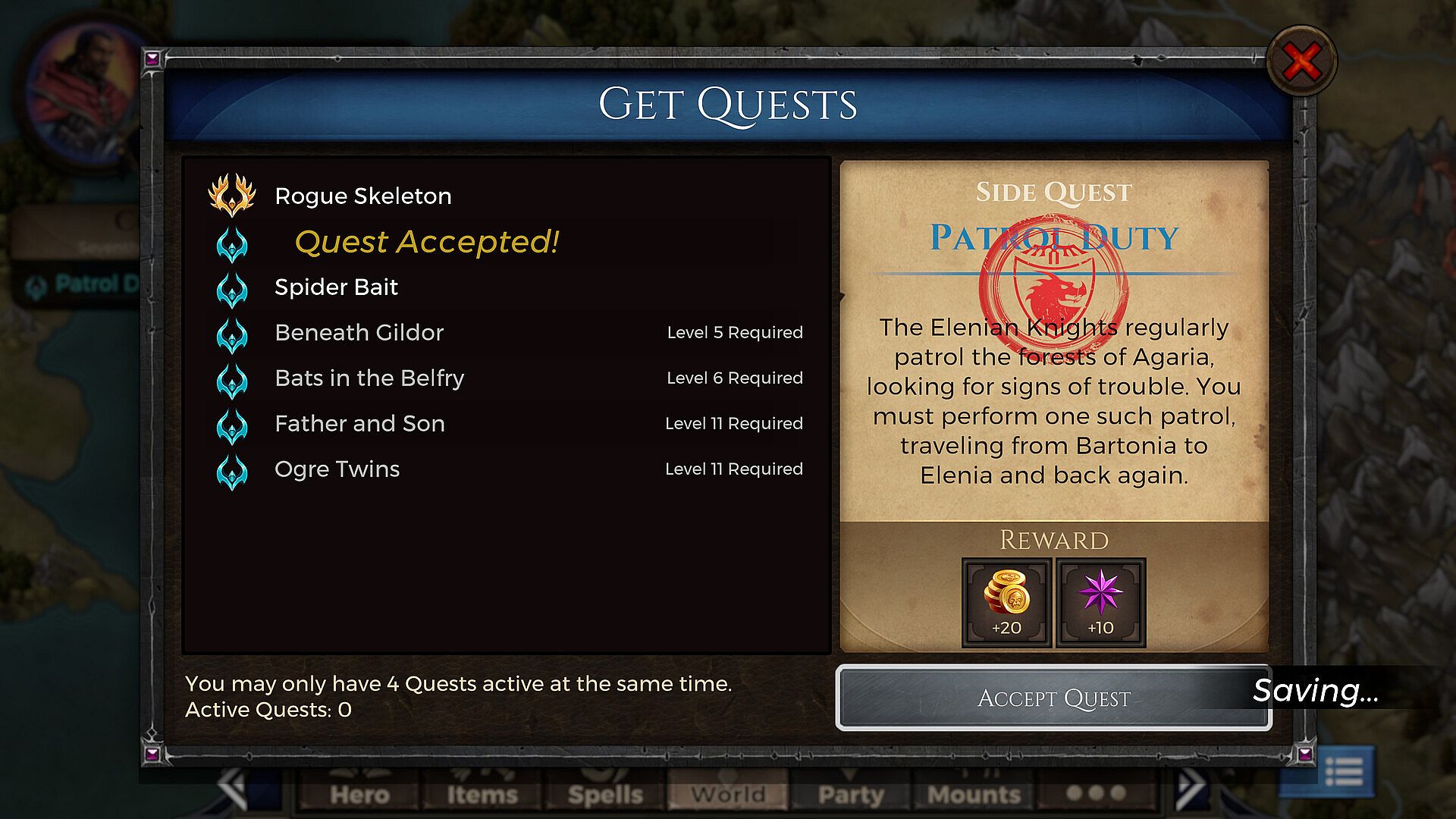
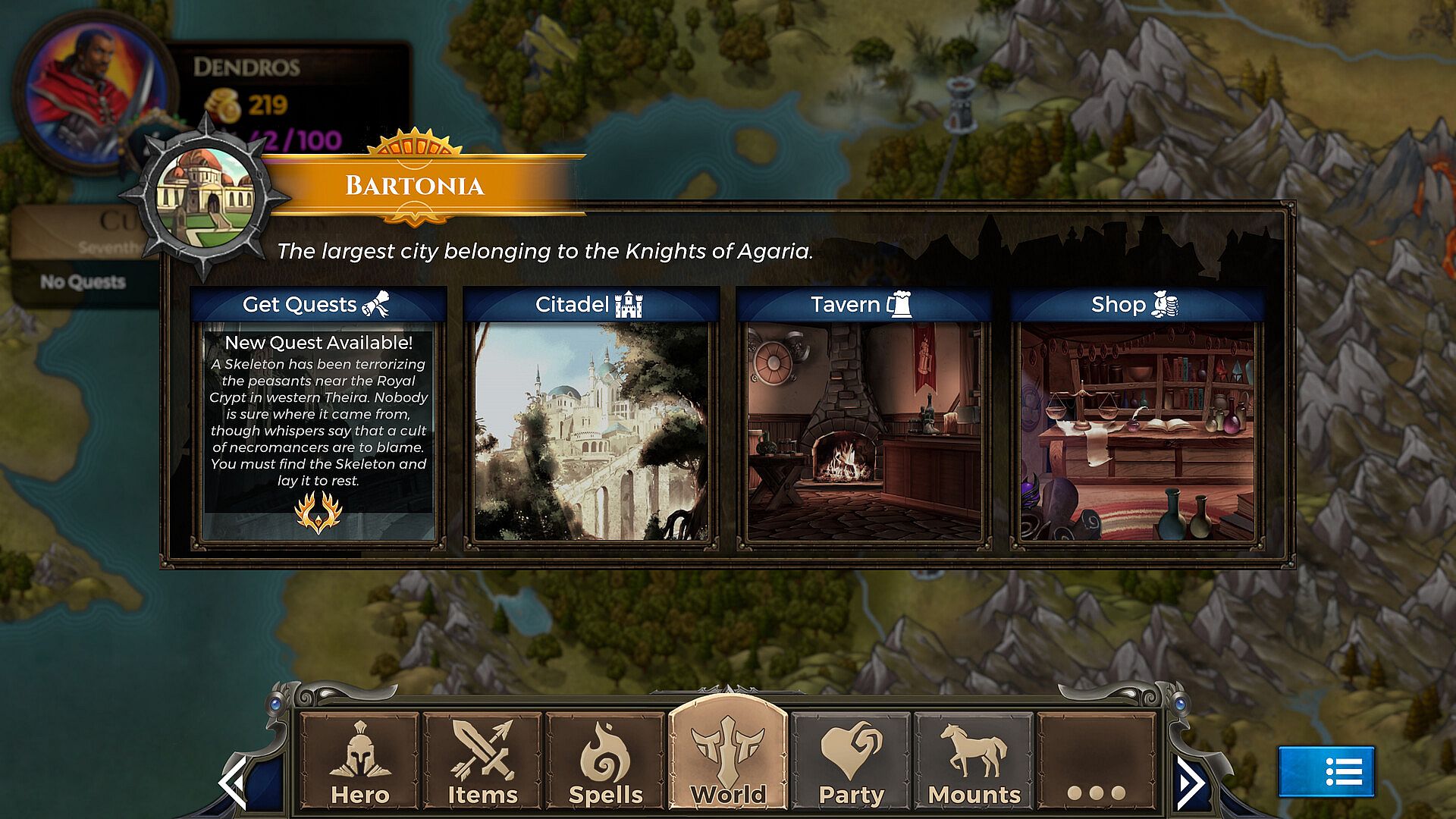
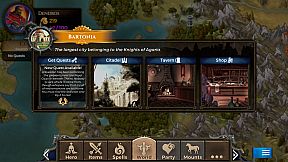
Outside of direct combat, progression expands through the Citadel system. Players construct buildings that unlock new capabilities, including a forge for crafting magical items from discovered runes and a research facility where imprisoned monsters yield their spells for personal use. Random encounters on the world map add variety to travel between locations, and side activities such as patrols contribute experience and currency without advancing the main storyline.
Spell learning and item collection deepen customization. Heroes experiment with different combinations of abilities gathered from quests and research, while the overall structure rewards careful resource management during extended sessions. The presentation features updated visuals and animations that keep the classic formula accessible on modern hardware.
Game Modes
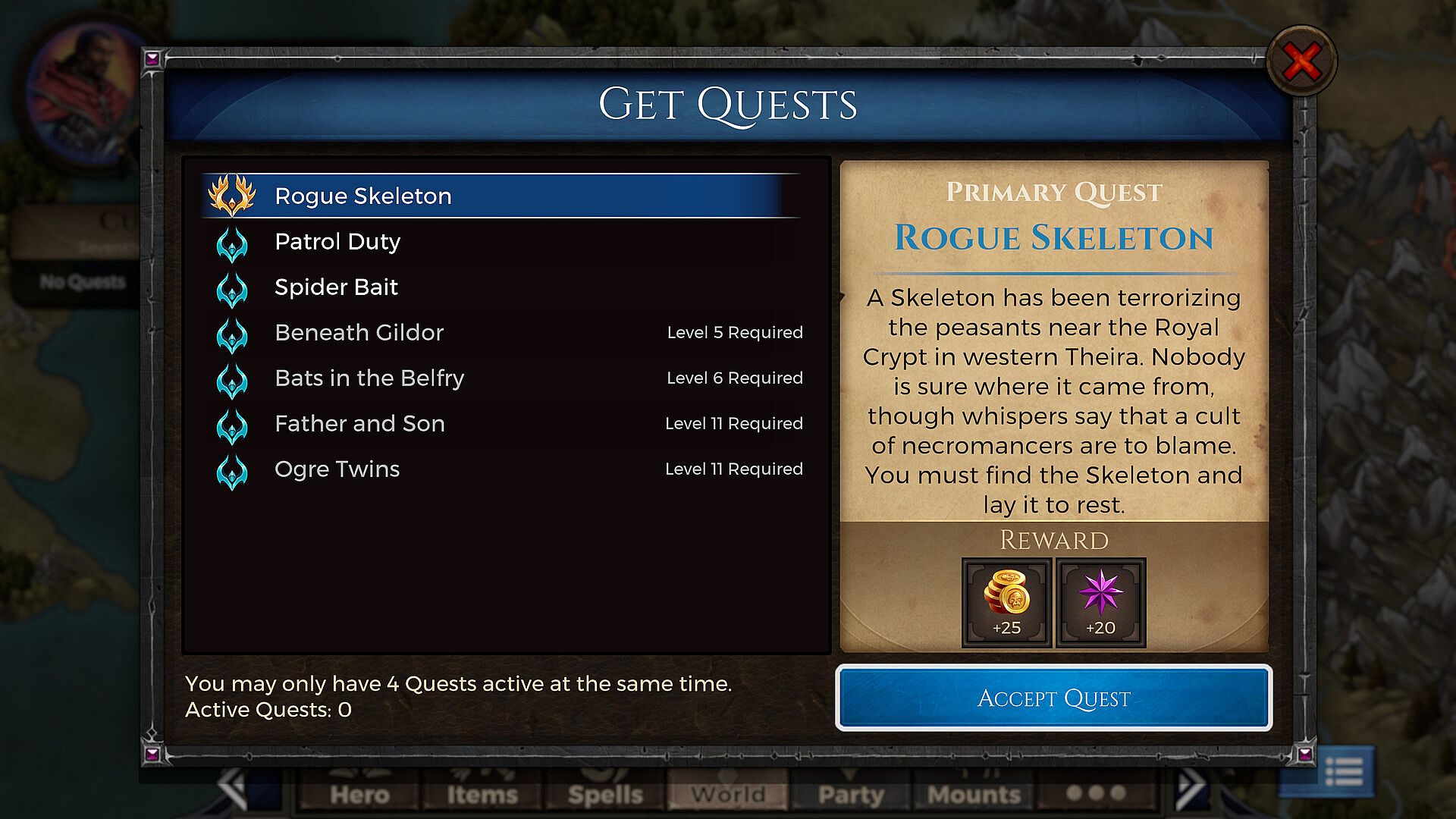
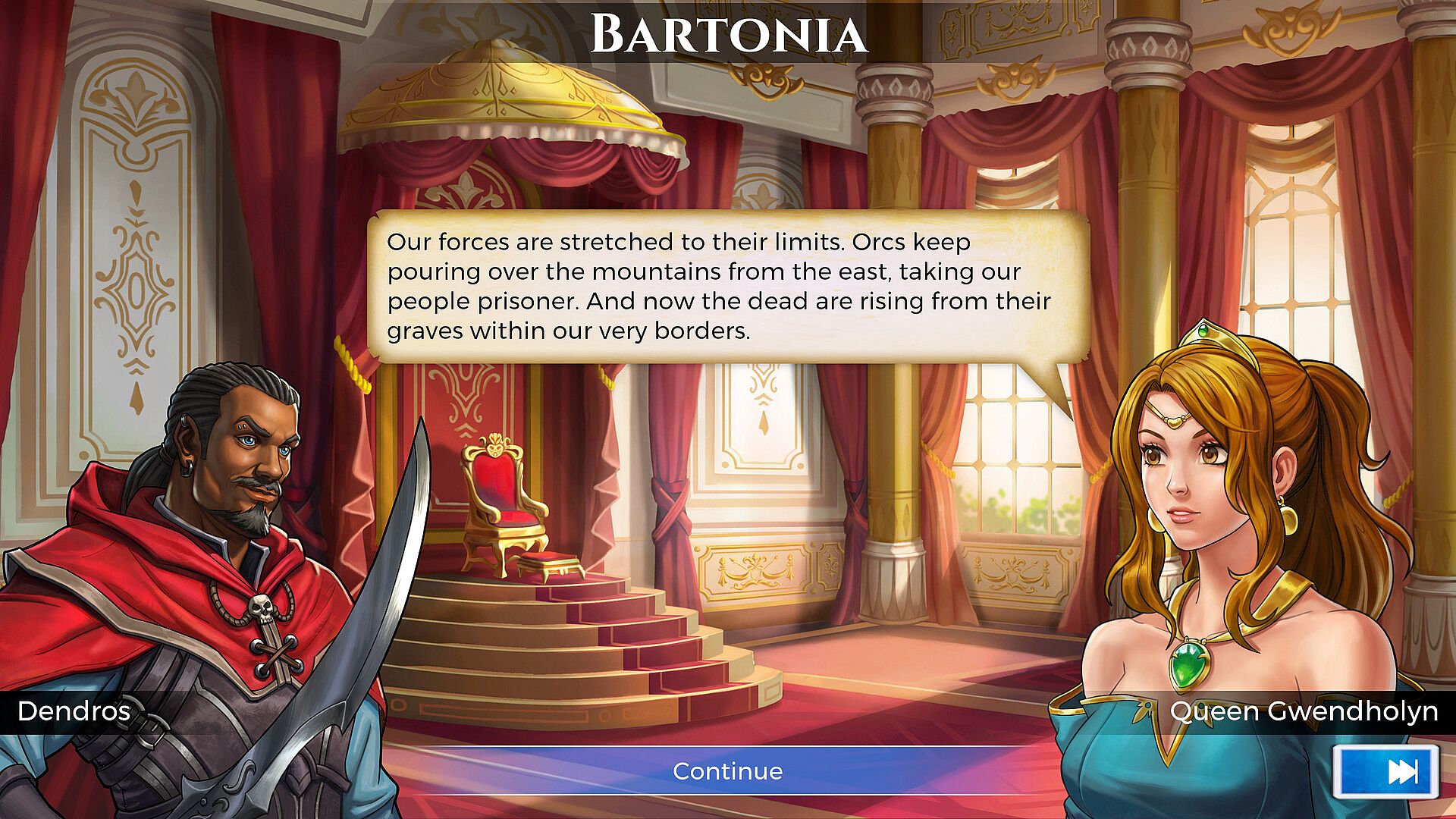
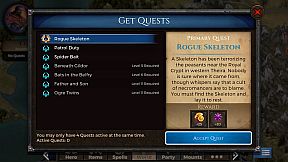
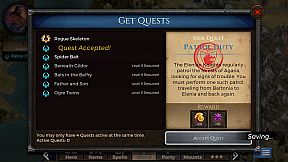
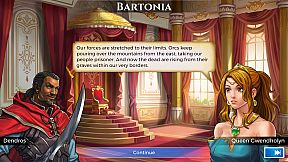
The primary experience revolves around the main quest line set in Etheria, where players pursue objectives to confront larger threats. Side quests branch off from the central path and offer additional rewards, character development opportunities, and opportunities to explore lesser-known areas. These optional tasks range from straightforward errands to more involved challenges that test puzzle-solving skills in varied contexts.
Exploration elements integrate into the quest structure through city sieges that expand territorial control and resource access. Capturing and training creatures ties directly into both combat and travel mechanics, creating layers of long-term planning. No separate competitive or cooperative modes exist; the focus remains on single-player progression through the combined content of the original titles.
Progression and Systems
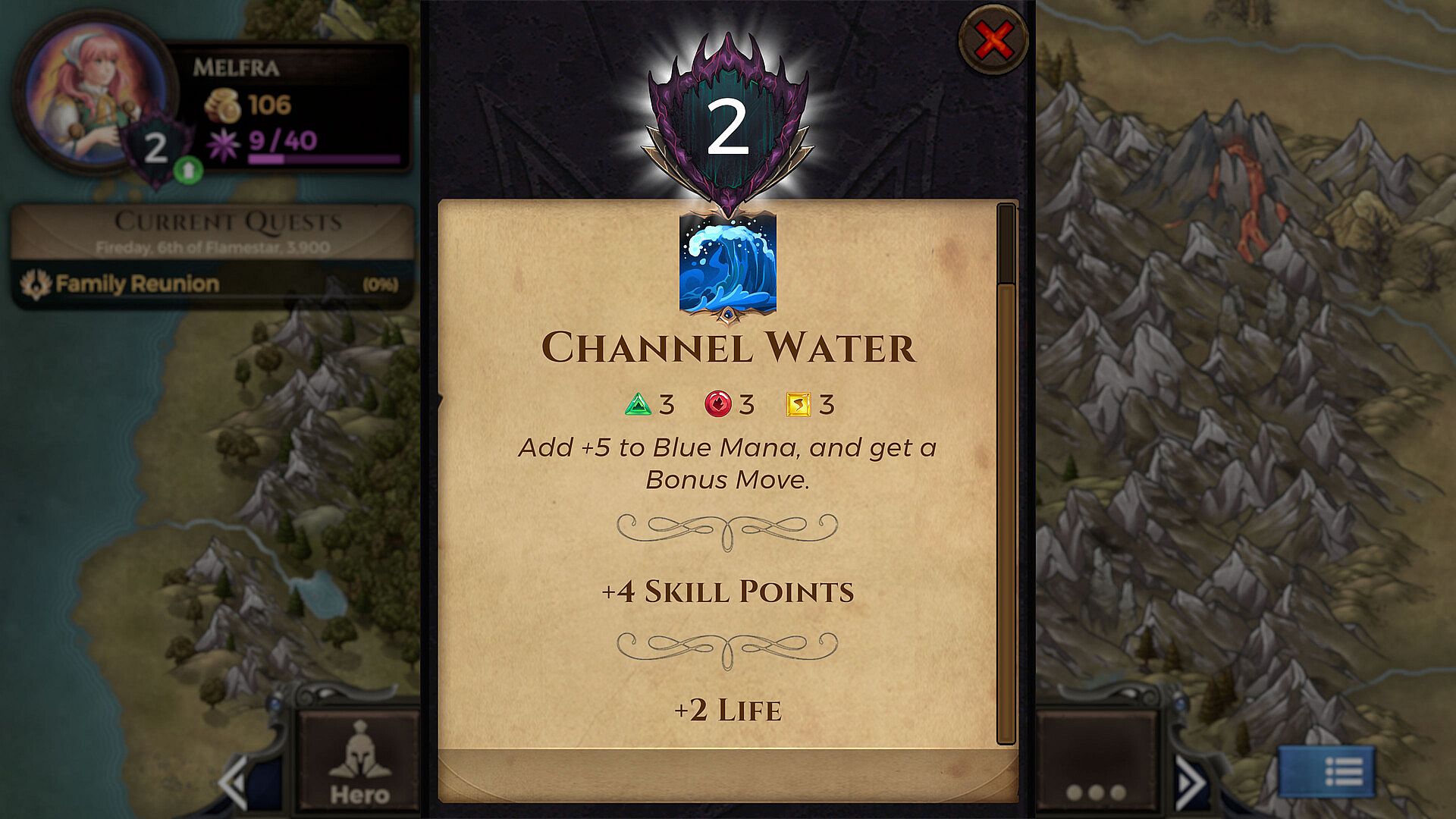
Character growth follows standard RPG patterns with skill and spell acquisition tied to level milestones and quest completion. The Citadel serves as a hub for metagame decisions, where building choices influence available tools for future battles and crafting. Researching captured monsters provides a steady stream of new spells that can be slotted into the hero's repertoire, encouraging repeated playthroughs with different class selections.
Difficulty adjustments allow players to tailor the challenge level of match-3 encounters. Resource grinding through side content supports optimization for those who enjoy fine-tuning builds, while the core campaign remains approachable for shorter sessions. The collected content from nearly two decades of the series ensures a substantial volume of quests and areas without requiring additional purchases.
Is It Worth Playing?
Player feedback highlights the enduring appeal of the match-3 RPG hybrid, with reviewers noting its strategic depth and lack of intrusive monetization. The game launched on September 18, 2025, and has received updates that address minor issues while preserving the original mechanics. Reception centers on its accessibility for puzzle fans and the satisfying progression loop for those who appreciate incremental character improvements.
This title suits players seeking a single-player experience that combines quick puzzle sessions with longer-term RPG goals. Those familiar with earlier entries will find the polished presentation and bundled content a convenient way to revisit the series, while newcomers can start with a complete package. The absence of live-service elements keeps the focus on the self-contained campaign and its supporting systems.