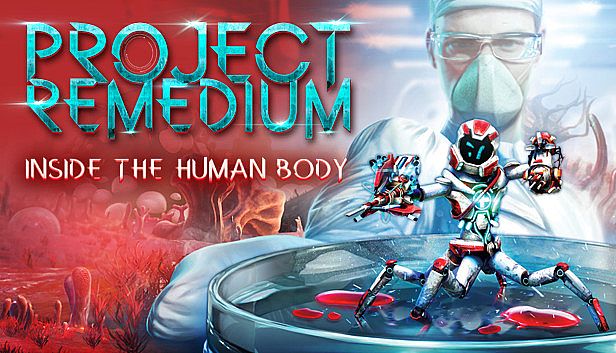


















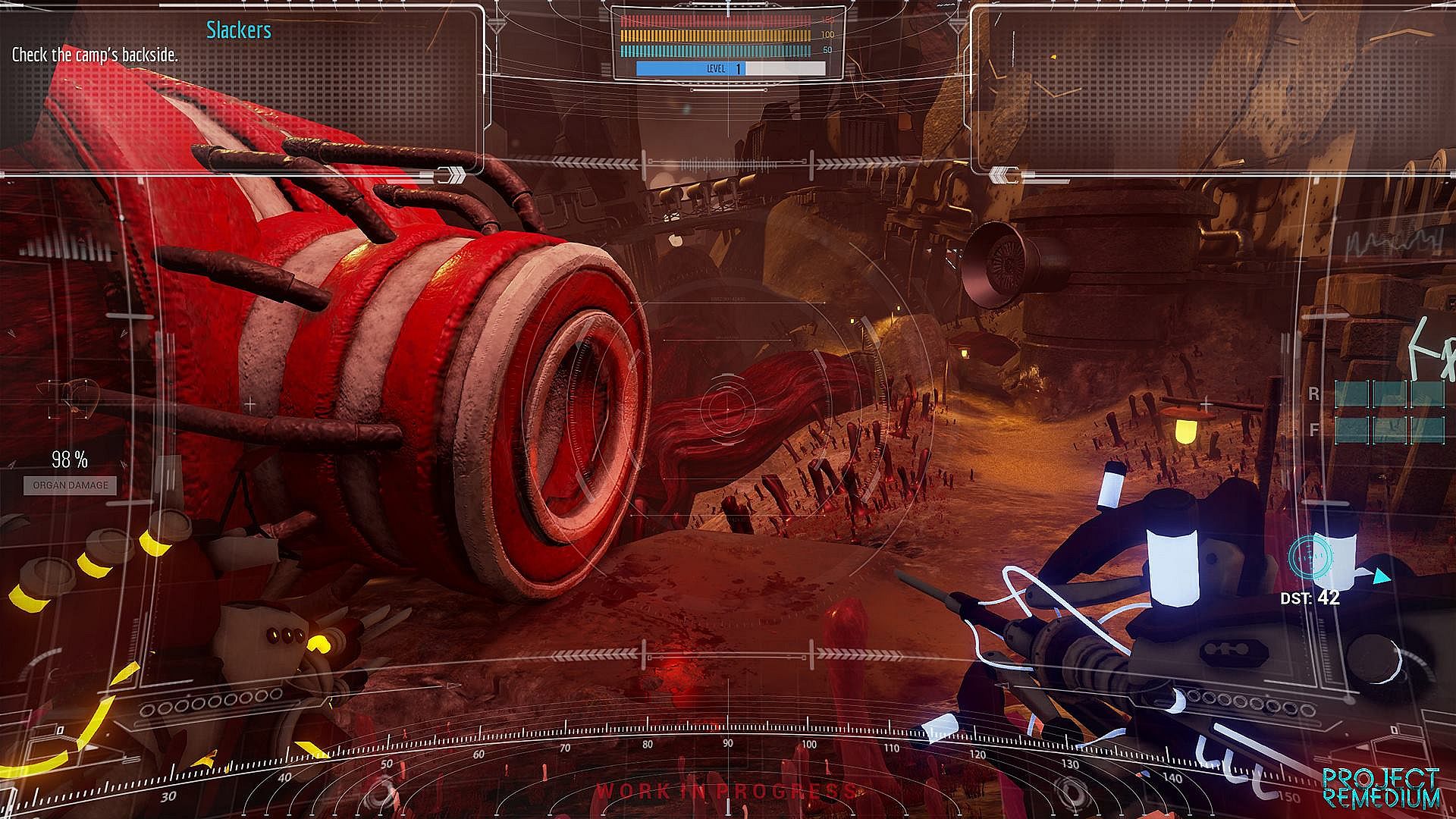
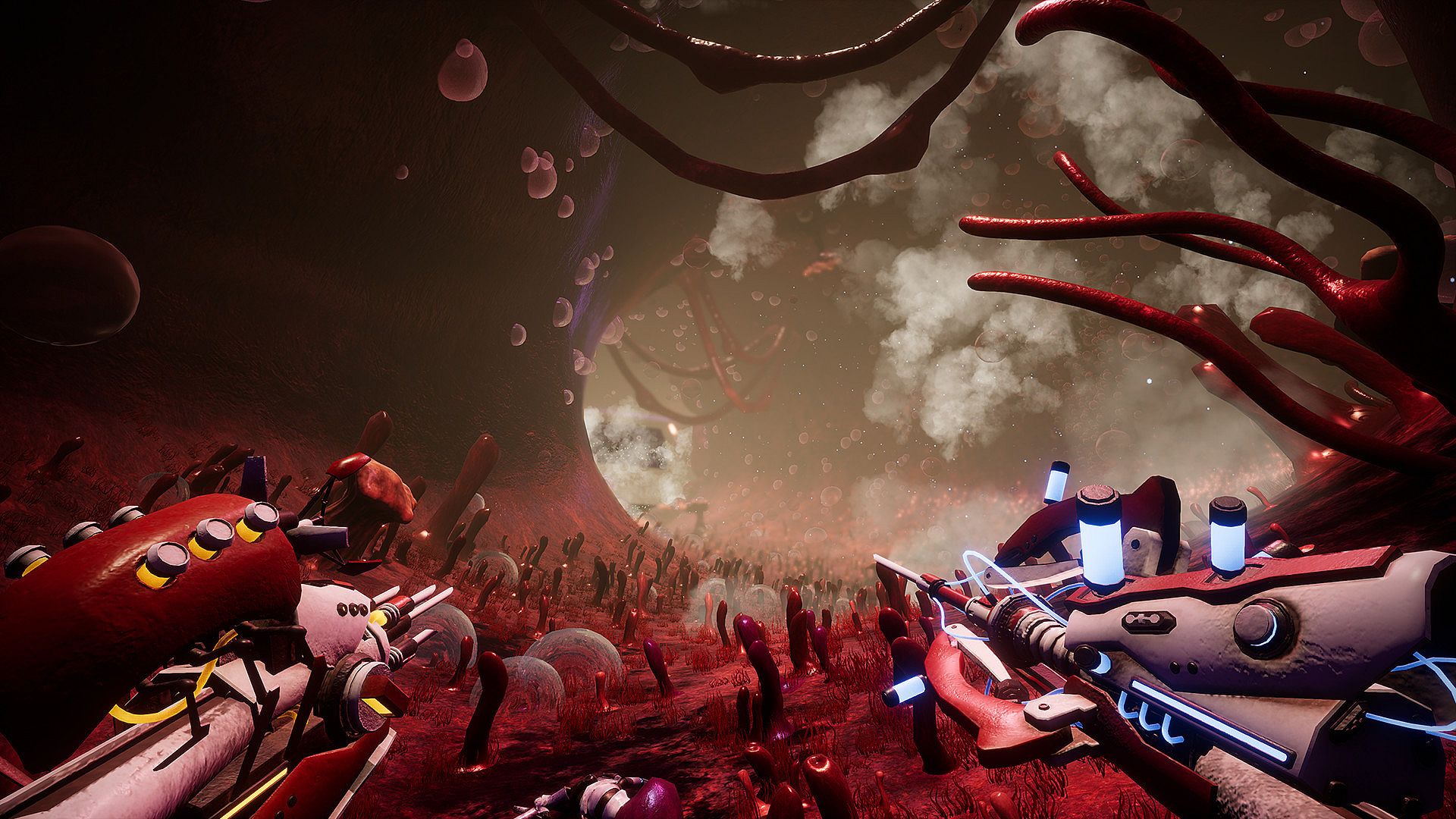
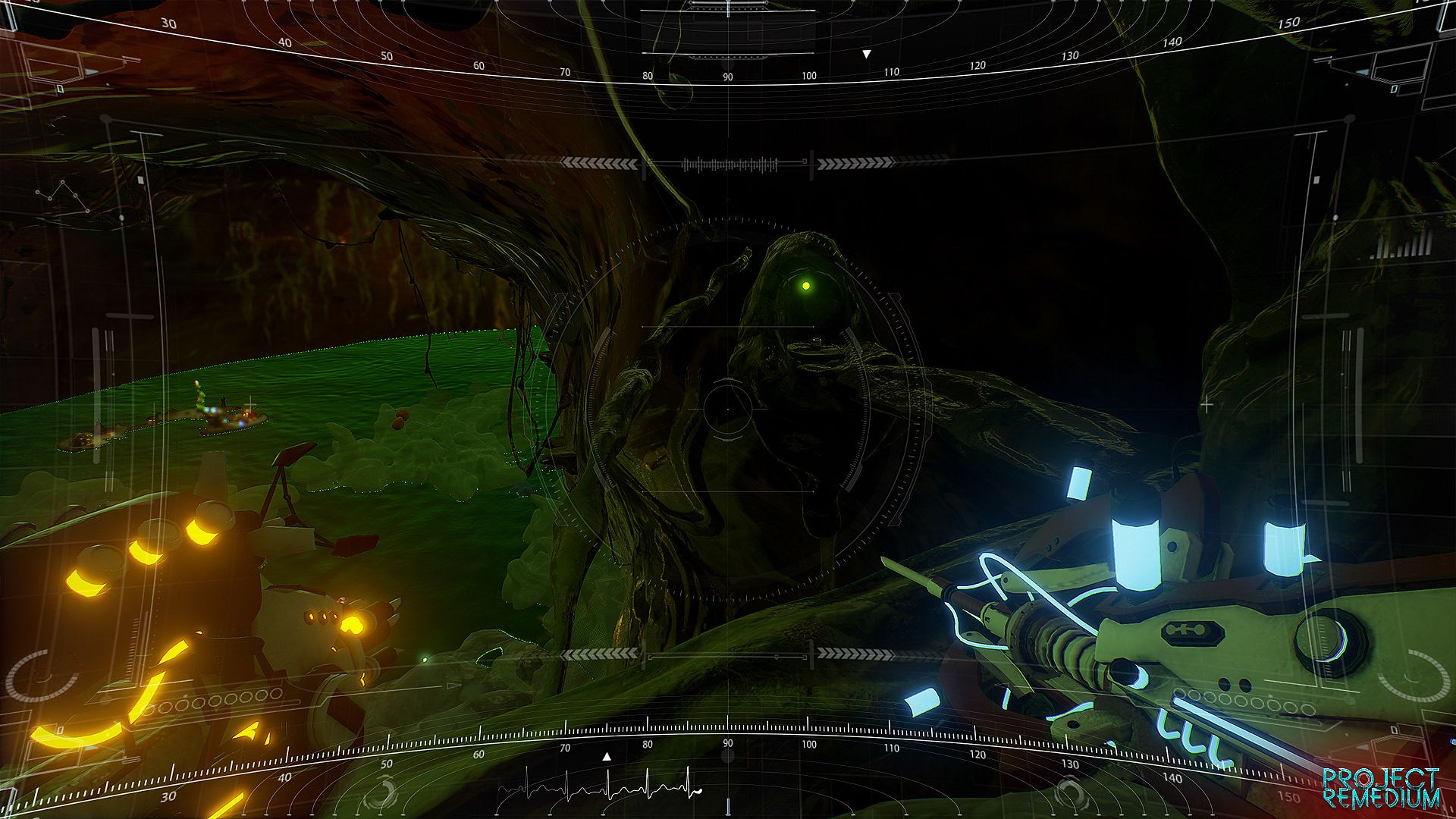
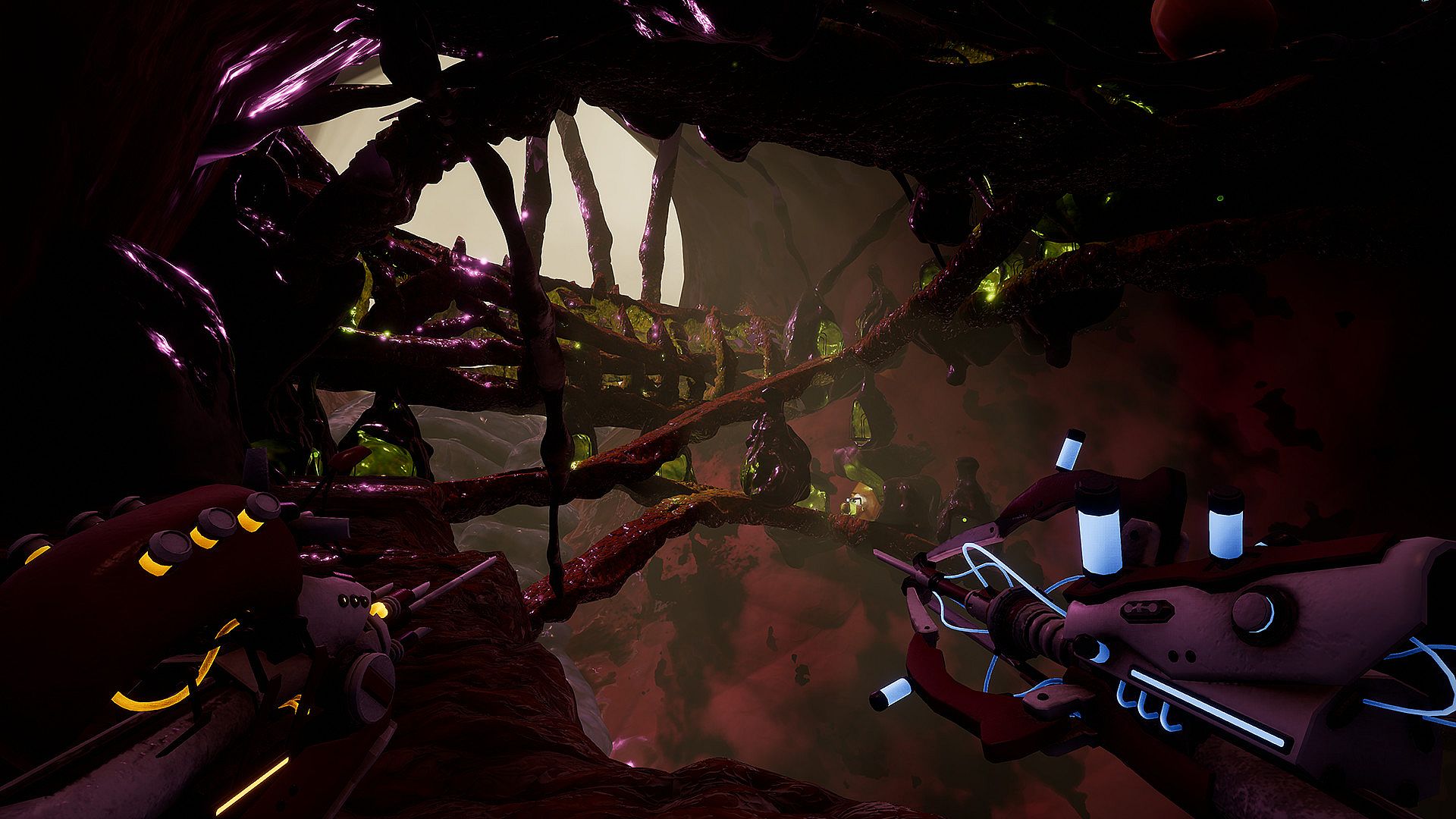
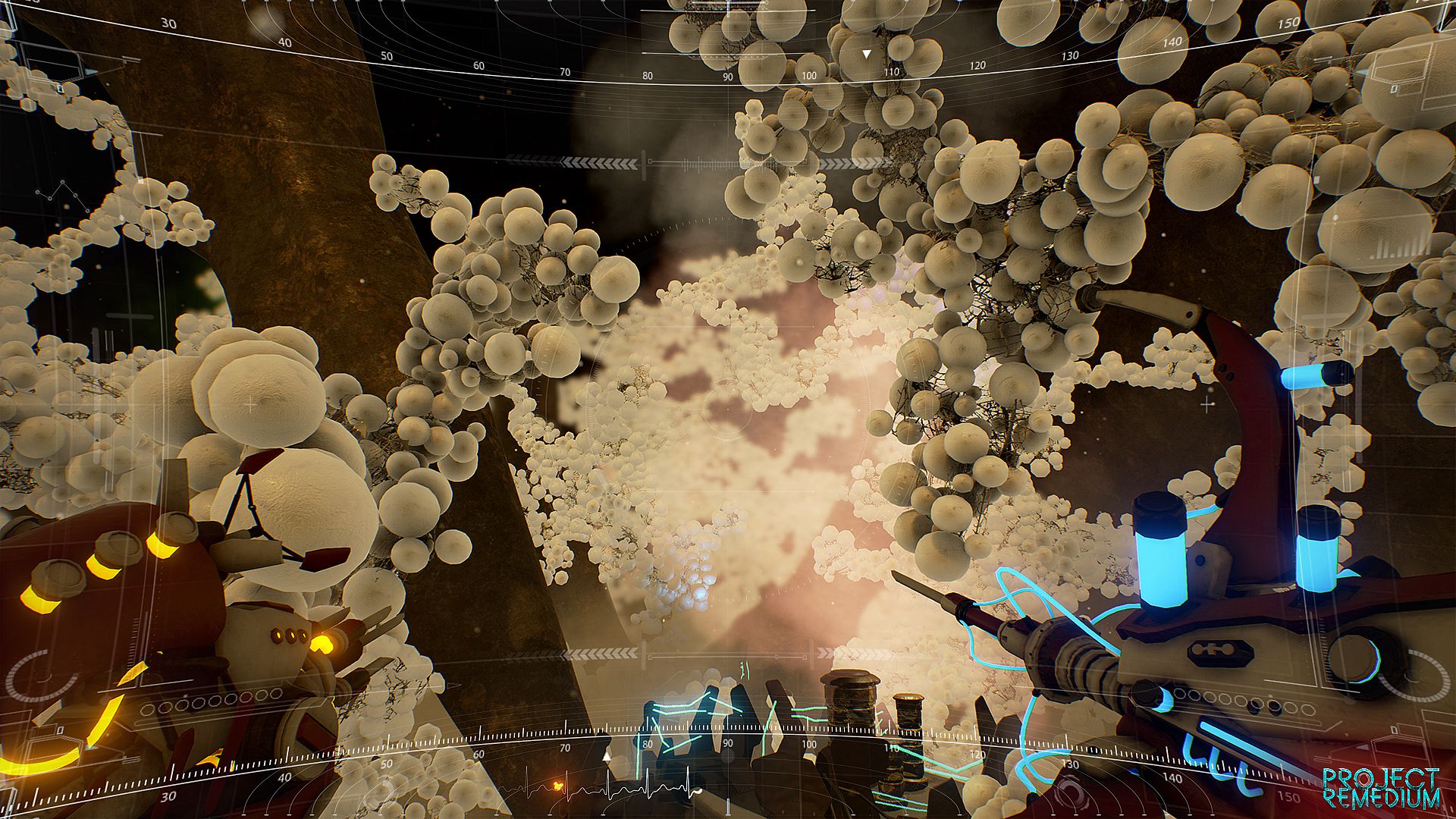
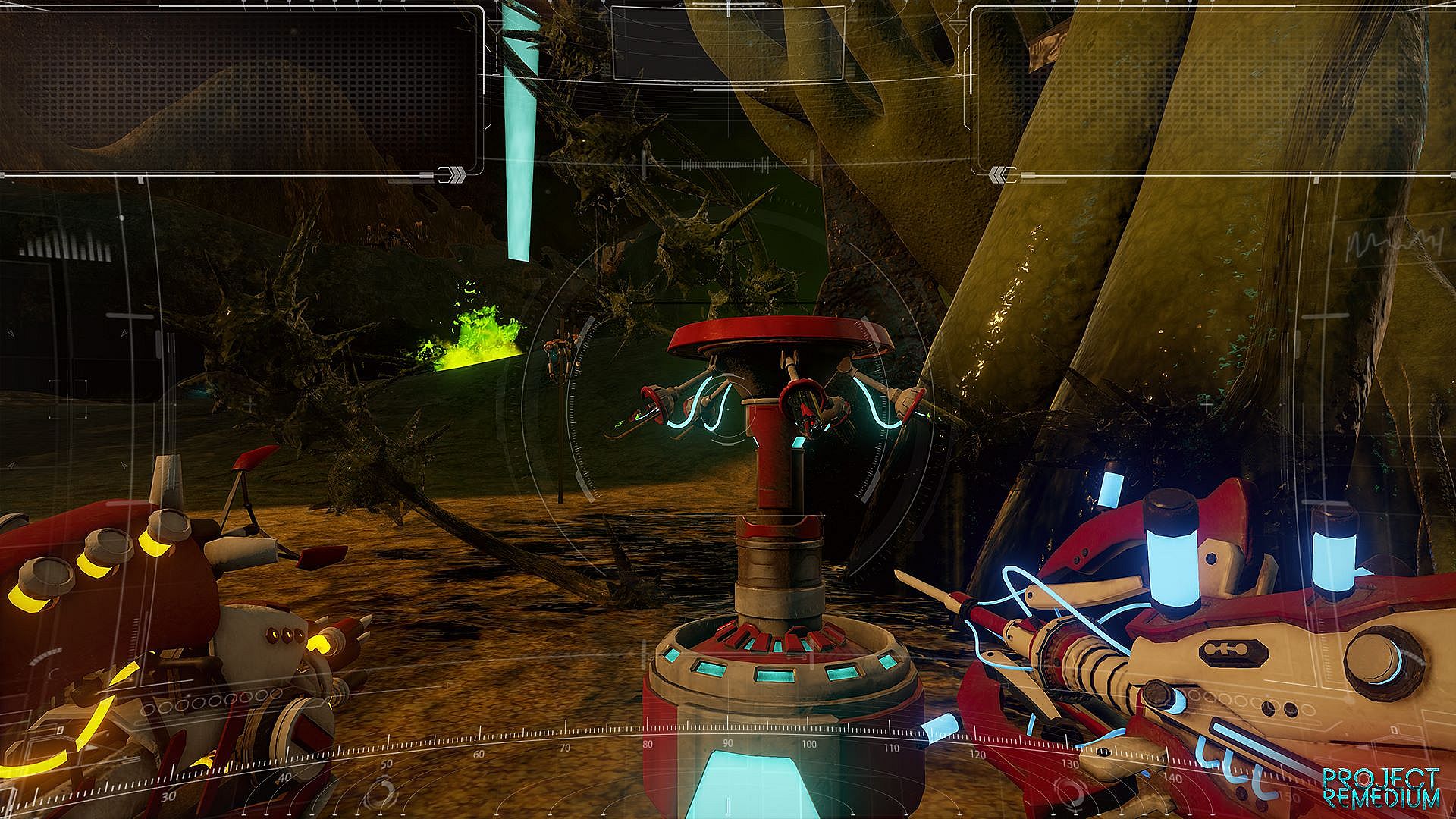

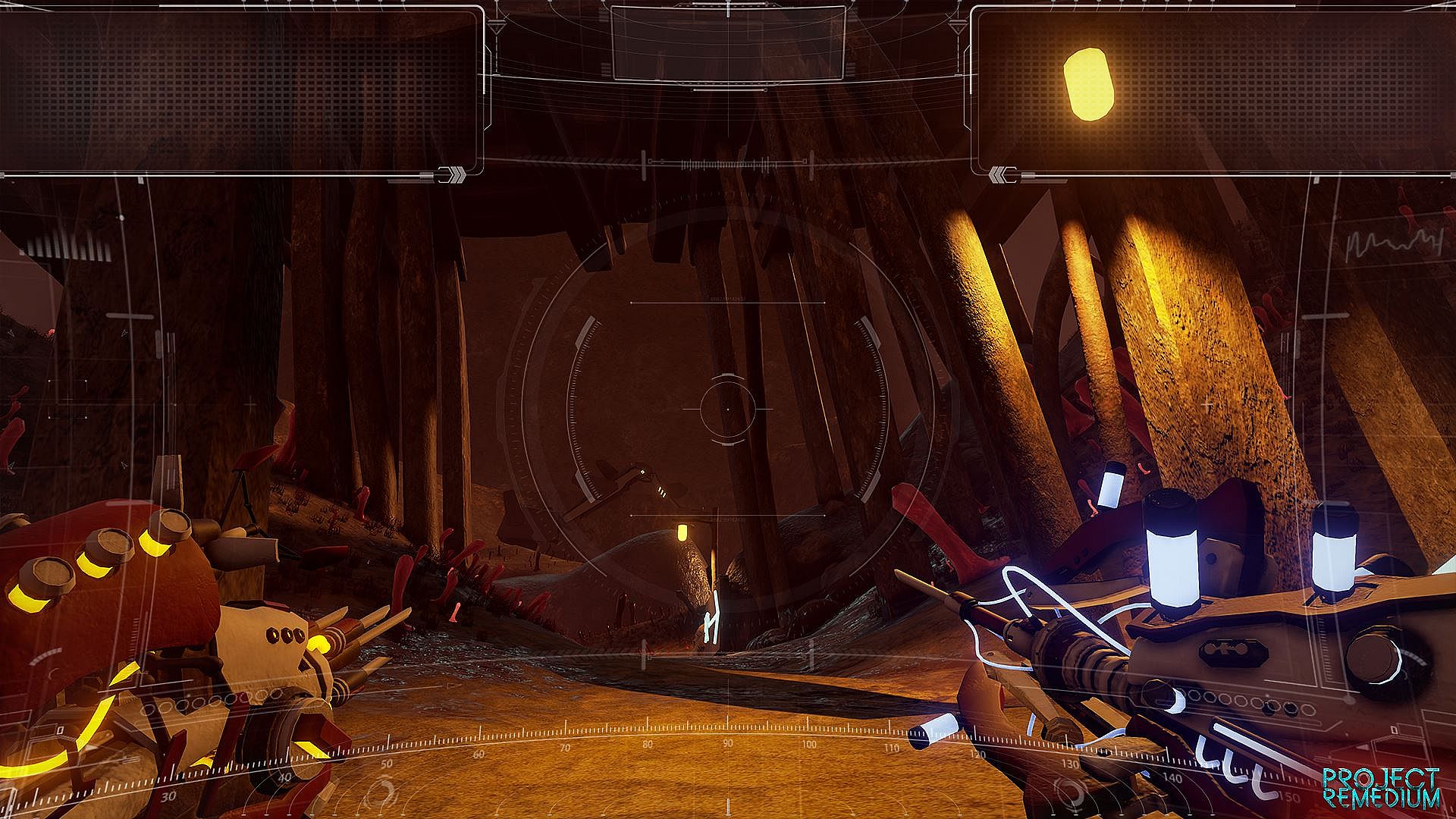
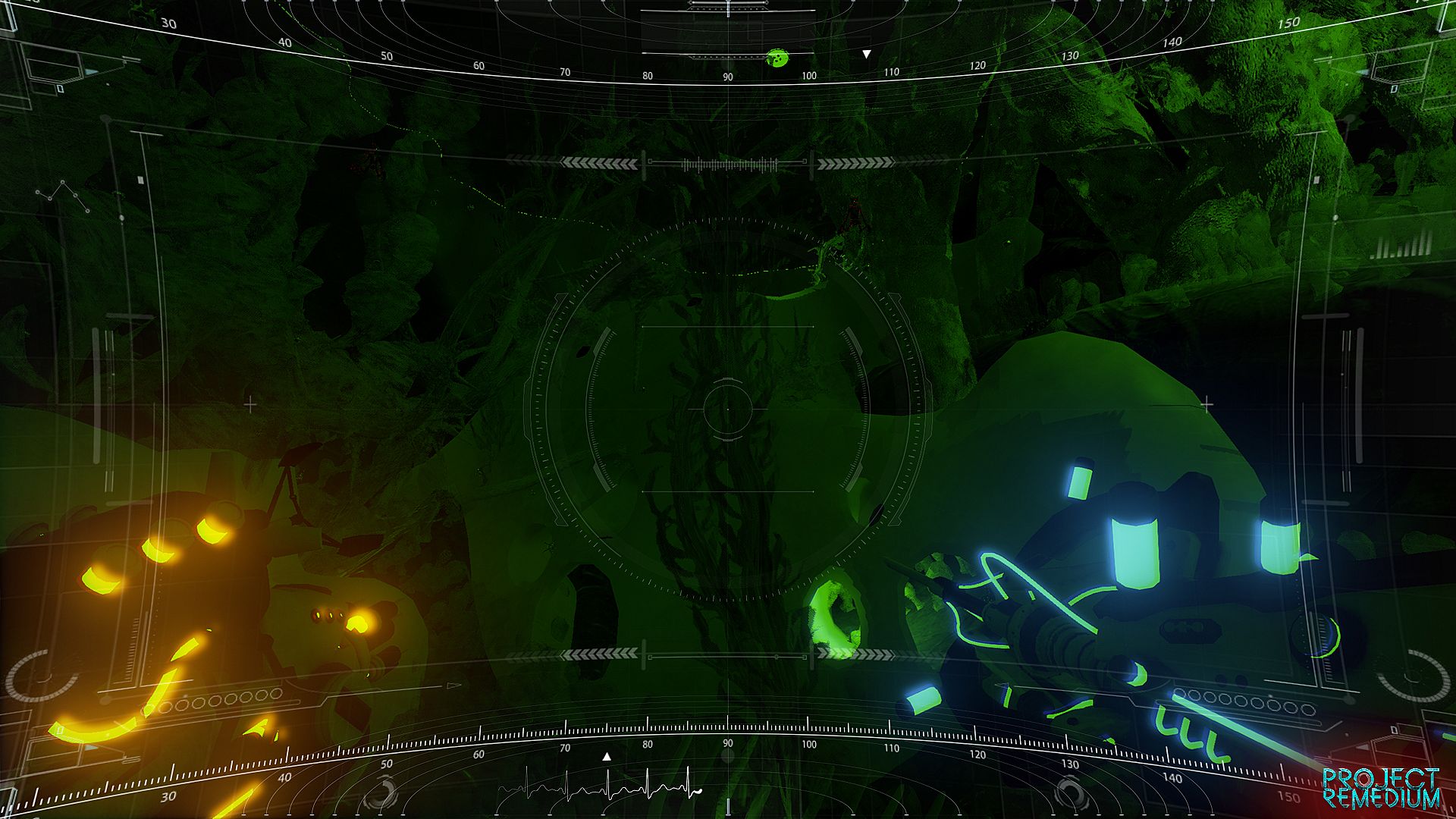

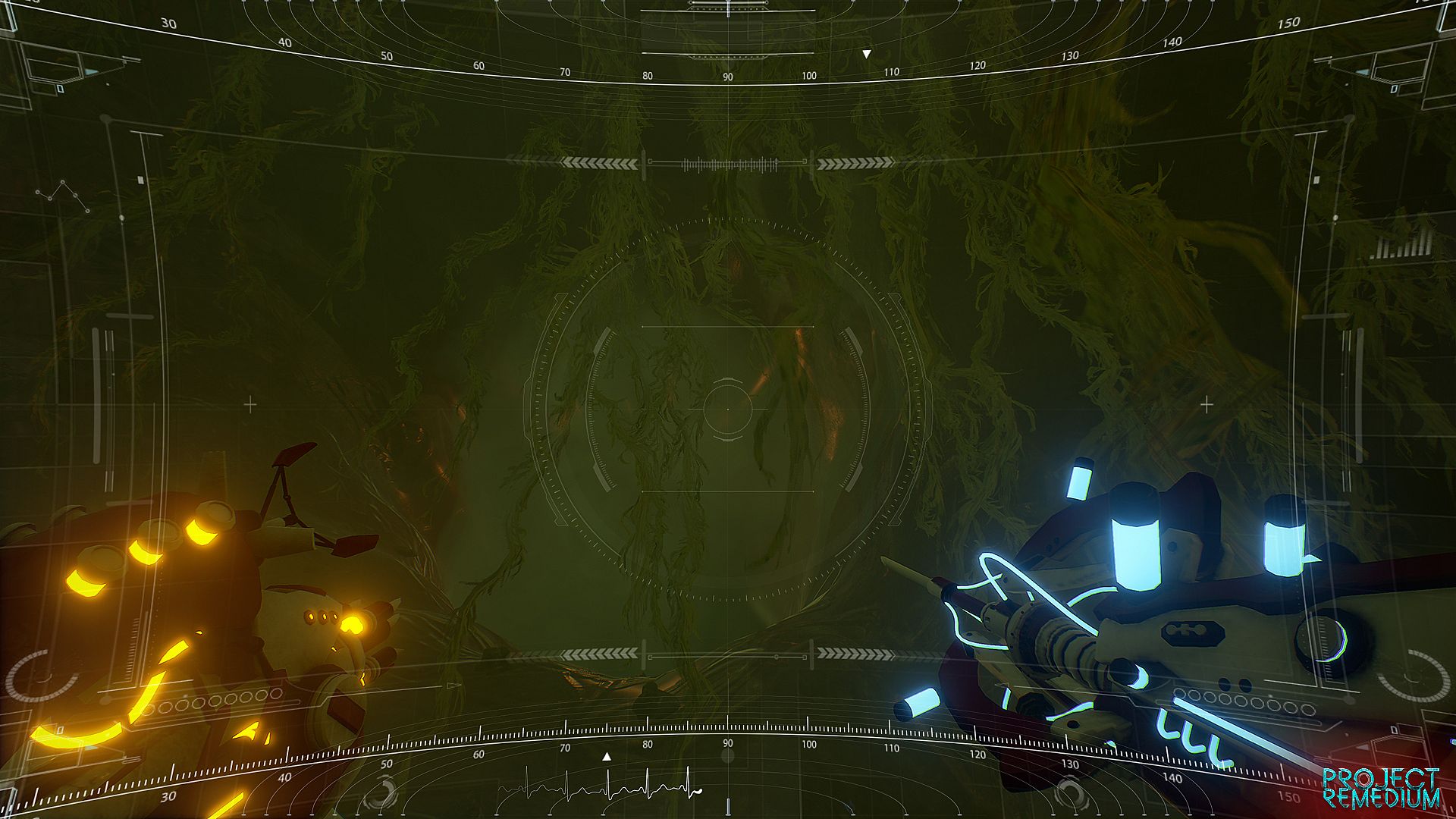
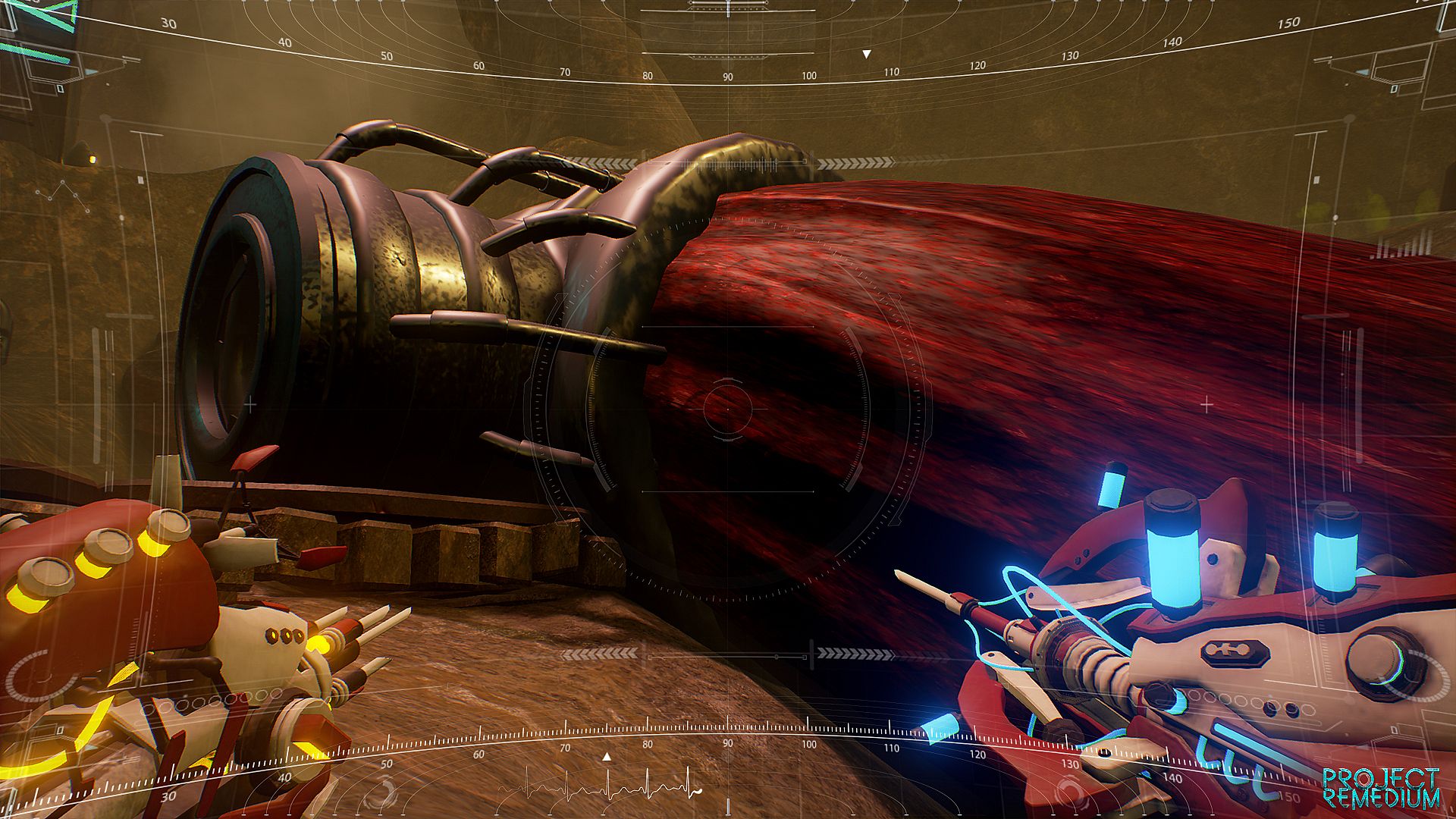
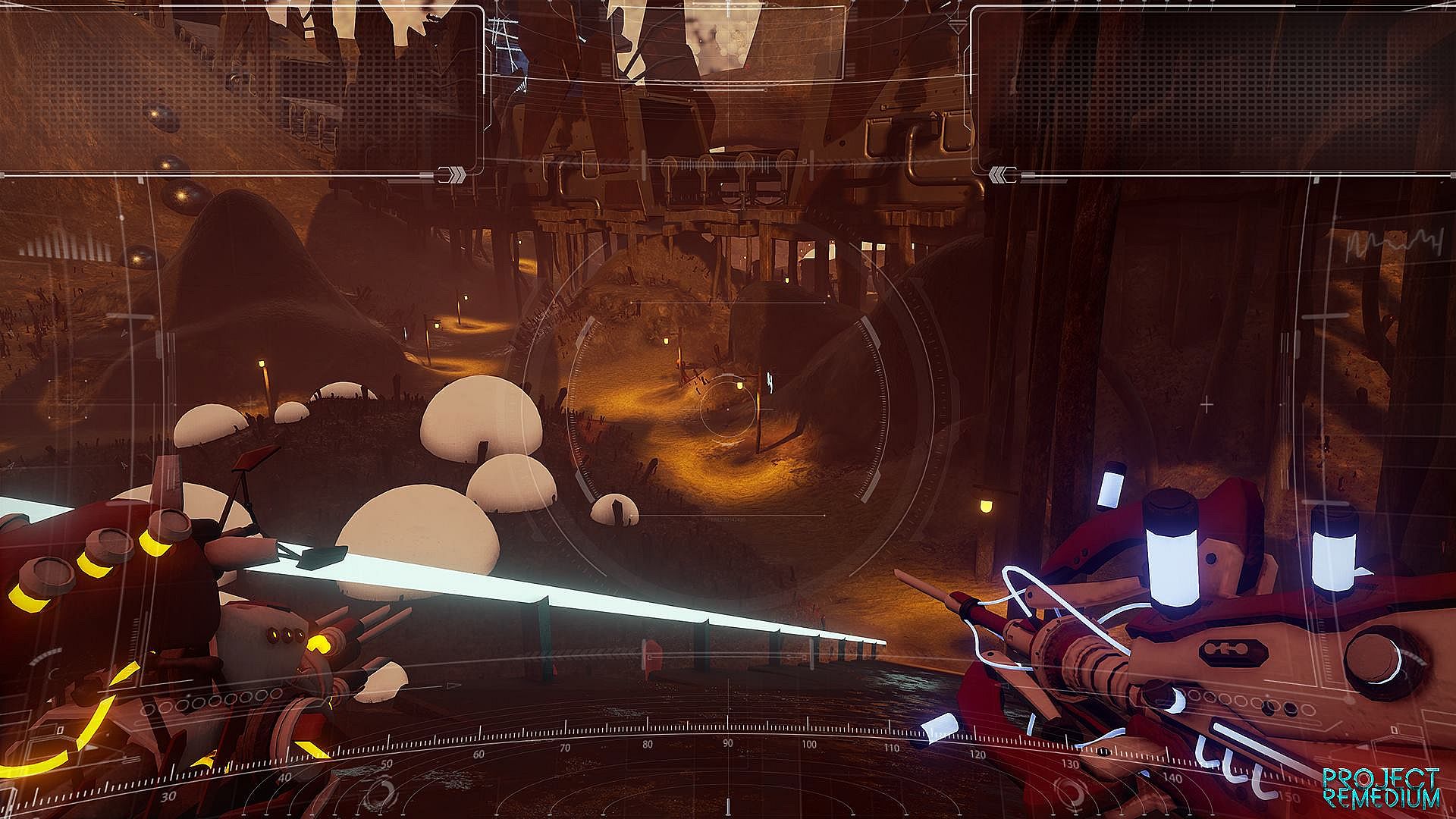
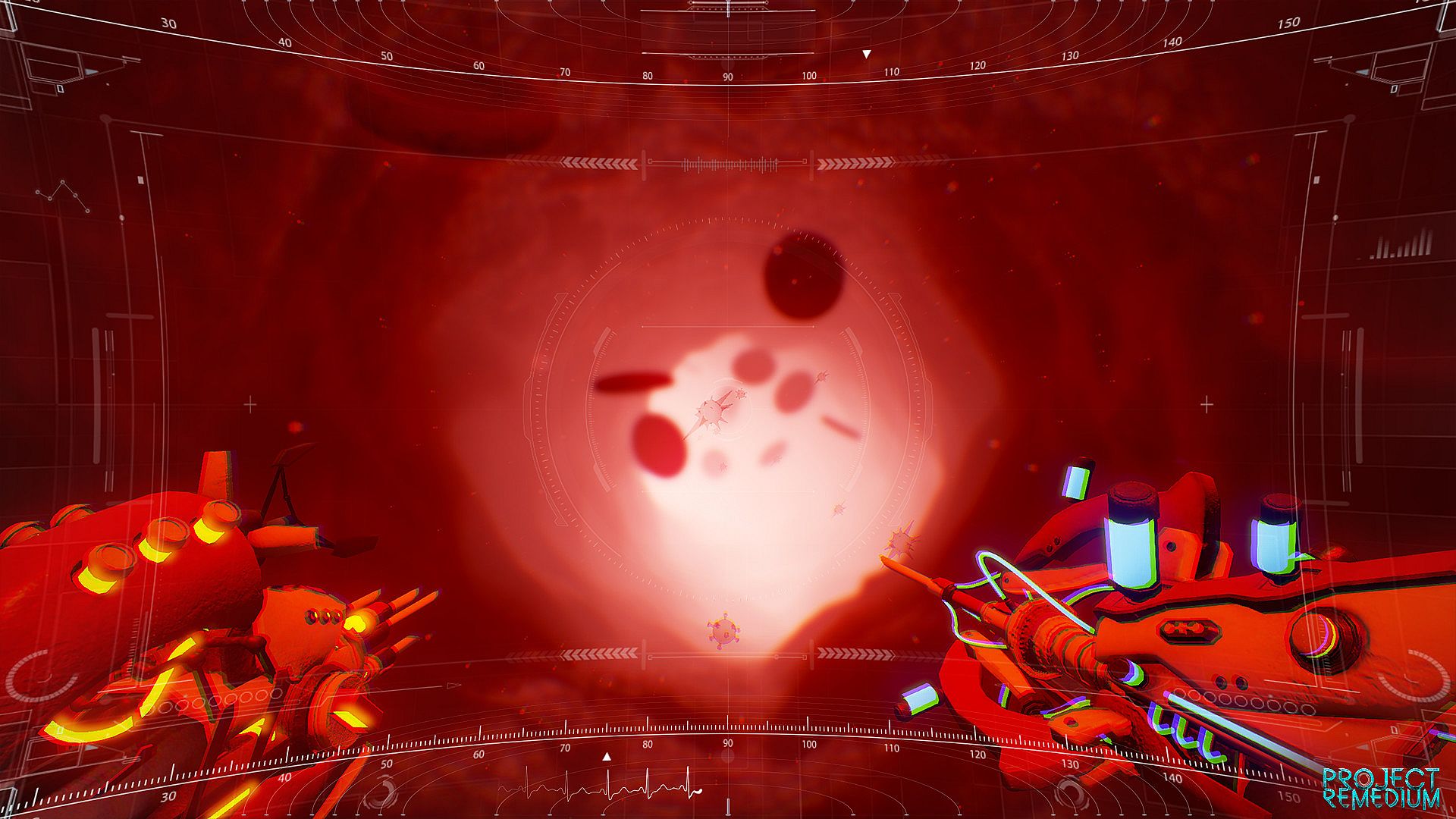
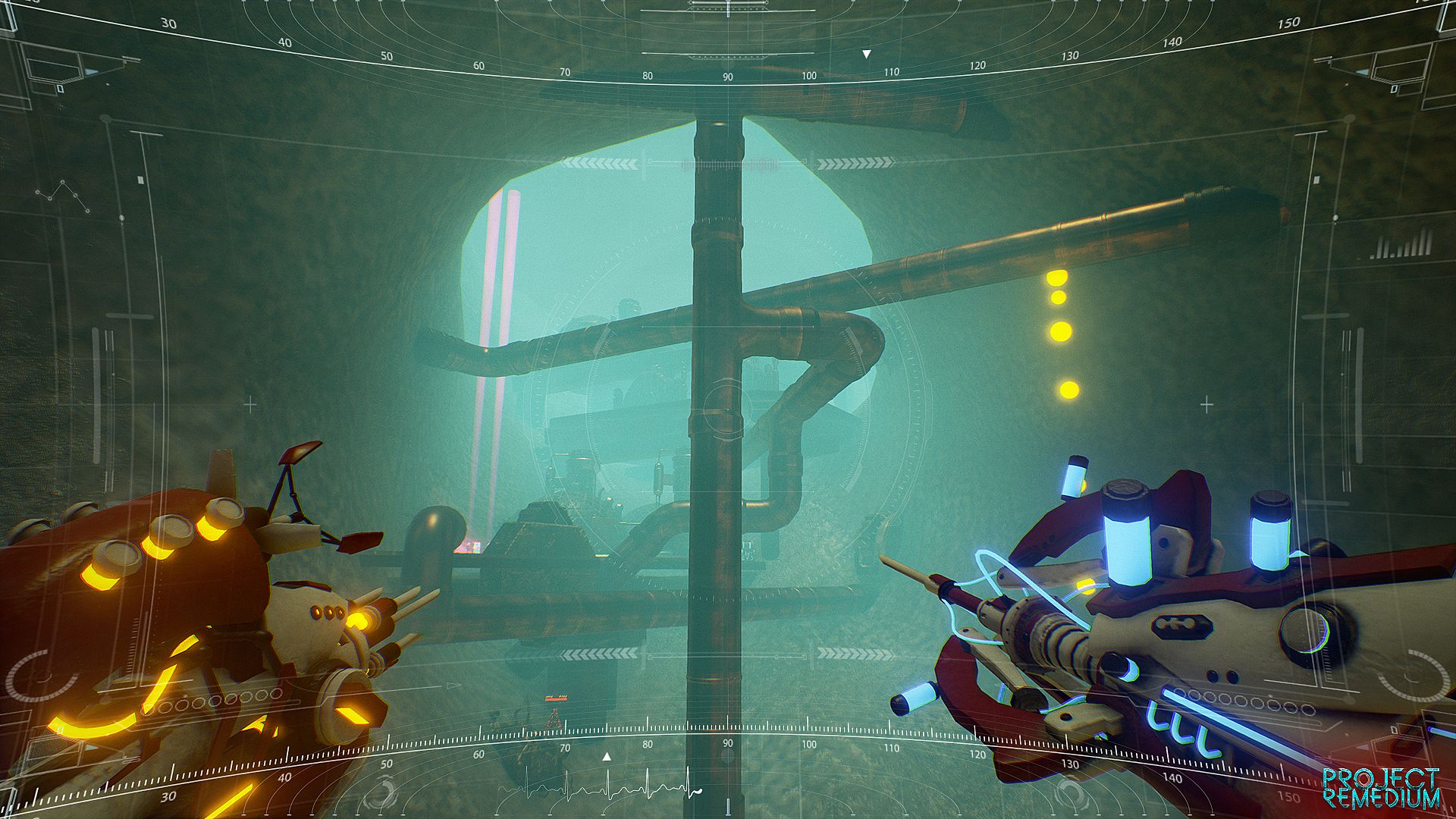
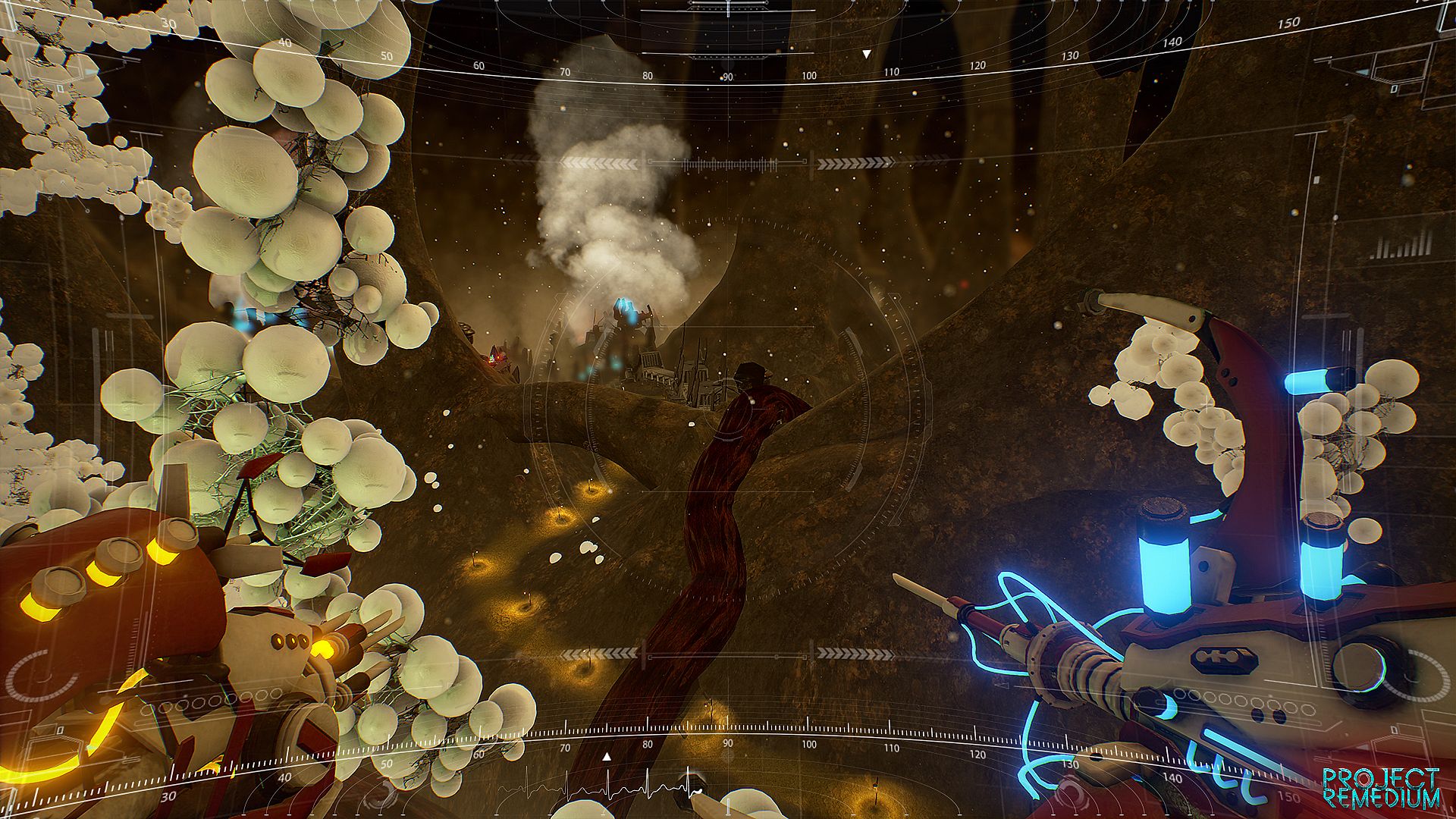

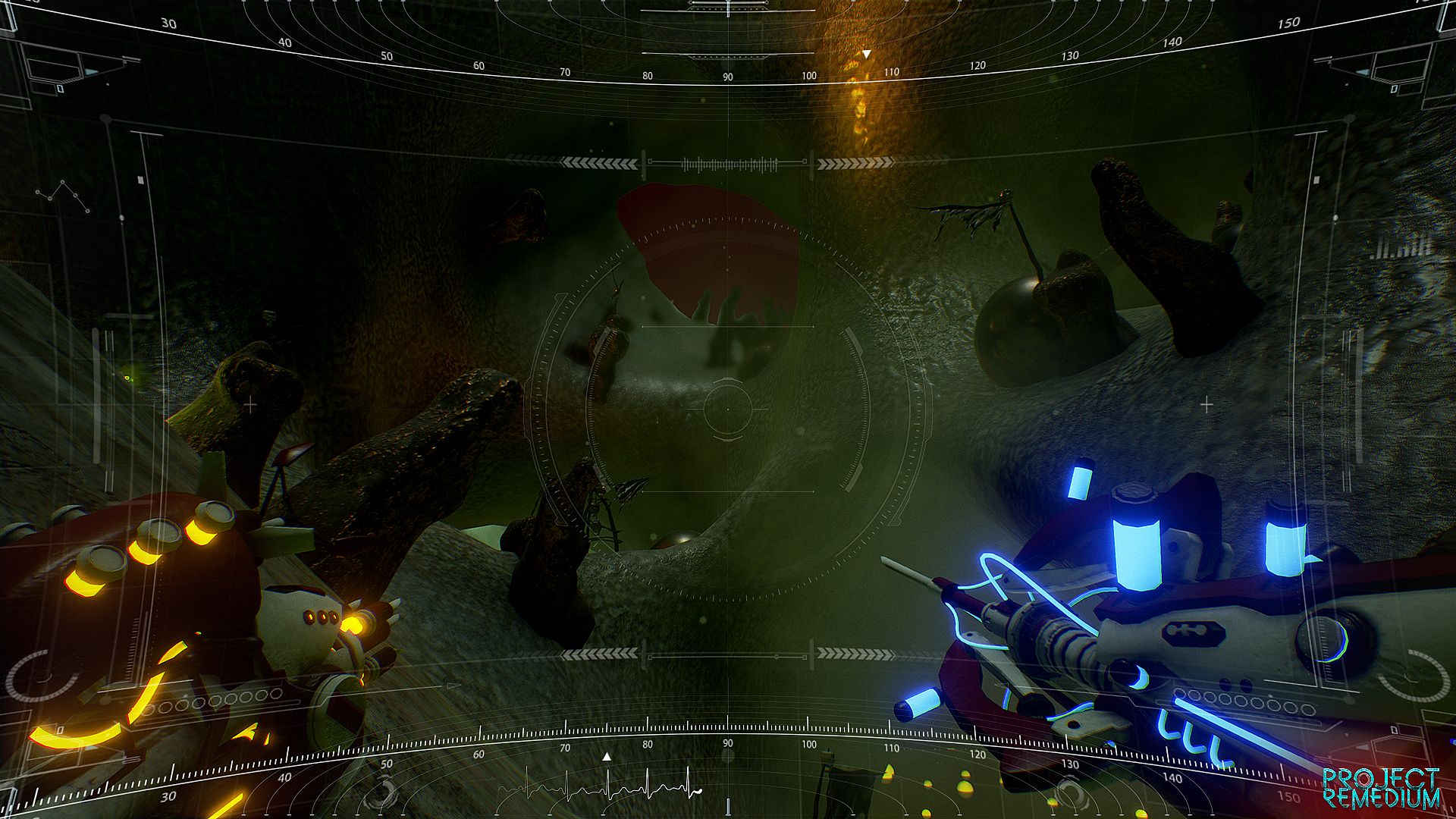

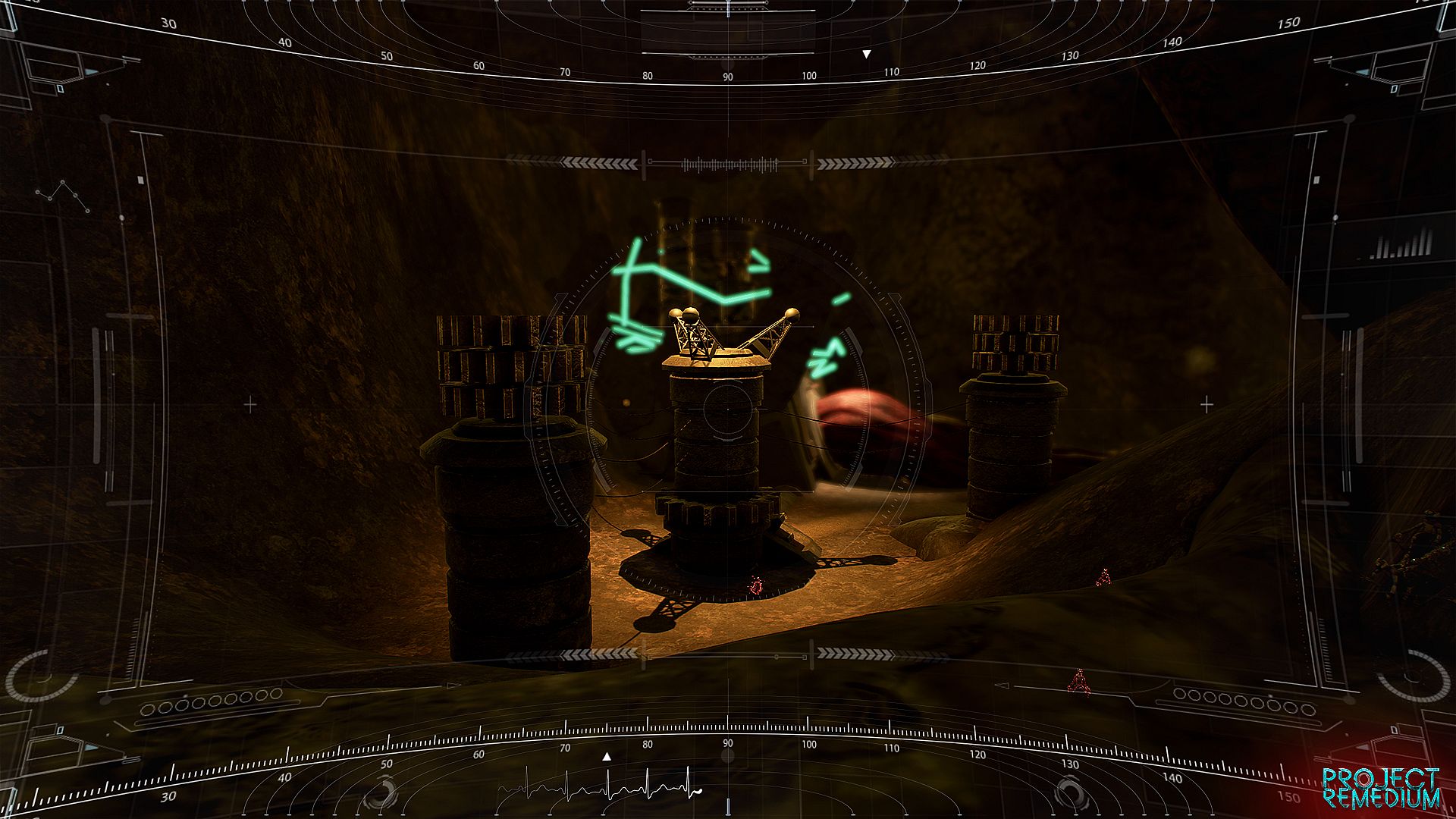
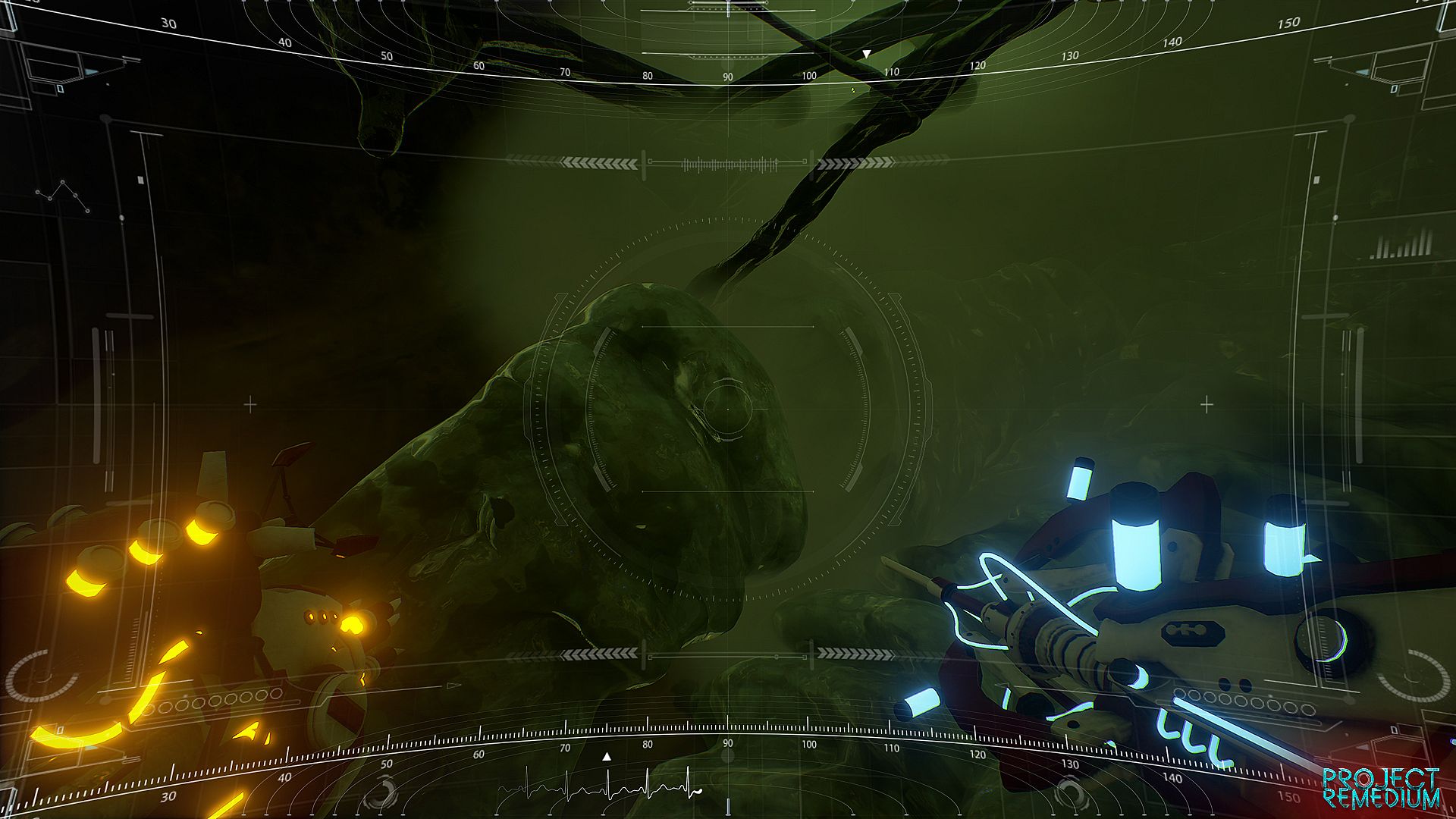
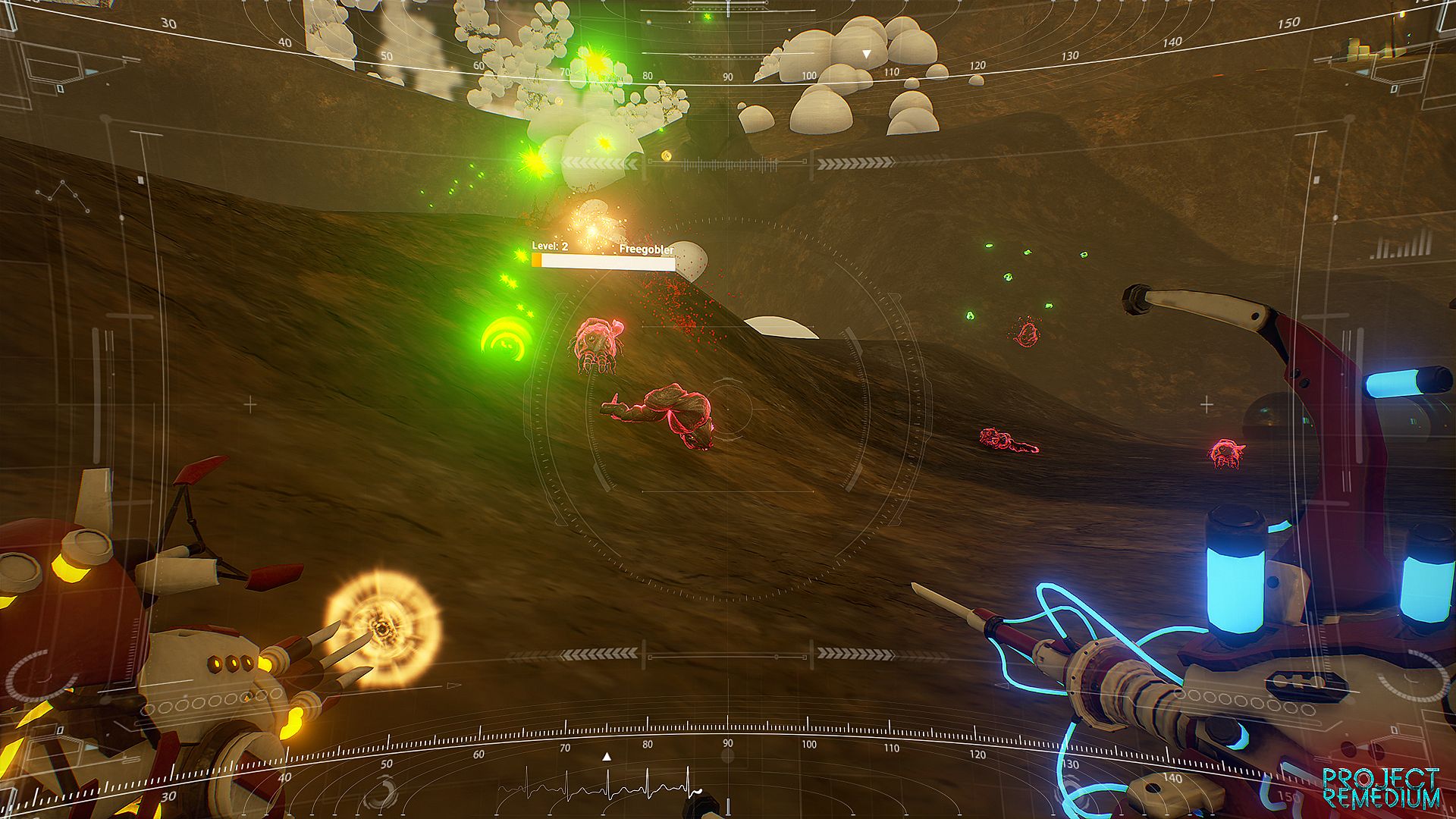
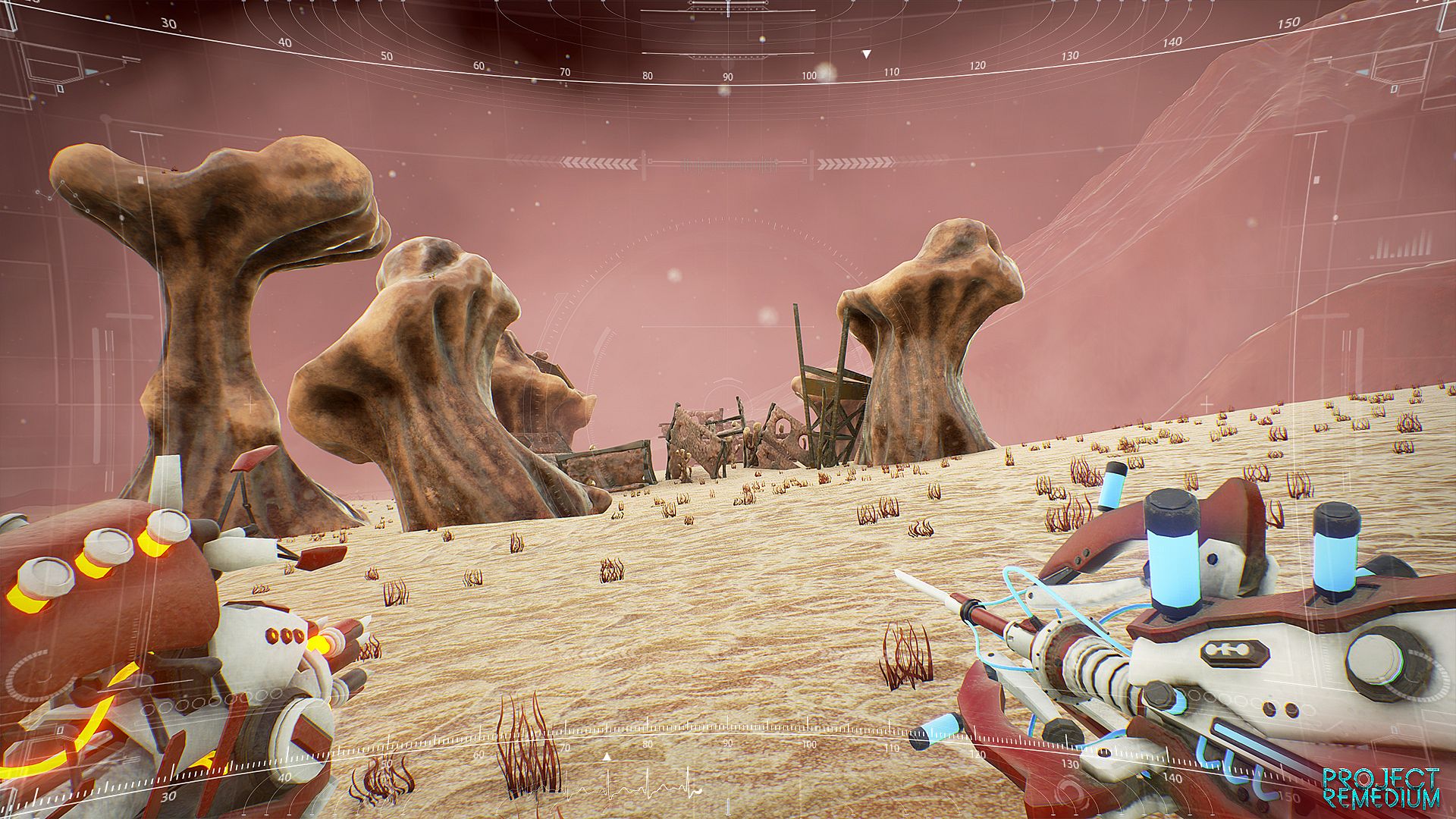
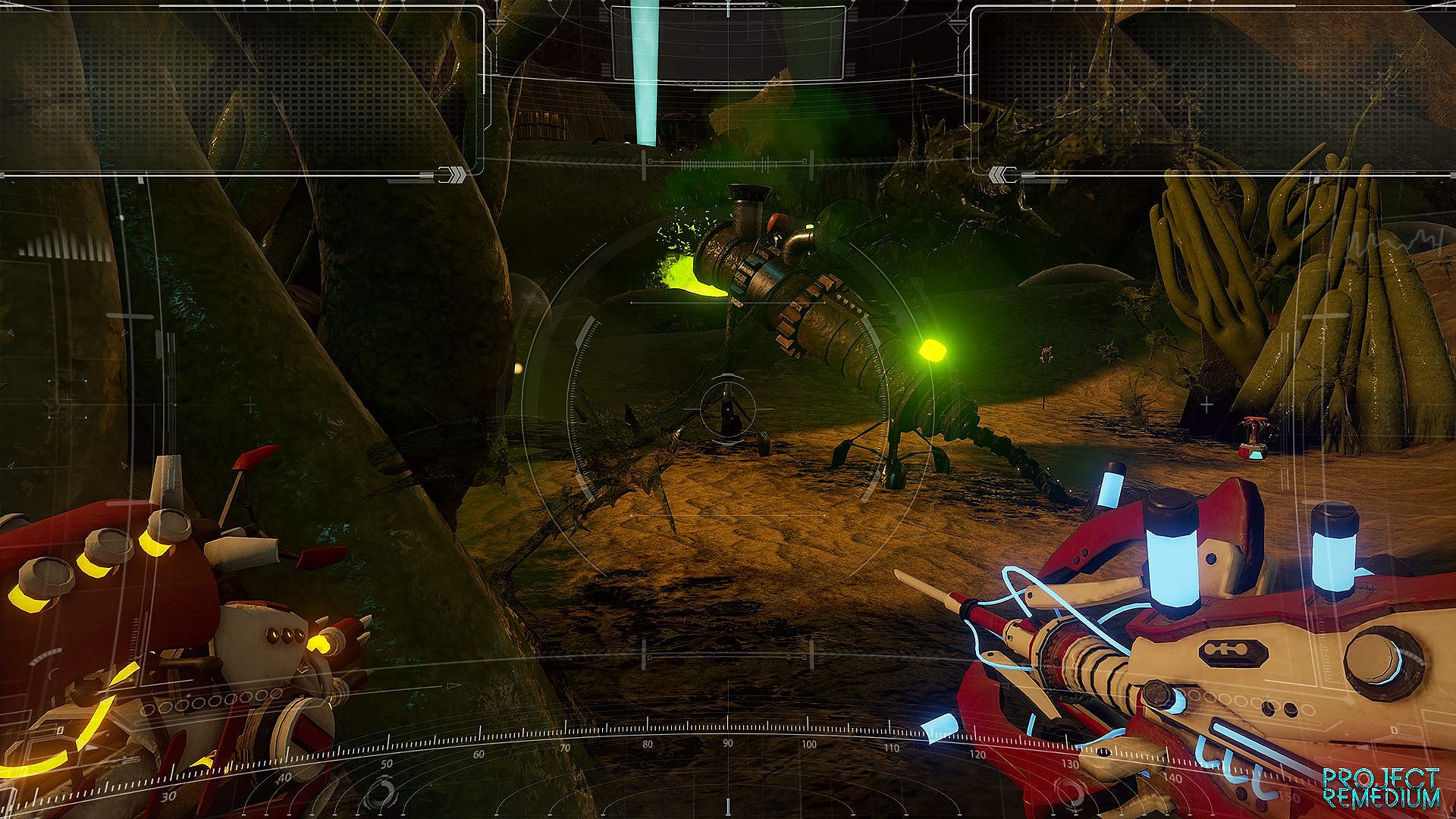
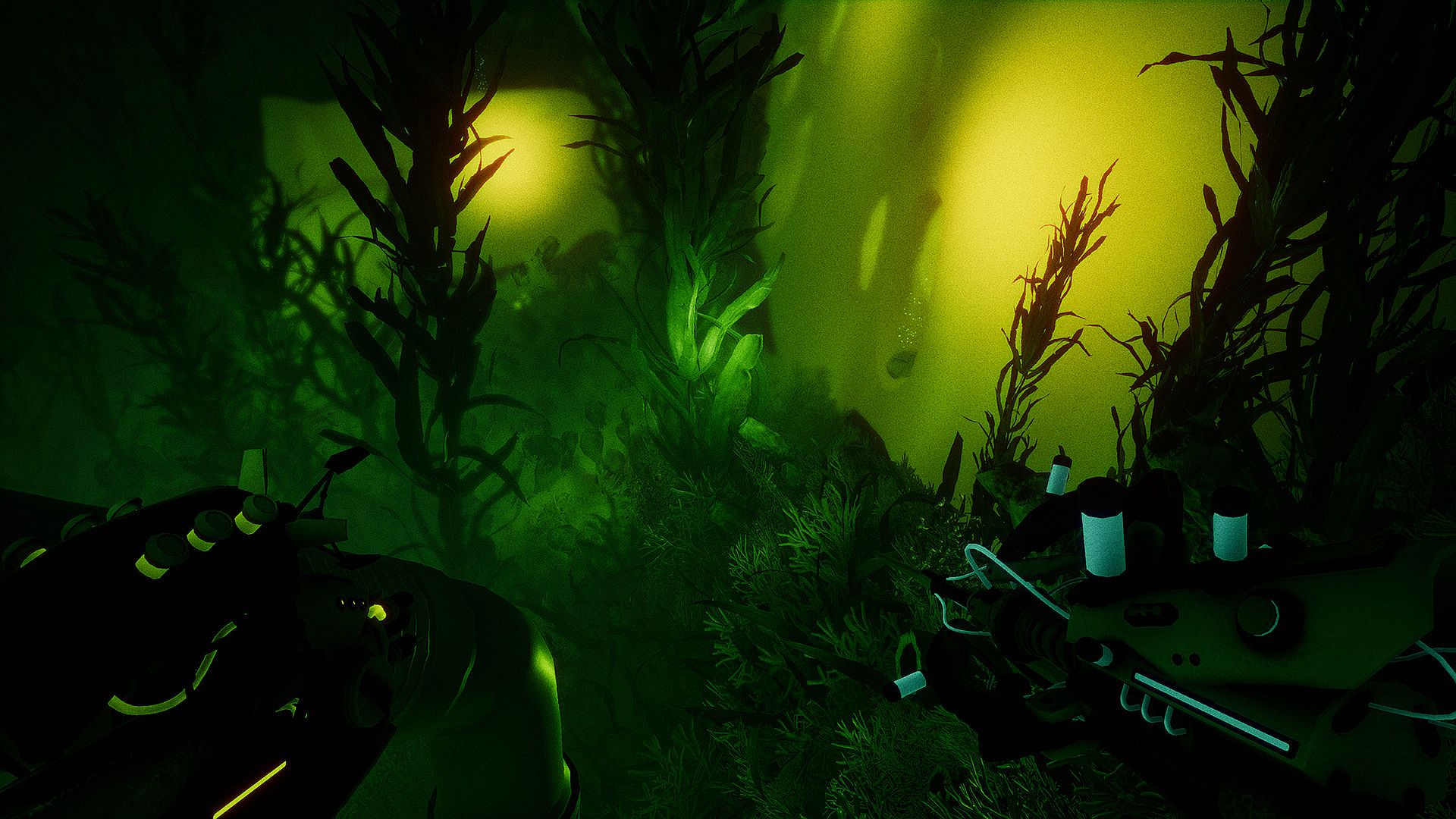
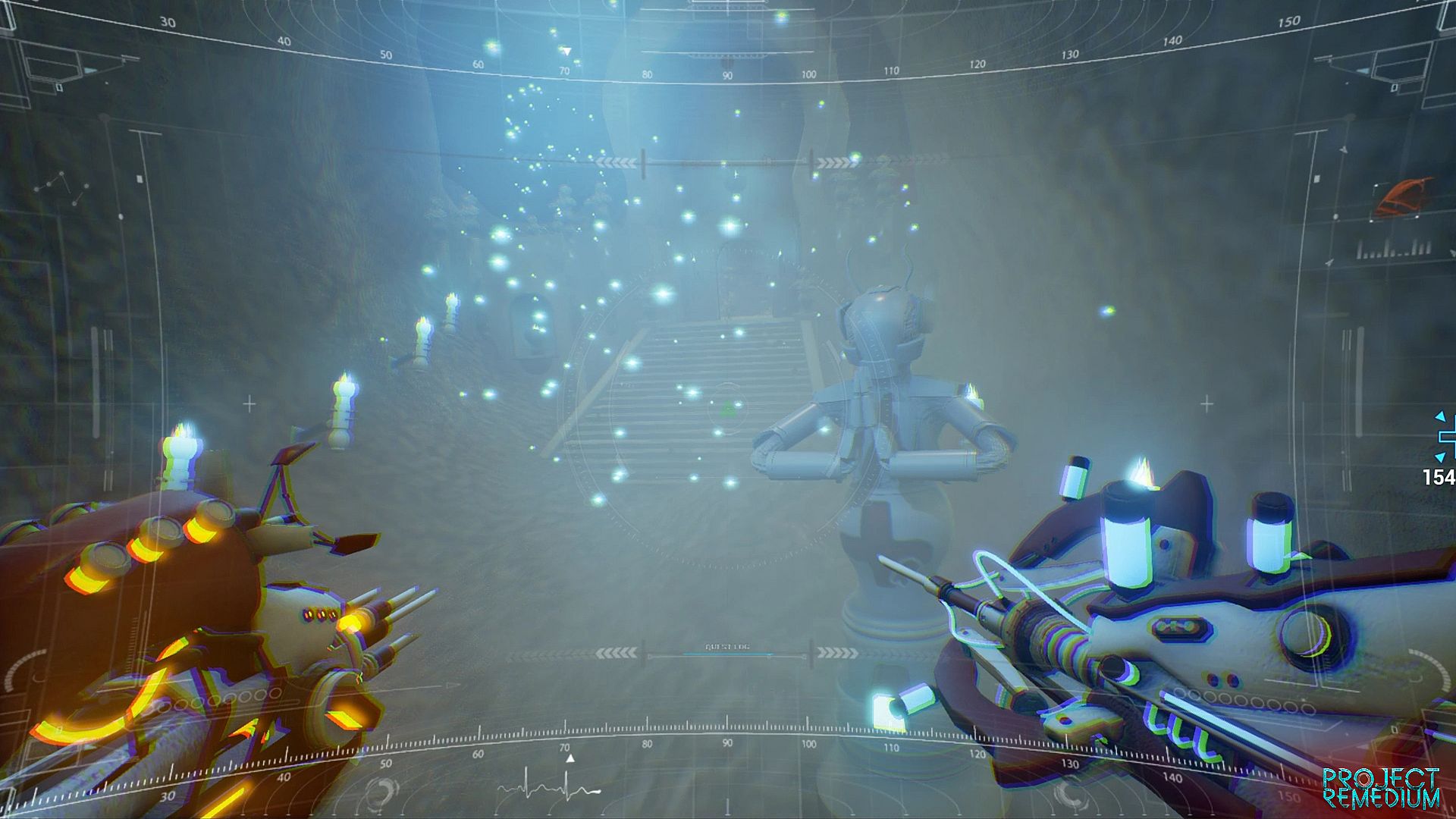
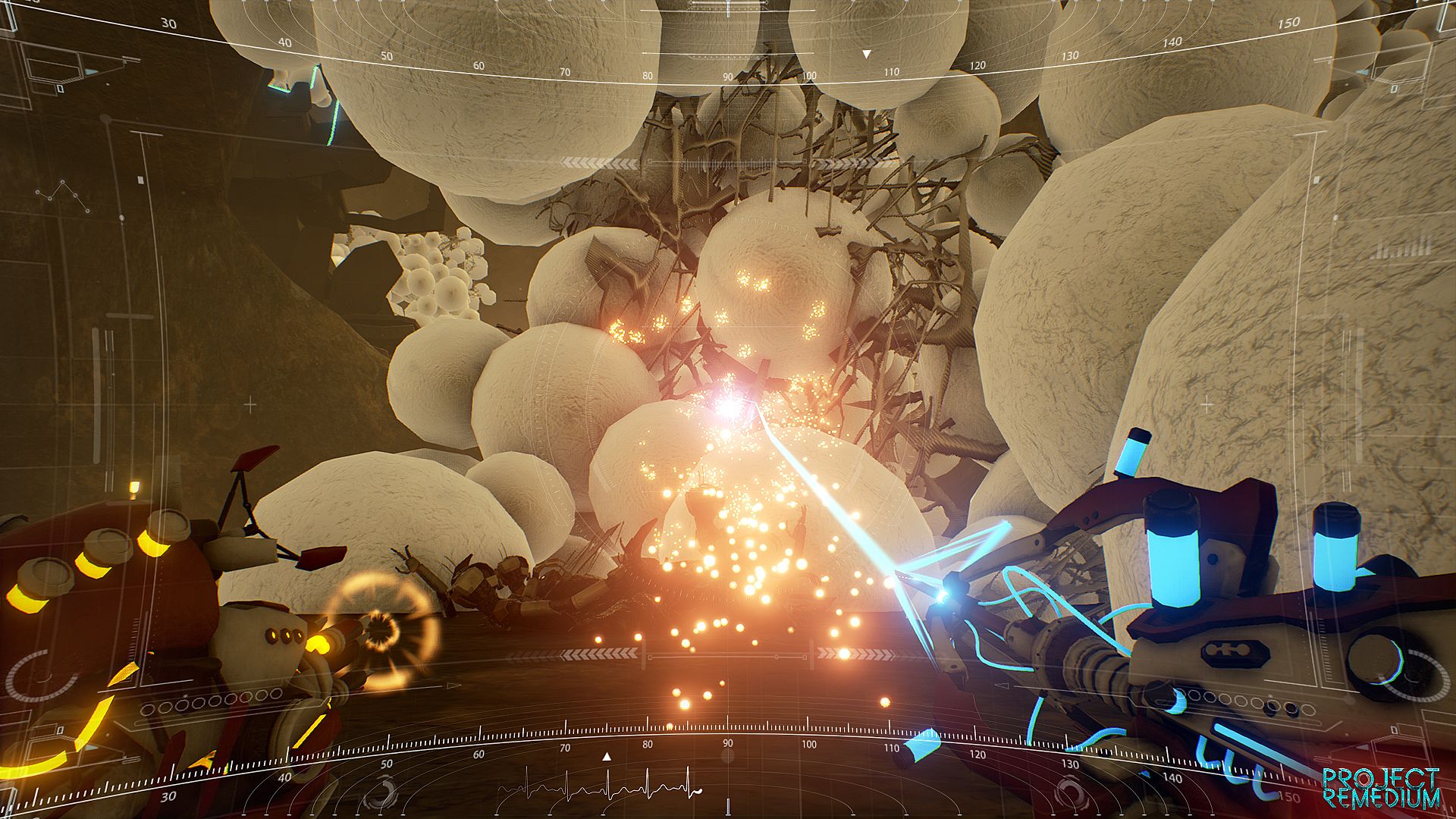

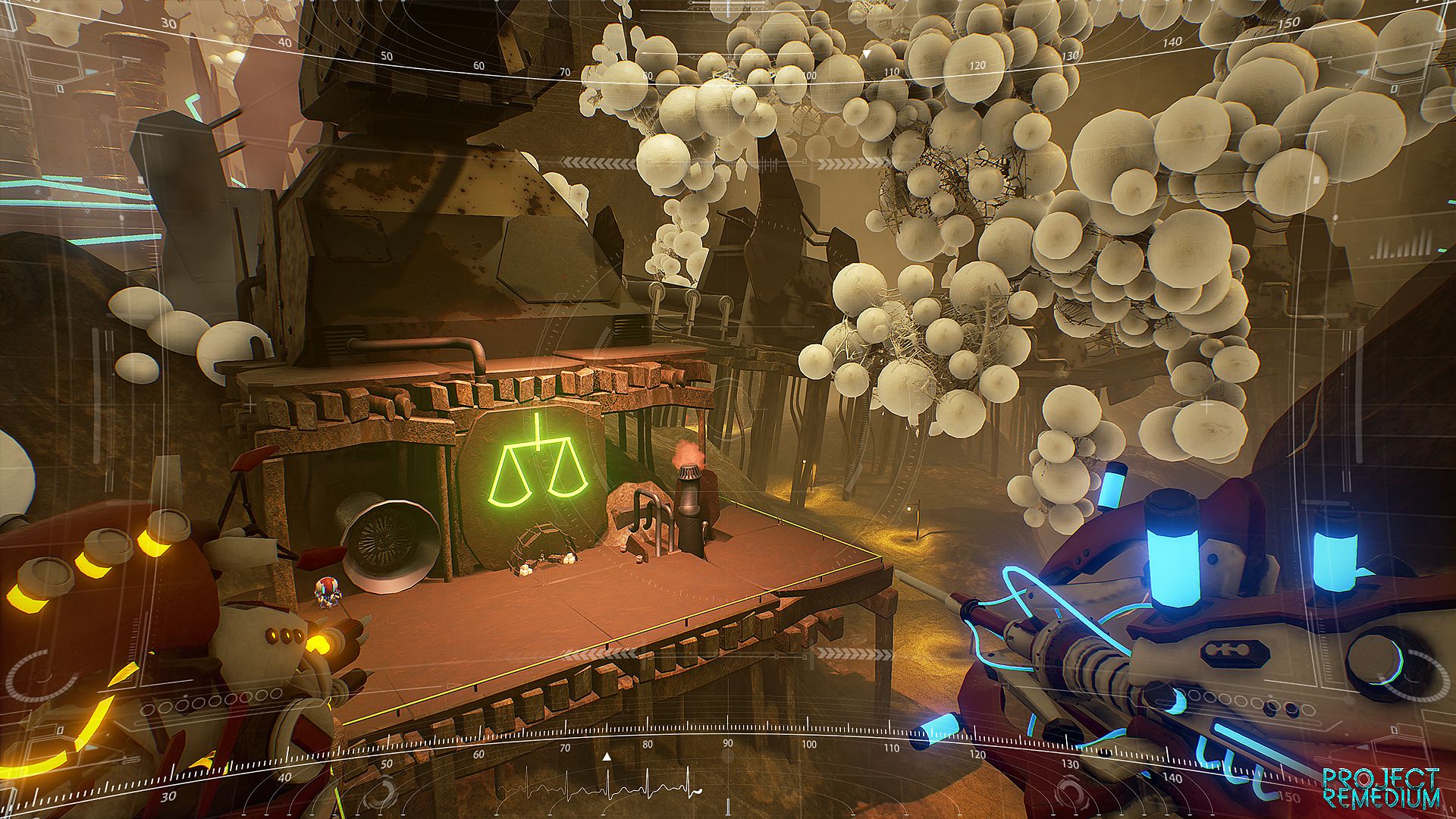
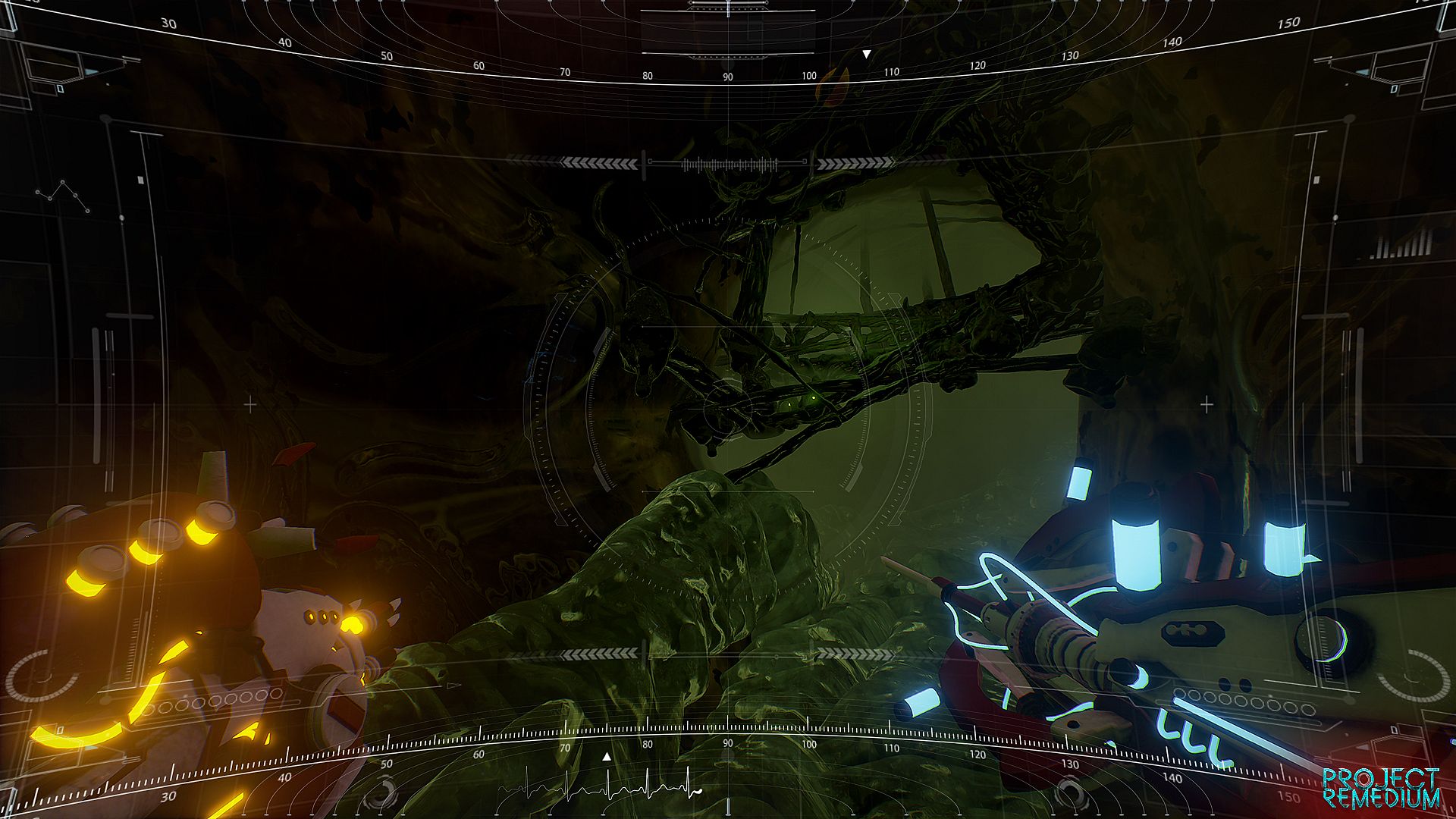

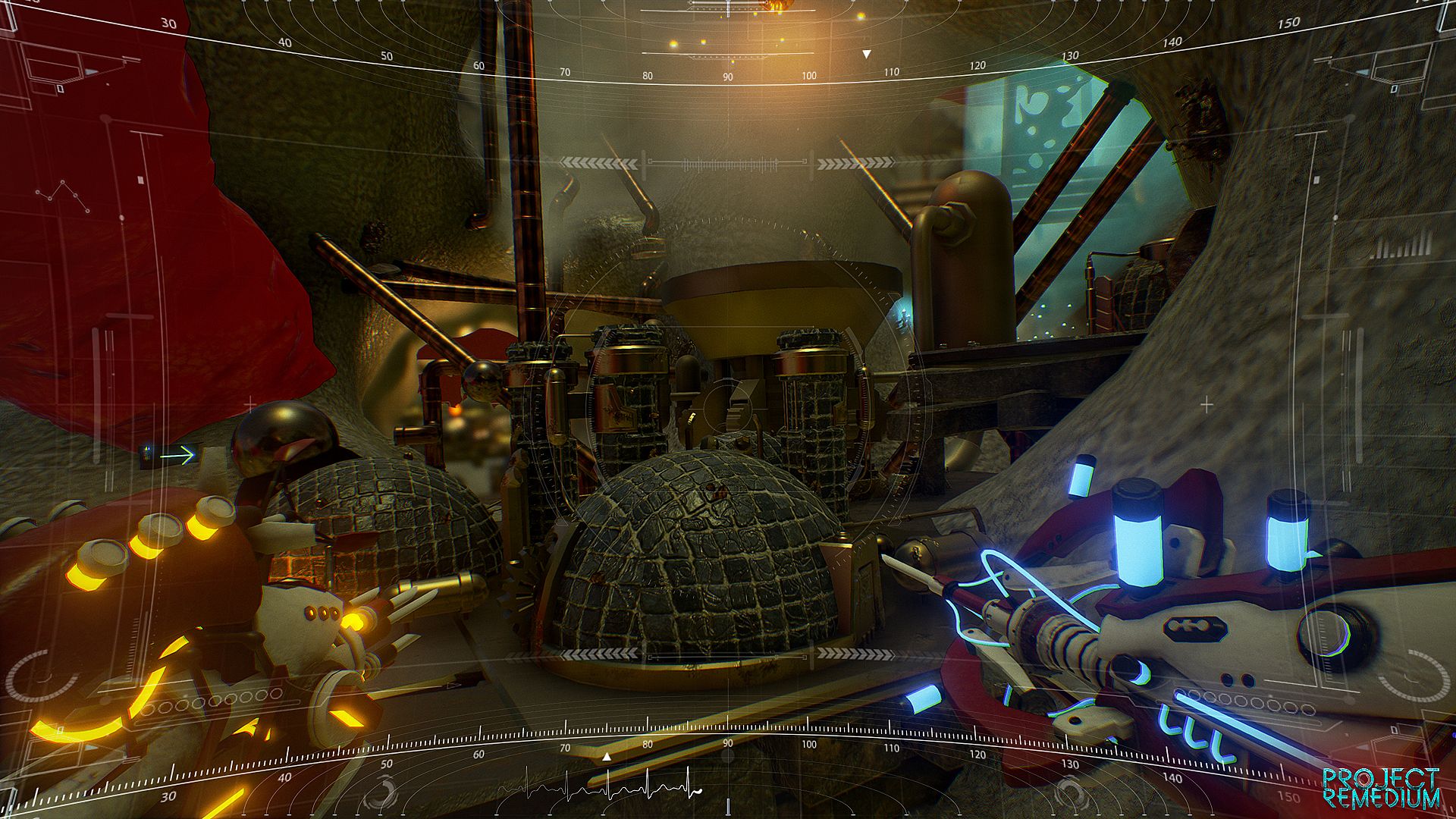
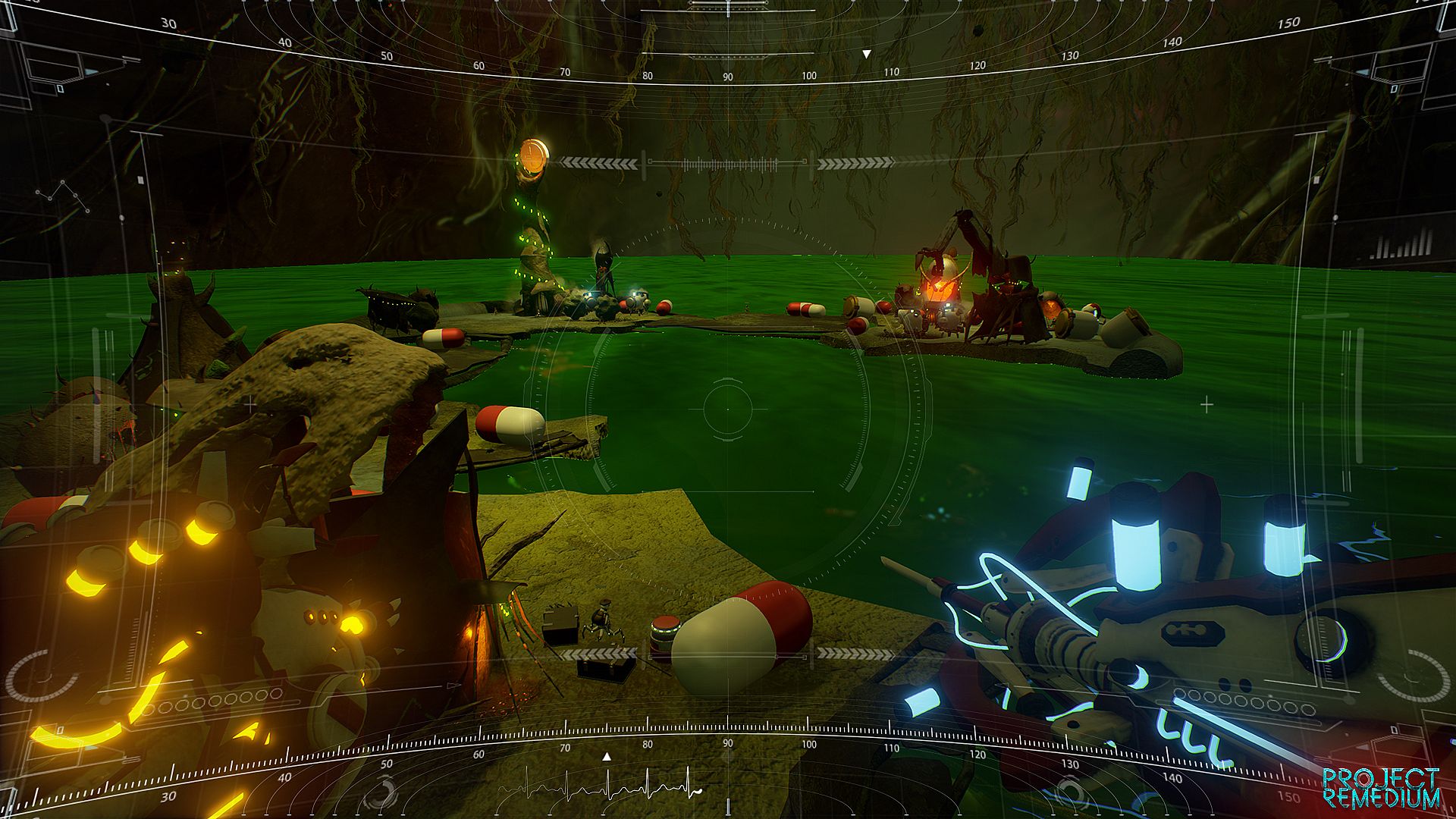

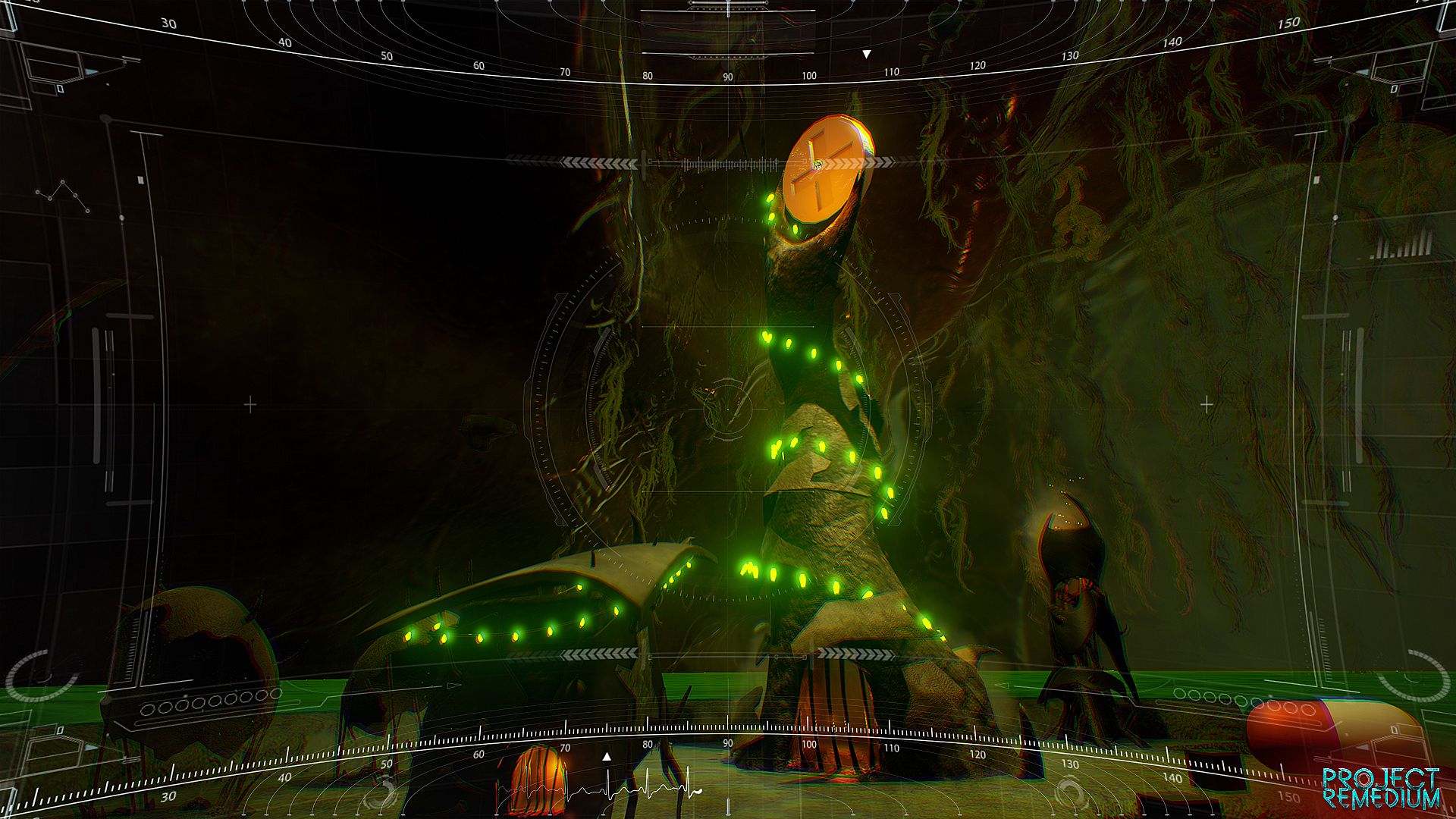
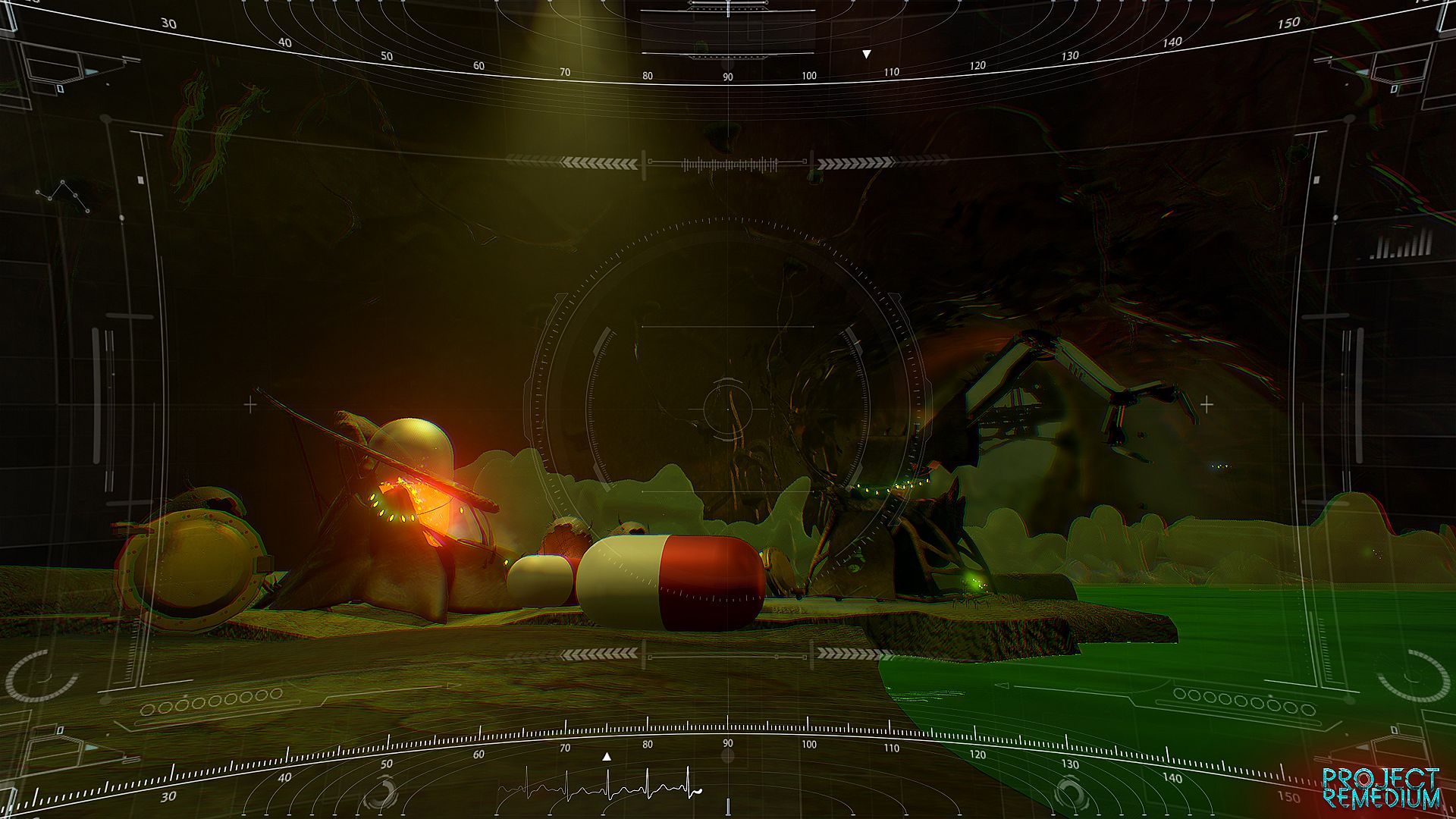
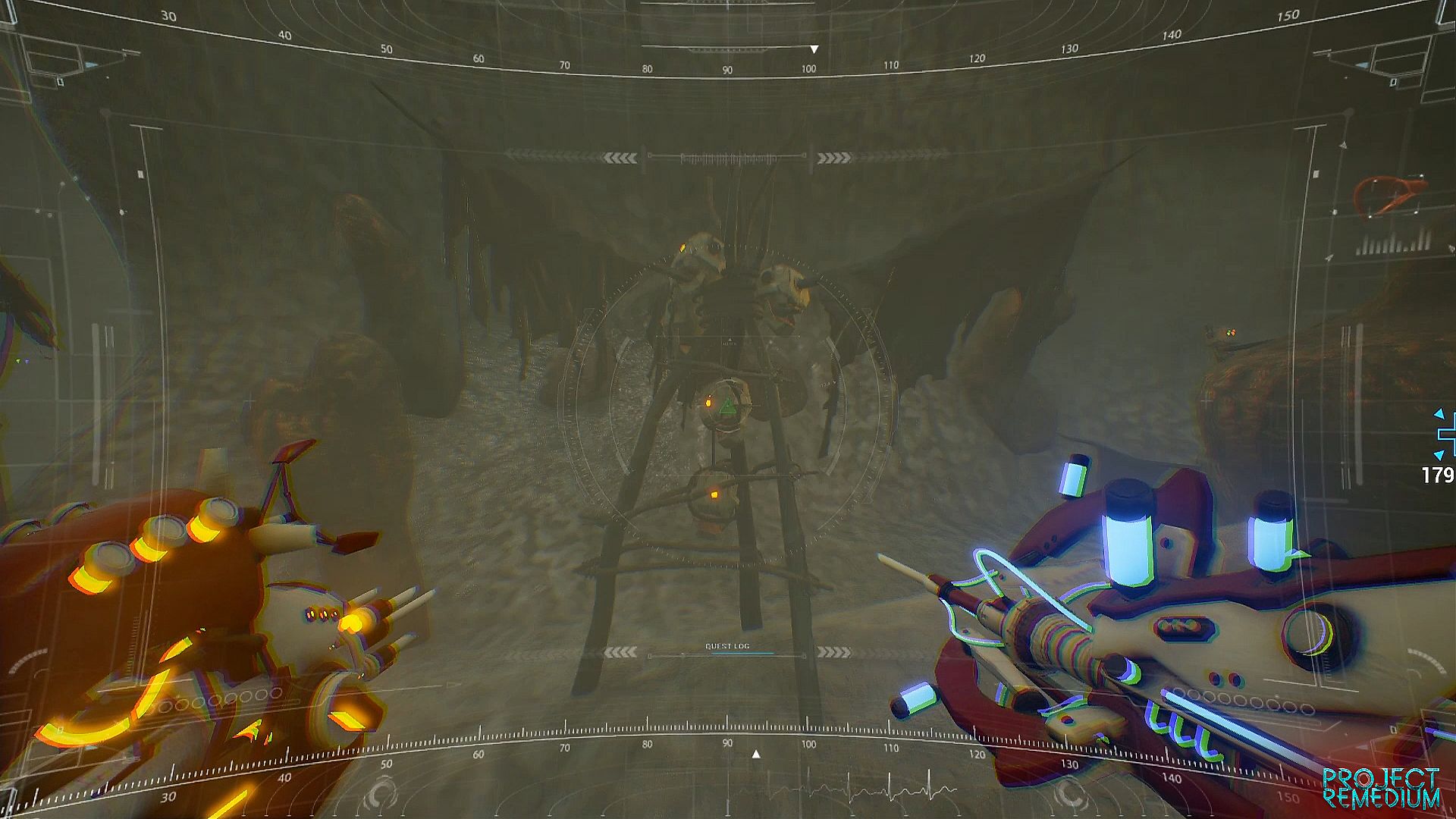
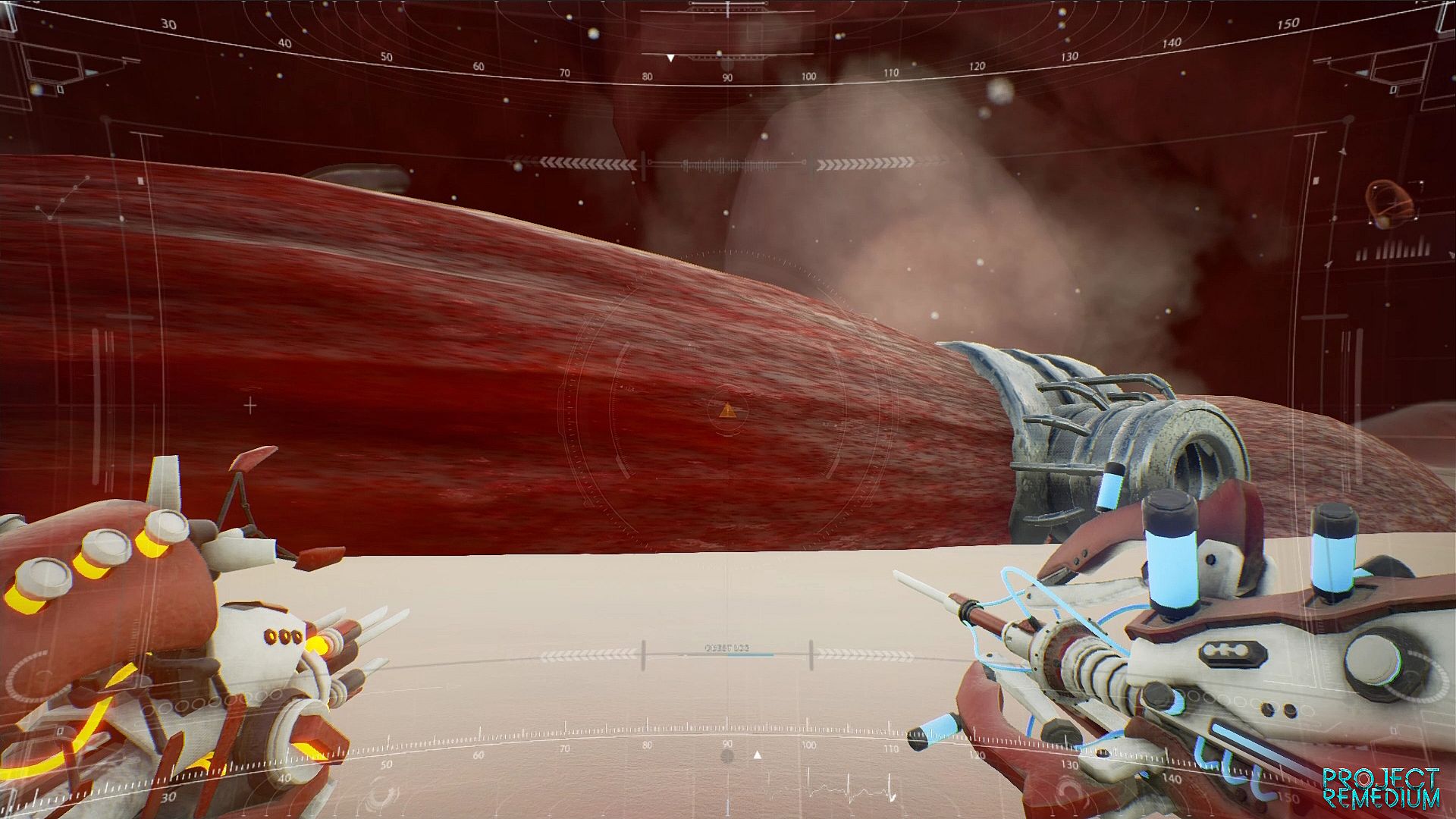
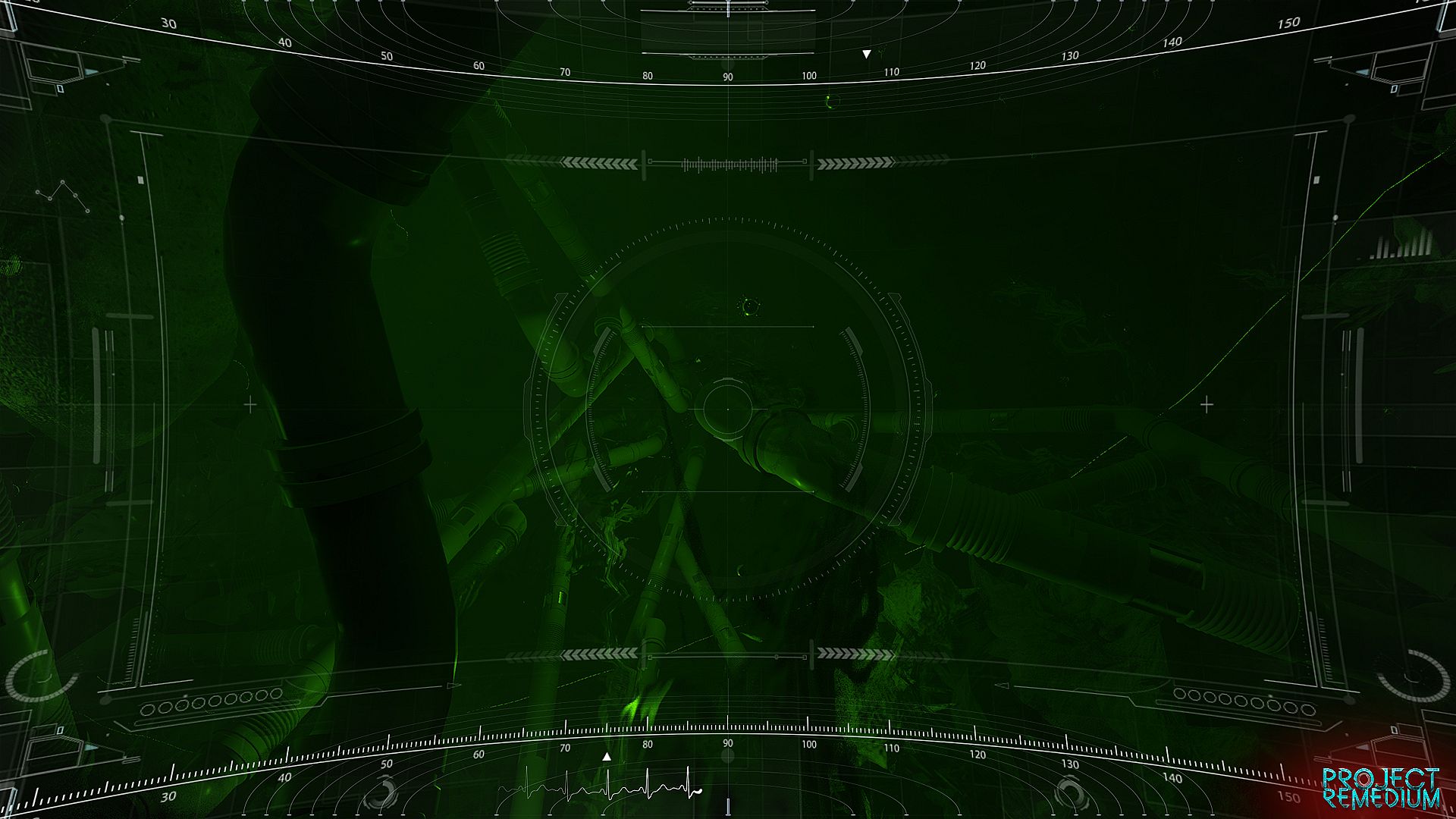
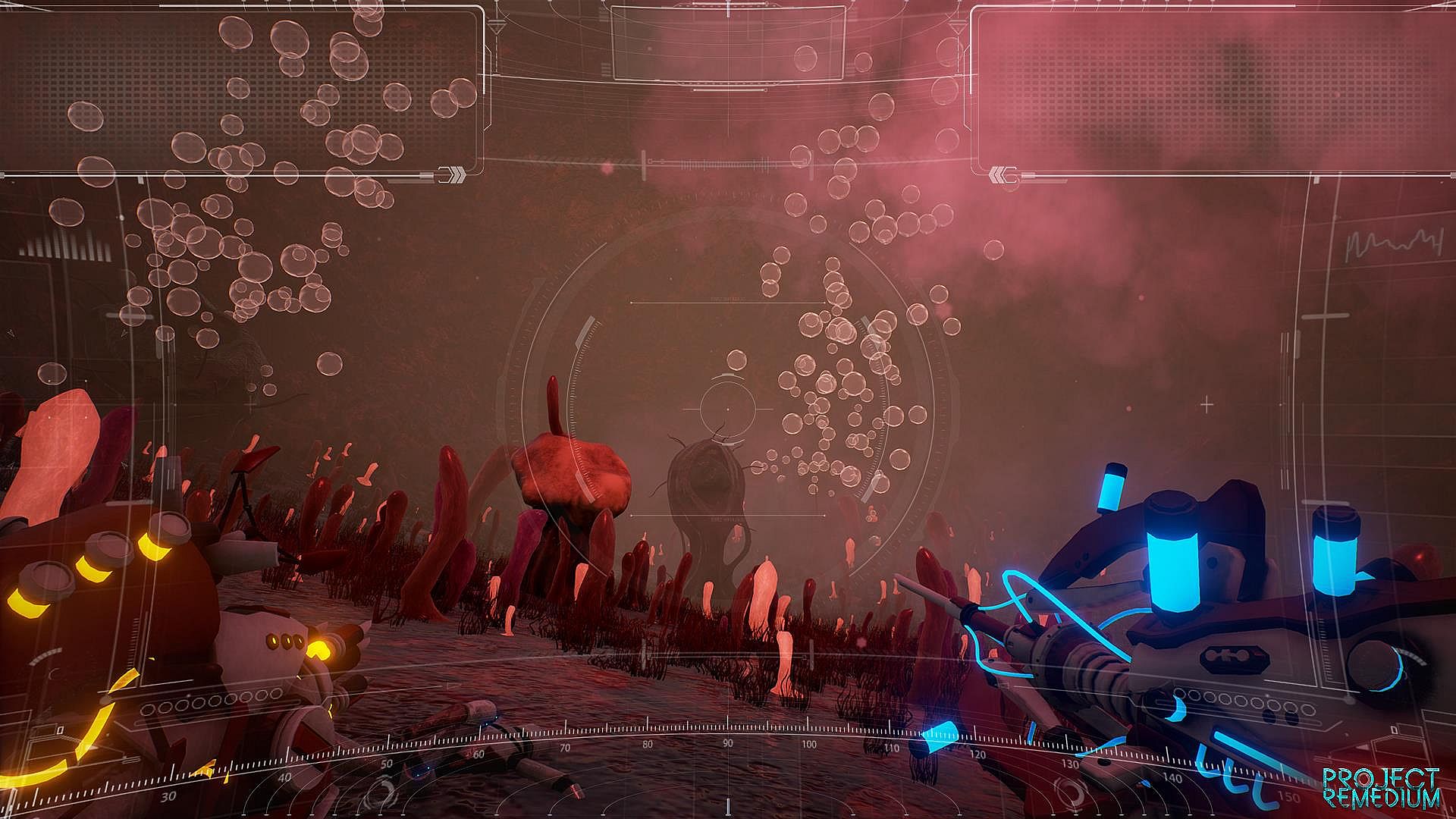

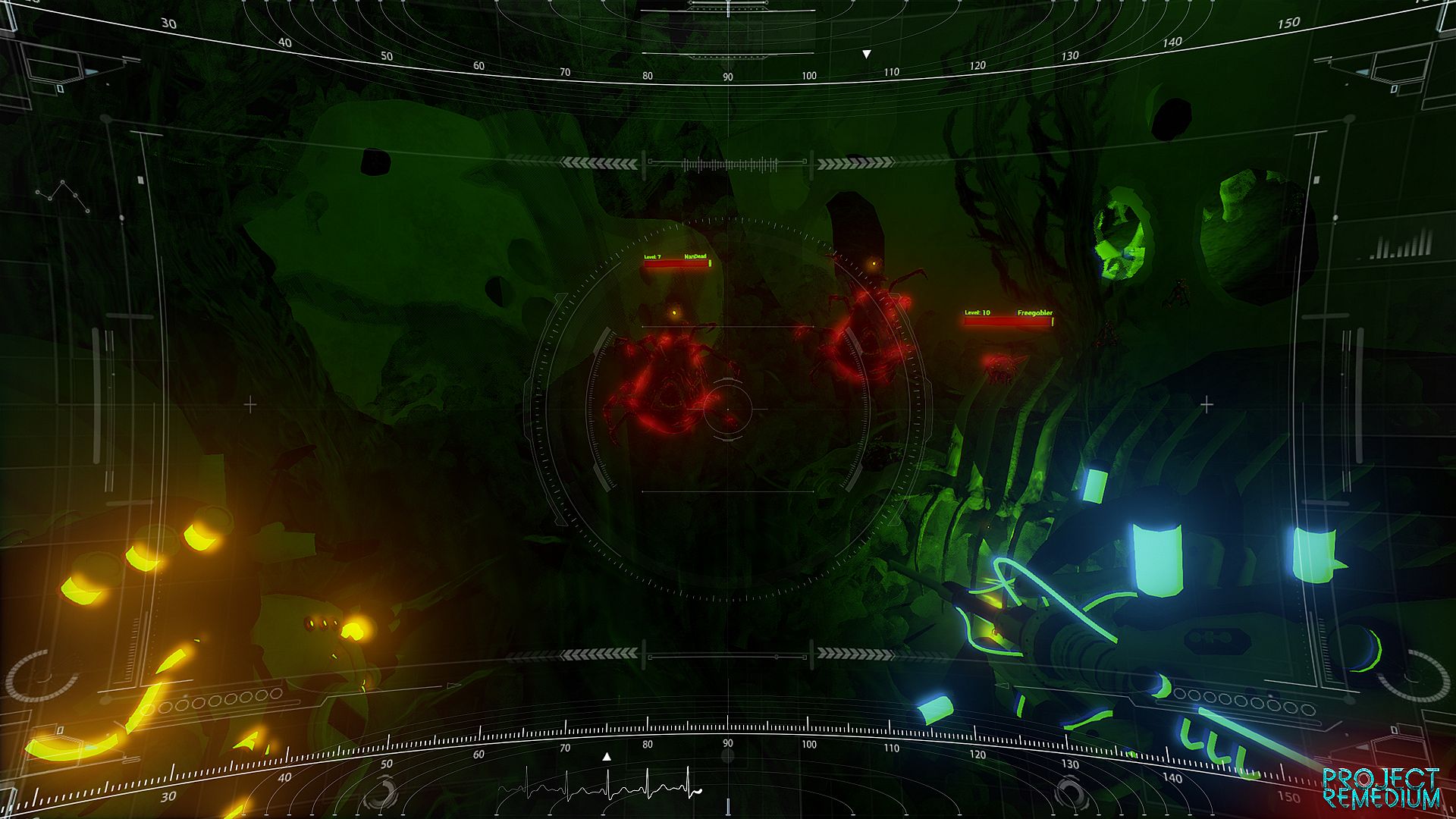
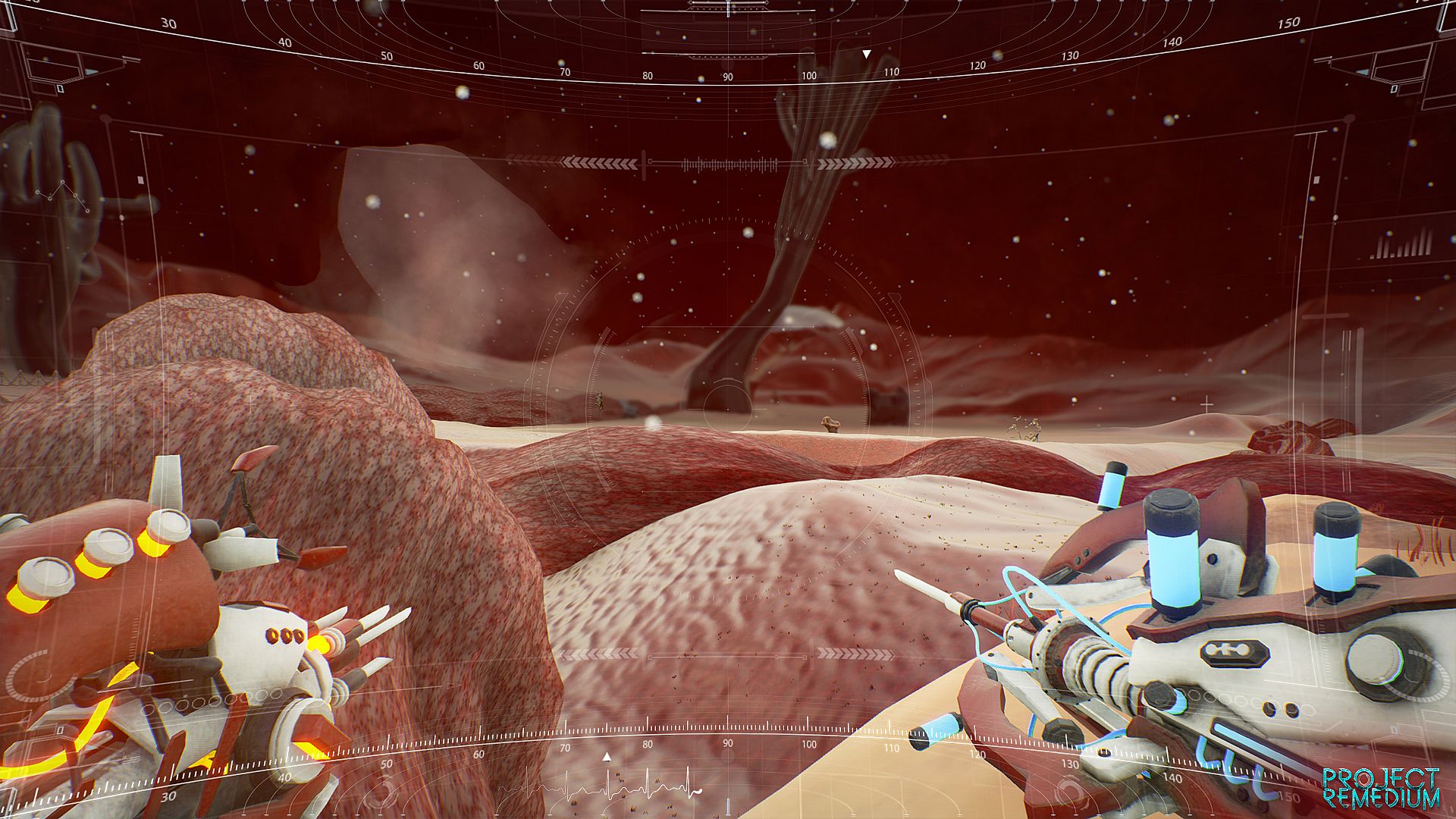
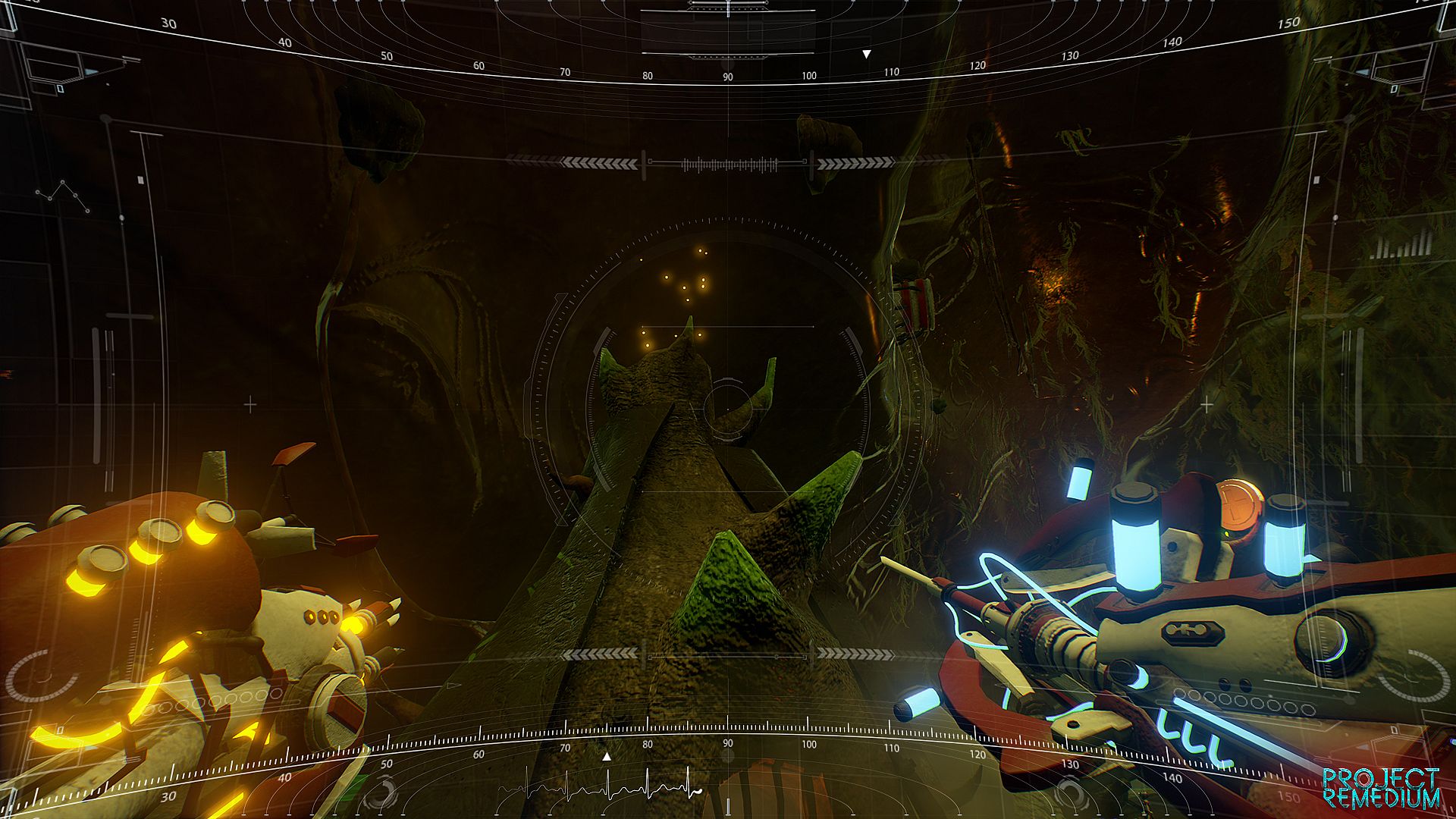
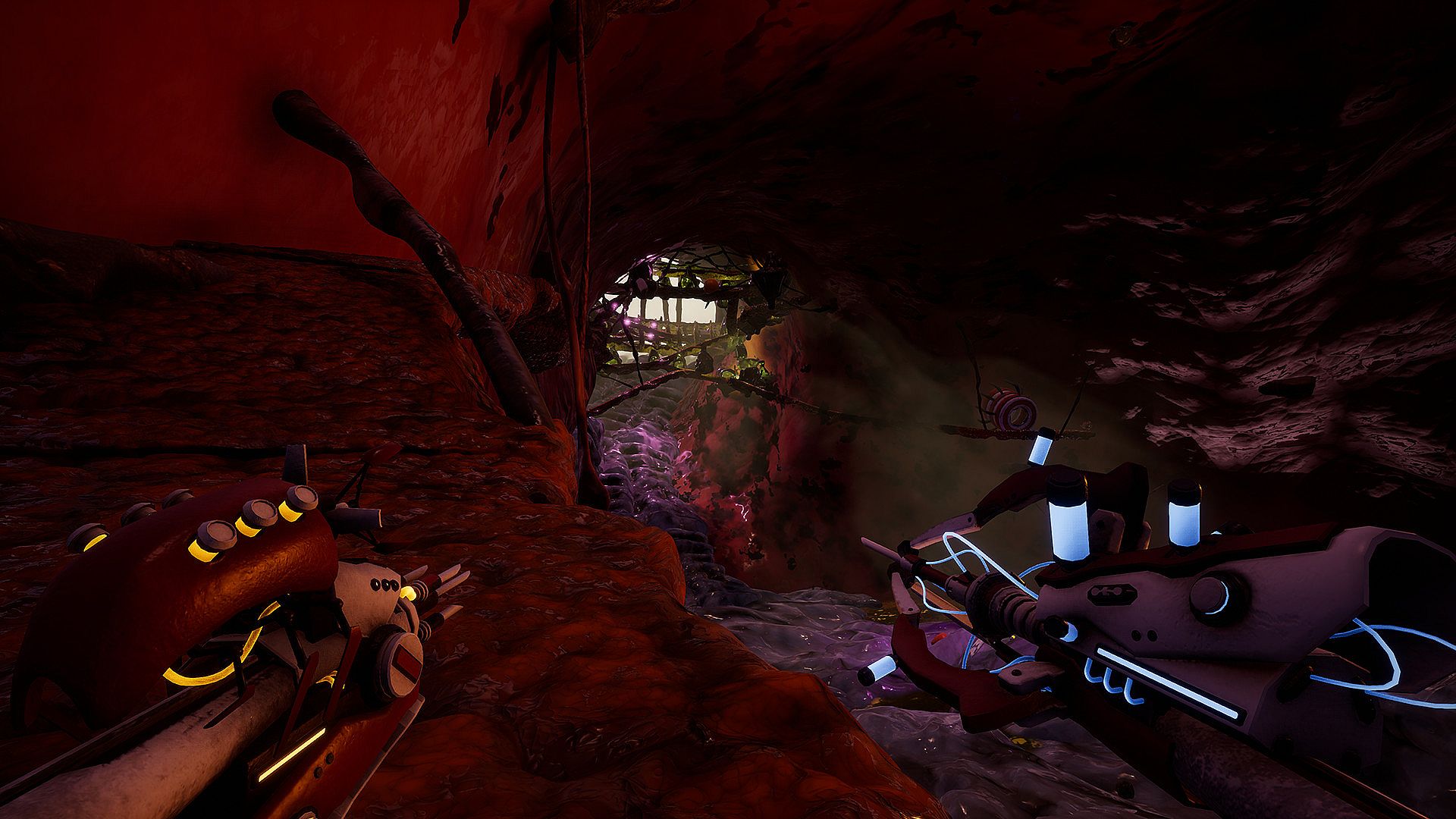
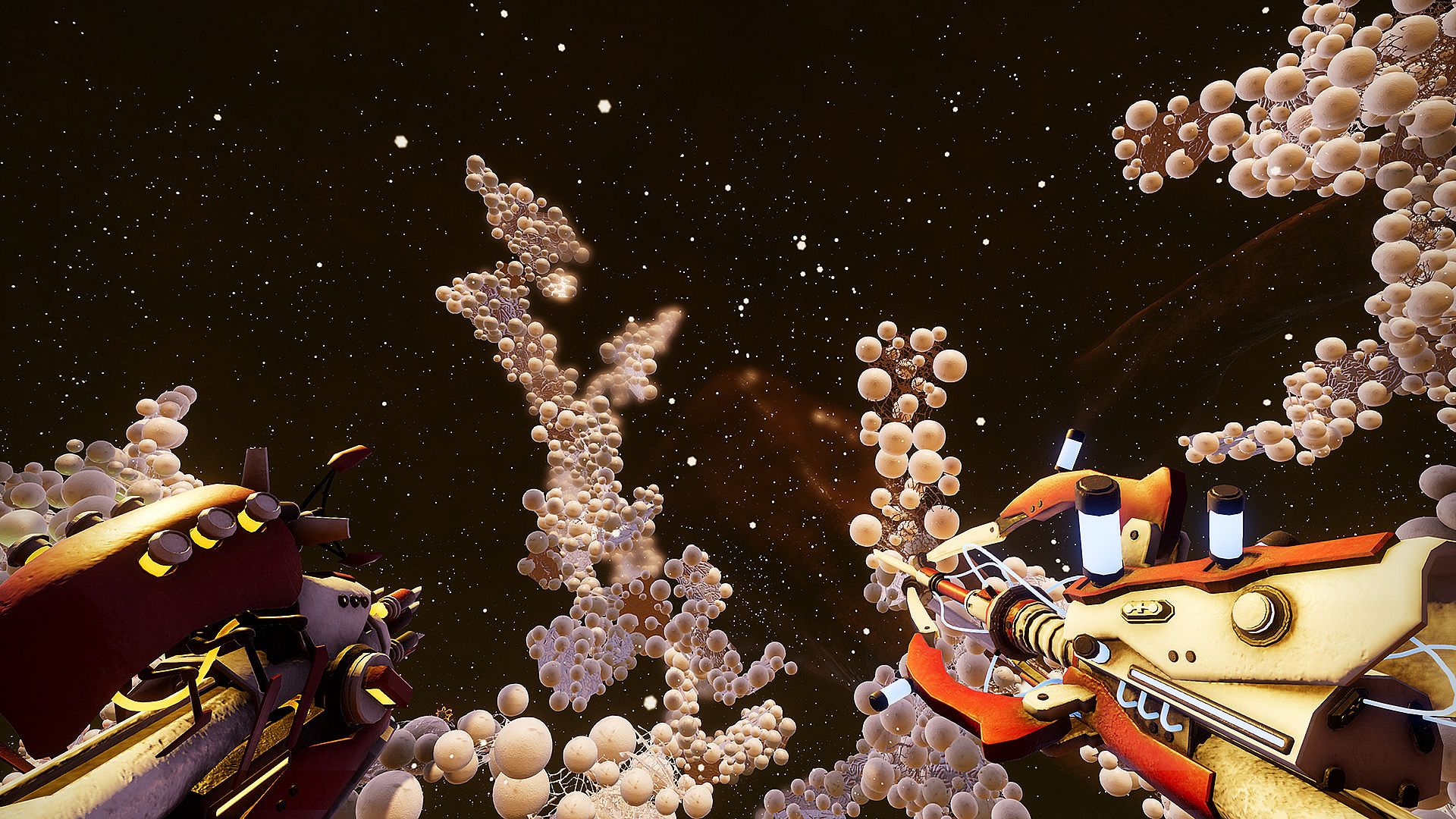
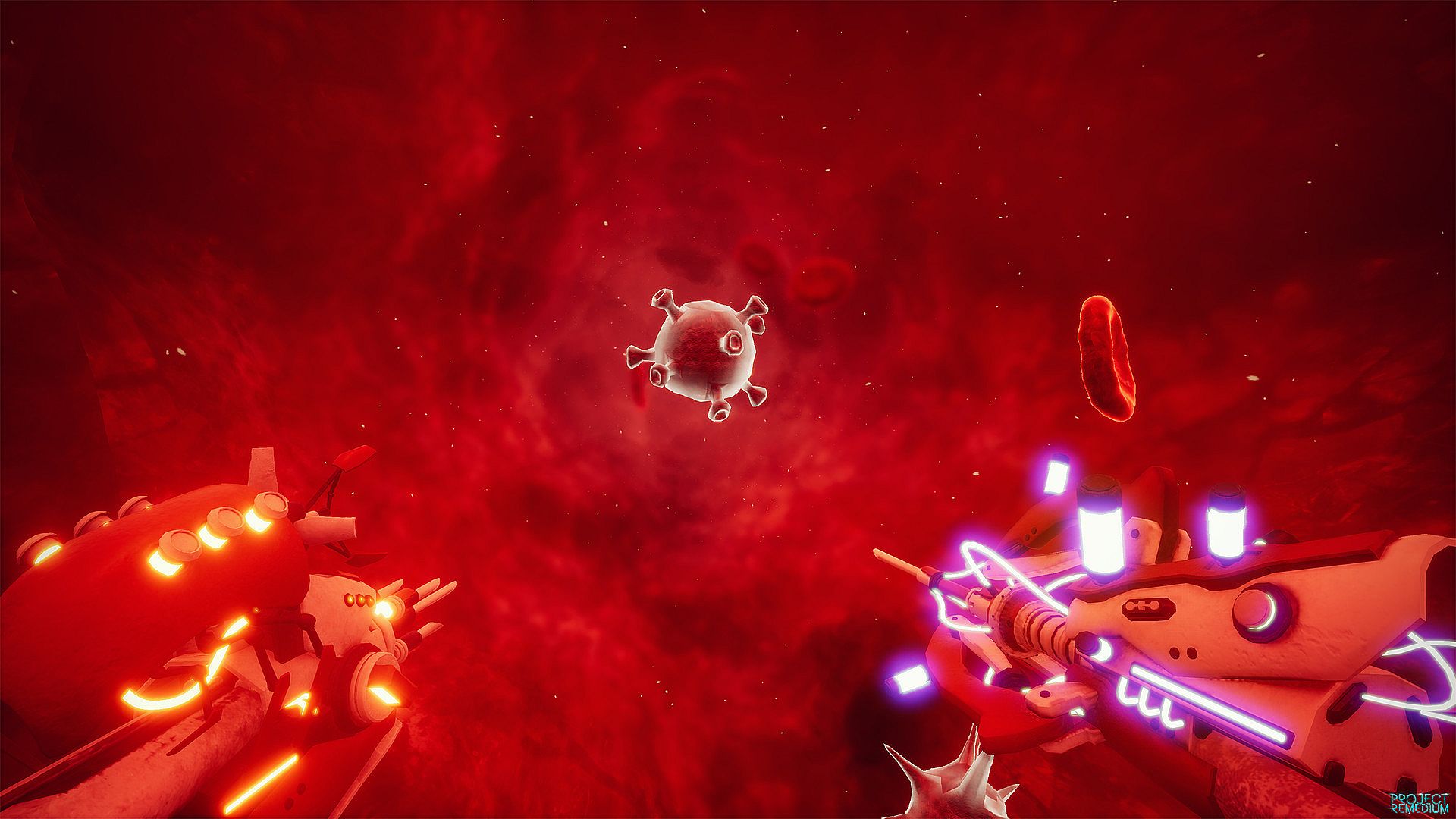


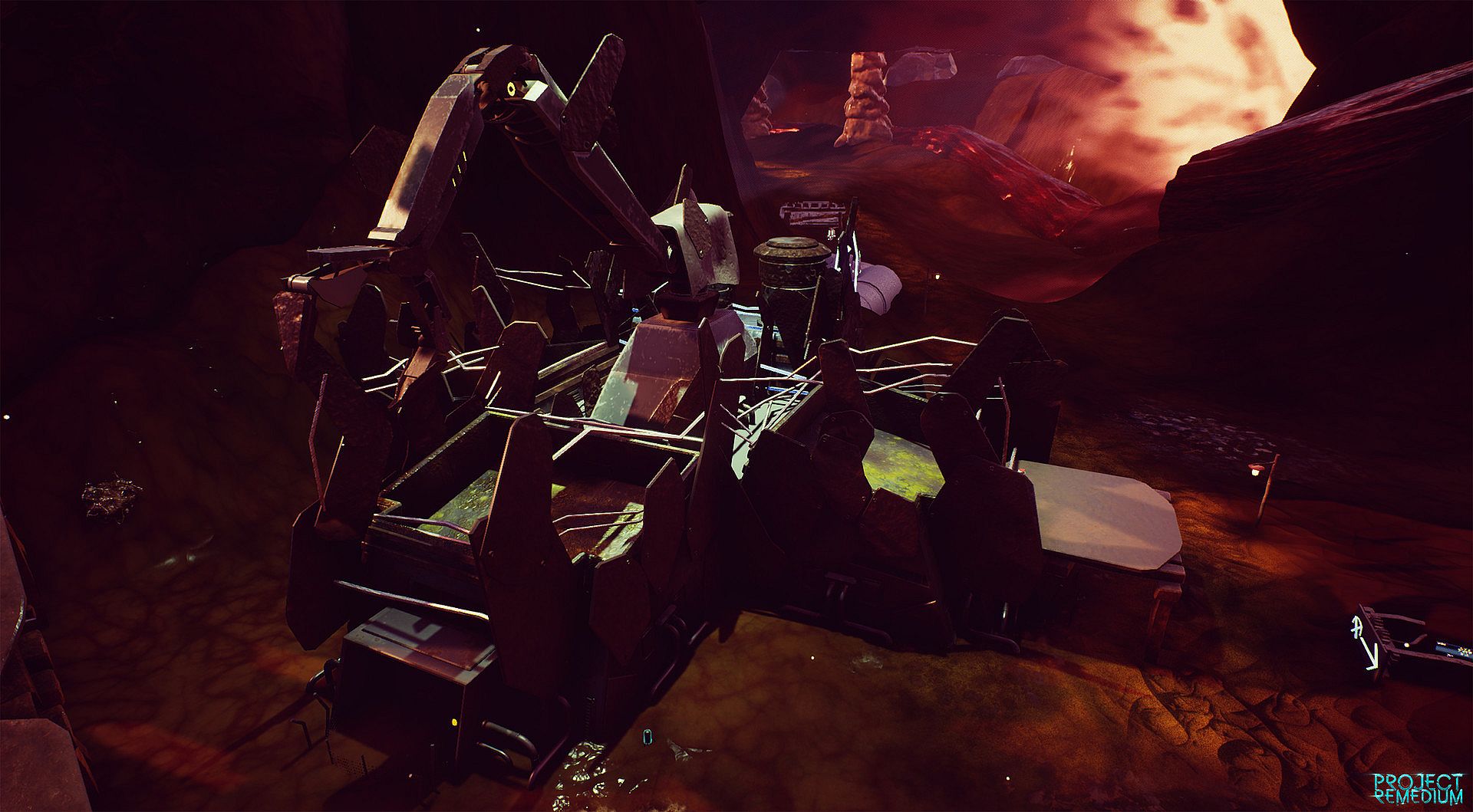
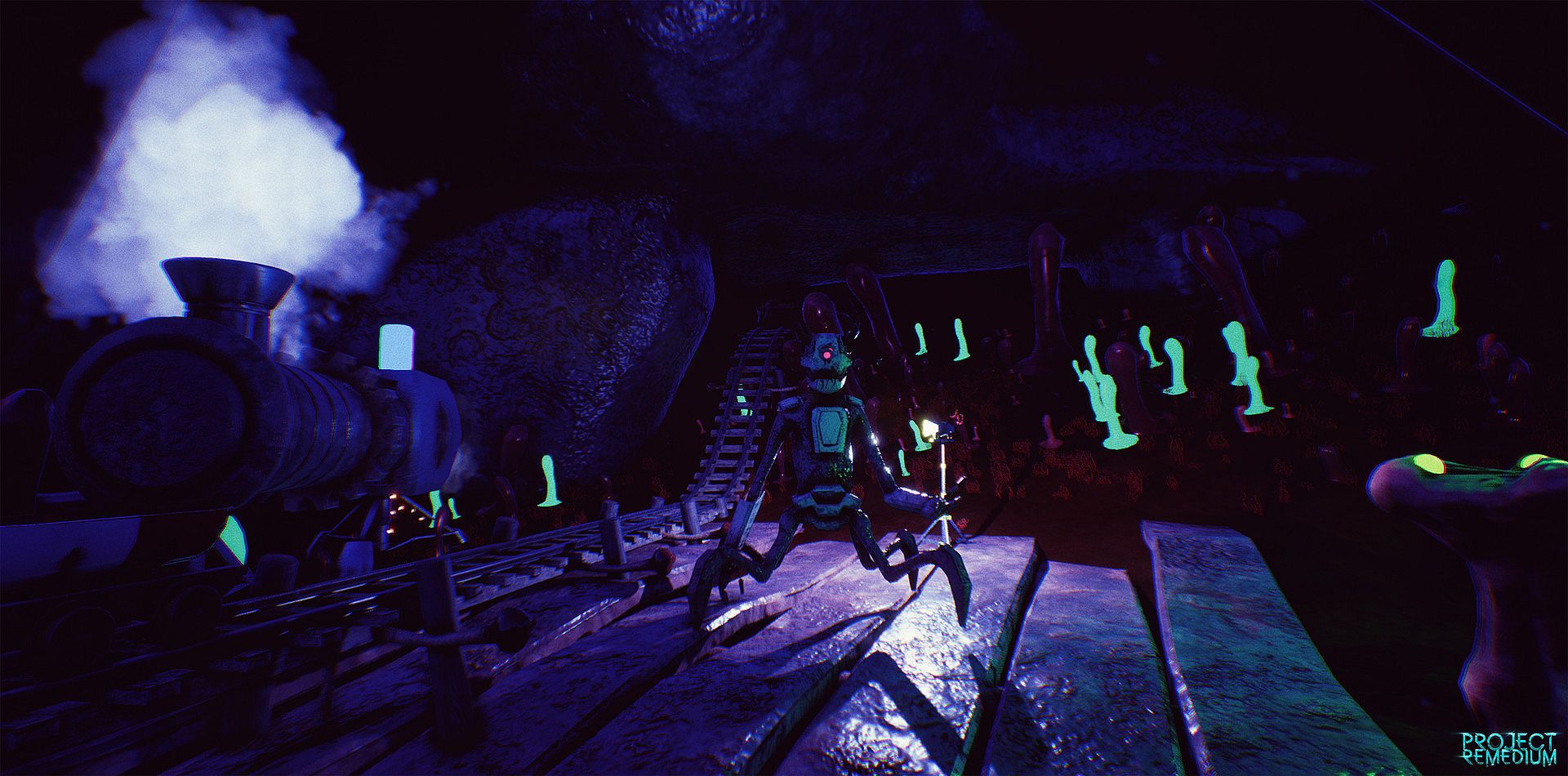


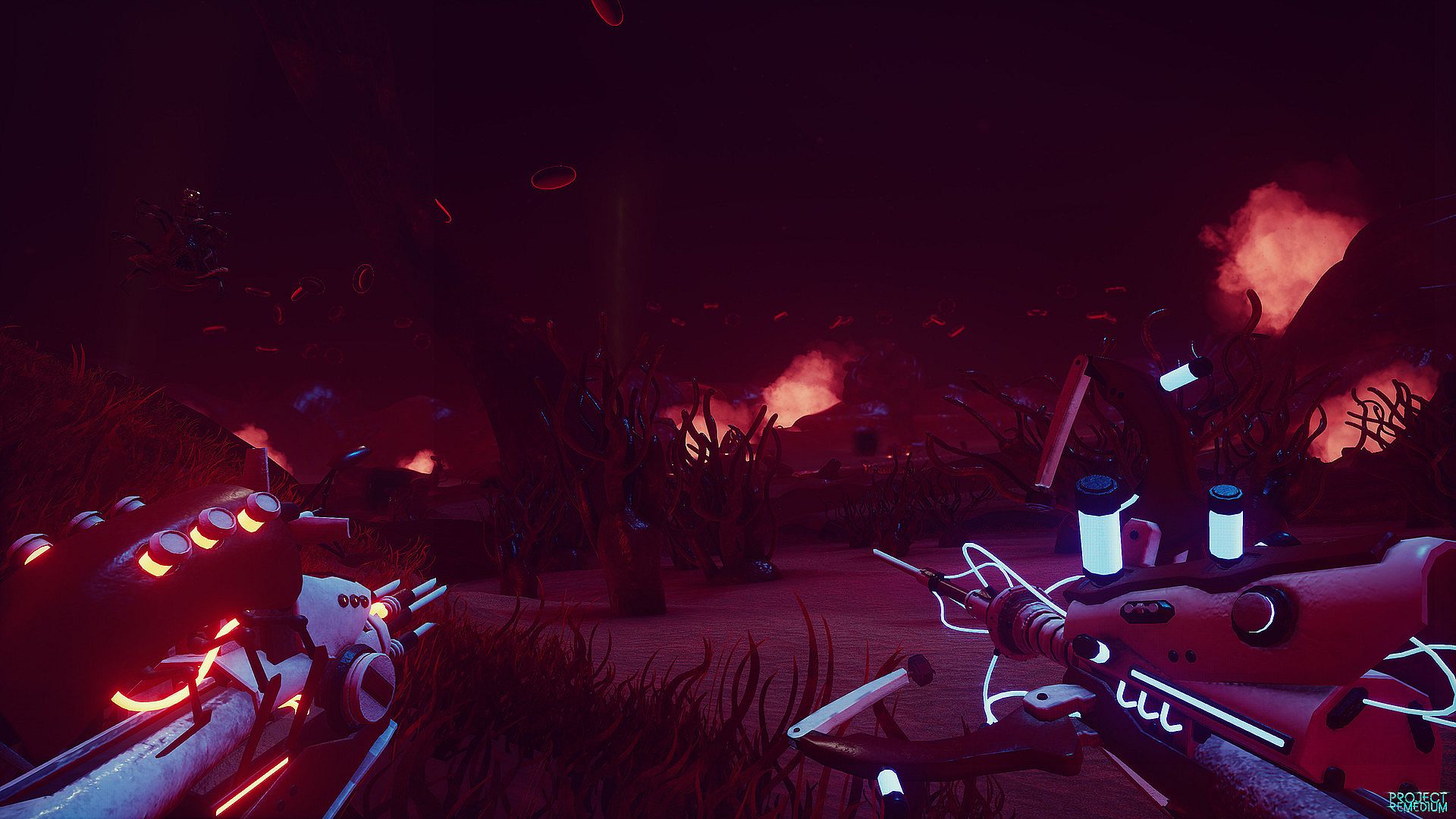

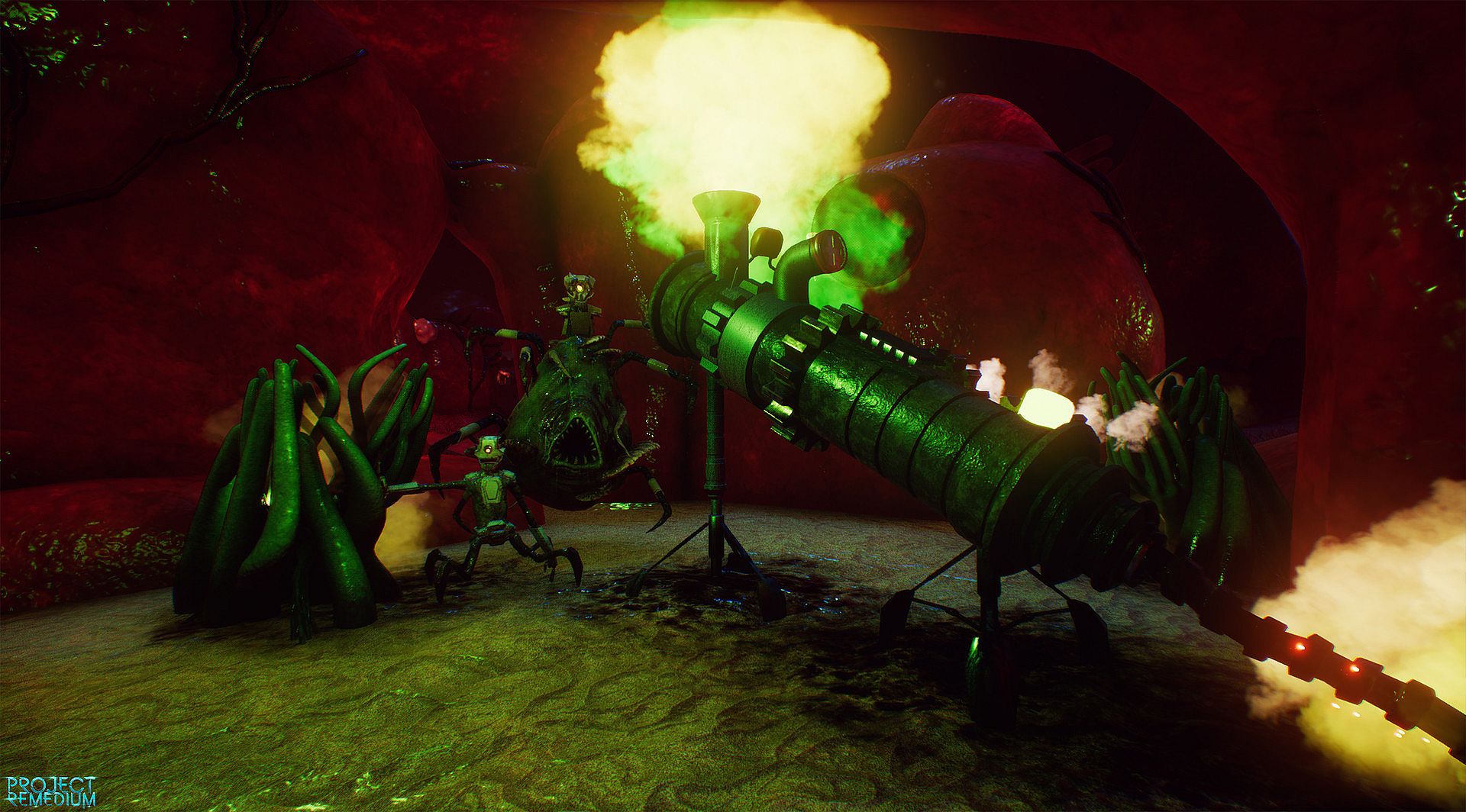

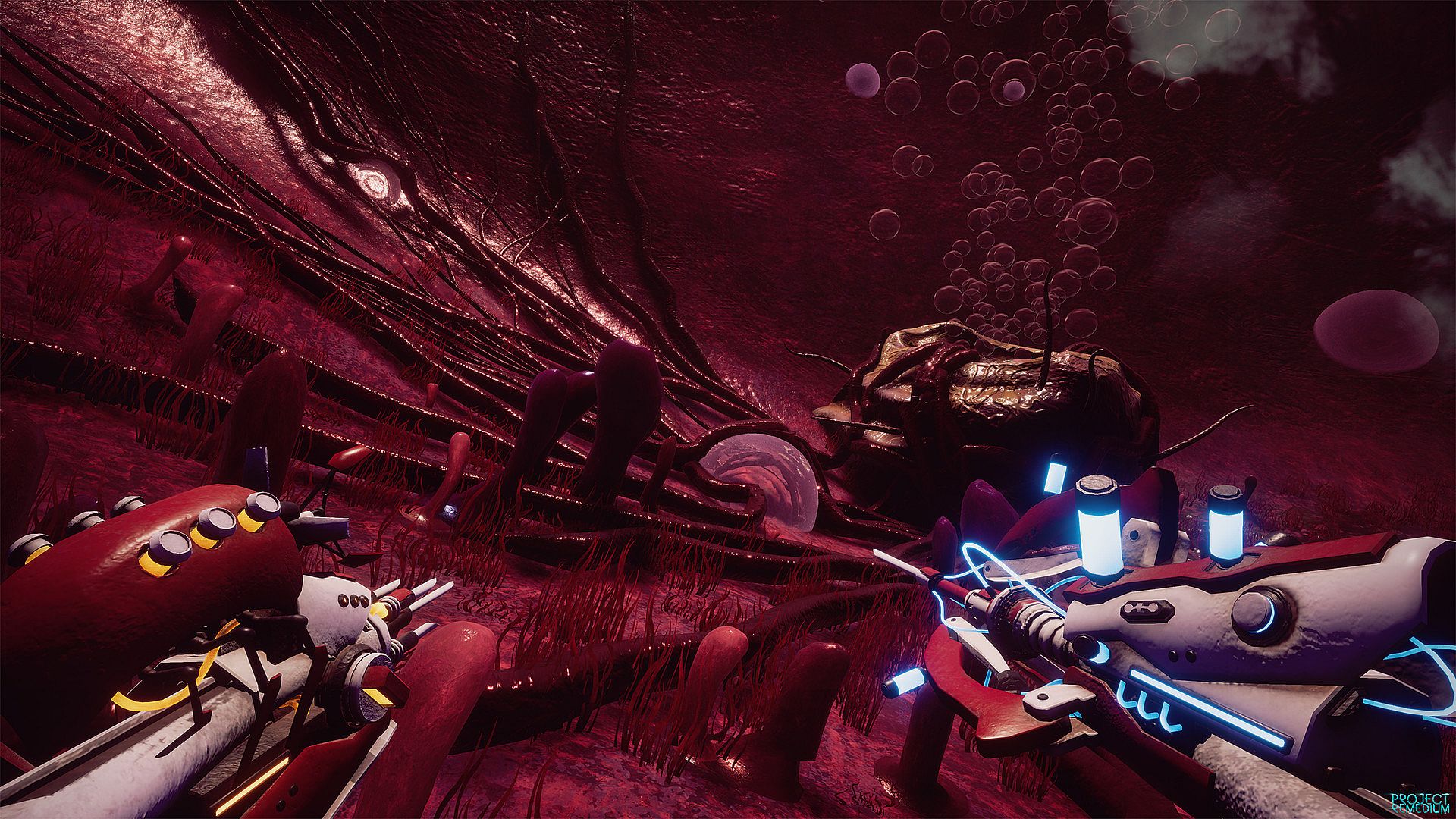

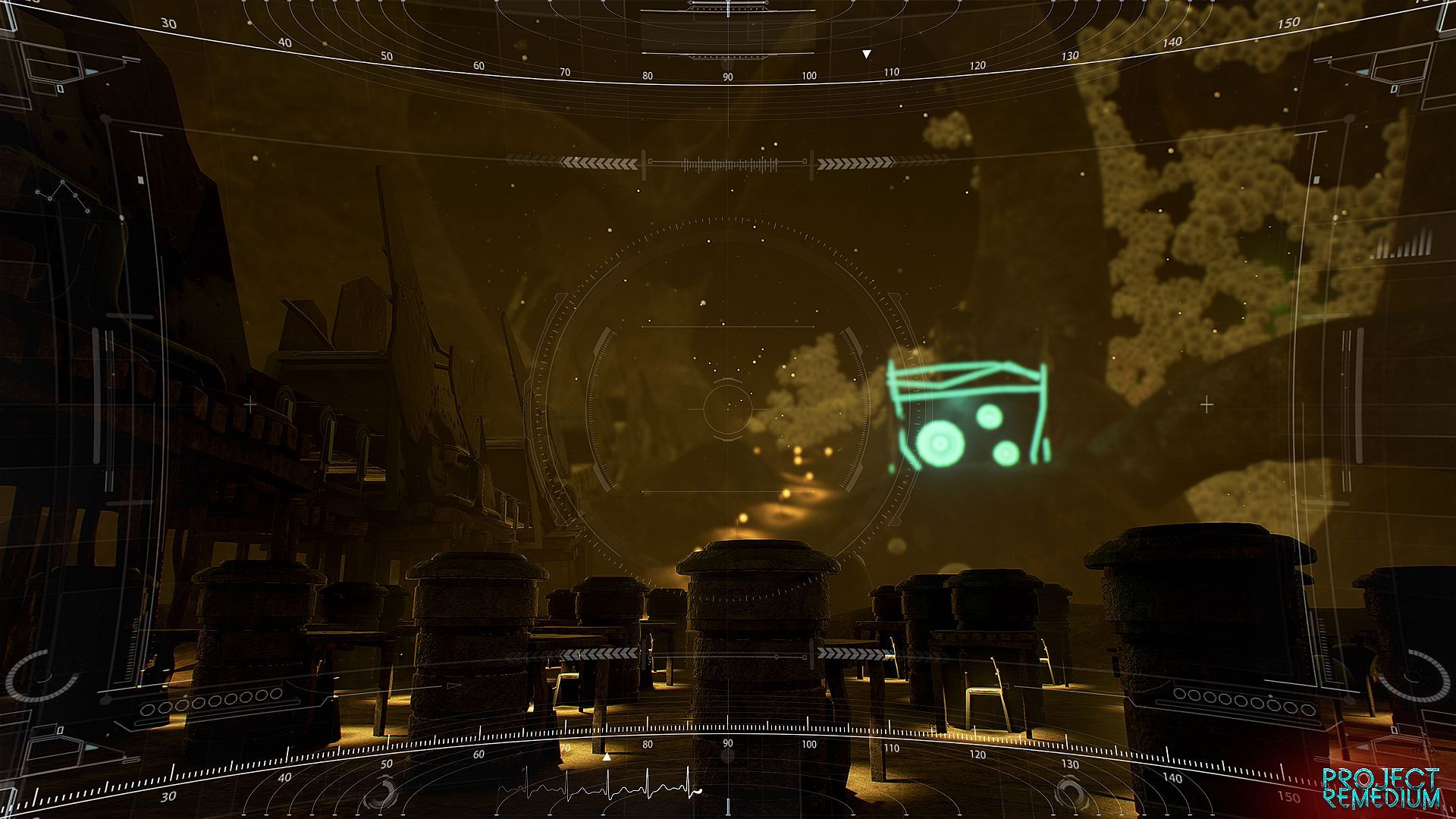
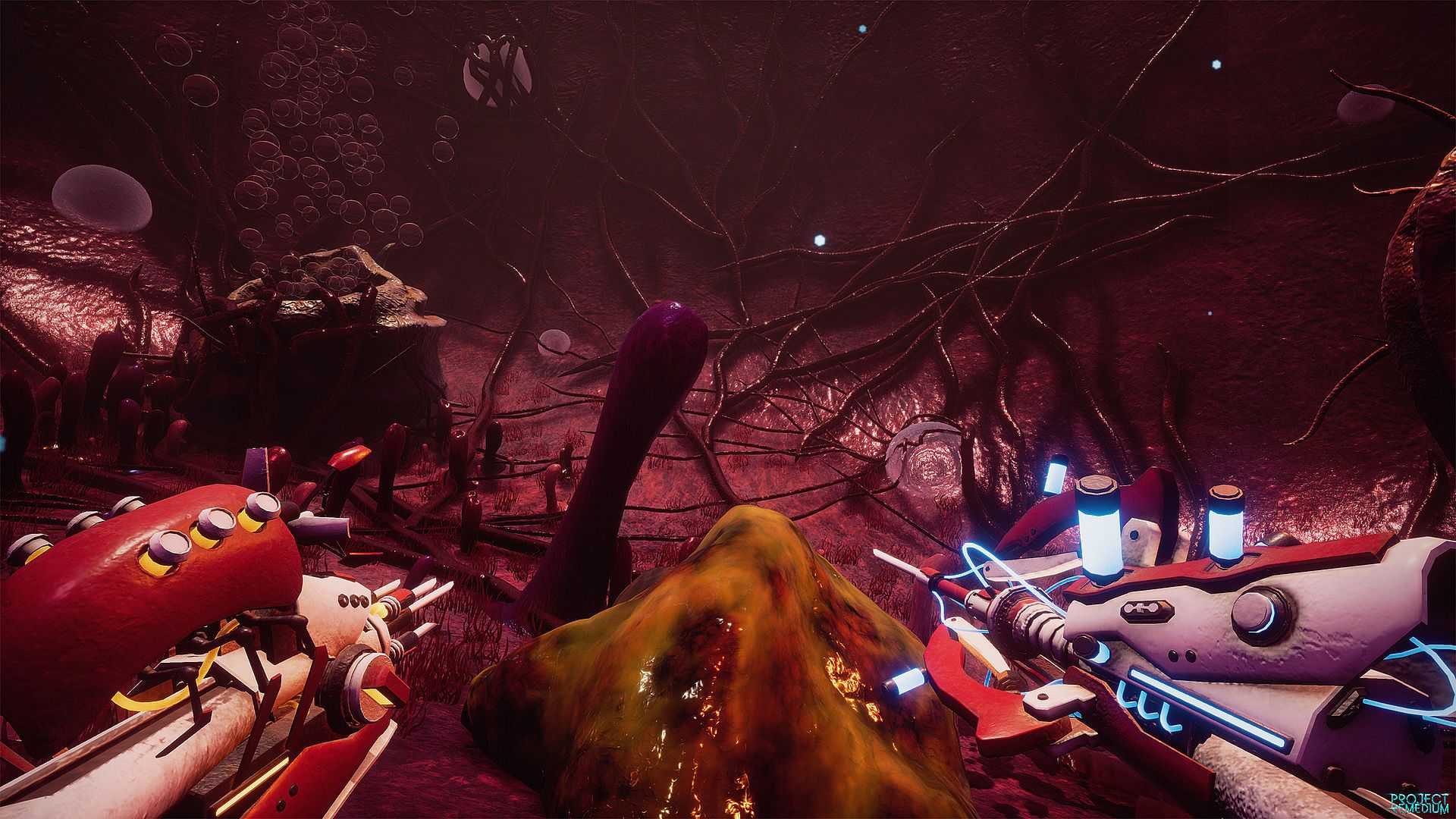

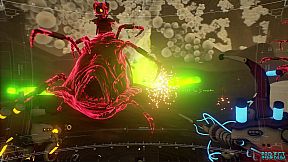

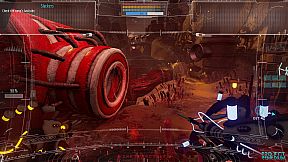
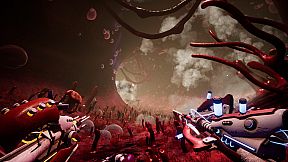
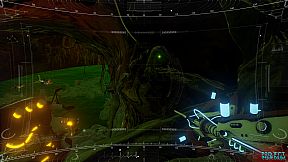
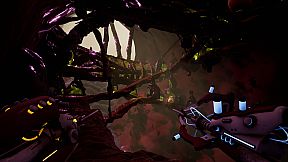
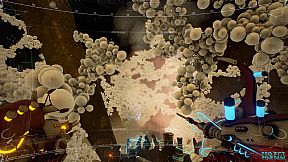
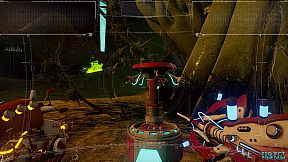

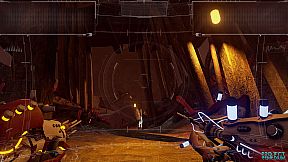
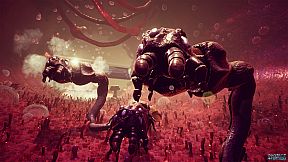
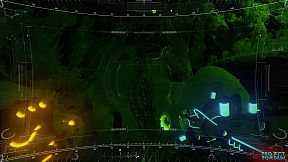




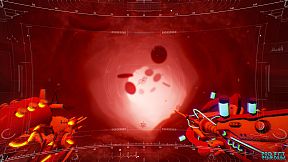
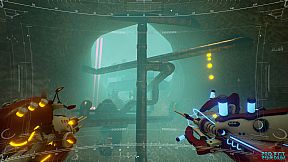
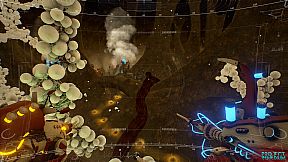

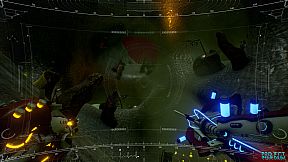
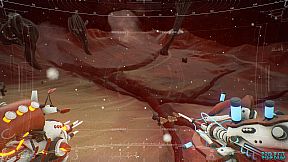
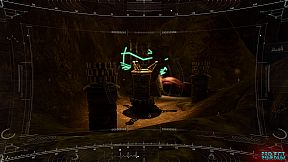
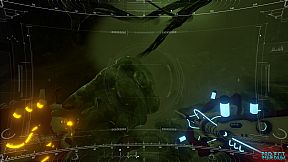
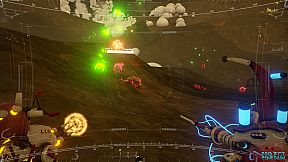
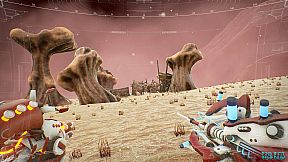
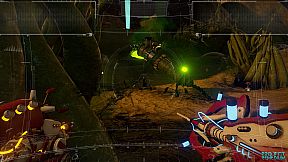
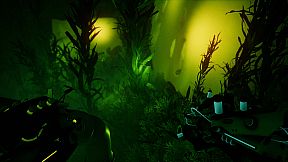


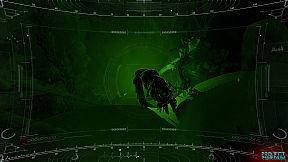
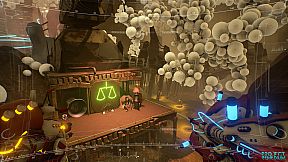
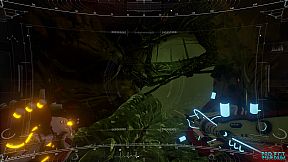


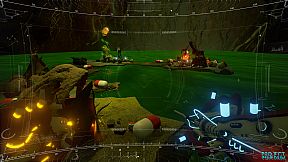

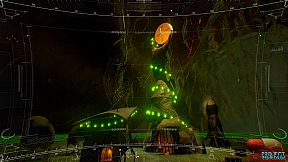
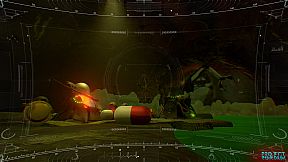
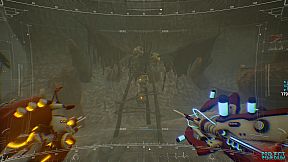


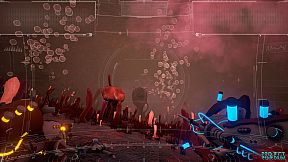

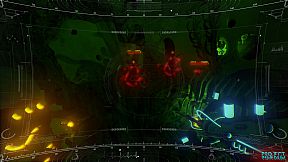
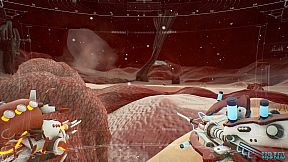
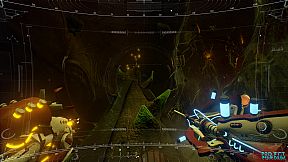
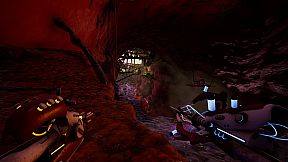
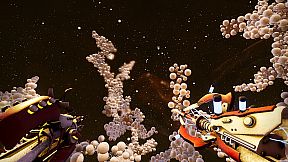
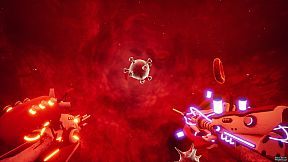


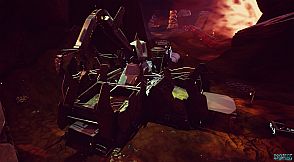














Project Remedium is a story-driven action shooter developed by Atomic Jelly as its debut title. Players control a nanobot named Nano+ who navigates through a human body to counter the effects of illness and related complications. The experience combines first-person shooting with exploration and interaction in a microscopic setting, emphasizing both combat against threats and efforts to restore health.
Gameplay
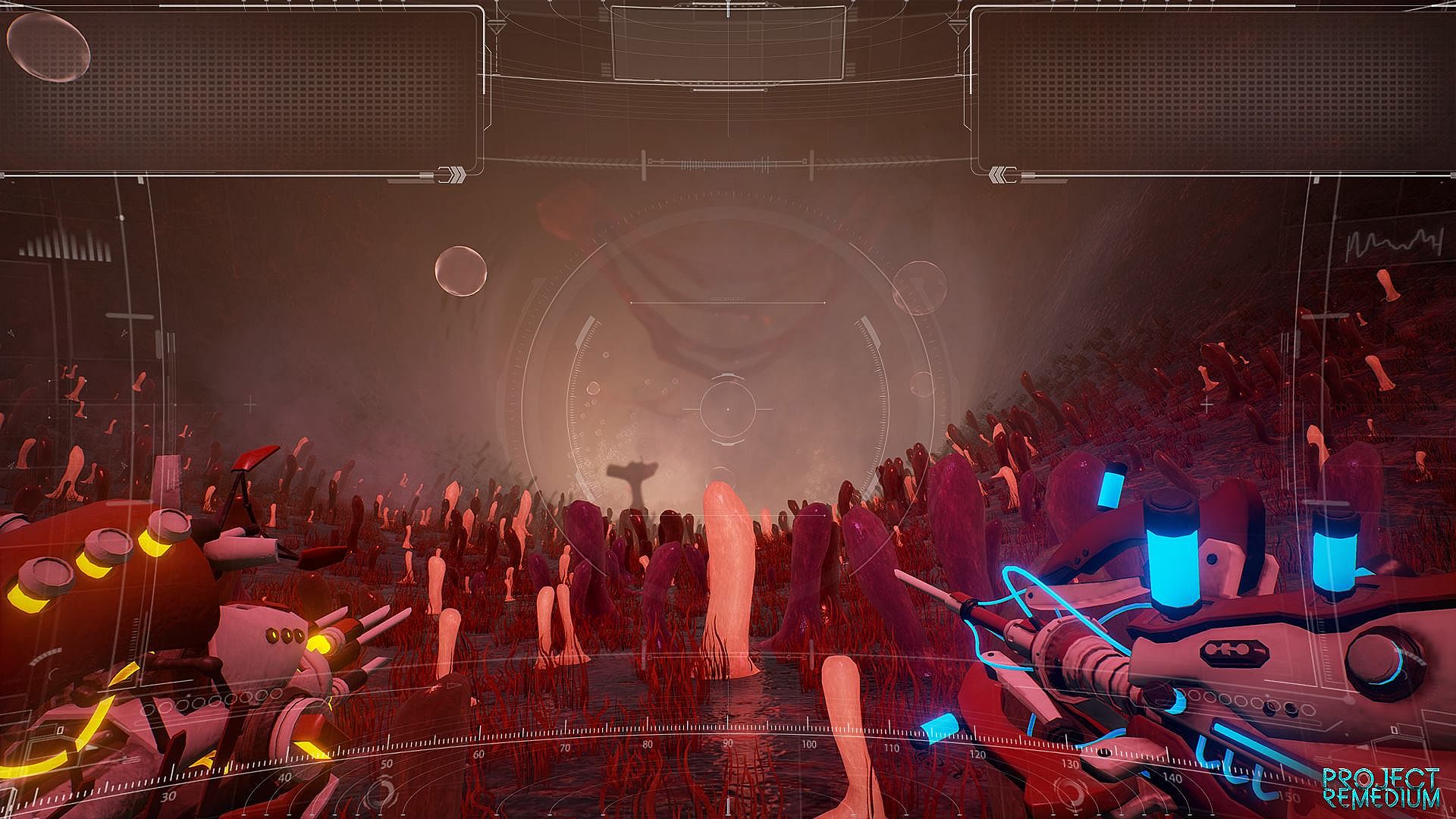
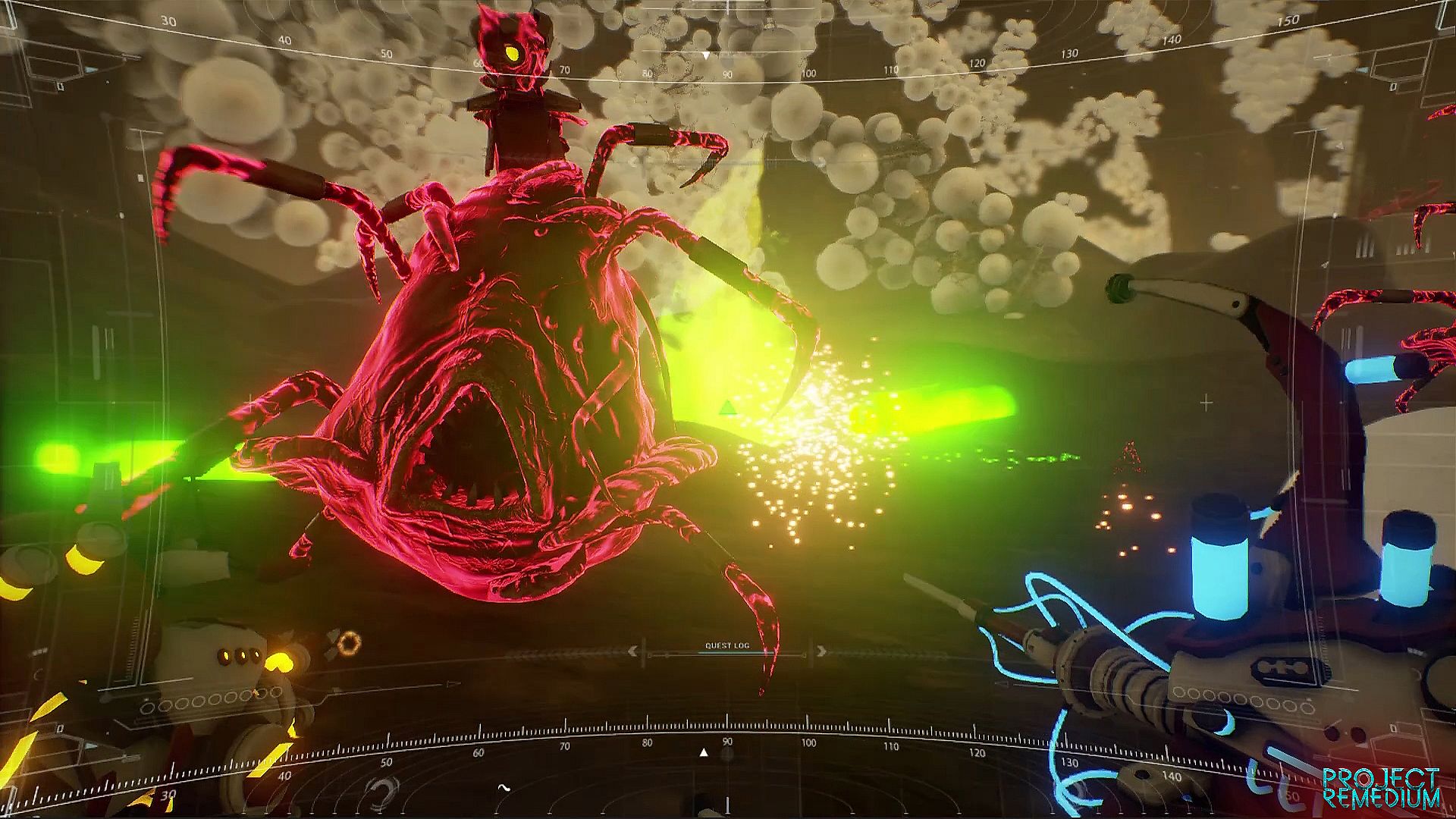
Nano+ starts equipped with medical tools repurposed as weapons, including the Energy Cannon for direct damage and the Remedium Sprayer for healing effects. Both can receive upgrades that improve their performance in dealing with enemies or accelerating recovery for allies. Movement relies heavily on a grapnel that allows climbing across surfaces and rapid repositioning during encounters.
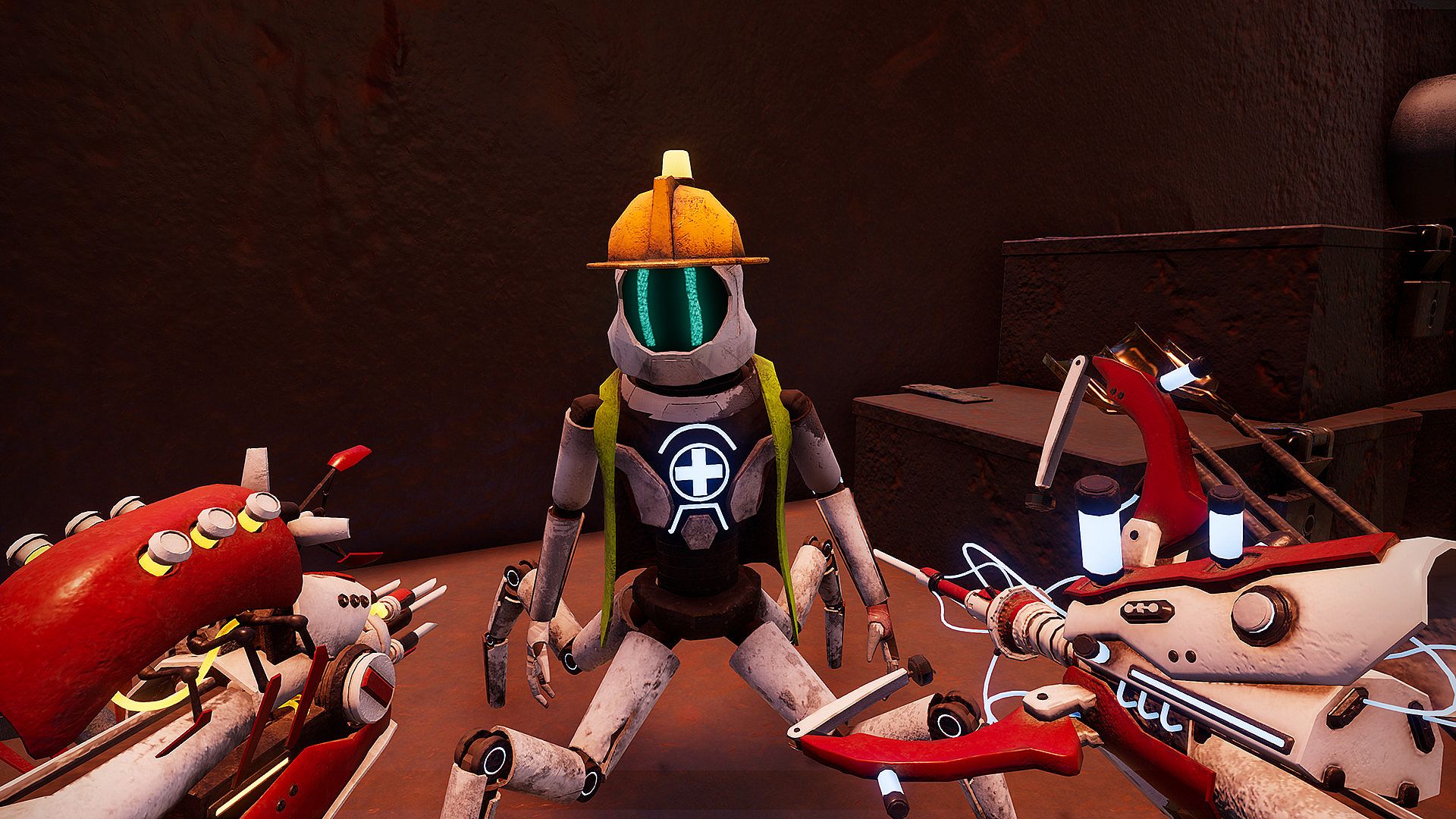
Substance crafting forms another core system. Players gather materials to enhance weapons, develop new treatment options, and unlock additional capabilities for Nano+. The environment itself reacts to actions, with infected tissues and ailments that can be addressed through targeted interventions. Friendly nanobots scattered throughout provide guidance and occasional support during the journey.
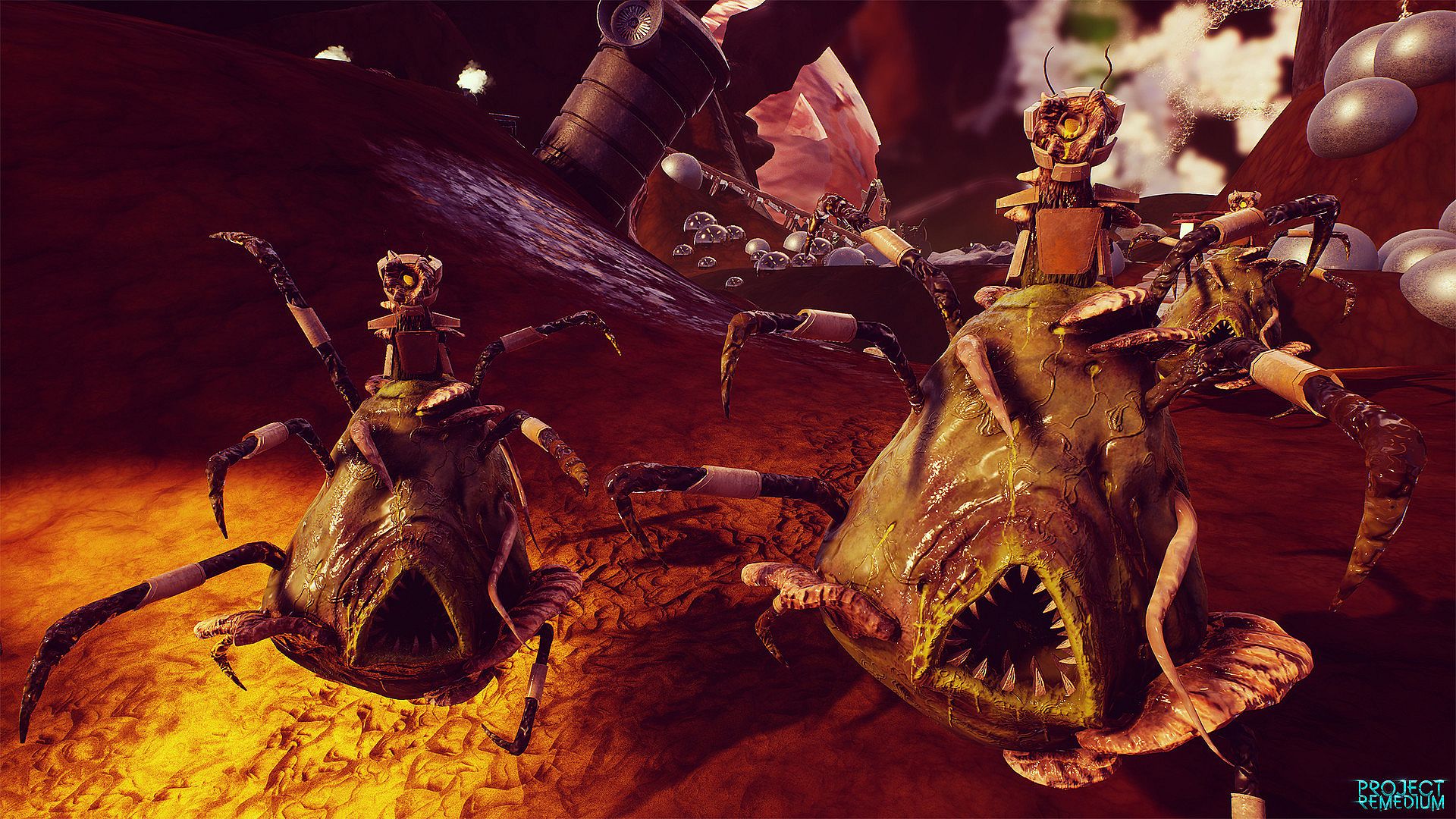
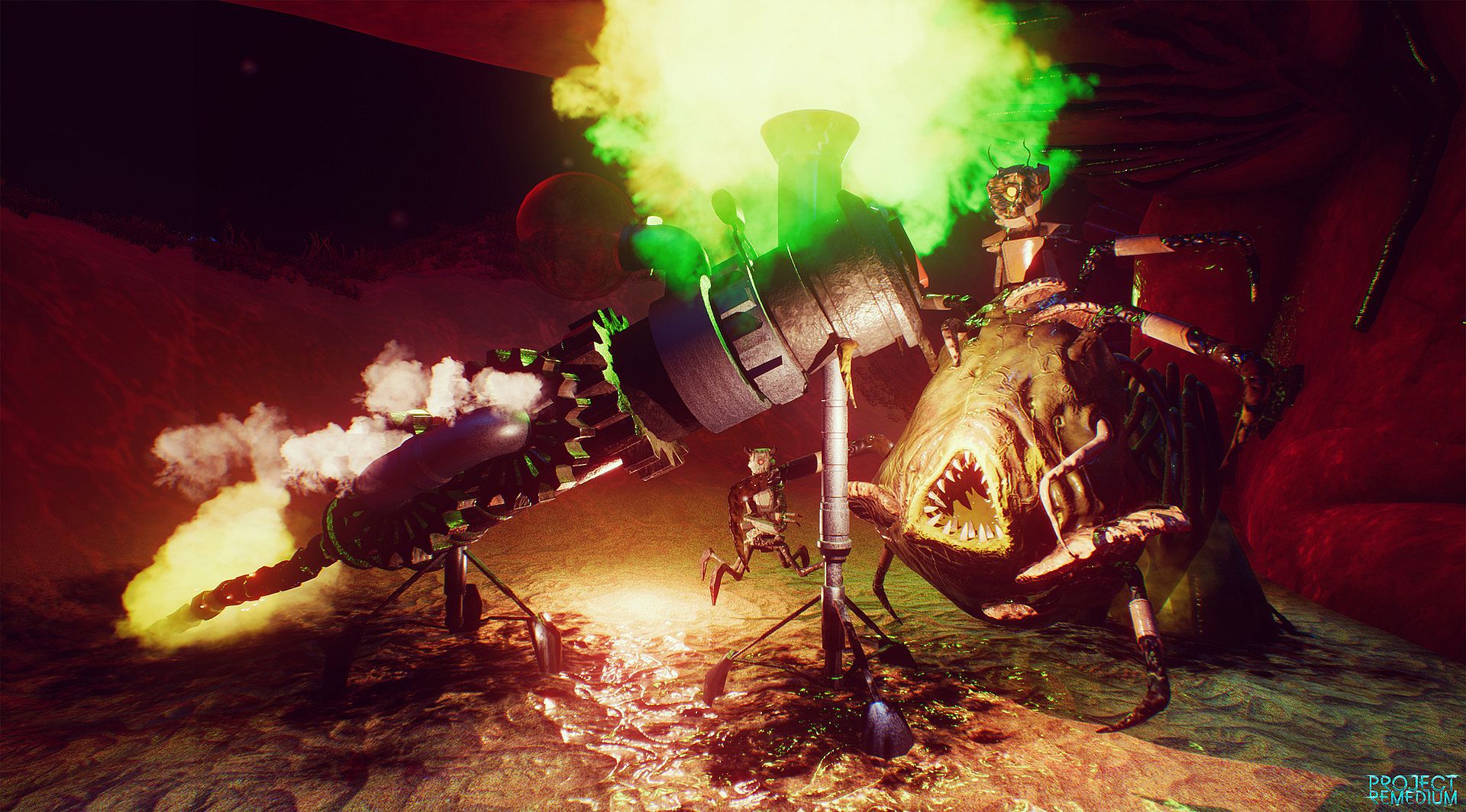
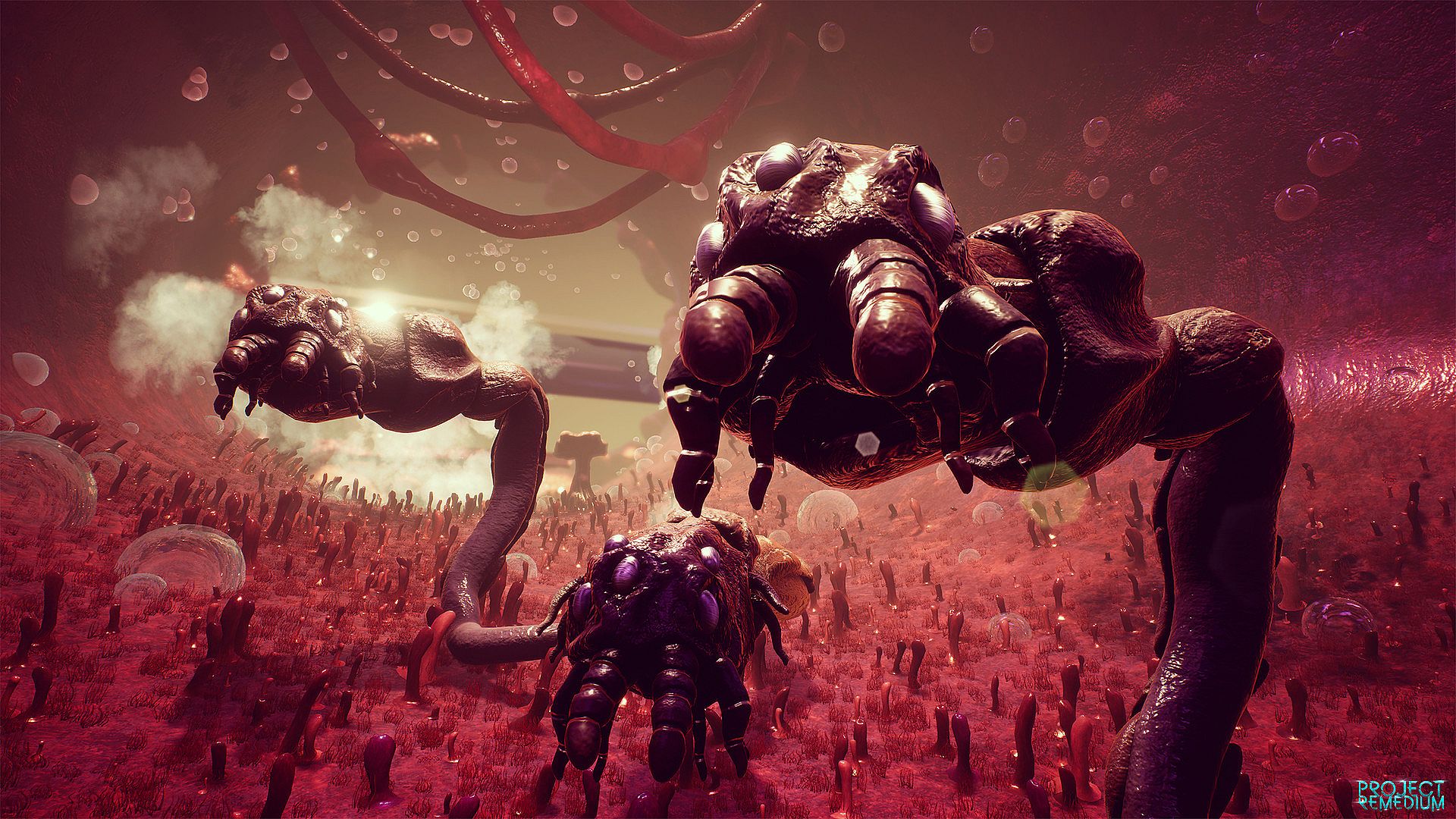
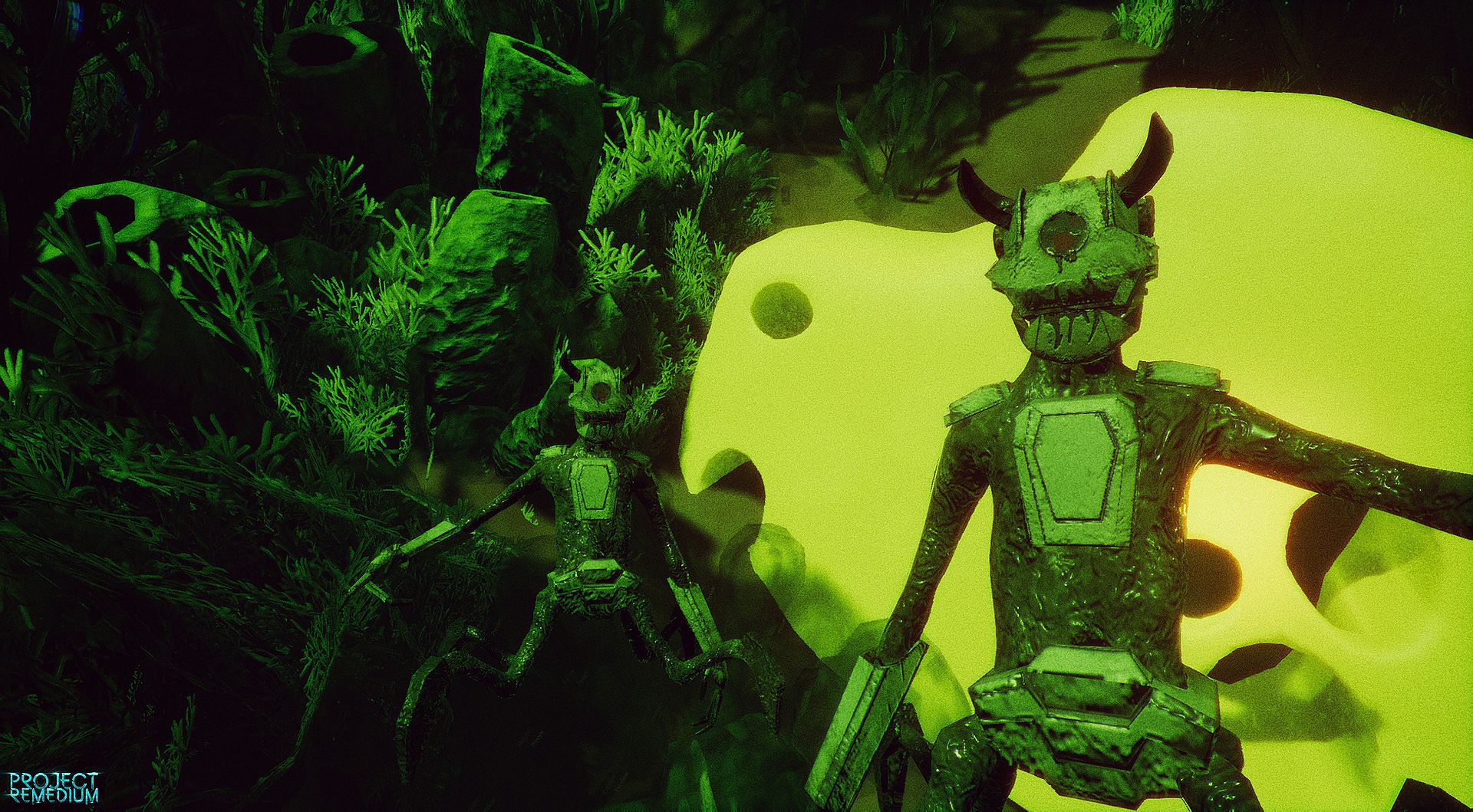
A veteran nanobot called SuperVisette offers ongoing direction. Combat involves pathogens, mutated organisms, and hostile nanobots, while non-combat sections focus on healing tasks and environmental interactions. The overall loop alternates between aggressive engagements and restorative activities across the bloodstream and internal structures.
Game Modes
Project Remedium centers on a single-player campaign structured around a series of missions. These tasks revolve around healing specific areas and assisting fellow nanobots in maintaining order within the body. Exploration of the bloodstream leads to six distinct organs that require attention to progress the story and resolve the central conflict.
Missions blend shooting sequences with puzzle-like elements tied to the unique setting. Players must adapt their approach based on whether the priority is eliminating threats or applying treatments. No separate multiplayer or competitive modes exist, keeping the focus on the narrative-driven progression through the body.
Story and Setting
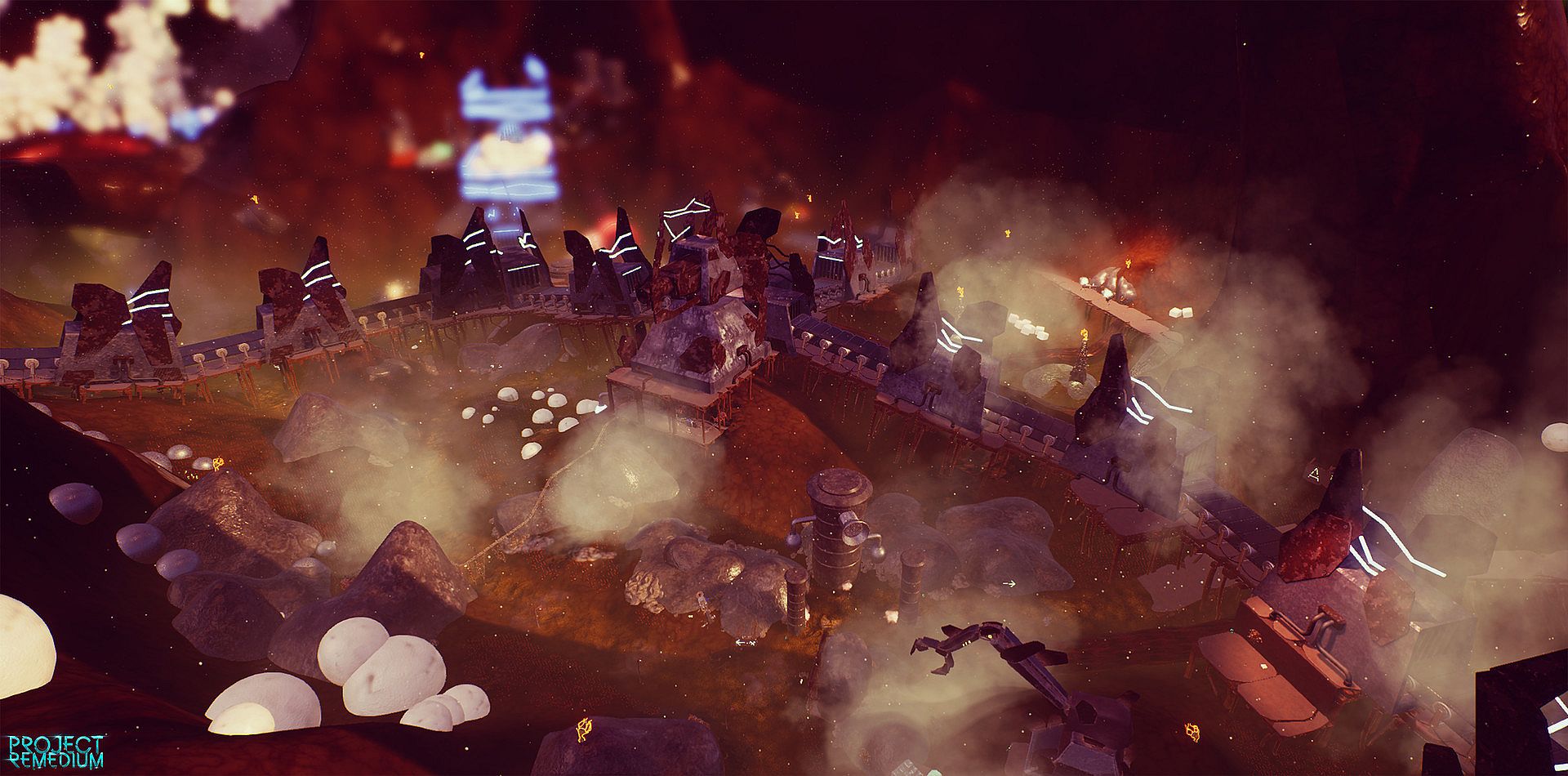
The narrative unfolds entirely within the confines of a human organism facing severe health issues. Nano+ works to reverse damage caused by strange illnesses and unfortunate events, uncovering details along the way through interactions with surviving nanobots. The microscopic world presents a post-apocalyptic atmosphere scaled down to cellular levels, where everyday medical concerns become large-scale challenges.
Key locations include the bloodstream as a primary travel route and the six organs that serve as main objectives. Friendly characters provide context and aid, while the environment reveals layers of the illness through visual and interactive cues. The story emphasizes themes of restoration and resilience without relying on external references.
Is It Worth Playing?
Project Remedium suits players interested in unconventional first-person shooters that combine shooting with healing mechanics and exploration in an unusual environment. Its systems for weapon upgrades, crafting, and grapnel movement create a distinct loop that rewards experimentation during missions.
Reception stands at mixed levels, with 47 percent of 63 user reviews rated positive. Some appreciate the visual style and ambient elements, while others note limitations in depth and pacing. The game remains available as a complete experience on PC with no ongoing seasonal updates or expansions.
Those who enjoy story-focused indie action titles with a medical twist may find value in its short campaign. It appeals most to fans of smaller-scale shooters that prioritize atmosphere and unique mechanics over large-scale multiplayer features. The price point and focused scope make it accessible for targeted play sessions.