



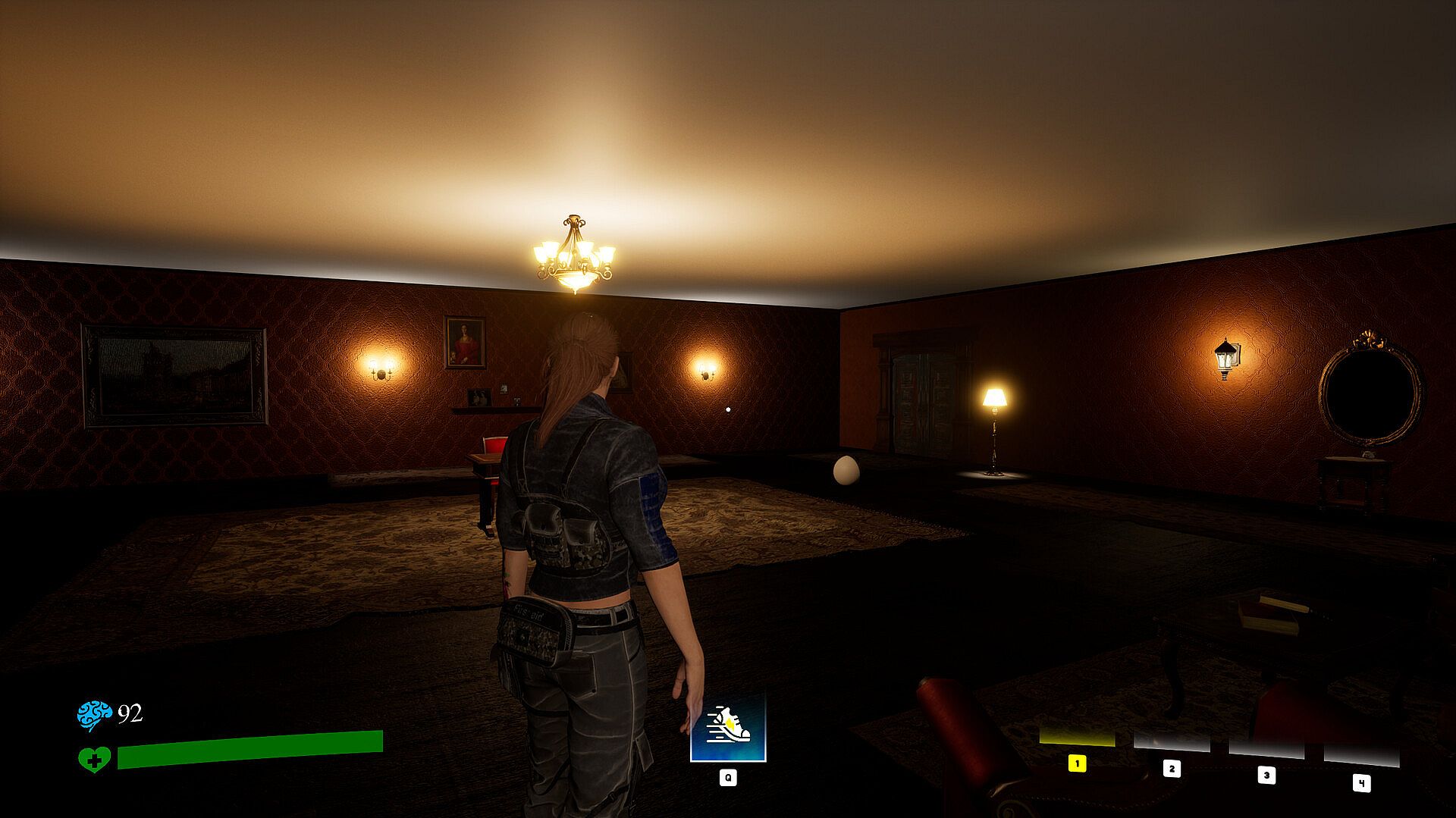
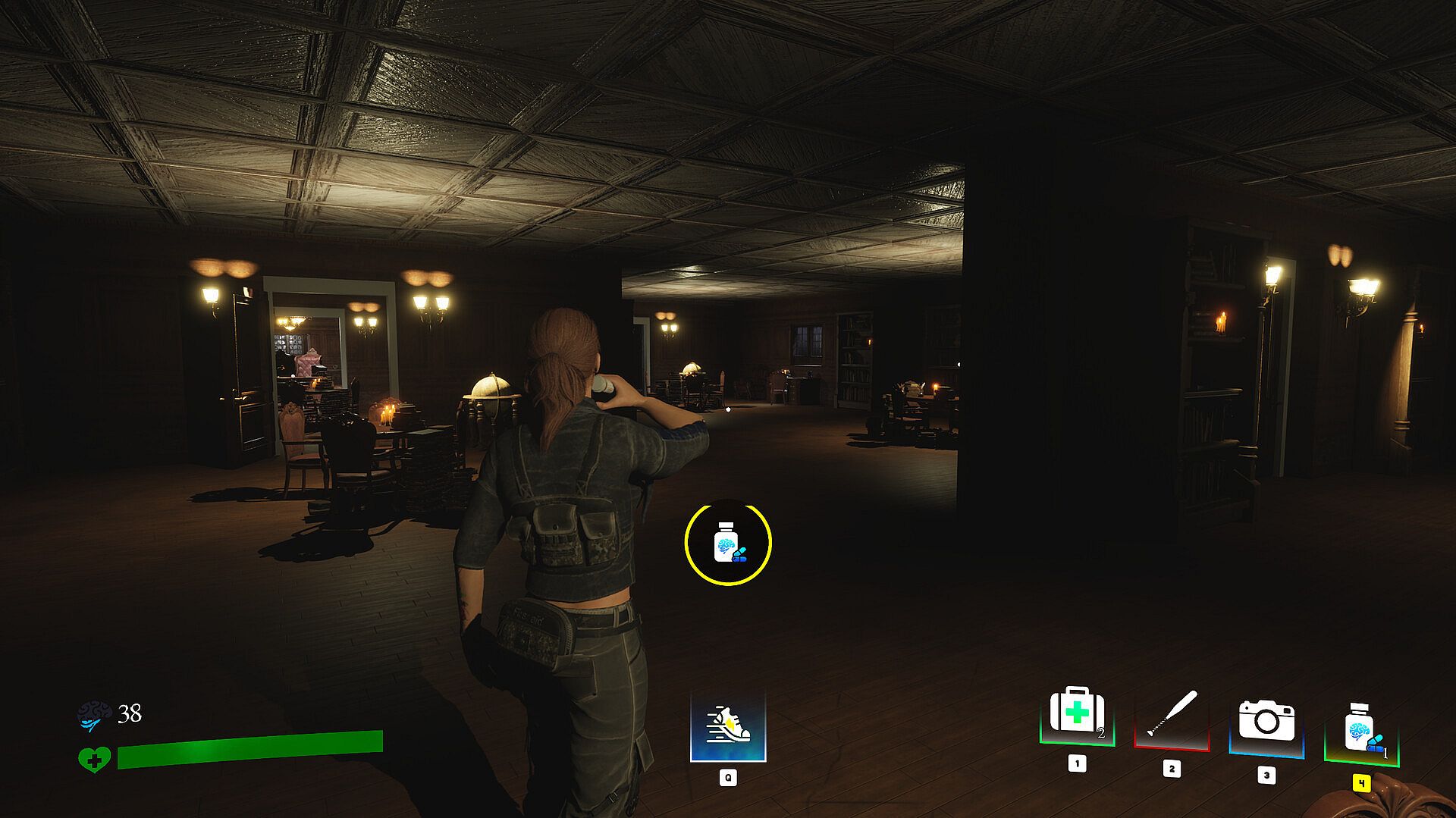
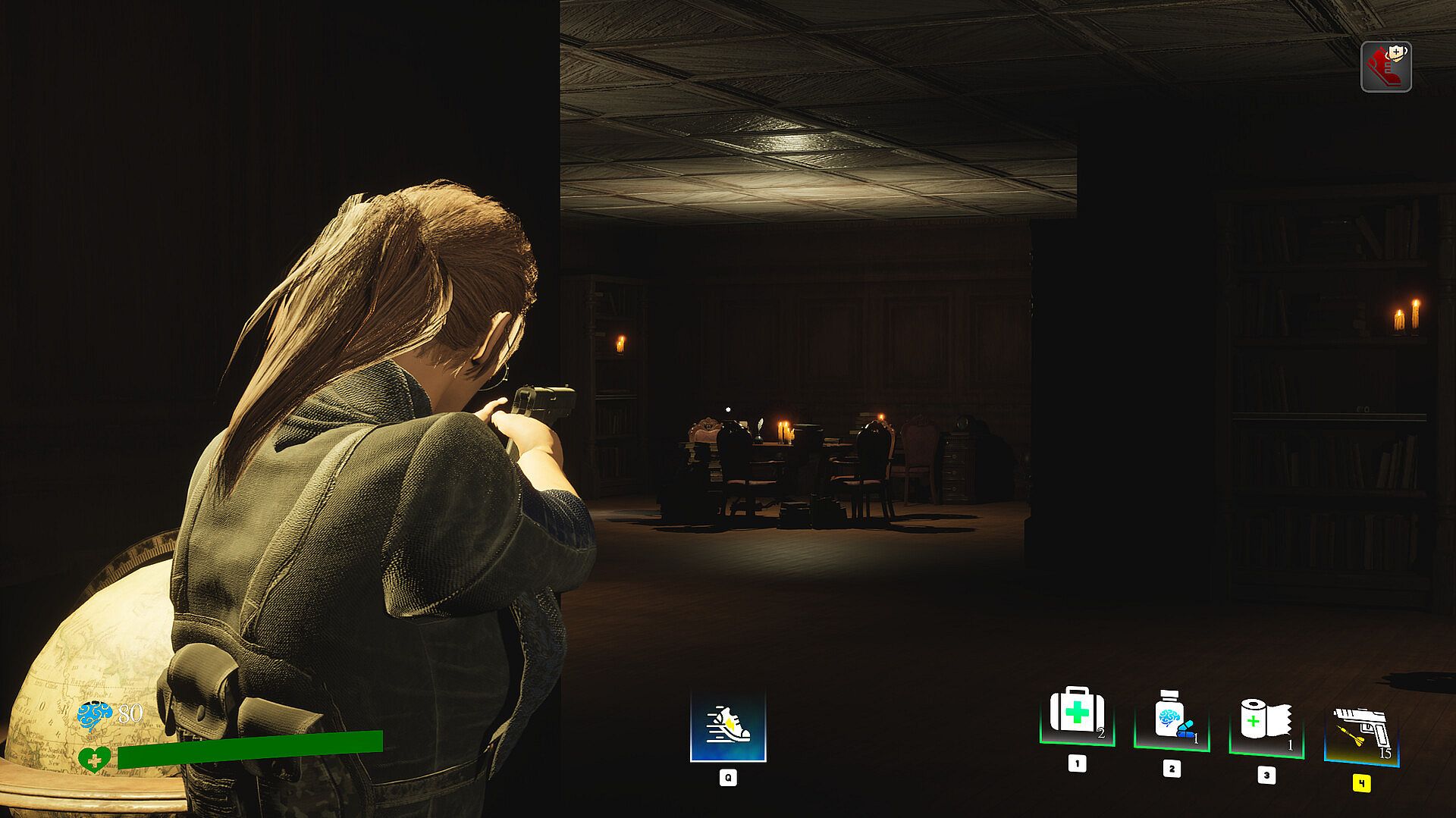
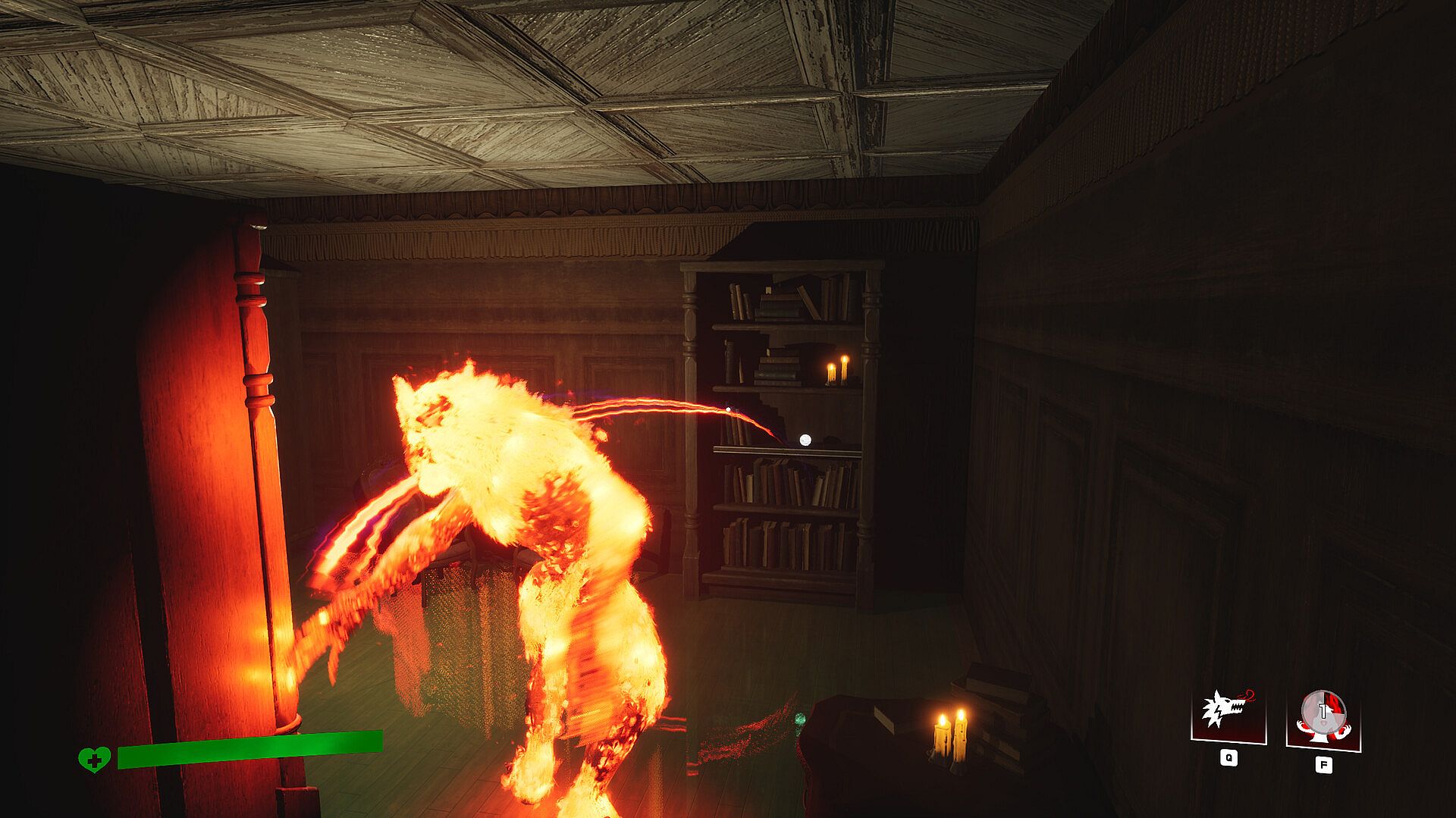
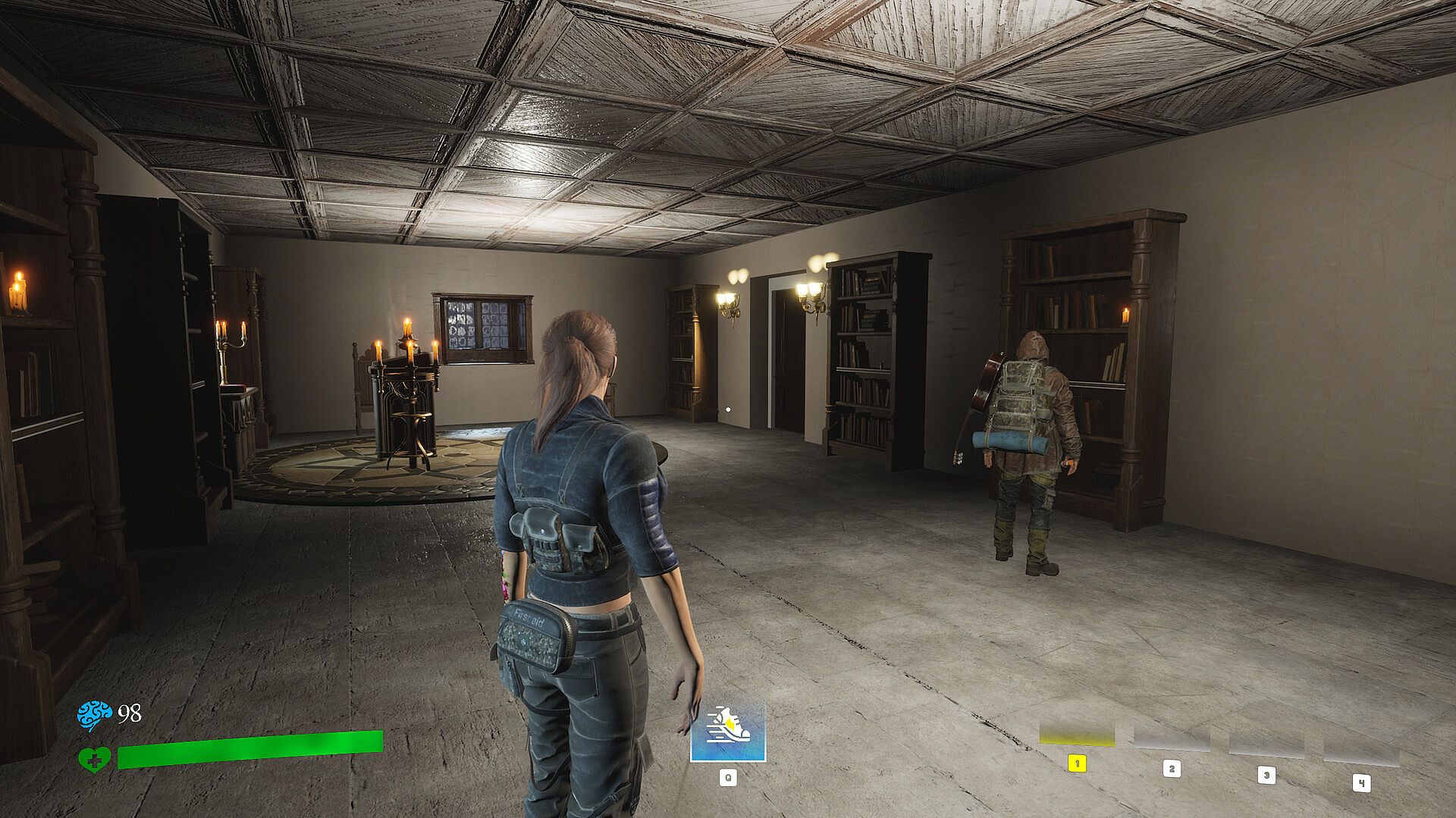
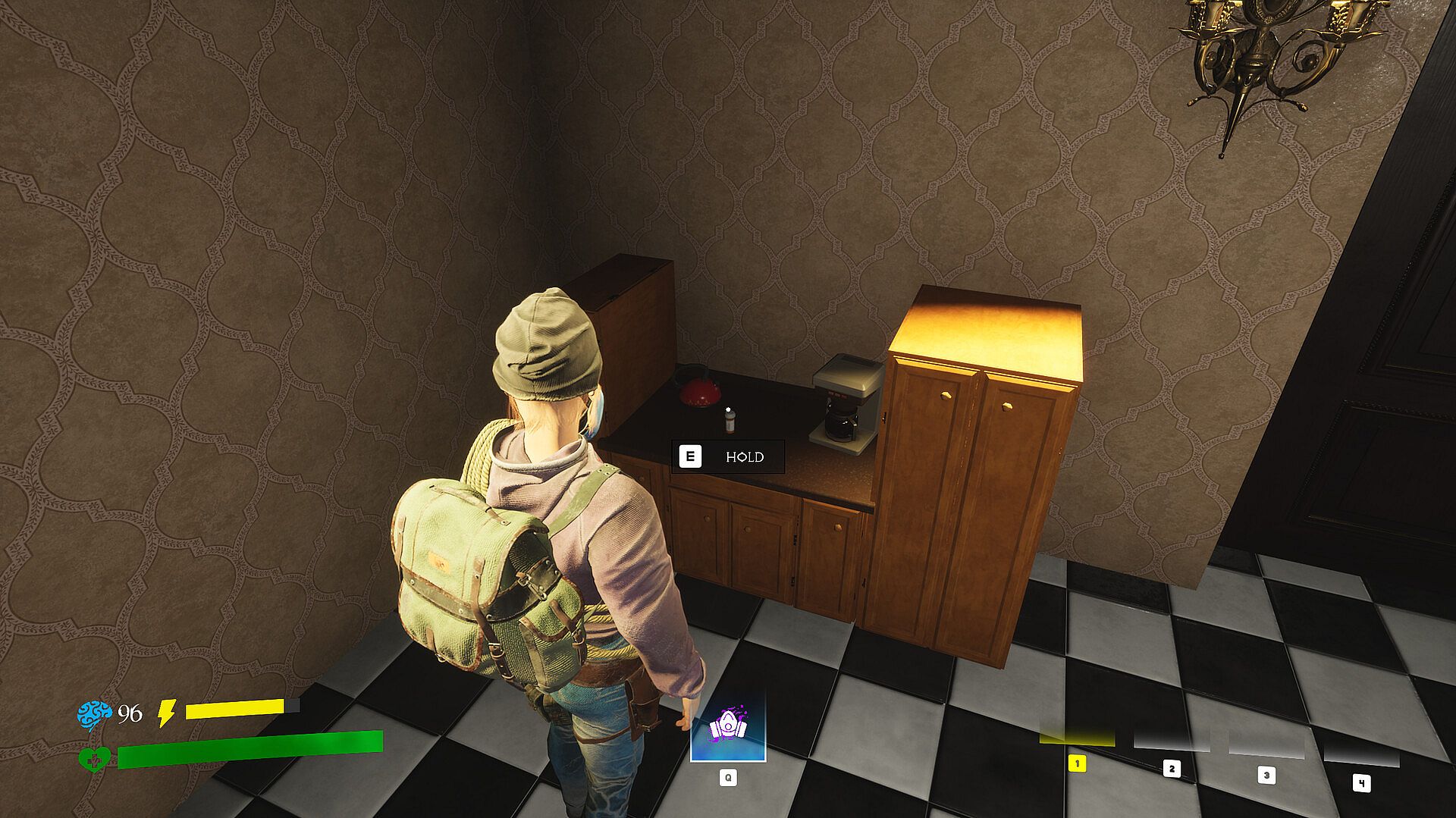
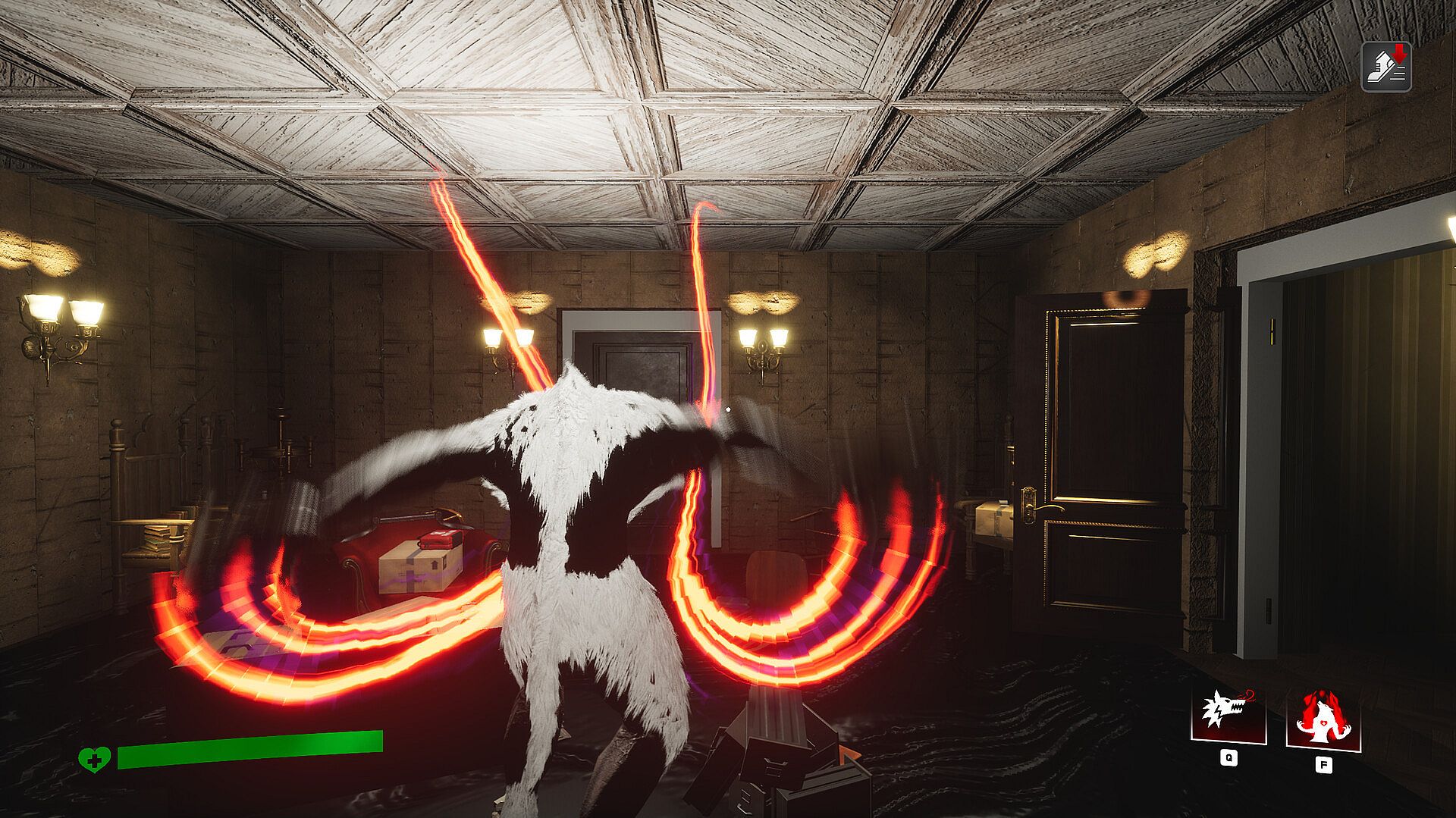
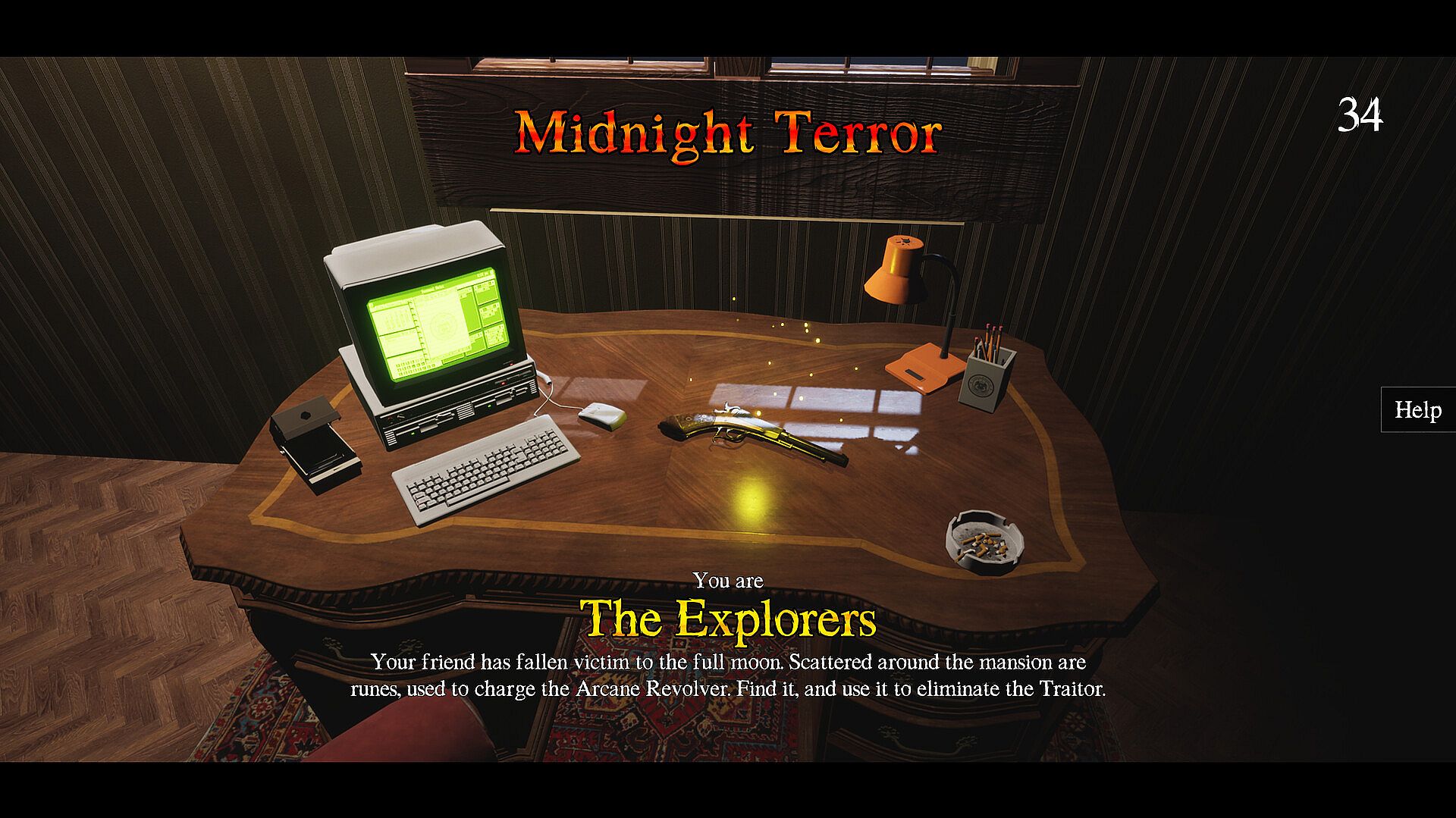
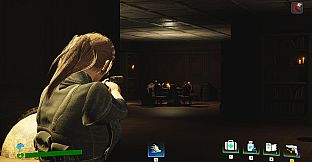
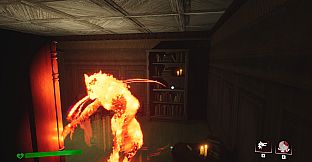
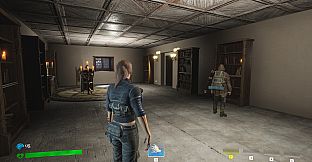
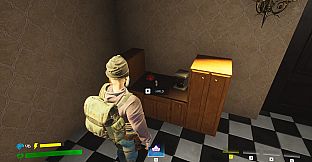
Project Betrayal is an asymmetrical horror multiplayer game developed for PC. Players form groups of four to explore a haunted manor, where one participant is secretly assigned the role of Traitor. The experience blends exploration, survival tension, and sudden betrayal in procedurally generated environments.
Gameplay
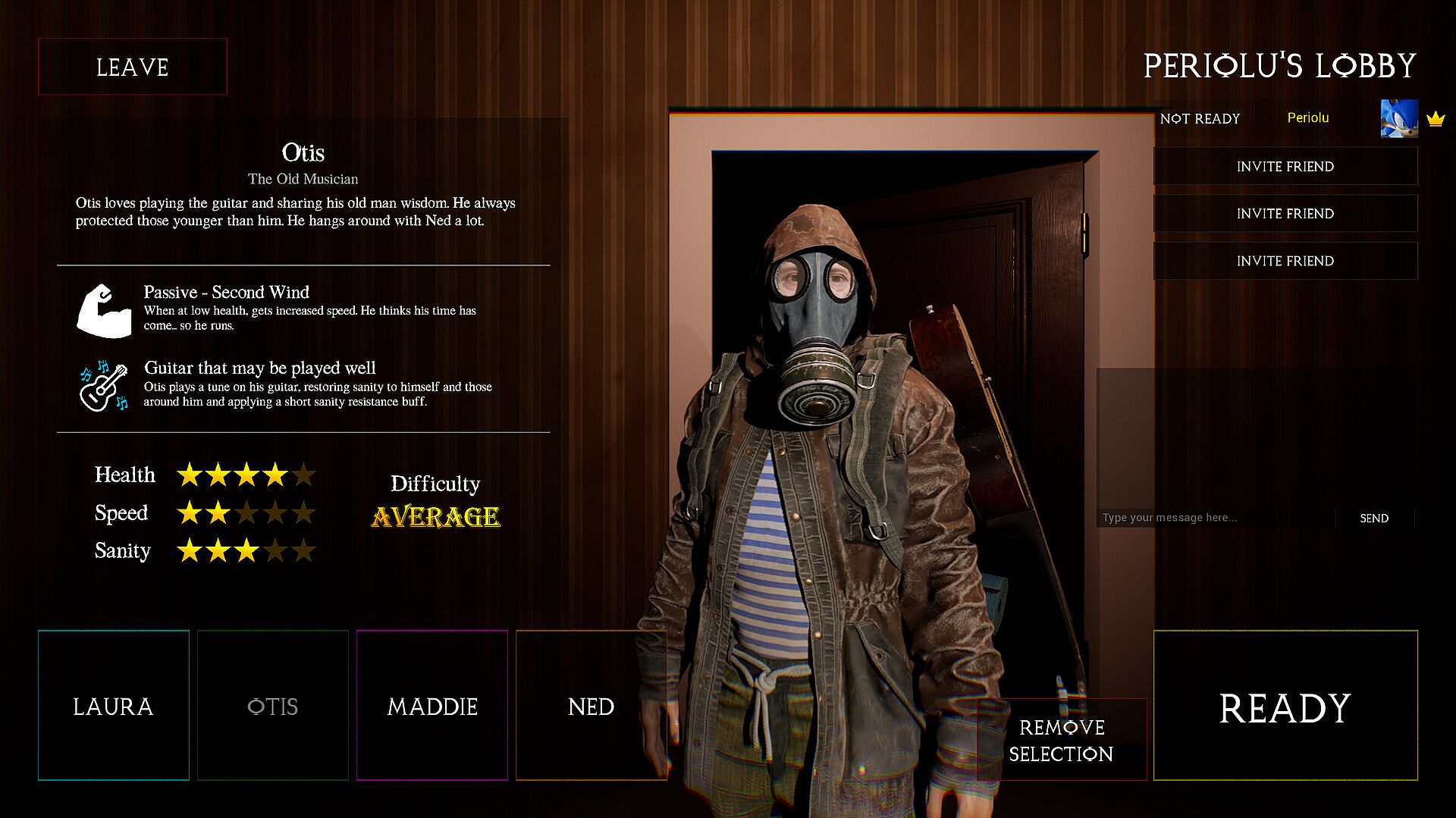
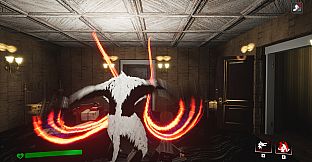
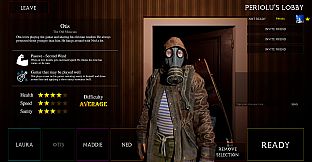
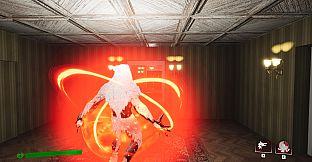
Four players enter the manor together and select from a set of four distinct characters. The layout of rooms generates anew with each session, preventing any reliance on memorized paths or fixed hiding spots. Exploration focuses on navigating hallways and discovering varied chambers, some of which activate random events that temporarily modify character statistics such as speed or visibility.
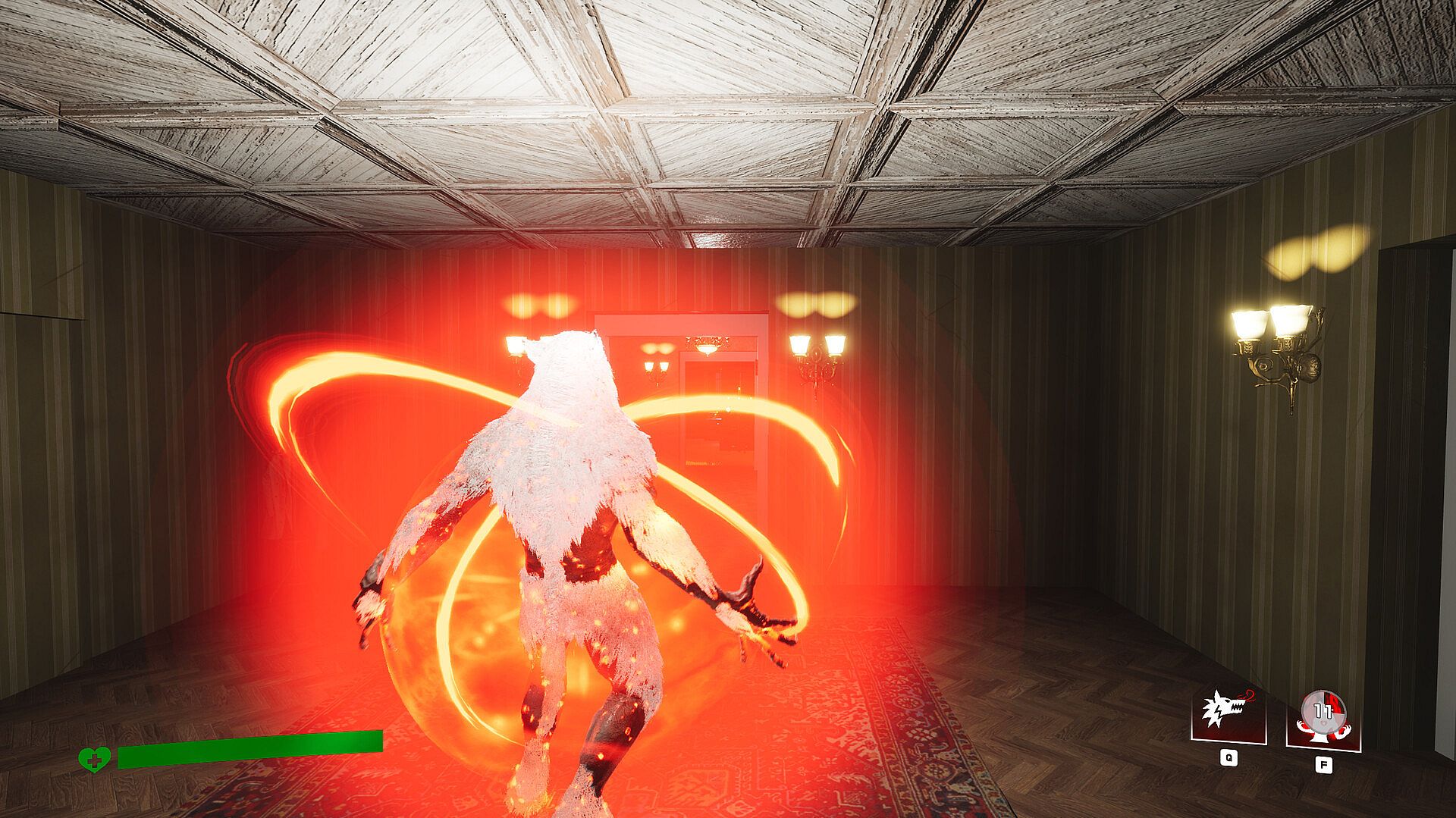
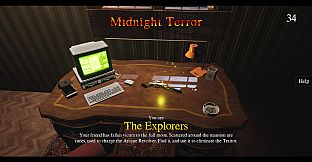
One explorer is chosen at random to switch allegiance and become the Traitor. The remaining three continue as a team while the Traitor works against them from within the group. Movement through the manor requires attention to environmental cues, and the full moon setting adds to the atmospheric pressure during nighttime sequences.
Core systems emphasize coordination among the explorer group while introducing doubt about each teammate's intentions. Procedural changes ensure that every run presents fresh navigation challenges and event combinations.
Game Modes
The primary experience revolves around the four-player asymmetrical setup. Groups enter the manor for exploration runs that incorporate the traitor selection mechanic. No additional named modes appear in available information, so sessions center on this single core loop of cooperative exploration interrupted by internal betrayal.
Random room events integrate directly into these runs, altering stats mid-session and forcing quick adjustments. The procedural generation applies across all sessions, maintaining variety without separate playlists or variants.
Key Mechanics
Character selection offers four options at the start of each session, each presumably suited to different play styles within the explorer or traitor roles. Room events serve as dynamic modifiers rather than static hazards, shifting advantages during a single run. The traitor role activates after initial exploration begins, creating a mid-session shift in objectives.
Procedural layouts eliminate repetition across repeated plays. Players must adapt to new room connections and event triggers without prior knowledge of the map. This design supports repeated sessions with friends who seek unpredictable outcomes each time.
Is It Worth Playing?
Project Betrayal remains in development with a release date listed as to be announced. No user reviews or aggregated ratings exist at this stage, and the game has not yet launched on its primary platform. The described systems target players interested in short-session asymmetrical multiplayer horror that mixes exploration with social deduction elements.
Those who enjoy games where group trust can break down suddenly may find the random traitor assignment and procedural layouts appealing. Availability as a free-to-play title once released would lower the barrier for testing the core loop with small groups. Current information provides no details on post-launch support, seasonal content, or balance updates.
Prospective players should monitor official announcements for the final release window and any early access options. The combination of four-player co-op with built-in betrayal mechanics offers a focused experience for fans of the genre who prefer compact sessions over large-scale matches.