




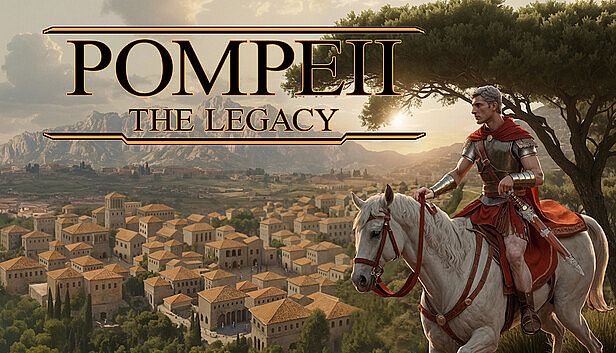

















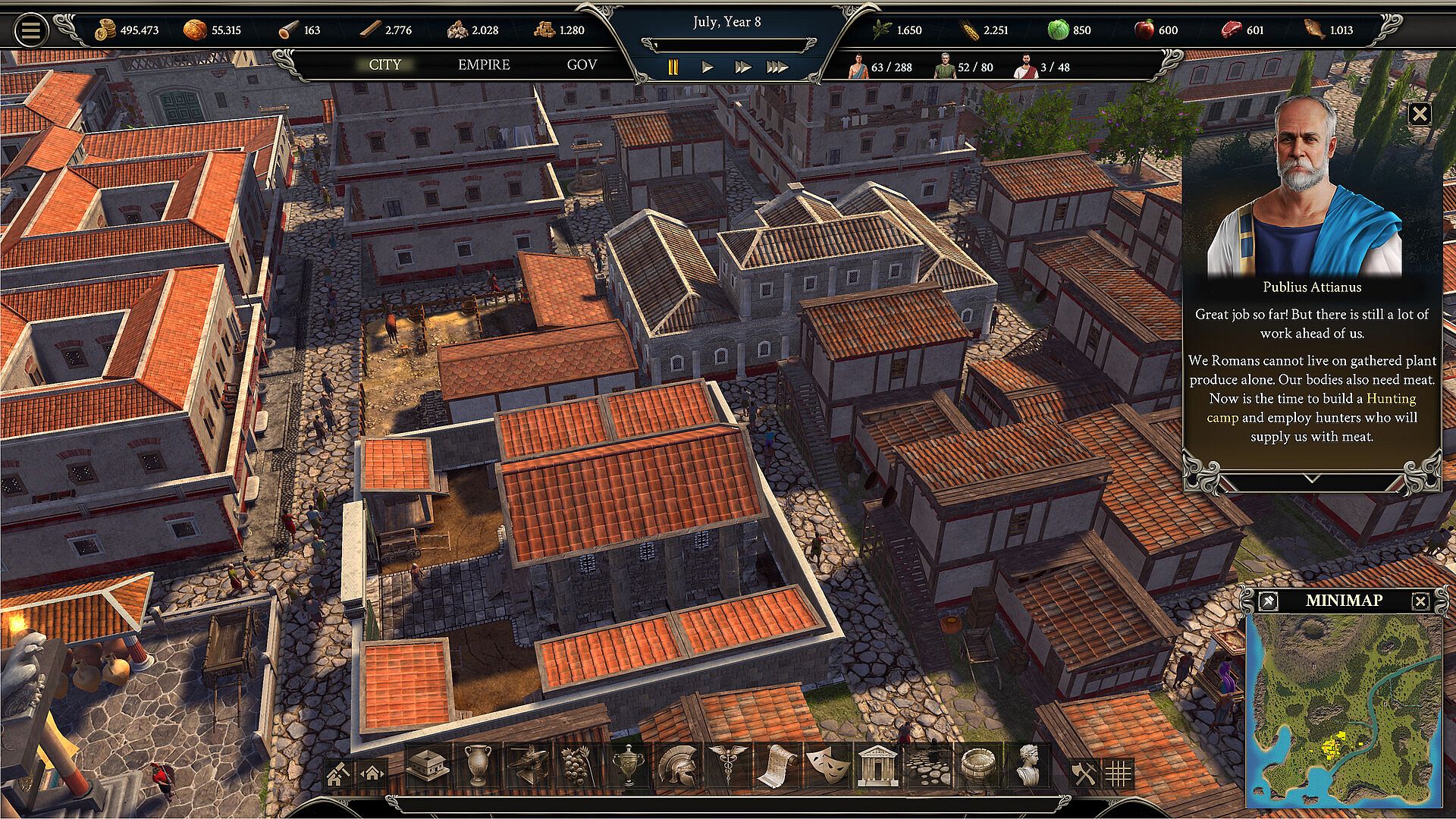

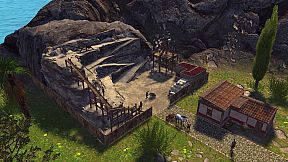
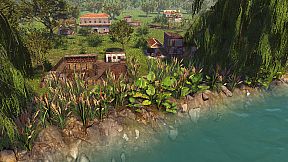
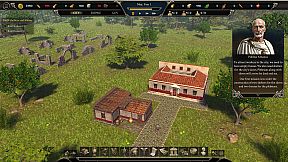
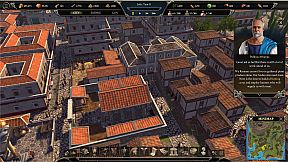
Pompeii: The Legacy stands out as a strategy simulation game that puts you in charge of rebuilding the ancient city after its destruction by Mount Vesuvius. In this indie title for PC, you take on the role of a Roman family leader, guiding the revival of Pompeii through careful management of resources, society, and politics over generations.
Gameplay
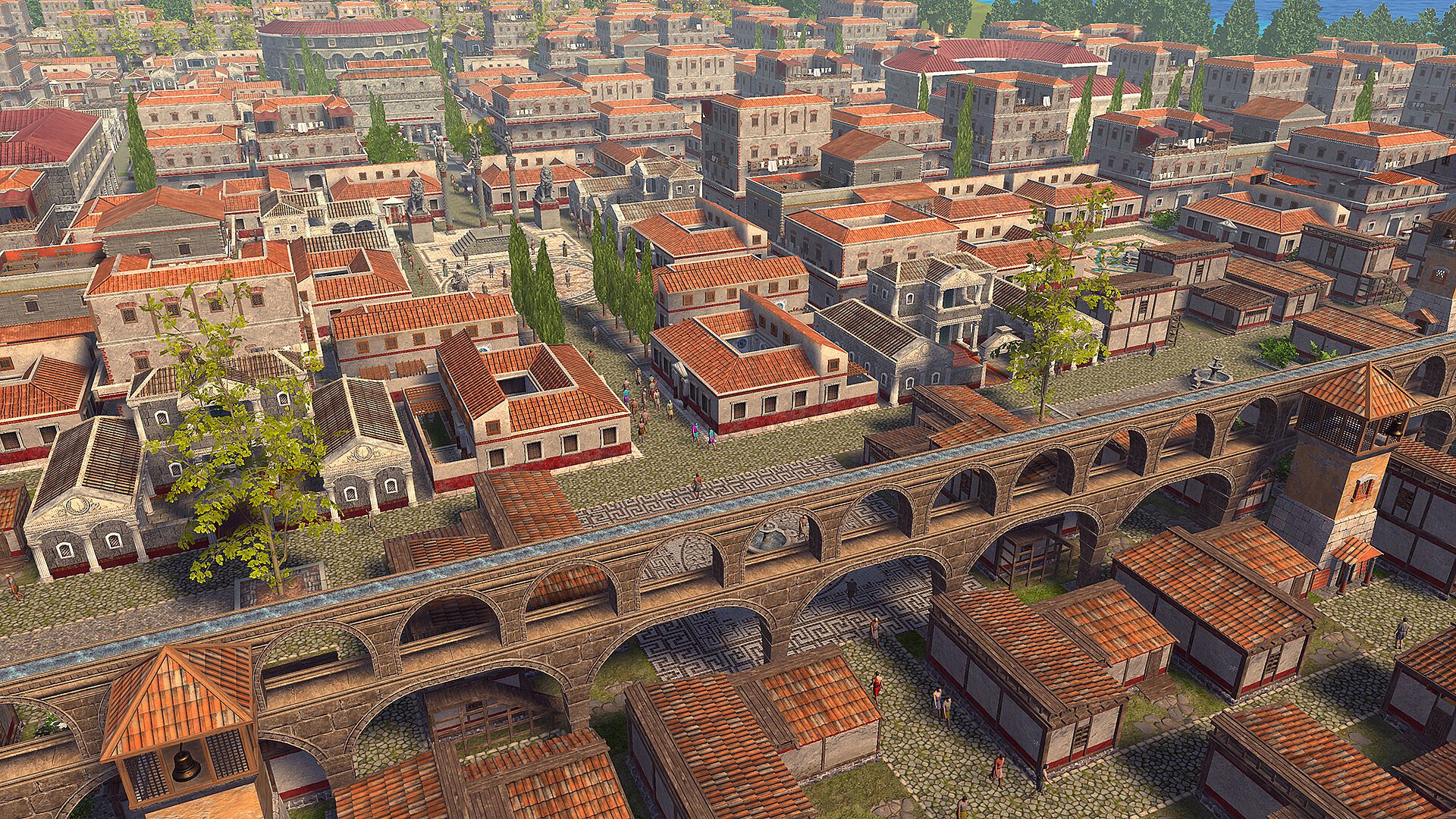
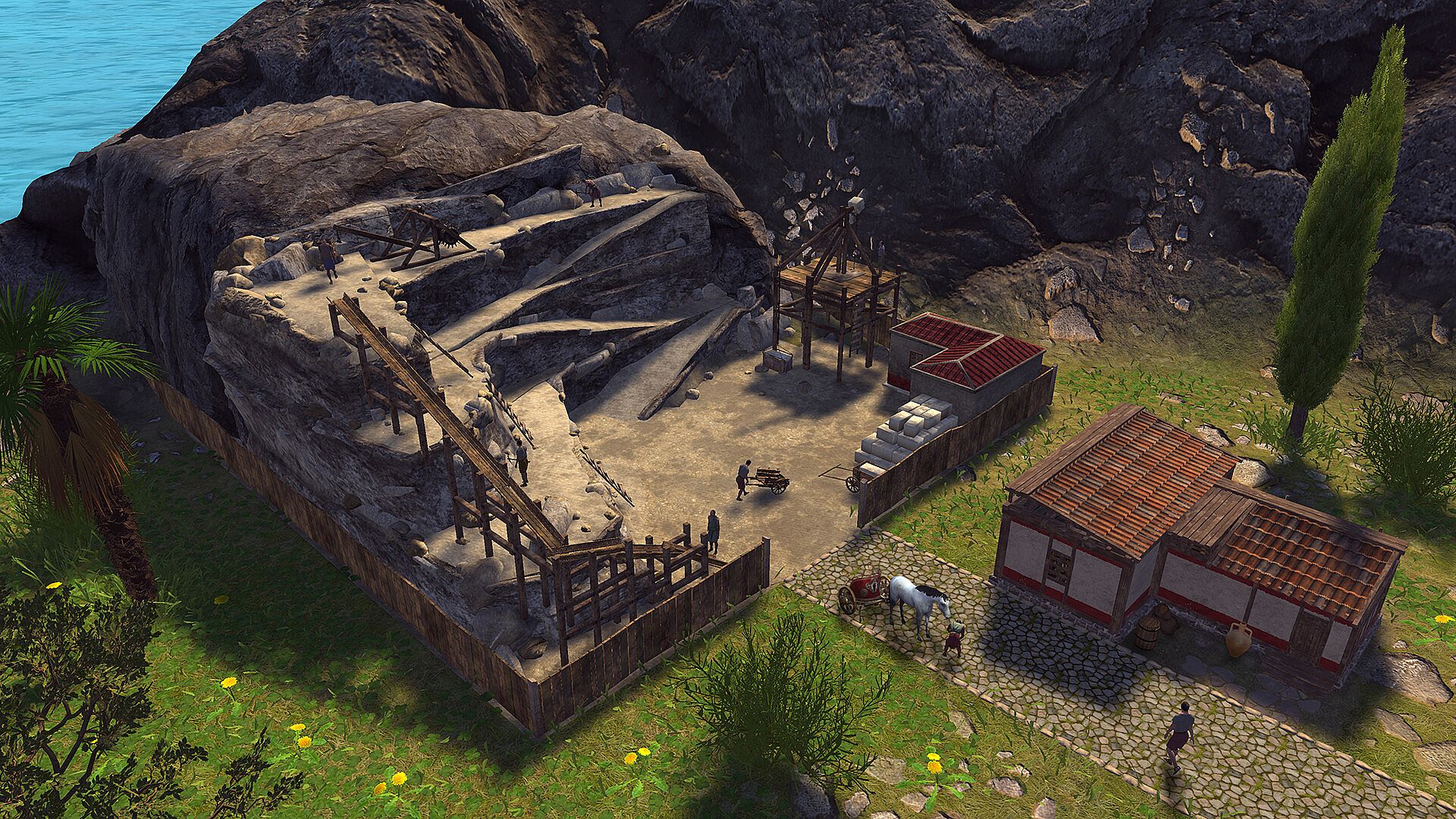
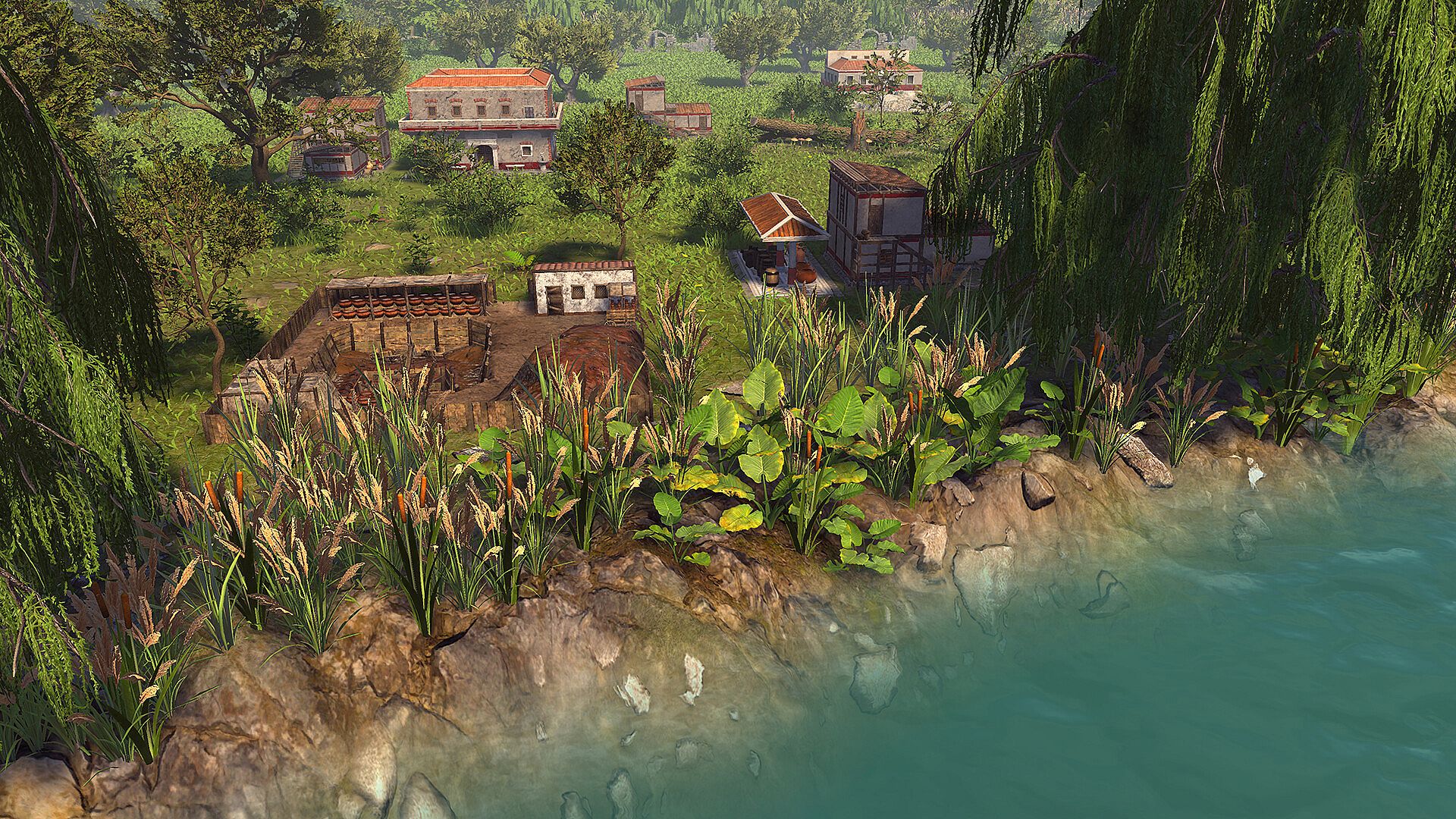
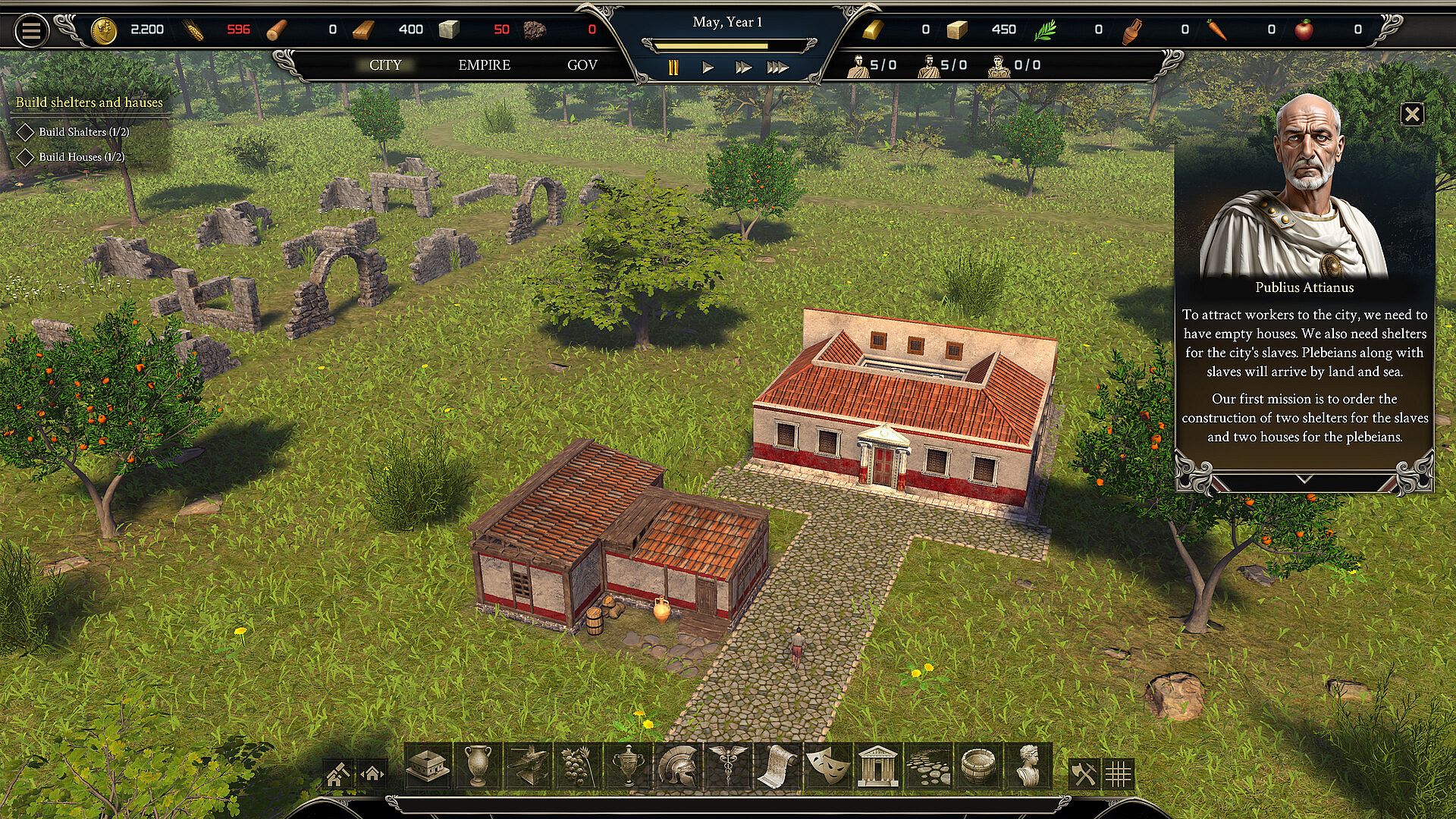
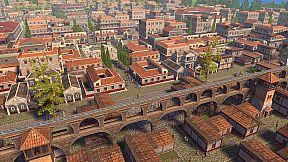
The core of Pompeii: The Legacy revolves around city-building and strategic decision-making set in the Roman Empire. You start twenty years after the 79 AD eruption, tasked with reconstructing streets, forums, markets, and aqueducts while balancing the demands of different social classes like patricians, plebeians, and slaves. Each group has distinct ambitions and potential conflicts that influence your progress.
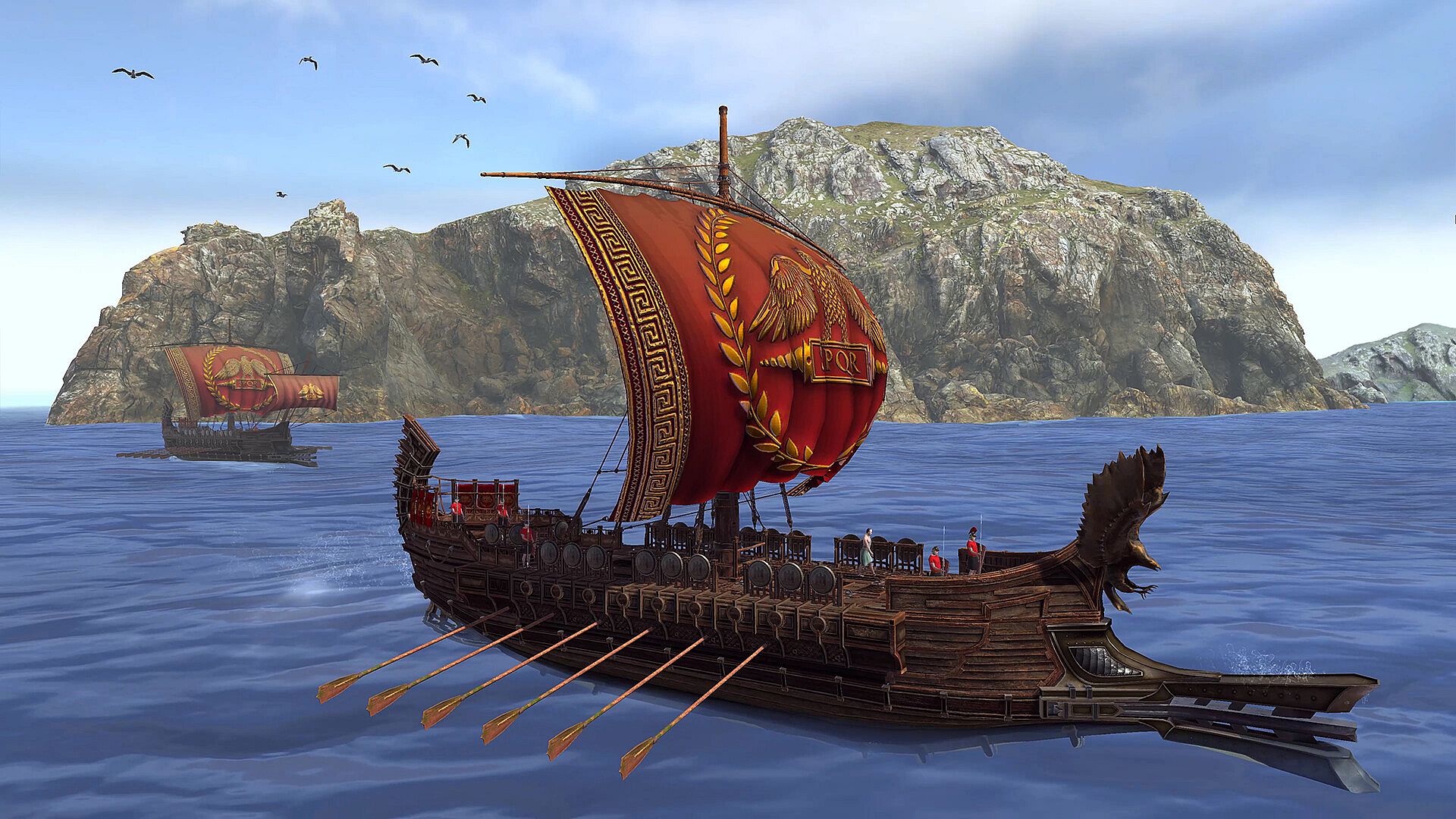
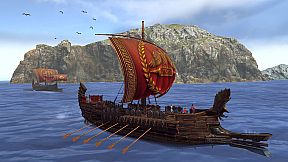
Management extends to politics and trade, where you shape laws, secure trade routes across the Empire, and form alliances through marriages or contracts. The game tracks your family's influence over decades, with decisions affecting long-term outcomes. Optional real-time battles let you command legions against threats, adding a layer of tactical combat to the simulation.
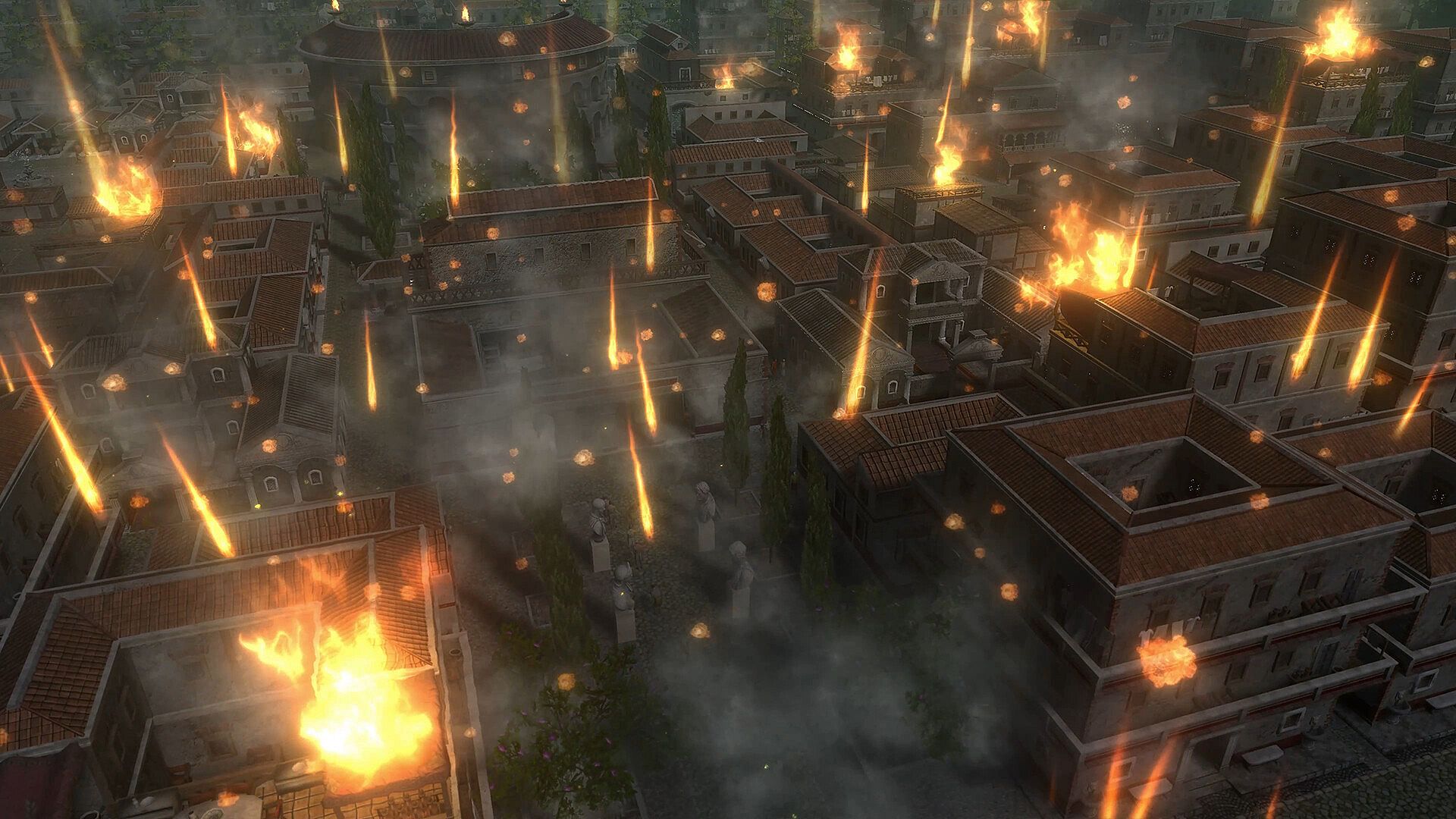
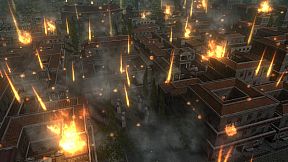
Research plays a key role, divided into Technology and Philosophy branches that unlock advancements. Family Bonuses provide active and passive benefits, while Imperial Privileges offer advantages from gaining favor with emperors. You must also contend with random events such as earthquakes, fires, plagues, and political intrigue that can disrupt your plans.
Game Modes
Pompeii: The Legacy offers three distinct ways to experience its world. The fully voice-acted campaign guides you through a structured narrative of rebuilding and expanding your family's legacy, complete with story-driven events and generational progression.
For those who prefer freedom, the classic sandbox mode allows open-ended play without narrative constraints, focusing on building and managing at your own pace. Creative mode takes this further by removing restrictions, enabling unrestricted construction and experimentation with the game's systems.
Key Mechanics and Challenges
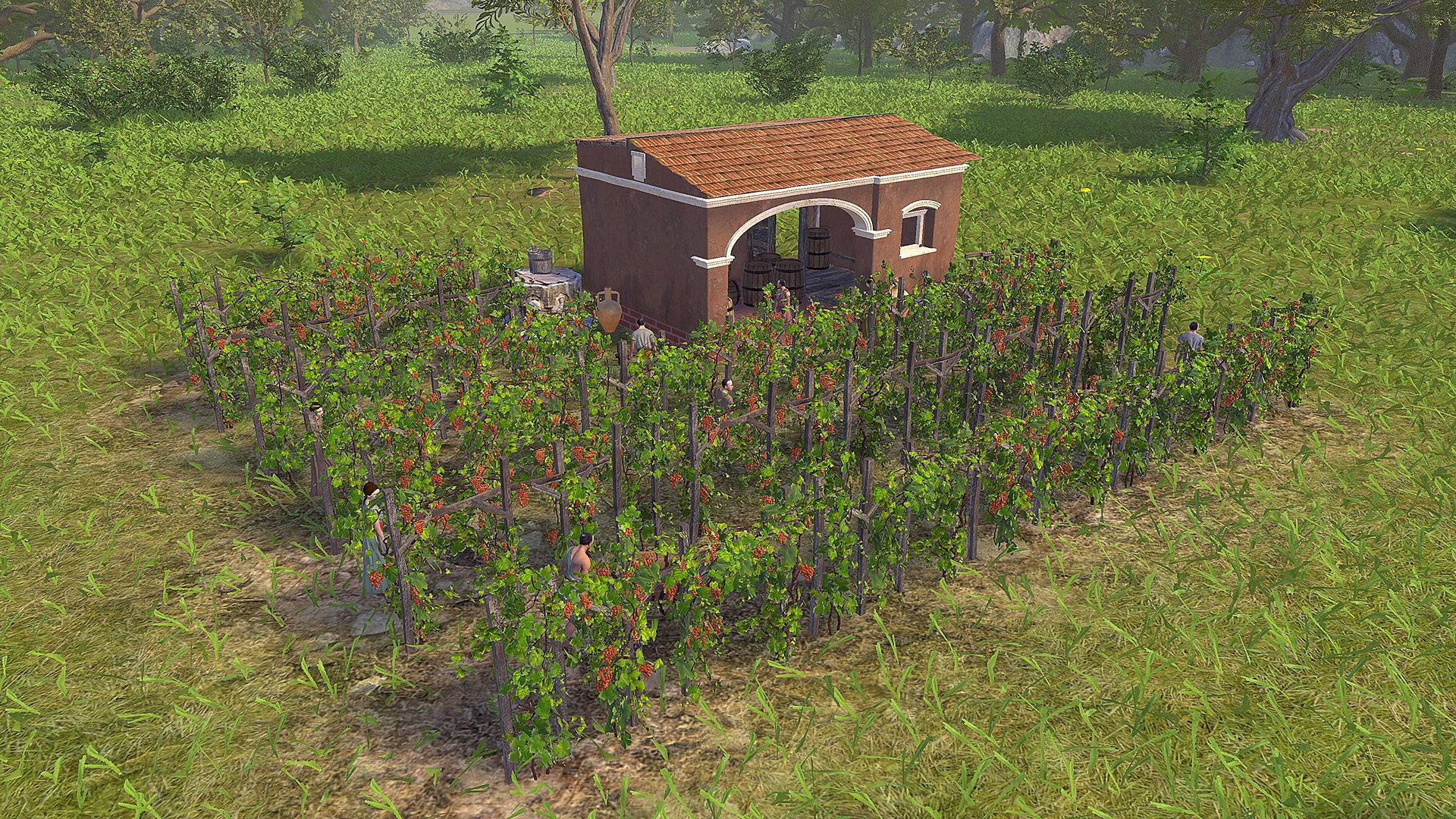
Economic stability forms a backbone of gameplay, requiring you to monitor markets and establish trade networks to keep resources flowing. Social dynamics demand attention, as unrest among classes can lead to grudges or rebellions if ignored.
Disasters test your preparedness, from natural calamities like famines to human-made issues such as sabotage by rivals. These elements combine to create a challenging environment where every choice echoes through generations.
Core systems include:
- Building construction for housing, temples, and arenas
- Research in Technology and Philosophy for bonuses
- Optional real-time strategy battles
- Family management across decades
Is It Worth Playing?
With its blend of city-building depth and strategic elements, Pompeii: The Legacy appeals to players who enjoy historical simulations and long-term planning. Currently in Early Access, it provides a solid core experience with many hours of content, though military features are still expanding.
Player reception has been strong, earning a Very Positive rating with 84% positive reviews from 166 users. Updates continue toward a full release planned for April 2026, including more maps and modding support. If you like strategy games with a focus on Roman history and generational stories, this title offers meaningful engagement right now, especially for those comfortable with ongoing development.














