









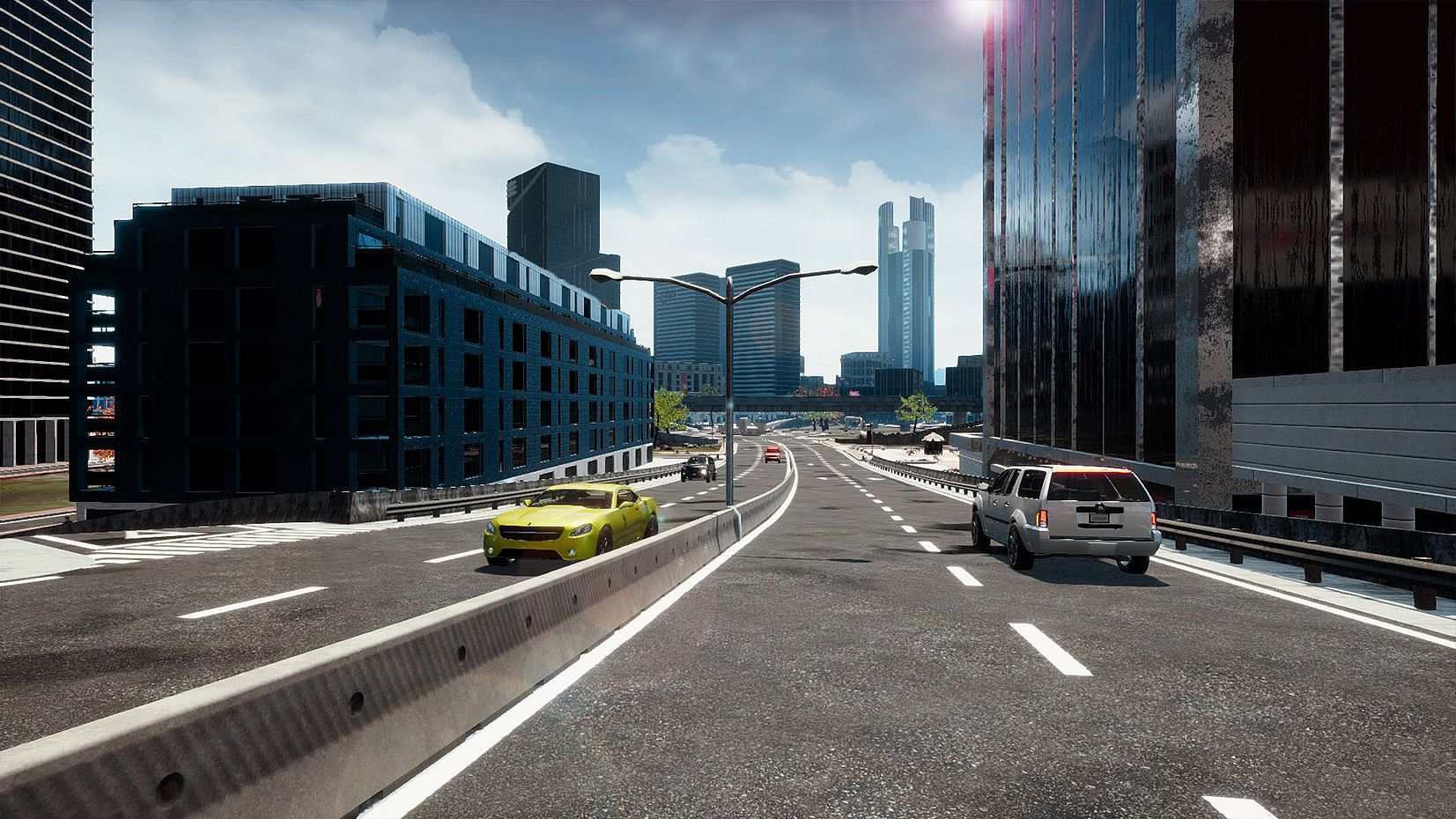
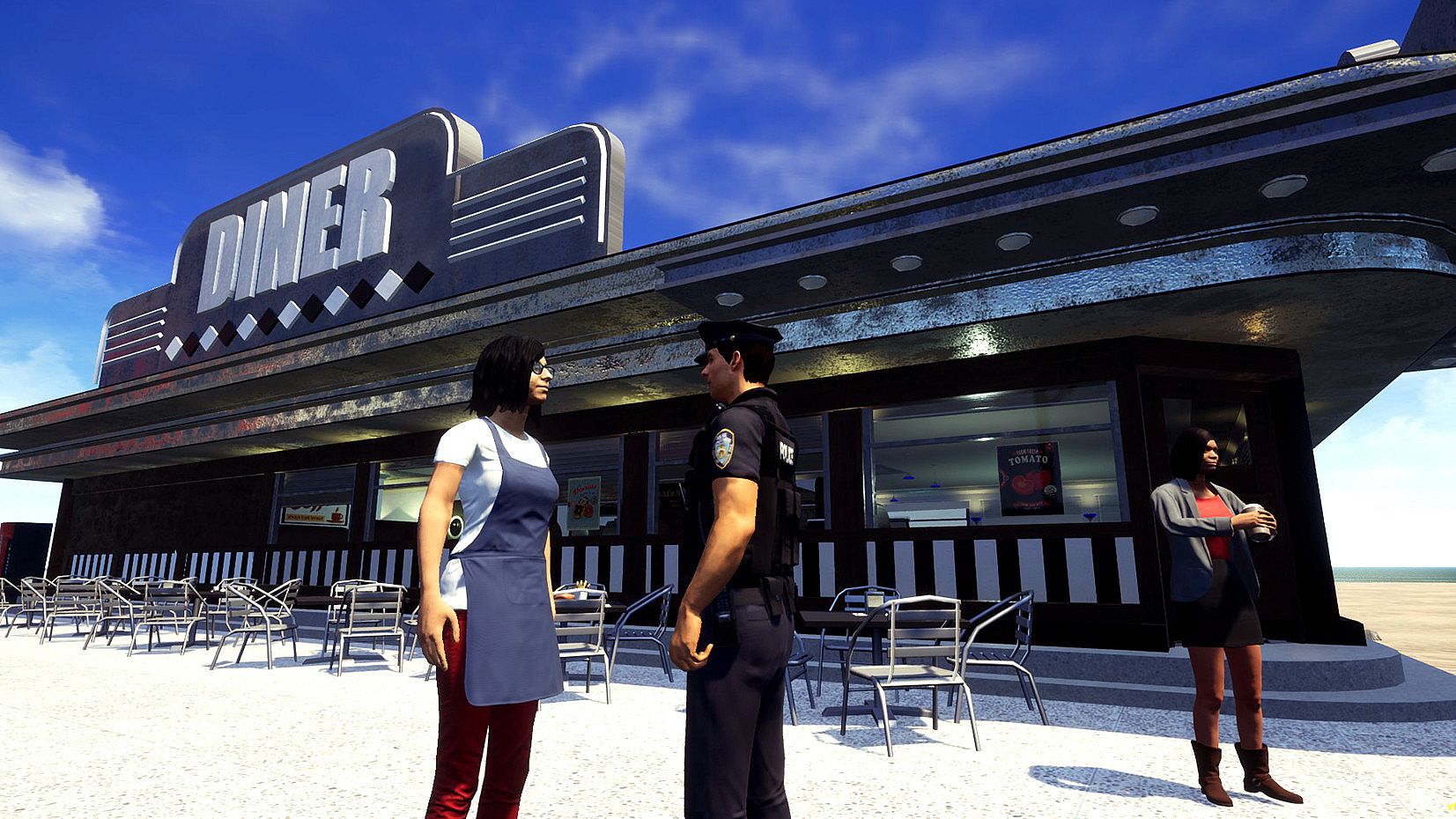
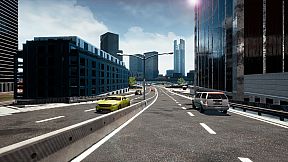
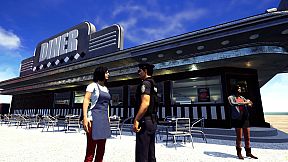
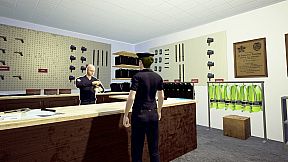
Police Simulator: Patrol Duty is a simulation game that places players in the role of a United States police officer handling routine and urgent duties across a large open-world city. The experience focuses on realistic law enforcement tasks in an environment built with Unreal Engine 4, covering more than 3.8 square miles divided into financial, industrial, and residential districts.
Gameplay
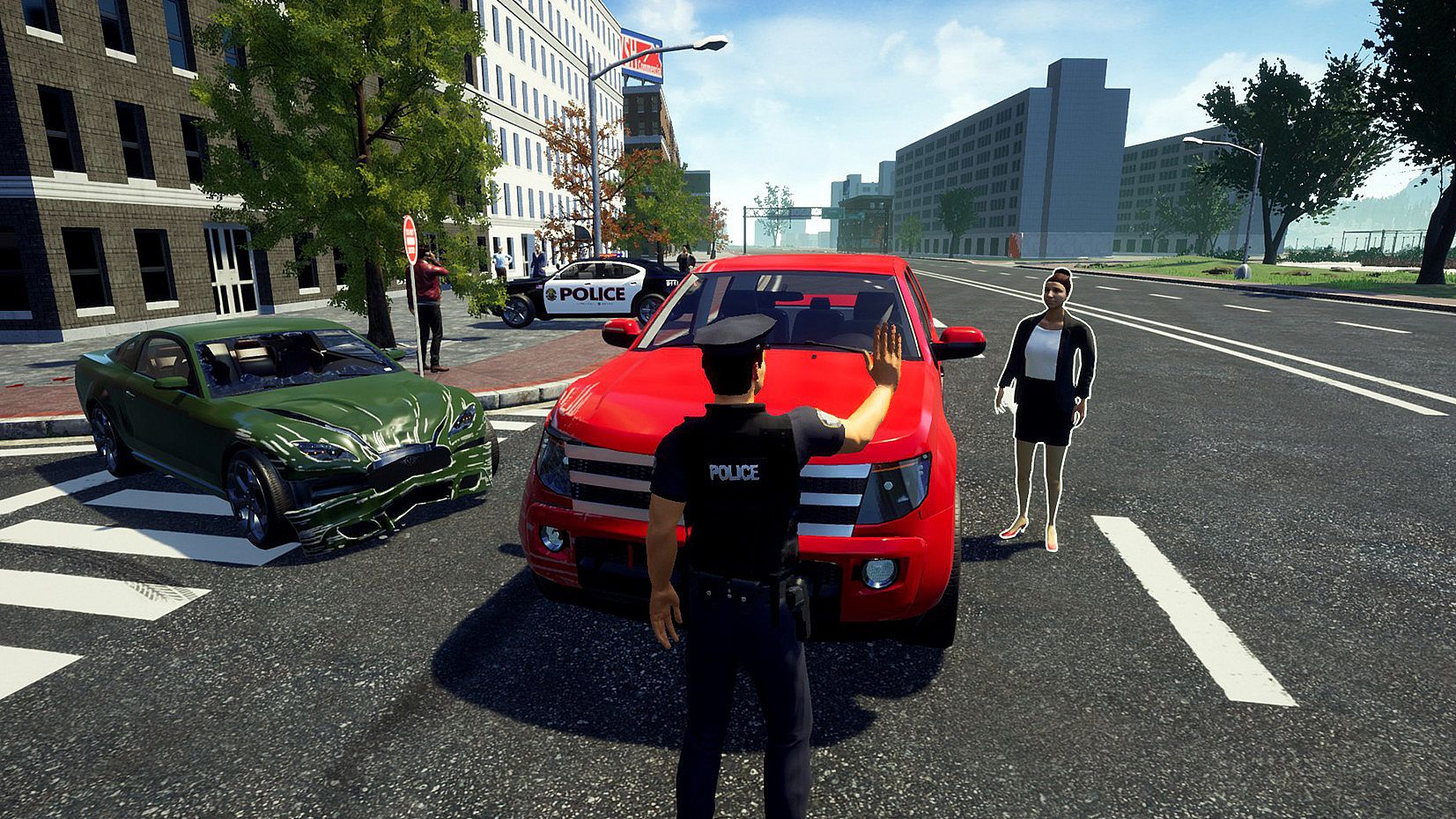
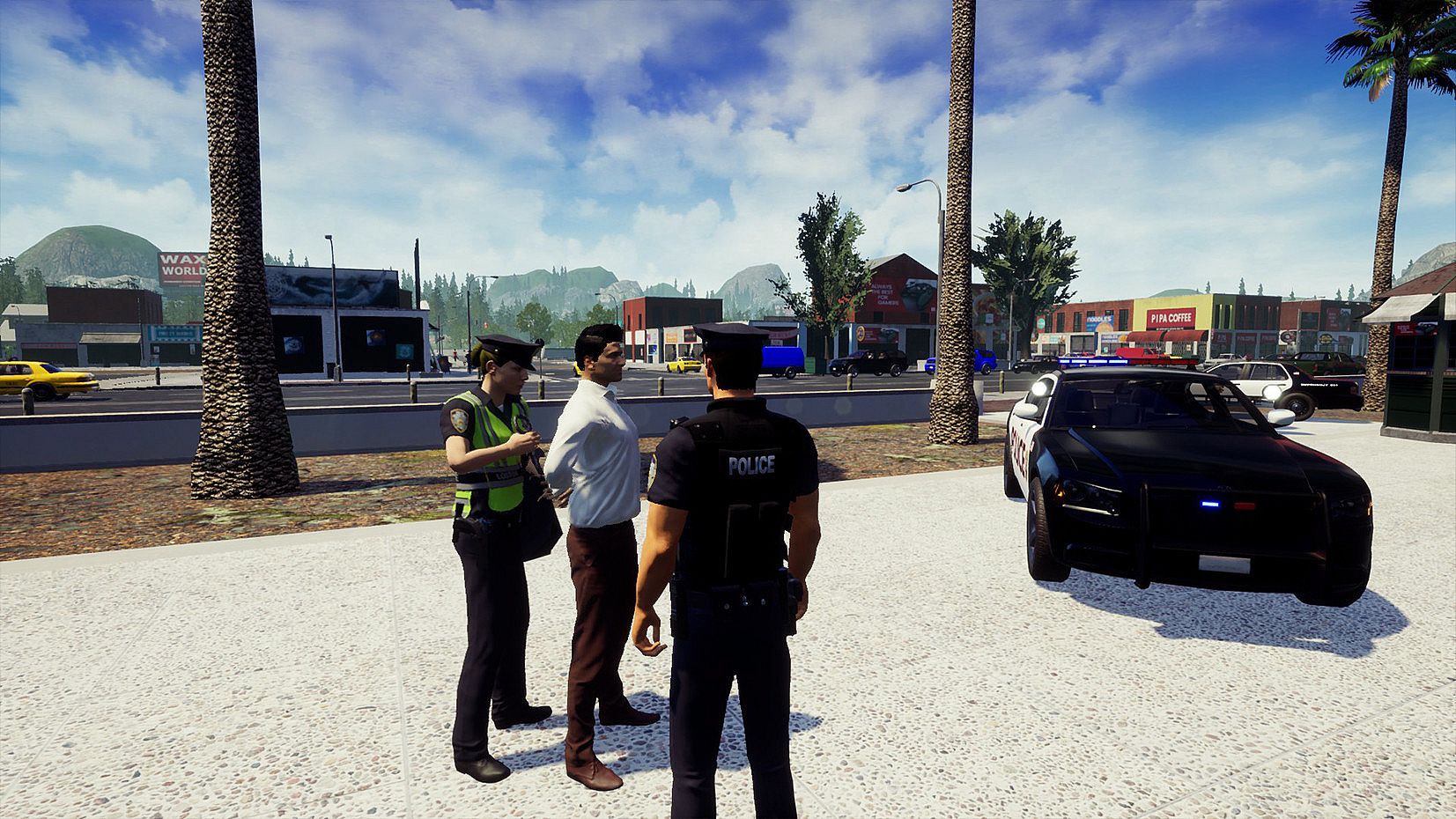
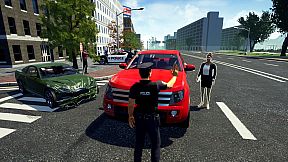
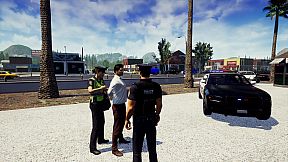
The core loop revolves around patrolling streets, responding to incidents, and enforcing traffic and criminal laws. Officers record details at accident scenes, identify and recover stolen vehicles, and detain suspects. Routine stops allow checks on any citizen or vehicle, while radar guns help catch speeders and issue citations. Crime scene work includes gathering evidence and speaking with witnesses to build cases.
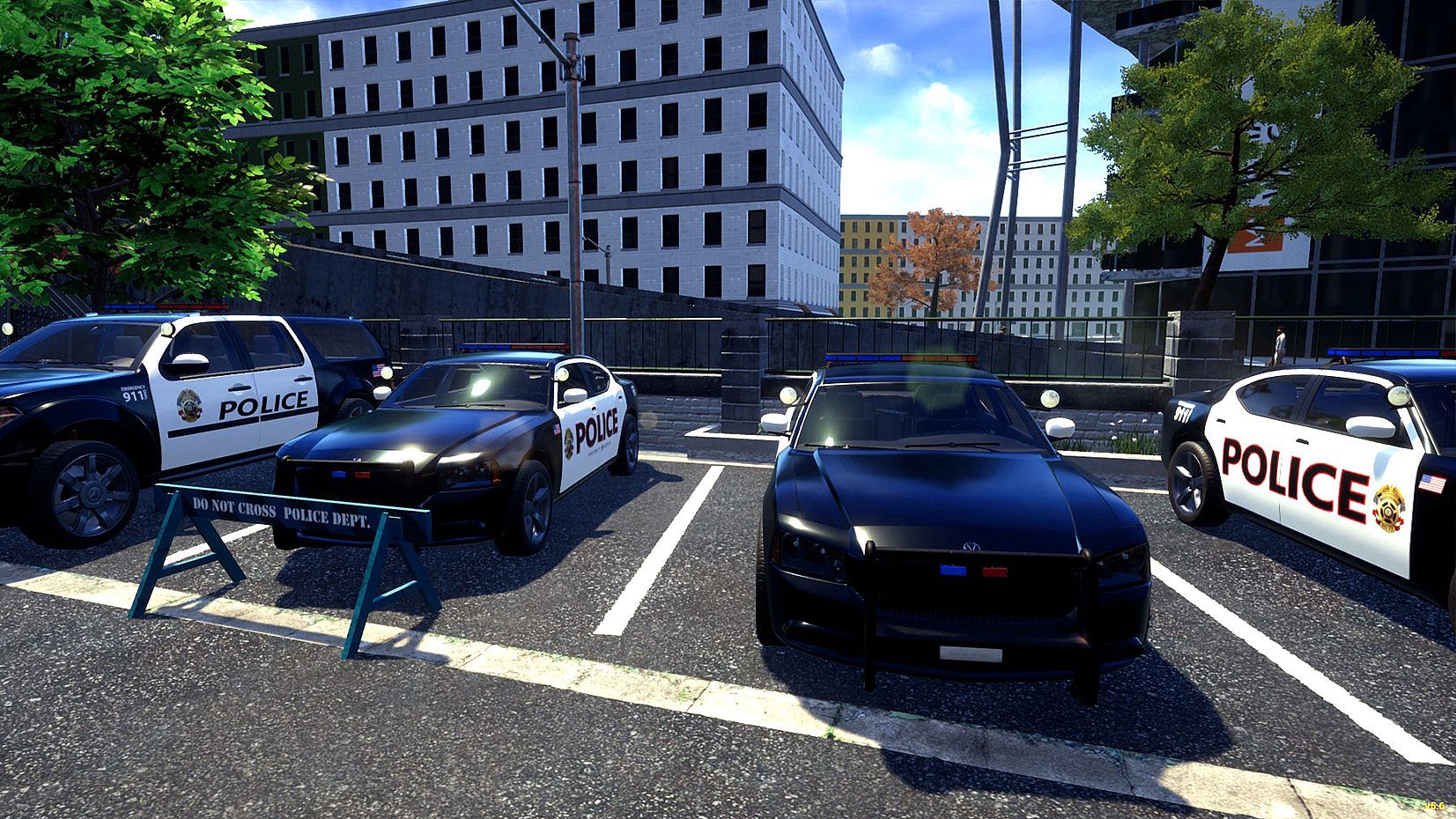
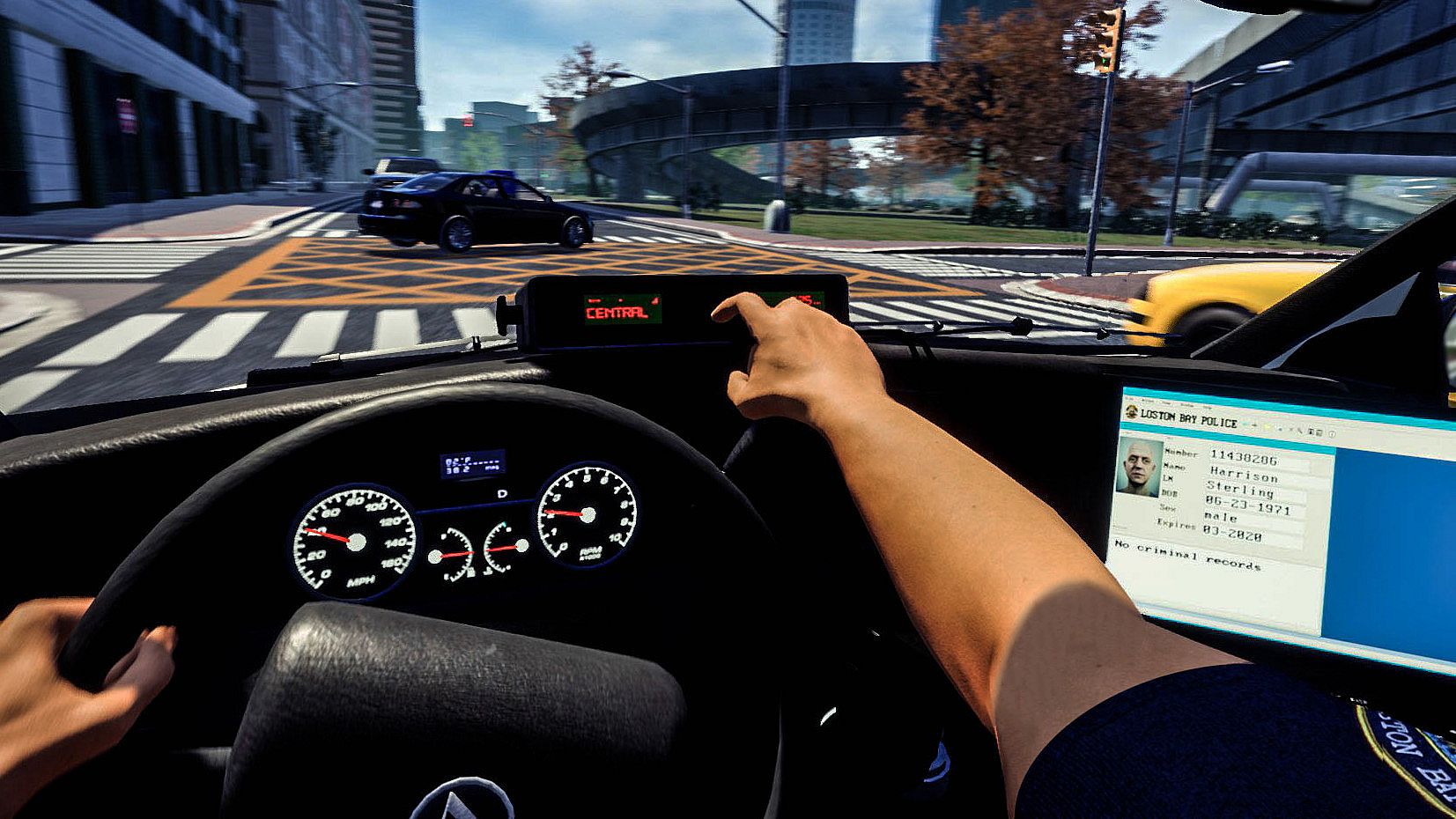
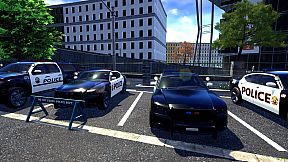
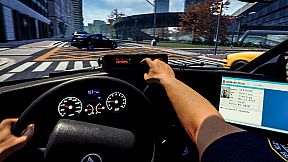
Three police vehicles feature detailed interiors and functional dashboards. The in-car computer assists with suspect identification and stolen vehicle checks. Progression unlocks a standard sedan, an all-terrain SUV, and a high-performance muscle car. Sirens clear traffic during emergencies, and collisions produce visible body damage that affects steering and performance until repaired.
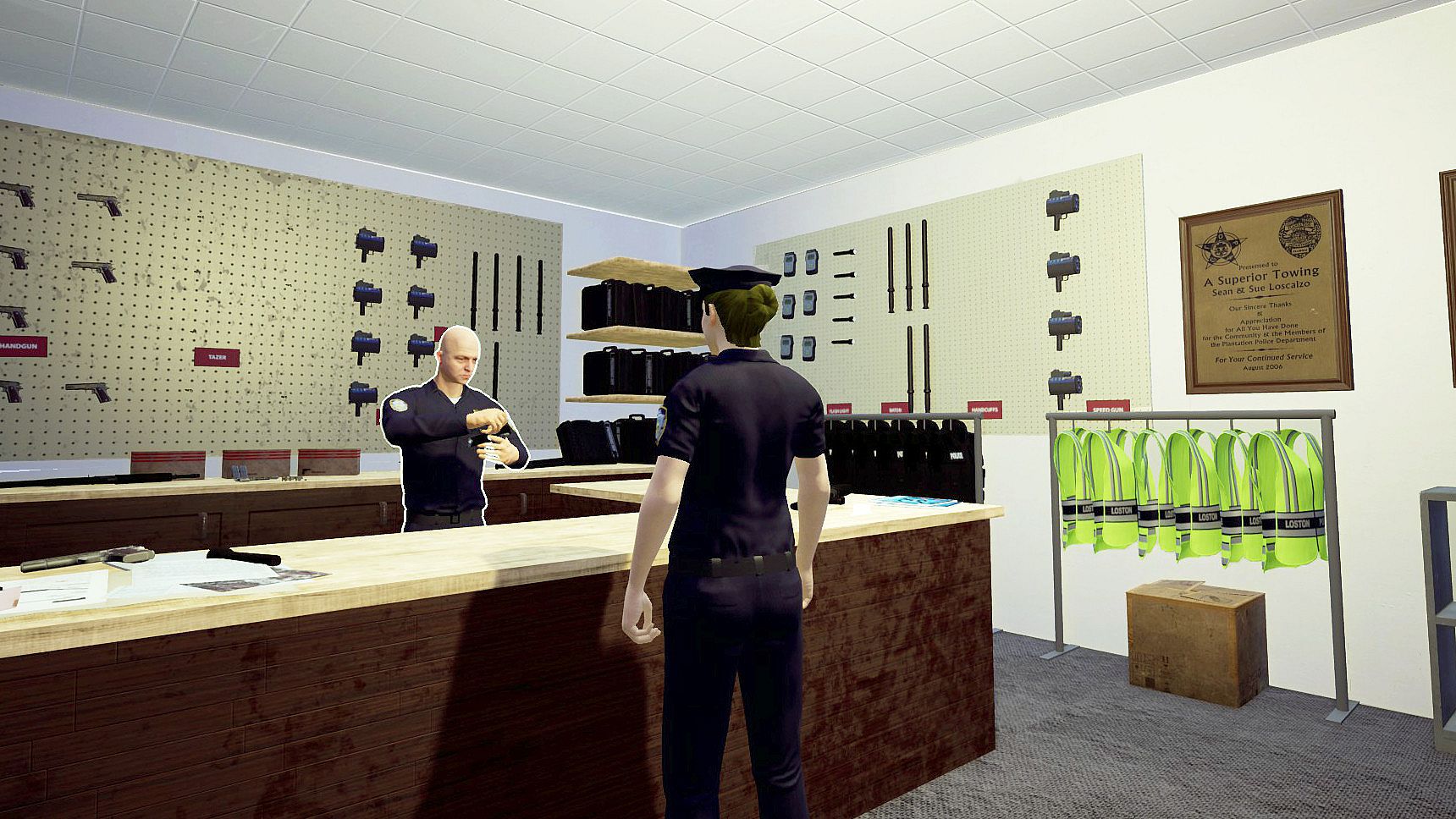
Authentic tools such as handcuffs, radios, and radar equipment support daily operations. Foot pursuits and vehicle chases with lights and sirens add tension when suspects attempt to flee. The city feels active with traffic and pedestrians, requiring constant attention to surroundings while on shift.
Game Modes
Players handle duties in single-player patrols or team up in the dedicated two-player cooperative mode. Co-op allows partners to respond together to calls, divide tasks at checkpoints, or pursue suspects as a pair. Shifts occur across the unlocked districts, with options to focus on specific areas or respond to emerging situations.
Two difficulty settings shape the experience. Casual mode provides more guidance and leniency for new players. Simulation mode enforces stricter procedures, where procedural errors can end a shift early. Both support customization of elements like vehicle damage and collision behavior to match preferred play styles.
Open World and Progression
The city spans three distinct districts that open gradually. Financial areas feature dense traffic and office buildings, industrial zones include warehouses and heavier vehicles, and residential neighborhoods bring more foot traffic and neighborhood calls. An experience system tracks performance and unlocks better assignments and vehicle access over time.
Day and night cycles influence visibility and call types. Night shifts introduce different lighting conditions and require use of flashlights or flares in some situations. The in-car systems and equipment remain available throughout, supporting consistent enforcement regardless of time of day.
Is It Worth Playing?
Police Simulator: Patrol Duty appeals most to players who enjoy methodical simulation gameplay and realistic police procedures. The mix of traffic enforcement, investigations, and vehicle handling creates a steady rhythm of tasks that rewards attention to detail. The two-player co-op option adds a social layer for those who prefer shared patrols.
Reception on Steam stands at mixed, with roughly 48 percent positive reviews from thousands of users. Many appreciate the vehicle damage model, district variety, and equipment authenticity, while others note repetition after extended play. Regular updates have added features such as night shifts and co-op support since launch, keeping the game active for its audience.
Those seeking a focused police simulation without action-game pacing will find the most satisfaction here. Players who prefer fast-paced chases or story-driven campaigns may find the deliberate pace less engaging. The game runs on PC and supports both solo and cooperative sessions without requiring additional purchases for core content.