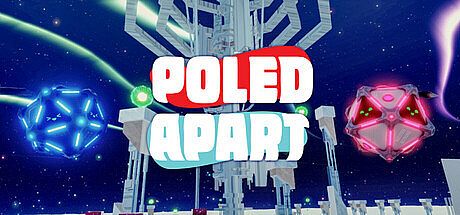



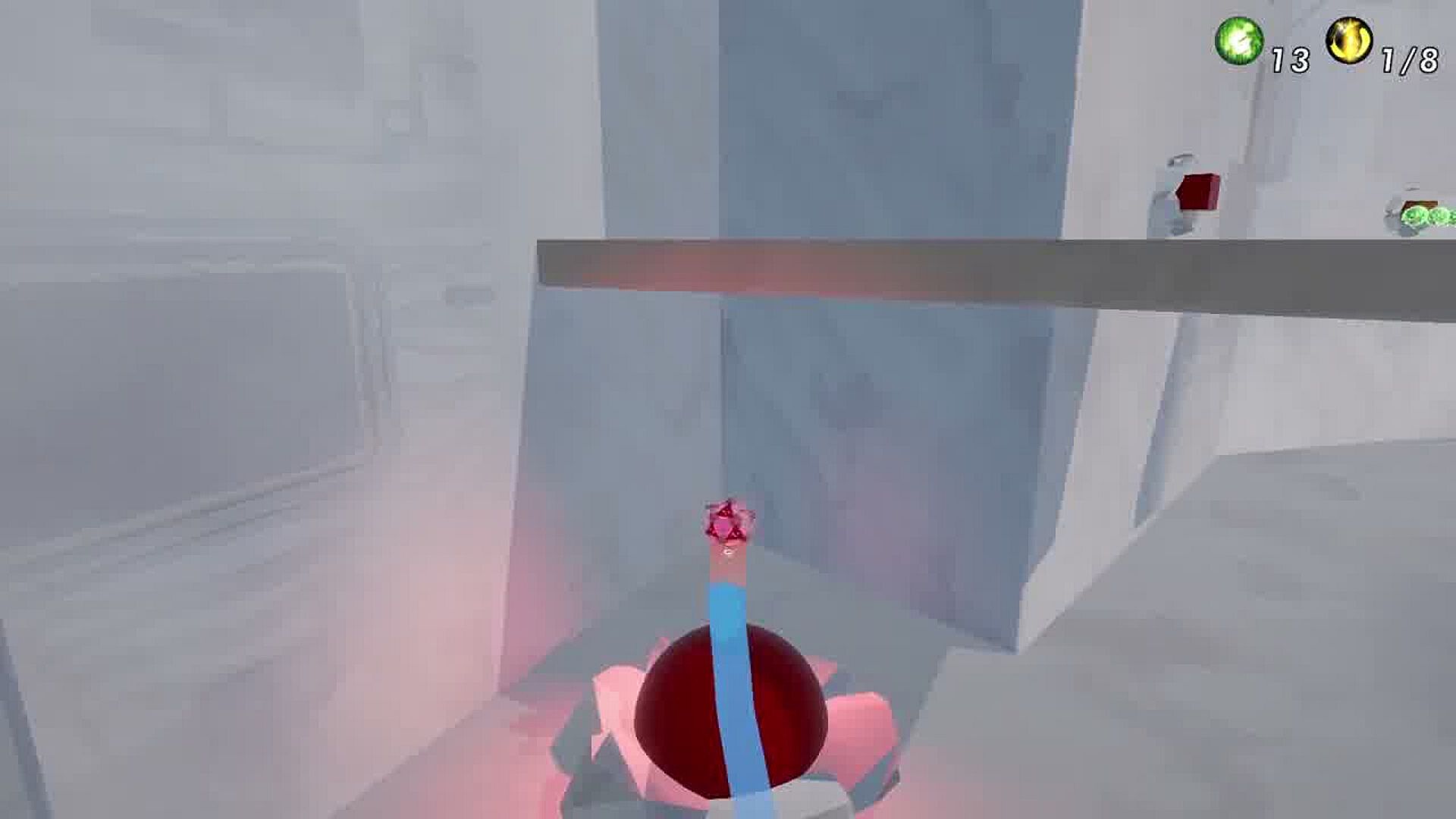
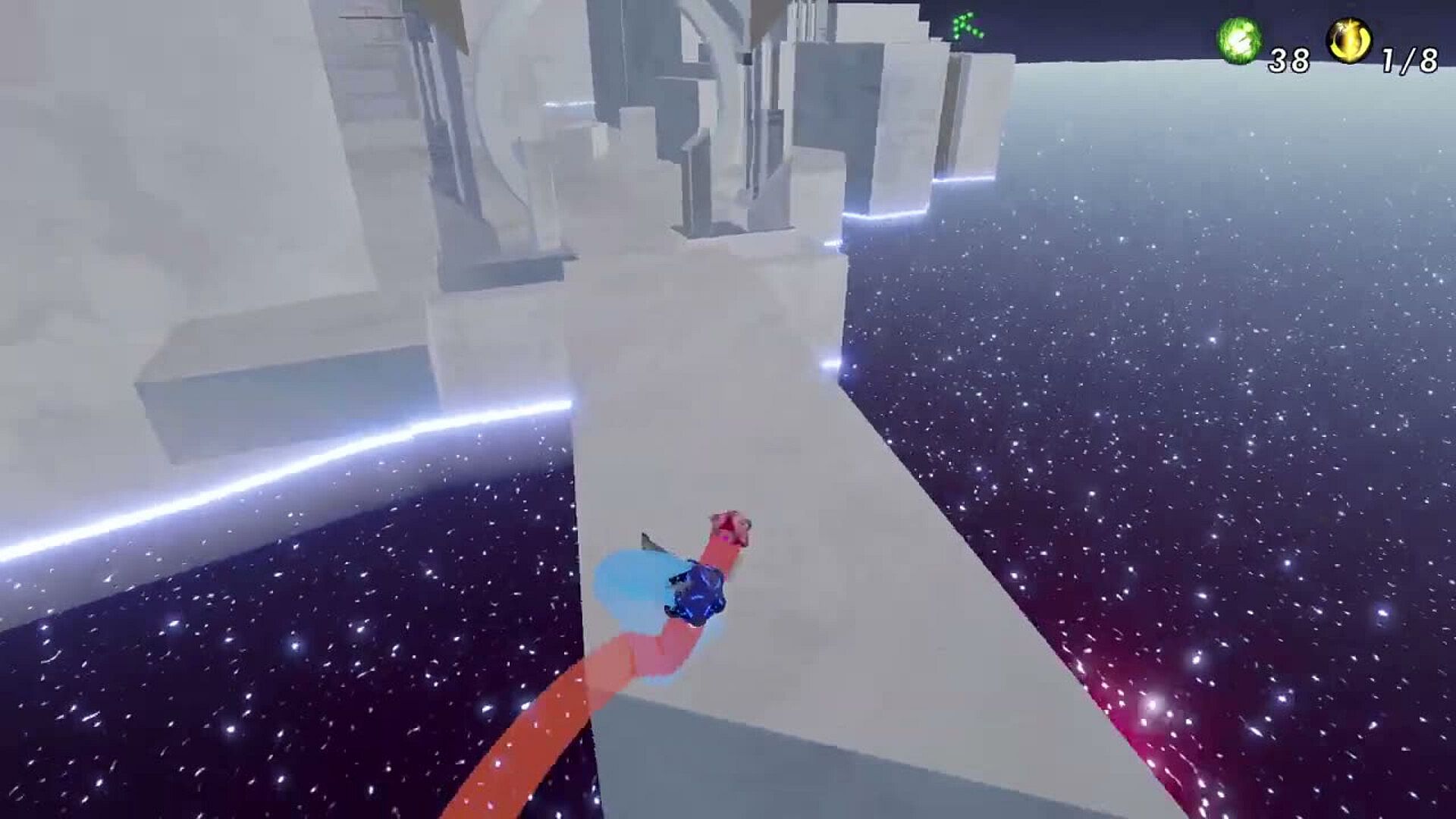
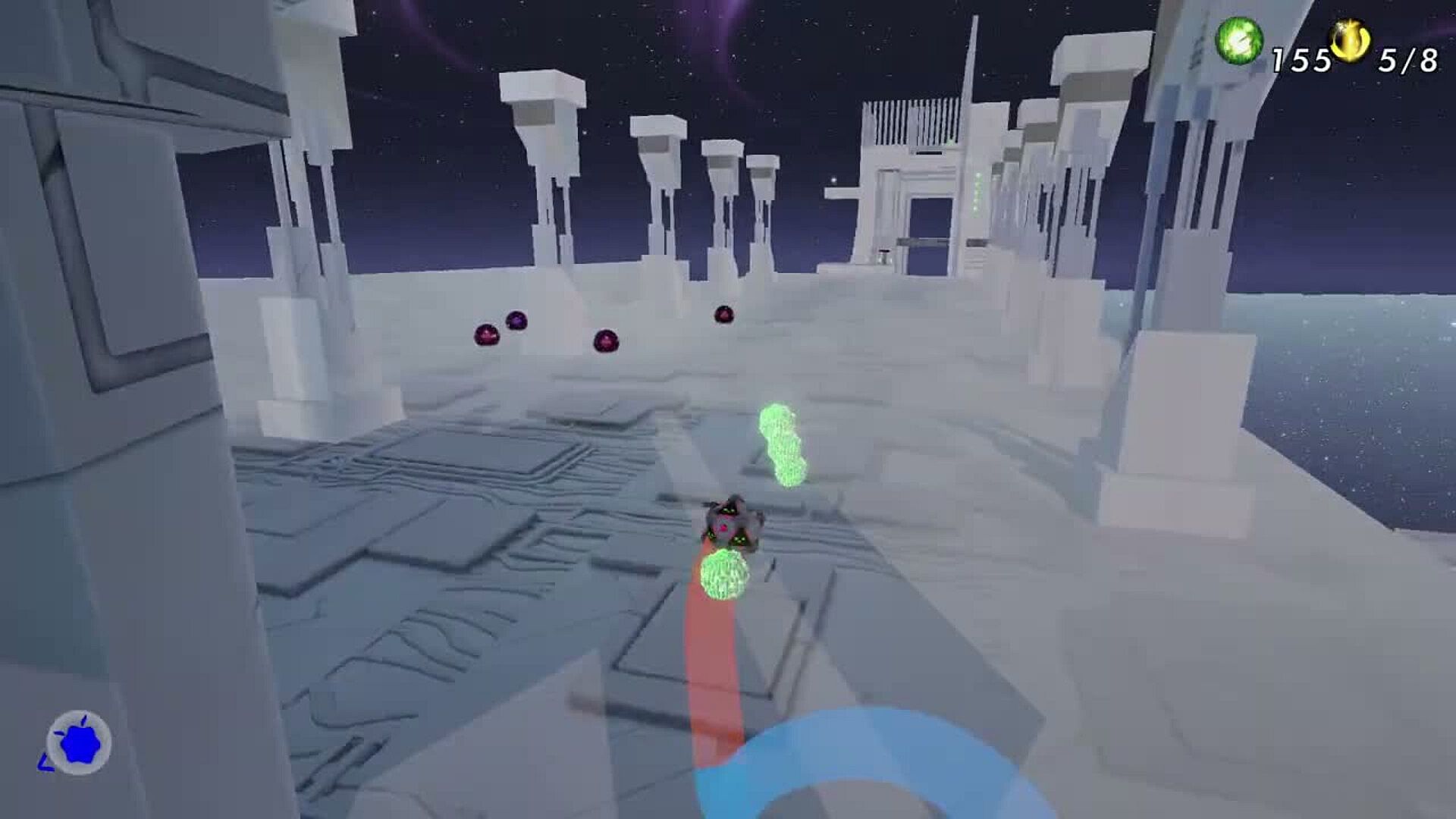
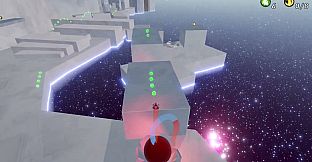
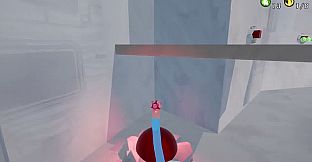
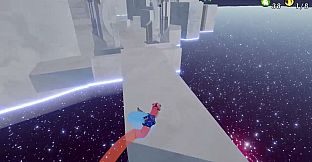
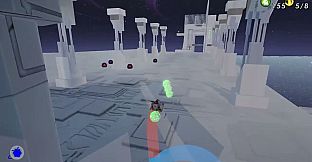
Poled Apart is a free to play indie co-op platformer that blends strategy and puzzle elements through its core magnetic mechanics. Two players control small robots navigating a mysterious dimension after an accidental teleportation from a particle accelerator. The experience emphasizes teamwork as both characters manipulate attraction and repulsion forces to progress through platforming sequences and environmental challenges.
Gameplay
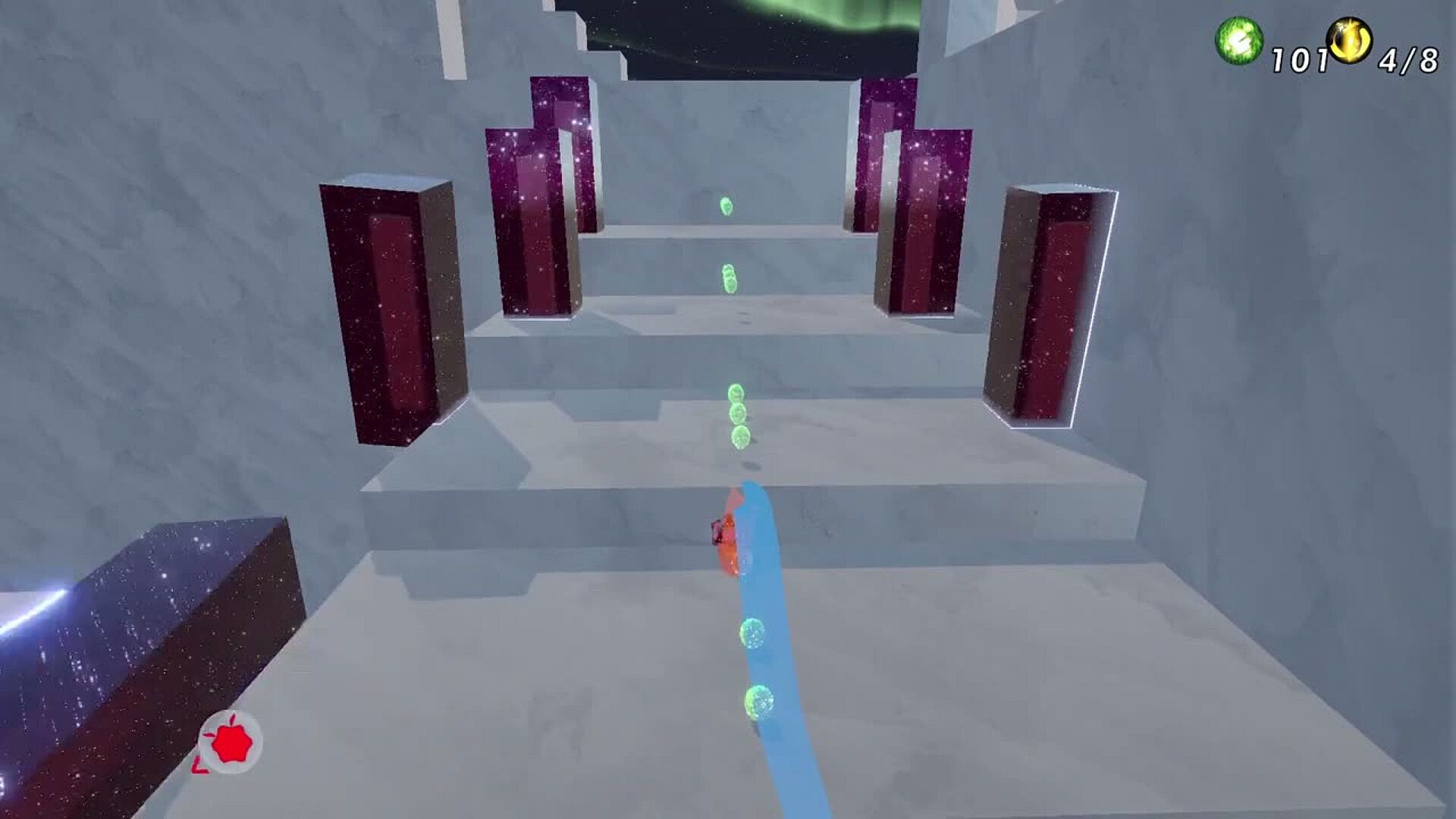
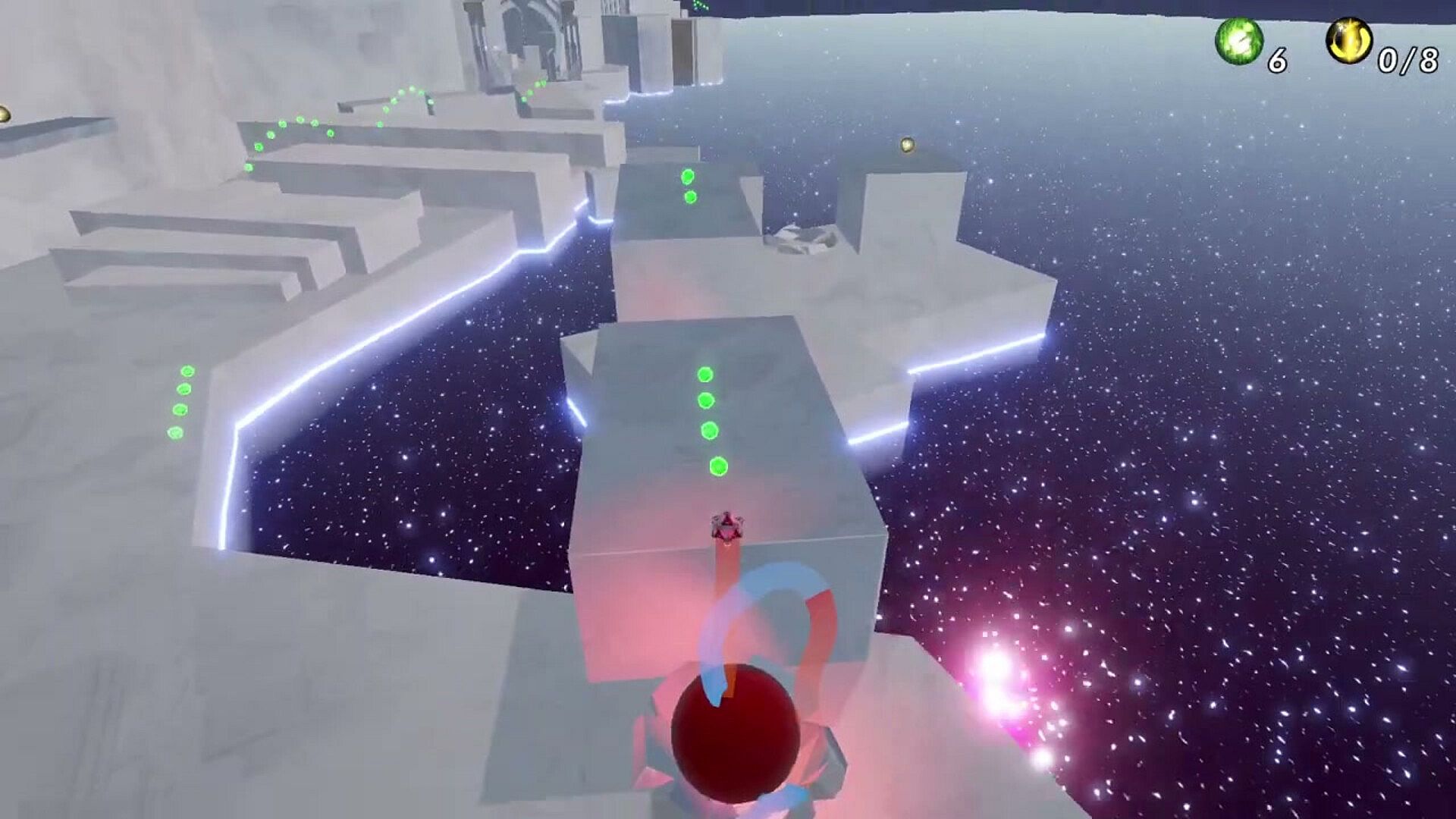
The central loop revolves around switching magnetic charges to interact with each other and the surroundings. Repulsion allows one player to launch the other across wide gaps, achieve greater jump heights, or gain speed while moving apart. Attraction pulls a partner from hazards like holes, redirects jumps toward distant platforms, or enables movement along ceilings when charges align properly. These forces extend to environmental objects such as charged platforms and elevators that respond to player polarity.
Physics experimentation forms a key part of progression. Players collect particles while solving puzzles that require precise timing and positioning. Antimatter hazards introduce action elements where the pair must coordinate dodges or use the charged objects against threats. Most obstacles remain optional, allowing teams to focus on the main path or explore alternative routes that test creative applications of the magnetism system. The entire session condenses into a focused 30 to 90 minute playthrough designed for repeated sessions with a friend.
Game Modes
Poled Apart centers on a single cooperative campaign built around shared control and mutual assistance. There are no separate competitive or solo modes confirmed. The structure encourages experimentation within the main sequence of platforming and puzzle sections, with optional challenges providing additional variety for pairs who want to test advanced techniques. Progression stays linear yet flexible, as teams decide which magnetic puzzles or physics-based obstacles to tackle on the way to reactivating the particle accelerator.
Story and Setting
Players assume the roles of two innocent robots thrust into an unfamiliar dimension filled with dangerous antimatter. The narrative drives the pair to gather particles and restore the accelerator that brought them there. Environmental storytelling unfolds through the strange geometry and charged structures that respond to the robots' abilities, creating a compact world that rewards careful observation and joint problem solving.
Is It Worth Playing?
This title suits players seeking a concise co-op experience built around a distinctive physics system rather than lengthy campaigns or expansive worlds. The short runtime makes it accessible for quick sessions, while the optional challenges add replay value for those who enjoy mastering the attraction and repulsion interactions. As a free to play indie release with online co-op support, it offers low-barrier entry for pairs interested in puzzle-platforming that relies on communication and precise coordination. Early prototype feedback highlights the unique mechanic, though the game remains in development with a planned release date still to be announced. Those who value focused teamwork over broad content will find the core loop engaging.