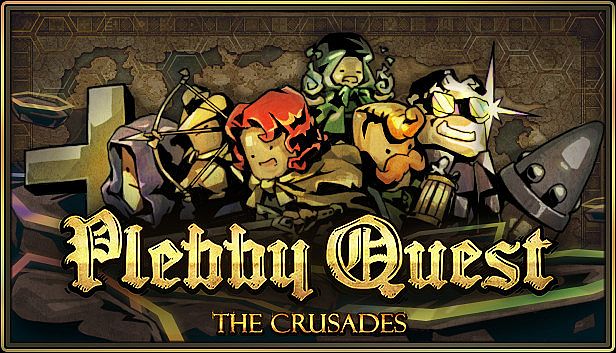












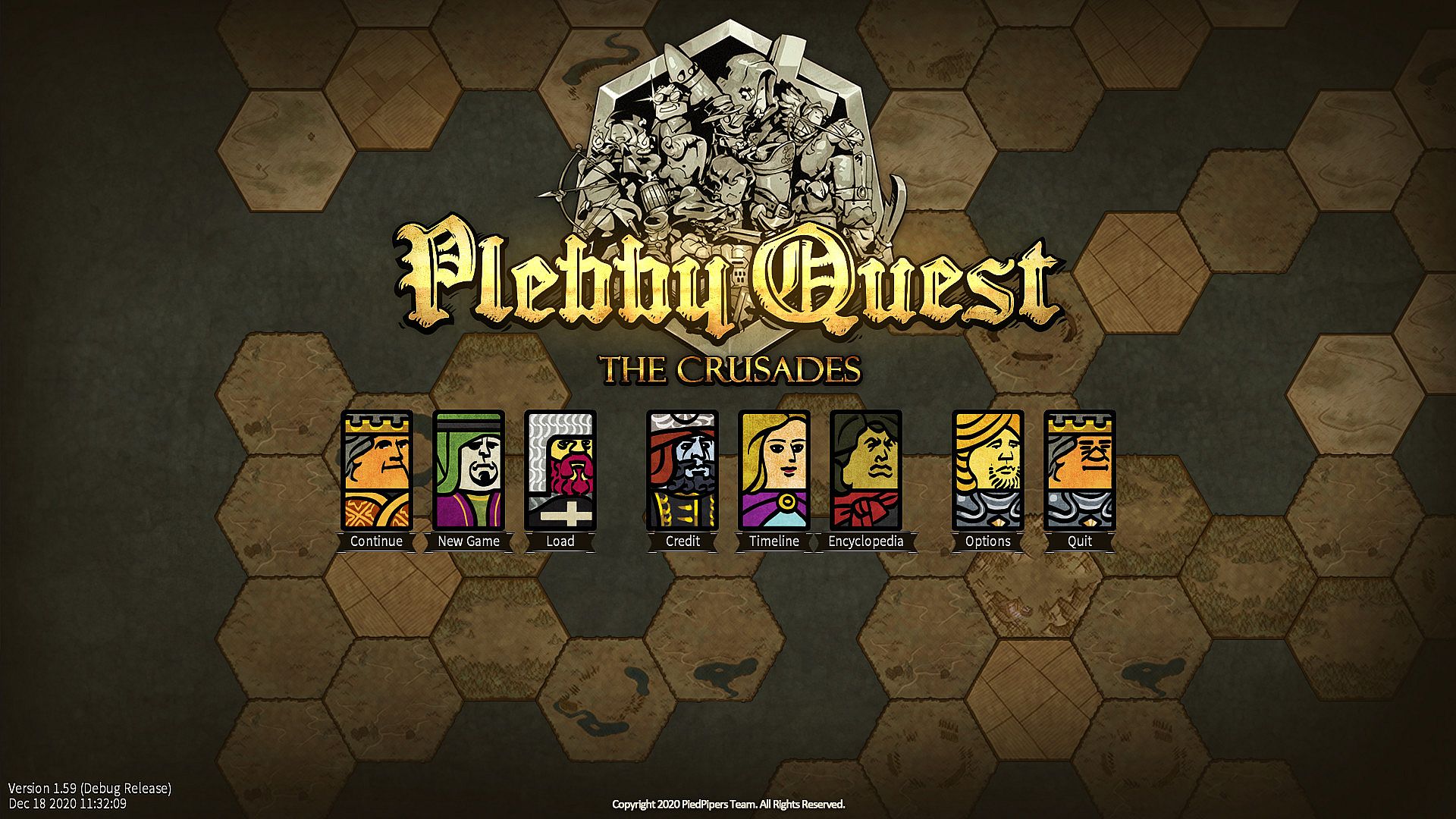
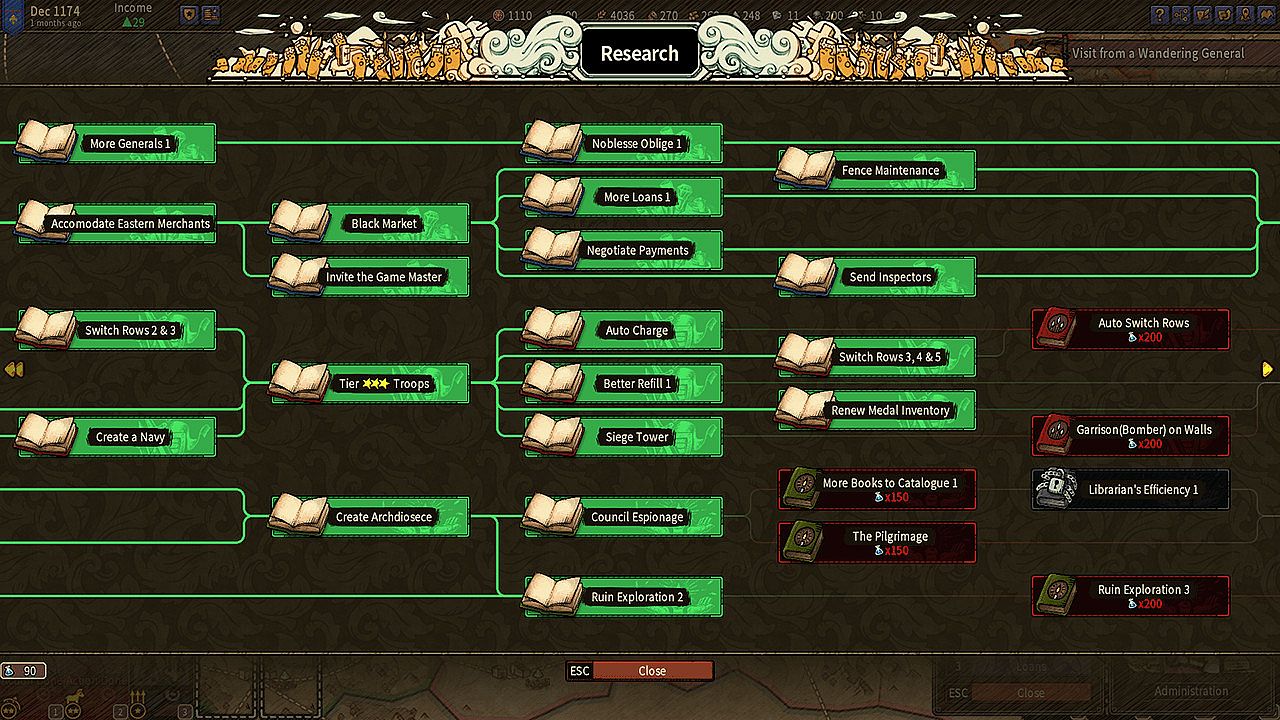
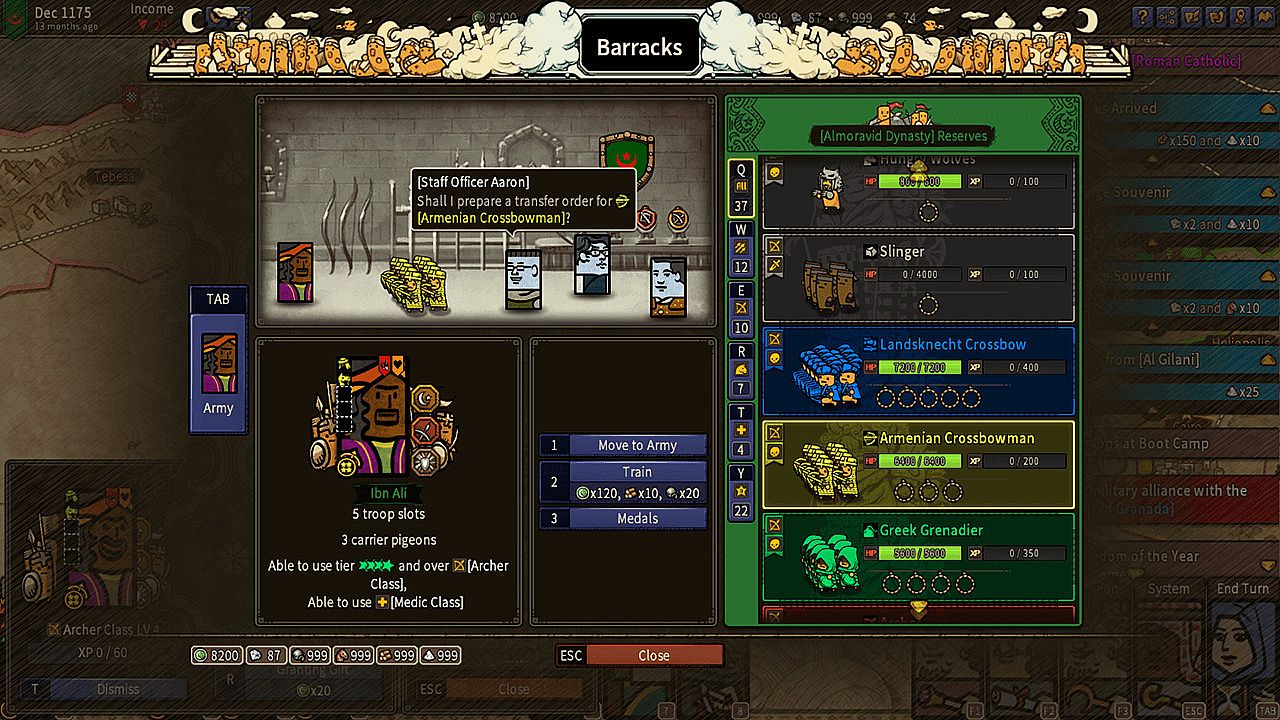
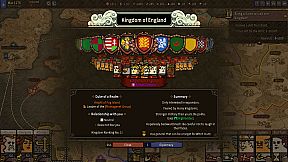
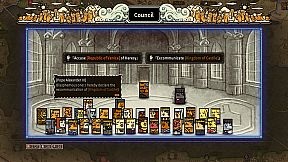
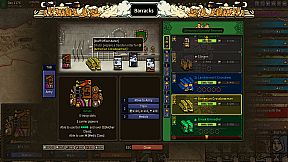
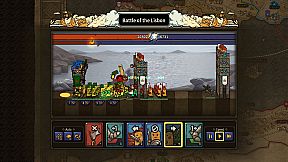
Plebby Quest: The Crusades is a turn-based strategy game set in the historical period of the Crusades across Europe and the Middle East. Players manage a kingdom while navigating threats from rival rulers, hostile neighbors, and religious authorities that impose strict demands on faith and loyalty. The core loop revolves around building a lasting legacy through careful decisions in diplomacy, warfare, and internal politics, all while the game tracks how past actions influence future interactions.
Gameplay
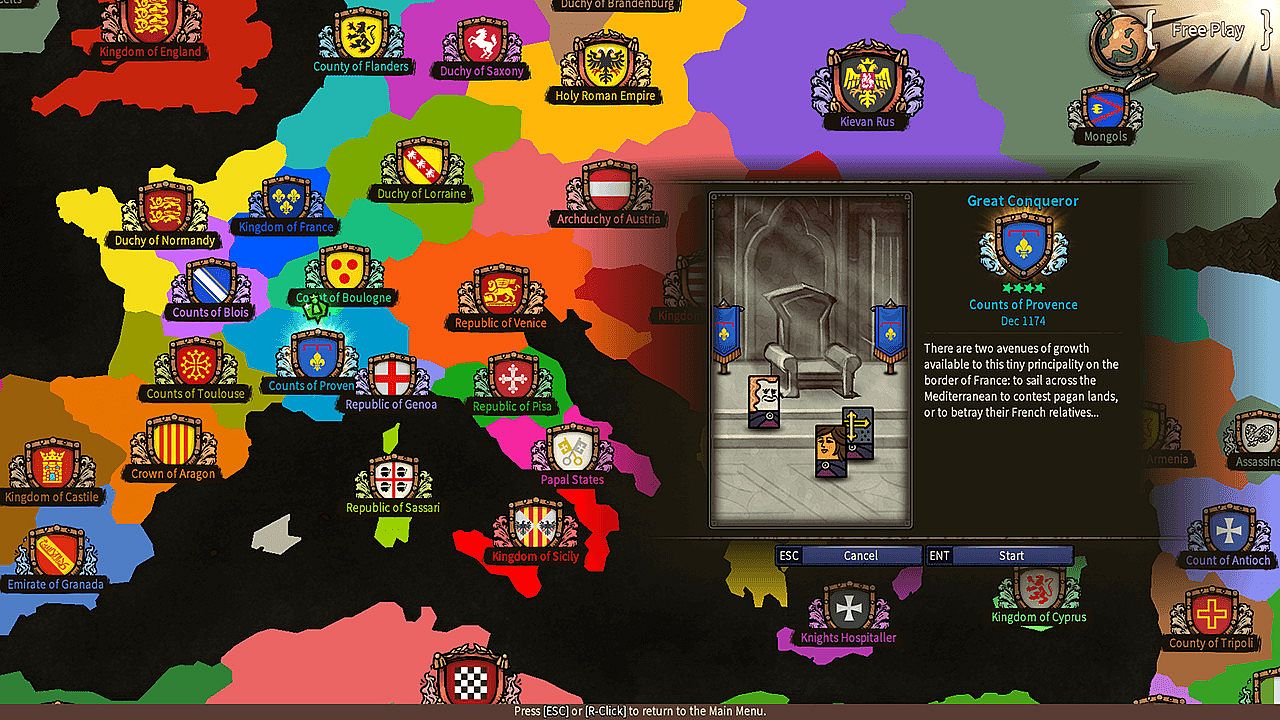
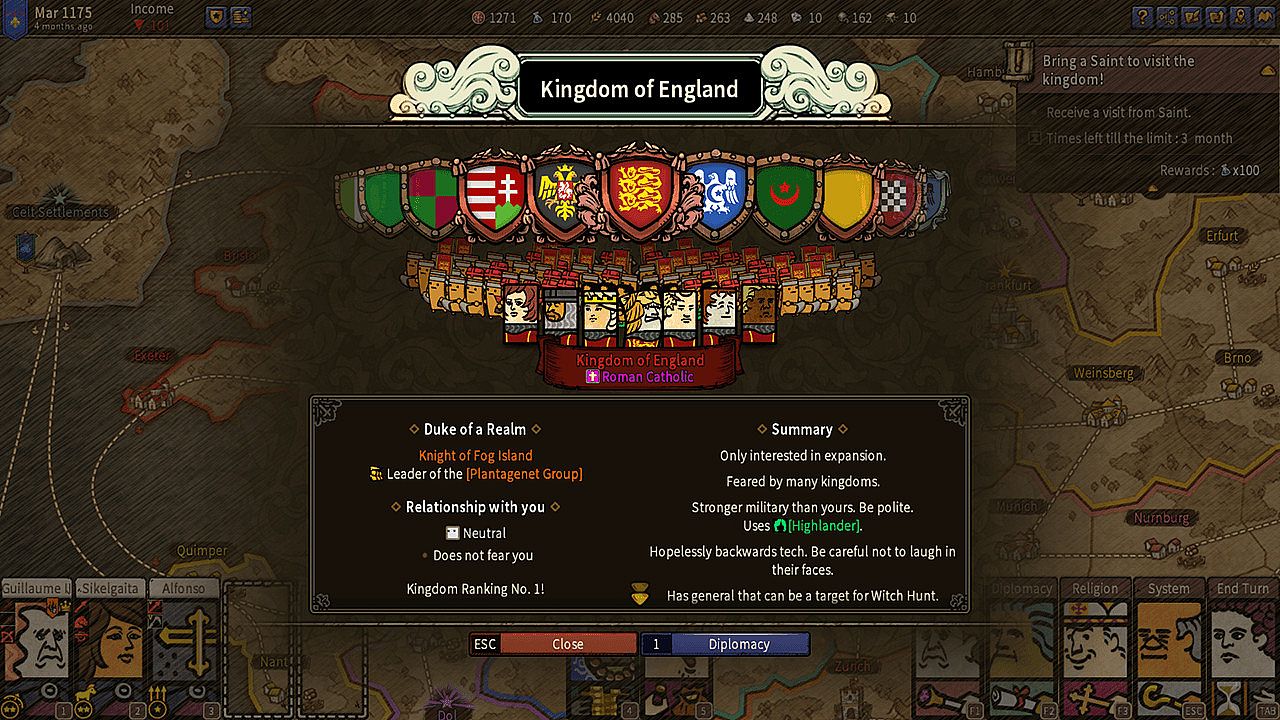
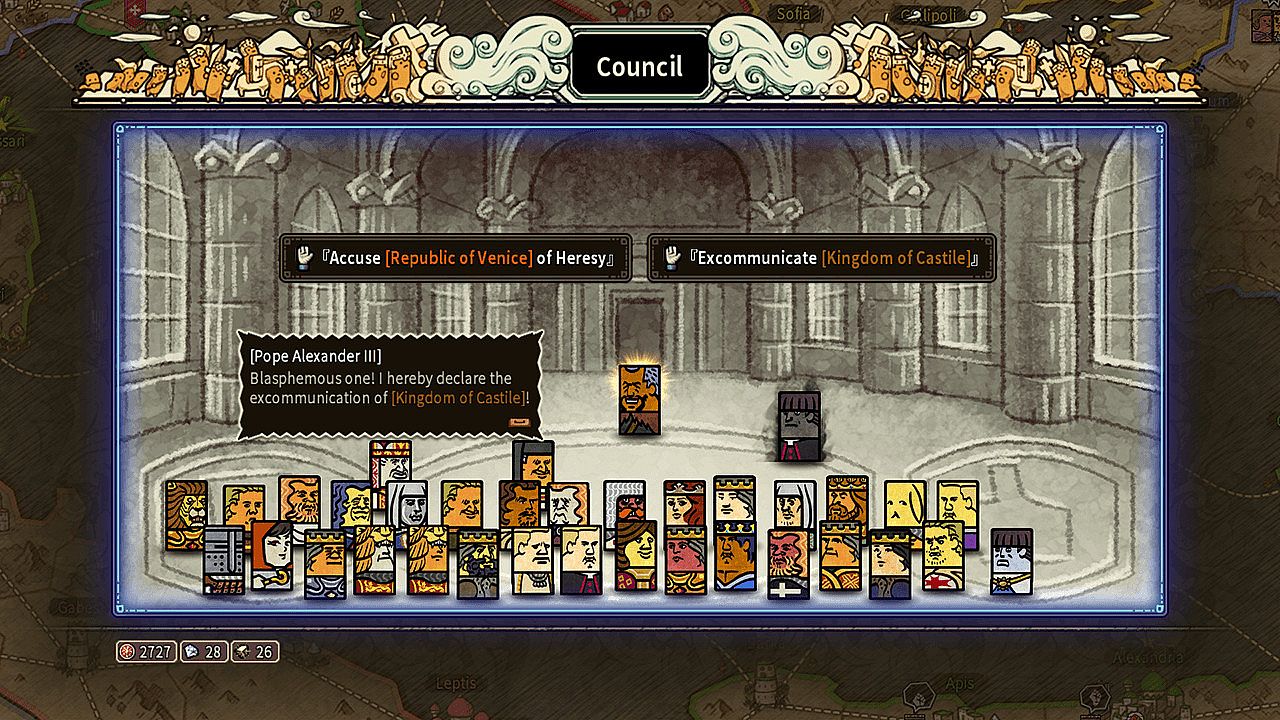
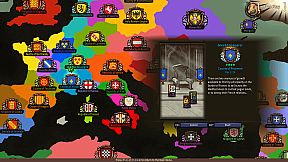
The gameplay centers on managing a kingdom in a medieval setting where survival depends on balancing external pressures and internal stability. Neighboring realms remember previous interactions, so aggressive moves or broken promises can spark dissent and open conflicts. Religious influence plays a major role, as every kingdom operates under a faith that requires demonstrations of piety to avoid accusations of heresy. Meetings held each June bring together leaders from different beliefs to condemn rivals or call for crusades, and players can influence outcomes through negotiation tactics that range from persuasion to more underhanded methods.
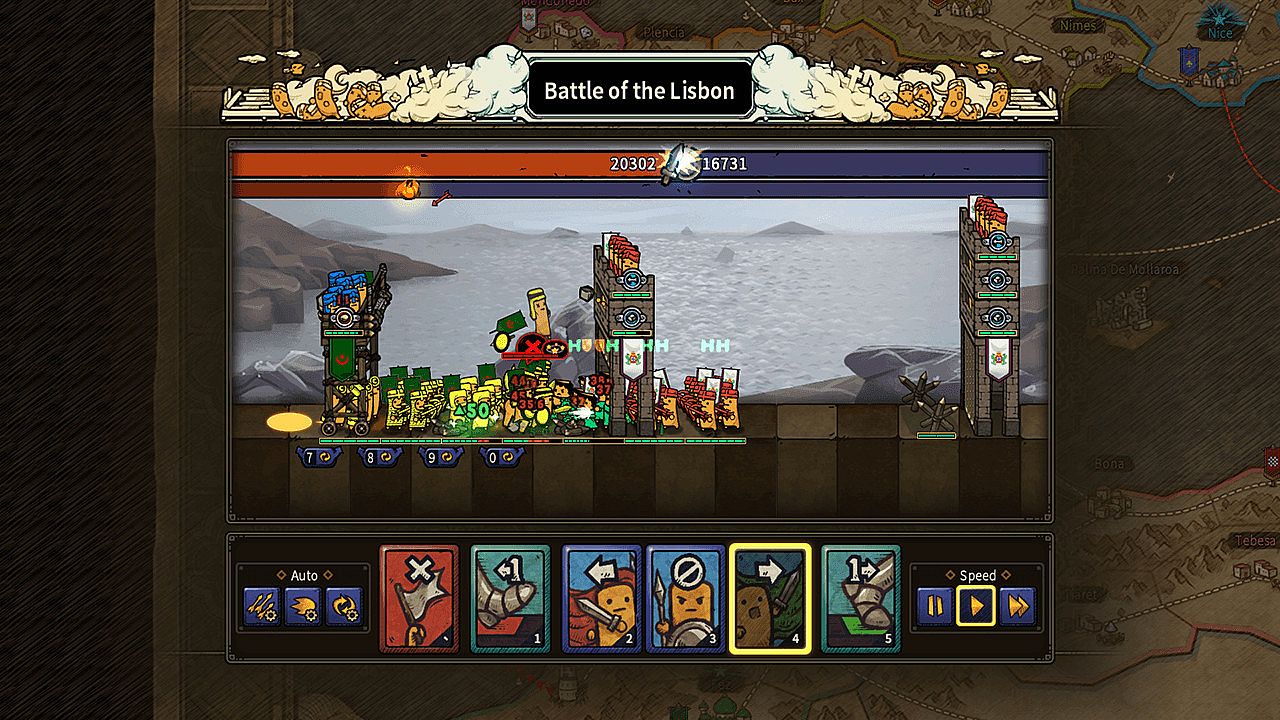
War introduces stark binary choices once hostilities begin, forcing players to decide between aggressive destruction or defensive endurance. The system emphasizes long-term consequences, where early choices affect how characters and factions respond in later encounters. Unique character animations bring personality to these interactions, with figures displaying a range of emotions through distinct movements against simple backdrops.
Game Modes
Two primary modes shape the experience and connect across playthroughs. Scenario mode follows specific character stories with structured objectives that guide progression through narrative events. Sandbox mode removes those limits, allowing unrestricted world conquest and kingdom expansion. Decisions made in one mode carry over to influence opportunities and challenges in the other, rewarding consistent strategies with better starting positions or alliances in subsequent sessions.
This connection encourages replayability, as successful plays in scenario mode can unlock advantages for sandbox runs, while free experimentation in sandbox mode reveals mechanics that improve story-focused attempts.
Diplomacy and Religious Mechanics
Interactions with other kingdoms hinge on reputation and personality matching. Aligning responses with a ruler's traits can build trust and open new options, whereas missteps lead to isolation or outright war. Religious demands add another layer, requiring players to prove devotion through actions that satisfy the dominant faith or risk condemnation at the annual gatherings. These elements create a web of alliances and rivalries that shift based on accumulated history rather than isolated events.
Is It Worth Playing?
The game suits players who enjoy turn-based strategy with strong emphasis on political maneuvering and consequence-driven decisions. Its simplified systems make the genre accessible without overwhelming complexity, while the connected modes support multiple approaches to kingdom building. Reception stands at Very Positive based on hundreds of user reviews, reflecting appreciation for the core mechanics and humorous tone. The title remains available on PC with no major ongoing seasonal content, making it a complete package for those seeking a focused medieval strategy experience. Those drawn to games that blend light role-playing elements with simulation of historical intrigue will find the most value here.