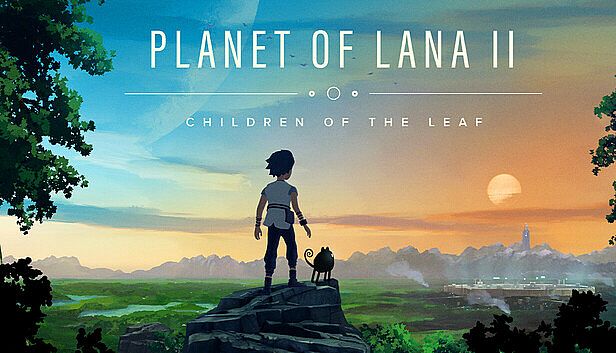



















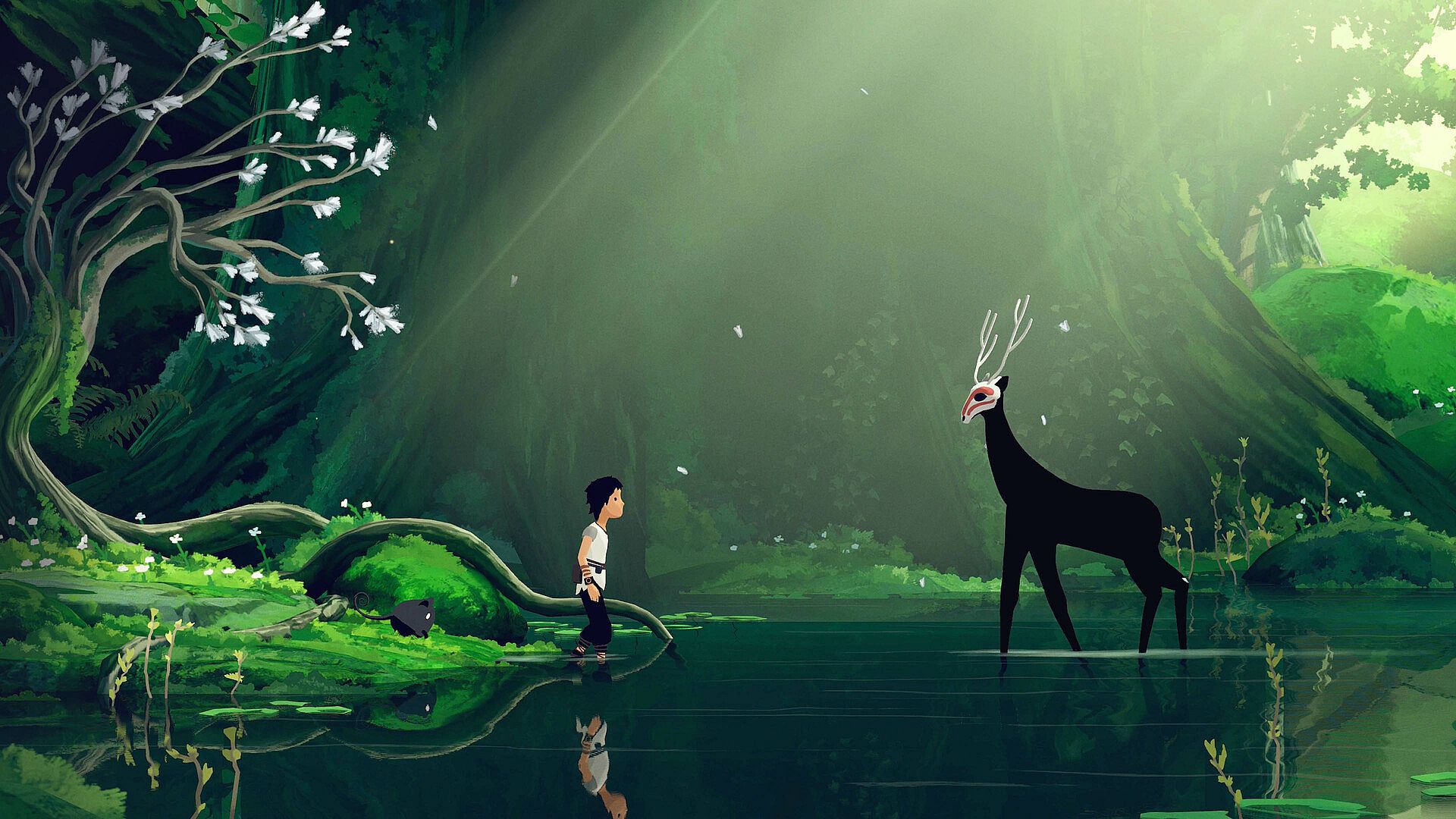
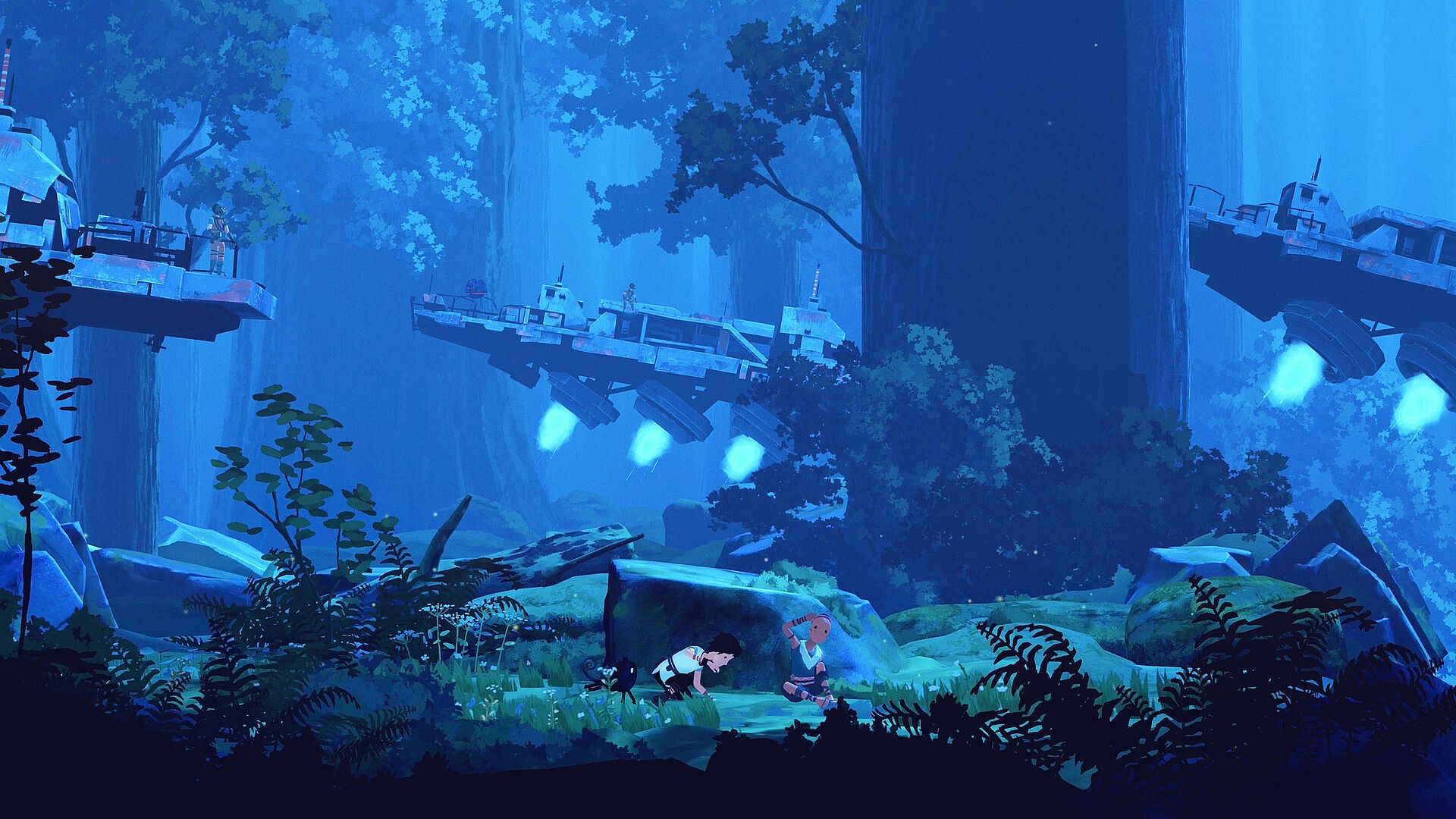
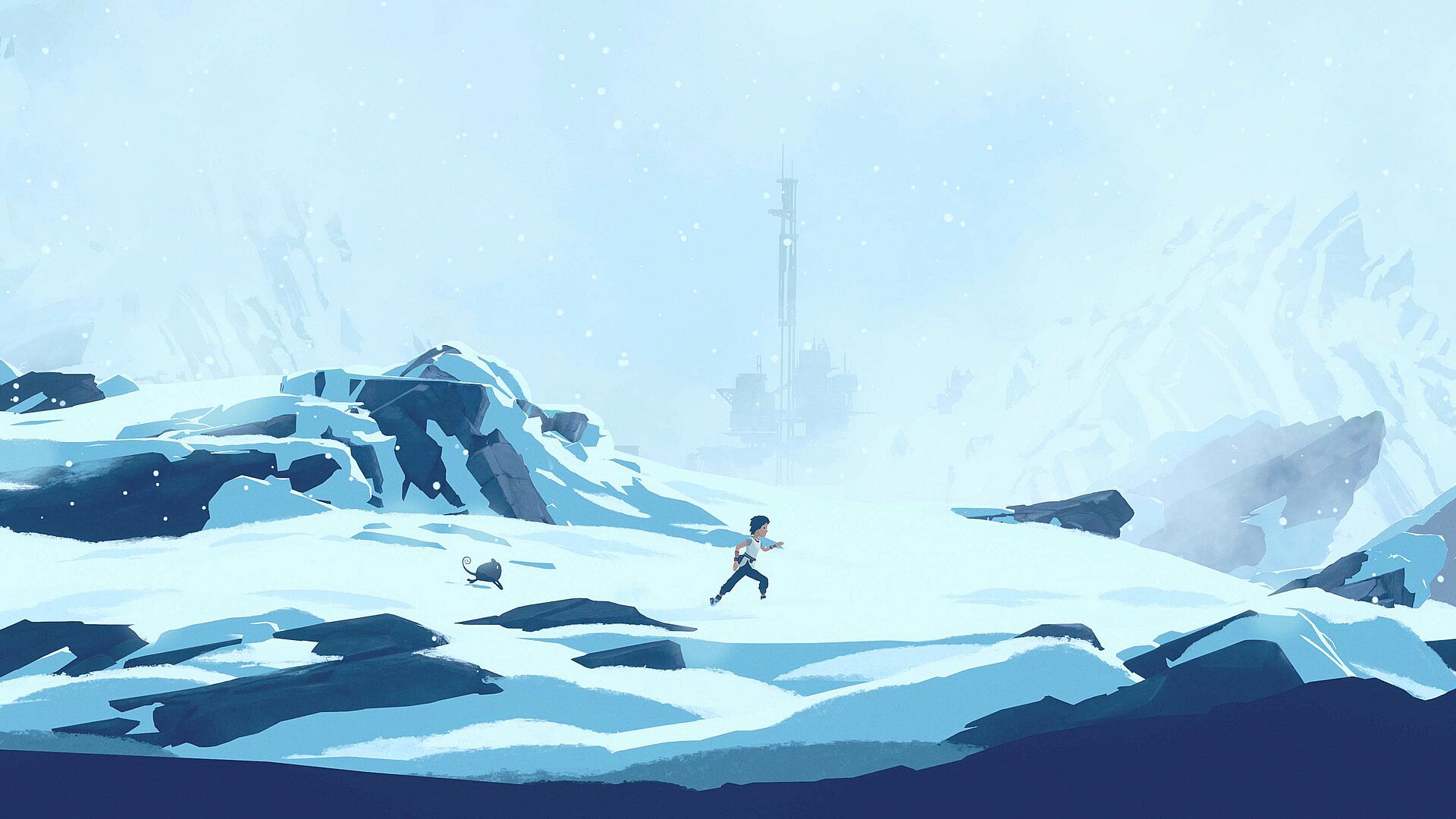
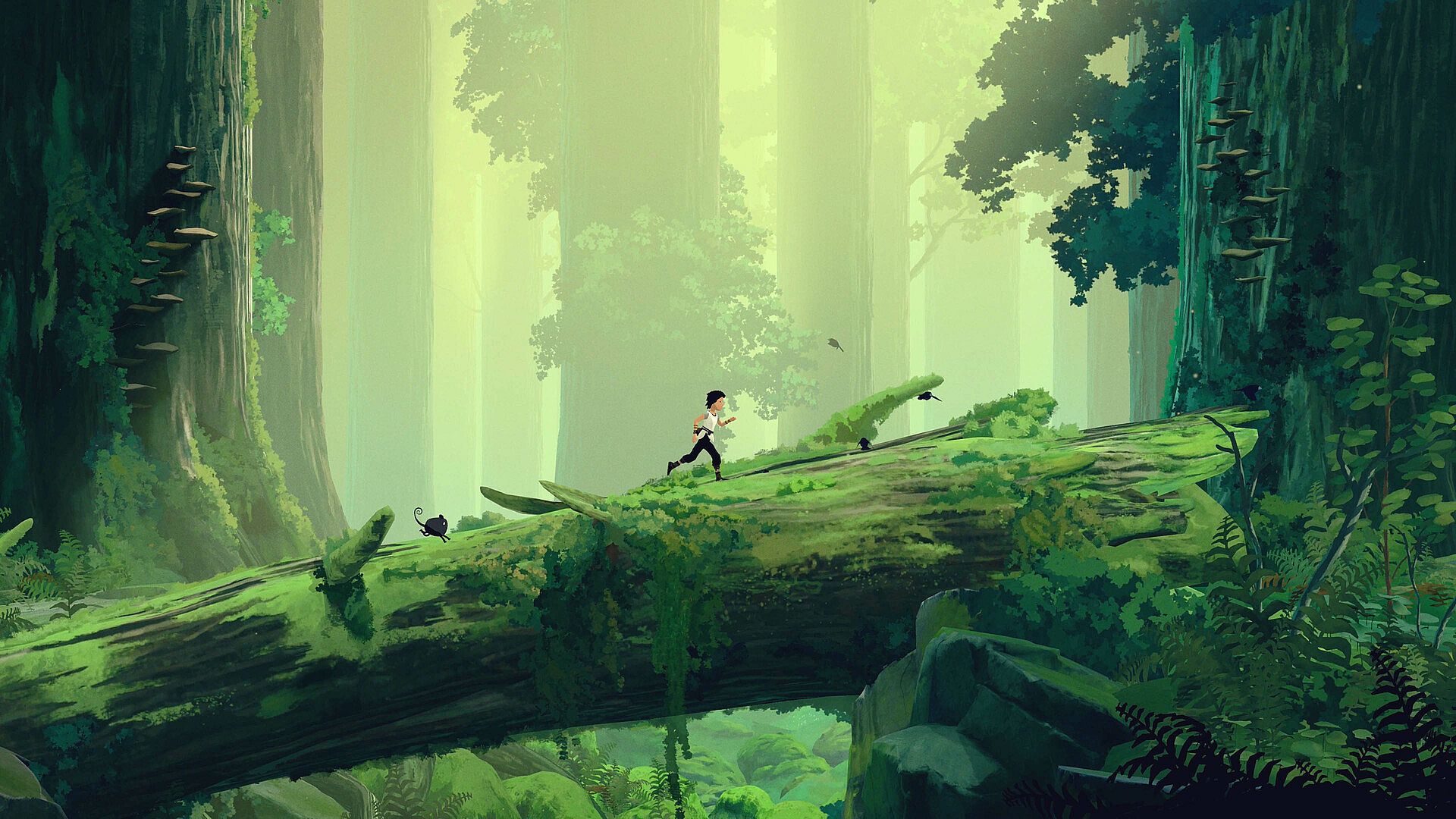
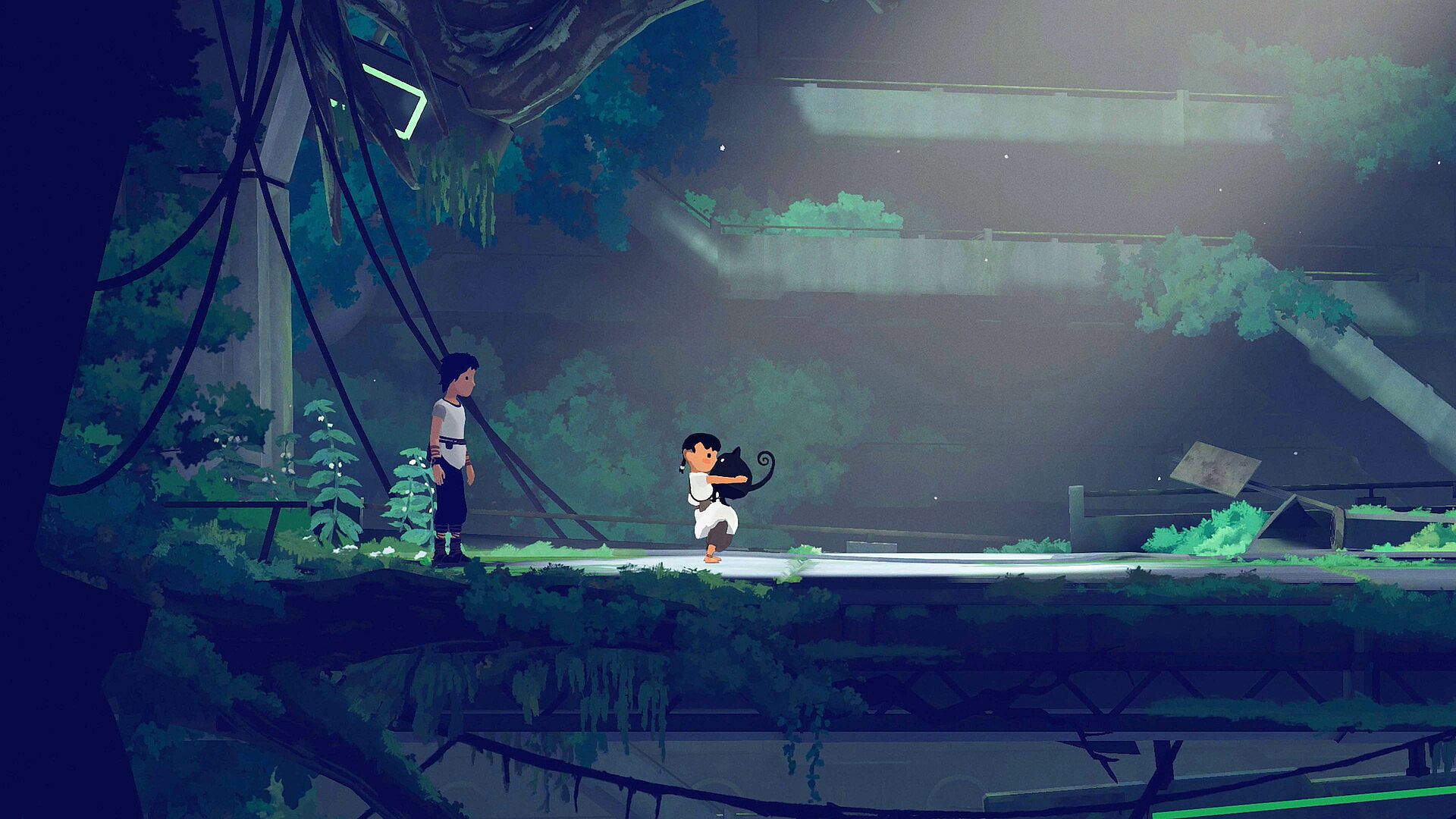
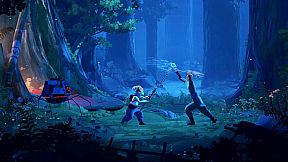
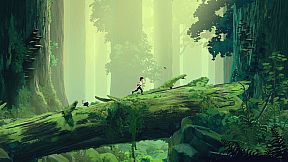
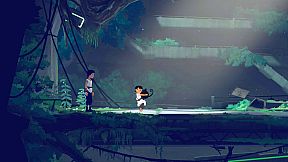
Planet of Lana II: Children of the Leaf stands out as a cinematic puzzle adventure game that builds on its predecessor's foundation. In this single-player title, you control Lana alongside her animal companion Mui, exploring a sci-fi world filled with ancient mysteries and new threats. The experience focuses on cooperative puzzle-solving and narrative depth, set against hand-painted visuals and a sweeping orchestral score.
Gameplay
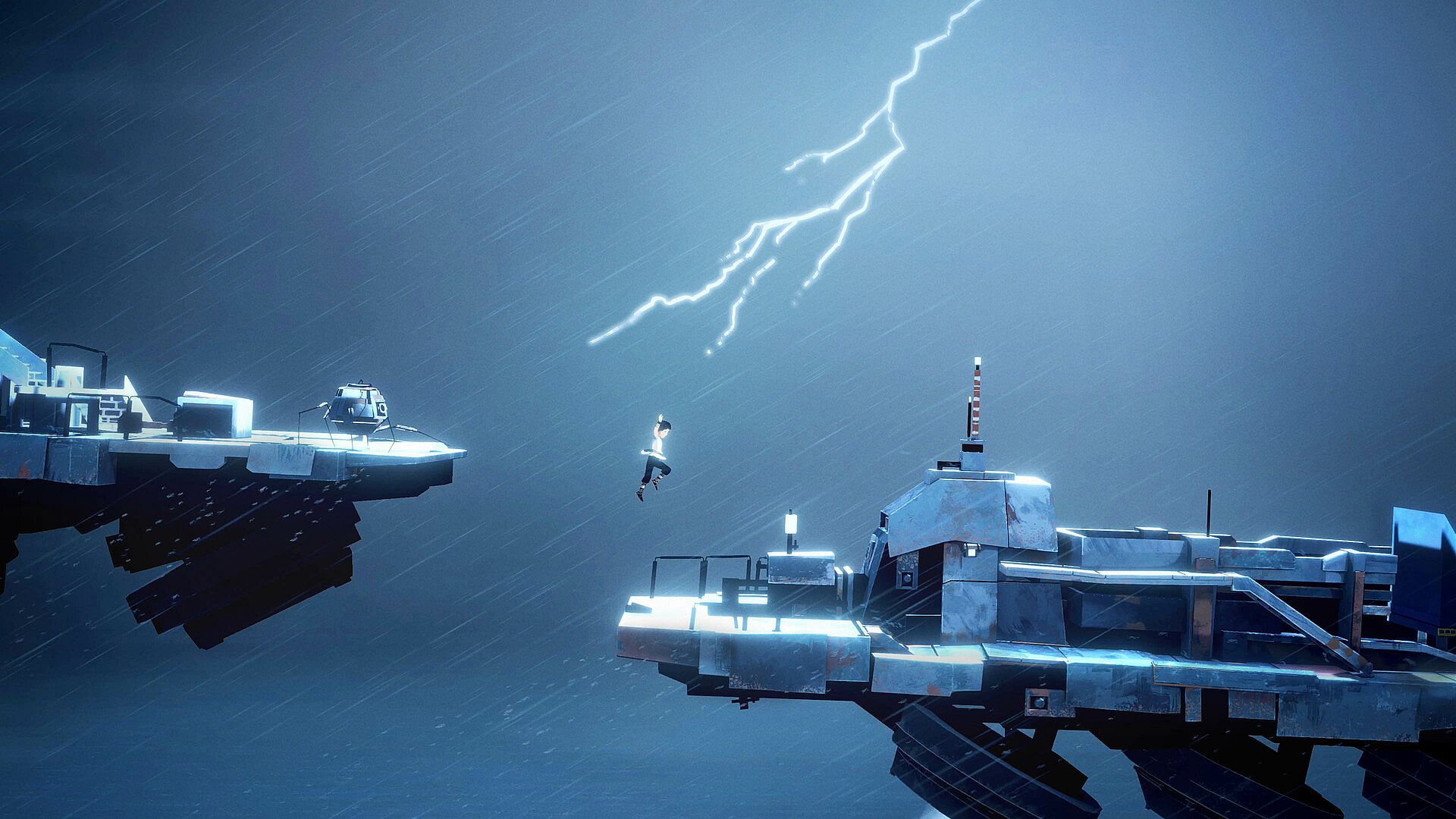
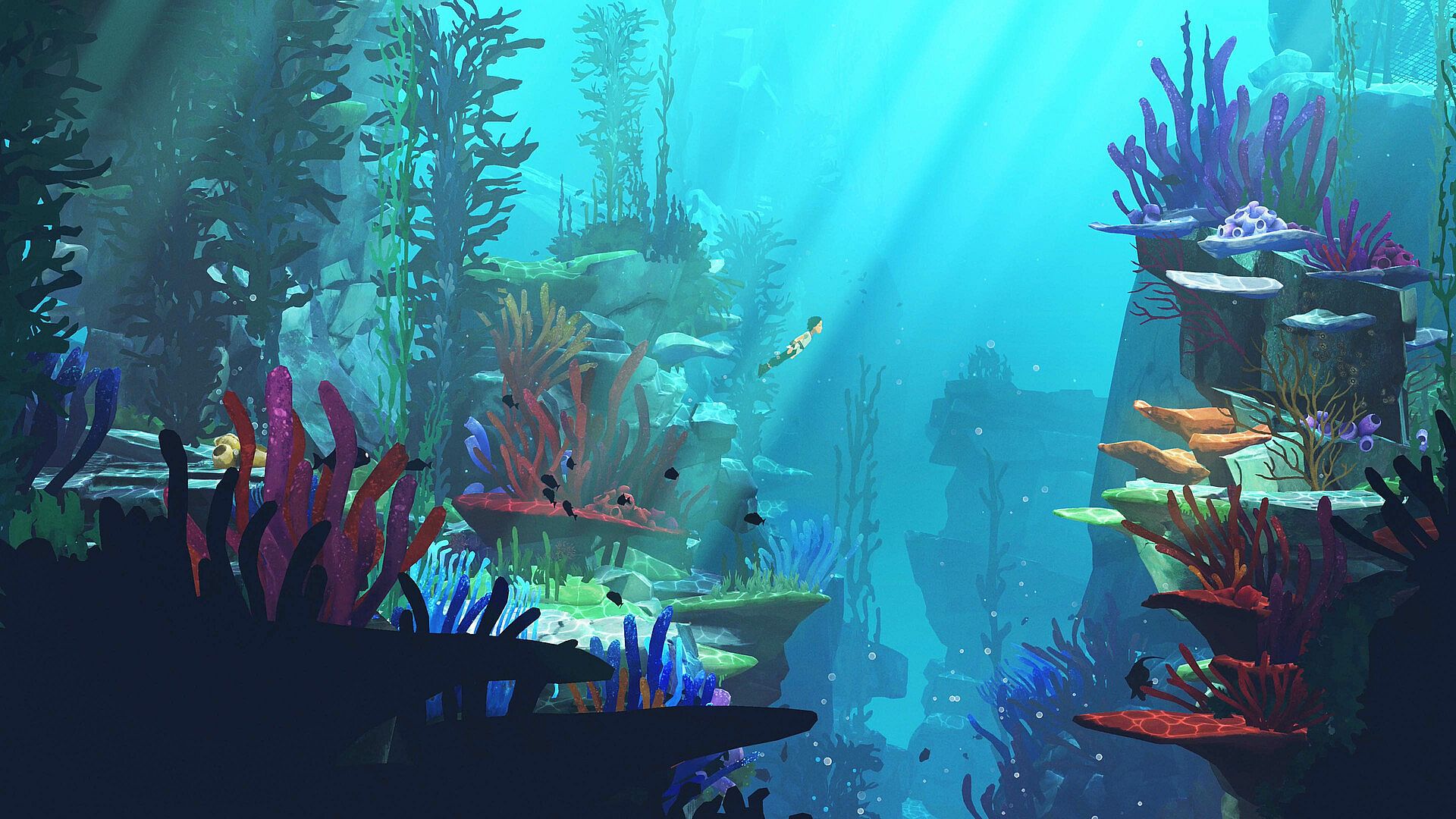
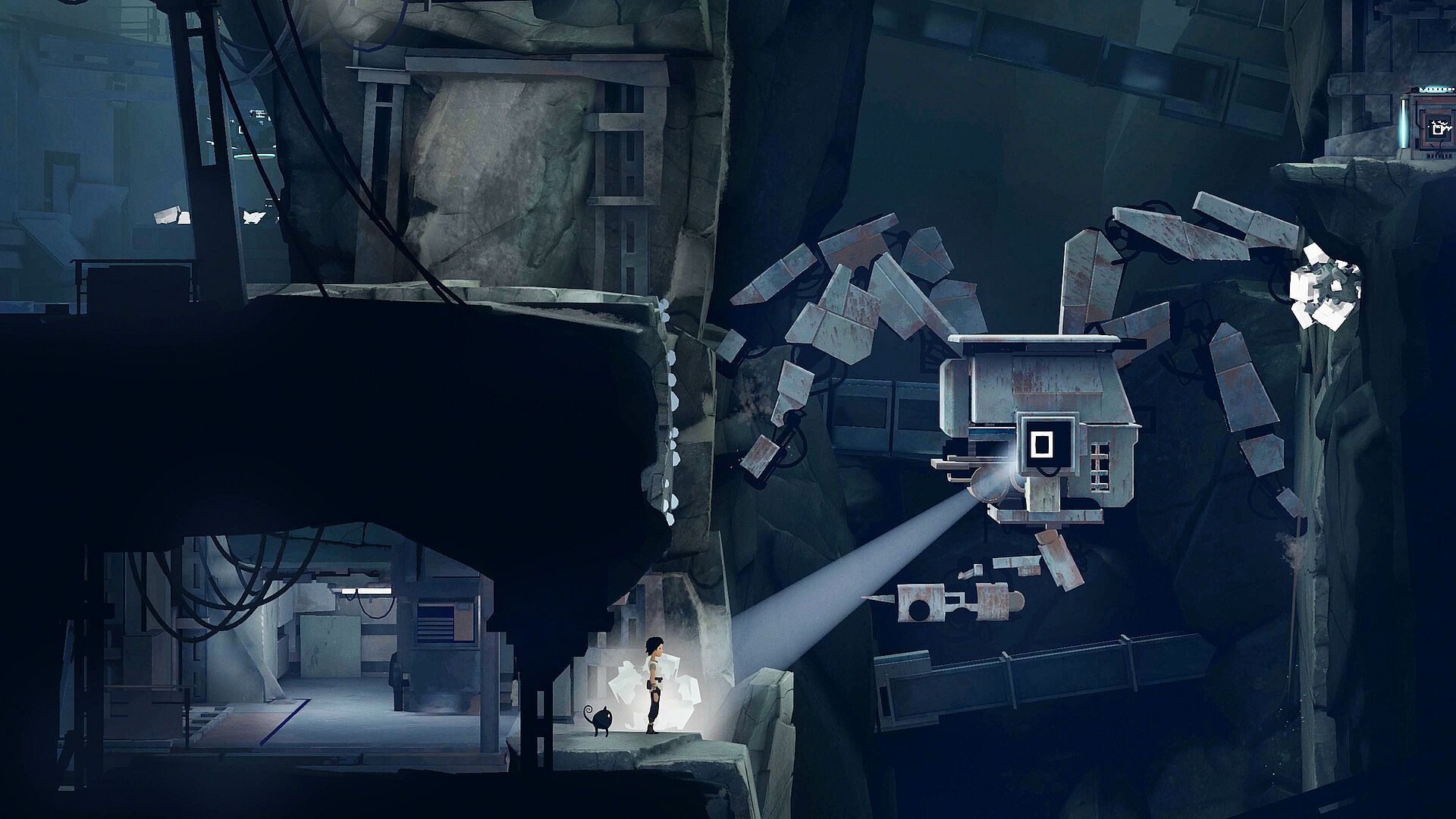
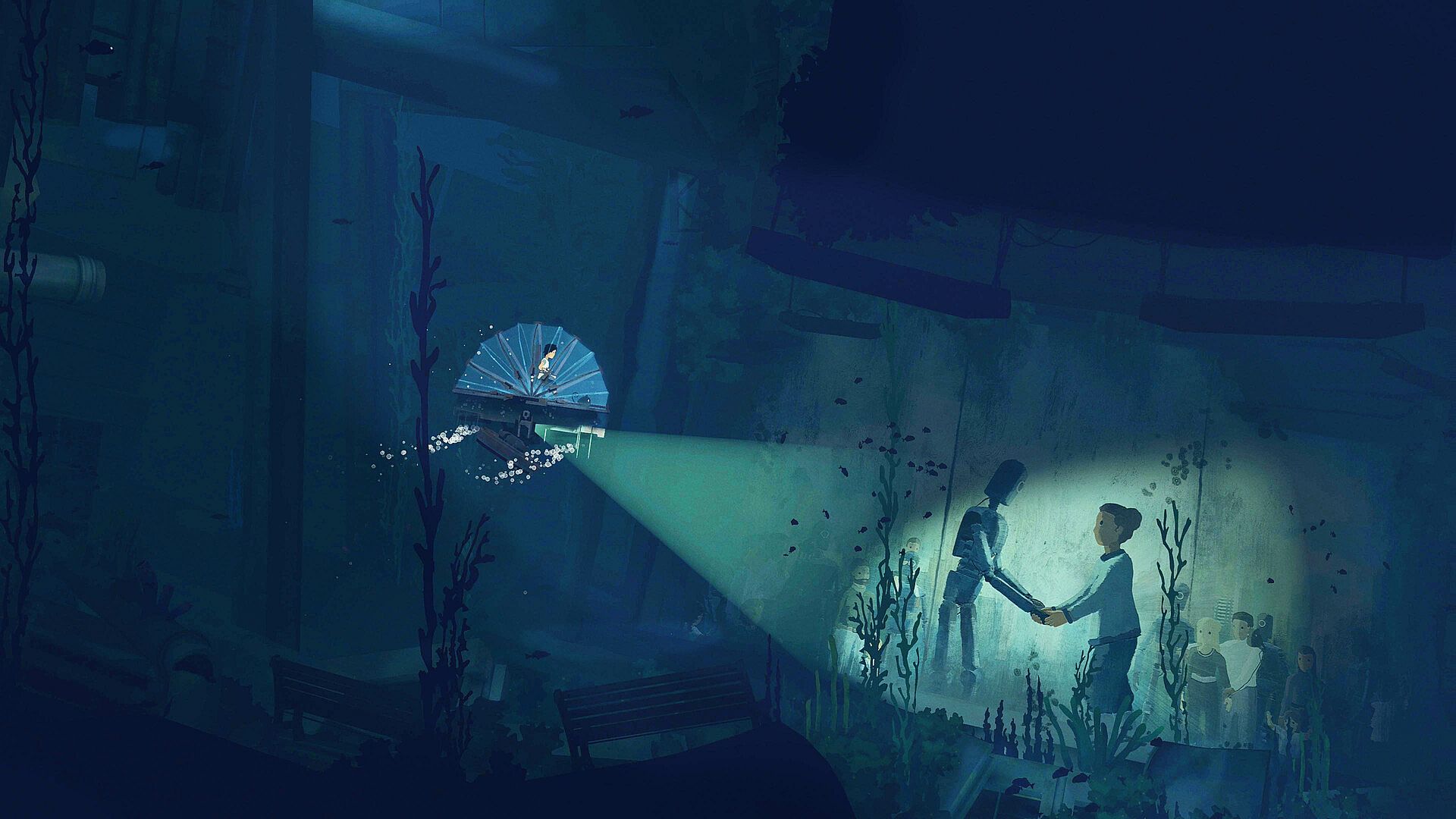
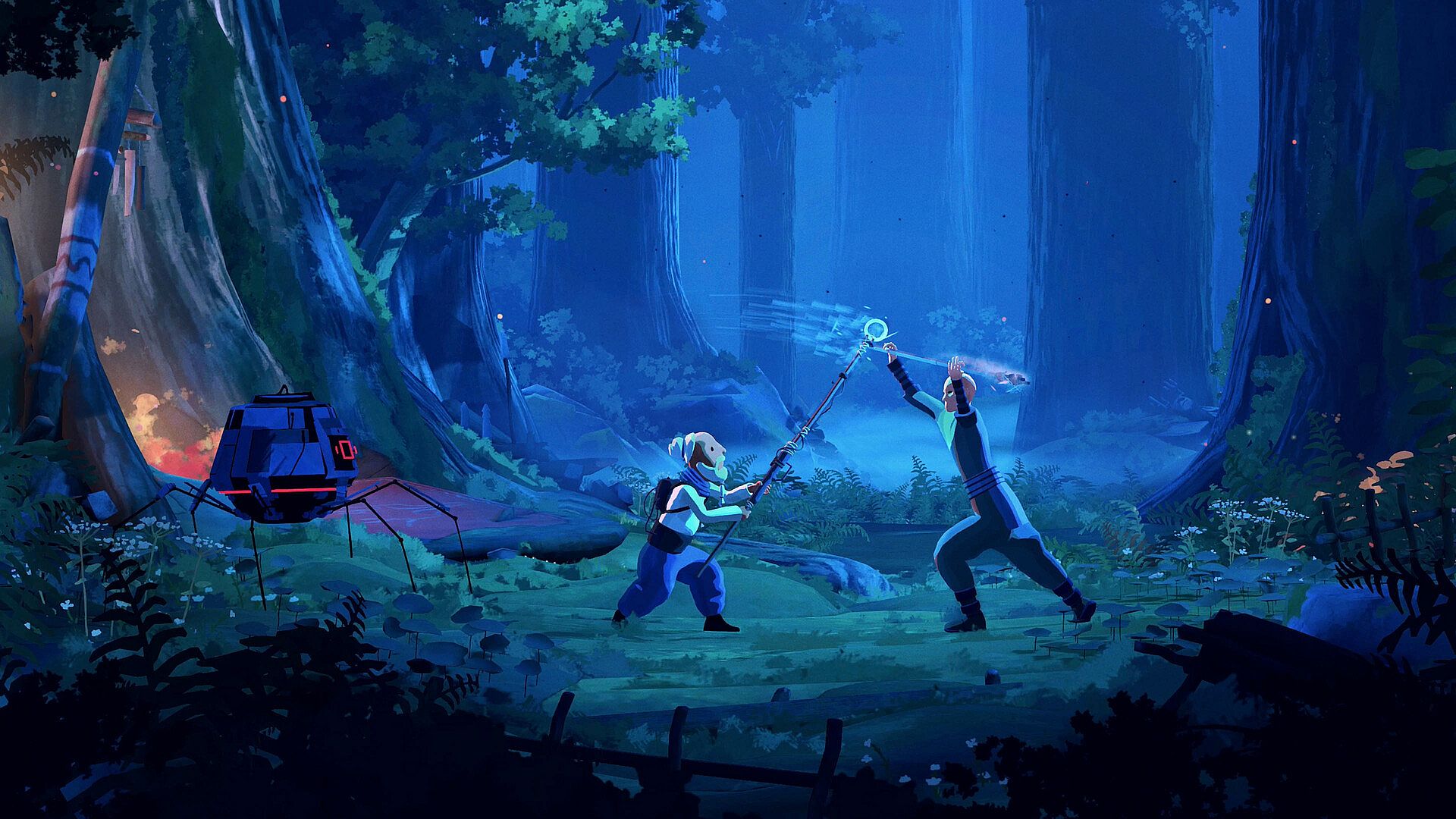
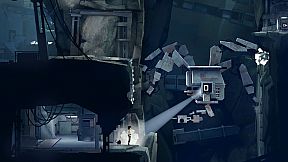
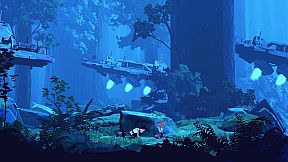
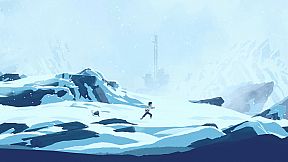
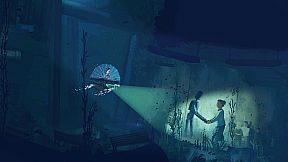
Core mechanics revolve around guiding Lana and Mui through diverse environments, from lush forests to underwater realms. You direct Mui to interact with objects or creatures, enabling collaborative solutions to physics-based challenges. New elements include hypnotizing animals for assistance and manipulating hybrid robots to navigate obstacles. Stealth plays a key role, requiring careful timing to avoid enemies, while action sequences demand quick reflexes for moves like wall jumps and run-slides. The gameplay emphasizes exploration and wit over combat, with an evolved bond between characters allowing for precise control and deeper interactions.
Progression involves tackling a variety of puzzles that grow in complexity, blending environmental manipulation with tactical decisions. Lana's enhanced agility lets her traverse dynamic landscapes more fluidly, adding layers to both puzzle-solving and survival elements. The overall loop encourages experimentation, as you uncover hidden paths and secrets in a world that feels alive and interconnected.
Game Modes
This game centers on a single-player campaign that unfolds as a continuous story-driven experience. There are no separate multiplayer options or competitive modes; instead, the focus remains on solo progression through the narrative. Players advance chapter by chapter, with each segment introducing new puzzles and environments tied to the overarching plot.
Story and World
The narrative picks up after the events of the first game, delving into Novo's hidden depths and Lana's personal struggles. As shadows encroach, the story explores themes of companionship and destiny across centuries and galaxies. Diverse worlds, including underwater chapters, provide fresh backdrops for the unfolding saga, enhanced by Takeshi Furukawa's acclaimed compositions that heighten emotional moments.
Is It Worth Playing?
For fans of puzzle-platformers that prioritize atmosphere and storytelling, this sequel delivers a compelling experience with its refined mechanics and extended length of around eight hours. Positive player reception highlights the beautiful presentation and engaging puzzles, making it a strong choice for those who enjoyed similar titles. If you seek a thoughtful adventure with emotional depth, it's a solid recommendation, especially with ongoing developer support through potential updates. However, it may not appeal to those looking for fast-paced action or multiplayer features.