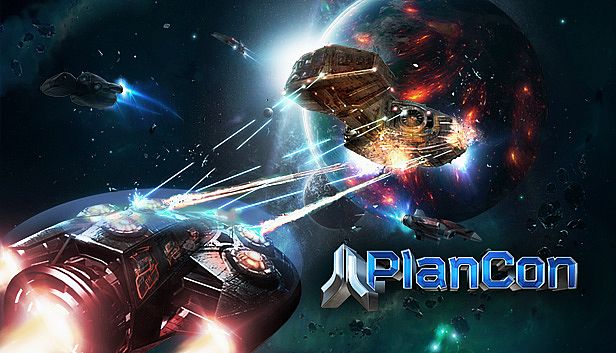
















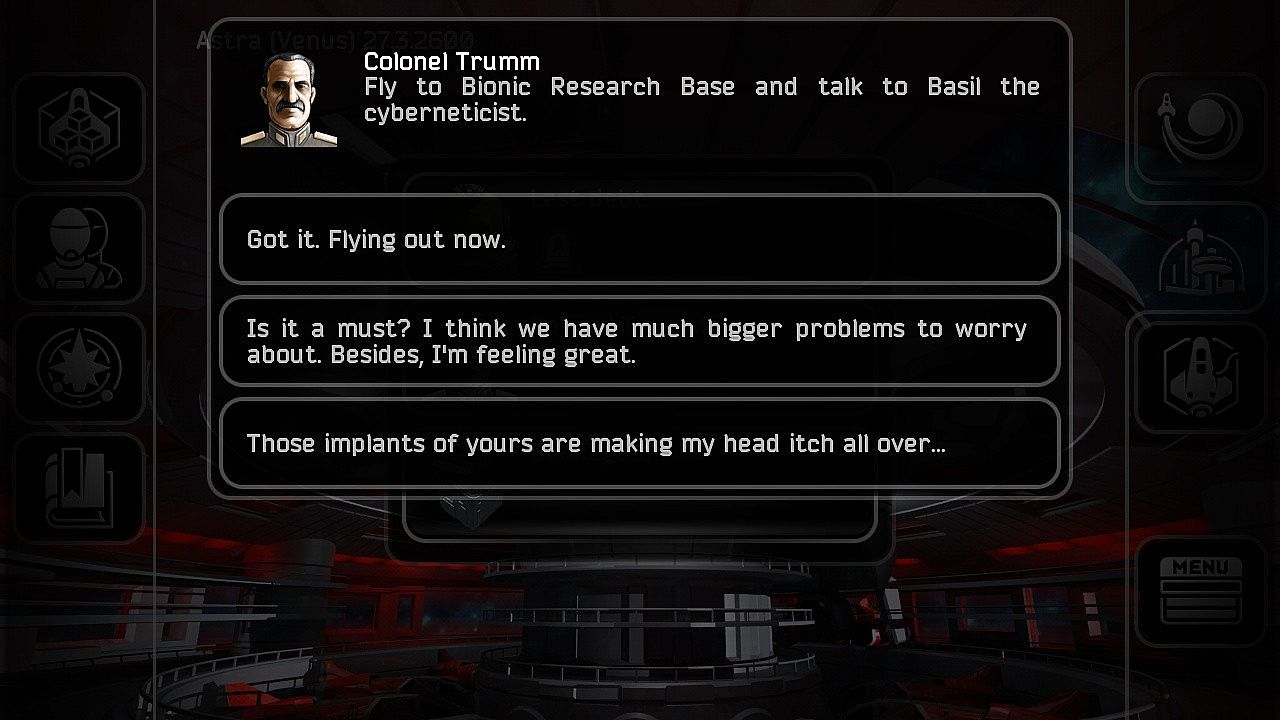
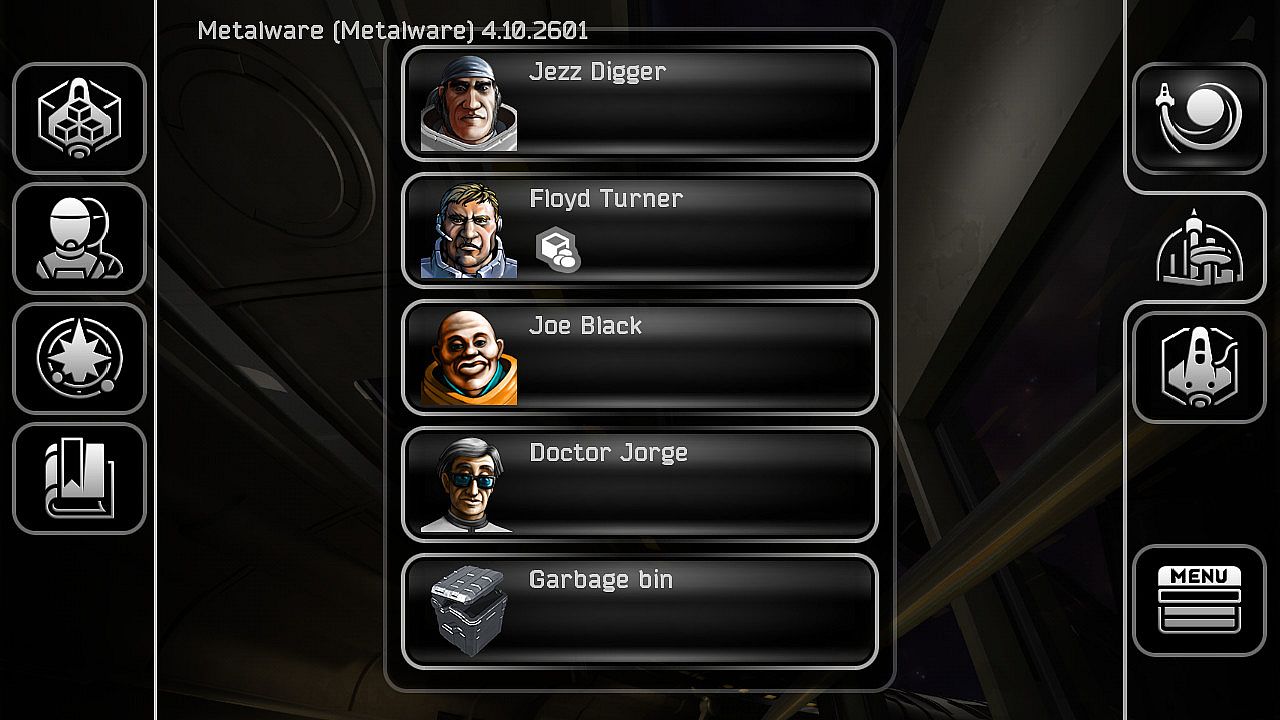
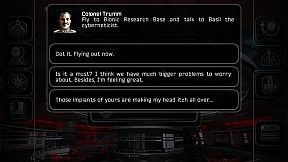
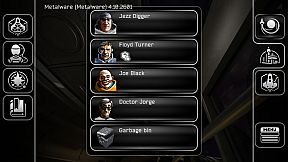
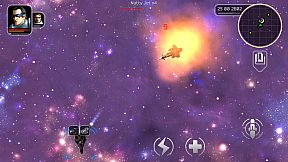
Plancon: Space Conflict is an action RPG set in the year 2600 that places players in control of a lone survivor from a destroyed orbital station. The story begins with an alien attack that leaves only one pilot alive, driving a quest for revenge across near space. Players pilot a customizable ship between planets and stations, managing resources while making decisions that shape their path through alliances, conflicts, and personal goals.
Gameplay
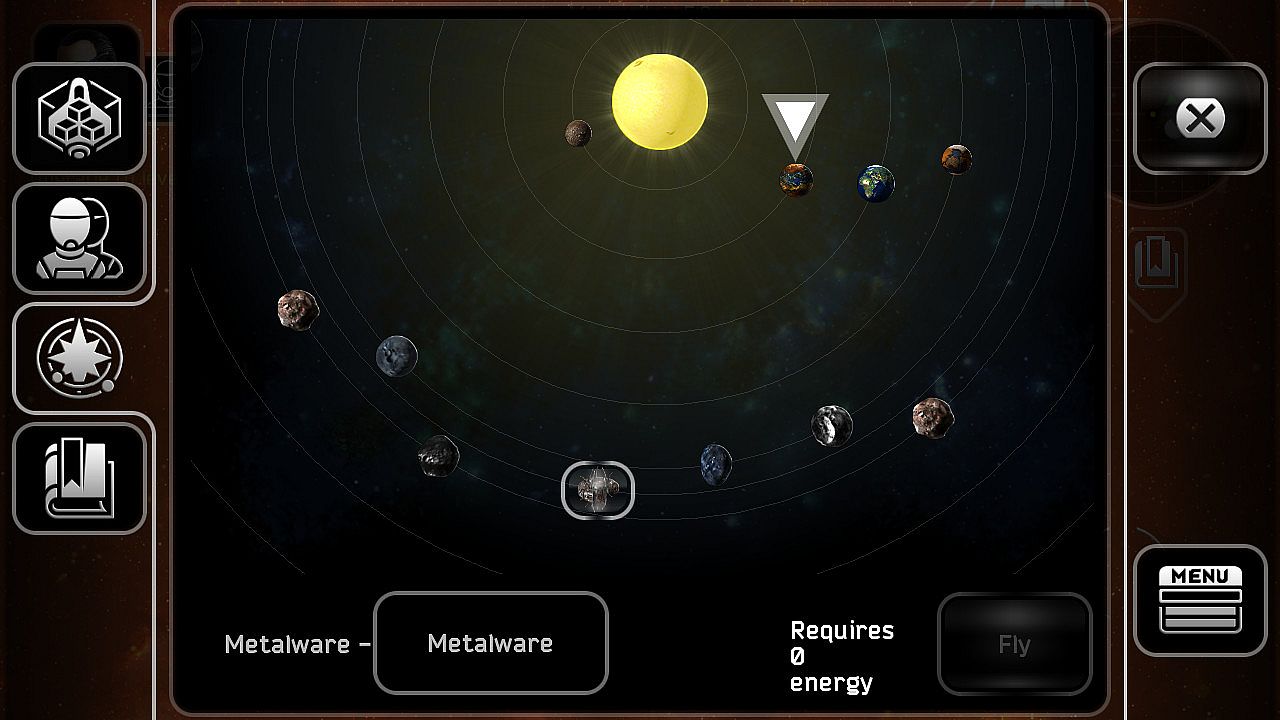
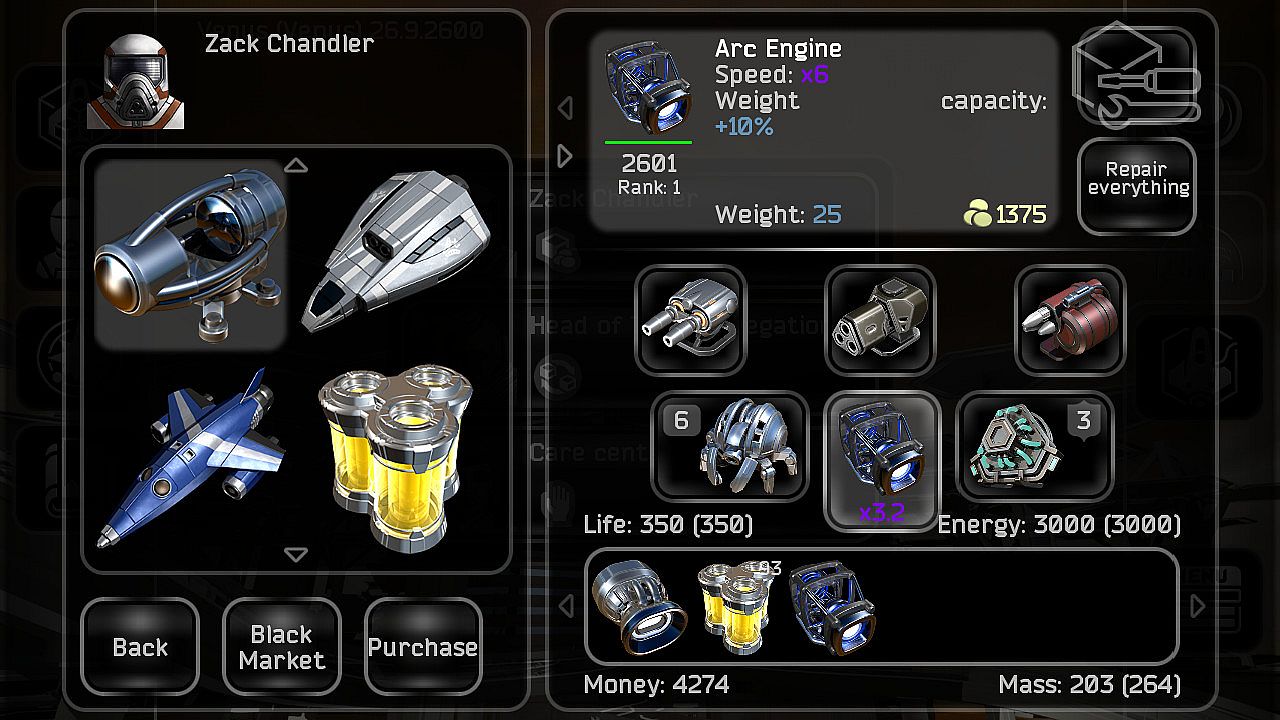
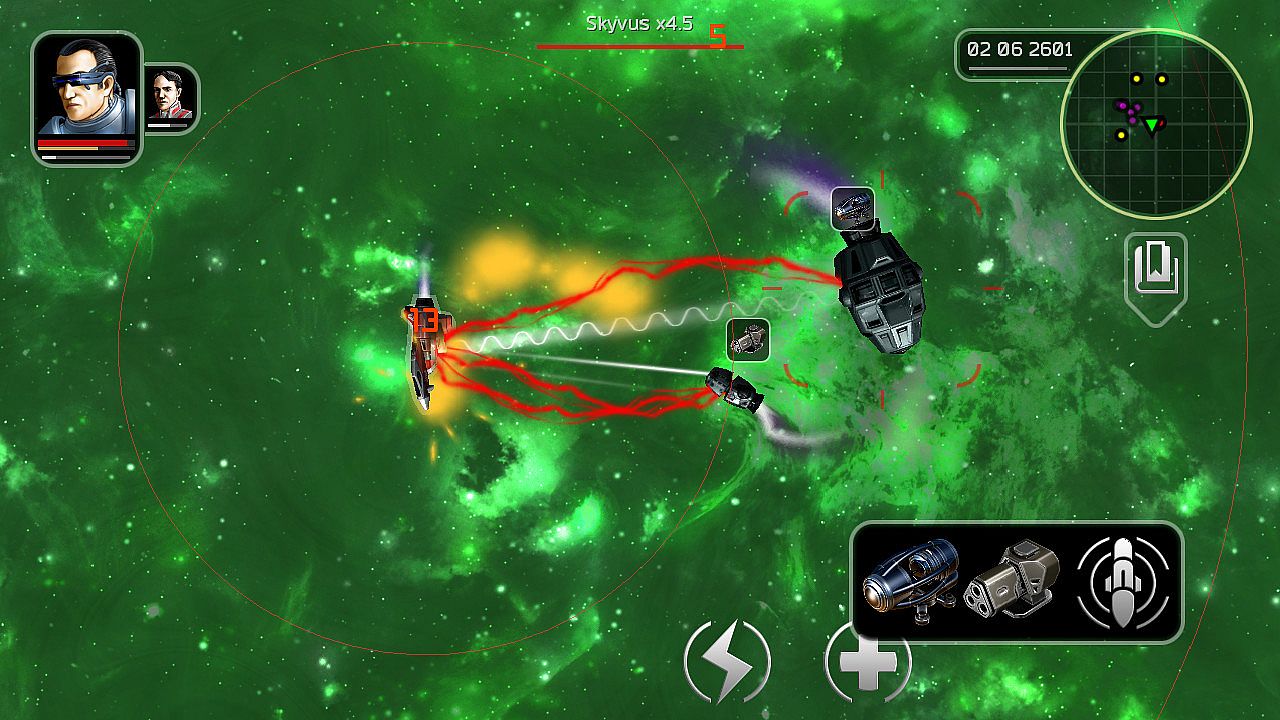
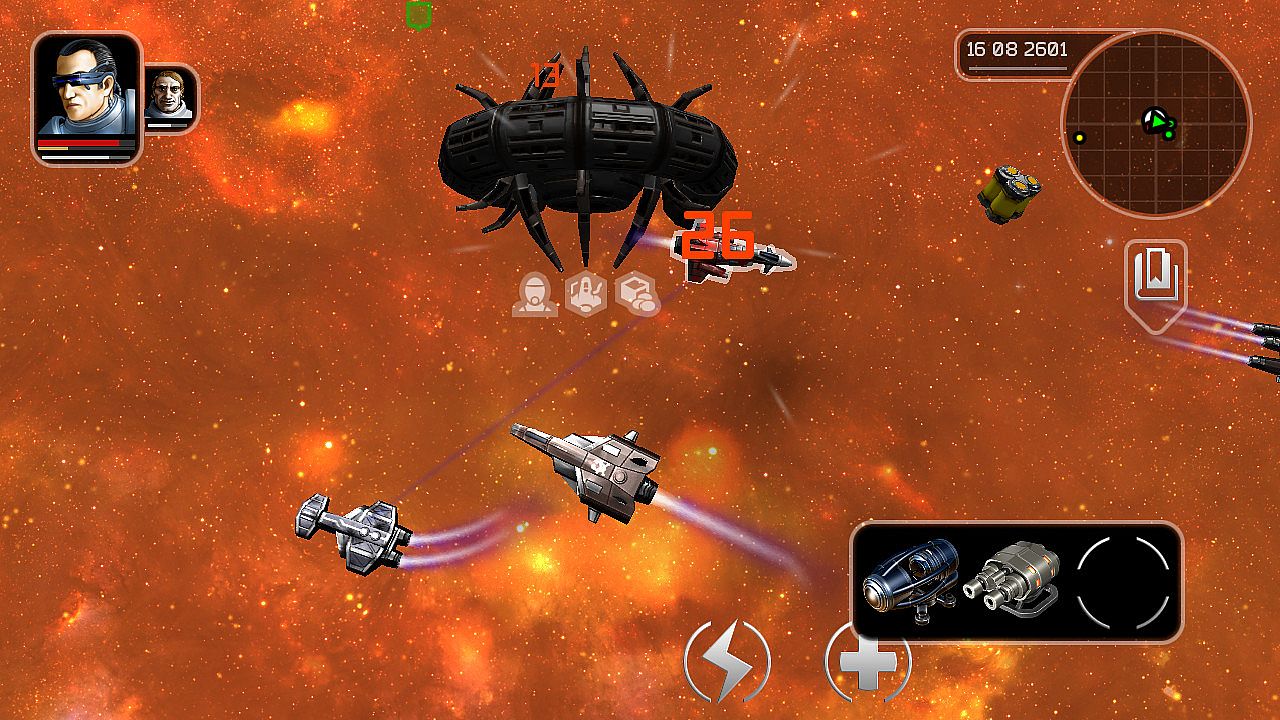
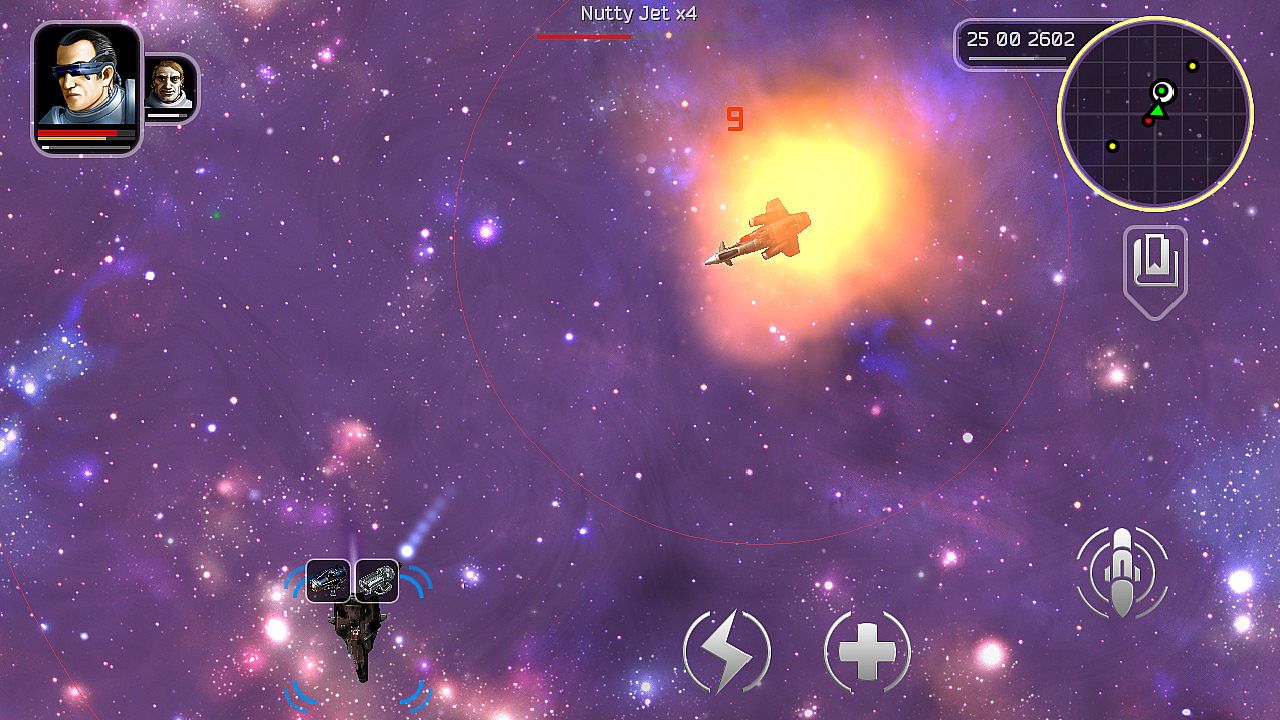
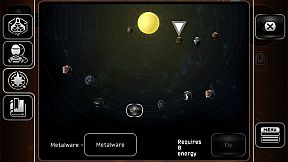
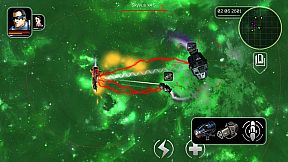
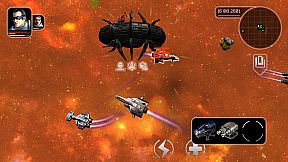
The core loop centers on ship-based travel, combat, and progression in a single-player environment. Movement occurs by selecting destinations on a map, with speed determined by engine upgrades and repairs. Combat mixes direct control with a tactical pause option that allows players to assess threats and assign weapons. Targeting works through selection mechanics that enable automatic fire on marked enemies while players handle positioning and resource management.
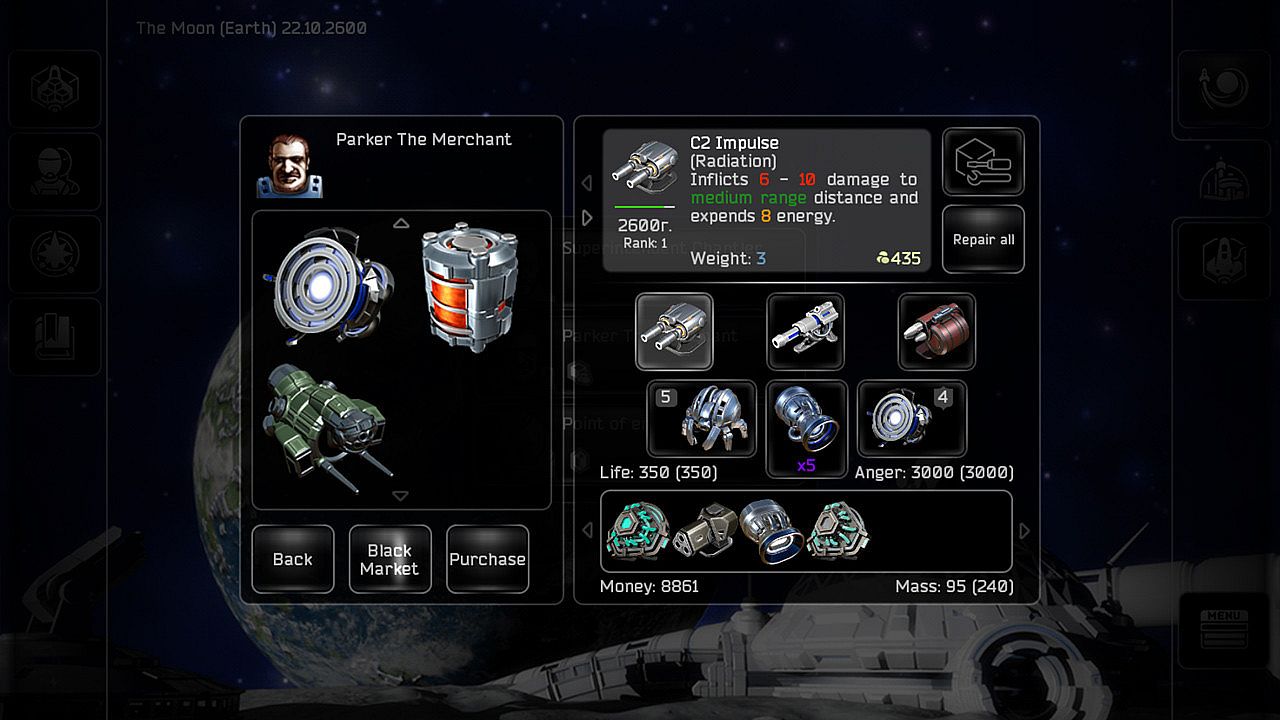
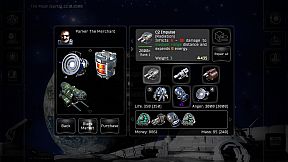
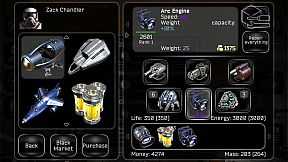
Ship upgrades form a central system. Experience from quests and fights unlocks better components, weapons, and support options such as droid assistants or expanded cargo space. Players must balance cash for repairs against long-term purchases like larger vessels or even a personal space station. Reputation influences interactions, opening or closing opportunities based on choices made during encounters with bandits, strangers, and planetary factions.
Exploration involves dozens of planets where side activities supplement the main narrative. Resource gathering, trade runs, and combat encounters provide the means to fund upgrades. The emphasis remains on survival and incremental improvement rather than large-scale multiplayer systems.
Game Modes
The game operates entirely in a single-player format focused on a linear main quest line accompanied by optional side quests. The primary campaign follows the revenge storyline from the initial station attack through encounters with key figures and escalating threats. Side quests expand on planetary visits, offering tasks that range from escort missions to trade deals and confrontations.
Progression ties directly to reputation building, which players develop through consistent actions across quests. This system supports different approaches without separate dedicated modes, allowing the same campaign to shift based on whether the player leans toward combat, commerce, or other styles. No multiplayer or competitive modes exist in the verified release.
Progression and Customization
Leveling occurs through quest completion and combat performance, granting access to new ship parts and abilities. Players select equipment that suits their preferred play style, from heavy weaponry for direct fights to storage upgrades for merchant runs. The tactical pause feature supports careful planning during intense sequences, while real-time elements keep encounters fast-paced once orders are issued.
Vehicle options extend beyond the starting ship. Larger battleships become available for purchase, and ownership of a space station represents a late-game milestone that alters resource management and travel options. These elements integrate with the reputation system to create branching outcomes without requiring separate playthroughs.
Is It Worth Playing?
Player reception on the primary distribution platform stands at mostly negative based on available reviews, with common notes on technical issues such as occasional crashes and imprecise controls. The game launched in 2016 and has seen no documented major updates or seasonal content since release. Those who enjoy older single-player space RPGs with ship customization and quest-driven progression may find value in its systems despite the rough edges. The experience suits players comfortable with managing bugs and focusing on the core loop of exploration, combat, and reputation choices rather than polished modern features. Availability remains limited to the original PC release with no free trial or additional modes confirmed.