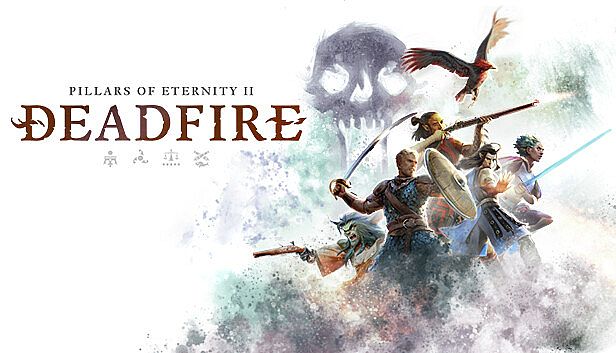


























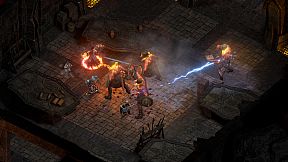
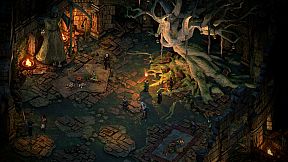
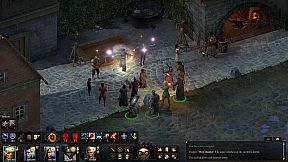
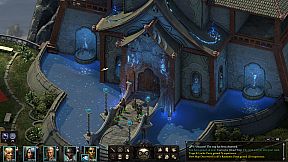
Pillars of Eternity II: Deadfire is a single-player role-playing game that places players in command of a ship sailing through the Deadfire Archipelago. The title builds on classic fantasy RPG traditions with real-time combat that pauses for tactical decisions, extensive character building, and a narrative driven by player choices across islands and open waters.
Gameplay
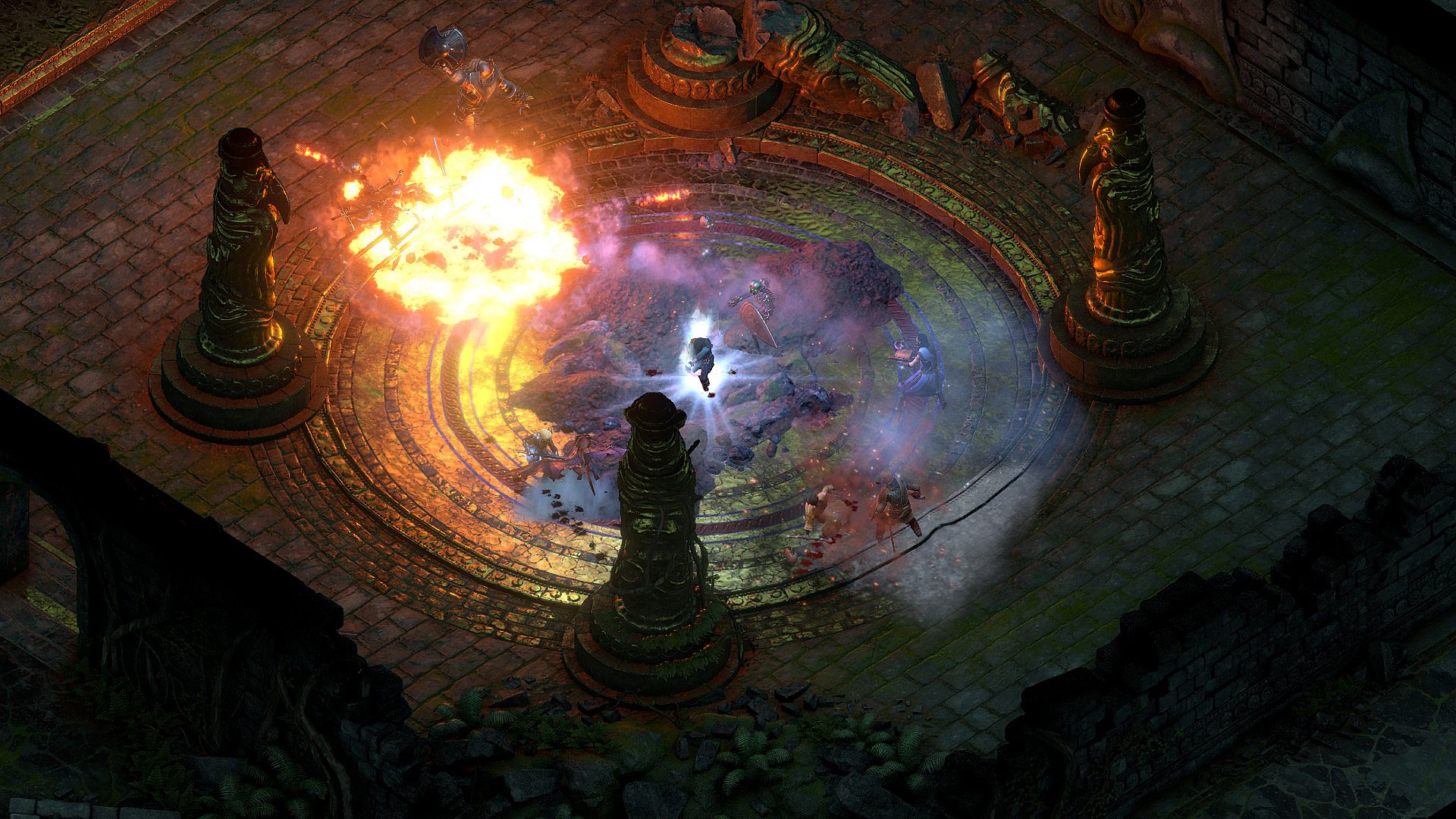
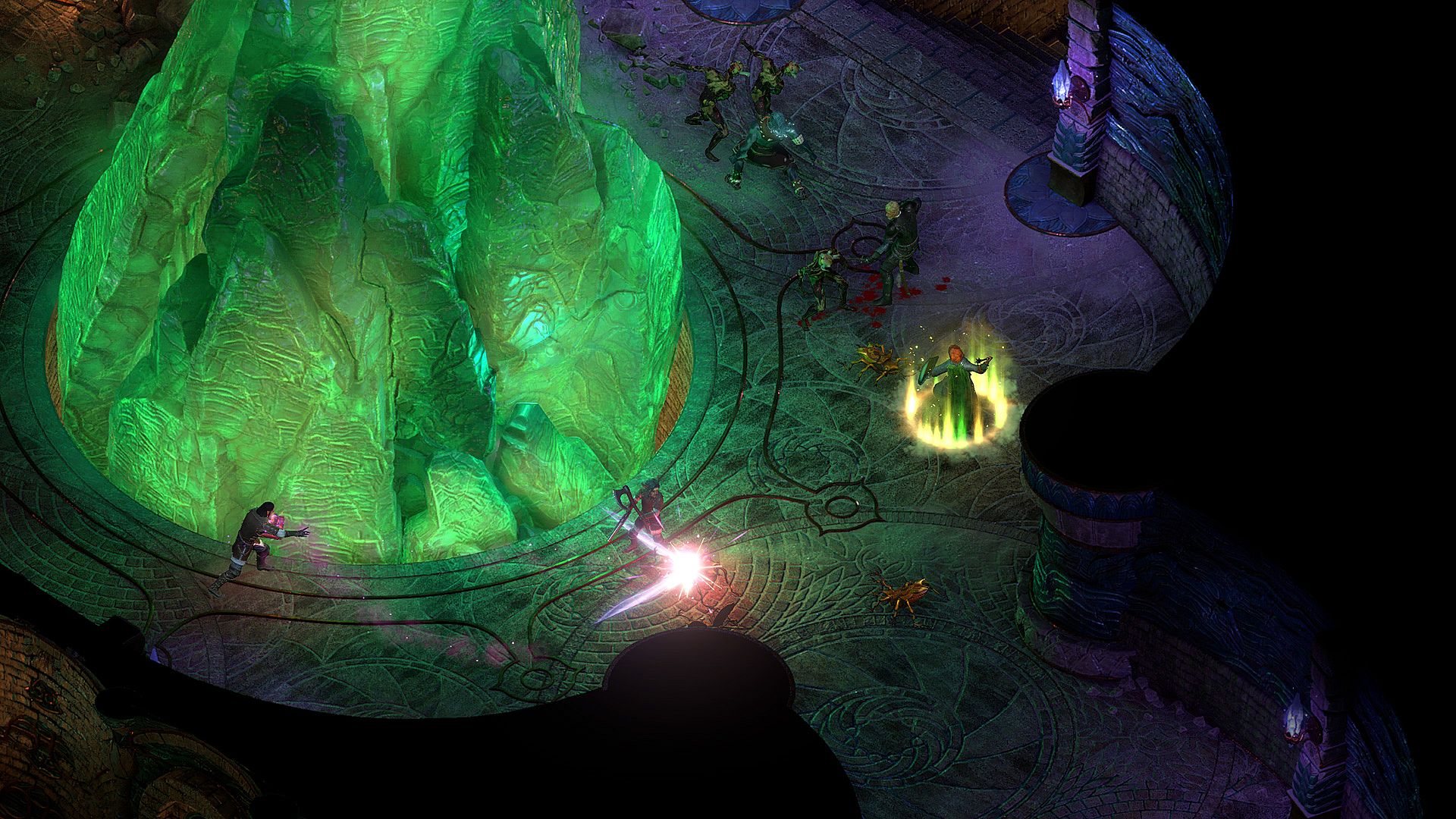
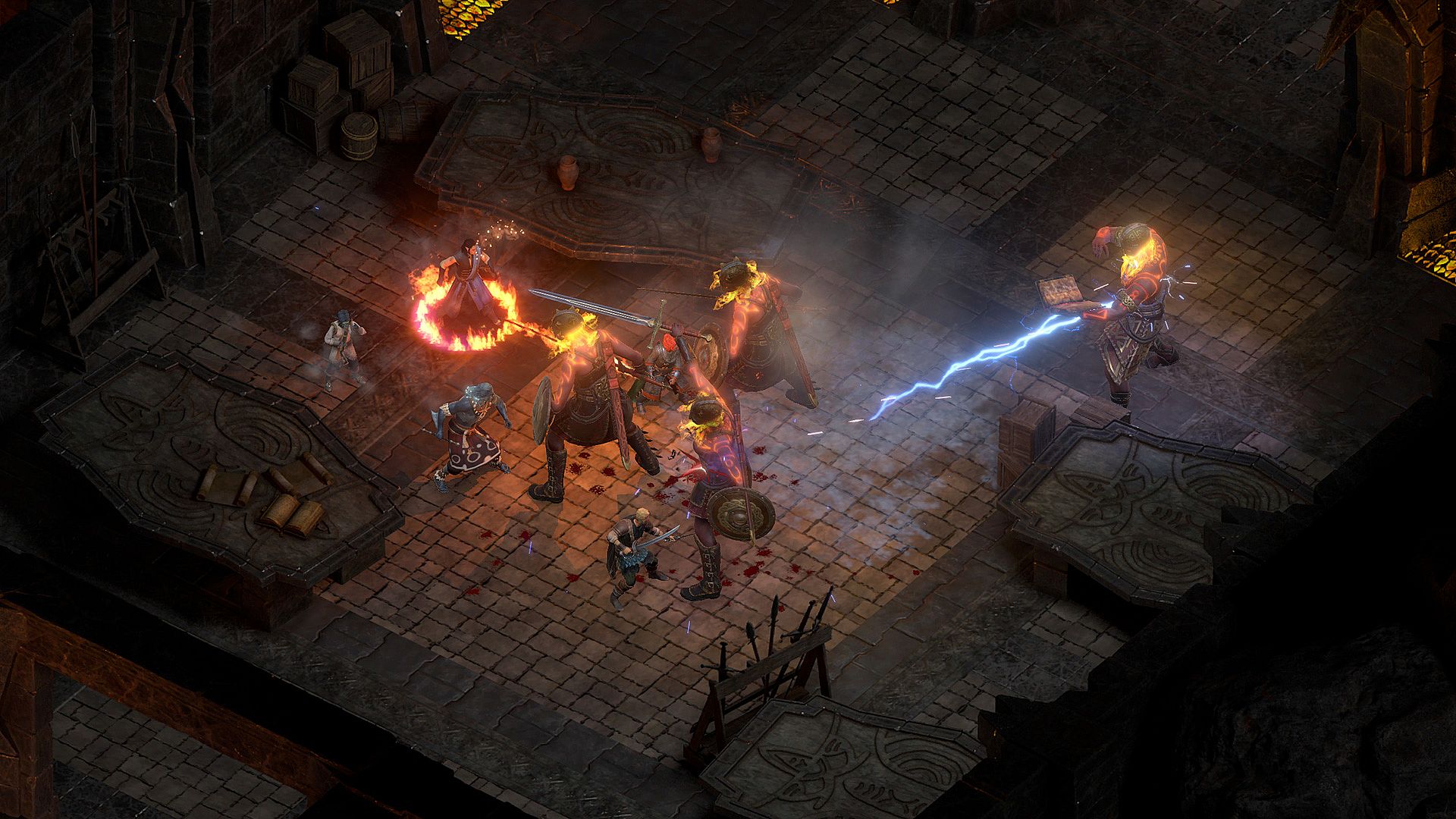
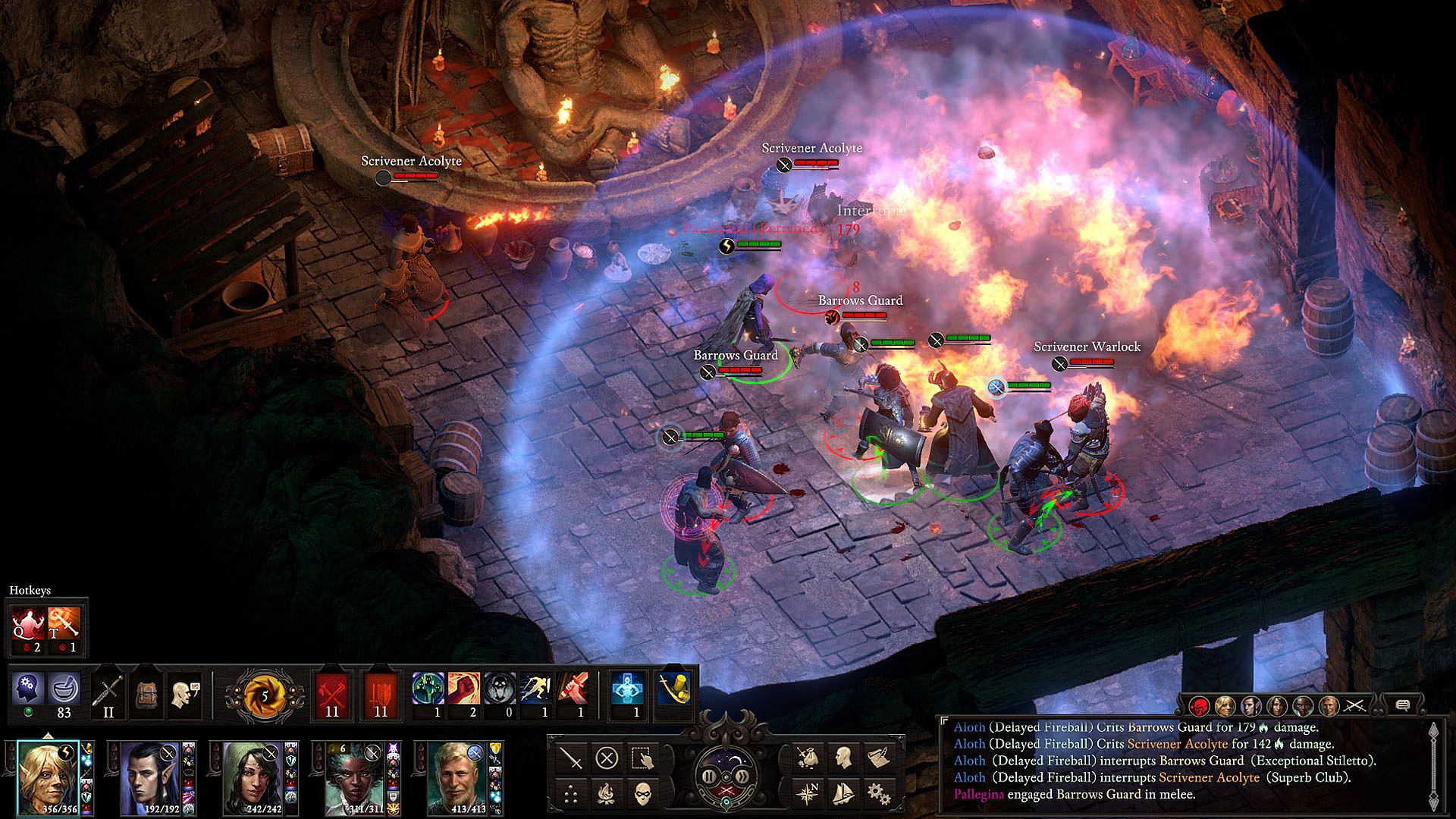
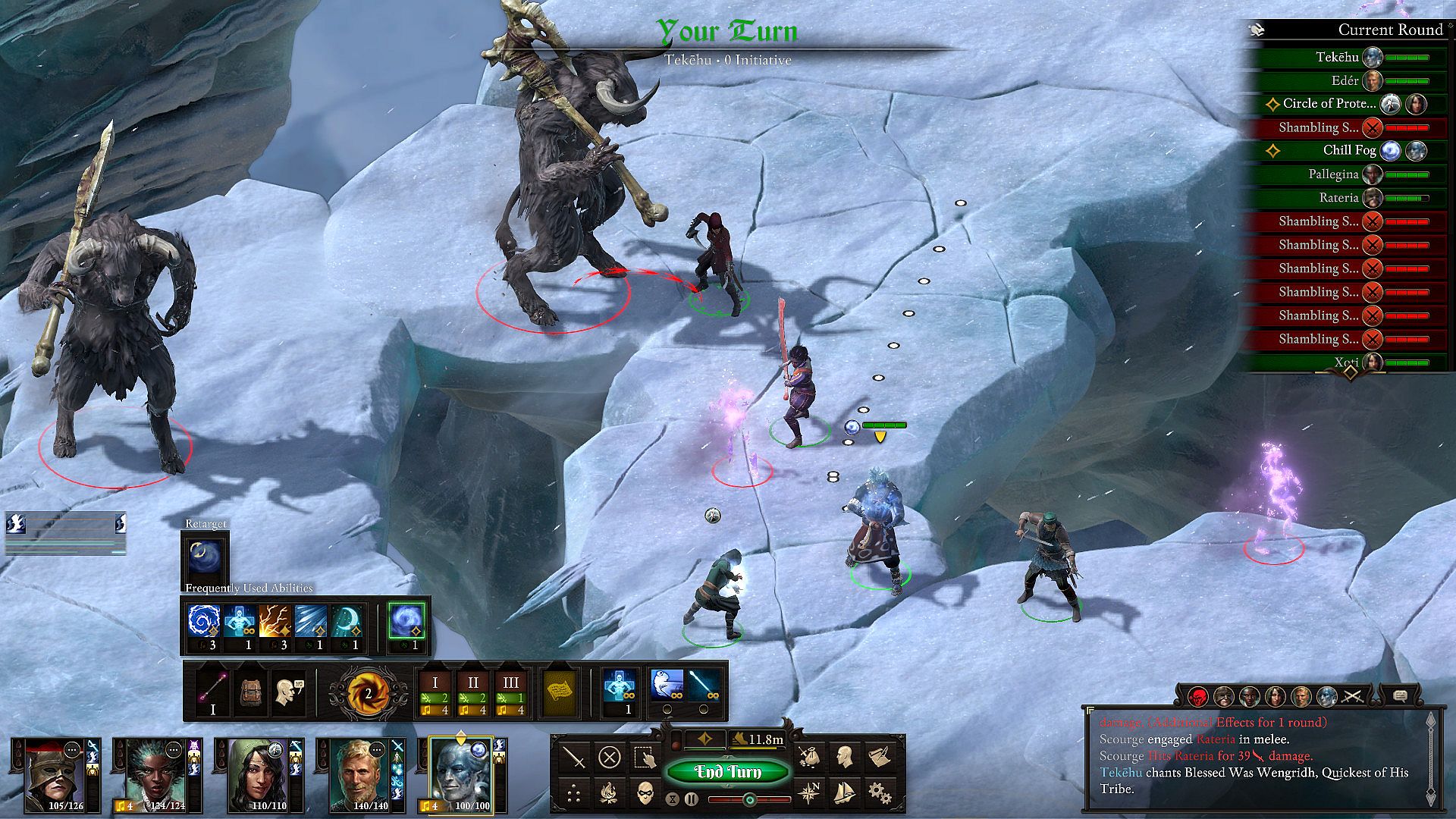
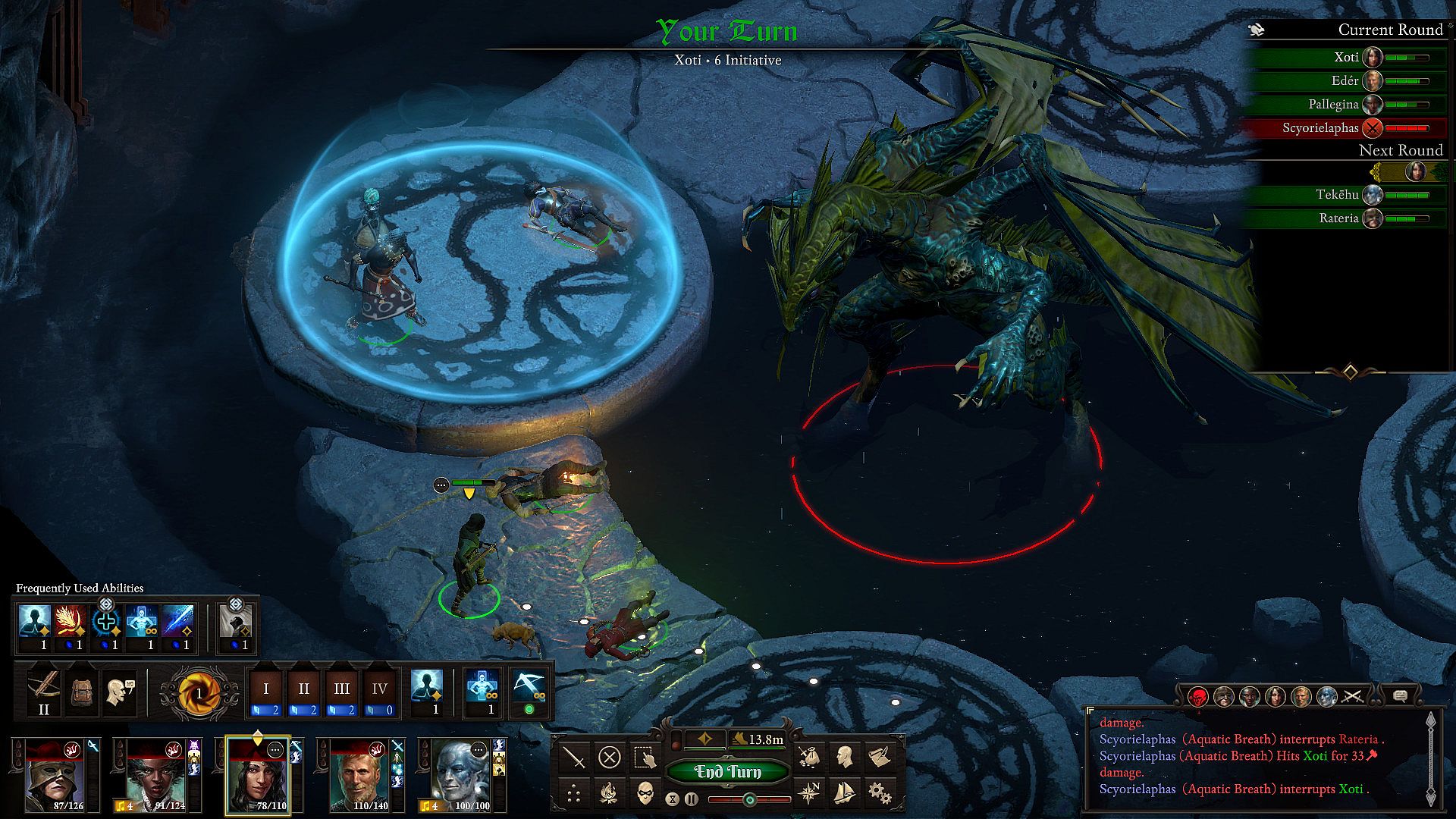
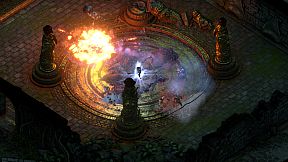
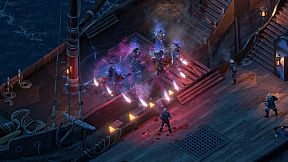
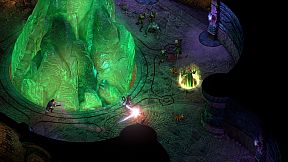
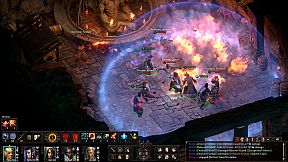
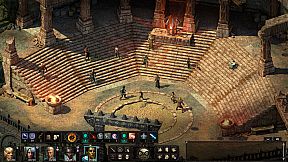
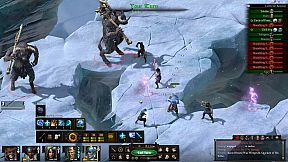
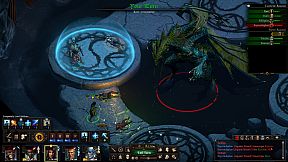
The core loop centers on exploring a hand-crafted world by both foot and ship. Players create a custom protagonist and recruit allies to form a party that handles combat, dialogue, and quests. Character progression includes multiple classes with the option to combine them through multiclassing, along with subclass selections that shape abilities and playstyles. Combat occurs in real time but allows pausing to issue commands, giving control over positioning, spells, and attacks against varied enemies on land and during naval encounters.
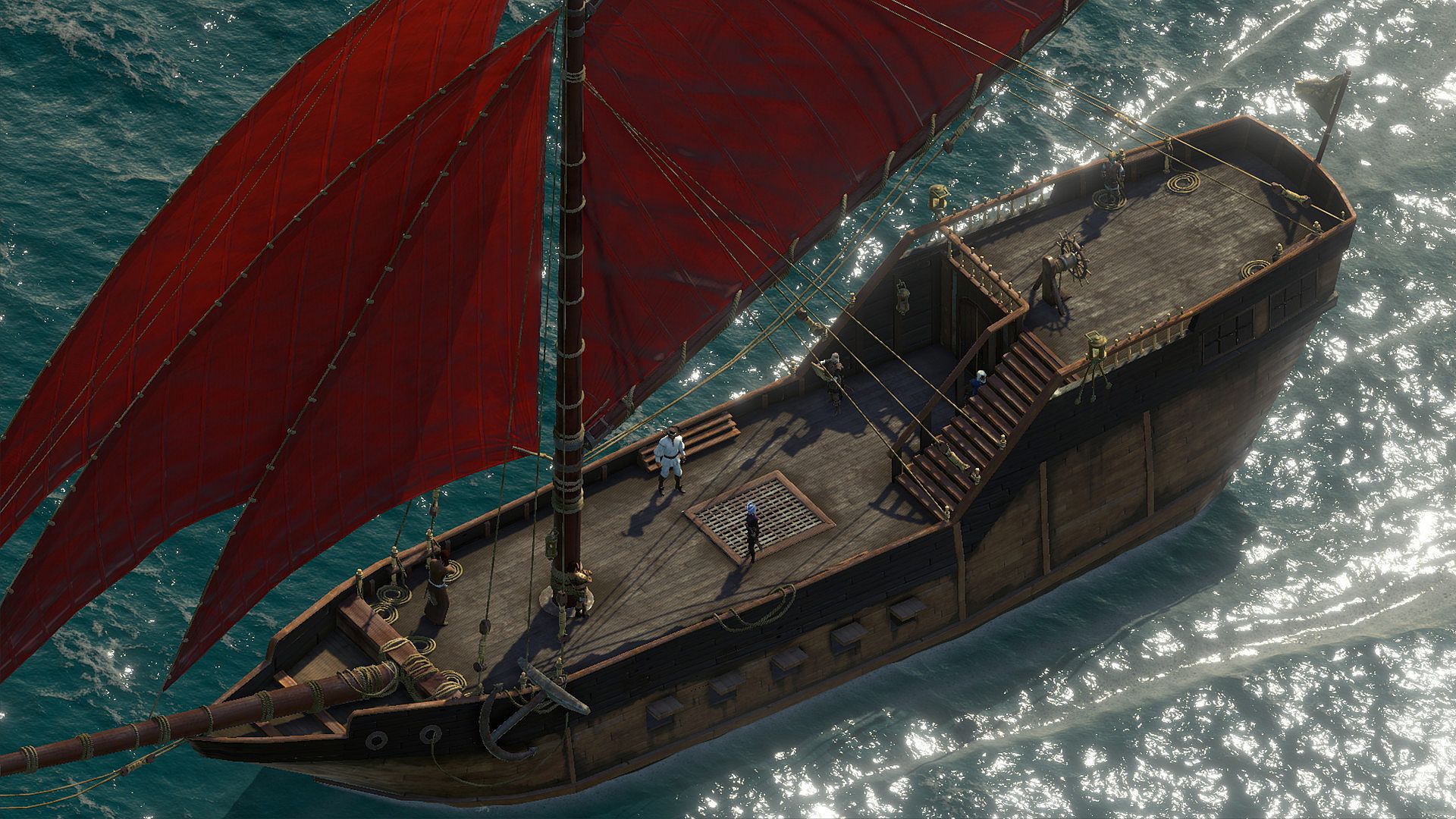
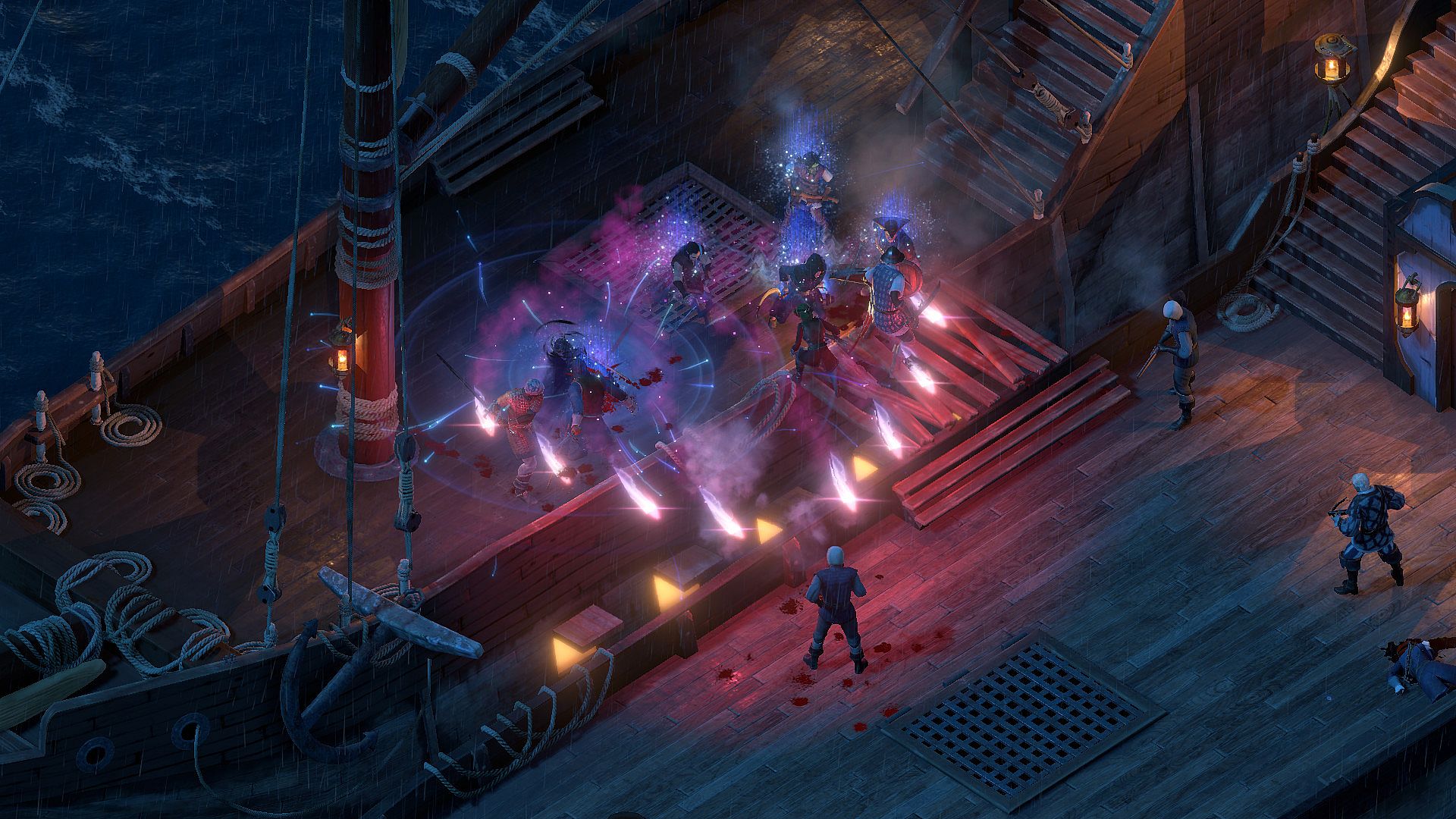
Ship management adds another layer. The vessel serves as a mobile base that requires upgrades to its hull, sails, and weaponry. Crew members gain skills through assignments, and players decide how to allocate resources to handle storms, pirate attacks, or trade routes. These systems tie directly into exploration, as better-prepared ships open safer paths to distant islands filled with new locations, inhabitants, and side activities.
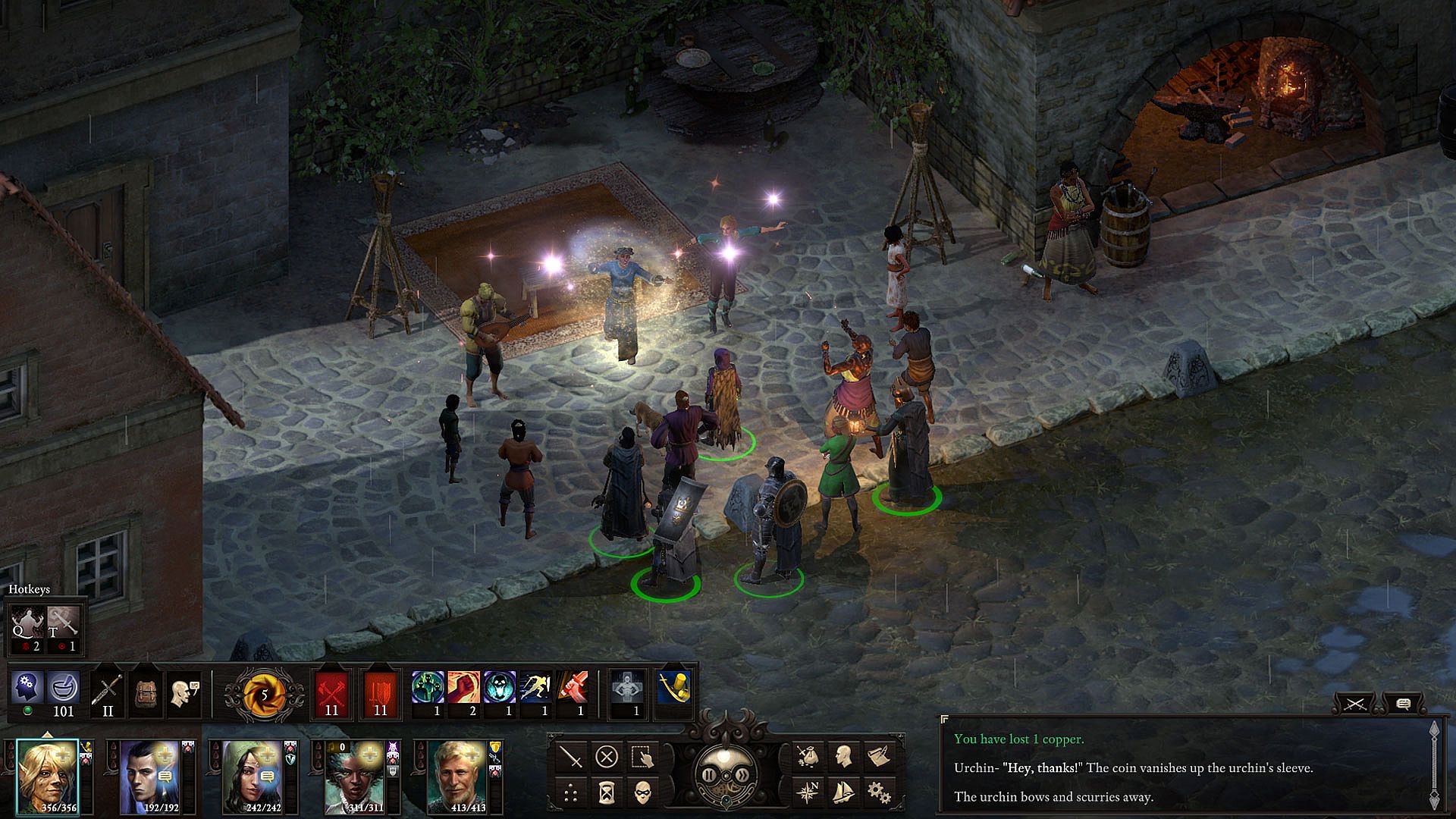
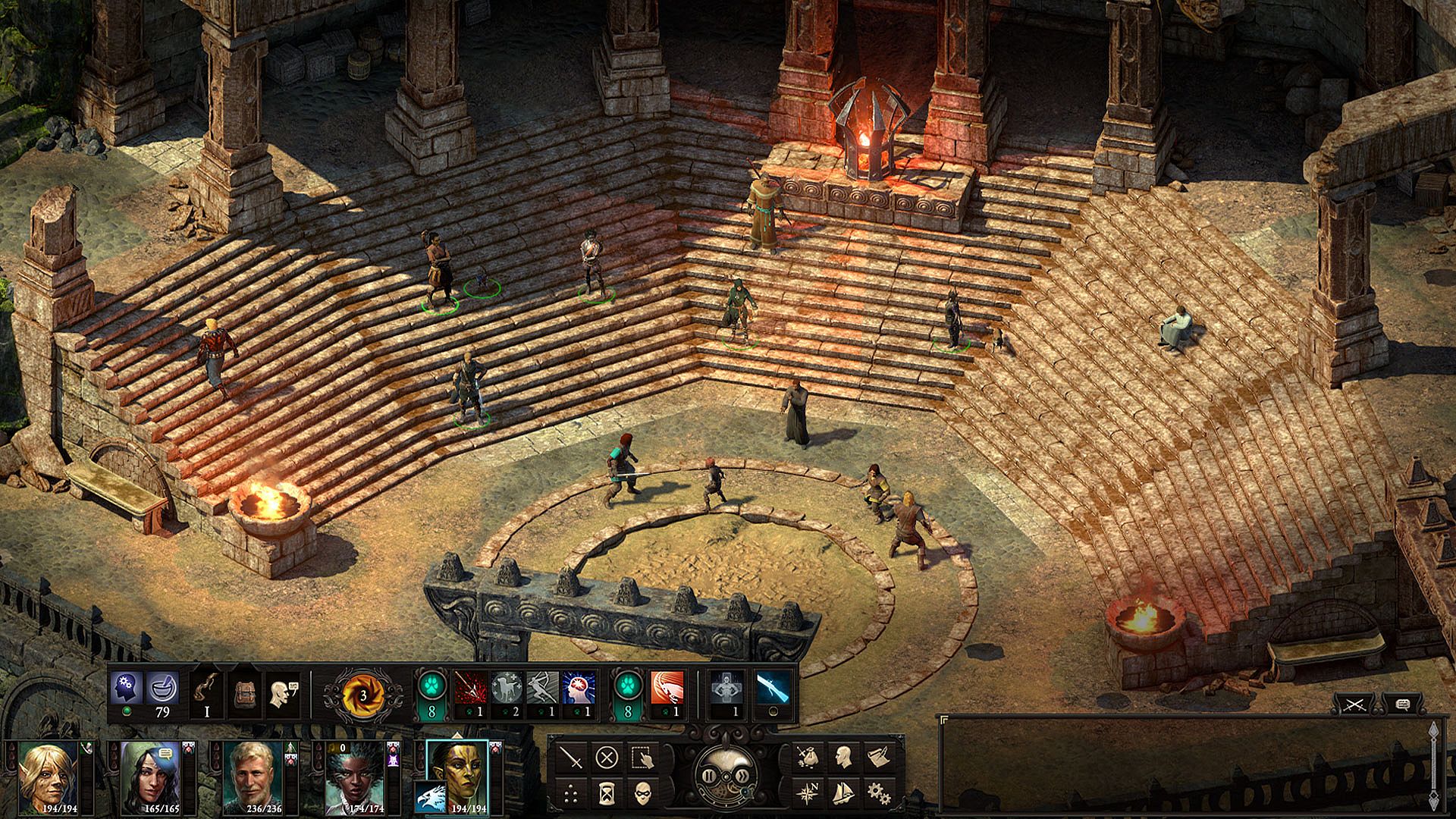
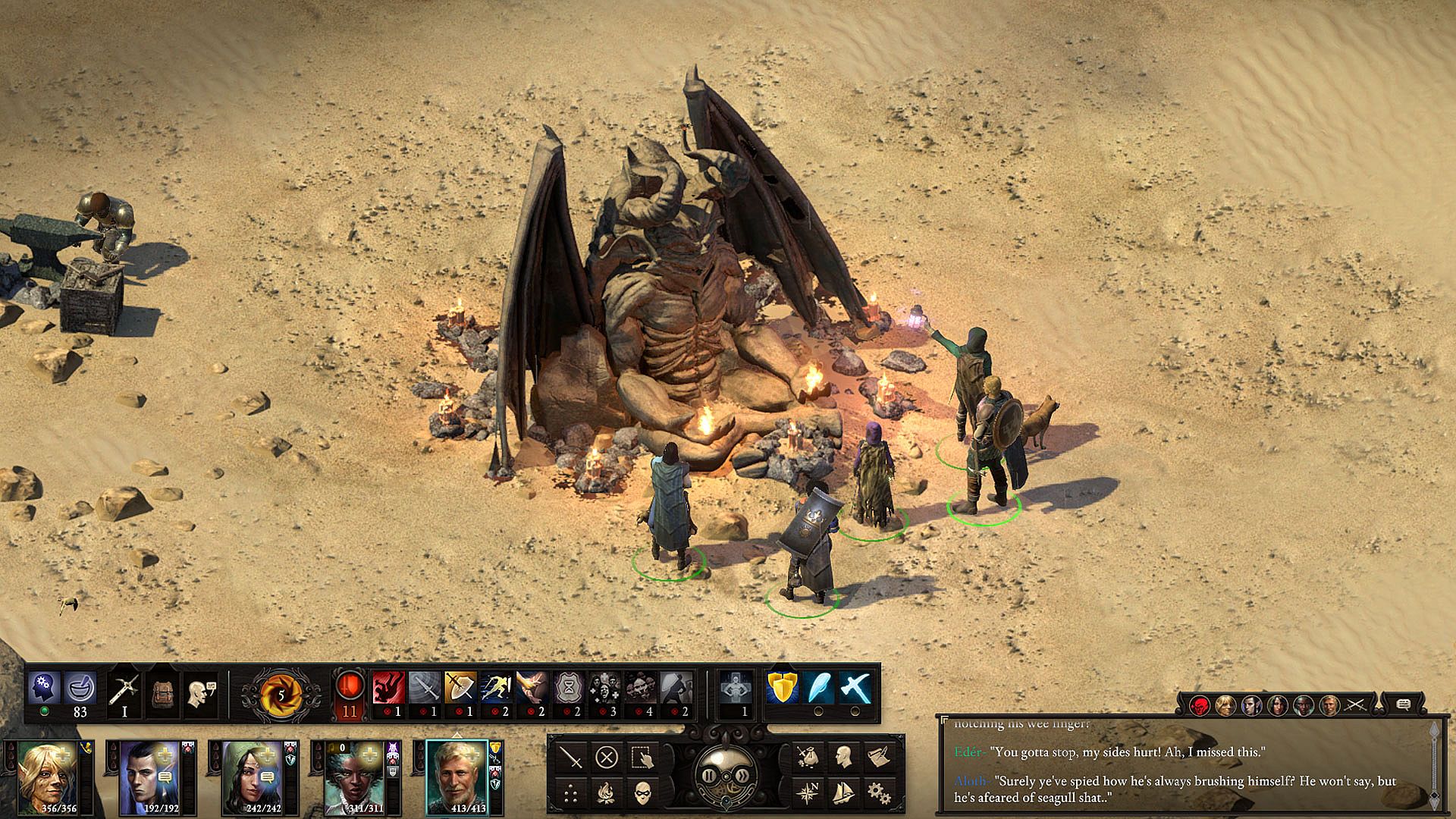
Companion interactions deepen through a dedicated system that tracks relationships and triggers unique dialogue based on party composition and story decisions. Up to four companions can join at once from a pool of seven available recruits, each with preset class options that support single-class or multiclass builds. This setup encourages experimentation with party roles while maintaining narrative consistency through companion reactions to events.
Game Modes
The game operates entirely in single-player format. The primary experience follows a continuous story campaign where players chart their own course across the archipelago, completing main objectives and optional quests at their own pace. Combat defaults to real-time with pause, but a free update added a full turn-based mode that players can toggle for encounters, allowing slower, deliberate turns without altering the overall structure.
No separate multiplayer or competitive modes exist. Difficulty settings and optional challenges, such as the Magran's Fires mode introduced in a later patch, adjust enemy strength and resource management within the same single-player framework. These options let players tailor the experience without changing the fundamental single-character focus.
Exploration and Customization
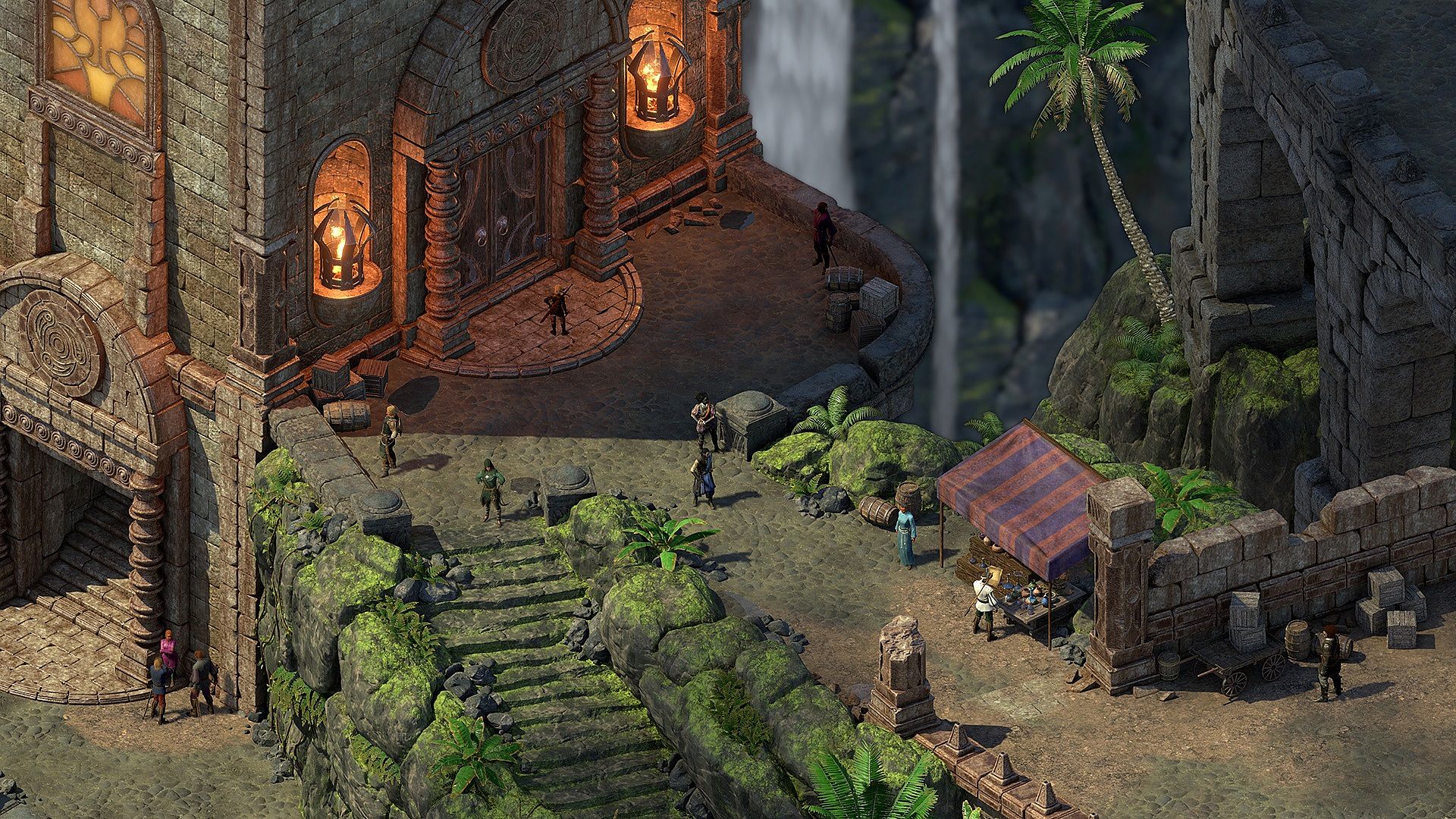
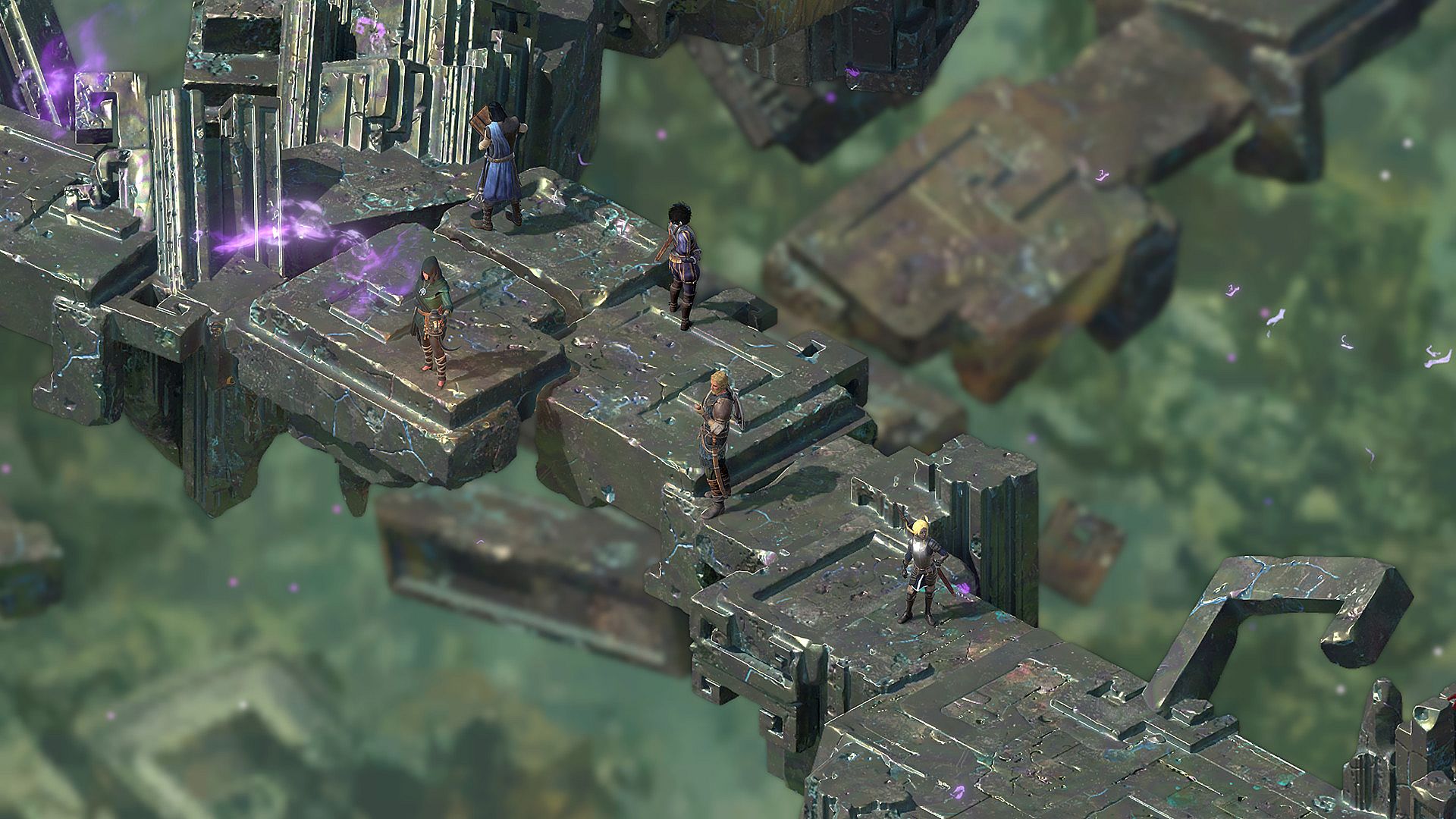
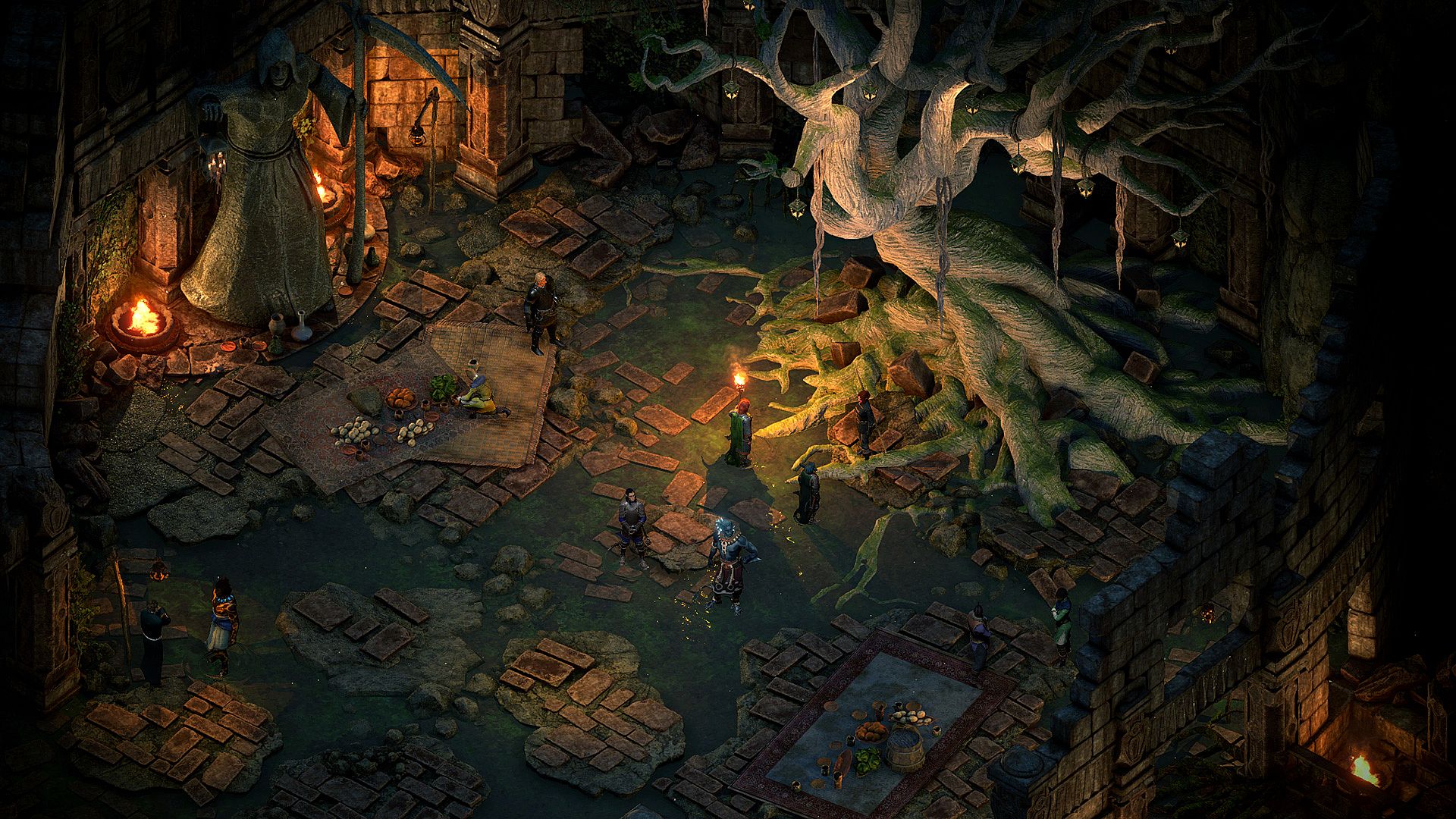
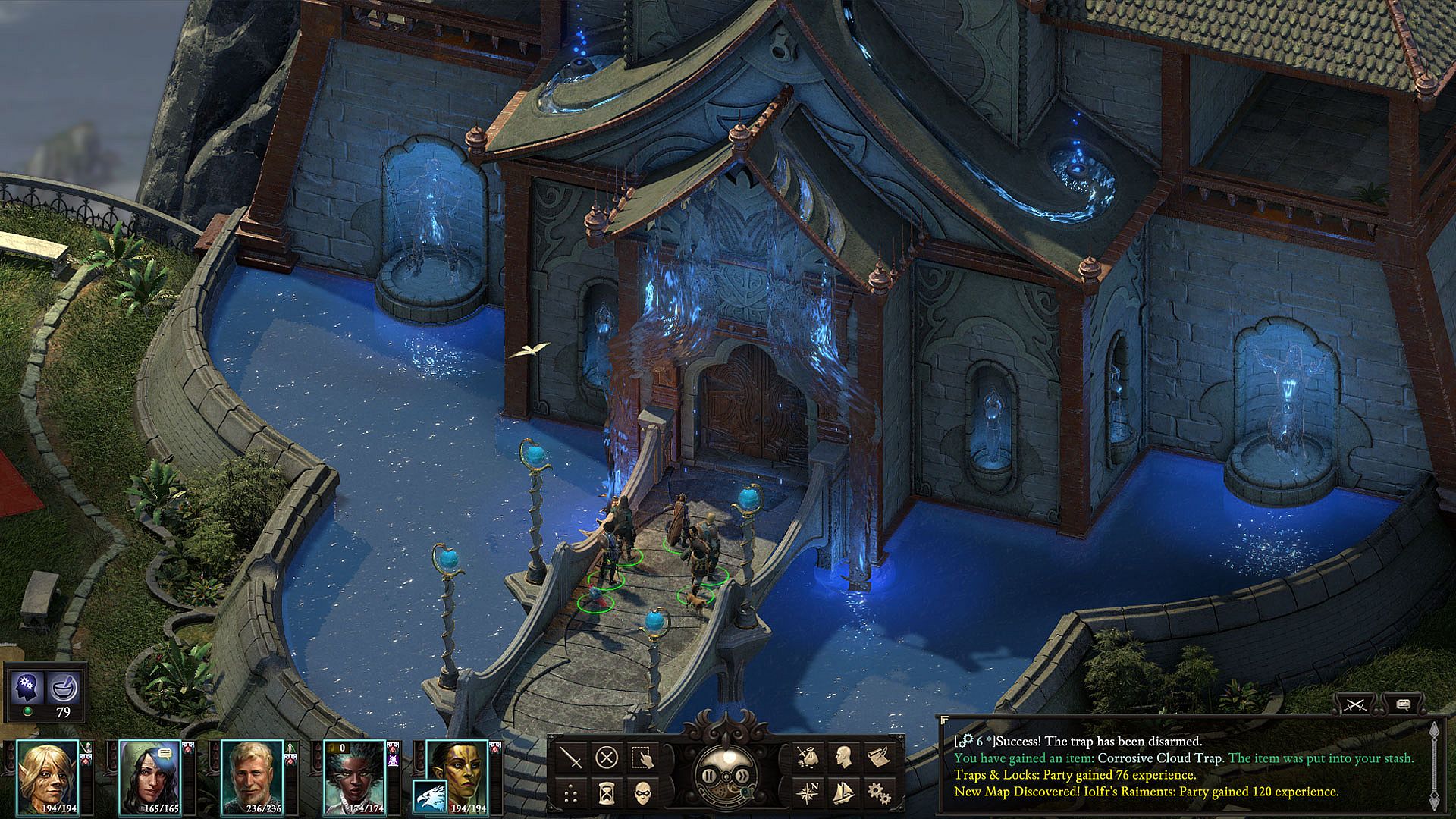
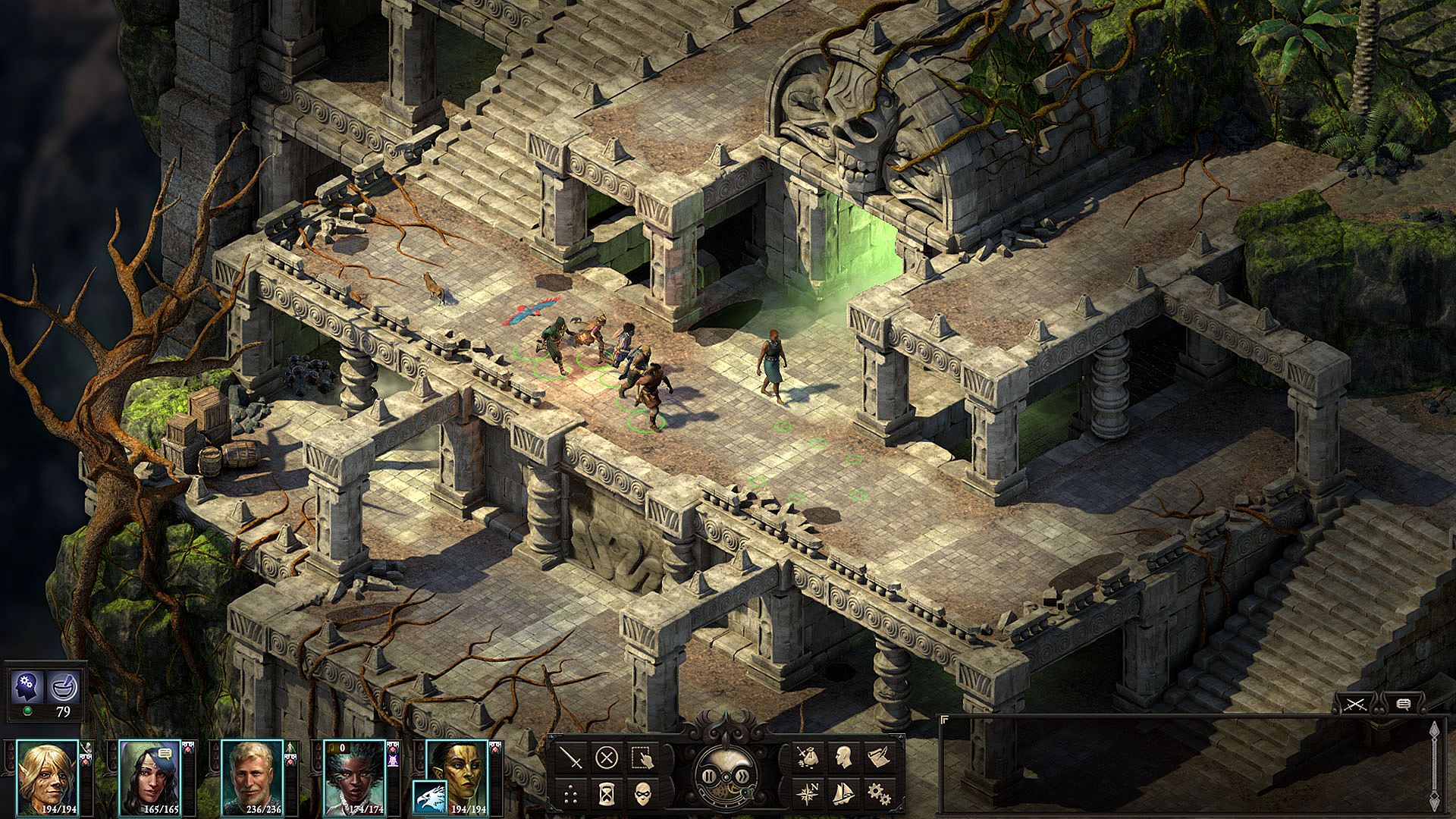
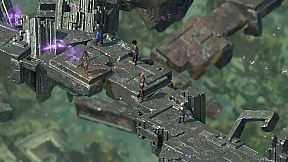
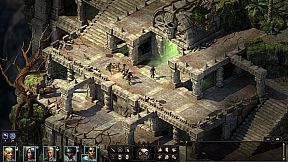
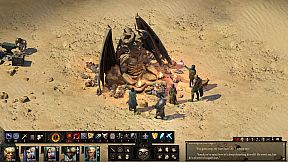
Freedom of movement defines travel. Players plot routes on a world map, stopping at ports for quests or sailing into uncharted waters for discoveries. Each island presents distinct environments, from tropical settlements to ancient ruins, where dialogue choices and skill checks influence outcomes. The emphasis remains on meaningful decisions that affect companion loyalty, faction standing, and available paths forward.
Customization extends beyond the protagonist. Players assign abilities, equipment, and roles to companions while managing ship crew through skill training. Inventory and crafting systems support varied builds, rewarding preparation for different combat scenarios on land or at sea. This depth suits players who enjoy planning party synergies and adapting to new challenges as the story progresses.
Is It Worth Playing?
Pillars of Eternity II: Deadfire delivers a complete single-player RPG experience with no ongoing live-service elements or seasonal content. Its final major update arrived in 2019, leaving a polished title focused on story, exploration, and tactical combat. The addition of turn-based combat and expanded multiclass options addressed common feedback from earlier entries in the series.
The game appeals most to players who value detailed character systems, companion-driven narratives, and open-ended exploration over fast-paced action or multiplayer features. Those who enjoy managing resources across land and sea encounters will find the ship mechanics and party interactions rewarding. Reception highlights improvements in class flexibility and world reactivity compared to the first game, making it a strong choice for fans of traditional RPGs seeking a self-contained adventure.
Availability on PC supports both new players and those returning for the turn-based option or higher difficulties. The absence of required updates or additional purchases beyond the base game keeps the focus on the core campaign and its optional challenges.