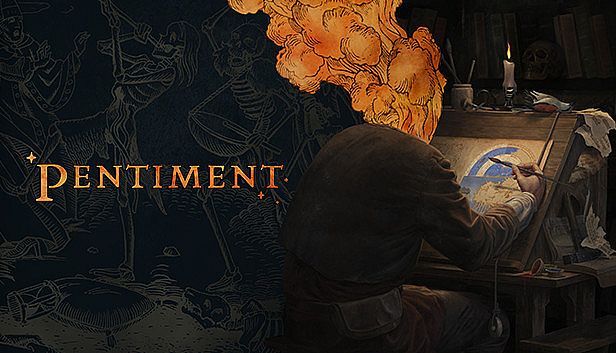














Pentiment stands as a narrative adventure game set in early 16th century Bavaria. Players take on the role of Andreas Maler, a skilled illustrator who becomes involved in a series of murders spanning 25 years in the town of Tassing and the nearby Kiersau Abbey. The experience centers on investigation, dialogue choices, and the long-term effects of decisions within a community undergoing religious and political shifts.
Gameplay
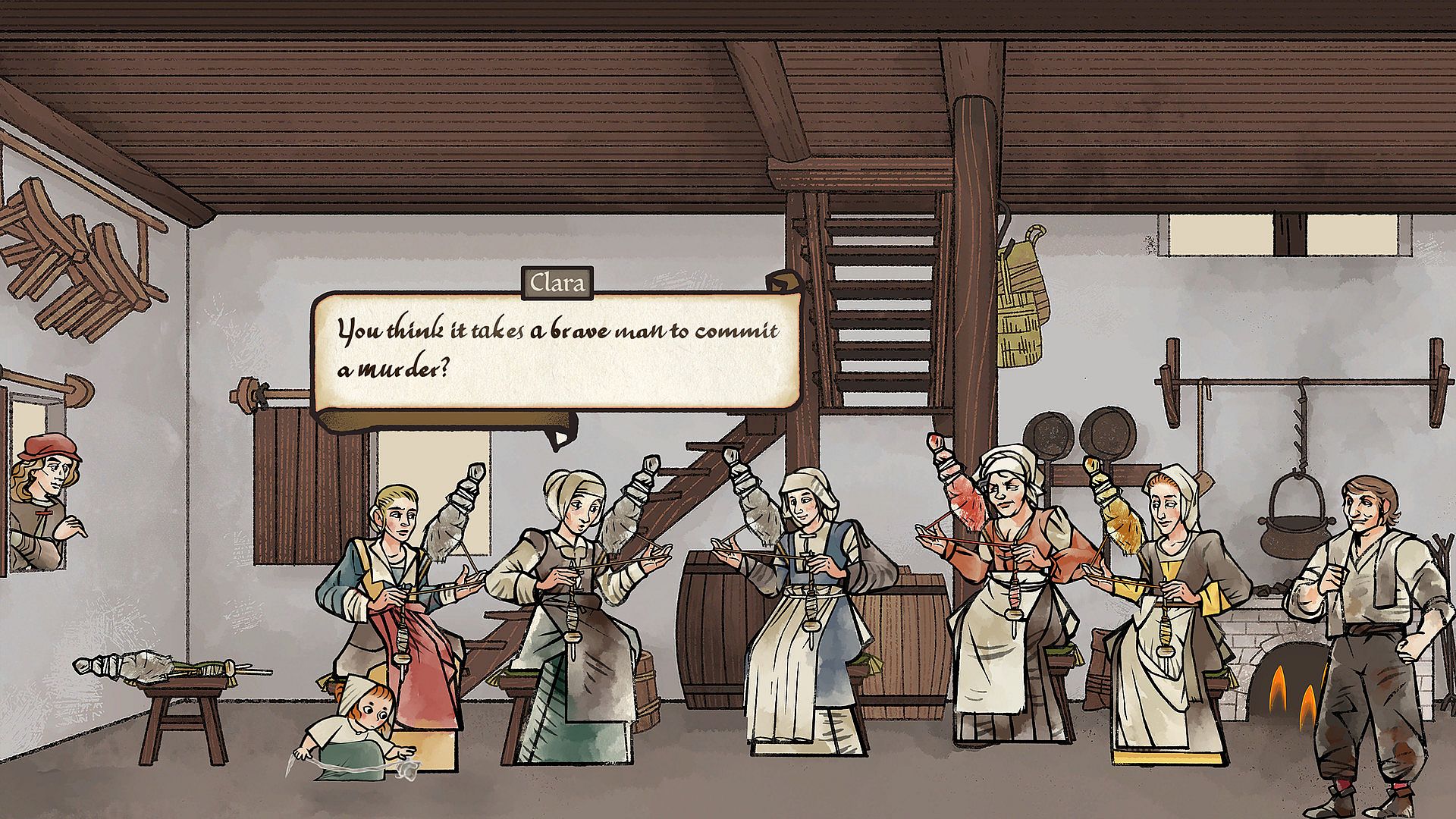
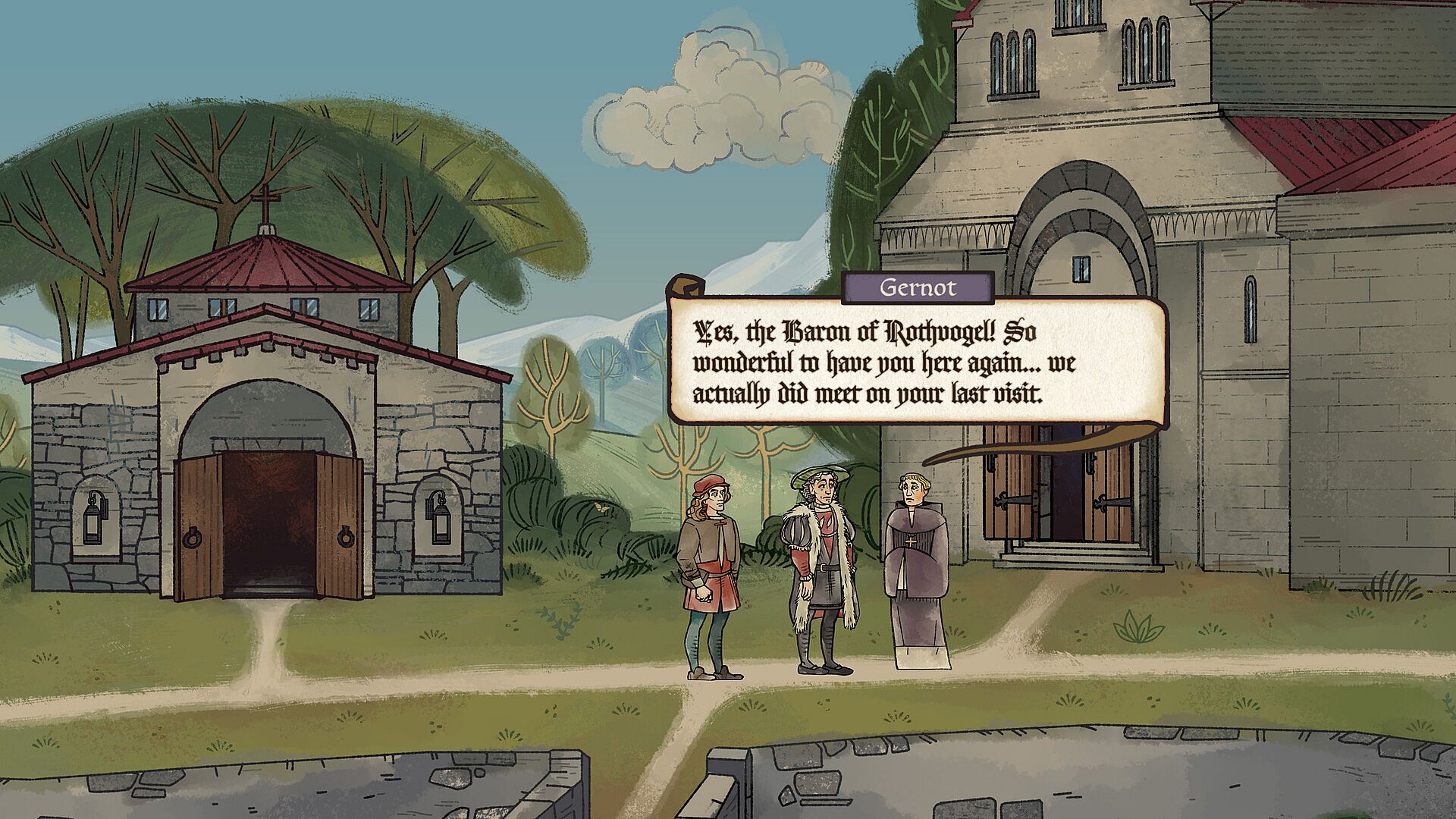
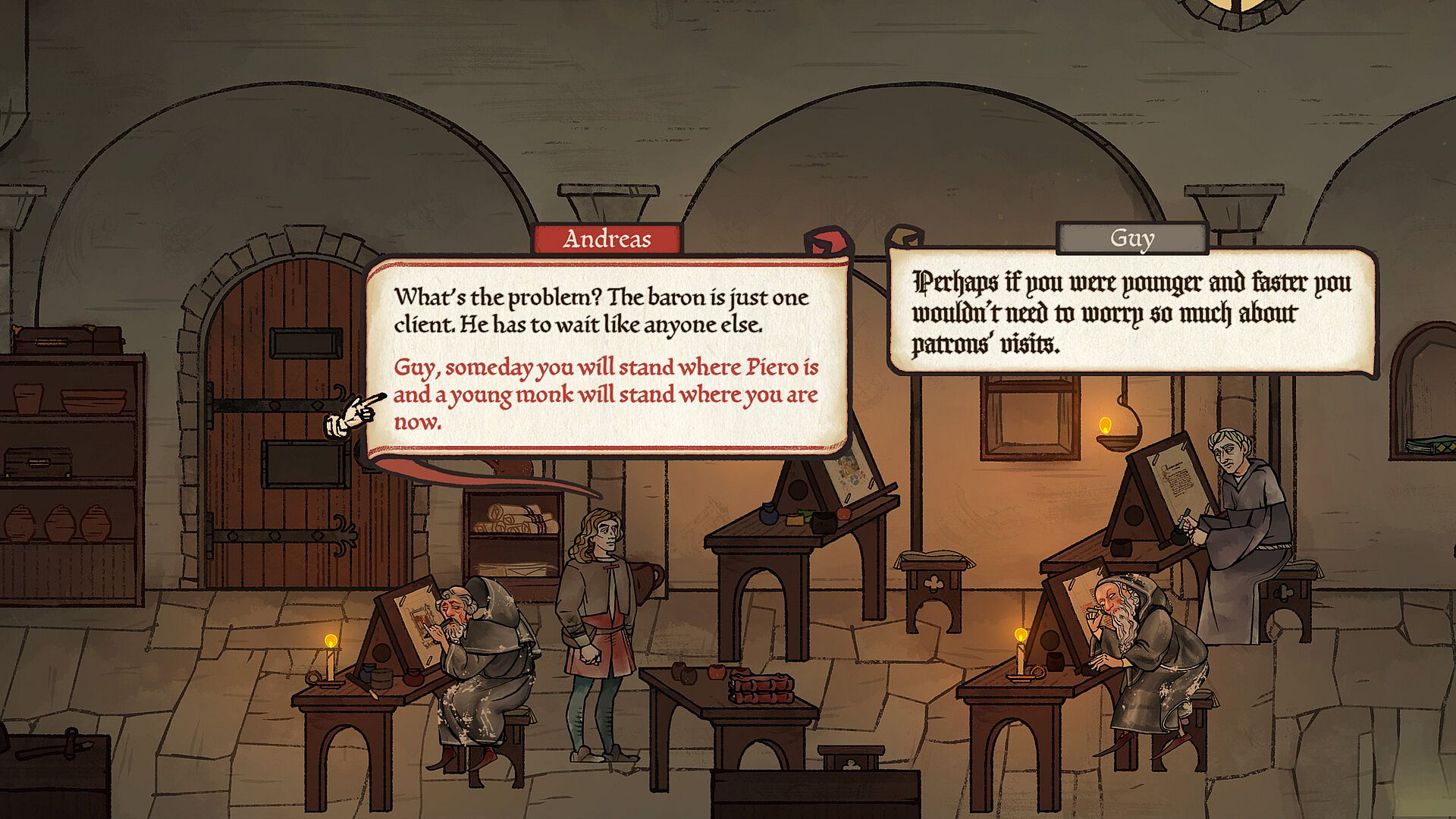
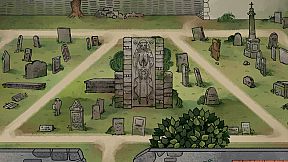
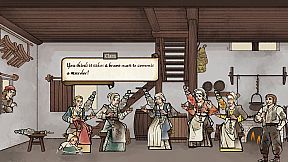
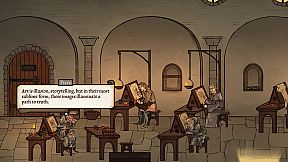
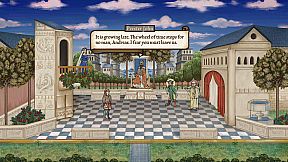
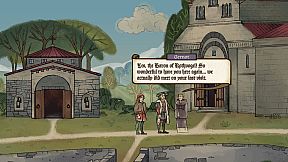
The core loop revolves around exploration and time-sensitive investigation. Andreas moves through the illustrated environments of Tassing and the abbey, speaking with residents and examining objects to gather information. A day and night cycle based on canonical hours governs daily routines, advancing time when players commit to activities such as conversations or tasks. This system forces prioritization among multiple leads, as pursuing one option often prevents following others before key events conclude.
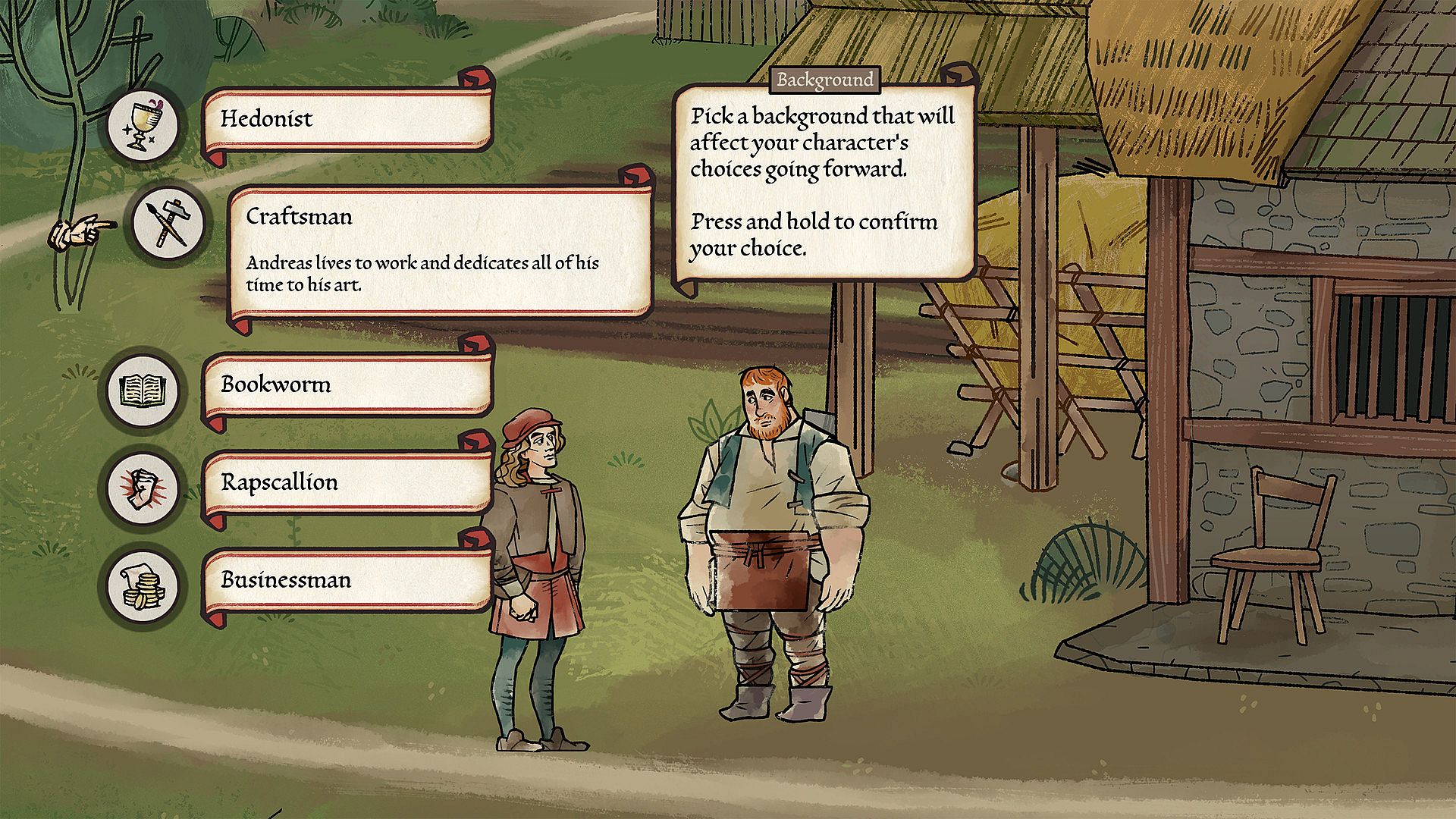
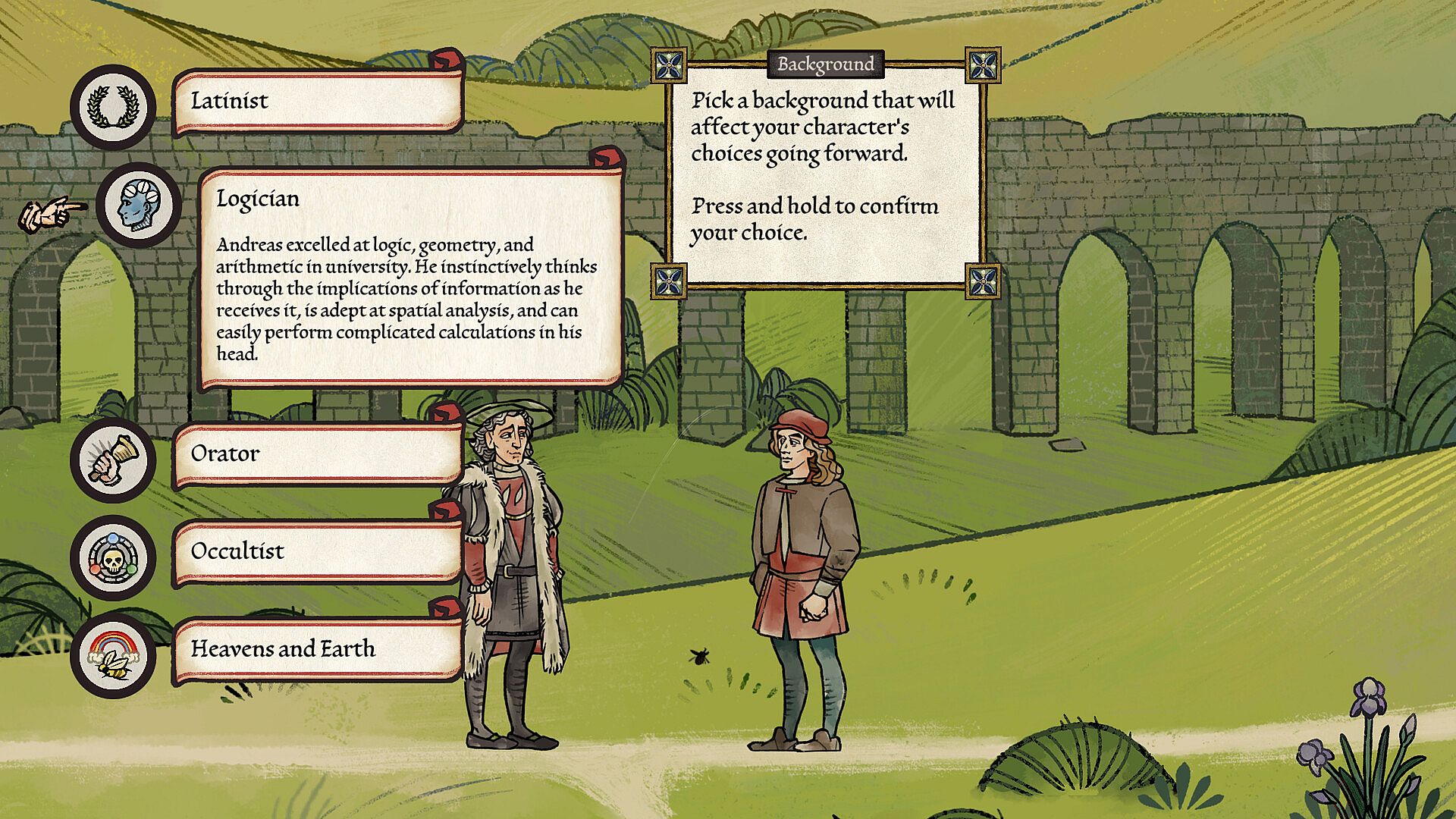
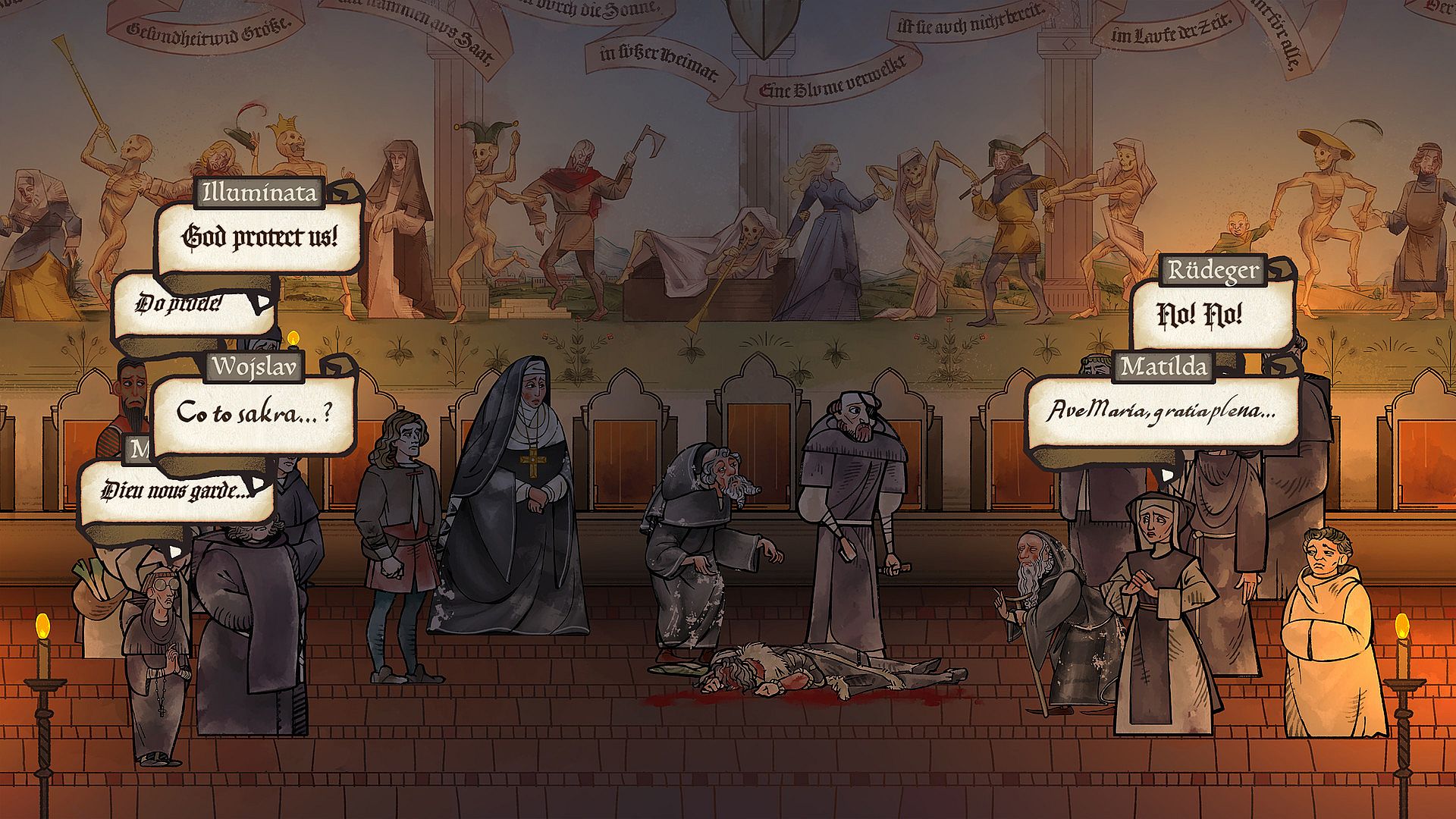
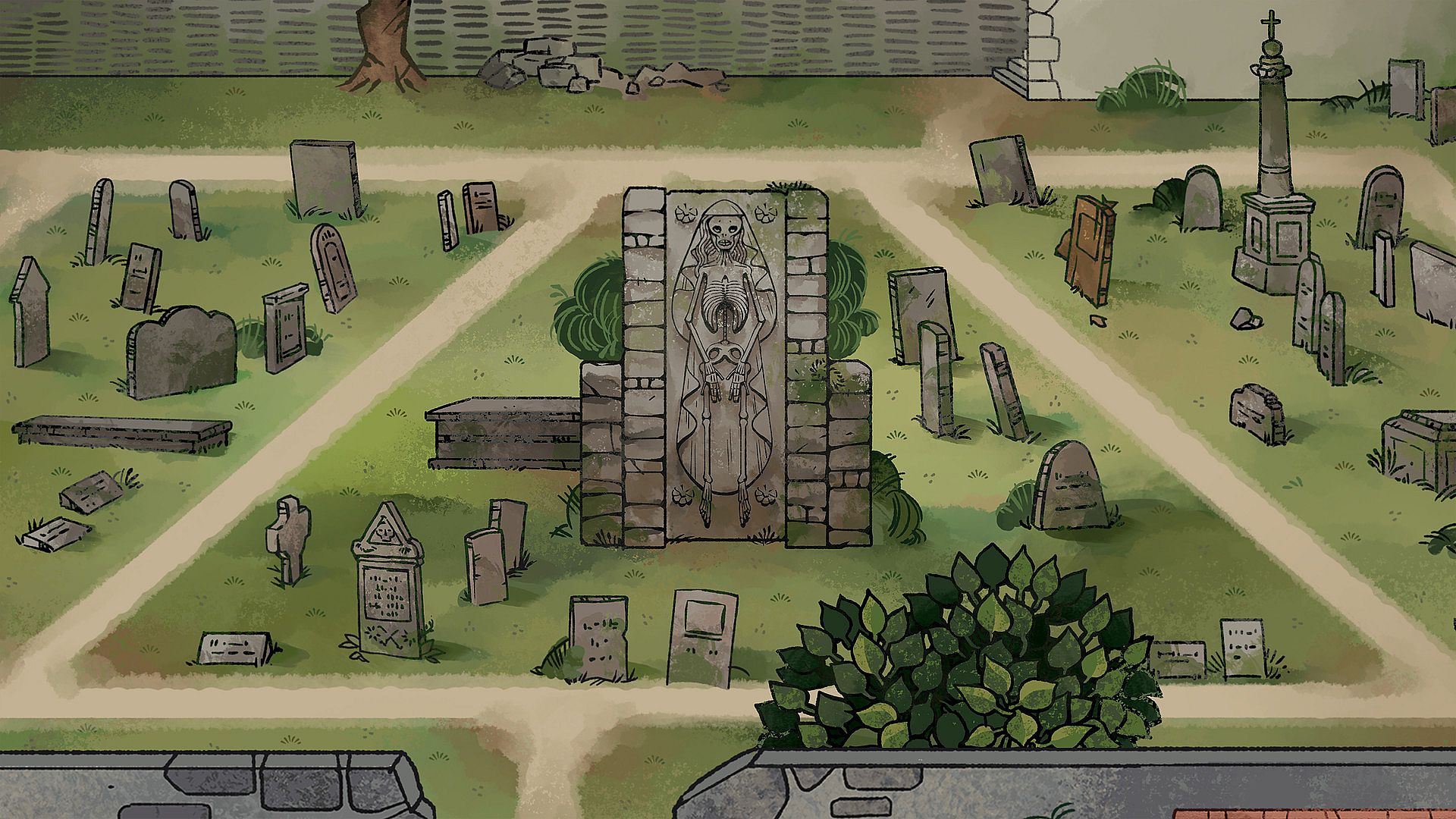
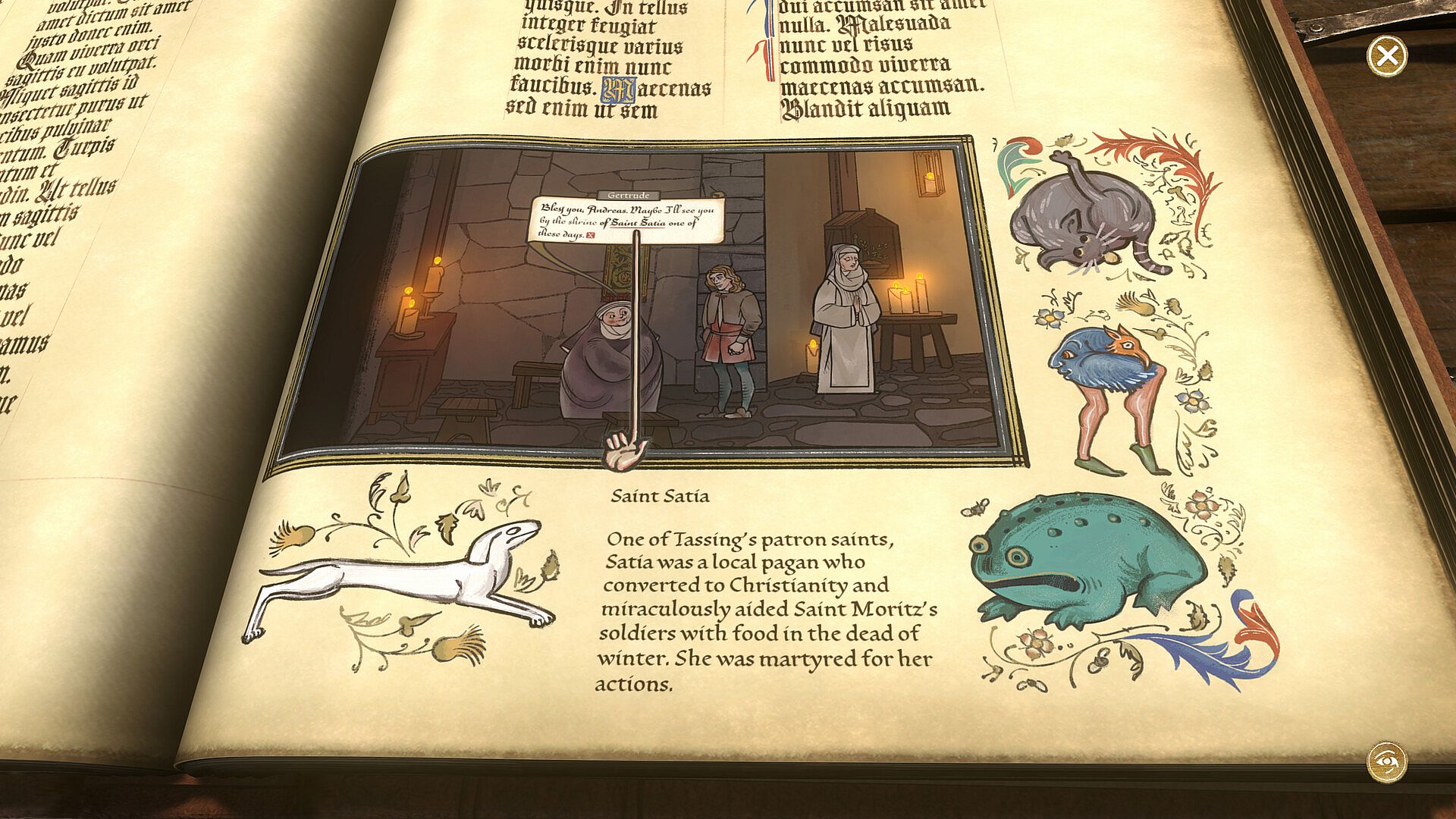
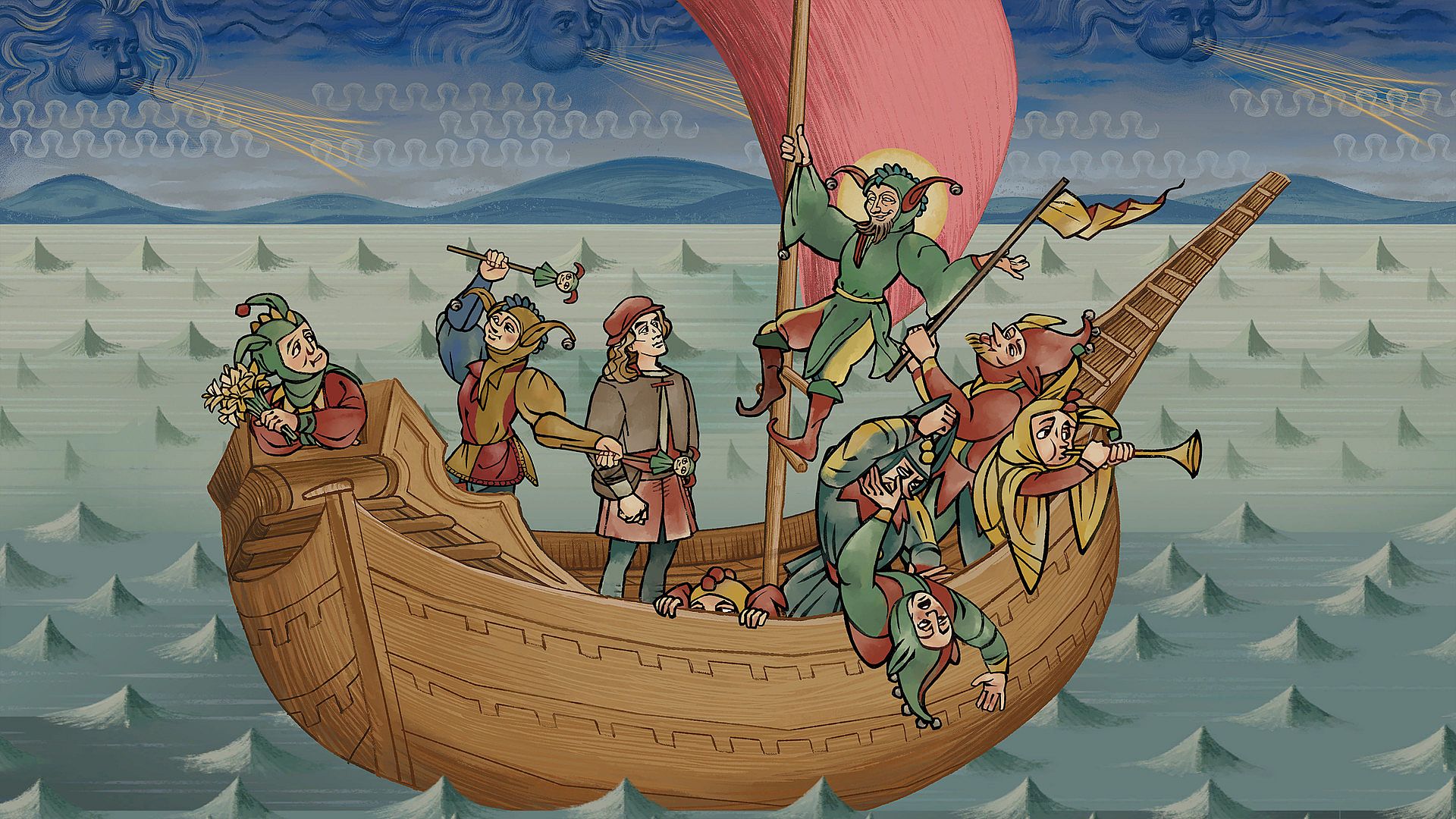
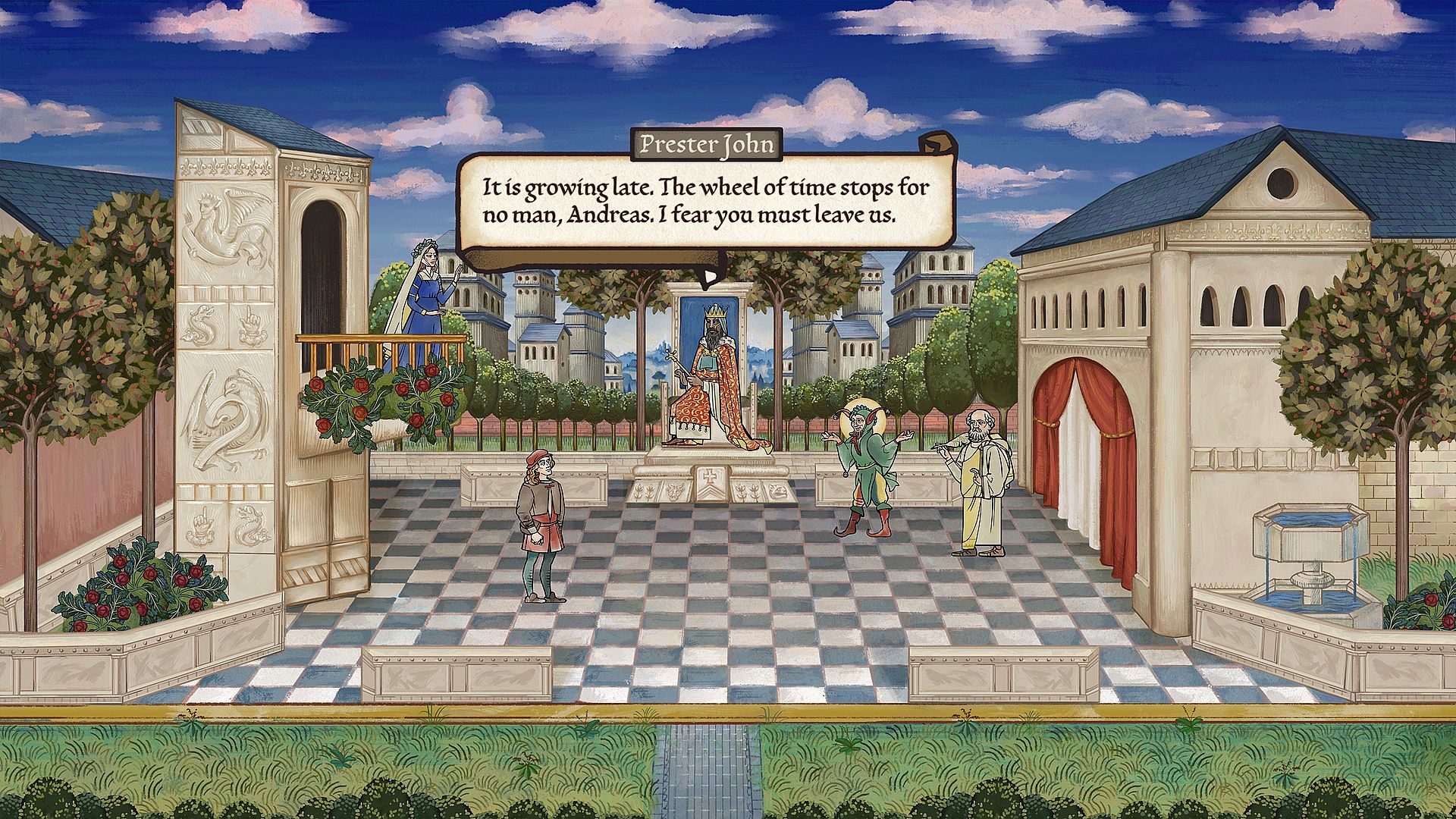
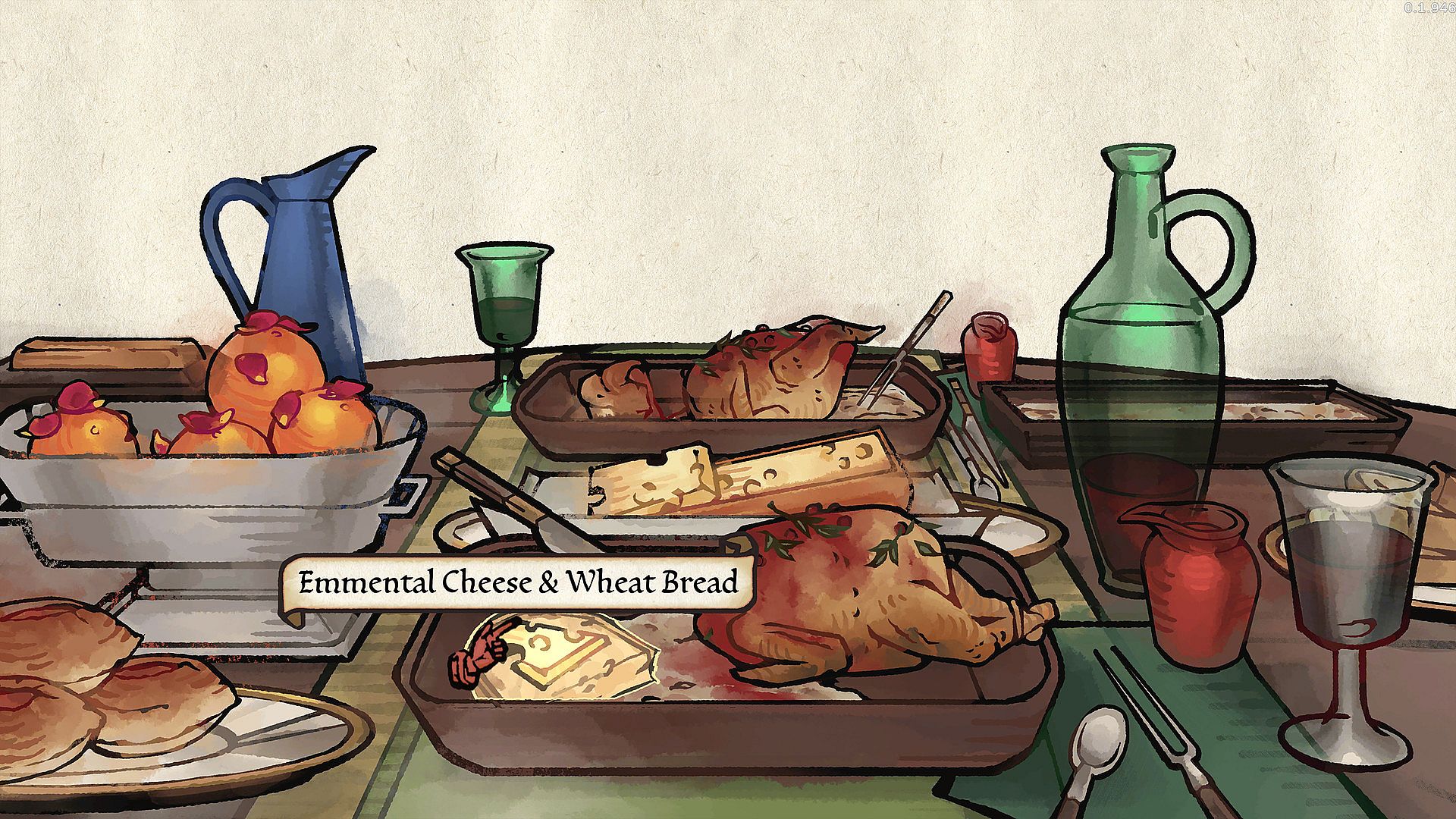
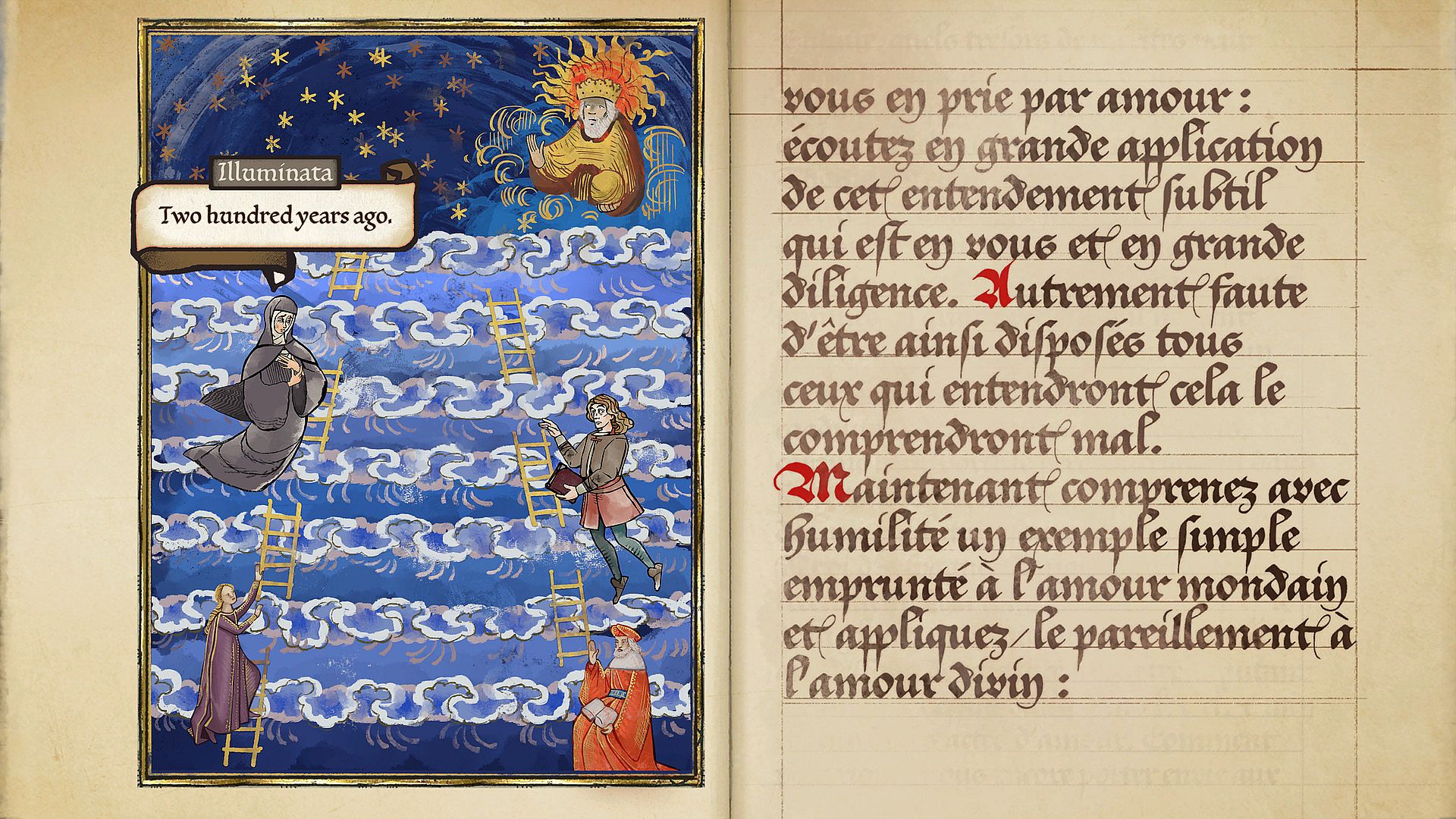
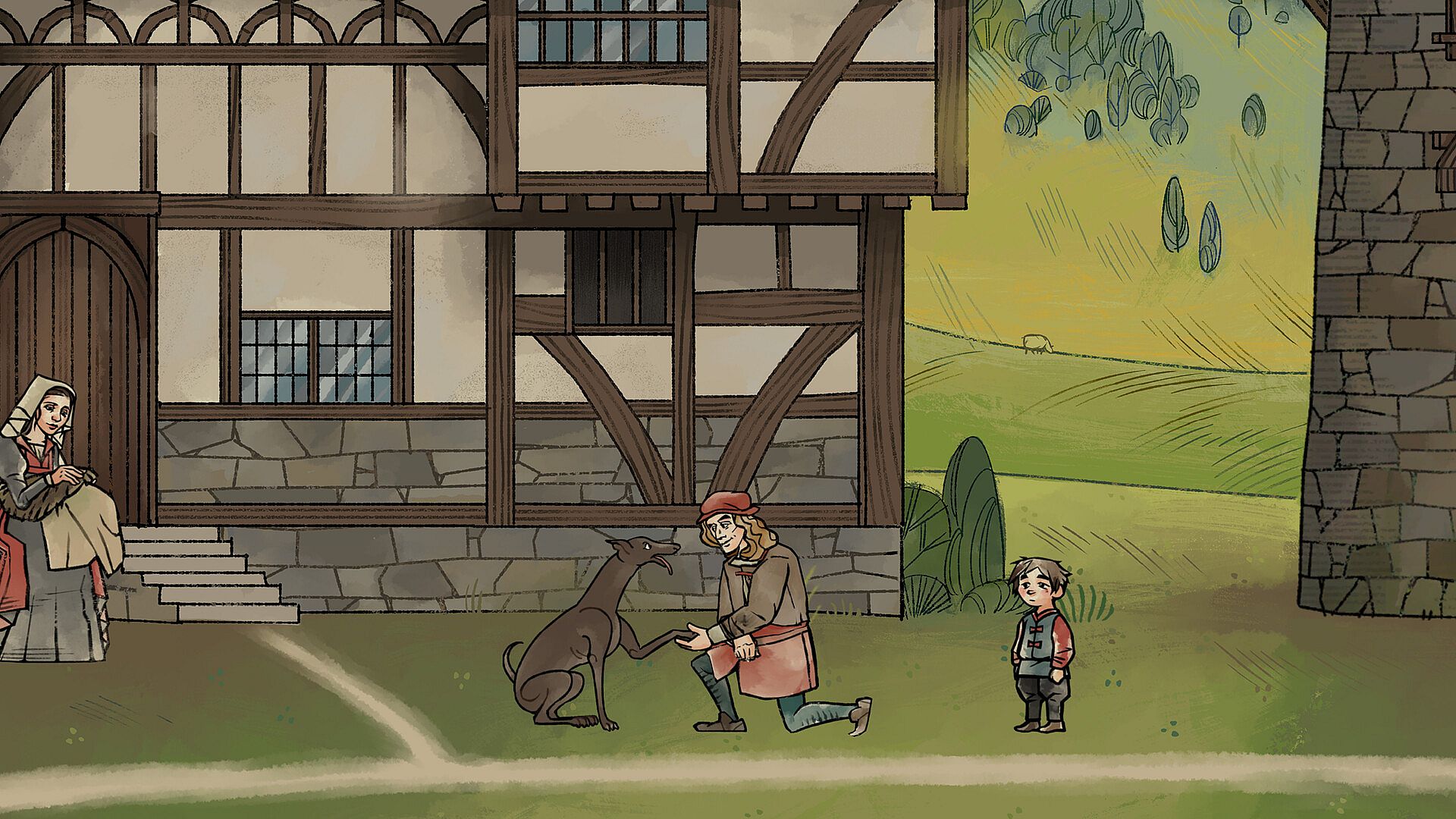
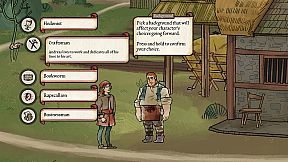
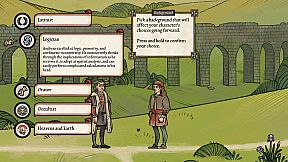
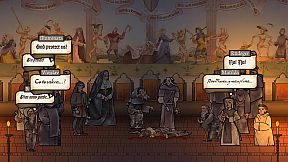
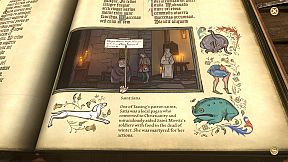
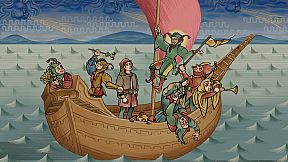
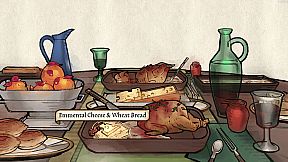
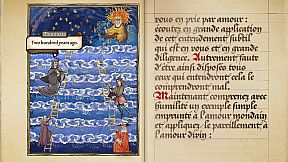
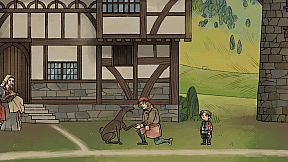
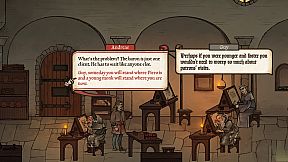
Background selection at the start shapes interactions. Different academic or social histories unlock unique dialogue options and perspectives during questioning. Evidence collection combines physical clues with statements from townsfolk, leading to accusations that reflect either the strongest proof or other considerations like community impact. The stylized art, drawn from illuminated manuscripts and early printed books, renders the world as a living manuscript where characters and locations evolve visually with the passage of years.
Choices extend beyond immediate cases. Decisions influence relationships and events across multiple time periods, with consequences appearing in later acts that span generations. The game avoids traditional item-combination puzzles, instead emphasizing careful listening, cross-referencing accounts, and managing limited daily hours to build a coherent picture of events.
Game Modes
Pentiment operates exclusively as a single-player narrative experience. There are no separate multiplayer options or competitive modes. The structure divides into three main acts, with the first two focusing on Andreas and the third shifting perspective while maintaining the same investigative focus. Players progress through branching investigations within each act, but the overall path remains guided by the central mystery and its unfolding consequences.
Replay value stems from different background choices and lead priorities rather than distinct modes. Each playthrough can reveal alternate details or outcomes based on who receives attention and which evidence paths players emphasize. The game presents no additional variants such as difficulty settings or alternate campaigns beyond the core single-player narrative.
Story and Setting
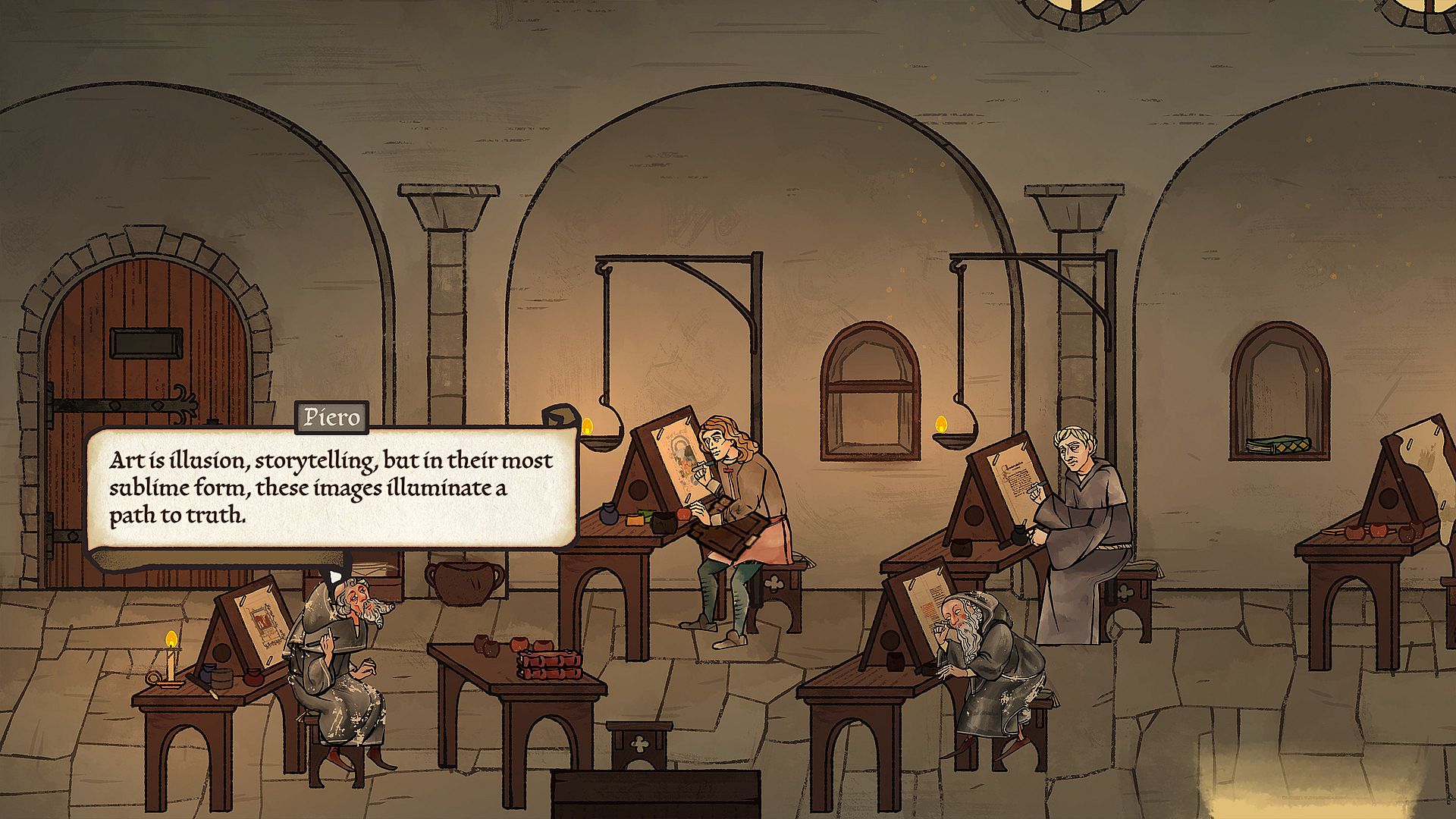
The narrative unfolds against the backdrop of 16th century Europe, where religious reforms and social tensions affect daily life in a small Bavarian community. Andreas arrives as a journeyman artist working on a manuscript at the abbey and soon finds himself investigating accusations against various locals, including peasants, craftsmen, monks, and nobles. Over the 25-year span, players witness how initial choices ripple through families and institutions.
Supporting characters form a detailed cast with their own histories and motivations. Interactions reveal secrets tied to the abbey and town, blending personal stories with larger conspiracies. The art style reinforces the historical period, presenting scenes in a hand-illustrated manner that highlights key details during conversations and explorations.
Is It Worth Playing?
Pentiment appeals to those who enjoy choice-driven stories and deliberate pacing in adventure games. Its investigation mechanics reward thoughtful time allocation and attention to dialogue, while the generational scope adds weight to every decision. The experience runs to completion without ongoing updates or additional content layers, delivering a self-contained tale focused on character and consequence.
Critics have praised the writing, art direction, and thematic depth, noting how the limited time windows create meaningful tension during each mystery. Players who value narrative focus over action or complex systems will find the game aligns closely with its description as a historical adventure centered on personal agency and community change. Those seeking fast-paced gameplay or multiplayer elements may find the deliberate pace less engaging.