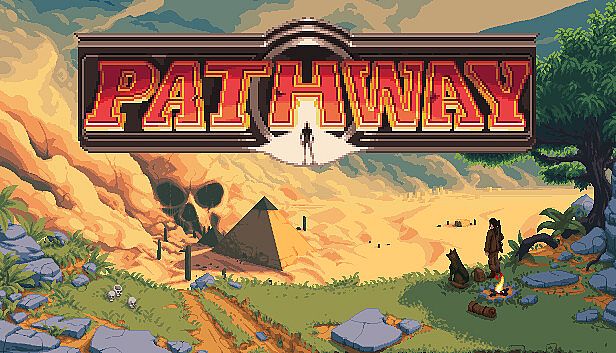















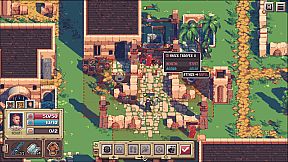
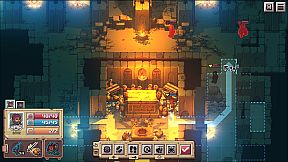
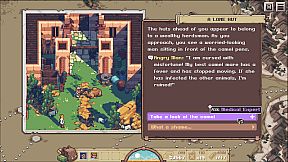
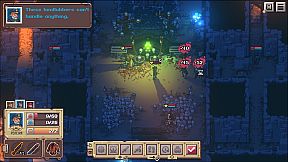
Pathway is a turn-based strategy game with RPG and adventure elements set in a 1930s pulp adventure world. Players assemble squads of adventurers to explore Northern Africa, uncover hidden artifacts, and thwart Nazi forces and occult threats in randomized expeditions across desert landscapes, bunkers, and ancient temples.
Gameplay
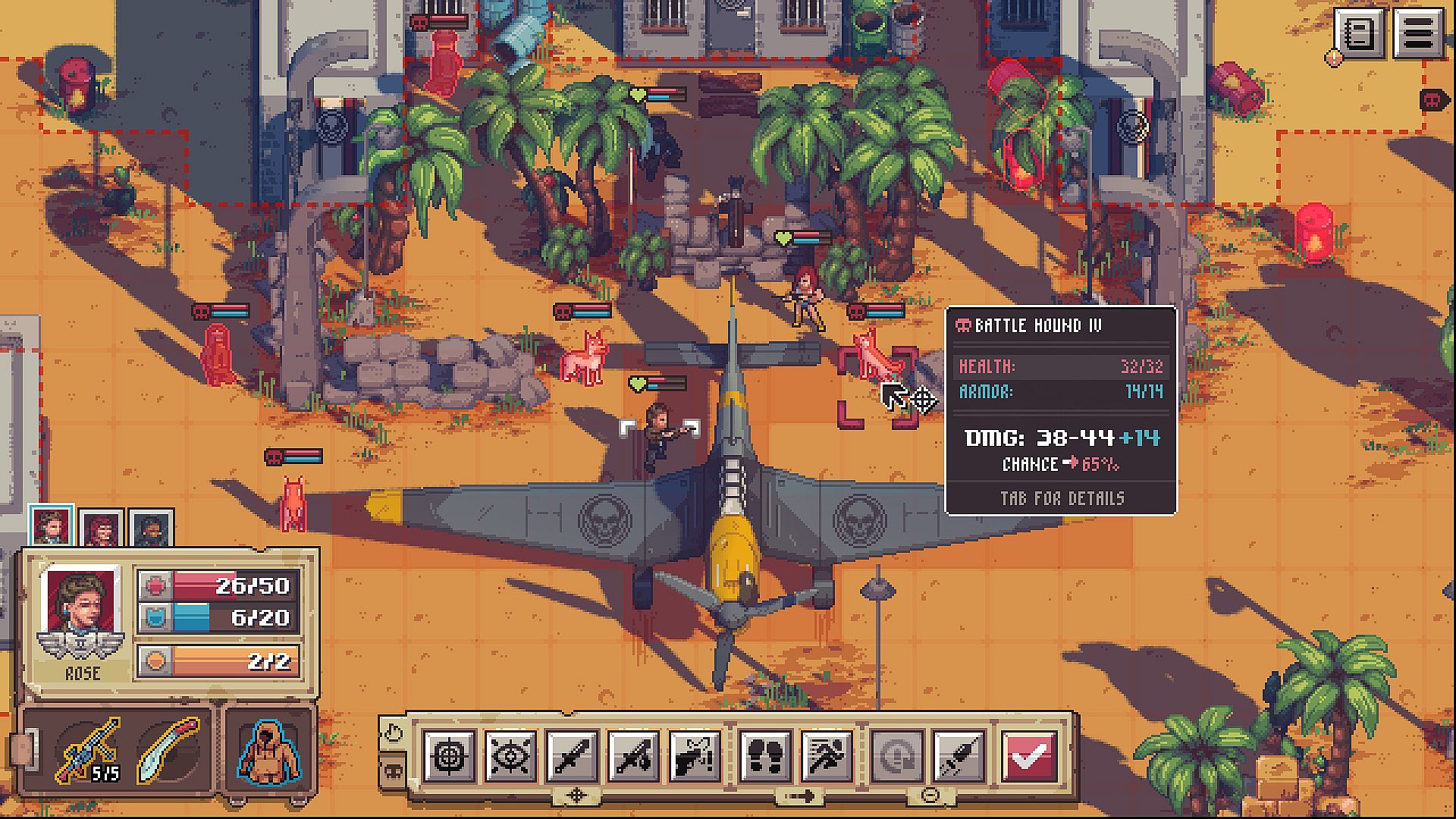
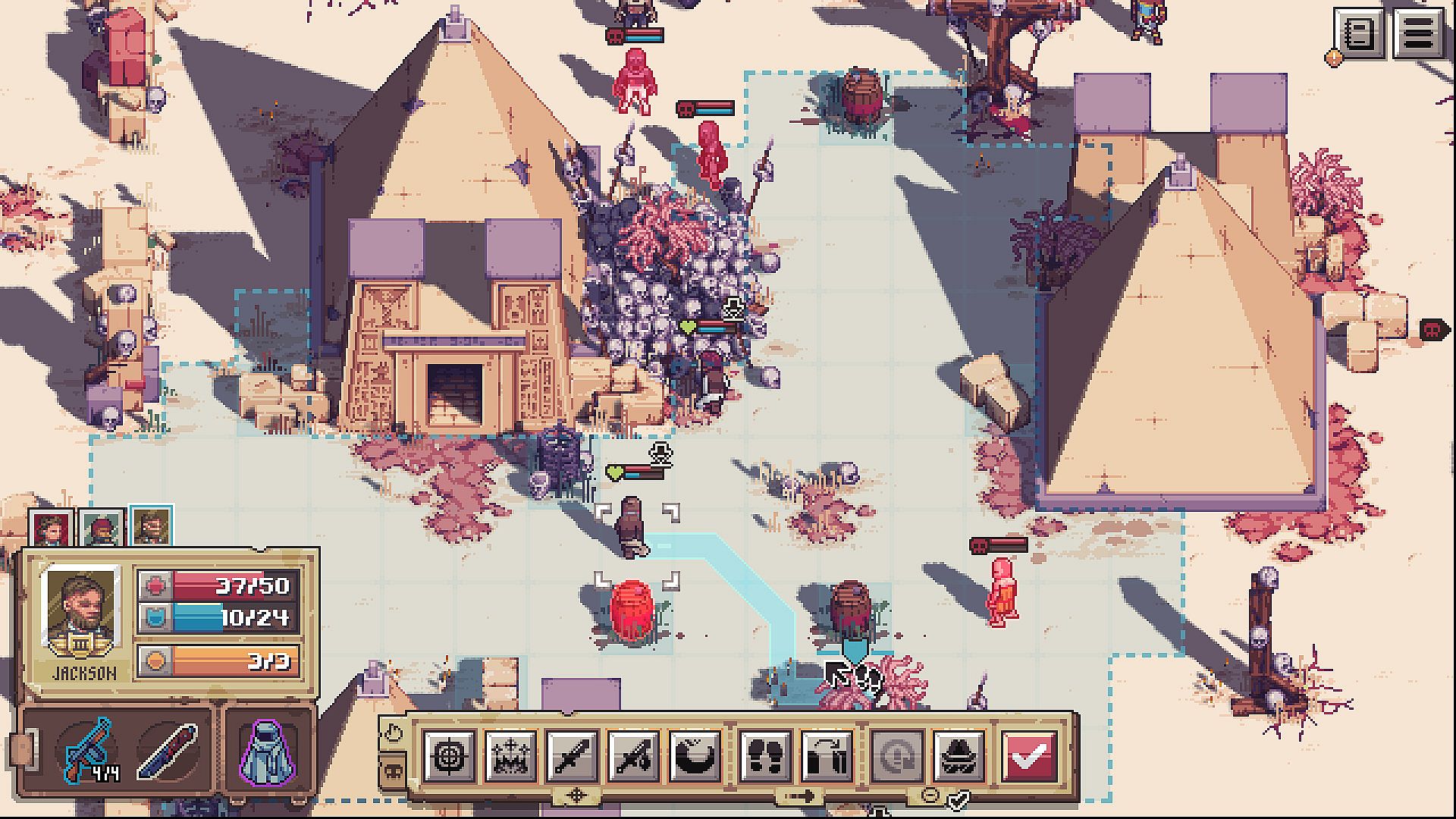
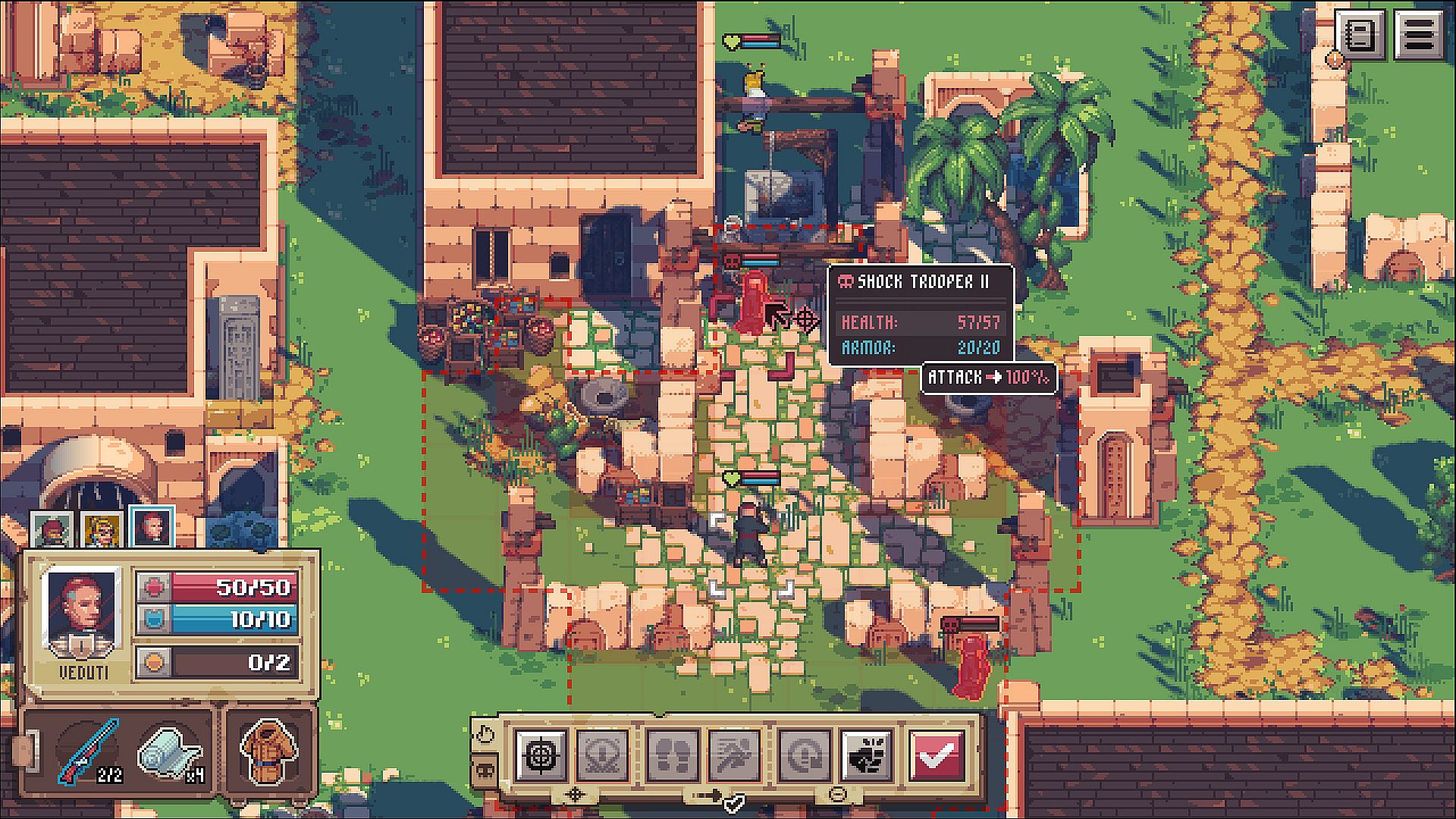
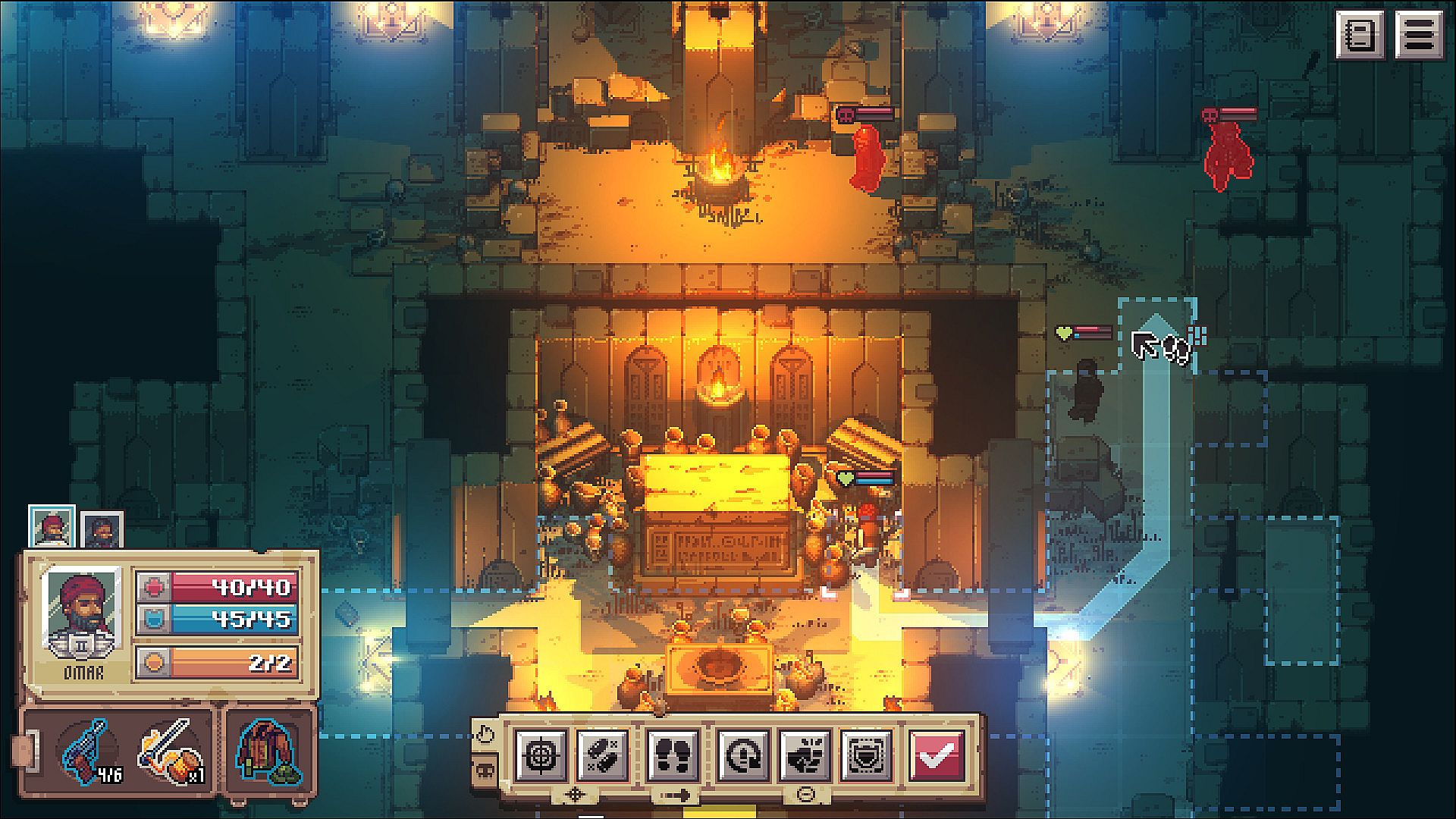
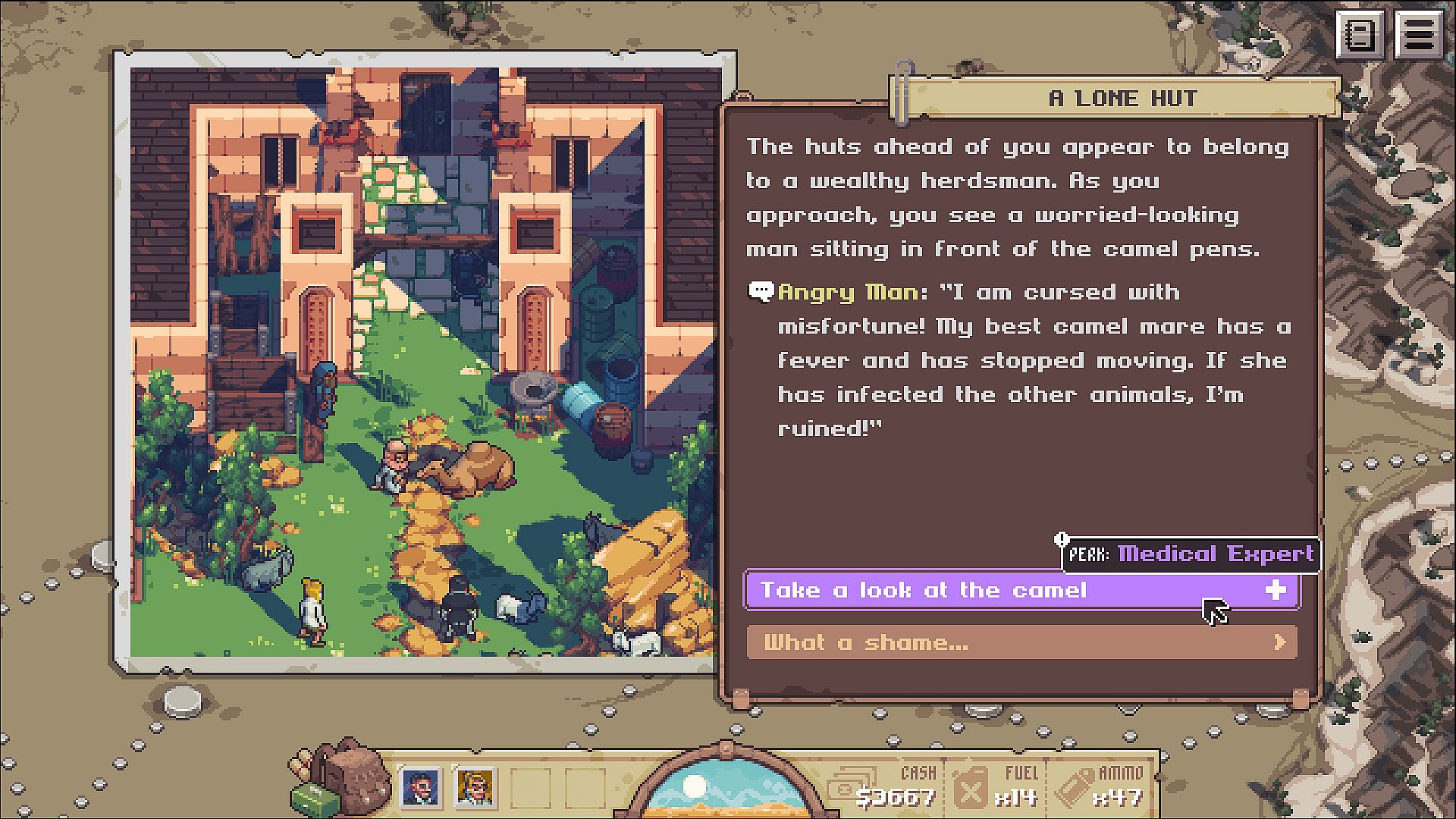
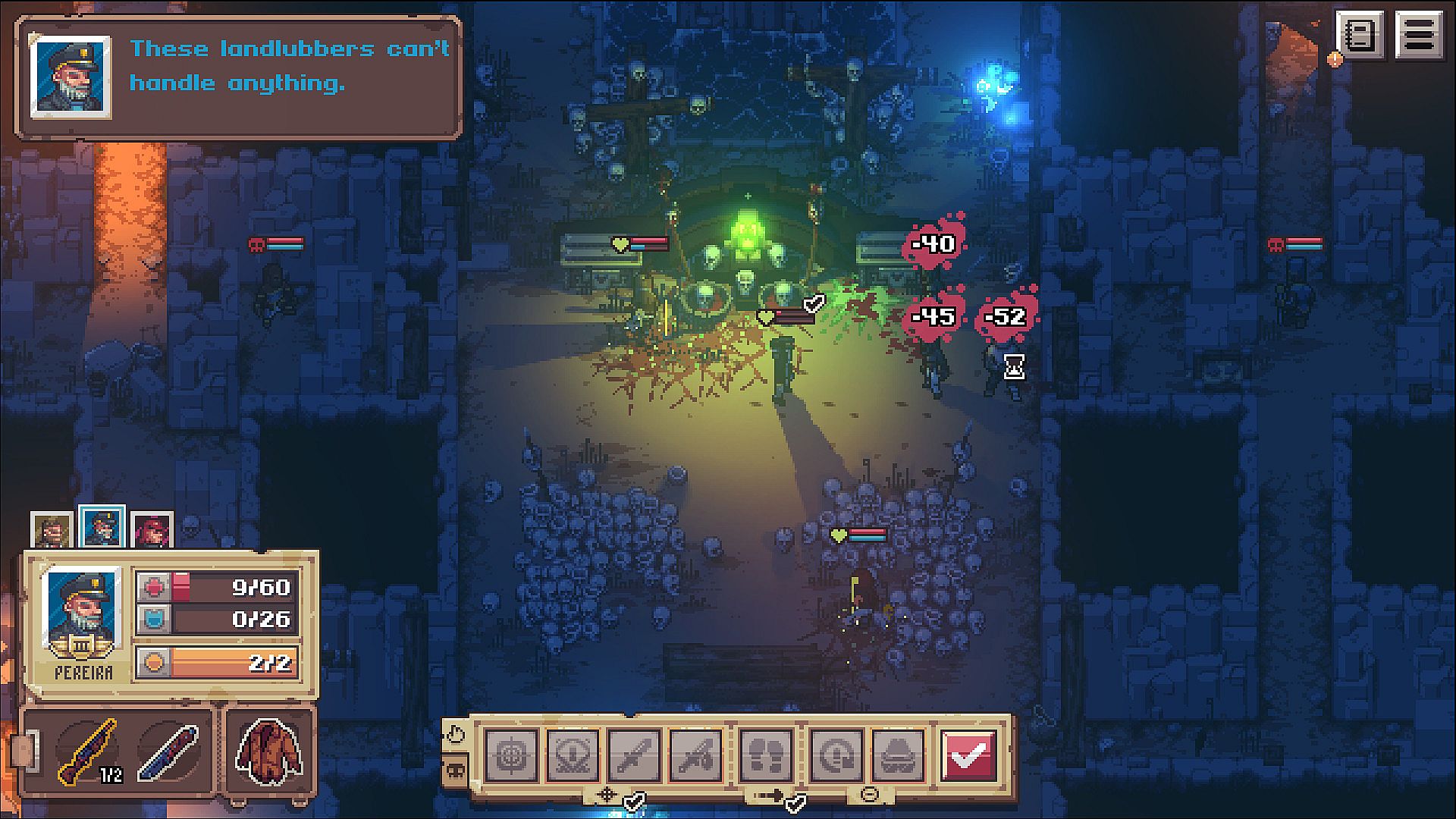
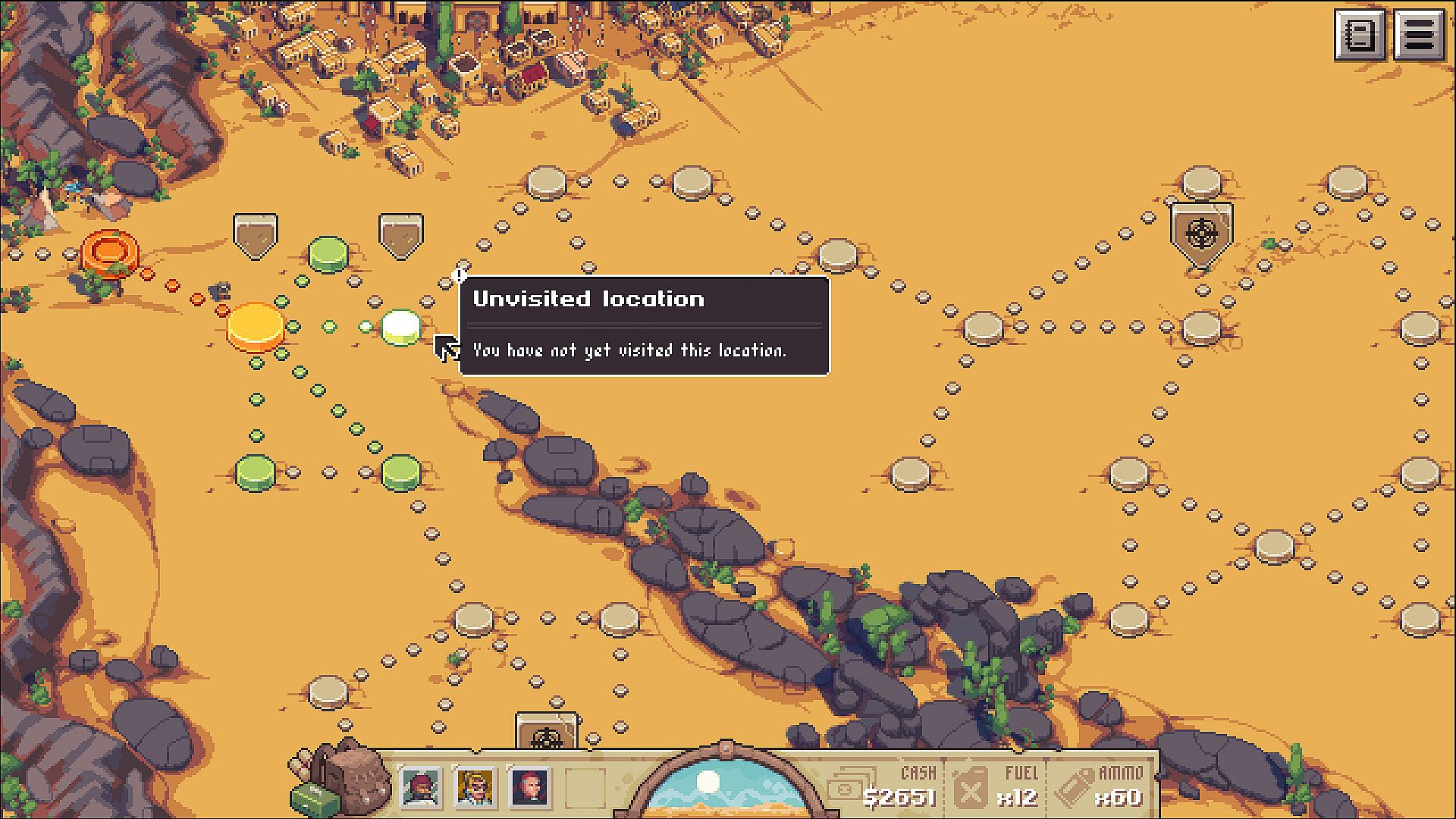
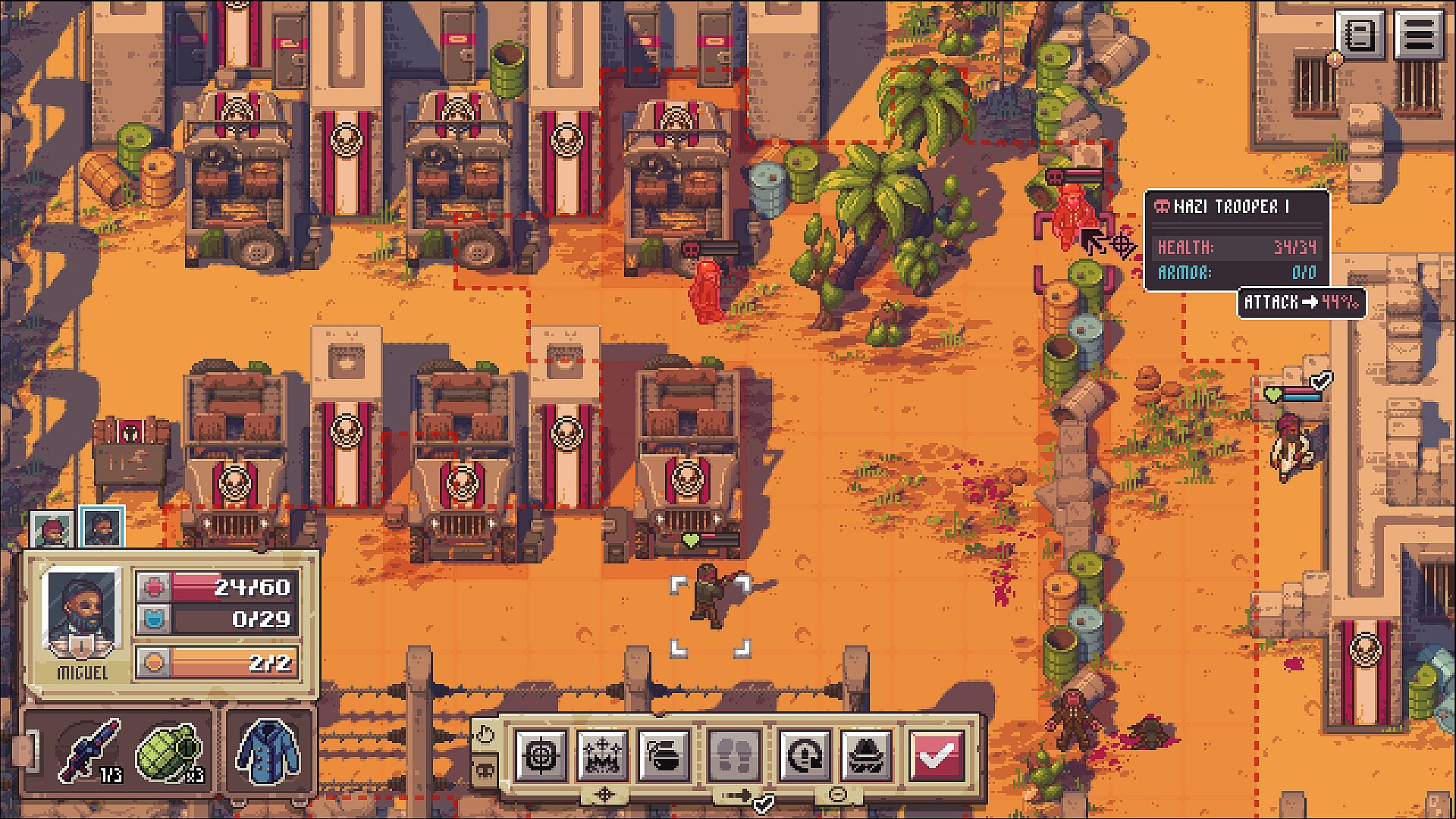
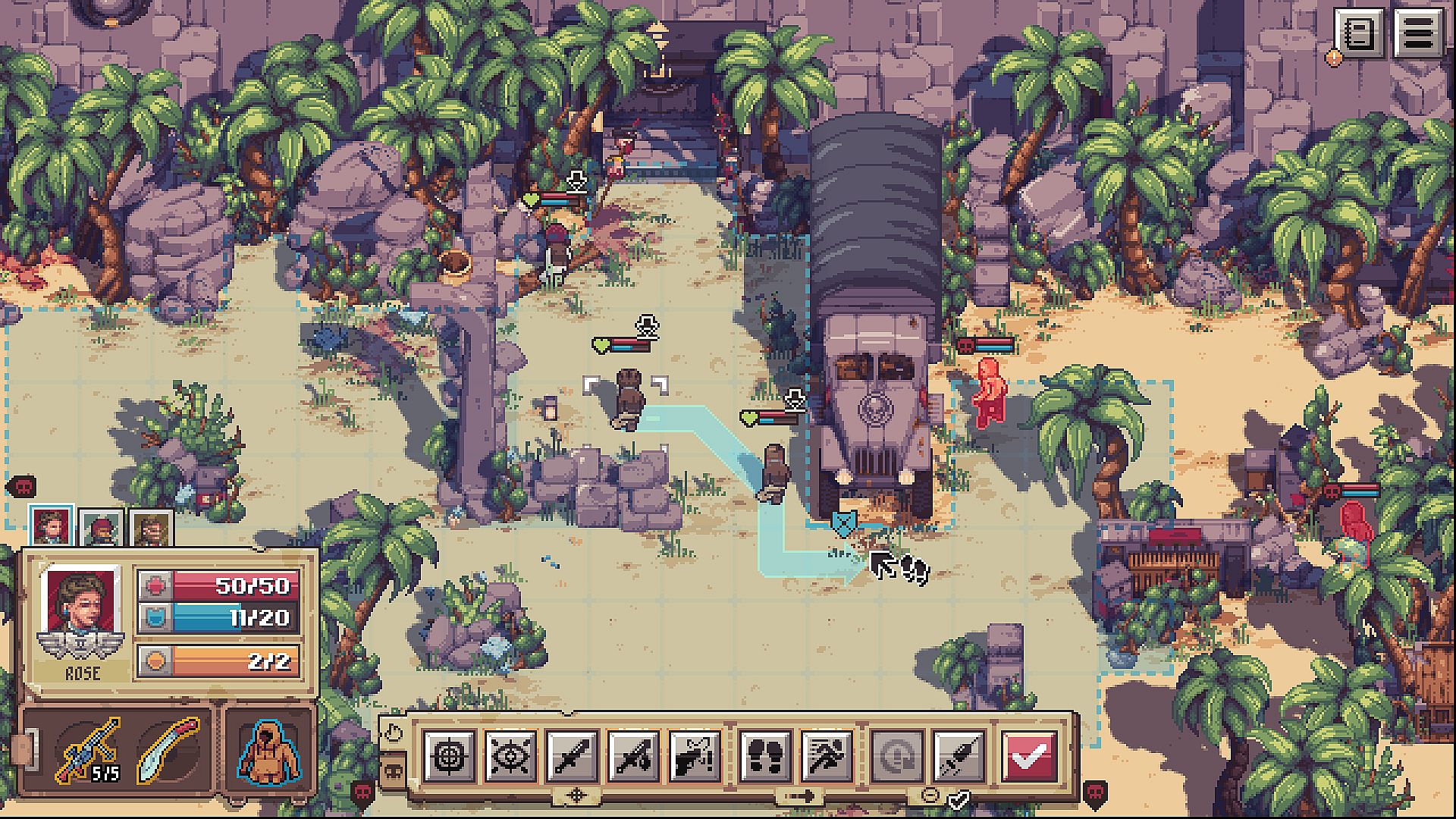
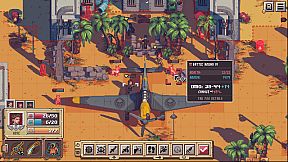
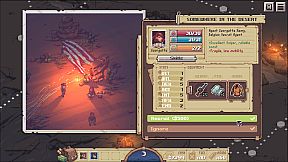
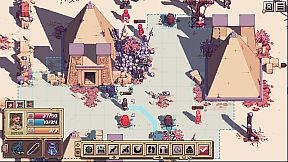
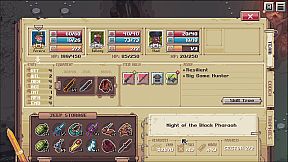
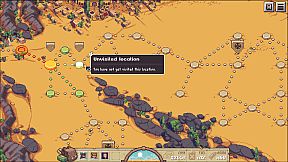
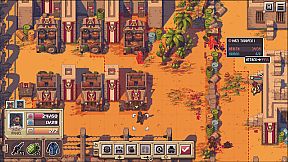
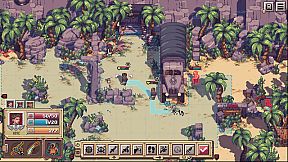
The core loop revolves around squad-based expeditions where players select characters and navigate procedurally generated maps. Movement occurs across these maps with frequent interruptions from hand-crafted story events that require quick decisions on risks and rewards. Combat takes place in short, tactical skirmishes that emphasize positioning, cover usage, and ability management. Each character performs two actions per turn, such as moving and attacking, healing allies, or reloading weapons. Equipment like weapons, armor, and items factors into effectiveness, while loot from successful runs funds upgrades to the team's arsenal.
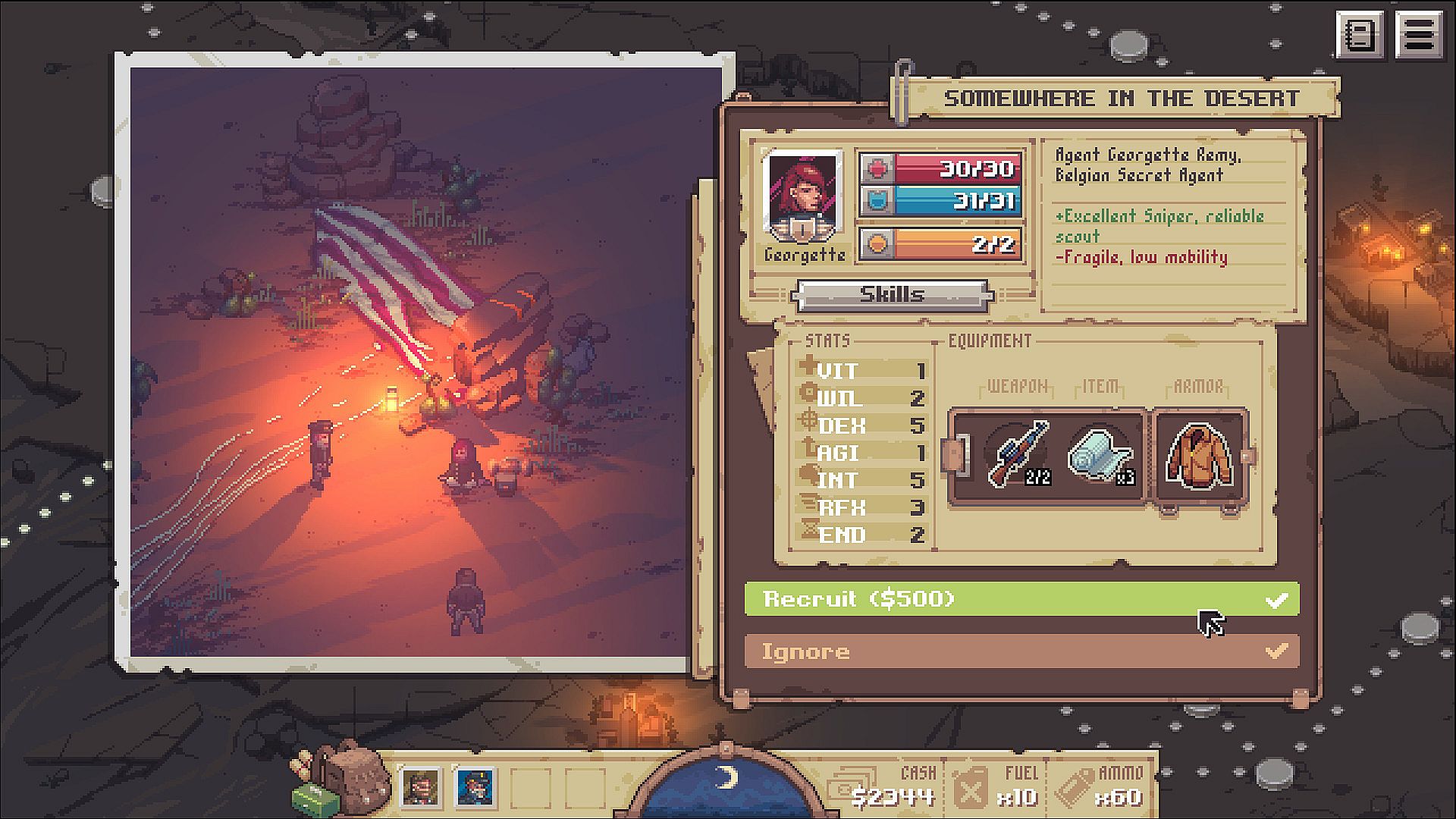
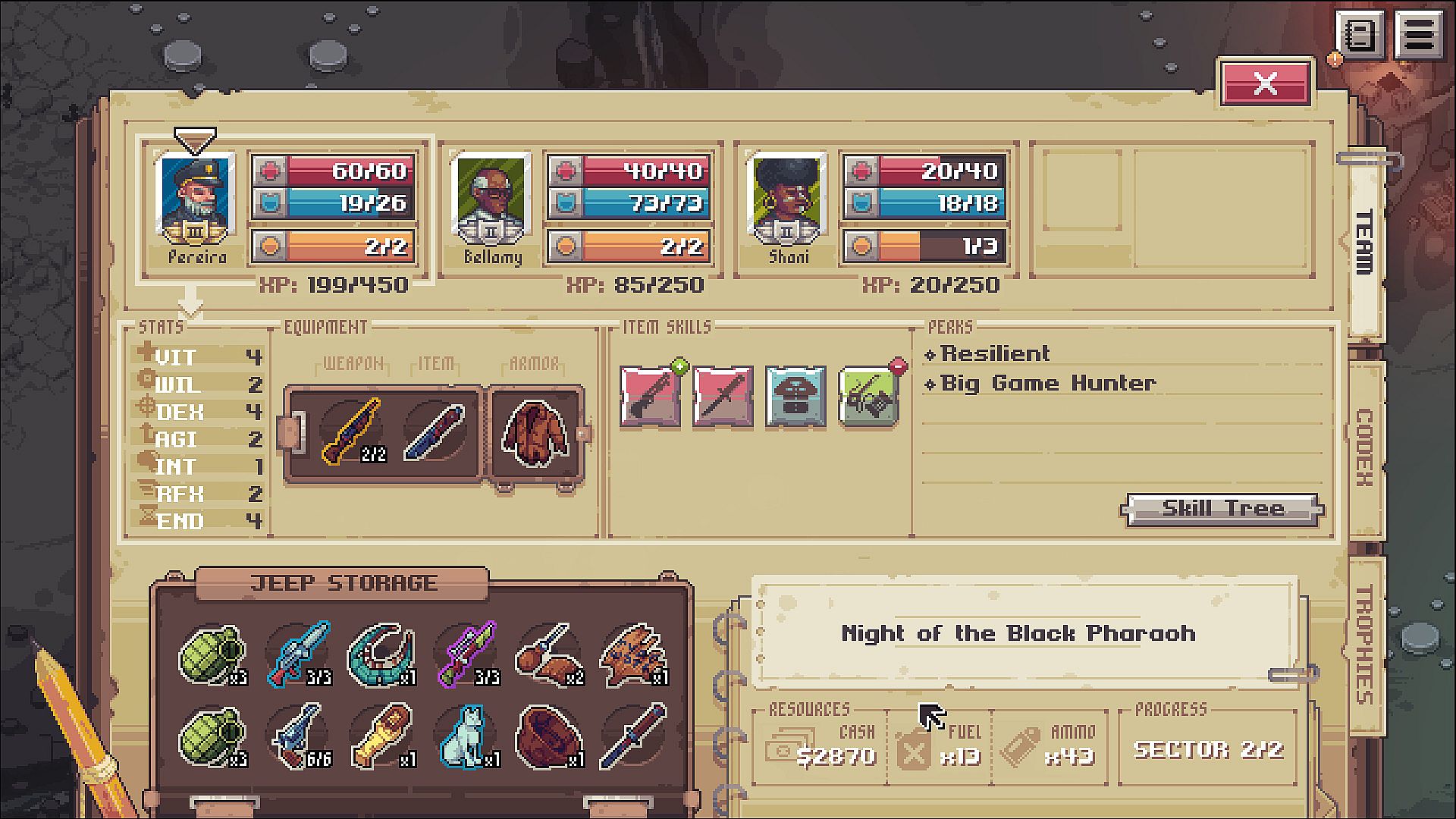
Character progression ties into experience gains during missions, allowing stats and skills to improve over repeated attempts. The 16 unlockable adventurers each bring distinct skills, traits, and quirks that influence both combat performance and how story encounters resolve. Randomized elements ensure that every expedition presents fresh combinations of locations and events, encouraging experimentation with different team compositions to handle varied challenges.
Game Modes
Pathway structures its content around five campaigns that differ in length and difficulty. Each campaign generates a unique sequence of events and encounters on every playthrough, creating high replay value without traditional branching paths. Missions can be restarted at any time, replacing the series of story events with new ones while retaining unlocked characters and progression. This design keeps the focus on single-player strategic runs rather than competitive or cooperative modes.
Exploration and combat blend seamlessly within these campaigns. Players manage limited resources during treks, deciding when to engage threats or pursue side opportunities. The absence of persistent multiplayer elements keeps attention on individual squad tactics and risk assessment across the campaigns.
Characters and Progression
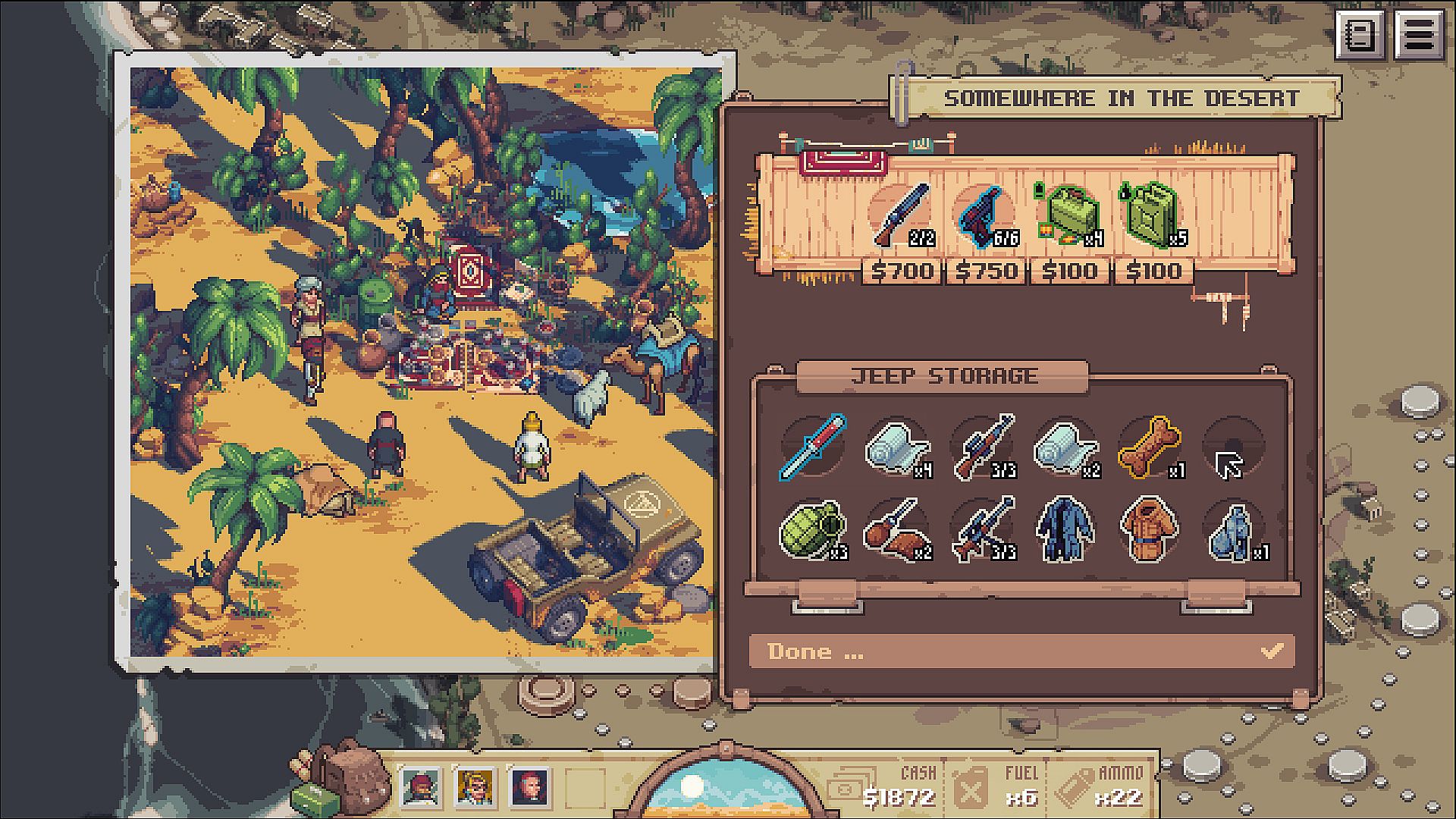
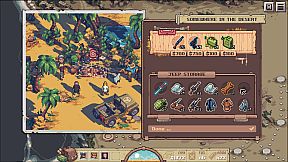
Team building forms a central pillar, with characters drawn from a growing roster unlocked through campaign completion and specific objectives. Each adventurer carries unique abilities that affect combat outcomes and narrative choices, such as specialized weapon proficiency or traits that alter event resolutions. Upgrades purchased with looted valuables enhance weapons and armor, allowing squads to tackle tougher encounters in later campaigns.
Progression emphasizes adaptation over linear advancement. Players refine strategies by testing combinations across multiple runs, learning how different skills interact with cover mechanics and enemy types. This system rewards careful planning while accommodating repeated attempts at the same campaign.
Is It Worth Playing?
Pathway suits players who enjoy turn-based tactics combined with light roguelite replayability and pulp storytelling. The five campaigns deliver consistent strategic depth through squad management and event decisions, supported by the randomized map and encounter structure. Those who appreciate methodical combat positioning and character customization will find repeated value in experimenting with the 16 adventurers and their loadouts. The game remains available in its complete form with no ongoing seasonal content, making it a solid choice for single-player sessions focused on tactical problem-solving rather than live-service updates.