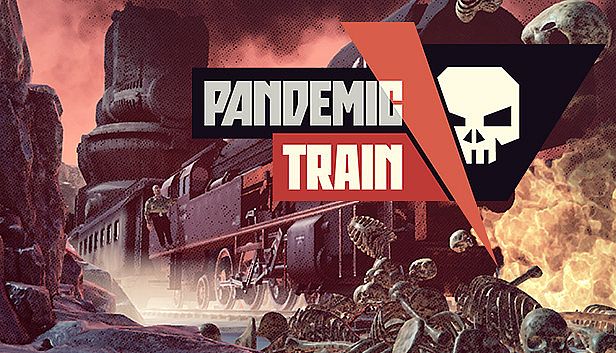





















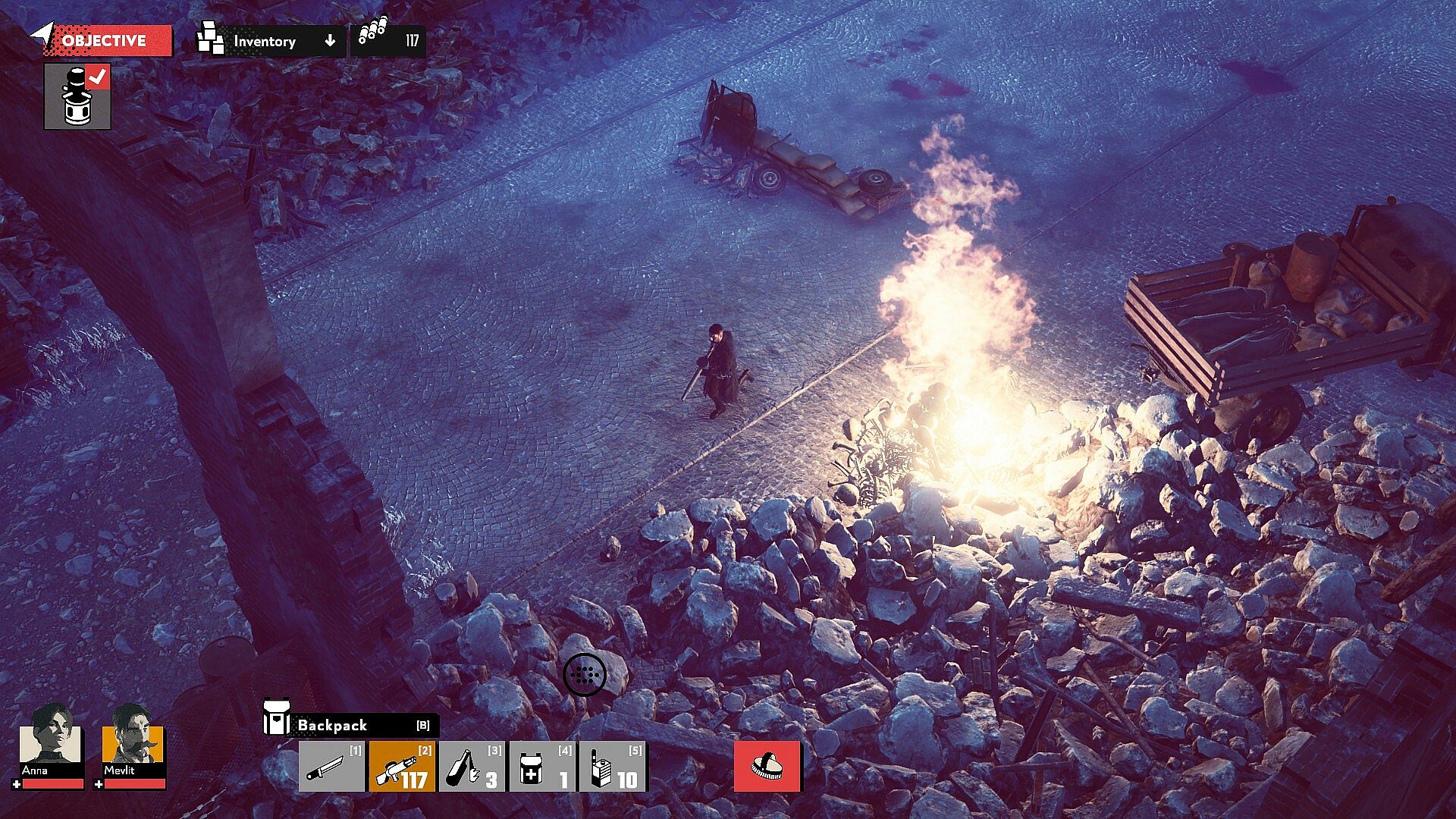
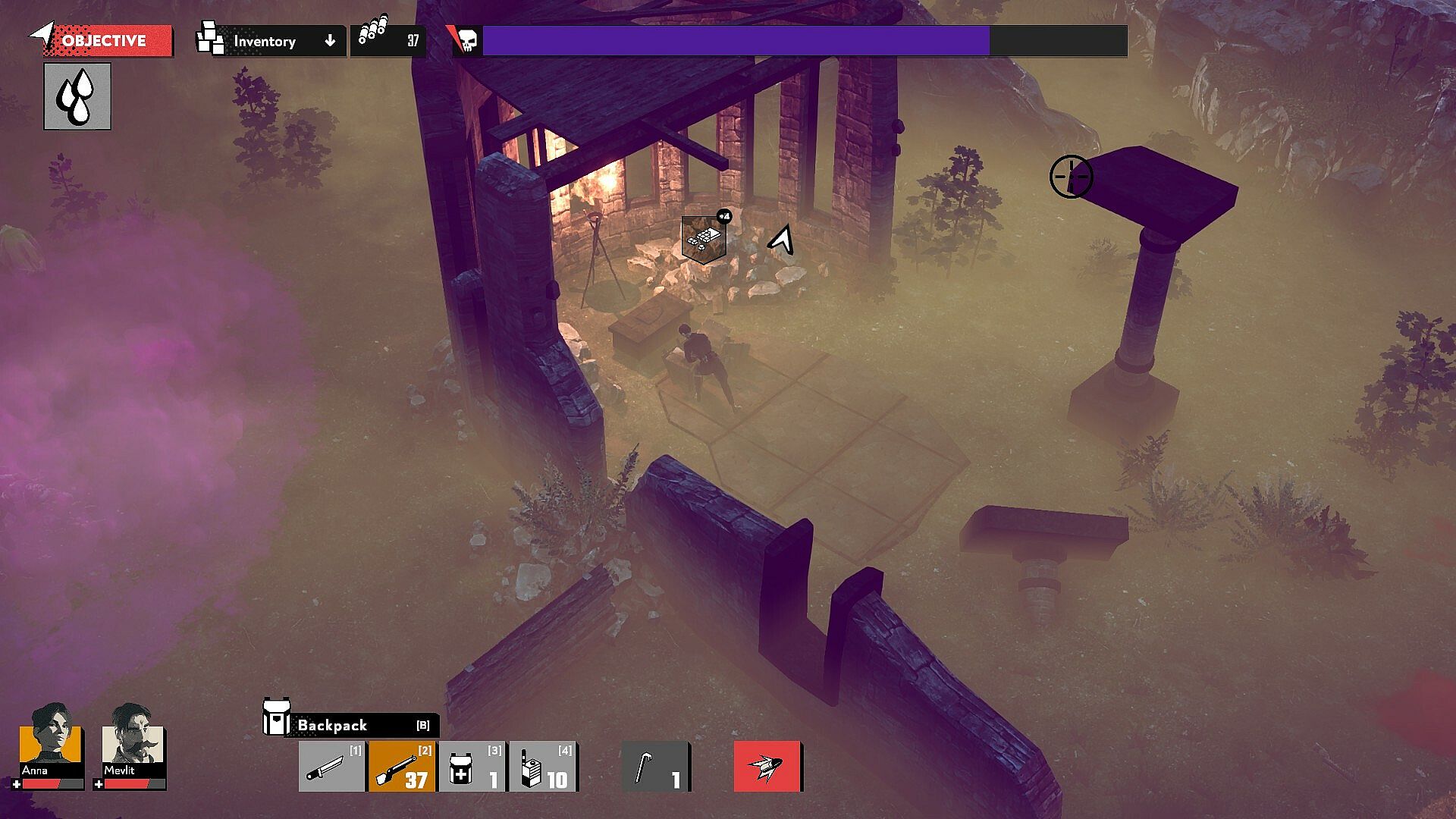
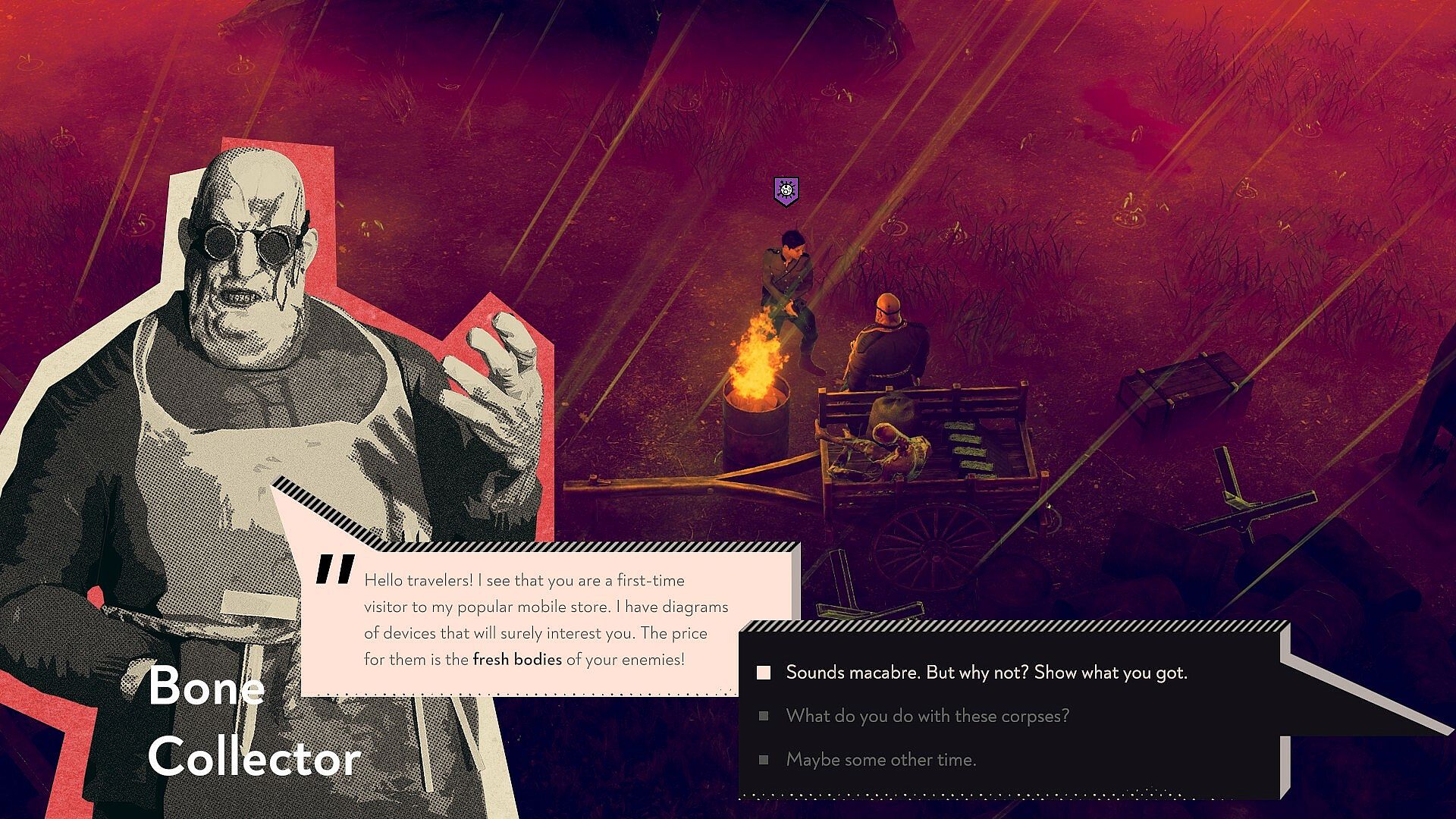
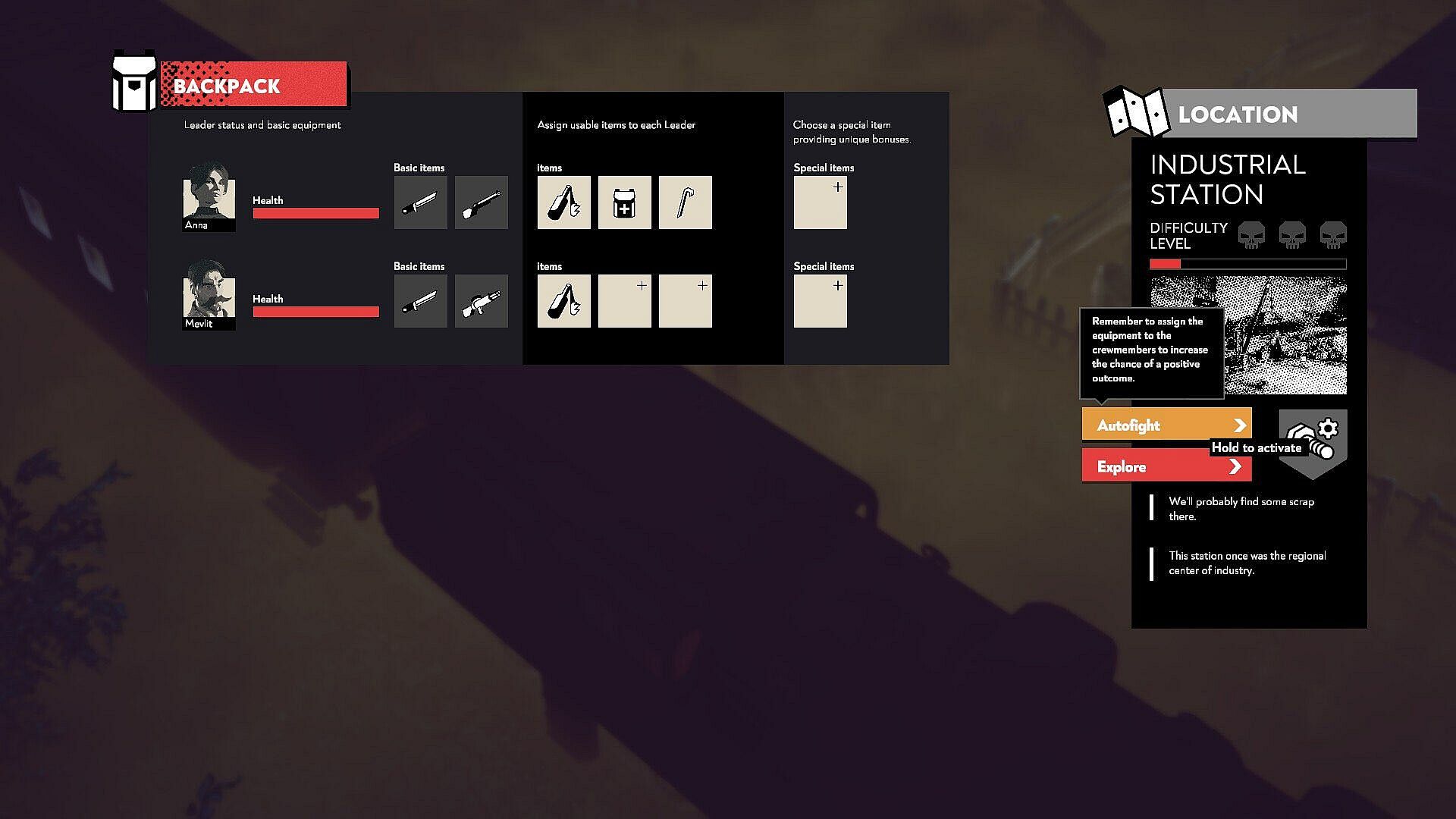





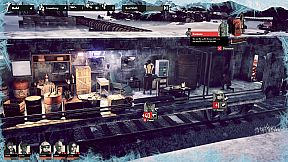


Pandemic Train is a survival game with roguelike and strategy elements set on PC. Players take command of a steam-powered train and its crew in a post-apocalyptic world devastated by war and a deadly plague that kills the infected within 24 hours. The core objective centers on keeping the train operational while searching for a vaccine to save what remains of humanity.
Gameplay
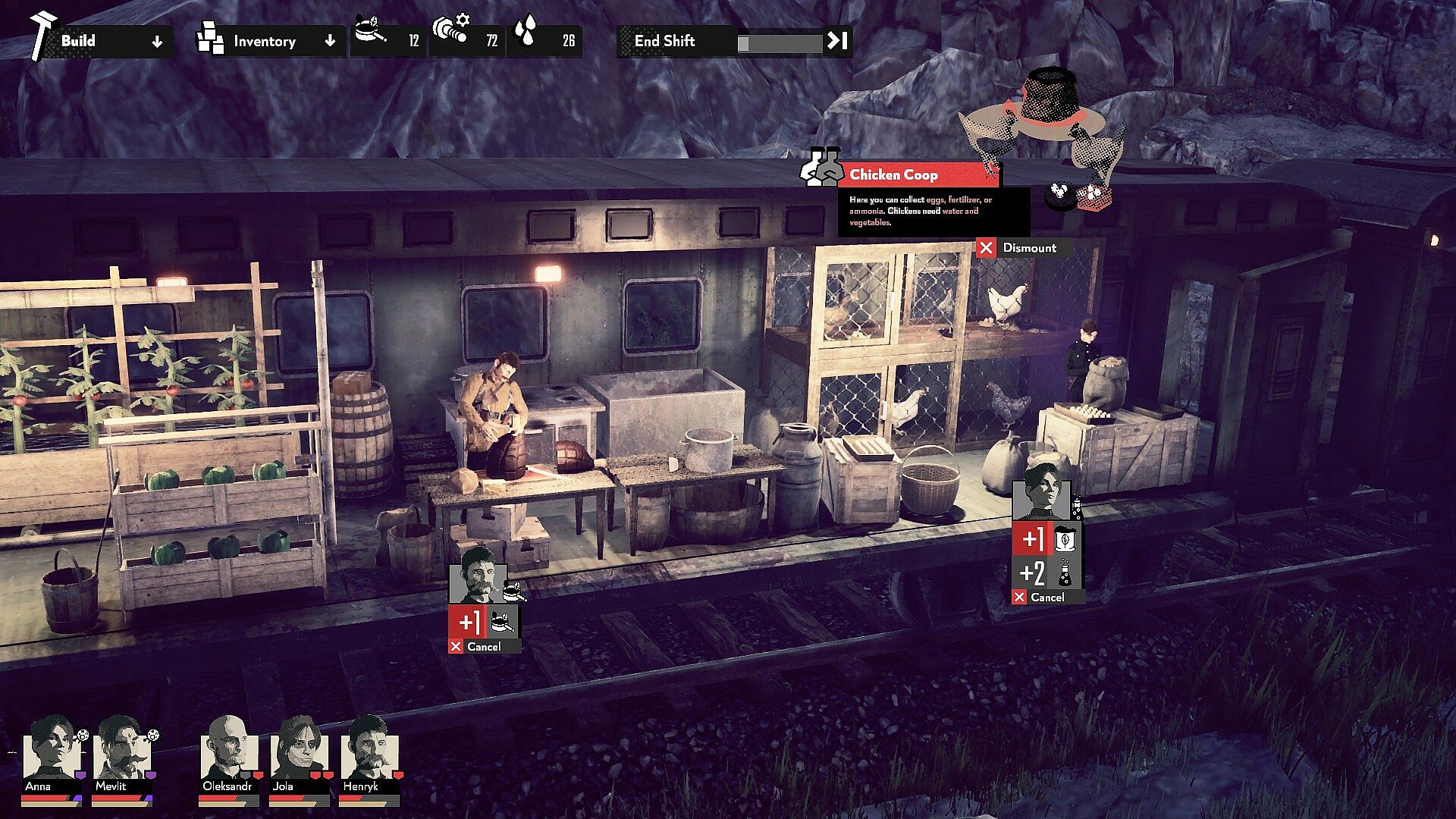
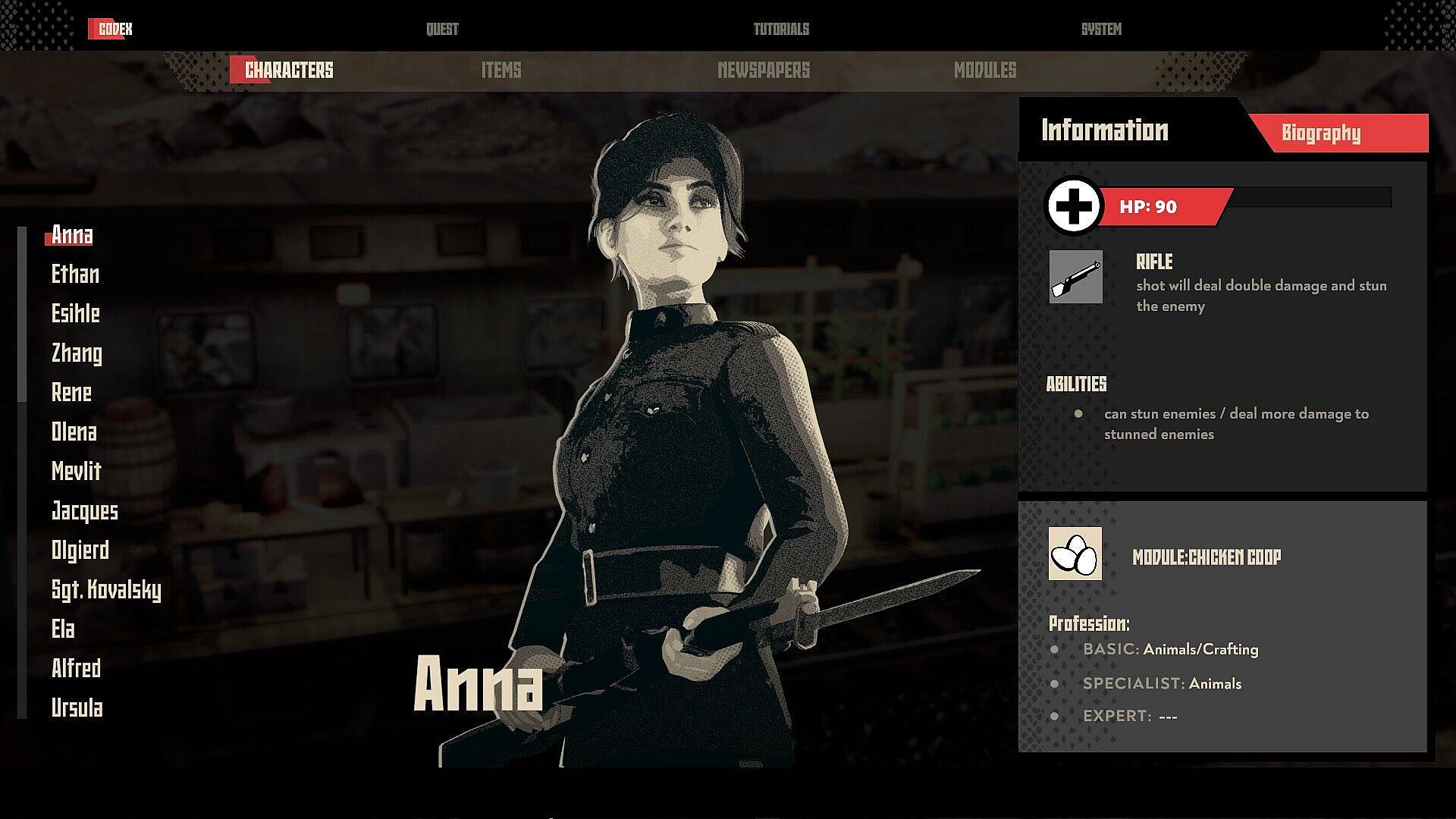
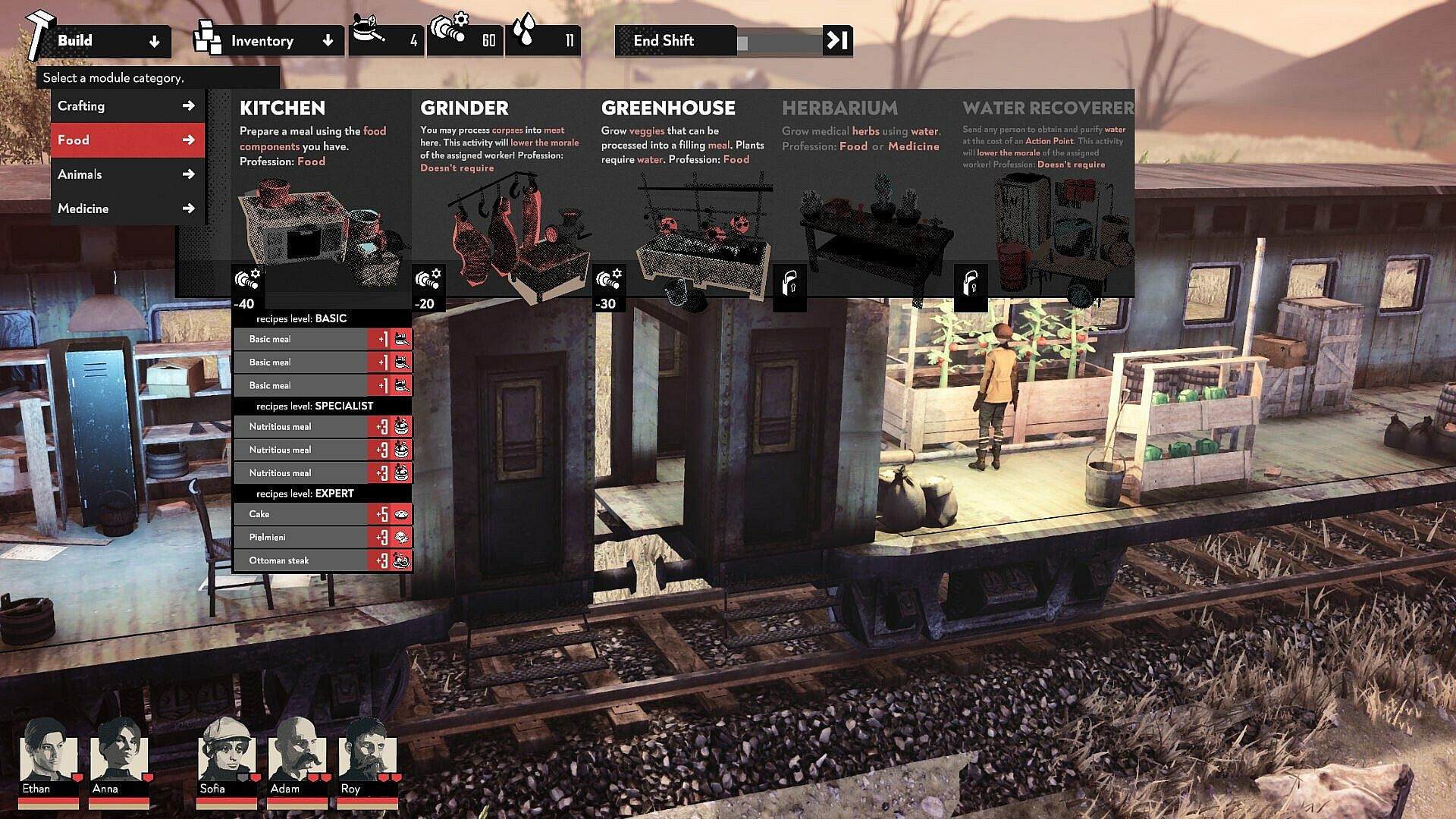
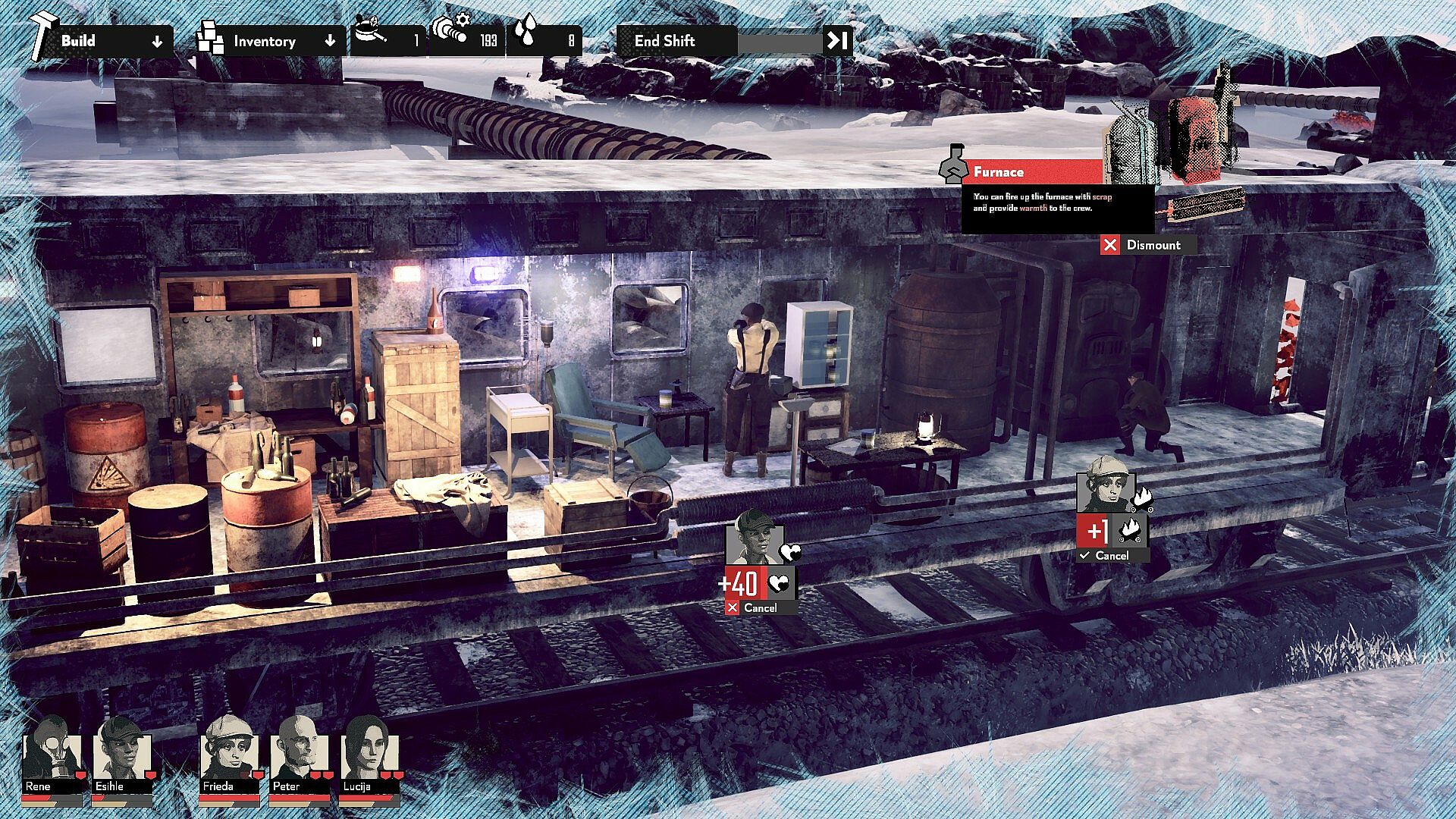
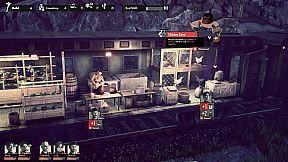
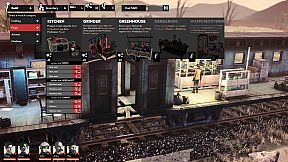
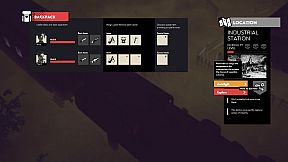
The experience revolves around managing a mobile base that travels through hostile wastelands. Resource scarcity forces careful allocation of food, water, ammunition, and medical supplies. Crew members and passengers require ongoing attention, with limited medicine often leading to tough choices about who receives treatment. Self-sufficiency forms a key pillar, as players grow crops, raise livestock, purify water, and repurpose scrap into useful items aboard the train cars.
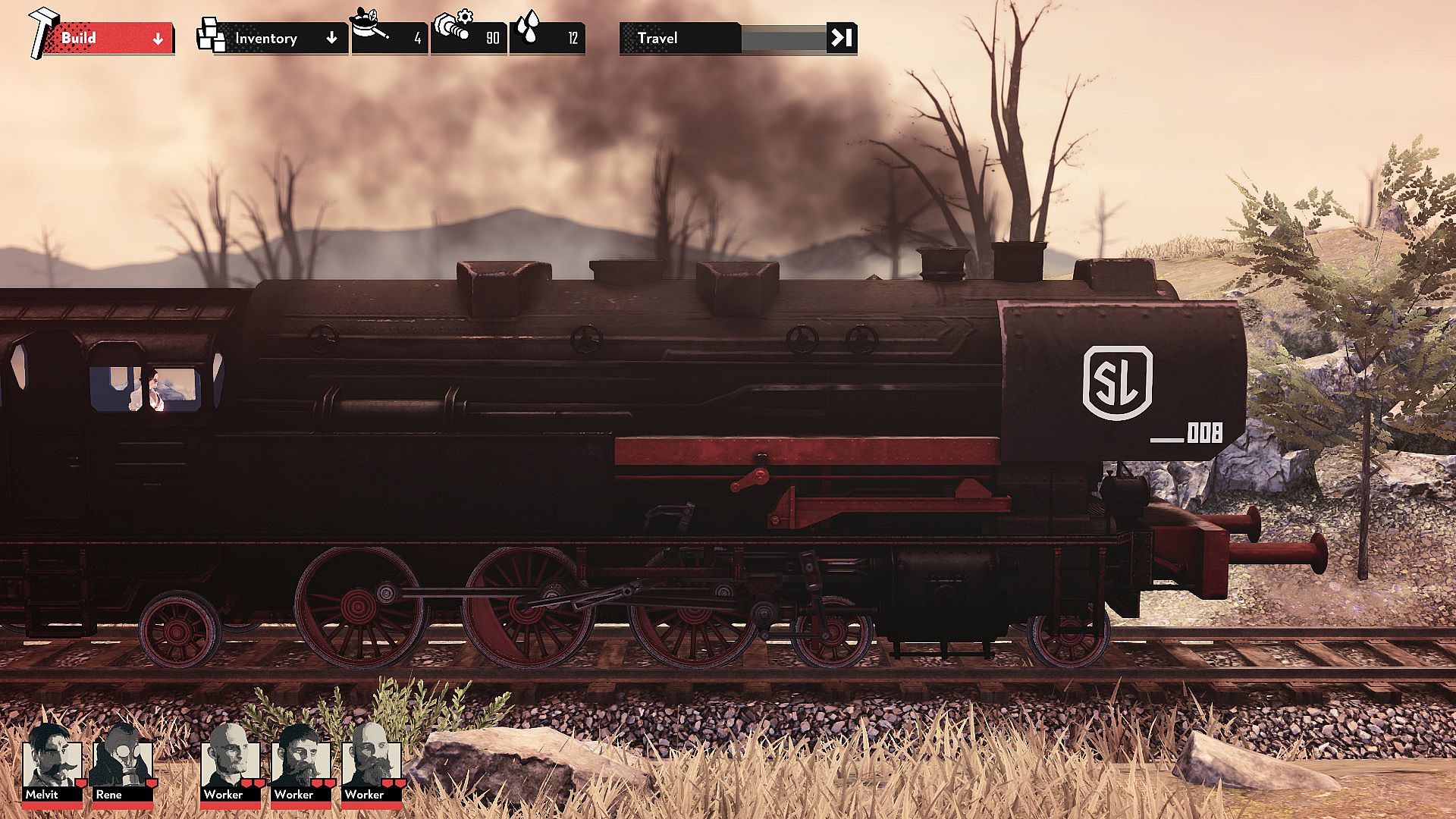
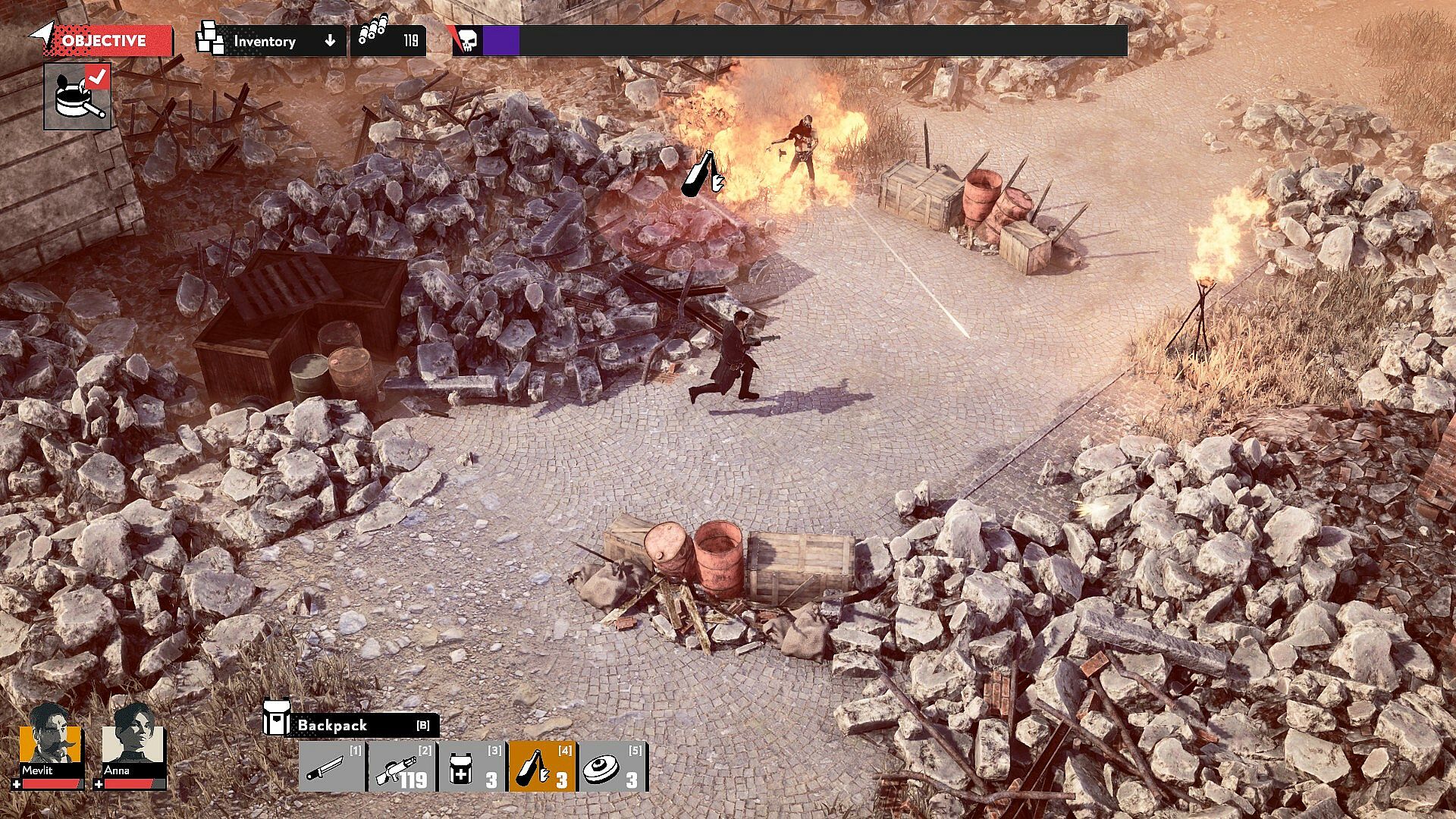
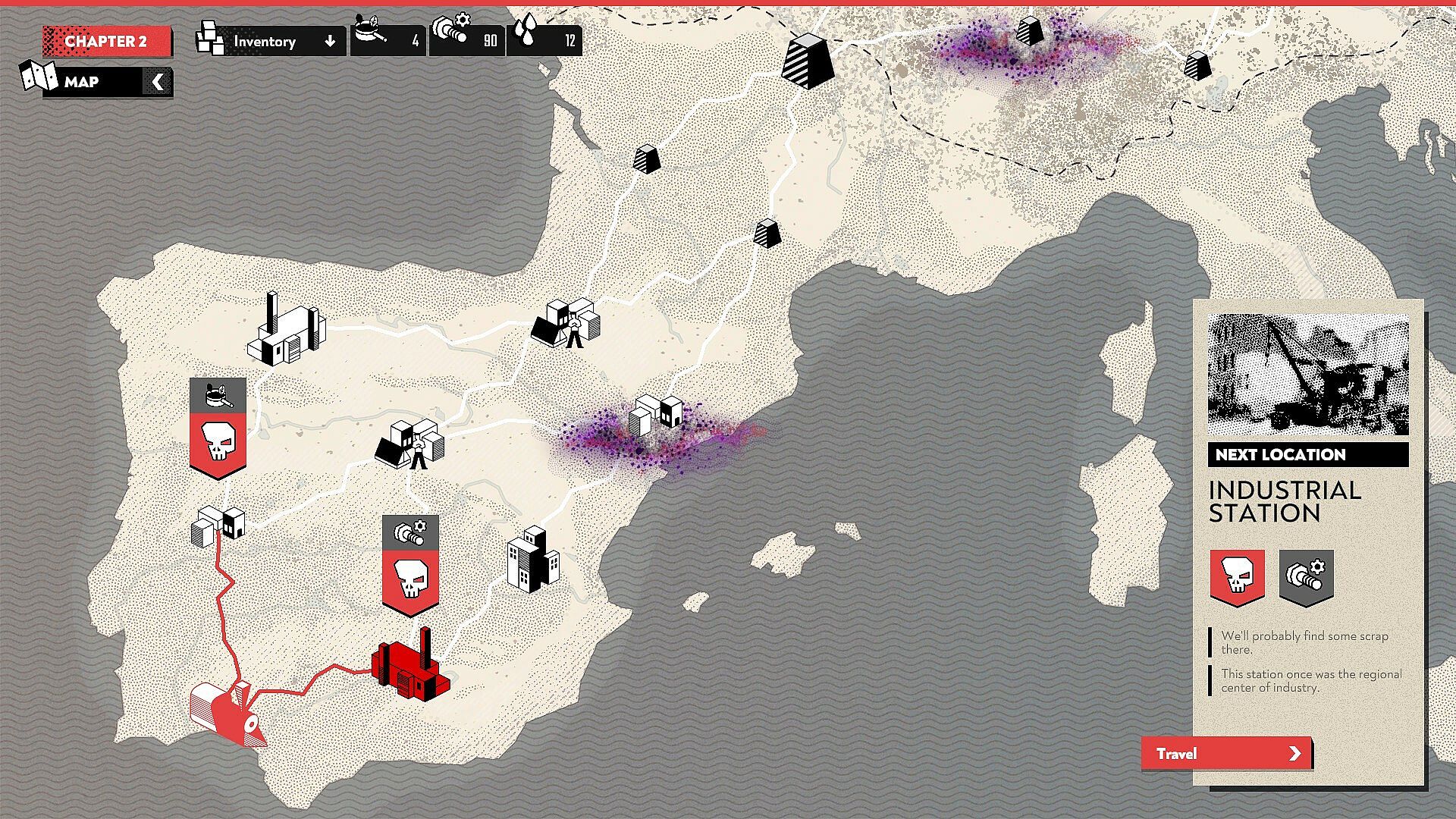
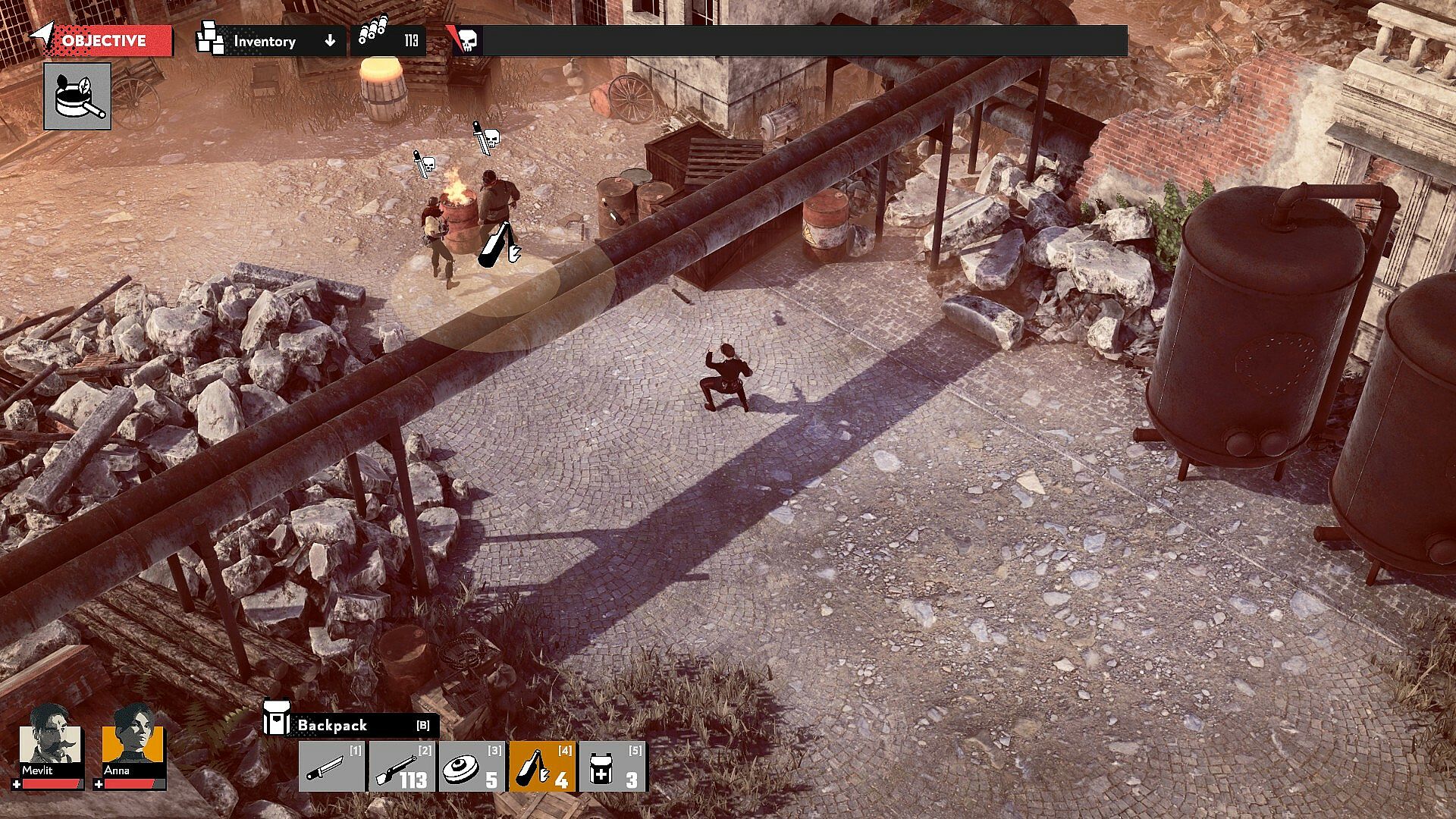
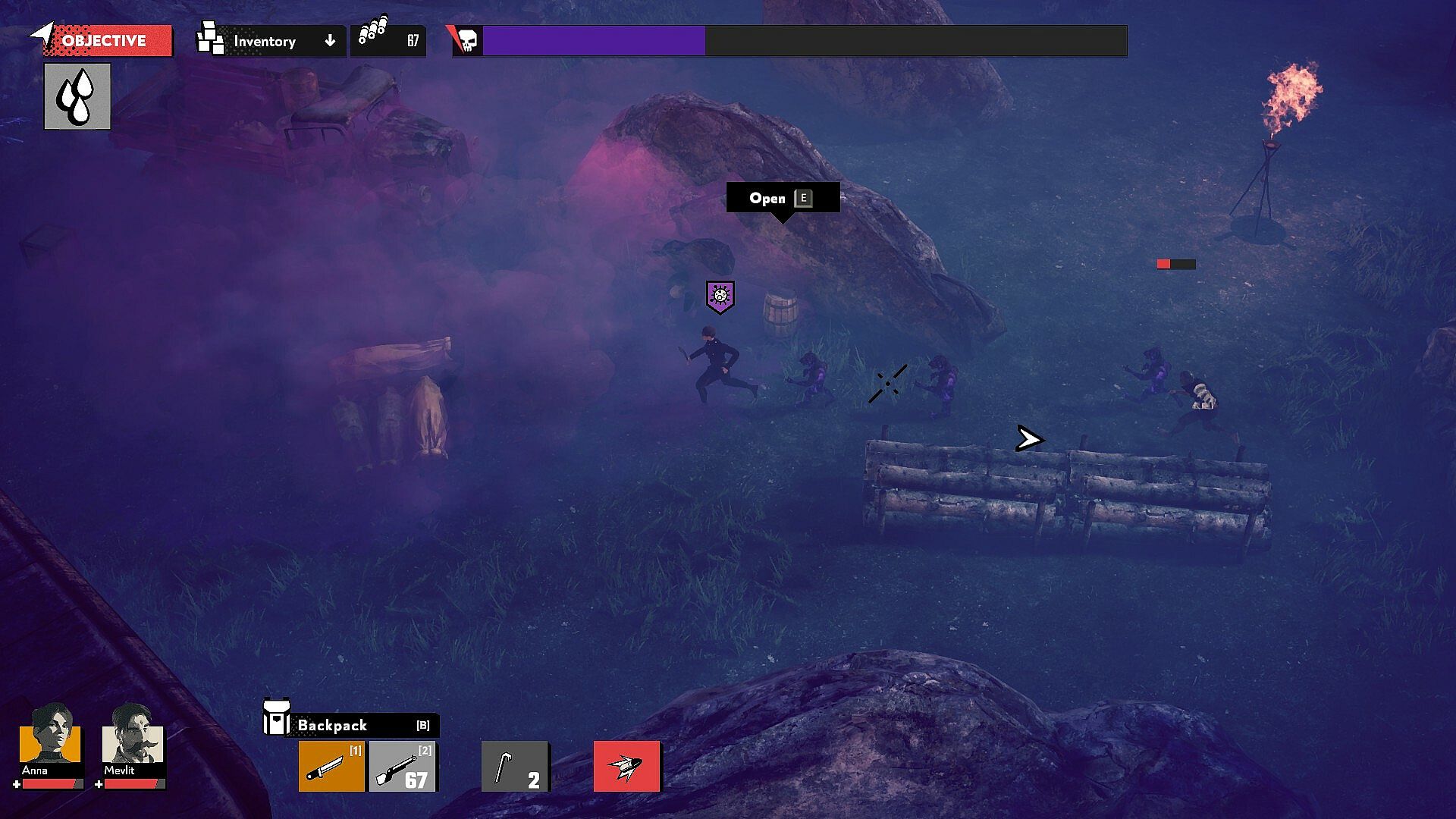
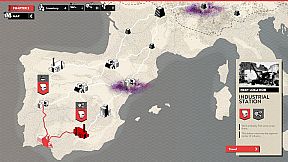
Exploration involves scavenging for materials while fending off bandits and other threats, including packs of desperate survivors. The steam engine demands fuel and maintenance, and the train's size affects stability and resource consumption. Longer journeys reduce exposure to the virus for the crew, giving scientists more time to develop the cure. Roguelike elements introduce variability in runs, where losses can reset progress and demand new strategies for survival.
Train customization allows adjustments to passenger numbers and attached cars, though larger setups increase the challenge of maintaining order and supplies. Combat and defense integrate with resource production, as ammunition must be produced or conserved for encounters in the ruined landscape.
Game Modes
The game operates as a single-player survival experience focused on one continuous journey toward the cure. Roguelike mechanics encourage repeated attempts with procedural challenges in resource distribution and enemy encounters. Strategy layers emerge through crew management and train configuration decisions that influence each run's outcome.
Players balance short-term survival needs against long-term research goals. No separate multiplayer or competitive modes appear in the core design, keeping the emphasis on solitary command of the train and its inhabitants through the wasteland.
Key Mechanics and Systems
Resource loops tie together production, consumption, and combat. Food comes from onboard farming and livestock, while water requires collection and purification systems. Ammunition production supports defense against bandits, and medical supplies force prioritization during outbreaks or injuries. The plague mechanic adds constant pressure, as prolonged stops or contact with infected areas heighten risks to the crew.
Train expansion and crew scaling create trade-offs between capacity and control. More cars and people provide additional labor and space for facilities but strain limited supplies and raise the chance of internal conflicts or disease spread. Exploration yields junk that converts into upgrades or necessities, reinforcing the theme of turning ruin into utility.
Is It Worth Playing?
Pandemic Train suits players who enjoy resource management and strategic decision-making in a survival context. The roguelike structure rewards experimentation with train setups and crew priorities, while the narrative drive to develop a vaccine provides a clear long-term goal. Those drawn to post-apocalyptic settings with base-building on the move will find the train-as-home concept distinctive.
Reception highlights the strength of survival mechanics, crew oversight, and the integration of story with gameplay systems. The game remains available on PC with ongoing development signals such as beta testing opportunities. It appeals most to fans of deliberate, management-heavy survival titles rather than fast-paced action or large-scale multiplayer experiences.