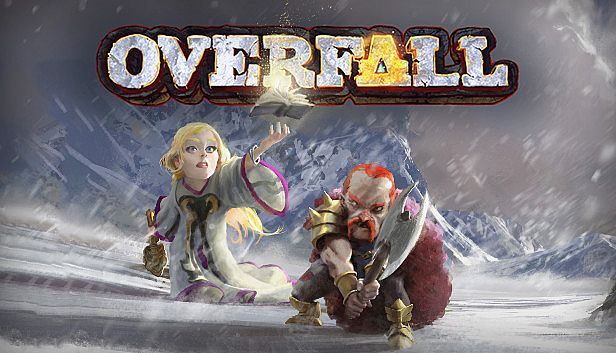













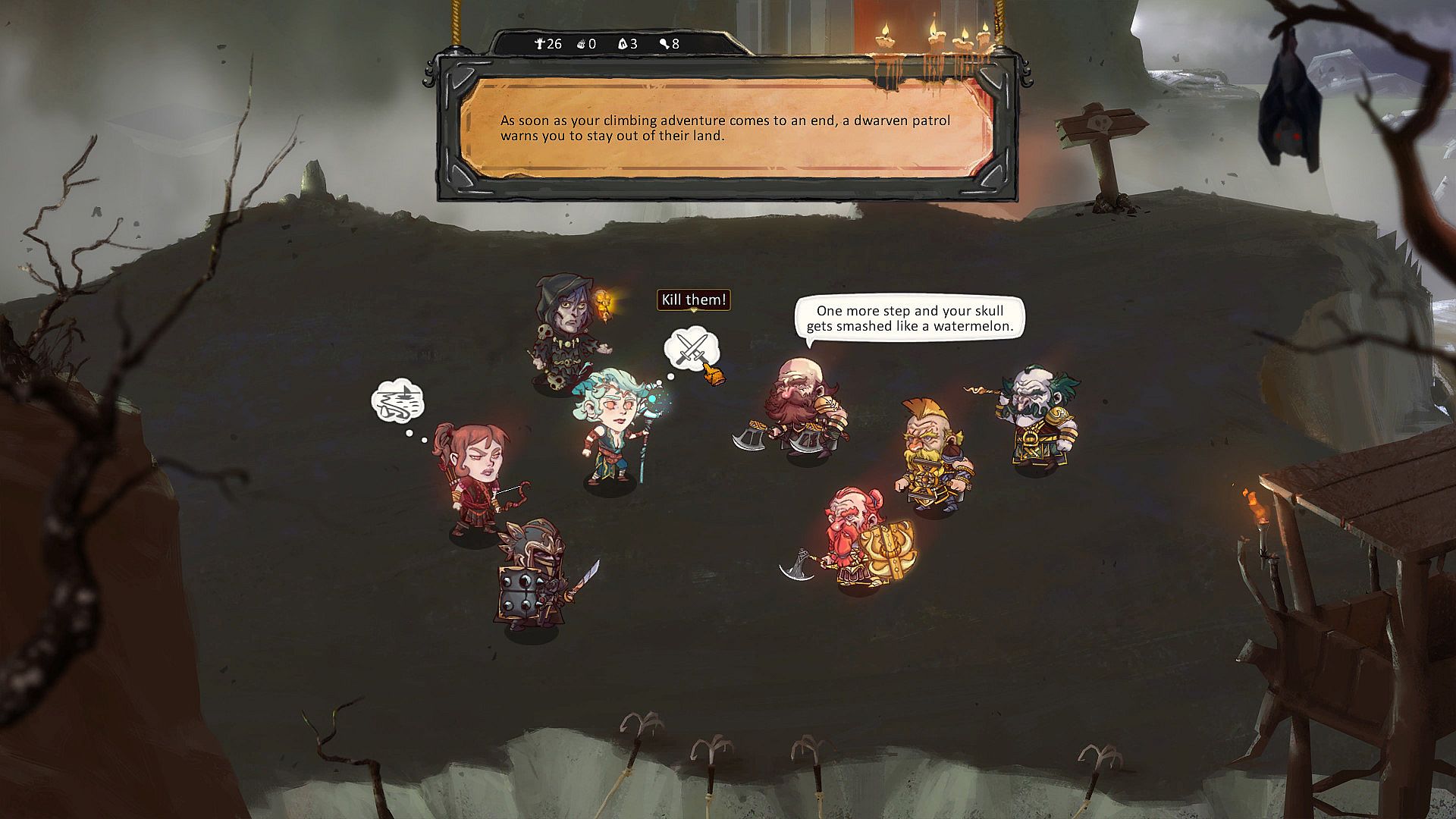
Overfall is a single-player turn-based roguelike RPG that blends strategic combat with procedural storytelling on the high seas. Players guide two heroes through randomized adventures in search of a lost king, deciding whether to form alliances or spark conflicts among rival groups. The experience emphasizes permanent consequences, varied encounters, and replay through fresh runs each time.
Gameplay
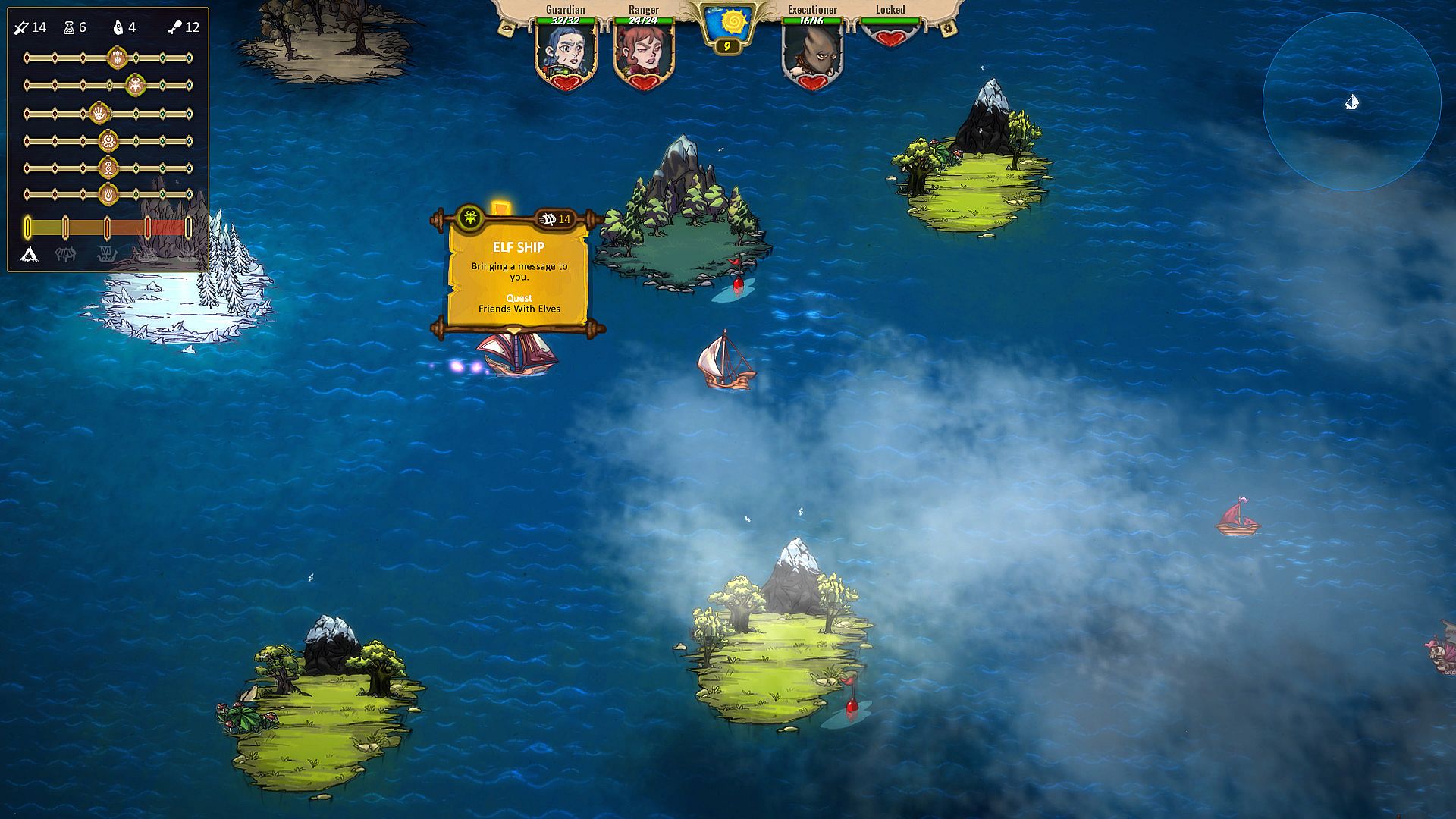
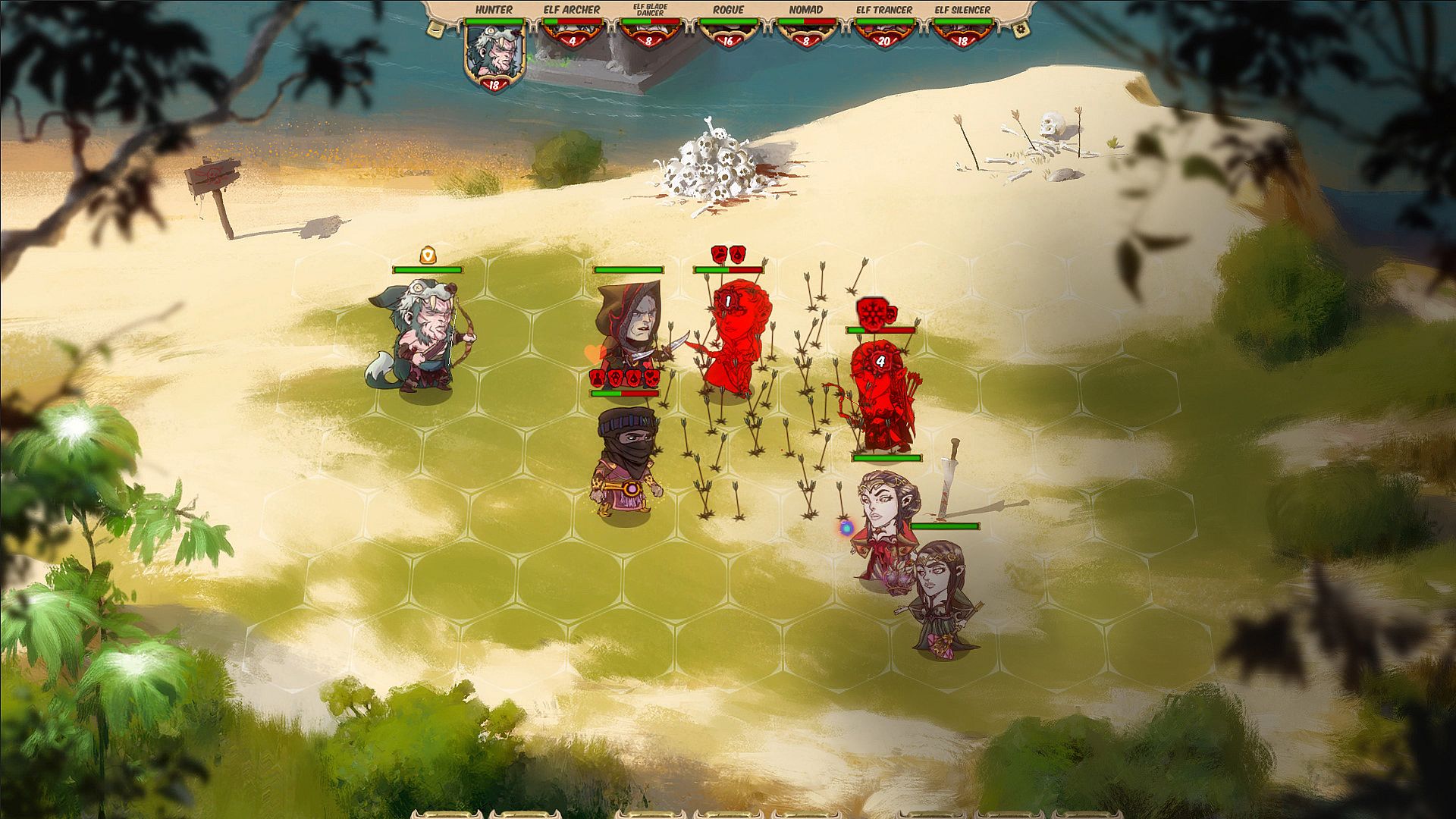
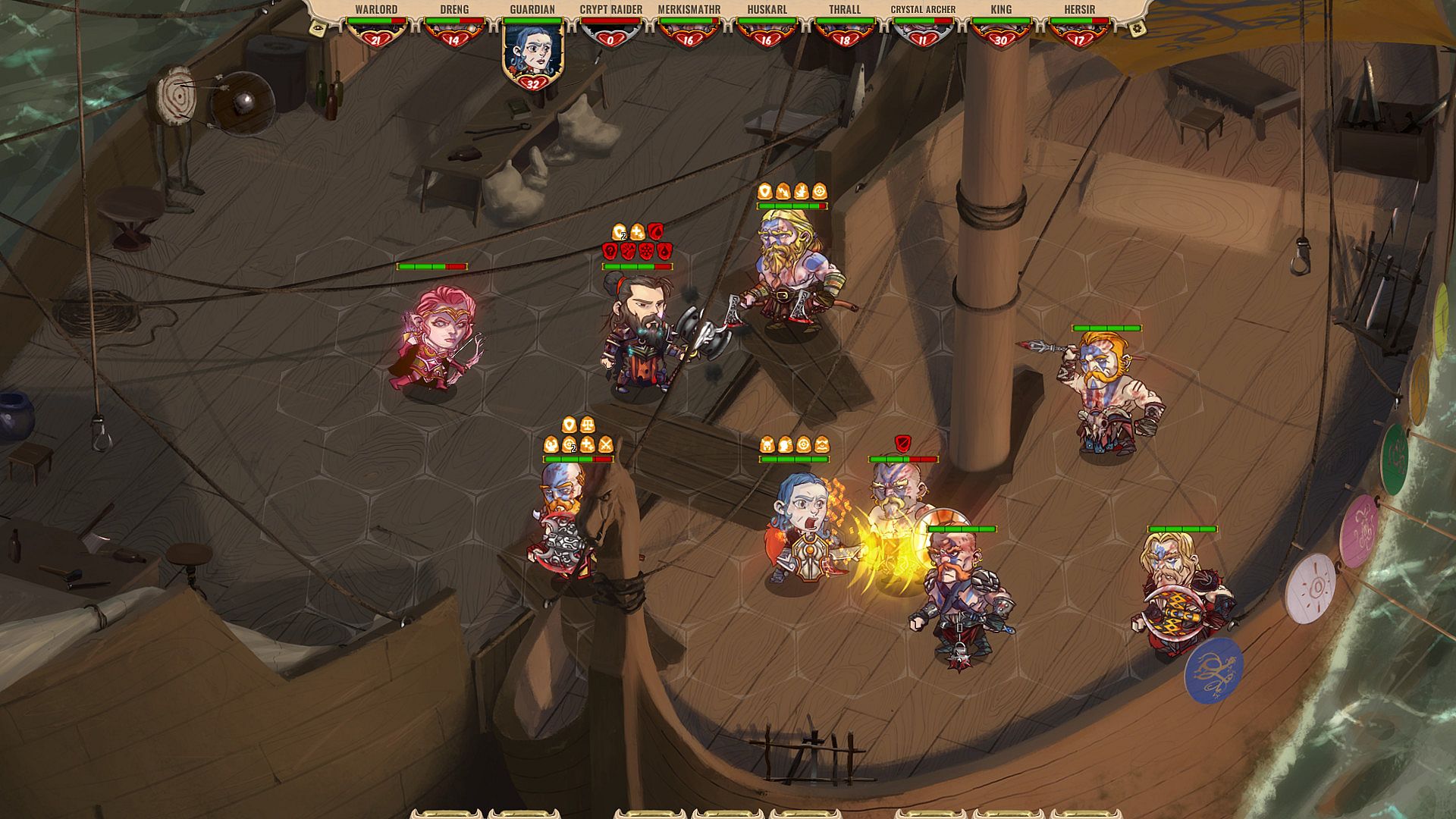
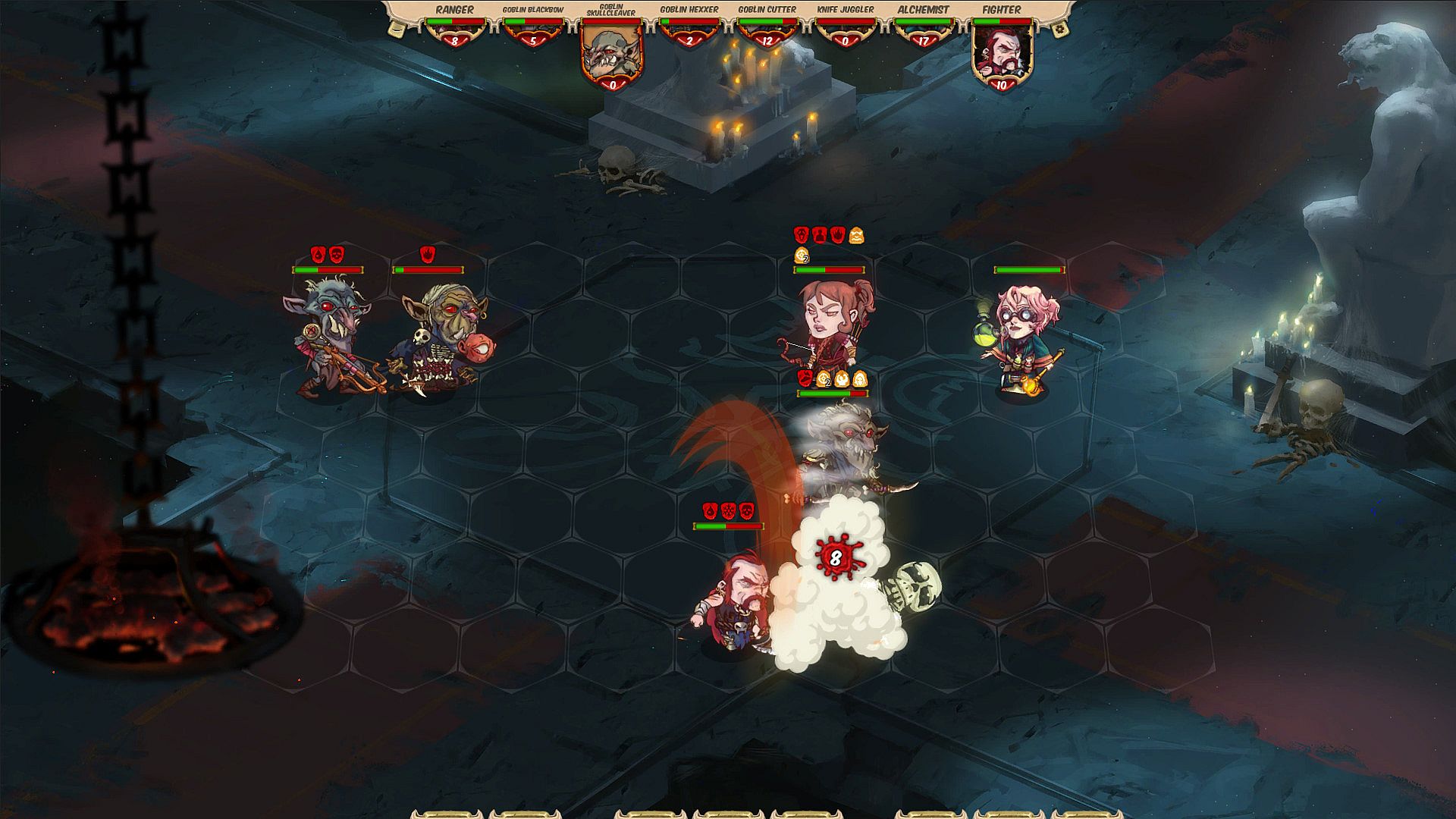
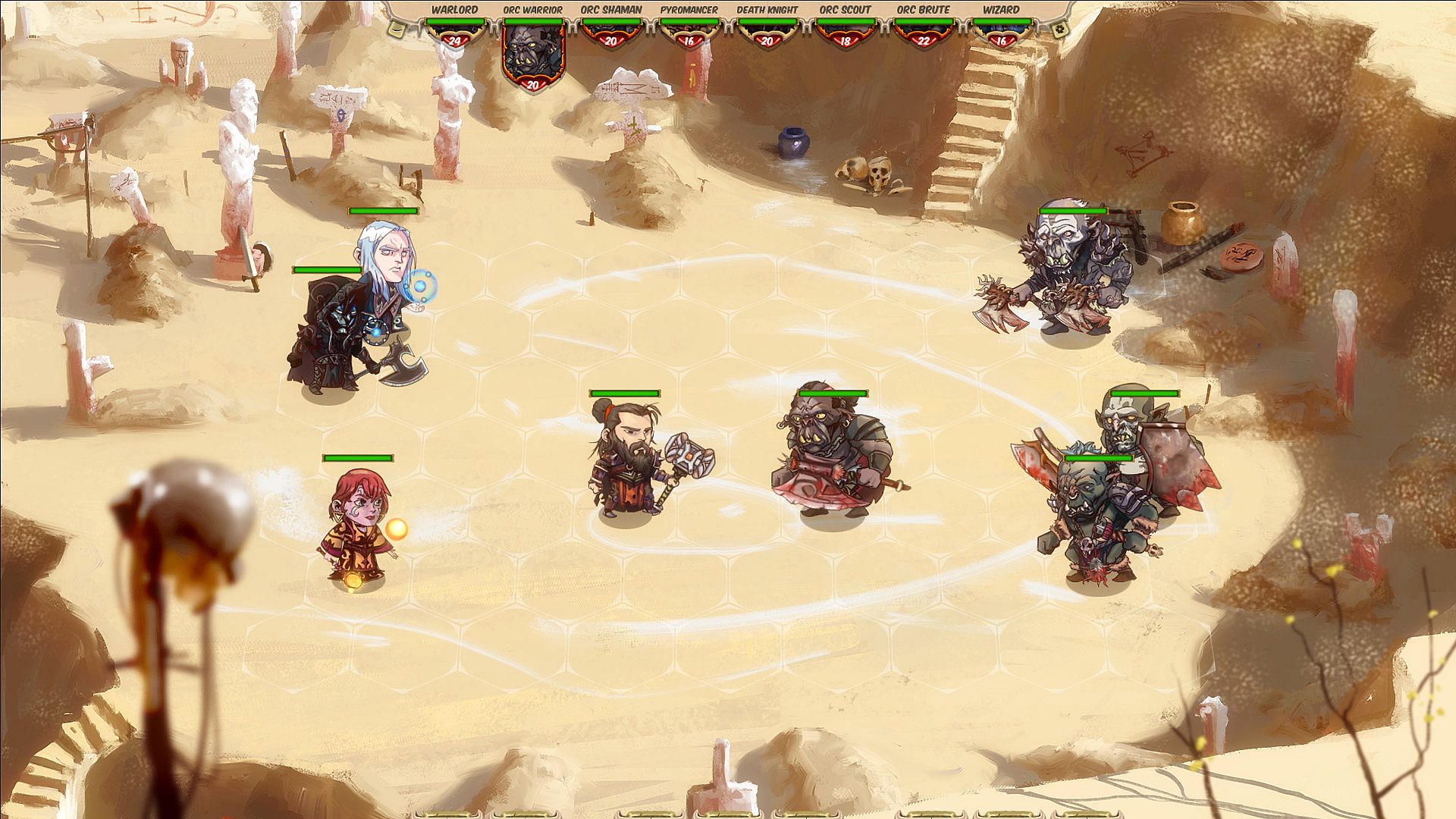
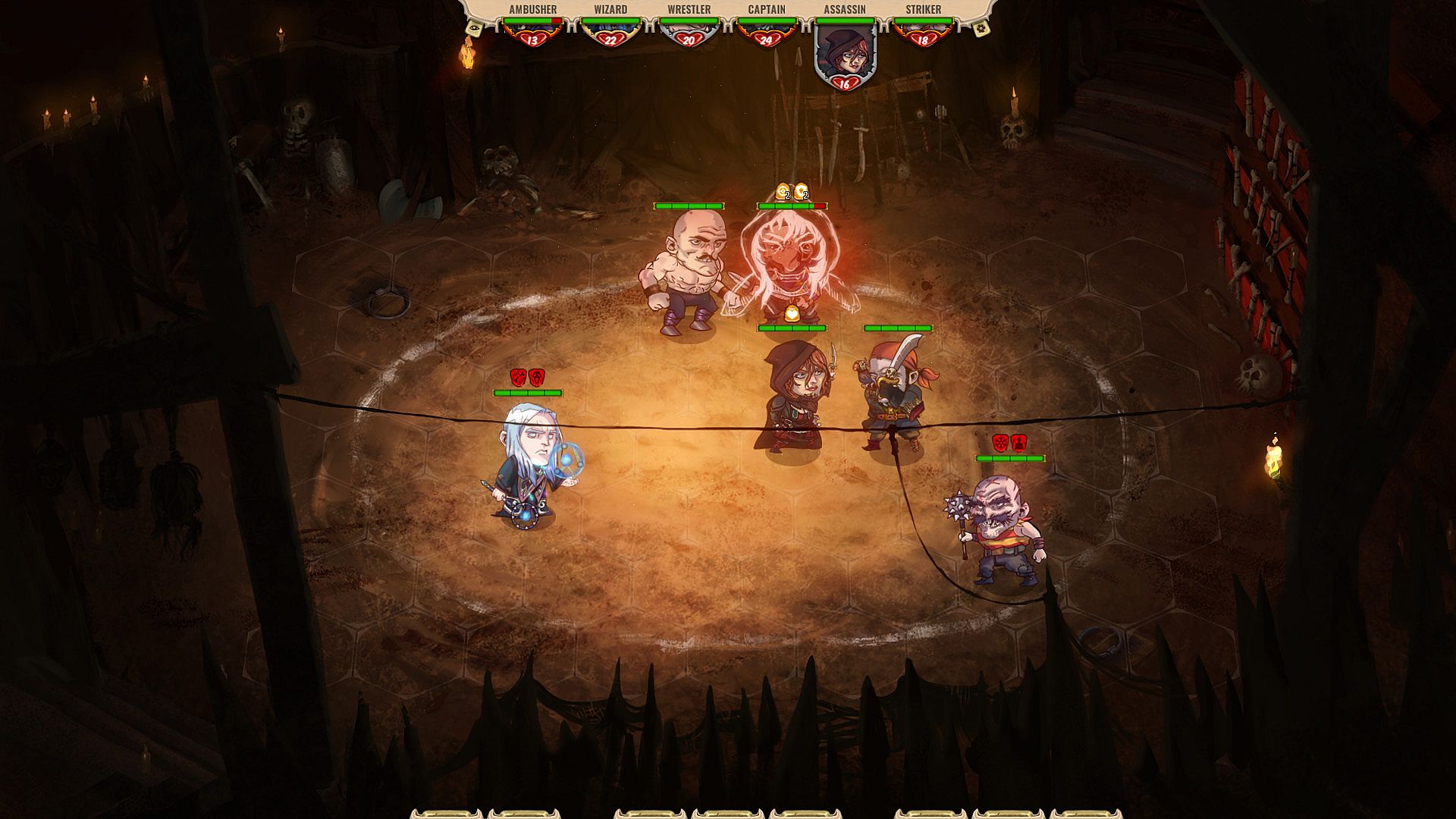
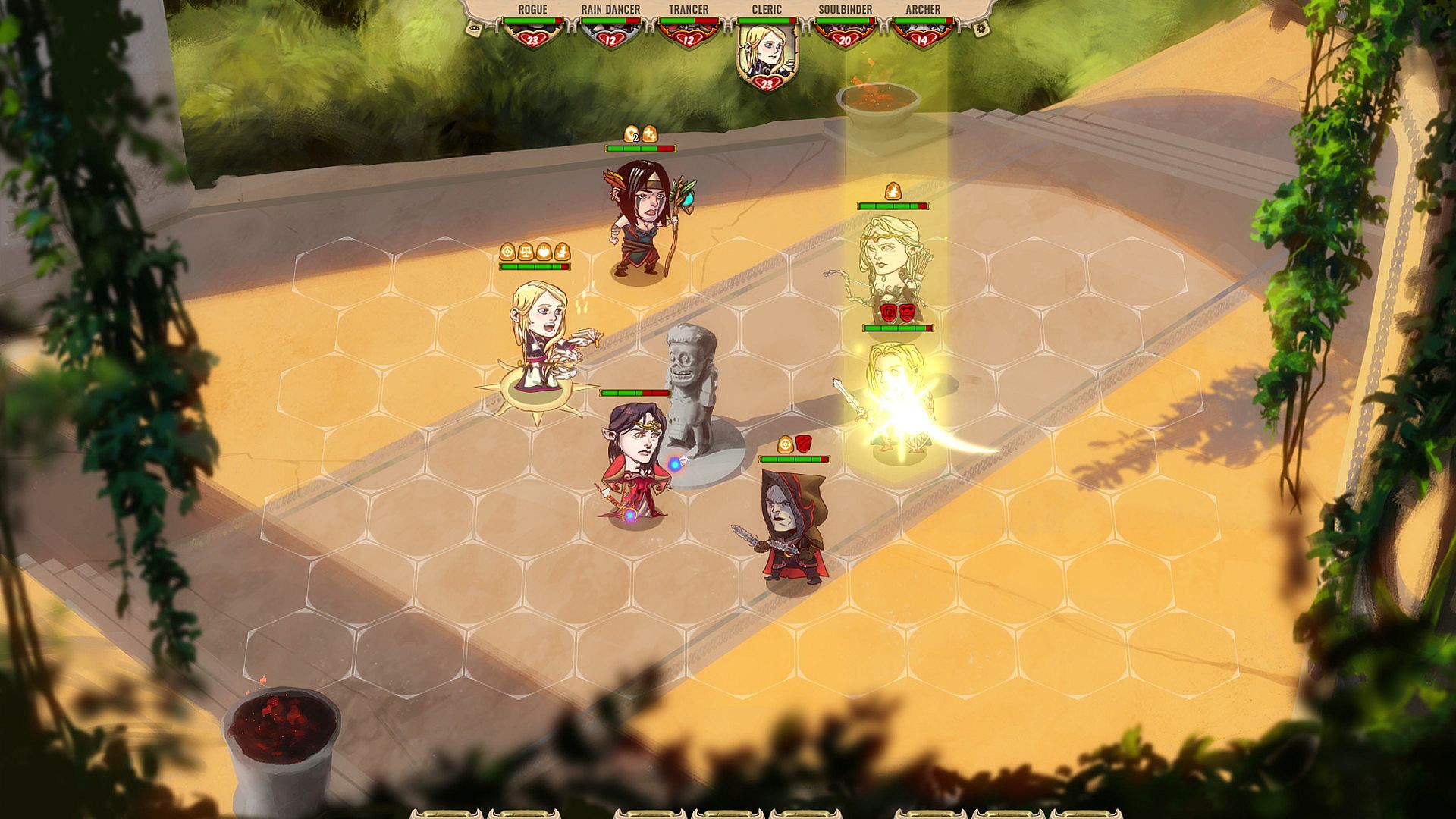
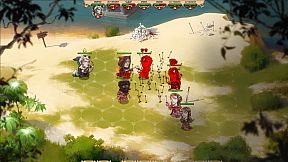
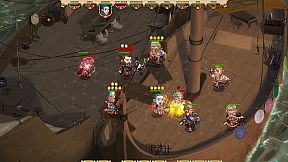
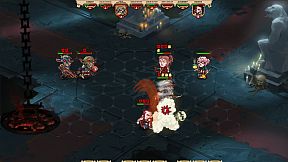
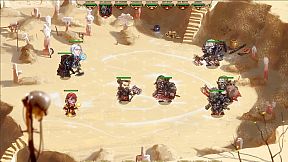
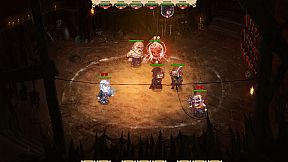
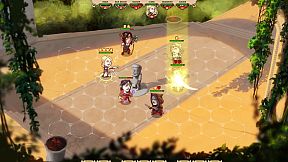
The core loop centers on exploration across a hand-drawn world filled with branching encounters. Procedural generation creates unique maps and events on every voyage, while permanent hero death forces players to start over with newly unlocked options. Combat unfolds on a grid where positioning, skill combinations, and class synergies determine outcomes against dozens of enemy types.
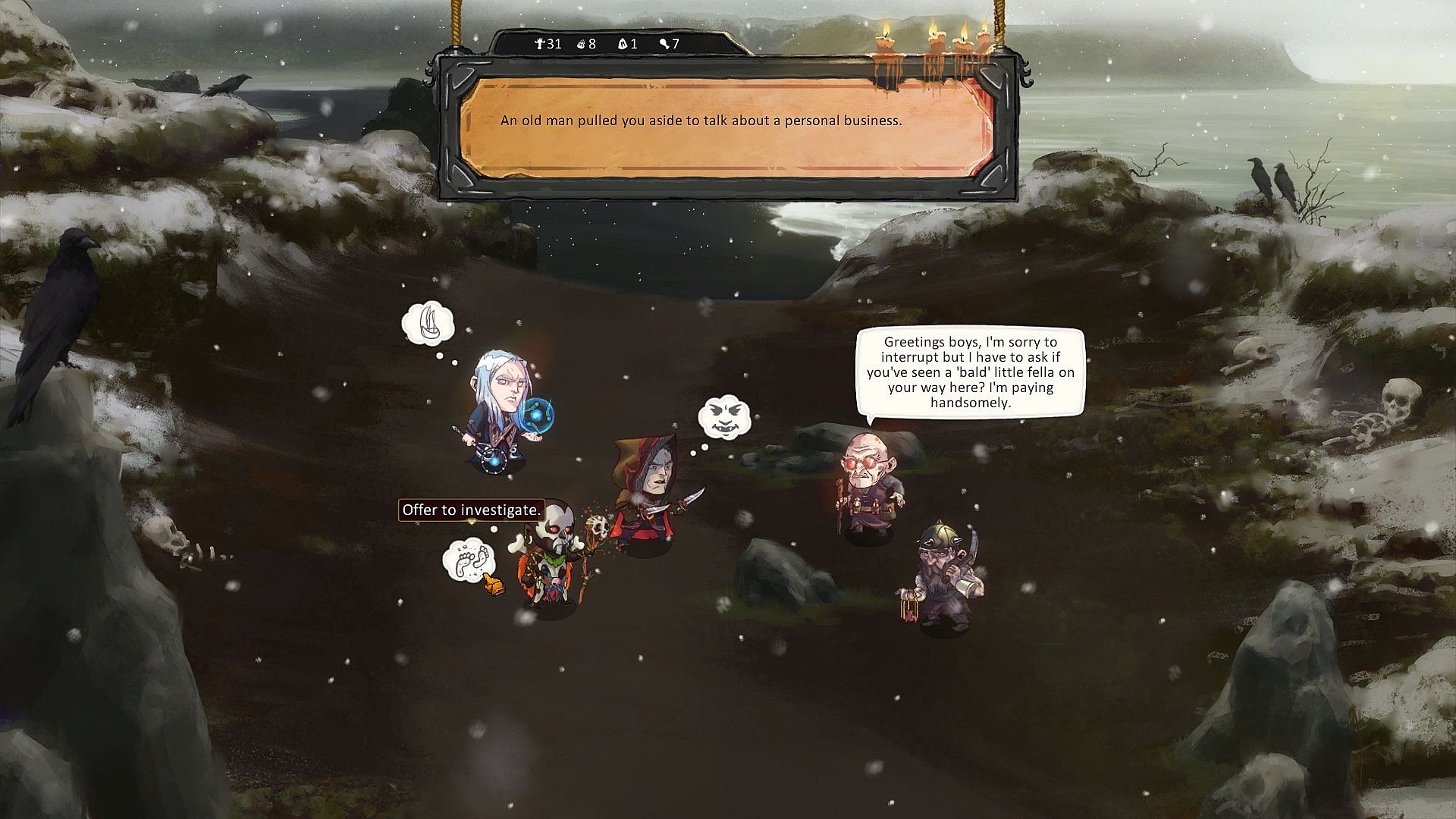
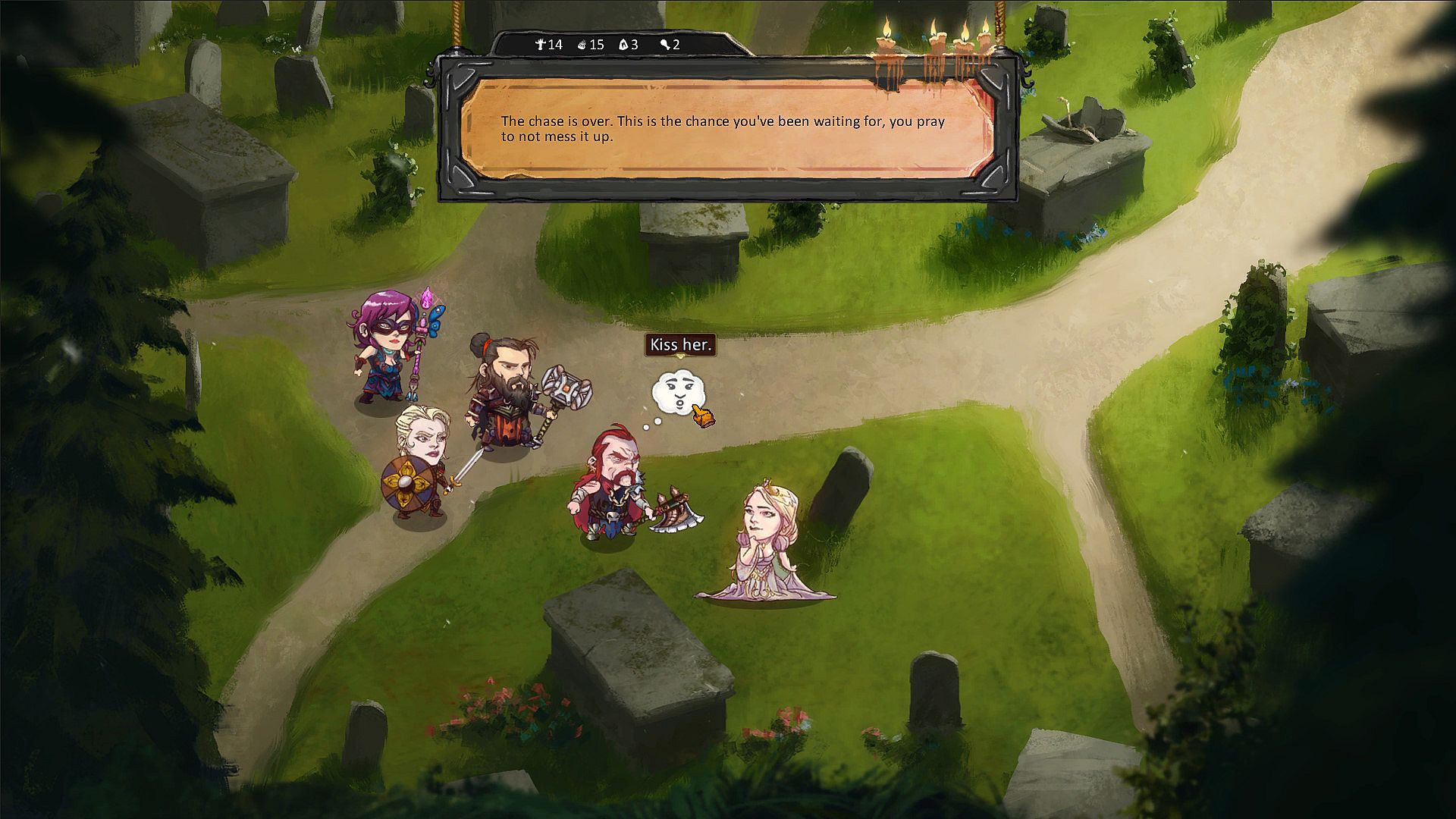
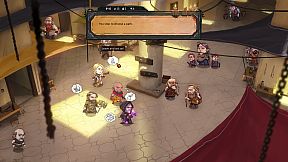
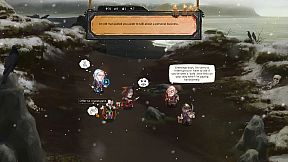
Reputation systems track choices across factions, altering how groups react in future meetings. Players can pursue diplomacy to recruit companions or opt for aggressive tactics that reshape alliances. Progression carries forward through discovered classes, weapons, trinkets, and abilities that become available in subsequent attempts, building variety without altering the roguelike structure.
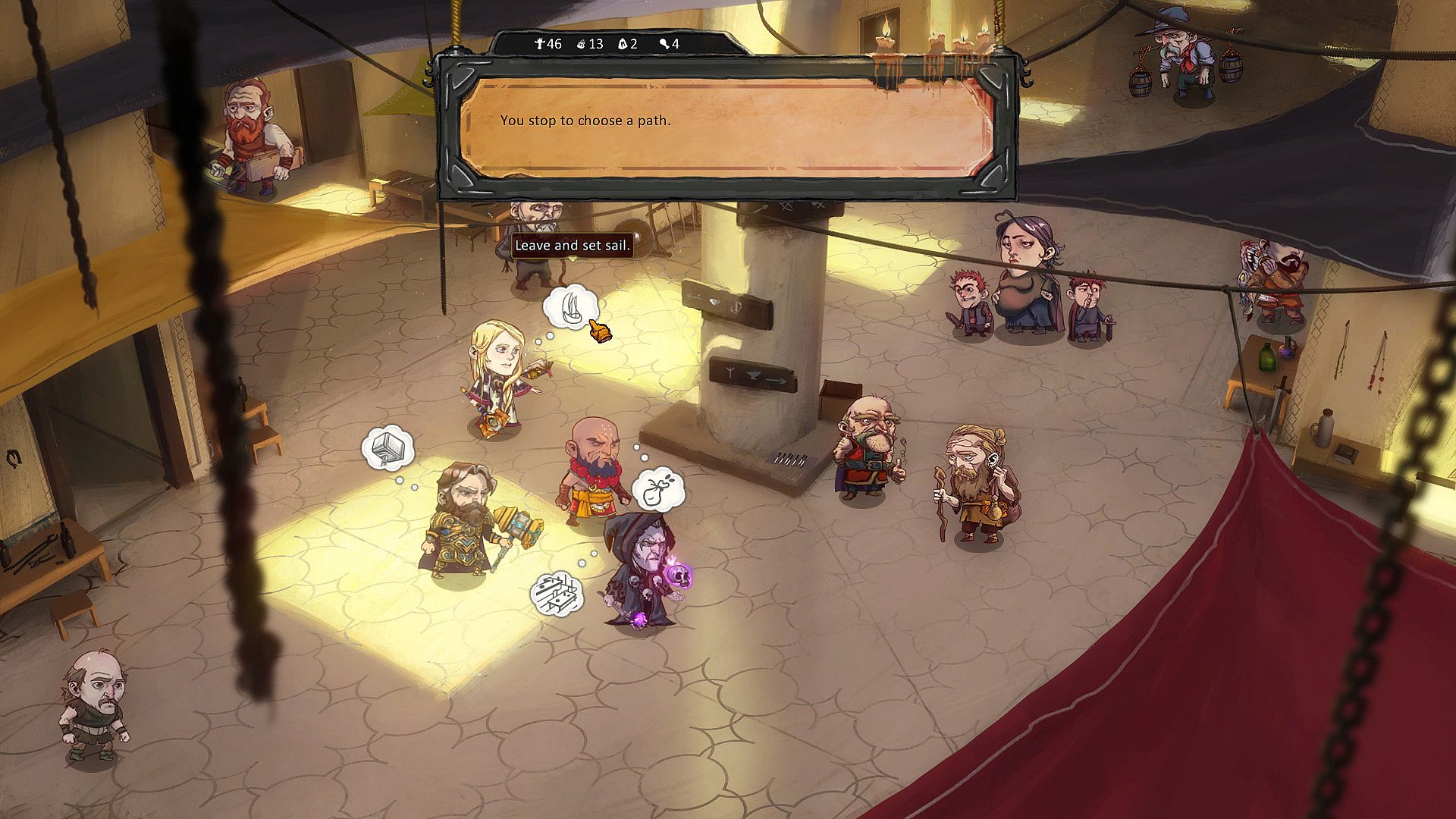
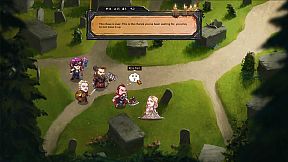
Hand-drawn visuals depict nine playable characters, dozens of companions, over eighty enemies, and numerous locations. Encounters mix combat with narrative decisions that influence the path forward, creating opportunities for both cooperation and betrayal among the warring races.
Game Modes
The primary experience consists of standalone roguelike runs where procedural elements and permanent death define each attempt. These runs incorporate dynamic story encounters that respond to player actions and reputation levels.
Story Builder provides a separate creation tool for designing custom quests and encounters. Users assemble sequences of events through connected nodes, then share the results for others to play. This mode expands the base systems into user-generated content without changing the underlying combat or progression rules.
Progression and World Building
Unlocks focus on expanding the roster of options available across runs rather than permanent character advancement. New classes and equipment appear gradually, encouraging experimentation with different hero pairings and loadouts. The world features multiple races locked in ongoing conflicts, giving weight to every diplomatic or hostile choice.
Randomized elements extend to locations and NPC interactions, ensuring that no two voyages follow identical patterns. Players manage resources and decisions carefully, as one failed encounter can end the current attempt and send survivors back to the start with fresh possibilities.
Is It Worth Playing?
Overfall suits players who enjoy roguelike structure combined with tactical turn-based combat and choice-driven narratives. Its systems reward careful planning in battles and thoughtful navigation of faction relationships. The game reached full release in 2016 with no further major updates since that time.
Reception from the period highlights strengths in combat depth and replay value alongside notes on limited guidance for new players. Those drawn to procedural adventures with grid-based strategy and branching stories will find consistent engagement across multiple runs. The inclusion of Story Builder adds longevity for creators interested in extending the encounter design.