

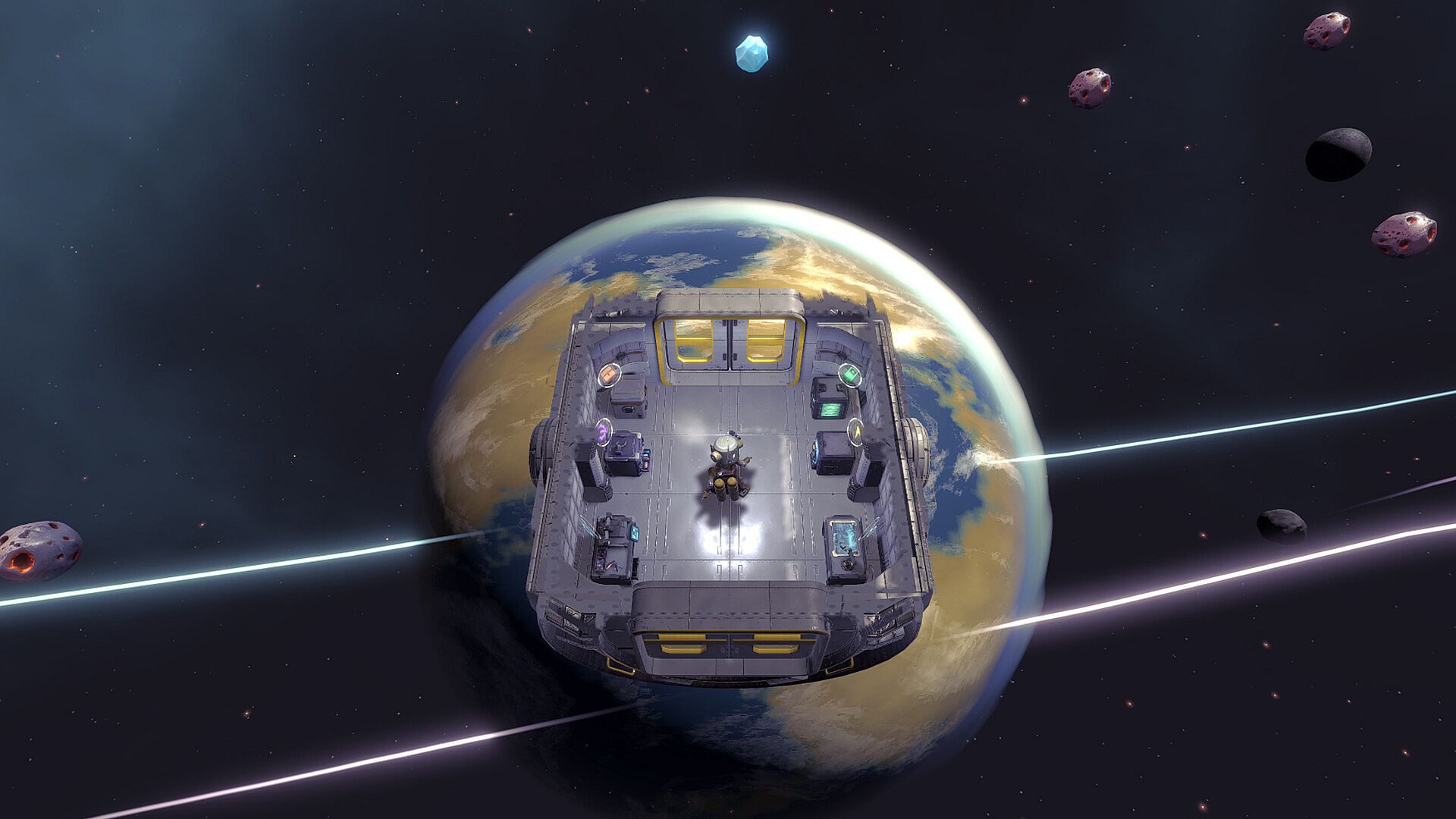
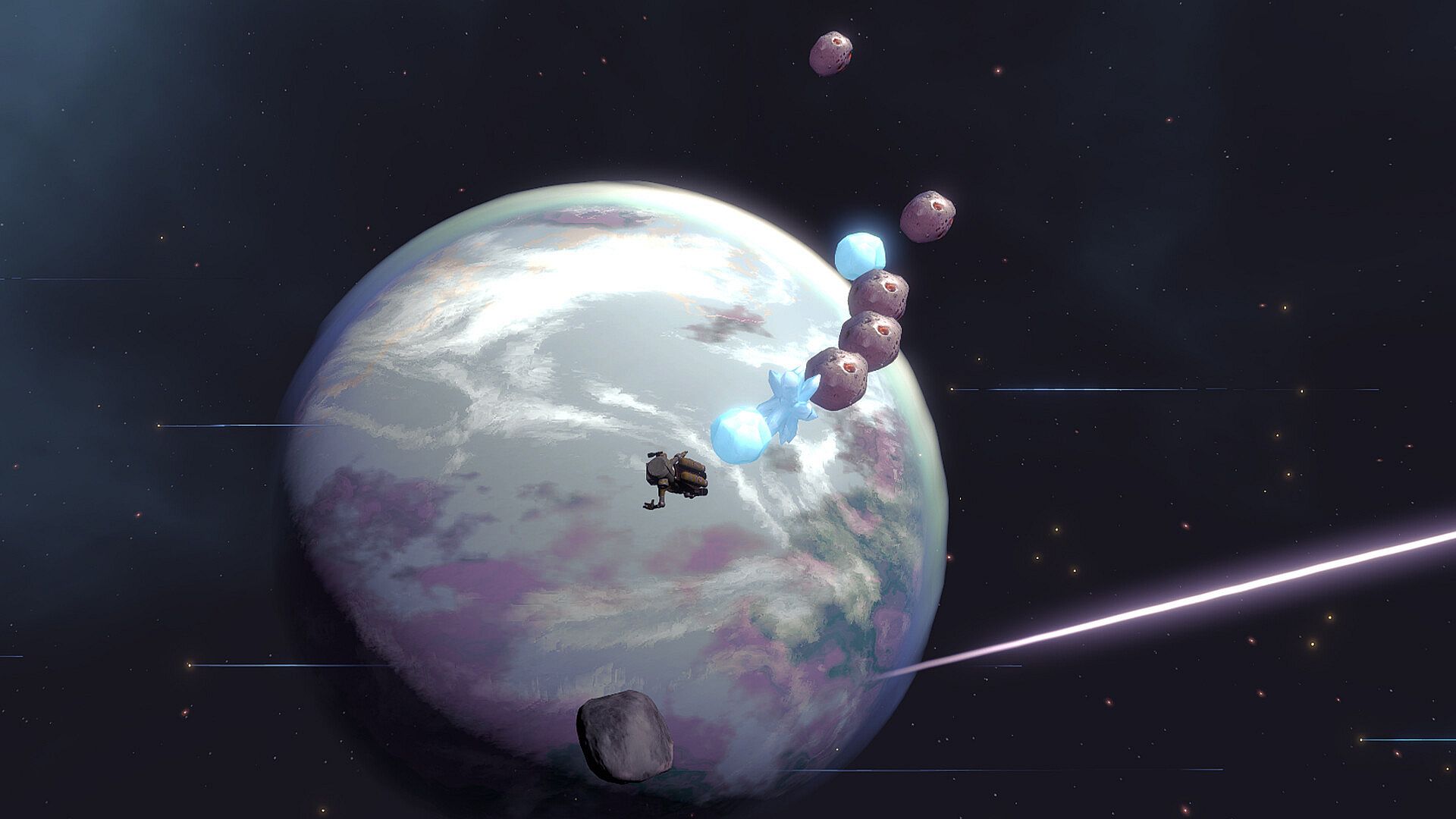
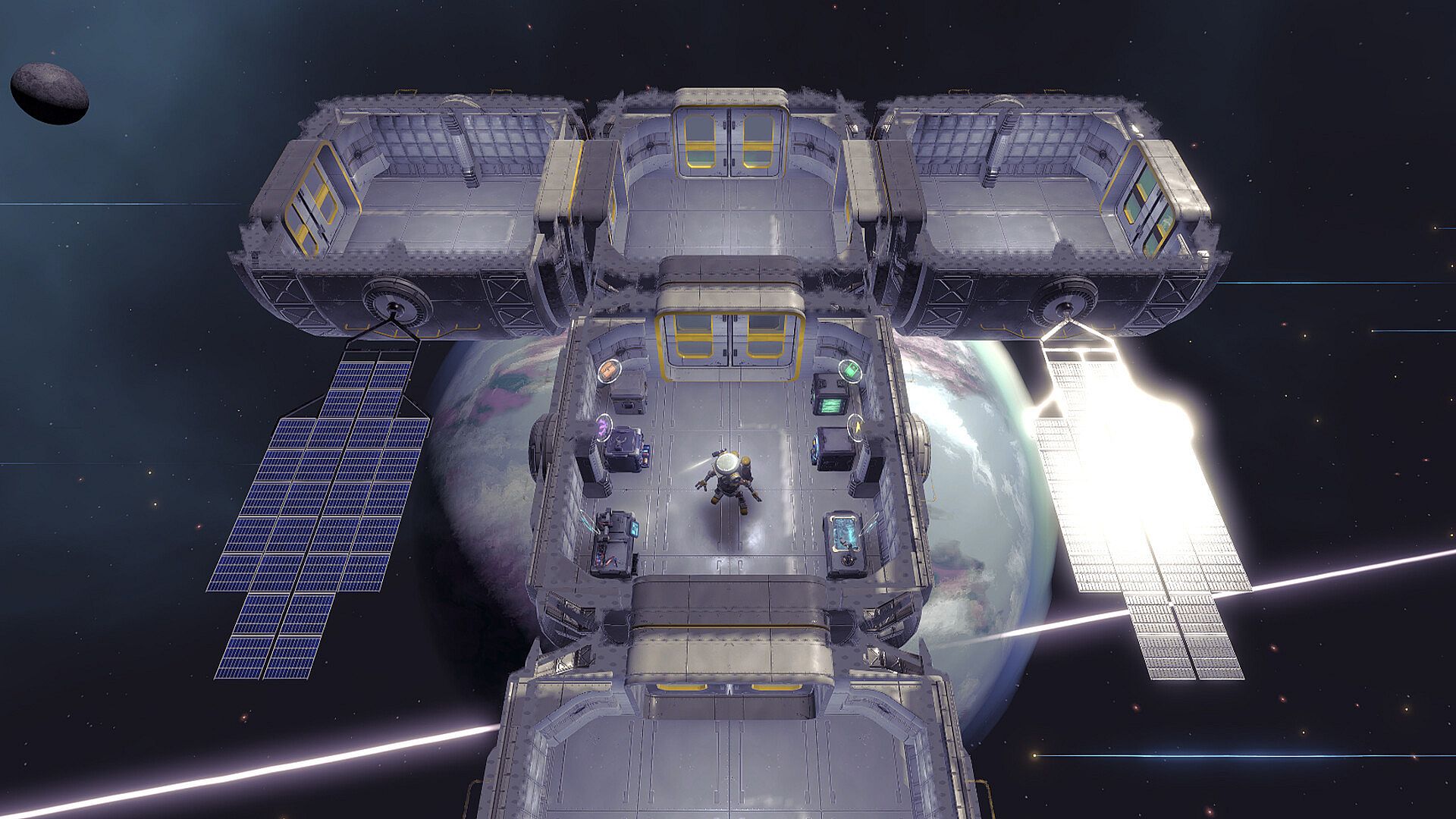
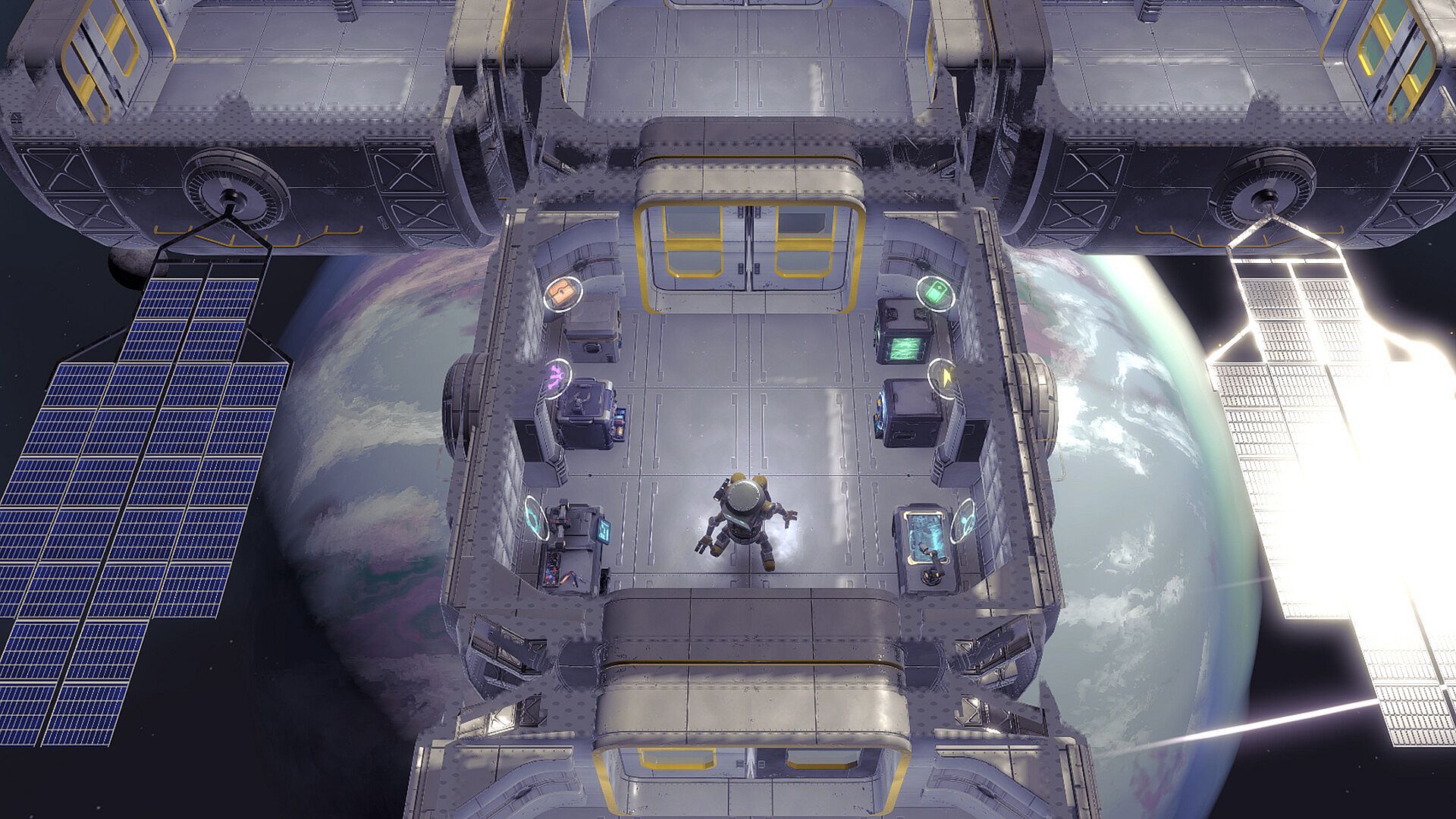
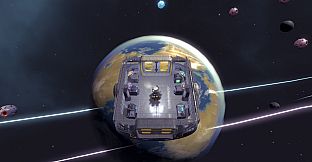
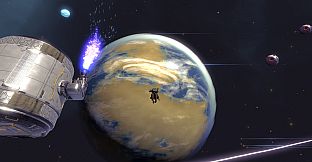
Orbitaria is a strategy indie adventure game on PC that casts players as the final guardian of a lifeless star system. From the safety of an orbital station, the experience centers on restoring light and life to scattered remnants of ancient civilizations drifting through space. Resource gathering, station expansion, and deliberate choices about what to preserve define the journey, all without any combat or hostile encounters. Entropy serves as the primary challenge, requiring careful planning around limited battery power and storage capacity.
Gameplay
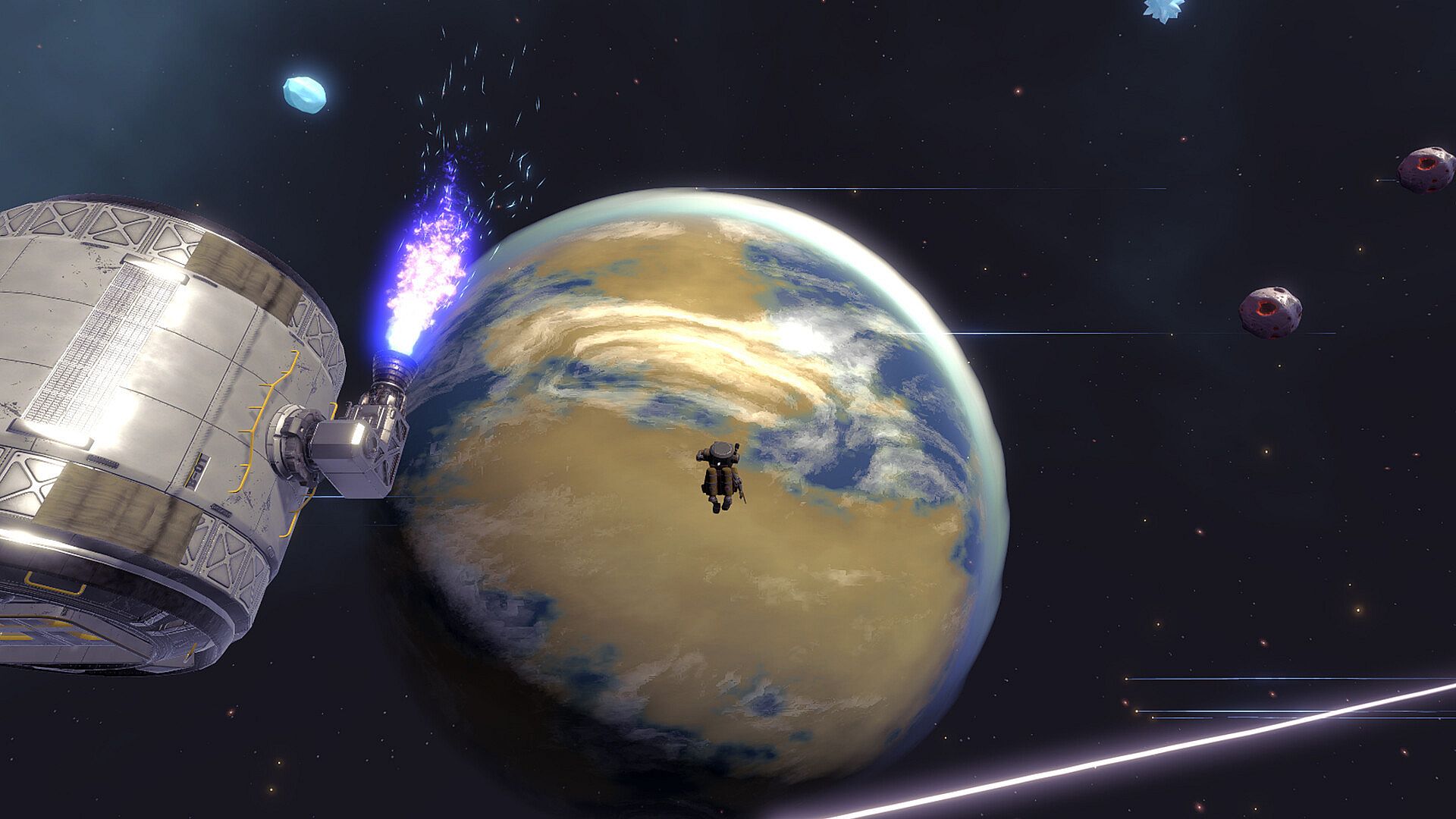
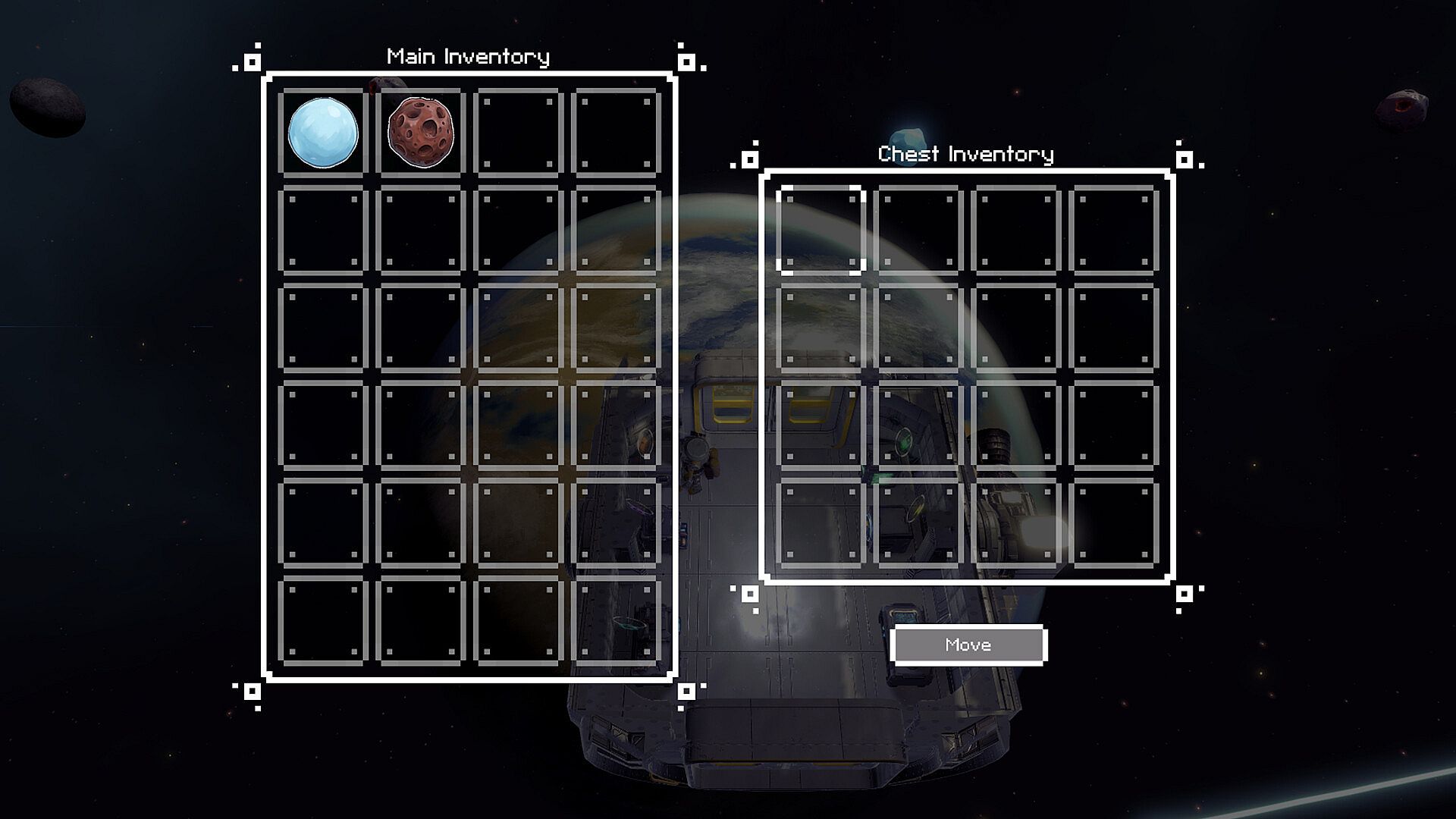
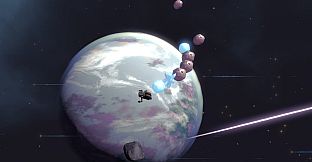
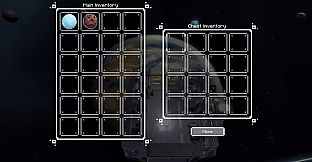
Players operate exclusively in orbit, never landing on planetary surfaces. Expeditions launch from the station to collect technology, biological samples, and other materials from the surrounding debris fields. Each trip drains battery reserves, so routes and durations demand advance consideration to avoid running out of power mid-mission. Storage space on the station remains restricted, forcing ongoing decisions about which items to retain and which to abandon.
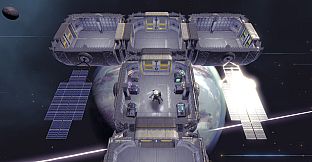
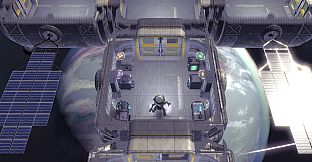
Station development proceeds module by module. New sections unlock additional technologies, access to different orbital zones, and improved resource yields. The economy emphasizes scarcity, where every acquisition carries an opportunity cost and influences what can be sustained long term. No enemies appear, shifting focus entirely to efficient management and forward planning.
Decisions accumulate across the playthrough. Items brought back contribute to the eventual rebirth of the star system, creating an ending shaped organically by accumulated choices rather than selected from a list. The pace supports a relaxed approach, blending exploration with thoughtful resource allocation in a contemplative setting.
Game Modes
Orbitaria presents a single continuous single-player experience. There are no separate competitive, cooperative, or multiplayer modes. The structure revolves around one extended campaign where progression builds through repeated expeditions and incremental station improvements. All elements tie into the same core loop of exploration, management, and preservation decisions.
Key Systems and Progression
Battery management forms the central constraint on every outing. Players must balance the desire to venture farther against the risk of depletion, often returning early or selecting shorter paths. Storage limits compound this pressure, requiring prioritization of high-value items that advance station capabilities or contribute to the final outcome.
Module additions expand options gradually. Early modules might focus on basic power generation or scanning, while later ones open richer orbits or specialized processing. Each addition changes available strategies without introducing combat or external threats. The system rewards foresight, as early choices affect what remains feasible later.
The absence of traditional failure states encourages experimentation within the limits of power and space. Players learn through direct consequences of their selections, refining approaches over successive expeditions.
Is It Worth Playing?
Orbitaria suits players who prefer deliberate, choice-driven survival experiences over action or combat. The emphasis on meaningful decisions about preservation and growth creates a personal narrative that unfolds through gameplay rather than scripted events. Those drawn to cozy management titles with an added layer of cosmic solitude will find the orbital sandbox engaging.
The game rewards patience and planning. Limited resources and emergent outcomes give weight to every expedition, making progress feel earned. Availability on PC allows straightforward access for those interested in this style of indie strategy adventure. If the premise of rebuilding a star system through careful curation appeals, the experience delivers a focused, reflective session without unnecessary complexity.