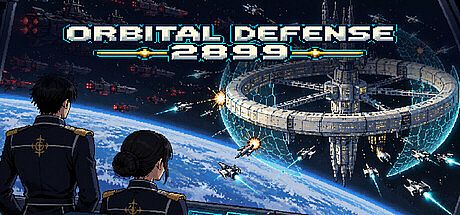



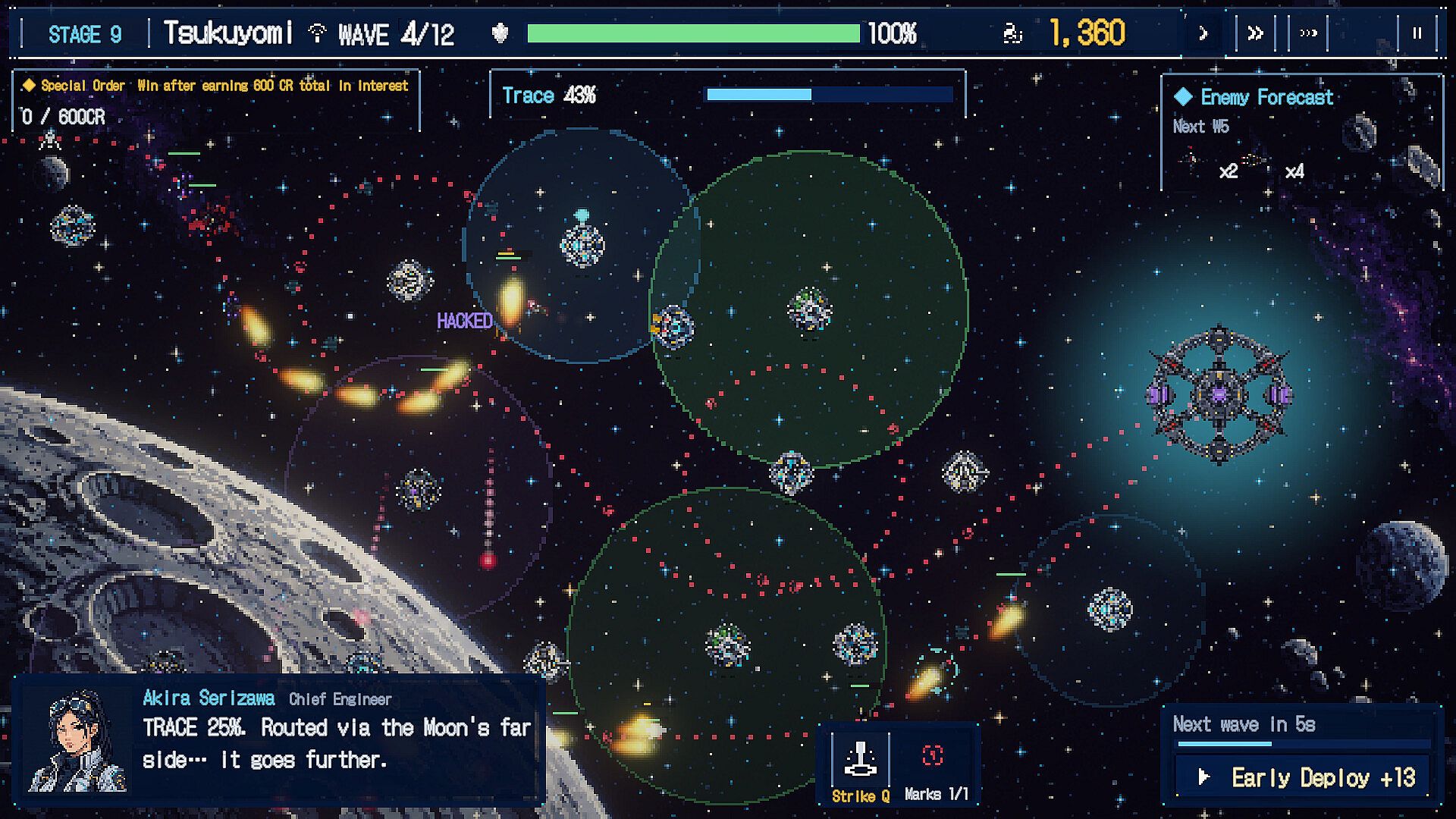
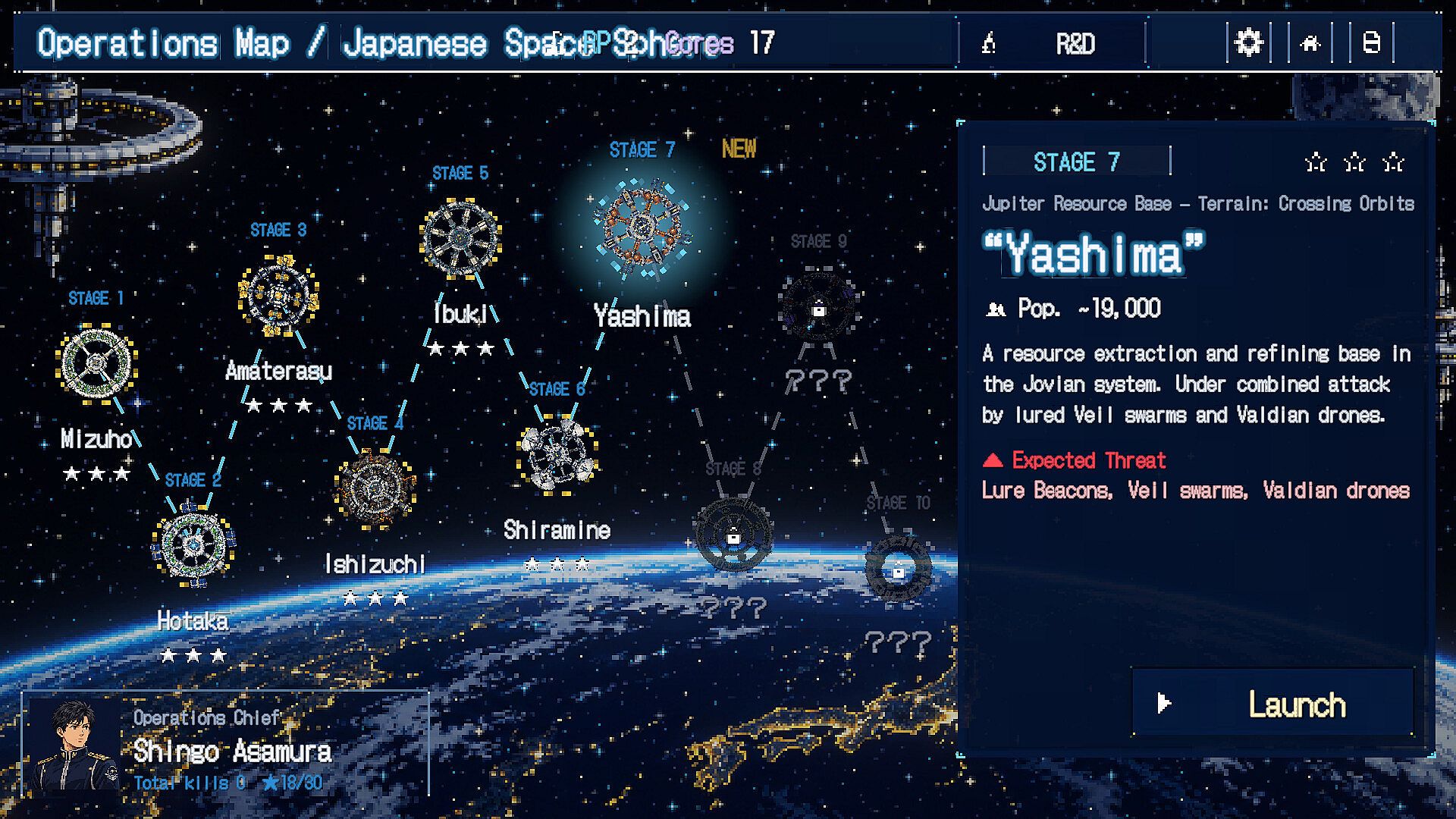
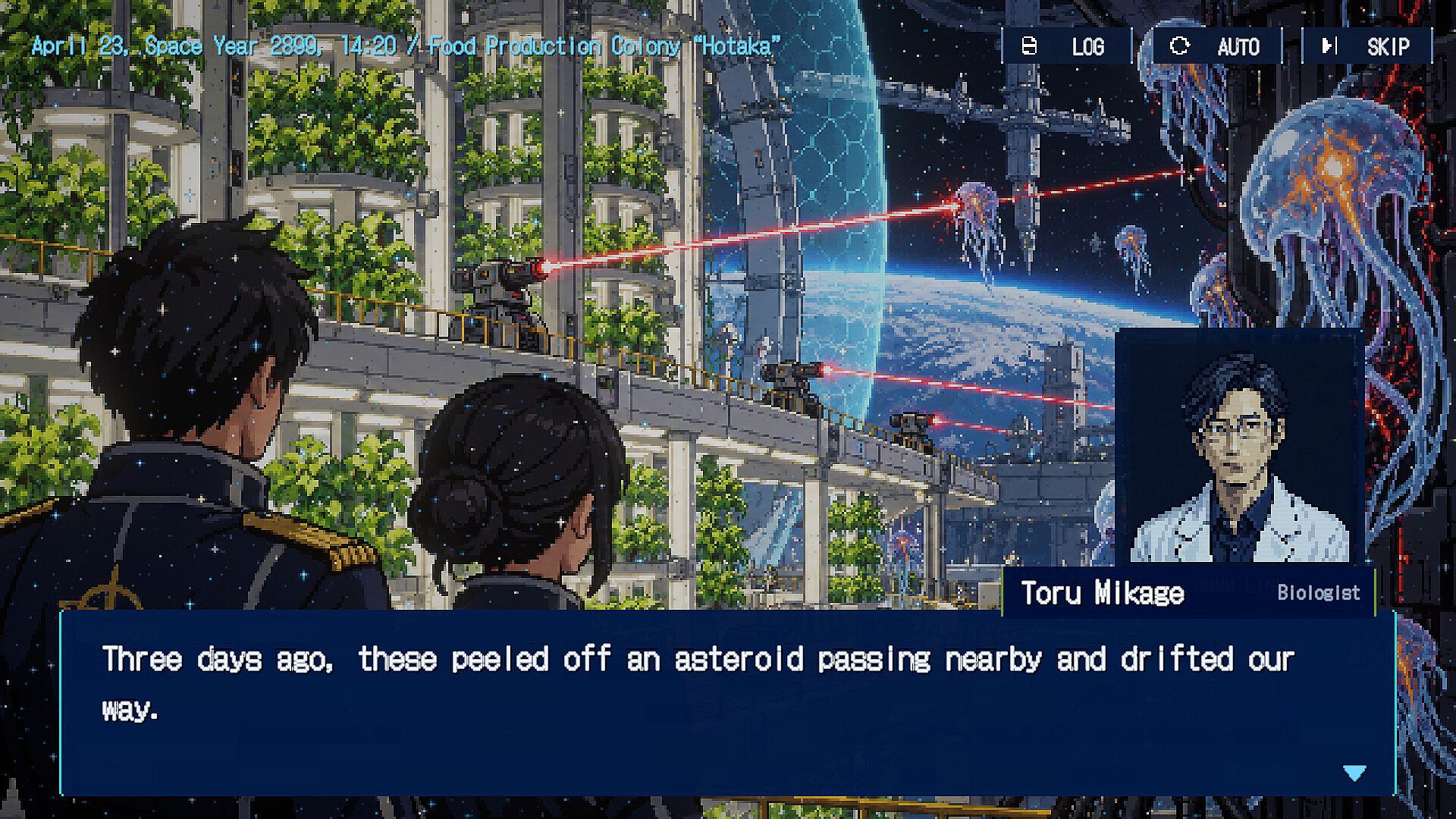
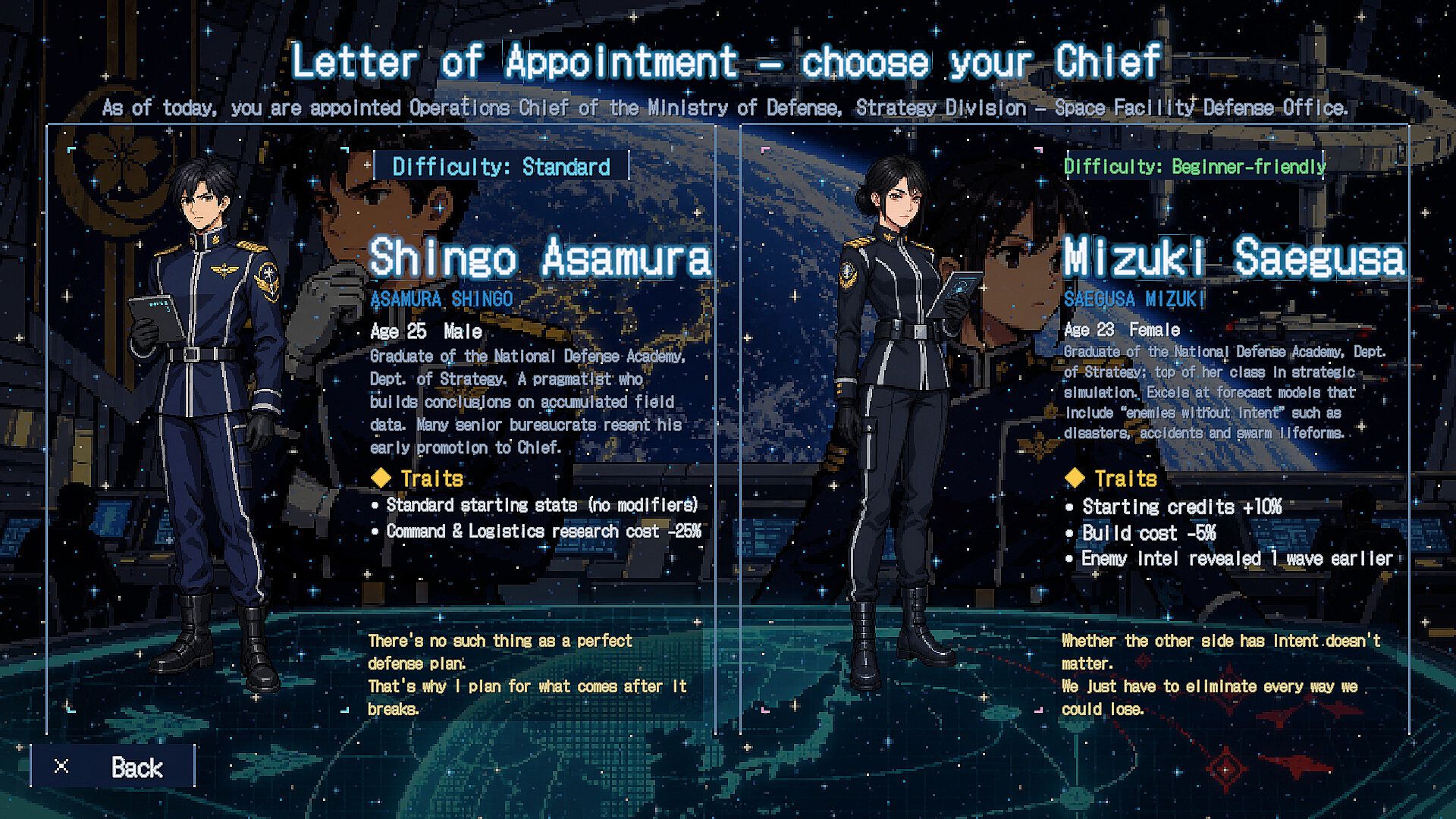
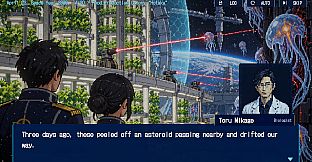
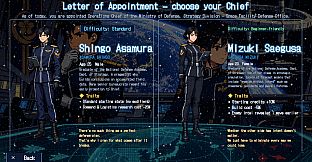
Orbital Defense 2899 is a single-player strategy game that places players in command of orbital colony defenses in the year 2899. As the new Operations Chief of Japan's Space Facility Defense Office, the task involves protecting ten settlements from waves of debris storms, membrane-like lifeforms known as the Veil, and unmarked drone fleets. The game emphasizes careful placement of limited defenses under budget constraints while two distinct protagonists, Shingo Asamura and Mizuki Saegusa, provide separate narrative perspectives through their own dialogue and traits.
Gameplay
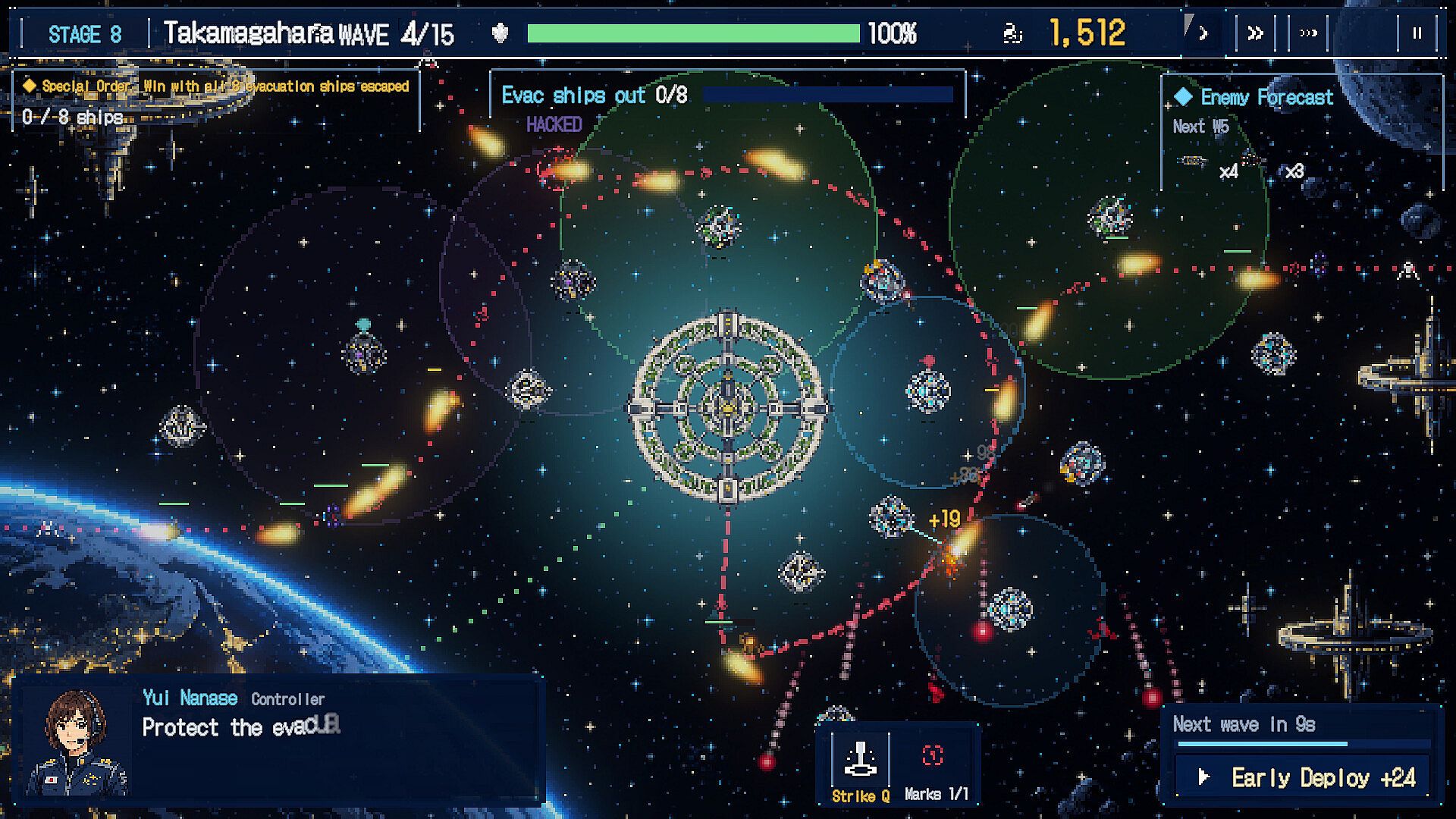
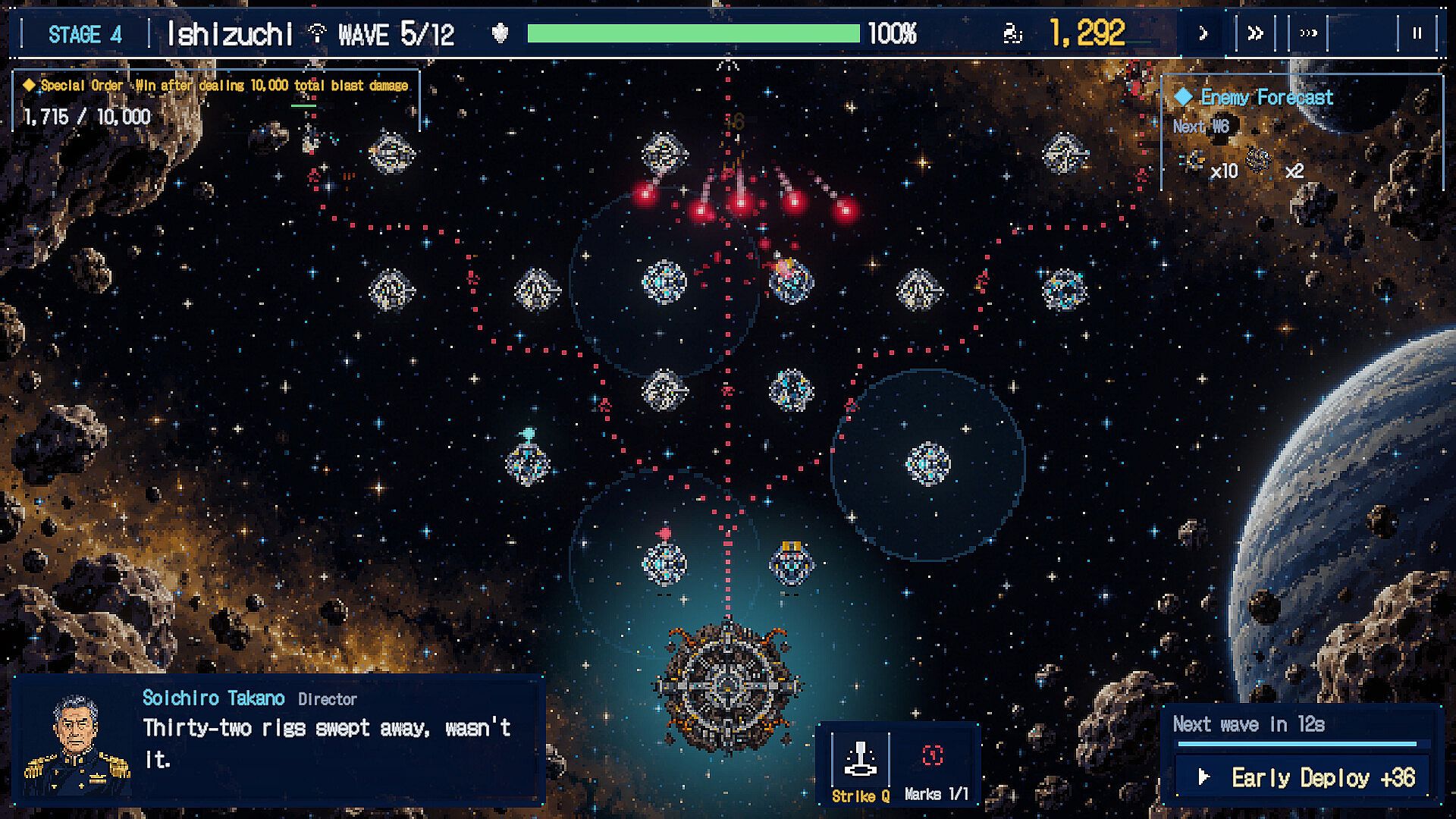
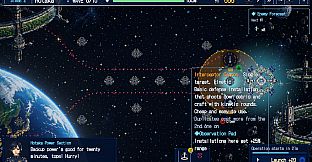
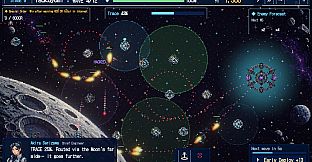
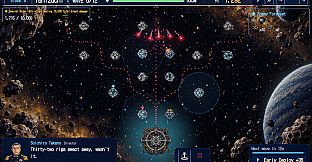
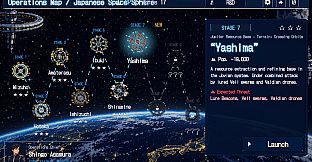
The core loop centers on positioning towers across varied orbital routes that define each of the ten stages. Layouts include orbits that double back multiple times, spirals that wind inward, lanes that merge into funnels, and rings that encircle colonies. Limited overlap spots and special pads that enhance damage or range require players to prioritize coverage carefully. Stage-specific rules introduce elements such as electromagnetic storms, evacuation escorts, and enemy trace-back mechanics that alter threat patterns.
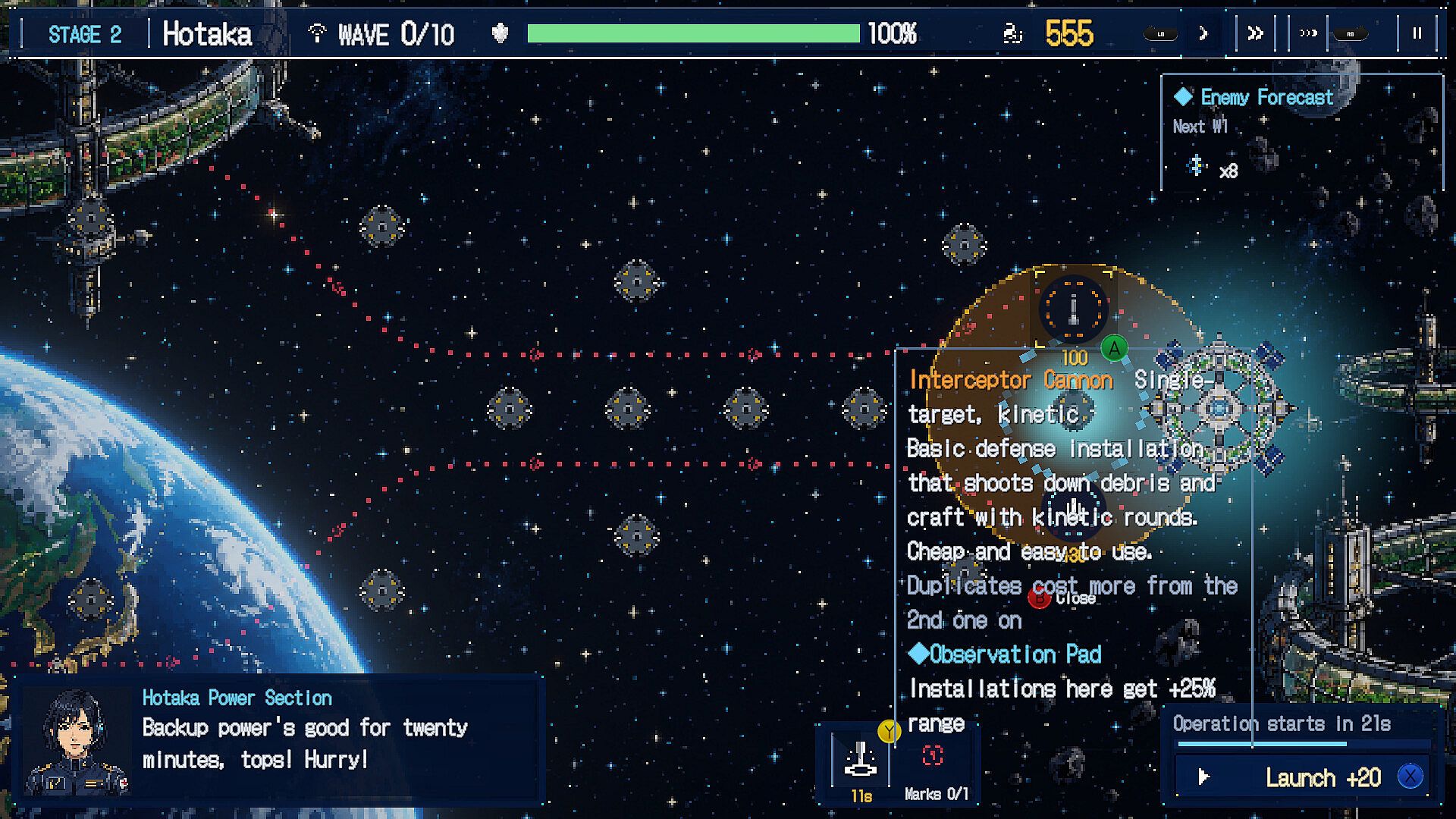
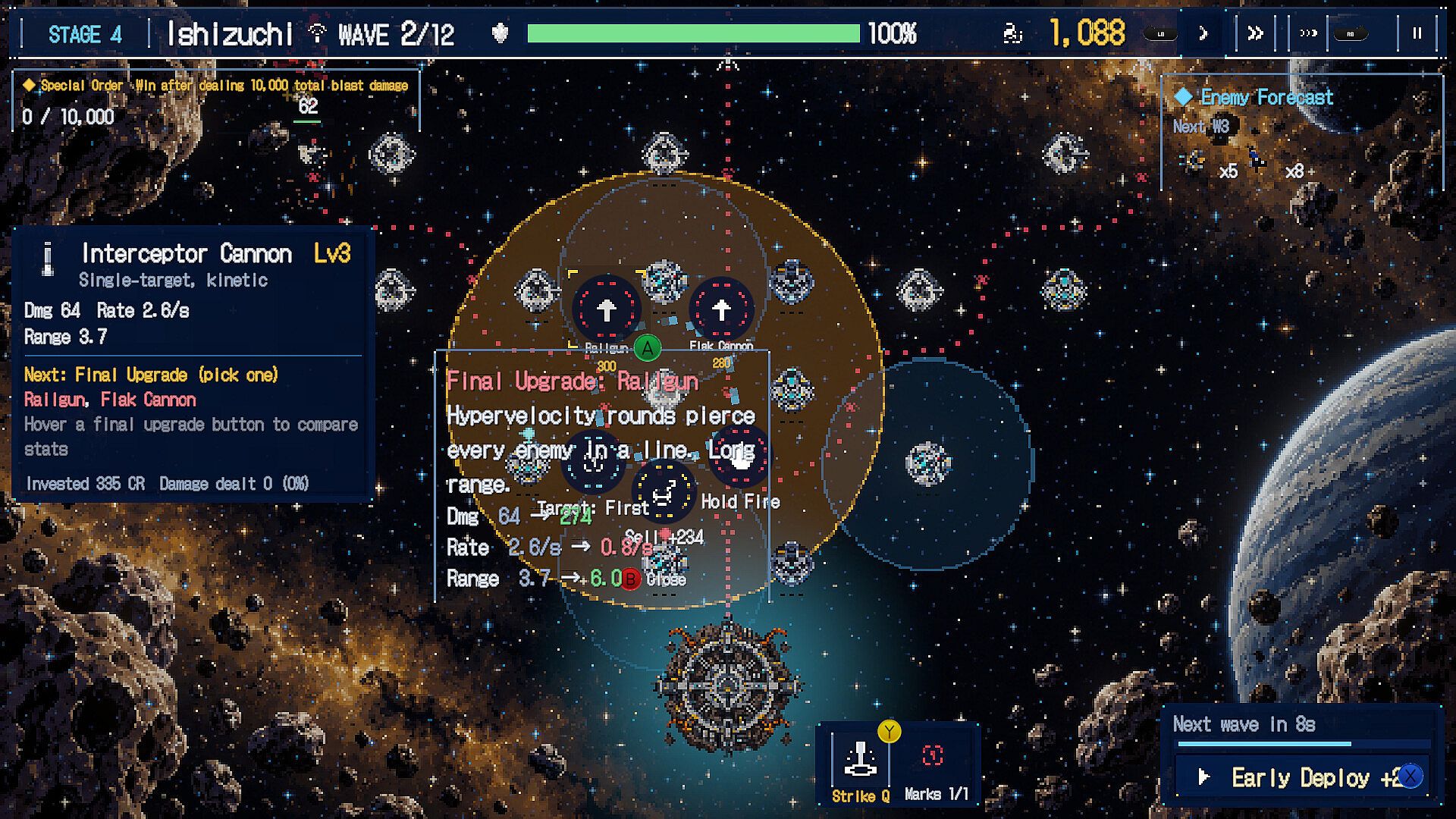
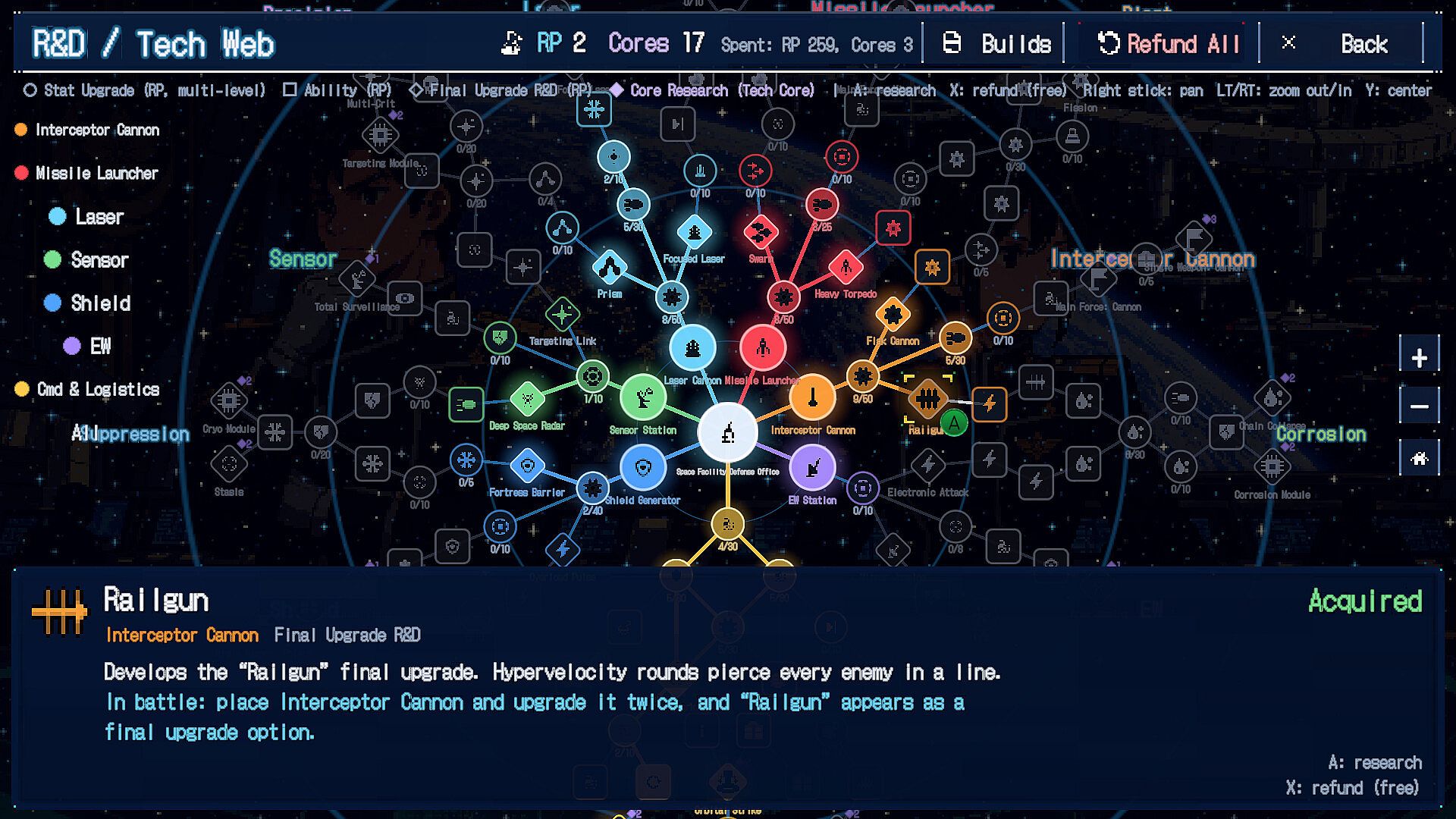
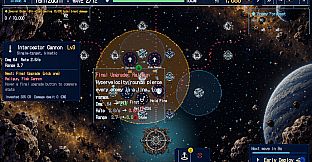
Six defense categories form the foundation: Interceptor Cannons, Missile Launchers, Laser Cannons, Sensor Stations, Shield Generators, and EW Stations. Enemies arrive with varied properties including armor, shields, stealth, splitting behavior, and jamming effects. Each installation reaches level three and then branches into one of two final upgrades, examples of which include Railgun or Flak Cannon options. Additional tools like Orbital Strikes, Target Marking, and prototype modules provide tactical flexibility during engagements.
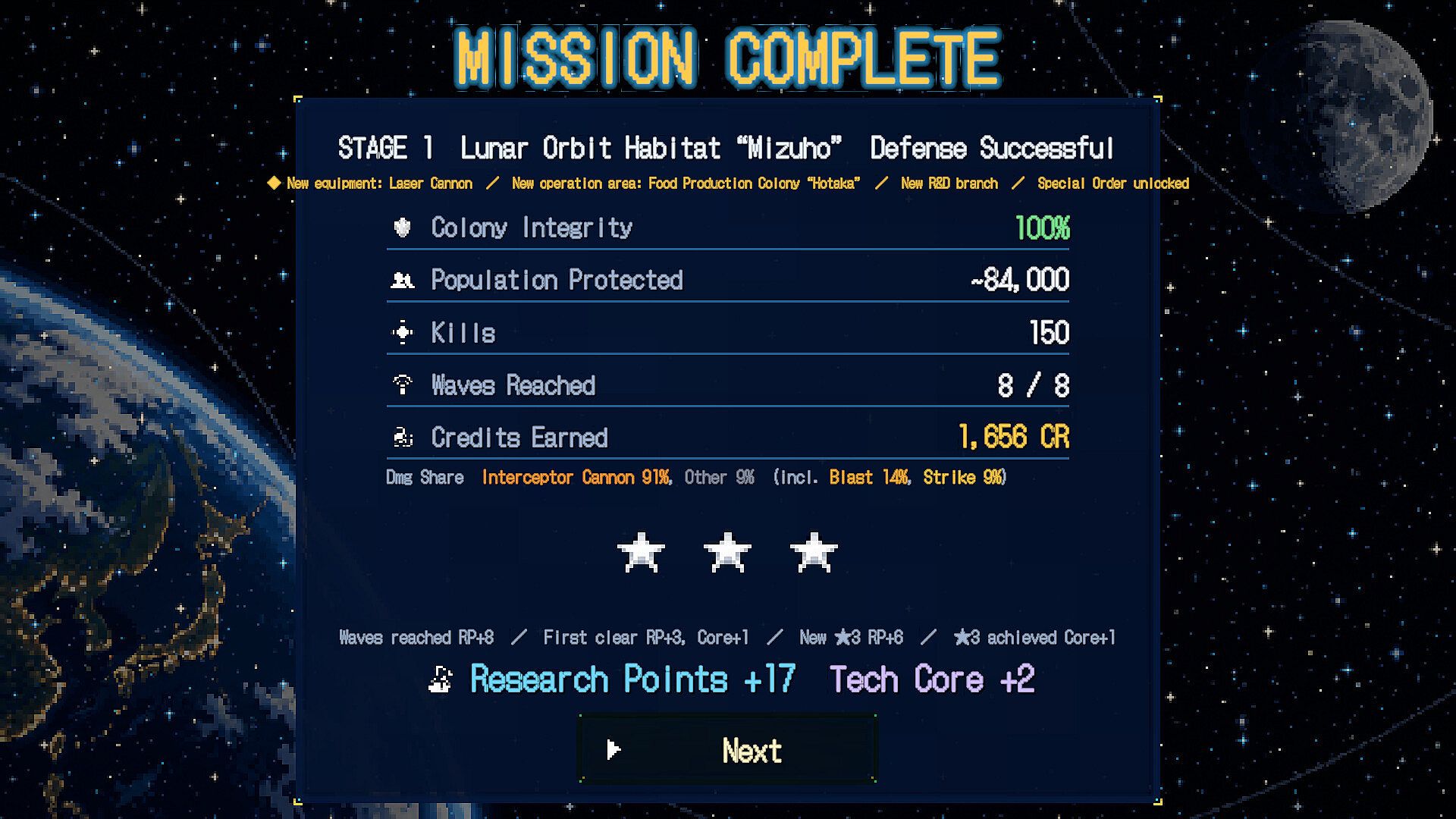
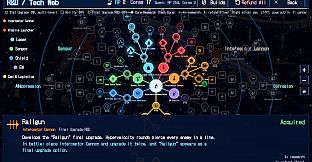
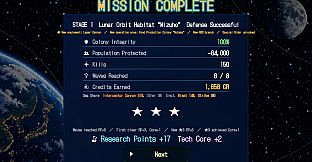
Failure still yields Research Points based on waves survived. These points feed into a branching web of more than 130 research projects accessible from the Defense Office. Refunds remain free at all times, allowing experimentation with combinations of effects such as burning, corrosion, chain explosions, and critical hits. Up to three builds can be saved for quick loading across attempts. Original pixel art and soundtrack support the visual and audio presentation, with controls supporting both mouse and keyboard or full controller input including Xbox and PlayStation prompts.
Game Modes
The primary experience unfolds across ten stages that conclude with a story ending. Two playable protagonists offer separate runs with unique traits and narration. After completing the main sequence, Special Orders appear on every stage as optional objectives. Budget Challenges impose caps on total research spent, forcing more constrained decision-making. New Game+ carries forward accumulated research while scaling enemy strength and allowing adaptation to previously favored tower types.
These modes build directly on the core defense systems without introducing separate multiplayer or unrelated side activities. Progression remains tied to the research web and build experimentation across repeated stage attempts.
Progression and Systems
Research forms the long-term backbone. Points earned even from partial defenses unlock permanent improvements that carry between runs. The system encourages testing different combinations rather than locking into a single path, supported by free refunds and the ability to maintain multiple saved configurations. Enemy variety exceeds twenty-five types, with four bosses among them, ensuring repeated playthroughs encounter evolving threats that counter common strategies.
Interface support extends to thirteen languages, alongside Steam Achievements and Steam Cloud functionality for progress tracking. The game runs on Windows systems meeting modest requirements, with integrated graphics sufficient for minimum settings.
Is It Worth Playing?
Orbital Defense 2899 targets players who enjoy deliberate tower defense with route-based positioning and extensive post-failure progression. The emphasis on route variety and upgrade branching rewards repeated attempts and experimentation within a contained single-player package. With ten stages plus post-credit options that scale difficulty and restrict resources, the structure supports multiple playthroughs focused on optimization rather than endless content.
Those seeking fast-paced action or cooperative elements will find the deliberate pace and solo focus less aligned with their preferences. The game remains in a pre-release state with no user reviews available yet, so expectations should center on the described mechanics of budget management, research depth, and adaptive enemy responses. Availability is limited to PC through standard digital storefronts once it launches.