











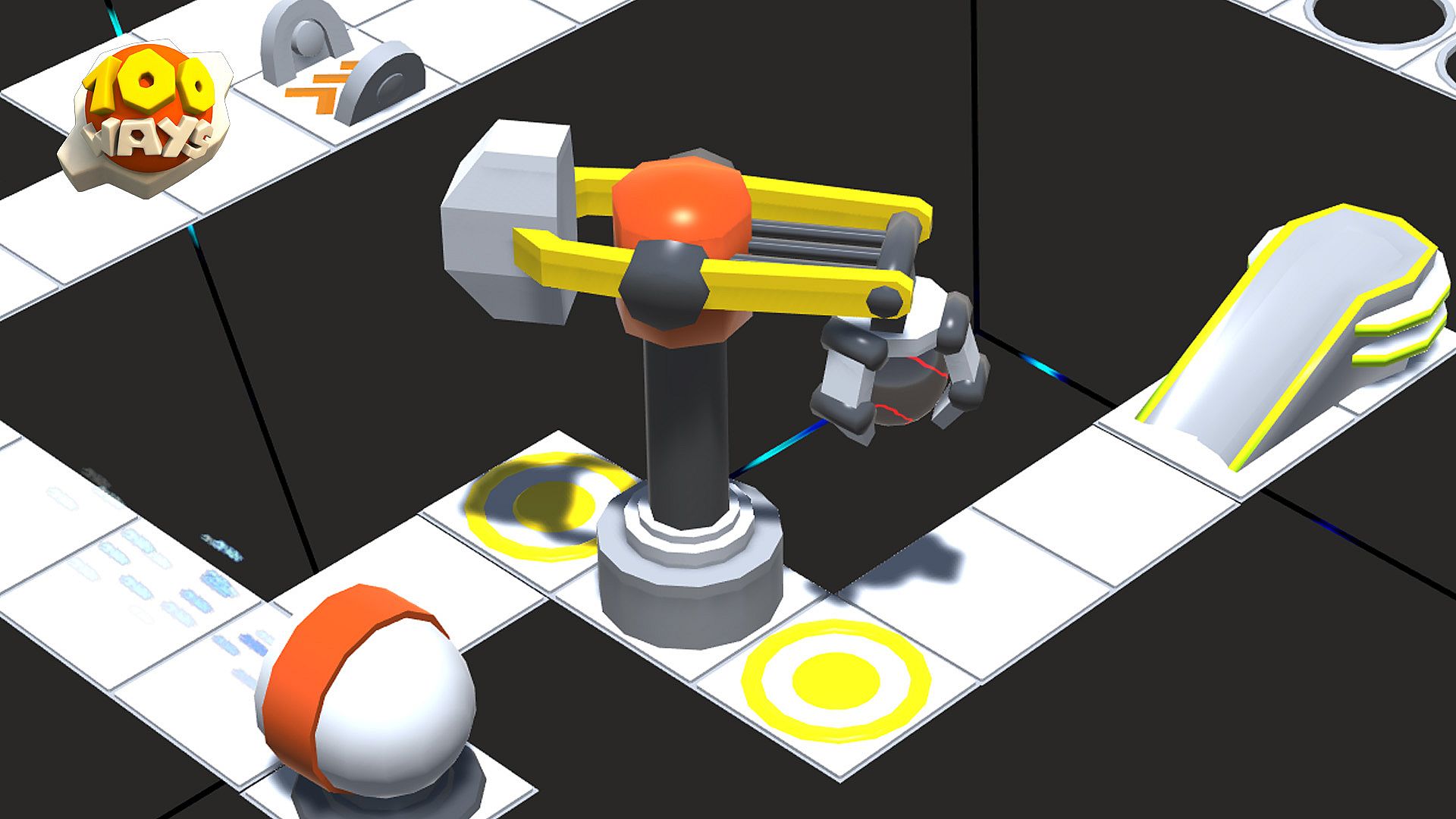
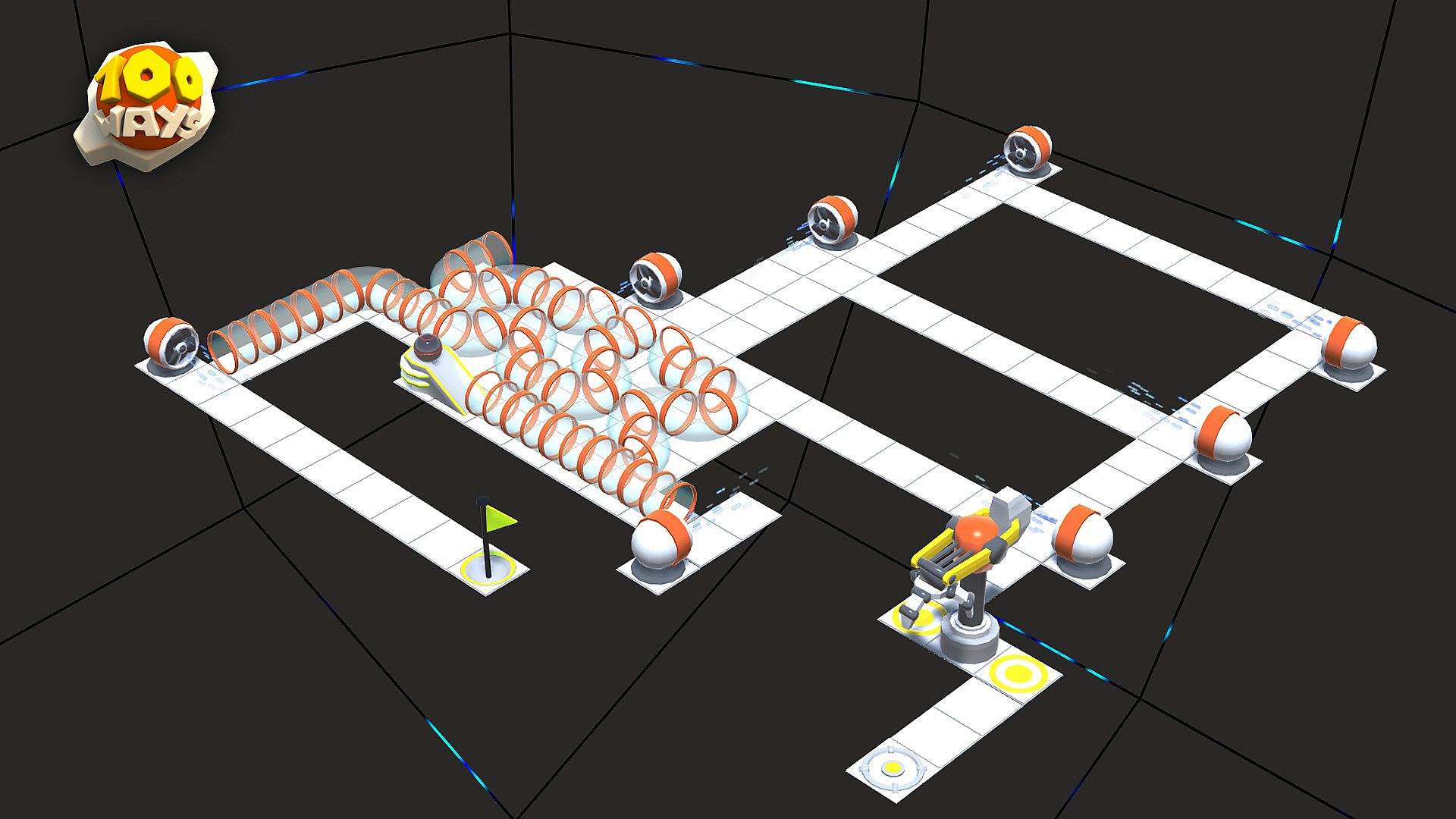
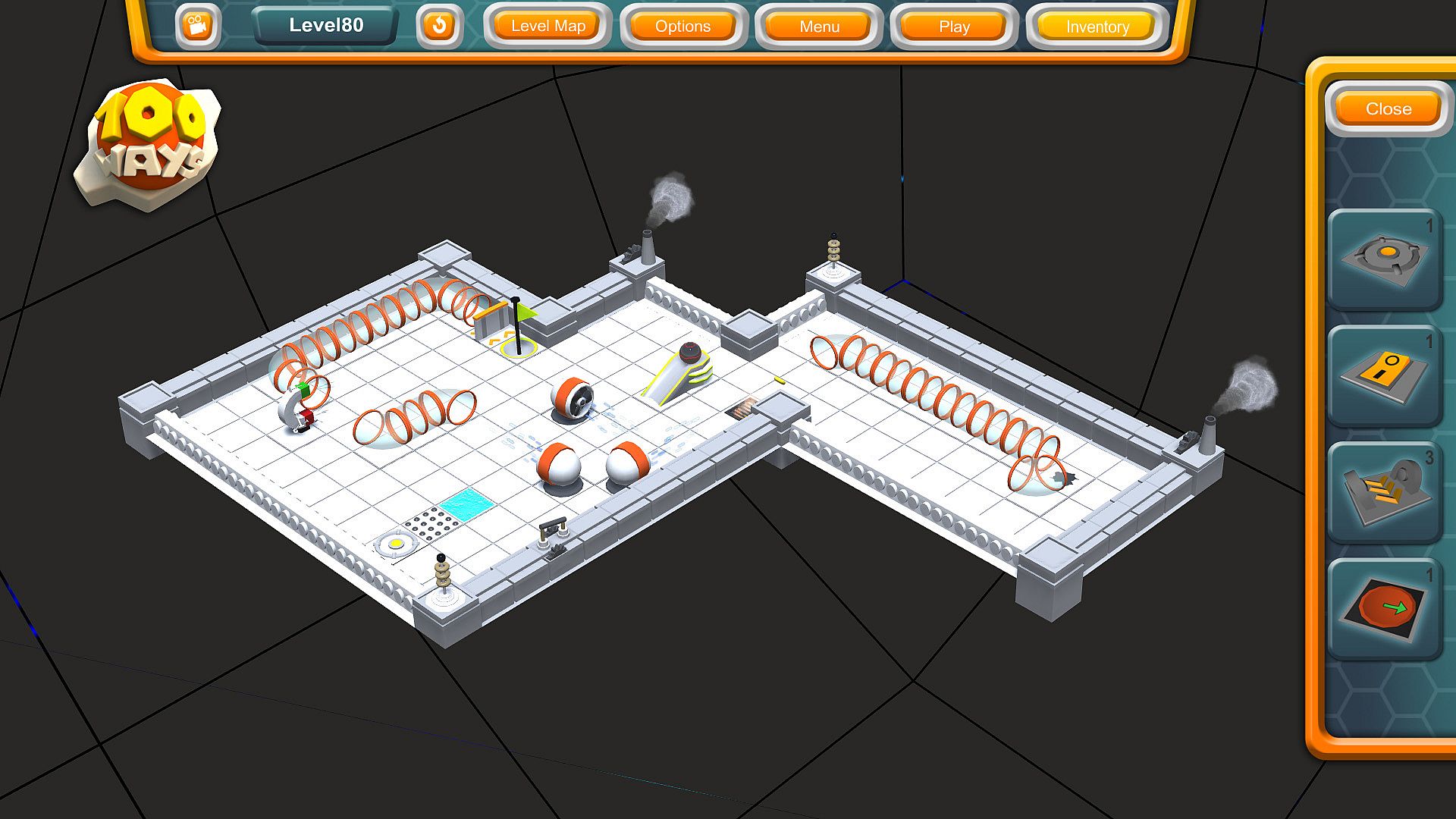

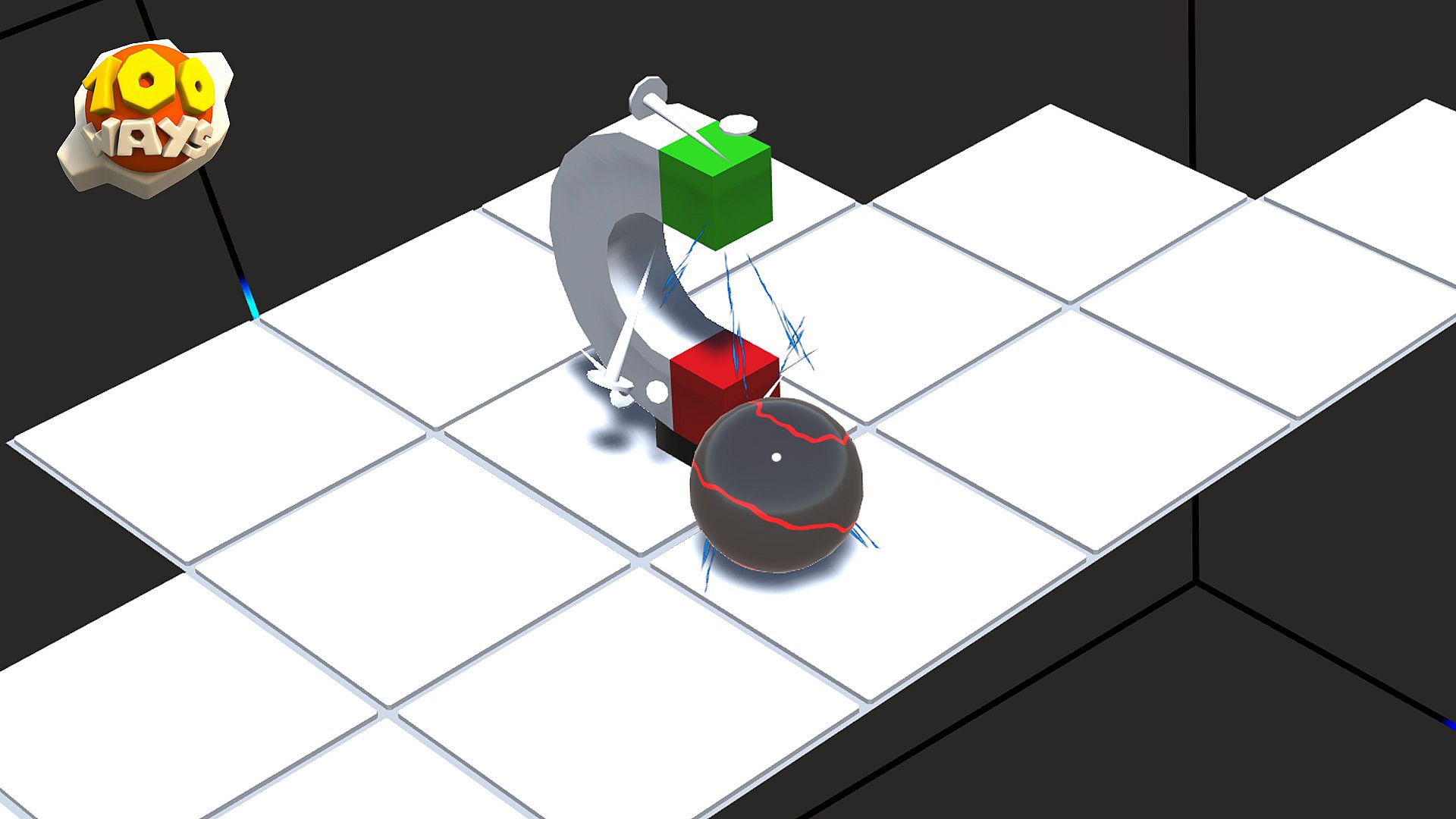
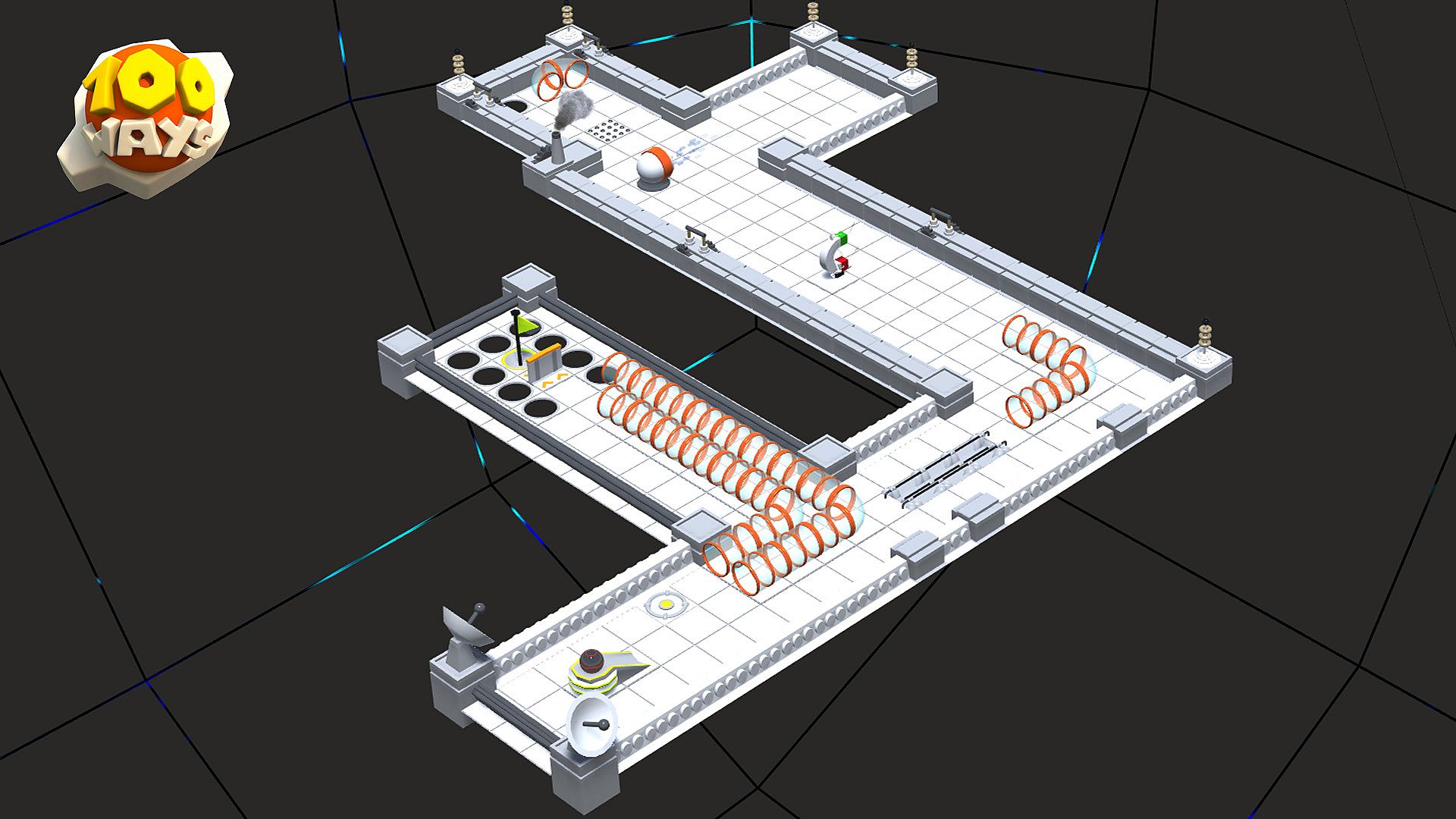
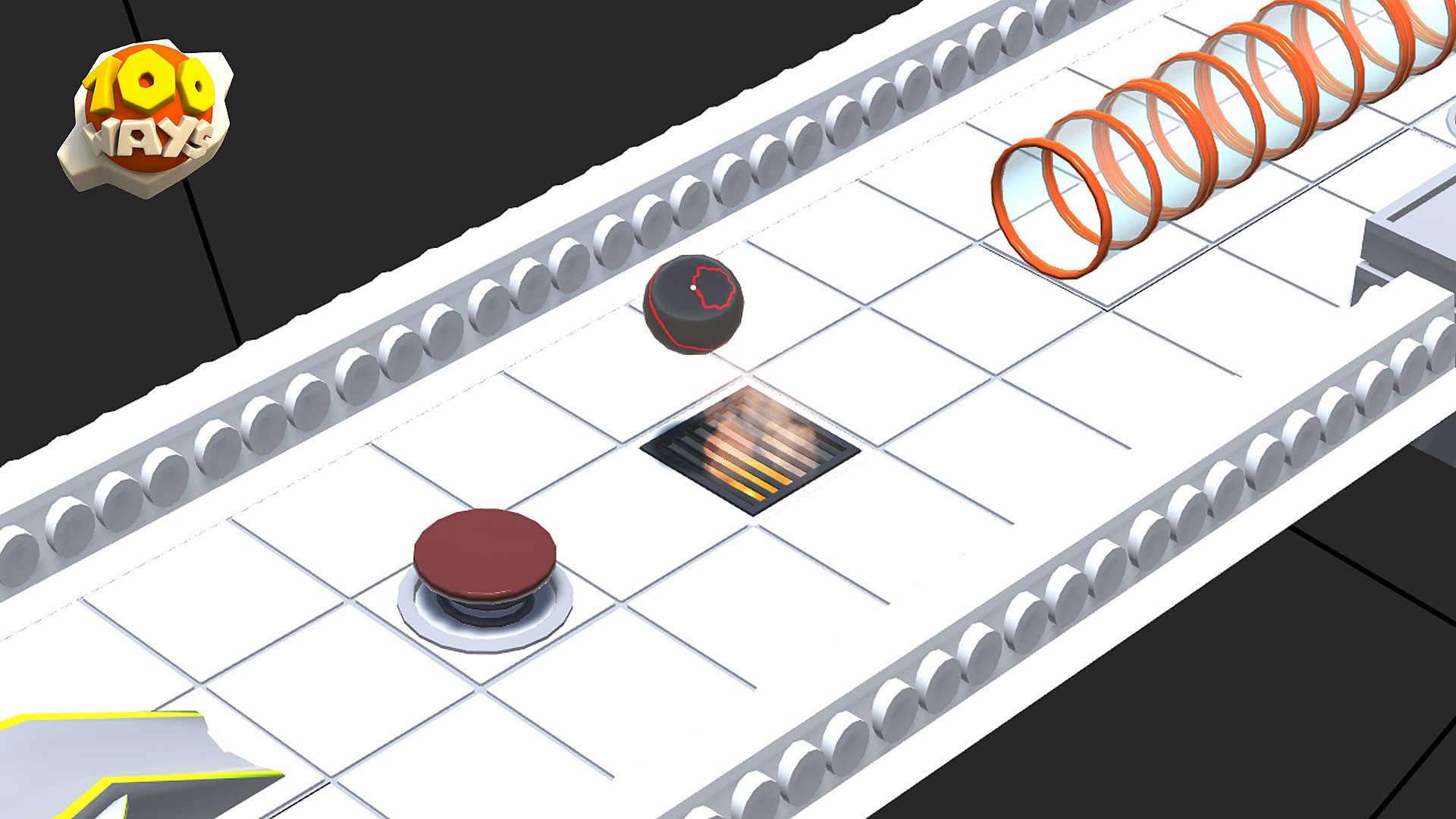
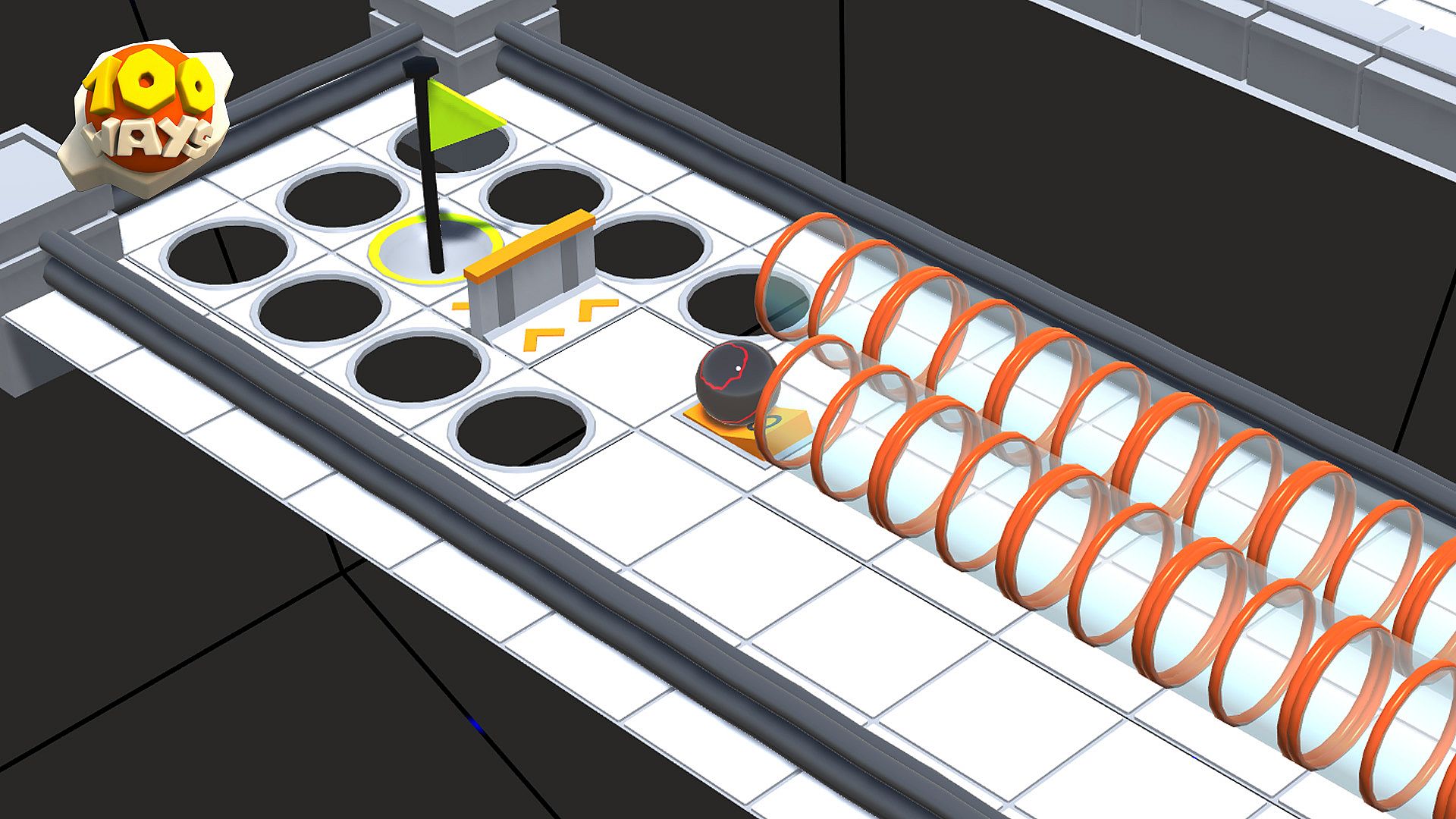
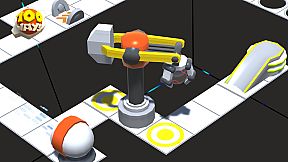
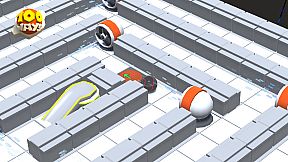
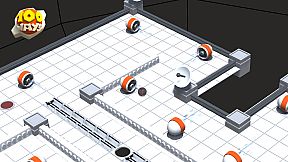
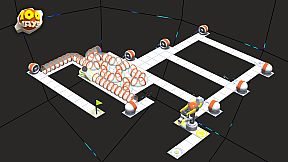
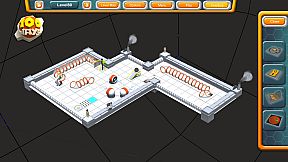
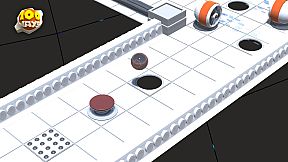
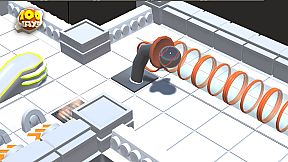
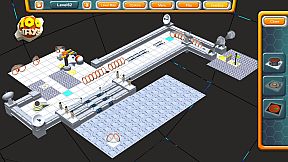
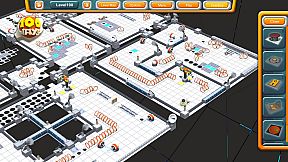

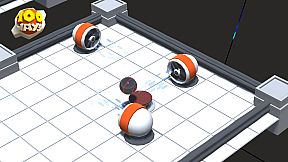
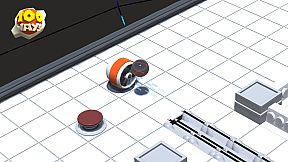
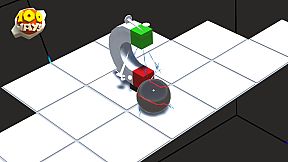
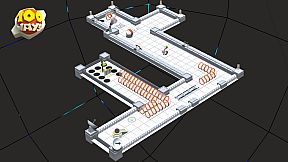
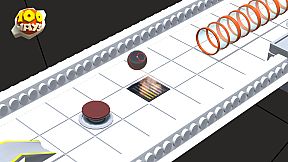
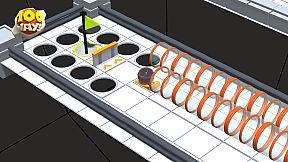
One Hundred Ways is a casual strategy puzzle game developed for PC. Players guide a ball through a series of obstacles to reach a target flag in each stage. The core challenge involves selecting and placing tools from a pool of more than thirty options to alter the ball's path, speed, or direction. The game presents 115 levels in total, including an additional fifteen added in a December 2015 update, along with ten dedicated tutorial stages that introduce the basic mechanics.
Gameplay
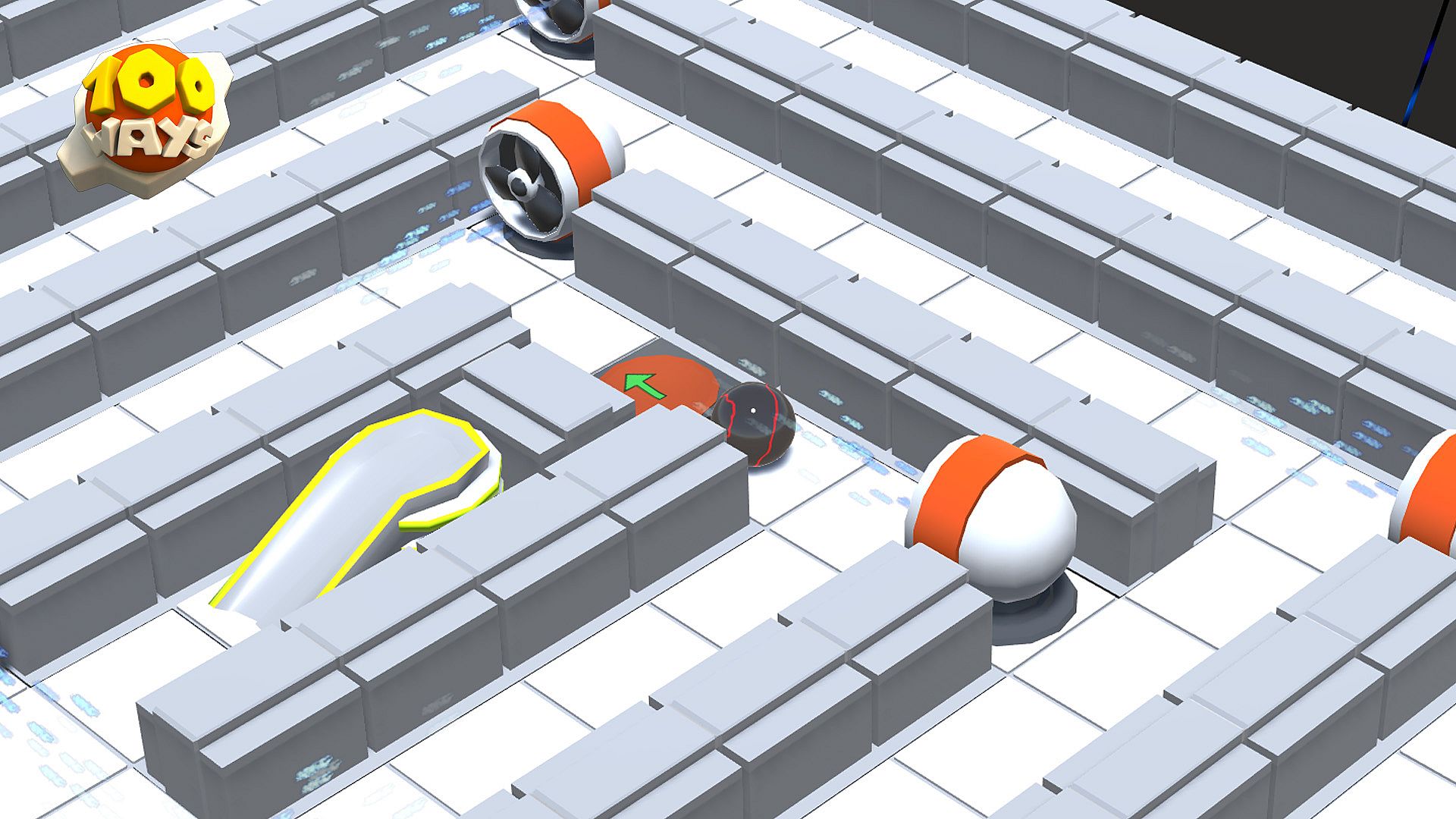
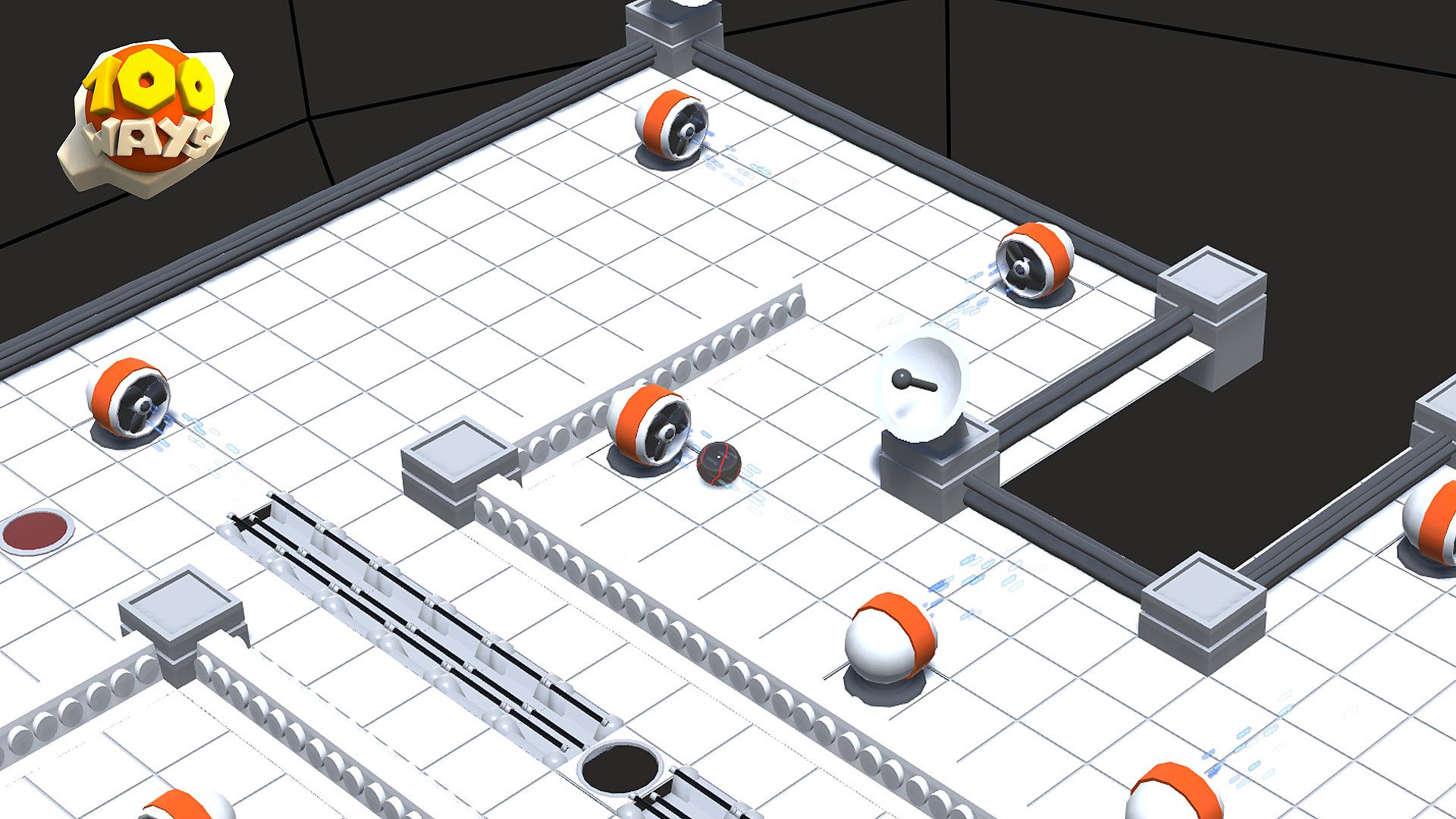
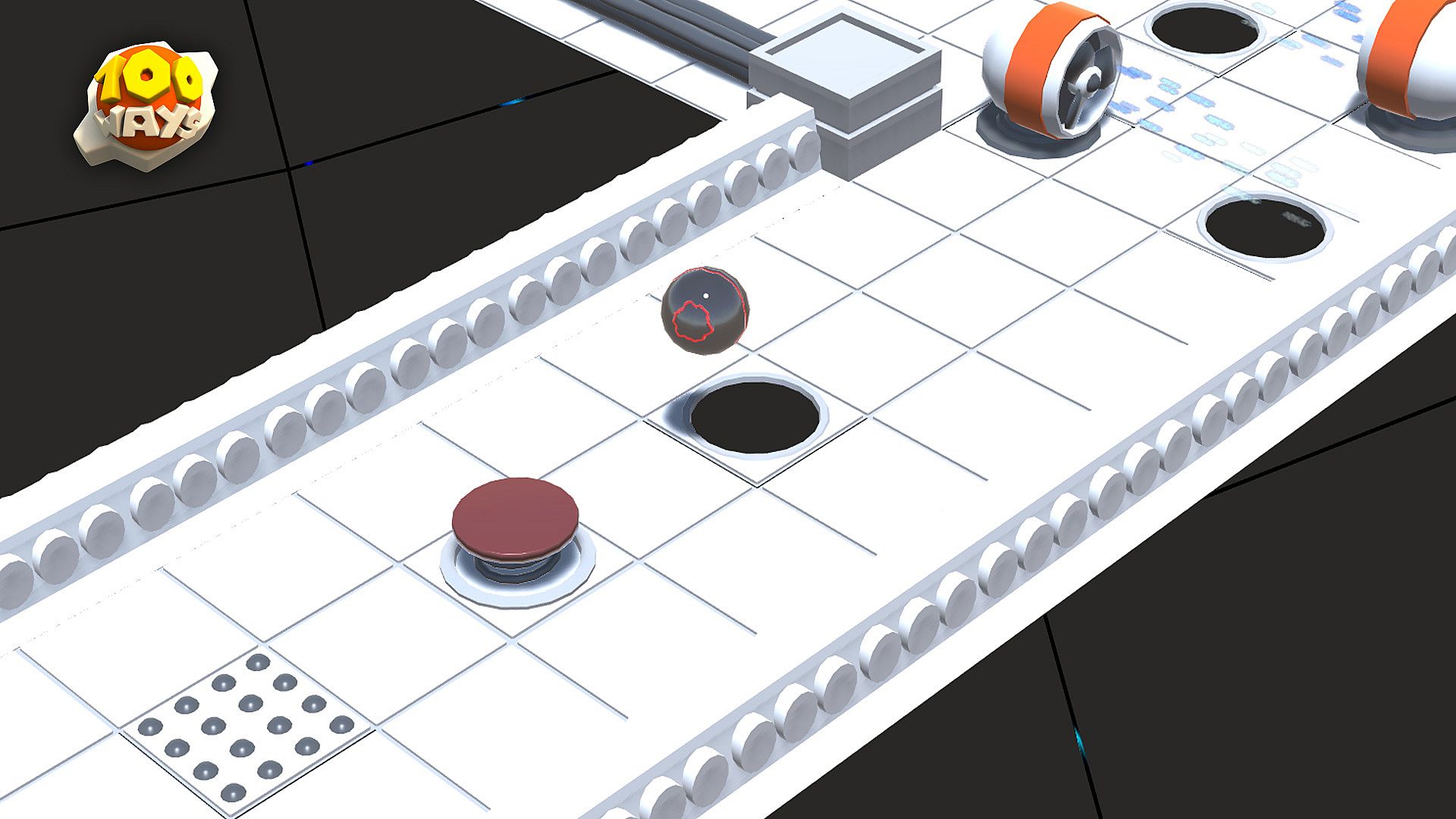
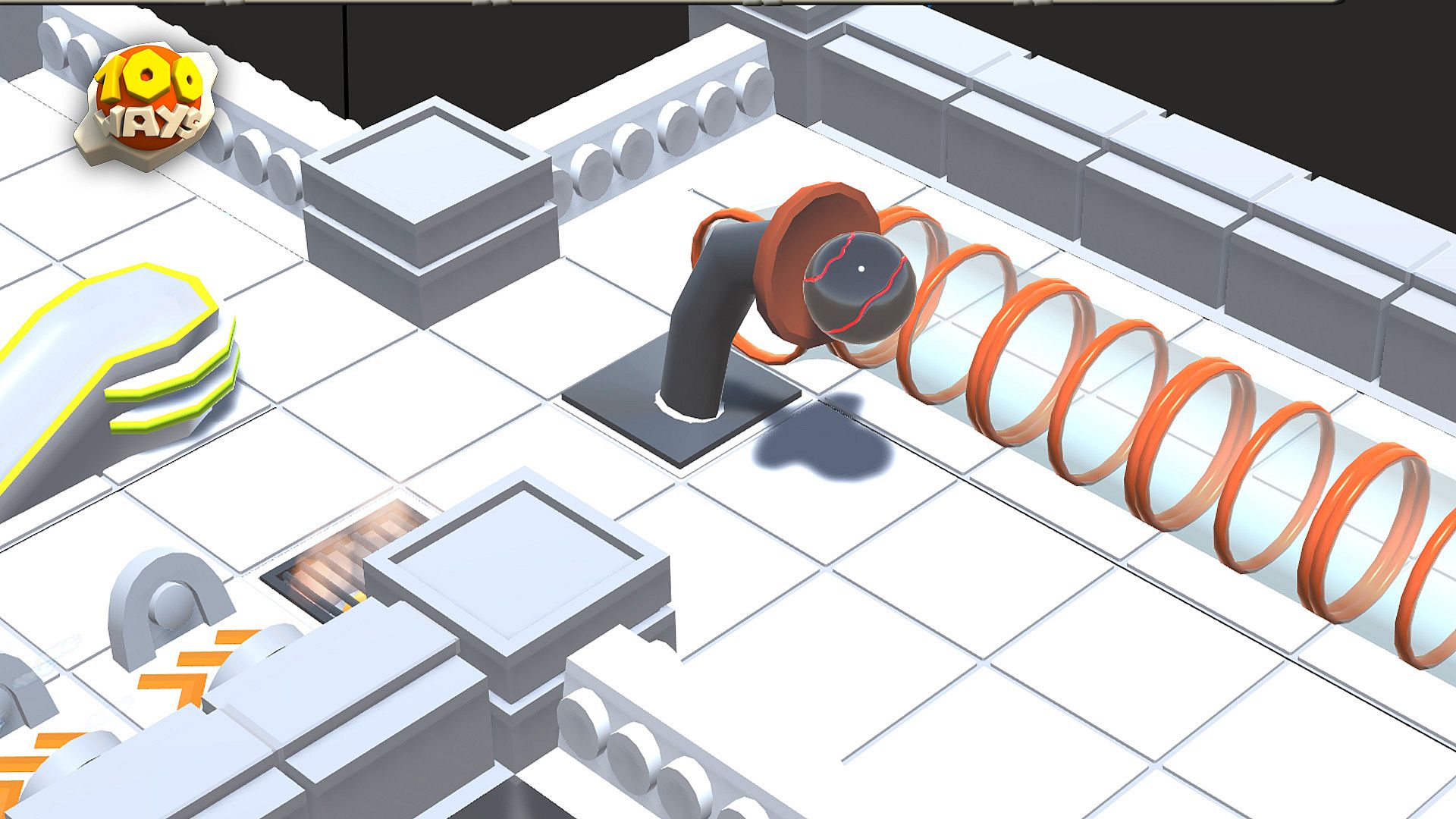
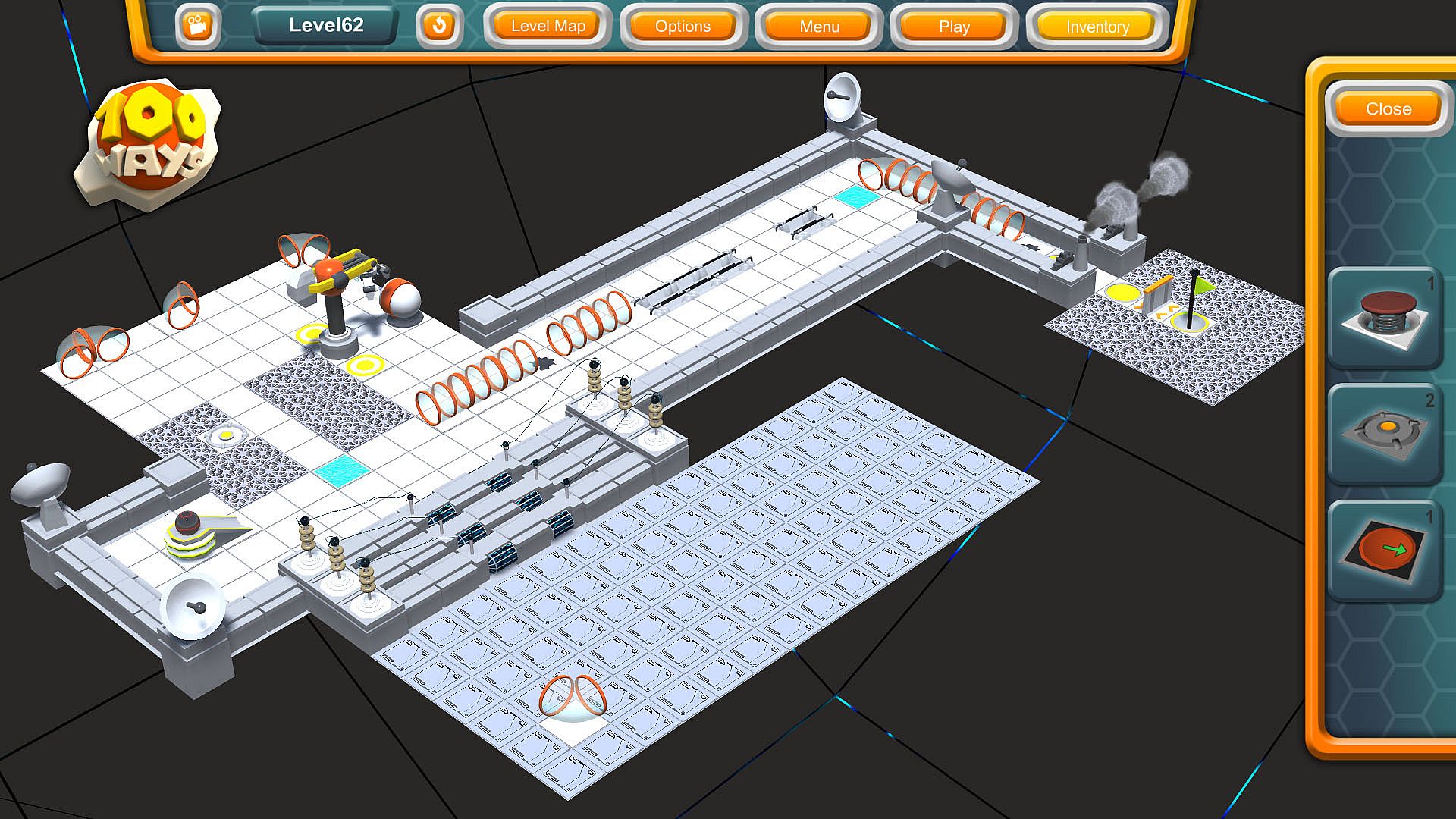
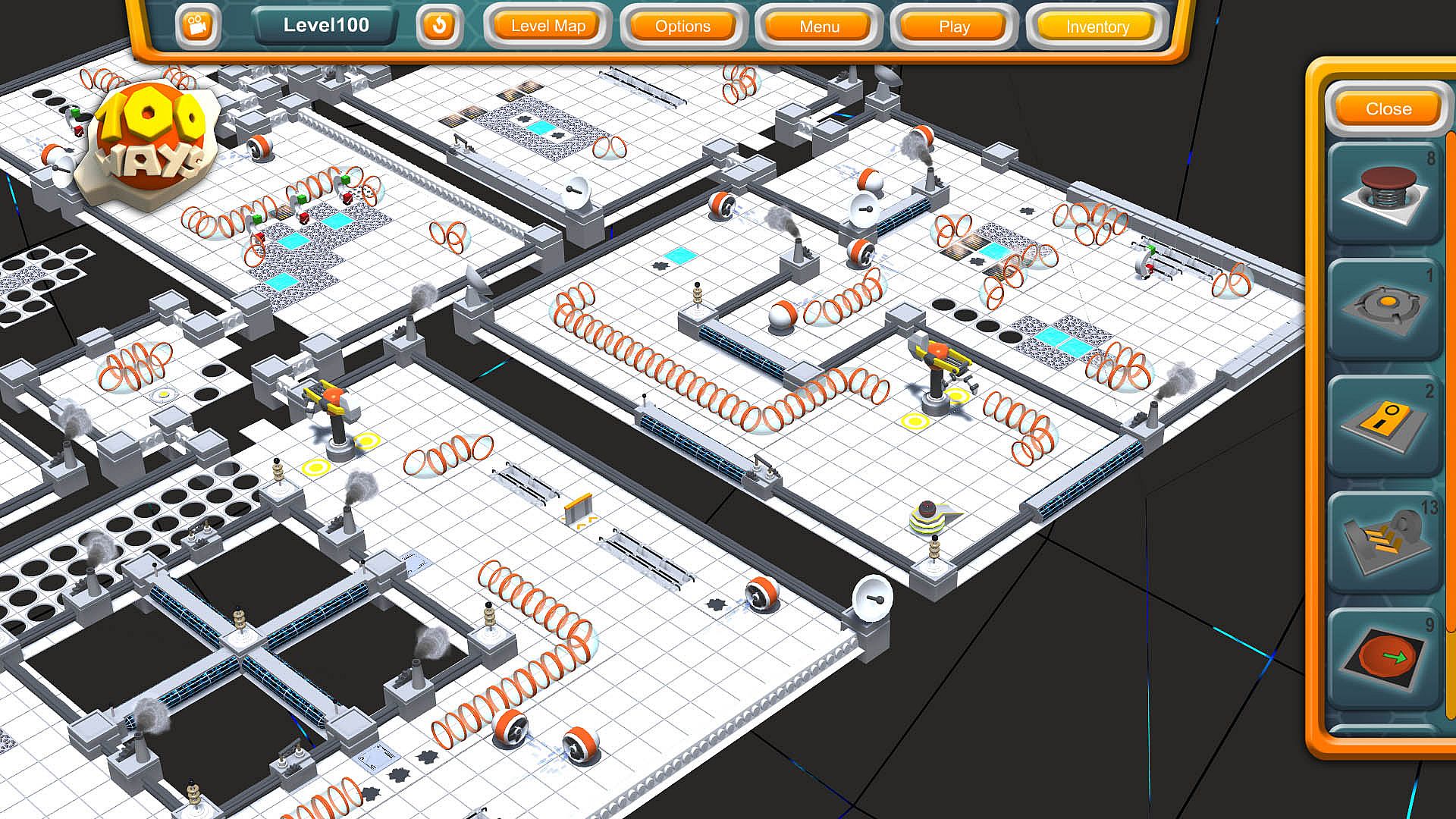
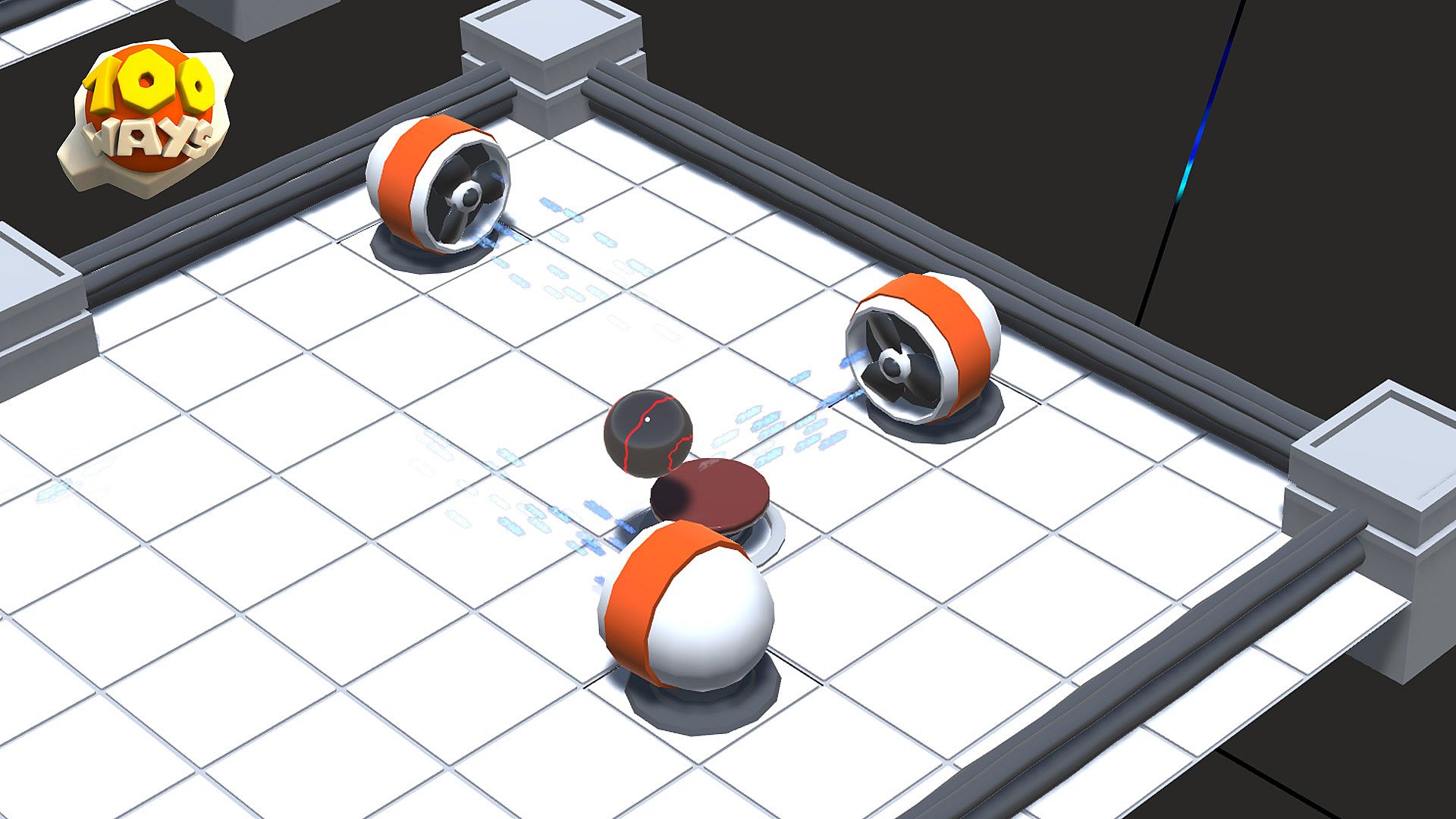
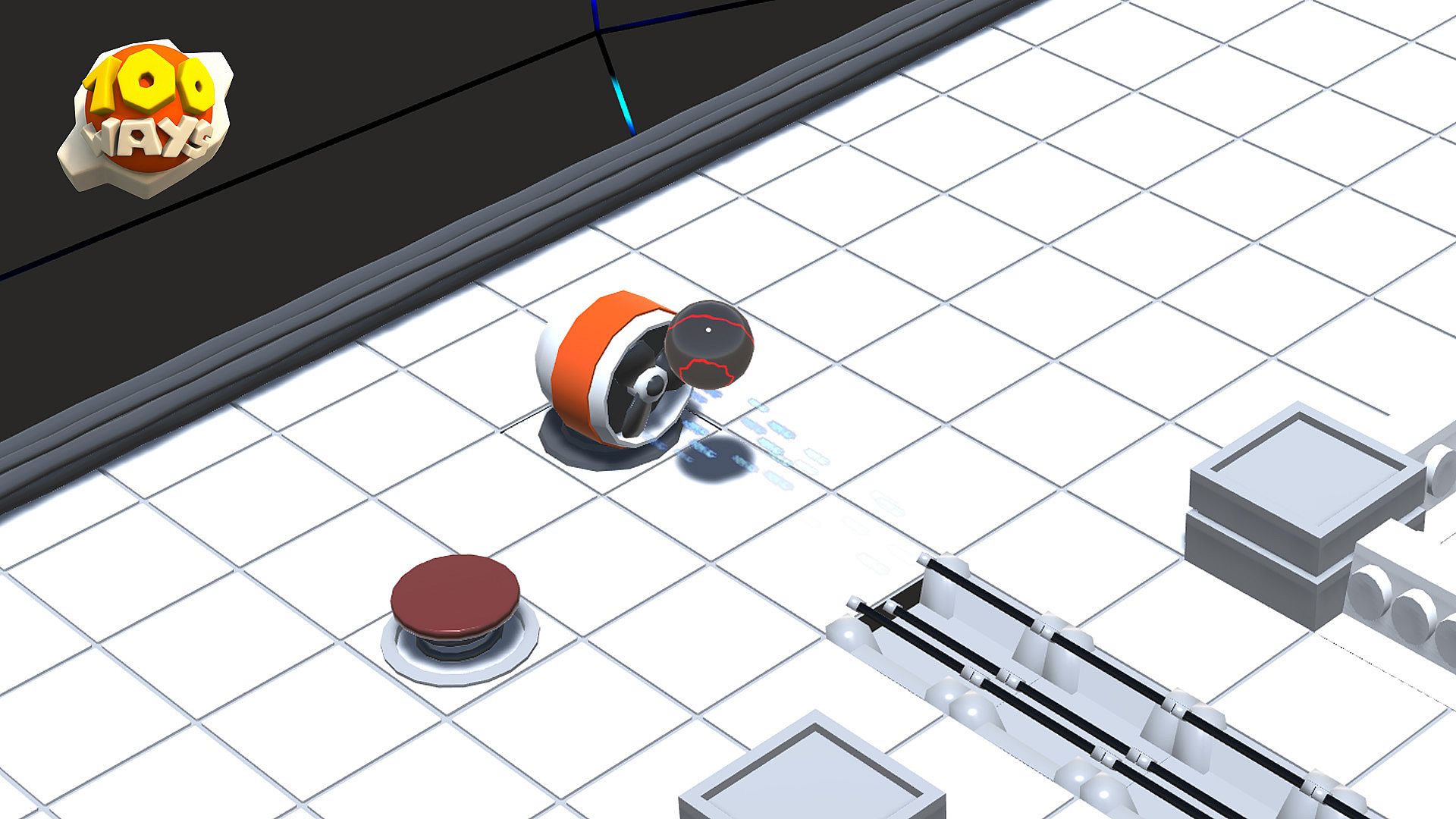
The experience centers on a real-time 3D isometric perspective that lets players rotate and examine each level from multiple angles. Every puzzle begins with a ball at a starting point and a flag as the endpoint. Success requires creative use of the available tools, which can either assist the ball or introduce new complications depending on placement. Difficulty increases steadily across the hundred original levels, encouraging players to experiment with combinations rather than rely on a single approach. The modern interface keeps the focus on the puzzle itself, with clear visual feedback on how tools interact with the environment and the ball's physics.
Progression feels deliberate. Early stages teach fundamental tool applications through the tutorials, while later ones demand precise timing and unconventional solutions. The isometric view supports careful planning, as players can inspect ramps, barriers, and other elements before committing to a layout. Controls remain straightforward on PC, though some users note occasional sensitivity when fine-tuning placements.
Game Modes
One Hundred Ways offers a single-player campaign structured entirely around its collection of puzzle levels. There are no separate competitive or cooperative modes. All content revolves around completing the 115 stages in sequence, with the tutorial set serving as an optional onboarding experience. The design emphasizes solitary problem-solving, where each level functions as an independent challenge that builds on previous lessons in tool usage and spatial reasoning.
Level Design and Progression
Levels vary in complexity while maintaining a consistent goal of directing the ball to the flag. The initial set of one hundred stages establishes core patterns, such as using accelerators or deflectors, before introducing more intricate setups that combine multiple tools. The fifteen additional levels released in December 2015 expand on these ideas with fresh obstacle arrangements. Difficulty ramps up gradually, rewarding persistence and lateral thinking over rapid reflexes. The isometric presentation helps highlight elevation changes and hidden pathways that influence the ball's trajectory.
Is It Worth Playing?
One Hundred Ways suits players who enjoy short, focused puzzle sessions rather than extended campaigns. Its strength lies in the variety of tool-based solutions and the steady increase in challenge across the levels. The game runs well on PC with no ongoing updates required, making it a self-contained experience. Those who appreciate deliberate, thoughtful gameplay in the strategy and casual genres will find value in working through the full set of stages. Individuals seeking multiplayer elements or narrative depth may want to look elsewhere, as the title concentrates solely on its puzzle mechanics. Overall, it delivers reliable entertainment for fans of isometric ball-guiding challenges when played in manageable sessions.