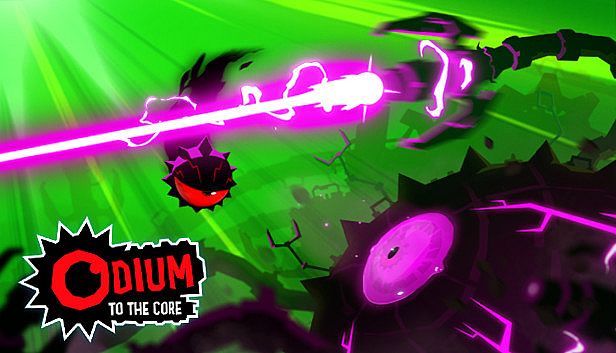










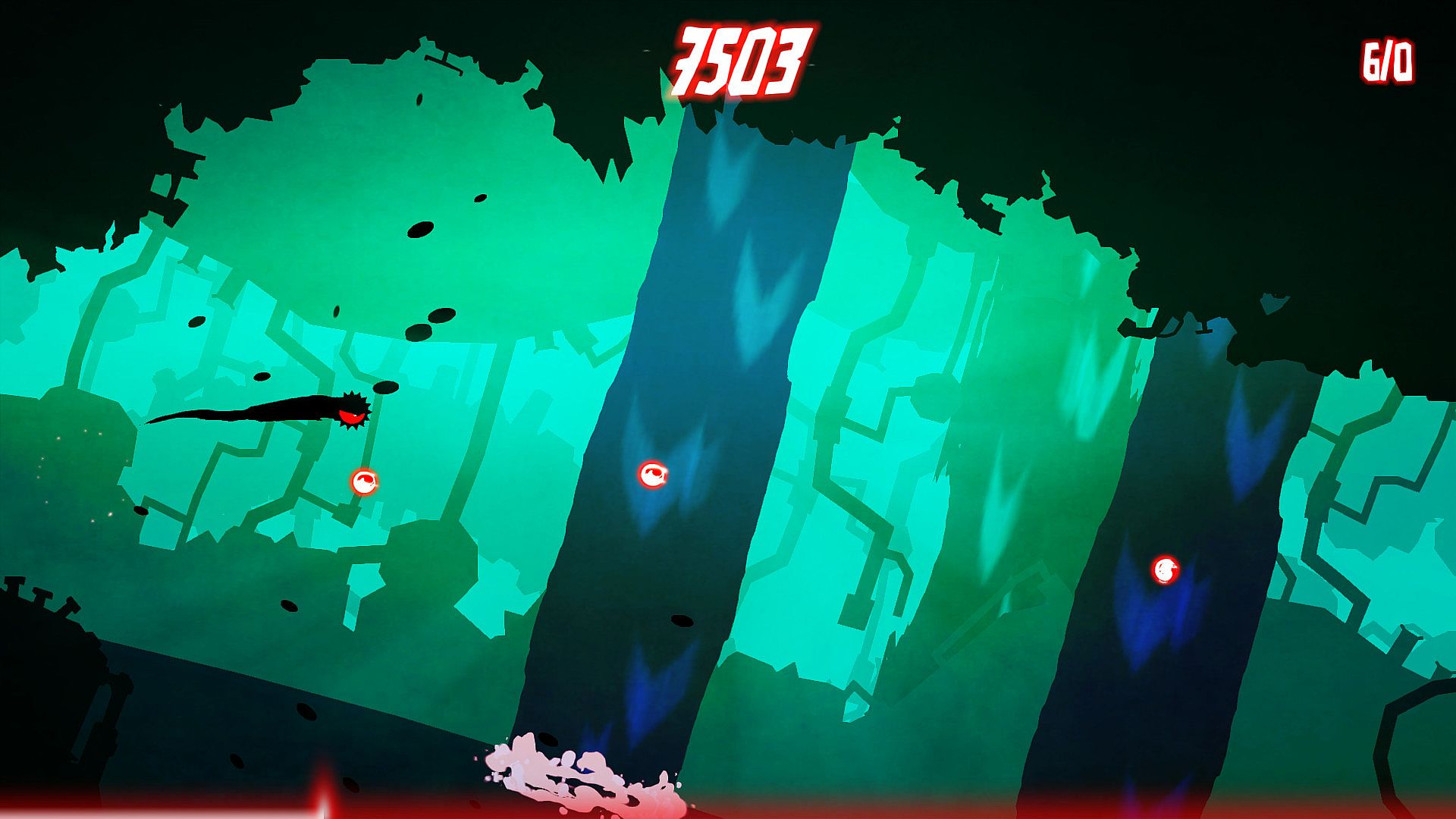





Odium to the Core stands out as an action indie title built around precise single-button controls and a rhythm-driven side-scrolling structure on PC. Players guide the character Odium through a corrupted world using only one input to manage ascent and descent, all while syncing movements to an original soundtrack heavy on drum and bass and jungle beats. The core loop centers on maintaining balance to navigate tight passages, dodge hazards, and confront enemies before reaching the core to halt the spread of corruption.
Gameplay
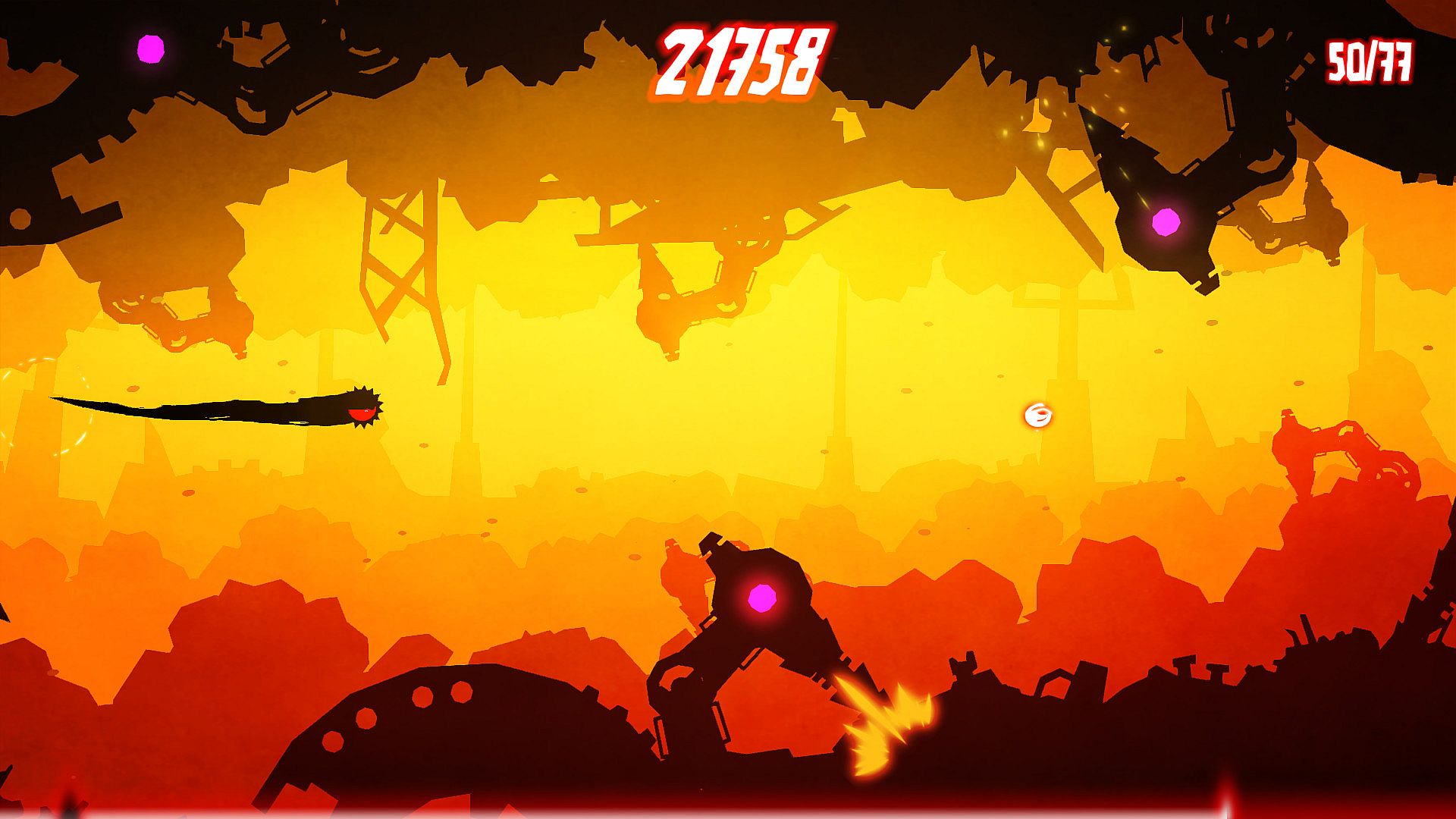
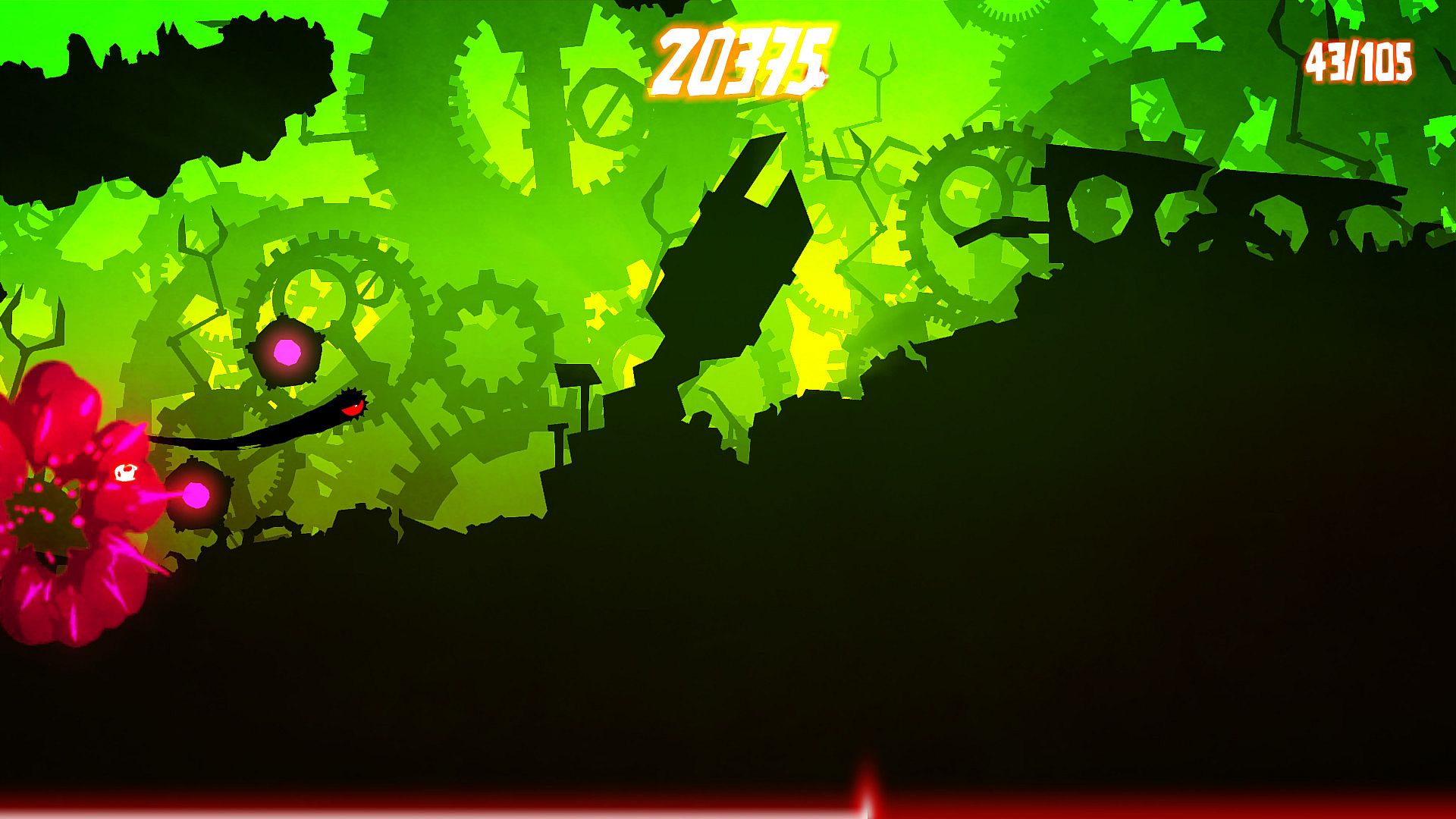
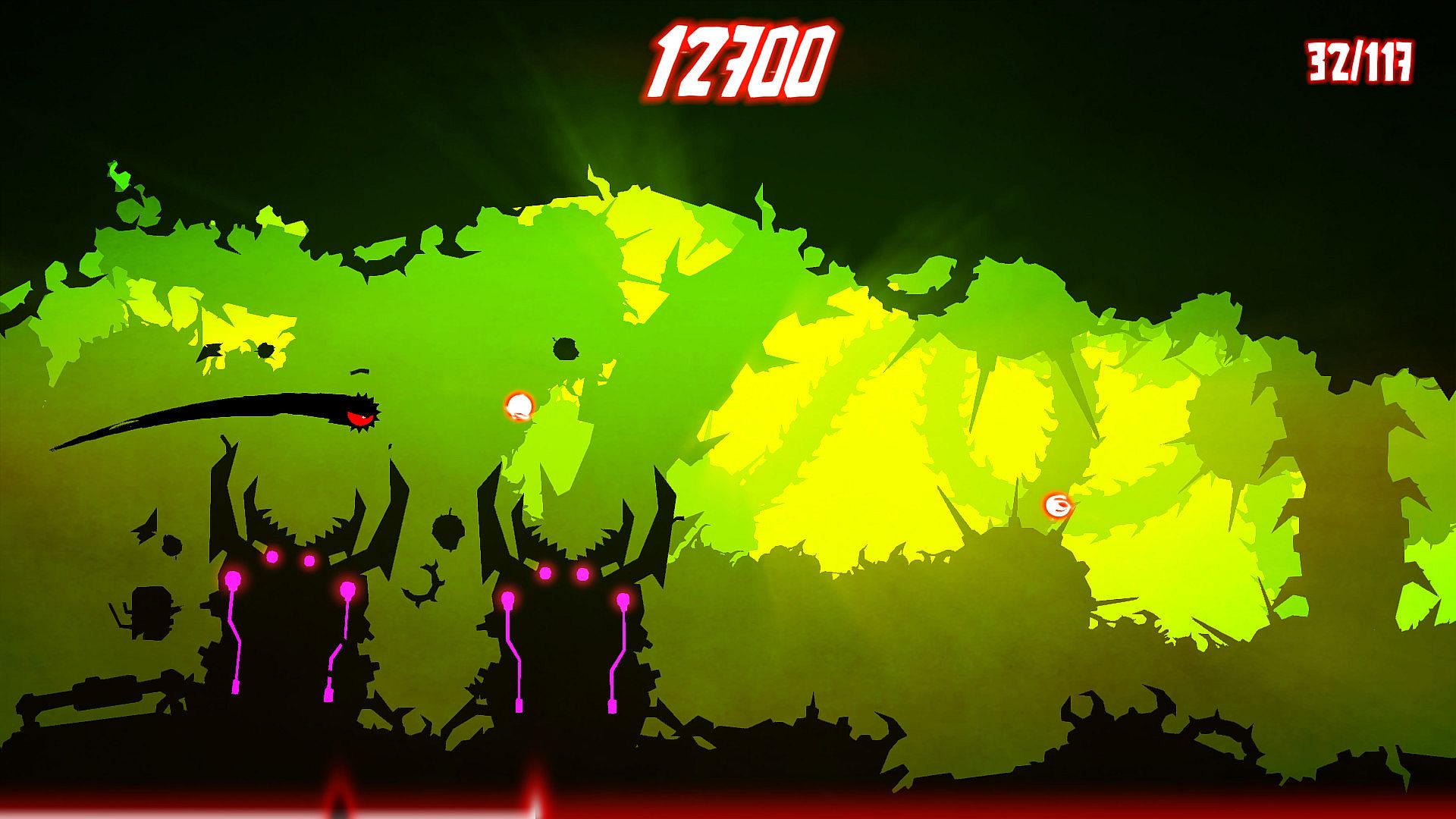
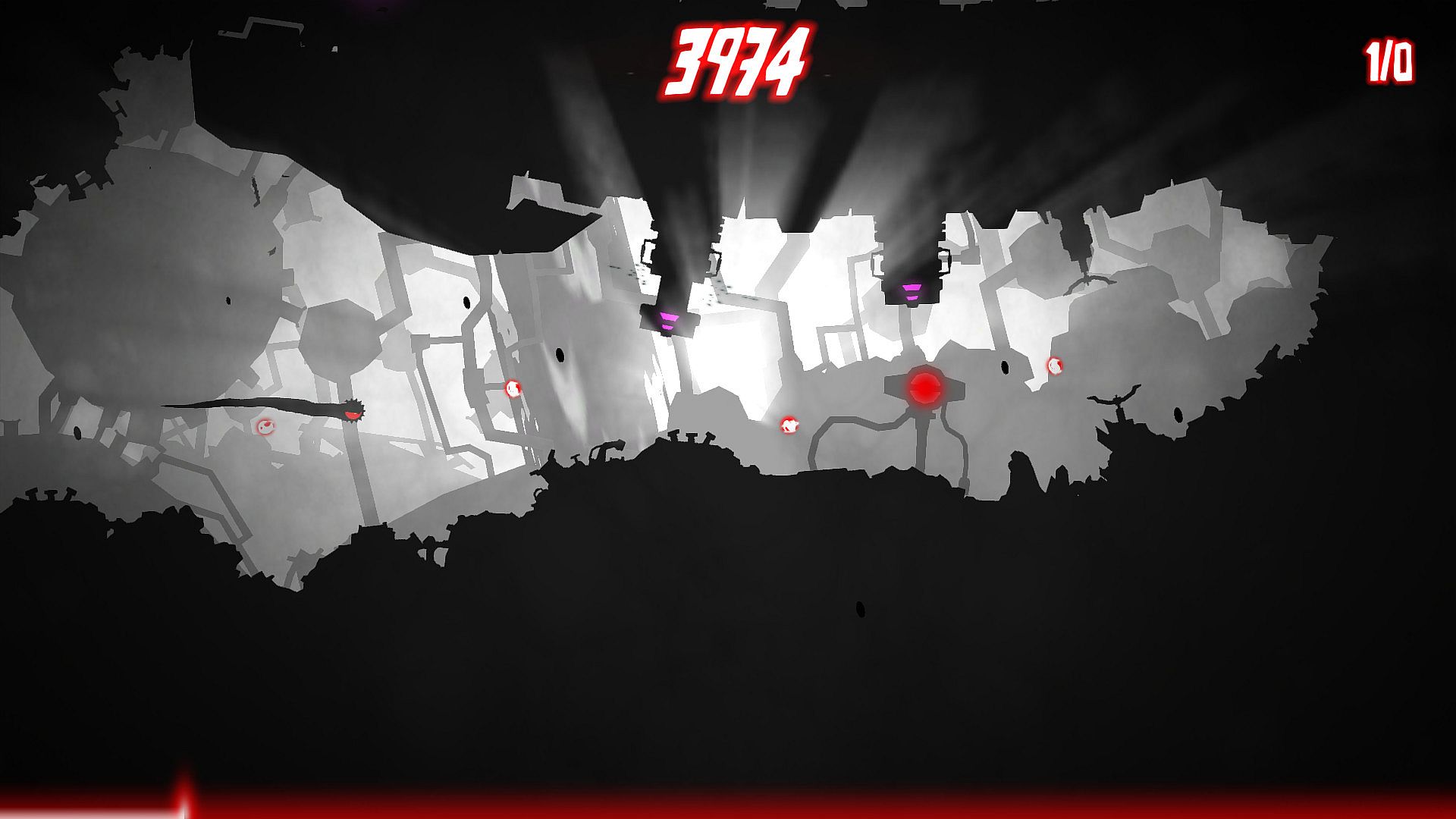
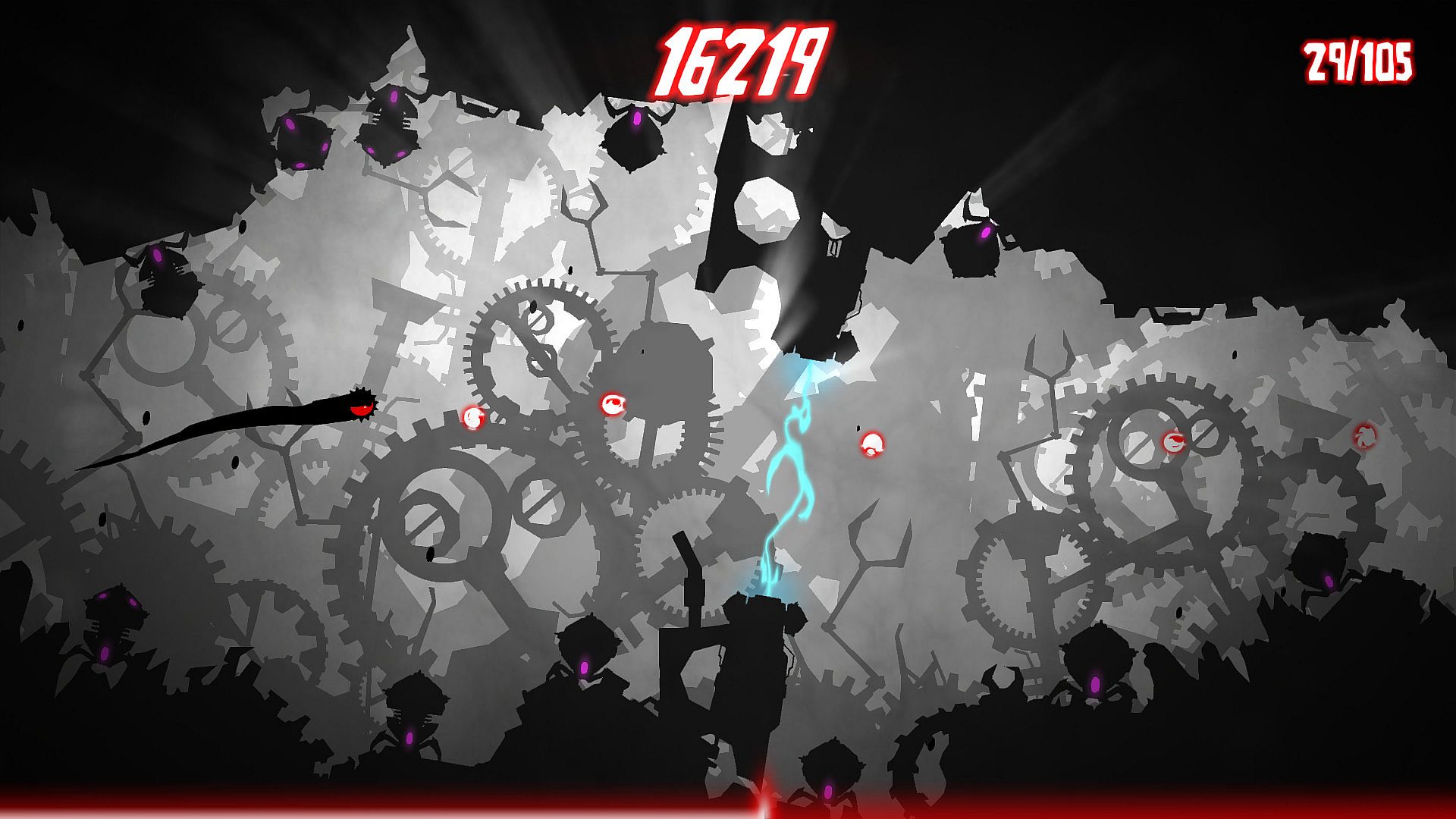
The central mechanic relies on a simple hold-to-rise and release-to-fall system that demands constant attention to timing and positioning. Each level unfolds as a fast-paced sequence where players must thread through narrow gaps, evade traps, and clear paths past enemies without losing momentum. Short animated cutscenes reveal fragments of the story behind the world's corruption, adding context without interrupting the flow. Boss encounters punctuate the later stages, requiring players to adapt their rhythm-based movements to larger, more aggressive patterns. Secrets scattered throughout the levels unlock cosmetic customization options once discovered. The monochromatic palette keeps the focus on silhouette and motion, while the music pulses in sync with the level design to heighten tension during demanding sections.
Game Modes
The game structures its content around fifteen fixed levels that progressively increase in complexity. Nightmare mode removes checkpoints and orbs, forcing a single continuous run with additional traps placed in the tightest corridors. An endless mode generates levels procedurally, allowing players to test endurance and consistency beyond the main campaign. These options provide distinct challenges for different skill levels, from structured progression to open-ended survival runs. The modes share the same core controls and music integration but alter the risk and length of each attempt.
Art Style and Atmosphere
A dark monochromatic aesthetic defines the visual identity, rendering environments in stark contrasts that emphasize movement and obstacles over detail. The style supports the intense, music-fueled pacing without visual clutter. Original tracks composed for each level blend drum and bass elements with jungle rhythms, creating an auditory layer that directly influences how players time their inputs. This combination of minimalist visuals and driving sound design reinforces the sense of urgency as corruption spreads through the world.
Is It Worth Playing?
Odium to the Core appeals most to players who enjoy high-precision, rhythm-influenced challenges that reward practice and focus. The single-button design lowers the barrier to entry while the increasing difficulty and optional modes extend replay value. Steam user reviews rate the experience positively overall, highlighting the tight controls and soundtrack as strengths for those comfortable with demanding side-scrollers. An update added the endless mode along with performance improvements, confirming ongoing accessibility on modern systems. Those seeking a concise yet punishing indie action game centered on balance and timing will find the title delivers consistent engagement without unnecessary complexity. The structure suits short sessions or longer attempts at mastery, depending on the chosen mode.