






Object Factory is a single-player strategy and simulation game that challenges players to build and refine production systems using basic geometric shapes. Developed as an indie title for PS4 and PS5, it blends puzzle elements with factory management, where the focus remains on spatial layout, resource flow, and incremental optimization rather than combat or narrative.
Gameplay
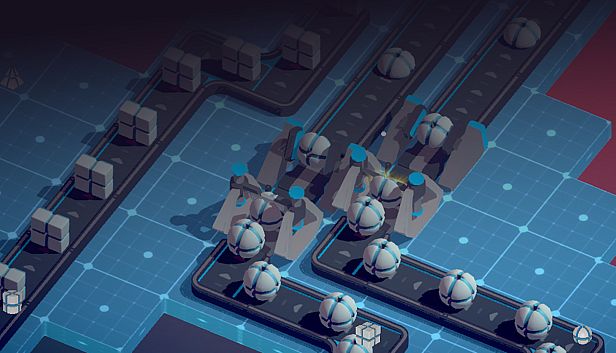
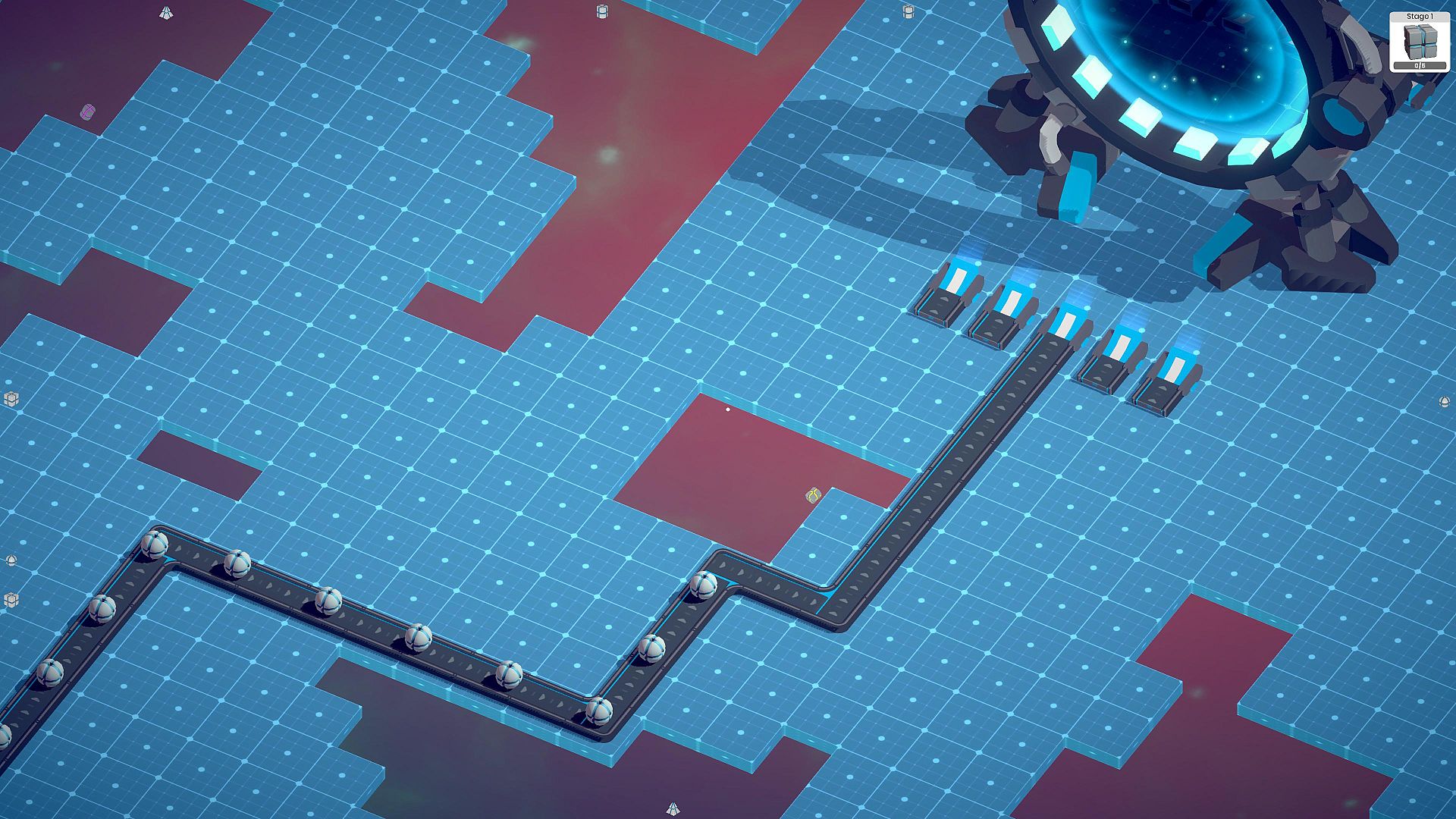
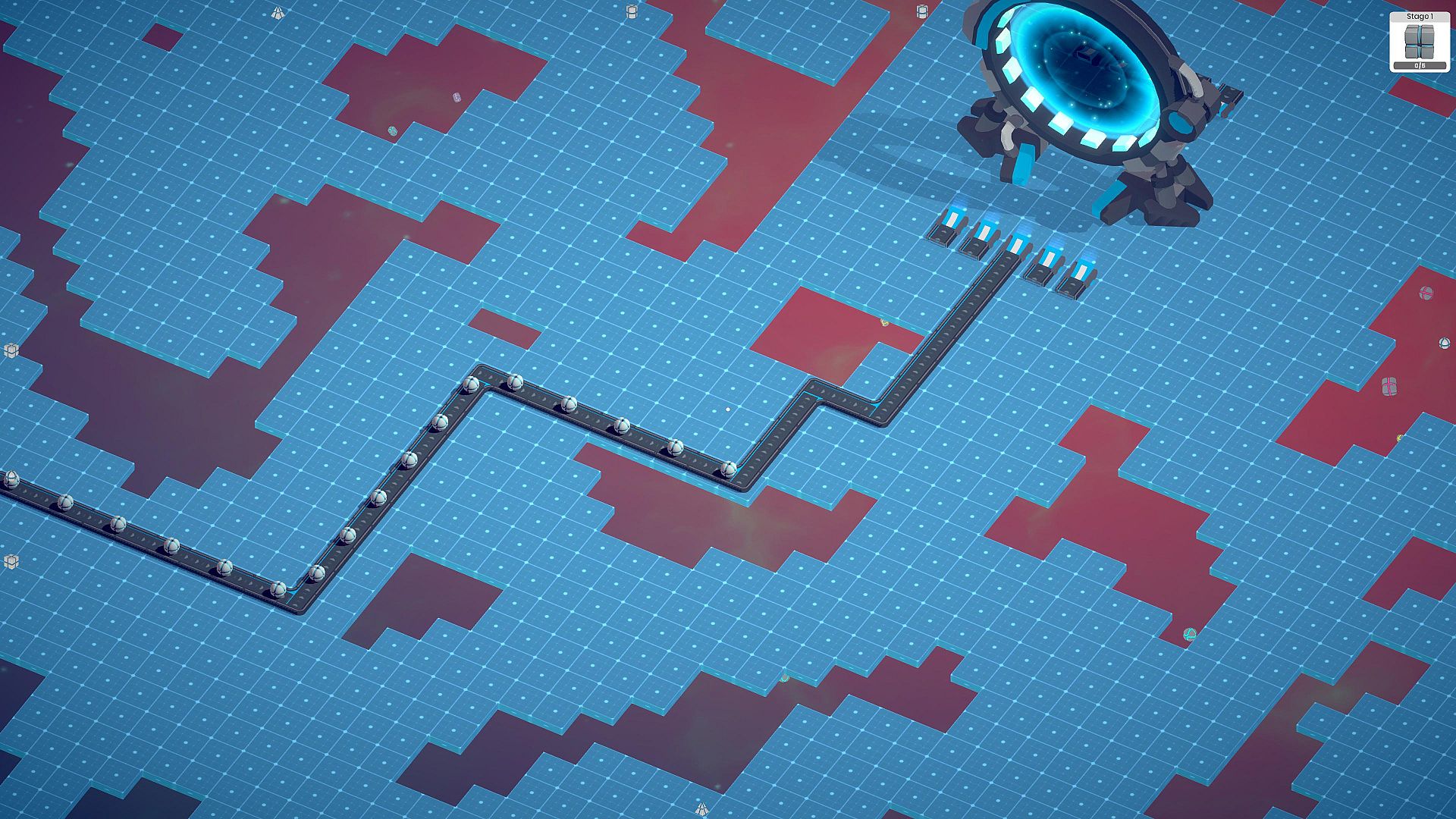
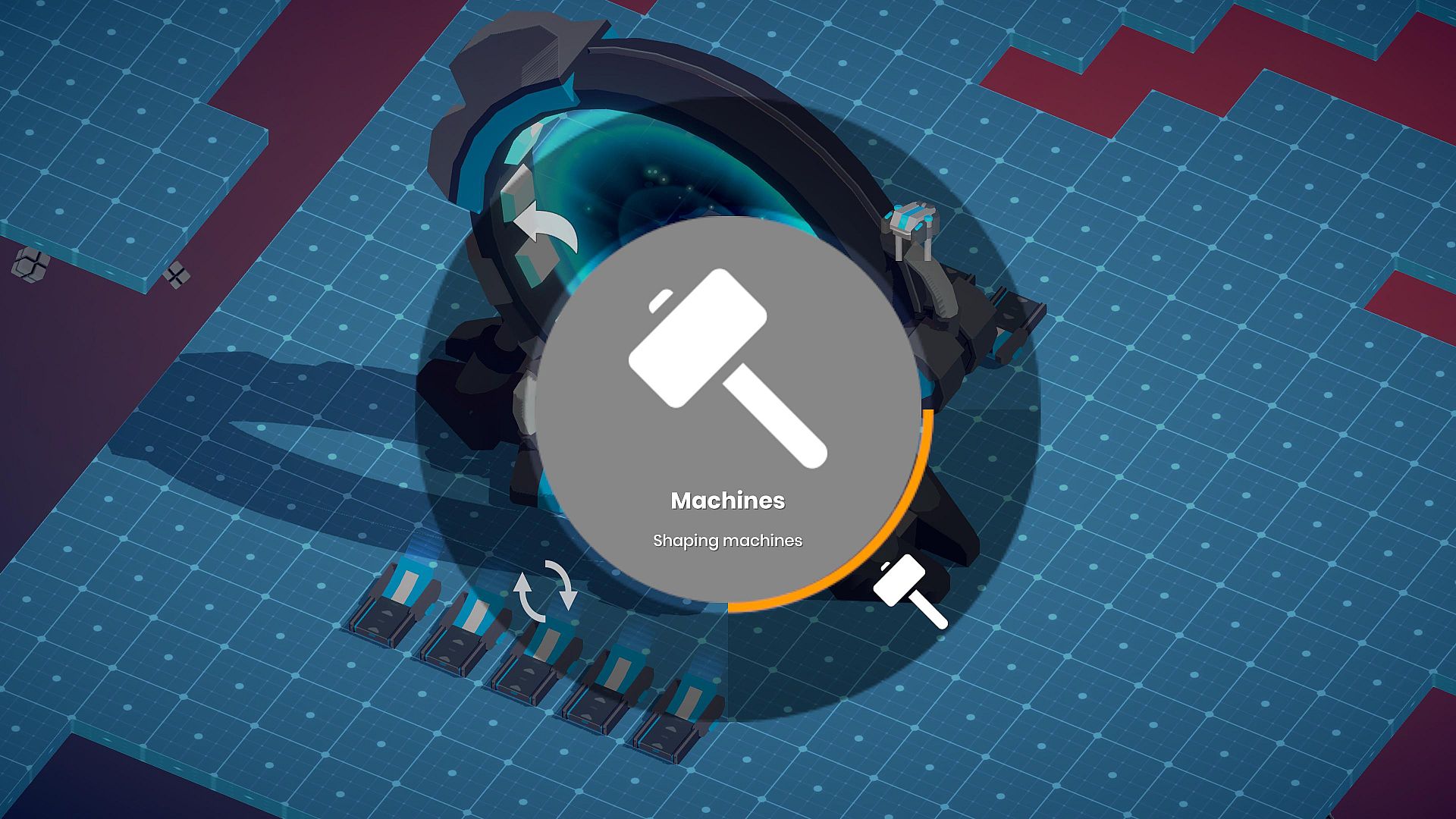
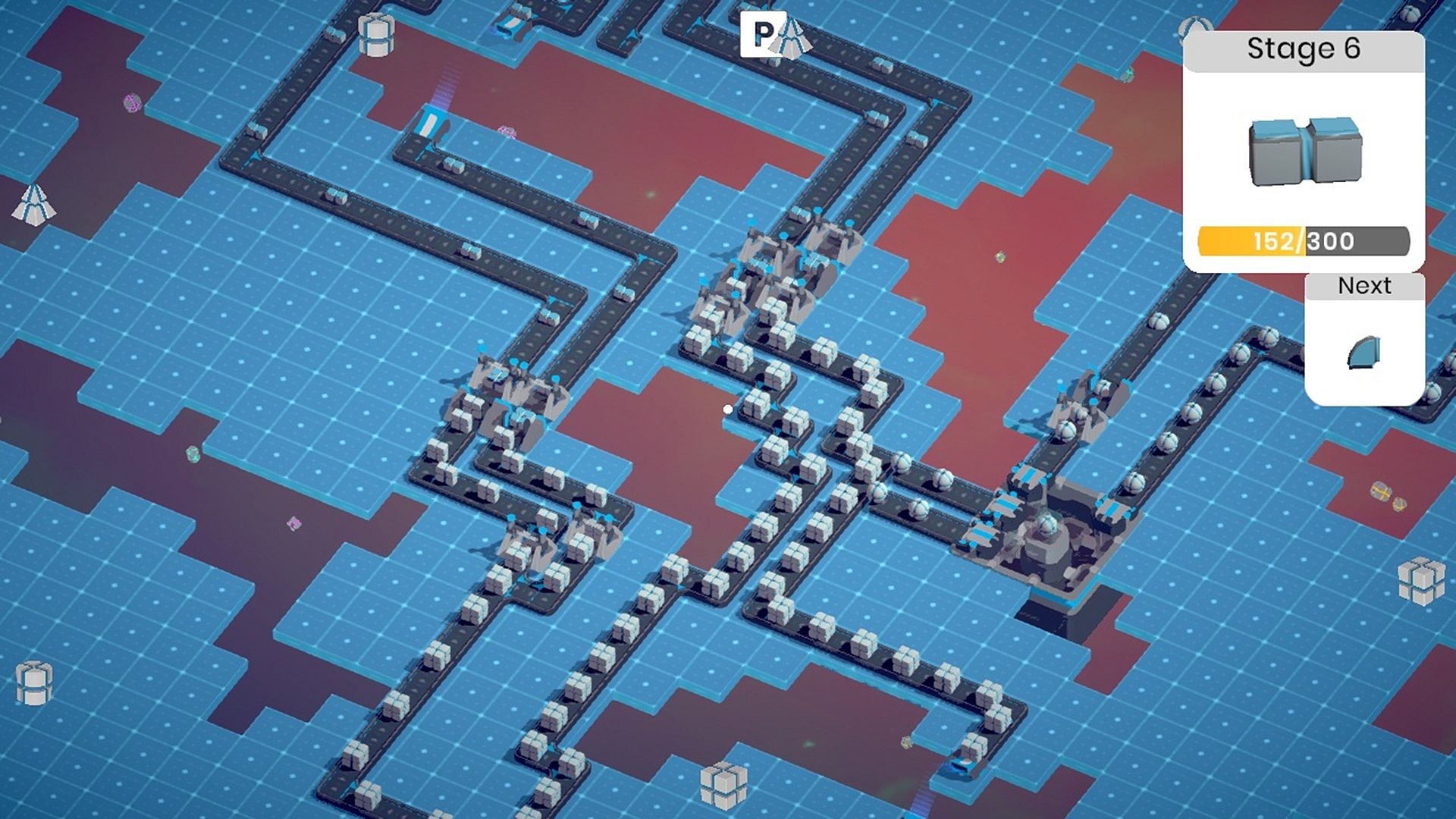
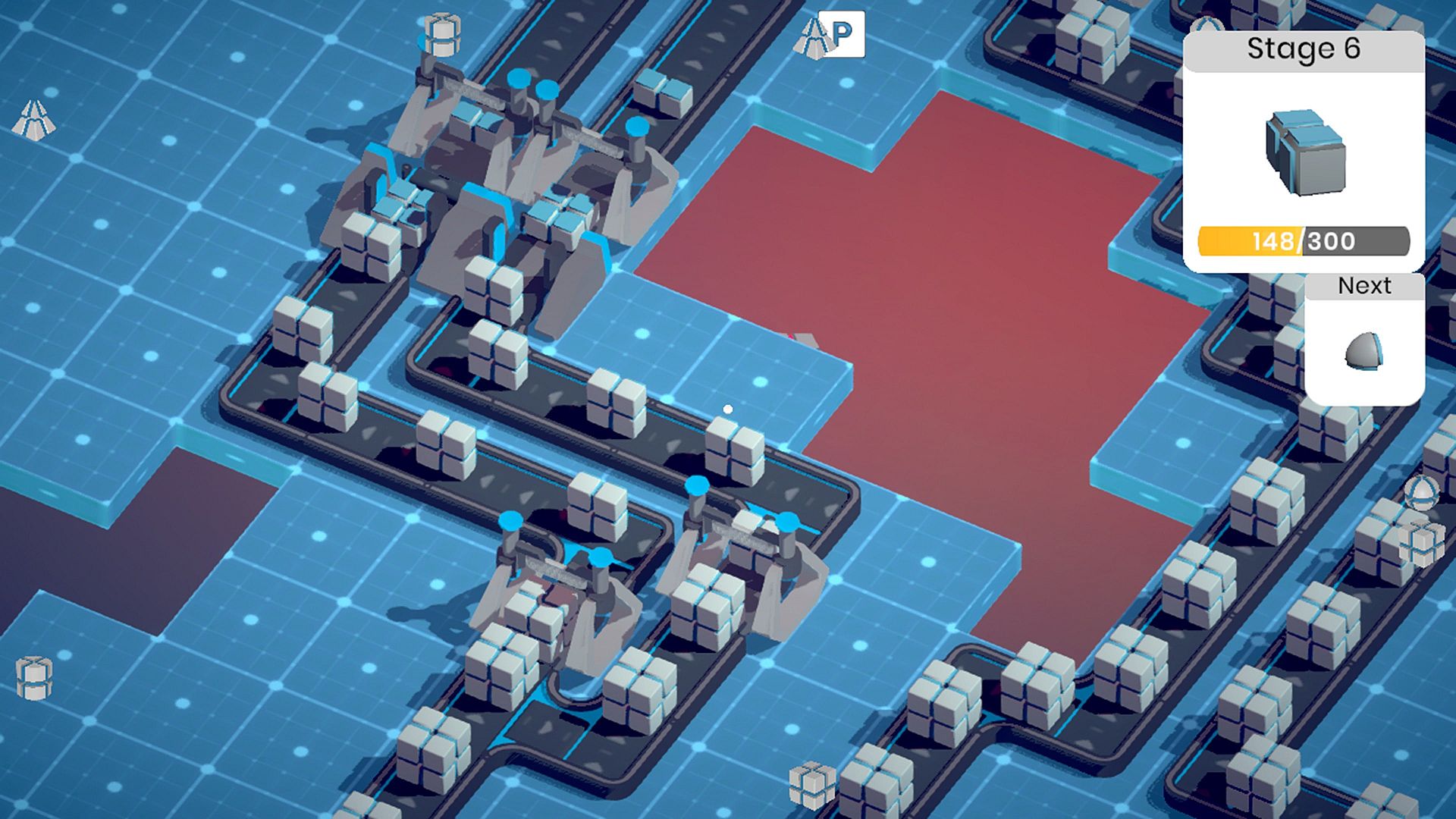
The core loop centers on placing machines and conveyors to process starting shapes into more intricate 3D forms. Players begin with spheres, cubes, pyramids, and cylinders, then apply cutting, rotating, joining, and other transformations to meet specific output requirements. Efficiency comes from careful routing to avoid bottlenecks, while time and resource constraints force repeated adjustments to layouts.
Shape manipulation adds precision: each primitive can be divided into smaller segments before recombination, creating opportunities for compact or specialized production paths. A modest tech tree unlocks additional machines and perks over time, expanding options without overwhelming the player with complexity. Procedural generation ensures that stage layouts vary, requiring fresh solutions even on repeat attempts.
Strategic decisions revolve around balancing throughput against available space and processing steps. Overbuilding leads to wasted resources, while under-optimized lines fail to deliver on time. The result is a steady rhythm of observation, tweaking, and testing that rewards methodical planning.
Game Modes
Progression follows a stage-based structure with fourteen distinct goals. Each stage presents a target object and constraints, guiding players through increasingly demanding production challenges. Completing these unlocks access to the endless creative or sandbox mode, where free-form building takes over without prescribed objectives.
Procedural elements keep the stage challenges dynamic, presenting new spatial puzzles each time. The transition to creative mode shifts emphasis toward experimentation and scale, allowing players to construct elaborate systems purely for their own satisfaction or efficiency records.
Core Mechanics and Progression
Production chains rely on a small set of core tools that grow through unlocks. Early stages emphasize basic cutting and joining, while later ones introduce refinements that support more complex assemblies. Players must adapt layouts to restrictions such as limited conveyor paths or processing speed, fostering creative problem-solving within tight parameters.
Resource management stays focused on the shapes themselves rather than abstract currencies. Every cut or join consumes or rearranges material, so waste reduction becomes part of the optimization process. This keeps attention on the physical flow of objects across the factory floor.
Is It Worth Playing?
Object Factory suits players who enjoy deliberate, single-player optimization puzzles in the factory-builder genre. Its minimalistic approach delivers clear feedback on layout choices, making it accessible for casual sessions while offering depth for those who iterate on designs. The fourteen stages provide a structured entry point before opening into unrestricted creative play.
Reception on the PlayStation Store sits at an average of 1.88 stars from 32 ratings, reflecting mixed responses to its focused scope and learning curve. Those drawn to spatial puzzles and incremental efficiency gains may find the systems engaging, particularly if they appreciate short-to-medium play sessions without multiplayer elements. The game remains a niche indie experience best suited to fans of similar automation titles who value precision over spectacle.